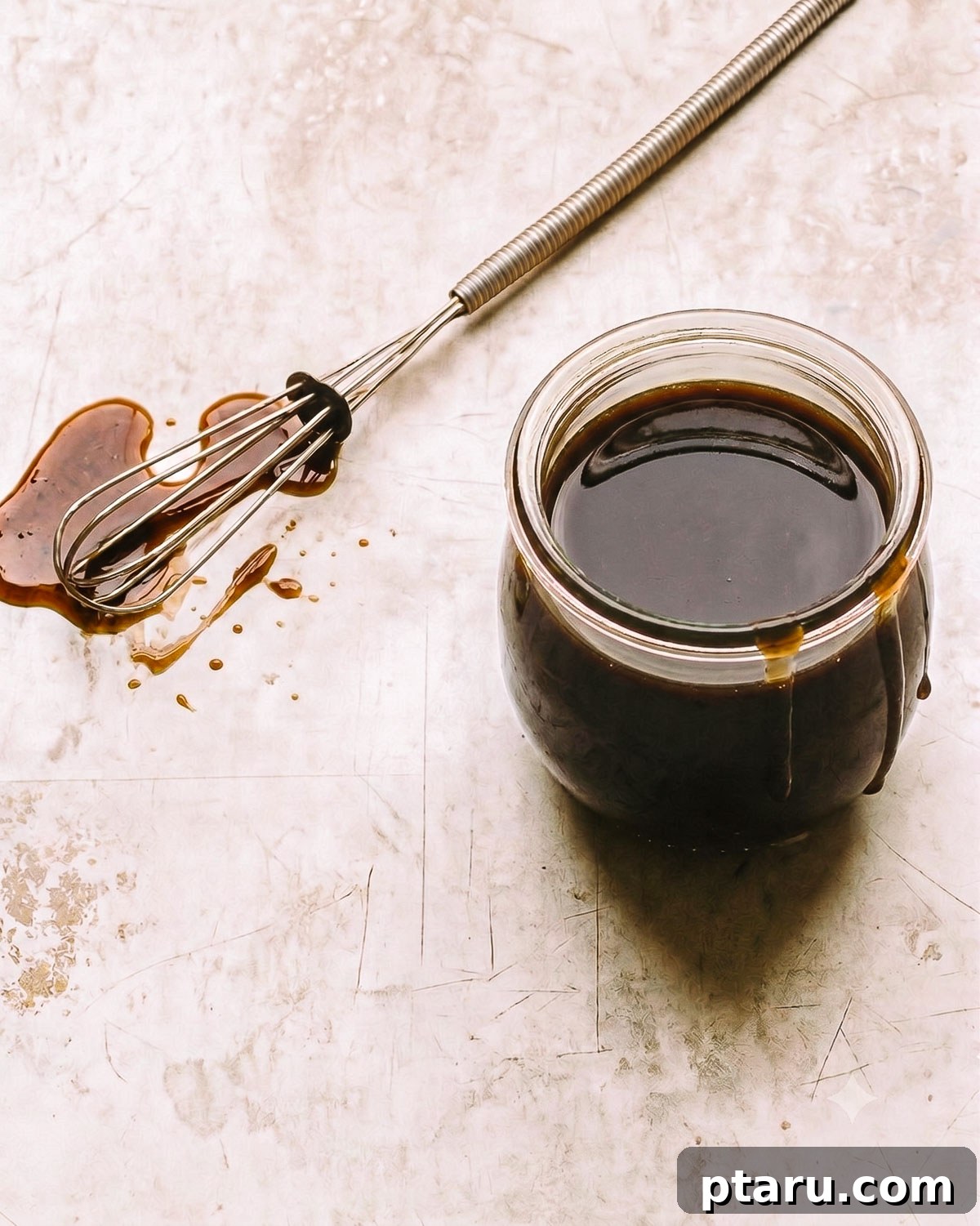
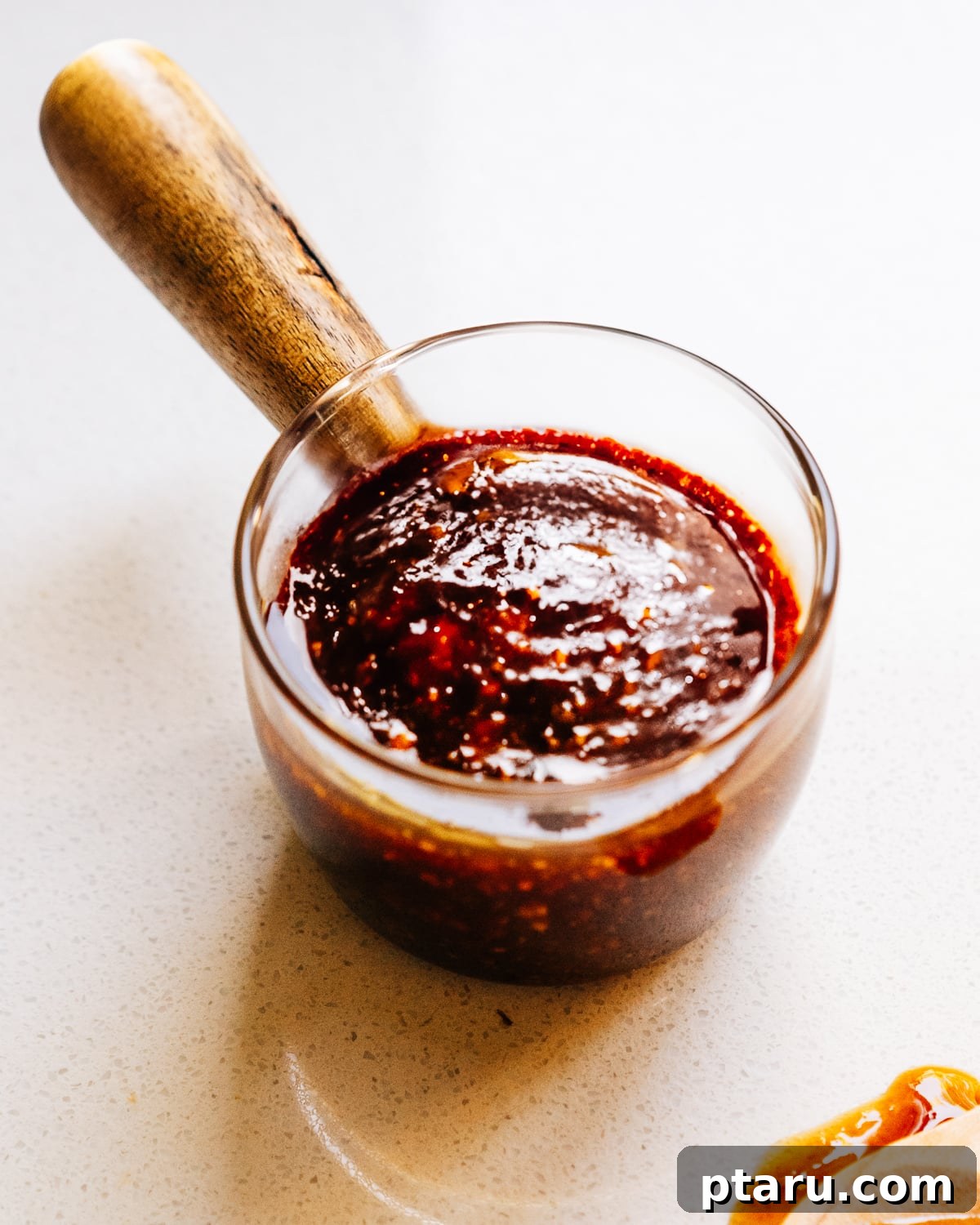
Say goodbye to mediocre store-bought options and hello to the most incredible Homemade Teriyaki Sauce Recipe you’ll ever make. This ridiculously easy 4-ingredient recipe transforms simple pantry staples into a glossy, deeply flavorful sauce in mere minutes. Forget artificial flavors and unnecessary additives; with the perfect ratio of soy, sugar, and starch, you’ll achieve a restaurant-quality teriyaki that you’ll want to drizzle on absolutely everything.
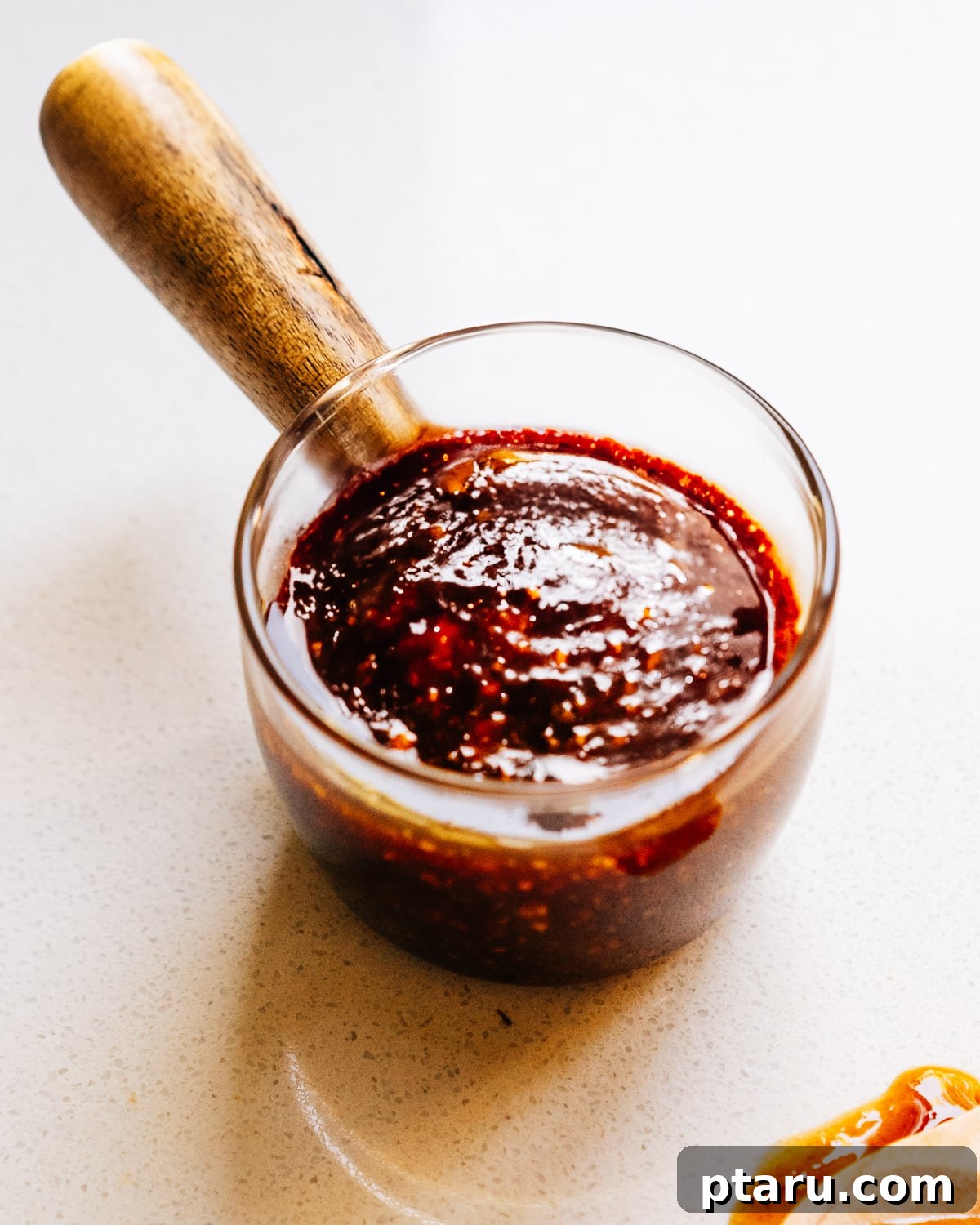
This teriyaki sauce recipe isn’t just a simple condiment; it’s a versatile flavor powerhouse that will become a staple in your kitchen. It’s hands-down one of my favorite go-to flavor boosters for a wide array of dishes. I regularly use it as a teriyaki chicken marinade, lending a rich, savory-sweet glaze to grilled chicken. It also shines as an irresistible dipping sauce for dumplings, spring rolls, or fresh vegetables. Moreover, it forms the delicious foundation for building the tastiest Teriyaki Bowls, transforming simple ingredients into a gourmet meal.
If you appreciate the simplicity and incredible taste of my easy 3-ingredient stir-fry sauce, then you are absolutely going to adore this teriyaki recipe. It’s designed to be quick, foolproof, and packed with authentic flavor, proving that the best culinary experiences often come from the simplest preparations.
Essential Ingredients for Homemade Teriyaki Sauce
You’ll be pleasantly surprised by how few ingredients are required to craft this luscious and authentic-tasting teriyaki sauce. Most of these items are likely already in your pantry, making this recipe incredibly convenient for a last-minute flavor fix.
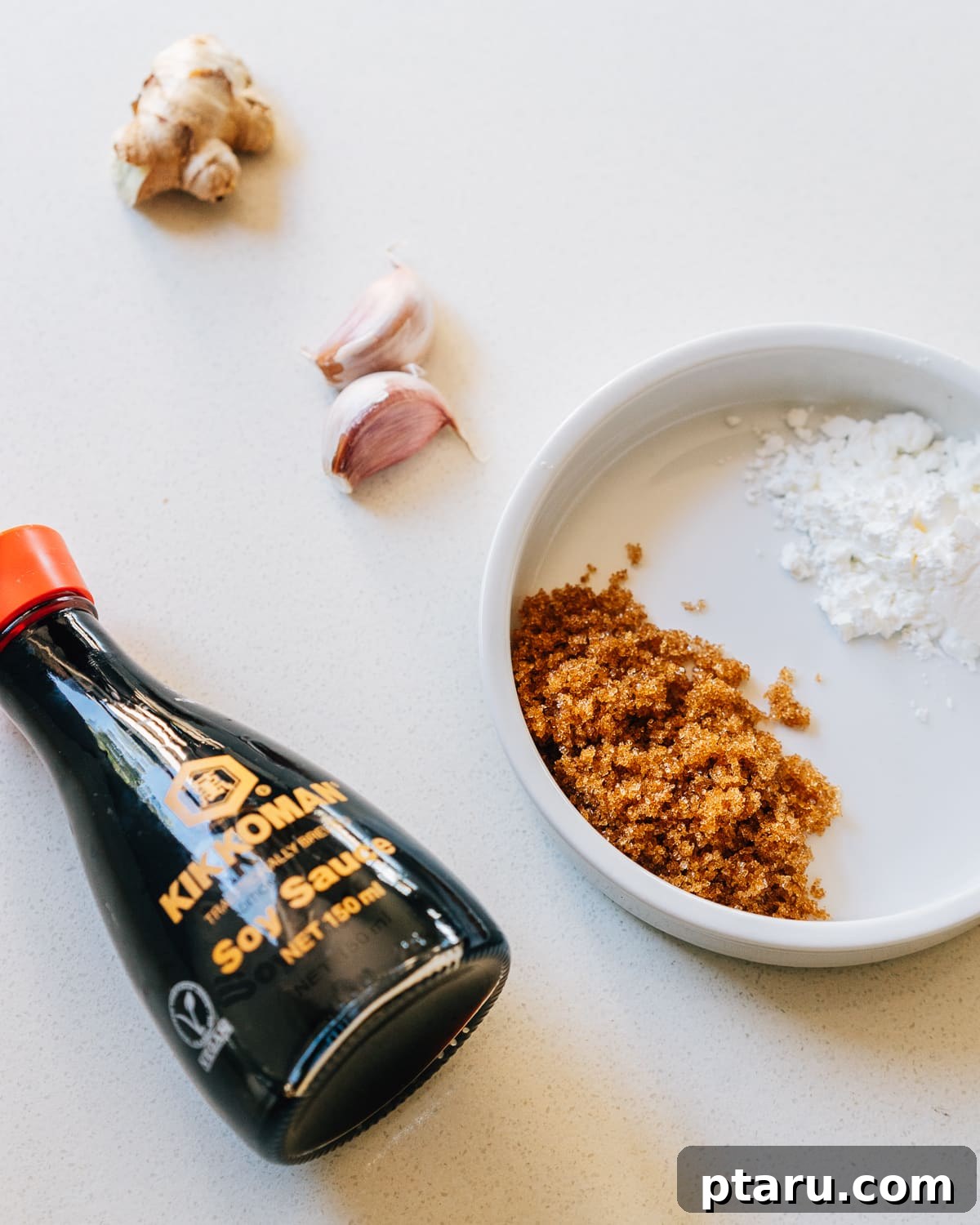
Teriyaki Sauce Ingredient List
- Brown Sugar: This is key for developing a beautiful caramel flavor and a rich, deep color that is characteristic of classic teriyaki. While traditional Japanese teriyaki often uses mirin for sweetness and shine, brown sugar simplifies the process without compromising on flavor, offering a more accessible ingredient for home cooks.
- Soy Sauce: The cornerstone of any teriyaki sauce, providing the essential umami and saltiness. You can use regular soy sauce for a bold flavor or opt for low-sodium soy sauce if you are managing your salt intake. For a gluten-free alternative, tamari is an excellent substitute.
- Cornstarch: This acts as our thickening agent, ensuring the teriyaki sauce achieves that signature glossy, rich consistency quickly and efficiently, without altering the flavor profile. It’s crucial for turning a watery mixture into a luxurious glaze.
- Garlic: Fresh garlic cloves, finely chopped or minced, provide a pungent, aromatic base that elevates the sauce’s complexity. The fresh notes are far superior to garlic powder, so I highly recommend using fresh whenever possible for the best results.
- Ginger: While optional, fresh ginger adds a bright, zesty, and subtly spicy warmth that truly enhances the sauce. Using freshly minced ginger makes a significant difference compared to powdered ginger, bringing a vibrant layer of flavor that complements the other ingredients perfectly.
- Water: Essential for diluting the soy sauce and dissolving the cornstarch properly, ensuring a smooth, lump-free sauce base before cooking.
Exact ingredient quantities and detailed instructions can be found in the comprehensive recipe card located at the bottom of this article.
Teriyaki Sauce Substitutions and Variations
One of the beauties of making teriyaki sauce from scratch is the flexibility to customize it to your taste or dietary needs. Explore these alternative ingredients and creative variations to make this homemade Teriyaki Sauce Recipe uniquely yours:
- Soy Sauce Alternatives: To create a delicious gluten-free teriyaki sauce, simply swap regular soy sauce for tamari, which offers a similar umami depth without the wheat. Another excellent gluten-free and soy-free option is coconut aminos, providing a slightly sweeter profile.
- Sweetener Options: If brown sugar isn’t available or you prefer an alternative, consider using coconut sugar for a similar caramel note, or natural sweeteners like honey or maple syrup. Keep in mind that these substitutions may slightly alter the final flavor and viscosity of the sauce, so adjust to your preference.
- Flavor Enhancements and Add-ins:
- Spicy Kick: For those who love a bit of heat, a pinch of crushed red pepper flakes or a dash of sriracha can add a delightful warmth.
- Nutty Aroma: A tiny splash of toasted sesame oil, added *after* cooking, infuses the sauce with a rich, nutty fragrance.
- Bright Citrus Notes: Fresh orange or lime zest can introduce a bright, tangy counterpoint, lifting the sauce’s overall profile.
- Deep Umami: A teaspoon of rice vinegar can balance the sweetness and saltiness, adding a subtle tang. For a more traditional depth, a touch of sake or mirin (if you choose not to simplify with brown sugar alone) can enhance the authentic Japanese flavor.
Simple Tools for Sauce Success
You won’t need any fancy gadgets to whip up this amazing sauce. Gather a sturdy chopping board and a sharp knife for mincing your fresh garlic and ginger. A small saucepan and a reliable whisk are all that’s required to bring this glossy glaze to life. It truly is that straightforward!
How to Make Homemade Teriyaki Sauce: A Step-by-Step Guide
Creating this glossy, silky teriyaki sauce is incredibly simple, requiring minimal effort and time. Follow this easy, step-by-step guide to achieve perfect results every time:
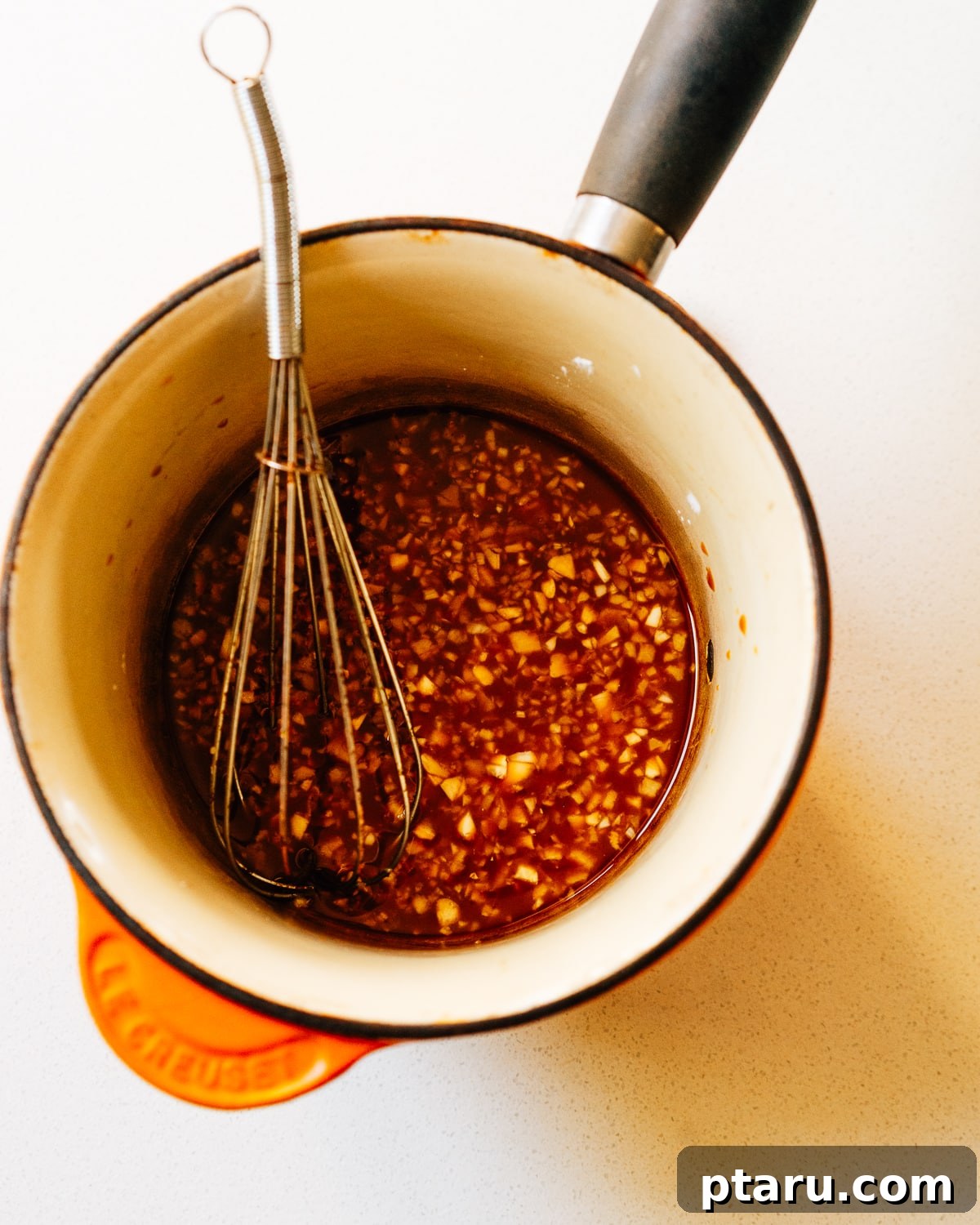
Step 1: Combine Ingredients in a Pan (Off Heat)
In a small saucepan, before applying any heat, combine all your teriyaki sauce ingredients: soy sauce, water, brown sugar, cornstarch, minced garlic, and minced ginger. Whisk these together thoroughly until the mixture is completely smooth and the cornstarch is fully dissolved. This crucial step prevents any lumps from forming during cooking, ensuring a silky-smooth sauce.
Step 2: Cook the Sauce to Perfection
Place the saucepan over medium-high heat. Continuously whisk the mixture as it gradually comes to a strong simmer. Once simmering vigorously, reduce the heat to low and continue to gently simmer for another 3 minutes. During this time, the sauce will visibly thicken and transform into a beautiful, glossy glaze. The cornstarch activates with heat, thickening the liquid to its ideal consistency. Remember, it will continue to thicken slightly as it cools.
Make Ahead and Storage Tips for Teriyaki Sauce
Homemade teriyaki sauce is perfectly suited for preparing in advance. In fact, allowing the sauce to rest often helps the flavors meld and deepen, resulting in an even more delicious product. Once cooked, always ensure the sauce cools completely to room temperature before storing.
Storing Your Teriyaki Sauce
- Refrigerator: Transfer the cooled sauce into an airtight container or a glass jar with a tight-fitting lid. When stored properly in the refrigerator, your homemade teriyaki sauce will stay fresh and flavorful for up to one week.
- Before Use: It’s natural for some settling or slight separation to occur during storage. Simply give the container a good shake or stir with a whisk before using to bring it back to its uniform consistency.
Freezing for Longer Shelf Life
- Freezer-Friendly: Teriyaki sauce freezes exceptionally well, making it ideal for meal prepping or having on hand whenever a craving strikes. Pour the sauce into a freezer-safe container, leaving a little headspace for expansion.
- Portioning: For ultimate convenience, consider pouring the sauce into ice cube trays. Once frozen solid, transfer the individual teriyaki cubes to a large resealable freezer bag. This allows you to thaw only the amount you need.
- Freezer Duration: Stored correctly in the freezer, the sauce will maintain its quality for up to three months.
- Thawing & Reheating: When ready to use, thaw the frozen sauce overnight in the refrigerator.
Reheating Your Homemade Teriyaki Sauce
- Gentle Reheat: To reheat, place the thawed or refrigerated sauce in a small saucepan over low heat. Stir occasionally until it is warmed through.
- Adjusting Consistency: If the sauce has thickened too much upon cooling or reheating, simply add a splash of water, chicken broth, or even a little extra soy sauce, stirring until it reaches your desired consistency.
- Avoid Boiling: Be careful not to boil the sauce rapidly or reheat it over high heat, as this can alter its texture and sometimes even scorch the sugar, affecting the taste.
Avoid These 4 Common Teriyaki Sauce Mistakes
Even though this recipe is incredibly simple, there are a few common pitfalls that home cooks might encounter. By being aware of these, you can ensure your homemade teriyaki sauce is perfect every single time:
1. Adding Cornstarch Too Late: This is arguably the most frequent mistake. If you introduce cornstarch directly into a hot or simmering liquid, it will almost certainly clump up, leaving you with a lumpy, uneven sauce.
**Solution:** Always, always whisk the cornstarch into cold or room-temperature liquids (like water or soy sauce) until fully dissolved *before* you apply any heat. This creates a smooth slurry that integrates seamlessly into your sauce as it cooks.
2. Skipping the Simmer: A common misconception is that simply heating the sauce will thicken it. However, the cornstarch needs sufficient heat and time to activate and properly gelatinize. Not allowing the sauce to simmer for the recommended duration can leave it too thin and watery.
**Solution:** Bring the sauce to a strong simmer and then reduce the heat to low, allowing it to gently simmer for at least 3 minutes. This controlled simmering period is essential for the cornstarch to fully work its magic, and remember, the sauce will continue to thicken as it cools.
3. Using Only Soy Sauce: While soy sauce is the base, a teriyaki sauce made solely with it will taste overwhelmingly salty and lack depth, resulting in a flat, one-dimensional flavor profile. A truly exceptional teriyaki sauce is all about balance.
**Solution:** Balance the intense saltiness of soy sauce with sweeteners like brown sugar or honey, and introduce aromatic elements such as fresh garlic and ginger. These additions contribute sweet, savory, and pungent notes that create a well-rounded and complex flavor.
4. Over-Reducing the Sauce: Letting the sauce cook for too long or at too high a heat can lead to several undesirable outcomes. It can become overly thick and sticky, resembling a syrup rather than a glaze, or even worse, the sugars can burn, imparting a bitter, unpleasant taste.
**Solution:** Stick to the recommended simmering time. Keep in mind that the sauce’s consistency will continue to develop and thicken slightly as it cools. If it seems a little thinner than desired right off the heat, trust the process and allow it to cool before judging its final texture.
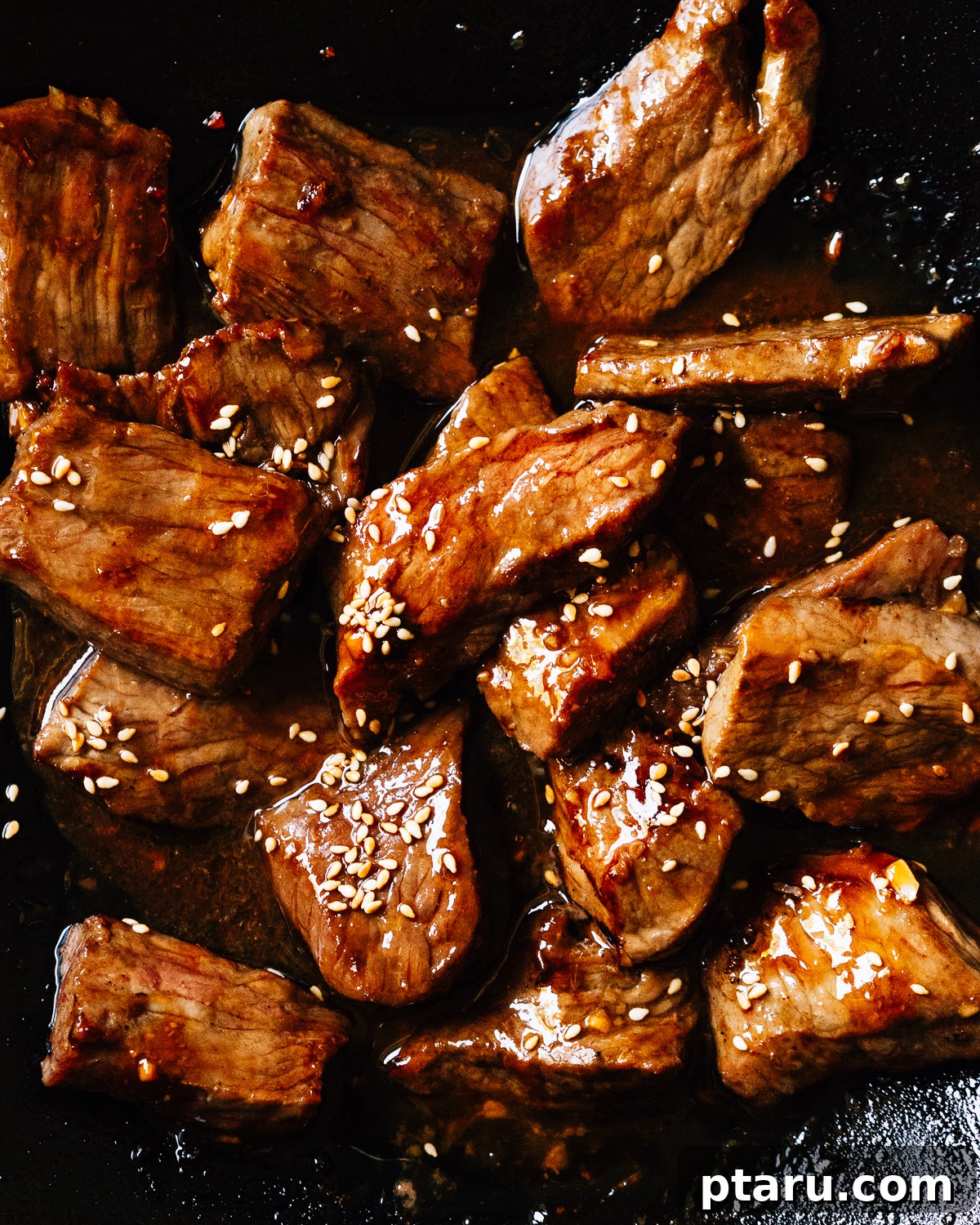
Delicious Ways to Serve This Versatile Teriyaki Sauce
The beauty of this homemade teriyaki sauce lies in its incredible versatility. It’s not just a sauce; it’s a foundation for countless delectable meals. I absolutely love using this base recipe to create vibrant and flavorful dishes like Chicken Teriyaki Bowls, savory pork, succulent Beef Teriyaki, zesty Teriyaki Shrimp, flavorful tofu, crisp glazed veggies, or flaky Teriyaki Salmon! The possibilities are endless, and it never gets old.
To complete your meal, pair any of these easy teriyaki-glazed proteins with a satisfying side:
- Perfect Rice Options: A side of perfectly cooked Sushi Rice, quick and easy Microwave Rice, or my simple Instant Pot Rice.
- Noodle Delights: Transform your meal with a bed of flavorful noodles, such as my refreshing Cold Peanut Noodles, spicy Chili Oil Ramen, or classic Chow Mein Noodles.
- Steamed Vegetables: Broccoli, snap peas, carrots, or bell peppers, lightly steamed and then tossed with a bit of the teriyaki sauce, make for a healthy and vibrant addition.
- As a Dipping Sauce: Serve it alongside spring rolls, potstickers, or even grilled skewers for an extra burst of flavor.
Pro Tips and Science-Backed Secrets for the Best Teriyaki Sauce
Through countless batches, I’ve refined the art of making this Teriyaki Sauce Recipe, discovering a few secrets and pro tips that guarantee perfect results every time:
- Simmer for That Signature Shine: The gentle simmering process is critical. It not only activates the cornstarch to thicken the sauce but also concentrates the flavors and creates that desirable, glossy finish. Don’t rush this step; it’s where the magic happens!
- Always Make a Slurry: To completely banish lumps and ensure a silky-smooth sauce, always dissolve the cornstarch in a small amount of cold liquid (water or a portion of the soy sauce) before adding it to the rest of the ingredients. This pre-mix, known as a slurry, ensures even thickening.
- Embrace Flavor Layering with Aromatics: Garlic and ginger are more than just aromatic additions; they provide crucial depth. Fresh ginger contributes a subtle heat and bright, pungent notes, while garlic brings an essential umami richness and savory foundation to the sauce.
- The Art of Balancing Flavors: A truly great teriyaki sauce strikes a delicate balance. The sweetness from the brown sugar is vital for offsetting the intense saltiness of the soy sauce and enhancing the overall flavor profile. Consider adding a touch of acid, such as rice vinegar or a squeeze of citrus juice, to lift and brighten the sauce, preventing it from tasting heavy.
- Add Delicate Flavors After Cooking: Ingredients with volatile aromas and flavors, like toasted sesame oil or fresh citrus zest, are best added *after* the sauce has finished simmering and is off the heat. This preserves their delicate notes, ensuring maximum freshness and impact without being cooked away.
Frequently Asked Questions About Homemade Teriyaki Sauce
Absolutely! This sauce works beautifully as a marinade for various proteins, including chicken, tofu, salmon, or beef. If you intend to use it for both marinating and as a serving sauce, remember to set aside a portion of the fresh sauce *before* it comes into contact with any raw meat to prevent cross-contamination.
There are a couple of common reasons. Firstly, the sauce might need to simmer a bit longer; cornstarch requires adequate heat and time to fully activate. Secondly, double-check that your cornstarch-to-liquid ratio is correct as per the recipe. Most importantly, ensure the cornstarch was properly dissolved in cold liquid to form a smooth slurry *before* adding it to the heat.
Traditional soy sauce contains wheat, meaning most commercial teriyaki sauces are not gluten-free. To ensure your homemade teriyaki sauce is gluten-free, simply use tamari or a certified gluten-free soy sauce alternative. This simple swap makes the recipe accessible to those with gluten sensitivities.
You can certainly adjust the sweetness. While sugar is crucial for the classic teriyaki flavor and glaze, you can substitute brown sugar with alternatives like honey, maple syrup, or low-glycemic sweeteners such as coconut sugar or monk fruit. Be aware that these substitutions may slightly alter the flavor profile and the final texture of the sauce.
More Delicious Asian-Inspired Recipes to Explore
- Flavorful Ground Beef Stir Fry
- Healthier Honey Garlic Chicken
- Classic Beef Broccoli Stir Fry
- Sticky and Spicy Gochujang Chicken
- Authentic Korean Short Ribs Recipe
Pin
4-Ingredient Teriyaki Sauce Recipe (So Easy!)
Jennifer Pallian BSc, RD
2 minutes
3 minutes
4
Ingredients
- ¼ cup soy sauce
- 2 ½ tbsp brown sugar
- 1½ tsp cornstarch
- 2 tsp minced garlic about 2 cloves
- ½ tsp minced ginger optional
- ¼ cup cold water
To Serve:
- 1 lb chicken, shrimp, beef, or tofu see notes
Instructions
-
In a small saucepan, *off the heat*, whisk together soy sauce, brown sugar, cornstarch, minced garlic, minced ginger, and ¼ cup cold water until completely smooth. Ensure the cornstarch is fully dissolved to prevent lumps.
-
Place the saucepan over medium-high heat. Bring the mixture to a strong simmer, whisking continuously. Once simmering, reduce the heat to low and continue to simmer for another 3 minutes, or until the sauce thickens into a glossy glaze. It will thicken further as it cools.
To Cook with Protein
-
Heat a tablespoon of oil in a large skillet or wok over medium-high heat. Add your desired protein (chicken, shrimp, beef, or tofu) to the pan and cook until it is beautifully browned and fully cooked through. This typically takes 4–7 minutes per side, depending on the cut and thickness.
-
Once the protein is cooked, pour in the prepared teriyaki sauce. Stir gently but thoroughly until the protein is evenly coated and glistening with the glossy sauce, usually about a minute. Serve immediately with your favorite sides.
Notes
- For full, detailed instructions on making Chicken Teriyaki, refer to my comprehensive Teriyaki Bowl recipe. (If you have extra time, this sauce also works perfectly as a Teriyaki Chicken Marinade!)
- Find complete instructions for preparing delicious Teriyaki Shrimp on my blog.
- And here’s how to create mouth-watering Beef Teriyaki.
Additional Tips:
The sauce will naturally thicken further as it cools, so keep this in mind when judging its consistency straight off the stove.
While the sauce may taste quite salty on its own, it is intentionally formulated to fully season the food it cooks with, eliminating the need for additional salt during your meal preparation.
Nutrition
Carbohydrates: 9g |
Protein: 0.1g |
Fat: 0.01g |
Saturated Fat: 0.003g |
Polyunsaturated Fat: 0.003g |
Sodium: 3mg |
Potassium: 17mg |
Fiber: 0.04g |
Sugar: 7g |
Vitamin A: 0.1IU |
Vitamin C: 0.5mg |
Calcium: 9mg |
Iron: 0.1mg
Nutrition information is automatically calculated and should be used as an approximation.
Tried this recipe? Share your thoughts!
We’d love to hear how it turned out for you. Leave a comment below!