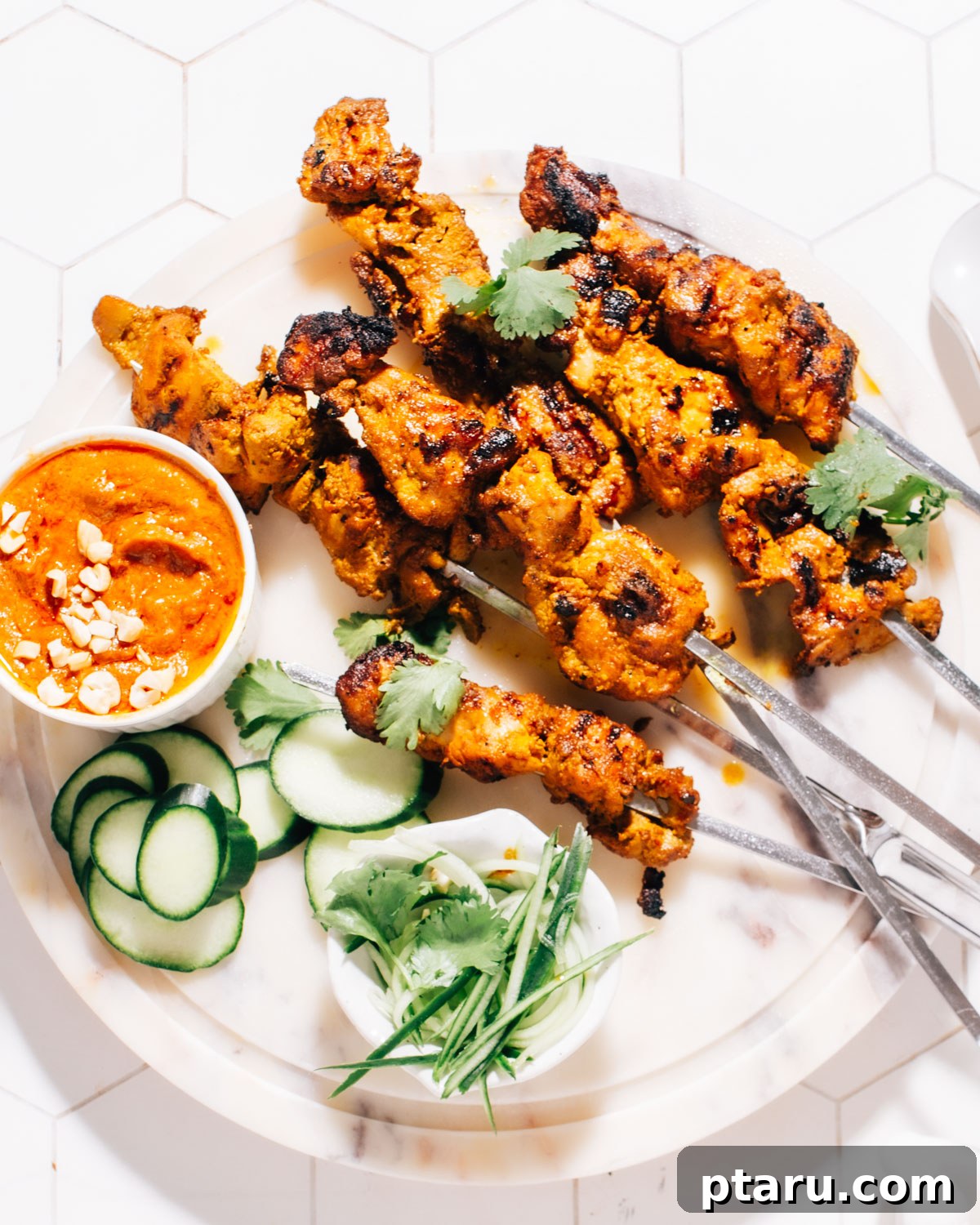
Embark on a culinary journey to Thailand with this incredibly easy and authentic Thai Satay recipe. Prepare yourself for irresistibly juicy chicken satay skewers infused with vibrant spices and served alongside a truly addictive, velvety peanut sauce that will have you coming back for more. This isn’t just a meal; it’s an experience designed to bring the exotic flavors of Thailand straight to your kitchen, ensuring succulent results every time.
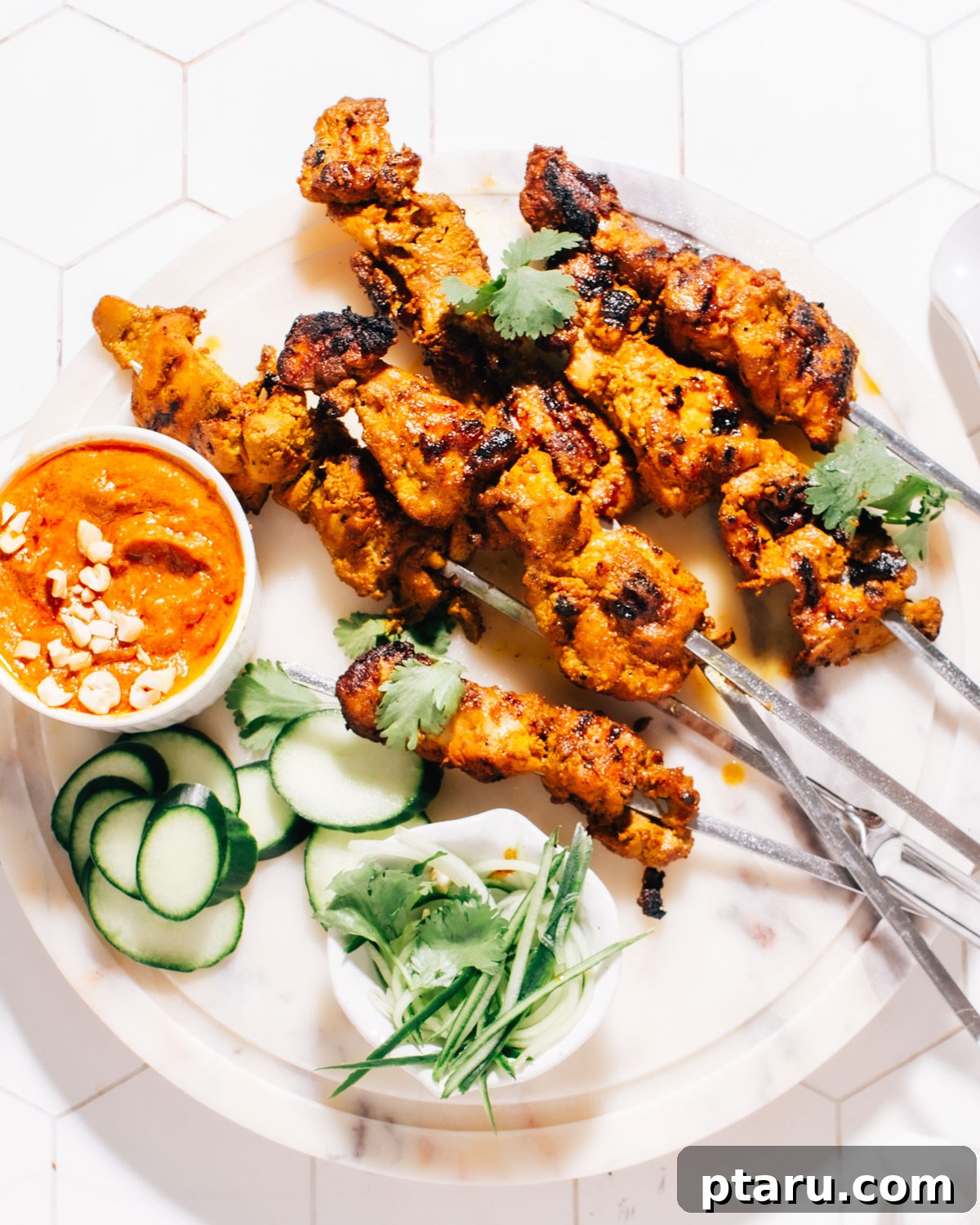
Thai Satay: The Ultimate Homemade Recipe
There’s a compelling reason why Thai Satay remains a global culinary favorite. Its harmonious combination of tender, spice-marinated meat and a rich, creamy dipping sauce creates a symphony of flavors that is both comforting and exhilarating. This recipe focuses on delivering an authentic taste with minimal fuss, ensuring that even novice cooks can achieve restaurant-quality results in their own homes. We’ll guide you through creating incredibly tender, grilled chicken skewers that absorb every nuance of the aromatic marinade, paired with a homemade peanut sauce so good, you’ll want to savor every last drop. Say goodbye to dry, bland chicken; our meticulously crafted method guarantees succulent and flavorful skewers every single time.
Here’s What You Need: Essential Ingredients for Thai Satay
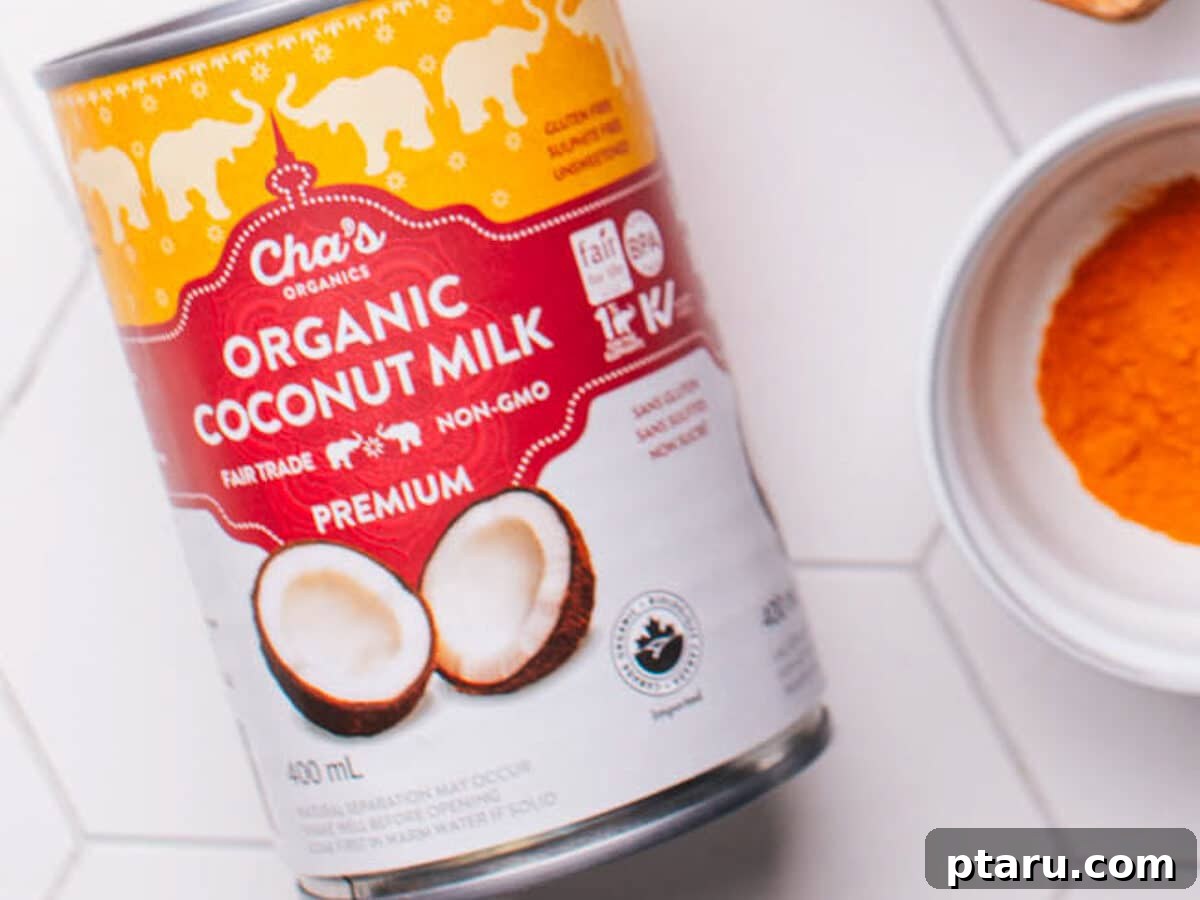
Thai Satay Marinade Ingredients
The magic of authentic Thai Satay truly begins with its marinade. This isn’t just any marinade; it’s a carefully balanced blend of sweet, savory, and aromatic spices that not only tenderizes the chicken but also infuses it with those unmistakable Thai flavors we all love. Here’s a detailed look at what you’ll need to create these beautiful chicken satay skewers:
- Boneless, Skinless Chicken Breast or Thighs: For the ultimate juicy and flavorful results, we highly recommend using chicken thighs. Their naturally higher fat content ensures the chicken remains incredibly tender and moist even after grilling. If you prefer white meat, chicken breast works beautifully too, just be extra vigilant not to overcook it. Regardless of your choice, cut the chicken into thin, uniform strips to ensure even cooking and maximum surface area for the marinade to work its magic.
- Coconut Milk: A cornerstone of Thai cuisine, coconut milk provides a rich, creamy base for the marinade. It plays a dual role: it helps to tenderize the chicken and acts as an excellent carrier for all the vibrant spices. Always remember to shake the can vigorously before opening to ensure the cream and liquid are fully reincorporated. For an extra fresh dimension, consider making your homemade coconut milk.
- Soy Sauce: This staple ingredient adds a fundamental salty and umami depth that is crucial to the marinade’s overall flavor profile. For those adhering to a gluten-free diet, tamari is an excellent and readily available substitute that offers the same rich taste.
- Fish Sauce (Nam Pla): Another truly essential ingredient in authentic Thai cooking, fish sauce provides a pungent, savory backbone that is irreplaceable for achieving that distinctive Thai flavor. Don’t be deterred by its strong aroma straight from the bottle; it mellows beautifully during the marinating and cooking process, contributing an incredible depth of flavor.
- Brown Sugar: Sweetness is vital in Thai cuisine for balancing the savory, spicy, and sour elements. Brown sugar contributes a touch of caramel sweetness that is crucial to the Thai flavor profile and actively aids in achieving that beautiful, slight caramelization on the chicken during grilling.
- Curry Powder: A convenient and versatile blend of spices, curry powder brings warmth, complexity, and a hint of exotic aroma to the marinade. While yellow curry powder is most commonly used for satay, feel free to experiment with other types to discover new flavor nuances.
- Fresh Garlic Cloves: Minced fresh garlic offers a pungent, aromatic foundation, vital for any flavorful marinade. Its sharp notes complement the other spices perfectly.
- Turmeric Powder: Beyond its earthy, slightly peppery flavor, turmeric is key for giving Thai satay its characteristic vibrant yellow-orange color, making the skewers visually appealing. It’s also celebrated for its anti-inflammatory properties, adding a healthy bonus.
- Ground Coriander: This spice imparts a warm, citrusy, and slightly sweet note that beautifully complements the earthier spices in the blend, adding a layer of sophisticated flavor.
- Ground Cumin: Adding an earthy, robust, and slightly smoky flavor, ground cumin rounds out the spice blend, giving the marinade a profound and comforting depth.
- Cayenne Pepper: For those who appreciate a subtle (or not-so-subtle) kick of heat, cayenne pepper is the ingredient of choice. Adjust the amount according to your personal spice preference. If you’re looking to understand different heat levels and spice profiles, explore the differences between cayenne vs. chili powder.
- Kosher Salt: Essential for seasoning, kosher salt enhances all the other flavors in the marinade and plays a role in tenderizing the chicken, ensuring it’s perfectly seasoned from the inside out.
You’ll find the complete, precise ingredient quantities, along with detailed, step-by-step instructions for preparing both the satay and our irresistible peanut sauce, in the comprehensive recipe card conveniently located at the bottom of this article.
Customize Your Satay: Substitutions and Flavor Variations
Flexibility is a wonderful aspect of cooking, and this Thai Satay recipe is wonderfully adaptable to your preferences and what you have on hand. Feel free to experiment with these thoughtful swaps and creative tweaks to suit your pantry and palate:
- Beyond Chicken – Explore Other Proteins: While chicken is the traditional star, don’t hesitate to venture out! You can easily substitute other proteins like thinly sliced beef, succulent pork, juicy shrimp, or even firm tofu for equally fantastic satay skewers. For a delightful and lighter seafood option that’s truly special, my salmon satay recipe is an absolute must-try.
- Fish Sauce Alternatives: If fish sauce isn’t your preference, or if you simply don’t have it on hand, you have a couple of viable alternatives. Oyster sauce can be swapped in for a similar umami depth and richness, though it will impart a slightly sweeter note. Alternatively, coconut aminos can be used for a soy-free, gluten-free, and vegan-friendly option, keeping in mind that the overall flavor profile will be subtly different.
- Sweetener Swaps for Brown Sugar: Instead of brown sugar, you can readily use honey, maple syrup, or coconut sugar. Each of these will lend a slightly different subtle flavor note to the marinade, but all work exceptionally well to provide the necessary sweetness for balance and to aid in caramelization.
- Curry Flavor Boost – Thai Red Curry Paste: For a more intense and deeply authentic Thai curry flavor profile, consider substituting the curry powder with a tablespoon of Thai red curry paste. This will undoubtedly add more depth, complexity, and a wonderfully aromatic quality to your satay.
- A Completely Different Flavor Profile: Teriyaki Satay: If you’re craving something distinctly different but equally delicious, consider marinating your chicken skewers in my renowned 4-ingredient teriyaki sauce. This simple swap will transform your grilled skewers into a delightful, Japanese-inspired experience.
Essential Tools for Perfect Thai Satay
Having your tools organized and ready before you begin cooking ensures a smooth and enjoyable process. Here are the simple yet essential items you’ll need to prepare your delicious Thai Satay:
- Mixing Bowl: A large mixing bowl is indispensable for effortlessly combining all the marinade ingredients and thoroughly coating your chicken strips. Choose one with ample space to allow for easy stirring and tossing.
- Skewers (Wooden, Bamboo, or Metal): You’ll need skewers to thread your beautifully marinated chicken onto. Wooden or bamboo skewers are traditional and widely available, but critically, remember to soak them in water beforehand! Metal skewers are an excellent, reusable, and eco-friendly choice that do not require soaking, making them incredibly convenient.
- Grill, Broiler, or Grill Pan: For cooking the satay, you have several options. A traditional outdoor grill (charcoal or gas) provides that desirable smoky char and flavor. Alternatively, an oven broiler or a heavy-bottomed grill pan on your stovetop works beautifully indoors, allowing you to achieve similar delicious results and attractive grill marks.
How to Make My Thai Satay Recipe: An Easy Step-by-Step Guide
Creating succulent Thai chicken satay at home is far simpler than you might imagine. Follow these straightforward, easy-to-understand steps to achieve perfectly flavored and incredibly juicy skewers every single time:

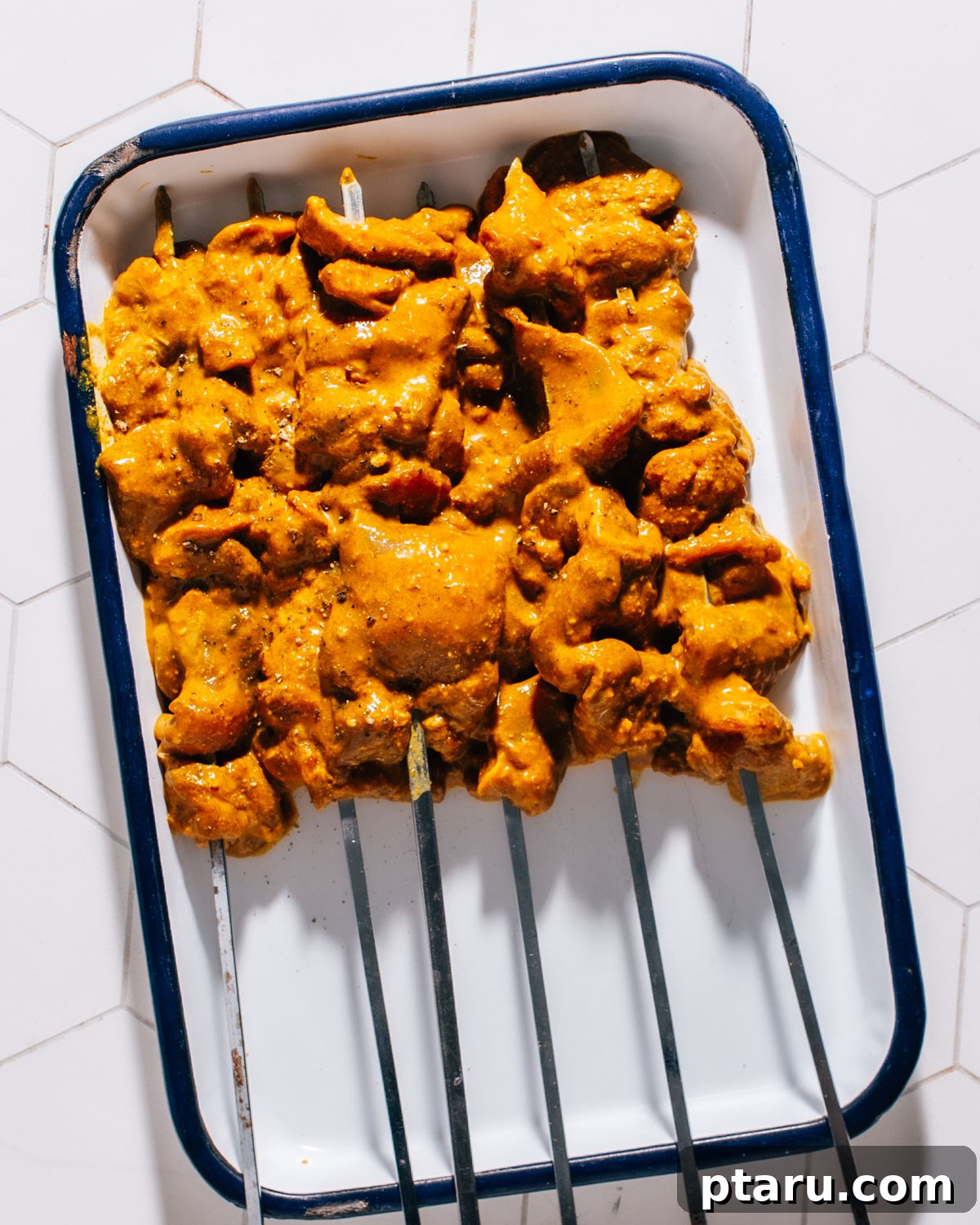
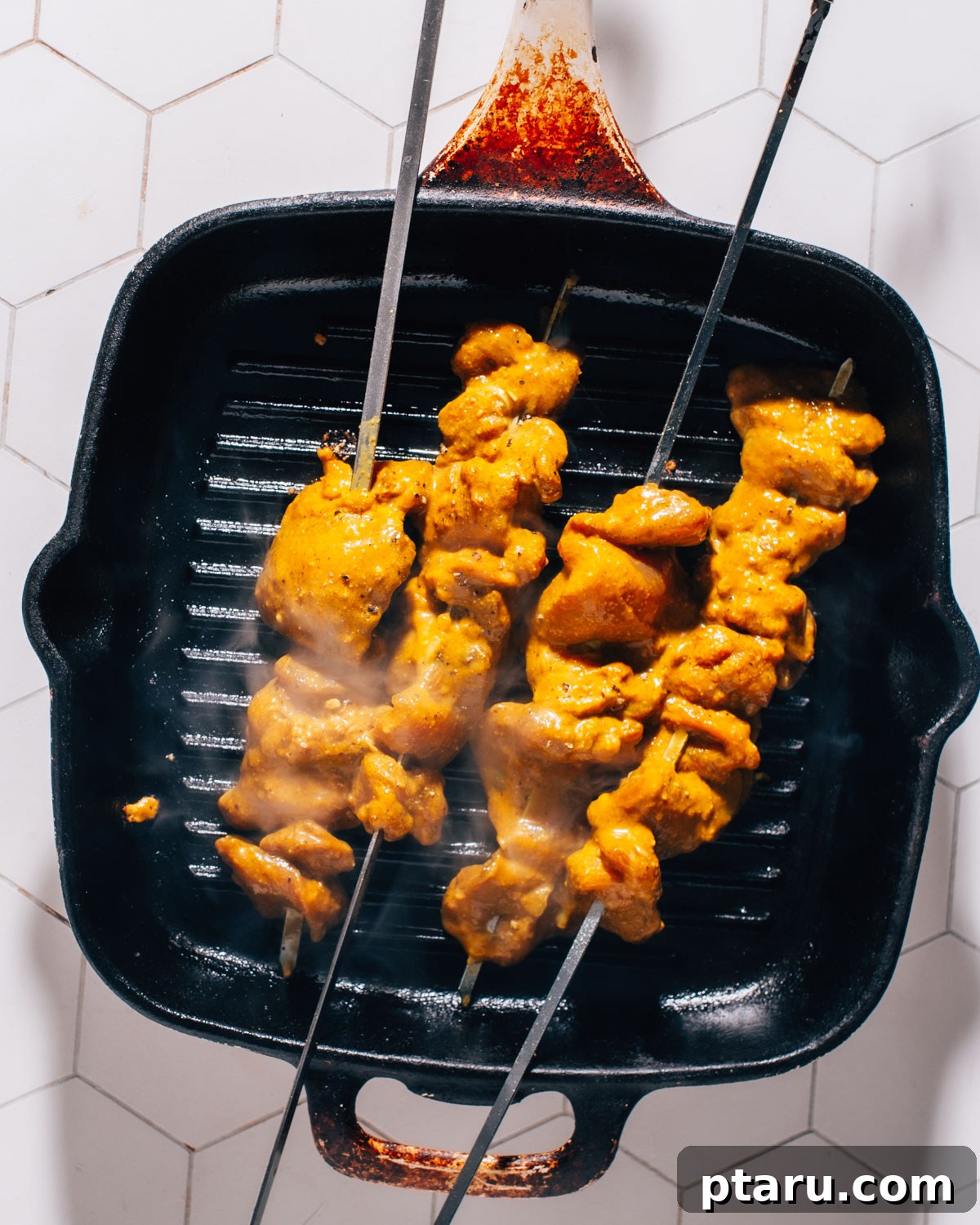
Step 1: Marinate the Chicken for Maximum Flavor Infusion
- In a large mixing bowl, meticulously whisk together the coconut milk, soy sauce, fish sauce, brown sugar, curry powder, minced fresh garlic, turmeric powder, ground coriander, ground cumin, cayenne pepper, and kosher salt. Ensure all ingredients are thoroughly combined to form a smooth, aromatic marinade.
- Add the thinly cut chicken strips to the bowl. Using your hands (gloves recommended) or a sturdy spoon, thoroughly coat each individual piece of chicken with the marinade, ensuring no dry spots remain. Cover the bowl tightly with plastic wrap or transfer the marinated chicken to a large, resealable bag. Place it in the refrigerator to marinate for a minimum of 1-2 hours. For an even more intense flavor profile and exceptionally tender texture, you can marinate the chicken overnight (up to 8 hours). This extended marination time allows the intricate spices to deeply penetrate the meat, yielding superior results.
Step 2: Prepare the Skewers for Seamless Grilling
- If you are utilizing wooden or bamboo skewers, it is absolutely crucial to soak them in water for at least 30 minutes prior to use. This vital step prevents them from burning, charring, and potentially splintering on the hot grill, ensuring your chicken remains securely on the skewer throughout the cooking process.
- Once the chicken has marinated sufficiently, carefully thread the strips onto the soaked skewers. Aim for a slightly zigzag pattern or fold the strips into small, compact bundles, threading them through multiple times. It’s important to leave a small, discernible space between each piece of chicken to allow for even cooking, proper heat circulation, and crucial charring. Avoid overcrowding the skewers at all costs, as this can lead to uneven cooking and the chicken steaming rather than grilling, which compromises texture and flavor.
Step 3: Grill to Perfection for That Authentic Char
- Preheat your grill (whether gas or charcoal) or broiler to a consistent medium-high heat. Ensure the grates are meticulously clean and lightly oiled to prevent any sticking, which could tear the delicate chicken. A satisfying sizzle when the chicken first hits the grill is precisely what you’re aiming for.
- Carefully place the chicken skewers on the preheated grill or under the broiler. Cook for approximately 3-4 minutes on each side. The precise cooking time will vary slightly depending on the thickness of your chicken strips and the exact heat of your grilling setup. Continue cooking until the chicken is beautifully golden brown, fully cooked through (reaching an internal temperature of 165°F or 74°C when measured with a meat thermometer), and has developed a beautiful, slight char on its edges. This charring adds an invaluable depth of flavor and a fantastic textural contrast.
- Once cooked, remove the skewers from the heat and allow them to rest for a couple of minutes before serving. This brief resting period is essential as it helps the juices redistribute throughout the chicken, ensuring maximum tenderness and flavor.
The Irresistible Peanut Sauce: A Perfect Pairing
No truly authentic Thai Satay experience is complete without its signature dipping sauce. Our quick, simple, and utterly delicious homemade peanut sauce recipe is an absolute game-changer. It’s a masterful blend of creamy, savory, sweet, and tangy elements, with just the right hint of spice, perfectly complementing the smoky, grilled chicken. While the full, detailed recipe for this fantastic sauce is available in a dedicated post, know that it typically involves key ingredients such as creamy peanut butter, rich coconut milk, savory soy sauce, bright lime juice, a touch of brown sugar, and a hint of chili for that classic, harmonious Thai balance. We highly recommend preparing a generous batch; it’s so incredibly good, you’ll find yourself wanting to drizzle it over everything!
Make Ahead and Storage Tips for Thai Satay
Thai Satay is a fantastic dish for meal preparation and an impressive yet effortless option for entertaining. Here’s how to best store leftovers and prepare components ahead of time:
- Refrigeration of Cooked Satay: Store any leftover cooked chicken satay (or portions you’ve prepared for future meals) in an airtight container in the refrigerator. It will remain fresh and delicious for up to 3-4 days. To reheat, gently warm them in the microwave, a conventional oven, or an air fryer to maintain their tenderness and flavor. For specific, expert instructions on how to perfectly reheat grilled chicken, be sure to consult our comprehensive guide on how to reheat grilled chicken in the air fryer.
- Freezing Cooked Satay: Cooked satay skewers can be frozen for extended storage, allowing you to enjoy this dish weeks later. First, ensure they cool completely. Then, arrange them in a single layer on a baking sheet and flash freeze until solid. Once frozen, transfer them to a freezer-safe bag or container, removing as much air as possible to prevent freezer burn. They will maintain their quality for up to 2 months. When ready to enjoy, thaw them overnight in the refrigerator before gently reheating.
Advance Preparation for Effortless Meals
Planning ahead makes weeknight dinners, lunch meal preps, and dinner parties significantly less stressful and far more enjoyable:
- Marinated Chicken: You can easily prepare a large batch of the chicken satay marinade and immerse your chicken strips well in advance. This uncooked, marinated chicken is excellent when stored in the refrigerator for up to 48 hours. Alternatively, it can be frozen (without the skewers) for up to 2 months. If freezing, remember to thaw it completely in the refrigerator before threading onto skewers and grilling.
- Peanut Sauce: The versatile peanut sauce can also be made several days in advance. Store it in an airtight container in the refrigerator. It’s common for the sauce to thicken when chilled, so you may need to thin it with a little warm water or additional coconut milk and give it a good stir when you’re ready to serve.
How to Serve this Thai Satay Recipe: Create a Complete Thai Feast
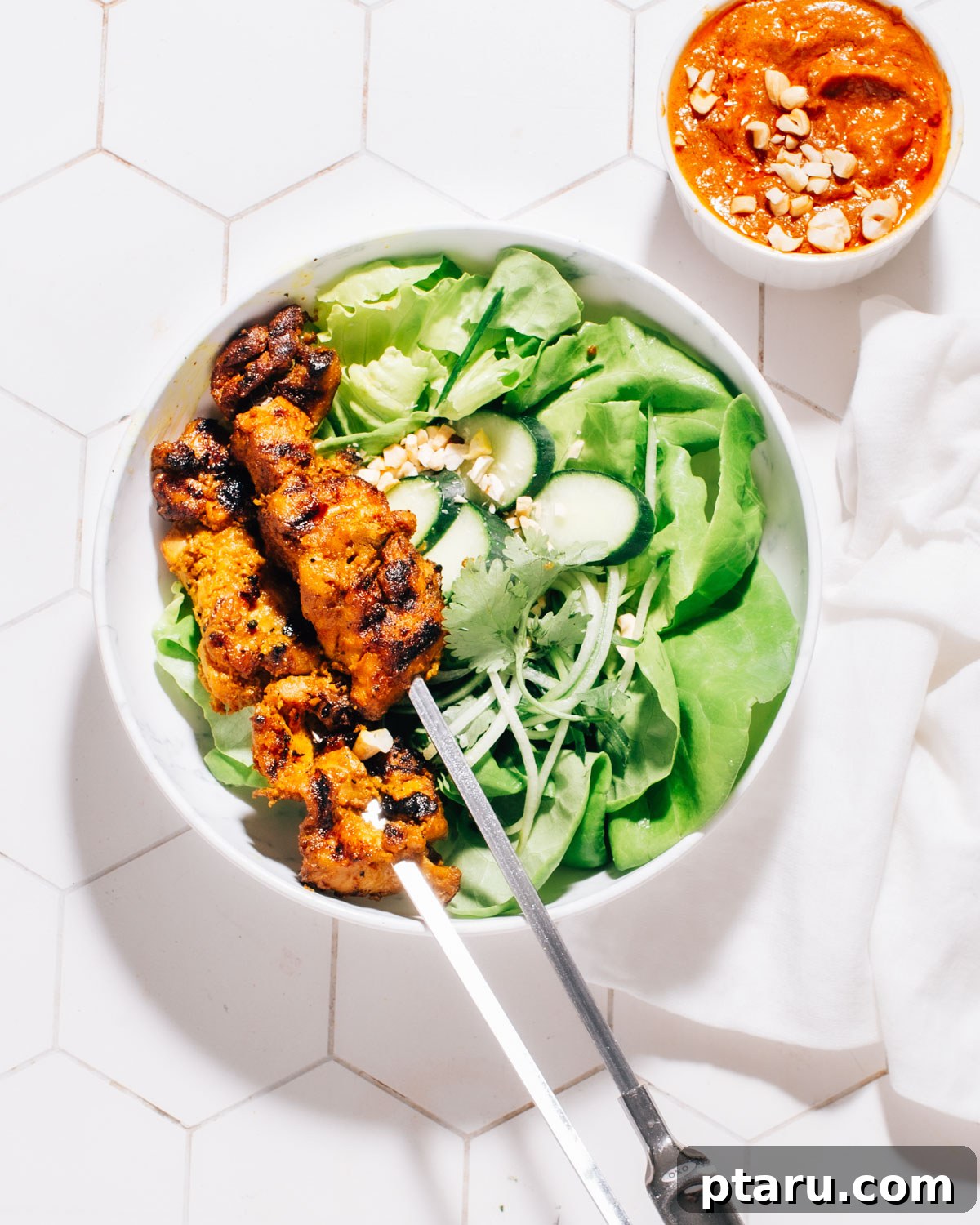
Thai satay is an incredibly versatile dish that pairs beautifully with a delightful array of sides, effortlessly transforming a simple appetizer into a complete and satisfying meal. Serve your freshly grilled chicken satay generously with plenty of our amazing homemade peanut sauce, a refreshing cucumber salad (often known as Ajat in Thai cuisine, offering a tangy contrast), fragrant jasmine rice, or delicate rice noodles.
Here are some popular and incredibly delicious serving suggestions to elevate your Thai feast:
- Perfect Rice Pairings: Jasmine rice is the classic and most popular accompaniment, its fluffy texture and subtle fragrance perfectly soaking up all the delicious flavors of the satay and sauce. For quick and convenient preparation, explore our easy-to-follow methods for microwave rice and instant pot rice, suitable for jasmine or any other long-grain white rice.
- Complementary Noodle Dishes: Enhance your meal with a delightful noodle dish. Some perennial favorites include the spicy and comforting Chili Oil Ramen, the hearty and flavorful Shrimp and Tofu Pad Thai, or a light and refreshing Peanut Noodle Salad.
- Fresh Spring Rolls: For a light, crispy, and delightful appetizer that also makes excellent double duty of your peanut sauce, consider preparing some fresh Spring Rolls. The sauce serves as a delicious and cohesive dip for both the satay and the rolls.
- Healthy Salads & Bowls: As a fantastic and lean meal-prep protein, Thai satay is absolutely perfect for adding to a vibrant, customized bowl (much like our popular teriyaki bowl recipe) or a large, crisp, and nutrient-packed salad (as beautifully illustrated in the image above!).
- Bright Garnishes: A generous squeeze of fresh lime juice and a sprinkle of finely chopped fresh cilantro or mint leaves make for excellent garnishes. They add a burst of brightness, a fresh finish, and an aromatic counterpoint to your savory satay.
Avoiding Common Mistakes for Flawless Thai Satay
Even the most seemingly simple recipes can present unexpected pitfalls. To ensure your Thai Satay turns out perfectly succulent, beautifully charred, and bursting with flavor every single time, proactively steer clear of these common mistakes:
- Overcrowding Skewers: This is unequivocally one of the most frequent and detrimental errors. Packing chicken pieces too tightly together on the skewers will severely restrict proper airflow and even heat distribution around each piece. The result? Instead of achieving that desirable grill char, your chicken will effectively steam, leading to uneven cooking, a lack of browning, and a less appealing texture. Always ensure you leave a small, discernible gap between each piece for optimal caramelization and thorough cooking.
- Skipping Grill Preheat: Patience is indeed a virtue, especially when grilling! Placing your chicken satay onto a cold or inadequately preheated grill is a recipe for disaster. A cold cooking surface prevents the chicken from achieving an immediate sear, which is crucial for locking in its natural juices and developing that delicious, crispy crust. Always ensure your grill or broiler is preheated to a consistent medium-high heat before introducing the skewers for that perfect, satisfying sizzle and char.
- Not Soaking Wooden Skewers: While this step might seem minor, it is absolutely crucial for anyone opting to use wooden or bamboo skewers. Dry skewers will burn rapidly and intensely on the hot grill, potentially leading to unsightly splintered wood in your food, or worse, the skewers breaking entirely and dropping your precious chicken. To circumvent this issue, soak them in water for a minimum of 30 minutes (and even longer if time permits) before you even begin to thread the chicken. Naturally, metal skewers do not require this preparatory step.
- Overcooking the Chicken: Due to the thin strips of meat, chicken satay cooks remarkably quickly. Overcooking is the swiftest path to dry, tough, and unappetizing chicken. Your goal is to cook the chicken until its internal temperature reaches 165°F (74°C). Investing in a reliable instant-read meat thermometer is your absolute best friend here. It is always preferable to undercook slightly and check again than to push it too far and end up with chewy meat.
- Ignoring Marinade Time: While our recipe calls for a minimum of 1-2 hours of marination, never shortchange this critical step. The marinade serves a dual purpose: it imbues the chicken with incredible flavor, but it also tenderizes the meat through its acidic and enzymatic components. Insufficient marinating time will inevitably result in less flavorful and potentially tougher chicken. If your schedule allows, marinating overnight (up to 8 hours) consistently yields the most profoundly flavorful and tender results.
FAQs About Thai Satay: Your Questions Answered
Here are some frequently asked questions and key takeaways to help you confidently master your homemade Thai Satay:
For the most flavorful and tender results, we recommend marinating the chicken for at least 1-2 hours in the refrigerator. If you have the luxury of time, marinating it overnight (up to 8 hours) will significantly deepen the flavors even further, making your satay exceptionally delicious and aromatic.
You absolutely have options! While wooden or bamboo skewers are traditionally used, metal skewers work just as effectively and offer several advantages. Metal skewers do not need to be soaked in water, are reusable (making them an eco-friendly choice), and often conduct heat more efficiently, potentially leading to slightly faster cooking. Just remember they will be very hot to handle after grilling!
Absolutely! If you don’t have access to an outdoor grill, you can achieve equally excellent results using an oven broiler or a heavy-bottomed grill pan on your stovetop. For broiling, arrange the skewers on a baking sheet lined with foil and cook a few inches from the heat source. For a grill pan, ensure it’s thoroughly preheated and cook as you would on an outdoor grill, aiming for those attractive char marks. You can also air fry them at 375°F (190°C) for 10-12 minutes, flipping halfway, until golden and cooked through.
Dry satay is almost always a tell-tale sign of overcooking. To prevent this common issue, aim to cook the chicken over medium-high heat, staying attentive and not walking away from the grill. Utilize a reliable instant-read meat thermometer to ensure the chicken reaches an internal temperature of 165°F (74°C) and remove it from the heat immediately. Remember, chicken thighs are inherently more forgiving and tend to remain juicier than chicken breasts if you’re particularly concerned about dryness.
To significantly kick up the heat, simply increase the amount of cayenne pepper in the marinade according to your desired spice level. For an extra fiery punch, you can also incorporate some freshly chopped bird’s eye chilies into the marinade or finely mince them and sprinkle over the finished skewers. Serving the satay with a side of extra spicy chili sauce or a spicier version of the peanut sauce is another excellent and customizable way to add more heat.
For perfect satay, you want thin, uniform strips of chicken, ideally roughly 1/2 to 3/4 inch thick and about 3-4 inches long. This specific size ensures quick and even cooking throughout the grilling process, and makes them incredibly easy and efficient to thread onto skewers. If you’re using chicken breasts, you can slice them horizontally first to create thinner cutlets, and then proceed to slice those into uniform strips. For chicken thighs, simply trim any excessive fat and then slice them into similar strips.
Yes, absolutely! Thai chicken satay is an ideal candidate for advance preparation. Marinating the chicken can be done up to 48 hours in advance when stored in the refrigerator, allowing the complex flavors to meld beautifully. You can also freeze the marinated chicken (without threading it onto skewers) for up to 2 months. Simply ensure it’s completely thawed in the refrigerator before proceeding to thread and cook. This flexibility makes it a fantastic option for both busy weeknight meal prepping and stress-free entertaining.
Other Asian-Inspired Recipes You Need to Try
If you’ve thoroughly enjoyed the vibrant, aromatic flavors of this homemade Thai Satay, you’ll undoubtedly love exploring more of our easy, delicious, and diverse Asian-inspired recipes. Expand your culinary repertoire and discover new favorites with these rockstar dishes:
- Egg Roll in a Bowl Recipe: Savor all the fantastic flavors of a classic egg roll, deconstructed into a quick, healthy, and incredibly satisfying bowl, ready in just 15 minutes!
- Pad Woon Sen Recipe: Indulge in a delightful Thai glass noodle stir-fry, featuring tender vegetables and your choice of protein, all tossed in a savory sauce.
- Gochujang Chicken: Experience the irresistible sweet, spicy, and savory notes of this Korean-inspired chicken dish, packed with an explosion of flavor.
- Hunan Shrimp: A fiery and profoundly flavorful shrimp dish originating from China’s Hunan province, absolutely perfect for those who truly love a good kick of spice.
- Thai Minced Pork with Green Beans: A remarkably quick and aromatic stir-fry, bursting with the fresh zest of basil and the savory depth of minced pork, complemented by crisp green beans.
- Lemon Chicken Recipe: Enjoy zesty, incredibly tender chicken bathed in a bright, refreshing citrusy sauce – a perennial family favorite that’s light and flavorful.
- Honey Garlic Chicken: A healthier yet equally decadent take on a beloved classic, featuring sticky-sweet and savory chicken that’s impossible to resist.
Thai Satay Recipe (+ Easy Peanut Sauce!)
Jennifer Pallian BSc, RD
This easy Thai Satay recipe makes super-juicy chicken satay skewers paired with a quick, simple, and incredibly tasty peanut sauce you’ll adore.
10 minutes
10 minutes
1 hour
4
Ingredients
For the Satay:
- 1 lb chicken breast or thighs cut into thin strips
- ½ cup coconut milk
- 2 tbsp soy sauce
- 1 tbsp fish sauce
- 1 tbsp brown sugar
- 1 tbsp curry powder
- 2 garlic cloves minced
- 1 tsp turmeric powder
- 1 tsp ground coriander
- 1 tsp ground cumin
- ¼ tsp cayenne pepper
- ½ tsp kosher salt
For the Peanut Sauce:
- 1 batch Peanut Sauce
Instructions
- Marinate the Chicken: Combine coconut milk, soy sauce, fish sauce, brown sugar, curry powder, garlic, turmeric, ground coriander, ground cumin, cayenne, and kosher salt in a bowl. Add chicken strips and marinate for 1-2 hours in the refrigerator.
- Prepare the Skewers: If using wooden skewers, soak them in water for at least 30 minutes. Thread the marinated chicken onto the skewers, leaving slight gaps between pieces to ensure even cooking.
- Grill the Skewers: Preheat your grill or broiler to medium-high heat. Place the skewers on the grill or under the broiler and cook for approximately 3-4 minutes on each side until the chicken is fully cooked through (internal temperature 165°F / 74°C) and slightly charred.
- Serve: Serve the grilled chicken satay immediately with the peanut sauce on the side for dipping.
Notes
- For juicier and more flavorful skewers, chicken thighs are highly recommended.
- This recipe typically serves 4 as an appetizer or 2-3 as a satisfying main course.
- Always soak bamboo or wooden skewers in water for at least 30 minutes before threading the chicken to prevent them from burning on the grill.
- Alternatively, these delicious skewers can also be cooked effectively on a grill pan, or air fried at 375°F (190°C) for 10–12 minutes, making sure to flip them halfway through, until the chicken is golden brown and thoroughly cooked.
Nutrition
Nutrition information is automatically calculated and should be used as an approximation. Actual values may vary based on ingredients and preparation methods.
- Calories: 376 kcal
- Carbohydrates: 21 g
- Protein: 30 g
- Fat: 18 g
- Saturated Fat: 6 g
- Polyunsaturated Fat: 1 g
- Monounsaturated Fat: 1 g
- Trans Fat: 0.01 g
- Cholesterol: 73 mg
- Sodium: 2132 mg
- Potassium: 578 mg
- Fiber: 1 g
- Sugar: 14 g
- Vitamin A: 108 IU
- Vitamin C: 3 mg
- Calcium: 36 mg
- Iron: 3 mg