Welcome to the ultimate guide for the best meatball recipe you’ll ever make! As a dedicated food scientist, I’ve spent two decades meticulously perfecting every detail of these meatballs to ensure they are consistently moist, incredibly tender, undeniably juicy, and bursting with flavor. Forget dry, tough, or bland meatballs – prepare to transform your cooking with my three groundbreaking secrets!
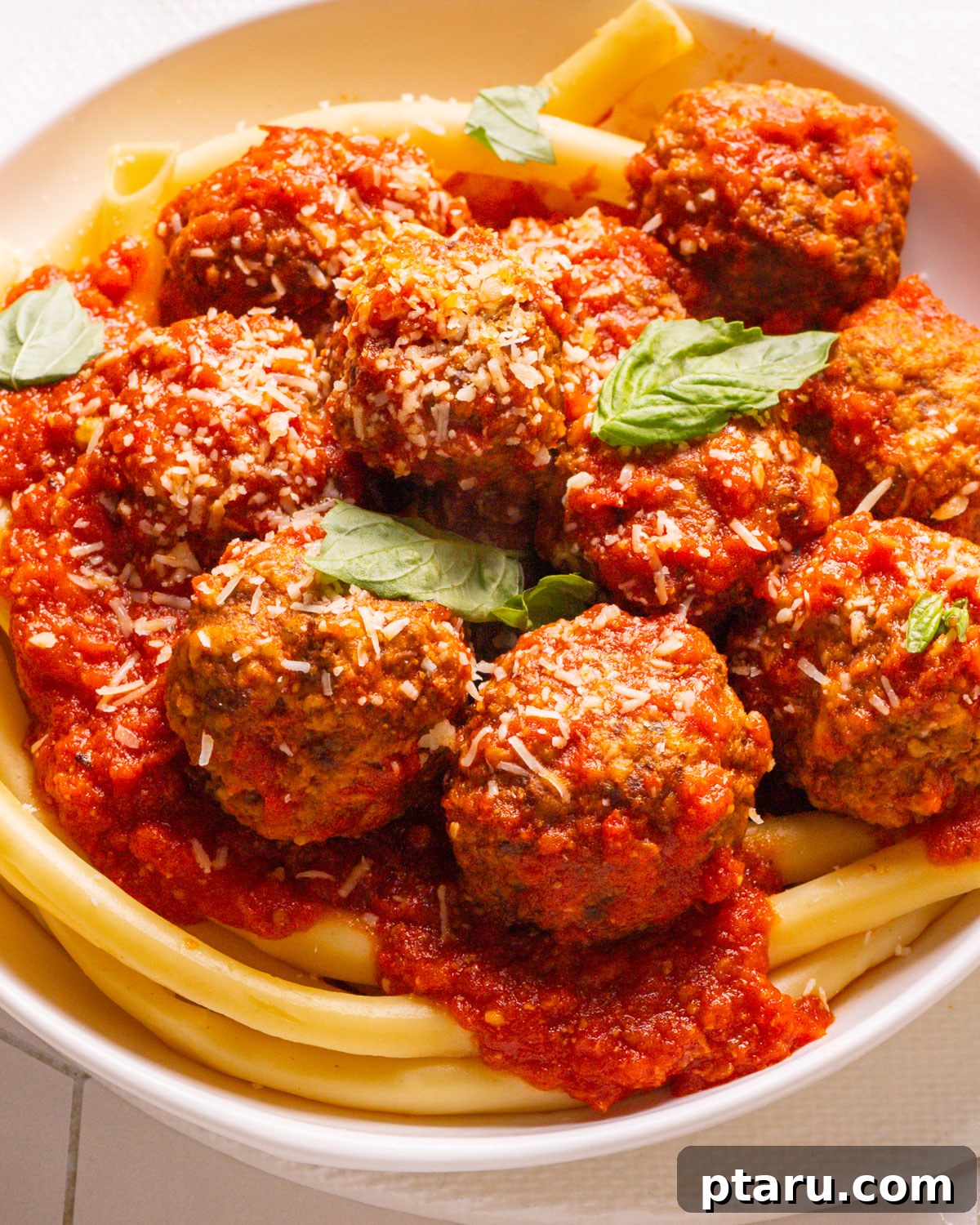
Jenn’s Science-Backed Secrets for the BEST Meatball Recipe Ever!
After countless hours in the kitchen, experimenting with textures and flavors, I can confidently say I’ve perfected the best meatball recipe. These aren’t just any meatballs; they are a culinary revelation designed to delight your taste buds. My background as a food scientist has equipped me with unique insights, leading to three key techniques that elevate these meatballs to an unparalleled level of deliciousness. Get ready to steal my secrets and create meatballs that will become a family favorite!
- Embrace the Panade for Unmatched Juiciness: This is perhaps the most critical secret to achieving truly moist meatballs. By mixing breadcrumbs with milk, you create a powerful moisture-locking panade. This simple mixture acts as a barrier, preventing the meat proteins from tightening excessively during cooking, which is often the culprit behind dry, rubbery meatballs. Instead, the panade ensures each meatball remains incredibly tender and delicate, retaining all its natural juices. It’s a fundamental step that makes a monumental difference.
- Pre-Cook Your Onions & Garlic for Deep Flavor: Don’t underestimate the power of properly prepared aromatics! Cooking your onions and garlic before adding them to the meat mixture serves a dual purpose. Firstly, it draws out excess moisture, preventing your meatballs from becoming soggy or crumbly. Secondly, and perhaps more importantly, this gentle sautéing converts the starches in the onions into natural sugars through caramelization, significantly boosting and deepening the overall savory flavor of your meatballs. It’s a small step that yields a huge flavor payoff.
- A Pinch of Baking Soda in the Sauce is Pure Magic: This secret might surprise you, but it’s a game-changer for your tomato sauce. Canned tomatoes can sometimes have an overly acidic or “tinny” taste, masking their natural sweetness. A tiny pinch of baking soda neutralizes this acidity, creating a sauce that is inherently sweeter, smoother, and more balanced. You won’t need to add heaps of sugar to compensate, allowing the true, rich flavor of the tomatoes to shine through. It’s the same ingenious trick I employ in my celebrated Tomato Soup Recipe, and it works wonders here too!
Keep reading to uncover common pitfalls and my expert tips to ensure your homemade meatballs are nothing short of perfection every single time!
Everything You Need for the Perfect Meatballs and Sauce
I firmly believe that the best meatball recipe is incomplete without a perfectly paired, rich, and flavorful tomato sauce. That’s why this comprehensive recipe includes instructions for both, allowing you to create a harmonious dish from start to finish. By sautéing your aromatics (garlic and onion) just once, you streamline the process and build a cohesive flavor profile for both components.
While this recipe focuses on Italian-style meatballs, the versatility is immense. If you plan to serve your meatballs with a different sauce or without one, you can simply finish cooking them in the oven at 350ºF (175°C) until they reach an internal temperature of 165ºF (74°C). Alternatively, integrate them into your preferred sauce for simmering until cooked through.
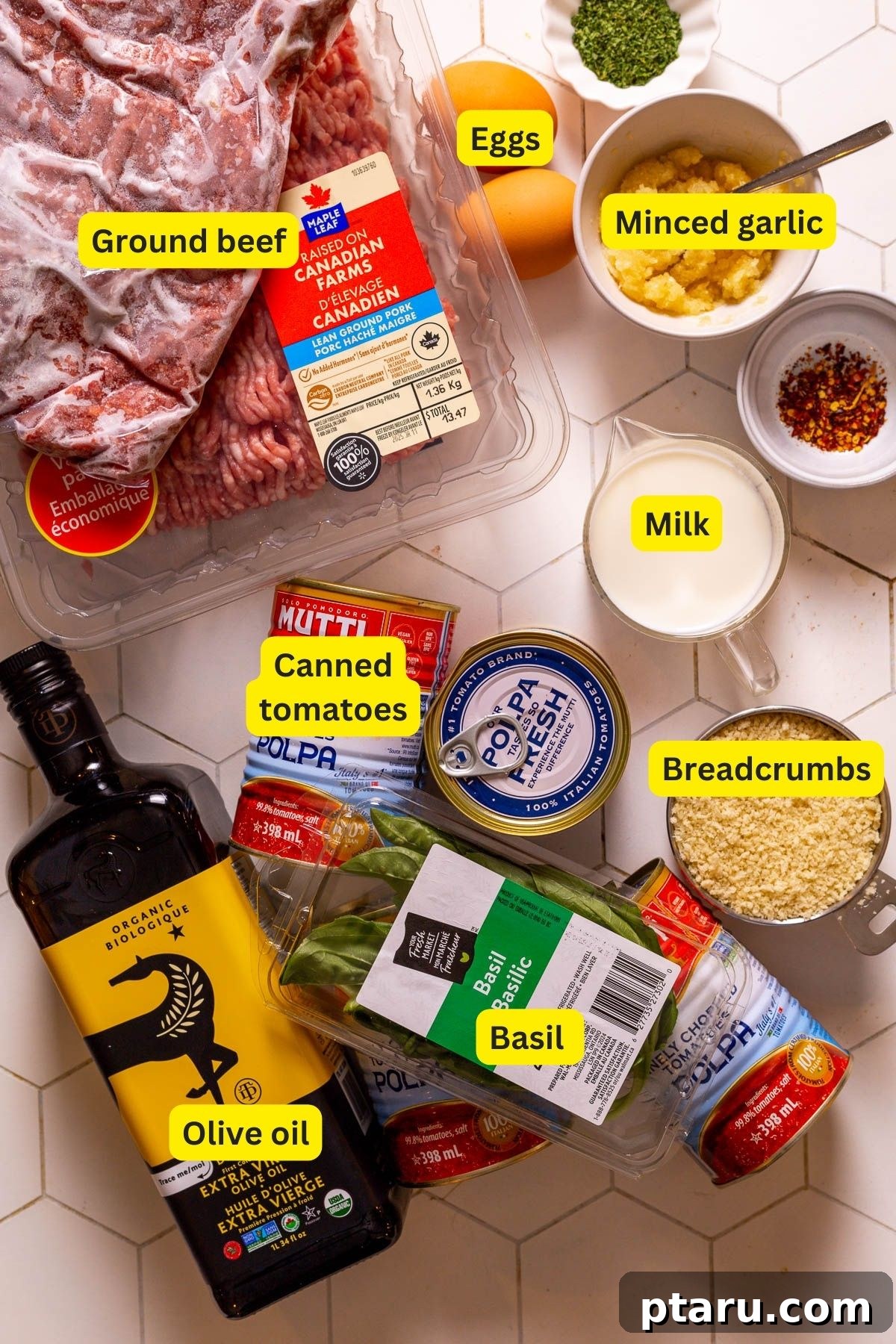
Essential Ingredients for The Best Meatball Recipe
Crafting truly delicious Italian meatballs begins with selecting high-quality, wholesome ingredients. Here’s a detailed look at what makes my recipe stand out:
- Panko Breadcrumbs: These Japanese-style breadcrumbs are a secret weapon for maintaining moisture without heaviness. Their unique flaky texture creates air pockets, resulting in light, moist meatballs. I strongly advise against commercial fine breadcrumbs, which tend to compact into a thick, dense paste when wet, leading to heavy meatballs. Fresh breadcrumbs, easily made from day-old bread or purchased from the bakery section, also perform exceptionally well.
- Milk: Essential for creating the panade. Milk hydrates the breadcrumbs, allowing them to swell and create that tender, soft texture crucial for juicy meatballs. Any type of milk—dairy or unsweetened non-dairy—will work perfectly.
- Olive Oil: For both sautéing aromatics and contributing to the sauce’s body. Use a good quality olive oil; it doesn’t necessarily need to be extra virgin for cooking, but a flavorful one will enhance the overall taste.
- Onions: Finely chopped onions are indispensable for building a savory flavor base. When pre-cooked, they sweeten and soften, melding seamlessly into the meat mixture and sauce.
- Minced Garlic: Fresh garlic cloves are non-negotiable for their pungent, aromatic punch. Avoid bottled or powdered garlic, as they lack the vibrant flavor and complexity that fresh cloves bring to this recipe.
- Canned Tomatoes: The heart and soul of the rich tomato sauce. Opt for high-quality diced, crushed, or whole peeled tomatoes with a high tomato-to-water ratio for the best flavor and texture. San Marzano tomatoes are often preferred for their natural sweetness.
- Baking Soda: Yes, you read that right! This tiny addition is my favorite food science trick. It neutralizes the acidity in canned tomatoes, enhancing their natural sweetness and smoothness. This results in a much more delicious, balanced sauce than simply trying to counteract acidity with sugar.
- Fresh Basil: Adds a burst of fragrant freshness and brightens the deep, savory notes of the tomato sauce. Don’t skip this if you can help it!
- Eggs: Eggs are crucial binders, holding the meat mixture together and preventing the meatballs from falling apart. They also contribute to a tender, slightly fluffy texture.
- Ground Beef (or Beef and Pork Blend): I’ve extensively tested both options and personally (along with my family) prefer the robust flavor of all-beef meatballs. However, many enjoy the mild flavor, added fat, and richness that ground pork brings to the table, so feel free to use a 1:1 blend of beef and pork for a classic Italian-American style meatball.
- Finely Grated Parmesan: This ingredient adds a crucial salty, umami-rich depth to the meat mixture. Freshly grated Parmesan delivers superior flavor compared to pre-grated varieties.
- Fresh Parsley: While optional, I highly recommend adding fresh minced parsley for its vibrant color and clean, herbaceous note that perfectly complements the rich meat and sauce.
- Oil for Frying: A small amount of oil is used to brown the meatballs, creating a beautiful golden crust that locks in moisture and adds another layer of flavor before they simmer in the sauce. Choose an oil with a high smoke point for this step.
Exact ingredient quantities are provided in the detailed recipe card at the very bottom of this article.
Substitutions and Creative Variations
One of the joys of cooking is adapting recipes to suit your preferences or dietary needs. Feel free to experiment with these substitutions and variations to make this amazing meatball recipe your own:
- Breadcrumbs: For a lighter texture, panko breadcrumbs are excellent. For gluten-free alternatives, consider using crushed crackers, rolled oats (ensure they are certified gluten-free if necessary), or high-quality gluten-free breadcrumbs. Each will subtly alter the texture, so choose based on your preference.
- Milk: If you’re looking for a lactose-free option, unsweetened dairy-free milks like almond or oat milk work wonderfully in the panade. Beef or chicken broth can also be used to hydrate the breadcrumbs, adding an extra layer of savory flavor to the meatballs.
- Olive Oil: While olive oil imparts an authentic Italian flavor, you can swap it with avocado oil, vegetable oil, or even butter for sautéing. Bear in mind that different oils will slightly alter the flavor profile.
- Ground Meat: The beauty of meatballs lies in their adaptability. Beyond beef or a beef-pork blend, you can create fantastic meatballs using just ground veal, ground pork, or even lamb for a more robust, gamey flavor. For a leaner option, ground turkey or chicken can be used, though you might need to add a bit more fat (like grated zucchini or a spoonful of ricotta) to maintain moisture.
- Canned Tomatoes: If canned tomatoes are unavailable, fresh tomatoes can be used. Peel and puree ripe fresh tomatoes for a smoother sauce, or dice them for a chunkier texture. Tomato passata is another excellent substitute for a silky-smooth sauce base.
- Spicy Meatballs: To add a kick, incorporate crushed red pepper flakes, a pinch of cayenne pepper, or a dash of your favorite hot sauce directly into the meat mixture. Adjust the quantity to your desired level of heat.
- Herb-Loaded Meatballs: Elevate the aromatic profile by adding more fresh herbs. Finely chopped oregano, thyme, or rosemary can be mixed into the meat for a Mediterranean flair.
- Vegetarian Meatballs: For a plant-based option, substitute the meat with cooked and mashed lentils, finely chopped and sautéed mushrooms (for an umami boost), or commercially available plant-based ground meat alternatives. Ensure your binding agents are suitable for vegetarian mixtures.
- Gluten-Free Option: Simply replace regular breadcrumbs with certified gluten-free breadcrumbs or almond flour. Be mindful of the moisture content and adjust milk/broth as needed to achieve the correct panade consistency.
Essential Tools to Gather
Before you embark on making this incredibly delicious and easy meatball recipe, ensure you have these kitchen tools readily available. Having everything organized will make the cooking process smooth and enjoyable:
- Large Mixing Bowl: Crucial for comfortably combining the meatball mixture without spilling.
- Large Pot or Dutch Oven: Ideal for preparing the tomato sauce and simmering the meatballs, ensuring even cooking and heat distribution.
- A Skillet for Browning: A heavy-bottomed skillet (cast iron or stainless steel) is perfect for achieving that beautiful golden-brown crust on your meatballs.
- Immersion Blender (Optional): If you prefer a velvety smooth tomato sauce, an immersion blender makes pureeing quick and mess-free directly in the pot. A regular blender can also be used, but be cautious with hot liquids.
- Cutting Board & Sharp Knife: For finely chopping your onions, garlic, and fresh herbs.
- Wooden Spoon (or Spatula) & Fork: For stirring, mixing, and gently combining ingredients.
- Measuring Cups and Spoons: Accuracy is key in cooking, especially when it comes to balancing flavors.
- A Tray or Plate: To neatly hold your shaped meatballs before they head to the frying pan.
- Tongs or Slotted Spoon: For carefully transferring and turning the meatballs during browning and into the sauce.
- Meat Thermometer: The most reliable way to ensure your meatballs are perfectly cooked through (reaching 165°F / 74°C internal temperature) without overcooking.
How to Make the Best Meatball Recipe: A Detailed, Easy Guide
While this recipe involves several steps, none of them are overly complicated. With a little organization and attention to detail, you’ll be creating perfectly tender, juicy, and flavorful meatballs in no time. Follow this easy, step-by-step guide to culinary success:
Step 1: Soak the Breadcrumbs (Create the Panade)
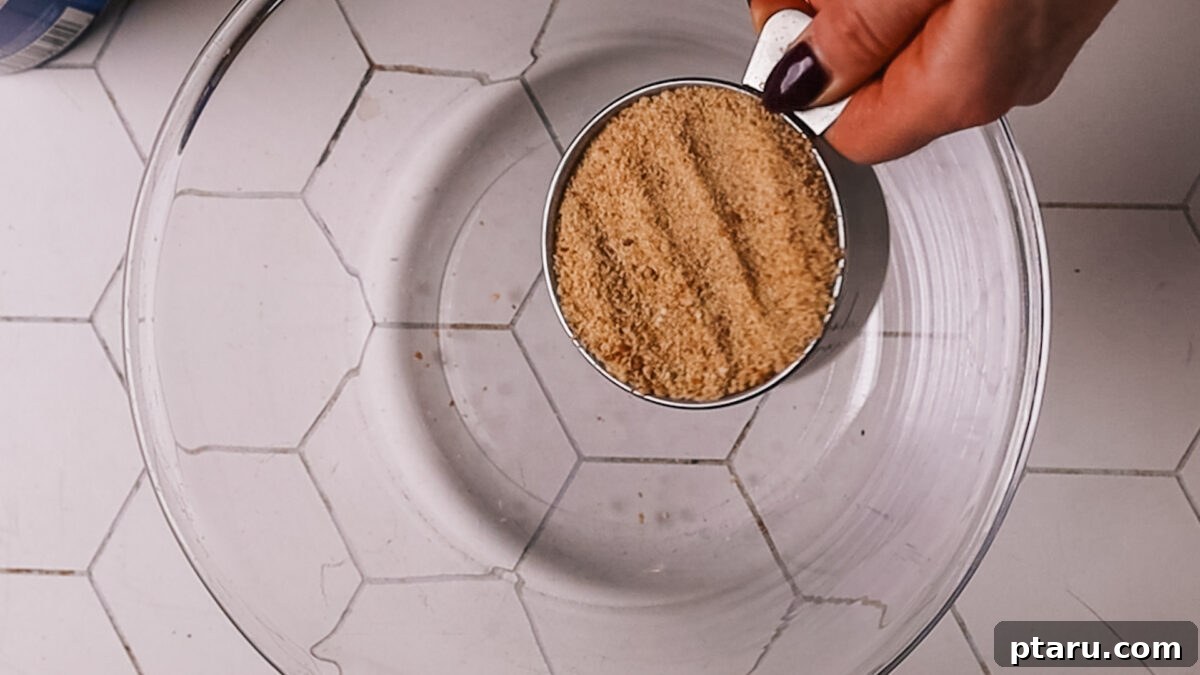
In a large mixing bowl, combine the panko breadcrumbs and milk. Stir them together until all the breadcrumbs are moistened. Set this mixture aside and allow it to soak while you prepare the other ingredients. This crucial step is creating the panade, which ensures your meatballs remain incredibly moist and tender.
Step 2: Develop the Flavor Base
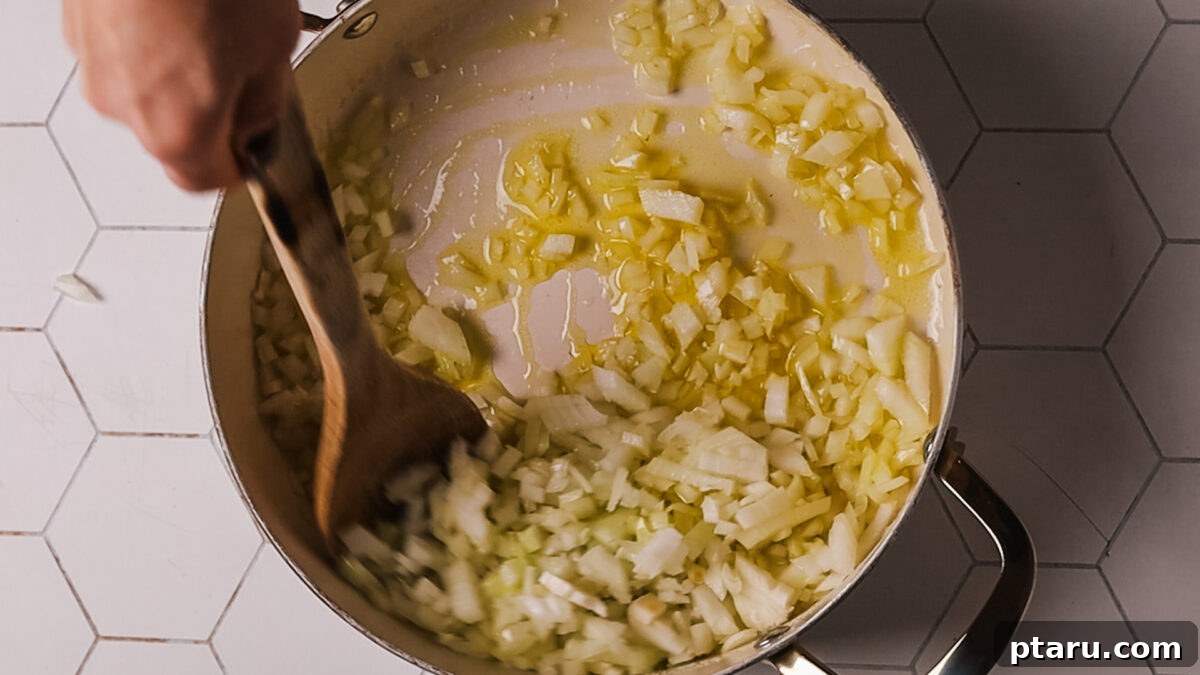
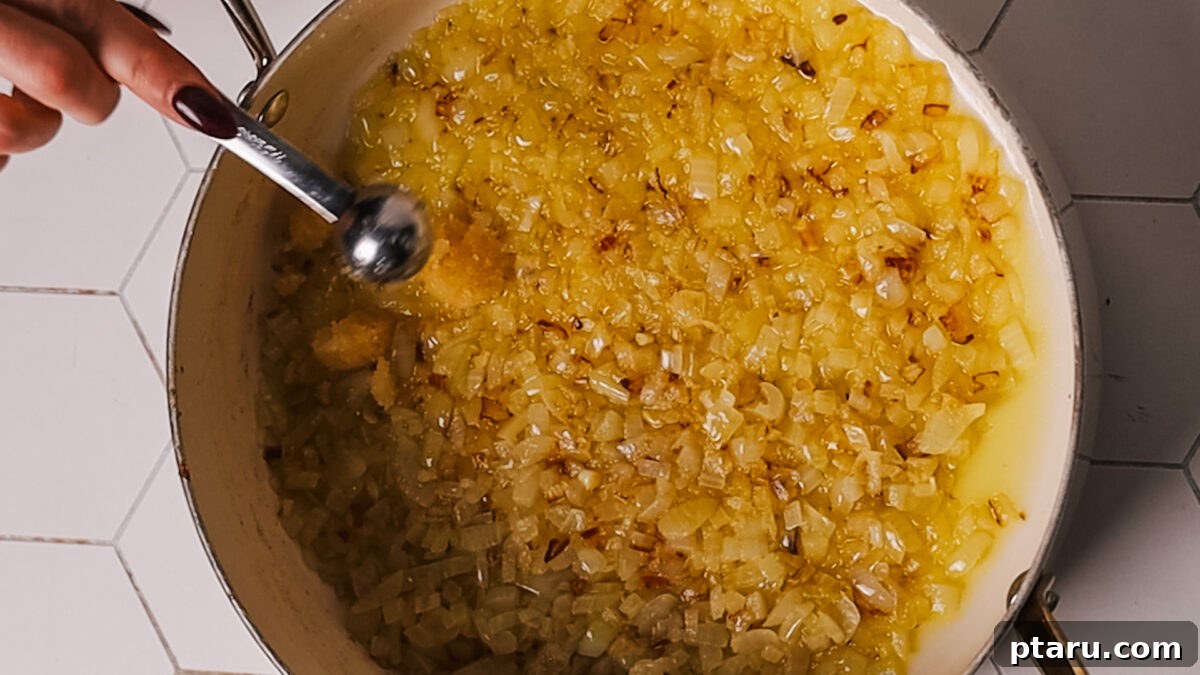
Heat the olive oil in a large pot or Dutch oven over medium heat. Add the finely chopped onion and cook for 6-8 minutes, stirring occasionally, until the onion has softened and turned translucent. Next, stir in the minced garlic and cook for another 2 minutes until it becomes fragrant. Be careful not to burn the garlic.
Once cooked, scoop out about half of this aromatic onion-garlic mixture and transfer it to the bowl with your soaked breadcrumbs. Leave the remaining half of the mixture in the pot, keeping it over medium heat, as this will form the foundation for your tomato sauce.
Step 3: Prepare the Delicious Tomato Sauce
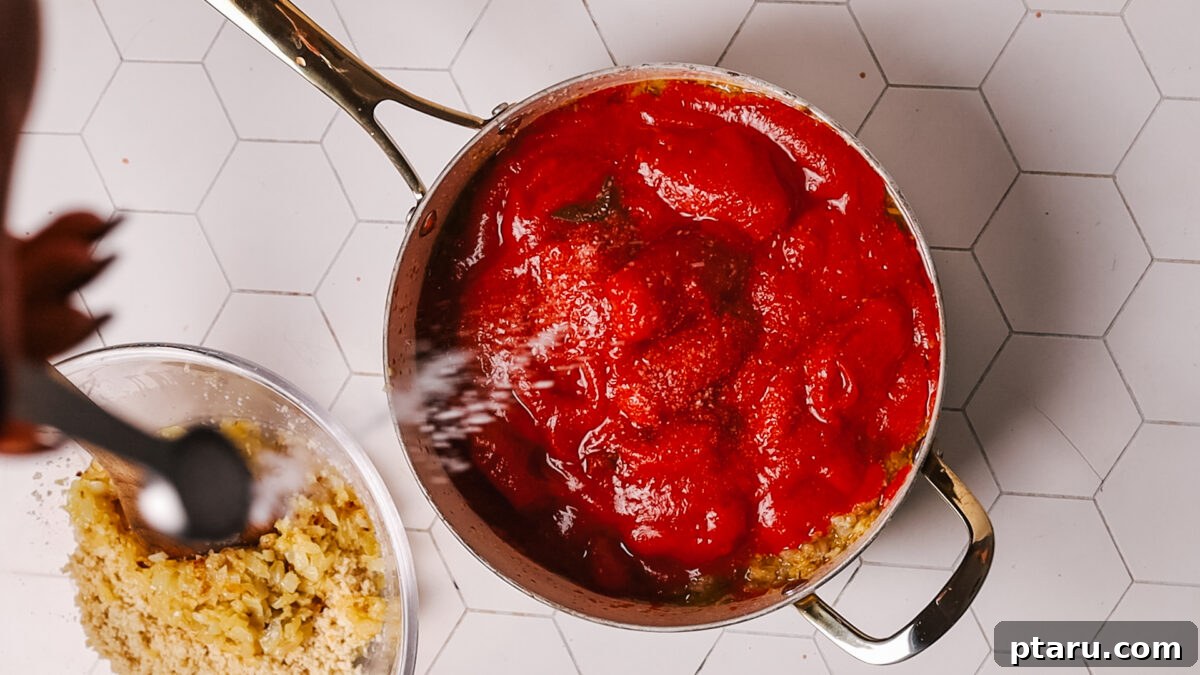
To the pot containing the remaining onion, garlic, and oil, add the canned tomatoes (diced, crushed, or whole with their juices). Stir in the kosher salt and fresh basil sprigs. Cover the pot partially, bring the sauce to a gentle simmer, then reduce the heat to low. Allow the sauce to simmer gently while you prepare the meatballs. If you desire a smoother sauce, carefully use an immersion blender directly in the pot, or transfer batches to a regular blender and blend until velvety, then return to the pot.
Step 4: Craft the Meatball Mixture
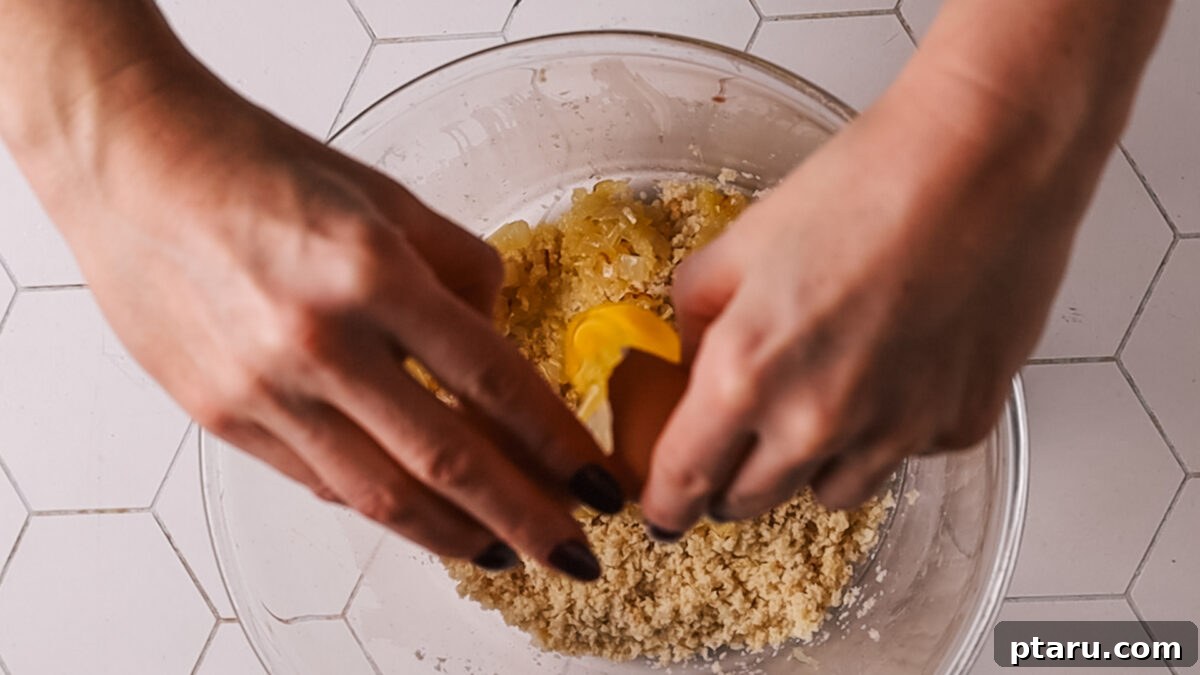
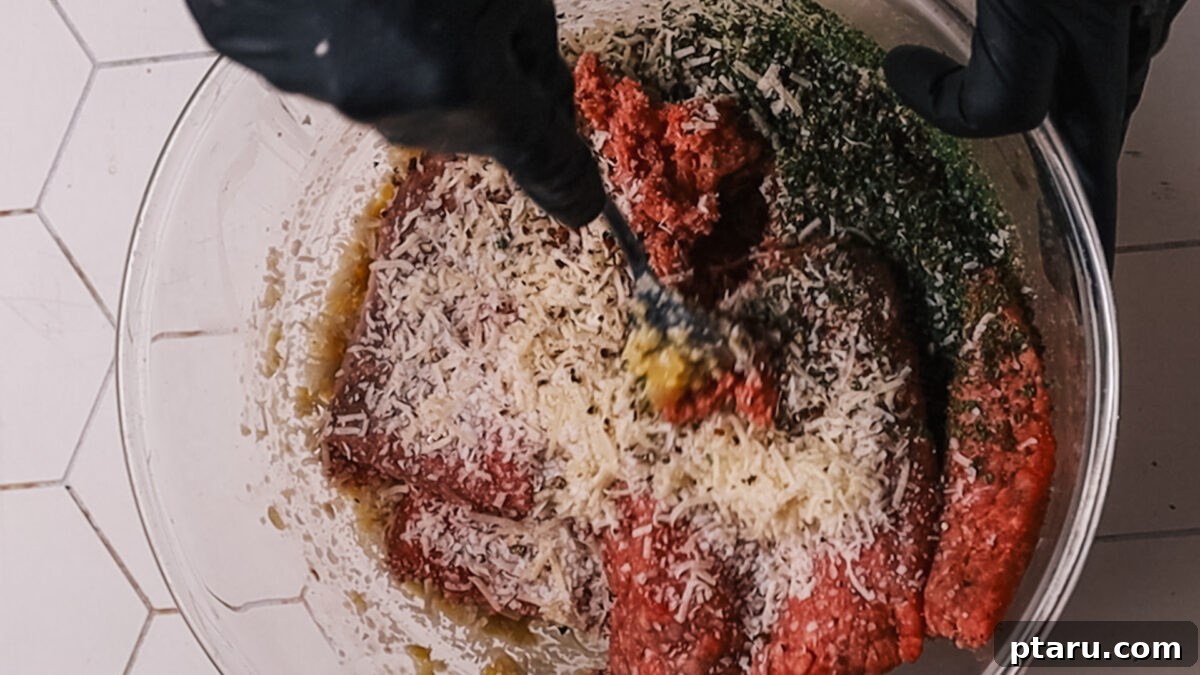
Return to your large bowl with the soaked breadcrumbs and half of the cooked aromatics. Using a fork, stir the large eggs into this mixture until well combined. Then, add the ground meat, finely grated Parmesan cheese, fresh parsley (if using), kosher salt, and black pepper. Gently combine all the ingredients with your hands until they are *just* mixed. Be careful not to overmix, as this can lead to tough meatballs. Stop as soon as everything is incorporated.
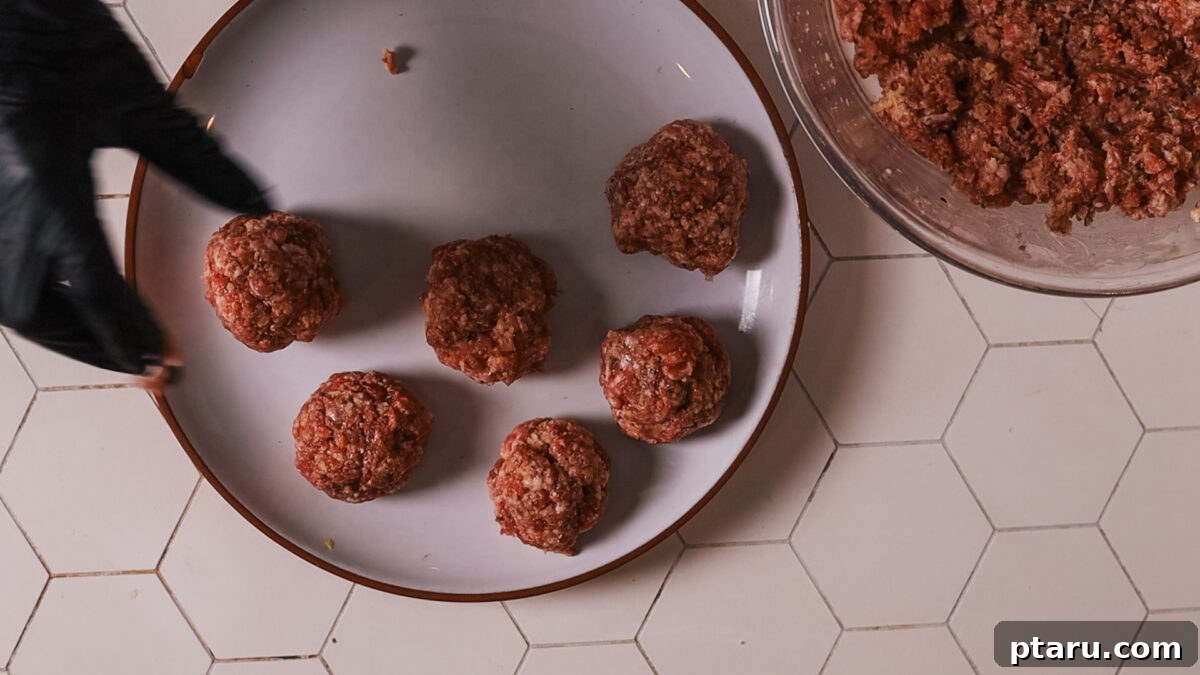
Now, gently shape the mixture into approximately 2-inch meatballs. Aim for uniform size to ensure even cooking. Place the shaped meatballs on a clean tray or plate. For an optional but highly recommended step, place the tray of meatballs in the freezer for about 5-10 minutes. This brief chill helps them firm up and retain their beautiful round shape during the browning process.
Step 5: Brown the Meatballs to Perfection
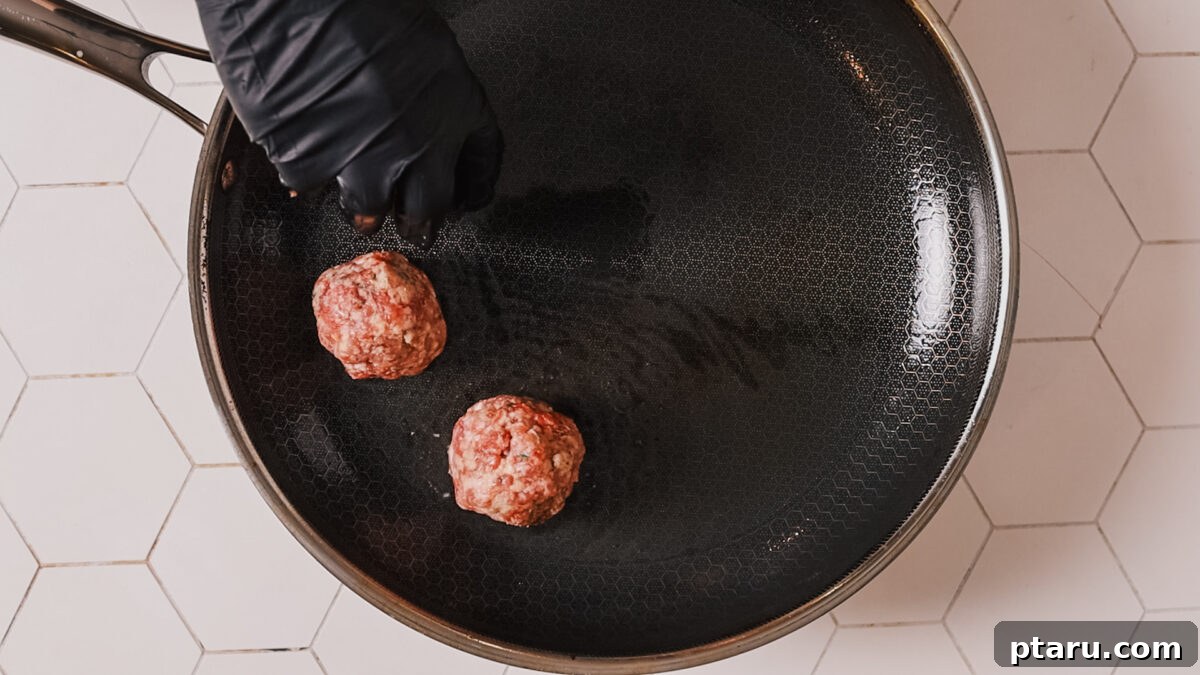
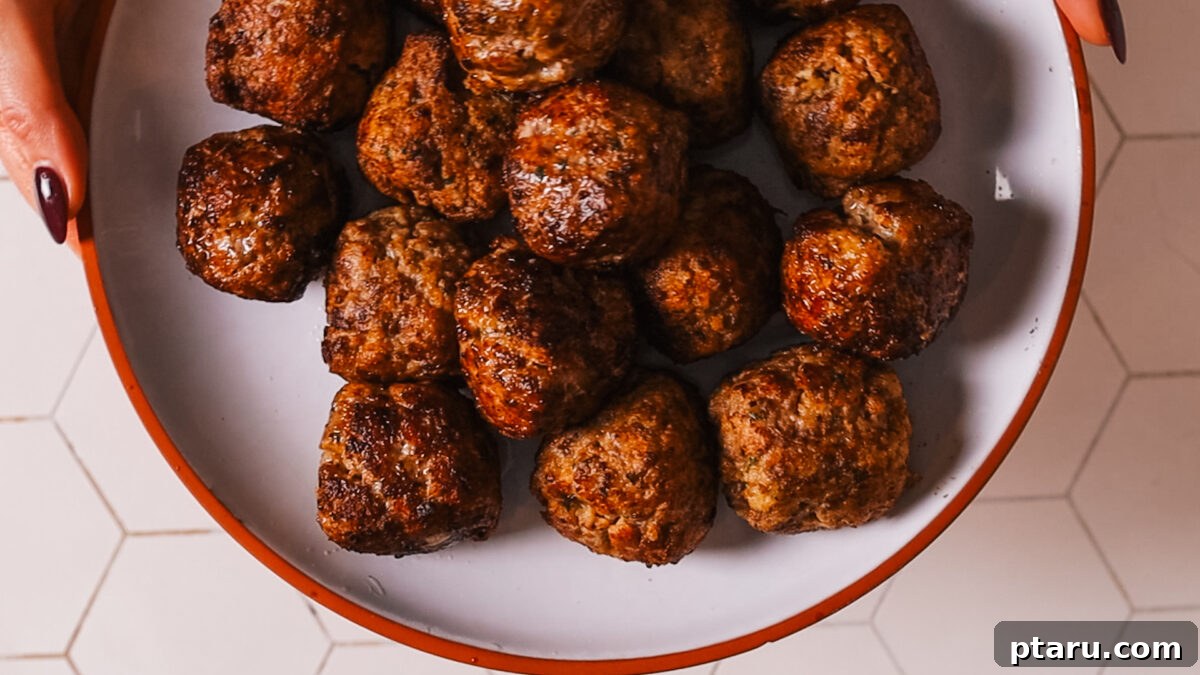
Preheat a large skillet over medium heat for 4-5 minutes until thoroughly heated. Add the oil for frying. Once the oil is shimmering (indicating it’s hot enough but not smoking), carefully add the meatballs in batches. Avoid crowding the pan, as this can lower the oil temperature and prevent proper browning. Cook the meatballs, turning them gently, until they are beautifully golden brown on all sides, which typically takes about 6-8 minutes per batch.
Once browned, carefully transfer the meatballs to the simmering tomato sauce in your Dutch oven. Discard any remaining oil from the skillet; it won’t contribute positively to the sauce’s flavor.
Step 6: Simmer to Tender Perfection
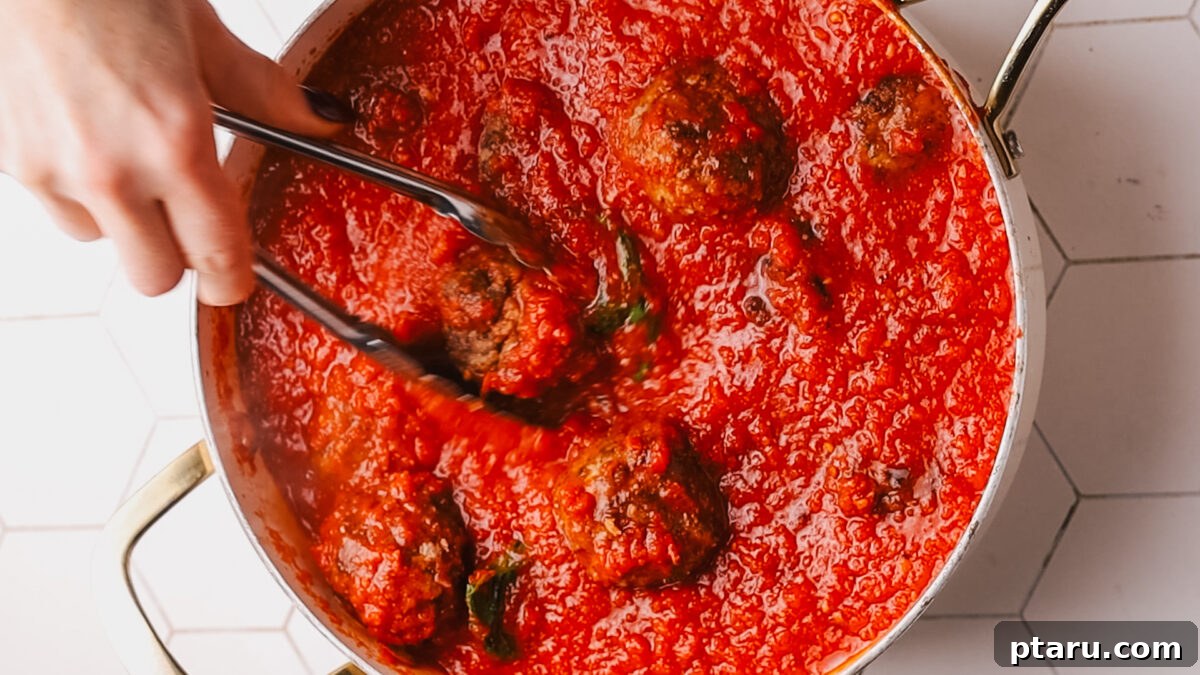
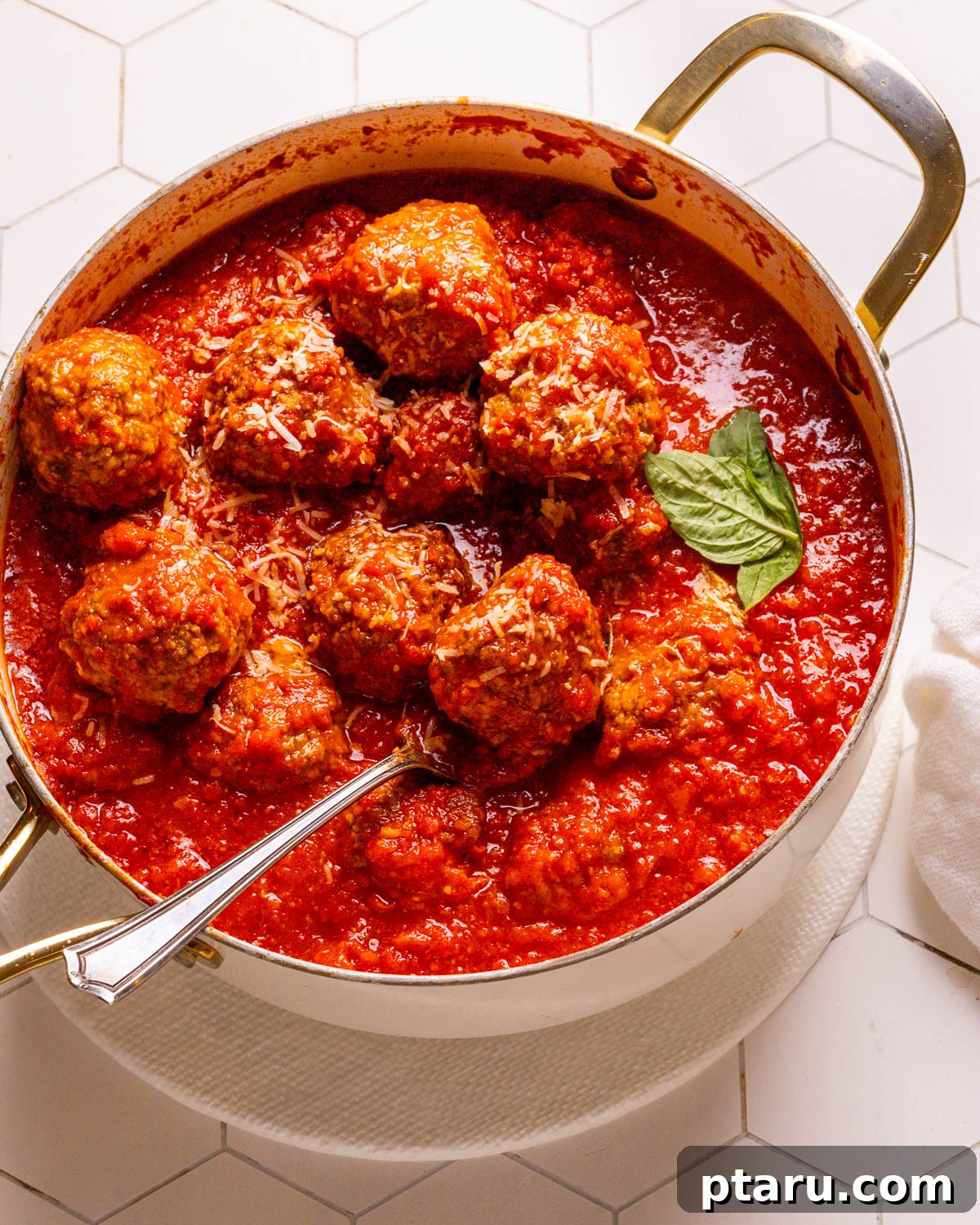
Gently stir the browned meatballs into the tomato sauce, ensuring they are evenly coated. Partially cover the pot and let the meatballs simmer for about 20 minutes. This simmering period allows the meatballs to fully cook through, absorb the rich flavors of the sauce, and become incredibly tender. Use a meat thermometer to confirm they have reached an internal temperature of 165°F (74°C).
Finally, taste the sauce and adjust the seasoning if necessary. Sometimes, a tiny splash of soy sauce can add a wonderful umami boost if the sauce needs a little something extra beyond just salt.
Avoid These Common Meatball Mistakes
Even with the best recipe, certain common errors can undermine your efforts. Drawing from my extensive experience, here are a few issues to steer clear of to ensure your meatballs are consistently perfect:
- Overmixing the Meatball Mixture: This is one of the most frequent culprits behind tough, dense meatballs. When you overwork the meat mixture, you develop the protein strands, making the final product firm and rubbery. Always mix just until the ingredients are combined. A light, gentle hand is key to keeping them juicy and tender.
- Skipping the Soaking Step for Breadcrumbs: Dry breadcrumbs will not properly bind the meat mixture and, more importantly, will absorb moisture from the meat as it cooks, leading to dry, crumbly meatballs. The panade (breadcrumbs soaked in milk or broth) is vital for adding and retaining moisture, resulting in a superior texture.
- Crowding the Pan During Browning: It’s tempting to cook all the meatballs at once, but doing so drastically lowers the pan’s temperature. This causes the meatballs to steam rather than brown, leading to a pale, soggy exterior and potentially uneven cooking. Always brown your meatballs in batches, giving each one enough space to achieve that desirable golden-brown crust.
- Cooking Meatballs Too Long in Sauce: While simmering in sauce adds flavor, overcooking can make your meatballs fall apart or become dry and mealy. Simmer them just until they reach an internal temperature of 165°F (74°C). Use a meat thermometer for accuracy, and resist the urge to let them cook for extended periods once done.
My Best Meatball Recipe: Make-Ahead & Storage Tips
These delicious meatballs are perfect for meal prepping! You can prepare them in advance, which is fantastic for busy weeknights or entertaining. Here’s how to handle make-ahead preparation and storage:
For convenience, you can prepare the meatballs up to the shaping stage. Once shaped, arrange them on a tray and store them in the refrigerator for up to 24 hours before cooking.
- For longer storage, freeze the uncooked, shaped meatballs on a tray until they are completely solid. Once frozen solid, transfer them to a freezer-safe bag or airtight container. They will keep beautifully in the freezer for up to 3 months. When ready to cook, you can brown them directly from frozen, adding a few extra minutes to the browning time, then simmer in sauce as directed.
How to Store Cooked Meatballs
- Store leftover cooked meatballs along with their sauce in an airtight container in the refrigerator for up to 4 days. This ensures they remain moist and flavorful.
- To freeze cooked meatballs and sauce, place them in a freezer-safe container or a heavy-duty zip-top bag. They can be stored for up to 3 months. Thaw them overnight in the refrigerator before reheating.
Best Way to Reheat Meatballs
To preserve their tender texture and prevent them from drying out, I recommend reheating meatballs slowly in their sauce on the stovetop over low heat. If the sauce appears too thick or the meatballs seem a little dry, add a splash of water or broth to loosen the sauce and rehydrate the meatballs. Gentle, gradual reheating is key to maintaining their deliciousness.
How to Serve My Best Meatball Recipe
These versatile meatballs, with their rich tomato sauce, are destined for more than just spaghetti! Here are some inspired ways to serve them, transforming any meal into an unforgettable culinary experience:
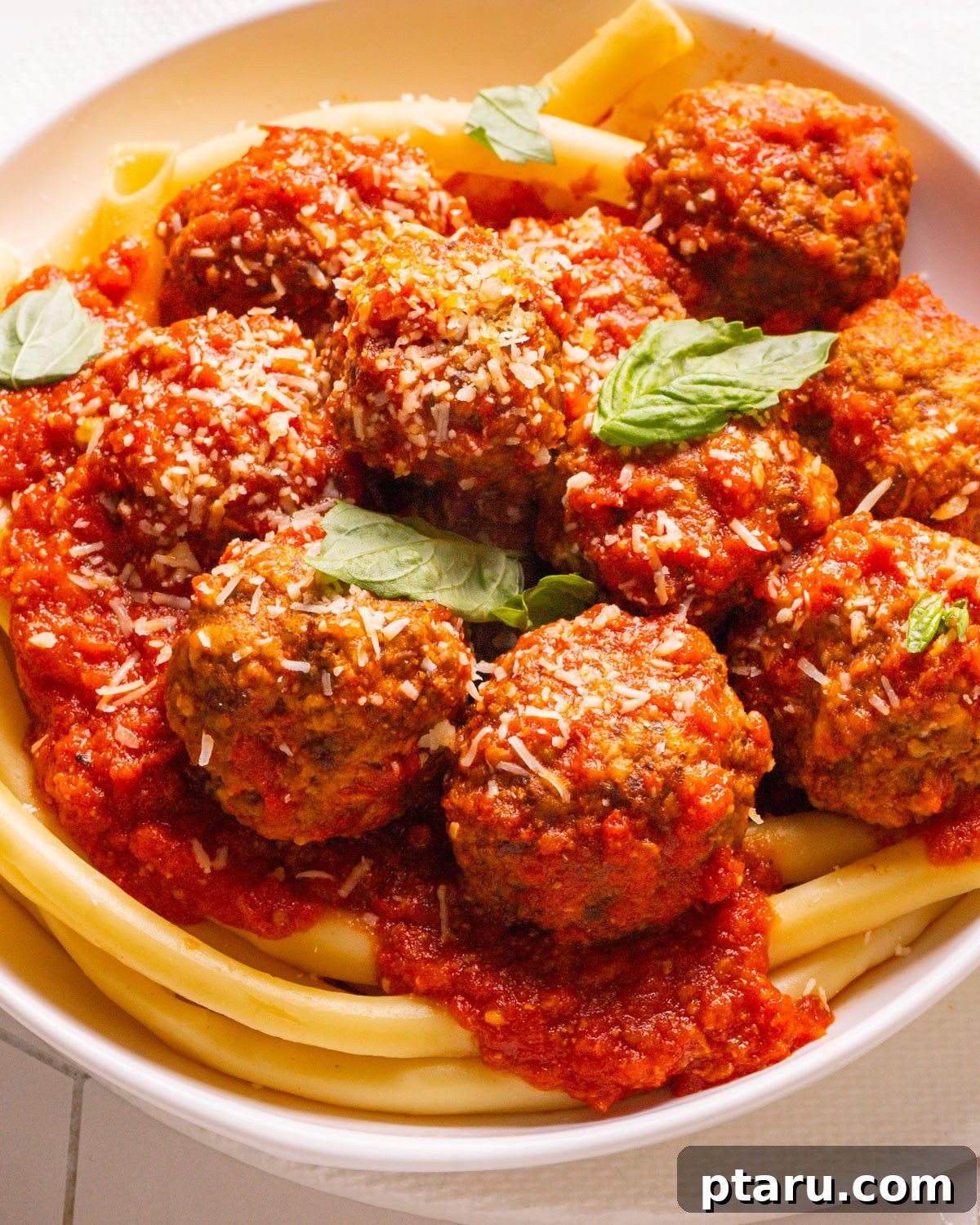
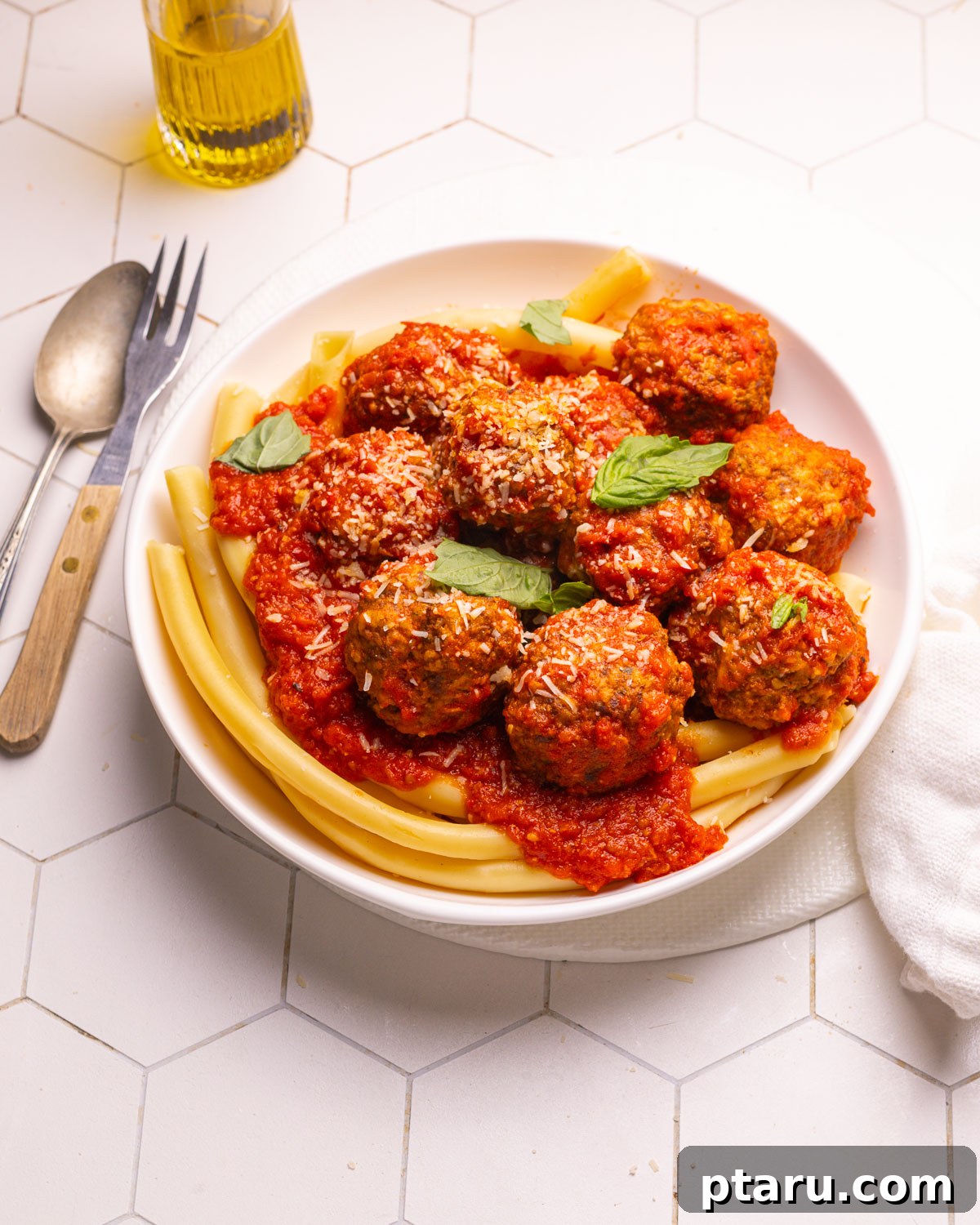
The classic pairing is, of course, with pasta. Toss freshly cooked spaghetti or your favorite pasta shape with a generous ladle of the savory tomato sauce, then crown it with these tender meatballs. Finish with a sprinkle of freshly grated Parmesan cheese and a dash of chopped parsley for a truly perfect Italian-style comfort meal. Pair it with a vibrant side salad like my refreshing peach caprese or a crisp kale Caesar salad for a complete dining experience.
Here are some more inspiring ideas for what to do with the best meatball recipe ever:
- Meatball Sub Sandwiches: Layer hot meatballs and plenty of sauce in a fresh, crusty bread roll (like a toasted hoagie or baguette). Add shredded mozzarella or provolone cheese and broil until bubbly and golden. This makes for an absolutely killer, satisfying sandwich.
- Elegant Appetizer: Arrange the meatballs on a platter, perhaps with toothpicks for easy grabbing, and serve with a side of warm tomato sauce for dipping. They make a fantastic, crowd-pleasing party bite.
- Creamy Polenta or Mashed Potatoes: Spoon the meatballs and sauce generously over a bed of creamy, dreamy polenta or fluffy mashed potatoes. The textures and flavors meld beautifully for a hearty, comforting dish. They are also incredibly delicious over some steaming rice.
- Meatball Pizza or Flatbread: Use leftover meatballs (or make extra!) as a topping for store-bought or homemade pizza dough. Simply spread a layer of tomato sauce, add sliced or halved meatballs, top with mozzarella, and bake until bubbly and golden. You can also make easy flatbread pizzas with them!
Expert Tips for Perfectly Round Meatballs
Achieving consistently round meatballs can sometimes be a challenge, but with these simple tips, yours will always be perfectly shaped and beautiful:
- Form Firmly, But Gently: When shaping the meatballs, press the mixture together firmly enough so it holds its shape, but avoid compacting it too much. If the meatballs are too loose, they might collapse or break apart during frying. A gentle but consistent pressure is ideal.
- The Freezer Trick: After shaping your meatballs, place them on a tray and pop them into the freezer for about 10 minutes. This brief chilling period helps them firm up considerably, making them much more resilient and ensuring they maintain their lovely round shape when they hit the hot pan.
- Start on the Side: When placing meatballs into the hot skillet, try to place them on their side rather than flat on the “bottom” that was against the plate. This initial placement helps set the spherical shape.
- Gentle, Constant Turning: Don’t let one side cook completely before turning. Instead, gently and continuously roll or turn the meatballs while they are browning. This prevents any one side from flattening excessively and encourages a more uniform, rounder shape. Think of it like rolling a small snowman – constant, gentle movement achieves the best sphere!
Frequently Asked Questions About My Best Meatball Recipe
Just skimming through this incredible recipe? Here are the most important takeaways and common questions answered:
Can I bake the meatballs instead of frying them?
Absolutely! For a lighter option or less hands-on cooking, arrange your shaped meatballs on a parchment-lined baking sheet. Bake them in a preheated oven at 400°F (200°C) until they are browned and cooked through, usually about 15-20 minutes. Once baked, you can transfer them to your simmering sauce to finish absorbing flavors.
How do I know when the meatballs are fully cooked?
The most accurate way to check for doneness is to use an instant-read meat thermometer. Insert it into the center of a meatball; it should register an internal temperature of 165°F (74°C). If you don’t have a thermometer, you can cut one meatball open to ensure there’s no pink remaining in the center.
Can I make the sauce smoother?
Yes, for a velvety smooth tomato sauce, you can puree it using an immersion blender directly in the pot, or carefully transfer it in batches to a standard blender. This step is entirely optional, but it will give your sauce a beautifully refined and luxurious texture that coats pasta wonderfully.
Other Delicious Ground Beef Recipes You’ll Love
If you’re a fan of comforting, flavorful ground beef dishes, then you’re in for a treat! After mastering the best meatball recipe, explore these other fantastic creations:
- My best meat sauce recipe is incredibly rich and so packed with flavor, you’ll find yourself making it again and again. It’s truly a cut above the rest, and you’ve got to try it (and also discover my recipes to make with meat sauce for endless meal ideas)!
- For those who adore the tenderness and savory goodness of meatballs, you absolutely NEED to try my Salisbury Steak recipe. These ground beef patties share a similar deliciousness and texture, but they’re nestled in an incredibly rich, savory onion gravy – pure comfort food!
- The Lipton Meatloaf Recipe is a viral sensation for a reason! This simple yet profoundly flavorful recipe is the gift that keeps on giving, making weeknight dinners easy and satisfying.
- Did you know you can make a surprisingly delicious lazy lasagna with just three main ingredients? Yes, it’s true! Prepare to be amazed by this incredibly simple yet satisfying dish. You’re welcome!
- Keep your dinner inspiration flowing with a collection of diverse Ground Beef Casserole Recipes and explore 20 unusual recipes with ground beef that will expand your culinary horizons!
The Best Meatball Recipe (You’ll Ever Try!)
By: Jennifer Pallian BSc, RD
This is the very best meatball recipe I’ve ever made. These juicy, savory, and perfectly tender meatballs are so easy to make, and just absolutely delicious!
Prep Time: 20 minutes
Cook Time: 40 minutes
Total Time: 1 hour
Servings: 10
Ingredients
For Soaked Breadcrumbs
- 1 cup panko breadcrumbs (or fresh breadcrumbs)
- ½ cup milk
For the Flavor Base
- ½ cup olive oil
- 2 medium onions, finely chopped
- 4 tsp minced garlic (from about 4 large cloves)
For Sauce
- 2 (28-oz) cans diced, crushed, or whole tomatoes with juice
- 2 tsp kosher salt (or to taste)
- ¼ tsp baking soda (trust me, see note!)
- 2 sprigs fresh basil (optional)
For Meatballs
- 2 large eggs
- 2 lbs ground beef (or 1 lb ground pork and 1 lb ground beef)
- ¼ cup finely grated Parmesan
- 2 tbsp minced fresh parsley (or 2 tsp dried)
- 2 tsp kosher salt
- ½ tsp black pepper
- 2 tbsp oil for frying
Instructions
Soak breadcrumbs.
- Before you do anything else, add breadcrumbs and milk to a large bowl and stir to combine. Let them soak while you continue.
Make Flavor Base
- In a large pot or Dutch oven, heat the 1/2 cup olive oil over medium heat. Add the finely chopped onion and cook for 6-8 minutes, stirring occasionally, until softened and translucent. Add garlic and stir for 2 minutes until fragrant.
- Scoop out half of the cooked onion and garlic mixture and add it to the bowl with the milk-soaked breadcrumbs.
- Leave the rest in the pot on medium heat.
Make the Tomato Sauce
- Add the tomatoes with their juices to remaining onion, garlic and oil in the pot. Stir in the salt and basil, cover partially, and bring to a simmer. Puree with an immersion blender (or carefully in batches using a regular blender), if desired.
- Let the sauce cook on low while you prepare the meatballs.
Prepare the Meatball Mixture
- Stir the eggs into the breadcrumb mixture with a fork, then add the ground meat, Parmesan, parsley, salt, and black pepper. Gently mix with your hands until just combined.
- Shape the mixture into 2-inch meatballs and place them on a plate or tray. You’ll get about 24 meatballs.
- Optional: Freeze for 5 minutes (this helps them hold their round shape).
Brown the Meatballs
- Preheat a large skillet over medium heat for 4-5 minutes, then add the oil.
- Once the oil is shimmering hot, add the meatballs in batches and cook until browned on all sides, about 6-8 minutes per batch.
- Transfer the browned meatballs to the simmering tomato sauce. Discard the meatball cooking oil (it will not add good flavor to the sauce).
Simmer the Meatballs
- Gently stir the meatballs into the sauce to coat them evenly. Cover partially and simmer for 20 minutes until the meatballs are cooked through (to 165ºF).
- Taste and adjust seasoning to taste. I like to add a little splash of soy sauce if the sauce needs more salt – this gives an umami boost in addition to the salt.
Notes
If you aren’t making Italian meatballs, you can finish cooking them in the oven at 350ºF until they reach 165ºF internal temp, or else finish cooking them in your preferred sauce.
Baking soda: Canned tomatoes taste extra acidic because they have acidity regulators added for food safety. Because of that, they can taste tinny or sour, or just imbalanced in a sauce. A 1/4 tsp of baking soda neutralizes that added acid so you taste the sweetness of ripe tomatoes and richness of the garlic-infused olive oil. It’s an amazing secret ingredient!
Oils Needed: To fry meatballs, use an oil with a high smoke point, like avocado oil, canola oil, or light olive oil. Avoid extra virgin olive oil, which can burn at high heat.
Extra virgin olive oil is used in the sauce to add that classic Italian flavor and to add body and richness to the sauce. It makes a big difference in balancing the acidity of the tomatoes – don’t question the quantity or skip it!
Tips for Rounder Meatballs: Press the mixture together tightly when forming the meatballs, but not too hard. If the meatballs are loose, they’ll collapse during frying.
Once you shape the meatballs, place them in the freezer for 10 minutes. Chilling helps them firm up so they hold their round shape during frying.
Place them on the hot pan on their side (i.e. not the flat bottom that was against the plate.)
Don’t wait too long to turn the meatballs. Turn them gently constantly while cooking instead of letting one side cook completely. This prevents one side from getting too flat and encourages a rounder shape. It’s like rolling a snowman!
Nutrition
Calories: 436kcal | Carbohydrates: 11g | Protein: 20g | Fat: 34g | Saturated Fat: 10g | Polyunsaturated Fat: 3g | Monounsaturated Fat: 18g | Trans Fat: 1g | Cholesterol: 100mg | Sodium: 1158mg | Potassium: 343mg | Fiber: 1g | Sugar: 2g | Vitamin A: 161IU | Vitamin C: 3mg | Calcium: 96mg | Iron: 3mg
Nutrition information is automatically calculated, so should only be used as an approximation.