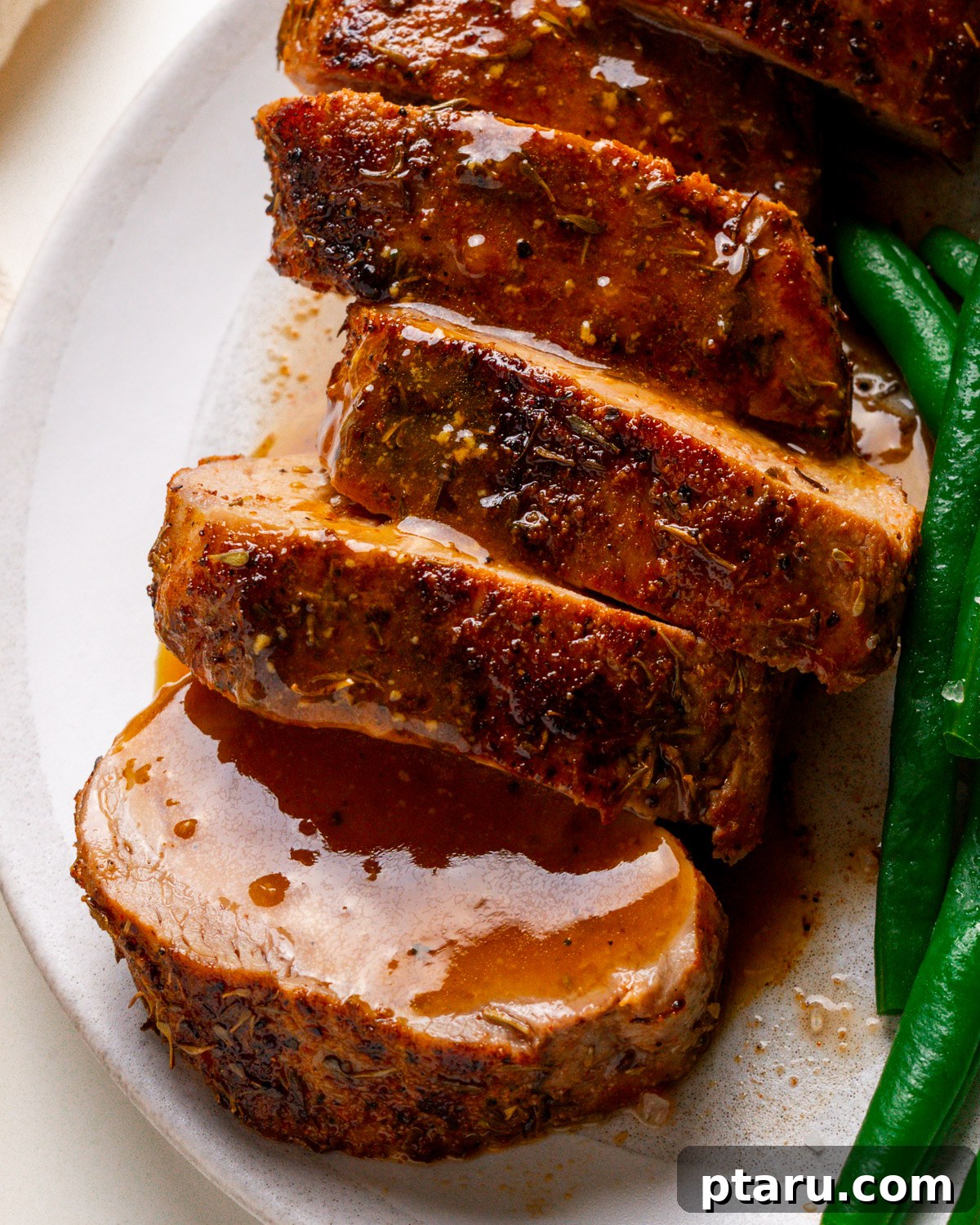
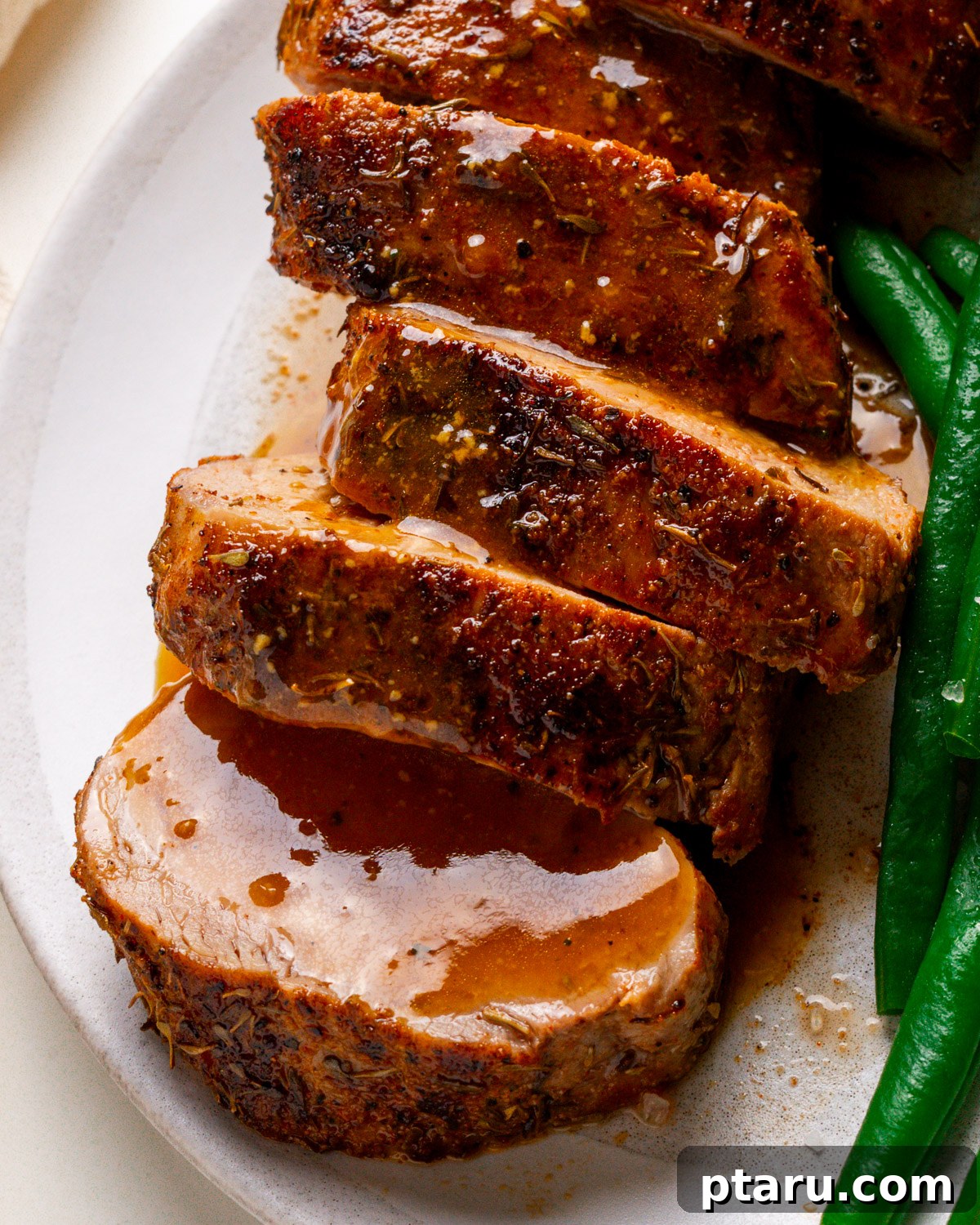
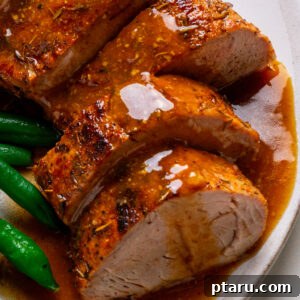
Welcome to your new favorite pork tenderloin recipe! This isn’t just any pork dish; it’s a culinary triumph designed for both ease and exceptional flavor. Perfectly tender and incredibly juicy, this oven-roasted pork tenderloin recipe is destined to become a staple in your kitchen. Whether you’re planning a quick weeknight meal or preparing for a special dinner party, its one-pan simplicity and gourmet taste will impress every time. The magic lies in a quick brining process, a vibrant spice rub, and a luscious maple-Dijon pan glaze that comes together effortlessly in the same skillet.
Forget dry, flavorless pork. This recipe guarantees succulent results, consistently delivering a perfectly cooked tenderloin enveloped in a rich, savory crust and drizzled with an unforgettable sauce. It’s a symphony of sweet, tangy, and savory notes that elevates a simple cut of meat into an extraordinary dining experience. Get ready to master the art of tender pork with minimal fuss and maximum deliciousness.
Essential Ingredients for a Perfect Pork Tenderloin
Crafting this delightful pork tenderloin begins with a selection of fresh, high-quality ingredients. Each component plays a vital role in building the layers of flavor that make this dish truly special. From the quick brine to the vibrant spice rub and the indulgent pan glaze, here’s a detailed look at what you’ll need to create this culinary masterpiece.
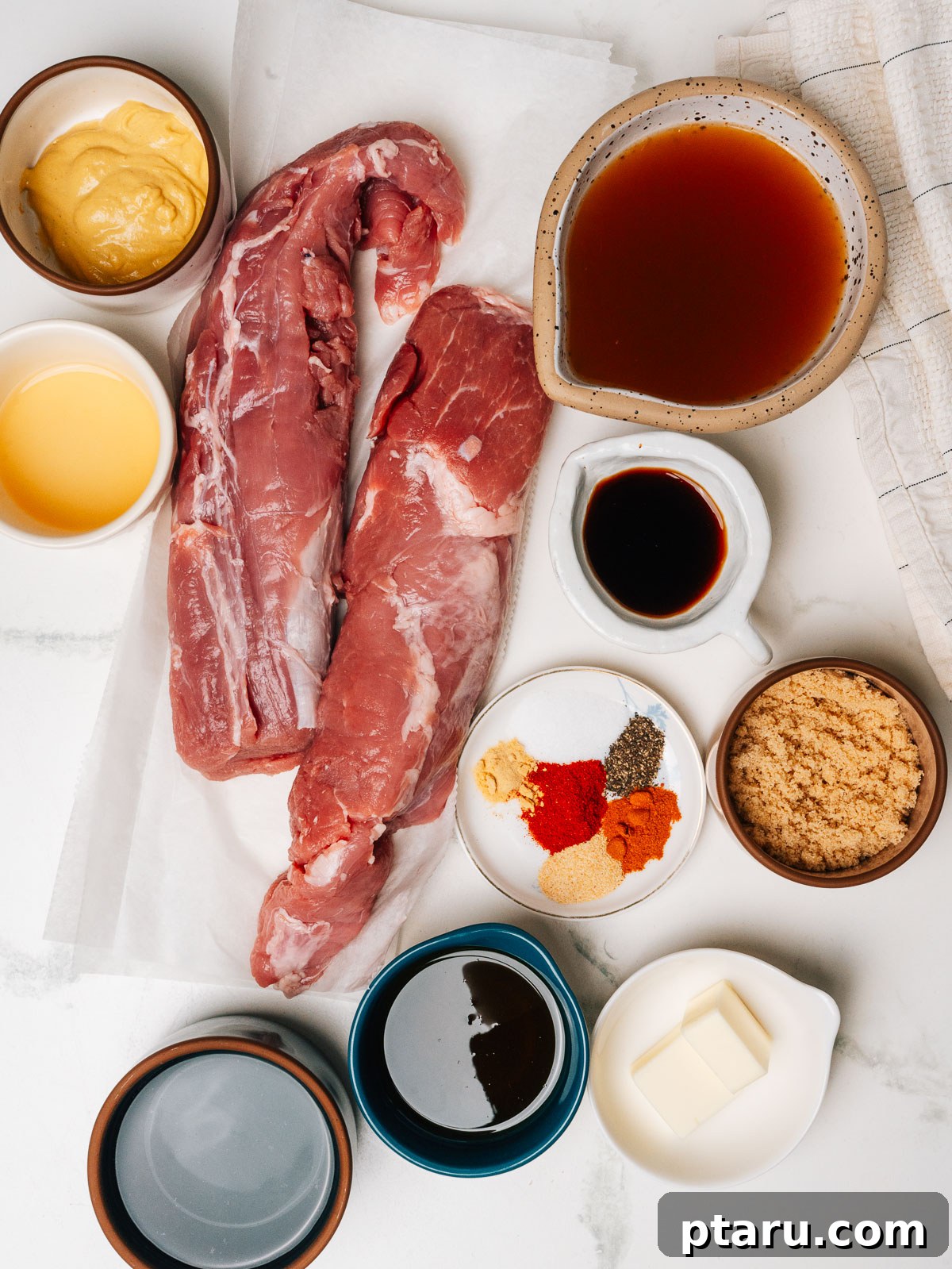
For the Quick Brine
The brine is your secret weapon for ensuring an incredibly moist and flavorful pork tenderloin. It seasons the meat from the inside out and helps it retain moisture during the roasting process, preventing dryness.
- Kosher salt: Essential for the brining process, drawing moisture into the meat and seasoning it deeply. Use kosher salt as its larger crystals dissolve more evenly.
- Brown sugar: Adds a subtle sweetness that balances the salt and contributes to a beautiful caramelized crust.
- Water (boiling and cold): A combination of boiling water to dissolve the salt and sugar, and cold water to bring the brine to a safe temperature for the pork.
The Pork & Searing Essentials
The star of our dish needs careful attention to achieve that perfect sear and tender interior.
- Pork tenderloin: Select one tenderloin, typically 1 to 1.5 lbs. It’s crucial to remove the silver skin before brining, as this tough membrane won’t tenderize during cooking. Refer to the recipe notes or FAQ for a quick guide on how to do this.
- Olive oil: Used for searing the pork to create a rich, browned crust. High-heat oils like avocado oil or canola oil are also excellent alternatives.
The Flavorful Spice Rub
This aromatic spice rub provides a punch of flavor and contributes to the gorgeous color of the finished pork. Each spice is carefully selected to complement the pork without overpowering it.
- Smoked paprika: Imparts a wonderful smoky depth and a vibrant reddish hue.
- Garlic powder: A foundational flavor that adds warmth and savory notes.
- Onion powder: Complements the garlic, offering a sweet and savory aromatic base.
- Black pepper: Adds a gentle heat and pungent freshness.
- Dried thyme: Contributes an earthy, slightly minty, and floral note that pairs beautifully with pork.
- Cayenne: A pinch for a subtle kick, easily adjustable to your heat preference.
- Kosher salt: To enhance all the other flavors and ensure the crust is well-seasoned.
The Irresistible Maple-Dijon Pan Glaze
This rich and silky glaze is made directly in the same pan, capturing all the delicious fond from searing the pork. It’s the perfect balance of sweet, tangy, and savory.
- Butter: Browned until it achieves a nutty, caramel-like aroma. This step is non-negotiable for adding profound depth to the sauce.
- Chicken broth: Forms the base of the glaze, deglazing the pan to incorporate all the browned bits.
- Dijon mustard: Provides a sharp, tangy, and slightly spicy counterpoint to the sweetness of the maple.
- Maple syrup: The star sweetener, offering a natural, complex sweetness that caramelizes beautifully.
- Apple cider vinegar: Adds a bright acidity that cuts through the richness and enhances the overall flavor profile.
- Soy sauce: Contributes umami depth and a hint of saltiness, rounding out the glaze.
- Cornstarch: Mixed with cold water to create a slurry, this is added at the end to thicken the glaze to a perfect, spoonable consistency.
For precise measurements and full instructions, please refer to the comprehensive recipe card at the bottom of this article.
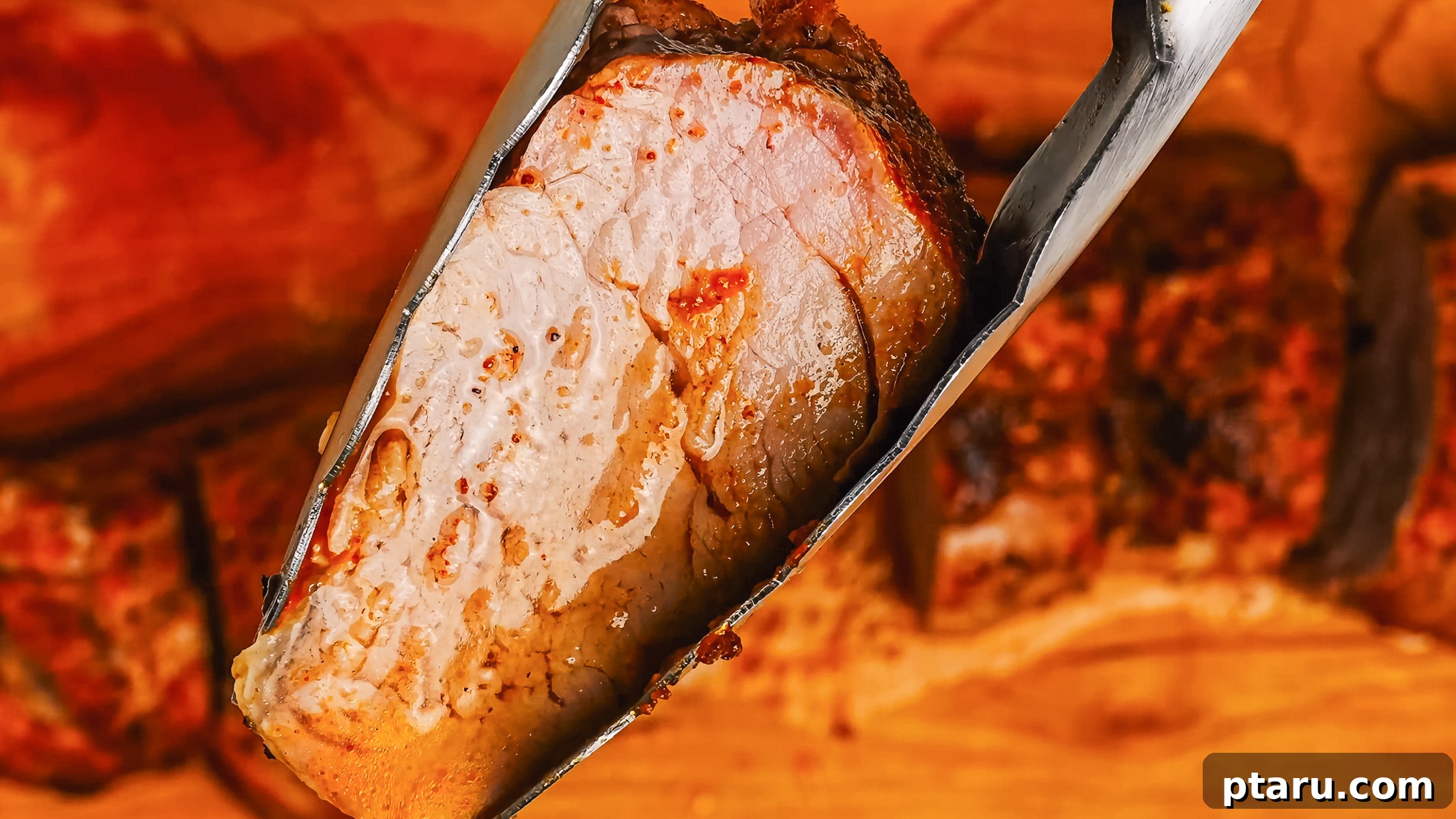
Variations and Substitutions to Customize Your Pork Tenderloin
This oven-roasted pork tenderloin recipe is incredibly versatile, allowing for easy adjustments based on what you have on hand or your dietary preferences. Don’t be afraid to experiment with these simple swaps to make the dish truly your own.
- Pork loin instead of tenderloin: While different cuts, you can adapt this recipe for roast pork loin. Keep in mind that pork loin is thicker and wider, requiring an additional 15 to 20 minutes of baking time. Always use an instant-read thermometer to ensure it reaches an internal temperature of 145°F, just like tenderloin.
- Seasoning variations: Feel free to customize the spice rub. You can swap the dried thyme for an equal amount of Italian seasoning for a different herb profile, or introduce new flavors with a pinch of cumin, coriander, or even a touch of smoked paprika for extra depth.
- Honey instead of maple syrup: If maple syrup isn’t available, honey makes an excellent substitute in the pan glaze. Use the same quantity for a similar sweet and sticky result.
- Pork tenderloin marinade: For an alternative flavor profile, skip the dry spice rub and marinate the pork instead. A simple marinade of olive oil, minced garlic, soy sauce, and Dijon mustard works wonders. Marinate for up to 4 hours in the refrigerator. Remember to pat the pork very dry before searing to achieve a beautiful crust.
- Slow cooker method: To transform this into a slow cooker meal, first rub the pork with the spice blend. Place it in your slow cooker with about 1/2 cup of chicken broth. Cook on low for 3 to 4 hours, or until the internal temperature reaches 145°F. Prepare the maple-Dijon glaze separately on the stovetop while the pork cooks.
- Instant Pot method: For a faster cooking experience, use your Instant Pot. Sear the seasoned pork on the “sauté” mode until browned on all sides. Then, pressure cook on high for 3 minutes with a natural release for 10 minutes. While the pork rests, prepare the pan glaze on the stovetop.
- Grilled pork tenderloin: The spice rub is absolutely fantastic on the grill! Preheat your grill to medium-high heat. Cook the tenderloin, turning it frequently, until it reaches an internal temperature of 145°F. This method gives the pork a wonderful smoky char.
- Dijon mustard alternatives: If you don’t have Dijon mustard, grainy mustard or spicy brown mustard can be used as direct substitutes in the pan glaze. They will offer a similar tang and depth.
Craving more delicious pork recipes? Be sure to try my air fryer pork tenderloin when you need dinner even faster, or my incredibly flavorful pulled pork tenderloin for a simple yet satisfying weeknight meal!
Essential Tools for Cooking Perfect Pork Tenderloin
Having the right tools can make all the difference in achieving culinary success, especially when aiming for that perfectly cooked, juicy oven-roasted pork tenderloin. While most items are kitchen staples, a few specialized pieces will elevate your experience and ensure outstanding results.
- Oven-safe skillet: A high-quality cast iron skillet is ideal for this recipe. Its ability to go from stovetop to oven means you can sear, roast, and prepare the pan glaze all in one pan, maximizing flavor and minimizing cleanup. If you don’t have an oven-safe skillet or one large enough, simply transfer the seared pork to a baking dish before roasting.
- Instant-read thermometer: This is arguably the most crucial tool for cooking pork tenderloin to perfection. Overcooked pork is dry and tough, while undercooked pork is unsafe. An instant-read thermometer ensures you pull the pork from the oven at precisely 145°F, guaranteeing juicy, tender results every time.
- Rimmed baking sheet: Essential for resting the pork after it comes out of the oven. The rim catches any juices, which can then be added to your glaze for extra flavor.
- Small bowls: You’ll need these for mixing the spice rub and preparing the cornstarch slurry for thickening the glaze. Having them at the ready streamlines your prep.
- Fine mesh strainer: For finishing the maple-Dijon glaze, a fine mesh strainer helps remove any small bits or impurities, resulting in a beautifully silky, restaurant-quality sauce. Don’t skip this step for that professional touch.
- Tongs: Perfect for easily flipping the pork tenderloin while searing in the hot skillet, ensuring even browning on all sides without piercing the meat.
- Whisk: An indispensable tool for effortlessly emulsifying the pan glaze ingredients and incorporating the cornstarch slurry, preventing lumps and creating a smooth, cohesive sauce.
And if you love easy oven-baked meals, be sure to check out my incredible Oven Baked Pork Chops recipe!
How to Master Oven-Roasted Pork Tenderloin: A Step-by-Step Guide
Achieving a perfectly tender and flavorful pork tenderloin in the oven is simpler than you might think. This guide breaks down the process into clear, manageable steps, showing you exactly how to cook pork tenderloin from start to finish. With a single skillet doing most of the work, you’ll create a dish that tastes complex but is surprisingly easy.
1. Brine the Pork for Ultimate Juiciness
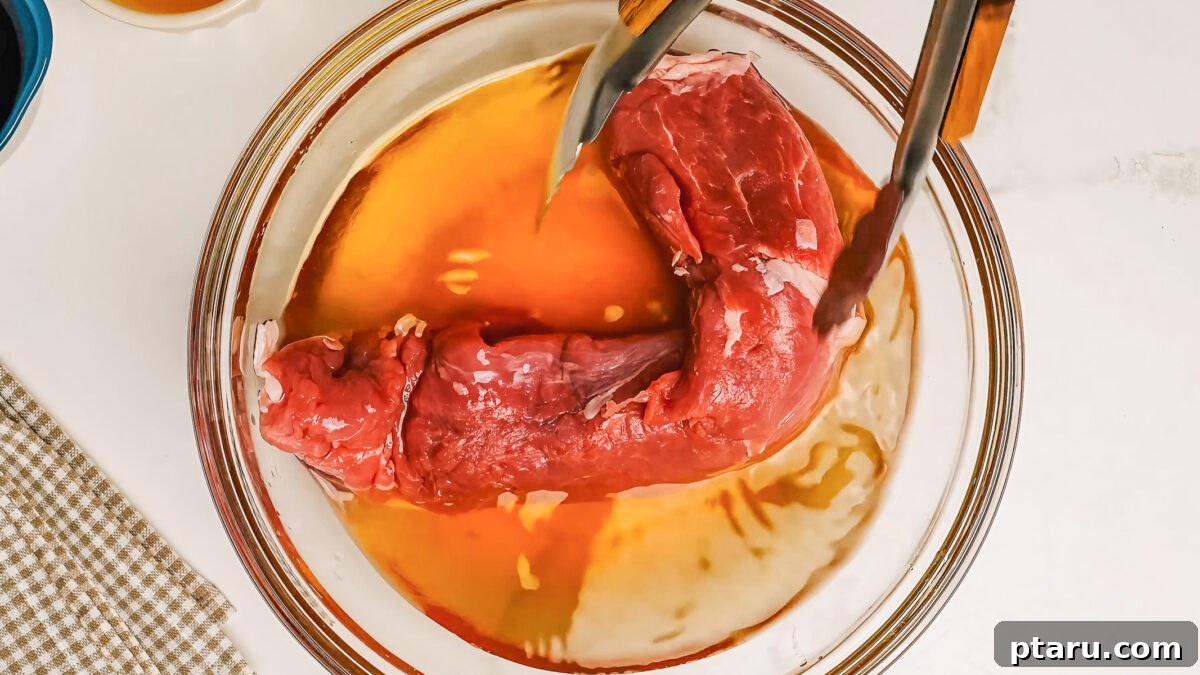
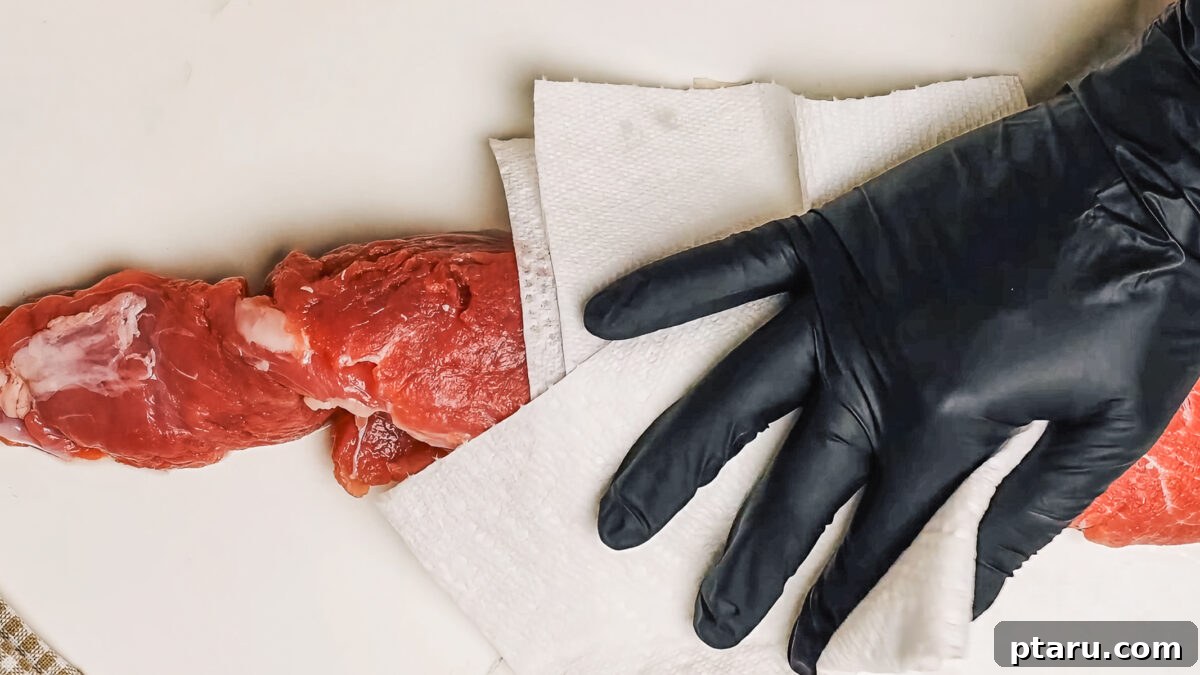
Begin by preparing your quick brine. In a medium bowl, combine the boiling water, kosher salt, and brown sugar. Stir thoroughly until both the salt and sugar are completely dissolved. Add the cold water to cool the brine down. Once cooled, submerge your prepared pork tenderloin (silver skin removed!) in the brine. Allow it to brine for 30 to 60 minutes at room temperature. This crucial step infuses the pork with flavor and helps it retain moisture. After brining, drain the tenderloin and use paper towels to pat it *very* dry on all sides. This dryness is key for achieving a proper sear.
2. Preheat Your Oven and Prepare the Pan
Preheat your oven to a robust 400°F (200°C). While the oven heats, place your oven-safe skillet (preferably cast iron) on the stovetop over medium-high heat. Giving the pan sufficient time to get properly hot before adding the pork is essential. A screaming hot pan ensures a deep, even sear, which translates to a more flavorful crust on your pork tenderloin.
3. Apply the Flavorful Spice Rub
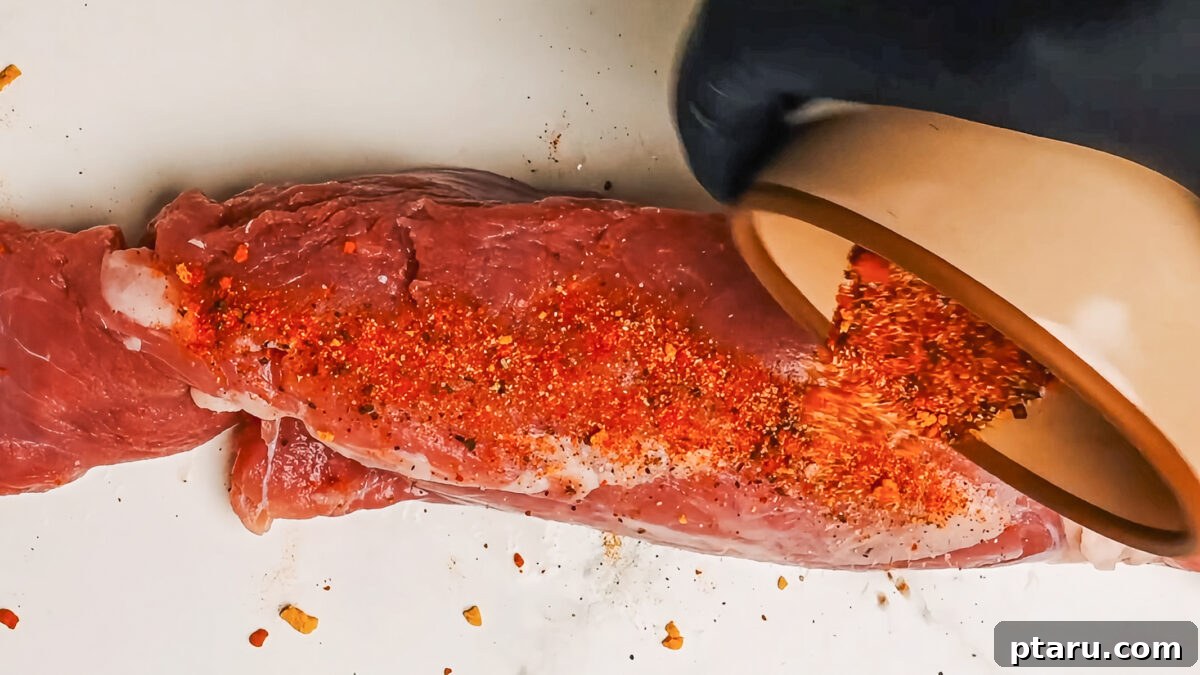
In a small bowl, combine all the spice rub ingredients: smoked paprika, garlic powder, onion powder, black pepper, dried thyme, cayenne, and kosher salt. Mix them well to ensure an even distribution of flavor. Once mixed, firmly press the spice rub all over the dried pork tenderloin, ensuring every side is thoroughly coated. This creates a delicious, savory crust that will develop an incredible color and flavor when it hits the hot pan.
4. Sear the Pork for a Golden Crust
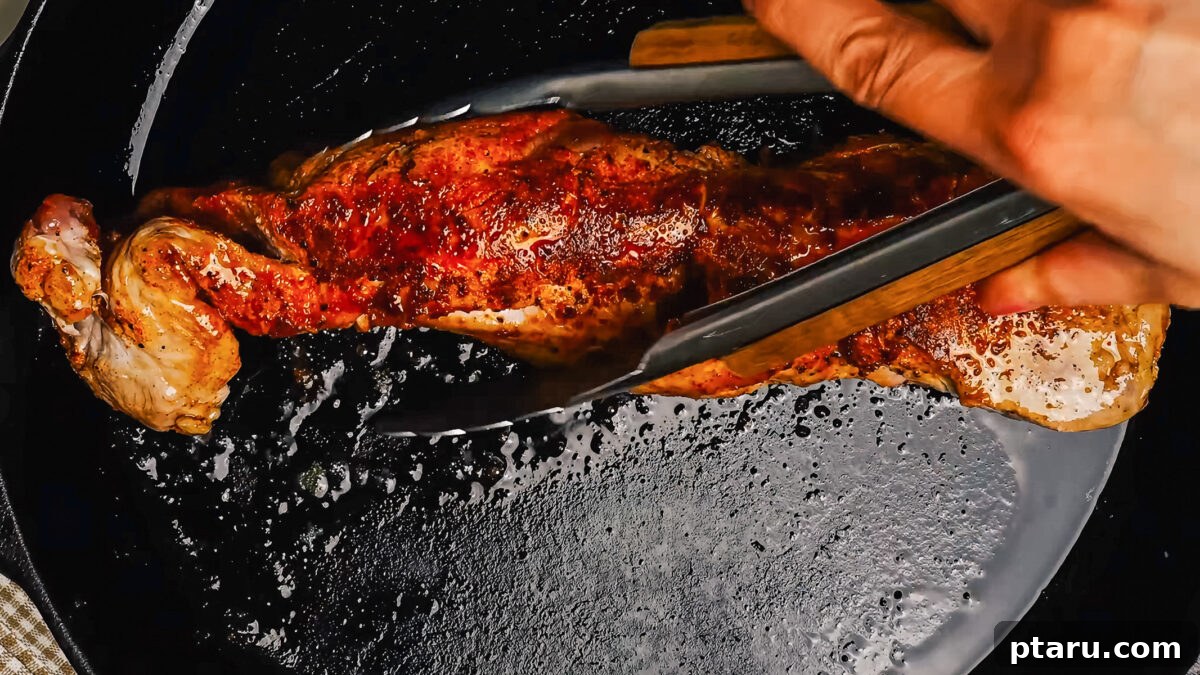
Add 1 tablespoon of olive oil to your preheated hot skillet. Once the oil shimmers, carefully place the seasoned pork tenderloin into the pan. Sear the tenderloin for 2 to 3 minutes per side, rotating it with tongs until it’s deeply browned on all surfaces. This searing step is not just for color; it locks in juices and builds the foundational savory flavor that defines a perfectly roasted pork tenderloin.
5. Roast to Perfection: Reach 145°F
After searing, add 1 tablespoon of water to the skillet. This tiny splash of water helps prevent any drippings from scorching during the roasting process. Immediately transfer the skillet to the preheated 400°F oven. Roast for 15 to 25 minutes. Begin checking the internal temperature with an instant-read thermometer at the 15-minute mark. You want to pull the pork from the oven precisely when the thickest part reaches 145°F (63°C). This temperature ensures it’s perfectly cooked and incredibly juicy.
6. The Crucial Resting Period
Once the pork reaches 145°F, transfer it from the skillet to a clean rimmed baking sheet. This allows for easy cleanup and collects any precious juices. Now, and this is critical, let the pork rest for a full 10 minutes before slicing. It’s tempting to cut into it right away, but resting allows the juices to redistribute throughout the meat, guaranteeing maximum juiciness. Patience here is rewarded!
7. Create the Luscious Maple-Dijon Pan Glaze
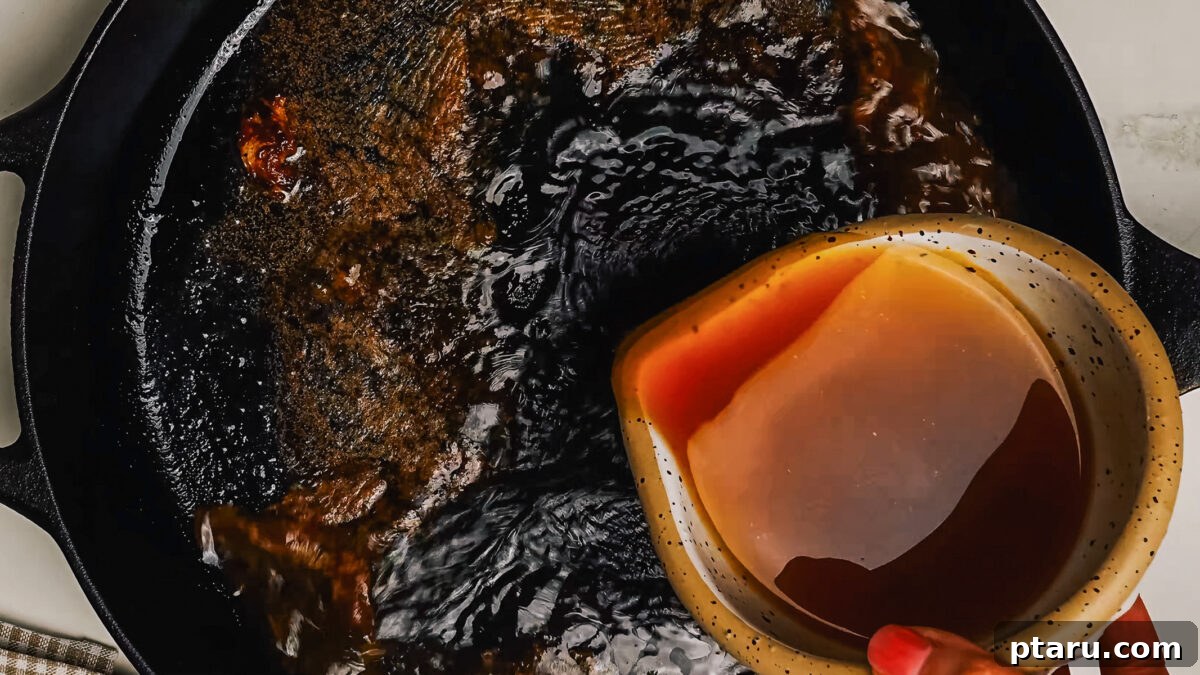
While the pork rests, return the same skillet to medium heat on the stovetop. Add the butter and allow it to melt, foam, and then turn a beautiful light caramel brown. This browned butter adds a nutty, deep flavor to the glaze. Stir in the chicken broth, Dijon mustard, maple syrup, apple cider vinegar, and soy sauce. Make sure to scrape up all those flavorful browned bits (the “fond”) from the bottom of the pan – they are packed with incredible flavor.
8. Reduce and Thicken the Silky Sauce
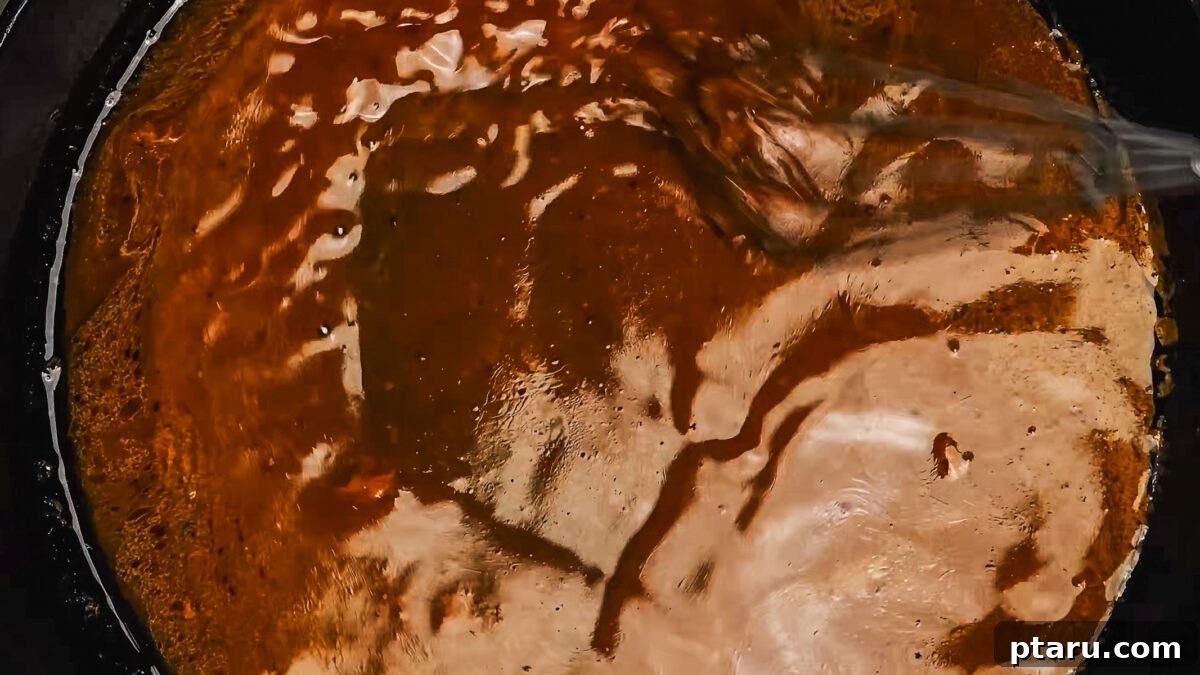
Bring the glaze mixture to a boil, then reduce the heat and let it simmer gently for about 5 minutes. This allows the sauce to reduce by approximately half, concentrating its flavors. In a small separate bowl, whisk the cornstarch with 1 tablespoon of cold water until smooth to create a slurry. Stir this slurry into the simmering glaze. Continue to simmer for 30 to 60 seconds, or until the sauce visibly thickens to your desired consistency. Finally, strain the glaze through a fine mesh strainer to ensure it’s beautifully silky and restaurant-quality smooth, then stir in any collected resting juices from the pork. Taste and adjust seasoning with salt and pepper as needed.
9. Slice and Serve with Generosity
Once rested, slice the pork tenderloin into 1/2-inch thick medallions. Arrange them artfully on a serving platter, fanning them out for an elegant presentation. Spoon the warm, rich maple-Dijon glaze generously over the top of the sliced pork. For an extra touch, you can finish with a small pinch of flaky sea salt if the sauce needs a little boost in flavor. Serve immediately and enjoy the rave reviews!
Avoid These 5 Common Mistakes for Perfect Pork Tenderloin
Even seasoned home cooks can fall into traps when preparing pork tenderloin. This lean and delicate cut requires specific attention to detail to prevent it from becoming dry or tough. By understanding and avoiding these common pitfalls, you’ll ensure your pork tenderloin is consistently tender, juicy, and bursting with flavor.
- Skipping the brine: Many home cooks overlook this simple yet profoundly effective step. Even a quick 30-minute brine makes an astounding difference. It not only seasons the meat deeply from the inside out but, more importantly, helps the pork retain moisture during the high-heat roasting process. Without it, the pork is far more susceptible to drying out. Think of it as an insurance policy for juiciness.
- Not patting the pork dry: This might seem minor, but it’s a game-changer for searing. After brining, if the surface of the pork is still wet, it will steam in the hot pan rather than sear. Steaming prevents the formation of that desirable, deeply browned, flavorful crust (the Maillard reaction) that adds so much character to the dish. Always pat the pork very, very dry with paper towels before applying the spice rub.
- Pulling it at 145°F and being concerned about a slight pink hue: The USDA-recommended safe internal temperature for whole cuts of pork is 145°F (63°C). At this temperature, especially after a 10-minute rest, the center of the pork tenderloin will likely still show a rosy pink color. This is perfectly normal, safe, and indicative of a perfectly cooked, juicy piece of meat. Don’t be tempted to put it back in the oven; doing so will lead to overcooked, dry pork. Trust your instant-read thermometer!
- Skipping the rest: This is another critical step that’s often rushed. Slicing into the pork immediately after it comes out of the oven will cause all the precious internal juices to gush out onto your cutting board, leaving you with dry meat. Allowing the pork to rest for a full 10 minutes gives the muscle fibers time to relax and reabsorb those juices, resulting in a significantly more tender and succulent bite.
- Not removing the silver skin: Pork tenderloins often have a thin, silvery membrane running along one side called “silver skin.” Unlike fat, this connective tissue does not break down or tenderize during cooking; it remains tough and chewy. It’s essential to remove it before brining. Use a sharp paring knife to slip underneath and carefully peel it away. It takes only a moment but vastly improves the texture of your finished dish.
Make Ahead and Storage Solutions for Your Pork Tenderloin
This oven-roasted pork tenderloin recipe is perfect for busy schedules because many components can be prepped in advance, and leftovers store beautifully. Here’s how to manage your time and ensure your delicious meal lasts.
Making Ahead
While the pork tenderloin is best cooked fresh, you can get a head start on several elements:
- Brine: Prepare the brine solution (boiling water, salt, sugar, then cold water) ahead of time and store it in the fridge. On cooking day, simply submerge the pork for 30-60 minutes at room temperature.
- Spice Rub: Mix all the dry spice rub ingredients together in a small airtight container. Store at room temperature until ready to use, usually up to several weeks.
- Glaze Base (Partially): You can pre-measure all the liquid ingredients for the maple-Dijon glaze (broth, Dijon, maple syrup, apple cider vinegar, soy sauce) and store them together in a sealed container in the fridge. This saves time during the final cooking stage.
Storing Leftovers
Proper storage ensures your leftover pork remains delicious and safe to eat.
- Fridge: Store any leftover cooked pork tenderloin in an airtight container in the refrigerator for up to 3 days.
- Keep the sauce separate: To prevent the pork from becoming soggy, always store the maple-Dijon glaze in its own separate airtight container. You can spoon it over the pork when reheating.
- Great for meal prep: Leftover pork tenderloin is incredibly versatile. Slice it thinly and use it the next day in sandwiches, atop fresh green salads, or as a protein boost in grain bowls.
Freezing Pork Tenderloin
This recipe freezes well, making it excellent for future meals.
- Whole or sliced: For freezing, wrap the cooked pork tenderloin tightly in plastic wrap, then place it in a freezer-safe bag or an airtight container. It can be frozen for up to 3 months.
- Freeze the sauce separately: The maple-Dijon glaze also freezes beautifully. Store it in a small airtight container or even pour it into an ice cube tray for individual portions.
- Thaw overnight: When you’re ready to enjoy, transfer the frozen pork (and glaze) to the refrigerator the night before you plan to use it for a slow, safe thaw.
Reheating Pork Tenderloin
Reheating lean pork tenderloin requires a gentle touch to maintain its juiciness.
- Oven: The best method for reheating. Place the sliced pork in an oven-safe dish, add a tablespoon or two of chicken broth or water, and cover tightly with foil. Reheat at 300°F (150°C) for 10 to 15 minutes, or until just warmed through. The foil and added liquid help keep the slices from drying out.
- Microwave: If you’re short on time, microwave in short bursts at medium power. Add a splash of broth or water to the container to help maintain moisture. Stir and check frequently.
- Don’t overheat: Remember, pork tenderloin is very lean and will dry out quickly if reheated too aggressively or for too long. Gentle reheating is key to preserving its tender texture.
Serving Suggestions for Your Maple-Dijon Pork Tenderloin
This oven-roasted pork tenderloin with its delectable maple-Dijon glaze is truly versatile, equally at home on a casual Tuesday night or as the star dish at an elegant dinner party. Its rich flavors and tender texture make it a crowd-pleaser that pairs beautifully with a variety of accompaniments. I personally love to slice the pork into neat medallions and arrange them artfully on a platter, then spoon a generous amount of that irresistible glaze over the top for a stunning presentation.
Sauce and Topping Options
While the maple-Dijon glaze is a showstopper on its own, a few additions can enhance the dining experience.
- Extra maple-Dijon glaze: Always make the full batch of glaze, as it’s so good! Serve any extra on the side in a small pitcher or bowl, allowing guests to add more for dipping or drizzling to their liking.
- Fresh herbs: A sprinkle of freshly chopped herbs immediately brightens the dish. Fresh thyme leaves, flat-leaf parsley, or chives add a pop of color and a fresh, aromatic finish that complements the richness of the pork and glaze.
- Grainy mustard on the side: For those who appreciate an extra layer of flavor, a small dollop of grainy mustard served alongside offers a delightful sharpness. Its textural contrast and pungent notes beautifully balance the sweetness of the maple glaze.
Perfect Side Dishes for Pork Tenderloin
This oven-baked pork tenderloin is incredibly adaptable and pairs well with almost any side. Here are some of my top recommendations that create a balanced and satisfying meal:
- Mashed potatoes: A quintessential pairing! Creamy mashed potatoes are the ideal canvas for soaking up every last drop of the savory maple-Dijon glaze, which doubles perfectly as a rich, flavorful gravy.
- Roasted asparagus or green beans: For a simple, healthy, and fast vegetable side, roast some asparagus or green beans with a little olive oil, salt, and pepper. Their slight crispness and earthy flavor provide a wonderful contrast to the tender pork and rich sauce.
- Instant Pot rice: If you’re looking for an easy grain, fluffy white or brown rice cooked in an Instant Pot is a fantastic choice. It’s ready in about 15 minutes and is excellent for absorbing the luscious extra glaze.
- A crisp green salad with a light vinaigrette: To keep the meal balanced, especially on weeknights, serve with a refreshing green salad. A simple vinaigrette dressing will provide a bright, acidic counterpoint to the richness of the pork.
- Crusty bread: Don’t let any of that amazing glaze go to waste! A good crusty bread, like a baguette or sourdough, is perfect for mopping up every delectable drop from the plate.
Pro Tips and Science-Based Secrets for the Best Pork Tenderloin
Achieving truly exceptional oven-roasted pork tenderloin goes beyond just following steps; it’s about understanding the nuances and applying a few expert techniques. These “pro tips” are derived from culinary science and practical experience, guaranteeing your pork is always juicy, tender, and incredibly flavorful.
- Always use an instant-read thermometer: This cannot be stressed enough. It is the single most important tool for ensuring perfectly cooked pork. Relying on visual cues or cook times alone is risky for lean meats like tenderloin. Pull the pork at precisely 145°F (63°C) and then let it rest for 10 minutes. This precise formula is your key to consistent success and ultimate juiciness.
- Pat the pork very dry before searing: Moisture is the enemy of browning. Any water on the surface of the meat will steam rather than sear, preventing the Maillard reaction that creates a rich, flavorful crust. A super dry surface ensures maximum contact with the hot pan, leading to a beautiful, deeply browned exterior.
- Don’t skip the quick brine, even when short on time: A brine isn’t just about seasoning; it’s about altering the meat’s protein structure to help it retain moisture. Even 30 minutes in a simple salt and sugar solution seasons the pork from the inside out and acts as a buffer against drying out during the high-heat roast. It’s a small investment of time for a massive payoff in tenderness and juiciness.
- Brown the butter first for the glaze: That delightful, nutty aroma and rich flavor of browned butter (beurre noisette) add an incredible depth to the maple-Dijon glaze that you simply can’t achieve by just melting the butter. Allow the butter to melt, foam, and then gently turn to a light caramel color before adding the other glaze ingredients. This extra step builds a complex, savory foundation for your sauce.
- Strain the sauce through a fine mesh strainer: This simple action, which takes mere seconds, transforms your glaze from a potentially lumpy sauce into a beautifully smooth, restaurant-quality accompaniment. It removes any small bits of spice, rendered fat, or coagulated cornstarch, resulting in a perfectly silky texture that coats the pork elegantly.
- Always remove the silver skin: This tough, silvery membrane found on pork tenderloins is pure connective tissue that will not break down or tenderize during cooking. If left on, it will make the pork chewy and unpleasant. A sharp paring knife can easily slip underneath it, allowing you to peel it away cleanly before you brine the meat, ensuring a uniformly tender texture throughout.
- Utilize the one-skillet approach for maximum flavor and minimal cleanup: One of the beauties of this recipe is its single-pan efficiency. Searing, roasting, and making the glaze all in the same oven-safe skillet not only reduces dishes but also builds layers of flavor. The “fond” (the delicious browned bits left in the pan after searing) becomes the flavor base for your glaze, creating a more cohesive and deeply flavored sauce.
Frequently Asked Questions About Pork Tenderloin
New to cooking pork tenderloin, or just looking for quick answers? Here are some of the most commonly asked questions to help you confidently prepare this delicious cut of meat.
What is the difference between pork tenderloin and pork loin?
Pork tenderloin and pork loin are distinct cuts of pork and are not interchangeable without recipe adjustments. Pork tenderloin is a long, thin, and very lean muscle that runs along the spine. It cooks quickly and remains incredibly tender. Pork loin, also known as pork loin roast, is a much wider, heavier, and thicker cut. It takes significantly longer to cook and is often roasted whole.
How long do you cook pork tenderloin in the oven?
The cooking time for pork tenderloin in the oven varies based on its size and thickness. At 400°F (200°C), after an initial sear, most tenderloins will take between 15 to 25 minutes to roast. A smaller tenderloin (around 1 lb) might be done closer to 15 minutes, while a larger one (1.5 lbs) could require 20 to 25 minutes. Always use an instant-read thermometer to check for an internal temperature of 145°F (63°C).
What temperature should pork tenderloin be cooked to?
Pork tenderloin should be cooked to an internal temperature of 145°F (63°C). This is the USDA-recommended safe temperature for whole cuts of pork. When cooked to 145°F and then allowed to rest for 10 minutes, the center may appear slightly pink, which is completely normal, safe, and results in the most juicy and tender texture.
Do you cover pork tenderloin when baking it in the oven?
No, there’s no need to cover pork tenderloin when baking it at 400°F (200°C). The high heat ensures it roasts quickly enough without drying out. In this recipe, a splash of water added to the skillet before transferring it to the oven helps prevent any drippings from scorching, further aiding in a perfect roast without the need for foil.
What is the best way to keep pork tenderloin juicy?
The best strategies for keeping pork tenderloin juicy are a combination of brining, precise cooking, and proper resting. First, a quick brine seasons the meat and helps it retain moisture. Second, avoid overcooking by using an instant-read thermometer to pull the pork at exactly 145°F (63°C). Finally, always let the pork rest for 10 minutes before slicing to allow the juices to redistribute.
How do you remove silver skin from pork tenderloin?
Removing silver skin is straightforward. Lay the tenderloin flat. Slip a sharp paring knife just under one end of the silvery membrane. Hold the silver skin taut with your fingers (a paper towel can help with grip) and gently slide the knife along the length of the meat, keeping the blade angled slightly upwards, to peel it away cleanly. Discard the removed silver skin.
Can you make this pork tenderloin recipe in a slow cooker?
Yes, you can adapt this pork tenderloin recipe for a slow cooker. After applying the spice rub, place the tenderloin in your slow cooker with about 1/2 cup of chicken broth. Cook on low for 3 to 4 hours, or until it reaches an internal temperature of 145°F (63°C). The maple-Dijon glaze should be prepared separately on the stovetop and poured over the pork before serving.
Can you use a pork tenderloin marinade instead of a dry rub?
Absolutely! If you prefer a marinade, you can skip the dry spice rub. A great marinade typically includes olive oil, minced garlic, soy sauce, Dijon mustard, and a touch of maple syrup or honey. Marinate the pork in the refrigerator for 1 to 4 hours. It’s crucial to pat the pork very dry after marinating, just before searing, to ensure you still achieve a beautiful, browned crust.
More Delicious Pork Recipes You’ll Love
If you’ve enjoyed this oven-roasted pork tenderloin, you’re in for a treat with these other fantastic pork dishes, perfect for any occasion!
- Air Fryer Pork Tenderloin: For those nights when you need dinner on the table even faster, this air fryer version delivers juicy results with minimal effort.
- Roast Pork Loin Recipe: A heartier cut that’s perfect for feeding a crowd, this recipe offers a succulent and flavorful roast pork loin.
- Slow Cooker Pork Loin: Set it and forget it! This slow cooker recipe yields tender, falling-apart pork loin that’s perfect for sandwiches or a comforting meal.
- Pulled Pork Tenderloin: My absolute favorite for weeknight pulled pork! Quick, easy, and incredibly flavorful, it’s a fantastic alternative to traditional slow-cooked pulled pork.
- Air Fryer Pork Loin: Get perfectly cooked pork loin with a crispy exterior using your air fryer, another excellent option for quick and delicious meals.
Pork Tenderloin with Maple-Dijon Pan Glaze
By: Jennifer Pallian BSc, RD
This oven-roasted pork tenderloin is brined for maximum juiciness, seared for a flavorful crust, and finished with a silky maple-Dijon pan glaze made right in the same skillet. One pan, under an hour of active time, and a sauce that tastes like it took all day.
Ingredients
Quick Brine:
- 1 cup boiling water
- 3 tbsp kosher salt
- 2 tbsp brown sugar
- 3 cups cold water
Spice Rub:
- 1 tsp smoked paprika
- 1 tsp garlic powder
- 1 tsp onion powder
- ½ tsp black pepper
- ½ tsp dried thyme
- ¼ tsp cayenne
- ¼ tsp kosher salt
Pork:
- 1 pork tenderloin (1 to 1 1/2 lb, silver skin removed)
- 1 tbsp olive oil
- 1 tbsp water, for the pan
Maple-Dijon Pan Glaze:
- 2 tbsp butter
- 1 cup chicken broth
- 2 tbsp Dijon mustard
- 4 tbsp maple syrup
- 1 tbsp apple cider vinegar
- 1 tbsp soy sauce
- 2 tsp cornstarch mixed with 1 tbsp cold water
- Salt and pepper to taste
Instructions
- Brine the pork: Stir the boiling water, kosher salt, and brown sugar together until dissolved. Add the cold water, then submerge the tenderloin and brine for 30 to 60 minutes at room temperature. Drain and pat very dry.
- Preheat and prep: Heat the oven to 400°F (200°C). Place an oven-safe skillet on the stove over medium-high heat. Mix the spice rub ingredients in a small bowl and rub all over the tenderloin, ensuring an even coating.
- Sear: Add 1 tbsp olive oil to the hot skillet. Sear the pork for 2 to 3 minutes per side until deeply browned all over.
- Roast: Add 1 tbsp water to the skillet, then transfer to the oven. Roast for 15 to 25 minutes until the thickest part reaches 145°F (63°C). Begin checking at 15 minutes.
- Rest: Transfer the pork to a rimmed baking sheet and let it rest for a full 10 minutes.
- Make the glaze: Return the same skillet to medium heat. Add the butter and let it melt and froth until it turns a light caramel brown. Stir in the broth, Dijon, maple syrup, vinegar, and soy sauce, scraping up all the browned bits from the bottom of the pan. Bring to a boil, then simmer for 5 minutes to reduce by half. Whisk the cornstarch with cold water in a small bowl and add to the sauce. Simmer for 30 to 60 seconds until thickened. Stir in any resting juices from the pork. Strain through a fine mesh strainer for a silky smooth sauce. Season with salt and pepper to taste.
- Serve: Slice the pork into 1/2-inch medallions and spoon the warm glaze generously over top.
Notes
- Silver skin: Always remove the tough, silvery membrane from the pork tenderloin before brining. Slip a paring knife under one end and carefully slide it along the surface to peel it away. It does not soften during cooking.
- Brine time: Do not brine the pork longer than 60 minutes at room temperature. Over-brining can alter the texture of the meat.
- Pork loin substitute: If using pork loin (a larger, wider cut), you can adapt this recipe, but add 15 to 20 minutes to the roasting time and check the internal temperature carefully with an instant-read thermometer to ensure it reaches 145°F (63°C).
- Leftovers: Store leftover pork in an airtight container in the fridge for up to 3 days. Keep the glaze separate. Reheat covered in a 300°F (150°C) oven for 10 to 15 minutes, or in short microwave bursts at medium power with a splash of broth to maintain moisture.
Nutrition
Calories: 725 kcal |
Carbohydrates: 23 g |
Protein: 95 g |
Fat: 26 g |
Saturated Fat: 9 g |
Polyunsaturated Fat: 3 g |
Monounsaturated Fat: 10 g |
Trans Fat: 0.4 g |
Cholesterol: 311 mg |
Sodium: 6231 mg |
Potassium: 1904 mg |
Fiber: 1 g |
Sugar: 18 g |
Vitamin A: 495 IU |
Vitamin C: 0.3 mg |
Calcium: 82 mg |
Iron: 5 mg
Nutrition information is automatically calculated, so should only be used as an approximation.
Tried this recipe? Leave a comment below!