From Clutter to Culinary Delight: Settling into Our New Apartment and the Joys of Homemade Mango Chutney
Moving into a new apartment is an experience that effortlessly blends the thrill of a fresh start with the daunting reality of logistical upheaval. For my fiancé and me, our recent relocation was no exception; it was a profound undertaking that stretched our organizational skills to their limits. What began as the promise of a blank canvas quickly evolved into an epic saga of decluttering, sorting, and rediscovering years of accumulated possessions. To merely label it a “huge task” would be a significant understatement; it was an archaeological dig through six years of our intertwined lives.
The sheer volume of items we had amassed was, quite frankly, astounding. Our home resembled a living archive: shelves sagged under the weight of university textbooks and meticulously scribbled notes, remnants of bygone academic pursuits. Boxes overflowed with an eclectic mix of art supplies, canvases, and various craft projects, enthusiastically started but, alas, abandoned halfway through. Closets and drawers were veritable time capsules, bursting with clothes that had either seen better days or, more often, had barely seen the light of day. A makeup case revealed eyeshadow specimens that were impressively nearing the half-decade mark, while kitchen cupboards housed a chaotic collection of mismatched glasses and hand-me-down dishes, each with its own faded story. And then, the grand finale: a massive storage unit – a bewildering repository of camping gear, festive Christmas decorations, and an array of sports equipment that neither of us had ever actually used. It became abundantly clear: a major purge was not just desired, but absolutely essential.
Our decluttering strategy, bravely undertaken and, admittedly, fueled by several dozen bottles of wine for moral support, was both brutal and ultimately liberating. We adopted a strict, two-fold criterion for every single item: it had to be either highly useful or deeply sentimental, and ideally, both. This meant making difficult decisions, bidding farewell to countless objects that no longer served a purpose or held a cherished memory. The process was surprisingly cathartic, akin to shedding not just physical clutter but also the mental weight of unnecessary attachments. After weeks of relentless sorting, packing, and discarding, we successfully distilled six years of accumulated treasures and trash, reducing our belongings down to only the essentials and the truly cherished.
Stepping into our new abode, the initial wave of triumphant accomplishment was swiftly followed by an overwhelming desire for relaxation and recuperation. The thought of immediately diving into interior decorating felt like scaling another insurmountable peak. And so, a month has gracefully (or perhaps, somewhat awkwardly) passed. Our walls remain bare, patiently awaiting the comforting embrace of framed photos, and our bedroom windows, much to the chagrin of any early morning sunlight, are still without curtains. (To our new neighbors, if you happen to be reading this: my sincerest apologies for the unintentional peep show… or, depending on your perspective, you are entirely welcome? Awkward indeed!)
Discovering Local Treasures: From Unpacked Boxes to Bustling Market Finds
The never-ending “to-do” list that invariably accompanies moving has been further compounded by a whirlwind of travel, welcoming house guests, and the usual demands of work. As a result, our exploration of the new neighborhood has been a gradual, meandering process. While we haven’t yet uncovered all its hidden gems, the discoveries we have made have been all the more precious for their slow, delightful unveiling.
The absolute highlight of our sparse wanderings so far was undeniably stumbling upon a vibrant, bustling produce market nestled deep within the heart of Chinatown. For those residing in or visiting Vancouver, this culinary gem is known as Sunrise Market, and it is nothing short of a revelation. From the moment you step inside, your senses are immediately enveloped by a kaleidoscope of colors, the intoxicating aroma of fresh produce, and the lively chatter of vendors and shoppers. It’s an authentic, immersive experience that transports you, offering a delightful contrast to the often sterile aisles of conventional grocery stores. Here, the energy is palpable, and the connection to fresh, seasonal food feels incredibly real.
And the prices? Oh, the prices! They are simply unbelievable, making healthy, fresh eating not just accessible but genuinely exciting. Every corner offered an abundant array of seasonal fruits and vegetables, often at a fraction of the cost we were accustomed to paying elsewhere. It’s the kind of place that instantly ignites a desire to cook, to experiment, and to fully embrace new culinary adventures with an open mind and a full basket.
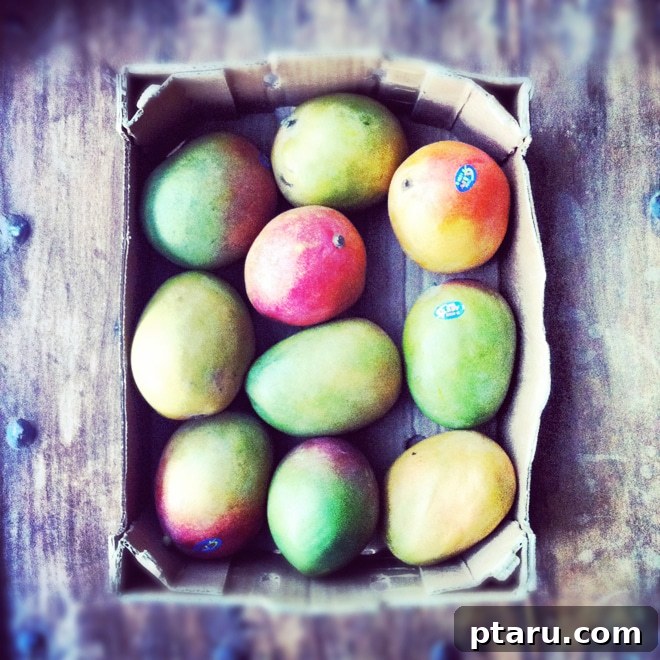
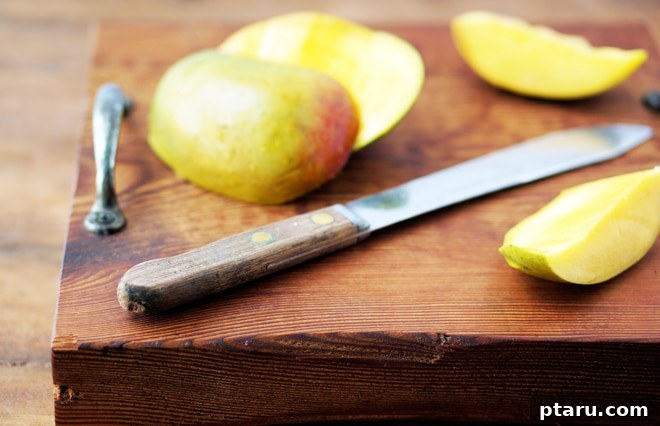
Amidst this vibrant abundance, my eyes landed on a truly glorious sight: a large box brimming with perfectly ripe mangoes. They were a vivid shade of yellow-orange, firm yet yielding slightly to the touch, and exuded that unmistakable sweet, tropical fragrance that promises pure delight. How much do you think this generous treasure trove of sunshine cost? Fifteen dollars? Perhaps a slightly more reasonable ten? Prepare for a delightful shock: this entire, bountiful box of mangoes was mine for a mere three piddly little dollars! The profound sense of triumph I felt as I lugged them home, a smug smile plastered across my face, knowing I had brilliantly outsmarted the major grocery store just down the street, was immense. My mind immediately began to whirl with exciting possibilities, and a “chutney adventure” was officially declared the next day’s mission.
The Art of Homemade Mango Chutney: A Sweet and Savory Culinary Masterpiece
Mango chutney is a true culinary masterpiece, a vibrant condiment that expertly balances sweet, sour, and spicy notes, making it an incredibly versatile and flavorful addition to any pantry. Inspired by my incredible market find and the sheer abundance of perfectly ripe mangoes, I enthusiastically embarked on perfecting my own signature recipe. It took two dedicated batches to achieve what I consider absolute perfection – a testament to the joy and rewarding nature of culinary experimentation.
The first batch was a deliberate, smaller experimental endeavor, specifically designed to fine-tune the delicate balance of flavors and spices before committing to a larger quantity. I decided not to preserve this initial creation, opting instead to savor it fresh and assess its potential. It made a truly delicious accompaniment to little potato-and-pea samosas, which I ingeniously crafted using convenient store-bought puff pastry – a fantastic shortcut that delivered a quick, satisfying, and authentically flavored snack. This smaller, test batch proved invaluable, allowing me to precisely adjust the spice levels, sweetness, and desired consistency, ensuring the final recipe would be nothing short of ideal. For those new to chutney making, or simply preferring a smaller yield, you can easily cut the main recipe in half, just as I did for my initial test, to produce about two cups of wonderfully fresh, homemade chutney.
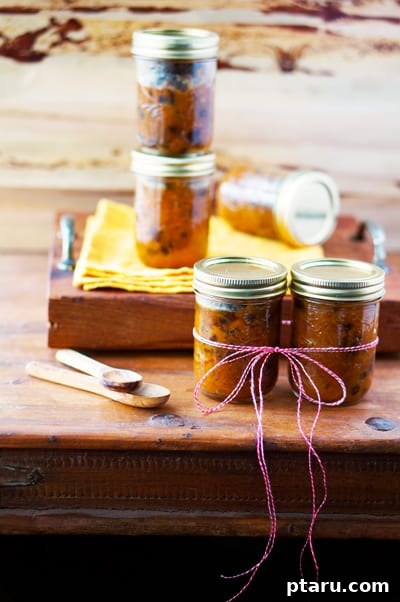
Once I was utterly confident in the flavor profile and texture, I joyfully scaled up the recipe for the second batch, with the express intention of canning it for longer-term storage and future culinary enjoyment. Chutney, with its rich and ancient history deeply rooted in Indian cuisine, is undoubtedly a delightful addition to any Indian-themed dinner. Imagine it served alongside aromatic curries, tender grilled meats, biryanis, or even as a vibrant, tangy spread for warm naan bread. However, its remarkable versatility extends far beyond traditional Indian fare, making it equally delicious and adaptable in a plethora of non-Indian culinary applications.
In developing my specific version, I deliberately chose to keep the spices warm, inviting, and subtly aromatic, but not overtly “ethnic” or overpowering. My aim was to create a universally appealing flavor profile that would complement an exceptionally wide range of dishes and palates. The star spices in my homemade mango chutney are the comforting, fragrant notes of ground cloves and the bright, zesty warmth of freshly grated ginger. These simple yet incredibly powerful ingredients elevate the natural sweetness of the ripe mangoes, creating a harmonious and complex blend that is both exquisitely exotic and delightfully familiar. This thoughtful combination ensures that the chutney is not only incredibly delicious but also remarkably adaptable, making it a highly cherished staple you’ll undoubtedly want to keep stocked in your pantry.

Beyond the Curry: Creative and Versatile Ways to Enjoy Your Mango Chutney
The culinary possibilities with a jar of homemade mango chutney are truly endless, extending far beyond its traditional roles. I must confess to having a tremendous, almost passionate, affinity for mango chutney paired with a classic turkey sandwich. This particular combination is a delicious and sophisticated nod to the traditional turkey and cranberry sauce, with the chutney offering a more complex, sweet, and tangy flavor profile that truly elevates the experience. Layered with thinly sliced red onion for a delightful crunch and peppery arugula for a fresh bite, the mango chutney transforms a simple turkey sandwich into a gourmet experience that is both memorable and utterly satisfying. The interplay of sweet, tangy, and savory notes perfectly cuts through the richness of the turkey, making it a genuine sandwich revelation!
But the versatility of this exquisite condiment doesn’t stop at sandwiches. Mango chutney is an outstanding accompaniment to a wide variety of proteins. It pairs beautifully with succulent grilled pork tenderloin, lending a natural sweet and savory glaze that caramelizes perfectly. It effortlessly elevates roasted chicken or pan-seared salmon, adding a burst of tropical, aromatic flavor that brightens the entire dish and adds an unexpected layer of depth. For a more intense flavor, you can even warm the chutney slightly to loosen its consistency, then brush it generously onto any of these proteins as a vibrant, flavorful glaze towards the end of cooking, allowing the sugars and spices to caramelize beautifully. Alternatively, simply serve it on the side as a delectable dipping sauce or a rich, tangy condiment, allowing guests to add it to their liking.
Consider its potential on a sophisticated cheese board, where its inherent sweetness and tang can brilliantly complement sharp aged cheddars, creamy brie, or pungent blue cheeses, served alongside crusty bread or artisanal crackers. Stir a spoonful into plain Greek yogurt for a unique and flavorful breakfast treat, or whisk it into salad dressings for an unexpected tropical twist that will surprise and delight your taste buds. It can even be used as a vibrant, flavorful base for marinades, infusing meats with its aromatic spices and tenderizing properties before grilling, roasting, or baking. The depth of flavor and culinary range it brings to dishes is truly remarkable, making homemade mango chutney a secret weapon in any adventurous home cook’s arsenal.
Despite its incredible range of savory and sweet-savory applications, I have to constantly remind myself of its foundational components. The presence of onions, garlic (if added), and various spices means that, while delicious in countless culinary contexts, this particular chutney would absolutely, emphatically not taste good on ice cream. A gentle, yet firm, reminder to keep its savory soul in mind!
Preserving Your Homemade Mango Chutney for Year-Round Enjoyment
For those who wish to savor their homemade mango chutney for months to come, proper canning is an excellent and highly recommended option. Canning allows you to effectively seal in the incredible freshness, vibrant flavors, and aromatic spices, creating shelf-stable jars that make wonderful, thoughtful gifts or convenient, ready-to-use additions to your pantry. If you decide to can your chutney, it is absolutely crucial to follow established food preservation guidelines to ensure both safety and optimal quality. Always begin by using meticulously clean, sterilized canning jars and brand-new lids to prevent contamination.
Once the hot chutney has been carefully ladled into the sterilized jars, leaving the recommended headspace, ensure the rims are wiped completely clean before applying the lids and screwing on the bands until they are fingertip tight. Process the filled jars in a boiling water bath for the specified time of 15 minutes, ensuring the water level completely covers the tops of the jars by at least one inch throughout the entire processing period. After the processing time is complete, carefully remove the hot jars from the water bath and let them cool undisturbed on a wire rack for a full 12-24 hours. During this crucial cooling period, you should hear the satisfying ‘ping’ as the vacuum seals form. Before storing, always check for proper seals; the lids should be concave and should not flex when pressed in the center. Once sealed, store your beautifully preserved chutney in a cool, dark place away from direct sunlight.
Alternatively, if the thought of canning seems too daunting, or if you simply prefer a fresh batch for more immediate consumption, the chutney can be safely stored in the refrigerator for up to two weeks. For longer storage without canning, it freezes beautifully. Simply allow the cooled chutney to come to room temperature before transferring it to freezer-safe containers or sturdy freezer bags, ensuring you leave a little headspace for expansion. Frozen chutney will keep wonderfully for several months, ready to be thawed and enjoyed whenever a craving for its unique sweet and savory flavor strikes.
Related Culinary Delights: Don’t miss our Raita Recipe (Indian Yogurt Sauce)! This cooling, refreshing yogurt sauce is a perfect counterpoint to many Indian dishes and makes an ideal pairing for your next mango chutney meal. If you love discovering vibrant, balanced flavors and enhancing your culinary repertoire, explore this delightful and easy-to-make recipe next!
Exquisite Homemade Mango Chutney Recipe
This comprehensive recipe yields approximately five standard 8-ounce (240ml) jars of luscious, homemade mango chutney, perfect for sharing, gifting, or stocking your pantry. For those who prefer a smaller batch or wish to test the waters first, the recipe can be easily and successfully halved by using just two mangoes, producing about 2 cups of chutney – an ideal quantity for immediate enjoyment or a thoughtful small gift.
- 2 large onions, finely chopped (about 3 cups)
- 5 ripe yet firm mangoes, peeled and chopped into 1-inch (2.5 cm) chunks (approximately 6-7 cups of prepared mango)
- 3 tablespoons freshly grated ginger (use fresh ginger root for best flavor)
- 3/4 cup (180ml) white vinegar (distilled white or apple cider vinegar both work exceptionally well)
- 1 cup (200g) packed light brown sugar (adds depth and moisture)
- 1/2 teaspoon ground cloves (for warm, aromatic notes)
- 1 cup (150g) golden raisins or dark raisins (optional, but highly recommended for added sweetness, chewiness, and texture)
Detailed Instructions:
- Prepare Ingredients Thoroughly: Before you even light the stove, ensure all your ingredients are meticulously prepped, peeled, chopped, grated, and measured. This crucial step makes the entire cooking process much smoother and more enjoyable, allowing you to focus on the flavors.
- Combine and Initiate Simmer: In a large, heavy-bottomed saucepan or a Dutch oven, combine all the prepped ingredients: the finely chopped onions, the vibrant mango chunks, freshly grated ginger, white vinegar, packed brown sugar, ground cloves, and the plump raisins. Add about an inch (2.5 cm) of water to the bottom of the pan. This initial addition of water is a crucial step to help prevent the mixture from scorching, especially in the early stages before the fruits and vegetables begin to release their own natural liquids.
- Bring to a Gentle Boil: Place the saucepan over medium heat. Bring the entire mixture to a gentle, steady boil, stirring occasionally with a wooden spoon to ensure everything is well combined and evenly heated. As the mixture heats, the brown sugar will gradually dissolve, and the mangoes and onions will begin to soften, releasing their aromatic juices.
- Reduce Heat and Achieve Desired Thickness: Once boiling, immediately reduce the heat to low to medium-low, allowing the mixture to simmer gently but consistently. Stir frequently, ensuring nothing sticks to the bottom of the pan, which can easily burn and ruin the flavor. As the mangoes continue to soften, use your wooden spoon or a potato masher to break up the chunks. This action is key to creating a thicker, more homogenous consistency while still allowing for a few delightful, intact mango chunks for texture. Continue simmering and stirring until the chutney becomes rich, thick, and syrupy, visibly coating the back of your spoon. This process typically takes about 40 minutes to an hour, but the exact time will depend on the heat level and the inherent water content of your specific mangoes. The goal is a lush, spreadable consistency.
- Jar and Prepare for Storage: Once the chutney has reached your desired consistency and is still hot, carefully ladle it into clean, thoroughly sterilized jars. Be sure to leave about 1/2 inch (1 cm) of headspace from the rim of the jar. Wipe the rims of the jars clean with a damp cloth to ensure a proper seal, then apply the lids and screw on the bands until they are fingertip tight.
- Select Your Preservation Method for Longevity:
- Immediate Refrigeration: For immediate enjoyment and short-term storage, simply allow the filled jars to cool completely at room temperature before transferring them to the refrigerator. The chutney will remain fresh and delicious for up to 2 weeks.
- Freezing for Extended Storage: For a longer preservation method without canning, ensure the chutney is completely cooled to room temperature before transferring it to freezer-safe containers or sturdy freezer bags. Remember to leave adequate headspace (about 1 inch) to account for expansion during freezing. Frozen chutney will maintain its quality and flavor for several months.
- Boiling Water Bath Method for Shelf-Stability (Canning): For long-term, shelf-stable storage, process the filled jars in a boiling water bath for the recommended 15 minutes. It is crucial to ensure that the jars are completely submerged in the boiling water throughout the entire processing time, with at least one inch of water covering their tops. Once processed, carefully remove the hot jars from the water bath and let them cool undisturbed on a wire rack for a full 12-24 hours. Do not disturb them during this period as the seals are forming. After cooling, check for proper seals (the lids should be concave and should not flex when pressed in the center) before storing your beautiful jars of chutney in a cool, dark place away from direct light.
Enjoy your exquisite homemade mango chutney! It’s a delightful and flavorful way to preserve the taste of summer and add a burst of sweet and savory sophistication to all your favorite meals, whether it’s a simple sandwich or an elaborate dinner party.