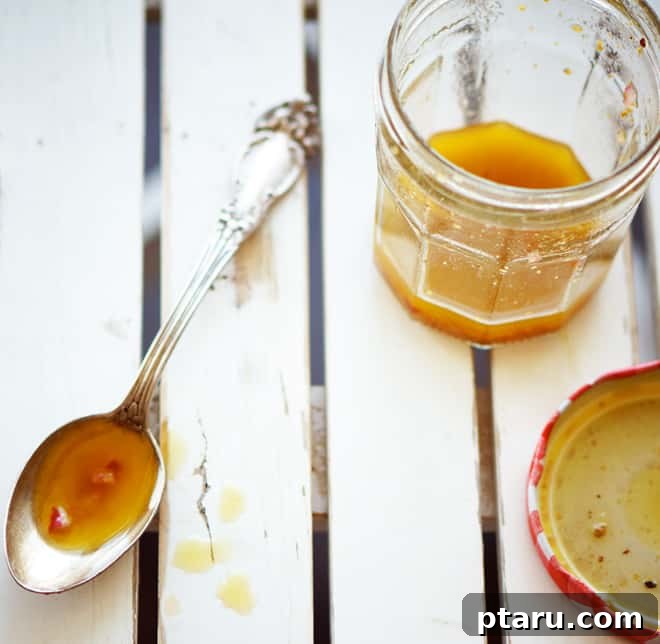
Every home cook deserves a classic vinaigrette recipe in their culinary arsenal. More than just a simple salad dressing, a well-crafted vinaigrette is a versatile kitchen staple that can elevate a myriad of dishes, transforming everyday meals into something truly special. Forget store-bought dressings laden with unnecessary additives and sugars; mastering a homemade vinaigrette is remarkably easy, incredibly flavorful, and offers endless possibilities for customization.
This fundamental dressing is perfect for lightly coating mixed greens, creating a simple yet elegant side dish. Its bright, tangy notes are equally delicious when drizzled over steamed, roasted, or grilled vegetables – think crisp green beans, tender asparagus, or succulent artichokes. Beyond vegetables, a touch of vinaigrette can even enliven simply prepared fish, chicken, or meat, adding a burst of freshness and complexity. It’s a foundational recipe that empowers you to control the ingredients, tailor the flavors to your preference, and ensure your dishes always taste their best.
The Golden Ratio: Understanding the 3:1 Secret to Perfect Vinaigrette
The core of any great vinaigrette lies in its fundamental ratio: three parts oil to one part acid. This seemingly simple proportion creates a harmonious balance of richness and tang, forming the perfect emulsion that coats food beautifully without overpowering it. Once you understand this basic principle, a world of flavor combinations opens up, allowing you to truly go wild with your creations.
Choosing Your Oil: The Foundation of Flavor
The type of oil you choose forms the backbone of your vinaigrette, significantly influencing its flavor profile and texture. Extra virgin olive oil is a classic choice, offering a robust, fruity, and sometimes peppery note that pairs wonderfully with Mediterranean-inspired dishes. For a milder flavor, lighter olive oils, or neutral oils like grapeseed, canola, or sunflower oil, are excellent alternatives, allowing the other ingredients to shine. For a more adventurous twist, consider specialty oils:
- Walnut Oil: Adds a delicate, nutty aroma, fantastic with fall salads or roasted root vegetables.
- Avocado Oil: Mild, buttery, and rich in healthy fats, a great all-purpose choice.
- Sesame Oil (toasted): Provides a strong, distinctive Asian-inspired flavor; use sparingly and often blend with a neutral oil.
- Flaxseed Oil: Earthy and slightly nutty, best used uncooked and for its nutritional benefits.
Experiment with different oils to discover which ones best complement your dishes. Sometimes a blend of two oils can create a more nuanced flavor profile.
Selecting Your Acid: The Tangy Counterpoint
The acid component provides the necessary brightness and cuts through the richness of the oil. Just like oils, there’s a vast array of acids to explore, each bringing its unique character:
- Vinegars:
- Sherry Vinegar: Complex, nutty, and slightly sweet, excellent for gourmet salads.
- Champagne Vinegar: Light, delicate, and crisp, ideal for tender greens.
- Red Wine Vinegar: Robust and assertive, a classic choice for hearty salads and marinades.
- White Wine Vinegar: Milder than red wine vinegar, versatile for everyday use.
- Balsamic Vinegar: Sweet, syrupy, and intensely flavored. Choose a good quality balsamic for the best results, or a lighter “white balsamic” for a less dark color.
- Apple Cider Vinegar: Fruity, tangy, and subtly sweet, a popular choice for health-conscious dressings.
- Citrus Juices:
- Lemon Juice: Bright, zesty, and refreshing, a universal favorite.
- Lime Juice: Tangy and aromatic, perfect for Mexican or Asian-inspired dressings.
- Orange Juice: Adds a subtle sweetness and fruity note, great with lighter salads or poultry.
Feel free to mix and match. A splash of lemon juice with white wine vinegar can add an extra layer of brightness, for instance. The key is to taste and adjust until you find your preferred balance.
Elevating Your Vinaigrette: A World of Customization
Beyond the basic oil and acid, the true magic of homemade vinaigrette lies in the endless possibilities for customization. These additional ingredients can transform a simple dressing into a signature sauce.
Aromatics for Depth and Pungency
- Minced Shallot: Our recipe includes shallots for a delicate oniony flavor without being too overpowering. Mince them very finely so they integrate smoothly into the dressing.
- Minced Garlic: For a bolder, more pungent kick, a clove of finely minced garlic works wonders.
- Finely Chopped Chives or Scallions: Add a fresh, mild onion flavor and vibrant color.
Mustards: The Essential Emulsifier and Flavor Enhancer
Mustard is more than just a flavor booster; it acts as an emulsifier, helping the oil and acid bind together into a stable dressing that won’t separate as quickly. Our recipe calls for Dijon or grainy mustard, both excellent choices:
- Dijon Mustard: Smooth, tangy, and slightly spicy, it creates a wonderfully creamy texture.
- Grainy/Whole Grain Mustard: Offers a more rustic texture and a milder, earthier mustard flavor.
- Spicy Brown Mustard: For those who love a bit of heat.
Sweeteners for Balance
A touch of sweetness can beautifully balance the acidity and bring out other flavors in the dressing, especially if you’re using a very sharp vinegar. Add sparingly and taste as you go.
- Honey: Classic, adds a lovely floral sweetness.
- Maple Syrup: Offers a rich, earthy sweetness, great with hearty greens.
- Agave Nectar: A neutral-tasting vegan option.
- A Pinch of Sugar: Granulated sugar dissolves easily, providing straightforward sweetness.
Fresh Herbs: The Aromatic Powerhouses
Fresh herbs infuse your vinaigrette with incredible aroma and flavor. Chop them finely and stir them in just before serving for maximum impact. Consider these popular choices:
- Parsley: Fresh, green, and slightly peppery, a universal enhancer.
- Dill: Lemony and slightly anise-like, perfect for seafood or cucumber salads.
- Chives: Mild onion flavor, delicate and elegant.
- Thyme or Rosemary: Earthy and pungent, excellent for dressings served with roasted vegetables or meats.
- Basil or Oregano: For a Mediterranean flair.
- Cilantro: Bright and herbaceous, ideal for Mexican or Asian-inspired dressings.
Citrus Zest for an Extra Burst of Fragrance
Don’t discard that lemon or orange peel after juicing! The zest contains fragrant oils that can add an incredible aromatic lift to your vinaigrette without increasing acidity. Just a teaspoon of finely grated lemon or orange zest can make a world of difference.
Spices and Other Seasonings
While salt and pepper are essential, don’t shy away from other spices to add complexity:
- Red Pepper Flakes: For a subtle or noticeable kick of heat.
- Smoked Paprika: Adds a smoky depth and warm color.
- Dried Herbs: If fresh herbs aren’t available, a pinch of dried oregano or Italian seasoning can work.
Creamy Variations for a Richer Texture
To make a creamy version of your vinaigrette, simply add a dollop of:
- Mayonnaise: Creates a classic, rich, and tangy creamy dressing.
- Greek Yogurt: For a lighter, tangier, and protein-rich option.
- Tahini: Adds a nutty, earthy depth, perfect for Mediterranean or Middle Eastern-inspired bowls.
- Avocado: Blended into the dressing, it adds creaminess and healthy fats.
The Art of Dressing Delicate Greens: A Light Touch is Key
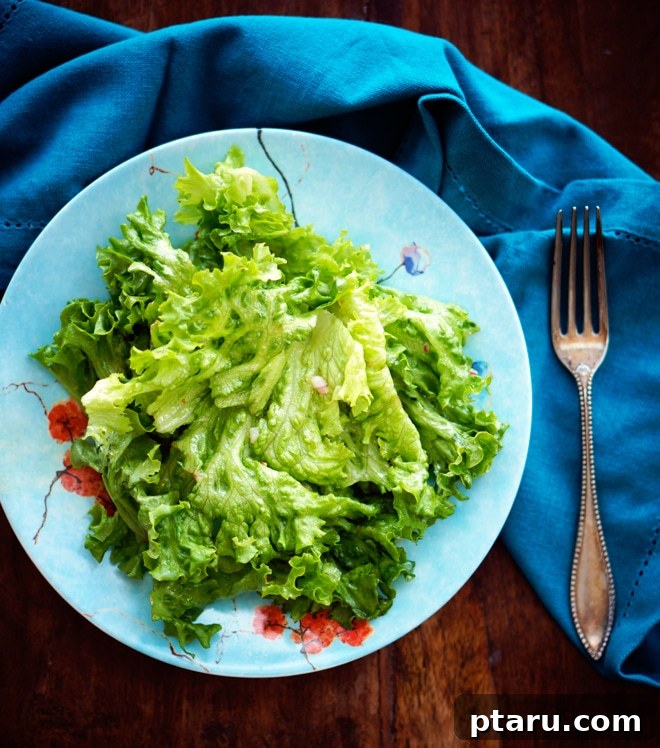
There is indeed an art to dressing delicate greens, and I’m going to share it with you. There’s nothing less appealing than a soggy salad drowned in dressing. Tender baby leaves, like those found in spring mixes or baby spinach, are easily overwhelmed by vinaigrette. Their light, fluffy quality can lead you to believe you need a hearty glug of dressing to properly coat them. Halt before you proceed!
The secret to a perfectly dressed salad is conservatism and gentleness. Start very conservatively, adding just a tablespoon of dressing at a time. Using clean hands or large salad tongs, gently toss the greens. The goal isn’t to soak every leaf, but rather to lightly caress them with flavor. Add a little more dressing if needed, tossing again gently, until the salad is just lightly coated and glistening. You want the vinaigrette to enhance, not overpower, the fresh taste of the greens.
After tossing, taste a leaf to check the seasoning. Sprinkle the salad with a pinch of salt and a grind of fresh black pepper, if needed, and toss one last time. For the sake of crispness and vibrancy, this step should always be the very last thing you do before dinner is served. Dressing too early will cause the greens to wilt and lose their desirable texture.
Preparing Your Greens for Success
Before dressing, ensure your greens are perfectly clean and dry. Wash them thoroughly under cold running water, then use a salad spinner to remove as much excess water as possible. Moisture dilutes the dressing and prevents it from adhering properly to the leaves, leading to a less flavorful and watery salad.
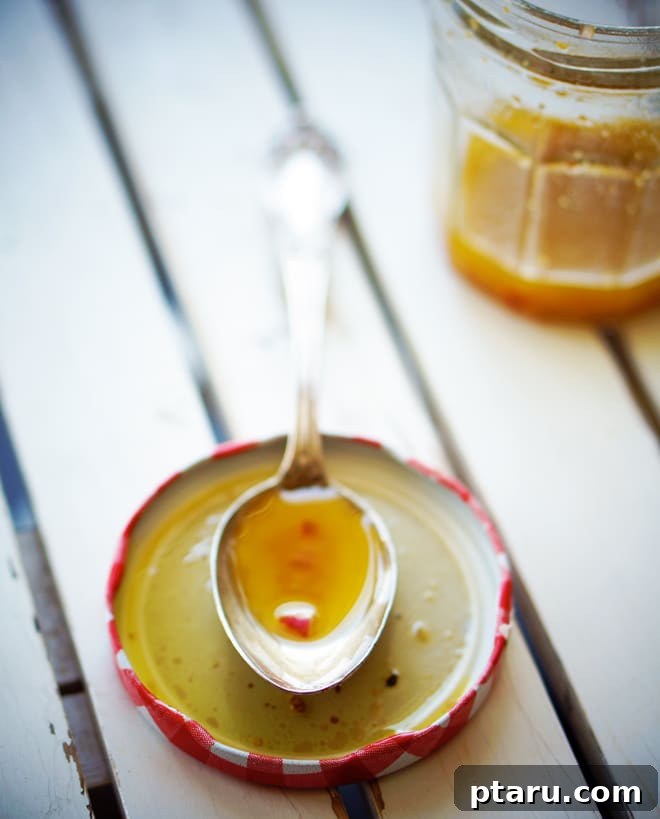
Beyond the Salad Bowl: Versatile Applications for Your Homemade Vinaigrette
While an excellent salad dressing is its primary role, your homemade vinaigrette is far more versatile than you might imagine. Think of it as a flavor-packed condiment ready to elevate various dishes throughout your culinary repertoire.
Enhancing Vegetables
Vinaigrette shines when paired with vegetables. Drizzle it generously over:
- Steamed Vegetables: Broccoli, cauliflower, green beans, or asparagus get an instant flavor upgrade.
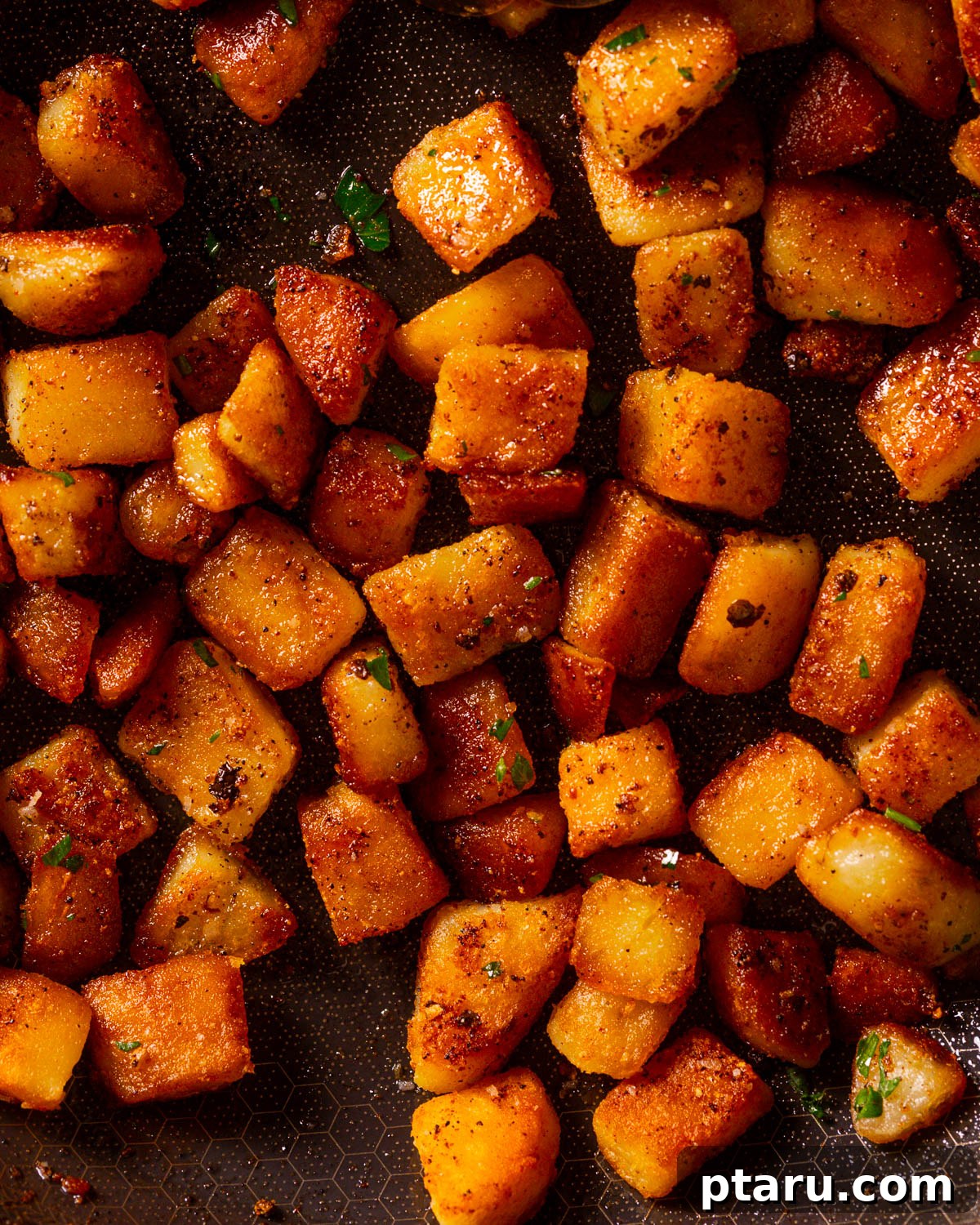
- Roasted Vegetables: Carrots, potatoes, brussels sprouts, or root vegetables benefit from the bright acidity after roasting.
- Grilled Vegetables: Zucchini, bell peppers, eggplant, or corn on the cob come alive with a tangy finish.
- Blanched Vegetables: A warm potato salad or green bean salad made with a robust vinaigrette is always a hit.
Marinades for Proteins
The oil and acid in vinaigrette make it an excellent marinade for various proteins. The acid tenderizes, while the oil and other seasonings infuse flavor:
- Chicken: Marinade chicken breasts or thighs for juicy, flavorful grilled or baked chicken.
- Fish: A lighter vinaigrette with lemon juice is superb for marinating delicate fish fillets before baking or grilling.
- Steak: A red wine vinegar-based vinaigrette can add depth to less tender cuts of beef.
- Tofu or Tempeh: For plant-based meals, vinaigrette can add significant flavor to these absorbent proteins.
Grains and Legumes
Transform plain grains and legumes into vibrant, flavorful side dishes or main courses:
- Quinoa Salads: A lemon-herb vinaigrette can turn quinoa into a refreshing salad with chopped vegetables.
- Lentil Salads: Pair with a sherry or red wine vinegar vinaigrette for an earthy, satisfying dish.
- Couscous or Farro: Dress with your favorite vinaigrette for a quick, healthy side.
Sandwiches, Wraps, and Bowls
Forget plain mayo! A little vinaigrette can add a burst of flavor and moisture to your sandwiches, wraps, and grain bowls. Use it as a spread or drizzle it over the fillings for an exciting zing.
Mastering the Basic Recipe: Ingredients and Preparation
This classic vinaigrette recipe provides a perfect starting point. Remember, the quality of your ingredients directly impacts the final taste.
Ingredients
- 3 Tbsp high-quality extra virgin olive oil (or your preferred neutral oil)
- 1 Tbsp vinegar (sherry, champagne, red wine, or white wine are excellent choices for a classic profile)
- 1/2 tbsp finely minced shallot (ensure it’s very finely chopped to blend seamlessly)
- 1/2 tsp Dijon or grainy mustard (essential for emulsification and flavor)
- 1/4 tsp kosher salt, or to taste (salt enhances all other flavors)
- 1/8 tsp freshly ground black pepper, or to taste (freshly ground is always best)
- Optional additions: a pinch of sugar or honey, finely chopped fresh herbs, citrus zest.
Preparation
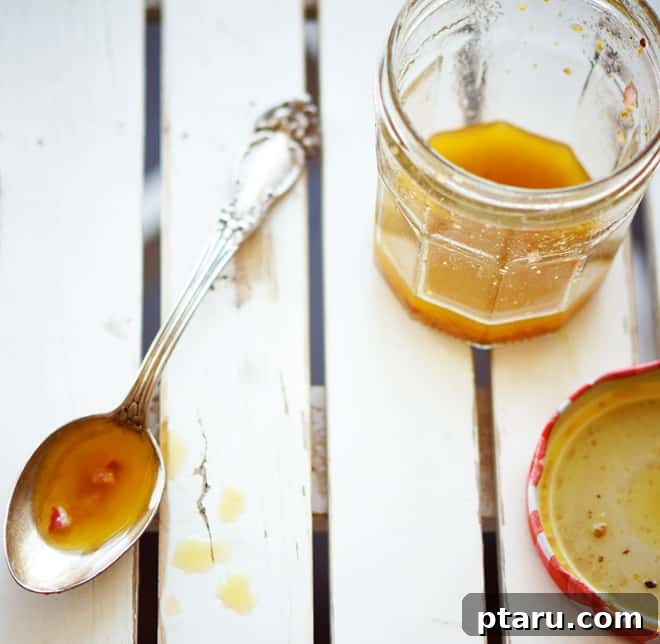
- Combine Ingredients: Measure all ingredients (oil, vinegar, shallot, mustard, salt, pepper, and any optional additions) directly into a small glass jar with a tight-fitting lid. A jar is ideal because it allows for easy shaking and storage.
- Emulsify: Secure the lid tightly on the jar. Now, shake, shake, shake vigorously for about 30 seconds to a minute! This vigorous motion helps the oil and acid to combine and the mustard to emulsify the mixture, resulting in a smooth, cohesive dressing. If you don’t have a jar, you can whisk all ingredients together rapidly in a small bowl until fully combined.
- Taste and Adjust: Unscrew the lid and taste a small amount of the vinaigrette. This is your chance to adjust the seasoning. Does it need more salt? More pepper? A touch more acid for brightness, or a hint of sweetness to balance it out? Adjust to your personal preference.
- Serve or Store: Your homemade vinaigrette is ready to use immediately!
- Scaling and Storage: This recipe may be scaled up infinitely (double, triple, quadruple, etc.) to make larger batches. Simply maintain the 3:1 oil to acid ratio and adjust other seasonings proportionally. When stored in an airtight container (like your glass jar) in the fridge, homemade vinaigrette keeps wonderfully for up to two weeks. The oil and acid may separate upon standing or chilling, which is perfectly normal. Simply give it another good shake or whisk before each use to re-emulsify.
Why Choose Homemade Vinaigrette? Your Culinary Secret Weapon
Making your own vinaigrette is more than just a cooking task; it’s a culinary superpower. It’s an act of self-reliance, offering benefits that extend far beyond taste:
- Superior Flavor: Fresh ingredients mean unparalleled taste.
- Healthier Choice: Control over ingredients allows you to avoid preservatives, artificial flavors, and excessive sugar often found in commercial dressings.
- Cost-Effective: Homemade is almost always cheaper than store-bought.
- Endless Customization: Tailor every batch to suit your meal, mood, or dietary needs.
- Reduced Waste: Make only what you need, reducing food waste.
In essence, a classic homemade vinaigrette is your ultimate culinary secret weapon. It’s simple, versatile, healthy, and incredibly delicious. So go ahead, whip up a batch, and let your kitchen creativity soar. Happy cooking!