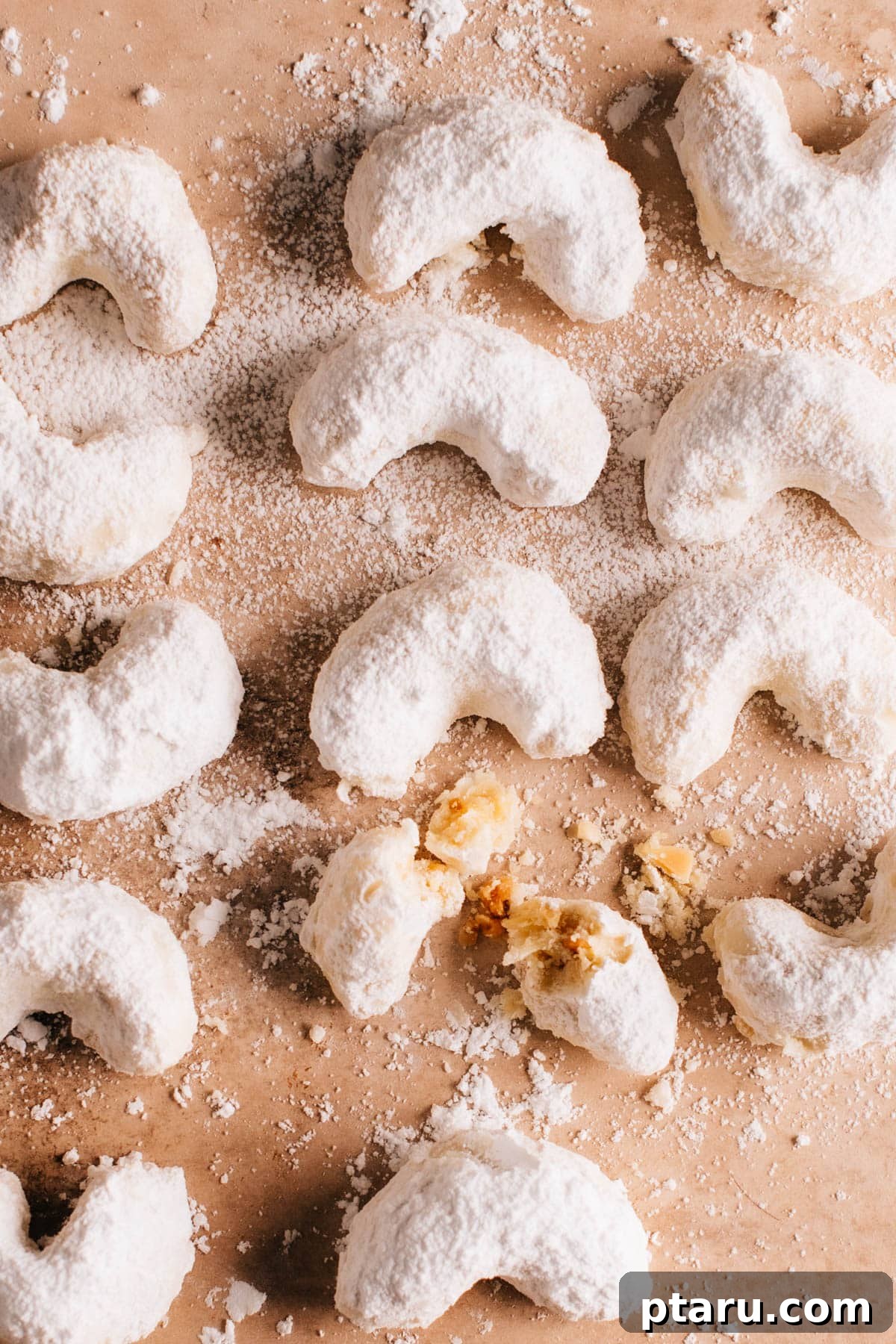
Kourabiedes are more than just cookies; they are a cherished symbol of Greek hospitality and festive joy, particularly during the Christmas season. These delightful Greek almond shortbread cookies boast a rich, buttery flavor and an impossibly delicate, melt-in-your-mouth texture that makes them utterly irresistible. If you’re searching for an easy, fuss-free recipe that delivers authentic taste and an unforgettable experience, you’ve come to the right place. Our one-bowl method simplifies the traditional process, bringing the magic of Greek holiday baking straight to your kitchen.
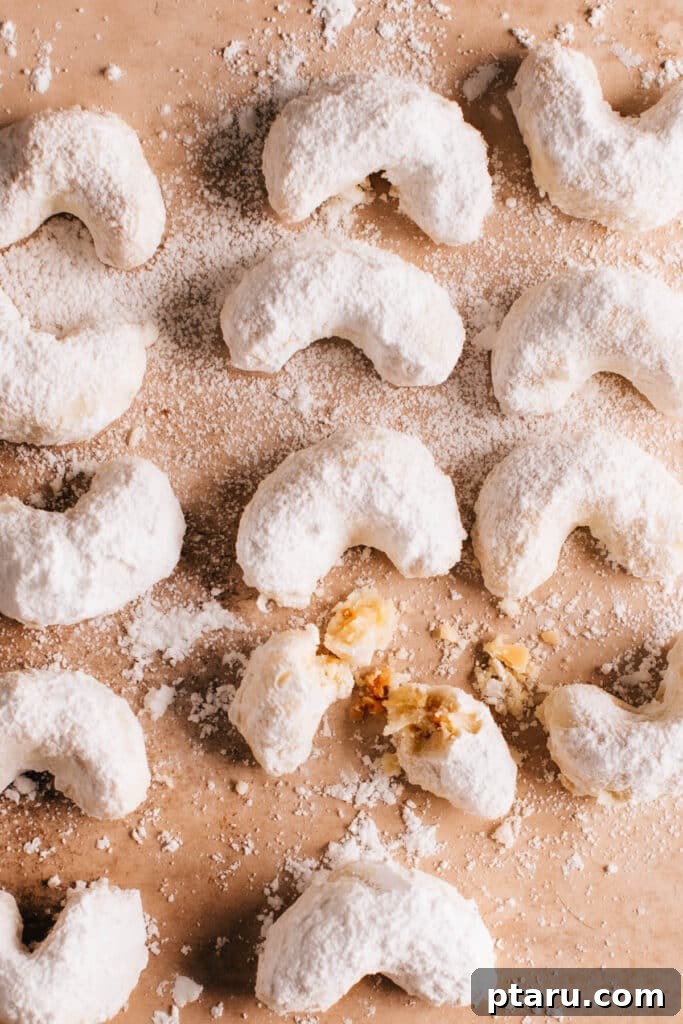
The Ultimate Kourabiedes Recipe: Your Guide to Melt-in-Your-Mouth Greek Christmas Cookies
Dive into the exquisite world of Kourabiedes, Greece’s beloved almond shortbread cookies. Revered for their delicate crumb and generous dusting of confectioners’ sugar, these festive treats are a highlight of Christmas and other special occasions across Greece. This recipe simplifies the art of making Kourabiedes, transforming a traditional, often intricate, baking process into an incredibly accessible and rewarding one-bowl experience. Prepare to impress your family and friends with these delectable, buttery delights that truly melt in your mouth and leave a lasting impression.
Why This Kourabiedes Recipe Will Become Your Holiday Favorite
This particular Kourabiedes recipe stands out for several compelling reasons, promising a baking experience that is both enjoyable and yields consistently perfect results:
- Unrivaled Deliciousness: Prepare for an explosion of buttery, almond-infused flavor. Each cookie offers a tender, ethereal texture that dissolves delicately on the tongue, leaving a sweet, comforting aftertaste. This isn’t just a cookie; it’s a sensory experience that captures the essence of Greek holiday traditions and will have everyone asking for the recipe.
- Crazy-Easy, One-Bowl Method: We’ve streamlined the traditional process to make it incredibly beginner-friendly. All the mixing happens in a single bowl, minimizing cleanup and maximizing your enjoyment. Forget complicated steps and multiple dishes; this recipe is designed for efficiency without compromising authenticity or the rich, traditional flavor.
- No-Fuss Dough Perfection: Our Kourabiedes dough is a dream to work with. It requires absolutely no chilling time, holds its beautiful crescent shape perfectly in the oven without spreading excessively, and remains non-sticky and manageable throughout the shaping process. This means less waiting and more delightful baking, making it ideal even for impromptu cookie cravings.
- Conveniently Freezer-Friendly: Plan ahead with ease! These cookies are perfectly suited for freezing, either as raw dough balls or after they’ve been baked and given their first dusting of sugar. This makes them an ideal make-ahead treat, allowing you to enjoy fresh Kourabiedes whenever the craving strikes, or to prepare for holiday gatherings and events well in advance, reducing stress during busy times.
Key Ingredients for Authentic Kourabiedes: Understanding Their Role
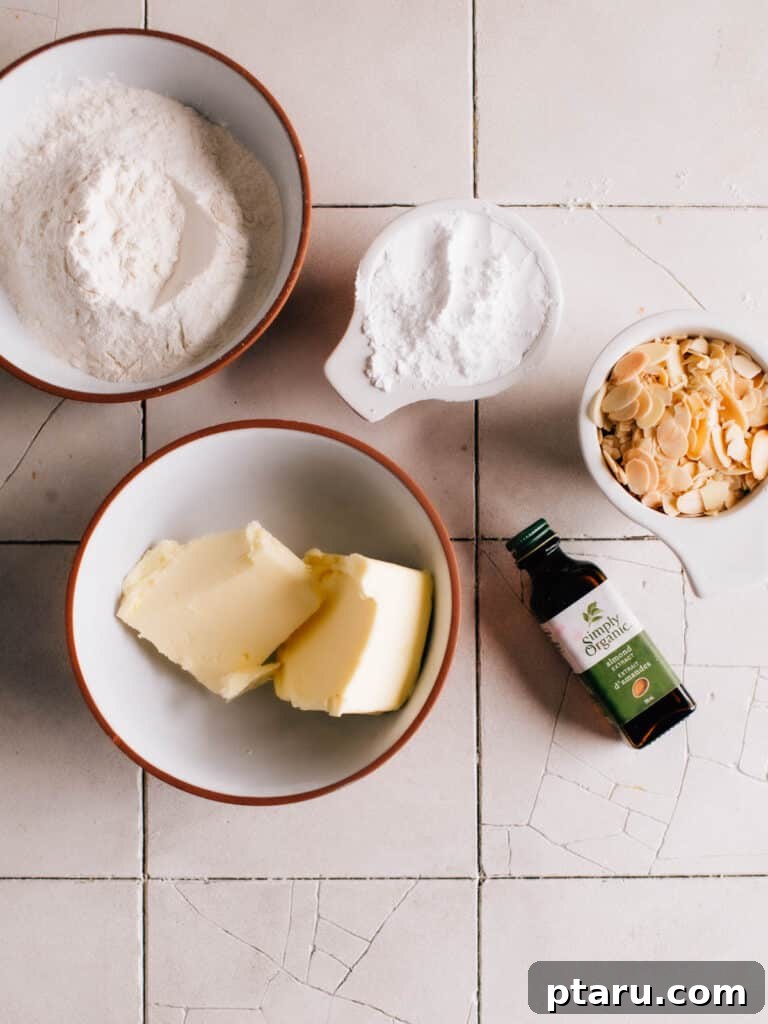
Crafting the perfect Kourabiedes begins with understanding the role of each ingredient. While the list might seem simple, each component contributes significantly to the cookies’ characteristic flavor and melt-away texture, making careful selection and preparation vital.
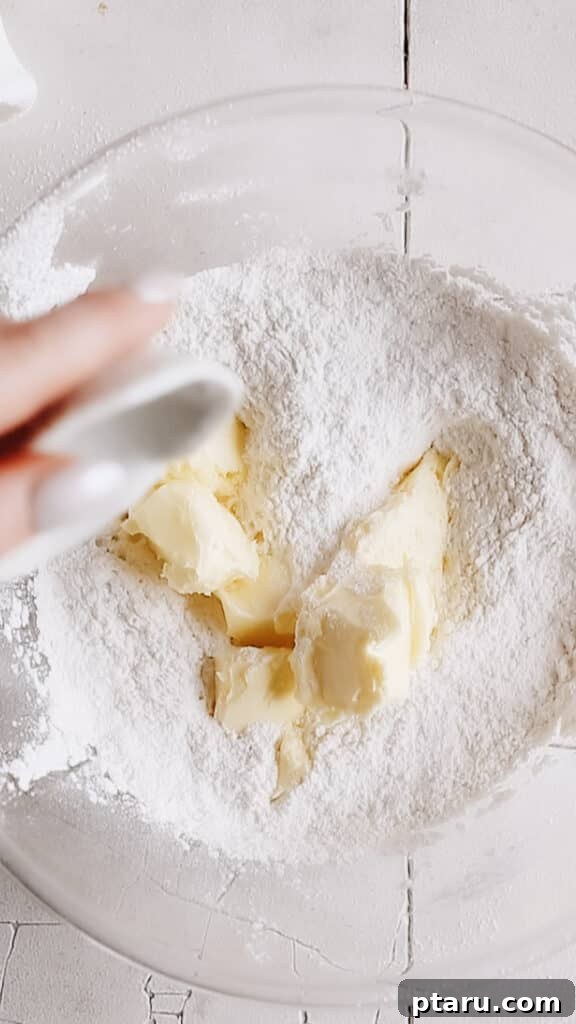
- Unsalted Butter (Softened): Butter is the very heart of Kourabiedes, providing their signature richness, depth of flavor, and ultimately, their incredibly delicate crumb. For this recipe, your butter should be significantly softer than you might typically use for other cookie recipes. This is crucial because we employ a unique “reverse creaming” method: the butter is stirred directly into the dry ingredients rather than being creamed with sugar. This technique coats the flour with fat first, effectively minimizing gluten development and resulting in an exceptionally tender, almost crumbly, cookie that melts beautifully in your mouth. Ensure your butter is soft enough to easily blend without being melted or greasy.
- Freshly Toasted & Finely Chopped Almonds: While almond meal or pre-ground almond flour might seem like a shortcut, they often lack the vibrant, nutty flavor and can contribute to a drier, less fragrant cookie. For truly authentic and flavorful Kourabiedes, we highly recommend toasting blanched almond slices yourself and then finely chopping them. This simple extra step awakens their natural oils, intensifying the nutty aroma and robust flavor, which is paramount to the traditional taste profile of Kourabiedes. The texture of freshly chopped almonds also adds a subtle, pleasant bite that complements the soft cookie.
- Pure Almond Extract: To amplify and round out that classic sweet almond flavor, a touch of pure almond extract is indispensable. It works in perfect harmony with the natural almonds, creating a more pronounced and delightful flavor profile that distinguishes Kourabiedes. Do not skip this ingredient, as it significantly enhances the overall taste experience and adds a layer of complexity.
- Fine Confectioners’ (Powdered) Sugar: This is a dual-purpose ingredient vital to Kourabiedes. A small amount of confectioners’ sugar is incorporated into the dough itself, contributing directly to the cookies’ unique meltaway texture. Unlike granulated sugar, its superfine particles dissolve more readily and integrate smoothly, leading to a tenderer crumb. The majority of the sweetness, however, comes from the generous dusting of powdered sugar applied at the end, which creates that iconic snow-capped appearance and delivers a wonderfully sweet finish, giving the cookies their signature festive look.
- No Egg Required: If you’re wondering if we’ve forgotten an egg in the ingredient list, rest assured, its absence is entirely intentional and a hallmark of traditional Kourabiedes recipes. Unlike many other cookies, Kourabiedes do not use eggs. This is a key factor in achieving their distinctively tender, almost crumbly, and truly melt-in-your-mouth consistency. The lack of egg contributes directly to the delicate, shortbread-like structure that makes these cookies so special and unique.
- All-Purpose Flour and Fine Salt: These foundational ingredients provide the necessary structure for the cookies and balance the flavors. Sifting the all-purpose flour ensures an airy, light texture, preventing a dense cookie. A pinch of fine salt is crucial for enhancing all the other flavors, cutting through the sweetness, and preventing the cookies from tasting bland.
Mastering the Art of Making Kourabiedes: A Step-by-Step Guide
Making Kourabiedes is a joyous and relatively simple process, especially with our one-bowl, no-chill method. Follow these steps carefully to create batches of perfectly tender, sugar-dusted Greek Christmas cookies that will delight everyone.
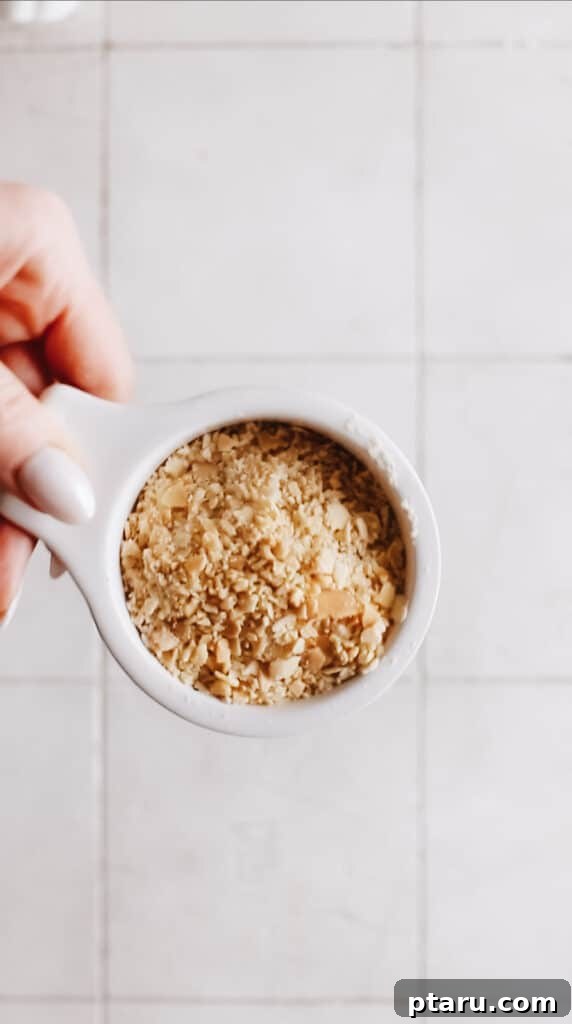
- Prepare and Toast Your Almonds: Begin by preheating your oven to 350°F (175°C). Spread the sliced almonds evenly on a baking sheet. Toast them for 6-8 minutes, or until they turn a beautiful golden brown and become wonderfully fragrant. It’s important to keep a close eye on them to prevent burning, as nuts can toast quickly. Once toasted, remove from the oven and allow them to cool completely. This cooling step is essential for achieving the right texture when chopped. Once cooled, finely chop the almonds by hand or pulse them briefly in a blender or food processor until they resemble coarse crumbs. Avoid over-processing them into a fine flour, as a slight texture is desirable.
- Combine Dry Ingredients: In the large bowl of an electric stand mixer (fitted with the paddle attachment, or a large mixing bowl if you’re mixing by hand), sift together the all-purpose flour, ½ cup of confectioners’ sugar, and the fine salt. Sifting ensures there are no lumps and helps aerate the flour, which contributes significantly to the cookie’s delicate, melt-in-your-mouth crumb. Stir these dry ingredients together on a low speed for about 30 seconds to ensure they are thoroughly and evenly combined.
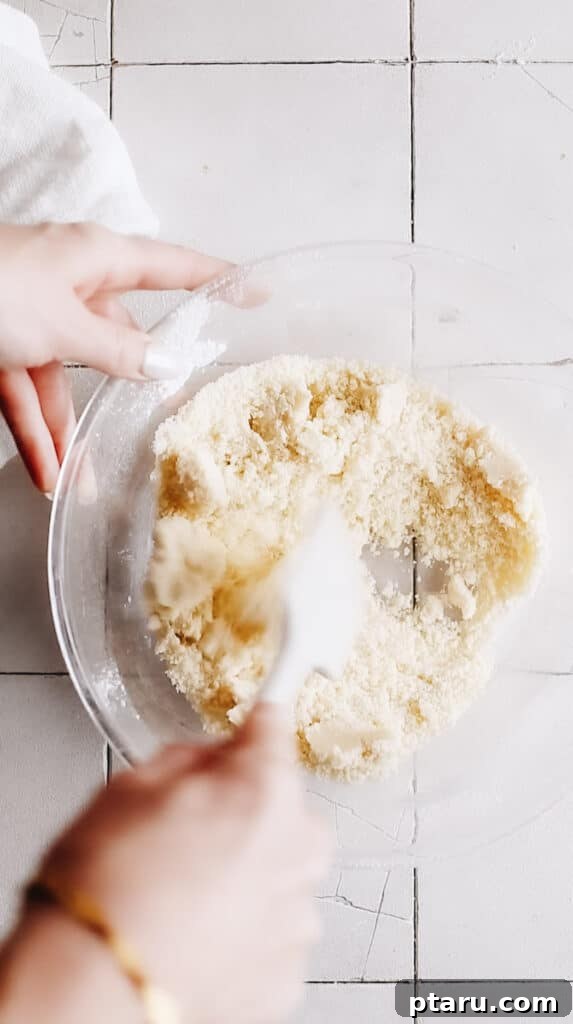
- Incorporate Butter and Almond Extract: Add the softened unsalted butter (cut into 2-inch pieces for easier blending) and the almond extract to the dry mixture. Begin beating on low speed until the flour just starts to moisten and clump around the butter. Then, increase the speed to medium-low and continue beating until the mixture takes on the texture of coarse breadcrumbs. This “reverse creaming” method, where fat coats the flour first, is a crucial technique for minimizing gluten development and creating the exceptionally tender Kourabiedes you’re aiming for.
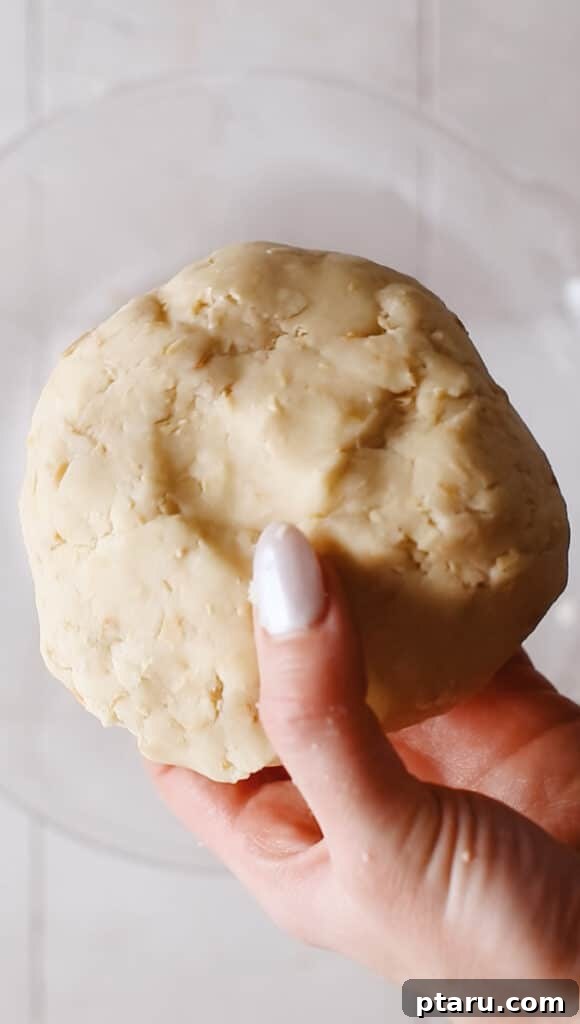
- Add Almonds and Form Dough: Reduce the mixer speed to low and add your finely chopped toasted almonds. Beat briefly, just until the almonds are evenly distributed throughout the mixture. It’s important not to overmix at this stage. Remove the bowl from the stand mixer. The dough might initially appear a bit crumbly, but this is perfectly normal for a rich, egg-free shortbread recipe. Gently knead the dough by hand within the bowl for a minute or two until it comes together into a cohesive, pliable ball.
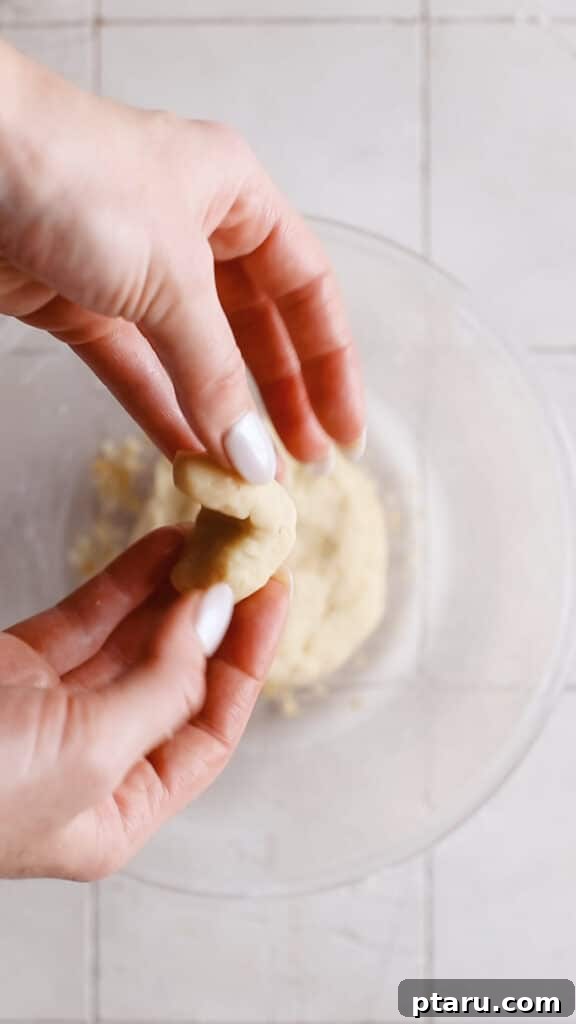
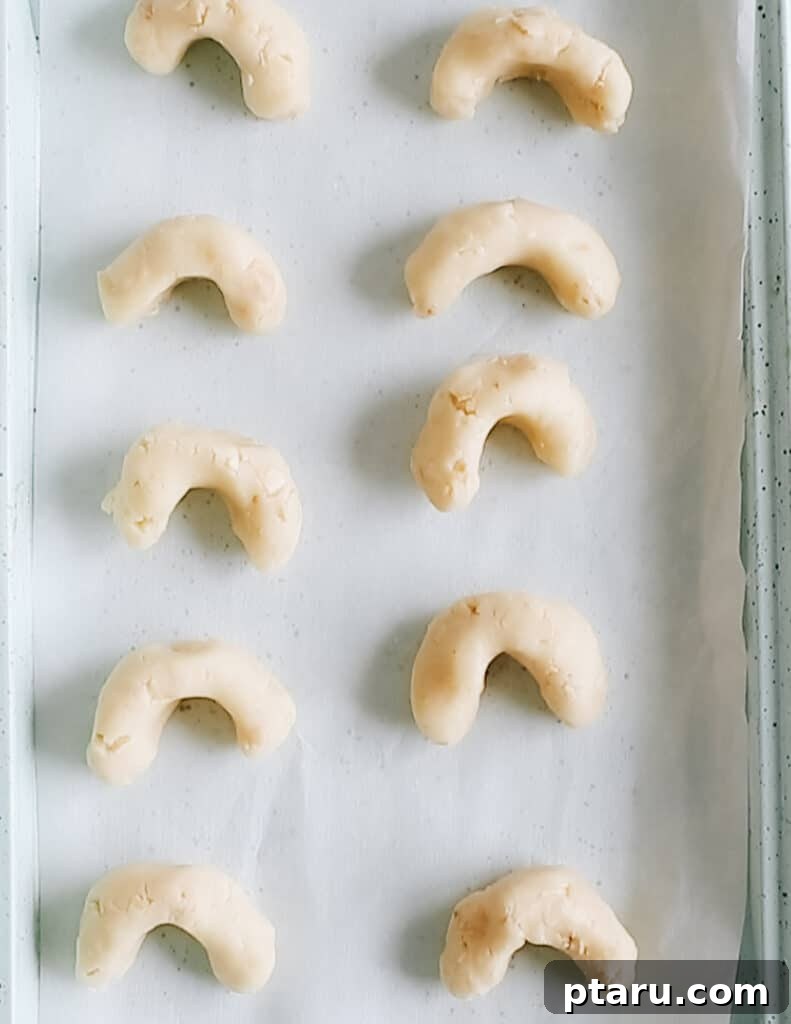
- Shape the Cookies: Scoop the cookie dough into tablespoon-sized balls. For precision and uniform baking, each ball should weigh approximately 0.66 oz (around 18-19 grams). Roll each dough ball between your palms to form a log about 2 ½ inches (6-7 cm) long. Then, gently curve each log into the traditional crescent shape. This iconic shape is not just aesthetically pleasing but also steeped in cultural symbolism.
- Bake to Golden Perfection: Arrange the shaped cookies on baking sheets that have been lined with parchment paper, ensuring there’s about 1 inch (2.5 cm) of space between each cookie to allow for even baking. Bake in the preheated 350°F (175°C) oven for 10-12 minutes, or until the edges are lightly golden and the cookies are set but still appear pale in the center. Avoid overbaking, as this can lead to a dry, less tender cookie.
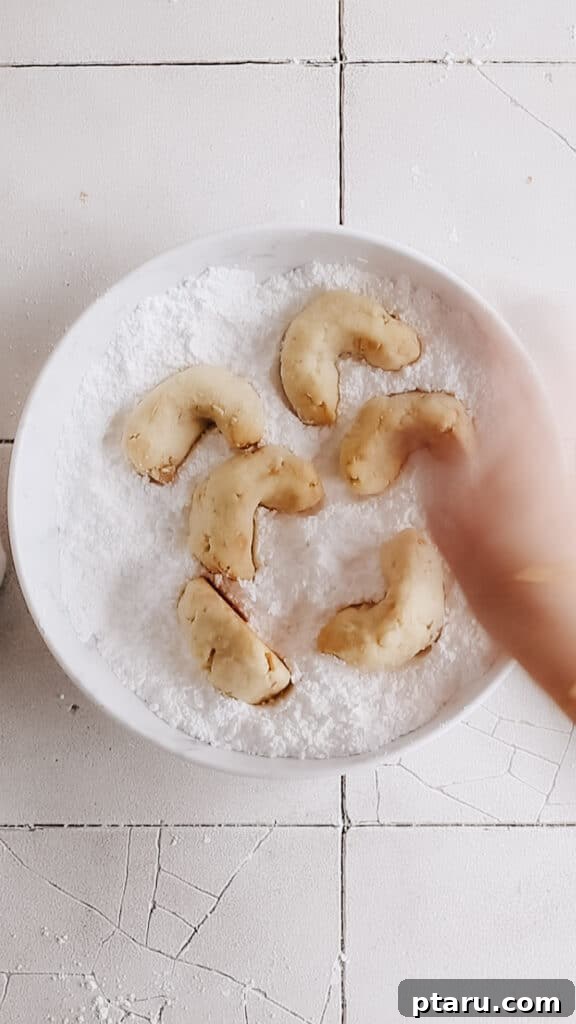
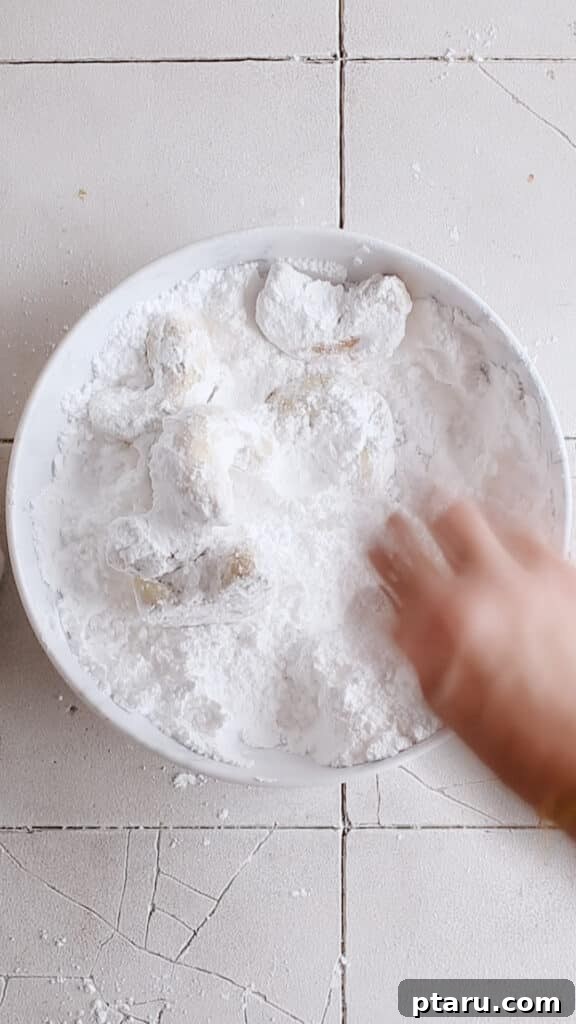
- First Dusting of Powdered Sugar: Remove the baked cookies from the oven and let them cool on the baking sheets for just 5 minutes. While still warm (but not hot to the touch), carefully transfer them to a shallow bowl filled with the remaining confectioners’ sugar (reserved specifically for coating). Gently toss the cookies to coat them thoroughly. Handle them with extreme care, as they are quite delicate at this stage due to their shortbread texture. The warmth of the cookies helps the first layer of sugar adhere and slightly melt, creating a sticky base for the final dusting.
- Final Dusting and Cooling: Transfer the sugar-coated Kourabiedes to a wire rack to cool completely. Once entirely cooled, they will have firmed up slightly. For that authentic, beautiful snow-kissed appearance, generously dust them one more time with additional confectioners’ sugar using a fine-mesh sieve. Don’t be shy with this step – Kourabiedes are traditionally laden with sugar, creating their signature festive look and ensuring a wonderfully sweet finish.
Make Ahead and Storage Tips for Your Kourabiedes
Kourabiedes are excellent for preparing in advance, making them perfect for busy holiday seasons or unexpected guests. Their freezer-friendly nature means you can enjoy these delightful treats with minimal fuss when you need them. Here’s how to manage your time and ensure your cookies stay fresh and delicious:
Preparing Components in Advance:
- Toasted Almonds: The sliced almonds can be toasted and finely chopped up to several days before you plan to make the cookies. Once prepared, allow them to cool completely, then store them in an airtight container at room temperature. This helps maintain their crispness and robust flavor.
- Preparing the Cookie Dough: You can prepare the entire Kourabiedes cookie dough a day or two in advance. Form the dough into a cohesive ball, wrap it tightly in plastic wrap to prevent it from drying out, and store it in the refrigerator. When you’re ready to bake, remove the dough from the fridge and allow it to come to room temperature for approximately 30-60 minutes, or until it’s pliable enough to shape without cracking.
- Freezing Raw Dough Balls: For longer-term planning, portion out the raw cookie dough into tablespoon-sized balls and shape them into crescents. Arrange these unbaked crescents in a single layer on a parchment-lined baking sheet and freeze until they are solid (this usually takes about 1-2 hours). Once frozen, transfer the solid dough balls to a freezer-safe bag or airtight container. They can be stored this way for up to 2-3 months. When ready to bake, simply place the frozen crescents on a baking sheet and bake as directed, adding a couple of extra minutes to the baking time if needed, as they will be colder.
Storing Baked Kourabiedes:
- Room Temperature Storage: Baked Kourabiedes, after their second generous dusting of confectioners’ sugar, can be stored in an airtight container at room temperature for up to two weeks. The generous coating of icing sugar acts as a natural preservative, helping to keep them wonderfully fresh and soft. For best results and to prevent sticking or breakage, place parchment paper between layers of cookies within the container.
- Freezing Baked Kourabiedes: To freeze baked Kourabiedes, first ensure they have been given their initial dusting of confectioners’ sugar and are completely cooled. Arrange them in a single layer on a parchment-lined baking sheet and freeze until solid. Freezing them individually on trays initially helps prevent breakage, as these cookies are quite delicate. Once solid, transfer them carefully to a freezer-safe bag or airtight container, layering with parchment paper if necessary to protect them. They can be frozen for up to 2 months.
- Thawing and Serving: When you’re ready to enjoy frozen baked Kourabiedes, simply remove them from the freezer and let them thaw gently at room temperature. Once thawed, give them their second, generous dusting of powdered sugar just before serving to refresh their iconic appearance and renew their sweetness. They will taste as freshly baked as if they just came out of the oven!
Delicious Variations to Customize Your Greek Shortbread Cookies
While the classic Kourabiedes are perfect as they are, these Greek shortbread cookies are also wonderfully adaptable. Feel free to experiment with these delightful twists to create your own signature holiday treat or cater to different tastes:
- Alternative Flavor Extracts: The almond extract is traditional and iconic, but you can embark on a different flavor journey by substituting it. Try half a teaspoon of pure vanilla extract for a more universally familiar sweetness and warmth, or introduce a delicate floral note with rose water for an elegant touch. For a brighter, more Mediterranean essence, orange blossom water is a fantastic choice, adding a subtle citrusy perfume that beautifully complements the richness of the butter.
- A Touch of Citrus Zest: For an uplifting and zesty flavor profile, incorporate the finely grated zest of one lemon or one orange into the dough when you add the butter mixture. The aromatic citrus oils will infuse the cookies with a refreshing brightness and taste that beautifully complements the nutty almonds.
- Nut Substitutions: If almonds aren’t your preference or you wish to explore other flavors, pecans or walnuts make excellent substitutes. Toast and finely chop them just as you would the almonds for a rich, earthy, and equally delicious alternative. Hazelnuts could also provide a wonderful, distinct flavor profile that adds another dimension to the cookie.
- A Hint of Alcohol: For a more sophisticated and deeply flavored cookie, consider adding a small splash (about 1-2 teaspoons) of traditional Greek spirits like Ouzo for a subtle anise hint, or a more universally loved spirit like brandy or cognac. This addition enhances the overall depth of flavor and adds a touch of warmth and complexity to the cookies.
- Gluten-Free Kourabiedes: To make these delightful cookies suitable for those with gluten sensitivities, simply swap out the all-purpose flour for a high-quality, 1:1 ratio gluten-free all-purpose flour blend that contains xanthan gum. Ensure the blend is specifically formulated for baking to achieve the best possible texture and prevent a crumbly or dry result.
- Dairy-Free Option: For those with dairy sensitivities or following a vegan diet, you can create delicious dairy-free Kourabiedes by using a good quality plant-based butter specifically formulated for baking. Look for brands that are firm and contain less water than soft, spreadable margarines, as the butter consistency is crucial for the dough’s texture and the cookie’s final melt-in-your-mouth quality.
The Rich History and Tradition of Kourabiedes
Kourabiedes are deeply woven into the fabric of Greek culinary tradition, celebrated not just for their exquisite taste but also for their profound cultural significance, particularly during festive periods. Understanding their history adds another layer of appreciation to these beloved cookies.
What Does Kourabiedes Mean?
The name “Kourabiedes” has interesting etymological roots that offer a glimpse into their origins. It is widely believed to derive from Turkish words, where “kuru” means “dry” and “biye” refers to “biscuit.” This gives us “dry biscuit,” a fitting description for these shortbread-style cookies, though their delicate, melt-in-your-mouth quality and rich buttery flavor far surpass the simplicity implied by “dry biscuit.” This etymology reflects the historical culinary exchange in the Mediterranean region.
Who Invented Kourabiedes?
The exact origins of Kourabiedes are a bit shrouded in history, as is often the case with ancient culinary traditions. However, culinary historians generally suggest that these buttery, almond-rich cookies first made an appearance in Persia (modern-day Iran) around the 7th century. From there, their popularity gradually spread across the Middle East, North Africa, and into the Mediterranean basin, eventually finding a firm and cherished place in Greek cuisine. The individual inventor remains unknown, but their delectable legacy certainly lives on in every tender, sugar-dusted bite of Kourabiedes enjoyed today.
Why Are Kourabiedes Crescent-Shaped?
The distinctive crescent shape of Kourabiedes carries a fascinating historical anecdote that connects them to a significant period in Greek history. Legend has it that during the long centuries of Ottoman rule over Greece, these cookies were required to be shaped like crescents in homage to the crescent moon symbol found on the Turkish flag. Even long after Greece regained its independence from Turkey, the tradition of shaping Kourabiedes into crescents endured and became an integral, cherished part of their identity. Today, you’ll find these charming crescent-shaped cookies at most special occasions in Greece—from joyous weddings and festive birthdays to solemn Christenings and of course, Christmas. They are frequently offered to guests as small, thoughtful take-home gifts, symbolizing good fortune, prosperity, and sweet blessings for new beginnings.
Expert Tips and Tricks for Perfect Kourabiedes Every Time
Achieving bakery-quality Kourabiedes with their characteristic melt-in-your-mouth texture is simpler than you think with these expert tips and tricks:
- Optimal Butter Temperature is Key: As emphasized in the ingredients section, ensure your unsalted butter is genuinely soft but not melted. It should yield easily to a gentle press with your finger but still hold its shape. This ideal consistency is vital for the reverse creaming method to work effectively, allowing the fat to coat the flour properly and producing the most tender crumb imaginable. If the butter is too cold, it won’t combine properly; if too warm, the dough can become greasy.
- Precision in Dough Portioning: For uniform baking and a consistent, aesthetically pleasing look across your entire batch, aim for tablespoon-sized cookie dough balls. For those who prefer precision, each ball should weigh approximately 0.66 oz (about 18-19 grams). This ensures all your Kourabiedes bake evenly and are perfectly sized for serving.
- Prioritize Fresh, Toasted Almonds: Opt for sliced almonds and take the extra step to toast and finely chop them yourself. This yields a far superior flavor profile compared to using pre-ground almond meal or almond flour, which often lose their essential oils and can result in a drier, less aromatic cookie. The difference in taste and fragrance is truly remarkable and absolutely worth the small amount of extra effort.
- Do Not Skip the Toasting Step: Toasting the almonds isn’t just an optional step; it’s a critical game-changer for flavor development. The heat deepens their nutty flavor, making them more aromatic and complex, which translates directly into a richer, more authentic Kourabiedes.
- Efficient Shaping Method: To make the shaping process quicker and more uniform, a helpful technique is to scoop out all your dough into tablespoon-sized balls first. Once all portions are ready, then go back and roll each ball into a log, followed by shaping them into crescents. This batching method can save time and ensures greater consistency in size and shape.
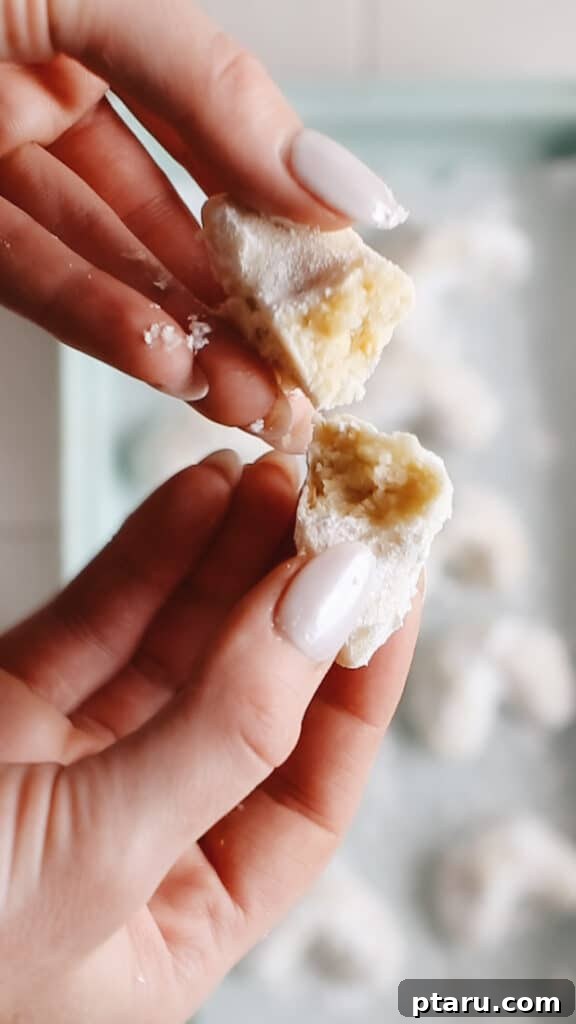
- Understanding Dough Consistency: Don’t be alarmed if the dough feels a bit crumbly after mixing, especially since there’s no egg in this recipe. This is perfectly normal for a rich, shortbread-style cookie. As you gently knead it by hand for a minute or two, it will come together into a cohesive, workable ball. This initially crumbly texture is precisely what contributes to their heavenly, melt-in-your-mouth quality once baked.
- Baking by Hand (No Mixer): If you don’t have a stand mixer, you can absolutely mix the dough by hand. Start by whisking the dry ingredients thoroughly in a large bowl. Then, use a sturdy wooden spoon or your hands to cut in the softened butter until the mixture resembles coarse crumbs, before mixing in the almonds and finally kneading to form the dough. It might require a bit more manual effort but yields equally delicious, tender results.
- The Double Dusting for the Iconic Look: The initial dusting of powdered sugar on warm cookies might partially “melt” and stick, almost disappearing into the cookie. This is entirely intentional! It creates a slightly sticky surface that helps the second, generous dusting of sugar adhere beautifully once the cookies have cooled completely, giving them their iconic, snow-covered, festive appearance.
Serving Suggestions for Your Homemade Kourabiedes
These exquisite Greek Christmas cookies are versatile and can be enjoyed in many delightful ways. While traditionally served during the holidays, their delicate flavor and texture make them a perfect treat for any occasion throughout the year.
- Classic Holiday Platter: Arrange your Kourabiedes elegantly on a festive platter alongside other holiday favorites like traditional Greek melomakarona (honey cookies) or an assortment of shortbreads and other European cookies. Their snowy appearance adds a touch of winter wonderland charm to any holiday spread.
- Perfect with Coffee or Tea: Kourabiedes pair beautifully with a warm cup of rich Greek coffee, a strong espresso, or your favorite aromatic herbal tea. The slight bitterness and warmth of the beverages wonderfully complement the cookies’ sweetness and luxurious buttery notes, creating a comforting experience.
- Elegant Dessert Accompaniment: Serve them as a light yet satisfying dessert alongside a scoop of creamy vanilla bean ice cream, a refreshing bowl of fresh mixed berries, or a dollop of freshly whipped cream. The contrast of textures and temperatures is simply delightful.
- Thoughtful Gifting: Pack your homemade Kourabiedes into pretty gift boxes, decorative tins, or clear cellophane bags tied with festive ribbons. They make incredibly thoughtful and delicious gifts for neighbors, friends, teachers, and hosts, spreading a little bit of Greek joy and home-baked goodness.
- Charming After-Dinner Treat: Offer them as a simple yet elegant after-dinner treat. Their rich almond flavor is satisfying without being overly heavy, providing a perfect sweet ending to any meal, whether it’s a casual weeknight dinner or a special gathering.
Other Cookie Recipes You Won’t Want to Miss
If you’ve enjoyed the delightful process of baking these Kourabiedes and are eager for more delightful cookie adventures, here are some other fantastic cookie recipes to add to your baking repertoire. Each one offers a unique flavor and texture profile, perfect for exploring new favorites:
- Salted Chocolate Truffle Cookies
- Toffee and Milk Chocolate Chip Cookies
- S’mores Cookies
- Coconut and Chocolate Oatmeal Cookies
- Chocolate Cheesecake Cookies
- Salted Peanut Butter-Stuffed Milk Chocolate Cookies
Baking Kourabiedes is truly more than just following a recipe; it’s about connecting with a rich culinary heritage, creating cherished traditions, and sharing moments of pure joy with loved ones. With our easy one-bowl method and comprehensive expert tips, you are now perfectly equipped to bake these heavenly Greek Christmas cookies that will undoubtedly become a treasured part of your holiday celebrations for years to come. Enjoy the therapeutic process, savor the irresistible aroma filling your home, and delight in every single melt-in-your-mouth bite!
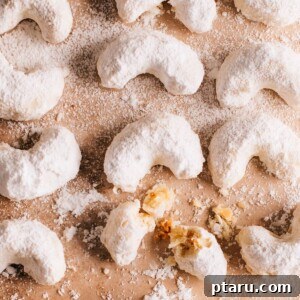
Kourabiedes (Greek Christmas Cookies)
Jennifer Pallian BSc, RD
20 minutes
10 minutes
26 cookies
Ingredients
- 1 ⅔ cups all-purpose flour
- ½ cup confectioners’ sugar
- ½ teaspoon fine salt
- ¾ cup unsalted butter softened and cut into 2” pieces
- ⅛ teaspoon almond extract
- 1 cup sliced almonds
For Coating
- 1 ½ cups confectioners’ sugar
Instructions
-
Preheat oven to 350ºF. Toast almonds for 6-8 minutes or until golden brown; set aside to cool. Finely chop (or process them in a blender or food processor).
-
Use low speed to stir together flour, ½ cup of the confectioner’s sugar, and the salt in bowl of electric mixer.
-
Add the butter and almond extract. Beat on low speed until the flour is moistened, then increase to medium-low and beat until it resembles coarse crumbs. Add finely-chopped almonds and beat to combine.
-
Remove bowl from the stand mixer and knead the dough together into a cohesive ball. Scoop dough into tablespoon-sized balls. Roll each dough ball between your palms to form a log 2 ½” long then fold it slightly into a crescent shape.
-
Place cookies on parchment lined baking sheets about 1” apart. Bake for 10 minutes.
-
Let the cookies cool 5 minutes on the pan then toss them in remaining confectioner’s sugar in a shallow bowl. Transfer to a wire rack. Once kourabiedes are cooled completely, dust them one more time with more sugar.
Notes
- The butter should be a bit softer than you’d usually have it for a regular cookie recipe.
- 1 tablespoon cookie dough balls should weigh around 0.66 oz if you want to be precise with your cookie sizes.
- Toasting sliced almonds and chopping them yourself takes the flavor of these cookies to another level. Even though it’s an extra step (vs. using ground almonds), the taste payoff is worth it 100%.
- These are freezer friendly and can be made in advance. Freeze in a single layer before packing between sheets of parchment paper in an airtight container. Dust with sugar again just before serving.
- If the dough feels crumbly at first, that’s okay! As the butter melts, the moisture is released and the cookies are melt-in-your-mouth soft.
- Substitute sliced almonds for ¾ cup ground almonds/almond flour.
- It’s normal that the powdered sugar melts away a bit with the first dusting. This creates a sticky surface for the final dusting to cling to.
- There is no egg in this recipe, which is why the dough feels a bit crumbly but this is what gives the cookies their heavenly melting texture once baked.
Nutrition
Calories:
94kcal
|
Carbohydrates:
16g
|
Protein:
2g
|
Fat:
7g
|
Saturated Fat:
4g
|
Polyunsaturated Fat:
1g
|
Monounsaturated Fat:
3g
|
Trans Fat:
0.2g
|
Cholesterol:
14mg
|
Sodium:
45mg
|
Potassium:
28mg
|
Fiber:
1g
|
Sugar:
0.4g
|
Vitamin A:
166IU
|
Calcium:
16mg
|
Iron:
0.4mg
Nutrition information is automatically calculated, so should only be used as an approximation.