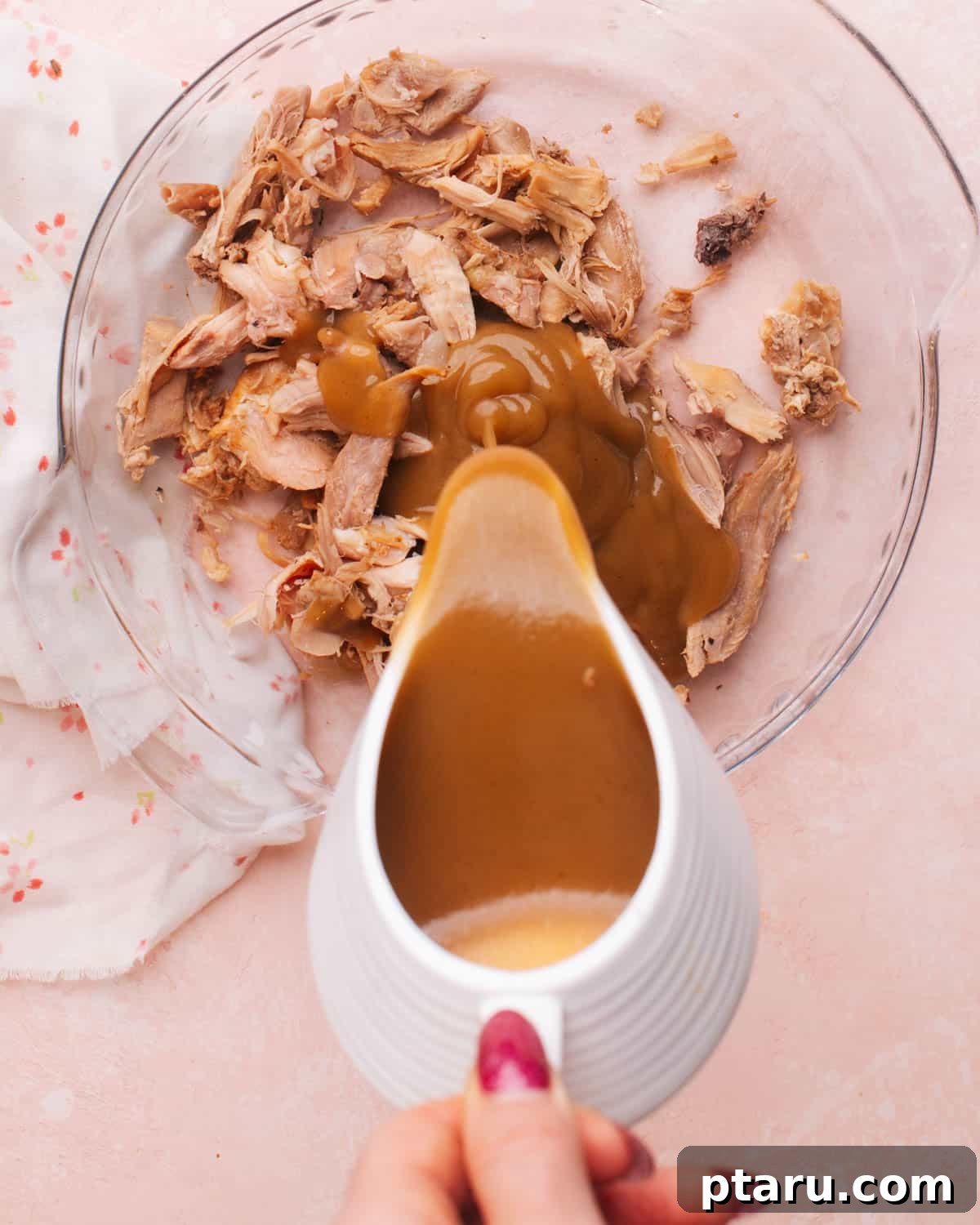
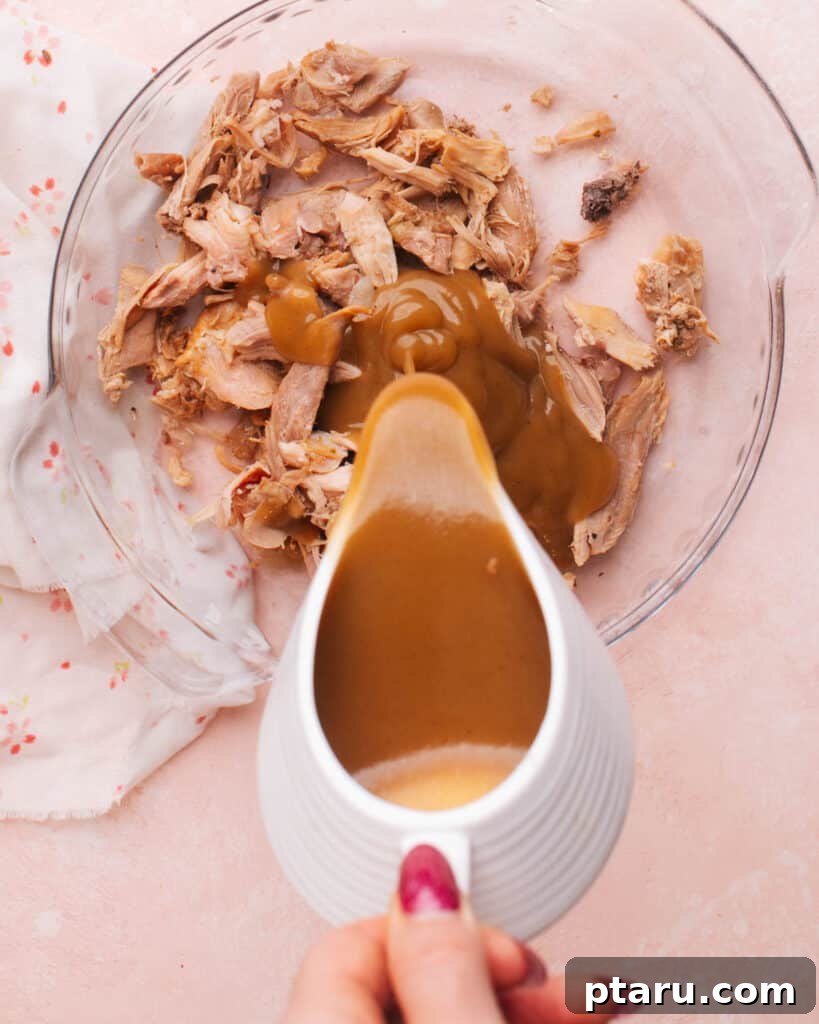
Elevate your holiday feast with the ultimate accompaniment: a rich, savory, and incredibly easy turkey giblet gravy recipe (without drippings). Forget the stress of waiting for pan drippings or worrying about last-minute gravy mishaps. This foolproof recipe allows you to prepare a decadent gravy while your turkey roasts to golden perfection, or even a day in advance! It’s the perfect solution for a seamless and delicious Thanksgiving or any special occasion, ensuring your mashed potatoes, stuffing, and turkey are always drenched in a heavenly sauce.
Why This Easy Turkey Giblet Gravy Is a Holiday Must-Have
A roast turkey, no matter how perfectly cooked, truly shines when paired with a deeply flavorful, silky-smooth gravy. This particular turkey giblet gravy stands out not just for its incredible taste but also for its sheer convenience and simple preparation using common pantry staples. It transforms what can often be a last-minute scramble into a relaxed and enjoyable cooking experience. Here’s why you’ll absolutely adore this recipe:
- Effortless Preparation: Unlike traditional gravies that demand precious pan drippings from your roasted bird, this recipe is designed to be made completely independently. You can easily prepare it while your turkey is in the oven, or even a full day ahead of your big meal. This eliminates the frantic last-minute rush, allowing you to focus on other dishes and enjoy your guests.
- Smart & Sustainable Cooking: This recipe brilliantly utilizes the often-overlooked giblets and neck, transforming them into a concentrated, savory broth. It’s a fantastic way to practice waste-free cooking, maximizing flavor from every part of your turkey and contributing to a truly rich and authentic gravy base.
- Foolproof & Approachable: You don’t need to be a seasoned chef to master this gravy. With clear, step-by-step instructions and no complex techniques, it’s virtually impossible to mess up. This recipe empowers even novice cooks to create a restaurant-quality gravy that will impress everyone at the table.
- Deep, Unforgettable Flavor: The slow simmering of turkey giblets, neck, and aromatic vegetables creates an incredibly rich and complex broth that forms the backbone of this gravy. This depth of flavor far surpasses what you might achieve with commercial broths alone, making every spoonful a memorable experience.
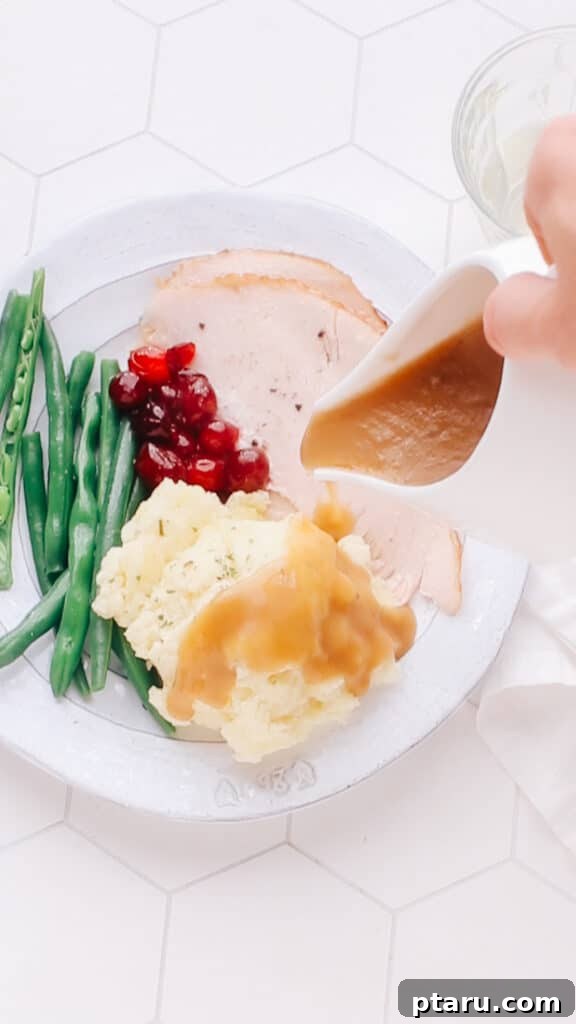
Essential Ingredients for Your Thanksgiving Turkey Giblet Gravy
Crafting this quick and easy gravy is a breeze, especially if you get a head start on the broth. It’s the epitome of smart meal prep, ensuring a stress-free holiday. You’ll be surprised how a handful of basic ingredients can transform into such a flavorful homemade turkey gravy.
Turkey Giblet Gravy Ingredients List
- Turkey Giblets and Neck: These are the stars of our broth. Most whole turkeys come with a bag of giblets (the heart, gizzard, and liver) and the neck tucked inside the cavity. Always check your turkey when purchasing. If your turkey doesn’t include them, many butcher shops sell them separately, or you can ask your grocer in advance.
- Onion, Carrot, and Celery (Mirepoix): This classic aromatic trio forms the foundational savory base for our rich broth. When simmered, they release deep, earthy flavors that infuse the water, creating a robust stock. For a slight variation, you can swap out the onion or celery for leeks, which offer a milder, slightly sweeter note.
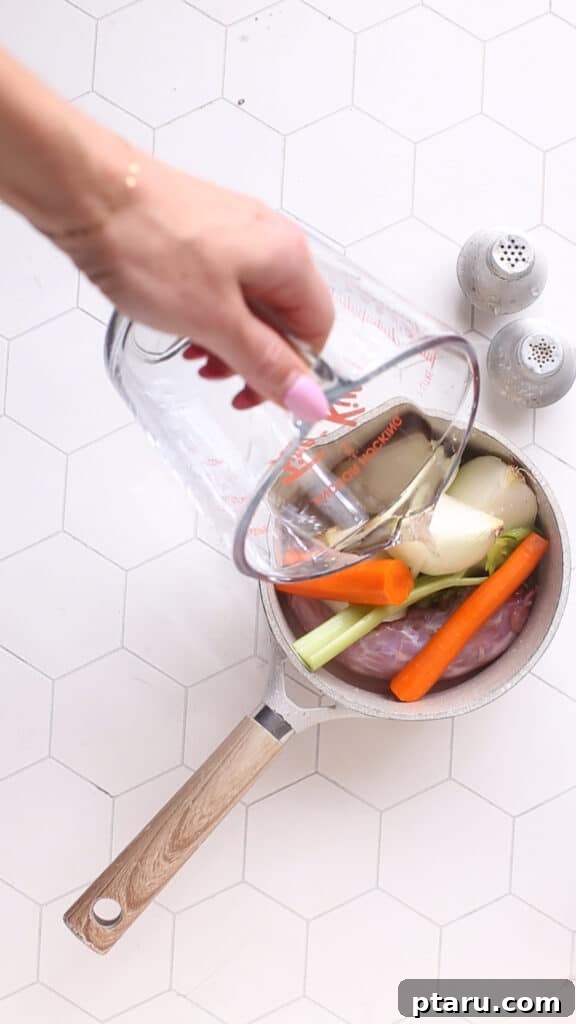
- Water: The primary liquid for simmering our giblets and vegetables, drawing out all their wonderful flavors to create a foundational stock.
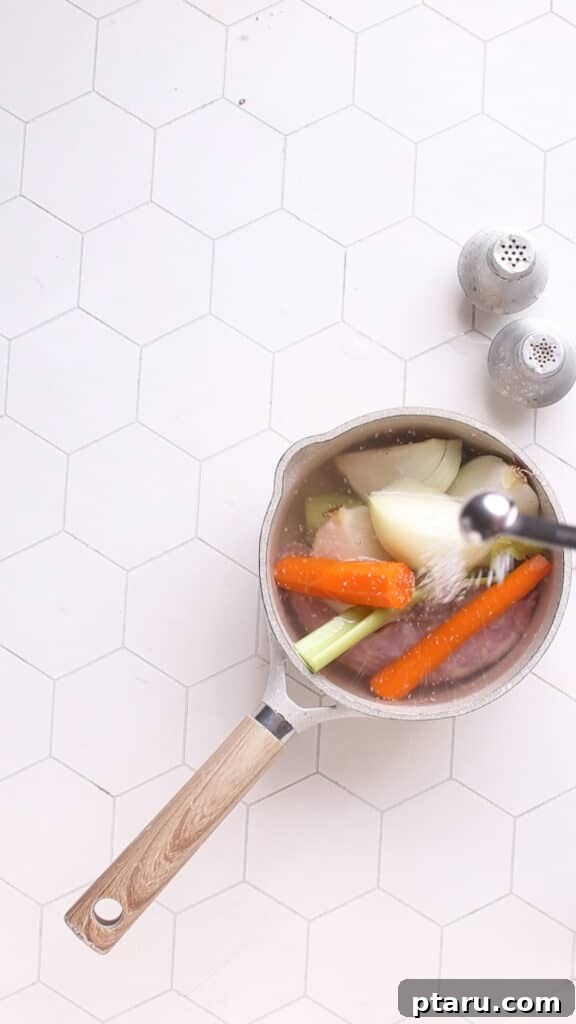
- Kosher Salt: An essential seasoning that enhances and balances the overall taste of the gravy. Kosher salt has a coarser texture and purer flavor compared to table salt, making it ideal for cooking.
- Black Pepper: Freshly ground black pepper adds a warm, pungent kick that complements the rich turkey flavor. For the best aroma and taste, always opt for freshly ground.
- Unsalted Butter: This provides a luxurious richness and contributes to the velvety texture of the gravy. Using unsalted butter gives you full control over the final salt content of your dish.
- All-Purpose Flour: The key thickening agent in our gravy. When combined with melted butter, it creates a roux, a fundamental component for achieving a smooth, thick consistency without lumps.
Creative Variations and Substitutions for Your Gravy
While this recipe is perfect as is, you can certainly customize your turkey giblet gravy to suit your personal taste or dietary needs. Don’t hesitate to experiment with these simple yet impactful variations:
- Herby Infusion: For an aromatic boost, add a tablespoon of fresh or dried herbs to your broth as it simmers. Classic choices include fragrant thyme, earthy sage, or robust rosemary. These herbs pair beautifully with turkey and will deepen the overall flavor profile of your gravy.
- Citrusy Brightness: To balance the richness of the gravy, a hint of citrus can work wonders. Stir in a teaspoon of finely grated lemon or orange zest (avoid the white pith, which can be bitter) towards the end of cooking. This adds a subtle, refreshing tang.
- Warm Spices: For a cozy, autumnal touch, infuse your broth with whole spices like a pinch of whole nutmeg or a small cinnamon stick. Remember to fish them out before combining the broth with the roux to ensure a smooth texture and prevent overpowering flavors.
- Sophisticated Dijon: A small amount of Dijon mustard (about a teaspoon) stirred into the finished gravy adds a grown-up, slightly tangy complexity that can elevate the savory notes without making the gravy taste like mustard.
- Gluten-Free Option: To make this gravy suitable for those with gluten sensitivities, simply substitute the all-purpose flour with an equal amount of cornstarch mixed with a little cold water to form a slurry. Whisk this slurry into the simmering broth at the end, cooking until thickened.
- Alternative Fats: If you prefer to avoid butter or are looking for a dairy-free option, you can substitute unsalted butter with olive oil, clarified butter (ghee), or even a neutral oil like canola for making the roux.
Essential Tools for Gravy Making
Preparing this delicious gravy requires only a few basic kitchen tools, making it accessible for everyone:
- Two Saucepans: You’ll need one small-to-medium saucepan for simmering the giblet broth and another for preparing the roux. Having two separate pans simplifies the process and ensures each component is perfectly cooked.
- Fine-Mesh Sieve: This is crucial for straining your homemade broth, separating out the cooked giblets and vegetables to achieve a perfectly smooth, clear liquid base for your gravy.
- Whisk: Your best friend for creating a lump-free gravy! A whisk is indispensable for smoothly combining the butter and flour for the roux, and for gradually incorporating the broth to achieve that silky, desirable consistency.
With these simple tools at the ready, you’re now perfectly set to create the turkey gravy of your dreams. Let’s dive into the step-by-step process!
How to Make Turkey Gravy Without Drippings: A Step-by-Step Guide
This effortless gravy comes together in three simple parts: making the flavorful broth, preparing a rich roux, and finally, combining them to create a masterpiece. Follow these detailed steps for a truly incredible result.
Part 1: How to Make the Savory Giblet Broth
The secret to a deep, complex gravy without drippings lies in a well-made broth. This step infuses maximum flavor from the turkey giblets and vegetables.
- Combine Ingredients: In a medium saucepan, add the turkey giblets and neck, quartered onion, chopped carrot, chopped celery, water, kosher salt, and freshly ground black pepper. Ensure all ingredients are submerged in the water.
- Gentle Simmering: Bring the mixture to a gentle boil, then immediately reduce the heat to a low simmer. Cover the saucepan and let it cook for a minimum of 1 hour, or ideally up to 1.5 hours. A slow, steady simmer is key here, as boiling too vigorously can result in a cloudy broth and diminish the delicate flavors. The longer it simmers, the more concentrated and flavorful your broth will become.
- Cool and Strain (Optional for make-ahead): Once the simmering is complete, remove the saucepan from the heat. If making ahead, allow the broth to cool completely before straining and storing.
Part 2: How to Prepare the Perfect Roux
A well-cooked roux is vital for a smooth, lump-free gravy with a nutty depth of flavor. This step requires your full attention.
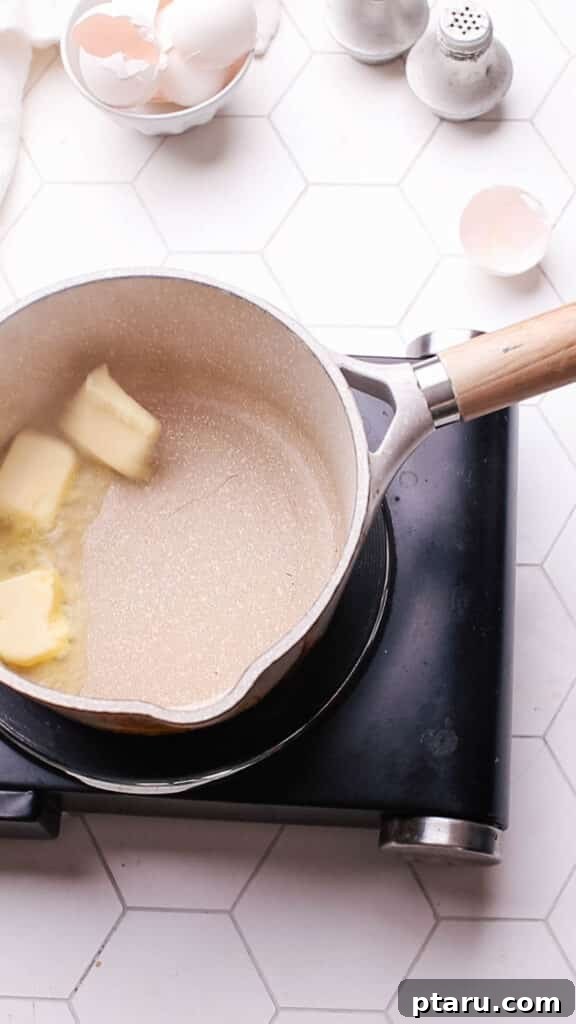
- Melt the Butter: In a separate, clean saucepan, melt the unsalted butter over medium heat. Watch it carefully to ensure it doesn’t burn.
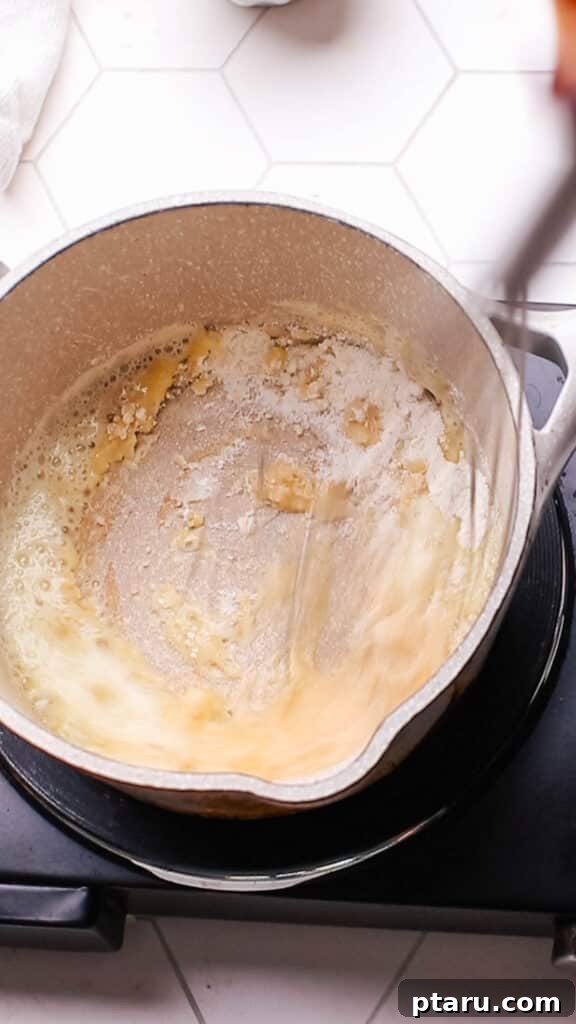
- Add Flour & Whisk: Once the butter is fully melted and slightly frothy, add the all-purpose flour. Immediately begin whisking continuously. The mixture will form a thick paste.
- Cook the Roux: Continue to whisk and cook the butter-flour mixture for about 5 minutes, or until it reaches a deep caramel color. This step is crucial for cooking out the raw flour taste and developing a rich, nutty flavor. Do not leave the roux unattended, as it can go from perfect to burnt very quickly. It should smell toasted and fragrant.
- Remove from Heat: Once your roux has achieved the desired deep caramel hue, remove the saucepan from the heat. This stops the cooking process and prevents it from burning before you add the liquid.
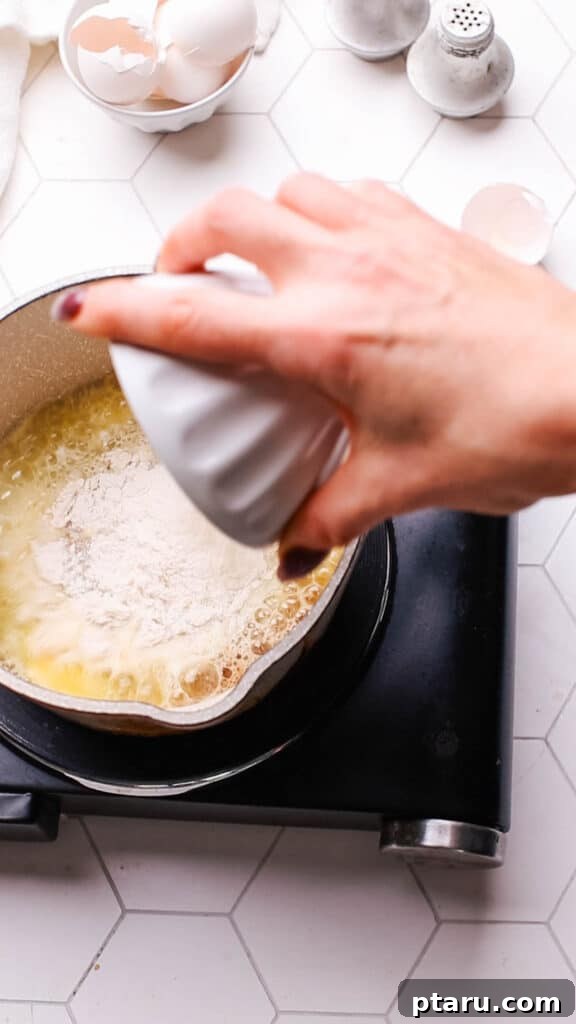
Part 3: How to Combine the Broth and Roux for Silky Gravy
This is where the magic happens, turning your separate components into a cohesive, delicious gravy.
- Strain the Broth: Place a fine-mesh sieve over a heatproof bowl, large measuring cup, or jug. Carefully pour the turkey giblet broth through the sieve, separating the liquid from the cooked solids. Press down on the giblets and vegetables with the back of a spoon to extract every last drop of flavorful liquid. Discard the solids.
- Gradual Liquid Addition: Place the saucepan with your cooked roux back on low heat. Begin by adding just a small amount (about 1/4 cup) of the strained turkey broth to the roux. Whisk vigorously and continuously until the mixture is completely smooth and lump-free.
- Continue Whisking: Continue adding the broth in small increments (1/2 cup at a time), whisking well after each addition until fully incorporated and smooth. Repeat this process until all of the strained broth has been added to the roux. This gradual method is key to preventing lumps and achieving a perfectly silky texture.
- Simmer to Thicken: Once all the broth is incorporated, bring the gravy to a gentle simmer, whisking occasionally. Let it simmer for about 5-10 minutes, or until it reaches your desired thickness. The gravy will thicken as it cools, so aim for a slightly thinner consistency than you want for serving.
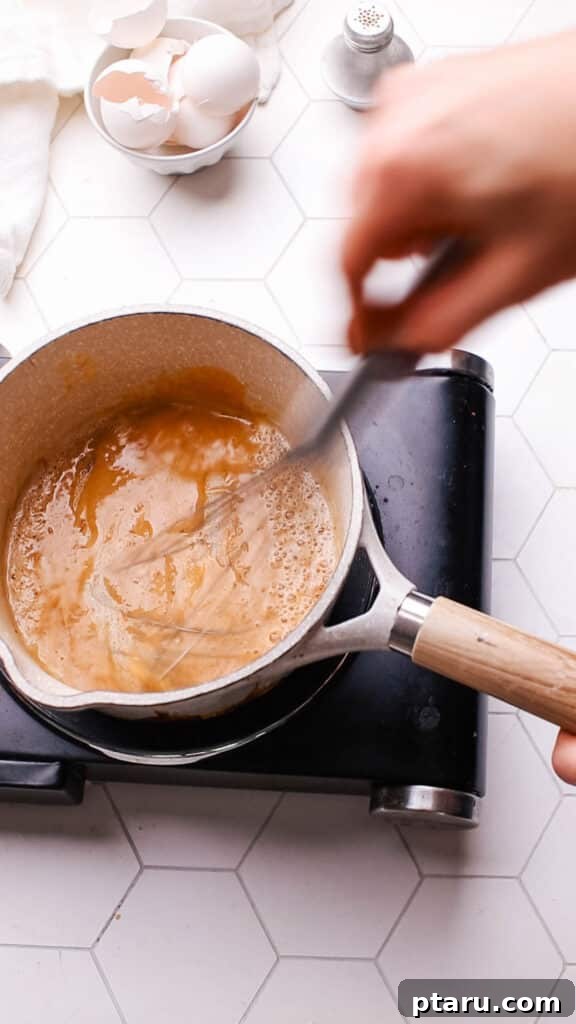
Important Notes and Pro Tips for Gravy Success
Achieving the perfect gravy is simple with a few key considerations in mind:
- Roux Vigilance: Never walk away from your roux! It transitions quickly from perfectly browned to burnt. Keep it on medium-low heat and whisk constantly to ensure even cooking and prevent scorching.
- Lump-Free Gravy Technique: The secret to a smooth gravy lies in gradually adding the liquid to the roux while whisking constantly. Start with a small amount of cold or room-temperature broth, whisk until smooth, then continue adding more bit by bit. This prevents the flour from clumping.
- Maximize Broth Flavor: When straining the broth, take an extra moment to press down on the cooked giblets and vegetables in the sieve. This extracts maximum liquid and flavor, ensuring your gravy base is as robust as possible.
- Seasoning to Perfection: Always taste your gravy before serving. If it needs more salt, consider adding a small splash of soy sauce or Worcestershire sauce. These ingredients not only add a deeper, more complex seasoning but also contribute a beautiful umami richness and a darker, more appealing color to your gravy.
- Consistency is Key: Gravy tends to thicken as it cools. If your gravy becomes too thick, simply whisk in small amounts of warm water or additional broth until it reaches your desired pourable consistency. If it’s too thin, you can simmer it a bit longer to reduce, or make a very small slurry of cornstarch and cold water, then whisk it in and simmer for a minute until thickened.
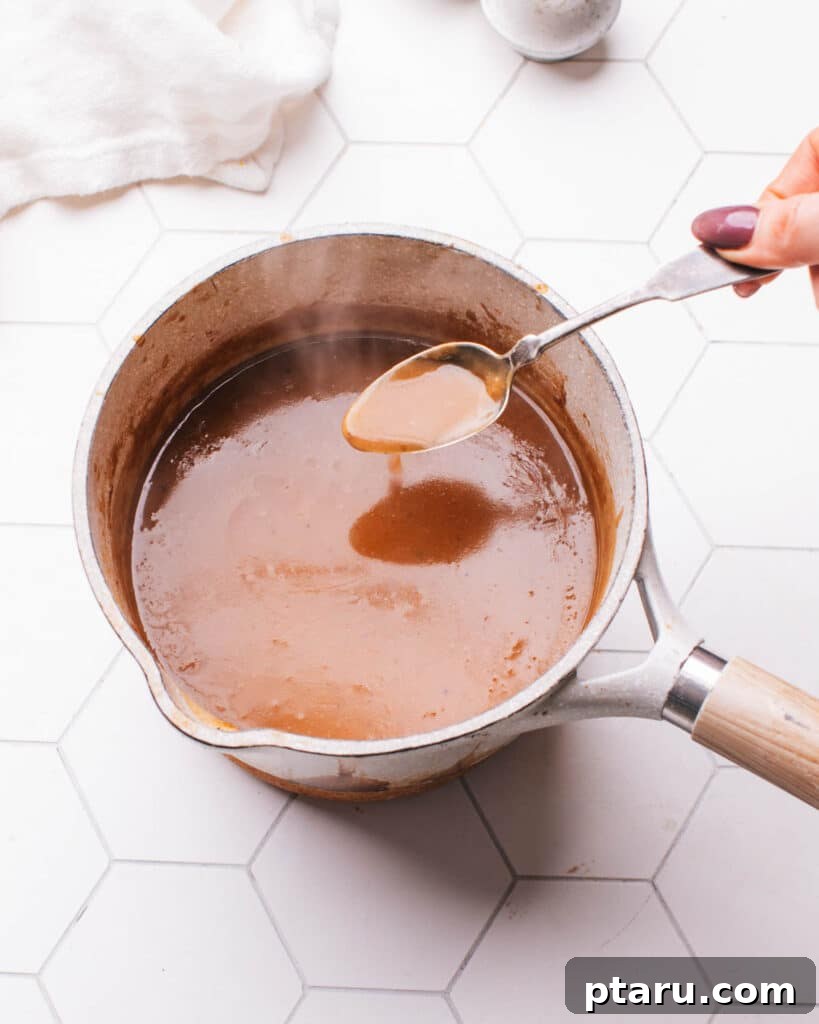
Make Ahead and Storage Solutions for Turkey Gravy
One of the best features of this gravy recipe is its adaptability for advance preparation and easy storage. This allows you to truly enjoy your holiday without last-minute kitchen chaos.
Make-Ahead Strategies
Free up valuable time on the day of your feast by preparing components of your gravy in advance:
- Prepare the Broth in Advance: This is a fantastic time-saver. Simmer the turkey neck, giblets, and vegetables to create your flavorful broth a day or two before you plan to make the gravy. Once cooled, strain the broth and store it in an airtight container in the refrigerator. This step alone significantly cuts down on active cooking time on the big day.
- Roux Preparation: You can also prepare the roux (the butter and flour mixture) in advance. Cook it to your desired caramel color, then allow it to cool completely. Store the cooled roux in an airtight container in the refrigerator. When you’re ready to make the gravy, gently reheat the roux before gradually whisking in the prepared broth.
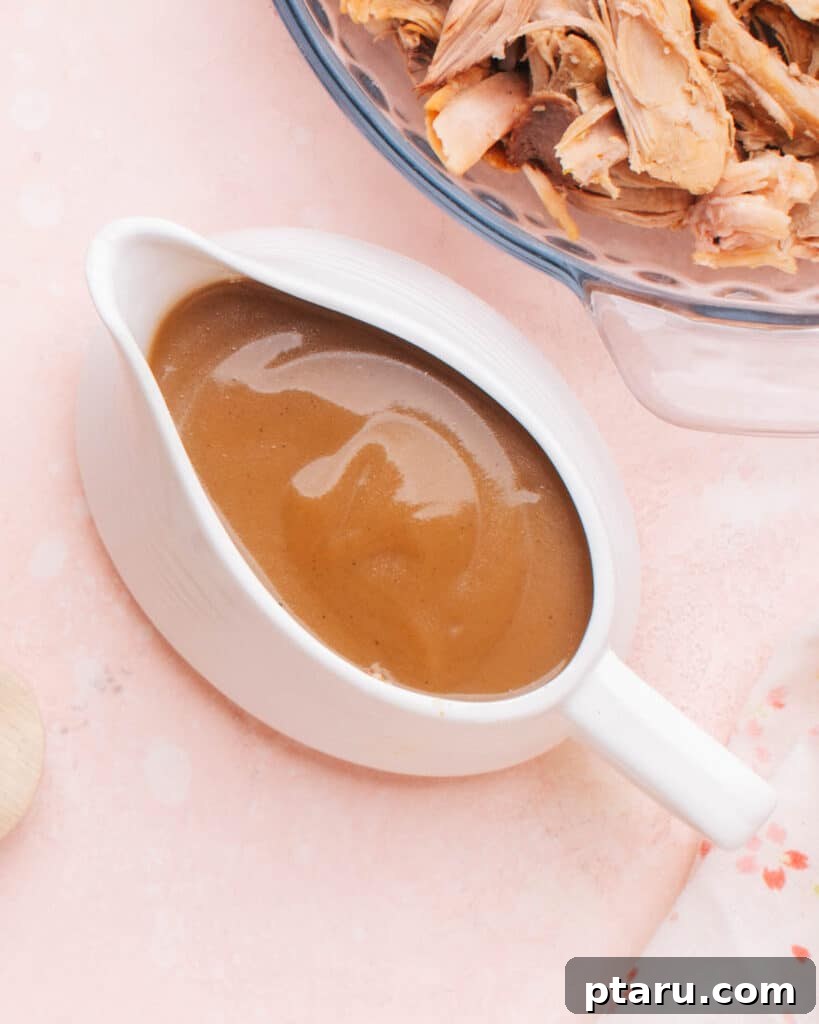
Storage Tips for Leftover Gravy
If you find yourself with extra gravy (a rare but delightful occurrence!), here’s how to properly store it to enjoy later:
- Refrigeration: Leftover gravy can be safely stored in an airtight container in the refrigerator for up to 3-4 days. When reheating, do so gently over low heat on the stovetop, stirring continuously. If it’s too thick, add a splash of warm water or broth to reach the desired consistency.
- Freezing: For longer storage, gravy freezes beautifully. Allow the gravy to cool completely to room temperature before transferring it to a freezer-safe container or heavy-duty freezer bags. Leave about an inch of headspace for expansion. It can be stored in the freezer for 2-3 months. Thaw overnight in the refrigerator before reheating.
5 Common Mistakes to Avoid When Making Turkey Gravy with Giblets
Even though this recipe is designed to be foolproof, being aware of common pitfalls can ensure your gravy is perfect every time. Here are the most frequent mix-ups to steer clear of when making turkey gravy with giblets without drippings:
- Boiling Instead of Simmering the Broth: Vigorously boiling the giblet broth can lead to a cloudy, less flavorful stock. It can also cause the liquid to evaporate too quickly, resulting in a less concentrated flavor. Always aim for a gentle simmer to slowly extract maximum flavor and keep the broth clear.
- Lumpy Roux: Not whisking enough when combining butter and flour, or not cooking the roux thoroughly, can lead to a lumpy base. Constant whisking during the roux-making process is crucial for a smooth foundation.
- Burning the Roux: This is arguably the easiest mistake to make. A roux can go from a perfect golden-brown to burnt in mere seconds if left unattended. Burnt flour will impart a bitter, unpleasant taste to your entire gravy. Keep the heat medium-low and whisk continuously.
- Adding All the Broth at Once: Dumping all the liquid into the roux simultaneously is a guaranteed path to a lumpy, bumpy gravy. The flour will seize up and create clumps that are difficult to smooth out. Always add the broth gradually, whisking well after each addition, to create a smooth emulsion.
- Under-Seasoning: A bland gravy can be disappointing. Always taste your gravy before serving and adjust the seasoning as needed. Don’t be afraid to add a little more salt, pepper, or a dash of soy sauce for umami depth if you feel it’s lacking.
Expert Insights: Pro Tips and the Science Behind Perfect Gravy
Beyond the steps, understanding a few key principles can unlock the full potential of your turkey giblet gravy, transforming it from good to truly extraordinary.
- The Art of the Roux: Patience is paramount when cooking your roux. Allowing it to slowly develop a golden or deep caramel color isn’t just for aesthetics; it’s essential for flavor. This extended cooking time not only eliminates the raw taste of the flour but also develops complex, nutty notes through the Maillard reaction, which adds incredible depth to your gravy.
- Don’t Under-Simmer the Broth: The broth is the heart of your gravy. Skimping on the simmering time will result in a weak, bland-tasting turkey gravy. Aim for at least 1 to 1.5 hours to ensure all the savory goodness from the giblets, neck, and vegetables is fully extracted into the liquid.
- Mastering Consistency: Gravy consistency is a matter of personal preference, but it’s important to know how to adjust it. If your gravy is too thick after simmering, gradually whisk in small amounts of warm broth or hot water until it reaches your desired pourable texture. If it’s too thin, a gentle simmer for a few more minutes will allow it to reduce and thicken naturally. For a quick fix, a cornstarch slurry (1 tsp cornstarch mixed with 1 tsp cold water) can be whisked in and simmered for a minute.
- Balancing Richness: A rich gravy is wonderful, but sometimes it can feel a bit heavy. To brighten the flavor and cut through the richness, a tiny splash of fresh lemon juice or a pinch of lemon zest can make a world of difference. This acidic touch provides a refreshing counterpoint that awakens the palate.
- Umami Enhancement: For an extra layer of savory depth, don’t underestimate the power of umami-rich ingredients. A small amount of soy sauce or Worcestershire sauce (start with ½ teaspoon and add more to taste) can dramatically boost the savory profile of your gravy without imparting their distinct flavors. They amplify the natural turkey taste and add a beautiful dark hue.
FAQs About Turkey Giblet Gravy Without Drippings
Here are some quick answers to commonly asked questions about making this delicious and adaptable turkey giblet gravy:
What should I do if my turkey giblets include the liver, and I’m not a fan of its strong flavor?
You can certainly omit the liver if its strong, metallic flavor isn’t to your liking. The heart and gizzard, along with the neck, will still provide plenty of flavor for the broth.
Can I use chicken giblets instead of turkey giblets?
Yes, absolutely! If turkey giblets are unavailable, chicken giblets are an excellent substitute. The process remains the same, though the flavor profile may be slightly milder. You can even combine them with chicken necks for an even richer chicken broth.
How can I make this gravy gluten-free?
To make a delicious gluten-free gravy, replace the all-purpose flour in the roux with an equal amount of cornstarch or arrowroot powder. Mix the cornstarch/arrowroot with a small amount of cold water to create a slurry before whisking it into the simmering broth. Cook until thickened.
Can I freeze the gravy ahead of time?
Yes, gravy freezes exceptionally well! Allow it to cool completely, then transfer to a freezer-safe container or bag. It can be stored for 2-3 months. Thaw in the refrigerator overnight and reheat gently on the stovetop, whisking and adding a splash of broth or water if needed to adjust consistency.
Which herbs work well with this gravy?
Classic poultry herbs are perfect for turkey giblet gravy. Thyme, rosemary, and sage complement the savory flavors beautifully. You can add them fresh to the simmering broth or a pinch of dried herbs to the finished gravy for an aromatic boost.
How can I fix a lumpy gravy?
If you end up with lumps, don’t despair! First, try whisking the gravy vigorously over low heat. If the lumps persist, you can pass the gravy through a fine-mesh sieve, pressing it with a spoon, to achieve a perfectly smooth consistency. A blender or immersion blender can also work for very stubborn lumps, but strain afterward if desired.
Can I make the gravy in advance and reheat it?
Absolutely! This gravy is ideal for making ahead. Store it in the refrigerator for up to 3-4 days. To reheat, warm it gently over low heat on the stovetop, stirring constantly. You may need to add a little extra broth or water to thin it back to your desired consistency as it tends to thicken in the fridge.
Is it necessary to strain the gravy?
Straining the broth before making the roux is highly recommended for a smooth gravy. Straining the *finished* gravy is optional. If you prefer a velvety, restaurant-quality texture, strain it. If you enjoy a heartier gravy with some small bits, you can skip this final straining step.
What can I substitute for unsalted butter in the recipe?
For a dairy-free option, you can use olive oil, clarified butter (ghee), or a neutral-flavored vegetable oil like canola or grapeseed oil as a substitute for unsalted butter when making the roux. Adjust quantities as needed based on your preference for richness.
What to Serve with This Rich Turkey Giblet Gravy
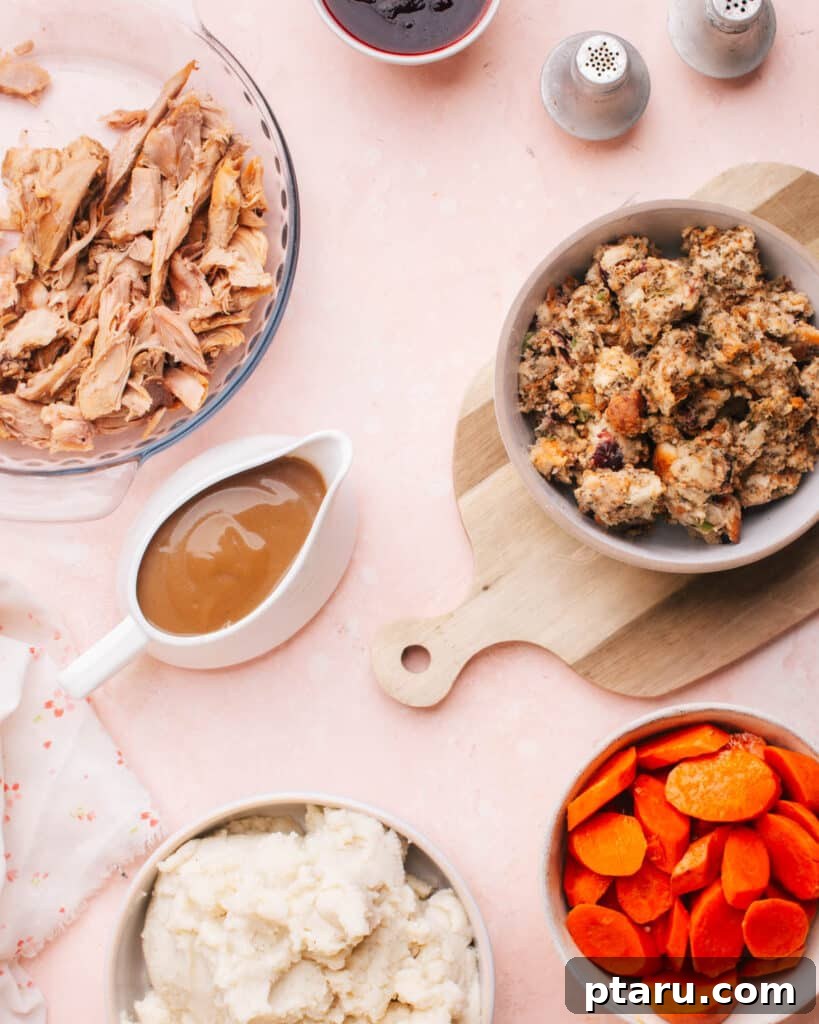
This versatile turkey giblet gravy is the perfect companion to a wide array of holiday and comfort food dishes. Here are some classic pairings that will undoubtedly delight your palate:
- Easy Roast Turkey with Cranberry Chutney: The ultimate duo for any festive table.
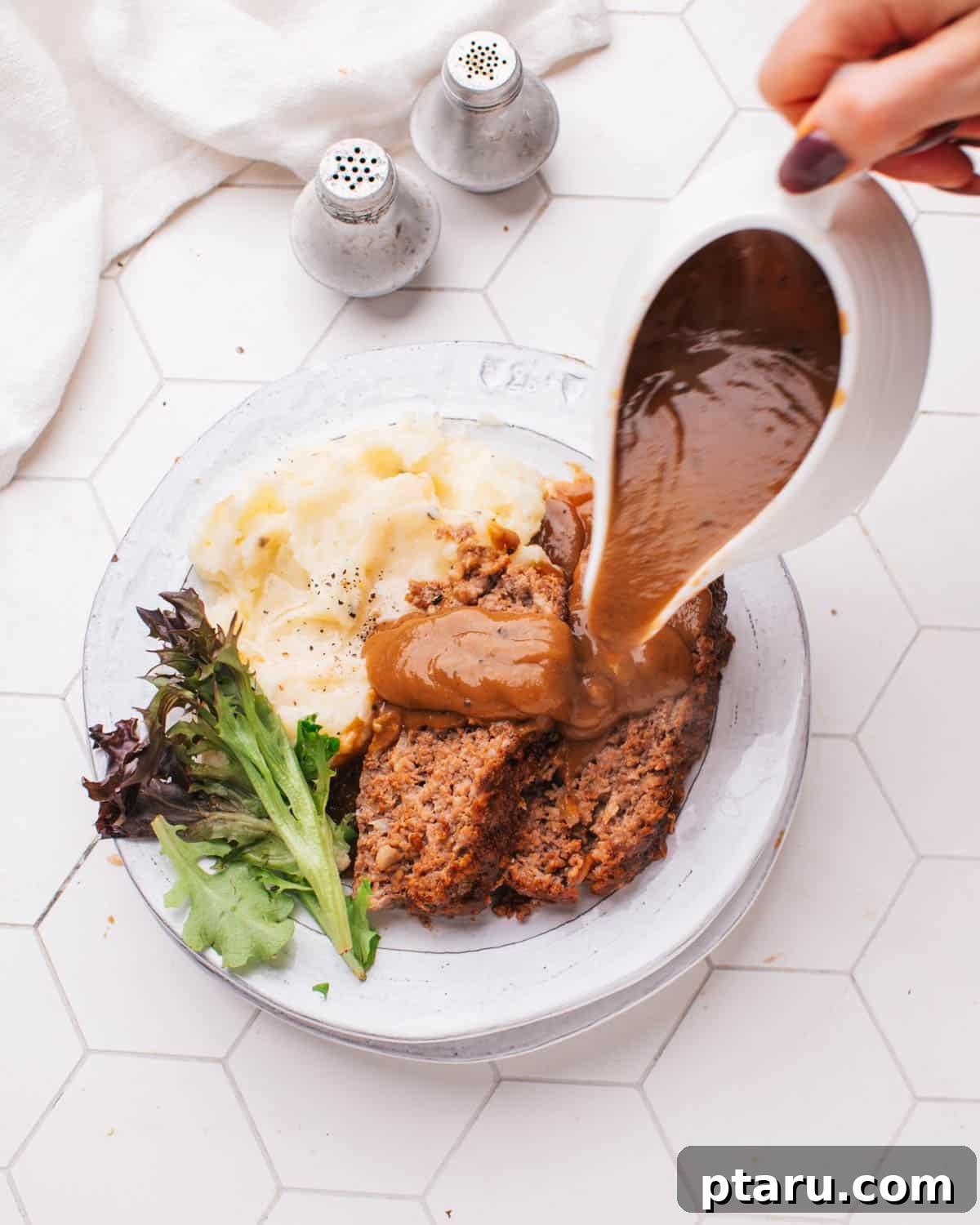
- The Best Mashed Potatoes You’ll Ever Try: Creamy potatoes are simply incomplete without a generous pour of savory gravy.
- Cornbread Casserole: A comforting, hearty side that soaks up every drop of gravy beautifully.
- Apple Turkey Stuffing: Enhance the herby, fruity notes of your stuffing with a rich, moist blanket of gravy.
- Candied Brussels Sprouts with Maple and Bacon: A sweet and savory side that surprisingly pairs well with the deep flavors of the gravy.
- Maple Five Spice Roasted Butternut Squash: The warm spices in the squash complement the savory gravy perfectly.
- Super Easy Pumpkin Pie: (As a dessert, this is a palate cleanser, not a gravy pairing, but often served at the same meal!)
- Green Bean Casserole with Crispy Onions: A holiday staple that becomes even more irresistible with a drizzle of rich gravy.
- Leftover Turkey Sandwiches: Revitalize your turkey leftovers with a warm, savory gravy.
Looking for more delicious ideas? Check out these related articles:
- What to eat with leftover mashed potatoes
- Leftover Turkey Pot Pie
- Leftover Turkey Casserole
- Herbed Peppercorn Gravy