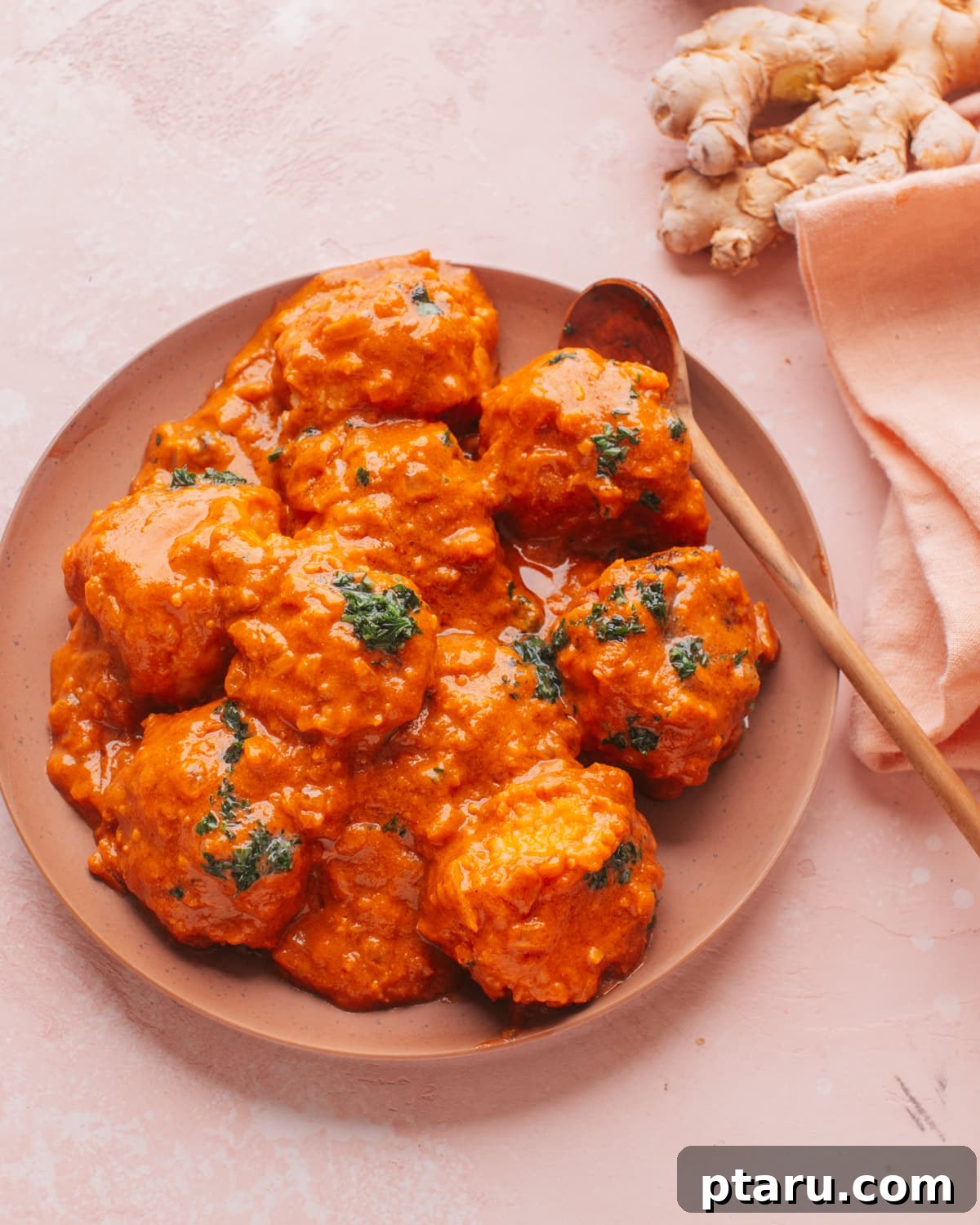
Malai Kofta, also known as Paneer Kofta Curry, holds a special place in the hearts of Indian food enthusiasts worldwide. For many, including myself, it’s the very first dish sought on any Indian restaurant menu. My quest for the perfect rendition began with weeks of culinary exploration across India, followed by years of meticulous refinement to bring that authentic, restaurant-quality flavor into my own kitchen. This comprehensive guide shares the culmination of that journey, ensuring you can recreate this beloved Indian classic with ease and confidence.
What is Malai Kofta? Unveiling a Vegetarian Indian Masterpiece
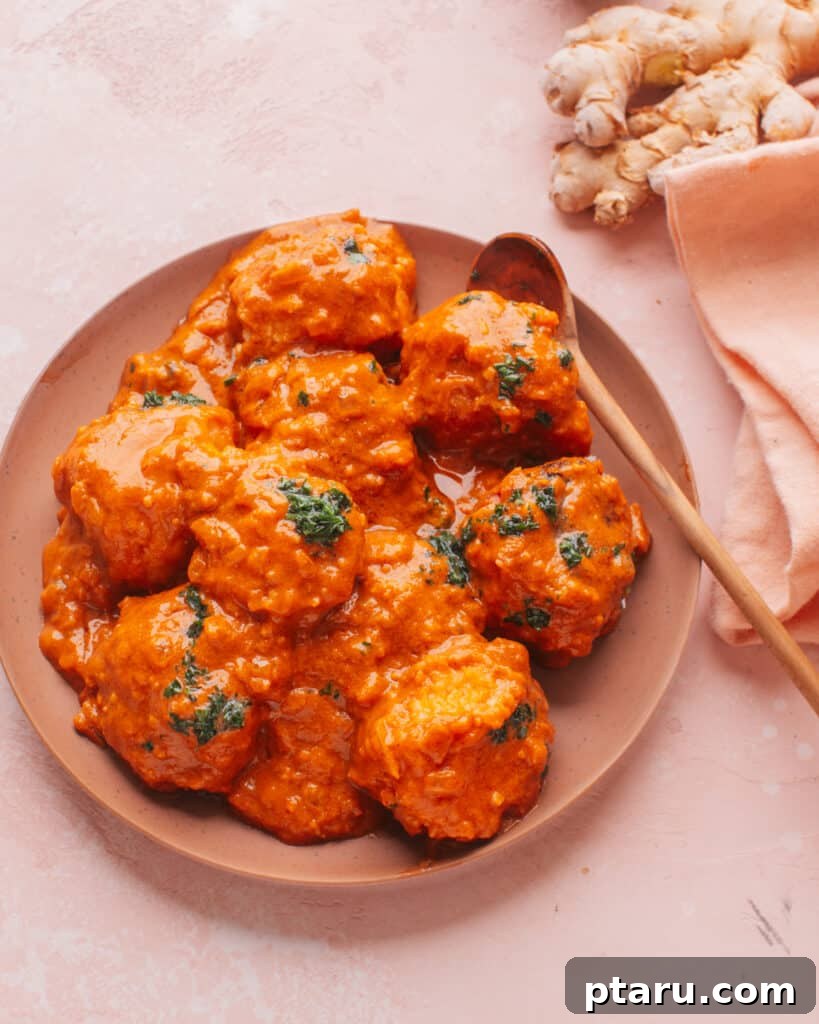
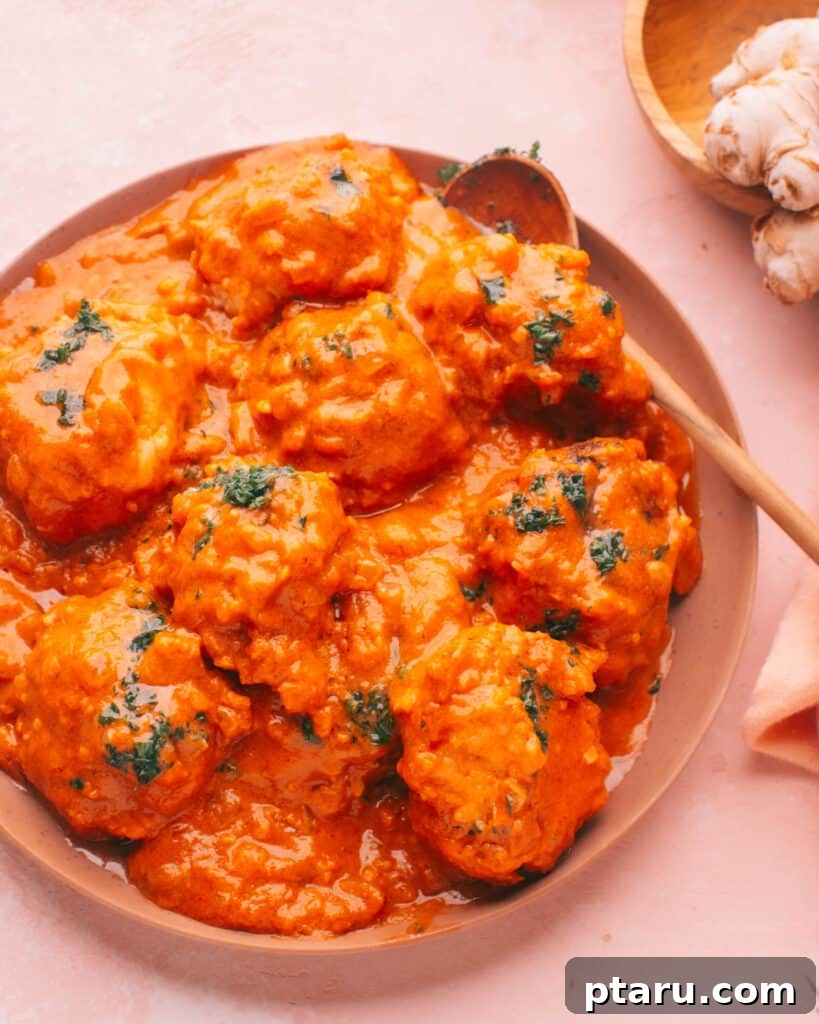
At its heart, Malai Kofta is an exquisite vegetarian Indian dish featuring luscious, golden-fried dumplings (kofta) made primarily from paneer (Indian cottage cheese) and mashed potatoes, gently simmered in a rich, creamy, and vibrantly spiced tomato-cashew curry. It’s a symphony of textures and flavors – soft, melt-in-your-mouth kofta against a velvety, aromatic sauce – making it a truly blissful culinary experience.
The name itself offers a clue to its essence: “Malai” in Hindi translates to ‘cream’ or ‘creamy,’ while ‘Kofta’ refers to ‘balls’ or ‘dumplings.’ Thus, Malai Kofta literally means “creamy dumplings,” a fitting description for this indulgent curry. While the concept of kofta (meatballs or vegetable balls) is found across many cuisines, the Indian Malai Kofta uniquely celebrates the tender texture of paneer and potato.
Historically, kofta dishes have Persian roots, brought to India by the Mughal empire, where they evolved to incorporate local ingredients and culinary traditions. In India, kofta transformed, giving rise to numerous regional variations, including the widely adored vegetarian version we’re exploring today.
The Art of the Paneer and Potato Kofta
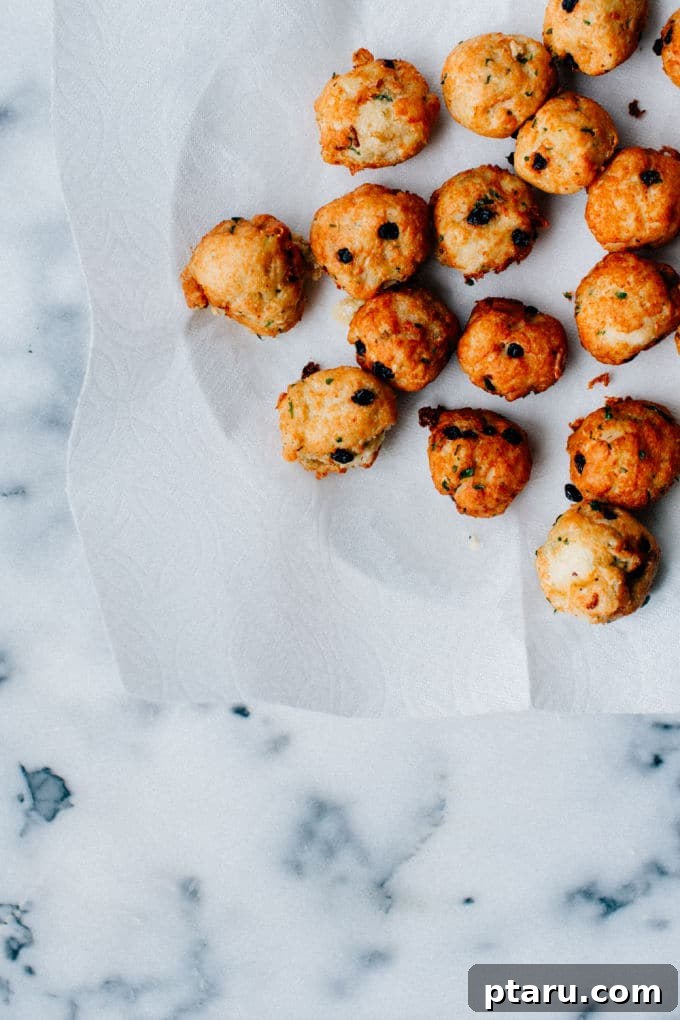
The soul of Malai Kofta lies in its meticulously crafted dumplings. These soft, pillowy spheres are traditionally a harmonious blend of finely crumbled paneer and fluffy mashed potatoes. This combination provides both substance and an incredible tenderness that absorbs the rich flavors of the curry.
To elevate the texture and flavor, various delightful additions can be incorporated into the kofta mixture. Tiny pieces of dried fruit like raisins or currants offer a subtle sweetness, while chopped nuts such as cashews or blanched almonds provide a welcome crunch. Fresh cilantro introduces a hint of herbaceous freshness. While some traditionalists might consider meat-based kofta, this beloved vegetarian Malai Kofta recipe champions the delicate potato-cheese dumpling style, a personal favorite that offers unparalleled comfort and flavor. For those seeking an extra layer of homemade goodness, crafting your own paneer can truly transform this dish. Learn how to make homemade paneer with my simple step-by-step guide.
The Creamy Malai Kofta Sauce (Gravy)
Equally crucial to Malai Kofta’s allure is its luxuriant sauce, often referred to as “gravy” in India. Over my years of culinary exploration, I’ve encountered several versions of this iconic sauce. My preferred rendition, and the one featured in this recipe, is a rich, spiced tomato-cream base, reminiscent of a fantastic butter chicken recipe. This particular gravy achieves a divine balance of tanginess from tomatoes, creaminess from dairy and nuts, and warmth from a blend of aromatic Indian spices.
There exists another style of Malai Kofta gravy – a sweeter, pale white sauce often predominantly made from thickened malai (clotted cream). While rich, it often lacks the intricate spice profile and depth of flavor that the tomato-based version offers. My palate, and that of many Indian food lovers, leans firmly towards the more robust and fragrantly spiced tomato-cream gravy. Choosing the right sauce makes all the difference, transforming a meal into an unforgettable experience. If you’ve ever experienced the disappointment of a bland Malai Kofta, you know the feeling. To pair perfectly with this sauce, you might want to try my Perfect Paratha Recipe, a flaky, layered Indian flatbread, a delightful cousin to naan.
Essential Ingredients and Tools for Your Malai Kofta Journey
Crafting this restaurant-quality Malai Kofta at home requires only a handful of readily available ingredients and common kitchen tools. Simplicity and authentic flavor are at the core of this recipe.
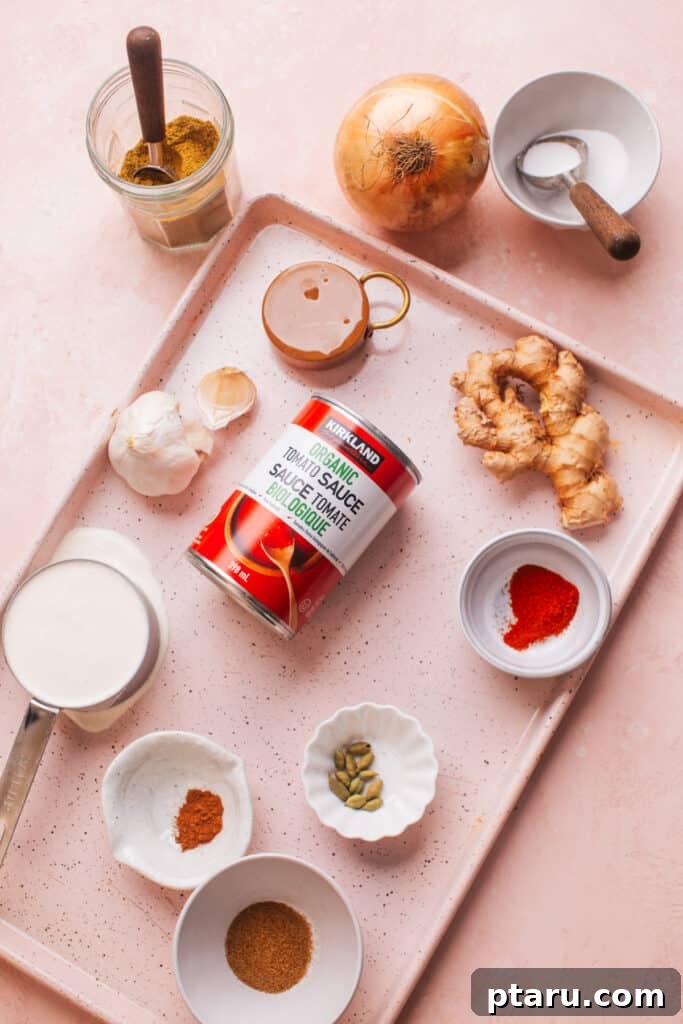
Malai Kofta Ingredients: The Heart of the Flavor
- Oil/Ghee: Essential for sautéing the aromatics and pan-frying the koftas to a perfect golden crisp. Ghee adds a traditional, rich flavor.
- Onions, Ginger, and Garlic: These foundational aromatics form the deeply flavorful base of our curry, building layers of savory depth.
- Aromatic Spices: A carefully selected blend including cumin powder, coriander powder, red chili powder (or cayenne for heat), cinnamon, and whole green cardamom pods. These spices contribute the distinctive earthy warmth and fragrant complexity characteristic of Indian cuisine.
- Tomato Puree: Provides the essential tangy, rich body to the creamy sauce. Opt for a good quality puree for the best flavor.
- Almond Butter (or Cashew Paste): This is the secret to achieving that characteristic nutty creaminess in the sauce without the fuss of grinding raw cashews.
- Heavy Cream (Whipping Cream): The ‘Malai’ component, adding luxurious richness and a silky smooth texture to the curry.
- Paneer and Potato: The stars of our kofta. Freshly grated paneer combined with perfectly mashed potatoes creates the incredibly soft and tender dumpling base.
- Raisins and Nuts (Optional for Kofta): Chopped raisins and nuts (like cashews or blanched almonds) can be folded into the kofta mixture for delightful bursts of sweetness and a pleasant textural contrast. Feel free to omit them for a simpler weeknight preparation.
- Sugar: A small amount to balance the flavors in the sauce, particularly the tanginess of the tomatoes and the richness of the cream.
- Cilantro: Freshly minced cilantro is used both in the kofta mixture (optional) and as a vibrant garnish, adding a burst of freshness.
Versatile Variations and Smart Substitutions
This Malai Kofta recipe is wonderfully adaptable, allowing you to tailor it to your preferences or dietary needs. Don’t hesitate to get creative in your kitchen!
- Sauce Base Alternatives: While almond butter provides a convenient and delicious nutty creaminess, you can absolutely achieve a more traditional flavor by using raw cashews. Simply soak about ¼ cup of cashews in hot water for 15-20 minutes, then blend them with a little water into a super-smooth paste before adding to the sauce. For an exceptionally smooth gravy, use an immersion blender to purée the sauce after it has simmered but before adding the koftas.
- Vegan Alternatives: Transforming this dish into a delectable vegan Malai Kofta is simple. Replace the paneer with firm or extra-firm tofu (pressed and crumbled), adding a little extra salt to compensate. For the sauce, swap the heavy cream with full-fat coconut milk or a rich cashew cream.
- Adjusting Spice Level: The red chili powder (or cayenne) dictates the heat. Feel free to adjust the quantity to suit your personal preference, from mildly spiced to boldly fiery. You can also add a pinch of garam masala at the end for an extra layer of warmth and complexity.
- Kofta Filling Explorations: Beyond raisins and nuts, you can experiment with other finely chopped vegetables in your koftas. Peas, carrots, or even finely grated spinach can add an interesting twist, enhancing both flavor and nutritional value. Just ensure any added vegetables are finely minced and well-drained to prevent the koftas from becoming too moist.
Essential Kitchen Tools for Easy Preparation
Having the right equipment at hand will make your Malai Kofta preparation smooth and enjoyable:
- Deep Pan or Skillet: A large, deep pan or a heavy-bottomed skillet is perfect for both preparing the luscious sauce and pan-frying the koftas.
- Dutch Oven or Heavy Pot: Ideal for simmering the sauce slowly, ensuring even heat distribution and preventing sticking.
- Grater: A box grater or a fine grater is perfect for achieving the desired consistency when grating paneer.
- Large Mixing Bowl: Essential for combining the kofta ingredients thoroughly and shaping the dumplings with ease.
- Potato Masher or Fork: For mashing your boiled potatoes to a smooth, lump-free consistency.
- Immersion Blender (Optional): For an extra smooth, restaurant-style gravy.
How to Make Malai Kofta: A Step-by-Step Culinary Journey
Despite its reputation as a complex restaurant dish, Malai Kofta is surprisingly straightforward to prepare at home. This easy Indian curry recipe is designed to guide you through each stage, promising delicious, impressive results.
Step 1: Preparing the Potatoes and Kofta Mixture
The foundation of our tender kofta balls lies in perfectly cooked potatoes combined with fresh paneer. These soft, pillowy dumplings are enhanced by optional crunchy, sweet bits, creating a delightful texture.
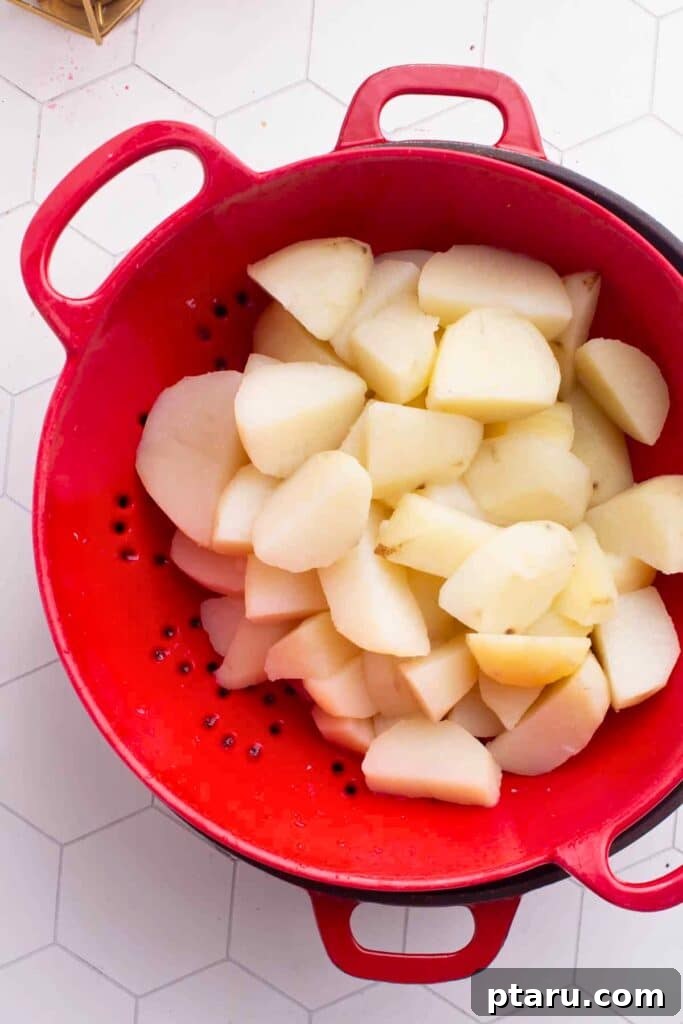
- To begin, peel your white potatoes and boil them in salted water until they are fork-tender. Once cooked, drain them thoroughly in a colander and allow them to cool completely. This cooling step is crucial to prevent excess moisture from making the koftas fall apart during frying.
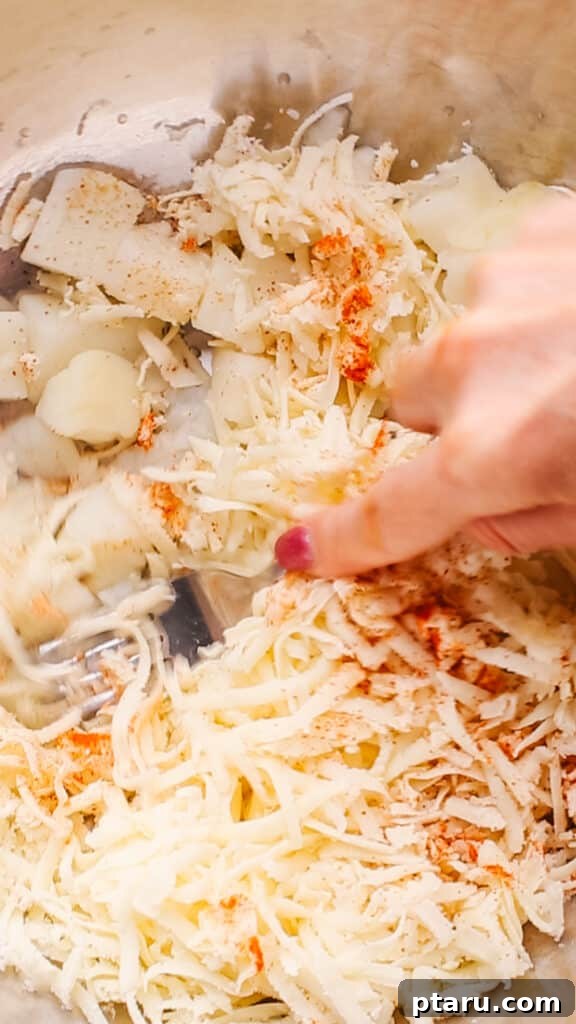
- In a large mixing bowl, either grate or crumble the paneer. Add the cooled, mashed potato, followed by the optional raisins, nuts, a pinch of salt, ground cumin, and cayenne (or red chili powder). Incorporate the optional finely minced cilantro. Gently mix everything together until well combined, ensuring the spices are evenly distributed throughout the mixture. Avoid overmixing, as this can make the koftas tough.
Step 2: Crafting the Aromatic Malai Kofta Gravy
This rich and fragrant sauce is built upon a base of slowly caramelized onions, ginger, and garlic, imbued with traditional Indian spices, and finished with a blend of tomato, nut butter, and cream.
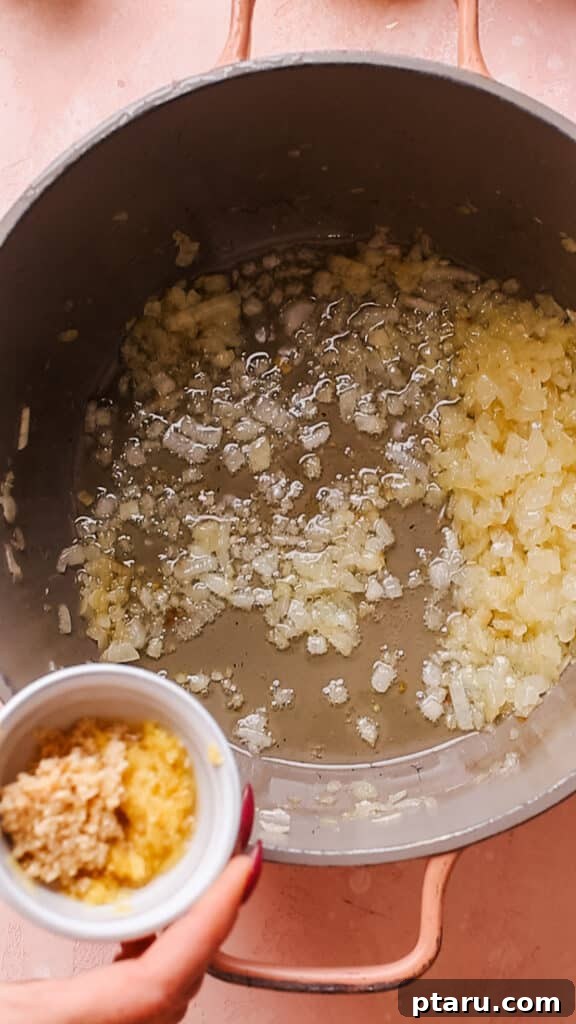
- In a deep pan or Dutch oven, heat oil or ghee over medium-low heat. Add the finely chopped onions along with half a teaspoon of salt. Cook the onions slowly, stirring occasionally, until they turn a deep golden brown. This caramelization process is crucial for developing the sauce’s subtly sweet and complex flavor and can take around 20-25 minutes. Do not rush this step.
- Once the onions are beautifully browned, add the minced ginger and garlic. Sauté for another 1-2 minutes until they become fragrant, being careful not to burn them.
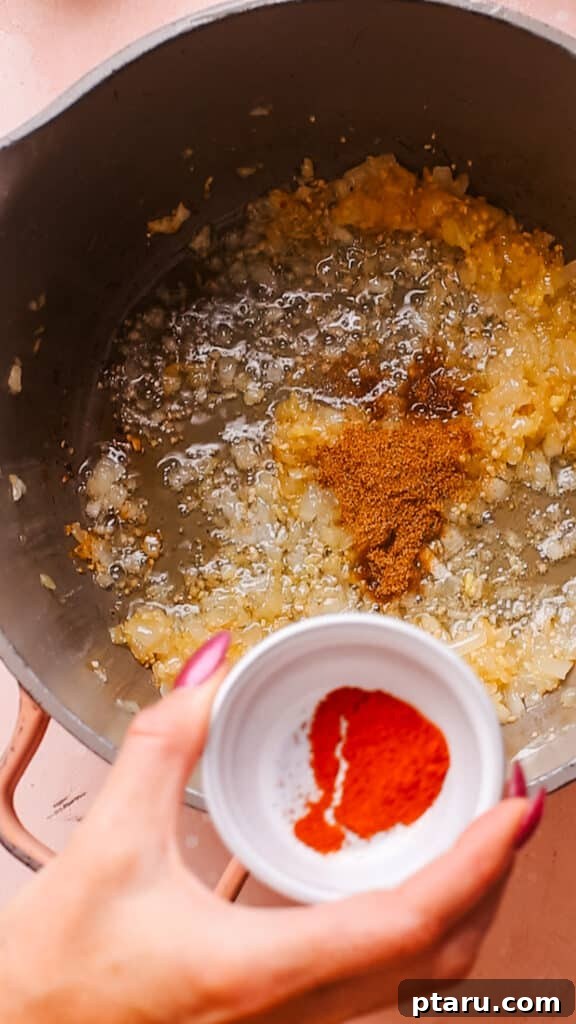
- Now, introduce the dry spices: cumin powder, coriander powder, cayenne (or red chili powder), cinnamon, and the whole green cardamom pods. Stir continuously and cook for another minute until the spices are fragrant. This process, known as “blooming” the spices, deepens their flavor.
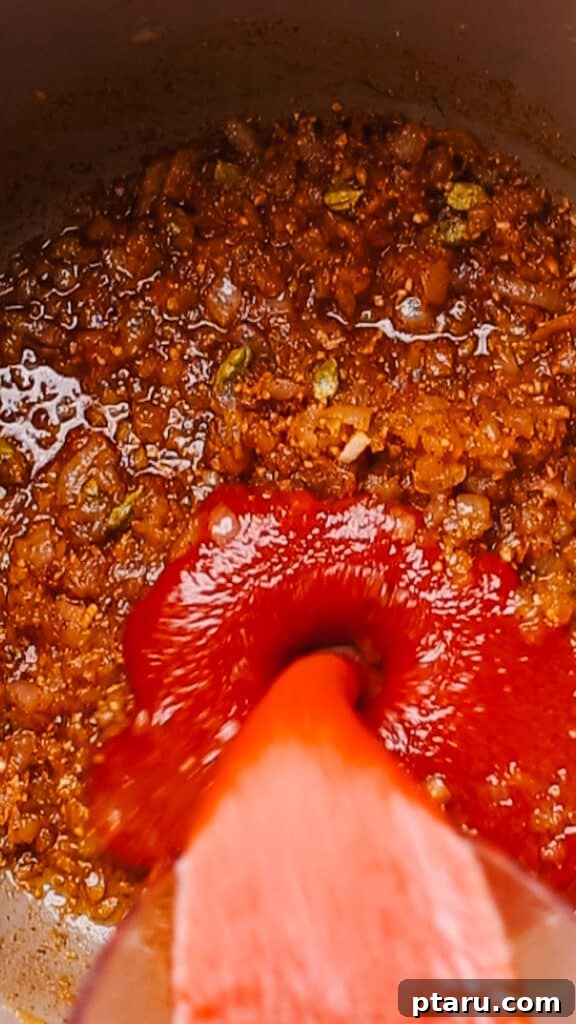
- Pour in the tomato puree, almond butter (or cashew paste), water, the remaining salt, and sugar. Stir everything well to combine. Bring the mixture to a gentle simmer and cook, uncovered, for about 10-15 minutes, or until the oil begins to separate and shimmer on the surface of the sauce. This indicates the flavors have melded beautifully.
- Finally, stir in the heavy cream. Reduce the heat to low, cover the pan, and let the sauce gently simmer for another 10 minutes. Turn off the heat and allow the gravy to rest while you prepare the koftas. If desired, you can use an immersion blender at this stage to achieve a super-smooth sauce.
Step 3: Shaping and Pan-Frying the Koftas
The paneer and potato mixture is rolled into small dumplings and gently pan-fried to achieve a beautiful golden-brown crust. While deep-frying is traditional, pan-frying offers a simpler, less messy, and more forgiving method, particularly if your kofta mixture has slightly more moisture.
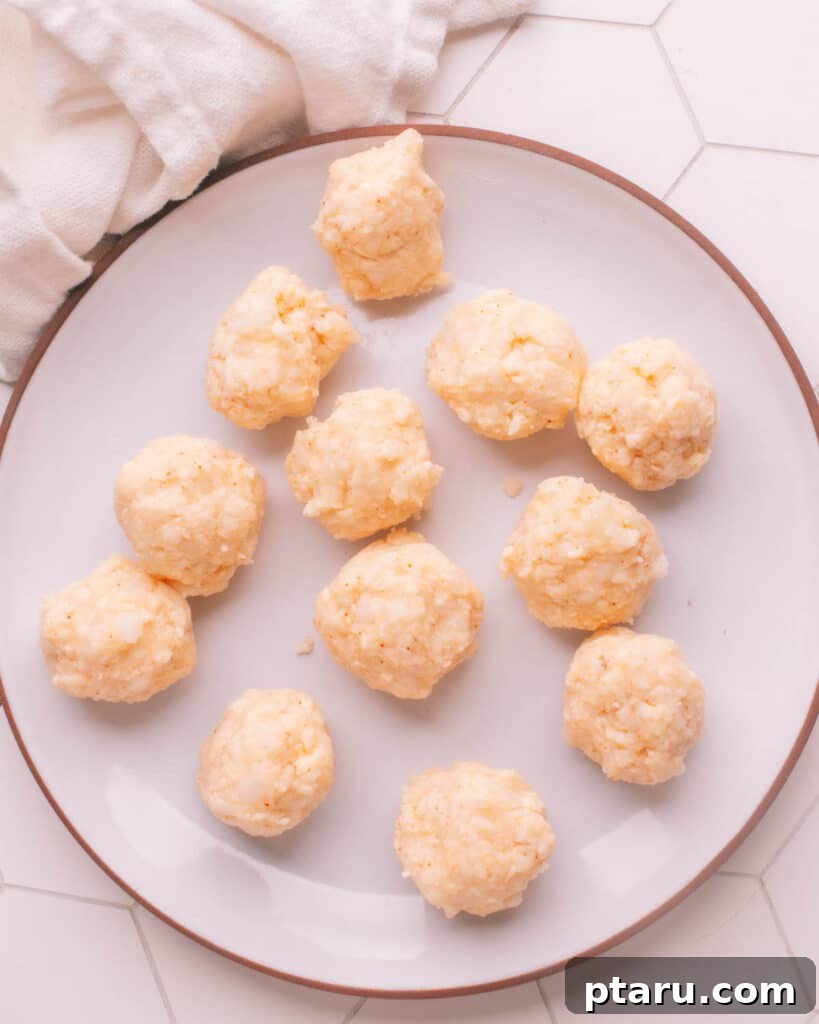
- Using your hands, shape the paneer-potato mixture into approximately 12 golf-ball-sized spheres. If the mixture feels a bit sticky, lightly oil your palms. If the koftas are too soft and seem likely to fall apart, place them in the freezer for about 10-15 minutes to firm them up before frying.
- Heat a few tablespoons of oil in a nonstick or cast-iron pan over medium-high heat. Ensure the oil is hot but not smoking. Carefully place the koftas into the hot oil in a single layer, leaving enough space between each to easily maneuver a spatula. You will likely need to work in batches to avoid overcrowding the pan, which can lower the oil temperature and lead to soggy koftas.
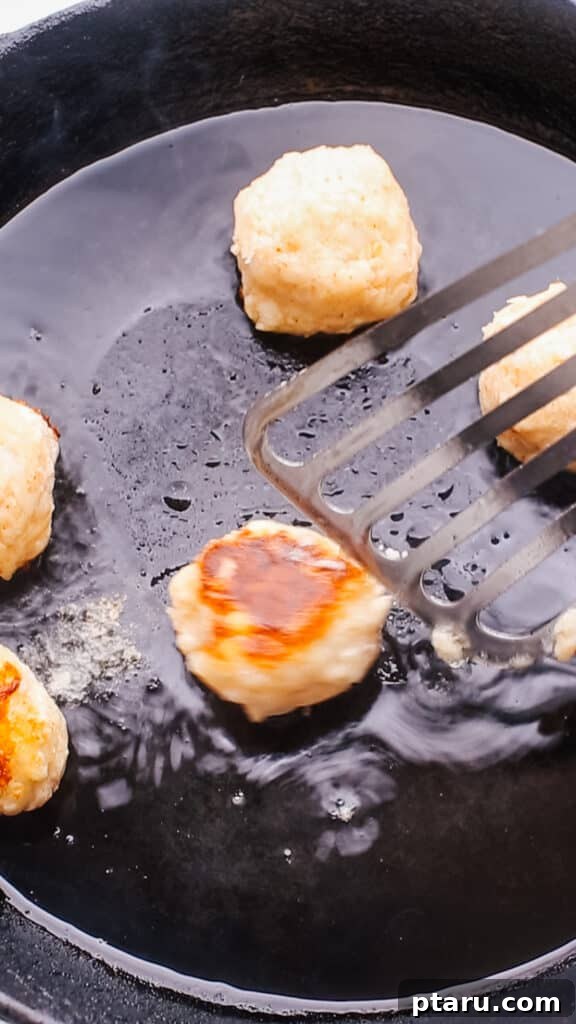
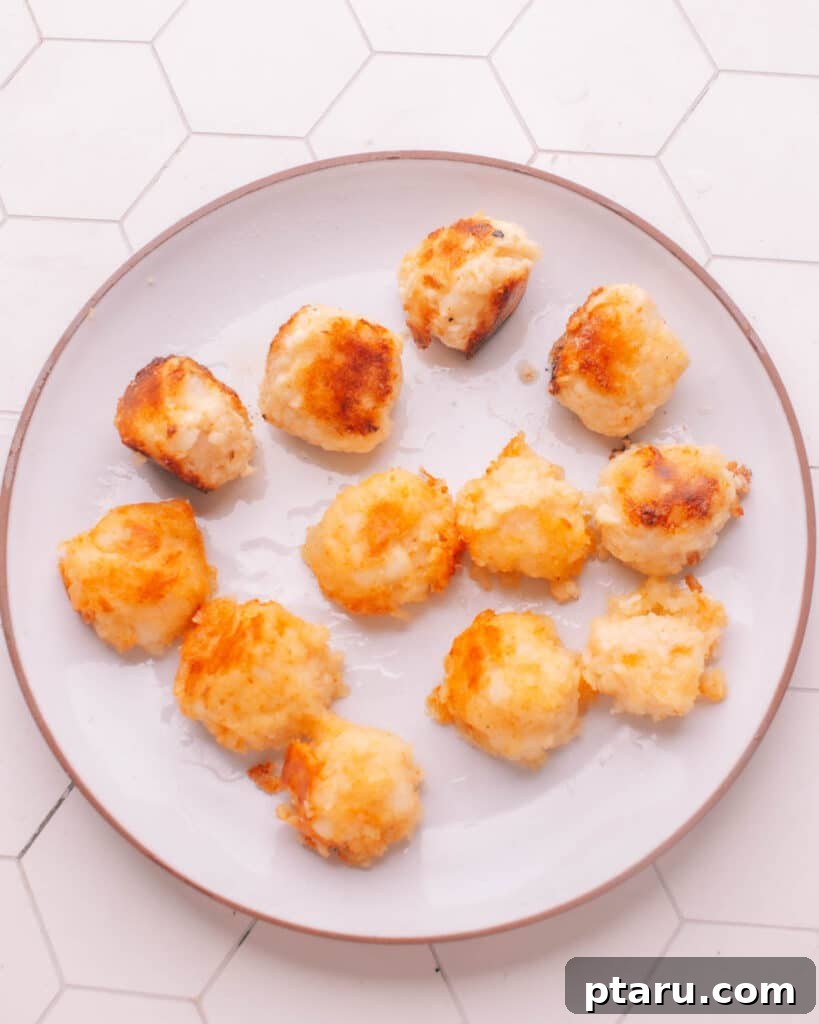
- Fry the koftas until they are beautifully golden-brown and crispy on one side. They should lift easily from the pan when ready to flip. Gently turn them over and fry until golden on all sides.
- Once fried to perfection, transfer the golden koftas to a plate lined with paper towels to drain any excess oil. Continue with the remaining batches.
Step 4: Combining Kofta and Sauce for a Harmonious Finish
- Reheat the prepared gravy over low heat, bringing it back to a gentle simmer. Taste the sauce and adjust the salt or sugar if needed.
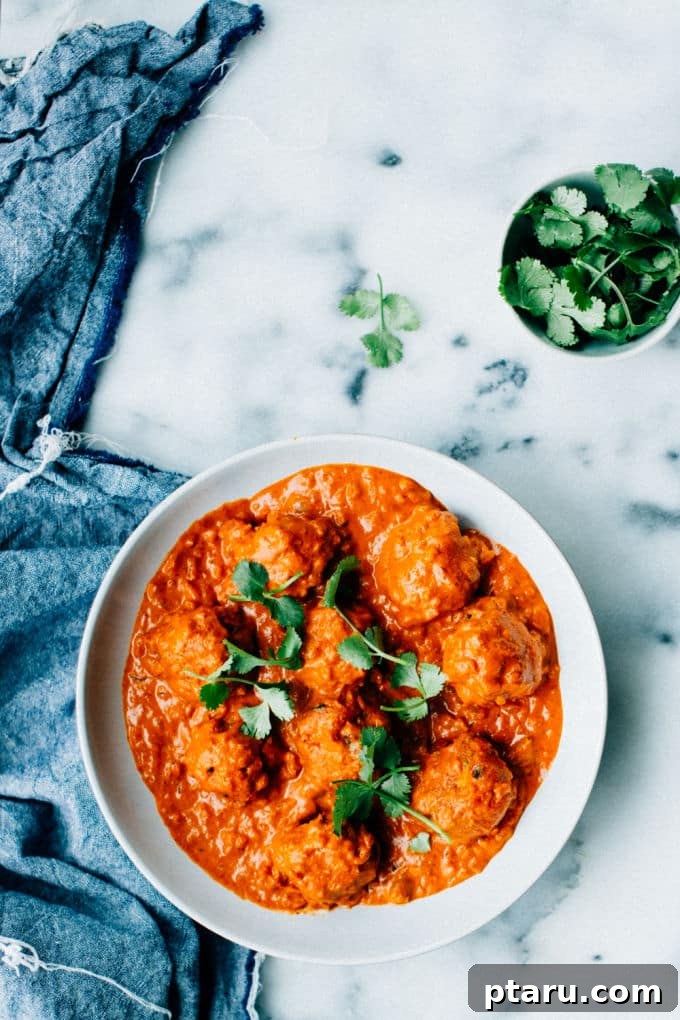
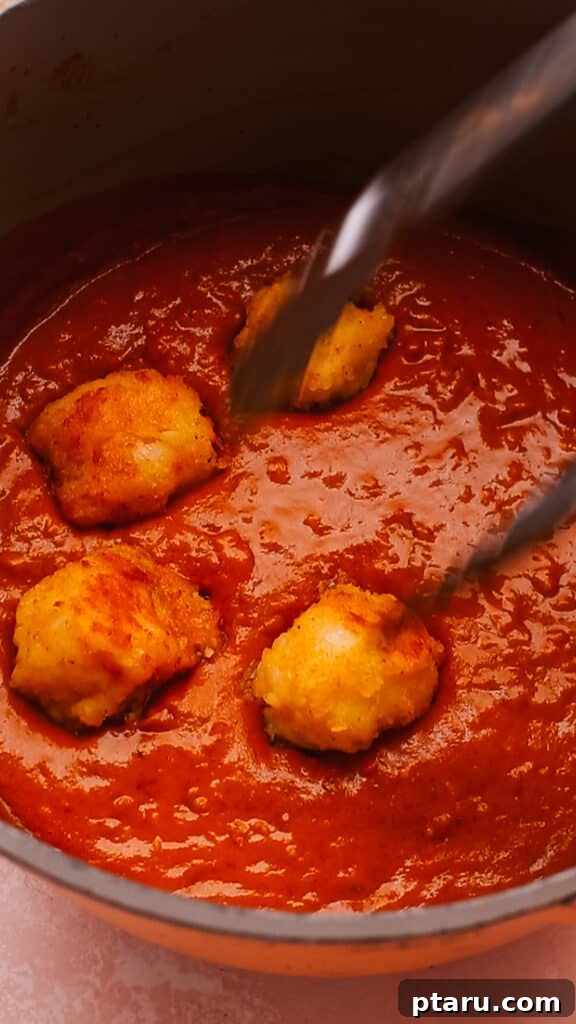
- Gently add the fried koftas into the simmering gravy. Stir very lightly to coat each kofta, being careful not to break them. Allow them to heat through in the sauce for a few minutes, absorbing the flavors.
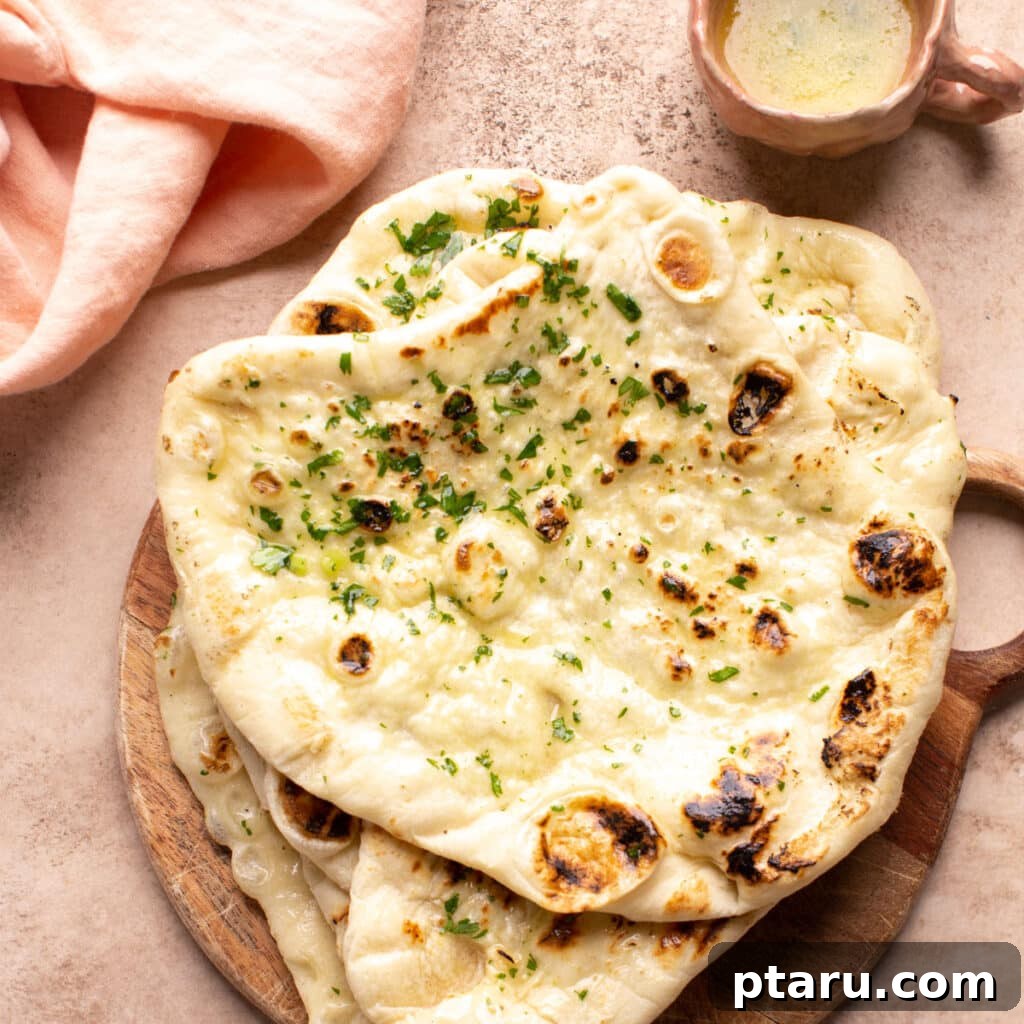
- Garnish generously with finely minced fresh cilantro (coriander leaves). For an extra touch of elegance and flavor, you can also sprinkle some finely chopped almonds or cashews, or even drizzle with a little cilantro butter, much like the one I use on my renowned butter naan recipe. Serve immediately and enjoy!
Important Tips for Perfect Malai Kofta Every Time
Achieving the perfect Malai Kofta, with its soft dumplings and rich sauce, can be greatly enhanced by understanding a few key techniques and considerations:
Working with Potatoes for Kofta
The type and preparation of your potatoes are critical for the kofta’s texture. Use starchy potatoes like Russets, as they mash up light and fluffy. It’s perfectly acceptable to use leftover mashed potatoes, even if they contain milk or cream. However, ensure the mashed potatoes are not too wet. If your mixture feels excessively moist, add a tablespoon or two of breadcrumbs to absorb the excess liquid and help bind the koftas. Remember, we are pan-frying them primarily to brown the outsides and give them a slight crust, not to cook them thoroughly. Avoid adding flour as a binder, as it can result in an unpleasant raw, starchy taste if not cooked properly. For more ideas on using leftover mashed potatoes, check out these 35+ ways to eat mashed potatoes!
Mastering Paneer for Malai Kofta
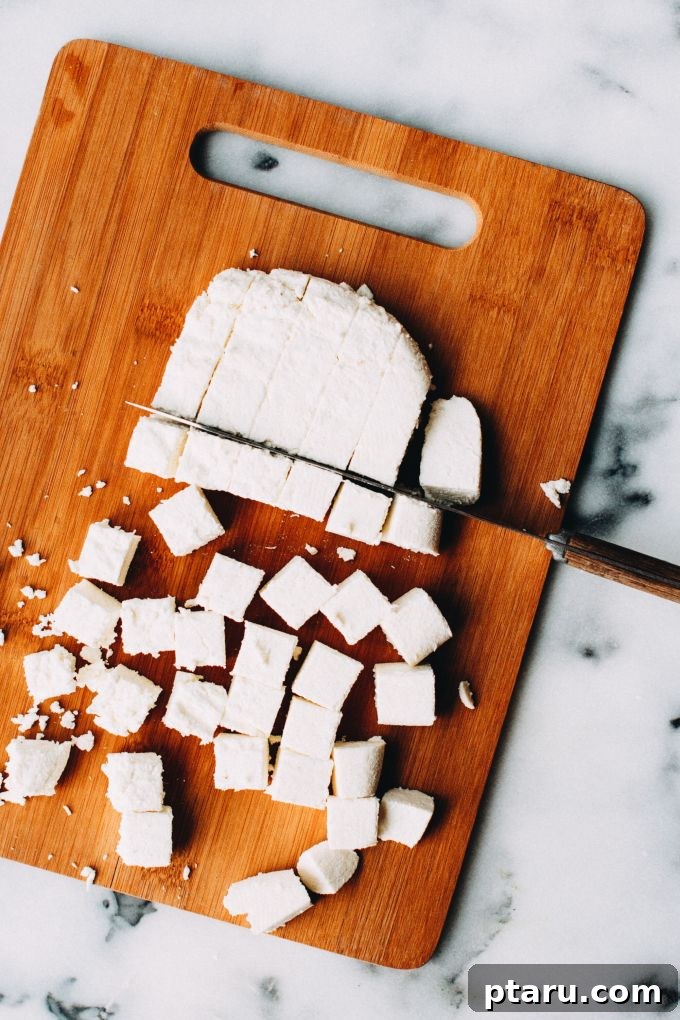
Paneer, a semi-firm Indian cottage cheese, is now widely available in the dairy or cheese sections of most well-stocked grocery stores. However, making homemade paneer is surprisingly easy and yields a much fresher, softer, and more flavorful result that truly elevates your Malai Kofta. If paneer is unavailable, full-fat ricotta cheese can serve as a substitute. Be sure to drain ricotta thoroughly in cheesecloth for several hours (or overnight) to remove excess liquid, as it has a higher moisture content than paneer. Just like with potatoes, if your kofta mixture with ricotta feels too wet, incorporate a small amount of breadcrumbs until it easily holds its shape. If you share my love for paneer, be sure to try my delicious Saag Paneer recipe next!
Selecting the Right Tomato Sauce for Gravy
This recipe specifies tomato puree, which offers a smooth, concentrated tomato flavor. If you opt for a prepared tomato sauce, carefully check the ingredients list. It should ideally contain only tomatoes, garlic, and onion. Avoid sauces that list “herbs” or “spices” without further detail, as they often include Italian herbs like oregano or basil, which are not suitable for the distinct flavor profile of Malai Kofta and would clash with the Indian spices.
Perfect Pairings: What to Serve with Malai Kofta
Malai Kofta, with its rich and creamy sauce, pairs beautifully with a variety of Indian breads and rice dishes, creating a truly satisfying and authentic meal experience.
- Indian Breads: The ultimate companion for soaking up every drop of this fragrant curry. Consider serving it with:
- Fluffy Butter Naan: Its soft, chewy texture is simply heavenly.
- Layered Parotha: A flaky, delicious flatbread that adds another textural dimension.
- Simple Soft Roti or Chapati: A wholesome, everyday bread that balances the richness of the curry.
- Rice Dishes: For a complete meal, rice is always an excellent choice:
- Plain Steamed Basmati Rice: Allows the flavors of the Malai Kofta to shine.
- Jeera Rice: Basmati rice subtly flavored with cumin seeds, adding an extra layer of aromatic spice that complements the curry perfectly.
- Cooling Accompaniments: To cut through the richness, a simple side can be delightful:
- Raita: A cooling yogurt dip with cucumber or mint.
- Fresh Salad: A light green salad with a simple vinaigrette.
Make Ahead and Storage Solutions for Malai Kofta
Malai Kofta can be prepared in stages, making it an excellent dish for meal prepping. Proper storage ensures your homemade curry remains fresh and delicious.
- Prep Koftas in Advance: You can prepare and shape the kofta balls up to 24 hours ahead of time. Store them in an airtight container in the refrigerator until you’re ready to fry them. This is a great time-saver for busy weeknights.
- Store Cooked Koftas Separately: If you have leftover fried koftas, store them in an airtight container in the refrigerator for up to 2 days. This helps maintain their texture and prevents them from becoming overly soft if steeped in sauce for too long.
- Freezing for Longer Storage: Both the Malai Kofta sauce and the fried koftas can be frozen separately for up to a month. Store them in individual airtight containers or freezer-safe bags. Defrost them overnight in the refrigerator before reheating. Combining them just before serving is key to preserving the koftas’ texture.
- Reheating Instructions: Gently reheat the sauce over low-medium heat until it reaches a gentle simmer. Once the sauce is warm, carefully add the defrosted or refrigerated koftas. Allow them to heat through for a few minutes, stirring gently, ensuring they remain soft and moist without breaking apart.
- Avoid Storing Combined: For the best results and to prevent the koftas from becoming soggy, always store the koftas and the sauce separately. Combine them only when you are ready to serve.
4 Common Mistakes to Avoid When Making Malai Kofta
Making Malai Kofta can be a rewarding experience, but a few common pitfalls can lead to less-than-perfect results. Here’s how to troubleshoot and ensure your dish is a success:
1. Problem: Koftas Falling Apart During Frying
- Solution: This is often due to a mixture that is too wet or oil that isn’t hot enough. Ensure your potato and paneer mixture isn’t overly moist; if it is, add a tablespoon or two of breadcrumbs to absorb excess liquid. Also, make sure your frying pan and oil are adequately preheated to a medium-high temperature before adding the koftas. A hot pan helps to quickly sear the outside of the koftas, forming a crust that holds them together. If you’re unsure, try frying one “test” kofta first.
2. Problem: Koftas Sticking to the Pan and Breaking
- Solution: Patience is key here. Do not attempt to flip the koftas prematurely. Allow them to cook undisturbed until a beautiful golden-brown crust forms on the bottom. This crust indicates they are ready to be easily lifted with a spatula without sticking. Using a good quality nonstick pan or a well-seasoned cast iron skillet can also help significantly.
3. Problem: Koftas are Too Soft and Difficult to Handle
- Solution: If your kofta mixture feels exceptionally soft and pliable, a quick chill can work wonders. Place the shaped koftas in the freezer for about 10-15 minutes before frying. This brief firming period helps them maintain their shape better under the heat of the oil. Ensure your mashed potatoes were not too watery to begin with.
4. Problem: Koftas are Soggy or Oil-logged After Frying
- Solution: This usually happens when the frying oil isn’t hot enough. When oil is not adequately preheated, the koftas absorb too much oil instead of frying crisply. Always ensure both the pan and the oil reach the correct temperature (medium-high) before adding the koftas. After frying, immediately transfer the koftas to a plate lined with paper towels to drain any excess oil, which helps them stay crisp.
Frequently Asked Questions About Malai Kofta
For those seeking quick answers, here’s a summary of common questions about this delightful Indian dish:
- What is Malai Kofta made of?
Malai Kofta is a popular North Indian dish consisting of flavorful deep-fried or pan-fried kofta balls made from paneer (Indian cottage cheese), mashed potatoes, and various spices. These dumplings are served in a rich, creamy gravy, typically tomato-based, and flavored with aromatic Indian spices, heavy cream (malai), and often ground nuts like cashews or almonds. - What does kofta taste like?
The taste of kofta is a harmonious blend of mildly spicy and savory flavors, with the creamy richness of paneer and the comforting texture of potatoes being prominent. The accompanying creamy gravy is typically rich, aromatic with a complex spice profile, and often features a subtle balance of sweetness and tanginess. - What is the meaning of Malai Kofta?
In Hindi, “Malai” translates to “cream” or “creamy,” and “Kofta” refers to a ball or dumpling. Therefore, Malai Kofta literally means “creamy kofta” or “dumplings in a creamy sauce,” accurately describing its key characteristics. - What does kofta mean in Indian cuisine?
In Indian cuisine, “Kofta” refers to a spherical or oval-shaped dumpling. These dumplings can be made from ground meat (like lamb or chicken) or vegetables (such as paneer, potatoes, lentils, or bottle gourd), mixed with spices, and then either fried, baked, or cooked directly in a gravy. The term has Persian origins, from “kufta,” meaning “to grind.” - What can I use if I don’t have paneer?
Ricotta cheese is the best substitute for paneer. However, ensure you drain it very well using cheesecloth to remove as much excess moisture as possible, as ricotta is typically softer and wetter than paneer. - Can I make this dish vegan?
Yes, absolutely! To make Malai Kofta vegan, replace paneer with pressed and crumbled firm or extra-firm tofu for the kofta balls. For the creamy sauce, use a rich full-fat coconut milk or a homemade cashew cream instead of dairy cream. - Can I freeze the koftas for later use?
Yes, you can freeze the shaped (and optionally fried) koftas. Place them on a tray in a single layer in the freezer until solid, then transfer them to a freezer-safe ziplock bag or airtight container. They will keep well for up to one month. Thaw them in the refrigerator overnight before use. - How can I make my sauce smoother?
For an exceptionally smooth and restaurant-quality sauce, after cooking and before adding the koftas, carefully blend the gravy using an immersion blender until velvety. For an even finer texture, you can also strain the blended sauce through a fine-mesh sieve. - Why did my koftas fall apart while frying?
Koftas typically fall apart if the mixture is too wet, the oil isn’t hot enough, or you tried to flip them too soon. A good tip is to test fry one kofta first. If it holds its shape, proceed with the rest. If it struggles, try chilling the remaining koftas in the freezer for 10-15 minutes or adding a little breadcrumb binder to the mixture. Always ensure your pan and oil are thoroughly preheated. - Can I make Malai Kofta without deep frying?
Yes, you can absolutely make Malai Kofta without deep frying. Pan-frying (shallow frying) is a great alternative, as demonstrated in this recipe, yielding golden-brown koftas with less oil. You can also spray them lightly with cooking oil and bake them in a preheated oven or an air fryer until golden, though the texture might be slightly different.
Explore More Authentic Indian Favorites
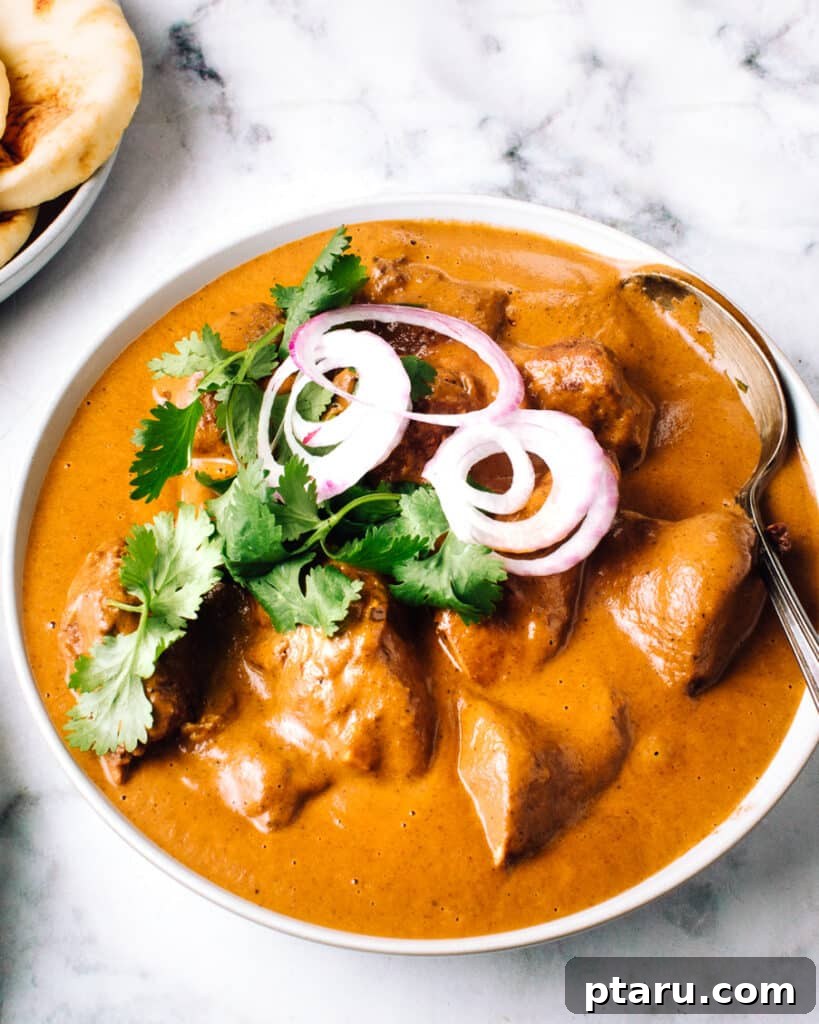
My Indian husband, Adarsh, absolutely adores this Malai Kofta recipe, and he insists you try some of his other cherished family favorites as well! Dive deeper into the rich tapestry of Indian cuisine with these delightful dishes. And for all the paneer lovers out there, don’t miss our collection of 52+ Amazing Paneer Recipes.
- Easy Homemade Butter Paneer: A rich and creamy paneer curry, simple yet incredibly satisfying.
- Flaky Homemade Potato Samosa recipe or this savory recipe for Chicken Samosas: Perfect for a snack or appetizer.
- Best Butter Chicken: One of the most popular and loved recipes on our website, a truly iconic dish.
- The recipe for Butter Naan that famously went viral on social media, for perfect fluffy bread every time.
- Adarsh’s Chicken Korma recipe: He confidently says this one will change your life with its exquisite flavors.
- Cozy Madras Lentils: The ultimate vegetarian comfort food, hearty and wholesome.
- My mother-in-law’s secret recipe for Masoor Dal: A comforting and flavorful red lentil soup.
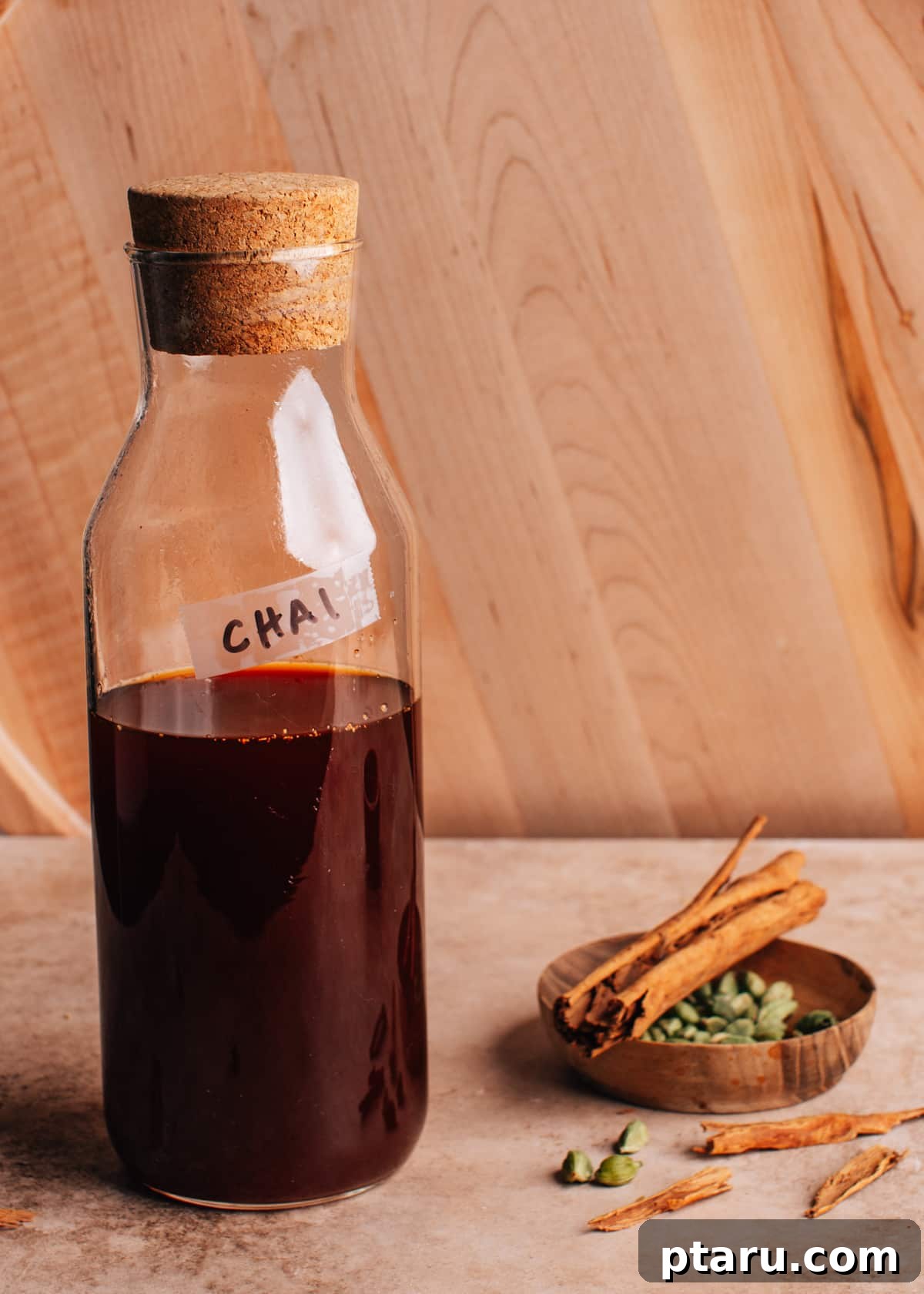
- Authentic Indian Chai Tea: Learn to make it the traditional way, just like you’d find it in India.
Malai Kofta Recipe
Jennifer Pallian BSc, RD
30 minutes
40 minutes
1 hour
10 minutes
6
Video
Ingredients
For Sauce
- ¼ cup oil plus more for frying
- 2 ½ cups finely chopped onion from 2 medium-large onions
- 2 tsp kosher salt or to taste
- 1 tbsp minced ginger
- 1 tbsp minced garlic
- 1 tsp ground cumin
- 1 tsp ground coriander
- ½ tsp cayenne powder or red chilli powder
- ¼ tsp cinnamon
- 10 whole green cardamom pods optional, but recommended for authentic flavor
- 1 ½ cups tomato puree either puree diced tomatoes or use jarred passata – see note in post on tomato sauce
- ¼ cup almond butter or finely-chopped cashews blended with a little water
- 1 cup water
- ¾ cup whipping cream aka double cream, 33% or 35% milkfat
- 1 tbsp granulated sugar
- 1 tbsp finely minced fresh cilantro for garnish
For Kofta
- 8 oz paneer grated or crumbled, OR full-fat ricotta cheese (see note in post)
- 2 cups mashed potato from about 1 large Russet potato, cooled
- 1 tsp kosher salt
- 2 tbsp finely chopped raisins or currants optional
- 2 tbsp finely chopped cashews or blanched almonds optional
- 1 tbsp packed finely minced fresh cilantro optional
- ½ tsp ground cumin
- ¼ tsp cayenne or red chilli powder
- oil for pan-frying koftas
Instructions
For the Sauce
-
Peel and boil the potato for the kofta until tender. Drain well in a colander and allow to cool completely while you start the sauce.
-
In a deep pan or Dutch oven, heat ¼ cup oil or ghee over medium-low heat. Add the finely chopped onions and 1 teaspoon of salt. Cook slowly, stirring occasionally, until the onions are very soft and deep golden brown. This crucial caramelization step can take around 20-25 minutes and is vital for the sauce’s sweet depth of flavor.
-
Add minced ginger and garlic to the caramelized onions and cook for 1-2 minutes until fragrant. Be careful not to burn the garlic.
-
Stir in the ground cumin, coriander, cayenne powder, cinnamon, and whole green cardamom pods. Cook for another minute, stirring constantly, until the spices are aromatic.
-
Pour in the tomato puree, almond butter (or cashew paste), and 1 cup water. Stir well. Bring the mixture to a gentle simmer and cook, uncovered, until the oil starts to bubble up and shimmer on the surface (about 10-15 minutes).
-
Stir in the whipping cream and granulated sugar. Reduce heat to low, cover, and let simmer for about 10 minutes. Turn off the heat and let the sauce stand while you prepare the koftas. If desired, blend the sauce with an immersion blender for a smoother consistency.
To Make Kofta
-
Grate or crumble the paneer into a large bowl. Add the cooled mashed potato, 1 teaspoon salt, optional raisins, nuts, 1 tbsp minced cilantro, ½ tsp ground cumin, and ¼ tsp cayenne. Stir well to ensure even distribution of ingredients. Form the mixture into approximately 12 golf-ball-sized spheres. If the mixture is sticky, oil your hands lightly. If the koftas feel very soft, place them in the freezer for 10-15 minutes to firm up.
-
Heat a few tablespoons of oil for frying in a nonstick or cast-iron pan over medium-high heat. Place the koftas in a single layer, ensuring enough space between them to easily slide a spatula. You may need to work in batches to avoid overcrowding. Fry the koftas on the underside until they develop a golden-brown crust and lift easily from the pan. Then, flip them gently and brown on all other sides. Transfer the fried koftas to a paper towel-lined plate to drain excess oil.
-
Over low heat, bring the reserved sauce back to a gentle simmer. Taste and add more salt, if needed. Gently slide the fried koftas into the warm gravy and lightly stir to coat them. Cook for a few minutes to allow them to absorb the flavors. Garnish with additional finely minced cilantro before serving.
Nutrition
Calories:
533
kcal
|
Carbohydrates:
45
g
|
Protein:
13
g
|
Fat:
36
g
|
Saturated Fat:
18
g
|
Polyunsaturated Fat:
3
g
|
Monounsaturated Fat:
9
g
|
Trans Fat:
0.002
g
|
Cholesterol:
78
mg
|
Sodium:
1229
mg
|
Potassium:
880
mg
|
Fiber:
7
g
|
Sugar:
12
g
|
Vitamin A:
1052
IU
|
Vitamin C:
33
mg
|
Calcium:
298
mg
|
Iron:
3
mg
Nutrition information is automatically calculated and should only be used as an approximation.