Embark on a culinary journey to India with this incredible recipe for traditional Potato Samosas. These iconic Indian pastries boast an irresistible combination: a golden, crisp outer crust giving way to a warm, fluffy interior packed with expertly spiced potatoes, vibrant green peas, a hint of fresh chilies, and aromatic ginger. Each bite is a symphony of textures and flavors, making them a perennial favorite among Indian recipes and a globally cherished snack.
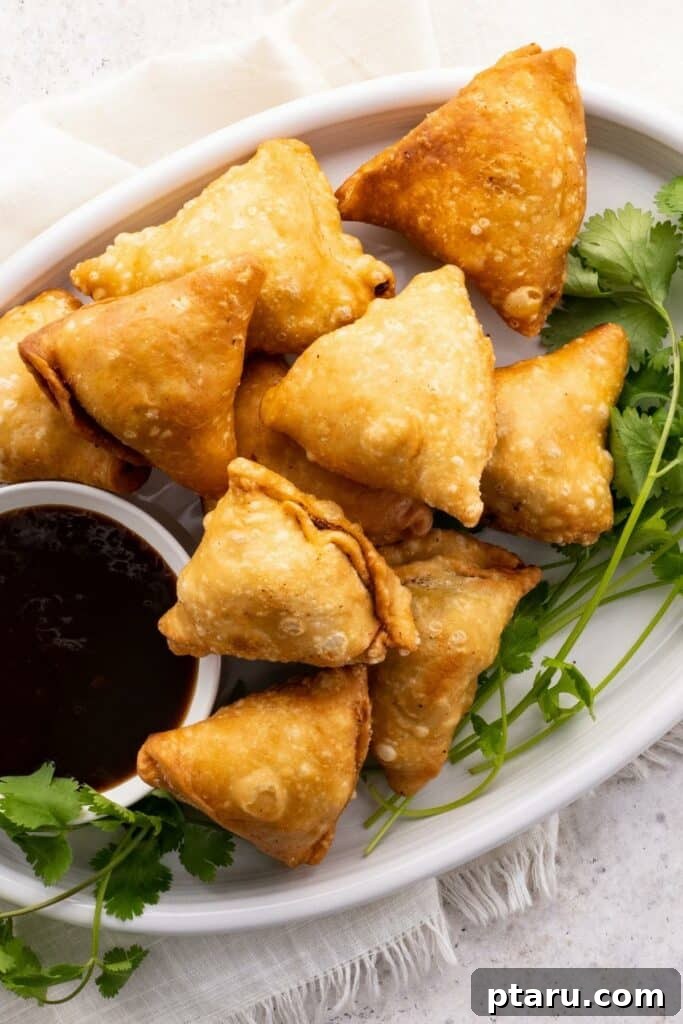
Ultimate Crispy Potato Samosas: An Authentic Indian Delight
Few dishes capture the essence of Indian street food and comfort quite like the humble samosa. These triangular pastries, filled with savory goodness, are a staple in Indian cuisine and have found admirers all over the world. Our traditional potato samosa recipe promises a truly authentic experience, delivering that perfect balance of crunch, spice, and satisfying warmth. Whether you’re a seasoned chef or a home cook eager to explore Indian flavors, this guide will help you create samosas that will impress everyone.
Why You’re Going To Absolutely Love These Potato Samosas
There are countless reasons why potato samosas hold a special place in the hearts of food lovers. This particular recipe takes the classic to a new level, ensuring every aspect is perfected for your enjoyment:
- Unrivaled Texture: Crispy, Crunchy, and Creamy. The secret to an extraordinary samosa lies in its texture. Our recipe ensures a gloriously crisp and crunchy exterior that shatters with every bite, perfectly contrasting with the soft, fluffy, and richly spiced potato filling nestled within. This dual texture is what makes them so addictive!
- The Epitome of Comfort Food. Ask anyone from India, and they’ll tell you samosas are the ultimate comfort food. They evoke feelings of warmth, nostalgia, and pure satisfaction. My Indian husband wholeheartedly agrees this recipe delivers that authentic, soul-soothing experience. Serve these as an impressive starter before main courses like my favorite Butter Paneer, the best Butter Chicken, hearty Vindaloo Lamb or rich Pork Curry, or this incredible Shrimp Korma recipe. Don’t forget a batch of this Instagram-viral Butter Naan to complete your feast!
- A True Taste Explosion. Prepare your taste buds for an adventure! The filling is a harmonious blend of earthy potatoes, fragrant Indian spices like garam masala and cumin, a fiery kick from fresh chilies, the pungent brightness of ginger, and the sweet pop of fresh peas. Each ingredient plays its part, creating a complex and utterly delicious flavor profile that will leave you craving more.
- Your Convenient Snack & Appetizer Solution. These homemade potato samosas are not just for special occasions. They are incredibly convenient to prepare ahead of time and store in your freezer. Imagine having a stash of these savory delights ready to be whipped out for an impromptu snack, a last-minute appetizer for guests, or a quick side dish for any meal. They reheat beautifully, maintaining their crispness and flavor.
If you’re a fan of savory Indian snacks, you absolutely must also try my delightful Veggie Pakora Recipe for another burst of flavor!
Essential Potato Samosa Ingredients
Crafting the perfect potato samosa begins with selecting the right ingredients. Each component plays a vital role in achieving that authentic taste and texture.
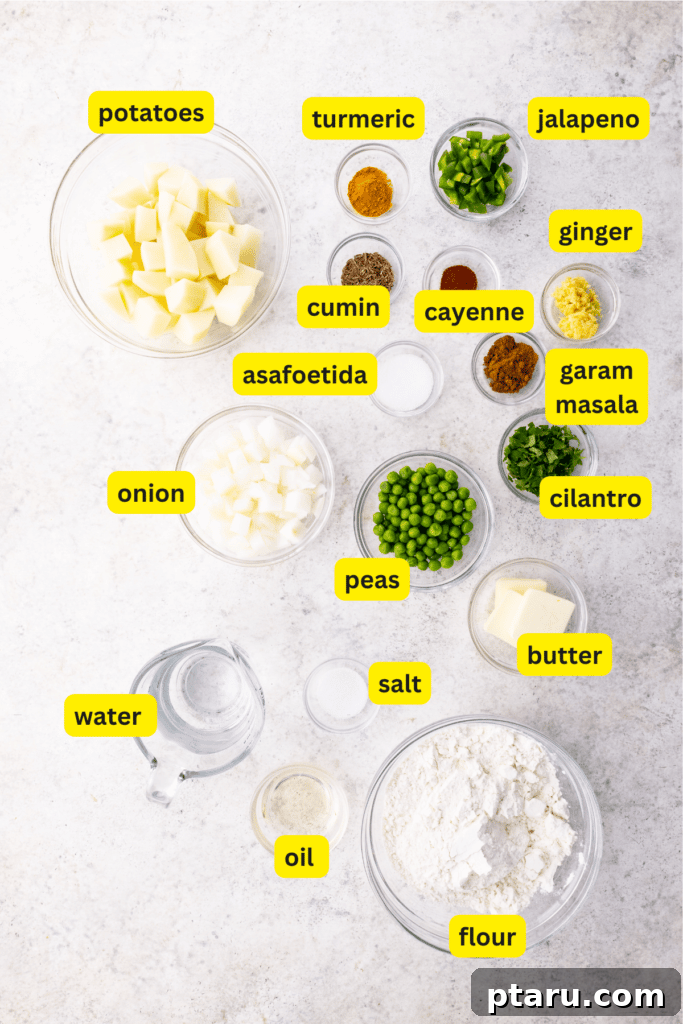
- Potatoes: The Heart of the Filling. For the ideal fluffy and crumbly texture, I recommend using russet potatoes. Their starchy nature makes them perfect for mashing without becoming gummy. Yukon gold potatoes are another excellent option, offering a slightly creamier consistency. Even baby potatoes can work in a pinch, just ensure they are peeled and cut into uniform 1/2-inch cubes for even cooking.
- Oil: For Sautéing & Frying. When preparing the filling, use a neutral-tasting oil with a high smoke point, such as vegetable or canola oil. This ensures the spices can bloom without the oil overpowering their delicate flavors. For deep frying, the same type of oil is essential for achieving a golden, crisp crust.
- Butter or Ghee: Richness and Aroma. A touch of butter (or traditional ghee for an even deeper, nutty flavor) adds richness and a wonderful aroma to the potato filling. If you’re opting for a plant-based alternative, a good quality vegan butter will work beautifully.
- Onion: Sweetness and Depth. A finely chopped white onion provides a foundational sweetness and depth to the filling. Cook it slowly until soft and golden to bring out its natural sugars, which will caramelize and enhance the overall flavor.
- Cumin Seeds: Earthy Warmth. Toasty cumin seeds are indispensable in Indian cooking. When bloomed in hot oil, they release a wonderfully earthy, warm, and slightly pungent aroma that forms the backbone of the samosa’s spice profile.
- Jalapeño: Just the Right Heat. Fresh jalapeños provide a pleasant, moderate kick of heat without overwhelming the other flavors. Finely chop them to distribute the spice evenly. For those who prefer more heat, green chilies or Thai red chilies can be substituted, but be mindful that they will significantly increase the spiciness.
- Ginger: Pungent Freshness. Fresh ginger, finely minced or grated, adds a vibrant, pungent, and slightly spicy note that brightens the entire filling. Always use fresh ginger for the best flavor; dried ginger powder is not an adequate substitute here.
- Garam Masala: The Signature Blend. This aromatic spice blend is absolutely key to the distinctive “curry” flavor and intoxicating fragrance of these potato samosas. Ensure your garam masala is fresh for maximum potency.
- Turmeric: Color and Earthiness. Earthy, vibrant turmeric not only imparts a beautiful golden hue to the potato filling but also adds a subtle, warming flavor and a host of health benefits. It’s an absolute must-have.
- Cayenne Pepper: Customisable Kick. A dash of cayenne pepper (or chili powder) provides an additional layer of heat and depth. Adjust the quantity to suit your personal preference for spice.
- Green Peas: A Pop of Freshness. Frozen or fresh green peas add a delightful burst of color, a hint of sweetness, and a fresh textural contrast to the savory potato filling. They are a classic addition to traditional samosas.
- Cilantro: Fresh Brightness. Fresh coriander (cilantro), finely chopped and stirred in at the end, provides a refreshing, herbaceous counterpoint that lightens the rich and spicy potato mixture.
- All-Purpose Flour: For the Perfect Dough. Standard all-purpose flour forms the base for our simple yet sturdy samosa dough. Its gluten content helps create a dough that is both pliable for shaping and becomes wonderfully crisp when fried.
How To Make These Life-Changing Samosas: A Step-by-Step Guide
Making homemade samosas might seem daunting, but by breaking it down into manageable steps – preparing the filling, crafting the dough, shaping, and frying – you’ll find it to be a rewarding and enjoyable culinary project. The key is in attention to detail and patience.
We’ll start by creating the flavourful potato masala, which is essentially a thick, dry potato curry, in a large frying pan. This filling is so delicious, it can stand alone! If you adore samosa filling as much as I do, you absolutely must check out my dedicated aloo masala recipe – it’s perfect to serve on its own with warm roti or fluffy basmati rice.
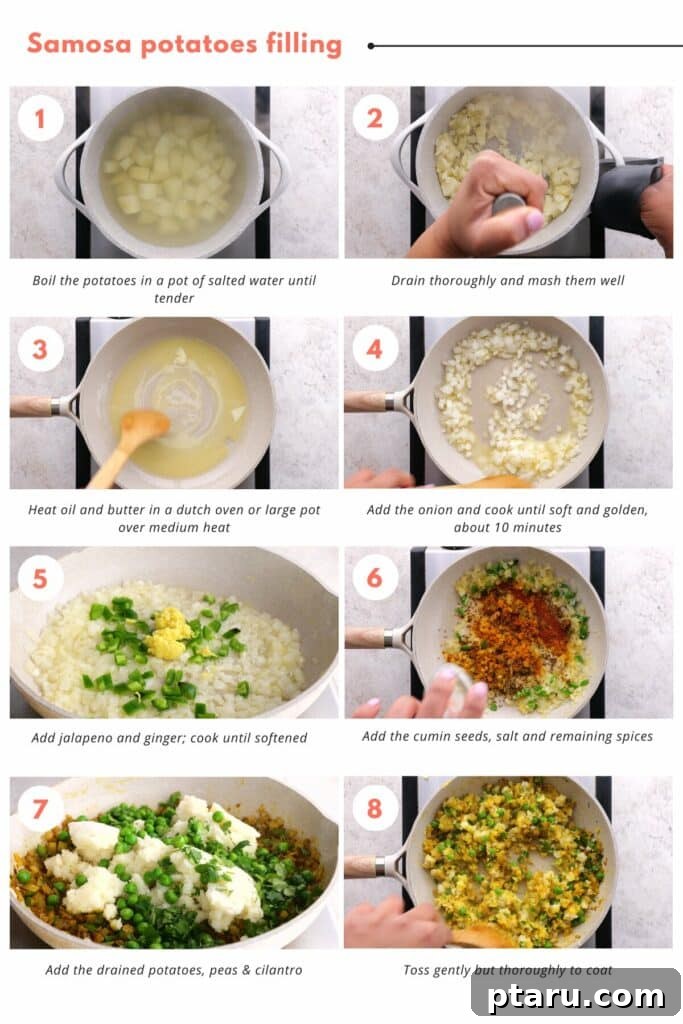
Phase 1: Preparing the Flavourful Potato Filling (Aloo Masala)
- Boil the Potatoes to Perfection: Begin by placing your peeled and cubed potatoes in a pot of generously salted cold water. Bring to a boil and cook until they are tender when pierced with a fork, but still hold their shape and are not falling apart. Overcooked potatoes can lead to a mushy filling. Drain the potatoes thoroughly and set them aside. Once slightly cooled, coarsely mash them with a fork, leaving some small chunks for texture.
- Sauté Aromatics: While the potatoes are boiling, heat a tablespoon of oil and a few tablespoons of butter (or ghee) in a Dutch oven or large, heavy-bottomed pot over medium heat. Add the finely chopped onion and cook patiently, stirring occasionally, until it becomes soft, translucent, and beautifully golden brown – this usually takes about 8-10 minutes. The caramelization of the onion is crucial for flavor depth. Next, add the whole cumin seeds and cook for about a minute, or until they become fragrant and begin to sizzle, releasing their earthy aroma.
- Infuse with Spice: Introduce the finely chopped jalapeño and grated fresh ginger to the pot. Cook for another minute, stirring constantly, until they soften and their fragrances meld with the onions and cumin. Immediately follow this by stirring in the salt, garam masala, turmeric, and cayenne pepper. Cook for about 30 seconds, allowing the spices to toast lightly and become aromatic. Be careful not to burn them.
- Combine and Season: Reduce the heat to low. Add the drained, coarsely mashed potatoes and the frozen green peas to the pot. Gently but thoroughly toss the mixture, ensuring all the potatoes are well coated with the fragrant spices and aromatics. Continue to cook, stirring frequently, until the filling is heated through and the flavors have had a chance to marry, about 5-7 minutes. Taste the filling and adjust the salt or add more cayenne if needed. Finally, stir in the fresh cilantro for a burst of freshness. Transfer the filling to a bowl and let it cool completely; this makes it much easier to handle when shaping the samosas.
Phase 2: Crafting the Perfect Samosa Dough
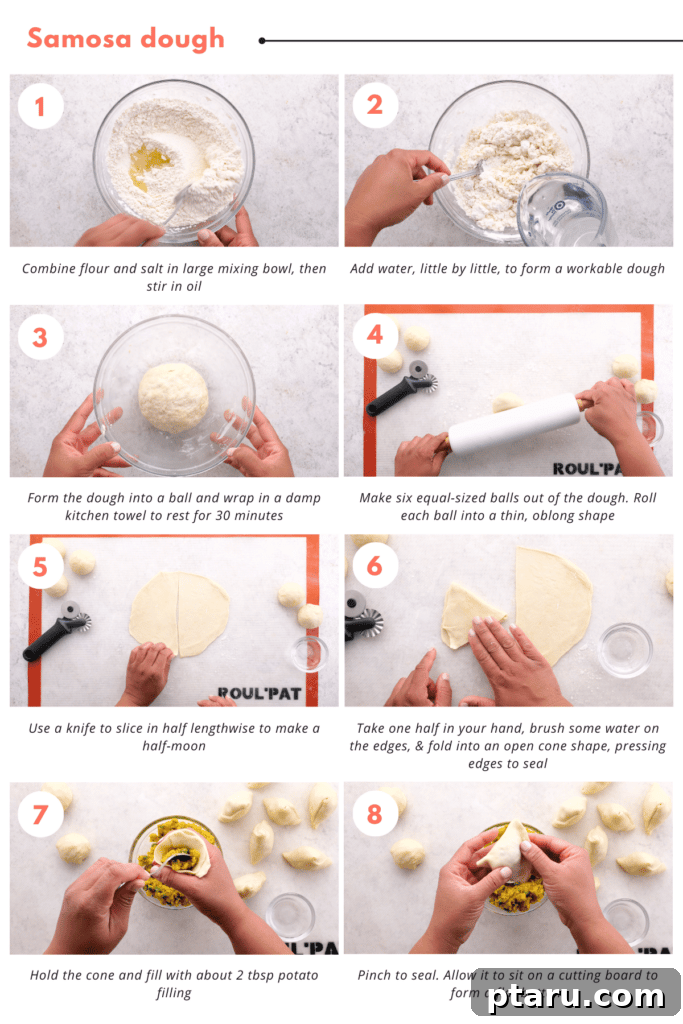
- Mix and Knead the Dough: In a large mixing bowl, combine the all-purpose flour and salt. Add the vegetable oil and rub it into the flour with your fingertips until the mixture resembles coarse breadcrumbs. This step is crucial for achieving a flaky crust. Gradually add cold water, a tablespoon at a time, mixing until a firm, yet pliable dough forms. Avoid adding too much water, as this will make the dough sticky. Once the dough comes together, gently knead it for about 5-7 minutes on a lightly floured surface until it is smooth and elastic.
- Rest the Dough: Form the dough into a smooth ball. Wrap it tightly in a damp kitchen towel or plastic wrap to prevent it from drying out. Let it rest at room temperature for at least 30 minutes. This resting period allows the gluten to relax, making the dough much easier to roll out and preventing it from shrinking back.
Phase 3: Expert Samosa Shaping Techniques
- Roll and Cut the Dough: Divide the rested dough into 6 equal portions. On a well-floured surface, roll each portion into a smooth ball. Take one ball and roll it out into a thin, oblong (oval) shape, about 6-7 inches long and 4-5 inches wide. The dough should be thin but not transparent. Using a knife or pastry cutter, slice the oblong sheet in half lengthwise, creating two semi-circular pieces (half-moons).
- Forming and Filling the Cones: Take one half-moon in your hand. Lightly brush a little water along the straight edge (the cut side). Fold one corner of the straight edge over to meet the opposite corner, creating an open cone shape. Press the edges firmly to seal, ensuring there are no gaps. Hold the cone in your hand and spoon about 2 tablespoons of the cooled potato filling into it, making sure not to overfill.
- Sealing the Samosa: To seal the top, bring the unsealed edges together. Pinch them firmly, creating a pleated or crimped edge for a decorative and secure seal. Gently press the bottom of the samosa onto a flat surface (like a cutting board) to create a stable, flat base. This allows the samosas to stand upright during frying and cooking. Repeat with the remaining dough and filling until you have 12 beautifully shaped samosas.
Phase 4: Achieving the Perfect Golden Fry
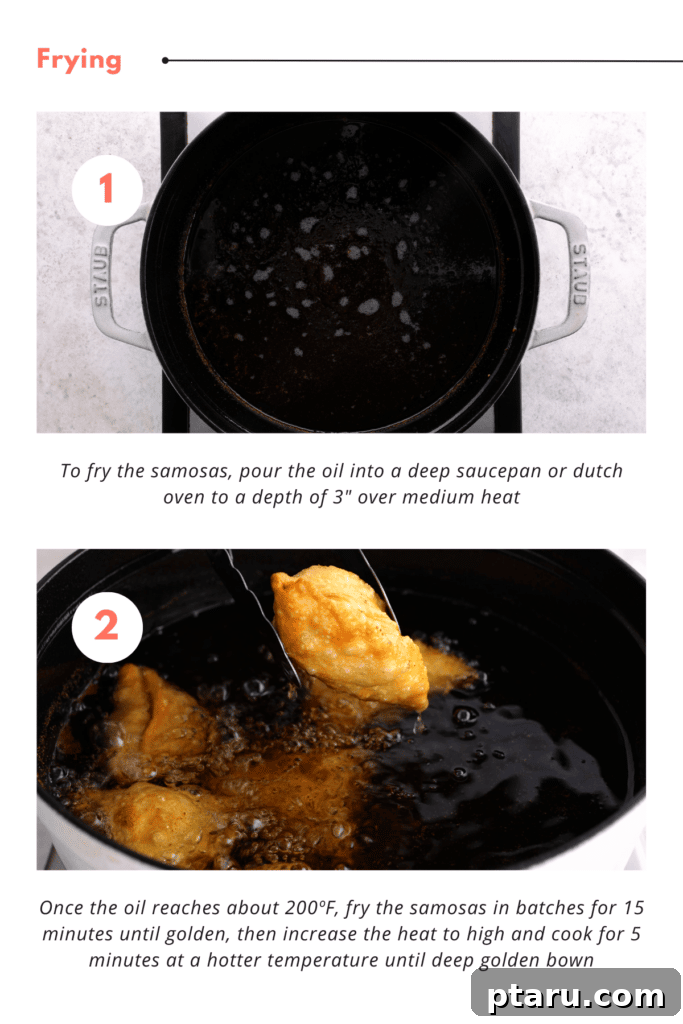
- Prepare the Frying Oil: Pour a neutral oil (like vegetable or canola) into a deep saucepan or Dutch oven to a depth of about 3 inches. Heat the oil over medium heat. The ideal initial frying temperature is crucial for a crisp, evenly cooked samosa, aiming for around 200ºF (95ºC). Using a kitchen thermometer is highly recommended for accuracy.
- First Fry (Low & Slow for Crispness): Carefully lower the shaped samosas into the oil in small batches, ensuring you don’t overcrowd the pan. Overcrowding will drop the oil temperature too much, resulting in greasy, soggy samosas. Fry for approximately 15 minutes over medium-low heat. During this stage, the samosas will slowly cook through, develop a light golden color, and the pastry will become wonderfully crisp. Flip them occasionally for even browning.
- Second Fry (High Heat for Golden Finish): Once the samosas are light golden and cooked through, increase the heat to high. Continue to fry for another 3-5 minutes at this hotter temperature, or until they achieve a deep, rich golden brown color and are perfectly crisp. This double-frying technique is key to achieving that signature crunchy exterior.
- Drain and Serve: Using a slotted spoon, carefully remove the deeply golden samosas from the oil. Transfer them to a plate lined with paper towels to drain any excess oil. Serve your homemade potato samosas hot, ideally with your favorite chutney (mint, tamarind, or coriander) or a simple yogurt dip.
Make Ahead Instructions: Samosa Prep for Busy Schedules
One of the many beauties of potato samosas is how well they lend themselves to make-ahead preparation, saving you valuable time when you’re ready to serve.
- Filling: The spiced potato filling can be prepared a day or two in advance. Once cooled, transfer it to an airtight container and store it in the refrigerator. This allows the flavors to meld and deepen, making your samosas even more delicious.
- Unfried Samosas: You can assemble the samosas completely, wrapping the filling in its dough casing, and then store them in the fridge. Place them on a baking sheet lined with parchment paper, cover loosely with plastic wrap, and refrigerate for up to 24 hours. When ready to cook, fry them straight from the fridge. For longer storage, freeze the raw, shaped samosas on a tray until solid, then transfer them to an airtight freezer bag. Fry directly from frozen, adding a few extra minutes to the cooking time and ensuring the oil isn’t too hot initially to prevent burning the exterior before the filling thaws.
- Fried Samosas: If you’ve already deep-fried the samosas, allow them to cool completely on a wire rack. Store them in an airtight container in the refrigerator for a day or two. To reheat, place them in a preheated oven at 350°F (175°C) for 10-15 minutes, or until crispy and heated through. This method is excellent for serving fresh, hot samosas without the immediate frying hassle.
Storage Instructions for Leftover Samosas
If by some miracle you have any leftover samosas, proper storage is key to maintaining their deliciousness and crispness.
- Refrigerator: Cooked potato samosas can be stored in an airtight container in the refrigerator for up to three days. To prevent them from drying out or becoming soggy, consider placing a paper towel at the bottom of the container.
- Freezer (Cooked): For longer storage, cooked samosas freeze exceptionally well. Arrange cooled, fried samosas in a single layer on a baking sheet and freeze until solid. Once frozen, transfer them to a freezer-safe bag or container, separating layers with parchment paper. They will keep well for up to 2-3 months. Reheat frozen samosas in a preheated oven at 375°F (190°C) for 15-20 minutes, or until thoroughly heated and re-crisped. An air fryer also works wonders for reheating, giving them a fresh-fried crunch in about 5-8 minutes at 350°F (175°C).
Exciting Variations of Potato Samosas
While the traditional potato samosa is a masterpiece on its own, its versatility allows for delightful variations to suit different tastes and preferences.
- Cheese and Potato Samosas: For a creamy, rich, and utterly indulgent twist, try adding grated sharp cheddar cheese or a blend of Indian paneer and mozzarella to your potato filling. The cheese melts beautifully, creating a gooey surprise within the spiced potatoes. Serve these with a tangy tamarind chutney for a perfect balance.
- Sweet Potato Samosas: Swap out half or all of the regular potatoes for sweet potatoes for a naturally sweeter, earthier, and subtly different flavor profile. The sweet potatoes offer a unique depth and can be wonderfully complemented by slightly more ginger and a touch of roasted cumin powder in the filling.
- Mixed Vegetable Samosas: For a healthier and more colorful option, incorporate a medley of finely diced vegetables into your potato filling. Carrots, green beans, corn, and bell peppers are excellent choices. Blanch tougher vegetables before adding them to ensure they cook through within the samosa. This variation adds extra nutrients and a lovely texture.
- Vegan Samosas: This recipe is almost entirely vegan by nature! Simply substitute the butter with plant-based butter or additional neutral oil when making the filling, and ensure your dough contains no animal products (which traditional samosa dough usually doesn’t).
- Baked or Air-Fried Samosas: For a lighter alternative to deep-frying, you can bake or air-fry your samosas. Brush the shaped samosas with a little oil before baking at 375°F (190°C) for 25-30 minutes, flipping halfway, until golden brown and crisp. For air frying, preheat to 350°F (175°C) and cook for 15-20 minutes, flipping halfway, until golden. While the texture won’t be identical to deep-fried, they are still incredibly delicious and a healthier option.
Frequently Asked Questions About Potato Samosas
Samosas are traditionally deep-fried, which means they are higher in calories and fat compared to baked alternatives. However, when consumed in moderation as part of a balanced diet, they can certainly be enjoyed healthily. You can also opt for baking or air frying them to reduce the oil content.
Yes, samosas are a quintessential part of Indian cuisine, particularly popular as a snack or appetizer. While their origins can be traced back to Central Asia and the Middle East, they have been an integral part of Indian food culture for centuries and are deeply ingrained in its culinary identity.
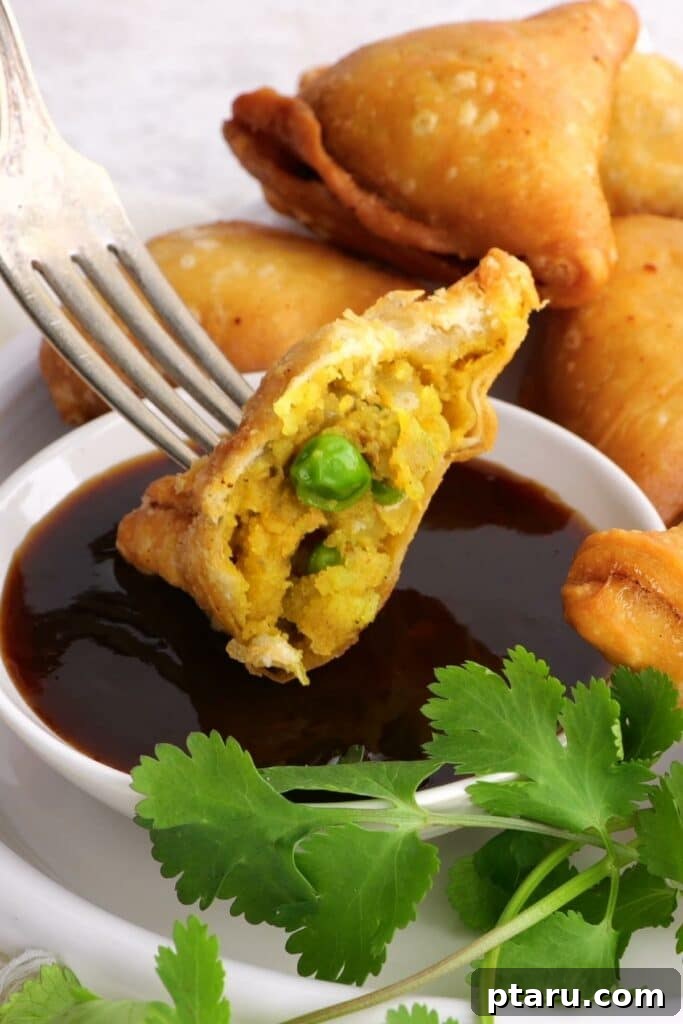
Samosas are best described as crispy, crunchy, and golden-delicious triangular pastries on the exterior. Inside, they are filled with a spicy, savory, and often aromatic mixture, most commonly made with potatoes and peas, though various meat or vegetable fillings exist. They offer a delightful contrast of textures and a burst of rich, complex flavors.
An ‘aloo samosa’ specifically refers to a samosa made with a potato filling. “Aloo” means potato in Hindi. This filling typically consists of boiled and mashed or cubed potatoes, combined with an aromatic blend of Indian spices (such as cumin, coriander, garam masala, turmeric), fresh ginger, garlic, green chilies, onions, and green peas. Fresh cilantro is often added for garnish and flavor.
Absolutely! While deep frying gives the classic crispy texture, you can achieve a very good result by baking or air frying. Lightly brush the shaped samosas with oil and bake at 375°F (190°C) until golden and crisp, or air fry at 350°F (175°C) for a slightly faster method.
Other Authentic Indian Recipes You Won’t Want To Miss
If you adore comforting Indian food as much as I do, then these beloved Indian recipes are an absolute must-try! After mastering these crispy potato samosas, delve into other classics that bring the rich flavors of India to your kitchen.
This vibrant Shrimp Korma, the universally loved Butter Paneer, or the fan-favorite Butter Chicken recipes are fantastic places to continue your culinary exploration. For vegetarians, this incredibly easy and so, so delicious recipe for Creamy Madras Lentils is a heartwarming meal. And no Indian feast is complete without a refreshing beverage; my Authentic Indian Chai is a perfect accompaniment to these crispy samosas or any Indian meal.
And here are a few other cherished recipes not to miss:
- Hearty Vindaloo Lamb or succulent Pork Curry
- Creamy and flavorful Saag Paneer
- Spicy and addictive Adarsh’s Chicken 65 Curry
- Another delightful serving of Saag Paneer for spinach and cheese lovers
Special Variation: Samosa Potatoes (Aloo Masala Standalone)
When I first published this recipe, it was simply titled “Samosa Potatoes,” and the entire recipe focused solely on the flavorful potato filling. As its popularity grew and my recipe started ranking in search engines for “Potato Samosas,” I updated the article to include the full samosa-making process, giving the people what they truly wanted!
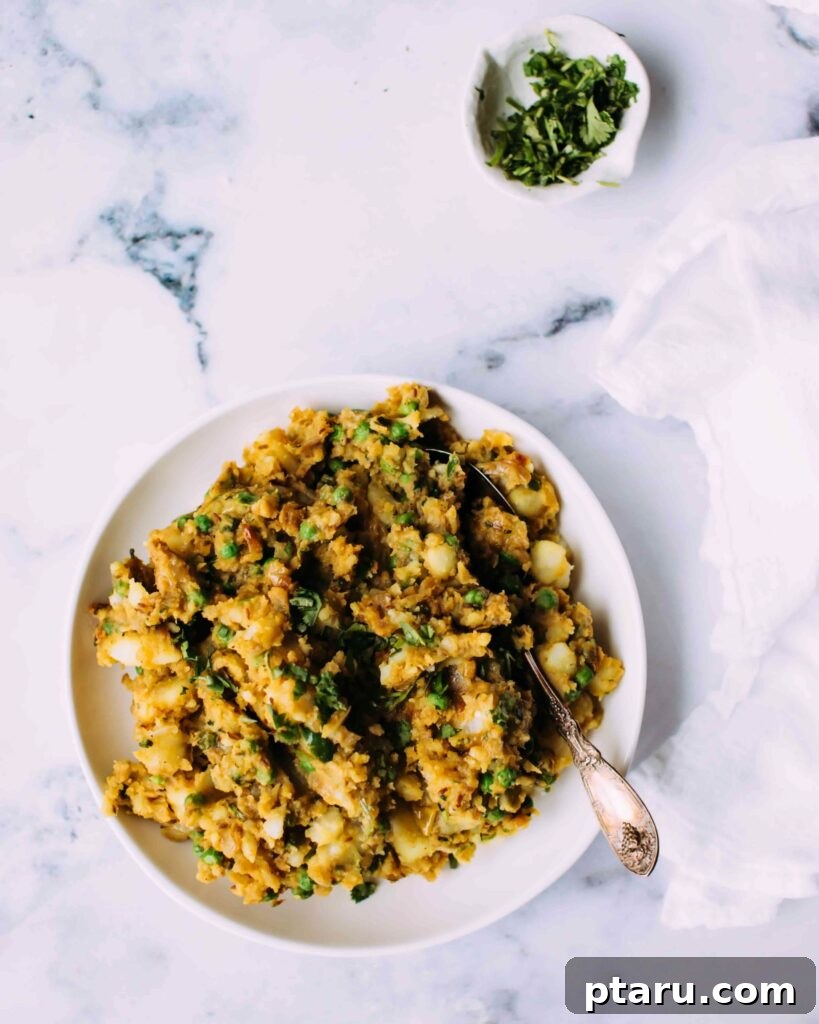
However, if you’ve returned here specifically for that incredible standalone “Samosa Potatoes” dish, rest assured – you can absolutely just make the filling! This versatile potato masala makes a savory, delicious side dish that’s incredibly satisfying on its own. It’s like the inside of a potato samosa (because, well, it IS!), offering all the spiced goodness without the need for frying dough. Serve it as a side with main dishes, as a unique topping for toast, or alongside your favorite mashed potato creations. It’s pure comfort in a bowl!
Explore Other Samosa Delights
Once you’ve mastered these classic potato samosas, you might be inspired to explore the wonderful world of other samosa variations. Each offers a unique flavor and experience:
- Savory Beef Samosas
- Classic Potato Samosas (You are here!)
- Flavorful Chicken Samosas
- Easy 3-Ingredient Samosa Dough Recipe (for streamlined preparation)
- Versatile Samosa Filling Recipe (a base for any creation)
- Innovative Samosa Pie (a deconstructed take)
- Shortcut Samosas with Puff Pastry (for quick fixes)
Potato Samosas
Jennifer Pallian BSc, RD
30
15
45
12
Ingredients
For the dough:
- 1 ½ cups all-purpose flour
- ½ tsp salt
- 2 tbsp vegetable oil
- ¾ cup water plus 1 tbsp, as needed
For Potato Samosa filling:
- 1 lb potato peeled and chopped into 1/2 inch cubes
- 3 tbsp butter (or ghee/plant-based butter)
- 1 finely chopped medium onion
- 2 tbsp finely chopped jalapeño (adjust to taste, deseed for less heat)
- 2 tsp finely grated fresh ginger packed
- 1 tsp cumin seeds
- 1 tsp garam masala
- ½ tsp turmeric powder
- ¼ tsp cayenne pepper (or chili powder, adjust to desired heat)
- 1 ¼ tsp salt (or to taste)
- ⅓ cup frozen peas
- 2 tbsp finely chopped fresh cilantro
Instructions
To make the dough
-
Combine flour and salt in a large mixing bowl, then stir in oil until coarse crumbs form. Add water, little by little, to form a firm, workable dough. Form the dough into a ball and wrap it in a damp kitchen towel to rest at room temperature for 30 minutes.
To make the potato filling
-
Cover the potato with 1″ of salted water in a medium saucepan. Cook until tender, then drain in a colander and coarsely mash it with a fork, leaving some chunks. Set aside.
-
Return the saucepan to medium heat and melt the butter. Add onion plus ½ tsp salt and cook about 6-8 minutes, until translucent and just starting to brown. Add cumin seeds and cook until fragrant (about 1 minute).
-
Add jalapeño and ginger, cook a minute more, then stir in the remaining spices (garam masala, turmeric, cayenne). After about 30 seconds (when spices smell aromatic) add the mashed potato, remaining salt, frozen peas, and cilantro; stir until well combined. Transfer the filling to the fridge to cool completely.
To shape the samosas
-
Divide the dough into 6 equal portions, then roll each into a ball. Roll each ball into a thin, oblong shape (about 6-7 inches long), then use a knife to slice in half lengthwise to make two half-circles. Take one half in your hand, brush some water on the straight edge, and fold into an open cone shape, pressing edges firmly to seal. Hold the cone and fill with about 2 tbsp potato filling. Pinch the top edges to seal, creating a pleated look. Allow it to sit on a cutting board to form a flat bottom. Finish shaping the remaining samosas. You will have 12 samosas.
To fry the samosas
-
Pour neutral oil into a deep saucepan or Dutch oven to a depth of 3″ over medium heat. Fry the samosas in batches once the oil reaches about 200ºF (95°C). Fry for 10-15 minutes until light golden and cooked through. Then, increase the heat to high (around 350-375°F / 175-190°C) and cook for another 3-5 minutes until deep golden brown and extra crispy. Remove with a slotted spoon and place on paper towels to drain.
Notes
- 1 lb of potato is approximately 1 large russet potato or two medium yellow potatoes.
- Fry the samosas in small batches to maintain optimal oil temperature. Overcrowding cools the oil and can lead to greasy samosas.
- Use a damp towel to cover the dough while it’s resting and while you’re working on shaping batches. This prevents it from drying out and becoming difficult to handle.
- Taste the seasoning before finalizing the filling. It’s crucial for the filling to be well-seasoned; you don’t want it to be bland. Adjust salt and spices as needed.
- Customize the heat level by adjusting the amount of fresh jalapeños or cayenne pepper you add to the mix. For less heat, deseed the jalapeños.
- Optional Asafetida (Hing): If you have it on hand, add 1/8 tsp of asafetida (hing) along with the other spices when sautéing. It adds a wonderful savory, umami flavor characteristic of Indian cuisine, especially in dishes without garlic or onion. However, it’s not strictly necessary if you don’t own it already.
- Dough Thickness: Roll the dough as thin as possible without it tearing. A thin dough is key to achieving that desirable crisp and flaky crust.
- Sealing is Key: Ensure all edges are tightly sealed when forming the samosa cones to prevent the filling from leaking out during frying.
Nutrition (per serving)
Calories: 123 kcal | Carbohydrates: 20g | Protein: 4g | Fat: 4g | Saturated Fat: 2g | Polyunsaturated Fat: 0.3g | Monounsaturated Fat: 1g | Trans Fat: 0.1g | Cholesterol: 8mg | Sodium: 375mg | Potassium: 213mg | Fiber: 3g | Sugar: 2g | Vitamin A: 225IU | Vitamin C: 8mg | Calcium: 22mg | Iron: 1mg
Please note: Nutrition information is an estimate and may vary based on specific ingredients and preparation methods.