Welcome, home cooks and steak enthusiasts! As a Food Scientist with a passion for transforming everyday meals into extraordinary culinary experiences, I’m thrilled to share my definitive guide to preparing a **Flat Iron Steak recipe** that consistently delivers steakhouse-perfect results. This isn’t just about cooking; it’s about understanding the science behind a truly exceptional steak – one that’s bursting with flavor, incredibly tender, and boasts a beautiful, mouthwatering char. Get ready to impress your family and friends, because once you learn my proven techniques, you’ll become the unofficial steak chef of your household!
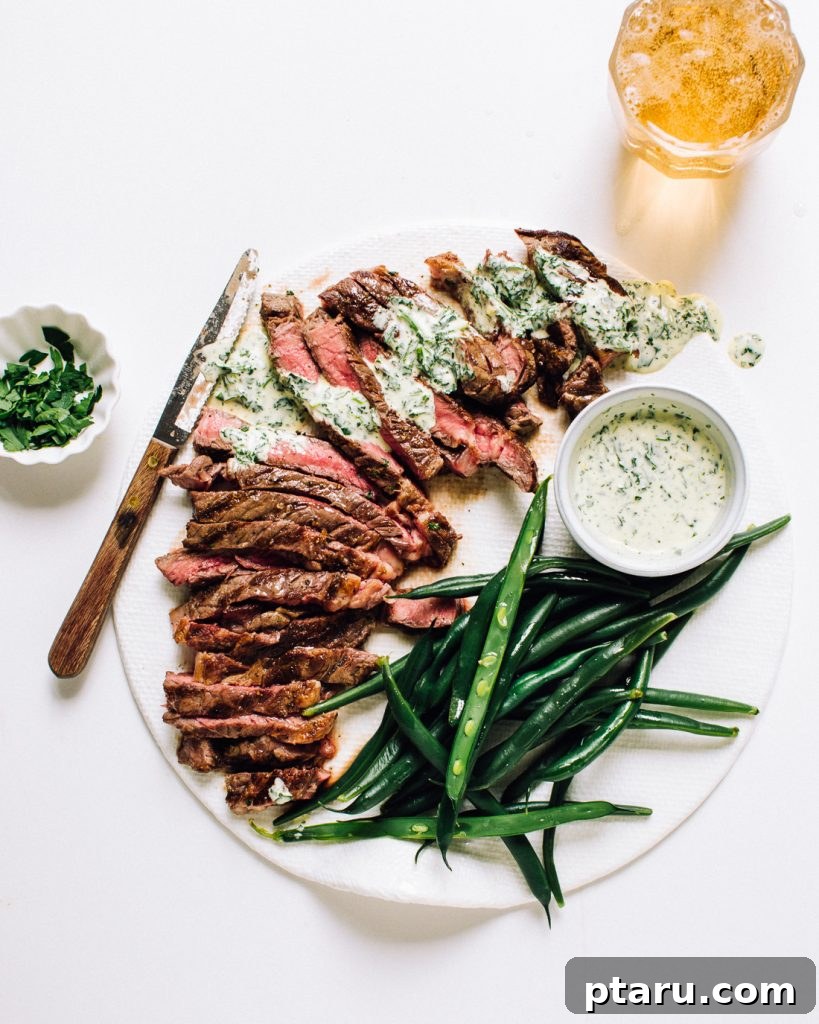
The true secret to cooking steak like a seasoned professional lies less in exotic ingredients and more in mastering the technique. With my background in food science, I’ve honed methods that ensure optimal texture, flavor, and juiciness. By stealing my simple yet effective tricks, you’ll elevate your flat iron steak from good to unforgettable, every single time. Whether you prefer the smoky kiss of the grill or the rich crust from a cast-iron pan, this recipe is designed for foolproof success.
Why Flat Iron Steak is a Cut Above
Before we dive into the cooking process, let’s appreciate the star of our show: the flat iron steak. This magnificent cut, derived from the chuck primal (shoulder) of the cow, is a hidden gem often overlooked but highly prized by those in the know. What makes it so special?
First and foremost, its exceptional tenderness. After the tough connective tissue is expertly removed, the flat iron emerges as a wonderfully lean yet well-marbled cut. This marbling – thin streaks of fat – melts during cooking, infusing the meat with incredible flavor and contributing to its famously juicy and tender texture, second only to a tenderloin in softness. Moreover, its uniform thickness makes it ideal for even cooking, ensuring consistent doneness across the entire steak.
Beyond its tenderness, flat iron steak offers a robust, beefy flavor that stands up beautifully to bold seasonings and sauces. It’s also a more economical choice compared to premium cuts like ribeye or strip, offering fantastic value without compromising on quality or taste. This versatility and flavor profile make it a perfect candidate for a quick weeknight dinner or a special weekend gathering, effortlessly adapting to various cooking methods and culinary applications.
Mastering the Perfect Flat Iron Steak: Your Guide to Steakhouse Quality at Home
Achieving that coveted steakhouse quality at home is simpler than you think. Let’s gather everything you’ll need and prepare for a truly delicious cooking adventure.
The Essential Ingredients for Flavorful Flat Iron Steak
Success starts with quality ingredients. Aim for the best you can find, as this will significantly enhance the final taste of your flat iron steak:
- Flat Iron Steak: Ideally, a cut around 1-inch thick. If your steak is frozen, remember to defrost it safely and thoroughly before cooking.
- High Smoke Point Oil: Think vegetable oil, avocado oil, or refined olive oil. These oils can withstand high heat without breaking down and producing off-flavors, which is crucial for achieving a perfect sear.
- Simple yet Powerful Seasonings: Kosher salt, onion powder, garlic powder, and freshly cracked black pepper. This blend isn’t just for flavor; these seasonings play a vital role in developing that irresistible, caramelized crust when seared, enhancing both taste and texture.
Versatile Options & Substitutions
While flat iron steak is fantastic, this recipe is adaptable! Don’t hesitate to experiment with different cuts or add a delightful sauce to complement your meal:
- Alternative Steak Cuts: If flat iron isn’t available, equally delicious alternatives for grilling or pan-searing include boneless blade steak, flank steak, or skirt steak. Be aware that cooking times might vary slightly depending on the thickness and marbling of your chosen cut.
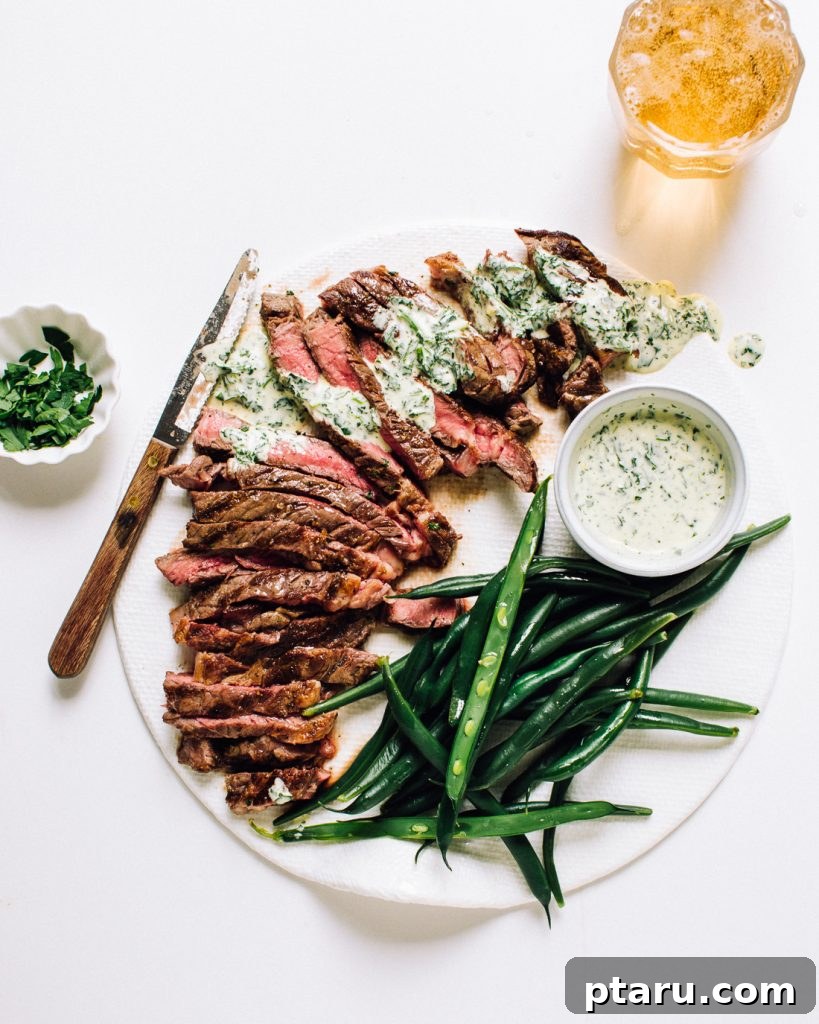
- Elevate with a Sauce: A vibrant sauce can take your steak to the next level. Consider my incredibly flavorful recipe for flat iron steak with creamy Peruvian green sauce (Aji Verde), or explore other popular flat iron steak recipes that feature delicious sauce pairings.
Crucial Tools for Steak Perfection
You don’t need a gourmet kitchen full of gadgets to make an incredible steak. A few key tools will ensure the best possible outcome:
- Grill or Cast Iron Pan: Both are excellent for achieving a high-heat sear. A grill imparts smoky notes and distinct grill marks, while a cast iron pan provides an incredibly even, crispy crust. For more on grilling temperatures, see my guide: Best Temperature To Grill Steak (for Perfect Steak Every Time!).
- Instant-Read Meat Thermometer: This is your secret weapon for perfect doneness, eliminating guesswork and preventing overcooking.
- Oil Brush and Small Bowl: For even coating of your steak before seasoning.
- Sturdy Cutting Board and Sharp Knives: Essential for preparing your steak and, crucially, for proper slicing after cooking.
- Tongs: For handling the steak on the hot cooking surface without piercing it, preserving precious juices.
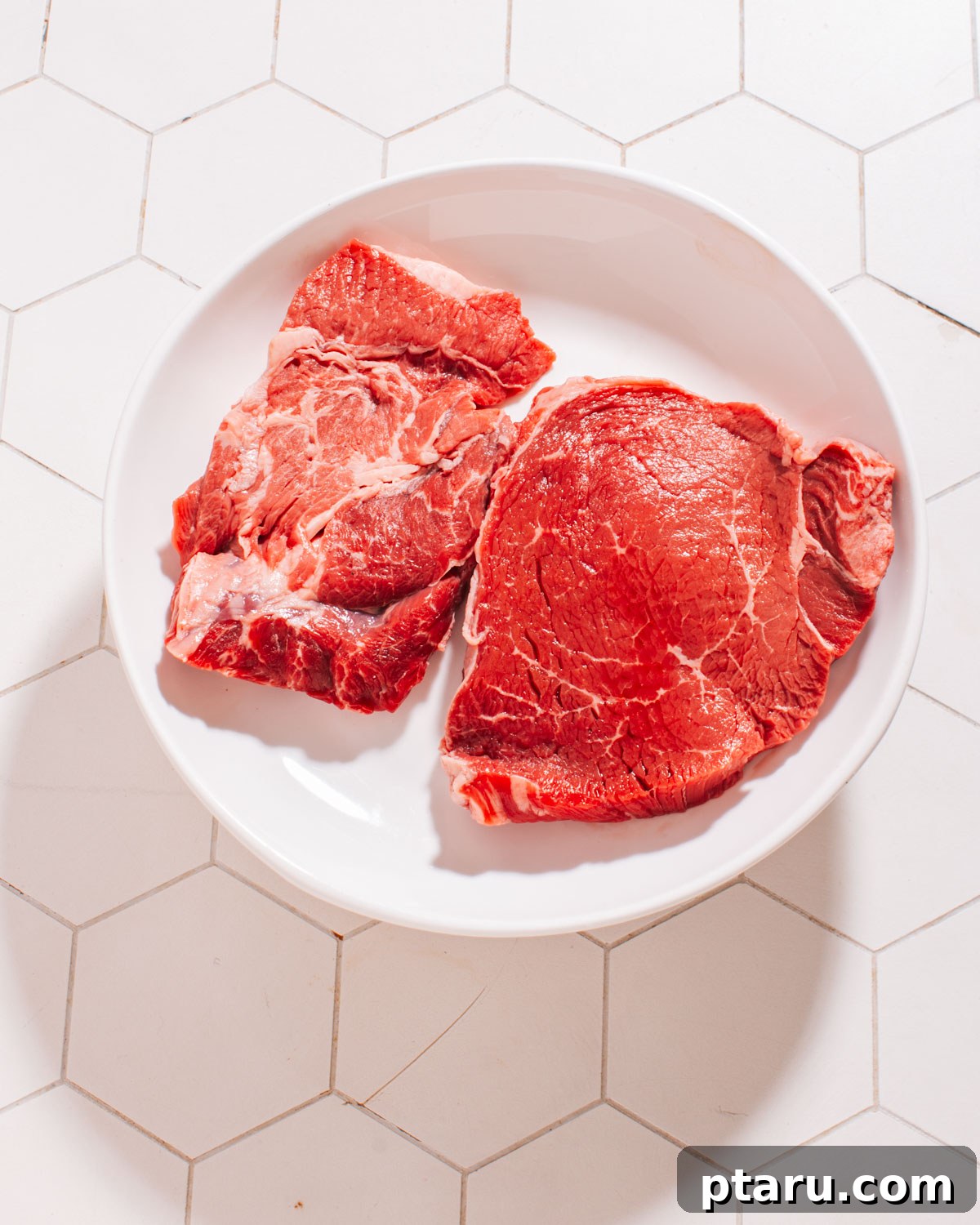
Step-by-Step: How to Cook a Melt-in-Your-Mouth Flat Iron Steak
Follow these precise steps to achieve a perfectly cooked flat iron steak at home, every single time:
Preparation is Key: Steak & Cooking Surface
- Preheat Aggressively: Place your grill or cast iron pan over high heat for at least 5 full minutes, allowing it to get smoking hot. This crucial step ensures a powerful sear and prevents the steak from sticking to the surface.
- Season Generously: While the cooking surface heats, lightly brush both sides of your flat iron steak with a high smoke point oil. Then, liberally season with kosher salt, onion powder, garlic powder, and freshly cracked black pepper. Don’t be shy with the seasoning; it forms a flavorful crust.
- Oil the Grates (If Grilling): Once the grill or pan is smoking hot, lightly oil the grates or pan surface. For grills, use tongs to rub the grates with a paper towel dipped in oil. This adds another layer of non-stick protection and contributes to a beautiful sear.
Achieving the Perfect Sear: Grilling or Pan-Searing
- First Side Sear: Carefully place the seasoned steak onto the preheated, lightly oiled grill or pan. Allow it to sear undisturbed for 3-4 minutes. Resist the urge to move or flip it too soon! The steak will naturally release from the surface when a proper crust has formed. Gently lift a corner with tongs to check; if it lifts away easily without resistance, it’s ready. If it sticks, give it another 30-60 seconds.
- Second Side Sear and Doneness: Once the first side has developed beautiful grill marks and a rich brown sear, flip the steak. Continue cooking for another 3-4 minutes on the second side. For optimal tenderness and flavor, aim for an internal temperature of 125ºF for medium-rare. Use an instant-read meat thermometer inserted into the thickest part of the steak to confirm doneness.
The Art of Resting and Slicing
- Crucial Resting Period: Immediately transfer the cooked steak to a clean cutting board. Cover it loosely with foil (tenting it) and let it rest for a full 5 minutes. This step is non-negotiable! Resting allows the muscle fibers to relax and re-absorb all those delicious juices, ensuring a tender, moist steak. If you cut into it too soon, the juices will run out onto your board, leaving you with dry meat.
- Slice Against the Grain: After resting, thinly slice the flat iron steak against the grain. This means cutting perpendicular to the visible muscle fibers. Slicing against the grain shortens these tough fibers, making each bite incredibly tender and easy to chew. Serving with a drizzle of your chosen sauce, like a vibrant green sauce, will further enhance the experience.
Avoid These Common Flat Iron Steak Mistakes
As a food scientist, I’ve seen common pitfalls that can detract from an otherwise perfect steak. Here’s where people sometimes go wrong, and how to avoid these mistakes:
- Flipping Too Soon: Patience is a virtue, especially with steak! Resist the urge to flip the steak early. A proper crust takes time to develop. Trust that **it will lift away easily without resistance** from the cooking surface when it’s perfectly seared and ready to be turned. Premature flipping not only prevents a flavorful crust from forming but can also tear the meat.
- Guessing Doneness: The single biggest culprit for overcooked or undercooked steak is guessing. To achieve the ideal doneness every time, a reliable instant-read meat thermometer is indispensable. Insert it into the thickest part of the steak, ensuring you hit your target temperature (e.g., 125ºF for medium-rare) without fail.
- Skipping the Rest: This might be the most overlooked yet vital step. Allowing the steak to rest for 5-10 minutes after cooking is paramount. During this time, the heat distributes evenly throughout the meat, and the muscle fibers, which contracted during cooking, relax and re-absorb the internal juices. If you skip resting, those precious juices will pour out onto your cutting board the moment you slice, leaving your steak dry and less flavorful.
- Incorrect Slicing Technique: Always **slice flat iron steak against the grain** to maximize tenderness. Flat iron, like many cuts, has prominent muscle fibers. Cutting against these fibers shortens them, making the meat much easier to chew and giving it a more tender mouthfeel. Slicing *with* the grain leaves long, intact muscle fibers that require more effort to break down, making even a perfectly cooked steak seem tough. Take a moment to identify the grain before you begin slicing.
- Not Preheating Enough: A common error is not allowing your grill or pan to get hot enough before adding the steak. A cold or lukewarm surface will steam the meat rather than sear it, resulting in a gray, unappetizing exterior instead of a beautiful, caramelized crust. Always preheat your cooking surface over high heat until it’s smoking hot – this creates the Maillard reaction, the key to complex flavors and a perfect char.
Make Ahead and Storage
Flat iron steak is fantastic fresh, but with a few tips, you can enjoy its deliciousness even longer.
- Marinating for Enhanced Flavor: For an extra boost of flavor and tenderness, consider marinating your flat iron steak overnight. A simple marinade with a bit of acid (like citrus juice or vinegar), oil, and herbs can work wonders.
- Storing Leftovers: Always store any cooked flat iron steak in an airtight container in the refrigerator to maintain its freshness and prevent spoilage.
- Refrigeration Lifespan: Cooked flat iron steak can be safely stored in the fridge for up to 3 days.
- The Best Way to Reheat: To preserve tenderness and flavor, avoid microwaving leftover steak. Instead, use a gentle reheating method. Here’s my guide on the best way to reheat steak for juicy results.
- Freezing for Future Meals: You can certainly freeze leftover steak. Wrap it tightly in plastic wrap and then foil, or place it in a freezer-safe bag. Thaw it in the refrigerator overnight and use it in sandwiches, salads, or other creative dishes.
How to Serve this Flat Iron Steak Recipe
A perfectly cooked flat iron steak pairs beautifully with a variety of side dishes, making it versatile for any meal.
- Classic Comforts: Serve it alongside creamy mashed potatoes, fluffy rice, or a rich cornbread casserole for a truly satisfying meal.
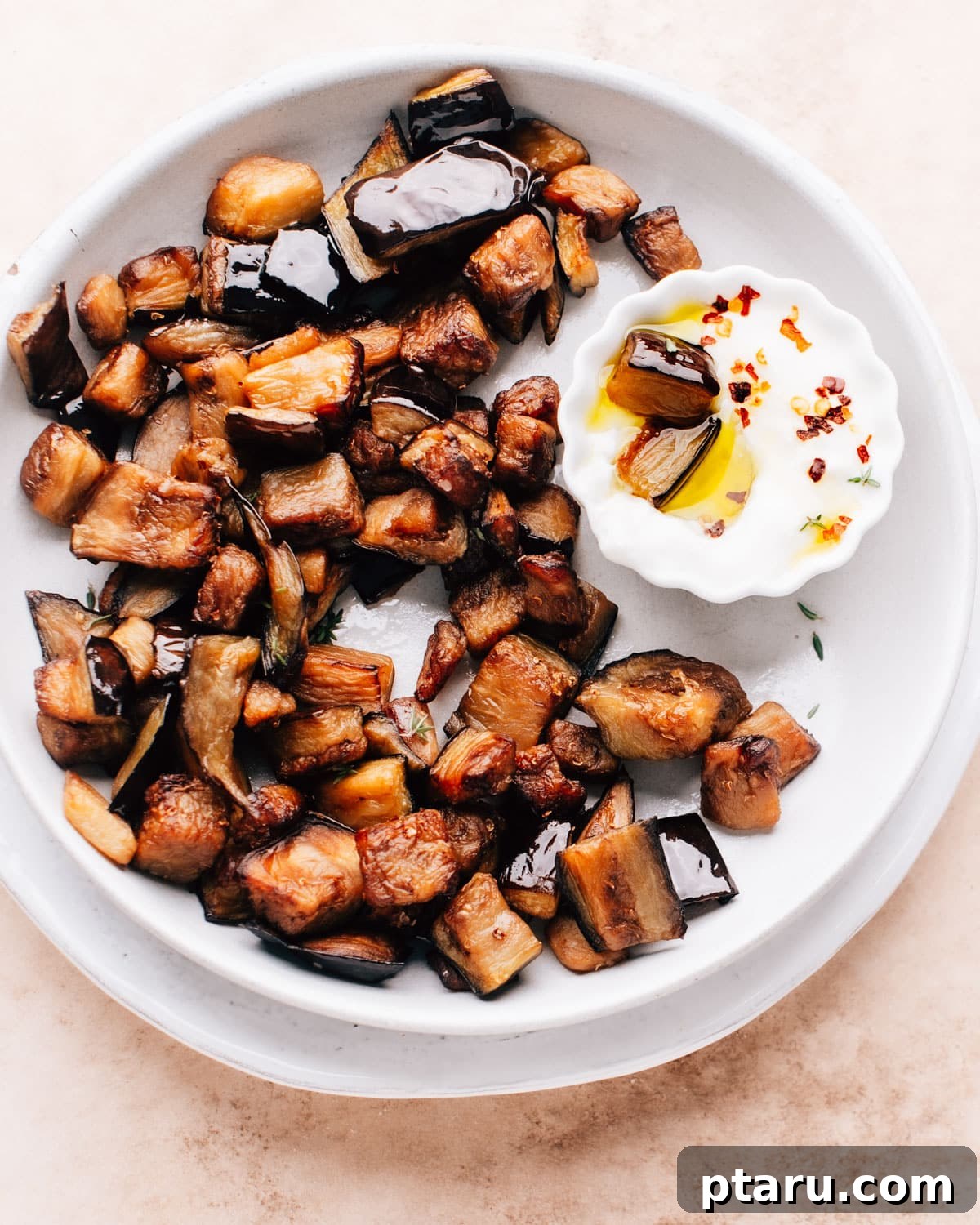
- Fresh and Vibrant Sides: For a lighter option, crunchy green vegetables like steamed green beans, roasted asparagus, or crispy air fryer eggplant offer a wonderful textural contrast. A fresh garden salad with a tangy vinaigrette is also an excellent choice.
- Creative Leftover Ideas: Don’t let any leftover steak go to waste! Thinly slice it and transform it into gourmet sandwiches, hearty salads, or flavorful beef tacos. The rich flavors will continue to develop, making it a fantastic addition to various dishes throughout the week.
FAQs About Flat Iron Steak Recipe
Have more questions about cooking the perfect flat iron steak? Here are answers to some frequently asked questions:
Is flat iron steak very tender?
Yes, flat iron steak is renowned for its exceptional tenderness, making it a highly desirable choice for grilling and pan-searing. It’s a lean cut that, when properly cooked and sliced, offers a melt-in-your-mouth experience.
Can you eat flat iron steak rare?
While flat iron steak can be eaten rare, most chefs and food enthusiasts agree that it is best enjoyed medium-rare (internal temperature of 125-130ºF) for optimal flavor, juiciness, and tenderness. Cooking it beyond medium can diminish its naturally tender qualities.
Is flat iron steak more tender than sirloin?
Generally, yes. Flat iron steak is often considered more tender than top sirloin due to its fine grain and significant marbling. This combination contributes to its superior juiciness and rich flavor profile compared to many other cuts.
What is flat iron steak?
Flat iron steak is a flavorful and notably tender cut of beef sourced from the shoulder area of the cow, specifically the chuck primal. It’s recognized for its rich marbling, which contributes to its succulent texture and makes it an excellent choice for high-heat cooking methods like grilling or pan-searing.
How do I know when flat iron steak is cooked to the right temperature?
The most accurate way to determine doneness is by using an instant-read meat thermometer. For a perfect medium-rare, aim for an internal temperature of 125ºF, measured in the thickest part of the steak. Remember that the temperature will rise slightly during the resting period.
Can I use a different cut of steak for this recipe?
Absolutely! While flat iron steak is ideal for this recipe due to its characteristics, you can certainly substitute it with other similar cuts. Flank steak, skirt steak, or even a boneless blade steak are good alternatives, though you may need to adjust cooking times slightly based on their thickness and fiber direction.
How can I make my flat iron steak more tender?
Beyond choosing a quality cut, two critical steps ensure maximum tenderness: First, always allow the steak to rest for at least 5 minutes after cooking to redistribute juices. Second, slice the steak thinly against the grain to shorten the muscle fibers, making each bite easier to chew and more tender.
Explore More Steak Delights
If you’re a steak lover, I have plenty more recipes to tantalize your taste buds. Here are some of my other favorite steak preparations you’ll definitely want to try:
- When you’re in the mood for a quick, tossed-together meal, my beef steak broccoli stir-fry is packed with flavor and comes together in no time.
- Discover the secret to incredibly tender beef with this steak made in an Instant Pot – it’s so soft, you can almost eat it with a spoon!
- For a taste of summer and an easy way to cook fresh seafood, my air fryer tuna steak is a light and delicious option.
- Indulge in the rich flavors and comforting goodness of my old-fashioned Salisbury steak recipe, complete with a savory gravy.
- Elevate your steak game with this luxurious combination: Steak with Blue Cheese and Buttermilk Hollandaise – a truly decadent experience!
Best Flat Iron Steak Recipe (Melt-In-Your-Mouth Tender!)
Jennifer Pallian BSc, RD
10 minutes
8 minutes
18 minutes
4
Ingredients
- 1 lb flat iron steak, 1″ thick
- 1 tbsp vegetable oil
- 1 tsp kosher salt
- 1 tsp onion powder
- ½ tsp garlic powder
- ½ tsp freshly-ground black pepper
Instructions
-
Preheat grill or cast iron pan over high heat for 5 full minutes. This is an important step for a good sear and to prevent sticking.
Coat steak on both sides with oil, then sprinkle with the salt, onion powder, garlic powder and black pepper.
Once grill (or pan) is smoking hot, lightly oil that, too. Use tongs to rub the grates with a paper towel dipped in oil. -
Place the steak on the grill and cook for 3-4 minutes on the first side. Don’t attempt to flip until it releases easily when you gently lift a corner with tongs. If you rip it off before it’s ready, the meat will tear and you won’t get good browning.
Flip the steak and grill for another 3-4 minutes on the second side, or until the internal temperature reaches 125°F for medium rare. -
Transfer steak to a cutting board, tent with foil and let it rest for a full 5 minutes before slicing.
This allows the juices to be re-absorbed into the muscle fibers rather than pouring out of the meat when you cut in. It makes a huge difference to juiciness.
Thinly slice the meat against the grain for maximum tenderness.
Notes
This timing is for a steak approximately 1 inch thick. For thinner steaks, check the temperature early and reduce cooking time slightly; for thicker steaks, add an extra 1-2 minutes per side, checking the temperature to avoid overcooking.
Don’t skip the resting period after cooking. Letting the steak rest for at least 5 minutes allows the juices to redistribute, ensuring a juicy bite.
Nutrition
Nutrition information is automatically calculated, so should only be used as an approximation.