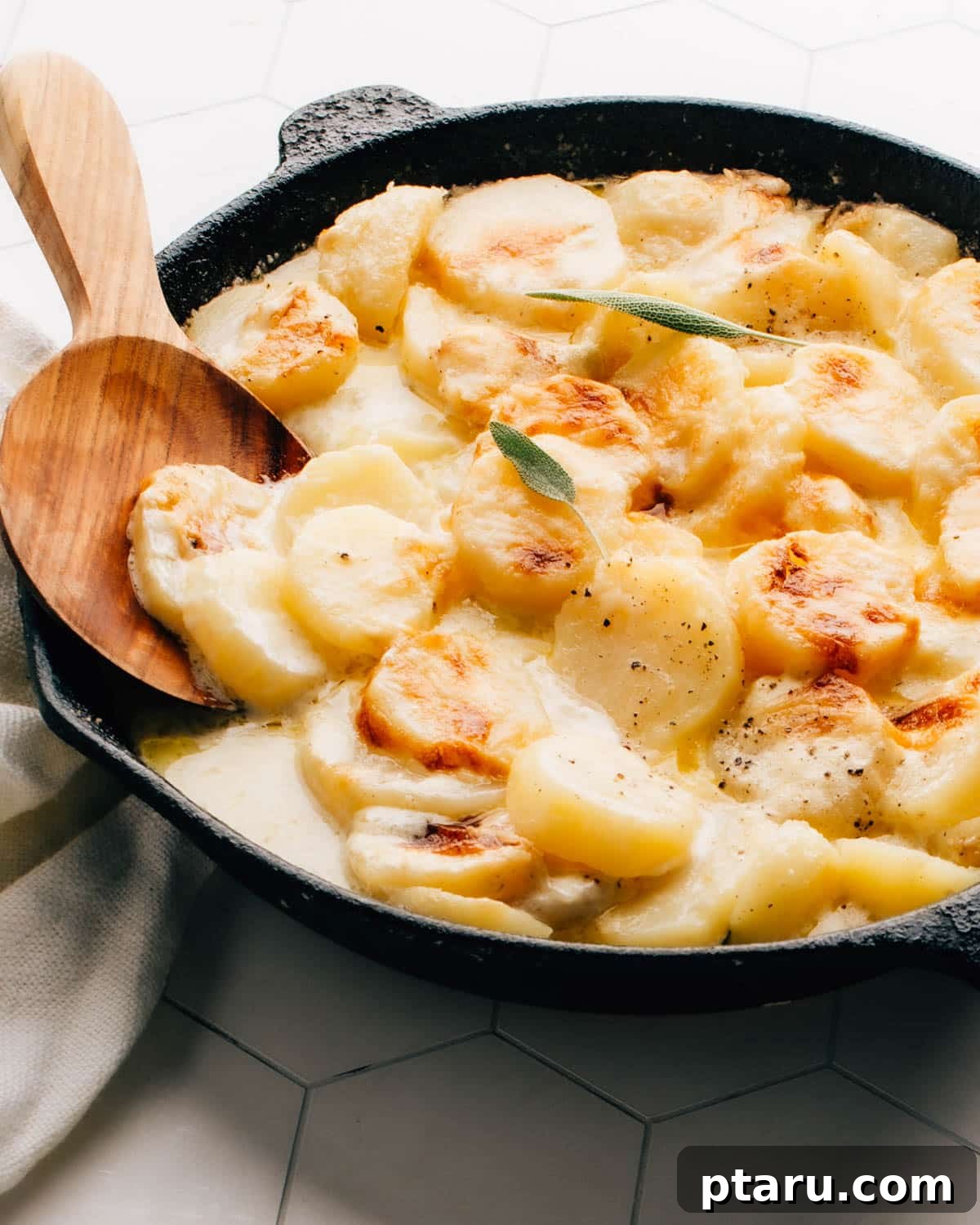
Gluten-Free Au Gratin Potatoes: A Creamy, Flourless Delight for Any Occasion
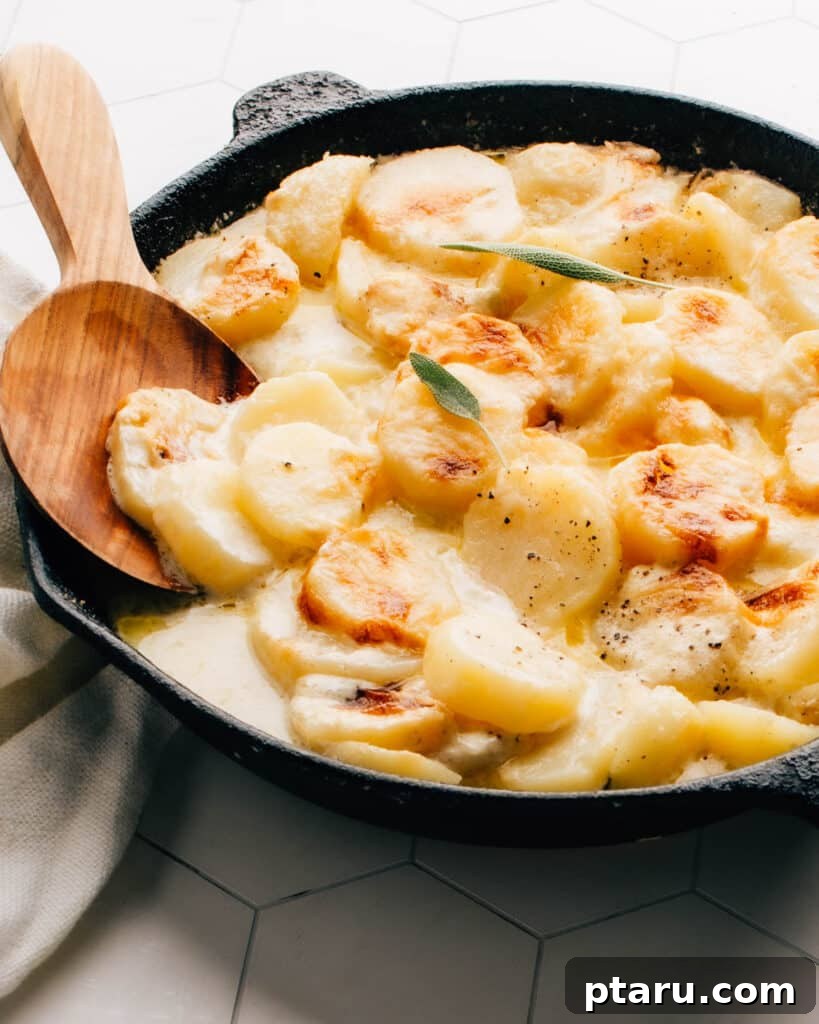
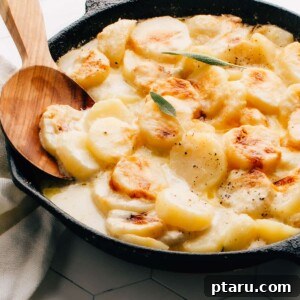
If you’re searching for an effortlessly delicious and naturally gluten-free take on classic potatoes au gratin, your quest ends here! This recipe redefines comfort food, offering all the rich, cheesy goodness you crave without the need for any flour or starch as a thickener. Prepare to fall in love with a dish that’s both simple to make and incredibly satisfying.
I’ve taken my beloved, hearty scalloped potatoes recipe and refined it to be quicker, easier, and much less fussy. By consciously omitting the traditional flour-based roux, we achieve a velvety, luxurious sauce that thickens beautifully through reduction and the magic of Parmesan cheese. The result is a truly remarkable au gratin potato recipe that is naturally gluten-free, yet bursting with the creamy, savory flavors that make this dish a timeless favorite. This one-pan wonder brings hearty flavor to your table, perfect for busy weeknights or festive holiday gatherings.
Why You’ll Adore These Naturally Gluten-Free Au Gratin Potatoes
This recipe isn’t just a side dish; it’s an experience. Here’s why these gluten-free au gratin potatoes will become a staple in your kitchen:
- Unbeatably Simple & One-Pan Perfection: Forget complex steps and multiple dishes. This streamlined one-pan scalloped potato recipe is designed for ease. While it embodies the heartwarming essence of a special Sunday dinner, it’s remarkably quick and straightforward enough to prepare on a busy weeknight. Minimal cleanup means more time to savor your delicious creation.
- Flour-Free & Naturally Thick: The brilliance of this gluten-free recipe for potatoes au gratin lies in its ingenious thickening method. We completely bypass the need for flour, relying instead on a simple cream sauce that reduces to a rich consistency, then is wonderfully enhanced and thickened by the addition of grated Parmesan cheese. This not only makes it naturally gluten-free but also imparts a depth of flavor that flour-based sauces often lack.
- Rich, Creamy, and Utterly Indulgent: Every bite of these potatoes is a testament to creamy decadence. The combination of tender potato slices, luscious heavy cream, and savory cheeses creates a symphony of textures and flavors that will tantalize your taste buds. It’s the ultimate comfort food, perfect for family meals or impressing guests with its gourmet appeal and comforting familiarity.
- Versatile Side Dish: Whether you’re planning a holiday feast, a casual dinner party, or simply looking for a delightful accompaniment to your favorite main course, these au gratin potatoes fit the bill perfectly. Their robust flavor profile pairs beautifully with a wide array of meats and vegetables, making them suitable for any culinary occasion.
- Tested & Trusted Flavor: Developed with careful consideration and numerous trials, this recipe ensures consistent, delicious results every single time. You can trust that the flavors are perfectly balanced, offering that classic au gratin taste in a healthful, gluten-free format without compromising on taste or texture.
- A Crowd-Pleaser: From kids to adults, everyone loves a good potato gratin. This gluten-free version ensures that even those with dietary restrictions can partake in this universally loved comfort food, making it ideal for potlucks and family gatherings.
If your heart yearns for cozy potato dishes, you’ll also adore this popular recipe for the Best Mashed Potatoes Recipe you’ll ever try!
Essential Ingredients for Your Gluten-Free Scalloped Potatoes
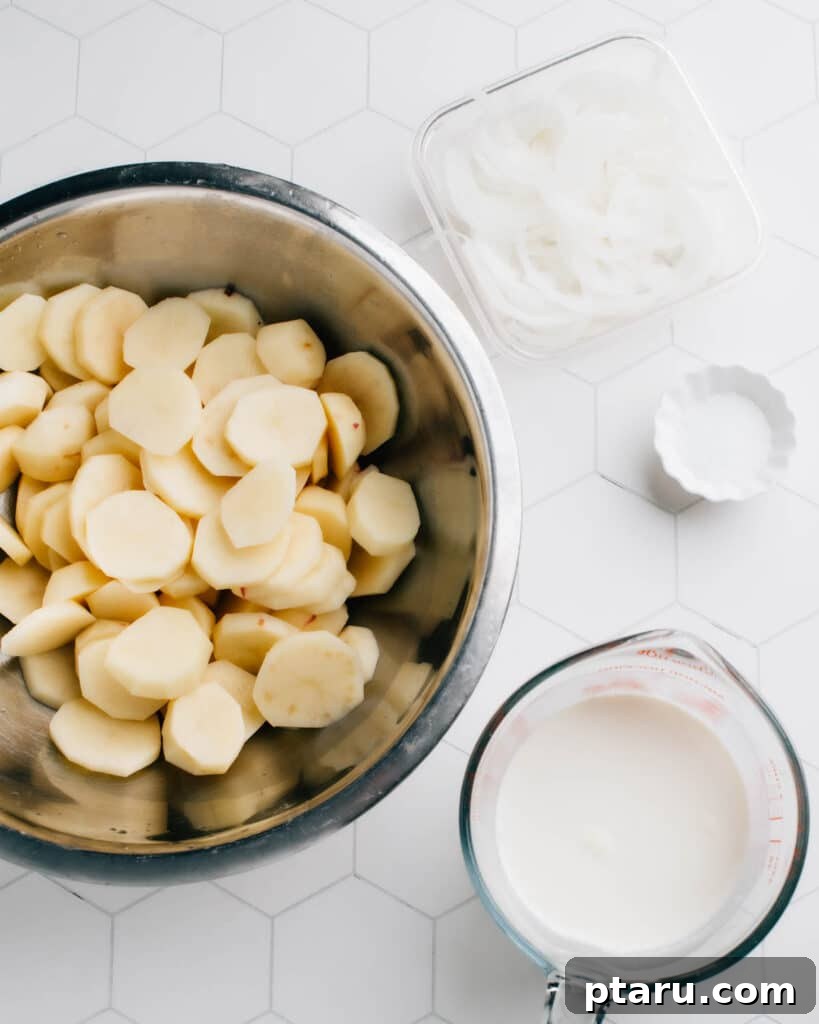
Crafting the perfect gluten-free au gratin begins with selecting the right ingredients. Here’s a detailed look at what you’ll need and why each component is crucial for achieving the desired flavor and texture:
- Potatoes (3 lbs): The undeniable star of the show! Yukon Gold or Red Russet potatoes are highly recommended for this recipe. Yukon Golds offer a natural creaminess and buttery flavor, holding their shape beautifully during baking. Red Russets are slightly starchier but still provide a good structure and absorb the creamy sauce wonderfully. Avoid very starchy potatoes like standard Russets if you prefer a firmer texture, as they can sometimes become overly soft and lose their distinct shape. Ensure they are peeled and sliced uniformly about ¼-inch thick for even cooking. A mandoline slicer can greatly assist in achieving consistent slices.
- Onion (½ cup, thinly sliced): A modest amount of thinly sliced onion (approximately ¼ of a large onion) adds a subtle sweetness and aromatic depth that complements the potatoes and cheese without overpowering them. It’s an essential layer of flavor that melts into the sauce as it bakes.
- Kosher Salt (3 tsp): Salt is critical for seasoning the potatoes as they cook. Layering it as you go ensures every slice is perfectly seasoned. Kosher salt is preferred for its pure flavor and coarse texture, which allows for better distribution throughout the potato layers. Remember, this recipe relies on salt migrating from the cream to the potatoes, so don’t skimp.
- Heavy Cream (3 cups): This is the foundation of our rich, velvety, flourless sauce. Full-fat heavy cream provides unparalleled richness and body, reducing beautifully to coat every potato slice in a luscious embrace.
Substitution Note: For a slightly lighter version, you can successfully use a combination of half heavy cream and half whole milk. Alternatively, two 12-oz cans of evaporated milk can provide excellent thickness and a slightly sweet flavor. However, using only regular dairy milk or a thin plant-based milk (like unsweetened almond or oat milk) without a thickener will result in a much thinner sauce that may not coat the potatoes as desired. If opting for regular or plant-based milk, whisk in 2-3 tablespoons of cornstarch dissolved in a little cold milk or water and add it during the simmering phase to help thicken the sauce. - Black Pepper (¼ tsp): Freshly ground black pepper adds a hint of warmth and mild spice, perfectly balancing the richness of the cream and cheese without being too prominent.
- Ground Nutmeg (⅛ tsp): A pinch of nutmeg is a classic and often overlooked addition to cream-based potato dishes. It doesn’t dominate but rather enhances the savory notes and brings out the overall richness, adding a subtle, sophisticated aroma that truly elevates the dish. You can omit it if it’s not to your preference or simply unavailable, but it’s highly recommended.
- Unsalted Butter (1 tbsp): Dotted over the top before the final bake, butter contributes to the glorious golden-brown crust and adds another layer of rich, buttery flavor. Using unsalted butter gives you more control over the dish’s overall saltiness, allowing the kosher salt to do its job without interference.
- Fresh Sage Leaves (6 leaves, optional): Sage offers an earthy, slightly peppery, and aromatic quality that pairs wonderfully with potatoes and dairy. Fresh thyme or rosemary are also excellent herbal choices if you prefer or have them on hand. These herbs elevate the dish, adding a gourmet touch and a fragrant aroma.
- Parmigiano Reggiano (⅓ cup, finely grated): The key to both flavor and natural thickening in this recipe. Finely grated Parmigiano Reggiano (or another high-quality Parmesan cheese) melts into the sauce, contributing its salty, umami-rich depth and helping to achieve that desired creamy consistency without the need for flour or starch. The cheese creates a beautiful, bubbly, golden-brown crust on top.
Substitution Note: If authentic Parmigiano Reggiano is hard to find, good quality Asiago or Pecorino Romano cheese can serve as excellent alternatives, offering similar savory and sharp profiles.
Delicious Variations and Smart Substitutions for Your Potato Gratin
While this gluten-free au gratin recipe is perfect as is, it’s also incredibly adaptable, allowing you to customize it to your personal taste, pantry contents, or dietary preferences. Feel free to experiment with these variations to make it uniquely yours:
- Cheese Lovers’ Dream: Elevate the cheesy goodness even further by incorporating other varieties. Layers of sharp cheddar cheese can add a familiar, tangy bite. Pungent gorgonzola cheese offers a bolder, more complex flavor, while nutty Gruyère cheese provides a sophisticated, melting texture. You can mix these with Parmesan in the layers or use them as an additional top layer for extra indulgence and a diverse cheese pull.
- Lightened Up Creamy Sauce: For a less calorie-dense version without sacrificing too much richness, consider swapping some of the heavy cream. As noted in the ingredients, a 50/50 blend of half-and-half and heavy cream works well. Evaporated milk can also be a fantastic option, providing good thickness and a slightly sweet undertone. If you choose to use only regular dairy milk or a thin plant-based milk (like unsweetened almond or soy milk), you might need to create a slurry with 2-3 tablespoons of cornstarch dissolved in a little cold liquid and add it during the simmering phase to help thicken the sauce to a desirable consistency.
- Amp Up the Flavor: Infuse more aromatics into your dish for a deeper, more complex profile. Sauté a couple of minced garlic cloves with the onions before layering, or simply add them directly for a pungent kick. A teaspoon of Dijon mustard (ensure it’s gluten-free) added to the cream mixture can provide a subtle tang and enhance the overall savory notes of the dish. For those who enjoy a little heat, a pinch of cayenne pepper or a dash of hot sauce can add a gentle warmth.
- Add Vegetables: For a more complete and nutrient-rich meal, consider adding thin slices of blanched leeks, sautéed mushrooms, or even thinly sliced zucchini or spinach between the potato layers. Ensure any added vegetables are sliced thinly enough to cook evenly with the potatoes and don’t release too much moisture.
- Herbal Delights: Beyond sage, thyme, and rosemary, consider other fresh herbs. Finely chopped chives or fresh parsley can be added as a vibrant garnish just before serving for a pop of color and herbaceous freshness. Dried herbs can also be used, but in smaller quantities (typically one-third of the fresh amount).
- Crispy Topping: For an extra crunchy texture, mix a few tablespoons of gluten-free breadcrumbs (such as those made from gluten-free oats or rice flour) with a drizzle of olive oil or melted butter and sprinkle over the top before baking. This creates a delightful golden, crisp crust that adds another layer of textural enjoyment.
- Smoky Notes: A tiny dash of smoked paprika can lend a subtle smoky depth, particularly if you’re serving this alongside roasted meats.
How to Master Gluten-Free Au Gratin Potatoes: Step-by-Step
Get ready for a culinary journey! Here are the incredibly simple steps to creating this unctuous and irresistible scalloped potato dish. The key is in the layering and the gentle simmering that coaxes out the perfect texture and flavor, all in one convenient pan.
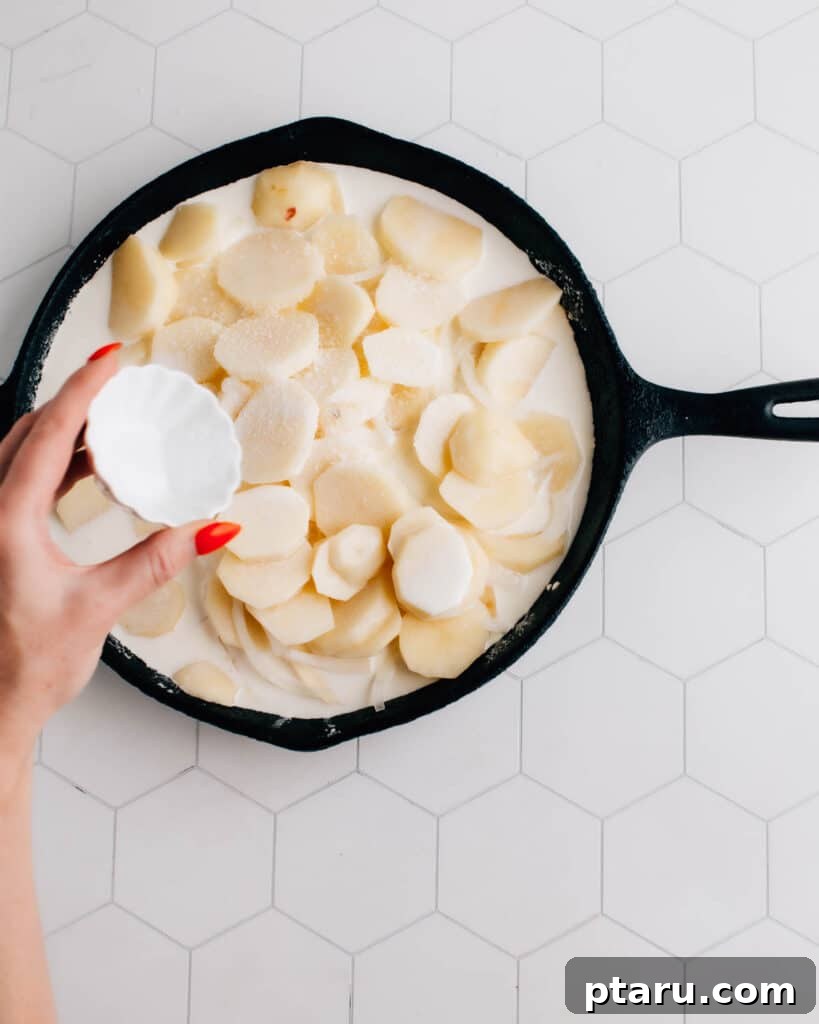
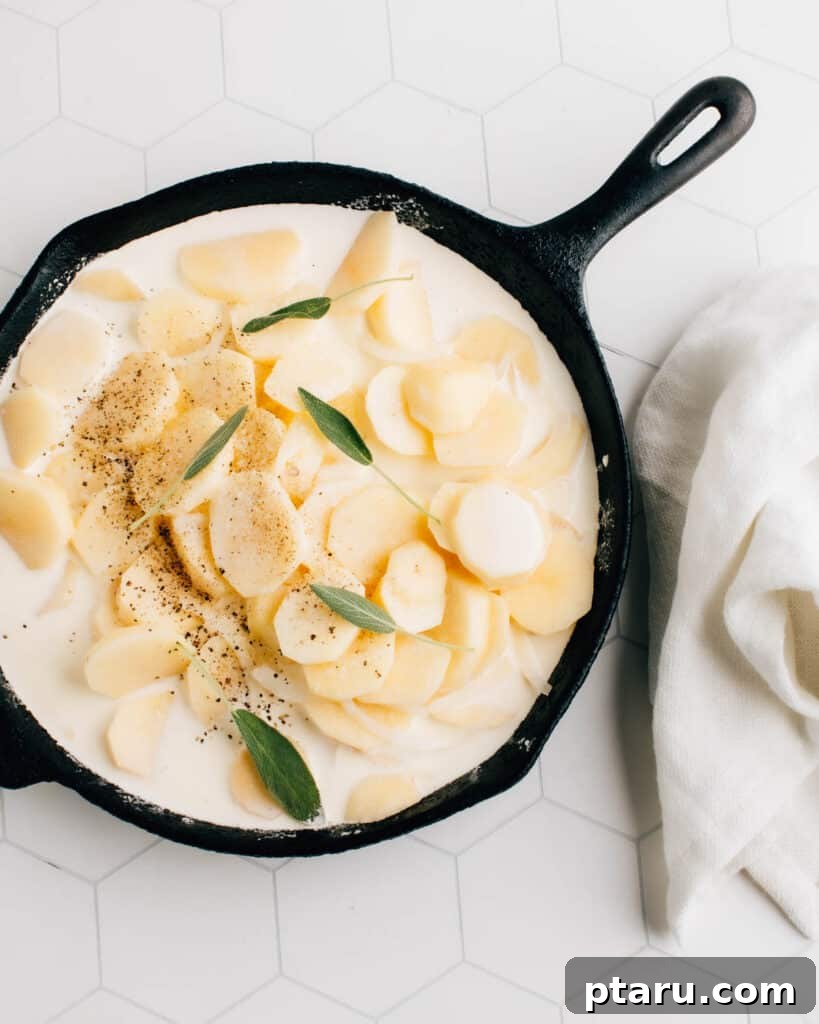
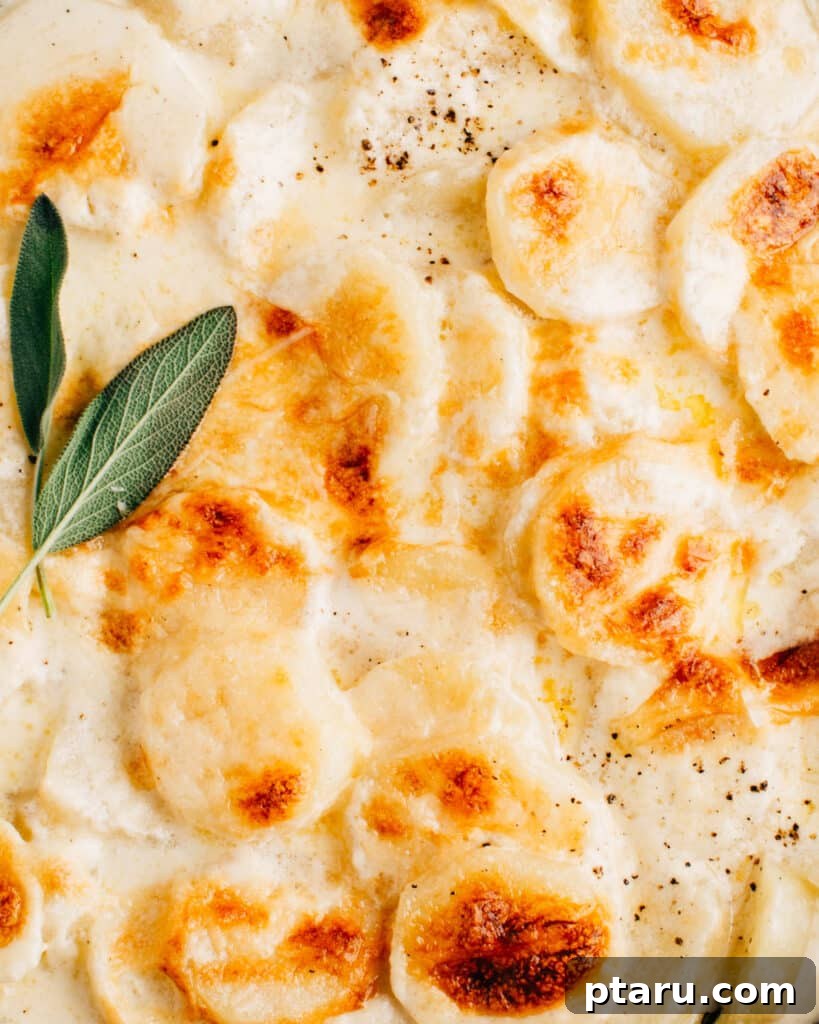
- Step 1: Preheat Your Oven. Begin by preheating your oven to a moderate 350ºF (175ºC). This ensures your oven is ready for baking once the stovetop simmering is complete, making the process seamless.
- Step 2: Layer and Season. In a 12-inch oven-proof skillet (a cast iron pan is highly recommended here, as it transitions easily from stovetop to oven), arrange your peeled and thinly sliced potatoes alternately with the thinly sliced onions. As you create these layers, sprinkle generously with kosher salt. Distributing the salt evenly throughout the layers now is crucial for perfectly seasoned potatoes later.
- Step 3: Add Cream and Spices. Pour the heavy cream directly over the layered potatoes and onions. Then, evenly season with the black pepper and, if using, the subtle warmth of ground nutmeg. Add the fresh sage leaves now for maximum flavor infusion during the cooking process. Give everything a gentle stir to ensure the cream is well distributed and the seasonings are incorporated throughout all the potato layers.
- Step 4: Stovetop Simmer. Carefully transfer your skillet to the stovetop. Bring the ingredients to a rapid simmer over medium-high heat. Once simmering vigorously, reduce the heat to low and continue to cook, uncovered, for about 15 minutes. Stir gently and occasionally to prevent any sticking and to ensure even cooking and cream distribution. During this crucial phase, the cream will begin to reduce and thicken, and the potatoes will become half-cooked, absorbing the delicious flavors of the seasoned cream. Don’t worry if the cream tastes a bit salty at this stage; the salt will migrate into the potatoes as they cook, balancing out perfectly in the final dish.
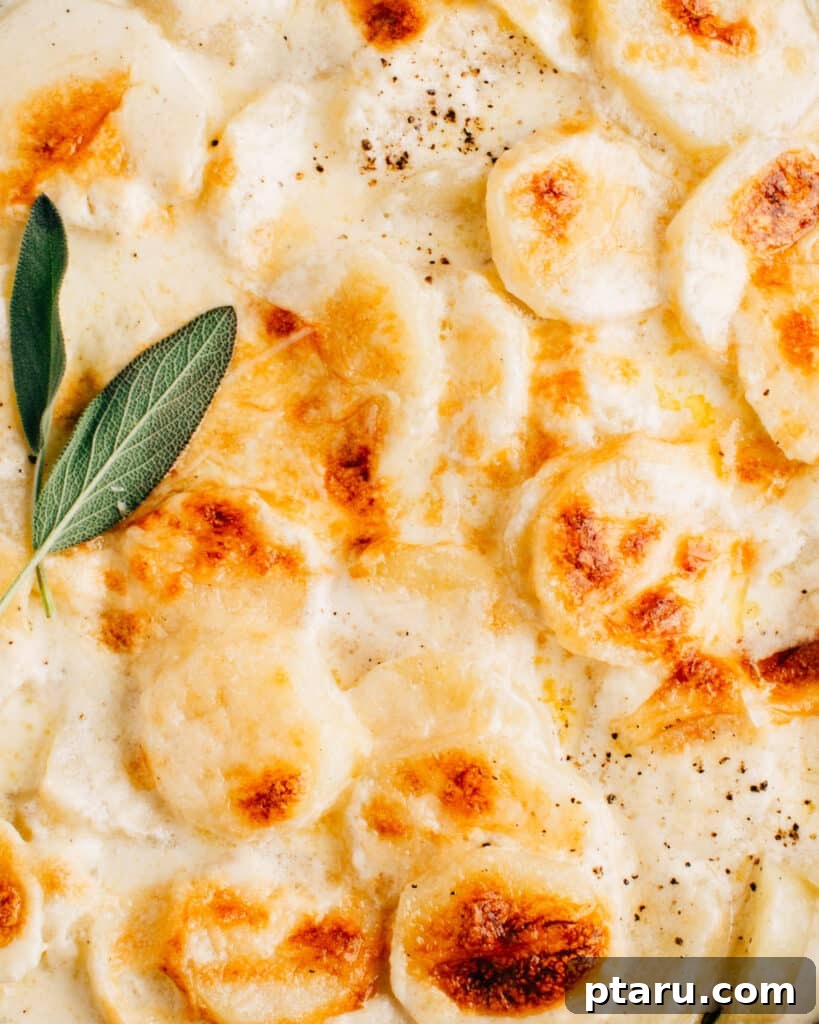
- Step 5: Final Touches & Bake. Once the potatoes are par-cooked and the cream has visibly reduced to a luscious sauce, dot the top of the potatoes with small pieces of unsalted butter. Then, evenly sprinkle the finely grated Parmigiano Reggiano (or your chosen Parmesan cheese) over the entire surface. Transfer the skillet to your preheated oven and bake, uncovered, for approximately 15 minutes, or until the cheese is beautifully golden brown and bubbly, and the potatoes are tender all the way through. You can test for tenderness by inserting a sharp knife into the center of the dish – it should glide in easily.
- Step 6: Rest and Serve. Allow the au gratin to rest for 5-10 minutes after removing it from the oven. This allows the sauce to set slightly, making it easier to serve and preventing it from being too runny.
Make-Ahead and Storage Tips for Gluten-Free Au Gratin Potatoes
These delicious gluten-free au gratin potatoes are fantastic for meal prepping or enjoying as leftovers. Proper storage ensures they remain flavorful and safe to eat. Here’s how to properly store and reheat them:
- Refrigerator Storage: Leftover gluten-free au gratin potatoes can be safely stored in the refrigerator for 3-4 days. Allow the dish to cool completely to room temperature before covering the baking dish or casserole dish tightly with aluminum foil or plastic wrap. Alternatively, you can transfer the contents to an airtight container. This keeps them fresh, prevents them from drying out, and maintains their delicious creamy texture.
- Reheating from the Fridge: To reheat, simply place covered leftovers in a preheated oven at 300°F (150°C) until warmed through, about 15-20 minutes. If you want to crisp up the top, remove the foil for the last 5 minutes. You can also reheat individual portions gently in a microwave, though the topping won’t be as crispy.
To Freeze Your Au Gratin Potatoes
This cooked scalloped potato dish freezes remarkably well, allowing you to enjoy it weeks or even months later. Properly wrapped, it will maintain its quality for about 2 to 3 months, making it an excellent option for future meals or unexpected guests.
- Freezing Instructions: Once completely cooled to room temperature, cover the entire dish tightly with a layer of plastic wrap, followed by a layer of heavy-duty aluminum foil. For more convenient individual portions, transfer the cooled au gratin to freezer-safe airtight containers or divide into smaller foil-wrapped packages. Label clearly with the dish name and date to easily identify it later.
- Reheating from Frozen: When you’re ready to enjoy, thaw the frozen au gratin potatoes in the refrigerator overnight. This slow thawing helps maintain texture. Bring the dish to room temperature before reheating it in a preheated oven at 350ºF (175ºC), covered with foil, until heated through (this usually takes about 20-30 minutes, but can vary depending on portion size). Remove the foil for the last 5-10 minutes if you want to crisp up the top and restore some of that golden crust. While the sauce might separate slightly upon thawing and reheating, the flavors will remain absolutely delicious and comforting. Stirring gently after heating can help recombine the sauce.
Perfect Pairings: What to Serve with Scalloped Potatoes
These creamy, cheesy gluten-free au gratin potatoes are a versatile side dish that complements a wide variety of main courses. Whether you’re planning a holiday feast, a comforting family dinner, or an elegant meal for guests, these potatoes will be a welcome addition. Here are some fantastic gluten-free main dish ideas to create a truly memorable meal:
- Moist and Juicy Pressure Cooker Ham: The savory, slightly salty notes of ham are a classic pairing with the rich creaminess of au gratin potatoes, creating a balanced and satisfying meal, especially for holiday tables.
- The Meatloaf Recipe That’ll Turn You Into a Meatloaf Lover: A hearty, flavorful meatloaf, with its robust textures and savory sauce, provides an excellent contrast to the tender, creamy potatoes, making for a satisfying and comforting dinner any night of the week.
- Eye of Round Roast (Extra Tender + Juicy!): A perfectly cooked roast beef, especially one that’s incredibly tender and juicy, elevates these potatoes to a fine dining experience right in your home. The rich beef juices are heavenly with the creamy potatoes.
- Melt-in-Your-Mouth Instant Pot Steak (with gluten-free gravy!): Enjoying a tender, perfectly cooked steak with a rich, gluten-free gravy alongside your creamy potatoes is a match made in heaven for a luxurious and easy dinner.
- Impossibly Juicy Air Fryer Pork Tenderloin (Melt in Your Mouth!): The lean, flavorful pork tenderloin offers a wonderful balance to the richness of the potatoes, making for a sophisticated yet approachable meal that’s surprisingly quick to prepare.
- Classic Roasted Chicken or Turkey: A traditional roasted chicken or a festive holiday turkey provides a comforting and familiar pairing. The savory flavors and pan drippings from poultry mingle beautifully with the creamy potato sauce.
- Pan-Seared Salmon or Cod: For a lighter but equally delicious option, flaky pan-seared salmon or cod, perhaps with a squeeze of fresh lemon, offers a fresh and vibrant counterpoint to the rich and creamy potatoes.
- Hearty Braised Short Ribs: The deep, savory, fall-off-the-bone flavors of slow-braised short ribs would be an exquisite companion, perfect for a decadent special occasion meal or a cozy winter evening.
- Grilled Sausages: Simple grilled or pan-fried sausages (ensure they are gluten-free) offer a rustic and satisfying pairing, ideal for a more casual family meal.
Frequently Asked Questions About Gluten-Free Au Gratin Potatoes
While the names “au gratin potatoes” and “scalloped potatoes” are often used interchangeably in home cooking, there’s a subtle distinction that culinary purists often point out. Generally, au gratin potatoes always feature a generous layer of cheese, which typically forms a golden, bubbly crust on top during baking. Scalloped potatoes, on the other hand, traditionally refer to thin slices of potatoes baked in a creamy sauce, but may or may not include cheese. Both styles commonly involve starting with a flour-based roux to thicken the cream or milk mixture. Our simplified version, however, ingeniously achieves a naturally gluten-free sauce through the natural reduction of heavy cream and the thickening power of finely grated Parmesan cheese, offering the best of both worlds – cheesy, creamy, and entirely flourless.
All fresh, unprocessed potatoes are naturally 100% gluten-free. This includes a vast array of varieties such as Yukon Gold, Russet, red potatoes, new potatoes, fingerlings, and sweet potatoes. The concern for gluten typically arises when potatoes are processed or combined with other ingredients. For instance, if you’re buying a pre-mixed mashed potato product, boxed au gratin potatoes, frozen french fries, or flavored potato chips, you must carefully check the ingredient list and nutritional information on the packaging for any added gluten-containing ingredients (like wheat flour for thickening or seasoning) or warnings about cross-contamination during manufacturing. Sticking to whole, fresh potatoes is always the safest and most delicious choice for a guaranteed gluten-free base.
The charming name “scalloped potatoes” has its roots in an old English word, “collop,” which historically referred to thin slices of meat. Over time, “collop” evolved to “scallop,” and the term became associated with dishes prepared by slicing ingredients thinly and baking them in layers. This culinary technique involves arranging ingredients in an overlapping pattern, much like the ruffled edges of a scallop shell or decorative scallops. Thus, scalloped potatoes are named for their preparation method – thin slices of potato arranged neatly in layers, rather than referring to any shellfish ingredient. It’s a testament to the visual presentation of the dish.
Absolutely! If you follow a gluten-free diet due to Celiac disease, gluten sensitivity, or personal preference, you can certainly enjoy au gratin potatoes, provided they are prepared without any flour or other gluten-containing ingredients. Many traditional au gratin recipes rely on a roux (a mixture of butter and flour) to thicken the creamy sauce. However, this particular version is specifically designed to be naturally gluten-free, with its rich and creamy sauce thickening naturally through the reduction of heavy cream and the melting of finely grated Parmesan cheese. This innovative approach makes it a perfect, safe, and incredibly delicious option for anyone adhering to a gluten-free lifestyle, ensuring you don’t have to miss out on this beloved and comforting side dish.
While this recipe focuses on being gluten-free, making it dairy-free requires significant substitutions. You would need to use a high-fat plant-based cream alternative (like full-fat coconut cream or a specific dairy-free cream substitute) and dairy-free Parmesan cheese. Be aware that the flavor and texture might be noticeably different from the original, as dairy fats and proteins play a crucial role in the sauce’s richness and thickening without flour.
Pro Tips and Tricks for Perfect Gluten-Free Au Gratin Potatoes
Achieving restaurant-quality gluten-free au gratin potatoes at home is easier than you think with these expert pointers and clever tricks. Follow these tips to ensure your dish is a resounding success every time:
- Uniform Slices are Key: The absolute secret to evenly cooked potatoes and a beautifully textured gratin is uniform thickness in your potato slices. Using a mandoline slicer is highly recommended for slicing your Yukon Golds (or chosen potatoes) into consistent ¼-inch thick rounds. This precision ensures every potato slice cooks at the same rate, preventing some from being undercooked while others are overly soft and mushy. If using a knife, take your time and aim for as much consistency as possible.
- Check for Tenderness: To truly know if your potatoes are perfectly cooked and tender throughout, insert a sharp knife or a thin skewer all the way to the bottom of the dish. It should slide in with very little resistance, indicating that all layers of potatoes are tender and creamy. If you feel any significant resistance, continue baking for a few more minutes and test again. Undercooked potatoes are tough and unappetizing.
- Don’t Overcrowd the Pan: Ensure your skillet or baking dish is adequately sized to accommodate the potatoes without overcrowding them. Overcrowding can lead to uneven cooking, and more importantly, it can prevent the cream from reducing properly and enveloping all the potato layers, resulting in a less creamy and flavorful dish. A 12-inch oven-proof skillet or a similar-sized baking dish is ideal for the quantities specified in this recipe.
- Rest Before Serving: While it’s incredibly tempting to dig into these bubbling, cheesy potatoes immediately after they emerge from the oven, allowing the au gratin to rest for 10-15 minutes after baking is crucial. This resting period allows the sauce to set and firm up slightly, and the flavors to meld beautifully. It also makes for cleaner, more intact slices when serving, instead of a runny mess.
- Adjust Salt to Taste: Remember that different brands of cheese and even types of salt can vary in their salinity. While the recipe provides a good baseline, it’s always wise to taste your cream mixture before adding the final Parmesan, especially after the stovetop simmer. You can always add a pinch more salt if needed, but you can’t take it away!
- Golden Crust Perfection: If your cheese topping isn’t browning as much as you’d like in the final baking stage, you can briefly place the dish under the broiler for 1-2 minutes. Keep a very close eye on it to prevent burning, as cheese can go from perfectly golden to burnt in a matter of seconds!
- Room Temperature Ingredients: Bringing your cream and potatoes closer to room temperature before assembling can help ensure more even cooking and prevent the cream from curdling or separating when it hits the heat.
Print Recipe
Gluten-Free Au Gratin Potatoes Recipe
Jennifer Pallian BSc, RD
5 minutes
30 minutes
8
Video
Ingredients
- 3 lbs Yukon Gold or Red Potatoes peeled and sliced ¼” thick
- ½ cup thinly-sliced onion (approx. ¼ of a large onion)
- 3 tsp kosher salt
- 3 cups heavy cream (see notes for substitutions)
- ¼ tsp black pepper
- ⅛ tsp ground nutmeg
- 1 tbsp unsalted butter
- 6 fresh sage leaves (optional)
- ⅓ cup finely-grated Parmigiano Reggiano (or Parmesan cheese)
Instructions
-
Preheat oven to 350ºF (175ºC).
-
Layer peeled and ¼-inch thick sliced potatoes alternately with thinly sliced onions in a 12-inch oven-proof skillet. Sprinkle with kosher salt as you layer. Pour heavy cream over the top and sprinkle with black pepper and ground nutmeg (if using). Add fresh sage leaves and give the mixture a gentle stir to combine.
-
Transfer the skillet to the stovetop and bring the mixture to a rapid simmer over medium-high heat. Reduce the heat to low and cook, uncovered, for 15 minutes, stirring gently and occasionally. The cream will visibly reduce and the potatoes should be about half cooked. Note: The cream may taste salty as it simmers, but the salt will infuse into the potatoes, seasoning them perfectly by the end.
-
Dot the top of the par-cooked potatoes with pieces of unsalted butter. Evenly sprinkle the finely grated Parmigiano Reggiano (or Parmesan cheese) over the top. Bake uncovered in the preheated oven for approximately 15 minutes, or until the cheese is golden brown and bubbly, and the potatoes are tender when pierced with a sharp knife. Let rest for 5-10 minutes before serving.
Notes
- Use a sharp knife or skewer to check the dish is cooked all the way through to ensure potatoes are tender.
- For a lightened-up version, you can use half whole milk and half heavy cream. Substituting all cream with two 12-oz cans of evaporated milk also works for thickness. Using only regular milk will result in a much thinner sauce.
- The cream may taste salty as it simmers, but the salt will move into the potatoes to perfectly season them, and the final dish will be well-balanced.
- Storage: Store leftovers in the refrigerator for 3-4 days in an airtight container or covered baking dish.
- Freezing: Cooked au gratin potatoes freeze well for 2-3 months when tightly wrapped. Thaw in the refrigerator and bring to room temperature before reheating in the oven. The sauce may split slightly but will still be delicious.
Nutrition
Carbohydrates: 33g |
Protein: 8g |
Fat: 35g |
Saturated Fat: 22g |
Polyunsaturated Fat: 2g |
Monounsaturated Fat: 9g |
Trans Fat: 0.1g |
Cholesterol: 109mg |
Sodium: 975mg |
Potassium: 822mg |
Fiber: 4g |
Sugar: 4g |
Vitamin A: 1412IU |
Vitamin C: 35mg |
Calcium: 134mg |
Iron: 1mg
Nutrition information is automatically calculated, so should only be used as an approximation.
Tried this recipe? Leave a comment!