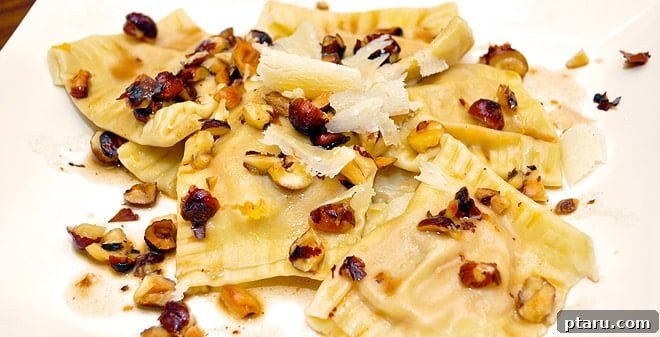
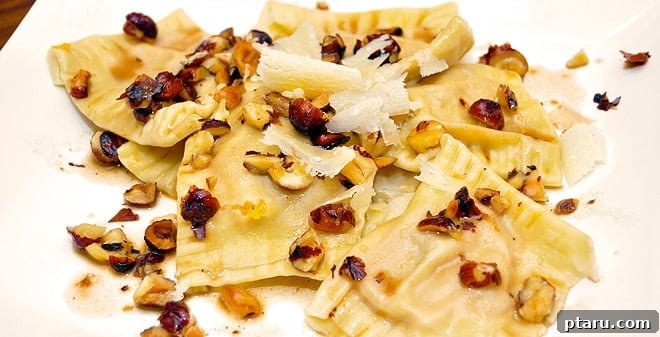
Homemade butternut squash ravioli with a delicious brown butter and toasted hazelnuts sauce offers an unparalleled experience in comfort food. This dish combines the rustic charm of freshly made pasta with the sweet, creamy notes of roasted butternut squash and the rich, nutty aroma of browned butter, all elevated by the delightful crunch of toasted hazelnuts.
Why Butternut Squash is the Perfect Choice for Ravioli
Butternut squash stands out as one of the most versatile and beloved vegetables, especially when the weather turns crisp. Its thick, starchy texture, combined with a naturally sweet, subtle, and creamy flavor, makes it incredibly comforting. Whether mashed, roasted, pureed into a soup, or even starring in baked goods, butternut squash consistently delivers a delightful culinary experience.
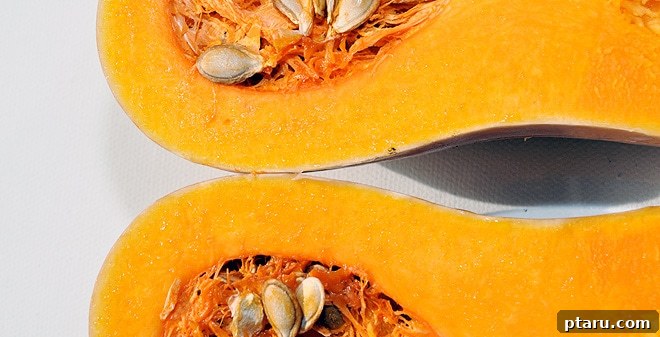
Beyond its fantastic taste, butternut squash offers practical advantages for cooking. Its unique shape yields significantly more edible flesh compared to many other squash varieties. With only a small cavity of seeds concentrated at the base, the majority of its length is solid, dense, and ready for your culinary creations. This efficiency makes it an economical and rewarding choice for larger batches or when you simply want more bang for your buck.
When used in ravioli, butternut squash transforms into an exquisite filling. Roasting it first deepens its inherent sweetness and brings out caramelized notes that are simply irresistible. Its creamy consistency, once mashed, binds beautifully with other ingredients, creating a smooth yet substantial core for each pasta parcel. It’s truly a vegetable that delivers on both flavor and functionality.
Related: Crispy Butternut Squash Fries + Maple Five-Spice Roasted Butternut Squash
The Art of Homemade Pasta: A Labor of Love That Pays Off
There’s an undeniable magic to homemade pasta. While store-bought options are convenient, the tender chewiness and unparalleled freshness of pasta made from scratch elevate any dish to a gourmet level. This is especially true for ravioli, where the delicate wrapper perfectly complements the rich filling within.
Making fresh pasta might seem daunting at first, but it’s a deeply satisfying process. Starting with just a few simple ingredients – flour and eggs – and transforming them into silken sheets is a rewarding culinary journey. The tactile experience of kneading the dough until it’s smooth and elastic, then carefully rolling it thinner and thinner, connects you directly to your food in a way few other preparations can. The resulting texture is superior, holding its shape beautifully and absorbing sauces wonderfully, providing a truly authentic Italian dining experience.
For this butternut squash ravioli, homemade pasta isn’t just an option; it’s a cornerstone of the dish’s exceptional quality. The slight bite of fresh pasta beautifully contrasts with the soft, flavorful filling, creating a symphony of textures that commercial pasta simply cannot replicate.
Related: Butternut Squash Macaroni and Cheese + Butternut Squash Pasta Sauce
Crafting the Exquisite Butternut Squash & Mascarpone Filling
The heart of these ravioli lies in their luxurious filling. To achieve maximum flavor, the butternut squash is first baked in the oven until incredibly soft and caramelized. This roasting process is crucial; it intensifies the squash’s natural sugars, adding a depth of flavor that cannot be achieved through boiling or steaming. The warmth emanating from the oven as the squash roasts is, in itself, a comforting promise of the delicious meal to come.
Once perfectly tender and sweet, the roasted squash flesh is scooped out and mashed. To this, we add fresh sage, which provides an earthy, aromatic counterpoint to the squash’s sweetness. The inclusion of mascarpone cheese is a stroke of genius, transforming the filling into an incredibly creamy, rich, and decadent mixture. Mascarpone, an Italian cream cheese, lends a silky texture and a delicate tang that perfectly balances the squash, ensuring each bite of ravioli is a truly opulent experience. A touch of sautéed onion adds another layer of aromatic complexity, making this filling truly unforgettable.
Assembling Your Homemade Ravioli: A Step-by-Step Guide
With your fresh pasta sheets rolled out thin and your delectable butternut squash and mascarpone filling prepared, it’s time for the most enjoyable part: assembling the ravioli. This process is surprisingly therapeutic and brings you closer to the authentic Italian culinary tradition.
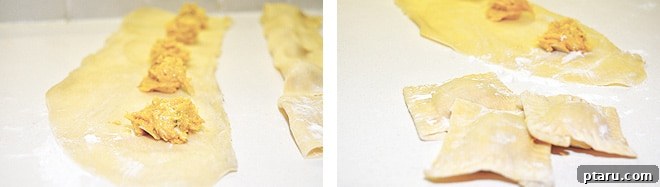
First, lay a long sheet of your homemade fresh pasta onto a lightly floured surface. Using a teaspoon, carefully drop small dollops of the squash mixture about an inch apart down the length of the pasta sheet. It’s important not to overfill, as this can make sealing difficult and lead to bursting during cooking.
Next, gently fold the pasta sheet over the filling. Using dampened fingers, carefully press down around all sides of each dollop of filling, creating a seal. The moisture helps the pasta adhere, ensuring your ravioli stay intact. Pressing firmly but gently around the filling helps to remove any air pockets, which can also cause ruptures when boiled.
Once sealed, use a pizza cutter or a sharp knife to cut the pasta into individual squares or rectangles, ensuring each piece contains a dollop of filling. For a traditional look and an extra-secure seal, fold the cut edges under slightly around all four sides of each ravioli. Then, take a fork and gently crimp the edges. This not only adds a beautiful, rustic aesthetic but also reinforces the seal, preventing the filling from escaping into the cooking water. Repeat this process with the remaining pasta sheets and filling.
Finally, your beautifully crafted ravioli are ready for their brief bath in gently boiling water. Fresh ravioli cook quickly, typically rising to the surface and becoming tender in about 7 minutes. Watch them carefully to avoid overcooking, which can lead to a mushy texture.
The Magical Touch: Brown Butter and Toasted Hazelnuts
While the butternut squash and mascarpone filling is undoubtedly the star, the simple yet incredibly flavorful brown butter and toasted hazelnut sauce is the perfect supporting act. This sauce elevates the dish, adding a layer of rich, nutty complexity and a delightful textural contrast.
Making brown butter, or beurre noisette, is a fundamental technique that yields incredible results. It involves gently melting butter over medium heat and continuing to cook it until the milk solids separate and toast, turning a beautiful golden-brown color and releasing a deeply nutty aroma. This process transforms ordinary butter into something extraordinary, with notes reminiscent of caramel and toasted nuts.
Toasted hazelnuts are then introduced to this browned butter. The toasting process intensifies their flavor and gives them a satisfying crunch that plays wonderfully against the soft ravioli. Their earthy, slightly sweet notes are a natural complement to the butternut squash, creating a harmonious flavor profile. A touch of chicken stock (or vegetable stock for a vegetarian option) is added to emulsify the sauce slightly, preventing it from becoming too heavy and adding a subtle depth.
This sauce is drizzled generously over the cooked ravioli, coating each parcel in its golden, fragrant goodness. The brown-sugary sweetness of the squash pairs exquisitely with the rich, nutty butter and the crunch of hazelnuts. For an added layer of aromatic sophistication, consider adding a few fresh sage leaves to the browning butter; they crisp up beautifully and infuse the sauce with their distinctive aroma.
It would be equally delicious with this incredible Sage and Brown Butter Sauce, highlighting the versatile pairing of sage with nutty butter.
To finish, a generous shaving of nutty Parmigiano-Reggiano adds a salty, savory tang that perfectly cuts through the richness, bringing the entire dish into perfect balance.
Tips for Ravioli Success
- Don’t Overfill: Less is more when it comes to ravioli filling. Too much can cause the pasta to tear or the ravioli to burst during cooking.
- Seal Properly: Use damp fingers and firm pressure to ensure a tight seal. Air pockets are the enemy!
- Cook Gently: Fresh ravioli cook very quickly. Use a gentle simmer rather than a rolling boil to prevent them from breaking apart.
- Dust Well: Prevent sticking by dusting your work surface and finished ravioli with semolina flour.
- Make Ahead: You can prepare the filling a day in advance. Assembled ravioli can be refrigerated on a floured baking sheet for a few hours before cooking, or frozen for longer storage (see below).
- Freezing Ravioli: To freeze, arrange uncooked ravioli in a single layer on a floured baking sheet. Freeze until solid, then transfer to an airtight container or freezer bag. Cook from frozen, adding a few extra minutes to the cooking time.
More Pasta Recipes You’ll Love
- Lazy Lasagna (made with fresh ravioli and jarred tomato sauce – seriously so good!)
- Lobster Ravioli Sauce
- Seafood Pasta with Cream Sauce
- Beet Pasta Sauce
- The Best Meat Sauce
- Asiago Tortelloni Alfredo with Grilled Chicken
- Mushroom Pappardelle
Butternut Squash and Mascarpone Ravioli with Hazelnut Brown Butter
By: Jennifer Pallian BSc, RD
Experience the warmth and exquisite flavors of perfectly crafted butternut squash and mascarpone ravioli, finished with a decadent brown butter and toasted hazelnut sauce. A truly rewarding homemade meal.
Cook Time: 30 minutes
Servings: 4
Ingredients
For Fresh Pasta
- 2 ¼ cups unbleached all-purpose flour, plus more as needed
- 3 eggs, lightly beaten
- Flour for dusting
For Butternut Squash and Mascarpone Ravioli with Hazelnut Brown Butter
- 1 (2-lb) butternut squash
- 2 tbsp olive oil, divided
- 1 small onion, diced
- 1 ½ tbsp fresh sage leaves, minced
- 4 oz mascarpone
- Salt and pepper to taste
- 4 tbsp butter
- 2 tbsp chicken stock (or vegetable stock for vegetarian)
- ¼ cup chopped hazelnuts
- Parmigiano-Reggiano, optional, for shaving
Instructions
For Fresh Pasta
- Place the 2 1/4 cups flour in a mound on a work surface. Make a well in the center large enough to hold the beaten eggs and pour the eggs into the well. Using a fork, begin gradually incorporating some of the flour from the sides, taking care not to break the flour wall. When the eggs are no longer runny, you can stop worrying about the wall. Continue working in more flour until the dough is no longer wet.
- Begin kneading the dough by hand, adding as much additional all-purpose flour as needed until the dough is smooth and no longer sticky, 3 to 5 minutes.
- Dust baking sheets with flour. Divide the dough in half. Keep one half on the work surface, covered with a kitchen towel to prevent it from drying. Set up your pasta machine alongside another work surface. Lightly flour the work surface with some of the reserved sieved flour. Using a rolling pin, flatten the other dough half into a rectangle thin enough to go through the rollers at the widest setting. Pass the dough through the rollers once, then lay the resulting ribbon down on the work surface and flour it lightly. Fold into thirds lengthwise to make a rectangle and flour both sides lightly. Flatten the dough with the rolling pin until it is thin enough to go through the rollers again. With one of the two open edges going first, pass the dough through the rollers nine more times at the widest setting; after each time, flour, fold and flatten the dough as described. After 10 trips through the wide rollers, the dough should be completely smooth and supple.
- Now you are ready to thin the dough. Starting at the second-to-widest setting, pass the dough through the rollers repeatedly, setting the rollers one notch narrower each time. When the pasta ribbon gets unwieldy, cut it in half and continue rolling one part at a time until the dough reaches the desired thinness.
- Arrange the finished pasta sheets on the prepared baking sheets and cover with kitchen towels to prevent drying. Repeat the entire process with the second half of dough.
For Butternut Squash and Mascarpone Ravioli with Hazelnut Brown Butter
- Preheat oven to 400 degrees F (200 degrees C). Cut squash in half, remove seeds, and drizzle with 1 tbsp olive oil. Place flesh side down on a baking sheet, and bake until very soft and caramelized, about 40 minutes.
- In a dry pan over medium heat, lightly toast chopped hazelnuts. Set aside. In the same pan, add the remaining tablespoon of olive oil, and cook diced onion with minced sage until soft and golden, about 5-7 minutes. Scoop flesh from the cooked squash, and add to the onion mixture. Mash together thoroughly. Allow to cool slightly, then add mascarpone and combine well. Season with salt and pepper to taste.
- Drop teaspoonfuls of squash mixture about an inch apart down the length of a pasta sheet. Fold pasta over the filling, and use dampened fingers to seal the entire length. Press pasta down firmly around all sides of each dollop of filling to seal, removing any air. Use a pizza cutter or sharp knife to cut the pasta into squares of equal size, each with a dollop of filling in the center. For a classic look and extra security, fold the cut edges under, around all four sides of ravioli. Use a fork to crimp and seal the edges. Repeat with the remaining pasta sheet and filling. Drop ravioli into a pot of gently boiling salted water and cook until they are tender and rise to the surface (about 7 minutes).
- While ravioli cooks, prepare the sauce. Heat butter in a clean pan over medium heat. Continue to cook, swirling occasionally, until the butter browns and nutty aromas develop (be careful not to burn it). Add the toasted hazelnuts to the browned butter. Stir in the chicken stock and remove from heat.
- Drain the cooked ravioli and arrange on plates. Drizzle the brown butter sauce generously over the ravioli. Top with freshly shaved Parmigiano-Reggiano, if desired.
- *Chef’s Note: A vegetable peeler works wonderfully to create delicate shavings and curls of Parmigiano-Reggiano.
Nutrition
Carbohydrates: 96g |
Protein: 17g |
Fat: 35g |
Saturated Fat: 17g |
Polyunsaturated Fat: 2g |
Monounsaturated Fat: 9g |
Trans Fat: 0.5g |
Cholesterol: 181mg |
Sodium: 178mg |
Potassium: 1340mg |
Fiber: 9g |
Sugar: 8g |
Vitamin A: 37089IU |
Vitamin C: 71mg |
Calcium: 251mg |
Iron: 7mg
Nutrition information is automatically calculated, so should only be used as an approximation.