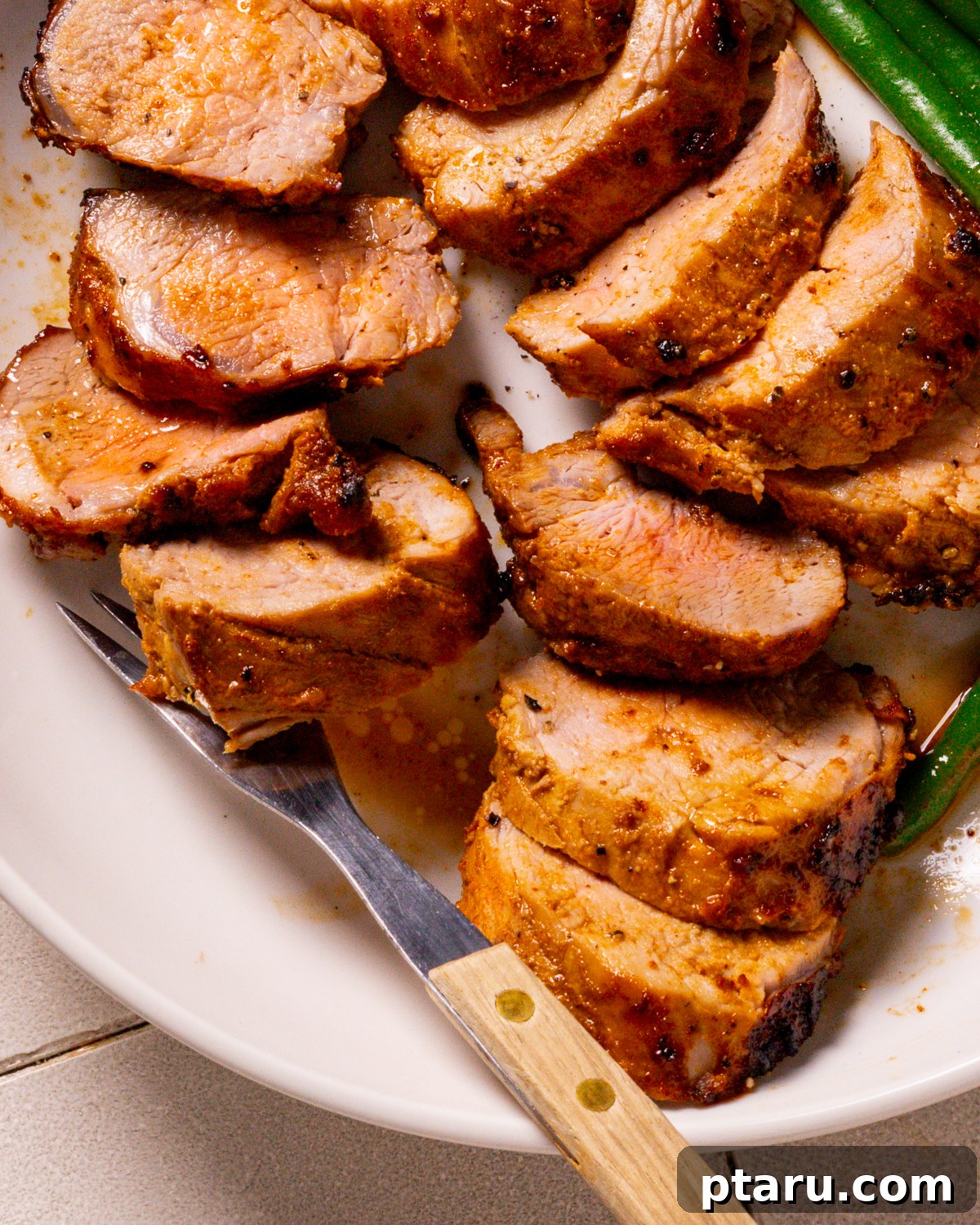
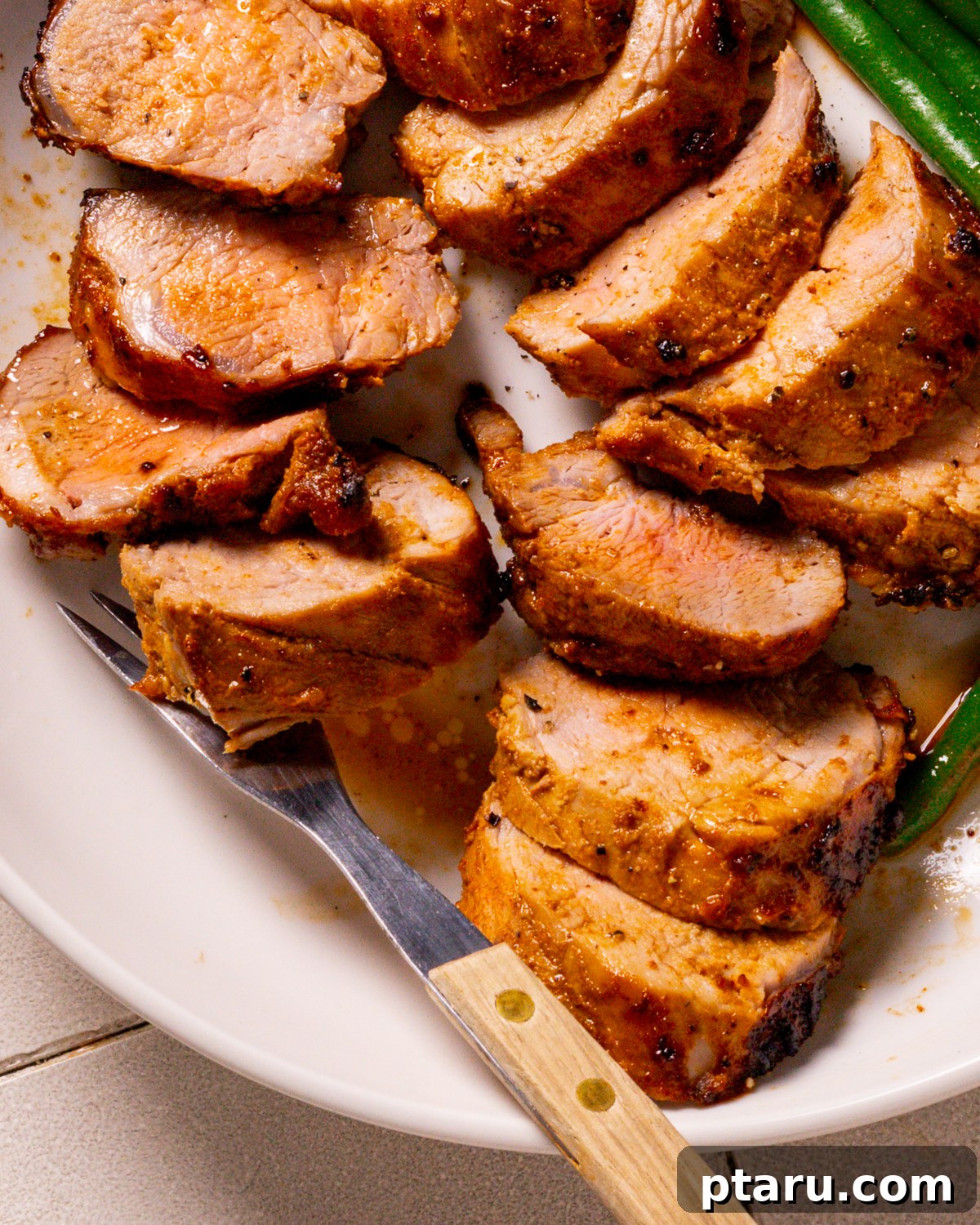
Transform your weeknight dinner into an unforgettable culinary experience with this incredible pork tenderloin marinade. Designed for maximum flavor and tenderness, this marinade ensures your pork is consistently juicy, packed with savory notes, and boasts a beautifully caramelized crust. As an added bonus, the leftover marinade cleverly reduces into a rich, delicious glaze while your pork rests, offering a restaurant-quality finish with minimal extra effort.
Essential Pork Tenderloin Marinade Ingredients for Maximum Flavor
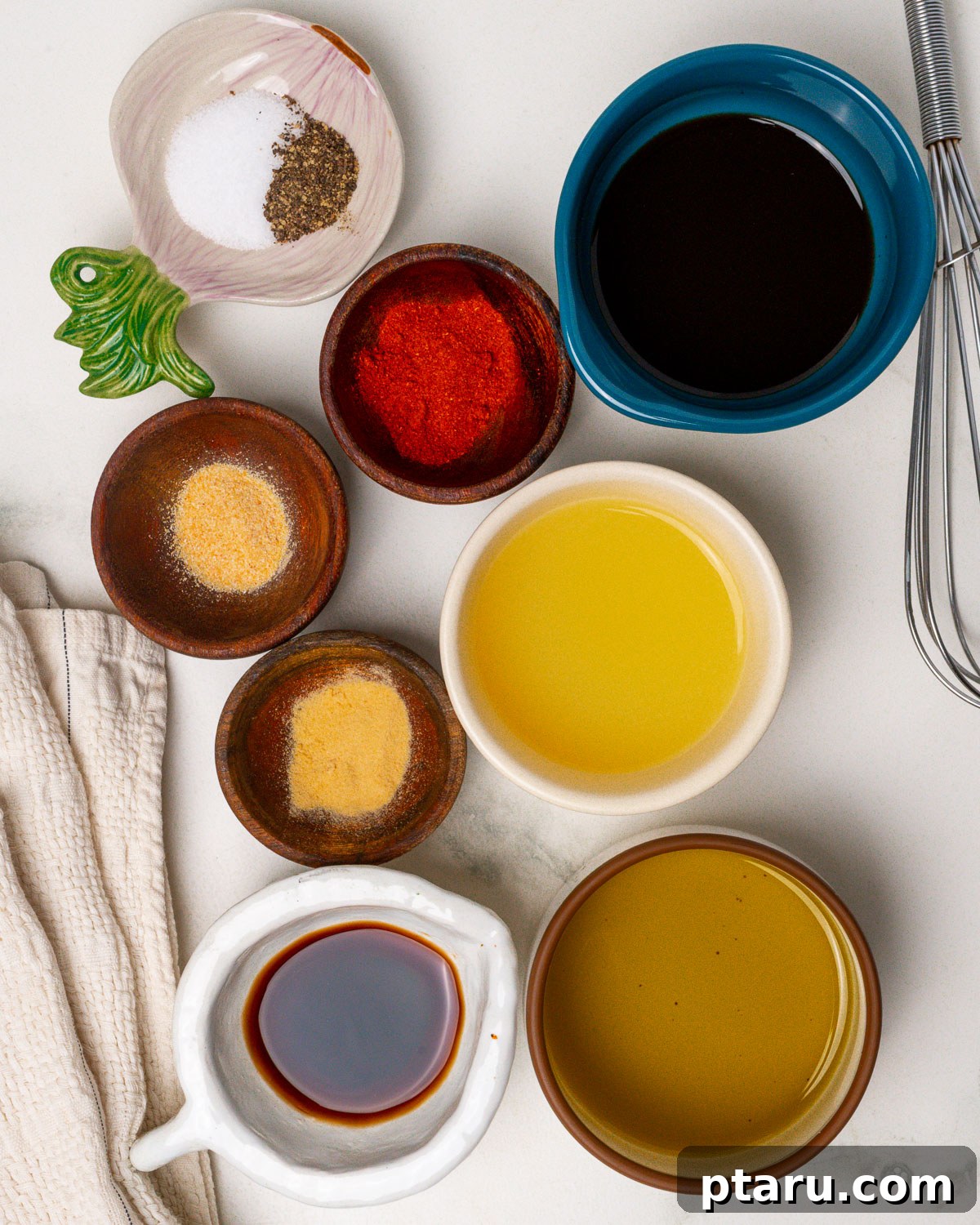
A truly effective tenderloin marinade serves a dual purpose: it deeply seasons the meat, infusing it with flavor from within, and it contains elements that promote a beautiful caramelization when the pork hits a hot pan or grill. This carefully crafted recipe achieves both, delivering an unparalleled taste and texture.
- Olive oil: Forming the essential fat base, olive oil plays a crucial role. It acts as a carrier for the various spices, ensuring they adhere well to the pork. More importantly, its presence facilitates excellent browning and crust development during searing, contributing to a rich, appetizing exterior.
- Lemon juice: This is our key acidic component. Lemon juice subtly tenderizes the pork by beginning to break down muscle fibers, resulting in a more succulent bite. It also provides a bright, zesty counterpoint that elevates and balances the overall flavor profile of the marinade.
- Soy sauce: A powerhouse of savory, umami flavor, soy sauce is indispensable. It penetrates the meat, adding a profound depth that salt alone cannot achieve. Its sugars and amino acids are also critical for developing that highly desirable, dark caramelized crust during the searing process.
- Worcestershire sauce: This ingredient brings a unique layer of complexity. With its subtle blend of sweet, tangy, and savory notes, Worcestershire sauce adds an elusive yet vital depth of flavor. You might not immediately identify it, but its absence would be sorely missed, creating a more one-dimensional taste.
- Brown sugar: A touch of brown sugar introduces a hint of sweetness that rounds out the savory elements. Crucially, it significantly aids in the caramelization process, helping the pork achieve a golden-brown exterior much faster and more intensely when seared.
- Kosher salt: Essential for seasoning, kosher salt enhances all other flavors. It also assists in the marinating process by drawing moisture and flavor into the meat, contributing to juiciness.
- Black pepper: Freshly ground black pepper adds a warm, pungent kick that complements the other marinade ingredients and provides a subtle heat.
- Garlic (fresh or powder): Whether fresh and minced or in convenient powdered form, garlic delivers a foundational aromatic and savory punch. It’s a classic pairing with pork, adding irresistible depth.
- Onion powder: Offering a milder, more evenly distributed onion flavor than fresh onion, onion powder contributes to the savory base without adding texture, ensuring a smooth marinade.
- Dried parsley: This herb infuses the marinade with a warm, slightly earthy, and fresh aromatic quality. It adds a visual appeal and a pleasant, herbaceous background note to the finished dish.
You’ll find the precise quantities for each ingredient in the comprehensive recipe card located at the bottom of this article.
Versatile Variations and Simple Substitutions
This marinade is incredibly adaptable! Here are some straightforward ways to customize it or make use of ingredients you already have on hand:
- Embrace balsamic vinegar: For a richer, slightly sweeter, and more complex flavor profile, swap out the lemon juice for an equal amount of balsamic vinegar. This variation is particularly fantastic if you plan to finish the pork by oven roasting.
- Dijon pork tenderloin marinade: Infuse a delightful tangy kick and encourage an even crispier crust by stirring in 1 tablespoon of Dijon mustard to this basic marinade recipe. The mustard not only adds flavor but also helps create a more robust sear.
- Combine marinades and rubs: For an unparalleled depth of flavor, marinate the pork for at least 2 hours. Before searing, pat the tenderloin thoroughly dry and then press a simple dry spice rub onto its surface. This technique creates a delicious double layer of seasoning that truly stands out.
- Gluten-free alternatives: Easily make this recipe gluten-free by substituting tamari or coconut aminos for both the soy sauce and Worcestershire sauce. Both offer similar umami depth without the gluten.
- Italian seasoning twist: Add a Mediterranean flair by incorporating 1 teaspoon of dried Italian seasoning blend into the marinade. This will introduce an aromatic, herb-forward taste that pairs wonderfully with pork.
- Fantastic on chicken too: This isn’t just for pork! This robust and flavorful mixture makes an excellent all-purpose marinade. Feel free to use it on chicken thighs or breasts for equally delicious results. Just remember that cooking times will vary; for guidance on poultry, explore our teriyaki chicken marinade recipe to understand how marinades interact with different meats.
- Pork loin compatibility: This marinade is also perfectly suitable for a larger pork loin. Due to the loin’s increased size and thickness, simply extend the marinating time to a full 8 to 12 hours to allow the flavors to penetrate adequately.
Eager for more pork tenderloin recipe inspiration? Be sure to try our incredibly easy air fryer pork tenderloin for quick meals or the succulent chipotle pulled pork tenderloin, two of our absolute favorites for diverse flavor profiles.
Essential Tools for a Seamless Cooking Experience
Having the right kitchen equipment makes all the difference in achieving perfect marinated pork tenderloin from start to finish. Here’s a list of what you’ll need:
- Gallon-sized resealable bag or shallow dish: For the marinating process. A resealable bag is highly recommended as it allows the pork to be fully submerged and coated with less marinade, ensuring even flavor distribution. If using a dish, ensure it’s shallow enough to keep the pork adequately covered.
- Whisk and medium bowl: These are crucial for thoroughly combining all the marinade ingredients. A good whisk ensures that the brown sugar dissolves completely and all flavors are evenly blended before the pork is introduced.
- Oven-safe skillet: A sturdy cast iron skillet is the ideal choice here. Its excellent heat retention properties allow you to achieve a perfect, deep sear on the stovetop before seamlessly transferring the entire pan to the oven for finishing, simplifying cleanup.
- Instant-read thermometer: This is an absolutely non-negotiable tool for cooking pork tenderloin. It allows you to precisely monitor the internal temperature, ensuring you pull the pork from the oven at exactly 145°F (63°C), guaranteeing tenderness and preventing overcooking.
- Cutting board: Essential for transferring the cooked pork to rest. A large, sturdy cutting board provides a stable surface for resting and then for slicing the tenderloin into perfect medallions.
- Small saucepan: If you opt to make the quick glaze (highly recommended!), a small saucepan is needed to reduce the reserved marinade into a rich, thickened sauce that beautifully complements the pork.
- Tongs: Sturdy tongs are invaluable for safely turning the pork tenderloin during the searing process, ensuring even browning on all sides without piercing the meat.
Mastering the Art of Pork Tenderloin Marinade: A Simple Step-by-Step Guide
This effortless pork tenderloin marinade comes together in a single bowl in just about 5 minutes, making it perfect for busy schedules. Here’s a detailed breakdown of the entire process, from mixing your marinade to serving a spectacular meal.
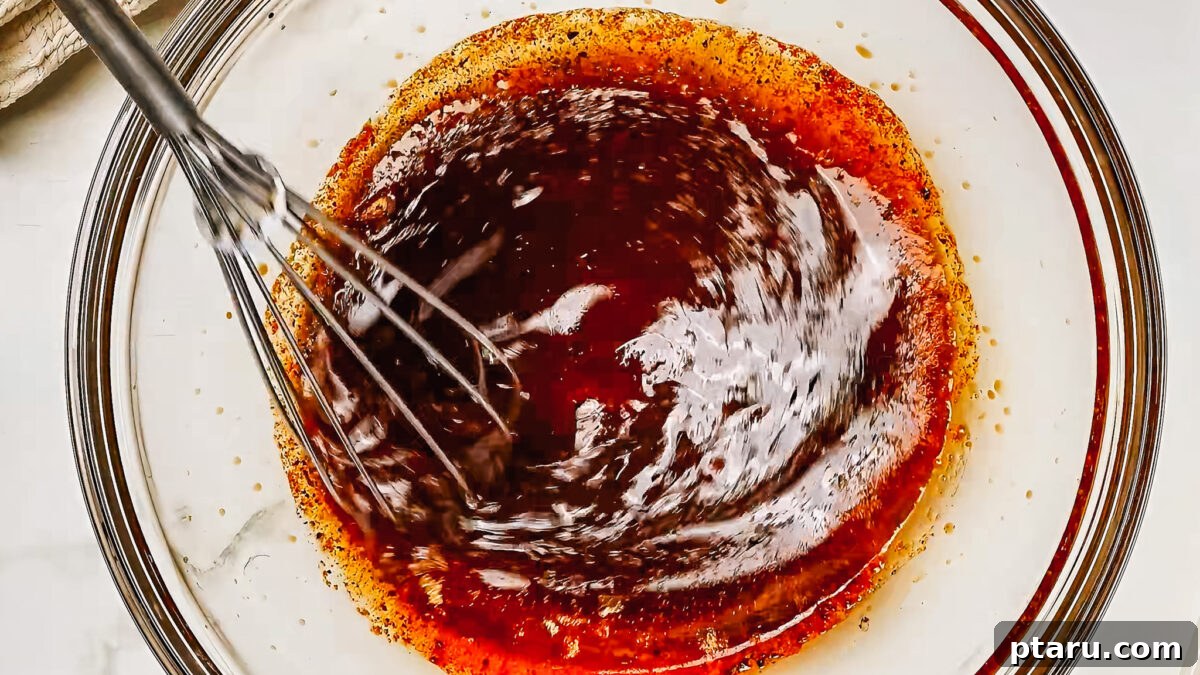
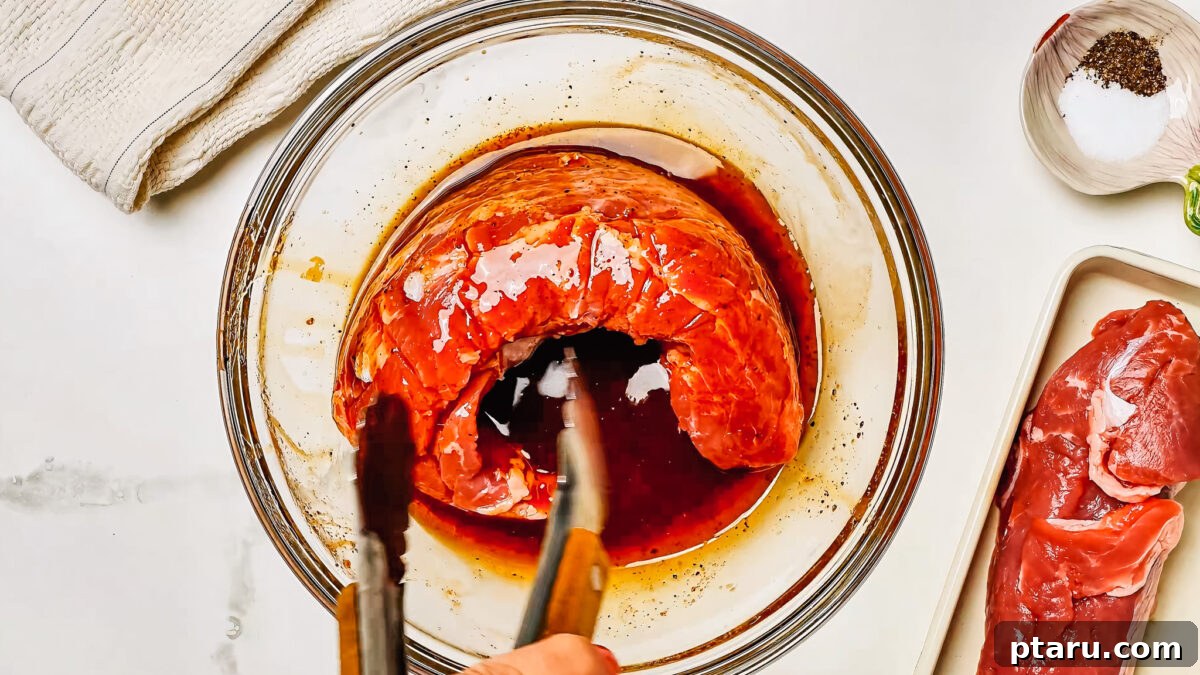
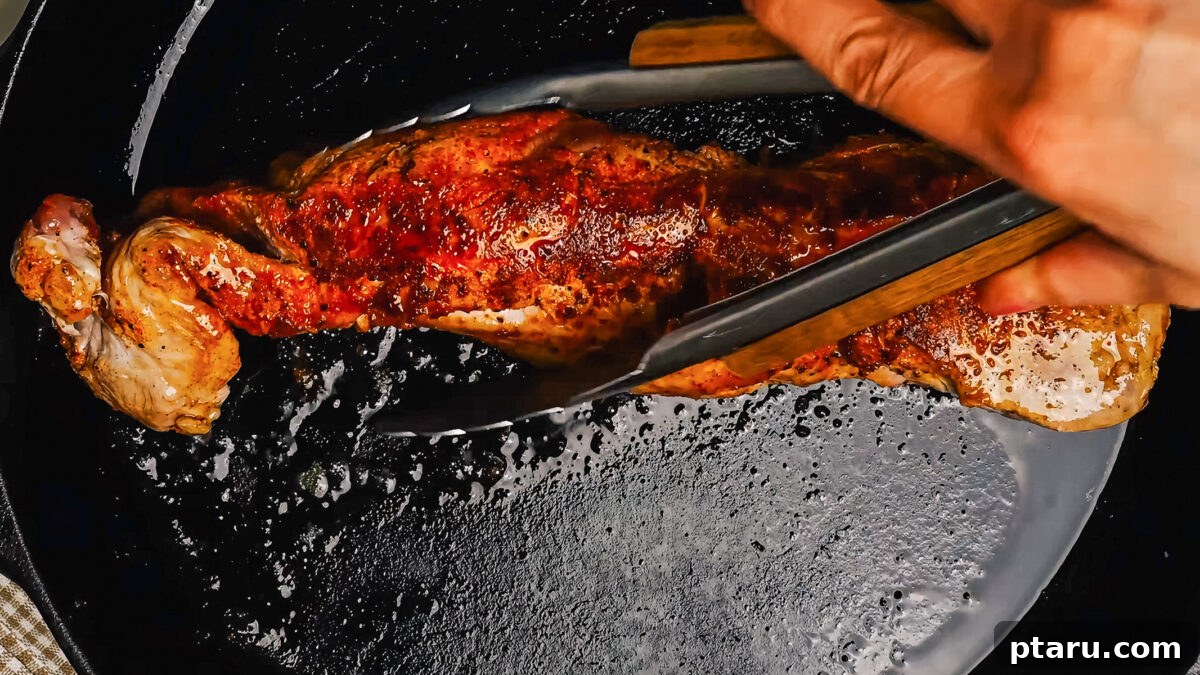
1. Whisk the Marinade to Perfection
In a medium-sized bowl, combine the olive oil, lemon juice, soy sauce, Worcestershire sauce, brown sugar, kosher salt, black pepper, minced garlic (or garlic powder), onion powder, and dried parsley. Whisk all the ingredients together vigorously until they are thoroughly combined. It’s particularly important to whisk until the brown sugar is completely dissolved and integrated into the liquid, ensuring an even distribution of sweetness and caramelizing agents before you introduce the pork. This meticulous mixing forms the foundation of your tenderloin’s flavor.
2. Marinate the Pork for Deep Flavor Infusion
Carefully place your pork tenderloin into a gallon-sized resealable bag or a shallow, non-reactive dish. Pour the prepared marinade over the pork, ensuring it is fully coated. If using a bag, press out any excess air before sealing and turn the bag to evenly distribute the marinade. Refrigerate for a minimum of 2 hours. For the absolute best and most profound flavor penetration, aim for 8 to 12 hours of marinating time. While you can safely marinate for up to 24 hours if you’re planning ahead, avoid exceeding this timeframe as the acid in the marinade can begin to break down the surface texture of the meat, potentially leading to a mushy rather than tender result.
3. Sear the Pork for an Irresistible Crust
Before searing, remove the pork from the marinade and pat it thoroughly dry with paper towels. This crucial step prevents the meat from steaming and is the secret to achieving that coveted dark, caramelized crust. Either discard the used marinade (if not making a glaze) or set aside any unused portion for preparing the optional glaze later. Heat an oven-safe skillet (cast iron is excellent) over medium-high heat and add a splash of neutral oil. Once the oil is shimmering, carefully place the dried tenderloin in the hot pan. Sear for approximately 2 minutes per side, rotating until a beautiful dark, caramelized crust has formed evenly across all surfaces of the pork. This Maillard reaction is key to developing rich, savory flavors.
4. Roast to the Perfect 145°F (63°C) Internal Temperature
Preheat your oven to 400°F (200°C). Once the pork tenderloin has been seared on all sides, transfer the skillet directly to the preheated oven. Roast for 15 to 25 minutes, depending on the thickness of your tenderloin. A thinner cut will typically be done closer to the 15-minute mark, whereas a larger, thicker tenderloin may require the full 25 minutes. Begin checking the internal temperature with an instant-read thermometer at the 15-minute point. It is absolutely essential to pull the pork from the oven precisely when the thickest part reaches 145°F (63°C). This temperature ensures it’s perfectly cooked, juicy, and safe to eat, with a slight hint of pink in the center, which is completely normal and desirable for tender pork.
5. Rest on a Cutting Board: The Golden Rule
Once the pork reaches the target internal temperature, immediately transfer it from the skillet to a clean cutting board. Tent it loosely with aluminum foil to keep it warm and allow it to rest undisturbed for a full 10 minutes before slicing. This resting period is non-negotiable and vital for a truly juicy result. Slicing the pork too soon will cause all the delicious internal juices to spill out onto the cutting board, leaving you with dry meat instead of retaining that precious moisture and flavor within each slice.
6. Craft the Quick Glaze (Optional but Recommended)
While your pork tenderloin is resting, prepare the optional but highly recommended quick glaze. If you reserved some of the initial marinade (before it touched raw pork), pour it into a small saucepan. Bring the marinade to a rolling boil over medium-high heat, then reduce the heat to a simmer and let it cook for about 5 minutes, or until it has slightly thickened to a glaze consistency. During this simmering time, any potential bacteria from the raw pork are thoroughly eliminated, making the marinade safe to use as a delectable sauce. Finally, whisk in a tablespoon of cold butter off the heat. The butter will melt into the warm glaze, adding a beautiful richness and sheen, creating a savory sauce that pairs perfectly with your tenderloin. This step eliminates the need for a separate Pork Gravy.
7. Slice and Serve with a Flourish
After the pork has rested for the full 10 minutes, slice it into elegant 1/2-inch medallions. Arrange them artfully fanned out on a serving plate. Drizzle the warm, reduced glaze generously over the top of the sliced pork. Taste a piece and, if desired, add a final pinch of salt to enhance the flavors. Serve immediately and enjoy the perfectly tender, flavor-infused pork tenderloin you’ve created.
Avoid These 5 Common Mistakes for Perfect Marinated Pork Tenderloin
Even with a fantastic marinade, small errors in technique can impact your final dish. Here are the most frequent missteps to avoid when preparing marinated pork tenderloin, ensuring consistently excellent results:
- Not patting the pork dry before searing: This is perhaps the most critical mistake. Any moisture on the surface of the meat will cause it to steam rather than sear, preventing the formation of that delicious, dark, caramelized crust. Even after marinating, it is imperative to pat the surface very thoroughly dry with paper towels before the pork ever touches the hot pan.
- Marinating for too long: While more marinating time often sounds better, it’s not always the case with pork tenderloin. Marinating for more than 24 hours, particularly with an acid-containing marinade like this one, can cause the lemon juice to break down the surface texture of the meat too much. This can lead to a mushy rather than tender consistency, compromising the integrity of the pork.
- Overcooking the tenderloin: This is the number one culprit behind dry, tough pork tenderloin, regardless of whether a marinade is used. The lean nature of tenderloin means it cooks quickly and can dry out rapidly. Always use an instant-read thermometer and pull the pork from the heat exactly when it reaches an internal temperature of 145°F (63°C). It will appear slightly pink in the center, which is perfectly correct, safe, and indicative of ideal juiciness.
- Skipping the resting period: Transferring the pork to a cutting board and allowing it to rest for a full ten minutes before slicing is a non-negotiable step. This crucial period allows the muscle fibers to relax and reabsorb their juices. If you cut into the meat too soon, all those flavorful juices will escape onto the cutting board instead of remaining locked within the meat, resulting in a less juicy and less flavorful dish.
- Using leftover marinade without boiling it first: Never, under any circumstances, use marinade that has come into contact with raw pork as a sauce without first bringing it to a full, rolling boil and simmering for at least 5 minutes. This prolonged heat exposure is essential to kill any bacteria from the raw meat, making the marinade safe to consume as a delicious glaze.
Convenient Make-Ahead and Storage Solutions
This marinated pork tenderloin recipe is exceptionally well-suited for meal preparation, allowing you to enjoy delicious, perfectly seasoned pork throughout the week with minimal effort.
Storing Leftovers
- Refrigerator storage: Any leftover cooked and sliced pork tenderloin should be stored in an airtight container in the refrigerator for up to 3 days. If you’ve prepared the glaze, store it in a separate airtight container to maintain its consistency and flavor.
- Marinade only preparation: You can conveniently prepare the marinade in advance. Mix all the ingredients and store the unused marinade in a sealed jar in the fridge for up to 5 days before you’re ready to marinate your pork.
- Meal prep versatility: Leftover sliced marinated pork is incredibly versatile. It’s fantastic in grain bowls, makes a flavorful addition to wraps and sandwiches, or can be tossed with pasta and a medley of roasted vegetables for a quick and satisfying lunch.
Freezing for Future Meals
- Freeze raw in the marinade: This is one of the best meal prep hacks! Place the uncooked pork tenderloin directly into a freezer-safe bag with the marinade. Press out as much air as possible, seal, and freeze flat for up to 3 months. The pork will conveniently marinate as it thaws slowly in the refrigerator overnight, saving you time and effort on cooking day.
- Freeze cooked pork: To freeze cooked pork tenderloin, wrap the sliced meat tightly in plastic wrap, then enclose it in aluminum foil. It can be frozen for up to 3 months. Thaw the pork in the refrigerator overnight before gently reheating.
Reheating Pork Tenderloin Effectively
- Oven reheating: To maintain moisture, place the sliced pork in an oven-safe dish, add a splash of chicken broth or water, cover tightly with foil, and reheat at 300°F (150°C) for 10 to 15 minutes.
- Microwave reheating: For a quicker option, reheat in short bursts at medium power in the microwave. Always add a splash of broth or water to the container before covering to help prevent drying out.
- The “low and slow” rule: Remember that pork tenderloin is a lean cut and will dry out very quickly if reheated at high temperatures. The key to preserving its tenderness and juiciness is to reheat it gently, using a low and slow approach.
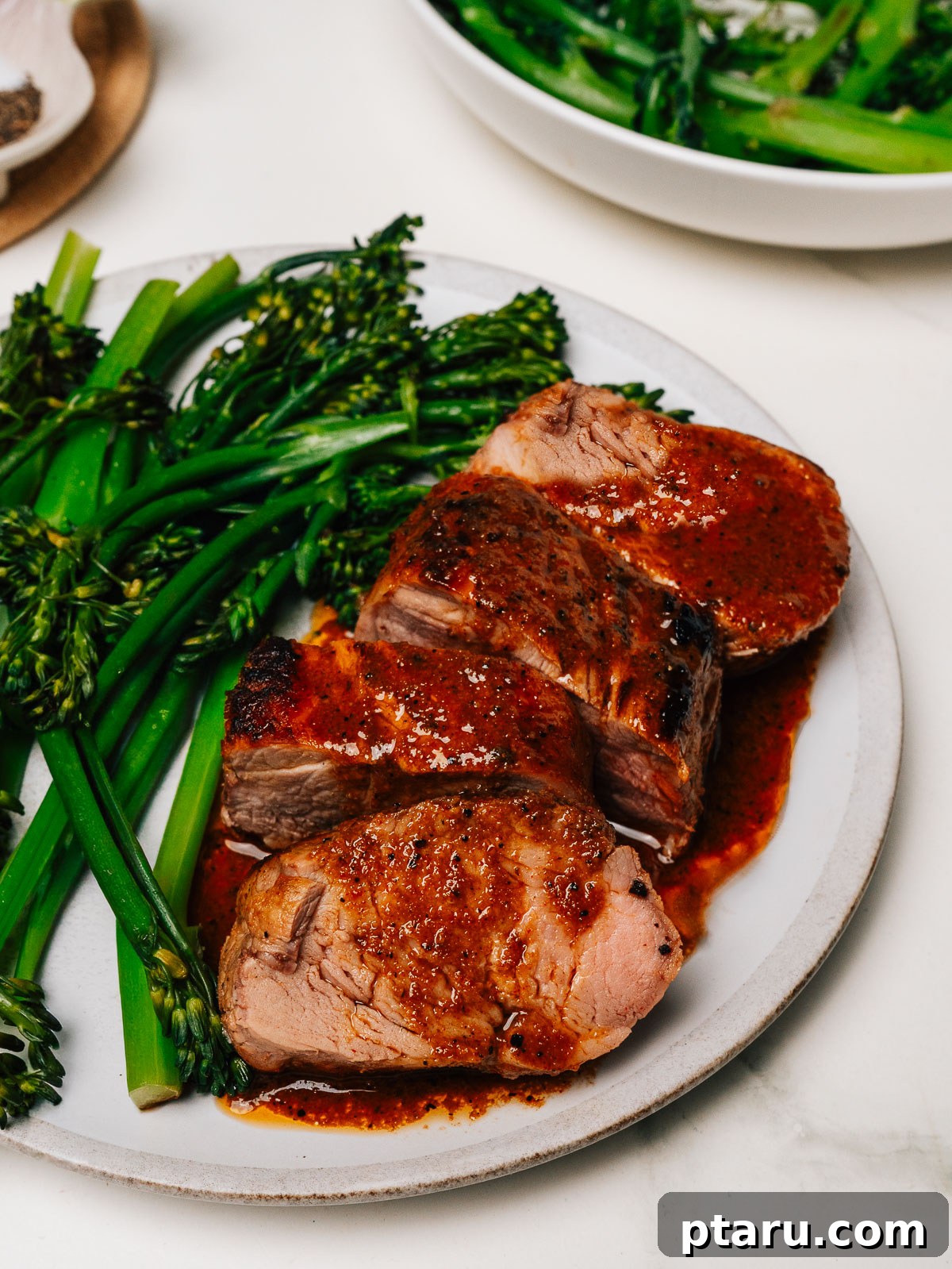
Serving Suggestions for Your Marinated Pork Tenderloin
This incredibly versatile marinade is my absolute go-to for oven-baked pork tenderloin, but it shines just as brightly when used for grilled pork tenderloin during the warmer months. For those looking for a different approach to pork, consider trying it with our delightful roast pork loin recipe, adapting the marinating times accordingly.
Sauce and Topping Options to Elevate Your Dish
- The reduced marinade glaze: This is truly the star sauce! Always remember to reserve a portion of the marinade *before* adding the raw pork. The boiled-down version creates an irresistibly savory, slightly thickened glaze that clings beautifully to the meat and is incredibly hard to beat.
- Fresh herbs: A sprinkle of freshly chopped flat-leaf parsley or delicate fresh thyme leaves over the top of the sliced pork adds a vibrant pop of color, a burst of fresh aroma, and a bright, herbaceous finish that perfectly complements the rich flavors.
Perfect Side Dishes for Marinated Pork Tenderloin
This easy marinated pork tenderloin is a true chameleon, pairing harmoniously with almost any side dish you can imagine. Here are some of my top recommendations to create a complete and satisfying meal:
- Creamy Mashed Potatoes: A timeless classic for a reason! The rich, buttery texture of mashed potatoes is the ultimate canvas for soaking up every last drop of the savory glaze, which doubles perfectly as a decadent gravy.
- Fluffy Instant Pot Rice: Ready in a mere 15 minutes, perfectly cooked rice is an excellent accompaniment. Its neutral flavor and absorbent texture make it ideal for capturing and complementing the flavorful reduced marinade glaze.
- Pan-Fried Asparagus or Green Beans: For a fast, simple, and elegant side, quickly pan-fry some crisp asparagus or tender green beans. Their fresh, slightly crisp texture provides a wonderful contrast to the tender pork, allowing the main dish to truly shine.
- A Bright Green Salad: To keep the meal light and refreshingly balanced, particularly on busy weeknights, serve your pork alongside a simple green salad dressed with a light vinaigrette.
- Crusty No-Knead Bread: Don’t let a single drop of that incredible glaze go to waste! A warm, crusty loaf of bread is perfect for mopping up any remaining sauce from your plate, ensuring you enjoy every last bit of flavor.
Pro Tips, Science-Based Secrets, and Final Notes for Success
To ensure your pork tenderloin turns out perfectly every single time, pay close attention to these expert tips and the scientific principles behind them:
- The 8 to 12-hour sweet spot: While two hours of marinating will yield decent results, the true magic happens between 8 and 12 hours. This extended period allows the flavors to deeply penetrate the meat, resulting in a significantly more flavorful and tender final product. I often recommend mixing the marinade and adding the pork the night before to simplify meal prep.
- Never skip the pat-dry step: This cannot be stressed enough. Moisture on the surface of the meat actively inhibits the Maillard reaction (the chemical process responsible for searing and browning). After removing the pork from the marinade, pat it extremely dry with paper towels just before it goes into the hot pan. This seemingly small step is the secret to achieving that desirable, deeply caramelized crust.
- Always use an instant-read thermometer: This is your most reliable tool for consistently cooking pork tenderloin that is perfectly tender and juicy, never dry. Pull the pork from the heat at precisely 145°F (63°C). The temperature will continue to rise slightly as it rests (carry-over cooking). This internal temperature ensures safety and optimal texture, even if the center appears slightly pink.
- Reserve marinade before adding raw pork: To safely create a delicious glaze, always set aside a portion of the marinade *before* any raw meat touches it. This reserved portion can then be reduced into a safe and savory glaze. Never use marinade that has come into contact with raw pork as a sauce without thoroughly boiling it first to eliminate bacteria.
- Understand the power of acid: Lemon juice isn’t merely for a bright flavor. The acidity in the marinade plays a crucial role in gently breaking down the surface muscle fibers of the pork. This chemical tenderization works in conjunction with proper cooking techniques to contribute to an exceptionally tender final texture.
- Freeze the pork in its marinade: This is a phenomenal meal prep strategy. Combine raw pork and the prepared marinade in a freezer-safe bag, press it flat, and freeze for up to 3 months. When you’re ready to cook, simply thaw the bag in the refrigerator overnight. The pork will marinate beautifully as it thaws, giving you 8 to 12 hours of flavor infusion without any extra effort on cooking day. This trick works wonderfully with our Teriyaki Chicken Marinade, too!
Frequently Asked Questions About Pork Tenderloin Marinade
For those who prefer a quick glance, here are concise answers to some of the most commonly asked questions regarding pork tenderloin marinades:
For the best flavor penetration and tenderness, pork tenderloin should marinate for at least 2 hours, with an ideal window of 8 to 12 hours. It is safe to marinate pork tenderloin in the refrigerator for up to 24 hours. Exceeding 24 hours is not recommended, as the acid in the marinade can begin to break down the meat’s texture, potentially making the surface mushy.
The most effective marinade for pork tenderloin strikes a perfect balance of fat, acid, salt, and aromatic flavors. This recipe utilizes olive oil, lemon juice, soy sauce, Worcestershire sauce, garlic, onion powder, and parsley. This combination works exceptionally well for both oven-roasted and grilled pork tenderloin, ensuring juiciness and a rich crust. For those who prefer a sweeter profile, adding honey or a bit more brown sugar can create a delightful variation.
Absolutely, marinating pork tenderloin overnight is not only safe but highly recommended. In fact, an 8 to 12-hour marinating period, which typically includes overnight, is considered ideal for this marinade, allowing the flavors to deeply infuse into the meat. Simply place the tenderloin in a sealed bag or covered container in the refrigerator, and it will be perfectly ready for cooking the following day.
Yes, you can safely use leftover marinade as a sauce, but only after it has been thoroughly cooked. To do this, pour the reserved marinade into a small saucepan, bring it to a vigorous rolling boil, and then simmer it for a minimum of 5 minutes. This crucial step eliminates any bacteria that may have transferred from the raw meat, rendering the liquid safe to consume as a thickened, flavorful glaze to drizzle over your sliced pork.
Marinated pork tenderloin should be cooked to an internal temperature of 145°F (63°C). At this precise temperature, the center of the pork will appear slightly pink, which is considered perfectly safe and indicates optimal juiciness. Always use an instant-read thermometer inserted into the thickest part of the meat to ensure accuracy. After cooking, allow the pork to rest for 10 minutes before slicing it into medallions to retain all its delicious juices.
Yes, freezing raw pork tenderloin with its marinade in a freezer-safe bag is an excellent meal prep technique. By freezing it flat, the pork marinates as it slowly thaws in the refrigerator overnight, providing the perfect 8 to 12 hours of marinating time without any additional effort. Once thawed, you can cook it according to the recipe instructions for a quick and flavorful meal.
Absolutely! This marinade is fantastic for grilling pork tenderloin, especially during warmer weather. Preheat your grill to medium-high heat, then cook the marinated tenderloin, turning it every 2 to 3 minutes, until it reaches an internal temperature of 145°F (63°C). The soy sauce and Worcestershire sauce in the marinade contribute beautifully to building a flavorful char and a lovely crust on the outside.
While the marinade recipe itself remains the same, pork loin, being a larger and denser cut, requires a longer marinating time. For pork loin, aim for an 8 to 24-hour marinating period to allow the flavors to penetrate adequately. Additionally, the roasting time will significantly increase; a pork loin typically needs at least 45 minutes in a 375°F (190°C) oven, in contrast to the 15 to 25 minutes required for a more slender tenderloin.
Other Delicious Pork Recipes You’ll Love
If you’ve enjoyed this pork tenderloin marinade, you’re sure to find more favorites among these other fantastic pork recipes:
- Slow Cooker Pork Shoulder: Fall-Apart Tender Results
- Slow Cooker Pork Loin: Effortless & Flavorful
- Pulled Pork Tenderloin with Chipotle BBQ Sauce: Quick & Zesty
- Air Fryer Pork Loin: Crispy Exterior, Juicy Interior
- Juicy Stuffed Pork Chops: An Elegant Dinner Option

Print Recipe
Juicy Pork Tenderloin Marinade (5-Minute Prep!)
Jennifer Pallian BSc, RD
5 minutes
25 minutes
1 day
1 day 30 minutes
4
Ingredients
Marinade:
- 3 tbsp olive oil
- 2 tbsp lemon juice
- 1 tbsp soy sauce
- 1 tbsp Worcestershire sauce
- 1 tbsp minced fresh garlic (or 1 tsp garlic powder)
- 1 tbsp brown sugar
- 1 tsp kosher salt
- ½ tsp black pepper
- 1 tsp onion powder
- 1 tsp dried parsley
For Cooking:
- 1 pork tenderloin 1 to 1 1/2 lb, silver skin removed
- 2 tbsp neutral oil for searing
For Glaze, optional
- ½ cup chicken broth or water
- 1 tbsp cold butter
Instructions
-
1. Whisk the marinade. Combine all marinade ingredients in a medium bowl or measuring jug. Whisk thoroughly until fully combined and the brown sugar is dissolved.
-
2. Marinate the pork. Place the tenderloin in a gallon-sized resealable bag. Pour in the marinade, seal, pressing out excess air, and turn to coat. Refrigerate for at least 2 hours, or up to 24 hours. For best flavor, marinate 8 to 12 hours.
Quick Oven Method:
-
3. Sear. Remove the pork from the bag and pat it very dry with paper towels. Set aside the unused marinade if you plan to make a glaze.
-
Heat an oven-safe skillet over medium-high heat with a splash of oil. Sear the tenderloin for 2 minutes per side until a dark, caramelized crust forms all over.
-
4. Roast. Transfer the skillet to a preheated 400°F (200°C) oven. Roast for 15 to 25 minutes. Begin checking with an instant-read thermometer at 15 minutes. Pull the pork when it reaches 145°F (63°C) in the thickest part.
-
5. Rest. Transfer the cooked pork to a cutting board and tent it loosely with foil. Let it rest for 10 minutes before slicing.
Make a Glaze (Optional):
-
6. Prepare the Glaze. While the cooked pork rests, pour the reserved marinade into the pork skillet, scraping up any browned bits from the bottom of the pan (use a separate small saucepan if the bits are burnt or you used a different cooking method for the pork). Add 1/2 cup chicken broth or water.
Bring to a rolling boil, then reduce the heat and simmer for 5 minutes until the sauce is reduced by half and slightly thickened. Whisk in the cold butter until melted and incorporated. Taste and adjust with more salt and pepper as desired. Drizzle this rich glaze over the sliced pork to serve.
Notes
- Silver skin: Always remember to remove the tough, silvery membrane (silver skin) from the pork tenderloin before marinating. This connective tissue will not soften during cooking and can make the meat tough. To remove, slip a sharp paring knife under one end of the silver skin and slide it along the meat, peeling it away.
- Marinating time: A minimum of two hours is necessary for flavor development, but 8 to 12 hours is truly ideal for deep infusion. Do not exceed 24 hours, as the acidity in the marinade can begin to break down the surface texture of the meat, potentially making it mushy.
- Using leftover marinade safely: Never use marinade that has touched raw pork as a sauce without first bringing it to a full rolling boil and simmering it for at least 5 minutes. This ensures all bacteria from the raw meat are eliminated, making it safe to consume.
- Freeze in marinade: For excellent meal prep, place raw pork and the marinade together in a freezer-safe bag and freeze it flat for up to 3 months. The pork will conveniently marinate as it thaws in the refrigerator overnight, ready to cook the next day.
- PRO TIP for an incredible crust: If you have an extra 30-60 minutes, after marinating and patting the meat dry, let the pork sit uncovered in the refrigerator. The circulating air in the fridge acts as a gentle dehydrator for the surface, creating an even drier exterior that will result in a truly world-class, crispy crust when seared.
Nutrition
Nutrition information is automatically calculated, so should only be used as an approximation.
Tried this recipe? Share your thoughts!