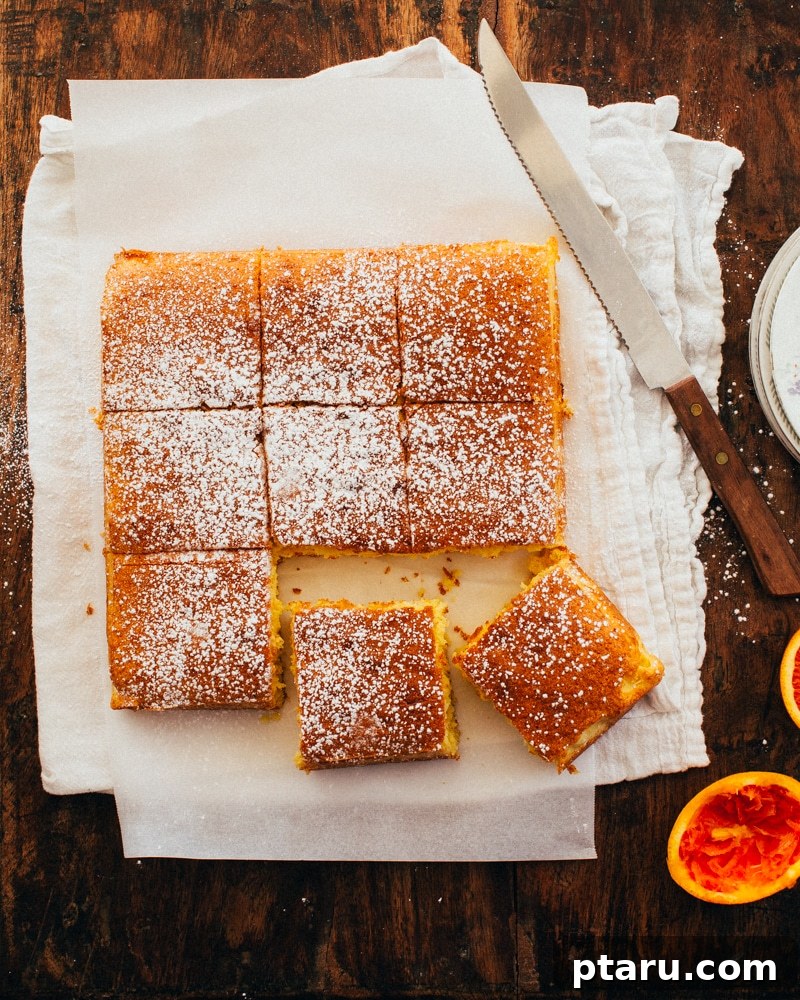
Prepare to be enchanted by this incredible Portuguese Orange Cake – a truly moist, wonderfully fragrant, and utterly alluring dessert bursting with bright, authentic orange flavor. This cake is not just a treat; it’s an experience, bringing a piece of Portuguese sunshine to your kitchen.
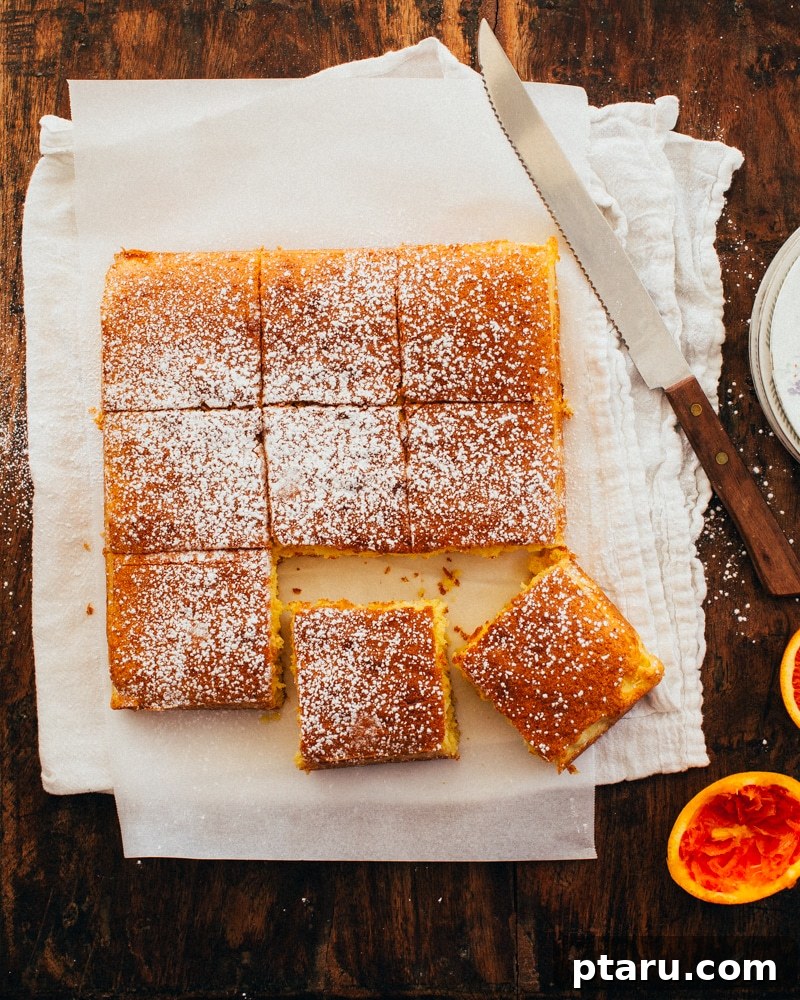
This Authentic Portuguese Orange Cake Recipe is Unforgettable
This cherished orange cake recipe holds a special place in my heart, passed down by a dear friend whose Portuguese husband simply adores the traditional orange cake of his homeland. It’s a recipe that has been perfected over generations, ensuring an authentic taste that transports you straight to the sunny coasts of Portugal with every bite.
Often hailed as one of the best cake recipes you’ll ever try, this Portuguese Orange Cake stands out among my favorite orange desserts. Its simplicity belies a depth of flavor and a texture that strikes the perfect balance between fluffy and profoundly moist. The secret to its vibrant and intense citrus profile lies in the generous use of both the zest and juice from three whole oranges, making it exceptionally orange-y and remarkably fresh.
From the moment you begin zesting the oranges, your kitchen will fill with an invigorating aroma, hinting at the delightful experience to come. This cake is more than just a dessert; it’s a celebration of citrus, a testament to simple ingredients coming together to create something truly spectacular.
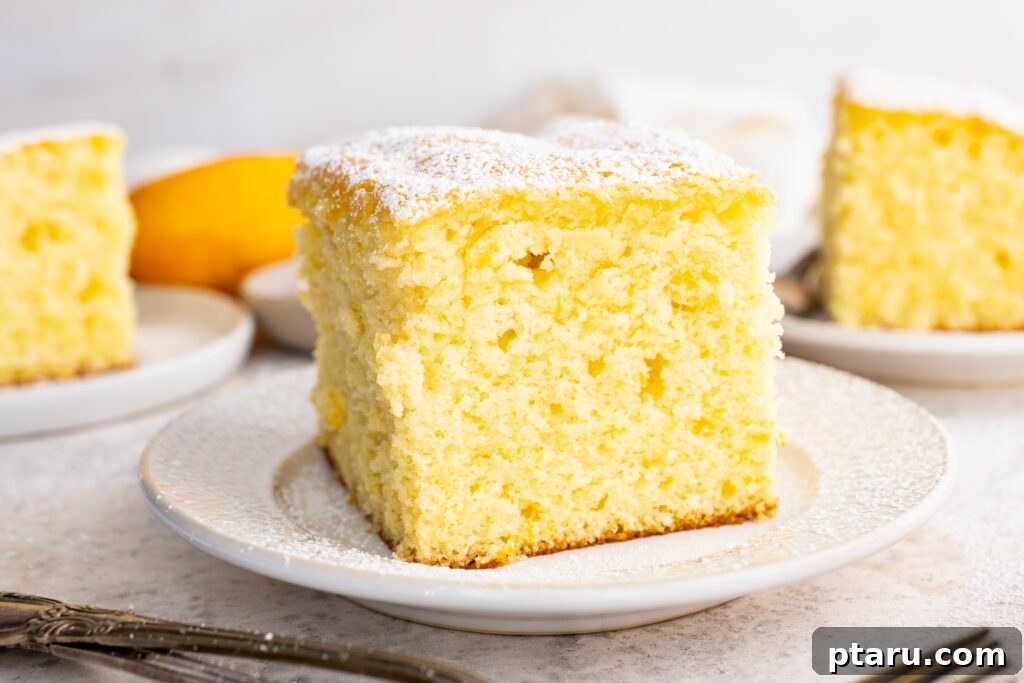
Why This Orange Cake Recipe Has Captured Hearts Globally
Since its initial sharing a decade ago, this moist orange cake recipe has become an undeniable fan favorite, captivating bakers and dessert enthusiasts alike. Its enduring popularity on my blog is no accident; it’s built on a foundation of unique characteristics that make it truly exceptional:
- A Unique Texture Blend: While it shares some qualities with a delicate sponge cake, particularly its airy lightness, this Portuguese Orange Cake offers a superior level of moisture. The carefully folded egg whites at the final stage contribute to a lofty rise and an incredibly tender crumb, making it less dry than typical sponge cakes and more satisfyingly soft.
- Intense Citrus Infusion: The cake derives its profound orange flavor from the dual application of three whole oranges – both the aromatic zest and the tangy juice. This dual approach ensures that every bite is saturated with a bright, natural citrus essence that synthetic flavorings simply cannot replicate. The zest, in particular, carries the concentrated essential oils of the orange, contributing significantly to its vibrant taste.
- A Sophisticated Flavor Profile: Unlike many citrus desserts that lean heavily towards tartness, this recipe introduces a subtle yet intriguing hint of bitterness. This sophisticated nuance comes from the generous quantity of orange zest beaten directly into the batter. This isn’t a harsh bitterness, but rather a gentle undertone that elevates the cake beyond merely sweet or tart, adding complexity and depth that makes it truly memorable and endlessly captivating.
In essence, this cake offers the best of both worlds: the delightful fluffiness and airy quality typically associated with a sponge cake, combined with the rich moisture and intense fruitiness of a classic butter cake. The result is a gorgeously orange-packed indulgence that’s both light and deeply satisfying, making it a beloved choice for any occasion.
Essential Portuguese Orange Cake Ingredients
Achieving the perfect texture and flavor for your Portuguese Orange Cake begins with selecting high-quality ingredients and preparing them correctly. A crucial tip for success is to ensure all your ingredients, especially the butter, eggs, and oranges, are at room temperature. Cold ingredients can cause the butter to seize up, resulting in a less smooth batter and a denser cake. For a quick guide on how to achieve this, you can refer to how to quickly bring ingredients to room temperature. Now, gather these key components:
- Unsalted Butter (Softened): Provides richness, moisture, and contributes to the cake’s tender crumb. Using unsalted butter allows you to control the overall salt content of the cake.
- Granulated Sugar: Sweetens the cake, helps tenderize the batter, and aids in creating a light, fluffy texture when creamed with butter.
- Large Eggs (Separated, Room Temperature): The separation is key here. Egg yolks add crucial richness, color, and moisture, while the whipped egg whites are folded in at the end to provide significant lift and create that characteristic airy, fluffy texture reminiscent of a sponge cake.
- Fresh Oranges (Room Temperature): The star of the show! You’ll need both the zest and the juice from three large oranges. The zest is packed with aromatic oils that deliver an intense, bright orange flavor, while the fresh juice adds moisture and a tangy counterpoint. Choose ripe, firm oranges with vibrant, unblemished skin for the best zest.
- All-Purpose Flour: The structural foundation of the cake. Measure it correctly (preferably by weight or using the spoon-and-level method) to avoid a dense or dry cake.
- Baking Powder: A leavening agent that works with the whipped egg whites to give the cake its lift and airy structure.
Using fresh, quality ingredients at the correct temperature will ensure your Portuguese Orange Cake turns out perfectly moist, tender, and incredibly flavorful.
Variations and Substitutions to Explore
While the classic Portuguese Orange Cake is truly delightful, this versatile recipe also offers ample opportunities for creative modifications to suit different tastes or dietary needs:
- Lemon Lovers’ Dream: For those who adore a zesty tang, readily swap oranges for lemons. This simple switch transforms the cake into a bright and tangy lemon delight. If you’re a true lemon enthusiast, be sure to also try my lemon swirl cheesecake recipe – it’s a fantastic twist on my best Philadelphia Cheesecake recipe, infused with luscious lemon curd!
- Gluten-Free Adaptation: Making this cake gluten-free is straightforward. Simply replace the all-purpose flour with a high-quality gluten-free all-purpose baking blend. Ensure your chosen blend is formulated for baking and contains xanthan gum, or add it if necessary, to maintain the cake’s structure and moisture.
- Indulgent Chocolate Orange Cake: For a decadent twist, consider transforming this into a Chocolate Orange Cake. You can achieve this by adding a few tablespoons of unsweetened cocoa powder to the dry ingredients, or by incorporating chocolate chips into the batter, creating a harmonious blend of rich chocolate and bright orange.
Many readers who fall in love with this moist orange cake also frequently rave about my peach pound cake recipe, my incredibly moist vanilla cupcake recipe, and the classic, comforting moist vanilla cake recipe. Each offers a different yet equally delightful baking experience!
Essential Baking Tools for Success
Having the right tools on hand can make the baking process smoother and more enjoyable. For this Portuguese Orange Cake, you’ll need a few standard kitchen essentials:
- 8×8-inch Baking Dish: This specific size is ideal for this recipe, ensuring the cake bakes evenly and achieves the perfect height and texture. A metal pan is often preferred for even heat distribution.
- Electric Mixer (Stand or Handheld): Indispensable for creaming butter and sugar until light and fluffy, and crucial for whipping egg whites to stiff peaks, which is vital for the cake’s airy quality.
- Multiple Mixing Bowls: You’ll need at least three – one for the butter and sugar mixture, one for dry ingredients, and a separate, very clean bowl for whipping egg whites.
- Whisk and Spatula: A whisk is great for combining dry ingredients and initially aerating egg whites, while a rubber spatula is essential for gently folding the whipped egg whites into the batter without deflating them.
- Zester and Juicer: To efficiently extract the maximum flavor from your fresh oranges. A microplane zester is excellent for fine zest without the bitter white pith, and a citrus reamer or juicer will make quick work of getting all that wonderful juice.
Additionally, you’ll want a sturdy wire rack for cooling the cake evenly after it comes out of the oven, and a simple toothpick or a reliable meat thermometer to accurately check for doneness, ensuring your cake is baked to perfection.
How to Make Portuguese Orange Cake: Your Easy Step-by-Step Guide
Baking a delicious Portuguese Orange Cake is a truly rewarding experience, and with this clear, step-by-step guide, it’s remarkably straightforward. Follow these instructions to create a moist, fluffy, and incredibly flavorful cake that will impress everyone.

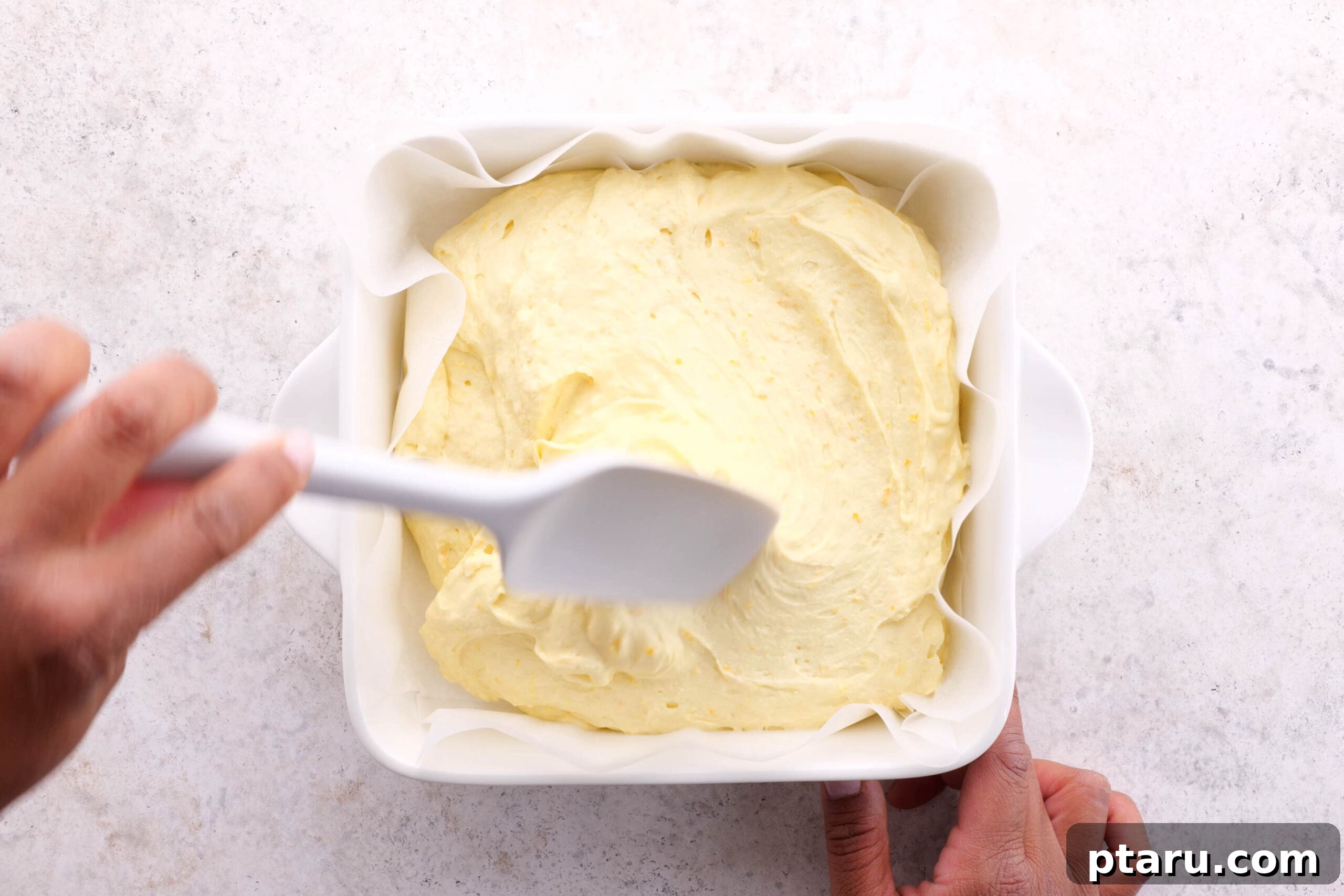
1. Prepare for Baking: The Essential Prep Work
- Preheat Your Oven: Begin by preheating your oven to 350ºF (180ºC). Accurate oven temperature is crucial for proper cake rise and texture, so ensure it reaches the target temperature before your batter is ready to go in.
- Prepare the Baking Dish: Lightly grease an 8×8-inch baking dish with butter or a non-stick spray, then dust it lightly with flour, tapping out any excess. Alternatively, line the bottom with a piece of parchment paper, leaving an overhang on two sides to easily lift the cake out after baking. This step ensures your beautiful cake releases effortlessly from the pan.
- Bring Ingredients to Room Temperature: As mentioned, ensure butter, eggs, and oranges are at room temperature. This helps emulsify the batter smoothly and creates a more uniform texture.
2. Craft the Flavorful Batter: Mixing the Key Components
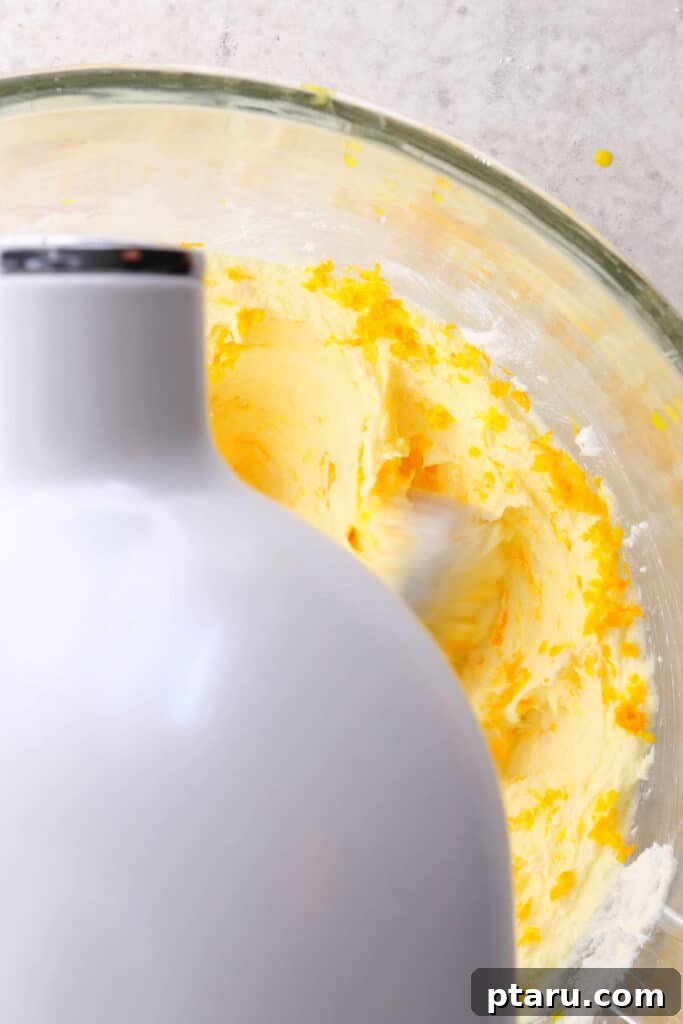
- Cream Butter and Sugar: In a large mixing bowl, using your electric mixer on medium speed, beat the softened butter and granulated sugar together for approximately 2 minutes. Continue until the mixture becomes visibly light in color and fluffy in texture. This step incorporates air, contributing to the cake’s tenderness.
- Incorporate Egg Yolks and Orange Flavor: Add the egg yolks one at a time, beating well after each addition to ensure full incorporation. Next, reduce the mixer speed to low and add all the orange zest and the freshly squeezed orange juice. Don’t be alarmed if the mixture appears slightly curdled at this stage; this is normal due to the liquid from the orange juice reacting with the fat in the butter. Increase the mixer speed to medium and continue beating until the mixture smooths out, pausing occasionally to scrape down the sides of the bowl with your spatula.
- Combine Dry Ingredients: In a separate, medium-sized bowl, whisk together the all-purpose flour and baking powder until well combined. Gradually add this dry mixture to the wet butter mixture, beating on low speed until the flour is just incorporated. Be careful not to overmix, as this can develop the gluten in the flour too much, leading to a tough cake. Mix only until no streaks of dry flour remain.
3. Achieve Lightness: Folding in Whipped Egg Whites
The addition of whipped egg whites is what gives this Portuguese Orange Cake its signature airy and fluffy texture, making it light yet moist.
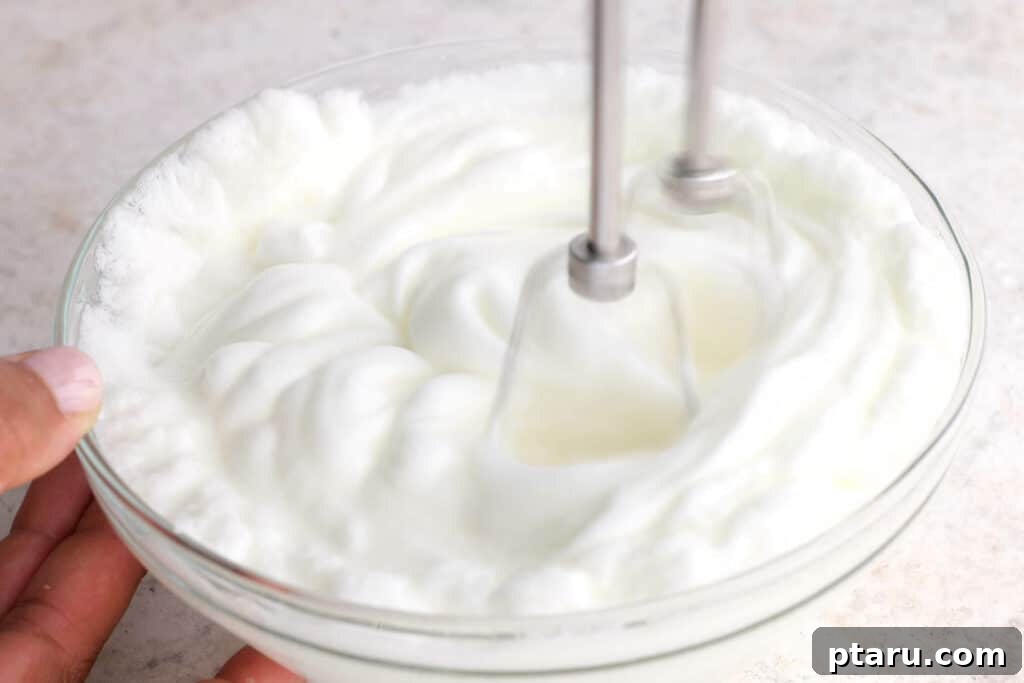
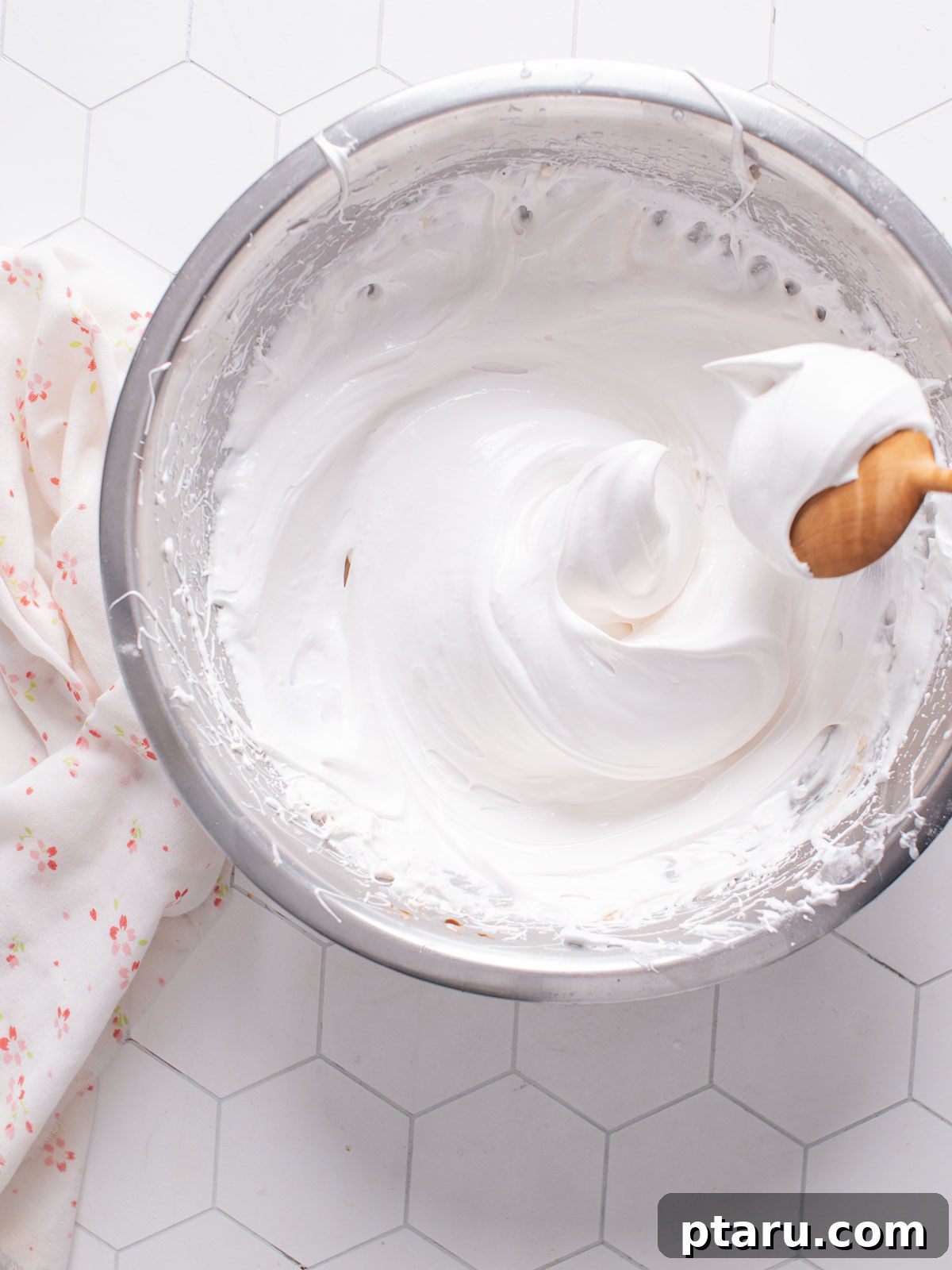
- Whip the Egg Whites: In a very clean, separate bowl (any trace of fat can prevent the whites from whipping properly), whip the reserved egg whites using your electric mixer on high speed. Continue until stiff peaks form – this means when you lift the beaters, the egg whites hold their shape firmly.
- Gently Fold into the Batter: To lighten the main batter and prepare it for the delicate egg whites, gently fold about a third of the whipped egg whites into the orange batter. Use a spatula and a light hand, employing a cutting and folding motion. Once mostly combined, carefully fold in the remaining whipped egg whites. Work gently and quickly to preserve as much of the introduced air as possible, as this air is crucial for the cake’s final fluffy texture.
4. Bake to Perfection: The Final Stages
Now, your beautifully prepared batter is ready for the oven. The anticipation is often the hardest part!
- Bake the Cake: Carefully scrape the lightened batter into your prepared 8×8-inch baking dish, spreading it evenly. Place the dish in the preheated oven and bake for 35-45 minutes. Begin checking for doneness around the 35-minute mark. The cake is ready when the top feels springy and bounces back gently when lightly pressed with a finger, and a wooden skewer or toothpick inserted into the center comes out clean or with only a few moist crumbs attached. For precision, a meat thermometer inserted into the center should read 190ºF (88ºC).
- Cool and Slice: Once baked, remove the cake from the oven and let it cool in the pan on a wire rack for about 10-15 minutes. This allows the cake to set and firm up before it’s removed. After this initial cooling, you can carefully invert it onto the wire rack to cool completely, or simply let it cool in the pan. Once completely cool, you can dust it generously with confectioners’ sugar, if desired, for a touch of elegance and sweetness. Use a sharp, non-serrated knife to slice the cake into 9 even pieces.
Your homemade Portuguese Orange Cake is now ready to be enjoyed! This guide ensures a seamless baking journey to a delightful dessert.
How to Serve This Exquisite Portuguese Orange Cake
This Portuguese Orange Cake is a showstopper on its own, but a few simple additions can elevate the experience even further. Here are some delightful ways to serve it, enhancing both its flavor and presentation:
- Room Temperature for Optimal Flavor: For the best tasting experience, serve your orange cake at room temperature. The subtle bitterness, vibrant citrus notes, and moist texture are most pronounced when the cake is not chilled.
- A Veil of Powdered Sugar: Just before serving, a light dusting of confectioners’ sugar (also known as powdered sugar) adds an elegant finish and a delicate touch of sweetness that beautifully complements the cake’s orange flavor.
- Creamy Accompaniments: Offer a dollop of freshly whipped cream or a spoonful of rich mascarpone cheese on the side. Their creamy coolness provides a lovely contrast to the cake’s warm, citrusy moisture. The richness of the dairy pairs wonderfully with the brightness of the orange.
- Frosting for Extra Indulgence: If you desire a more decadent presentation, this cake pairs wonderfully with frosting. You could adorn it with my easy 5-minute fluffy vanilla frosting for a classic touch, or opt for a tangy cream cheese frosting, which creates an irresistible citrus-creamy combination.
- Fresh Fruit Garnish: A few fresh berries, thin orange slices, or a sprig of mint can add a pop of color and freshness, making each serving look even more appealing.
However you choose to present it, this Portuguese Orange Cake is sure to be a delightful conclusion to any meal or a perfect companion to your afternoon coffee or tea.
Adapting to Other Sized Baking Pans
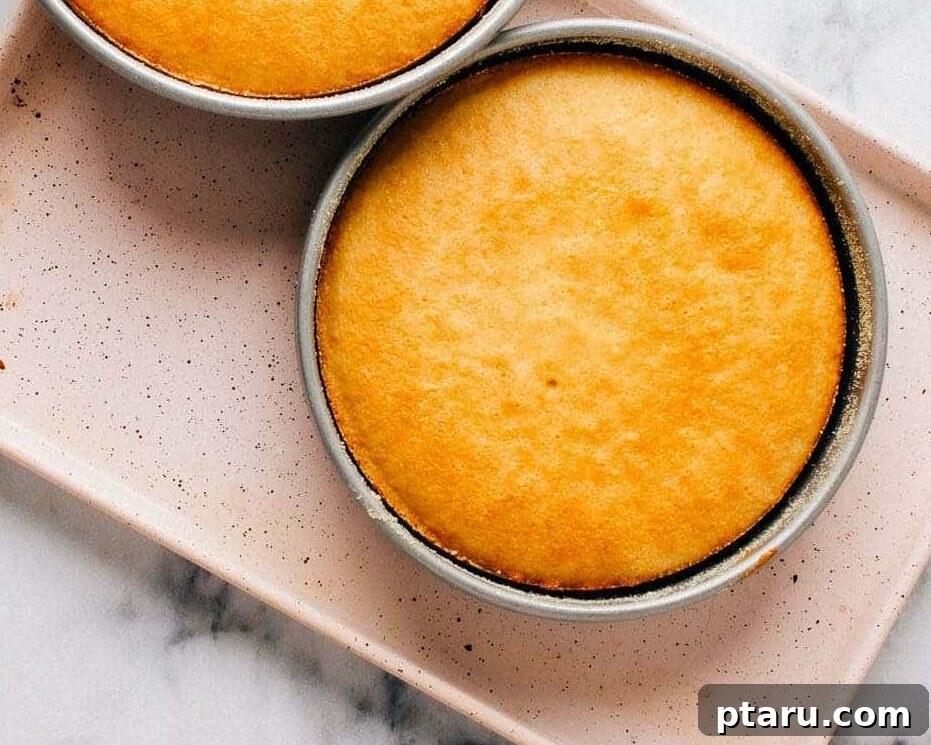
While the 8×8-inch baking dish is recommended for the ideal height and moistness, this recipe can be adapted to other pan sizes with a few considerations for baking time and cake thickness:
- For a 9-inch Round Cake Pan: The batter quantity is perfectly suited for a single layer in a 9-inch round cake pan. The cake will be slightly thinner than in an 8×8-inch pan, which might result in a slightly reduced baking time. Keep an eye on it after the 30-minute mark.
- Loaf Pans (Not Recommended): I generally do not recommend using loaf pans for this particular recipe. The volume of batter is typically too much for a single standard loaf pan, causing it to overflow or bake unevenly. Conversely, it’s often not quite enough batter to create two sufficiently fluffy loaf cakes, resulting in flatter loaves. If you must use a loaf pan, ensure it’s a very large one, or be prepared for a denser, smaller loaf.
- Creating a Layer Cake: To transform this into an elegant layer cake, you can easily divide the batter evenly between two 8-inch round cake pans. This will create two thinner layers perfect for stacking and frosting.
- When baking two thinner layers, the baking time will be significantly reduced. Start checking for doneness around 15-20 minutes with a toothpick or by lightly pressing the center.
- For filling and icing a layer cake, a luscious fluffy vanilla frosting or a light and airy whipped cream would be exquisite choices, complementing the orange flavor beautifully.
- Cupcakes: For individual servings, you could also bake this batter as cupcakes. Fill cupcake liners about two-thirds full and bake for 20-25 minutes, or until a tester comes out clean.
Regardless of the pan size you choose, always keep a watchful eye on your oven. The toothpick test (inserting a toothpick into the center should come out clean) is a reliable indicator. For even greater accuracy, a meat thermometer reading 190ºF (88ºC) in the center confirms your cake is perfectly baked through without being overdone.
Make Ahead and Storage Tips for Freshness
One of the many wonderful qualities of this Portuguese Orange Cake is how well it stores, allowing you to prepare it in advance or enjoy leftovers without compromising its delightful texture and flavor. Here’s how to best store your cake:
- Room Temperature Storage is Optimal: For peak flavor and texture, always store the cooled cake in an airtight container at room temperature. Kept on your counter, it will remain wonderfully fresh and moist for up to 3 days. This is generally preferred for butter-based cakes, as refrigeration can sometimes alter their texture.
- Should You Refrigerate? While it can be tempting to refrigerate, I generally don’t recommend storing this cake in the refrigerator unless absolutely necessary (e.g., if it has a perishable frosting like cream cheese frosting that requires chilling). The cold temperature of a refrigerator can cause the cake’s crumb to dry out and become denser, diminishing its desired moist and fluffy quality. For more detailed information, read my article on how long cake lasts in the fridge to understand why certain cakes fare better at room temperature.
- Freezing for Long-Term Enjoyment: This cake freezes exceptionally well, making it a perfect candidate for meal prepping desserts or saving for a special occasion. To freeze, ensure the cake is completely cooled. Wrap individual slices or the entire cake tightly first in plastic wrap, then in a layer of aluminum foil. This double-layer protection prevents freezer burn and helps maintain moisture. For the best flavor and texture, enjoy the frozen cake within 3 months.
- Thawing Instructions: When you’re ready to enjoy a frozen slice or cake, thaw it gradually. Transfer it to the refrigerator overnight, or allow it to sit at room temperature for a few hours. This slow thawing process helps to keep the texture beautifully nice and moist, as if it were freshly baked.
With these storage tips, you can ensure every piece of your Portuguese Orange Cake remains as delicious as the first.
More Irresistible Citrus Recipes to Try

If you’re a fan of the bright, zesty flavors of citrus like we are, there’s a whole world of delicious recipes waiting to be explored beyond this incredible orange cake. Here are some other beloved citrus-infused treats that are sure to brighten your day:
- Blood Orange Cake with Glaze: Indulge in this moist Blood Orange Cake, featuring a striking natural color and a pretty blood orange glaze that adds both beauty and an extra layer of citrusy sweetness. It’s a seasonal delight that’s as stunning as it is delicious.
- Classic Lemon Delights: For those who can’t get enough of lemon, the rich and dense Lemon Pound Cake and the elegantly layered Lemon Curd Cake are perennial favorites. Each offers a different way to enjoy the refreshing tang of fresh lemons.
- Lemon Blueberry Sour Cream Muffins: Start your day with a burst of flavor with these tender Lemon Blueberry Sour Cream Muffins. The sour cream keeps them incredibly moist, while the lemon and blueberries create a perfect harmony of sweet and tart.
- Irresistible Lemon Curd Cookies: If you’re a cookie person, these Lemon Curd Cookies are an absolute must-try. They’re soft, chewy, and filled with bright, homemade lemon curd, offering a delightful citrus burst in every bite.
- Cranberry Lemon Cake: This Lemon Cranberry Cake is a long-standing favorite, especially during cooler months. The tart cranberries and zesty lemon icing create a wonderfully balanced and festive treat.
And of course, we can’t forget the charm of an orange bundt cake! This fantastic recipe for orange pound cake, complete with a luscious orange glaze, is baked in a beautiful bundt pan, making it a showstopping centerpiece for any gathering. Explore these recipes and bring more vibrant citrus flavors into your home!
Orange Cake FAQs: Your Questions Answered
Here are quick, concise answers to some of the most commonly asked questions about baking and enjoying orange cake:
Classic orange cake typically features a harmonious blend of butter, granulated sugar, fresh eggs (often separated for lift), the zest and juice of oranges for intense flavor, all-purpose flour for structure, and a leavening agent like baking powder for lightness.
To achieve the most intense orange flavor, always use fresh orange zest in abundance, as it contains concentrated aromatic oils. Combining this with fresh orange juice, and possibly a hint of orange extract or a splash of orange liqueur, will amplify the citrus notes beautifully.
The warm, aromatic spices that beautifully complement orange in cakes and desserts include cinnamon, cardamom, and clove. A pinch of nutmeg can also add a delightful depth, creating a complex and inviting flavor profile.
Orange pairs exceptionally well with a variety of flavors. Classic complements include rich chocolate, creamy vanilla, and nutty almond. Other excellent pairings feature ginger, cranberry, and even certain herbs like rosemary.
Absolutely! This cake recipe can be easily adapted to be gluten-free. Simply substitute the all-purpose flour with a high-quality gluten-free all-purpose flour blend. For best results, ensure the blend is designed for baking and contains xanthan gum, or add it as recommended on the package.
Yes, you can certainly make a dairy-free version of this cake. Replace the unsalted butter with an equal amount of a plant-based butter alternative that is specifically formulated for baking. Ensure it has a similar fat content and properties to dairy butter for optimal results.
While fresh orange juice is always recommended for its superior flavor and natural zest, bottled orange juice can be used in a pinch. Opt for 100% pure orange juice without added sugars or artificial flavors to get the closest approximation to fresh. However, you will still need fresh zest for the intense flavor.
When stored properly in an airtight container at room temperature, this Portuguese Orange Cake will remain fresh, moist, and delicious for up to 3 days. If you prefer to refrigerate, it can last up to a week, though the texture might become slightly denser.
Yes, this cake freezes beautifully! For best results, ensure the cake is completely cooled, then wrap it tightly in plastic wrap, followed by a layer of aluminum foil. It will maintain its quality in the freezer for up to 3 months. Thaw overnight in the refrigerator or for a few hours at room temperature.
The key to a moist cake is to avoid overbaking. Start checking for doneness at the lower end of the baking time range (around 35 minutes). Use the toothpick test, or even better, a meat thermometer to confirm an internal temperature of 190ºF (88ºC) before removing it from the oven.
More Irresistible Cake Recipes to Explore
If you’ve enjoyed baking and tasting this Portuguese Orange Cake, you’re likely a cake enthusiast always on the lookout for your next favorite recipe. Here’s a curated selection of other highly-rated and incredibly delicious cake recipes from my collection that you won’t want to miss:
- Fan-Favorite Moist Chocolate Cake Recipe: A truly decadent and intensely chocolatey cake that’s consistently praised for its rich flavor and unbelievably moist crumb. It’s a classic that never disappoints.
- Softest Carrot Cake Recipe with Buttermilk: Experience the ultimate in carrot cake perfection with this recipe, made with buttermilk for an extra tender and flavorful result. The perfect balance of spices and sweetness.
- Plum Cardamom Cake: A unique and elegant cake featuring juicy plums and the warm, aromatic notes of cardamom. This delightful combination makes for a sophisticated and comforting dessert.
- Delicious Blueberry Pound Cake Recipe: A buttery, dense pound cake studded with bursts of fresh blueberries, perfect for breakfast, brunch, or an afternoon treat. Simple yet incredibly satisfying.
- Easy Cherry Cheesecake Bars: For a no-bake delight, these creamy cherry cheesecake bars are quick to assemble and bursting with fruity flavor. And don’t forget these adorable and creamy little Mini Cheesecakes, perfect for portion control or parties!
Happy baking, and enjoy every sweet moment!
Portuguese Orange Cake Recipe (Moist + Fluffy!)
This simple, from-scratch Portuguese orange cake recipe yields a wonderfully moist and fragrant cake with an unbelievably bright and authentic orange flavor. It stands out as one of the best cake recipes for its tender crumb and exceptional citrus notes. Its texture is similar to a delicate sponge cake, yet it boasts significantly more moisture than even the airiest cakes you may have encountered. By utilizing both the zest and juice of three large oranges, the cake achieves a truly remarkable orange-y and citrus-y intensity that is both refreshing and deeply satisfying.
20 minutes
40 minutes
1 hour
9
Ingredients
- ⅔ cup unsalted butter, softened
- 1 ¼ cups granulated sugar
- 4 large eggs, separated, at room temperature
- 3 large oranges, at room temperature (zest and juice)
- 2 cups all-purpose flour
- 1 tsp baking powder
- Confectioners’ sugar for dusting (optional)
Instructions
- Preheat your oven to 350ºF (180ºC). Grease an 8×8-inch baking dish, or line it with parchment paper for easy removal.
- In a large bowl, using an electric mixer, beat the softened butter and granulated sugar on medium speed for about 2 minutes, until the mixture is light and fluffy.
- Add the egg yolks one at a time, beating well after each addition until fully incorporated.
- With the mixer on low speed, add the zest and freshly squeezed juice from all three oranges. The mixture may appear curdled initially, but don’t worry, this is normal. Increase the mixer speed to medium and continue beating until the mixture comes together and smooths out, pausing to scrape down the sides of the bowl as needed.
- In a separate bowl, whisk together the all-purpose flour and baking powder. With the mixer speed on low, gradually beat this dry mixture into the butter and orange mixture until just incorporated. Be careful not to overmix; stop as soon as no dry streaks of flour are visible.
- In another very clean bowl, whip the reserved egg whites until stiff peaks form. Gently fold about one-third of the whipped egg whites into the cake batter to lighten it. Then, carefully fold in the remaining egg whites using a light hand to avoid deflating them, which would reduce the cake’s fluffiness.
- Scrape the batter into your prepared baking pan, spreading it evenly. Bake for 35-45 minutes. The cake is done when the top feels springy when gently pressed, and a wooden skewer or toothpick inserted into the center comes out clean or with just a few moist crumbs attached. For precision, the internal temperature should read 190ºF (88ºC) on a meat thermometer.
- Once baked, let the cake cool in the pan on a wire rack. Once fully cooled, dust generously with confectioners’ sugar, if desired, before slicing into 9 pieces and serving.
Notes
Orange Yield: The original recipe calls for 3 large oranges, and it’s quite forgiving without precise measurements for juice. As a general guideline: from three large oranges, you can expect to get approximately 3 to 4 tablespoons of zest and about 1 cup of juice.
Serving Suggestions: This cake is delightful on its own with a simple dusting of confectioners’ sugar. For an enhanced experience, serve it with a light, fluffy dollop of whipped cream, a scoop of softened vanilla ice cream, or a spoonful of rich mascarpone cheese.
Make Ahead & Storage: Store the cooled cake in an airtight container at room temperature for up to 3 days. Do not refrigerate, as it can dry out the cake. Leftovers freeze exceptionally well for longer storage; wrap tightly in plastic wrap and then foil, and store for up to 3 months.
Nutrition Information (Approximate Per Serving)
Calories: 382kcal |
Carbohydrates: 55g |
Protein: 6g |
Fat: 16g |
Saturated Fat: 9g |
Polyunsaturated Fat: 1g |
Monounsaturated Fat: 4g |
Trans Fat: 1g |
Cholesterol: 109mg |
Sodium: 185mg |
Potassium: 141mg |
Fiber: 2g |
Sugar: 32g |
Vitamin A: 631IU |
Vitamin C: 23mg |
Calcium: 63mg |
Iron: 2mg
Nutrition information is automatically calculated, so should only be used as an approximation and can vary based on specific ingredients and preparation.