Mastering Thanksgiving Dinner: Your Essential Guide to Planning, Prepping, and Cooking for a Flawless Holiday Feast. Everything you need to know from smart recipe planning and efficient shopping to safe turkey thawing, strategic advance preparation, and day-of cooking coordination.
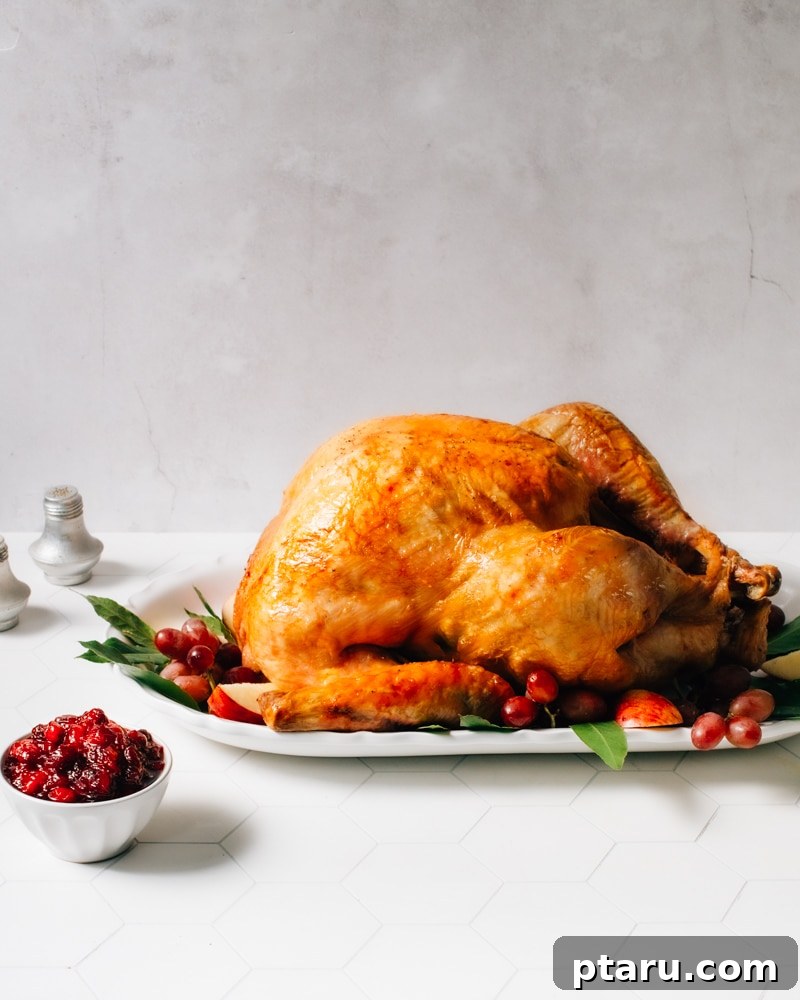
Having prepared countless turkeys for both Christmas and Thanksgiving over the past two decades, including many years as a proud Butterball brand ambassador, I’ve gathered a wealth of experience in crafting the perfect holiday roast. This journey has taught me invaluable lessons about efficiency, flavor, and most importantly, how to enjoy the process without overwhelming stress.
Roast dinners, particularly grand holiday meals like Thanksgiving, are my absolute favorite because they offer immense flexibility for advance preparation. This “cook-ahead” strategy is a game-changer. It means you’re not sampling dishes for the very first time moments before guests arrive, which significantly reduces performance anxiety. When you take the time to prep ahead, you liberate yourself from the intense pressure of last-minute cooking. This approach builds a crucial buffer, allowing you the luxury to restart or adjust if a dish doesn’t turn out exactly as planned, ensuring everything is absolutely perfect by mealtime. It transforms what can be a daunting culinary marathon into an enjoyable, manageable, and highly rewarding experience.
Achieving a seamless Thanksgiving dinner, however, requires more than just good recipes; it demands meticulous planning and a bit of “backwards engineering.” This comprehensive guide is designed to walk you through my proven planning and preparation schedule, ensuring your holiday feast is not only delicious but also remarkably stress-free. Let’s dive into how to orchestrate your most relaxed and memorable Thanksgiving yet.
Crafting Your Menu: When to Choose Your Thanksgiving Dinner Recipes
Looking for a truly simple and delicious turkey recipe? I highly recommend starting with my guide on How to Cook a Turkey for beginners, or elevate your game with a Spatchcock Turkey recipe for faster cooking and incredibly juicy results.
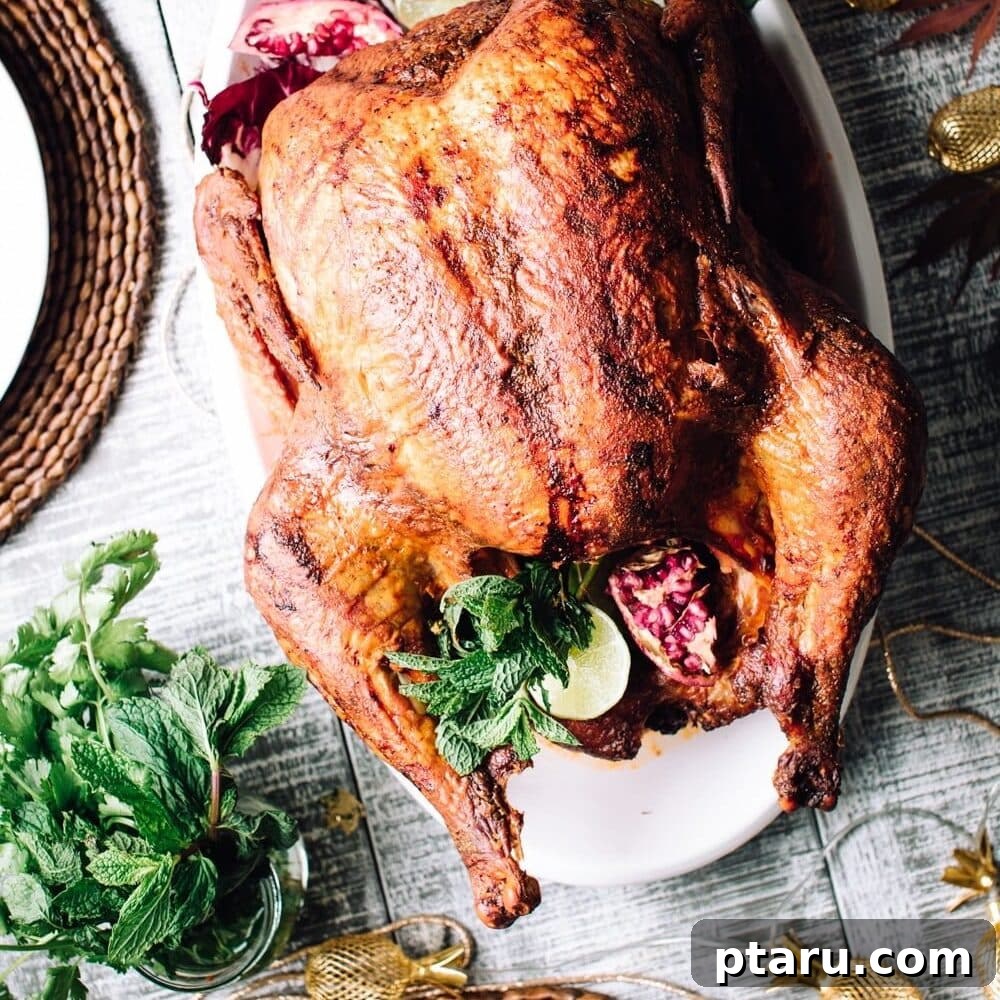
To set yourself up for success, I strongly advise finalizing your complete Thanksgiving recipes menu at least a week in advance. For novice cooks or if you’re venturing into new culinary territory with dishes you haven’t attempted before (like an adventurous Tandoori Turkey, perhaps?), giving yourself even more lead time is highly beneficial. Early planning provides the peace of mind to truly enjoy the process.
One of the greatest benefits of this proactive approach is the opportunity to “trial-run” any new dishes. Testing a recipe ahead of time can significantly ease nerves, allowing you to perfect flavors and techniques without the pressure of the holiday countdown. This ensures that every dish on your Thanksgiving table is a proven winner.
Moreover, planning your menu a minimum of a week ahead provides ample time to meticulously schedule your shopping trips. This is especially crucial if your desired ingredients require multiple stops at different specialty stores or if you anticipate needing to order certain items in advance. Early planning also creates a vital buffer to adapt seamlessly if your first-choice grocery store happens to be out of a key ingredient. For instance, if you initially planned for a fresh turkey but can only find a frozen one, knowing this a week out gives you plenty of time to adjust your thawing schedule and overall timeline without stress. This foresight is key to a smooth and enjoyable Thanksgiving cooking experience.
Smart Shopping: When to Purchase Your Thanksgiving Ingredients
Effective ingredient procurement is a cornerstone of stress-free Thanksgiving dinner preparation. Timing your shopping trips strategically ensures you have everything you need without last-minute panic. Here’s my recommended timeline for stocking up:
- The Turkey (1-2 Weeks in Advance): For most holiday hosts, the turkey is the star. If you’re opting for a frozen bird, it’s wise to shop for the turkey at least a week in advance. Even better, consider purchasing it two weeks out to guarantee you secure the specific size and type you’re after, especially if you have a large gathering or prefer a particular brand. This also allows for ample thawing time, as we’ll discuss next.
- Pantry Staples & Non-Perishables (3-4 Days in Advance): Items like canned goods, broth, flour, sugar, dried fruits, nuts, and root vegetables (potatoes, sweet potatoes, onions, carrots) can be purchased several days ahead. This frees up your last-minute shopping for more delicate items. I recommend having all your spices and pantry staples in hand and ready to go to begin your main prep 2-3 days before Thanksgiving.
- Fresh Produce & Dairy (1-2 Days in Advance): The remaining fresh ingredients, such as delicate herbs (rosemary, thyme, sage), leafy green vegetables, and dairy products (milk, cream, butter, eggs), are best sourced as close to the holiday date as possible. This ensures peak freshness and flavor. However, always give yourself a little wiggle room—a day or two buffer—to account for unforeseen circumstances like stockouts or unexpected errands. Planning two days out generally offers the perfect balance of freshness and flexibility.
Turkey Thawing 101: When and How to Safely Defrost Your Turkey
One of the most common Thanksgiving pitfalls is an improperly thawed turkey. Safe and thorough thawing is critical for both food safety and even cooking. Never underestimate the time required! The safest and most recommended method is refrigerator thawing, though a cold water method can be used in a pinch. Let’s break down the essential timing and steps:
- Refrigerator Thawing Rule: Plan for approximately 1 full day of thawing for every 4 pounds of turkey. This means that a typical 16-18-pound bird will require a substantial 4 to 5 days to thaw completely and safely in the refrigerator. A larger 20-24lb turkey will need 5-6 days. Don’t rush this process.
- The Safest Method: The refrigerator is undeniably the safest and best way to defrost a turkey. It maintains a consistently cold temperature, preventing bacterial growth while the turkey slowly thaws.
- Faster, But Not Hands-Off: If you find yourself pressed for time and facing a partially frozen bird on the eve of Thanksgiving, you can accelerate the thawing process using the cold water submersion method. However, this technique is far from hands-off and demands constant attention to ensure food safety.
Here are the detailed instructions for both methods:
How to Defrost a Turkey Safely in the Refrigerator
This method is foolproof, provided you allow ample time.
- Keep it Wrapped: Leave the turkey in its original, unopened wrapping. This helps prevent cross-contamination with other foods in your fridge.
- Position Correctly: Place the turkey, breast-side-up, on a large baking tray or rimmed pan. This catches any potential drips as it thaws, preventing a mess and maintaining hygiene in your refrigerator.
- Calculate Thawing Time: Allow approximately 1 day for every 4 pounds of turkey. For example, a 12-pound turkey needs 3 days, a 16-pound turkey needs 4 days, and a 20-pound turkey needs 5 days. Ensure your refrigerator temperature is set to 40°F (4°C) or below.
- Cook Promptly: Once fully thawed, the turkey should be cooked within 4 days. Plan your cooking schedule accordingly.
How to Defrost a Turkey Rapidly in the Cold Water Sink Method
This method requires diligence and constant monitoring to ensure safety and effectiveness.
- Maintain Original Wrapping: Keep the turkey securely in its original, sealed wrapping. Do not remove it.
- Submerge in Cold Water: Place the wrapped turkey in a clean kitchen sink, large bucket, or cooler that has been plugged. Fill it with cool (never warm or hot) tap water. The water temperature should ideally be 60°F (15°C) or below.
- Ensure Full Submersion & Flipping: The turkey must be completely submerged. If your container isn’t large enough, you’ll need to flip the turkey every 30 minutes to ensure all exposed parts are periodically submerged and thaw evenly.
- Frequent Water Changes: This is critical for food safety and efficient thawing. You must drain and change the cold water every 30 minutes. This ensures the water temperature remains consistently cool, which prevents the outer layers of the turkey from warming up to unsafe temperatures while the interior is still frozen.
- Calculate Accelerated Thawing Time: Plan for roughly 30 minutes of thawing time for every 1 pound of turkey. For instance, a 12-pound turkey will take approximately 6 hours, and a 16-pound turkey will require about 8 hours.
- Cook Immediately: After thawing using the cold water method, the turkey must be cooked immediately. Do not refreeze or store it in the refrigerator for later use with this method.
It is absolutely essential to adhere to the frequent flipping and water changing for two key reasons: effective thawing and critical food safety. Initially, the deeply frozen turkey will significantly chill the surrounding water, much like ice cubes in a drink. Regular water changes ensure that the turkey continues to receive cool water and actually thaws, rather than just sitting in ice water. As more of the turkey thaws, the ambient room temperature could warm the water up too much, creating a prime environment for bacterial growth and posing a food safety risk if you don’t continually replenish it with fresh cold water. The ultimate goal is to maintain a mostly even and consistently cool temperature around the turkey, preventing the exterior from warming prematurely while the interior remains frozen, which is crucial for uniform thawing and delicious, safe results.
The Make-Ahead Master Plan: When and What to Cook in Advance
The secret to a relaxed Thanksgiving host is maximizing advance preparation. By strategically cooking or prepping sides ahead of time, you can drastically reduce your stress on the big day. The key is to prioritize dishes based on their shelf life and how well they hold up, or even improve, with time. Most side dishes can be started well in advance of the grand dinner.
Prep or Cook These Up to a Week in Advance
- Homemade Cranberry Sauce: This vibrant, tangy sauce is a holiday staple and tastes even better after a day or two, allowing the flavors to meld. It can be made a full week ahead and stored beautifully in a sealed container in the refrigerator. Consider making a double batch for future use or gifts!
- Stuffing Components: If you’re crafting stuffing from scratch, a crucial first step is drying out your bread cubes. This can (and should) be done a few days early, or even a week if properly stored. My Turkey Stuffing with Apples recipe is fantastic because many of its components can be prepped early, and the whole dish can be assembled and baked later, or even fully baked and reheated.
- Pie Dough: For truly flaky and tender pie crusts, resting the dough is essential. My no-fail easy pie crust recipe benefits immensely from at least 2 hours of chilling, but it’s significantly better after at least 24 hours. To save yourself a messy job closer to the big day, I love to make the pie dough a full week in advance and then freeze it. Simply thaw in the fridge the day before you plan to roll and bake.
- Homemade Stock/Broth: If you’re making your own chicken or turkey stock for gravy or other dishes, this is a perfect task for a week in advance. Freeze it in containers or bags and thaw as needed.
Prep or Cook These 1-2 Days in Advance for Optimal Freshness
- Casseroles and Prepared Side Dishes: Many casseroles and substantial side dishes, such as a classic green bean casserole, a comforting yam bake, or stuffing baked separately from the turkey, can be fully assembled a day or two in advance. Store them covered in the refrigerator, ready to be popped into the oven for baking or reheating just before serving. This saves significant time and oven space on Thanksgiving day.
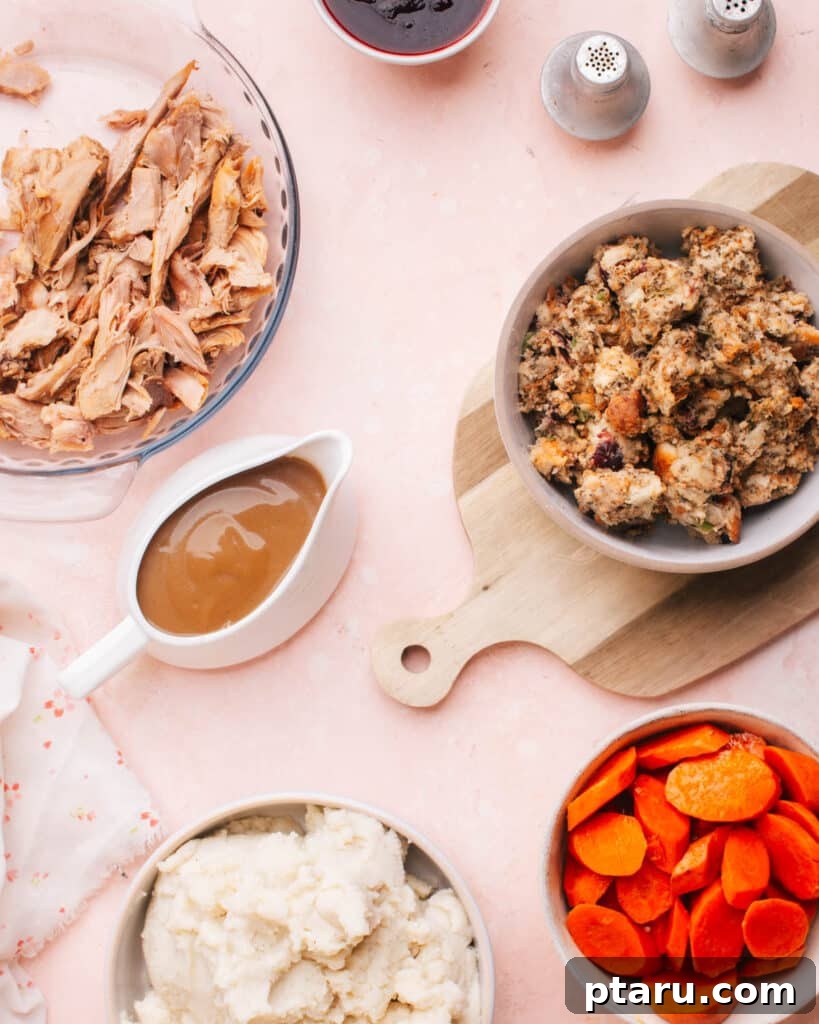
- A Superb Make-Ahead Gravy: Elevate your gravy game by preparing the base a day or two in advance. This allows flavors to deepen beautifully. While pan drippings from the turkey are added on the day of for ultimate flavor, having the base ready is a huge time-saver. My go-to options include the rich Turkey Giblet Gravy without pan drippings (which is truly excellent on its own) and my aromatic Herbed Peppercorn Gravy Recipe. I rely on these recipes every time I host a turkey dinner!
- Fluffy Mashed Potatoes: Believe it or not, mashed potatoes are an excellent candidate for full preparation ahead of time. Prepare them as usual, then store them tightly covered in the refrigerator. For reheating, gently warm them on the stovetop over low heat, covered, adding an additional 1/2 cup of milk (or cream/broth). The added liquid heats more quickly than the dense potatoes, kickstarting the steam and helping the potatoes loosen up without scorching. Stir frequently and gently to prevent burning and ensure a creamy, smooth consistency.
- Pie Fillings: Prepare the wet mixtures for pies like pumpkin pie or the apple, sugar, flour, and spice mixture for my easy apple pie recipe a day or two ahead. Store these fillings tightly covered in the fridge. This way, on Thanksgiving morning, all you have to do is pour the filling into your prepped crusts and bake them fresh, minimizing effort on the busiest day.
- Prepped Roasted Vegetables: While I generally prefer to roast vegetables like crispy Brussels sprouts, butternut squash, and other root vegetables fresh to maintain their best texture, you can certainly chop, season, and store them in a zipper bag or airtight container in the fridge a day or two in advance. If you choose to fully roast them ahead of time, they can be reheated covered in the oven; just add a couple of tablespoons of water to the pan to provide extra moisture and prevent drying out.
The Big Day: Cooking These on Thanksgiving Dinner Day
The day of Thanksgiving is about execution and timing. Before the sun rises on the big day, grab a piece of paper and pencil to create a detailed cooking schedule. List all your recipes, note their approximate cooking and prep times, and then work backward from your desired serving time to determine when each dish needs to go into the oven or onto the stovetop. This master timeline is your invaluable guide.
- Pies (First Thing in the Morning): If, like me, you firmly believe the pie is the true undisputed star of the holiday meal, then baking it fresh on the day it will be served is non-negotiable. A freshly baked crust is incomparably tender and flaky. I always make this my very first task in the morning for holiday dinners, allowing them to cool beautifully before serving.
- The Turkey (Strategic Roasting): Plan the start time for cooking your turkey meticulously according to its expected roasting time. A good rule of thumb is approximately 11 minutes per pound at 325ºF (160°C) for an unstuffed bird. Crucially, add an extra 1.5 to 2 hours to your timeline. This buffer accounts for potential delays, allows for the critical resting period (which ensures a juicy bird), and provides flexibility for oven space. Remember, it’s perfectly acceptable for the turkey to be served closer to room temperature; your piping hot gravy will warm it right up!
- Bake or Reheat Prepped Side Dishes: Begin baking or reheating any prepped-ahead side dishes strategically. If oven space permits, start them during the final 30-45 minutes of the turkey’s cooking time. Otherwise, and often more practically, these can go into the oven while the turkey is resting. This allows you to utilize the hot oven efficiently without competing for space.
- Pan-Cooked Vegetables: Dishes like glazed carrots, sautéed greens, or fresh green beans are best cooked on the stovetop. Time these stovetop preparations for while the turkey is resting, allowing you to give them your full attention just before serving.
- Salads (Last-Minute Freshness): Any fresh salads should be assembled and dressed last. Prepare all your salad components (wash greens, chop vegetables) ahead of time, but combine them and add dressing only just before serving to ensure maximum freshness and prevent sogginess.
- Gravy Finishing Touches: While your gravy base should be made ahead, the pan drippings from the roasted turkey are essential for its final depth of flavor. Whisk these into your simmering gravy base during the turkey’s resting period.
- Final Touches and Carving: Once the turkey has rested sufficiently (at least 30 minutes, ideally 45-60 for larger birds), it’s ready for carving. This is also the time for any last-minute garnishes and transferring dishes to serving platters. Take a deep breath, you’ve done it!
Curated Collection: My Favorite Thanksgiving Dinner Recipes
With smart planning and strategic advance cooking, you can prepare virtually everything but the turkey itself ahead of time, ensuring a truly relaxed and enjoyable Thanksgiving. Here are some of my most cherished and reliable recipes that promise to make your holiday table unforgettable:
- Easy Roast Turkey with Cranberry Chutney: A simple, flavorful approach to the main event.
- The Best Mashed Potatoes You’ll Ever Try: Creamy, dreamy, and perfectly make-ahead friendly.
- Unstuffed Herbed Apple Stuffing: A delicious, savory side that can be prepped in advance.
- Herbed Peppercorn Gravy: The ultimate make-ahead gravy base, ready for those turkey drippings.
- Crispiest Roasted Brussels Sprouts with Maple and Bacon: A crowd-pleasing side with incredible texture and flavor.
- Maple Five Spice Roasted Butternut Squash: A fragrant and sweet addition to your spread.
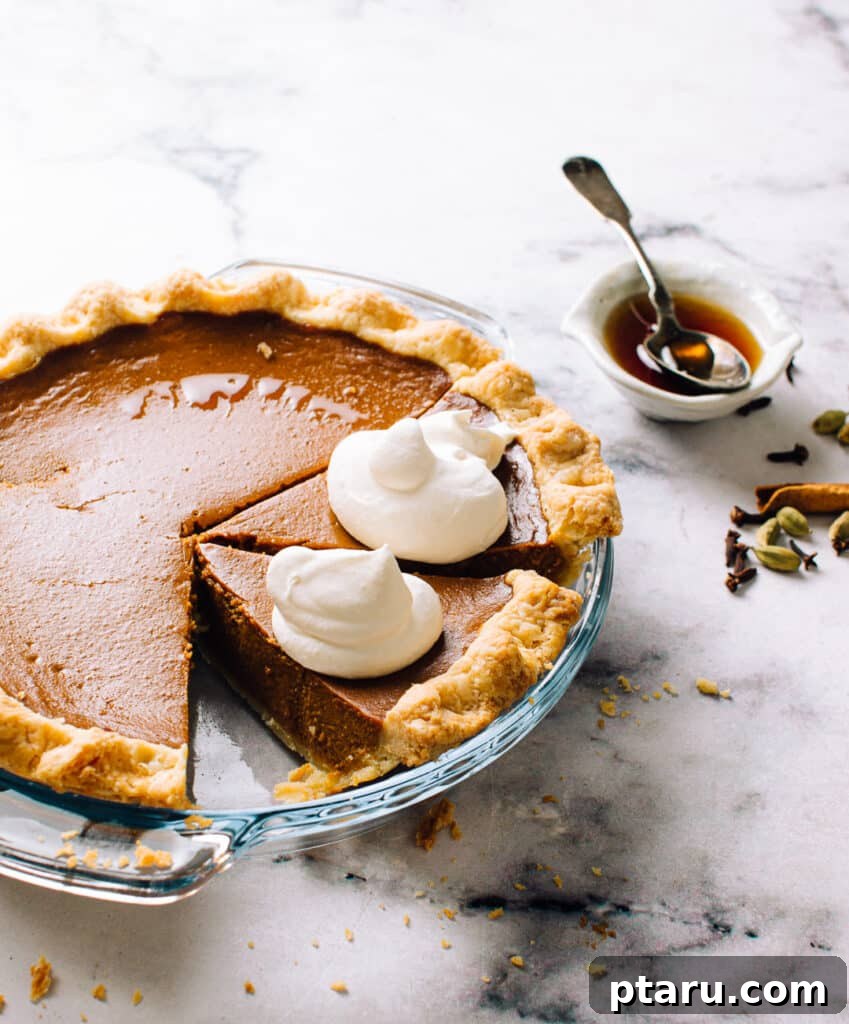
- Super Easy Pumpkin Pie: A classic dessert that’s simple to bake fresh on the day.
And when the feasting is done and you’re left with delicious remnants, don’t let anything go to waste! Transform your leftovers into exciting new meals:
- Creative Ideas for Leftover Mashed Potatoes
- Hearty Leftover Turkey Pot Pie
- Comforting Leftover Turkey Casserole