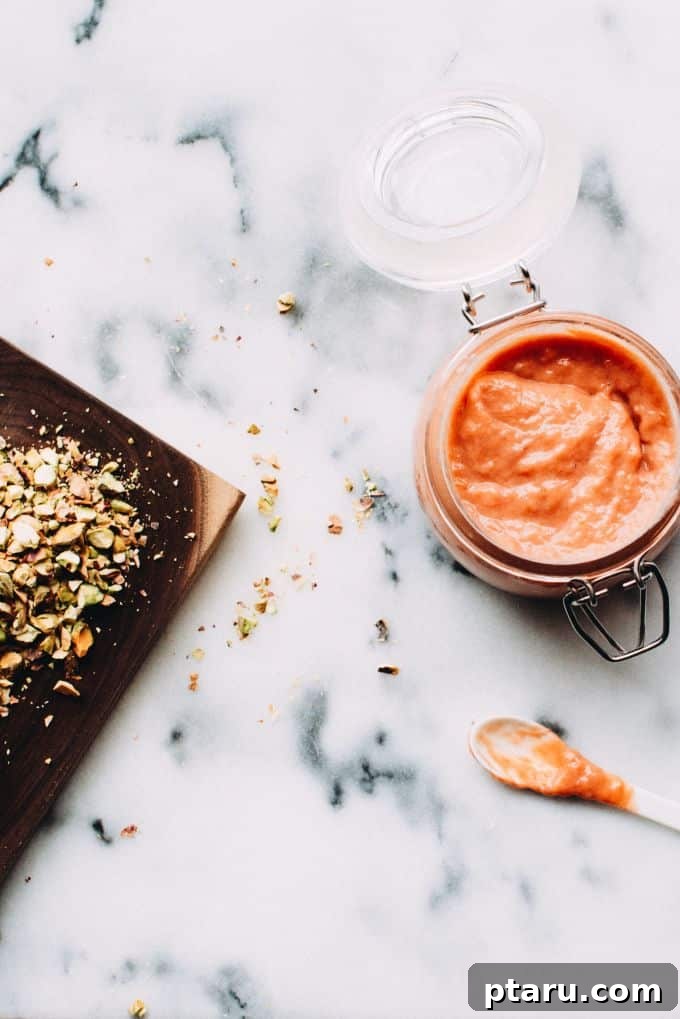

Orange French Toast Casserole is the quintessential centerpiece for your holiday breakfast table, especially cherished as a Christmas morning French toast casserole. This remarkable dish effortlessly combines convenience with exquisite flavor, allowing you to prepare it ahead of time for a stress-free morning. Imagine waking up to the irresistible aroma of fresh citrus and vanilla, knowing that a decadent breakfast is just a bake away. It tastes remarkably like a luxurious citrusy creamsicle, thanks to the harmonious blend of bright, fresh orange zest, tangy orange juice, warm vanilla, and rich cream.

More than just a meal, this orange French toast casserole is a true celebration – my most festive French toast recipe yet. Its vibrant, creamy character is perfectly designed for leisurely holiday mornings, bringing a burst of sunshine and warmth to any gathering. It’s an ideal choice for those who crave a gourmet breakfast experience without the fuss of cooking elaborate dishes on the day itself.
Crafting Your Perfect Orange French Toast Casserole: Essential Ingredients
The magic of this orange French toast casserole lies in its simplicity and the quality of its components. It relies on a foundational custard, elevated to extraordinary heights by the vibrant zest and juice of fresh oranges. This strategic inclusion of citrus not only infuses a delightful flavor but also subtly lifts the inherent richness of the dish, ensuring the casserole never feels overly heavy or cloying.
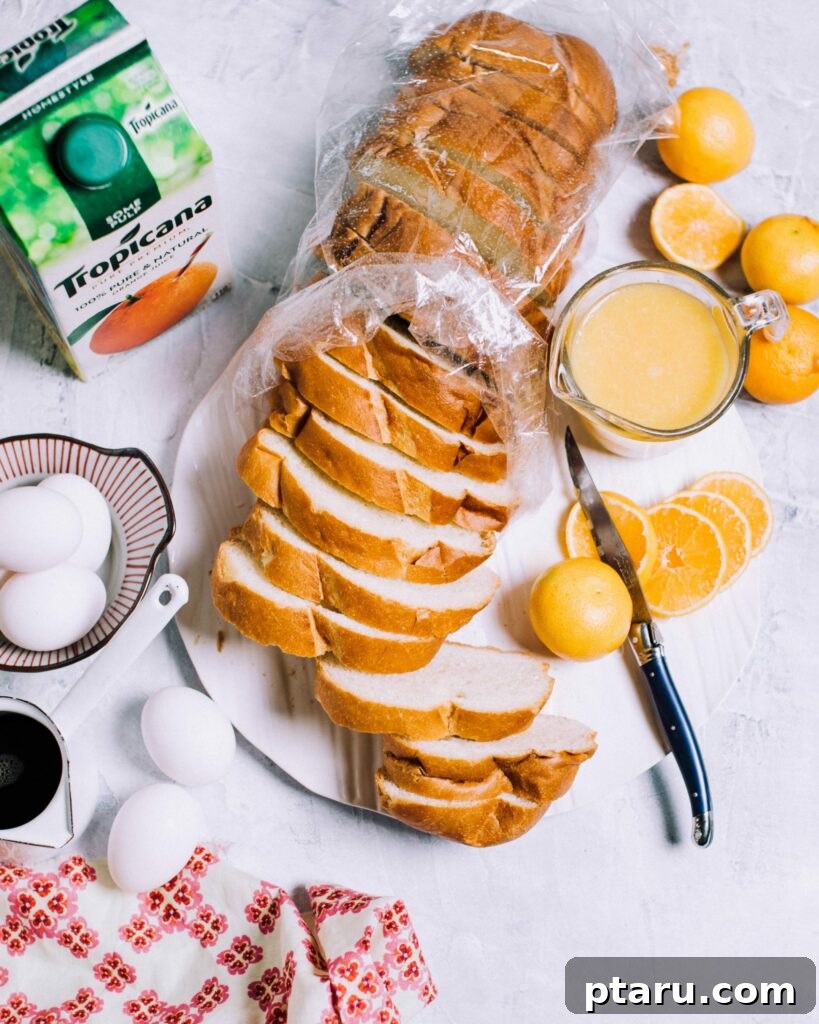
Core Ingredients for a Divine Breakfast
- Day-old bread (Brioche, Challah, or thick white): This is crucial. Stale bread absorbs the custard much better than fresh bread, preventing a soggy final product. Brioche and challah are preferred for their rich, buttery crumb and ability to hold shape. Thick-sliced white bread also works wonderfully.
- Eggs: The backbone of any French toast, eggs create the custardy texture and bind the ingredients together. We use large eggs for optimal richness and structure.
- Orange zest (from 1–2 oranges): This is where the primary orange flavor resides. Zest contains the aromatic oils of the orange peel, providing an intense, bright citrus note that juice alone cannot replicate. Don’t skip this for maximum flavor!
- Orange juice: Complements the zest, adding a sweet and tangy liquid element to the custard. Freshly squeezed is always best for the purest flavor.
- Heavy cream (or half-and-half): Provides the luxurious richness and velvety texture of the custard. Heavy cream delivers a truly decadent experience, while half-and-half offers a slightly lighter, yet still creamy, alternative.
- Maple syrup: Our preferred natural sweetener, contributing a warm, earthy sweetness that pairs beautifully with citrus and vanilla.
- Vanilla extract: A classic pairing with orange, vanilla deepens the flavor profile and adds a comforting, aromatic quality.
- Butter: Used to grease the baking dish and can be drizzled over the top for extra richness and a golden crust.
- Confectioners’ sugar (for dusting): An essential finishing touch, adding a delicate sweetness and elegant presentation.
- Optional toppings: Fresh clementine segments, vibrant pomegranate arils, or crunchy sliced almonds for added texture and visual appeal.
You’ll find the precise quantities for each ingredient in the detailed recipe card towards the end of this article, ensuring perfect results every time.
Creative Variations and Smart Substitutions
This recipe is incredibly versatile, allowing for customization to suit your taste or what you have on hand.
- Bread Choices: While brioche and challah are champions for their softest, richest results in an orange French toast casserole, don’t hesitate to experiment. Hearty French bread or Texas toast will yield a slightly chewier texture, while a sturdy baguette can create delightful, crispy edges. The key is using day-old bread to ensure optimal custard absorption and prevent a soggy outcome.
- Sweetener Swaps: If pure maple syrup isn’t available, rich honey offers a distinct floral sweetness, or light brown sugar can contribute a lovely caramel note, both working beautifully in the custard.
- Dairy Options: For those seeking a slightly lighter profile without compromising on creaminess, half-and-half is an excellent substitution for heavy cream, delivering a wonderfully lush custard. For a dairy-free option, refer to our FAQ section for expert advice.
- Flavor Twists: Beyond orange, consider infusing other flavors. For a classic stovetop rendition that emphasizes a crisp exterior and tender interior, explore our Best French Toast. If you prefer the comforting warmth of cinnamon over citrus, our quick French Toast Bake is a fantastic choice. For a hearty cubed-bread casserole experience, our classic French Toast Casserole offers a delightful alternative.
- Spice it Up: A pinch of ground cardamom or nutmeg alongside the orange zest can add another layer of sophisticated flavor.
- Boozy Kick: For an adult twist, a splash of Grand Marnier or Cointreau in the custard would enhance the orange flavor dramatically.
Essential Tools for a Seamless Preparation
Having the right kitchen tools makes preparing this casserole a breeze. These items are commonly found in most kitchens and ensure an efficient and enjoyable cooking process.
- 9×13 baking dish: The standard size for most casseroles, providing ample space for this delicious creation. Ensure it’s deep enough to hold the bread and custard comfortably.
- Large bowl and whisk: Essential for effortlessly combining the custard ingredients until smooth and well-aerated.
- Microplane (or fine grater) for zesting: A microplane is indispensable for extracting the fine, aromatic zest from the oranges without grating into the bitter white pith.
- Foil for tenting: Crucial for preventing the top of the casserole from browning too quickly, allowing the interior to cook through perfectly.
- Instant-read thermometer: Highly recommended for accurately checking the internal temperature, ensuring the custard is perfectly set and safe to eat.
Step-by-Step Guide: How to Make Orange French Toast Casserole
The beauty of this orange French toast casserole lies in its flexibility; it can be quickly assembled and baked immediately, or meticulously prepared the night before for deep flavor infusion. The enchanting orange zest plays a pivotal role, not only perfuming the custard with its bright aroma but also imparting a delicate, soft citrus glow to the entire baked dish. Follow these simple steps for a truly memorable breakfast.
1. Preparing Your Aromatic Orange Custard
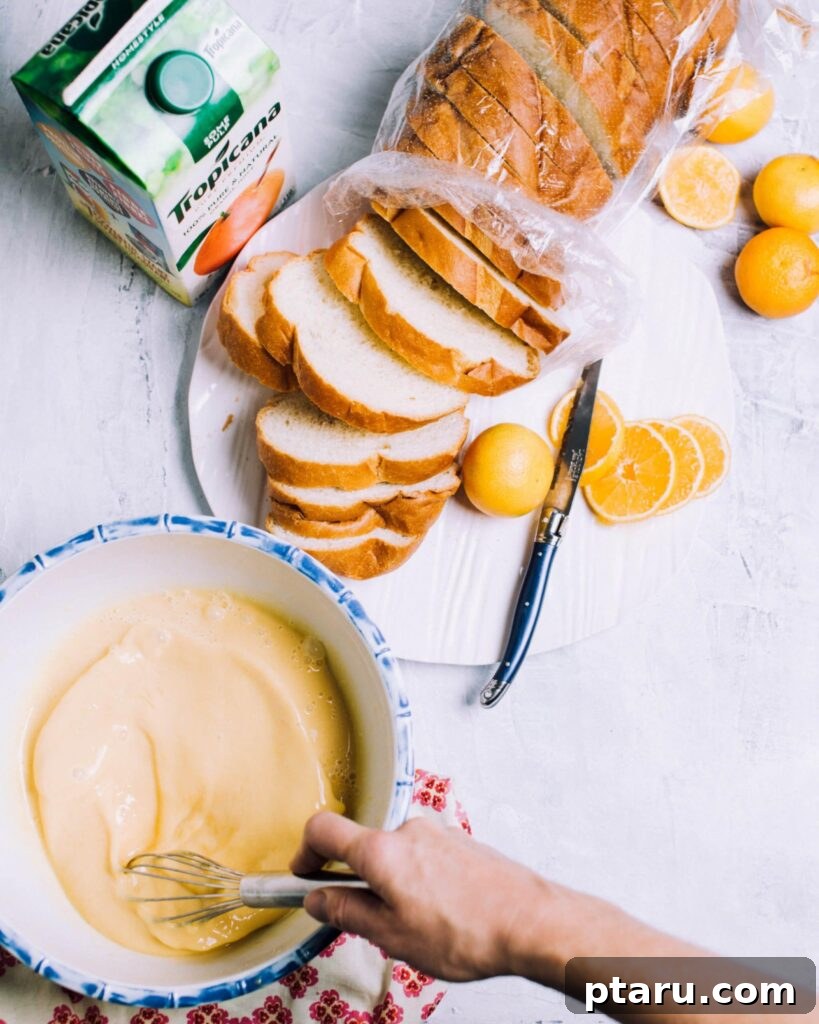
In a large mixing bowl, combine the eggs, vibrant orange zest, fresh orange juice, rich heavy cream, pure maple syrup, fragrant vanilla extract, and a pinch of salt. Whisk vigorously until the mixture is completely smooth and evenly incorporated. It’s vital to remember that the zest carries the most potent and nuanced orange flavor; therefore, under no circumstances should you skip this step. The fine particles of zest will infuse the custard with an unparalleled brightness that juice alone cannot achieve.
2. Expert Assembly of Your Casserole
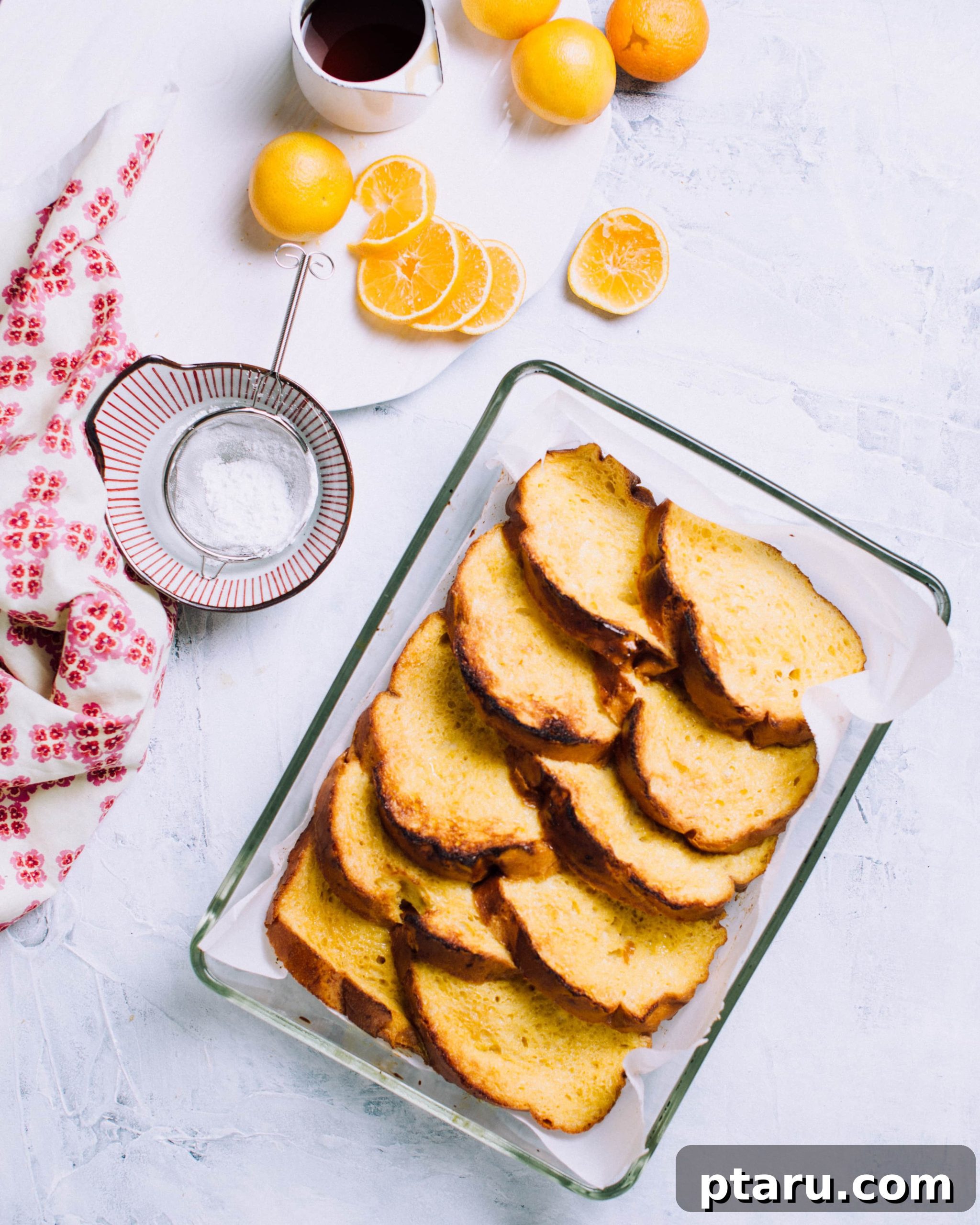
Begin by generously buttering your 9×13 baking dish to prevent sticking and add another layer of flavor. Arrange your chosen day-old bread – whether cubed for a rustic feel or in elegant, overlapping slices – into the prepared dish. Carefully pour the freshly prepared orange custard evenly over the bread. Gently press down on the bread pieces with a spatula or your hands to ensure every single piece is thoroughly coated and submerged in the custard. This critical step guarantees maximum absorption, allowing the delightful orange flavor to deeply infuse into the bread, promising a consistently delicious bite throughout the casserole.
3. The Moment of Chill or Bake
Once assembled, cover the baking dish tightly with plastic wrap or foil. For the most profound and integrated orange flavor, we highly recommend refrigerating the casserole overnight (8-12 hours). This extended chilling period allows the bread to fully absorb the rich custard and the citrus flavors to deepen beautifully. If time is short, you can let it stand at room temperature for at least 10 minutes before baking, though an overnight chill yields superior results.
When ready to bake, preheat your oven to 350°F (175°C). Bake for approximately 35-45 minutes if coming straight from the refrigerator, or 30-35 minutes if at room temperature. The casserole is perfectly done when it’s beautifully puffed up, golden brown on top, and an instant-read thermometer inserted into the center registers between 175–185°F (79-85°C). If you notice the top browning too quickly before the center is fully cooked, lightly tent the casserole with aluminum foil. Once removed from the oven, allow it to rest for a few minutes (5-10 minutes) before slicing and serving. This resting period allows the custard to fully set, making for cleaner slices and a more stable texture.
Make Ahead Magic: Tips for Preparation and Storage
This orange French toast casserole truly shines as the ideal Christmas morning orange French toast casserole, or for any special occasion when you want to minimize morning kitchen chaos. The ability to assemble it the night before and simply pop it in the oven while your coffee brews is a game-changer, allowing you to savor precious moments with loved ones rather than rushing around the kitchen.
Storing Leftovers Safely
Should you find yourself with any delicious remnants of this casserole (a rare occurrence!), proper storage is key to enjoying them later.
- Refrigerate: Ensure any leftover slices are cooled completely before transferring them to an airtight container. They will keep beautifully in the refrigerator for up to 3 days, maintaining their delightful flavor and texture.
- Keep toppings separate: For the best quality and presentation, always store any fresh fruit, syrup, or confectioners’ sugar separately. These should only be added just before serving reheated portions to prevent sogginess and maintain freshness.
Freezing for Future Enjoyment
This casserole is also a fantastic candidate for freezing, making it perfect for meal prepping or having a quick, gourmet breakfast on hand.
- Freeze slices: Once completely cooled, slice the casserole into individual portions. Wrap each slice tightly in plastic wrap, then place them in a freezer-safe bag or container. This method helps prevent freezer burn and makes for easy single servings. It can be stored in the freezer for up to 2 months.
- Thaw overnight: For optimal texture and flavor when reheating, transfer frozen slices to the refrigerator to thaw overnight. This slow thawing process helps maintain the custardy interior.
Reheating for Perfect Results
Reheating your orange French toast casserole correctly can bring it back to its near-original glory.
- Oven Method: This is the preferred method for maintaining a crisp exterior and warm, custardy interior. Preheat your oven to 300–325°F (150-160°C). Place the casserole slices in an oven-safe dish, cover them loosely with foil initially to warm through without drying, then uncover for the last few minutes to re-crisp the edges.
- Microwave Method: For a quick single serving, the microwave is convenient. However, be aware that the texture will be softer and less crispy than oven-reheated portions. Heat in 30-second intervals until warmed through.
Elegant Serving Suggestions for Your Orange French Toast Casserole
The presentation of your orange French toast casserole is just as important as its flavor, especially for holiday gatherings. Transform your dish into a visual feast by dusting it generously with a cloud of confectioners’ sugar, creating a delicate, snow-like appearance. A lavish drizzle of pure maple syrup adds an irresistible sheen and complementary sweetness. For a truly festive and vibrant finish, artfully scatter fresh clementine slices or brilliant pomegranate arils over the top, adding both color and a burst of fresh flavor.
Irresistible Toppings & Complementary Add-Ins
Elevate your casserole with these delightful additions that enhance both flavor and texture:
- Fresh Clementines or Mandarins: Sliced thin or segmented, these provide an extra burst of fresh, juicy orange flavor and a beautiful color contrast.
- Pomegranate Arils: Their jewel-like appearance and tart-sweet crunch add a sophisticated touch and festive flair.
- Toasted Nuts: Sliced almonds or chopped toasted pecans offer a wonderful textural counterpoint to the soft casserole, adding a nutty depth.
- Creamy Indulgences: A dollop of plain or vanilla yogurt provides a tangy creaminess, while freshly whipped cream elevates the dish to pure dessert-like luxury.
- Citrus Glaze: A simple glaze made from confectioners’ sugar and a bit more orange juice can be drizzled for extra sweetness and citrus punch.
- Berries: Fresh raspberries, blueberries, or sliced strawberries can add a pop of color and tartness, balancing the richness.
Perfect Side Dishes to Complete Your Brunch
Create a well-rounded and satisfying brunch spread by pairing your orange French toast casserole with these complementary sides:
- Savory Proteins: Crispy bacon, savory breakfast sausages, or even a flavorful ham provide a wonderful contrast to the sweet casserole and add essential protein to your meal.
- Bright & Fresh: A simple fresh fruit salad, featuring seasonal berries, melon, and grapes, offers a refreshing palate cleanser and a healthy component.
- Another Brunch Favorite: For those who crave something heartier and savory, consider offering our satisfying Tater Tot Breakfast Casserole as an alternative or additional option.
- Warm Beverages: Don’t forget freshly brewed coffee, strong black tea, or even a sparkling mimosa to complete the holiday experience.

Pro Tips & Science-Based Secrets for French Toast Perfection
Achieving the perfect orange French toast casserole is a blend of art and science. These expert tips, backed by culinary principles, will ensure your dish is consistently delicious and custardy without being soggy.
- Harness the Power of Fresh Orange Zest: The aromatic oils in the orange peel contain the most concentrated flavor. Using fresh zest (and avoiding the bitter white pith) ensures a bright, authentic citrus profile that artificial flavorings simply cannot replicate. Zest contributes the complex, floral notes, while juice provides the tang and sweetness.
- Gentle Pressing for Even Absorption: After pouring the custard, gently pressing the bread down ensures every piece is fully submerged and coated. This allows for even saturation without compacting the bread, which could lead to a dense, rather than airy, texture. It’s the key to a uniformly custardy bite.
- The Critical Role of Internal Temperature: Overbaking can lead to a dry, rubbery casserole, while underbaking results in a raw, liquid center. Using an instant-read thermometer to verify the center reaches 175–185°F (79-85°C) guarantees a perfectly set yet still custardy finish. This range indicates the eggs have coagulated sufficiently for structure, but not so much that moisture is expelled.
- Mastering Sweetness Balance: Aim to keep the casserole itself lightly sweet. This allows guests to customize their desired level of sweetness with additional maple syrup, confectioners’ sugar, or other toppings. A slightly less sweet base highlights the natural orange and vanilla flavors more effectively and prevents the dish from becoming cloyingly sweet, especially when topped.
- The Day-Old Bread Advantage: Stale bread is porous and has less moisture, making it a sponge for the custard. Fresh bread retains more moisture and tends to fall apart or become overly mushy when soaked. For best results, slice your bread the day before and leave it exposed to air, or lightly toast it if you’re in a hurry.
- Preventing a Soggy Bottom: While proper bread selection is key, ensuring your baking dish is adequately buttered (or lined with parchment) and that the casserole is baked through to the correct internal temperature are also crucial. The moderate oven temperature allows the custard to set gently from the outside in.
Frequently Asked Questions: Orange French Toast Casserole
It’s a common concern, but rest assured, with the right technique, your custard will be perfectly smooth. The key is to use a moderate baking temperature of 350°F (175°C) and ensure a balanced egg-to-dairy ratio in your custard mixture. The acidity of the orange juice is diluted by the cream and eggs, preventing curdling. Bake until the center of the casserole reaches an internal temperature of 175–185°F (79-85°C) to ensure it sets beautifully without any risk of separation or curdling. This temperature range is ideal for egg coagulation in a custardy dish.
For an exceptionally soft, rich, and luxurious orange French toast casserole, challah and brioche are undeniably the top choices. Their tender crumb and slight sweetness absorb the custard beautifully, yielding a consistently moist and flavorful result. Crucially, always opt for day-old slices or cubes, as stale bread is more porous and soaks up the custard evenly, preventing a soggy center. Day-old bread also holds its structure better, ensuring tidy, appealing slices.
While an overnight refrigeration period (8-12 hours) is highly recommended for the deepest orange flavor penetration and the most uniform custard absorption, it’s not strictly mandatory. If time is a constraint, you can absolutely assemble the casserole the morning you plan to bake it. For best results in this scenario, allow it to chill for at least 30-60 minutes before baking. This brief chill still allows some time for the bread to soak up the custard, though the flavor may not be as intensely infused as an overnight preparation.
Several factors contribute to preventing a soggy center. Firstly, always use day-old or slightly stale bread; fresh bread is too moist and will break down. Secondly, don’t oversaturate the bread; ensure it’s coated but not swimming in custard. Thirdly, and most importantly, bake the casserole until the middle reaches an internal temperature of 175–185°F (79-85°C). This ensures the eggs are fully set. If you notice the top browning too quickly while the center is still undercooked, simply tent the casserole loosely with aluminum foil for the remainder of the baking time to allow the inside to catch up.
Yes, absolutely! To adapt this recipe for a dairy-free diet, substitute the heavy cream with a rich non-dairy creamer, such as full-fat oat milk creamer, or full-fat canned coconut milk. Be aware that using coconut milk will impart a subtle coconut flavor, which actually pairs quite beautifully with the orange notes. While the flavor profile will shift slightly with non-dairy alternatives, the texture can remain wonderfully lush and custardy, making it a delicious option for everyone.
You May Also Like: For those seeking a quick, no-overnight option, try my Quick French Toast Bake. If a classic stovetop breakfast is more your style, my Best French Toast recipe is a must-try. And for savory brunch enthusiasts, my family favorite Tater Tot Breakfast Casserole offers a hearty and satisfying start to any day.

Christmas Morning Orange French Toast Casserole
Ingredients
- 10 thick slices of day-old white or challah bread (14-16 oz)
- 6 large eggs
- 1 cup orange juice
- ⅓ whipping cream
- ¼ cup pure maple syrup
- 1 tsp pure vanilla extract
- ¼ tsp salt
- 4 tbsp melted butter
Instructions
-
Preheat oven to 350ºF (175°C). Lightly grease a 9x13x2 inch baking dish with butter, or line it with parchment paper for easy removal.
-
In a large bowl, crack the 6 large eggs and whisk them lightly. Add the orange juice, whipping cream, maple syrup, vanilla extract, and salt. Continue whisking until the custard mixture is completely smooth and all ingredients are well combined.
-
Take your day-old bread slices one at a time and quickly dip them into the egg mixture, ensuring both sides are coated but not oversaturated. Arrange the dipped bread slices in overlapping, slightly standing-up layers in your prepared baking dish, as shown in the images. Drizzle the melted butter evenly over the arranged bread.
-
Cover the dish tightly with plastic wrap or foil. For the best flavor, let it stand and refrigerate overnight (8–12 hours). If baking immediately, let it stand at room temperature for at least 10 minutes.
Bake: Place the covered casserole in the preheated oven. Bake for approximately 35–45 minutes if baking from fridge-cold, or 30–35 minutes if at room temperature.
The casserole is done when it’s puffed, golden brown, and an instant-read thermometer inserted into the center reads between 175–185°F (79-85°C). If the top begins to brown too quickly before the center is cooked, loosely tent the dish with aluminum foil.
Allow the casserole to rest for 5–10 minutes before slicing and serving.
Notes
- OVERNIGHT VERSION: For the most deeply infused flavor and stress-free morning, cover the assembled casserole tightly with plastic wrap and refrigerate overnight. On the day of baking, turn your oven on to 375ºF (190°C) and remove the dish from the fridge while the oven preheats. This slight temperature increase from the original 350°F helps compensate for baking a cold casserole. Bake for about 35 minutes, or until crispy and golden.
- If you’re ever questioning the doneness of your casserole, particularly if it looks brown on top but you’re unsure about the center, the internal temperature should ideally reach 160ºF (71°C) to 185°F (85°C) for a fully cooked yet custardy result.
Nutrition
Carbohydrates: 17g |
Protein: 7g |
Fat: 14g |
Saturated Fat: 7g |
Polyunsaturated Fat: 1g |
Monounsaturated Fat: 4g |
Trans Fat: 0.4g |
Cholesterol: 221mg |
Sodium: 149mg |
Potassium: 214mg |
Fiber: 0.1g |
Sugar: 14g |
Vitamin A: 667IU |
Vitamin C: 25mg |
Calcium: 56mg |
Iron: 1mg
Nutrition information is automatically calculated and should only be used as an approximation. Actual values may vary based on specific ingredients and preparation methods.
Tried this recipe? Leave a comment!