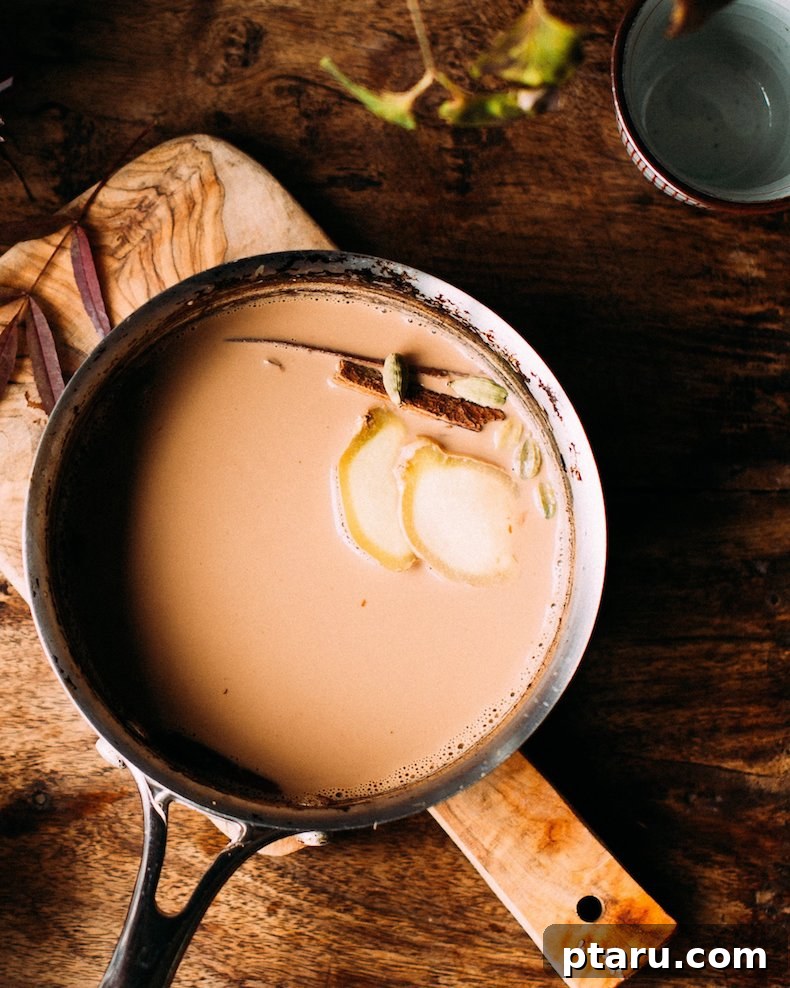
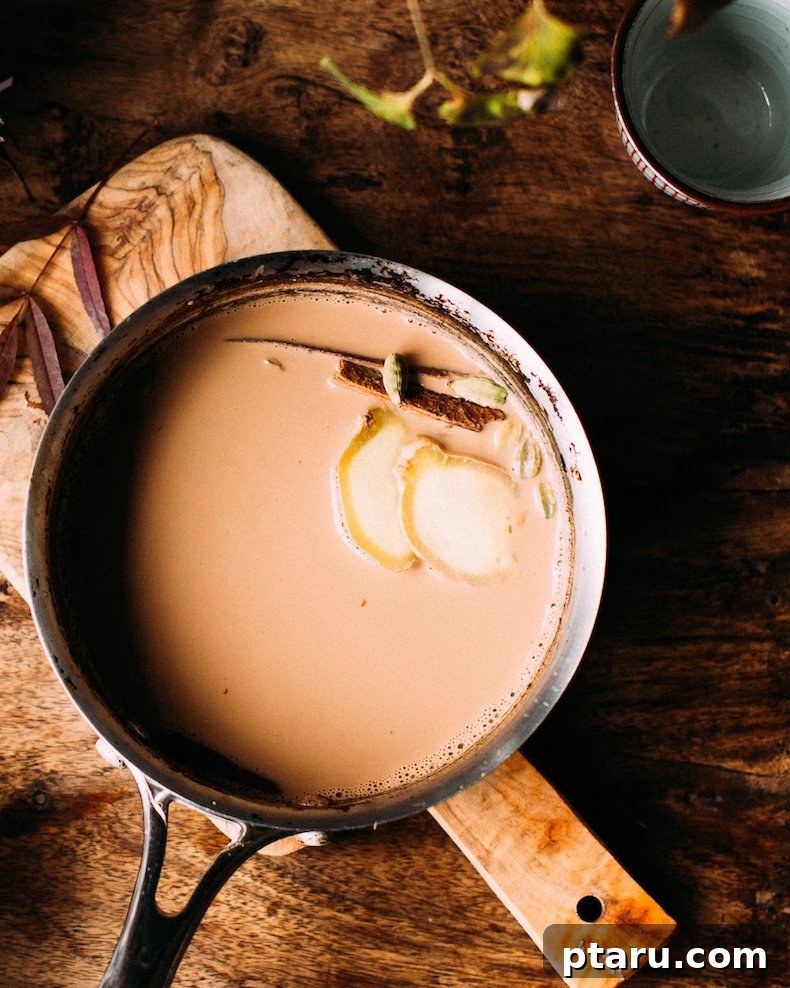
Experience the true taste of India with this authentic Indian Chai tea recipe, cherished and perfected over generations. This isn’t just a beverage; it’s a ritual, a comfort, and a cornerstone of Indian hospitality. Crafted following the traditional methods taught by my lovely Indian mother-in-law, this chai is everything it should be: rich and milky, deeply colored, steaming hot, incredibly flavorful, and perfectly sweet. Prepare to fall in love with homemade masala chai, brewed from scratch with aromatic whole spices like cinnamon, cardamom, and fresh ginger.
What is Chai Tea? Unraveling the Mystery
For many in North America, “chai tea” conjures images of sweet, often heavily spiced lattes from coffee shops. However, the authentic Indian experience of chai is vastly different and infinitely more profound. The pale, often weak tea commonly consumed in Western cultures bears little resemblance to the robust, invigorating brew enjoyed by millions across India daily.
In India, tea is simply called chai. The word chai in Hindi directly translates to ‘tea’. Therefore, asking for “chai tea” in India is akin to asking for “tea tea” – a charming redundancy that might elicit a gentle chuckle from a local. What most Westerners imagine when they think of “chai” is actually masala chai, which means ‘spiced tea.’ Masala refers to a blend of warming spices. So, when you crave that comforting, aromatic beverage, you’re likely thinking of masala chai.
The cultural significance of chai in India cannot be overstated. It’s more than just a drink; it’s an integral part of daily life, hospitality, and social interaction. You’ll find chai-wallas (tea vendors) on nearly every street corner, skillfully pouring steaming tea from a height into small glasses, a technique known as “pulling” the chai. This method helps to cool the tea slightly and aerate it, enhancing its flavor and creating a delicate froth. Each cup offers a moment of warmth, connection, and a rich burst of flavor, served in its own traditional way.
The Essential Ingredients for Authentic Chai Tea
One of the most defining characteristics of authentic Indian chai is its preparation method: the tea leaves are actually brewed directly in a mixture of milk and water in a saucepan on the stove. This contrasts sharply with steeping tea in a teapot and adding milk afterwards, a practice that often results in a cooler, less integrated flavor. Brewing chai on the stovetop ensures it remains piping hot, with the flavors of tea and spices thoroughly infused into every creamy sip.
To make truly authentic chai tea at home, you will need a few simple yet crucial ingredients:
- Water: The foundation of our brew.
- Milk: Typically whole cow’s milk for its richness, used in a specific ratio to water (roughly one part milk to two parts water, though this can vary to taste).
- Black Tea Leaves: A generous amount is essential for a strong, robust infusion. Loose-leaf tea is preferred, but tea bags can be adapted.
- Sugar: Plenty of it! Chai is traditionally sweet, balancing the strong tea and spices.
- Optional (but highly recommended) Spices: The heart of “masala” chai, these warming spices elevate the flavor profile.
Each ingredient plays a vital role in achieving the perfect balance of richness, strength, and aroma that defines a genuine cup of Indian chai. Using high-quality ingredients will undoubtedly make a difference in the final taste.
Mastering the Method: How to Make Authentic Chai Tea at Home
Forget the syrupy, overly spiced concoctions that Starbucks and other coffee shops might lead you to believe are “chai tea lattes.” The real homemade chai tea recipe is a testament to simplicity and technique, focusing on the purity of ingredients and a precise brewing method. It’s not about complex recipes with dozens of steps, but rather mastering the fundamental process.
The most important key to achieving exceptional flavor is to brew a really good, strong black tea without allowing it to become bitter from over-steeping. This balance is crucial for a perfectly nuanced cup of chai.
Here’s how to brew a truly magnificent cup of authentic Indian chai:
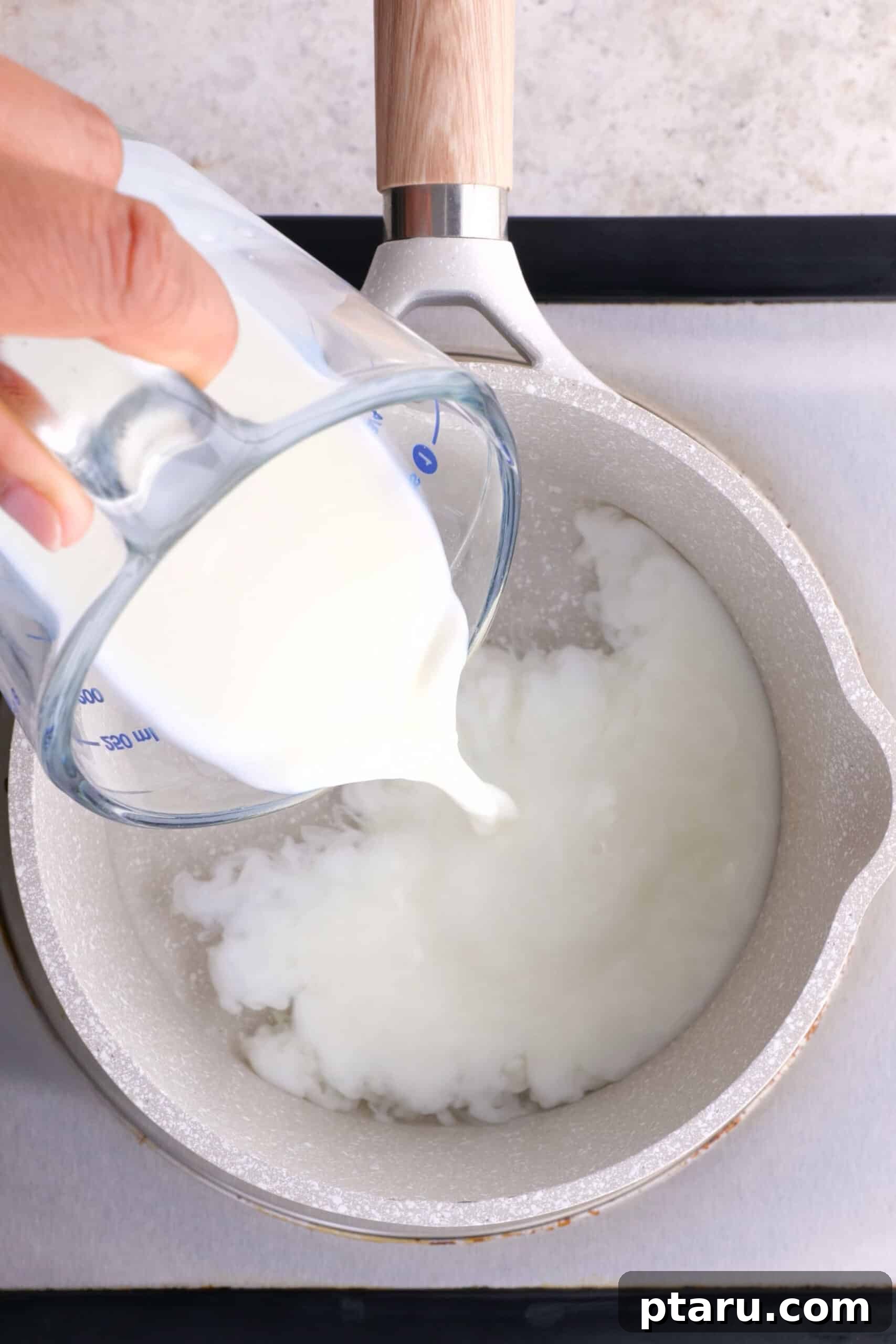
- Simmer the Base: In a small saucepan on the stove, combine water, milk, and your chosen whole spices. Bring this mixture to a gentle simmer. Adding the spices from the very beginning allows them ample time to release their full aromatic oils and infuse deeply into the liquid, creating a rich flavor base.
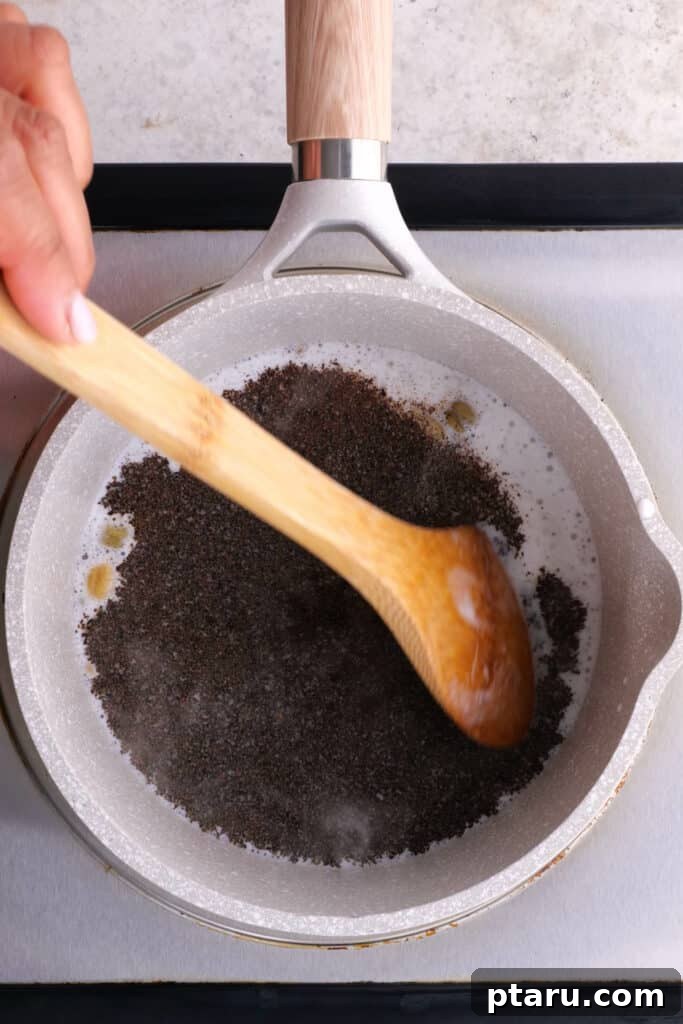
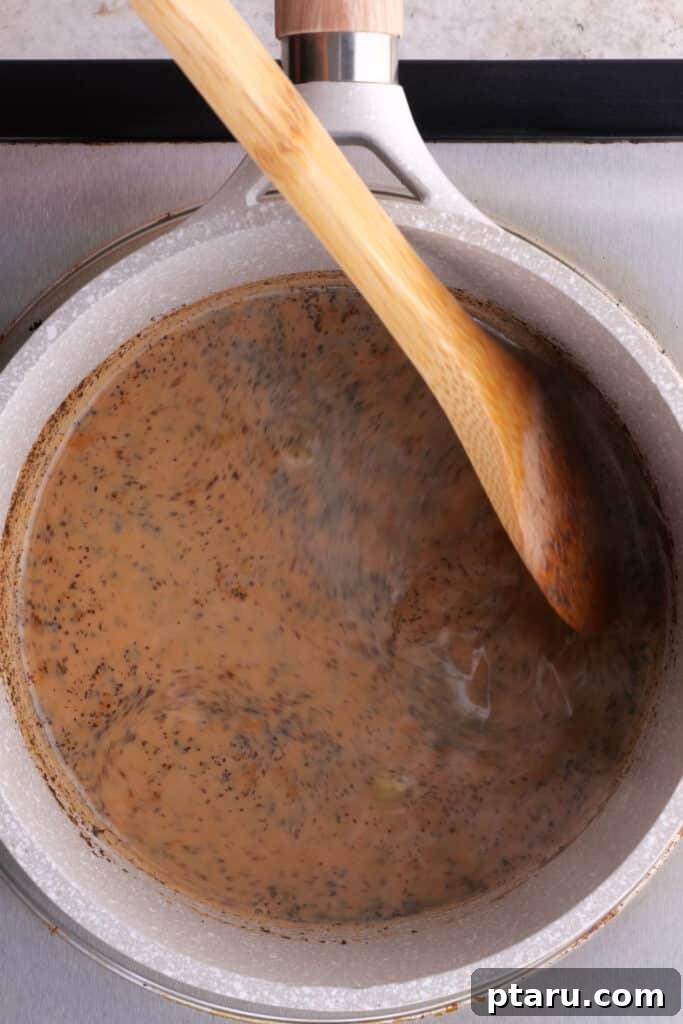
- Introduce the Tea: Once simmering, reduce the heat to its lowest setting. Now, add your black tea leaves. It’s important not to boil the tea vigorously at this stage, as excessive heat can cause the tea to release too many tannins, resulting in a bitter, dry mouthfeel.
- Steep for Perfection: Allow the tea to steep gently. The duration will depend on your desired strength, but generally, 3-5 minutes is sufficient for the tea to develop a deep, inviting pinky-tan color. Stir occasionally to ensure even infusion.
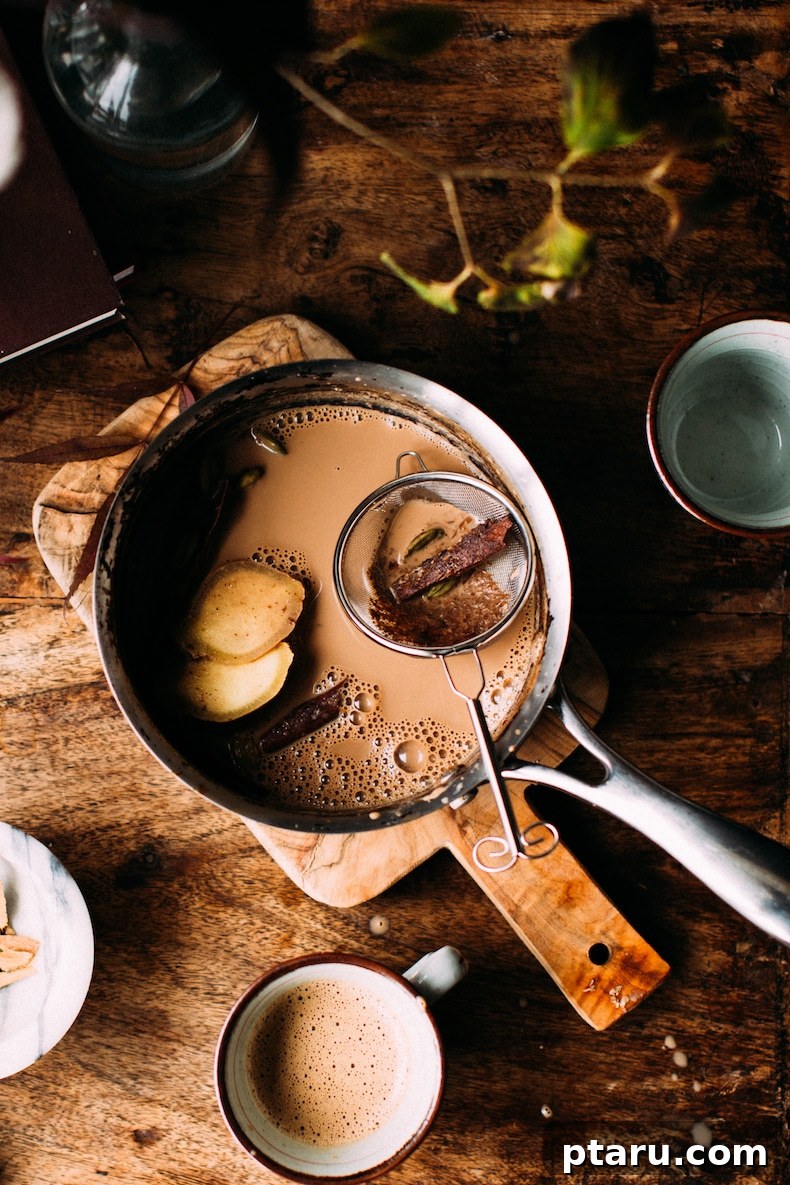
- Strain and Serve: Once the chai reaches your preferred color and strength, carefully strain the warm, spiced mixture directly into a mug. This step will expertly filter out all the whole spices and tea leaves, leaving you with a smooth, clear chai.
- Sweeten to Taste: The final, crucial step is to stir in granulated sugar. Authentic chai is generously sweetened, so don’t be shy! Adjust the amount of sugar to your personal preference, ensuring it balances the robust flavors of the tea and spices.
Remember, this method is highly adaptable. You can easily scale the measurements below to produce a single comforting serving or a larger batch for family and friends. The beauty of homemade chai lies in its simplicity and your ability to customize it to perfection.
The Soul of Chai: Essential Spices for Masala Chai
The magic of masala chai truly comes alive with its aromatic spice blend. While you can find pre-ground “tea masala” at Indian grocery stores, often used in North American coffee-shop chai lattes, I personally find these blends can sometimes taste a bit ‘dusty’ or muted. For the most vibrant and fresh flavor, I highly recommend infusing your chai with whole, fresh spices.
Some of the most common and beloved spices (masala) used in a homemade Indian chai recipe include:
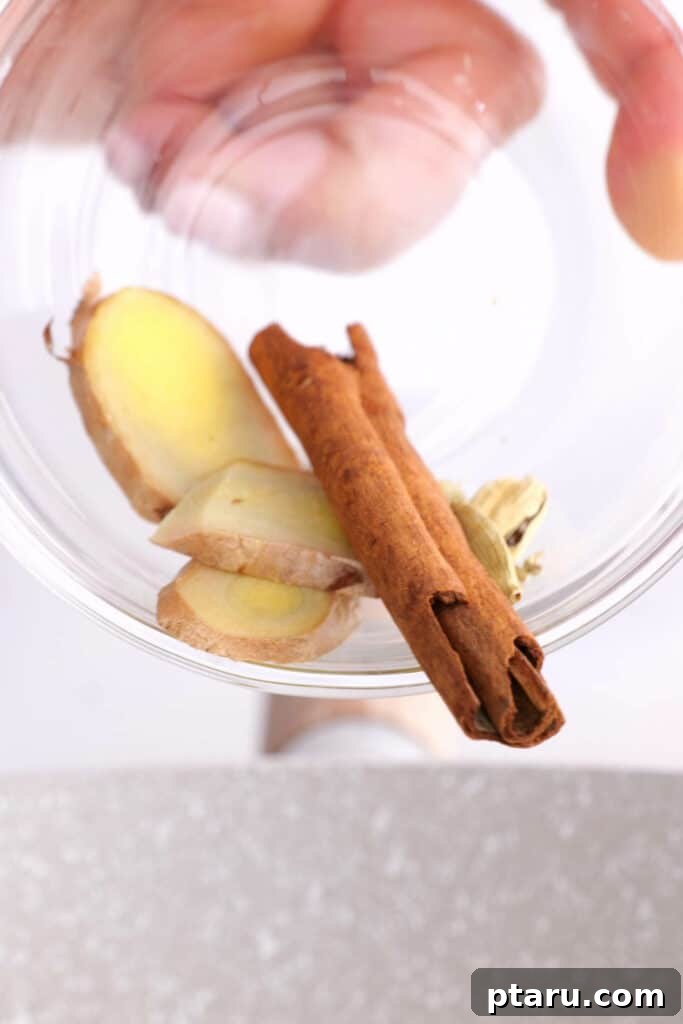
- Cinnamon Sticks: A classic warming spice that adds a sweet, woody aroma. A small piece of a cinnamon stick is ideal, or a tiny pinch (1/4 tsp) of ground cinnamon.
- Fresh Ginger: Essential for a pungent, zesty kick and a beautiful warmth. A thin slice or small coin of fresh ginger root is perfect.
- Whole Cloves: Offer a strong, sweet, and slightly peppery note, adding depth.
- Green Cardamom Pods: These are arguably the most iconic chai spice, delivering a uniquely floral, citrusy, and sweet aroma. Smash them gently to release their intense flavor. A pinch of ground cardamom can substitute.
- Nutmeg: A hint of grated nutmeg provides a warm, earthy, and slightly sweet undertone.
- Allspice: Contributes a complex flavor profile, reminiscent of cloves, cinnamon, and nutmeg.
- Star Anise: Adds a distinct licorice-like sweetness and aroma.
- Fennel Seeds: Offer a subtle sweet, anisy flavor and are known for their digestive properties.
- Black Peppercorns: A few whole peppercorns provide a gentle heat and pungent complexity.
My personal favorite blend for an exquisitely balanced chai often includes fresh ginger root, a few whole cardamom pods, a small piece of cinnamon stick, and sometimes a tiny pinch of fennel seeds. This combination creates a warming, invigorating, and utterly delicious beverage. Feel free to experiment with any or all of these spices to create your own signature flavor profile. If whole spices aren’t readily available, ground spices can be used, but start with smaller quantities and adjust to taste, as their intensity can be quite potent.
Choosing the Best Tea for Your Homemade Chai
The choice of black tea forms the backbone of your chai, providing the robust base that stands up to the milk and spices. For the most authentic and flavorful experience, high-quality loose-leaf black tea is highly recommended. Varieties like Assam or Darjeeling are excellent choices, known for their strong, malty, or bright characteristics that truly shine in spiced tea.
- Assam Tea: Known for its brisk, malty flavor and deep reddish-brown liquor, Assam is often the preferred choice for chai due to its strength, which allows it to hold its own against milk and spices. My mother-in-law often brings me Tata Black Tea, a premium Assam loose leaf, from India, which I can also readily find at local Indian grocery stores.
- Darjeeling Tea: While typically lighter and more floral, a robust Darjeeling can also create a wonderful chai, offering a slightly different aromatic profile.
- Everyday Black Tea: Don’t have specialty loose-leaf? No problem. For everyday chai at home, I often use whatever readily available black tea I can find at the grocery store. For me, that’s typically basic Tetley Orange Pekoe, which still yields a delicious and satisfying cup.
- Caffeine-Free Alternatives: If you’re sensitive to caffeine but still crave the warmth of chai, you have options. Decaffeinated black tea can be used, though I find its flavor tends to be quite lacklustre and doesn’t offer the same depth. A better alternative is rooibos tea, a naturally caffeine-free herbal infusion that has a similar body and can carry the chai spices beautifully, albeit with a different, slightly earthy flavor profile.
The key is to use a strong black tea that can stand up to the addition of milk and spices without getting lost. The boldness of the tea is what gives chai its characteristic invigorating kick.
Perfecting the Sweetness: How to Sweeten Your Chai
Authenticity dictates that chai should be generously sweetened. This isn’t merely about adding sugar; it’s about achieving a harmonious balance that offsets the inherent bitterness of strong black tea and enhances the warmth of the spices. Many traditional recipes call for as much as 1 tablespoon of sugar per cup. While I don’t typically measure, I find myself adding about 1 1/2 to 2 teaspoons to a standard coffee mug. The aim is to achieve a sweetness similar to that of a comforting hot cocoa, rich and satisfying.
Don’t let the amount of sugar deter you. Compared to many commercially prepared chai lattes, which often contain excessive amounts of hidden sugars, preparing your own chai at home allows you to control the sweetness to your exact preference. You’ll simply be aware of what you’re consuming, rather than ignorant.
To sweeten your authentic chai tea recipe, you can use:
- Plain Granulated White Sugar: The most common and traditional choice, providing clean sweetness without altering the flavor profile significantly.
- Natural Cane Sugar: My personal preference. It adds a wonderful depth and a subtle, rich flavor that complements the spices beautifully. Look for unrefined or turbinado sugar.
- Maple Syrup or Honey: While these are natural sweeteners, I typically don’t recommend them for authentic chai. Their distinct, bolder flavors can often overpower the delicate nuances of the chai spices, detracting from the traditional taste.
Ultimately, the amount of sugar is a personal choice, but embracing the traditional sweetness will bring you closer to the true Indian chai experience.
Choosing the Right Milk for Your Chai
The milk component is crucial for the richness and creamy texture of authentic Indian chai. You have several options, each offering a slightly different profile:
- Plain Whole Cow’s Milk: This is the authentic standard and highly recommended. The higher fat content of whole milk contributes to a luxuriously creamy texture and a rich, satisfying mouthfeel that is quintessential to traditional chai. Skim or low-fat milk can make the chai taste watery and less fulfilling.
- Powdered Whole Milk: In certain regions of India where fresh milk might not be as readily available, powdered whole milk is used. I’ve found this can also produce a surprisingly delightful chai, imparting a unique, concentrated creaminess that is quite appealing. If you ever have the chance to try it, it’s an interesting alternative.
- Dairy-Free Alternatives: If you avoid dairy, finding the perfect substitute for chai can be a bit challenging. Many almond, soy, or coconut milk alternatives tend to have strong flavors that can clash with or overpower the delicate spices of chai. They might also curdle or separate when boiled with tea.
- Oat Milk: Among dairy-free options, I’ve found that creamy oat milk, particularly barista-style varieties, tends to work best. They offer a neutral flavor and a good frothing capability (if you like a little foam) that mimics the richness of whole milk more closely. Earth’s Own Barista Oat Milk is one I’ve enjoyed for its texture and flavor in chai. When selecting a plant-based milk, look for one that is unsweetened and has a higher fat content for the best results.
Regardless of your choice, the milk should be an integral part of the brewing process, simmering with the water and spices to create a truly blended flavor.
Chai Tea and Caffeine: What You Need to Know
Given that chai tea is brewed strongly with a generous amount of black tea, it naturally contains a significant amount of caffeine. For those accustomed to coffee, however, it’s worth noting that coffee generally contains nearly twice the amount of caffeine as an equivalent serving of black tea. This means chai can offer a stimulating boost without the intense jolt often associated with coffee.
An interesting aspect of black tea, and thus chai, is the presence of L-theanine. This unique amino acid has therapeutic calming properties. As a Registered Dietitian, I’m well aware of its benefits; in fact, I sometimes take L-theanine as a supplement to help manage stress and improve sleep quality. Because of this compound, the overall caffeine experience in chai is often described as a smoother, more focused, and less aggressive buzz compared to a cup of straight coffee or even chai coffee.
Several factors can influence the caffeine content of your homemade chai:
- Quantity of Tea: More tea leaves mean more caffeine.
- Steeping Time: The longer you steep the tea, the more caffeine will be extracted.
- Stirring: Frequent stirring during brewing can also facilitate greater caffeine release.
By adjusting these variables, you can customize the caffeine level of your chai to suit your needs, whether you’re seeking a gentle morning wake-up or a sustained afternoon pick-me-up.

The Wellness Factor: Are There Health Benefits to Drinking Chai?
Beyond its comforting warmth and exquisite flavor, masala chai infused with traditional Indian spices may offer some impressive health benefits. Many of the spices commonly used in chai have been revered for centuries in Ayurvedic medicine for their medicinal properties. So, is chai tea healthier than drinking coffee? Let’s explore.
Spices like black pepper, cardamom, cinnamon, and clove have demonstrated significant biological activity in preventing and combating various diseases. There is compelling evidence to suggest that these and other spices can effectively reduce inflammation throughout the body. Given that chronic inflammation is linked to a wide array of illnesses, from heart disease to certain cancers, incorporating these spices into your daily routine through chai can be a delicious way to support your health.
Specific benefits attributed to chai spices include:
- Cinnamon: Known for its potent antioxidant properties and its ability to help regulate blood sugar levels.
- Ginger: A powerful anti-inflammatory and antioxidant, ginger is also widely used to aid digestion and alleviate nausea.
- Cardamom: May help with digestion, breath freshening, and has antioxidant compounds.
- Cloves: Rich in antioxidants and possess antiseptic and anti-inflammatory properties.
- Black Pepper: Contains piperine, which can enhance the absorption of other beneficial compounds in the body and acts as an antioxidant.
Moreover, the L-theanine in black tea, as mentioned earlier, can contribute to a state of relaxed alertness, potentially reducing anxiety and improving focus. So, chai lovers, drink up and enjoy the cozy warmth, the delightful flavors, and the potential wellness boost with every cup! (And a heartfelt thank you to Amma for teaching the art of this wonderful tea and for all the love it brings.)
Other Chai Recipes You Will Love
- Karak Chai (Adarsh’s Middle-Eastern obsession)
- Chai Coffee Recipe
- Iced Chai Latte Recipe
- Chai Concentrate Recipe
My Indian Husband’s Favorite Recipes:
- Easy Homemade Butter Paneer
- Flaky Homemade Potato Samosas or Chicken Samosas
- Best-Ever Creamy Butter Chicken (one of the most popular recipes on the website!)
- The Butter Naan Recipe that went totally viral
- Adarsh’s Chicken Korma that he says will change your life.
- Creamy Madras Lentils (the ultimate vegetarian comfort food)
- Amma’s special Masoor Dal recipe
Chai Tea Recipe (Authentic Indian Style!)
Jennifer Pallian BSc, RD
1 minute
5 minutes
6 minutes
1
Video
For a visual guide, please check the original source for the video tutorial.
Ingredients
- 8 oz water
- 4 oz whole milk
- granulated sugar to taste (about 2 heaped teaspoons per serving, traditionally)
- 1 heaping tablespoon of black tea (empty out tea bags to make a tablespoon if you don’t buy loose leaves)
Add any (or all) of the following:
- 4 cardamom pods (smashed with side of a knife)
- small piece of cinnamon stick
- ¼ ” coin of fresh ginger
- pinch of fennel seeds (about 10 seeds)
Instructions
-
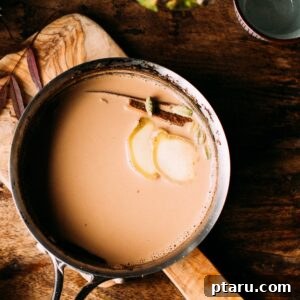
Bring water and milk to a simmer with desired spices in a medium saucepan. Reduce heat to lowest setting and add tea. Steep until tea takes on a deep, pinky-tan color, about 3 minutes, stirring occasionally. Strain into a cup and stir in sugar to taste.
Nutrition
Calories: 162kcal | Carbohydrates: 28g | Protein: 6g | Fat: 5g | Saturated Fat: 2g | Polyunsaturated Fat: 0.3g | Monounsaturated Fat: 1g | Cholesterol: 14mg | Sodium: 47mg | Potassium: 521mg | Fiber: 3g | Sugar: 20g | Vitamin A: 1474IU | Vitamin C: 20mg | Calcium: 186mg | Iron: 2mg
Nutrition information is automatically calculated, so should only be used as an approximation.