Ignite Your Taste Buds with Homemade Mango Habanero Sauce
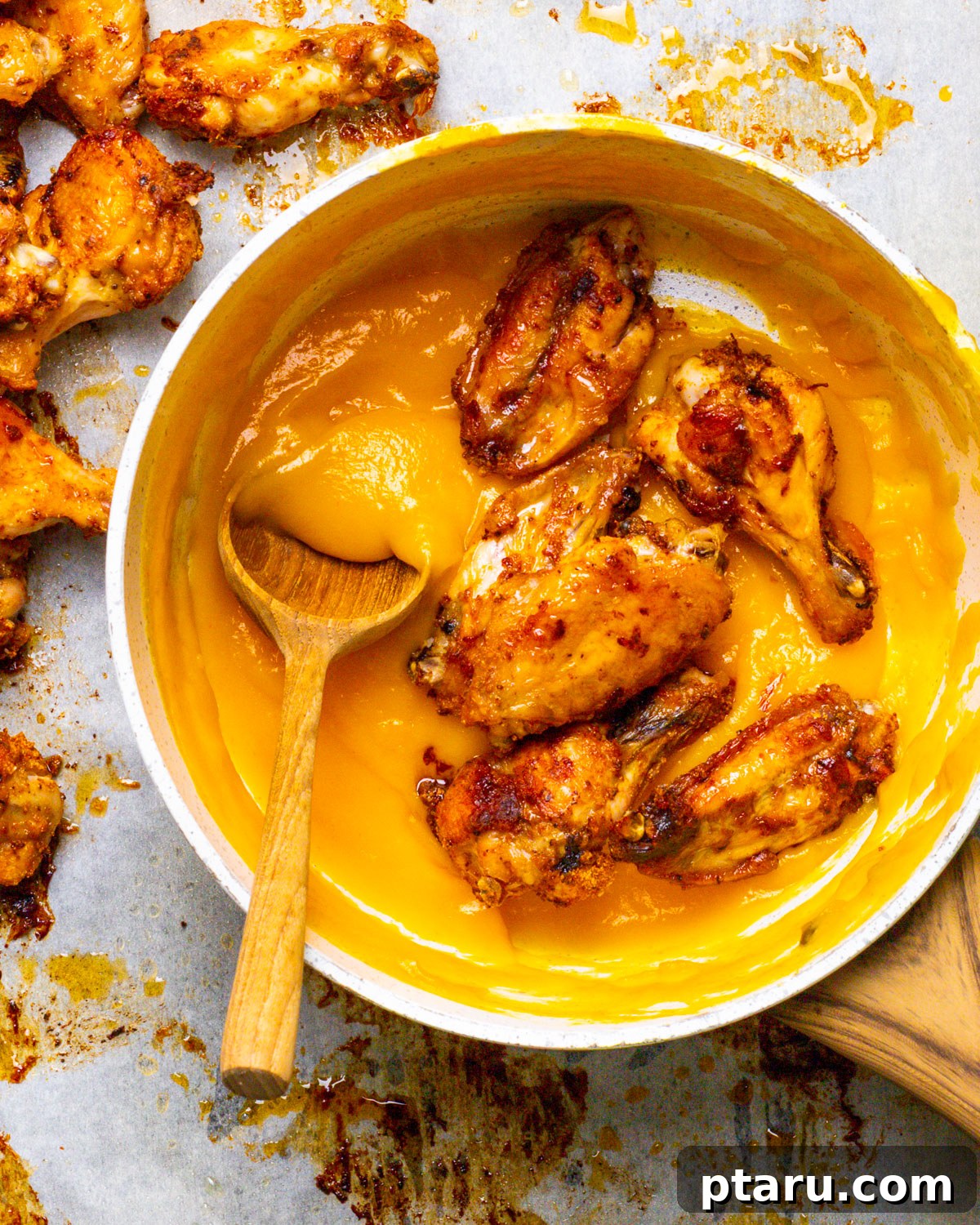
Prepare for a flavor explosion with this incredible Mango Habanero Sauce – it’s an absolute game-changer in every delicious way. Marrying the succulent sweetness of ripe mangoes with the fiery kick of habanero peppers, this sauce delivers an irresistible sweet-heat sensation that’s perfect for drizzling over just about anything. The best part? There’s no tedious chopping involved; simply blend, simmer, and watch as culinary magic unfolds. Transform ordinary meals into extraordinary feasts with this versatile condiment, ideal for glazing chicken wings, elevating tacos, complementing grilled shrimp, and much, much more.

This homemade mango habanero sauce isn’t just a recipe; it’s an experience, especially during the warmer months. Here’s why this tropical hot sauce has earned a permanent spot in my kitchen:
- This particular mango habanero hot sauce masterfully balances sweet, spicy, and tangy notes. Its complex flavor profile instantly elevates any dish, turning a simple meal into a memorable culinary adventure. Just imagine it transforming a batch of Mango Habanero Wings into an epic appetizer.
- Its incredible versatility means it pairs beautifully with an extensive range of foods. Whether you’re using it to glaze succulent air fryer chicken thighs, generously drizzling it over vibrant fish tacos, topping juicy ground chicken burgers, or serving it as a dipping sauce for grilled shrimp, this spicy sauce infuses an immense amount of exotic flavor into every bite.
- You’ll be amazed at how quickly this sauce comes together in minutes. Plus, it’s incredibly easy to adjust to your desired heat level. Whether you prefer a milder hint of spice or a blazing inferno, this recipe is fully customizable. Personally, I find a medium heat level to be the perfect balance, allowing both the fruity sweetness and the chili’s warmth to shine.
Gather Your Ingredients for the Best Mango Habanero Sauce
Creating this delicious homemade sauce is remarkably simple, requiring just a handful of fresh ingredients and basic kitchen tools. Round up everything you need, and you’ll be enjoying your vibrant, flavorful sauce in no time!
Essential Mango Habanero Sauce Ingredients
Each ingredient in this sweet and spicy mango habanero sauce plays a crucial role in creating its balanced and unforgettable flavor profile. Here’s a closer look at what you’ll need:

- Ripe Mango: The star of the show! For the best flavor and texture, use ripe, juicy mangoes. Ataulfo (honey) mangoes or Alphonso varieties are excellent choices for their intense sweetness and smooth flesh, which perfectly balances the habanero’s heat. You can use fresh or frozen pure mango that has been fully thawed. When using frozen mango, remember to measure the quantity *after* it has thawed, as frozen pieces don’t fill a measuring cup the same way soft, fresh mango will. A truly ripe mango will yield slightly to gentle pressure and have a sweet, fruity aroma near the stem.
- Habanero Peppers: These vibrant chilies are responsible for the signature fiery kick of our sauce. Habaneros are relatively hot, typically ranging from 100,000 to 350,000 Scoville Heat Units (SHU). To control the heat level, you can remove the seeds and white membranes (pith), which contain most of the capsaicin. Even a single habanero pepper can pack a significant punch, so start with one, taste, and adjust based on your personal spice preference. Remember to wear gloves when handling habaneros to protect your skin from irritation.
- Honey: This natural sweetener adds a rich, smooth sweetness that beautifully complements the tropical fruitiness of the mango and mellows the heat from the habaneros. It also contributes to the sauce’s lovely consistency.
- White Vinegar: Essential for brightness and tang! White vinegar introduces a sharp acidity that cuts through the sweetness and spice, keeping the flavors lively and balanced. It also acts as a natural preservative, extending the sauce’s shelf life.
- Lime Juice: Freshly squeezed lime juice is a must. Its zesty, bright citrus notes enhance the tropical flavors of the mango and provide another layer of refreshing tanginess, making the sauce truly pop.
- Garlic: A small amount of minced garlic adds a foundational savory depth to the sauce, grounding the sweeter and spicier elements without overpowering them.
- Kosher Salt: Often overlooked, salt is a flavor enhancer that brings all the individual components of the sauce into harmony. Just a pinch makes a big difference in rounding out the overall taste.
- Butter (optional): Stirring in a tablespoon of butter at the very end is a fantastic option, especially if you plan to use the sauce for wings. It lends a luxurious, glossy finish and helps to mellow the heat slightly, creating an even smoother and richer mouthfeel.
Exact ingredient quantities are detailed in the recipe card located at the bottom of this article.
Customizing Your Sauce: Substitutions and Variations
One of the joys of making homemade sauce is the freedom to customize it! If you need to swap out an ingredient or simply want to experiment with different flavor profiles, these alternatives and variations work wonderfully to create your unique spicy mango sauce:
- For Mango: While mango is key for this particular recipe, you can experiment with other tropical fruits for a different twist. Pineapple adds a bright, extra acidic note and tropical sweetness, while peach offers a milder, more mellow sweetness that still pairs well with heat. You could even combine fruits!
- For Habanero Peppers: Adjusting the heat level is easy. For a noticeably milder sauce, consider using other hot peppers like jalapeños or Fresno chilies. If you still crave significant heat but with a slightly different fruity undertone, scotch bonnets are a great substitute, as they are closely related to habaneros in heat and flavor. Always taste and add chilies gradually.
- For Honey: You can easily replace honey with other sweeteners. Brown sugar provides a deeper, caramel-like sweetness. Agave syrup is an excellent vegan option that blends seamlessly into sauces due to its liquid consistency. Maple syrup offers a distinct, earthy sweetness. Choose based on your dietary needs and desired flavor nuances.
- Additional Add-ins: Don’t be afraid to get creative! Incorporating other ingredients can add fascinating layers of flavor. Try a small piece of fresh ginger for a zesty, warming note, or finely minced onion (sautéed slightly) for added savory depth. A pinch of cumin or smoked paprika could also introduce an interesting smoky twist.
- Herb Infusion: For a fresh finish, stir in finely chopped cilantro or mint after the sauce has cooled. This adds a burst of freshness that complements the tropical fruit.
More Amazing Sauces for Your Barbecue Season & Beyond
If you love a good homemade sauce, check out some of these other fantastic recipes that will elevate your grilling and cooking all year round:
- Alabama White Sauce – A tangy, mayo-based sauce perfect for chicken.
- Hot Honey Sauce – Sweet with a gentle kick, ideal for pizza, chicken, and more.
- Garlic Butter Sauce – A rich, savory classic that goes with everything.
- Easy BBQ Meatloaf Glaze – A simple glaze that transforms your meatloaf.
Essential Tools for Making Mango Habanero Sauce
Making this incredible mango habanero hot sauce requires minimal equipment, making it an accessible recipe for any home cook. You’ll primarily need a good blender to achieve that silky-smooth consistency, and a saucepan for simmering.
- Blender or Food Processor: A high-speed blender is ideal for achieving a super smooth sauce. A small food processor can also work, though it might result in a slightly chunkier texture, which some people prefer.
- Large Saucepan: For simmering the sauce to thicken it and meld the flavors. A non-reactive pan (like stainless steel or enamel-coated) is best, especially when working with acidic ingredients like vinegar and lime juice.
- Gloves: Highly recommended when handling habanero peppers to protect your hands from the chili oils and prevent accidental eye or skin irritation.
- Spatula or Whisk: For stirring the sauce as it simmers.
- Airtight Container/Glass Jars: For storing your delicious homemade sauce.
How to Make the Best Mango Habanero Sauce: A Step-by-Step Guide
Get ready to whip up this quick, easy, and incredibly flavorful mango hot sauce in just minutes. Follow these simple steps for a perfect batch every time:


Step 1: Blend All Ingredients to Perfection
Begin by gathering all your core ingredients: the ripe mango chunks, habanero peppers (stemmed and seeded according to your desired heat), fresh lime juice, honey, white vinegar, minced garlic, kosher salt, and water. Carefully place all these components into your blender. Secure the lid and blend on high speed until the mixture is completely silky smooth and uniform in consistency. There should be no noticeable chunks of mango or habanero. This step ensures a luxurious, pourable sauce.
Step 2: Simmer and Thicken Your Sweet Heat Sauce
Once blended, carefully pour the smooth mango habanero mixture from the blender into a medium-sized saucepan. Place the saucepan over medium-high heat and bring the sauce to a gentle boil. Once boiling, reduce the heat to a simmer and let it cook for 5 to 7 minutes, stirring occasionally. During this time, the sauce will slightly thicken, and the flavors will meld beautifully, creating a more cohesive and intense taste. If you’ve chosen to include butter for a glossy finish and mellowed heat, stir it in during the last minute of simmering until fully incorporated. After simmering, remove the saucepan from the heat and allow the sauce to cool for a few minutes before serving or transferring to storage containers. As it cools, it will thicken a bit more, reaching that perfect drizzle-worthy consistency.
Avoid These 3 Common Mistakes for Perfect Mango Habanero Sauce
Even simple recipes can have pitfalls. To ensure your homemade mango habanero sauce turns out absolutely perfect every time, try to steer clear of these common errors:
1. Using Underripe Mangoes: This is perhaps the most frequent mistake. Mangoes that aren’t fully ripe lack the essential sweetness and vibrant flavor needed to balance the heat of the habaneros. They can also contribute a slightly sour or bland taste to the sauce. Always choose ripe mangoes that are sweet, fragrant, and slightly soft to the touch. If your mangoes aren’t quite ripe, let them sit on the counter for a few days. The right mango makes all the difference in achieving that signature sweet-heat profile.
2. Over-Blenders with Too Much Water: While some liquid is necessary for blending, adding too much water or other liquid can quickly thin out your sauce, making it watery and diluting the intense flavors. This can result in a bland sauce that doesn’t coat food well. Start with the minimum amount of water specified in the recipe. If your blender struggles, add liquid gradually, a tablespoon at a time, until the blades can move freely. The goal is a pourable, but not runny, consistency that will thicken slightly when simmered.
3. Underestimating the Heat of Habaneros: Habanero peppers are notorious for their significant heat. Adding too many without proper tasting can quickly overwhelm your sauce, making it unpleasantly spicy and masking the beautiful mango flavor. Always err on the side of caution. Start with one habanero, remove its seeds and membranes for a milder sauce, and blend. Taste the sauce after simmering. If you desire more heat, you can always blend in a small piece of a second habanero (or even just a tiny sliver with some seeds) and simmer again briefly. Remember, it’s easy to add more heat, but impossible to take it away once it’s incorporated.
Make Ahead and Storage Tips for Your Homemade Sauce
One of the fantastic benefits of this mango habanero sauce recipe is its excellent make-ahead potential. Preparing a batch in advance means you’ll always have a flavorful condiment ready to elevate your meals. Here’s how to store and reheat your delicious creation:
Storing Your Mango Habanero Sauce
For best results and to preserve its vibrant flavor, transfer your cooled sauce to an airtight container. Glass jars with tight-fitting lids are ideal as they prevent flavor absorption and keep the sauce fresh. Store it in the refrigerator for up to one week. Always ensure the container is clean and dry before filling.
Freezing for Longer Shelf Life
If you’ve made a larger batch or want to keep the sauce for an extended period, it freezes beautifully. Pour the sauce into small, individual portions using ice cube trays for easy thawing later. Once frozen solid, transfer the cubes to a freezer-safe bag or container. Alternatively, you can freeze the entire batch in a larger freezer-safe container, leaving some headspace for expansion. Frozen, the sauce will maintain its quality for up to 3 months. This is perfect for ensuring you always have some sweet heat on hand!
Reheating Your Fiery Fruity Sauce
To reheat, simply transfer your desired portion to a saucepan and warm gently over low heat, stirring frequently to prevent sticking. If reheating from frozen, allow it to thaw in the refrigerator overnight or use a defrost setting in the microwave before gentle warming. If the sauce has thickened too much during storage or reheating, stir in a splash of water or a little extra lime juice to achieve your preferred consistency and brighten the flavors.
Endless Possibilities: How to Serve This Mango Habanero Sauce Recipe
While this tropical hot sauce was practically made for wings (and I highly recommend trying my Mango Habanero Chicken Wings Recipe!), its versatility extends far beyond that. This sauce is a truly dynamic condiment that can transform almost any savory dish. Here are just a few ideas to get you started:
- Tacos and Burritos: Drizzle generously over chicken street tacos, pork carnitas, or vegetarian bean burritos. Pair it with creamy guacamole and a fresh taco salsa for an explosion of flavors.
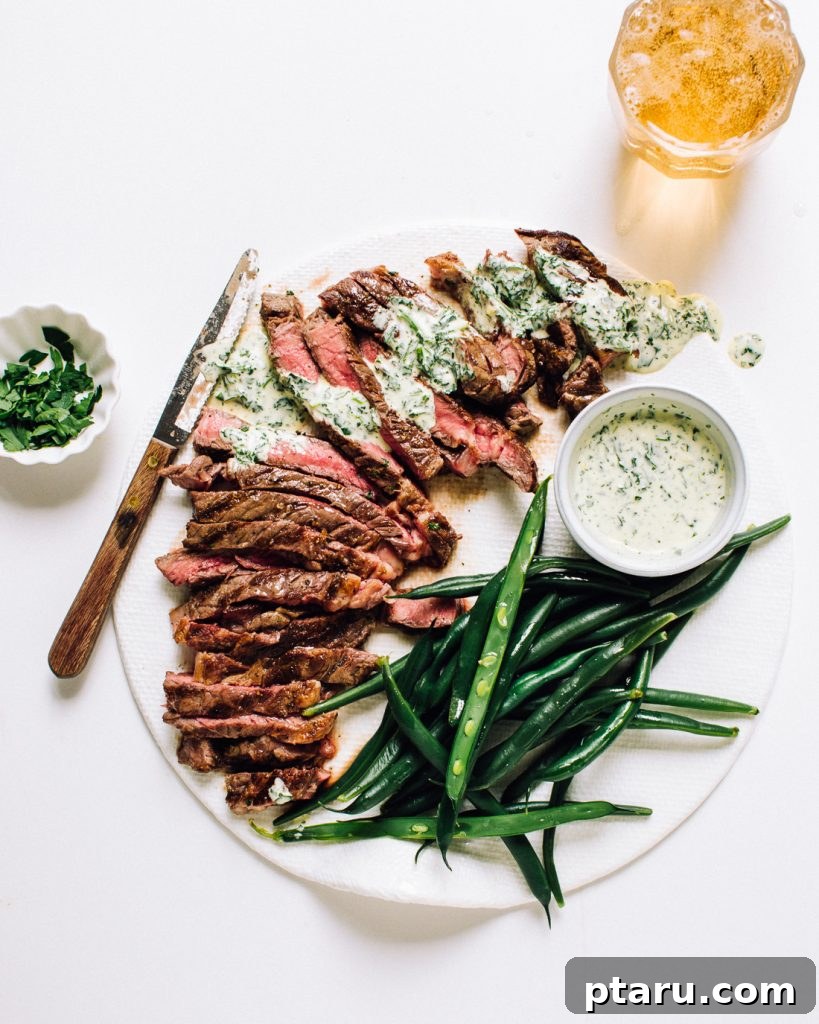
- Grilled Meats and Seafood: Serve it as an exquisite dipping sauce for grilled shrimp skewers, tender salmon satay, or a perfectly cooked flat iron steak. Its sweet heat beautifully complements the smoky char of the grill.
- Burgers and Sandwiches: Spoon it onto your favorite burgers (beef, chicken, or veggie) or elevate a simple deli sandwich with a fiery-sweet kick. It’s fantastic on pulled pork sandwiches too!
- Fish Dishes: It’s a sensational accompaniment to air-fried or grilled fish. I especially love it with these air fryer tuna steaks served alongside coconut rice for a complete tropical meal.
- Appetizers and Dips: Offer it as a dipping sauce for crispy chicken tenders, sweet plantain chips, spring rolls, or even homemade sweet potato fries.
- Creative Mix-ins: For a quick spicy spread or dressing, stir a dollop of this sauce into plain mayonnaise, Greek yogurt, or sour cream. It makes an amazing base for a vibrant salad dressing or a creamy sandwich spread.
- Marinade: Use it as a marinade for chicken, pork, or shrimp before grilling or baking to infuse deep, complex flavors.
- Breakfast Twist: For the adventurous, try a drizzle on scrambled eggs or breakfast burritos for an unexpected morning kick!
Whether served warm or cold, this flavorful sauce keeps things interesting and adds a punch of exotic zest to pretty much anything savory. It’s the ultimate condiment for those who love a blend of tropical sweetness and spicy warmth.

Expert Tips & Science-Based Secrets for the Perfect Mango Habanero Sauce
Achieving a truly outstanding, silky smooth Mango Habanero Sauce involves a few key techniques. These pro tips and insights will help you master this delicious recipe and impress everyone:
- Safety First with Habaneros: This is crucial. Always wear gloves when handling habanero peppers. The capsaicin oil can cause severe irritation if it comes into contact with your skin, and especially your eyes. After handling, wash your hands thoroughly, even if you wore gloves, to be extra safe.
- The Power of Resting: Don’t rush to serve! Allow the sauce to rest for at least 15 minutes (or even longer) after blending and simmering. This crucial resting period allows the myriad of flavors to meld and harmonize, deepening the overall taste. It also permits the heat of the habaneros to mellow ever so slightly, creating a more rounded and enjoyable spice.
- Thinning Wisely: If, after cooling, your sauce appears too thick for your preference, resist the urge to thin it with oil. Instead, thin it with a small splash of water or a bit of extra citrus juice (like lime or orange). Water helps maintain the sauce’s light body, while citrus juice will keep the flavors bright and zesty, preventing any greasiness that oil might introduce.
- Mastering the Heat: The heat level is intensely personal. For a sauce that stays on the milder side but still offers a pleasant warmth, start with just one stemmed and seeded habanero pepper. If you’re a true spice enthusiast craving more intensity, go for two habaneros (or even include some seeds/membranes from one). However, if you’re unsure, always begin with the lesser amount. You can easily blend in an extra piece of habanero and briefly simmer again if you want more heat, but once it’s in, you can’t take it out. As a little trick, if your sauce ends up too intense, stirring in a tablespoon of butter at the end can help smooth out and slightly temper the heat, while also adding a beautiful gloss.
- Taste and Adjust: Throughout the simmering process, taste your sauce periodically. This allows you to adjust seasoning (salt, honey, lime) to your exact preference before it’s complete.
- Achieving Ultimate Smoothness: If you want an exceptionally smooth sauce, consider straining it through a fine-mesh sieve after blending, before simmering. This will remove any tiny bits of chili skin or mango fiber, resulting in a restaurant-quality texture.
Frequently Asked Questions About Mango Habanero Sauce
Just skimming through? Here are quick answers to some of the most common questions about this popular sweet and spicy condiment:
Homemade mango habanero sauce is typically made from a vibrant blend of ripe mangoes (fresh or thawed frozen), fiery habanero peppers, tangy white vinegar, fresh citrus juice (like lime), a natural sweetener (such as honey), aromatic garlic, and a pinch of kosher salt. This combination creates a unique sauce that is sweet, intensely spicy, and wonderfully tangy, perfect for a wide range of dishes.
This sauce offers a captivating flavor journey. It tastes distinctly sweet and tropical upfront, thanks to the fresh mango, quickly followed by a sharp, zesty kick from the lime and vinegar. The signature element is the building heat from the habanero peppers, which starts with a pleasant warmth and develops into a bold, lingering spice on the palate. The overall flavor is complex, vibrant, and incredibly addictive, making it a favorite for spicy food lovers.
Yes, mango habanero sauce generally ranges from medium to very spicy, depending on how many habanero peppers are used and whether their seeds and membranes are removed. Habaneros are known for their significant heat (Scoville Heat Units often between 100,000-350,000). However, the mango’s sweetness and the acidity from vinegar and lime help to balance and temper the heat, making it more palatable than a pure habanero sauce. You can easily adjust the spice level by adding more or fewer peppers, or by removing more of the heat-containing pith and seeds.
When stored properly in an airtight container in the refrigerator, your homemade mango habanero sauce will last for up to one week. For longer storage, it can be frozen in freezer-safe containers or ice cube trays for up to 3 months. Always ensure your containers are clean to maximize freshness and prevent spoilage.
Absolutely! To make this sauce vegan, simply substitute the honey with another liquid sweetener like agave syrup or maple syrup. These alternatives will provide similar sweetness and consistency without compromising on flavor. If using the optional butter, replace it with a vegan butter alternative or simply omit it.
Discover More Delicious Sauce Recipes
If you’ve enjoyed creating this vibrant mango habanero sauce, you’re sure to love these other fantastic homemade condiment recipes:
- Baja Sauce – A delicious, creamy sauce perfect for fish tacos and seafood.
- Lemon Yogurt Dressing – A light and refreshing dressing for salads and grilled vegetables.
- Easy Big Mac Sauce – A copycat recipe that’s even better than the real thing!
- Garlic Butter Sauce – The ultimate savory enhancer for pasta, seafood, and bread.
- Peanut Sauce – A rich and savory sauce that’s SO yummy with satay and noodles!
- Spicy Mayo Recipe – Essential for sushi and a fantastic addition to almost everything else!

Pin
Mango Habanero Sauce
Jennifer Pallian BSc, RD
3 minutes
6 minutes
9 minutes
8
Ingredients
- 1 cup diced ripe mango thawed, if frozen – see note
- 1 -2 habanero peppers stemmed and seeded (see note)
- 2 tbsp honey
- 2 tbsp white vinegar
- 2 tbsp lime juice approx. 2 limes
- ½ tsp minced garlic approx. 1 small clove
- ½ tsp kosher salt
- 2 tbsp water
Optional (for finishing):
- 1 tbsp butter mellows the heat and makes it glossy
Instructions
-
Add the mango, habanero, honey, vinegar, lime juice, garlic, salt, and water to a blender. Blend until smooth.
Transfer to a saucepan and simmer for 5–7 minutes until slightly thickened. If using, stir in the butter, then let the sauce cool for a few minutes before serving.
Notes
- Heat Level: Start with 1 habanero for a milder sauce. Add a second only after tasting.
- Frozen Mango: Thaw completely before measuring—it should be soft and juicy like fresh.
- Butter Option: Stir in butter at the end for a glossy finish and mellowed heat—especially great for wings.
- Storage: Keeps 1 week in the fridge or 3 months in the freezer.
- Serving Tip: Try it on wings, tacos, grilled meats, or stirred into mayo for a quick dip.
Nutrition
Carbohydrates: 17g |
Protein: 1g |
Fat: 3g |
Saturated Fat: 2g |
Polyunsaturated Fat: 0.2g |
Monounsaturated Fat: 1g |
Trans Fat: 0.1g |
Cholesterol: 8mg |
Sodium: 316mg |
Potassium: 139mg |
Fiber: 1g |
Sugar: 15g |
Vitamin A: 654IU |
Vitamin C: 42mg |
Calcium: 12mg |
Iron: 0.2mg
Nutrition information is automatically calculated, so should only be used as an approximation.
Tried this recipe? Leave a comment!