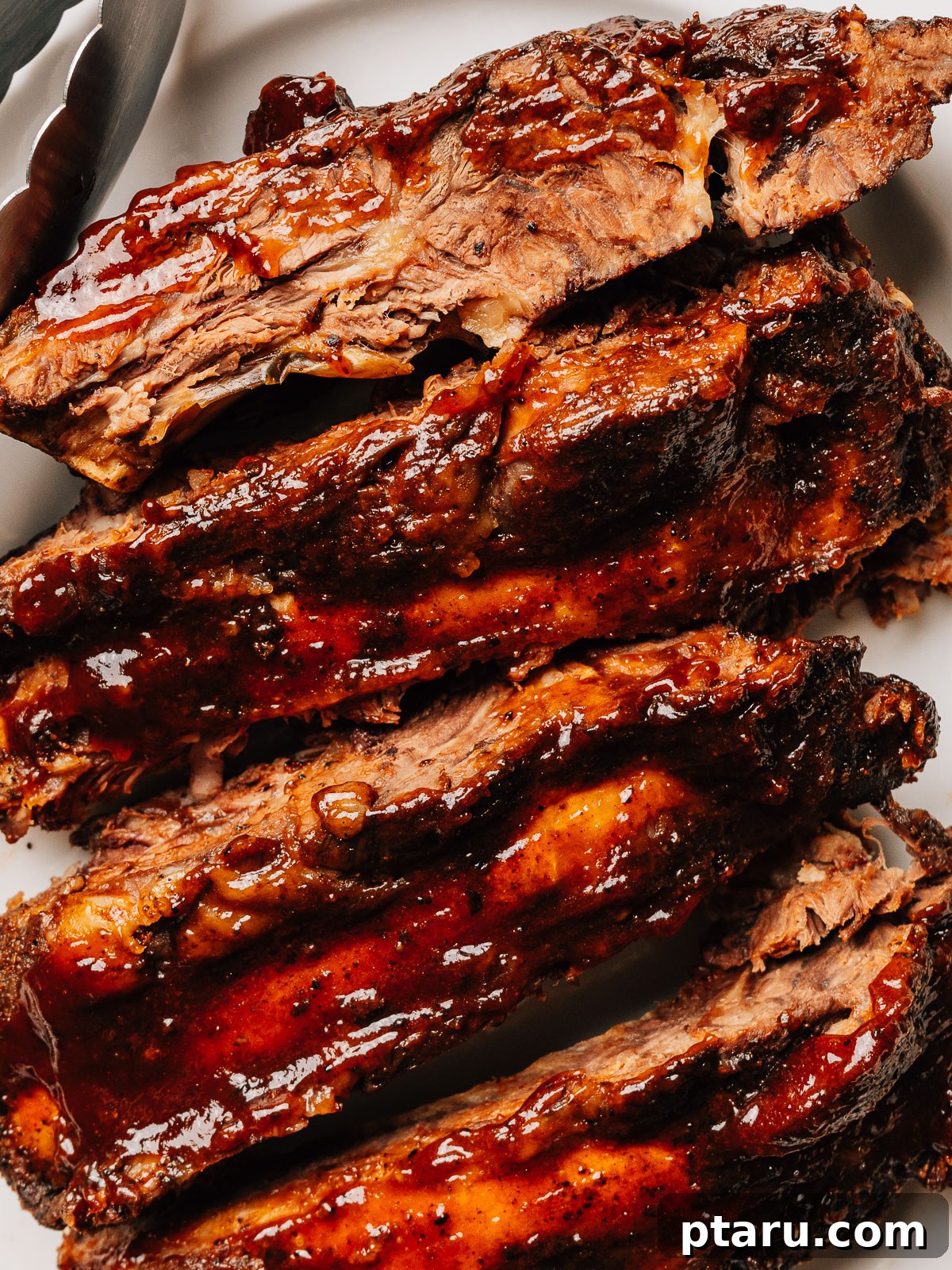
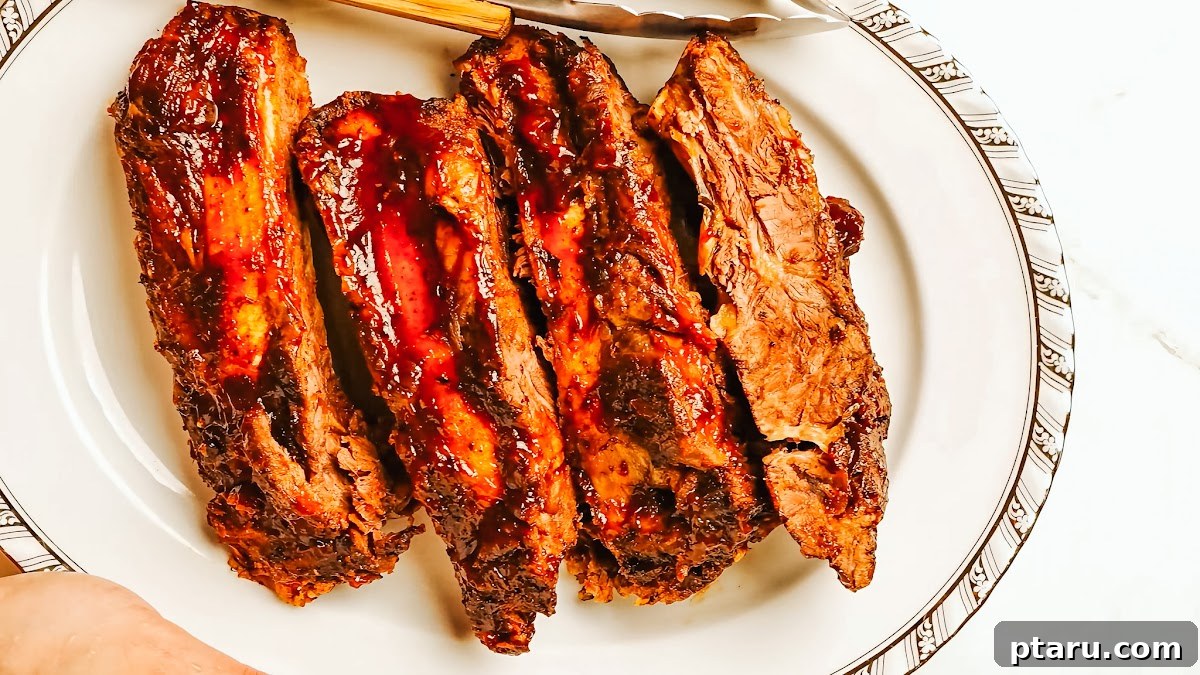
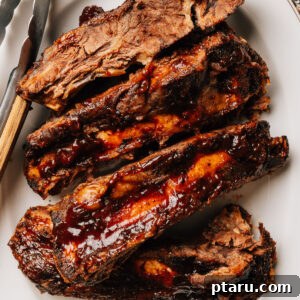
Prepare to impress with this incredibly easy Oven-Baked Beef Ribs recipe! Achieve perfectly fall-off-the-bone tender beef back ribs every single time, coated in a savory spice rub and finished with an irresistibly sticky BBQ sauce. This method transforms tough ribs into a succulent feast that will have everyone licking their fingers and asking for more, proving that you don’t need a smoker for gourmet results.
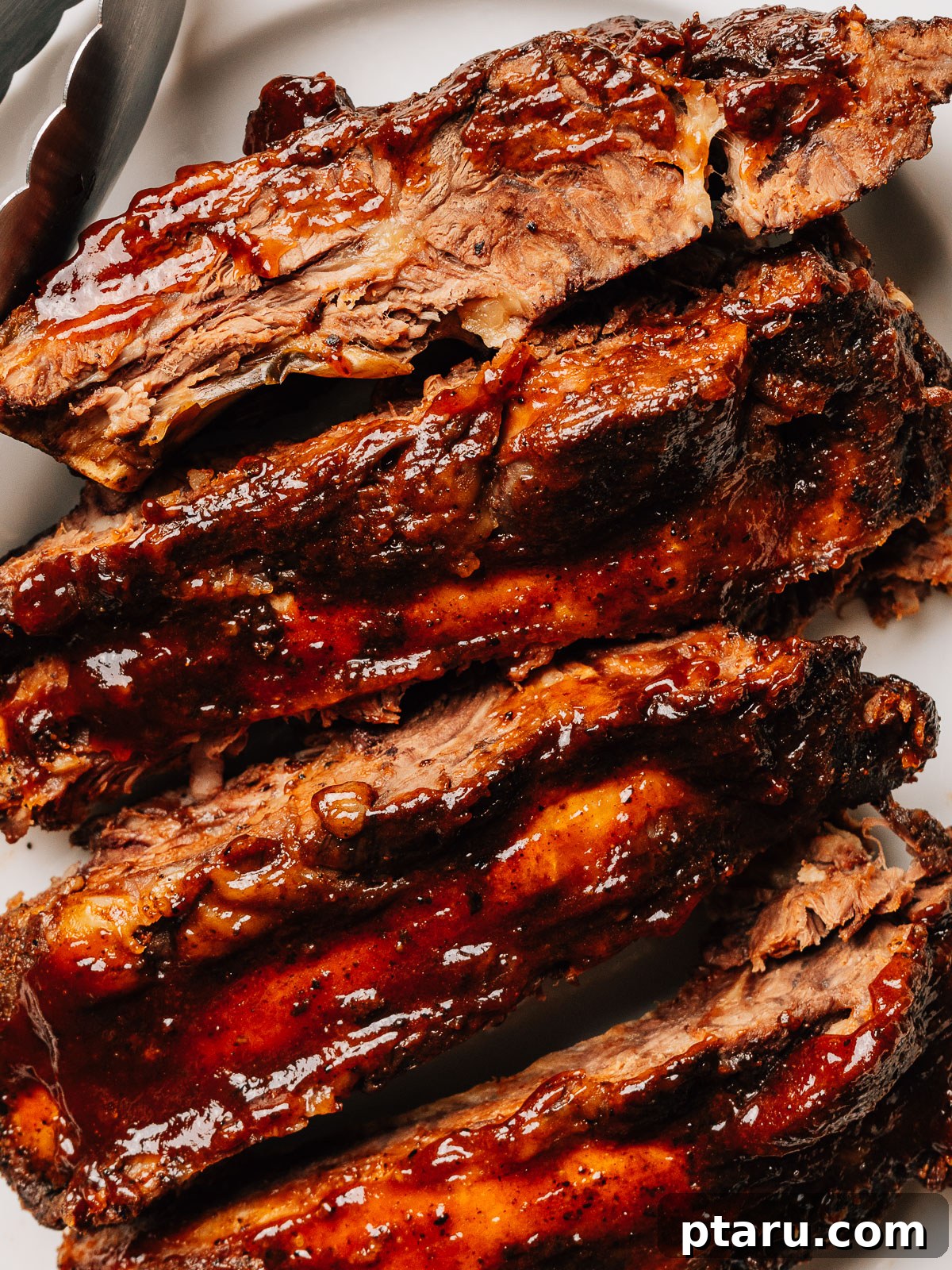
Essential Ingredients for Tender Oven Beef Ribs
Creating magnificent beef ribs doesn’t require a long list of exotic ingredients. With just a handful of pantry staples and a quality rack of beef, you’re set for success. The secret lies in the careful selection of your ribs and the balanced blend of your spice rub. For the best outcome, ask your butcher for a 3.5 to 4 lbs rack of beef back ribs, ensuring there’s ample meat both on top and between the bones.
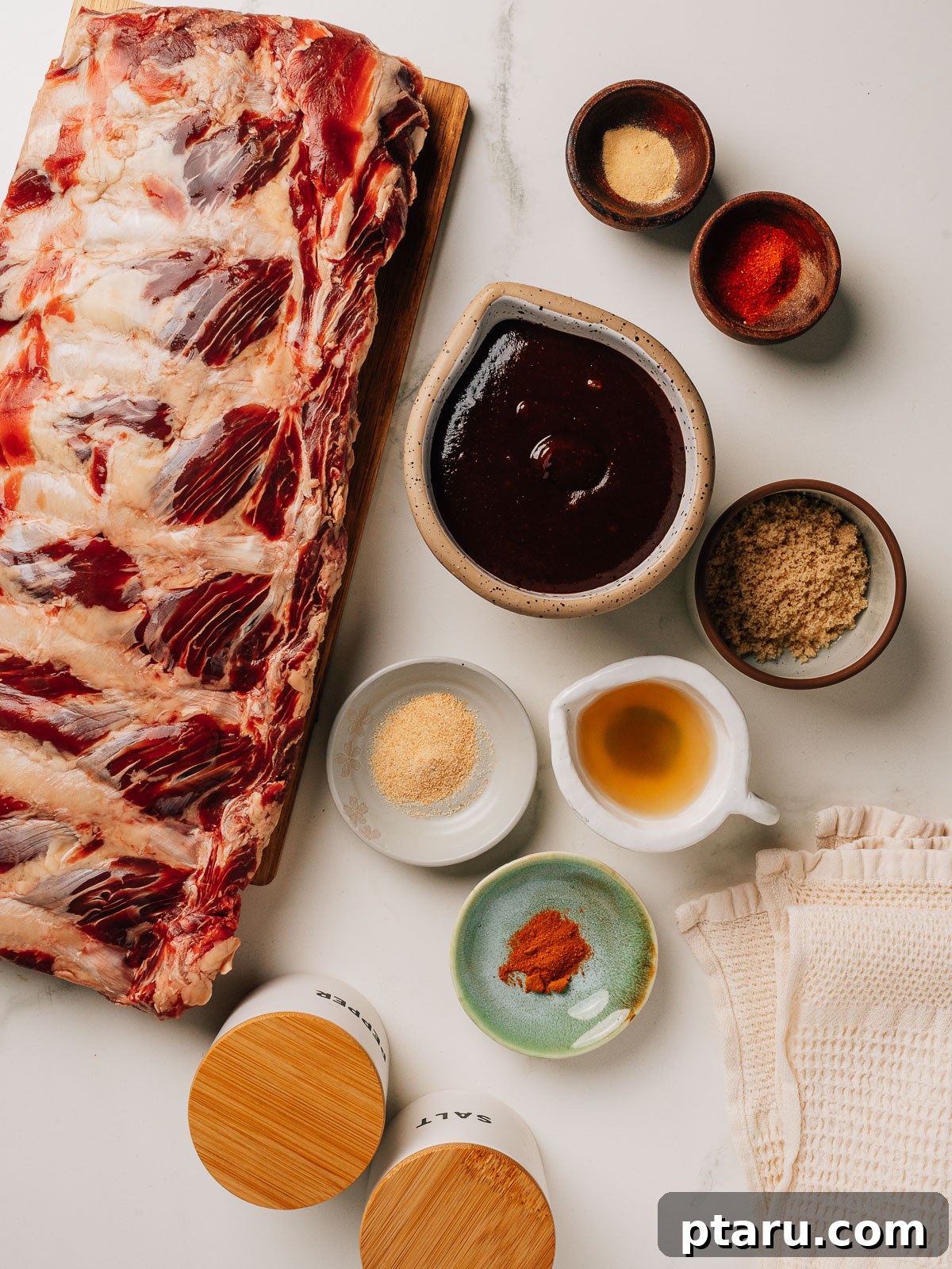
- Beef Back Ribs: The star of our dish. When selecting, prioritize a rack weighing approximately 3.5 to 4 lbs with a good amount of meat. Beef back ribs are known for their rich, beefy flavor and become incredibly tender when slow-cooked.
- Brown Sugar: A crucial component of the spice rub. Brown sugar not only adds a touch of sweetness but also caramelizes beautifully during cooking, helping to form that desirable dark, sticky “bark” on the surface of your ribs.
- Kosher Salt: Essential for seasoning the meat thoroughly. Kosher salt’s larger granules distribute evenly and also help draw out moisture, promoting better browning and a more intense flavor profile.
- Coarse Black Pepper: Freshly cracked black pepper is highly recommended for its pungent aroma and robust flavor. It provides a gentle heat that complements the beef without overpowering its natural taste.
- Garlic Powder: A fundamental ingredient in any savory rub. Garlic powder delivers a deep, aromatic, and savory note, without the risk of burning that fresh garlic might pose during long cooking times.
- Onion Powder: Working in harmony with garlic powder, onion powder adds another layer of sweet, savory depth to the spice rub, creating a well-rounded and irresistible flavor foundation.
- Smoked Paprika: This ingredient is key to achieving that authentic smoky flavor typically associated with barbecued ribs, all without needing a smoker or wood chips. It adds a beautiful color too.
- Cayenne Pepper: A pinch of cayenne introduces a subtle warmth and mild kick. Adjust the quantity to your preference, or omit it for less heat. For extra spice, a dash of hot sauce can be added on the side.
- Apple Cider Vinegar: Splashed over the ribs before wrapping in foil, apple cider vinegar plays a vital role in tenderizing the meat. Its acidity helps break down connective tissues while infusing a delicate tangy flavor that brightens the overall taste.
- BBQ Sauce: The finishing touch! Choose your favorite high-quality store-bought barbecue sauce. Alternatively, for a truly homemade experience, you can prepare a sauce using a trusted recipe, such as the one found in our Spare Ribs recipe.
Exact quantities for each ingredient are provided in the comprehensive recipe card located at the conclusion of this article.
Flavorful Variations and Smart Substitutions
One of the joys of cooking is the ability to adapt recipes to your personal taste. This beef ribs recipe is wonderfully versatile, allowing you to experiment with different spices and liquids to create your unique flavor profile.
- Spice Adjustments: If you prefer a milder heat, consider swapping the cayenne pepper for chili powder. For a less intense smoky flavor, regular paprika can be used in place of smoked paprika. Feel free to incorporate other favorites like cumin, mustard powder, or a dash of celery salt to customize your rub.
- Sweet Alternatives: Brown sugar provides a fantastic caramelization, but honey or maple syrup can be used as alternatives in the dry rub for a different kind of sweetness and sticky texture. Reduce the amount slightly if using liquid sweeteners in the rub.
- Liquid Choices for Braising: While apple cider vinegar adds a wonderful tang and aids in tenderizing, you can easily substitute it with other liquids. Beer, especially a lager or amber ale, can add malty depth, while apple juice offers a sweeter, fruity note. Both alternatives contribute moisture and flavor, helping to create the crucial steam inside the foil packet for ultra-tender ribs.
- BBQ Sauce Creativity: The final glaze is where you can truly express yourself. Any barbecue sauce you love will work well. For an unexpected twist, try our Alabama white sauce, which offers a creamy, tangy contrast. A mixture of spicy hot sauce and a touch of honey or maple syrup also makes an excellent, dynamic glaze.
Essential Tools for Perfect Ribs
Having the right kitchen tools makes preparing these oven-baked beef ribs a seamless and enjoyable process. Here’s a list of what you’ll need:
- Rimmed Baking Sheet or Roasting Pan: This is essential for catching any drips during cooking and provides a stable, flat surface for your foil-wrapped ribs. A sturdy roasting pan will handle the weight and juices effectively.
- Heavy-Duty Aluminum Foil: You’ll need enough heavy-duty foil to create a tight, hermetic seal around the ribs. This seal is crucial for trapping steam, which braises the meat and ensures it becomes incredibly tender during the low and slow bake.
- Paper Towels: Indispensable for gripping the slippery membrane (silver skin) on the back of the ribs when it’s time to remove it. They provide the necessary friction for a clean pull.
- Butter Knife or Small Paring Knife: Used to carefully slide under the silver skin, lifting and loosening it from the bones before you pull it off. Its dull edge helps prevent accidental tears in the meat.
- Basting Brush: A silicone basting brush is ideal for evenly applying the BBQ sauce during the final broiling step, ensuring every inch of the ribs gets a delicious, caramelized glaze.
- Meat Thermometer: For accurate doneness, a reliable meat thermometer is key. Insert it between the bones to ensure the internal temperature reaches the optimal 200 to 205 degrees Fahrenheit for perfectly tender, melt-in-your-mouth ribs.
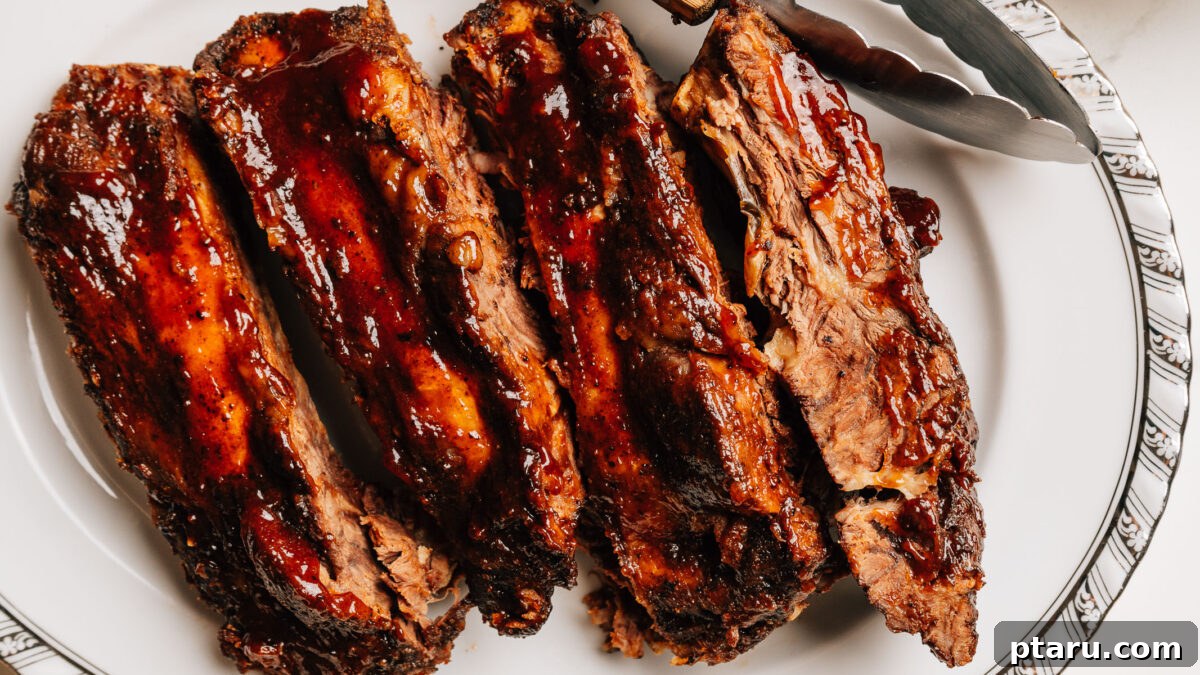
How to Master Beef Back Ribs in the Oven: A Step-by-Step Guide
Forget the smoker; making mouth-watering beef back ribs in the oven is incredibly straightforward and yields consistently spectacular results. This easy guide breaks down the process into simple steps: season, wrap, bake, and broil. Follow these instructions for a perfect rack of tender, flavorful ribs every time.
Step 1: Prepare the Ribs by Removing the Membrane
Before seasoning, it’s crucial to prepare your rack of ribs. Lay the ribs bone-side up on a clean surface. On the underside of the bones, you will notice a thin, shiny, somewhat translucent layer known as the silver skin or membrane. This membrane does not break down during cooking and will result in tough, chewy ribs if left on. It also prevents your delicious spice rub from fully penetrating the meat.
To remove it, carefully slide a butter knife or a small, blunt knife underneath one corner of the membrane, gently working it loose from the bone. Once you have a small flap lifted, grab the edge firmly with a paper towel. The paper towel provides excellent grip, preventing your fingers from slipping. With a steady, firm motion, pull the membrane away from the rack. It should peel off in one continuous piece, revealing the meat beneath. Don’t worry if it tears; just remove as much as you can.
Step 2: Season Generously with the Custom Rub
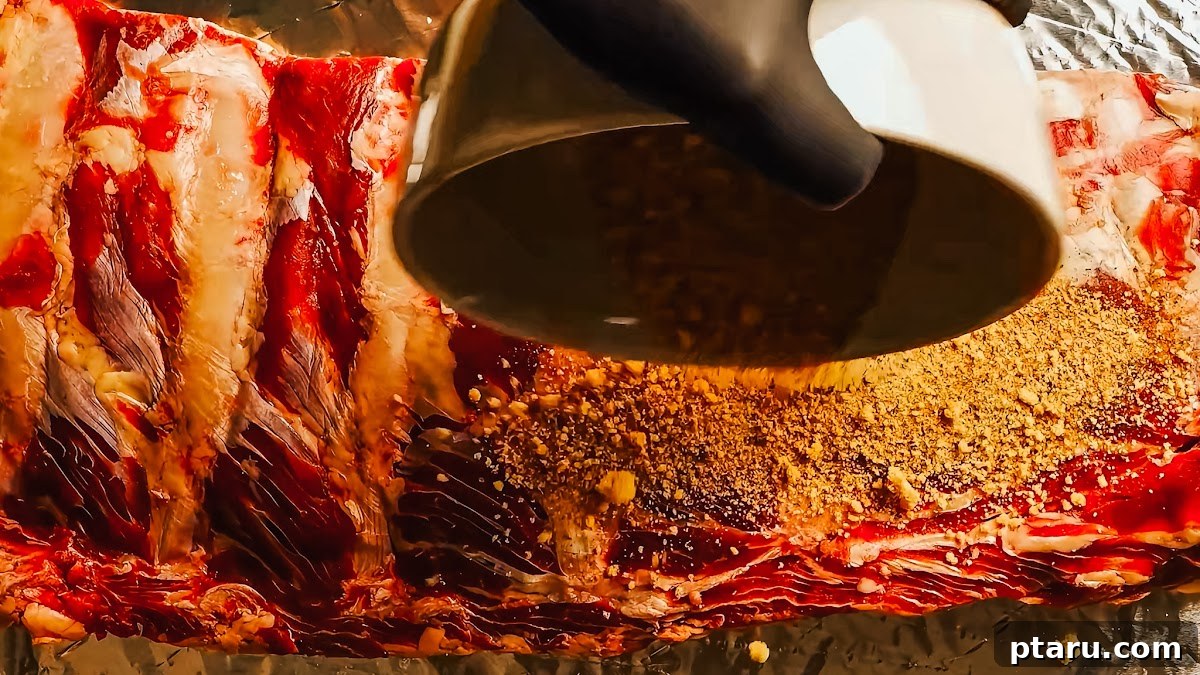
Preheat your oven to a precise 275 degrees Fahrenheit (135°C). In a small bowl, combine your spice rub ingredients: brown sugar, kosher salt, coarse black pepper, garlic powder, onion powder, smoked paprika, and cayenne pepper. Mix these spices together thoroughly to ensure an even distribution of flavor.
Pat the entire rack of ribs completely dry with paper towels. Removing excess moisture helps the rub adhere better and promotes a superior crust. Now, generously apply the spice mix over both sides of the rack, including the edges. Don’t be shy – press the rub firmly into the meat to ensure it sticks and creates a thick, flavorful coating. This seasoning layer is essential for building deep, complex flavors during the slow cooking process.
Step 3: Wrap Tightly and Bake Low and Slow
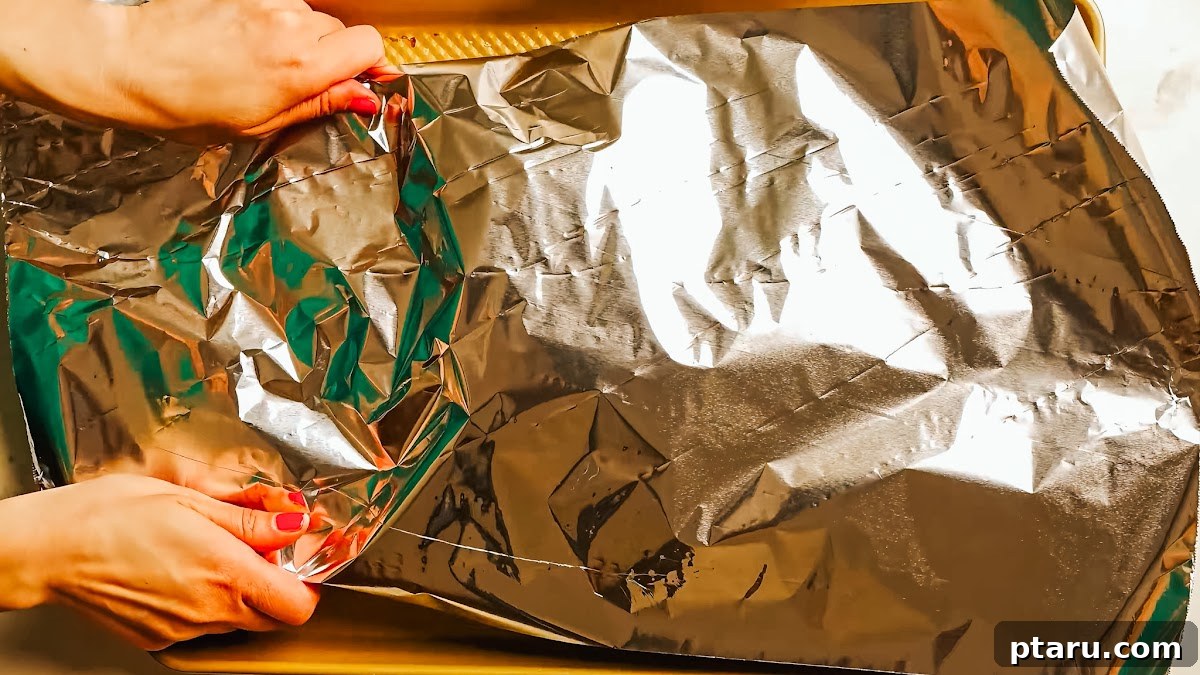
Prepare your baking sheet by laying out two large sheets of heavy-duty aluminum foil, overlapping slightly in the middle to create a robust foundation. Place your generously seasoned ribs meat-side up in the center of the foil. Evenly splash the apple cider vinegar (or your chosen liquid like water or beer) over the top of the rack. Be mindful to pour it underneath or around the ribs, trying to avoid washing off the seasoning from the top.
Now, carefully bring the edges of the foil up and seal them tightly around the ribs. It’s imperative that you create a hermetic seal with no gaps or holes for steam to escape. You can double-wrap if necessary to ensure a perfect seal. The trapped liquid and vinegar, combined with the low oven temperature, will create a moist, braising environment. This “low and slow” cooking method at 275°F for 3 hours is key to breaking down the tough connective tissues in the beef, resulting in incredibly tender, fall-off-the-bone ribs. The beef back ribs cooking time may vary slightly depending on the thickness and size of your specific rack, so plan accordingly.
To confirm doneness, the internal temperature should read between 200 and 205 degrees Fahrenheit (93-96°C) when checked with a meat thermometer inserted between the bones. You’ll also notice the meat beginning to pull back from the bone tips by about half an inch, a clear visual indicator of tenderness.
Step 4: Broil for a Perfect BBQ Glaze
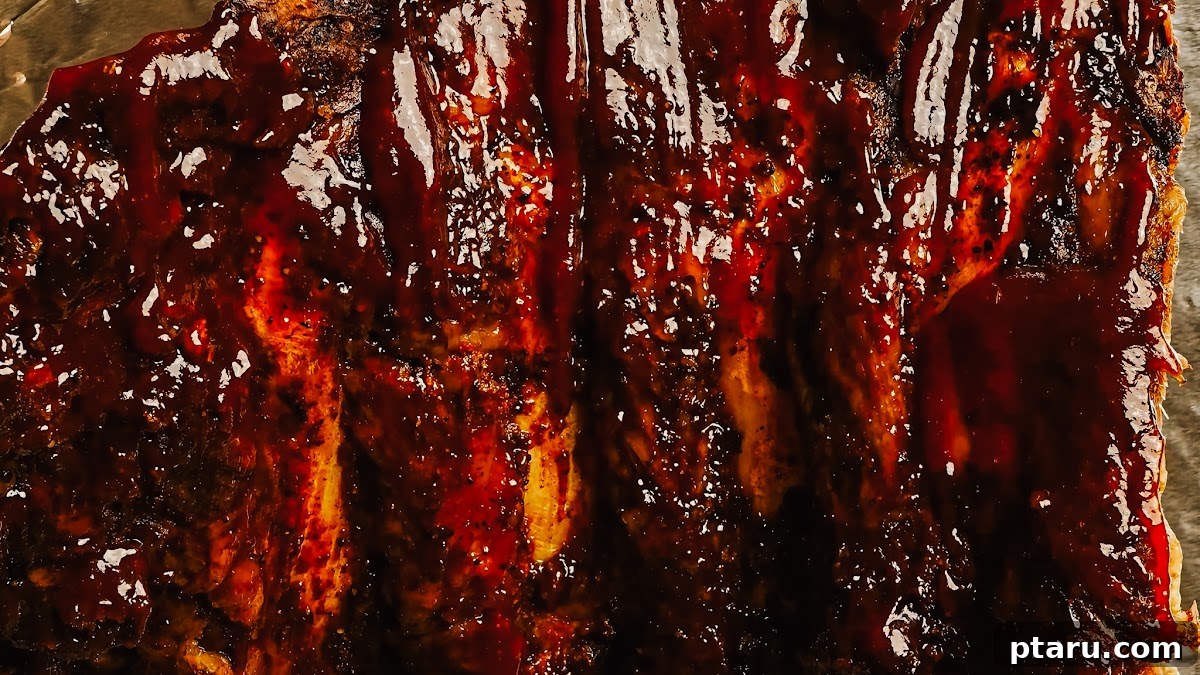
Once the ribs are tender, carefully open the foil packet, being extremely cautious as hot steam will escape. Brush a generous, thick layer of your favorite BBQ sauce all over the top surface of the ribs. Aim for about 1/2 to 2/3 cup of sauce for a rich coating.
Increase your oven temperature and switch it to the broiler setting. Place the uncovered ribs back into the oven, directly under the broiler, for approximately 3 to 5 minutes. This step is critical, so watch them very closely! The high heat of the broiler will cause the barbecue sauce to bubble, thicken, and caramelize, creating that signature sticky, slightly charred, and intensely flavorful glaze. Remove the ribs as soon as the sauce looks bubbly and glossy with some darkened edges, but before it burns.
Finally, remove the ribs from the oven and allow them to rest uncovered for at least 15 minutes. Resting is a vital step that allows the juices within the meat to redistribute evenly, ensuring every bite is moist and flavorful. After resting, use a sharp knife to cut between the bones, separating the rack into individual ribs. Serve immediately and enjoy your perfectly cooked, tender beef ribs!
5 Common Mistakes to Avoid for Perfect Beef Back Ribs
Even seasoned home cooks can make simple errors that prevent their beef back ribs from reaching their full potential. Avoiding these frequent mix-ups will ensure your ribs are always fall-off-the-bone tender and packed with flavor.
- Skipping the Membrane Removal: This is perhaps the most common oversight. The silver skin on the bone-side of the ribs is a tough connective tissue that becomes chewy and rubbery when cooked. Leaving it on acts as a barrier, preventing your delicious spice rub from truly penetrating and seasoning the meat. Always make time to remove it for a superior texture and taste.
- Cooking at Too High a Temperature: Beef back ribs thrive on a “low and slow” cooking approach. Higher oven temperatures, typically above 300°F (150°C), can cause the meat fibers to tighten and dry out rapidly. This prevents the collagen and connective tissues from properly breaking down, leading to tough, dry ribs instead of juicy, tender ones. Stick to the recommended 275°F (135°C) for consistent tenderness.
- Not Sealing the Foil Tightly: The magic of oven-baked ribs lies in the creation of a steamy, braising environment within the foil packet. If the foil is not sealed tightly, steam will escape, drying out the ribs and hindering the tenderizing process. Ensure you use heavy-duty foil and crimp the edges securely, perhaps even double-wrapping, to create an airtight seal that locks in all that essential moisture.
- Applying BBQ Sauce Too Early: While it might be tempting to slather on the BBQ sauce from the start, applying it before the long baking process is a recipe for disaster. Most barbecue sauces contain sugars that will burn and char long before the ribs are cooked through, resulting in a bitter, unappetizing crust. The BBQ sauce is meant for the final broiling step only, creating a beautiful, sticky glaze in just a few minutes.
- Skipping the Resting Period: Patience is a virtue, especially when it comes to cooked meat. Cutting into your ribs immediately after they come out of the oven allows all the flavorful juices to escape, leaving you with drier meat. A 15-minute rest period is crucial. During this time, the internal temperature continues to rise slightly (carryover cooking), and the juices, which have migrated to the center of the meat during cooking, redistribute themselves evenly throughout the entire rack, ensuring every bite is moist and succulent.
Make-Ahead Tips and Storage Solutions
These oven-baked beef ribs are not only delicious but also incredibly convenient for meal prep. You can complete most of the preparation in advance, allowing you to serve tender, saucy ribs with minimal effort on the day you plan to enjoy them.
Storing Leftovers for Maximum Freshness
- In the Fridge: Any leftover cooked ribs should be stored in an airtight container within two hours of cooking. They will remain fresh and delicious in the refrigerator for 3 to 4 days. For added moisture and flavor, store them with any leftover juices or a little extra BBQ sauce.
- Prepare the Rub in Advance: The spice rub can be mixed together up to a week ahead of time. Store it in an airtight jar or container in a cool, dry place at room temperature. This saves valuable time on cooking day.
- Season Overnight: For an even deeper, more infused flavor, consider applying the dry rub to your ribs the night before you plan to bake them. After seasoning, cover the ribs tightly and refrigerate overnight. This allows the flavors to meld beautifully with the meat.
Freezing for Long-Term Enjoyment
- Freeze for up to 3 Months: Cooked beef ribs freeze exceptionally well. To freeze, wrap individual ribs or small portions tightly in heavy-duty aluminum foil, then place them inside a freezer-safe bag. Press out any excess air before sealing. Label with the date.
- Thaw Overnight: When you’re ready to enjoy frozen ribs, transfer them from the freezer to the refrigerator the night before. Allow them to thaw completely for even reheating and the best texture.
Reheating Beef Back Ribs to Perfection
- Oven Method: For the best reheating results, wrap the thawed ribs in foil and place them on a baking sheet. Reheat in a preheated oven at 300°F (150°C) for approximately 20 minutes, or until they are thoroughly warmed through.
- Add Moisture: To prevent the ribs from drying out during reheating, especially if they seem a bit dry, splash a tablespoon of water, apple juice, or extra BBQ sauce into the foil packet before sealing. This creates a little steam that keeps them moist and tender.
Serving Suggestions for Your Delicious Beef Back Ribs
These oven-baked beef ribs are designed to be the star of any meal, perfect for a relaxed weekend dinner or a casual gathering with friends and family. There’s something wonderfully communal about setting out the entire rack on a large cutting board and letting everyone pull their own ribs, evoking the cozy atmosphere of a backyard cookout, even when cooked indoors.
Irresistible Beef Back Ribs Toppings
While the ribs are fantastic on their own, a few thoughtful toppings can elevate the experience and add extra layers of flavor and texture:
- Extra Barbecue Sauce: Always a crowd-pleaser! Set out a small bowl of your favorite BBQ sauce for dipping or for those who love an extra saucy rib. For heat seekers, a side of spicy hot sauce is always appreciated.
- Pickled Red Onions: The bright, tangy acidity of pickled red onions offers a fantastic contrast to the rich, savory flavor of the beef. They provide a delightful crunch and a vibrant pop of color with every bite.
- Fresh Herbs: A sprinkle of freshly chopped parsley or cilantro just before serving not only adds a burst of freshness but also enhances the visual appeal of your finished ribs, making them look even more appetizing.
Perfect Side Dishes for Beef Back Ribs
Round out your meal with classic barbecue-inspired side dishes that complement the robust flavor of the ribs beautifully:
- Cornbread: Nothing pairs better with BBQ ribs than warm, moist cornbread. Our skillet cornbread with honey butter glaze is an ideal match, offering a sweet and savory balance. For a softer, more casserole-like texture, try a comforting cornbread casserole.
- Potato Salad: A generous scoop of creamy, tangy potato salad provides a cool and refreshing counterpoint to the richness of the meat. Our creamy classic homemade potato salad with egg is a perfect choice.
- Coleslaw: For a refreshing crunch and vibrant freshness, a classic coleslaw is a must. The creamy dressing in our classic coleslaw recipe perfectly balances the smoky, savory notes of the ribs.
- Baked Beans: A timeless barbecue staple, baked beans offer a sweet and savory, hearty accompaniment. For a full Saturday spread, consider adding other backyard cookout favorites like crunchy pickles and grilled corn on the cob.
Achieving the Best Beef Back Ribs: Final Notes and Expert Secrets
To truly master the art of oven-baked beef ribs, keep these expert tips and distinctions in mind. They’ll help you select the best cuts and understand the nuances that make all the difference:
- Selecting Quality Ribs: Always prioritize ribs with a good, thick layer of meat on top of and between the bones. Some racks can be quite sparse. When at the butcher, ask for beef back ribs cut closer to the chuck end of the animal, where the meat tends to be thicker, more marbled, and ultimately more flavorful and tender.
- Beef Back Ribs vs. Short Ribs: It’s crucial not to confuse beef back ribs with short ribs, as they originate from different parts of the cow and require distinct cooking methods and times. Beef back ribs come from the prime rib area near the spine, featuring thinner meat primarily between the long, curved bones. Short ribs, on the other hand, are cut from the lower chest area and are much thicker and meatier, often cooked for longer periods to break down their abundant connective tissue. For delicious short rib recipes, explore our Korean short ribs or the incredibly convenient slow cooker Korean short ribs.
- Beef Ribs vs. Pork Ribs: The primary differences between beef and pork ribs lie in their size, fat content, and flavor profile. Pork ribs are generally smaller, leaner, and cook relatively faster. Beef back ribs, with their robust, richer, and distinctly beefier taste, often require a longer, slower cooking time to reach optimal tenderness. If you’re a fan of pork, be sure to check out our flavorful baked spare ribs.
If you’re looking to expand your rib repertoire, don’t miss our other fantastic recipes such as the sweet and savory honey garlic spare ribs or the uniquely flavored cranberry chipotle ribs. For another easy and crowd-pleasing baked dish, try our honey BBQ chicken.
Frequently Asked Questions About Beef Back Ribs
Here are quick, concise answers to some of the most common questions regarding cooking beef back ribs:
How long does it take to cook beef back ribs in the oven?
The total cooking time for beef back ribs in the oven is approximately 3 hours at 275°F (135°C), wrapped in foil. This is followed by an additional 3 to 5 minutes under the broiler with BBQ sauce for glazing. Plan for about 3.5 hours total, including prep time and a crucial resting period before slicing and serving.
What is the best oven temperature for beef back ribs?
The optimal oven temperature for beef back ribs is 275°F (135°C). This “low and slow” approach is essential for breaking down the tough connective tissues within the meat without causing it to dry out. Higher temperatures tend to tighten the meat fibers, resulting in chewy rather than tender ribs.
Do you have to remove the membrane from beef back ribs?
Yes, it is highly recommended to always remove the tough membrane, or silver skin, from the bone-side of the ribs. This membrane becomes rubbery and unpleasant when cooked and also prevents your delicious spice rub from properly flavoring the meat. Use a butter knife to loosen a corner, then grip it with a paper towel and pull it off in one steady motion.
What is the difference between beef back ribs vs short ribs?
Beef back ribs are cut from the upper rib area, near the spine, and feature meat primarily between and on top of long, curved bones. Short ribs, conversely, come from the lower chest section and are much thicker, meatier, and contain more connective tissue. These differences mean they require distinct cooking methods and times for the best results.
What internal temperature should beef back ribs reach?
Beef back ribs should be cooked until their internal temperature, checked with a meat thermometer inserted between the bones, reads between 200°F and 205°F (93-96°C). At this temperature, the connective tissues have fully broken down, ensuring the meat is exceptionally tender and easily pulls from the bone.
Can you make beef back ribs on the grill instead of the oven?
Yes, beef back ribs can be successfully cooked on the grill using an indirect heat method. Set up your grill for two-zone cooking, maintaining a consistent temperature around 275°F (135°C). Place the ribs on the cooler side of the grill, close the lid, and cook for approximately 3 hours, or until they reach the desired tenderness and internal temperature.
How do you know when beef back ribs are done?
You’ll know beef back ribs are done when the meat has visibly pulled back from the ends of the bones by about half an inch. The internal temperature should register 200-205°F (93-96°C). Additionally, the meat should feel very tender when gently probed with a fork between the bones, indicating that the connective tissues have completely softened.
Can you use this recipe for pork ribs instead of beef?
While the spice rub and general cooking method can be adapted for pork ribs, you will need to significantly reduce the cooking time. Pork ribs are typically thinner and cook much faster than beef ribs, usually requiring only about 2 to 2.5 hours at the same 275°F (135°C) temperature. For a recipe specifically tailored for pork, please refer to our dedicated baked spare ribs recipe.
More Delicious Rib and Beef Recipes to Explore
If you loved this beef back ribs recipe, be sure to check out these other fantastic beef and rib dishes:
- Korean Short Ribs: A vibrant and flavorful take on a classic.
- Slow Cooker Korean Short Ribs: Effortless tenderness with a spicy-sweet glaze.
- Cranberry Chipotle Ribs: A unique twist with sweet and smoky heat.
- Baked Spare Ribs: Our classic, tender pork spare ribs recipe.
- Honey Garlic Spare Ribs: Sweet, savory, and perfectly sticky.
- Honey BBQ Baked Chicken: Another simple, delicious baked dish perfect for family meals.
Print Recipe
Tender Oven-Baked Beef Back Ribs
Jennifer Pallian BSc, RD
15 minutes
3 hours 30 minutes
3 hours 45 minutes
4 servings
Ingredients
- 4 lbs beef back ribs
- 2 tbsp brown sugar
- 1 tbsp kosher salt
- 1 tbsp ground black pepper
- 1 tsp garlic powder
- 1 tsp smoked paprika
- 1 tsp onion powder
- ¼ tsp cayenne pepper
- 2 tbsp apple cider vinegar or water
- ⅔ cup BBQ sauce
Instructions
-
Preheat your oven to 275°F (135°C).
-
Flip the ribs bone-side up. Using a butter knife, carefully loosen the thin white membrane (silver skin) on the back of the bones. Grip it firmly with a paper towel and pull it off completely. This ensures maximum tenderness.
-
In a small bowl, thoroughly mix the brown sugar, kosher salt, coarse black pepper, garlic powder, smoked paprika, onion powder, and cayenne pepper. Pat the ribs dry with paper towels, then generously press the rub evenly over all sides of the ribs.
-
Place a long sheet of heavy-duty aluminum foil on a large baking sheet, ensuring it’s large enough to wrap the ribs completely. Position the seasoned ribs in the center, meat-side up. Pour the apple cider vinegar (or water) underneath and around the ribs. Tightly seal the ribs with another sheet of foil, creating an airtight packet so no steam can escape during baking.
-
Bake in the preheated oven for 3 hours. The meat should be very tender and visibly starting to pull back from the bone tips. If still stiff, reseal and return to the oven for another 20-30 minutes.
-
Carefully open the foil packet, taking extreme caution as hot steam will be released. Increase your oven temperature to the broiler setting.
-
Brush a thick, even layer of your chosen BBQ sauce over the top of the ribs. Return the uncovered ribs to the oven and broil for about 3-5 minutes, watching closely. The sauce should bubble and caramelize, becoming slightly charred in spots, but do not let it burn.
-
Remove from the oven and allow the ribs to rest for 15 minutes. This is crucial for the juices to redistribute, ensuring moist and tender results. Finally, slice between the bones to separate into individual ribs and serve immediately.
Notes
Membrane Removal Importance: Removing the silver skin membrane significantly improves the tenderness and allows the seasoning to penetrate deeply into the meat. If it tears during removal, just do your best to remove as much as possible.
Foil Seal is Key: Ensure your foil packet is sealed as tightly as possible. The trapped steam is what creates a moist, braising environment inside, preventing the ribs from drying out and ensuring they become incredibly tender.
Tongs Test for Doneness: A great way to check for doneness is the “tongs test.” Carefully lift the rack of ribs with tongs about one-third of the way from one end. If the rack bends easily into a U shape and the surface meat shows slight cracks, it’s ready. If it remains stiff, it needs more baking time (typically another 20-30 minutes).
Homemade BBQ Sauce Option: For an extra special touch, you can use the sauce portion of our Spare Ribs recipe to make your own delicious homemade BBQ sauce.
Storage & Reheating: Store any leftover cooked ribs in an airtight container in the refrigerator for up to 4 days. To reheat, wrap them in foil with a splash of water or apple juice and warm at 300°F (150°C) in the oven for about 20 minutes, or gently in the microwave until heated through.
Nutrition Information (Approximate per serving)
Calories: 615kcal | Carbohydrates: 27g | Protein: 56g | Fat: 30g | Saturated Fat: 13g | Polyunsaturated Fat: 1g | Monounsaturated Fat: 13g | Cholesterol: 171mg | Sodium: 2434mg | Potassium: 1188mg | Fiber: 1g | Sugar: 22g | Vitamin A: 407IU | Vitamin C: 1mg | Calcium: 50mg | Iron: 7mg
Nutrition information is automatically calculated and provided for general guidance only. It should be used as an approximation.
Tried this recipe? Share your thoughts!
Leave a comment below to let us know how your tender beef ribs turned out. We love hearing from you!