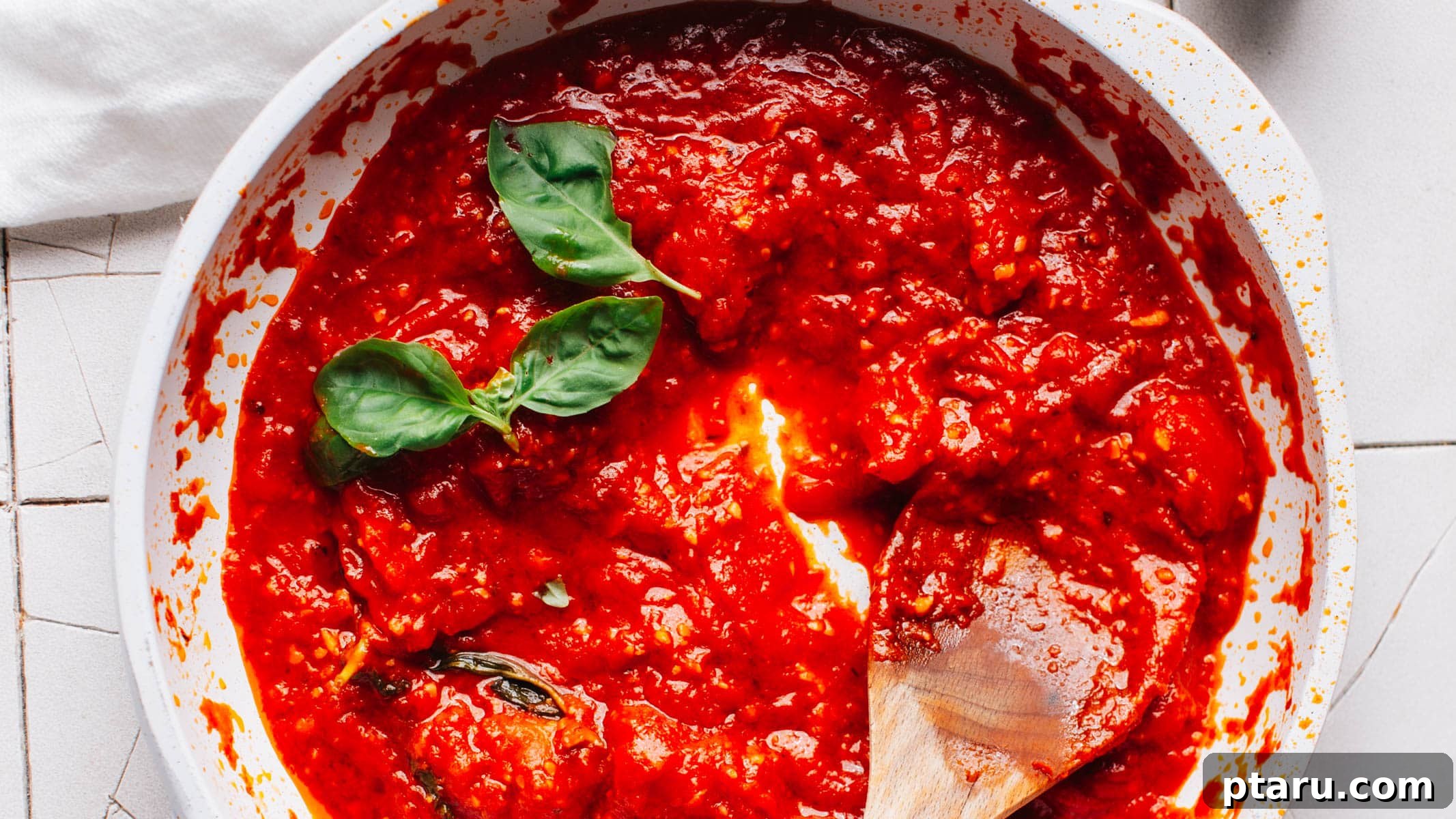
Transform your pizza night with the most incredible Homemade Pizza Sauce you’ll ever make! This quick, easy, and foolproof recipe delivers a rich, thick, and deeply flavorful sauce with just a few simple ingredients. Forget store-bought jars – once you taste the difference of a fresh, homemade sauce, you’ll never look back.
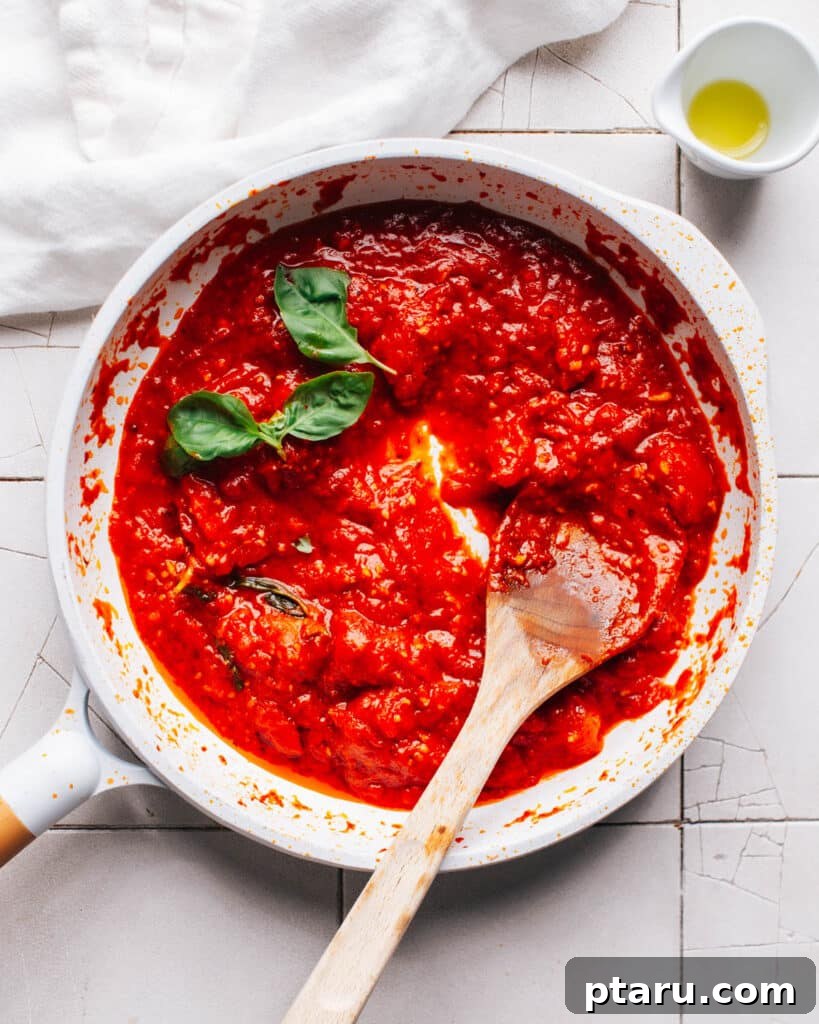
For years, I’ve refined this recipe, and I can confidently say that everyone who tries this easy Homemade Pizza Sauce recipe gets hooked. It’s the secret weapon for turning an ordinary pizza into an extraordinary culinary experience. If you’ve ever wondered how to make authentic Italian pizza sauce as good as your favorite restaurant’s, this guide is for you. We’re skipping the jar and making it from scratch!
Creating amazing pizza sauce at home doesn’t require fancy techniques or gourmet skills. It simply relies on quality ingredients and a straightforward cooking process. This red sauce for pizza is a sublime blend of ripe tomatoes, fragrant garlic, and aromatic herbs, simmered to perfection. It’s the ideal foundation for your homemade pies, ensuring every bite is bursting with authentic Italian flavor and utterly foolproof.
Why You’ll Love This Homemade Pizza Sauce Recipe
Prepare for your pizza nights to reach an entirely new level! This recipe consistently produces a tangy, vibrant, and incredibly rich sauce that can confidently rival any Italian restaurant’s offering. Here’s what makes this the absolute best pizza sauce recipe:
- Unbeatable Fresh Flavor: Unlike jarred sauces that often taste bland or overly sweet, this homemade version bursts with the bright, natural acidity of tomatoes, complemented by fresh garlic and herbs. The flavor is profoundly superior and truly authentic.
- Simple, Wholesome Ingredients: You won’t find any obscure items here. This sauce relies on humble pantry staples that, when combined with our expert technique, create an explosion of flavor. You know exactly what’s going into your sauce, free from preservatives or artificial additives.
- A Strong Flavor Foundation: We start by building a robust flavor profile. A generous glug of high-quality extra virgin olive oil serves as the fat that carries and amplifies the flavors. A substantial amount of minced garlic adds a pungent, aromatic kick that’s essential for Italian cooking.
- Pro Technique (That’s Also Super Easy): Our secret lies in allowing the tomatoes to gently caramelize in the hot, herb-infused oil before simmering. This crucial step concentrates their natural sugars and deepens the overall flavor. The subsequent slow simmer reduces the sauce, thickening it naturally and allowing all the aromatic elements to meld beautifully.
- Cost-Effective and Rewarding: Making your own pizza sauce is significantly cheaper than buying premium jarred varieties. Plus, there’s immense satisfaction in creating something so delicious from scratch, knowing it’s tailor-made for your family’s enjoyment.
- Customization at Your Fingertips: This base recipe is incredibly versatile. Want more heat? Add extra red pepper flakes. Prefer a sweeter sauce? A pinch of sugar can balance the acidity. You have complete control to adapt it to your preferences.
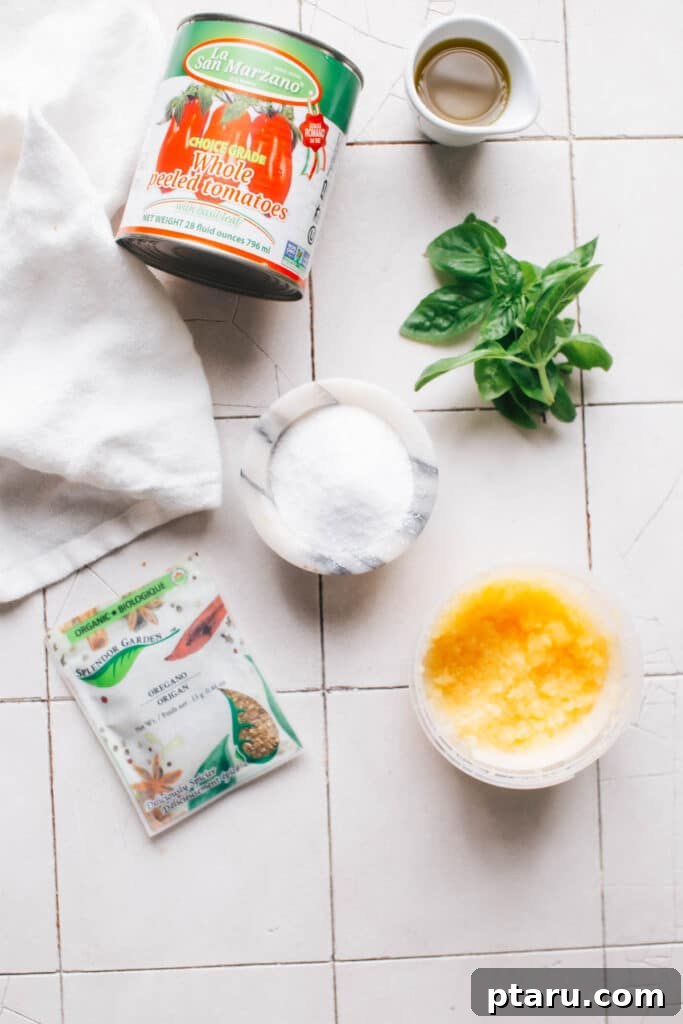
Essential Ingredients & Tools for Your Homemade Pizza Sauce
Crafting an awesome homemade pizza sauce begins with selecting the right ingredients and having the necessary tools at hand. Below, we’ve broken down everything you’ll need into easy-to-follow sections.
Homemade Pizza Sauce Ingredients: The Heart of the Flavor
For a truly tasty and foolproof pizza sauce, the quality and choice of your ingredients are paramount. Each component plays a vital role in building the rich, layered flavor.
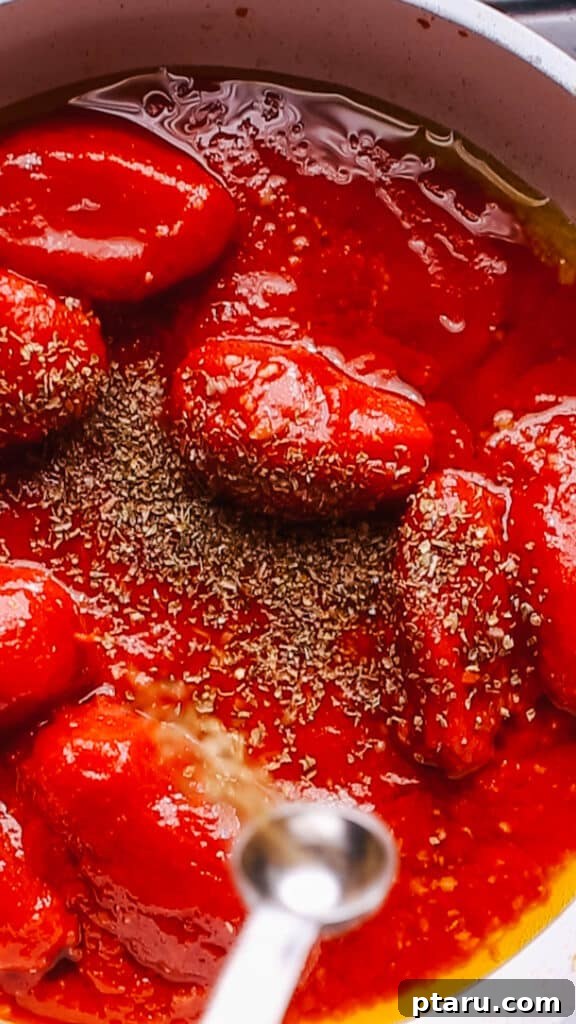
- Tomatoes: These are the undisputed foundation of your sauce. For the best results, always opt for high-quality canned or fresh tomatoes. My top recommendation for canned options are San Marzano tomatoes. They are known for their sweet flavor, delicate texture, and low acidity. You can use whole, diced, or crushed varieties; whole peeled tomatoes often offer the purest flavor and can be easily crushed. If you prefer a velvety smooth sauce, you’ll have the option to purée it later. When using fresh, look for ripe Roma or other paste tomatoes.
- Extra-Virgin Olive Oil: Don’t skimp on this! A good quality extra-virgin olive oil adds immense flavor, richness, and depth to the sauce. It acts as a flavor carrier, helping to extract and distribute the aromatic compounds from the garlic and herbs.
- Garlic: This provides that essential aromatic edge and pungent kick characteristic of Italian sauces. Freshly minced garlic is absolutely key here; garlic powder simply cannot replicate the nuanced flavor and aroma that fresh cloves impart.
- Fresh Herbs:
- Oregano: Gives an earthy, peppery, and slightly bitter note that beautifully complements the sweetness of the tomatoes. Dried oregano works wonderfully and is a pantry staple.
- Basil: Adds a touch of herbaceous sweetness and a complex depth. While fresh basil sprigs are fantastic if you have them, dried basil is a perfectly acceptable substitute.
- Optional Additions: For an even more complex flavor profile, consider adding a tiny pinch of fennel seed (for a subtle anise note, often found in Italian sausage) and/or marjoram (which is closely related to oregano but milder and sweeter).
- Salt: Essential for seasoning and enhancing all the other flavors. Kosher salt is generally preferred for its pure taste and texture.
- Red Pepper Flakes: (Optional) If you enjoy a little warmth and a subtle kick, red pepper flakes are a fantastic addition that adds complexity without overpowering the other flavors. Adjust the amount to your personal tolerance.
- A Pinch of Sugar (Optional): Sometimes, depending on the acidity of your tomatoes, a tiny pinch of sugar can help balance the flavors, making the sauce taste brighter and more rounded.
Variations and Substitutions: Customizing Your Sauce
Feel free to get creative or adapt this recipe based on what you have on hand. Personalizing your sauce is part of the fun of homemade cooking!
- Tomato Types: While San Marzano are gold standard, you can certainly switch to other varieties. Cherry tomatoes, for instance, will yield a naturally sweeter sauce. Fire-roasted diced tomatoes can add a smoky depth.
- Spices: Expand beyond oregano and basil. Thyme or rosemary can offer different aromatic notes. A little onion powder can add another layer of savory depth without the texture of fresh onion. Alternatively, a good quality Italian seasoning blend can be a convenient substitute for individual herbs (just be aware that quality can vary – choose a reputable brand for the best results).
- Heat Level: Easily adjust the amount of red pepper flakes to suit your palate. Omit them entirely for a mild sauce, or increase them for a fiery kick.
- Vegetable Base: For extra depth, finely diced onion or shallots can be sautéed with the garlic at the beginning of the cooking process.
Grab These Tools: Making Cooking Smoother
Having the right kitchen tools can significantly streamline the cooking process and make your experience much more enjoyable.
- Large Saucepan or Dutch Oven: Essential for sautéing ingredients and simmering the sauce. A heavy-bottomed pan ensures even heating and prevents sticking.
- Wooden Spoon or Silicone Spatula: Ideal for stirring and crushing tomatoes.
- Potato Masher: This is a fantastic tool for breaking down canned or blanched fresh tomatoes directly in the pot, allowing you to achieve a rustic, chunky texture without needing a blender.
- Measuring Spoons and Cups: For accurate ingredient proportions.
- Blender (Standard or Immersion) or Food Processor: Optional, but highly recommended if you prefer a silky-smooth sauce. An immersion blender can be used directly in the hot pot, minimizing cleanup.
With your ingredients prepped and tools at the ready, you’re all set to begin cooking and enjoy some truly phenomenal homemade pizza sauce!
How to Make Homemade Pizza Sauce: An Easy, Step-by-Step Guide
Making your own luscious red sauce for pizza at home is surprisingly simple and incredibly rewarding. With just a handful of ingredients and the right steps, you’ll be spreading this vibrant sauce on your pizza dough in no time. Follow these straightforward instructions for perfection:
1. Prep Your Ingredients for Success
- Begin by gathering and preparing all your ingredients. If you’re using fresh tomatoes, chop them according to the notes below regarding peeling. For canned tomatoes, open the can and have it ready.
- Finely mince your garlic cloves. Measure out your olive oil, dried oregano, basil (fresh sprigs or dried), salt, and the optional red pepper flakes. Having everything prepped (mise en place) makes the cooking process seamless.
2. Build the Aromatic Flavor Base
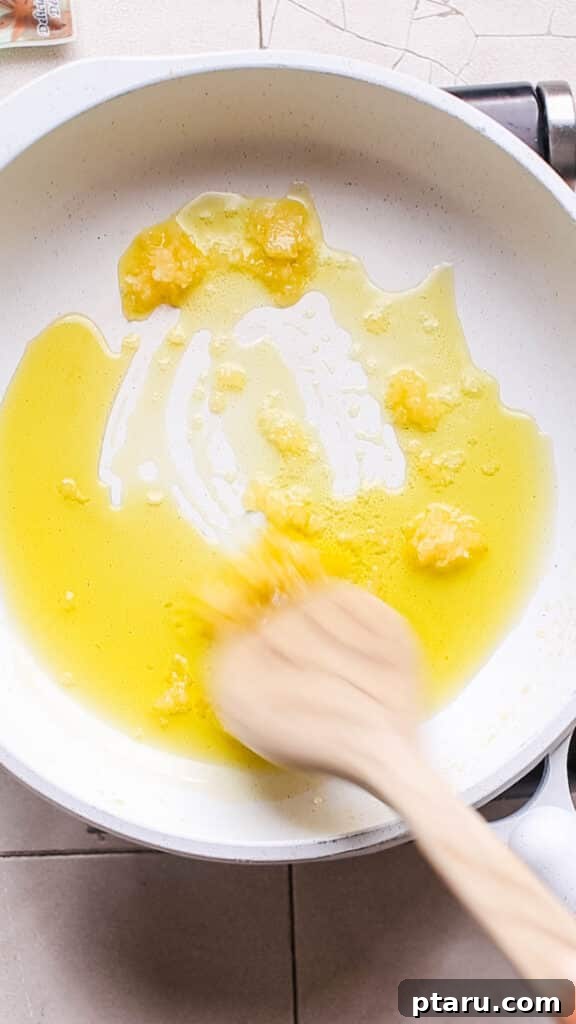
- Place a large saucepan or Dutch oven on your stove and set the heat to medium. Add the extra virgin olive oil to the pan. Allow it to heat gently for about 30 seconds.
- Add the minced garlic, dried oregano, and basil (if using dried or fresh sprigs). Stir constantly and cook for approximately one minute, or until the garlic becomes wonderfully fragrant. Be careful not to let the garlic brown, as it can turn bitter. This step infuses the oil with incredible aromatics.
3. Add Tomatoes and Season Generously
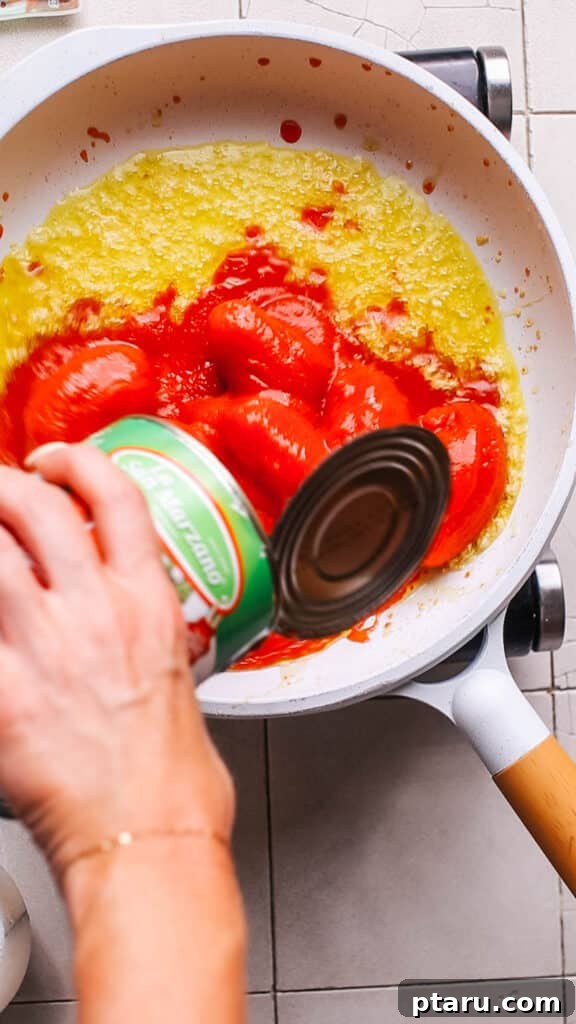
- Carefully pour the chopped or canned tomatoes (including their juices) into the pan.
- Immediately use a potato masher or the back of a sturdy wooden spoon to crush the tomatoes into smaller, uniform pieces. If using whole canned tomatoes, this is where you’ll break them down.
- Stir in the kosher salt and the optional crushed red pepper flakes. Give everything a good stir to ensure all ingredients are thoroughly combined and evenly distributed.
4. Simmer for Deep, Concentrated Flavor
- Reduce the heat to low. Allow the sauce to gently simmer, uncovered, for at least 30 minutes. For an even richer, more complex, and deeply concentrated flavor, let it simmer for up to an hour. The longer it simmers, the more the flavors will meld and intensify, and the sauce will naturally thicken. Remember to stir occasionally to prevent sticking.
- Towards the end of the simmering time, taste the sauce. This is your chance to adjust the seasoning. Add more salt, a pinch of sugar if it’s too acidic, or extra red pepper flakes if you desire more heat. If you used fresh basil sprigs, remove and discard them before the final blend.
5. Achieve Your Desired Texture (Optional)
- If you prefer a rustic, slightly chunky sauce, you can skip this step or give it a final mash with your potato masher.
- For a silky-smooth sauce, use an immersion blender directly in the pot to purée the tomatoes to your desired consistency. Alternatively, if you don’t have an immersion blender, let the sauce cool a bit (to avoid splattering hot liquid) and then carefully transfer it to a regular blender or food processor to blend until smooth. Return it to the pot to reheat gently if needed.
How to Make Pizza Sauce with Fresh Tomatoes
Using fresh, ripe tomatoes can impart a truly special brightness to your homemade pizza sauce. However, to achieve a smooth and pleasant texture, it’s generally recommended to remove their skins. While professional blenders like a Vitamix can pulverize the skins effectively, for most home cooks, peeling is a worthwhile step to avoid bits of skin getting stuck in your teeth.
Why Peel Fresh Tomatoes?
Tomato skins, especially from larger varieties, can be tough and fibrous. While harmless, they can detract from the smooth consistency of a refined sauce. Peeling ensures a more luxurious mouthfeel and allows the vibrant tomato flesh to truly shine.
Method 1: How to Remove Tomato Skins by Blanching
Blanching is a quick and effective way to loosen tomato skins, making them incredibly easy to peel.
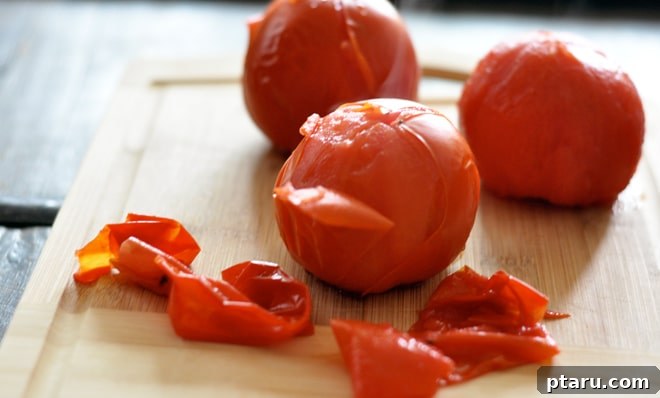
- Prepare the Tomatoes: Wash your fresh tomatoes thoroughly. Using a sharp knife, carefully cut a small “x” at the bottom of each tomato. This “x” helps the skin separate easily during blanching.
- Boil and Immerse: Bring a large pot of water to a rolling boil. Carefully immerse the scored tomatoes into the boiling water for a short period, usually 30-60 seconds. You’ll know they’re ready when the skin around the “x” begins to visibly wrinkle and peel back.
- Cool and Peel: Immediately transfer the blanched tomatoes to an ice bath (a bowl of cold water with ice cubes). This stops the cooking process and makes them easier to handle. Once cool enough to touch, gently peel off the loosened skins with your fingers or a small paring knife. Remove the core, then chop the peeled tomatoes and proceed with the recipe as described in the main instructions.
Method 2: How to Remove Tomato Skins by Freezing
This method is excellent for processing larger batches of tomatoes or if you prefer a less hands-on approach for peeling.
- Freeze Tomatoes: Wash and thoroughly dry your fresh tomatoes. Arrange them in a single layer on a baking sheet, ensuring they don’t touch, and place them in the freezer. Freeze until they are completely solid, which may take several hours or overnight.
- Partial Thaw: Once frozen solid, remove the tomatoes from the freezer. Let them sit at room temperature for a few minutes. As they begin to thaw slightly, the skin will naturally start to loosen and separate from the flesh.
- Peel and Use: Once the skin is visibly loosened, it can be easily peeled off with your hands or a small knife. The slightly frozen state makes them firm and easy to handle during peeling. Your peeled tomatoes are now ready to be chopped and used in your pizza sauce recipe, or stored in the freezer for later use.
Make Ahead and Storage: Convenience for Busy Lives
One of the many benefits of making your own Red Sauce for Pizza is its excellent make-ahead and storage capabilities. Prepare a larger batch and always have delicious, homemade sauce ready for spontaneous pizza nights or other Italian-inspired meals.
- Make Ahead: This sauce is perfect for preparing in advance. You can confidently make it up to 5 days ahead of time. Store it in a clean, airtight container in the refrigerator to maintain its freshness and flavor.
- Freezing for Longer Shelf Life: For extended storage, homemade pizza sauce freezes beautifully. You can freeze it for up to 3 months. To prevent freezer burn and preserve its quality, store the cooled sauce in freezer-safe airtight containers or heavy-duty freezer bags. You can even portion it into smaller containers or ice cube trays for individual servings.
- Reheating: When you’re ready to use your stored sauce, simply transfer it from the freezer to the refrigerator to thaw overnight. Once thawed, reheat it gently on the stove over low heat, stirring occasionally, until it’s warmed through. If stored in a microwave-safe container, you can also reheat it on medium power, stirring periodically.
- Shelf Life: Once refrigerated, aim to use the sauce within a week for the absolute best taste and texture. Always check for any signs of spoilage if it’s been in the fridge for a while.
Creative Ways to Use This Easy Pizza Sauce Recipe
This vibrant, deeply flavorful homemade pizza sauce is incredibly versatile and destined to become your go-to for countless culinary creations. It’s not just for classic pizzas; its rich taste makes it suitable for a variety of dishes. Here’s how to put your delicious sauce to good use:
Elevate Your Pizza Night
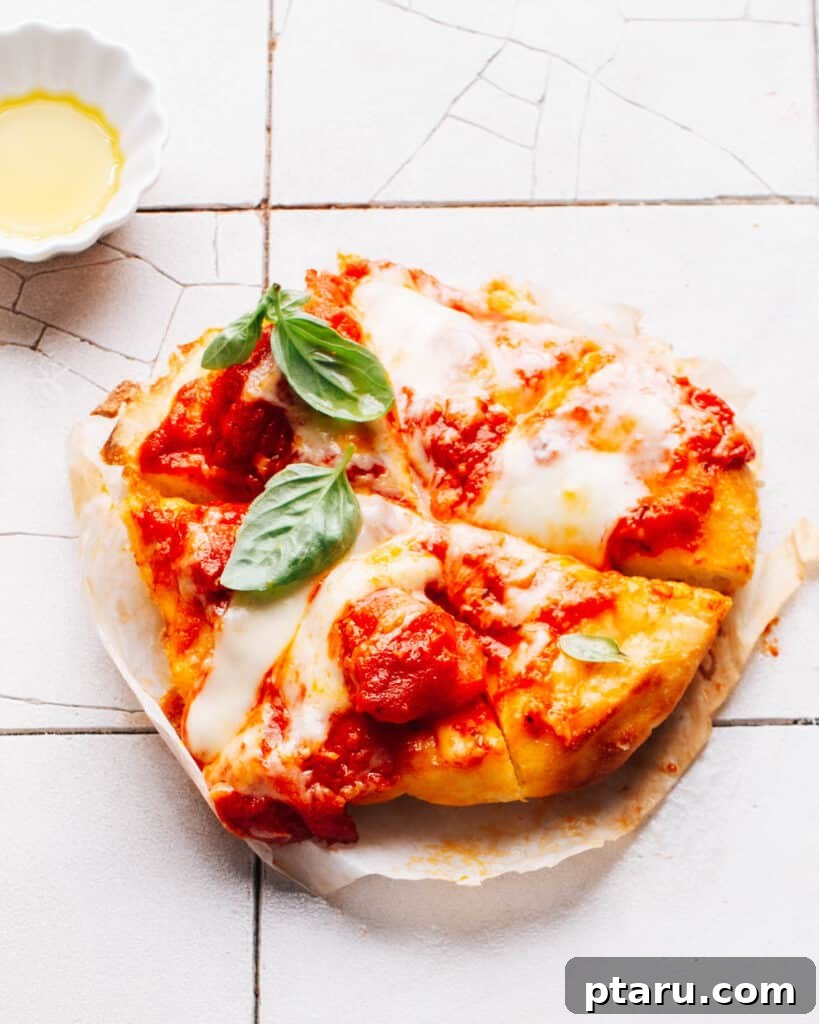
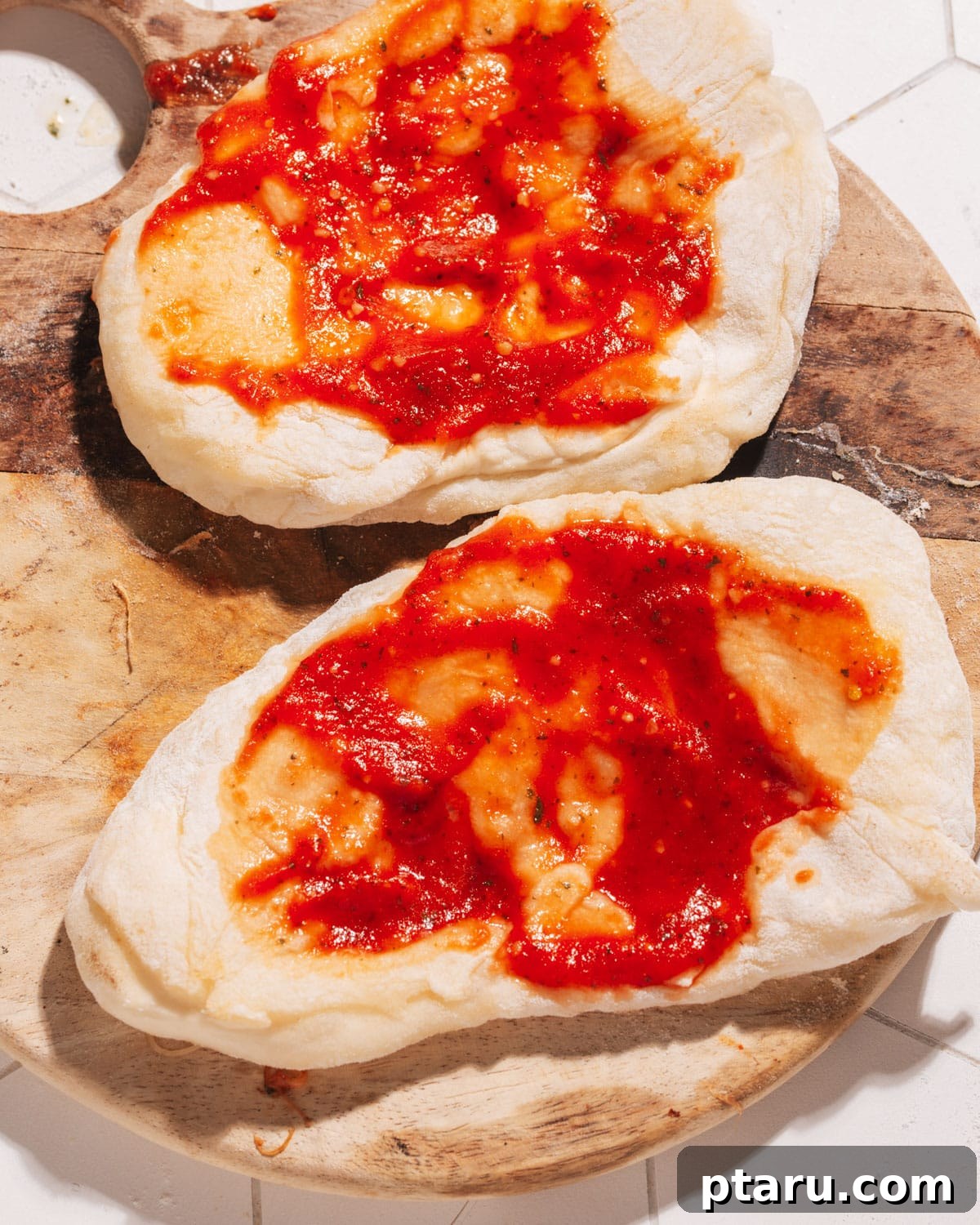
The most obvious, and perhaps most satisfying, use for this sauce is on your homemade pizza. Simply spread a generous amount over your prepared pizza dough, add your favorite toppings, a sprinkle of mozzarella cheese, and bake until golden and bubbly.
Looking to experiment with different pizza styles? Try these:
- Cast Iron Pizza: For an incredibly crispy crust and perfectly cooked toppings, use my ultimate easy homemade pizza dough recipe and cook your pizza in a cast iron pan. The high, even heat creates a restaurant-quality char and chew.
- Air Fryer Pizza: If you haven’t tried Air Fryer Pizza yet, you’re missing out on a game-changer! The air fryer’s intense circulating heat concentrates the flavors of the sauce and all the toppings, resulting in a pizza that tastes remarkably like it came from a wood-fired oven in a fraction of the time.
- Naan Pizza: This is my personal favorite method for a quick and utterly delicious pizza! Use my viral naan recipe as the base. It creates a dough that is wonderfully soft and airy with an unbeatable crisp bottom, especially when paired with either the air fryer or cast iron methods mentioned above.
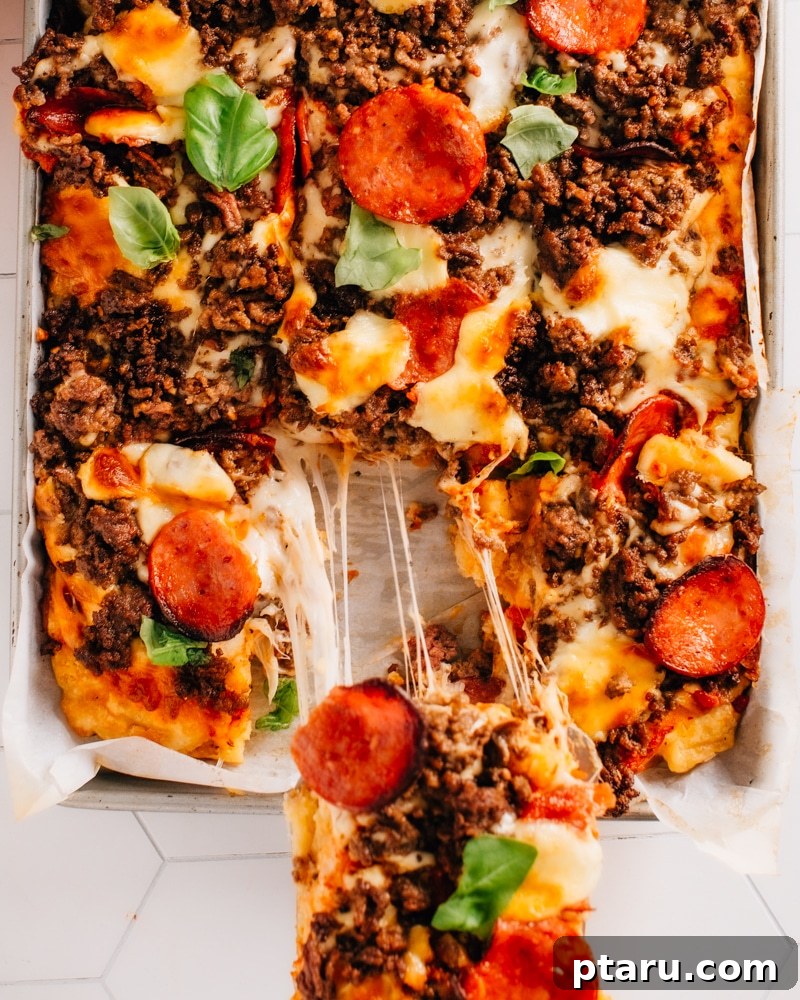
- Biscuit Dough Pizza: Another fantastic and incredibly fast method! Using an easy drop biscuit batter as the crust allows you to whip up homemade pizza from scratch in under 30 minutes. The crust turns out wonderfully crisp, buttery, and utterly delicious. If you haven’t tried it, now’s the time!
Perfect Pizza Toppings
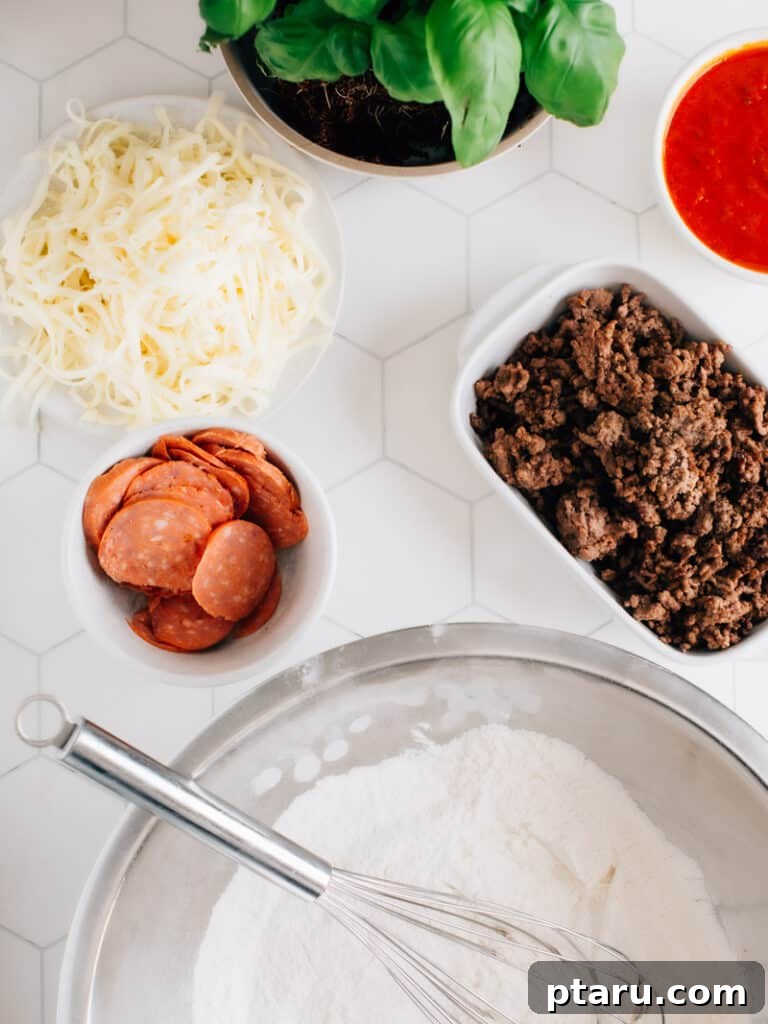
- Go classic with a simple blend of fresh mozzarella and pepperoni.
- Unleash your creativity with an array of vegetables like sliced bell peppers, sautéed onions, mushrooms, or olives.
- Add cooked meats such as Italian sausage, shredded chicken, or ham for a heartier pizza.
- A final sprinkle of fresh basil or a drizzle of extra virgin olive oil after baking can enhance the flavors beautifully.
Complementary Side Dishes for Pizza Night
- Elevate your pizza meal with a fresh, vibrant green salad dressed with a light vinaigrette to cut through the richness.
- Garlic bread or cheesy breadsticks are always a welcome addition, perfect for dipping into any leftover sauce.
- For a true Italian experience, consider a glass of your favorite red wine or a crisp lager.
Beyond Pizza: Other Delicious Uses
- Pasta Sauce: Thicken it slightly more and use it as a base for spaghetti, penne, or lasagna. Add cooked ground meat for a hearty bolognese.
- Dipping Sauce: Serve it warm as a dip for mozzarella sticks, arancini, or garlic knots.
- Meatball Sub or Chicken Parmesan: This sauce is robust enough to stand up to substantial fillings.
- Baked Eggs (Shakshuka-style): Poach eggs directly in the simmering sauce for a delicious and easy breakfast or brunch.
Common Mistakes When Making Homemade Pizza Sauce (and How to Avoid Them)
Even simple recipes can have pitfalls. Here are the most frequent mix-ups to avoid when making your Red Sauce for Pizza, ensuring a perfect batch every time:
- Overheating Garlic: Cooking garlic for too long or at too high a heat can quickly turn it bitter, which will negatively impact the entire sauce. Sauté it just until it becomes fragrant and translucent, usually about a minute, but never let it brown.
- Rushing the Simmer: Patience is a virtue in sauce making. Not simmering the sauce long enough will leave you with a thin, watery texture and a less developed, less flavorful result. The extended simmer allows flavors to meld, liquids to reduce, and the sauce to thicken naturally.
- Skipping Seasoning Adjustments: Forgetting to taste and adjust the seasoning throughout the cooking process is a common error that could lead to a bland or unbalanced sauce. Always taste after adding salt and herbs, and again towards the end of simmering, adjusting as needed.
- Using Low-Quality Tomatoes: The quality of your tomatoes is arguably the most critical factor. Using bland, unripe, or poor-quality canned tomatoes will directly impact the flavor of your sauce, making it difficult to achieve that vibrant, authentic taste. Invest in good quality tomatoes, like San Marzano.
- Adding Too Much Water: While a splash of water might be needed to adjust consistency sometimes, adding too much early on can dilute the flavor and prevent proper reduction. Let the tomatoes release their own liquid first.
Pizza Sauce Frequently Asked Questions (FAQ)
Just skimming through? Here are some quick answers to the most commonly asked questions about homemade pizza sauce:
What is the red sauce on pizza?
The red sauce on pizza is typically a tomato-based sauce, seasoned with classic Italian herbs like oregano and basil, often enhanced with garlic and sometimes a hint of red pepper flakes for a subtle kick. It provides the essential tangy and savory foundation for the pizza’s other ingredients.
What is the difference between red sauce vs. white sauce pizza?
Red sauce pizza utilizes a traditional tomato-based sauce, delivering a classic, robust flavor profile. In contrast, white sauce pizza (also known as “pizza bianca”) features a sauce made from ingredients like cream, milk, or cheeses, such as Alfredo, béchamel, or a simple garlic-infused olive oil base, offering a richer, often milder taste.
Is pizza sauce the same as marinara?
While both are tomato-based, pizza sauce and marinara sauce have distinct characteristics. Pizza sauce is generally thicker and often less heavily seasoned than marinara, as it’s designed to be a component of a larger dish with many other flavors. Marinara is typically thinner and more robustly flavored, intended to be a standalone pasta sauce or dipping sauce.
Can you use pizza sauce for spaghetti sauce?
Yes, you can absolutely use pizza sauce as a base for spaghetti sauce! You might want to adjust the seasonings, perhaps adding a bit more broth or water for a thinner consistency suitable for pasta. It also pairs wonderfully with additional ingredients like cooked ground meat, sautéed vegetables, or extra herbs to create a more complete spaghetti sauce.
How long can I store homemade pizza sauce?
Homemade pizza sauce can be safely stored in an airtight container in the refrigerator for up to one week. For longer storage, it freezes exceptionally well for up to three months. Always ensure the sauce has cooled completely before refrigerating or freezing.
How to Make the Best Pizza Sauce: Final Notes & Science-Based Secrets
Unlock the full potential of your Red Sauce for Pizza with these key takeaways and scientific insights that will elevate your homemade creation from good to absolutely phenomenal:
- Herb Infusion Mastery: The timing of your herbs matters. Adding dried herbs like oregano early in the cooking process allows them to “bloom” in the hot olive oil, releasing their fat-soluble flavors more effectively. Fresh basil, especially if adding sprigs, benefits from simmering with the sauce but should be removed before serving or blending to prevent bitterness from overcooking. Adding a sprinkle of fresh chopped basil right before serving adds a vibrant, fresh aroma.
- The Nuance of Heat: The optional red pepper flakes do more than just add heat; they introduce a subtle complexity and a gentle warmth that enhances the perception of other flavors. Capsaicin, the compound responsible for the heat, interacts with taste receptors to make the overall flavor profile more dynamic and exciting. Start with a quarter teaspoon and adjust to your preference.
- Acidity Matters for Balance: Tomatoes naturally vary in their acidity levels, which can significantly impact the final taste of your sauce. If your sauce tastes too tart or sharp, a tiny pinch of baking soda (yes, baking soda!) can neutralize excess acidity without affecting the flavor profile. This is a trick I often use in my super popular tomato soup recipe. Taste, and if needed, add just a tiny pinch (⅛ to ¼ teaspoon) and stir well, then taste again. A pinch of sugar can also mellow acidity, adding a hint of sweetness.
- Fresh vs. Canned: Prioritizing Quality: While fresh, ripe Roma or San Marzano tomatoes are fantastic when in season, high-quality canned San Marzano tomatoes are often a more consistent and superior choice year-round. They are picked at their peak ripeness and canned immediately, preserving their ideal flavor and texture. They are less watery and more intensely flavored than many other varieties, making them perfect for sauce.
- The Power of Reduction: Simmering your sauce uncovered is crucial. This process allows excess water to evaporate, concentrating the tomato flavors and naturally thickening the sauce. The longer and slower the simmer, the more profound and rich your sauce will become. Don’t rush this step!
- Blooming Tomato Paste: For an even deeper, more robust tomato flavor, consider adding a tablespoon or two of tomato paste to your garlic and herb mixture before adding the canned tomatoes. Sautéing the tomato paste for a minute or two helps to caramelize its sugars and intensify its umami notes.
- A Dash of Red Wine (Optional): For an adult-friendly sauce, a splash of dry red wine (about ¼ cup) added after the garlic and herbs have bloomed can add incredible depth and complexity. Allow it to reduce almost completely before adding the tomatoes.
Remember, the sauce is more than just a base; it’s truly the soul of your pizza. Once you experience the vibrant, rich, and customizable flavors of this homemade red sauce, you’ll undoubtedly swear off the store-bought kind forever. Enjoy the journey of crafting your perfect pizza!
Related Recipes You’ll Love:
- Seafood Pizza with White Sauce – A delightful alternative to red sauce.
- Garlic Butter Sauce – Perfect for dipping crusts or as another pizza base.
- Spaghetti Meat Sauce – Take your pasta to the next level.
Other Delicious Italian Recipes to Try:
- Tuscan Chicken – A creamy, herb-infused classic.
- Alfredo Penne Pasta – A rich and easy weeknight favorite.
- Lobster Pasta – Indulgent and luxurious seafood pasta.
- Shrimp Pasta – Quick, flavorful, and incredibly satisfying.
- Easy Seafood Pasta with Cream Sauce – A creamy delight for seafood lovers.
- Slow Cooker Lasagna – Comfort food made easy.
- Asiago Tortelloni Alfredo with Grilled Chicken – A cheesy, hearty meal.
- Lobster Ravioli Sauce – Elevate your ravioli experience.
- Lazy Lasagna with Just 3 Ingredients – The ultimate quick comfort food.