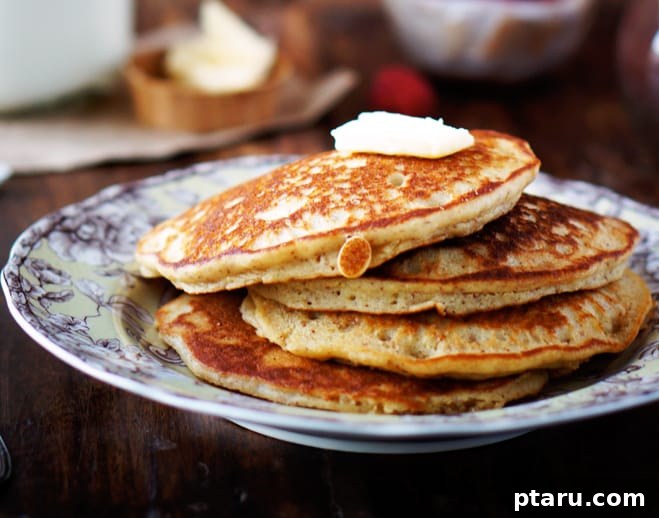
Fluffy & Nutritious Gluten-Free Pancakes with Almond Meal: A Wholesome Breakfast Treat
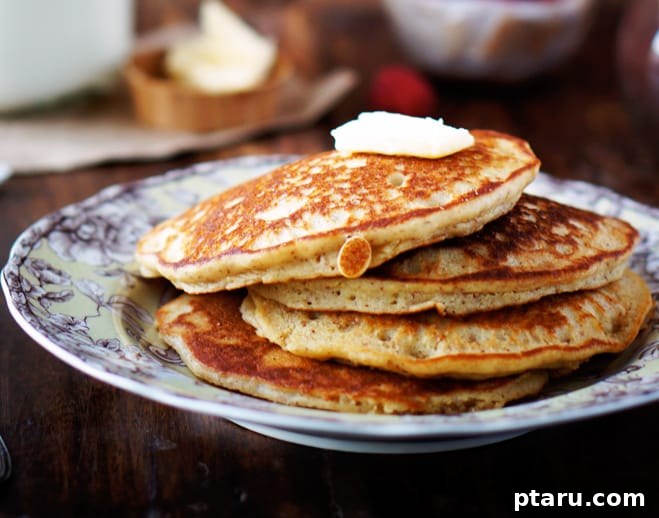
Life has a funny way of shifting our preferences, especially when certain joyous milestones come along. For me, lately, it’s been a fascinating journey of culinary rediscovery. While some expectant mothers report unusual cravings that defy explanation – think pickles and ice cream, or perhaps a sudden yearning for obscure flavor combinations – I’ve thankfully been spared those eccentricities. My palate, however, has undergone its own unique transformation.
Instead of strange desires, I’ve found myself with a rather pronounced list of aversions. The very thought of meat, in almost any form, has become utterly unappealing. Chicken? A double dose of aversion. Even the once-comforting aroma of a fragrant curry, which my dear husband innocently attempted to warm in the microwave the other day, sent me reeling. It seems my system is currently in full rebellion against anything too rich, too savory, or too… well, meaty.
But present me with something wonderfully bland, deliciously starchy, and unequivocally comforting, and I’ll happily take two – or three! Potatoes, in every conceivable incarnation, have become my culinary anchors. Whether baked to fluffy perfection, mashed into a creamy delight, or cut into wedges and roasted until golden, they’ve formed the foundation of many satisfying meals over the past few months. And then there’s bread – simple, honest bread – which remains a steadfast friend. But the true star, the ultimate comfort food that never disappoints, is undoubtedly the pancake.
The Inspiration: Crafting the Perfect Gluten-Free Breakfast
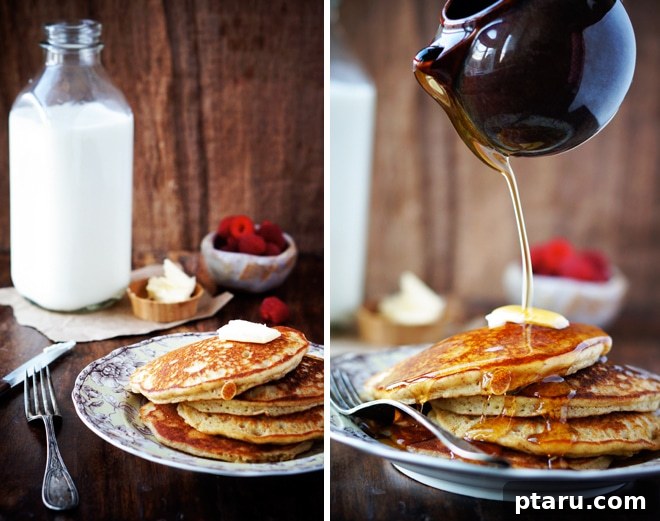
The universal appeal of a warm stack of pancakes on a lazy weekend morning is undeniable. It’s a simple pleasure, a promise of comfort and joy that transcends dietary restrictions. This became particularly clear to me recently when a close friend, who lives with celiac disease, came over for a much-anticipated sleepover. I wanted to surprise her with a truly special breakfast, something far more inviting than the box of somewhat “dubious-looking gluten-free mystery flakes” she usually keeps stashed in my pantry.
My goal was to create pancakes that were not just edible but truly exceptional – light, fluffy, and bursting with the kind of deliciousness that makes you forget they’re adapted for a special diet. The beauty of this particular recipe is its versatility: it’s lovingly adapted from an old family favorite that traditionally uses regular all-purpose flour. This means that if you’re not avoiding gluten, you can easily swap the brown rice flour for good ol’ wheat flour and still achieve magnificent results. It’s a recipe designed to bring joy to every breakfast table, accommodating diverse needs without sacrificing flavor or texture.
The Power of Almond Meal: A Gluten-Free Game Changer
One of the secret ingredients behind the success of these pancakes, particularly for a gluten-free audience, is almond meal. I’m an enthusiastic advocate for baking with almond meal, and for good reason. It’s an ingredient that brings so much to the table, both in terms of flavor and nutritional value. When incorporated into baking, almond meal can replace a portion of traditional flour, imparting a fantastic nutty depth that elevates the overall taste profile. Beyond flavor, it significantly contributes to a tender crumb and a delightful texture, ensuring your baked goods are never dry or dense.
My love for almond meal extends to a broader appreciation for other nut flours. I know, deep in my bones, that other finely ground nuts would be equally delicious and beneficial. Imagine the rich, earthy notes of walnuts, or the sweet, buttery essence of pecans! It’s incredibly simple to prepare your own nut meal: just throw a heaping cup of your chosen nuts into a food processor and grind them down until you have a cup of finely ground nuts. This opens up a world of flavor possibilities for your baking.
For those navigating the challenges of a gluten-free diet, nut flours (or simply finely ground nuts) are a brilliant addition. Many commercially available gluten-free products often fall short in protein and fiber content, and can be less nutrient-dense compared to their wheat-based counterparts. By incorporating ingredients like almond meal, you actively boost the wholesomeness and nutritional profile of your celiac-friendly home-baked goods. It’s an ingenious way to add healthy fats, protein, and essential minerals, making your treats not only delicious but also more satisfying and nourishing.
An interesting aspect of gluten-free baking, particularly with recipes like these pancakes, is the liberation from the worry of over-stirring. In traditional baking with wheat flour, over-mixing can develop the gluten, leading to a tough, chewy texture. With gluten-free flours like brown rice and almond meal, this isn’t a concern. The absence of gluten means you can stir these puppies real good until everything is just combined, without fear of compromising their tender, fluffy nature. This makes the baking process even more relaxed and enjoyable!
Understanding Gluten-Free: Beyond the Trend
Since this post delves into the realm of gluten-free baking, I feel compelled to inject a crucial sidebar here. As someone who works in the food industry, I’ve had a front-row seat to the dramatic rise in sales of gluten-free alternatives to traditionally wheat-based foods – bread, buns, bagels, cereals, pasta, and the like. I also regularly peruse shopper surveys to understand the motivations behind these purchasing decisions. A recurring theme, one that gives me pause, is the direct equating of “gluten-free” with “healthier” in the minds of many consumers. It’s a perception that, unfortunately, is simply not the reality for the vast majority.
It’s important to understand that gluten-free analogues to wheat products often bear the same number of calories, if not more, than their conventional counterparts. This is frequently due to the addition of extra fats and sugars, which manufacturers use to improve the texture and palatability that gluten naturally provides. If you take a moment to peruse the ingredient list of many processed gluten-free items, you’ll likely encounter a slew of high-glycemic index refined carbohydrates. When gluten is removed from the equation, manufacturers rely heavily on a plethora of gums and refined starches – such as tapioca starch, potato starch, or cornstarch – to simulate gluten’s binding and structural properties. What’s often conspicuously absent from that little nutrition facts box are the very nutrients we associate with healthy eating: fiber, vitamins, and minerals. Unlike wheat flours, which are often enriched by law, many gluten-free flours are not, meaning the processed products made from them can be significantly less nutrient-dense.
Who Truly Benefits from a Gluten-Free Diet?
To individuals diagnosed with celiac disease, gluten intolerance, or wheat allergies, going gluten-free is not a trend; it is a medical necessity, a vital pathway to managing their health and alleviating debilitating symptoms. For these individuals, choosing gluten-free options is non-negotiable, yet they too would be wise to prioritize whole foods that are naturally gluten-free – think fresh fruits, vegetables, lean proteins, and naturally gluten-free grains like quinoa, rice, and oats (certified GF) – rather than relying heavily on pre-packaged, processed alternatives. The inherent goodness of whole foods offers a superior nutritional profile.
However, for the growing number of people jumping on the “GF” bandwagon primarily to be “healthier” or to lose weight, I strongly suggest another, more holistic approach. True health and sustainable weight management are rarely found in eliminating a single food group unless medically indicated. Instead, they blossom from a more balanced philosophy: eating everything in moderation, with mindfulness, savoring each bite, and enjoying a pleasurable and varied diet based predominantly on whole, unprocessed foods. Focus on adding nutrient-rich foods rather than simply removing others without understanding the full nutritional implications.
My apologies for this unsolicited advice; sometimes these thoughts just spill out! It’s a topic I feel strongly about, and I believe in empowering people with accurate information. My intention is always to encourage informed choices and a joyful, healthy relationship with food. Now, back to the deliciousness at hand!
Whether you choose to make them with brown rice flour for a truly gluten-free experience or revert to good old wheat flour, these pancakes are designed for pure enjoyment. Dive in and savor every bite!
Fluffy Gluten-Free Pancakes: Ingredients
- 2 cups brown rice flour (ensure it’s finely ground for best texture)
- 1 cup almond meal / almond flour / finely pulverized almonds
- 1 tablespoon baking powder (for lift and fluffiness)
- 1 teaspoon baking soda (reacts with buttermilk for added rise)
- 1/2 teaspoon salt (enhances all flavors)
- 1 1/2 cups buttermilk (provides moisture and tenderness)
- 1/2 cup milk (any kind, dairy or non-dairy, works well)
- 1/4 cup melted unsalted butter (plus extra butter for greasing the skillet)
- 1 large egg (for binding and richness)
- 3 tablespoons pure maple syrup, plus more for serving (adjust to your sweetness preference)
Preparation: Your Path to Perfect Pancakes
- In a large mixing bowl, combine all the dry ingredients: brown rice flour, almond meal, baking powder, baking soda, and salt. Whisk them together thoroughly to ensure even distribution of the leavening agents. This prevents lumps and ensures uniform fluffiness.
- In a separate spouted bowl or a large glass measuring cup, whisk together the wet ingredients: buttermilk, regular milk, melted butter, egg, and 3 tablespoons of pure maple syrup. Whisk until the mixture is well combined and smooth.
- Pour the wet ingredients into the dry ingredients. Stir gently with a spoon or whisk until just combined. Don’t worry about a few small lumps; over-mixing gluten-free batter isn’t an issue, but a little lumpiness can actually lead to a tender pancake.
- Preheat a griddle or a large frying pan over medium heat. Once hot, add about 1/2 teaspoon of butter to melt and coat the surface. The butter should sizzle gently without immediately browning.
- Using a 1/4 cup measuring cup, portion the pancake batter onto the hot griddle. Give them ample space, as they will spread a little. Cook for about 2-3 minutes per side, or until bubbles begin to appear on the surface of the pancakes and the underside is golden brown. If the bottom seems to be getting dark too quickly, reduce the heat slightly.
- Carefully flip each pancake and continue cooking on the other side for another 1-2 minutes, or until that side is also golden brown and cooked through.
- As the pancakes are done, transfer them to a baking sheet and keep them warm in a low oven (around 200°F or 90°C) if you’d like to serve everyone at once. This ensures every pancake is perfectly warm and ready for enjoyment.
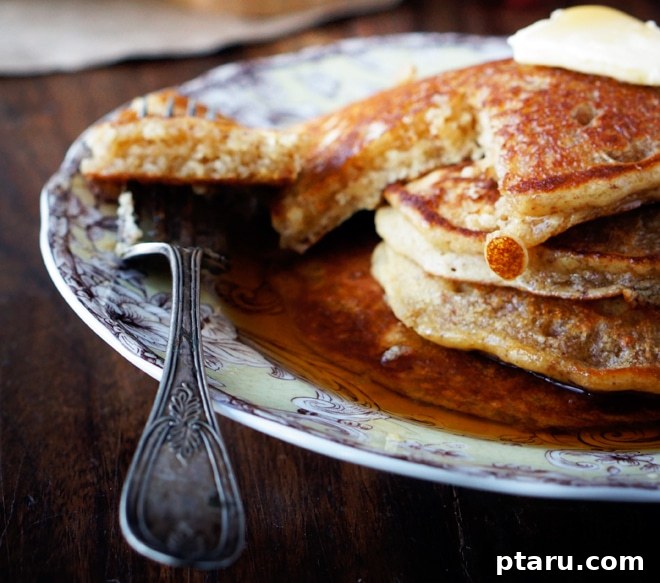
- Serve your beautiful stack of fluffy gluten-free pancakes immediately with an generous drizzle of pure maple syrup, and any other toppings you desire (fresh fruit, whipped cream, or a sprinkle of powdered sugar are all fantastic additions!). Enjoy this wholesome and delightful breakfast!