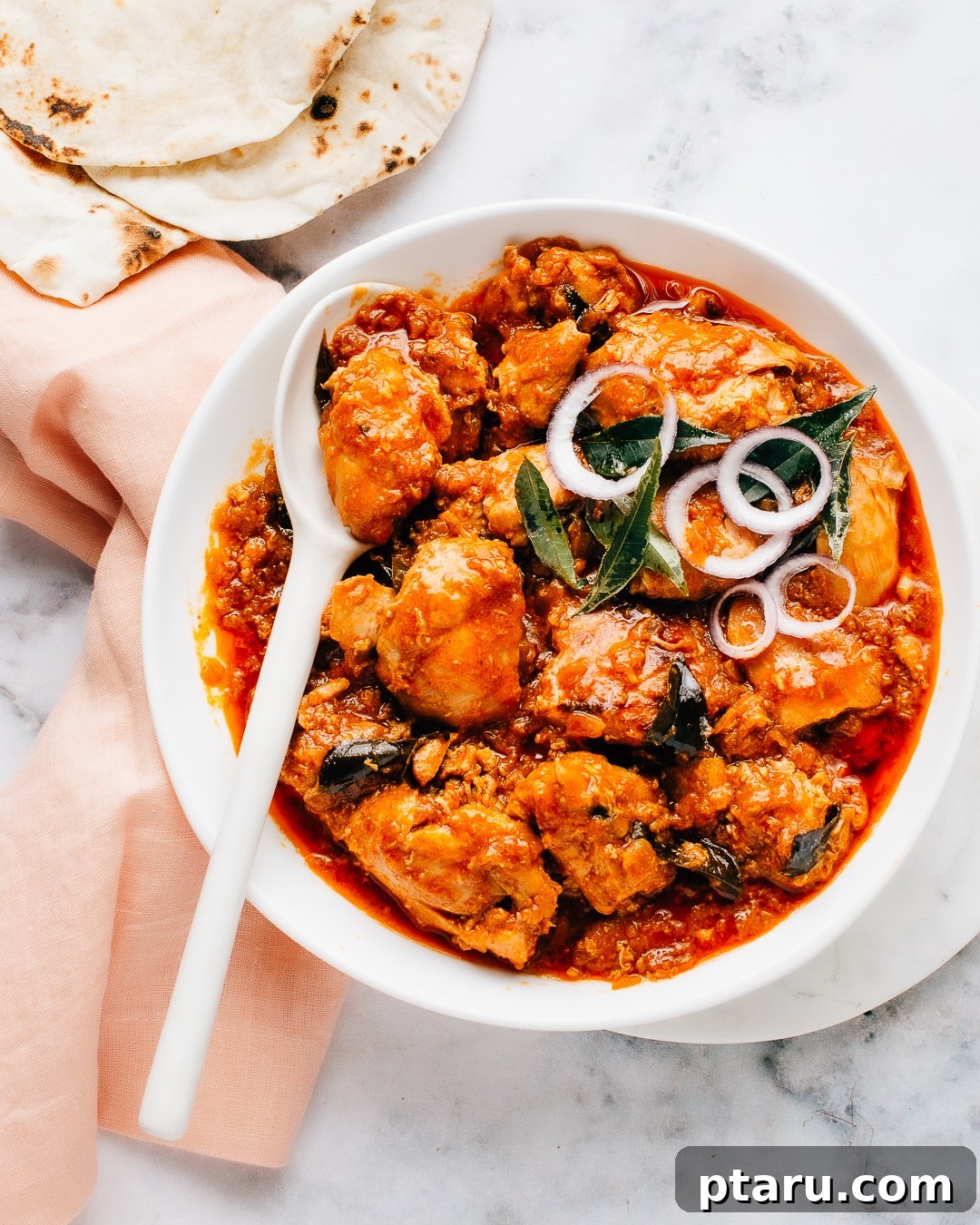
Authentic Chicken 65 Recipe: Your Guide to a Spicy South Indian Delight
Dive into the vibrant world of Indian cuisine with our incredible Chicken 65 recipe. This classic South Indian dish is celebrated for its perfectly balanced sticky-spicy coating and a profound depth of flavor that tantalizes the taste buds. It’s a versatile favorite, offering just the right amount of heat paired with delightful aromatic notes. Whether you’re scooping up its tender chicken pieces with warm, buttery homemade naan, a light and flaky paratha, or soft chapathis, or perhaps serving it alongside a mound of fluffy basmati rice, Chicken 65 promises an exquisite and memorable dining experience.
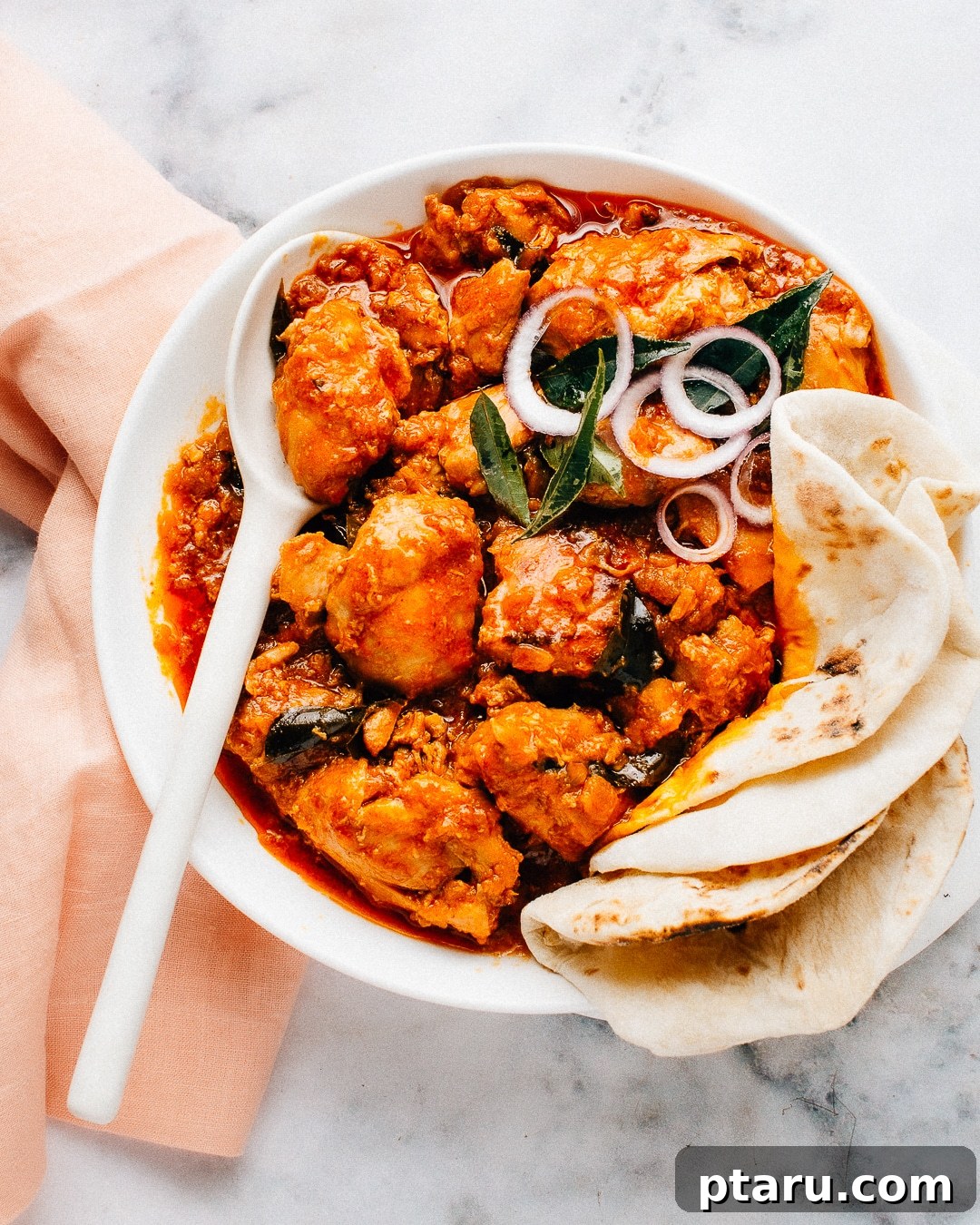
This particular rendition of Chicken 65 holds a deeply personal and cherished place in our home. It stands as one of the rare culinary creations my Indian husband has ever prepared, a true testament to its straightforward preparation and irresistible appeal. This is not just any recipe; it’s a cherished South Indian gem, passed down from my mother-in-law. Her brilliant adaptation offers a healthier, simpler take on the traditionally deep-fried dish, proving that you don’t need excessive oil to achieve authentic, vibrant flavors. Every time I prepare this dish, it consistently garners enthusiastic praise, quickly becoming a requested favorite among friends and family.
What Defines the Exquisite Flavor Profile of Chicken 65?
Chicken 65 delivers a harmonious explosion of flavors, featuring tender, boneless chicken coated in a rich, glossy, and exquisitely spicy sauce. It masterfully hits all the sweet, hot, and nutty notes in a proportion that encourages every last drop to be savored. Imagine a captivating taste, reminiscent of popular dishes like Gochujang chicken, yet distinctly Indian with its unique blend of aromatics. The generous use of fresh garlic and ginger, combined with the irreplaceable, earthy fragrance of curry leaves, creates an unparalleled depth. It’s truly a dish that makes you want to lick the plate clean.
This versatile Indian delight functions beautifully as both an invigorating starter or a hearty main course. Its characteristic sweet heat often evokes comparisons to certain Chinese culinary styles rather than typical heavy Indian curries, making it uniquely appealing. This intriguing fusion of tastes is precisely what elevates Chicken 65, ensuring its widespread popularity and memorable presence on any table.
Unraveling the Mystery: Why is it Called Chicken 65?
The name “Chicken 65” carries a certain mystique that adds to its allure. The most widely accepted theory suggests that this iconic Indian dish was first created and introduced in 1965. Legend has it that a chef at a hotel in Chennai, India, simply named his groundbreaking new recipe “Chicken 65.” Its immediate and immense popularity led to its rapid spread across India and eventually globally, carrying with it this quirky yet memorable original designation. The seemingly arbitrary number has since become an indelible part of Indian culinary lore, signifying a specific and beloved flavor profile.
Today, the “65” suffix has become a culinary shorthand, indicating a dish prepared with a similar spicy, tangy, and aromatic style. You’ll frequently encounter variations such as “Paneer 65” (a vegetarian version), “Chicken 65 Biryani,” and other “65”-infused recipes on Indian restaurant menus, all promising that distinctive and irresistible flavor. The enduring charm of its name, coupled with its delicious taste, solidifies Chicken 65 as a true classic in Indian gastronomy.
Key Ingredients for Crafting Authentic Chicken 65
What makes this Chicken 65 recipe truly special is its surprisingly straightforward ingredient list, especially when compared to many other Indian curries. You won’t need to stock a vast collection of exotic spices; instead, it relies on accessible pantry staples and fresh aromatics. This minimalist approach not only makes the dish easy to prepare but also allows the individual flavors to shine brilliantly, resulting in a dish that is both complex in taste and simple in execution.
You might notice the absence of common Indian spices like turmeric, garam masala, or cumin powder. The secret to its profound flavor lies in the strategic use of a few powerful ingredients in generous quantities. For instance, the amount of garlic specified is not an error! While it may seem like a lot, it’s expertly balanced by the natural sweetness of the onions and ketchup, contributing an incredible savory depth without overwhelming the palate. Similarly, the red chili powder, such as cayenne, provides a satisfying warmth and kick without making the dish excessively hot. Even my children enthusiastically enjoy this curry, proving its perfectly calibrated spice level.
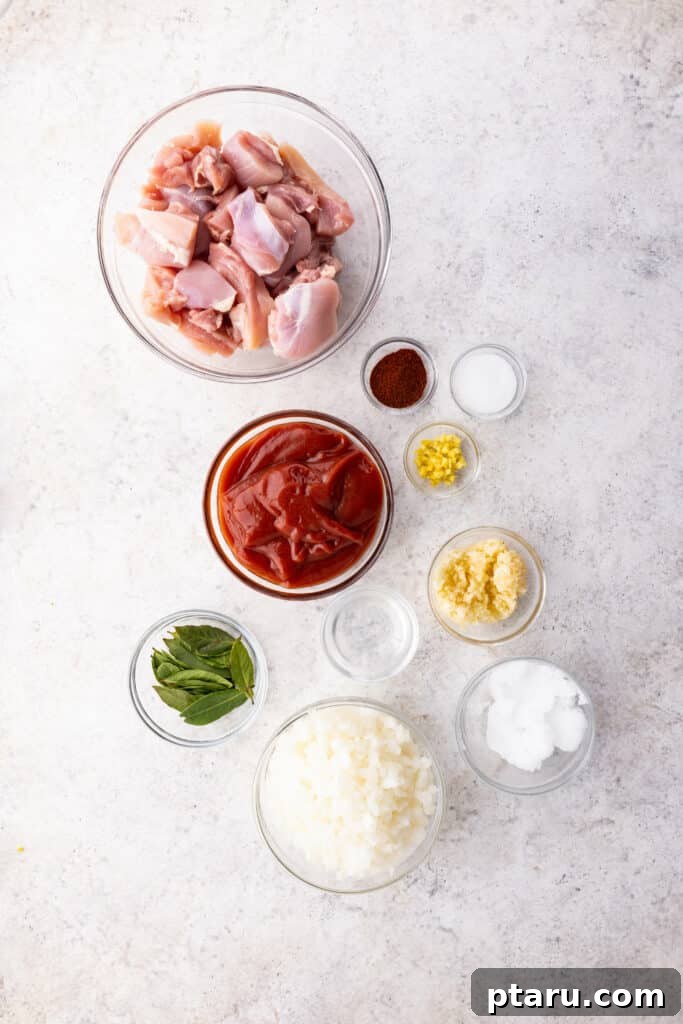
Putting together this delicious Chicken 65 is surprisingly straightforward. Here’s a detailed look at the essential components:
- Onion: Central to many Indian curries, the onions in Chicken 65 are slowly cooked until they achieve a soft, golden, and nearly translucent state. This patient process extracts their natural sugars, forming the sweet base of the sauce. As they break down, the onions virtually disappear into the dish, lending a rich, natural sweetness and thickness to the curry without adding any discernible texture.
- Garlic: Embrace the suggested quantity of garlic! While it might appear substantial, it integrates seamlessly into the dish, delivering an intense burst of savory flavor rather than an overpowering sharpness. It’s a key player in the dish’s overall complexity and deliciousness.
- Ginger: Fresh ginger imparts a distinctive warming spice and a bright, zesty aroma crucial for the authentic Chicken 65 experience. If fresh ginger isn’t a kitchen staple for you, a handy tip is to buy a piece, freeze it, and grate it directly from its frozen state whenever needed. There’s no need to even peel it beforehand!
- Ketchup: This ingredient might surprise some, questioning its place in a traditional Indian curry. However, in this recipe, ketchup is the secret weapon! It provides an indispensable tangy-sweet flavor and acts as a brilliant shortcut, eliminating the need for separate additions like lemon juice or vinegar. Its unique profile is truly irreplaceable for achieving the signature taste of this Chicken 65.
- Red Chili Powder: This is the sole dry spice in the recipe, with options like cayenne or Kashmiri red chili powder. The finished dish offers a pleasant warmth rather than an extreme fiery heat, making it accessible to most palates. If you prefer a milder flavor, feel free to slightly reduce the amount. Alternatively, for a fresh heat, finely chopped red or green chilies can be used.
- Curry Leaves: These fragrant leaves are the aromatic cornerstone of South Indian cooking. They infuse the dish with a distinct nutty, toasty, and utterly unique flavor that is incredibly hard to substitute. While Thai basil can offer a surprisingly similar aromatic profile, fresh curry leaves are highly recommended for the most authentic and profound taste.
- Boneless, Skinless Chicken Thighs: Opting for chicken thighs is key for this recipe. Their inherent richness and higher fat content ensure they cook quickly and remain exceptionally tender and juicy. Unlike leaner chicken breasts, thighs are far more forgiving and less prone to drying out when simmered in the flavorful sauce, allowing them to absorb all the delicious nuances of the curry.
For the most authentic and impactful flavor, it is highly recommended to seek out fresh curry leaves. These can typically be found at Indian grocery stores, various Asian markets, and sometimes even in the produce section of larger supermarkets, often packaged in plastic clamshell containers. Their distinctive aroma and nutty undertones are genuinely irreplaceable in this dish. It’s crucial to remember that curry leaves are a distinct herb and bear no relation to “curry powder,” which is a pre-blended mix of different ground spices.
Many traditional Chicken 65 recipes often call for the addition of red food coloring to achieve a more vivid, deep red hue. However, for a more natural approach that prioritizes wholesome ingredients, I prefer to omit artificial coloring and let the beautiful, natural shades of the chicken and sauce speak for themselves.
Step-by-Step Guide: How to Craft Chicken 65 at Home
Despite its rich and complex taste, the process for making this Chicken 65 recipe is remarkably straightforward and accessible for home cooks. The incredible depth of flavor is built up incrementally, with each step adding distinct layers of aroma and seasoning that culminate in an extraordinarily delicious finished dish. Follow these instructions carefully to prepare your own batch of this delightful South Indian specialty:
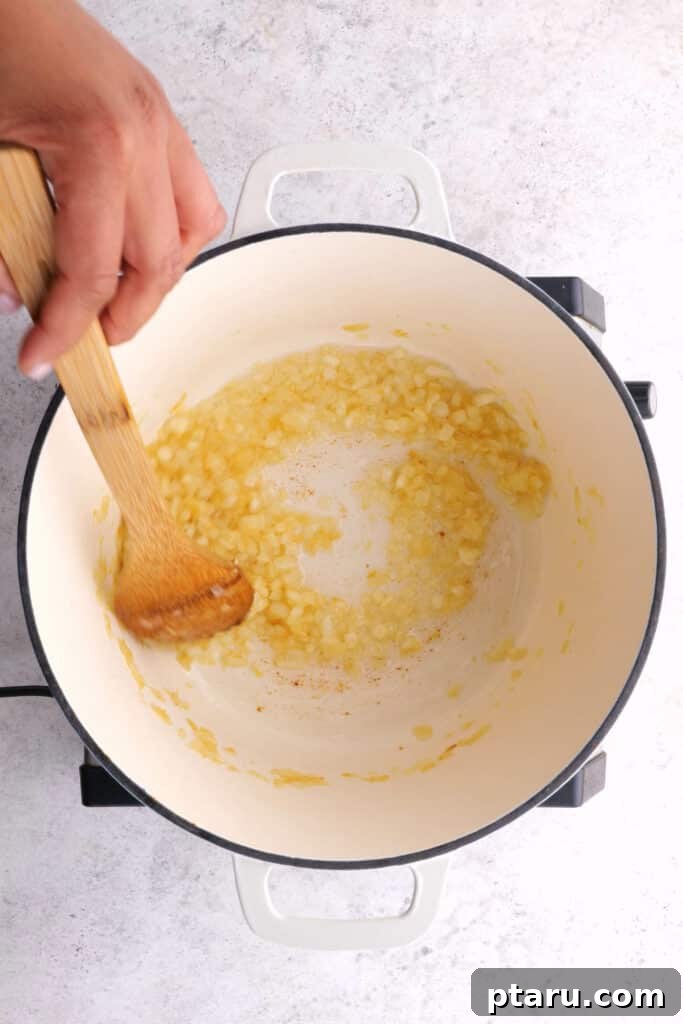
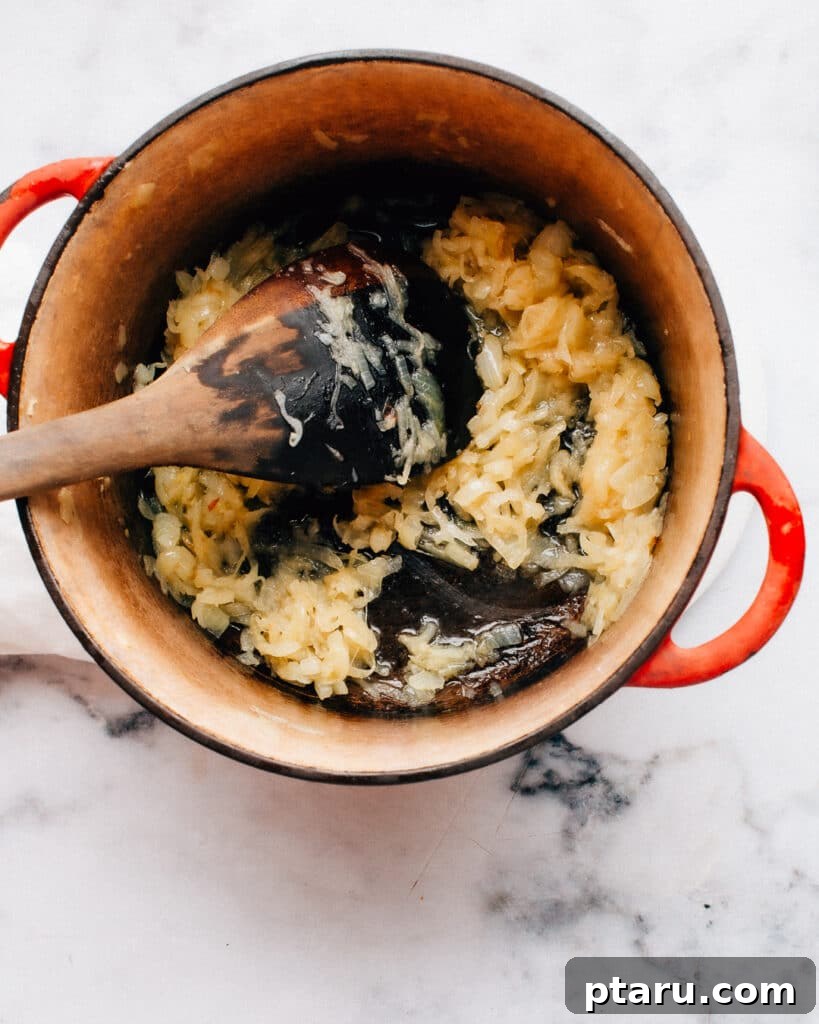
- 1. Begin with Perfectly Softened Onions: In a heavy Dutch oven or a large, thick-bottomed pan, heat your preferred cooking oil (coconut or vegetable oil works well) over medium-high heat. Add the finely chopped onions. Cook them patiently, stirring occasionally, until they become wonderfully soft and achieve a beautiful golden hue. This step is crucial for coaxing out their natural sweetness, which forms the foundational layer of flavor for your sauce. Anticipate this process to take at least 10 minutes; it might take longer if your onions are cold from the fridge or if they haven’t been thinly sliced. Avoid rushing this stage, as the time invested here directly translates to the depth and sweetness of your finished curry. When cooked thoroughly, the onions will melt into the sauce, becoming an undetectable, naturally sweet thickener that perfectly counterbalances the spices and heat.
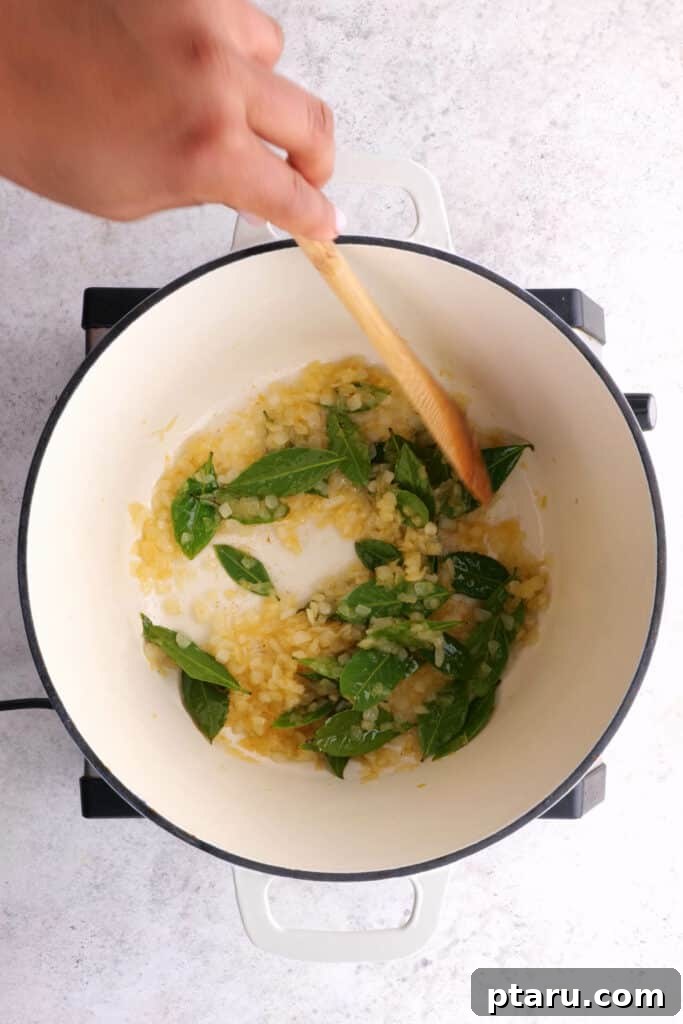
- 2. Sizzle the Curry Leaves: Once the onions have achieved their perfect softness and color, add the fresh curry leaves to the pan. Stir them well to coat them in the hot oil and let them sizzle gently for 1-2 minutes. This brief toasting process is essential as it activates and releases their distinctive nutty, earthy, and highly aromatic oils, which are fundamental to the unique taste of South Indian cuisine.
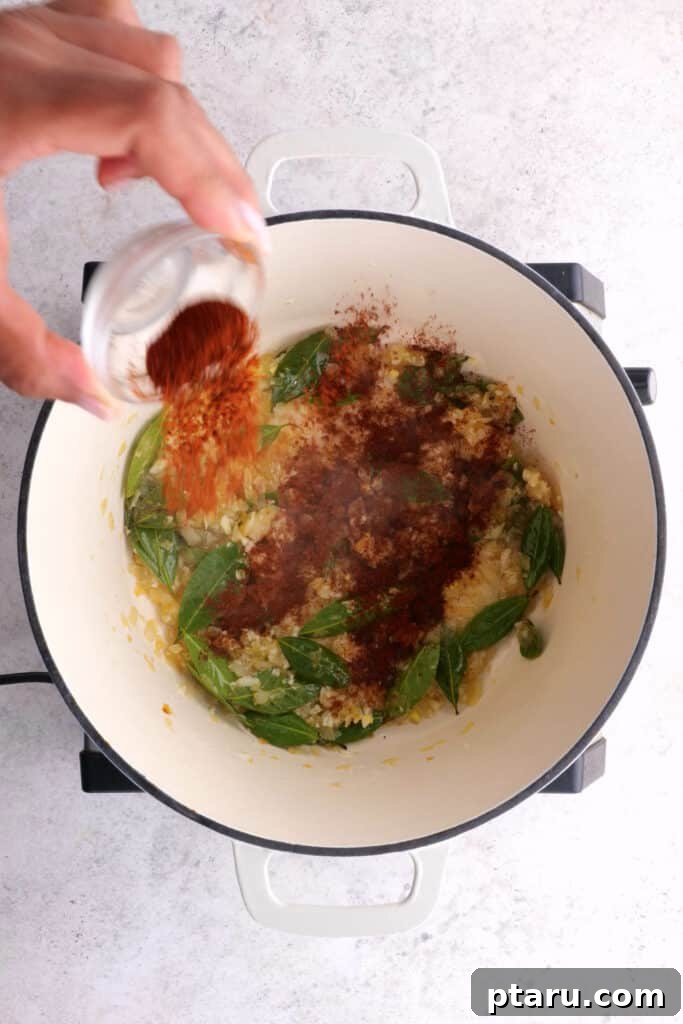
- 3. Infuse with Aromatics and Spice: Reduce the heat to medium-low. Add the minced garlic and grated ginger to the pan and continue to cook for about 2 minutes, allowing their intoxicating aromas to fully develop. Next, stir in the red chili powder (such as cayenne) and cook for another 30 seconds. This step allows the chili powder to bloom in the warm oil, intensifying its flavor.
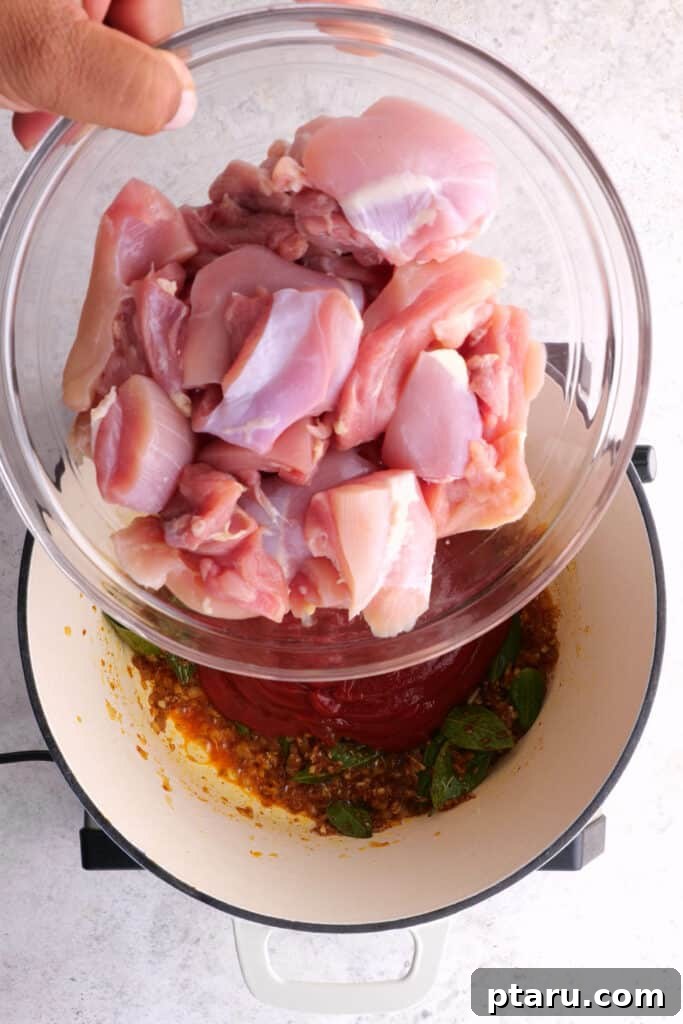
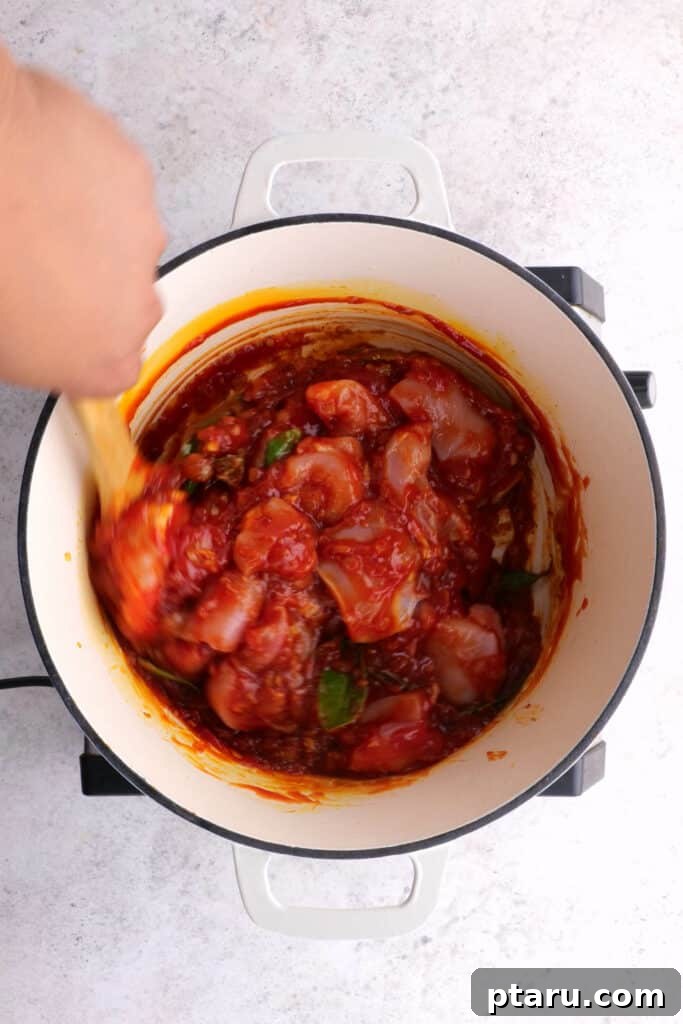
- 4. Combine Ketchup and Chicken: Now, add the ketchup and the bite-sized chicken pieces to the pan. Stir everything thoroughly, ensuring that each piece of chicken is generously coated in the rich, developing sauce. At this point, the mixture may appear somewhat dry. Only add a small splash of water (1-2 tablespoons at a time) if you notice any sticking or scorching on the bottom of the pan. As the chicken gently cooks over low heat, it will naturally release its own moisture, contributing significantly to the volume and richness of the sauce. It’s important to avoid adding too much water, as this can dilute the concentrated and delicious flavors you’ve carefully cultivated.
- 5. Simmer to Perfection: Cover the pan and let the chicken simmer on low heat for approximately 10 minutes. This period allows the chicken to cook through gently while its juices further enrich the sauce. Remember to stir occasionally to prevent any sticking. Once the chicken is fully cooked, remove the lid and continue to simmer the curry for another 10-15 minutes, allowing the sauce to thicken to a luscious consistency. You’ll know the dish is perfectly done when a thin layer of oil begins to shimmer on top of the fragrant, flavorful curry.
A Healthier Take: The Benefits of This Chicken 65 Version
This particular rendition of Chicken 65 stands out as a significantly quicker and healthier alternative compared to the traditional deep-fried versions. In its classic preparation, Chicken 65 typically involves marinating chicken pieces, dusting them with a blend of cornstarch (often called cornflour), wheat flour (maida), or rice flour, and then deep-frying them in multiple batches as a crucial initial step. This method, while yielding a crispy exterior, adds considerable oil and calories.
However, my mother-in-law’s ingenious recipe streamlines this process dramatically. The chicken is simply cut into convenient, bite-sized pieces and then simmered directly in the flavorful, aromatic sauce. This completely eliminates the need for any deep-frying, which not only drastically reduces the overall fat content and calories but also cuts down on several time-consuming steps. There’s no lengthy marination required for the coating, and no laborious frying in batches. This makes it an ideal recipe for a wholesome, flavorful weeknight meal that aligns with healthier eating without sacrificing an ounce of the beloved Chicken 65 taste and texture.
Serving Suggestions: Perfect Pairings for Your Chicken 65
While Chicken 65 is widely enjoyed as a dynamic appetizer or “starter” in India, its robust flavor profile and satisfying texture make it an equally excellent choice for a fulfilling main course dinner. We particularly love serving this intensely flavorful chicken with a range of delicious accompaniments. A simple bowl of light and fluffy boiled basmati rice is ideal for soaking up every drop of the delectable, sticky sauce. For those who adore Indian breads, a fresh batch of our best homemade butter naan, with its chewy and buttery texture, or soft, wholesome chapati, provides the perfect vehicle for this spicy delight.
To beautifully complement the dish’s warmth and spice, consider serving it alongside a cooling element like plain yogurt or a refreshing Indian Cucumber-Yogurt Salad (Raita), which offers a delightful contrast and helps to balance the heat. For a more elaborate meal, begin with classic Indian snacks such as crispy homemade potato samosas or savory chicken samosas. To add an extra touch of visual appeal and fresh flavor, liberally garnish your finished Chicken 65 with freshly chopped cilantro, thinly sliced red onions, a few extra fried curry leaves for a textural crunch, vibrant lemon wedges, or even some thinly sliced green chilies for those who crave an additional fiery kick.
Storing Leftover Chicken 65 for Future Enjoyment
One of the delightful characteristics of deeply flavored dishes like Chicken 65 is that they often taste even more incredible the day after they’re prepared. This is because the flavors have ample time to meld, deepen, and fully develop, creating an even richer culinary experience. This makes Chicken 65 an excellent candidate for advance preparation, especially when you’re hosting guests or planning your weekly meals. To store, simply transfer any cooled leftover Chicken 65 into an airtight container and place it in the refrigerator. It will remain wonderfully fresh and safe to enjoy for up to 5 days, making it perfect for quick lunches or dinners.
Freezing Chicken 65: A Convenient Meal Prep Solution
Yes, absolutely! Chicken 65 freezes exceptionally well, offering a fantastic solution for meal prepping and ensuring you have a delicious, homemade Indian dish ready whenever a craving strikes. To freeze, allow the cooked chicken to cool completely to room temperature. Then, transfer it into airtight freezer-safe containers or heavy-duty freezer bags, ensuring as much air as possible is removed to prevent freezer burn. When properly stored, Chicken 65 will maintain its quality and flavor in the freezer for up to 3 months. When you’re ready to enjoy it, simply thaw the dish overnight in the refrigerator and reheat gently on the stovetop over low heat or in the microwave until thoroughly warmed through. Consider doubling the recipe next time you cook to stock your freezer with convenient, flavorful meals for busy evenings!
More Beloved Indian Recipes to Explore
If the tantalizing flavors of this Chicken 65 recipe have ignited your passion for Indian cuisine, you’ll undoubtedly want to delve deeper into its rich culinary landscape. Here’s a curated selection of highly cherished and consistently satisfying Indian dishes, promising authentic tastes and delightful cooking experiences:
- The legendary Chicken Korma, a sumptuously creamy and aromatic curry often described as a truly transformative culinary experience.
- Our celebrated Best-Ever Creamy Butter Chicken, consistently one of the most popular and highly-rated recipes on our website, a true testament to its irresistible appeal and comforting flavors.
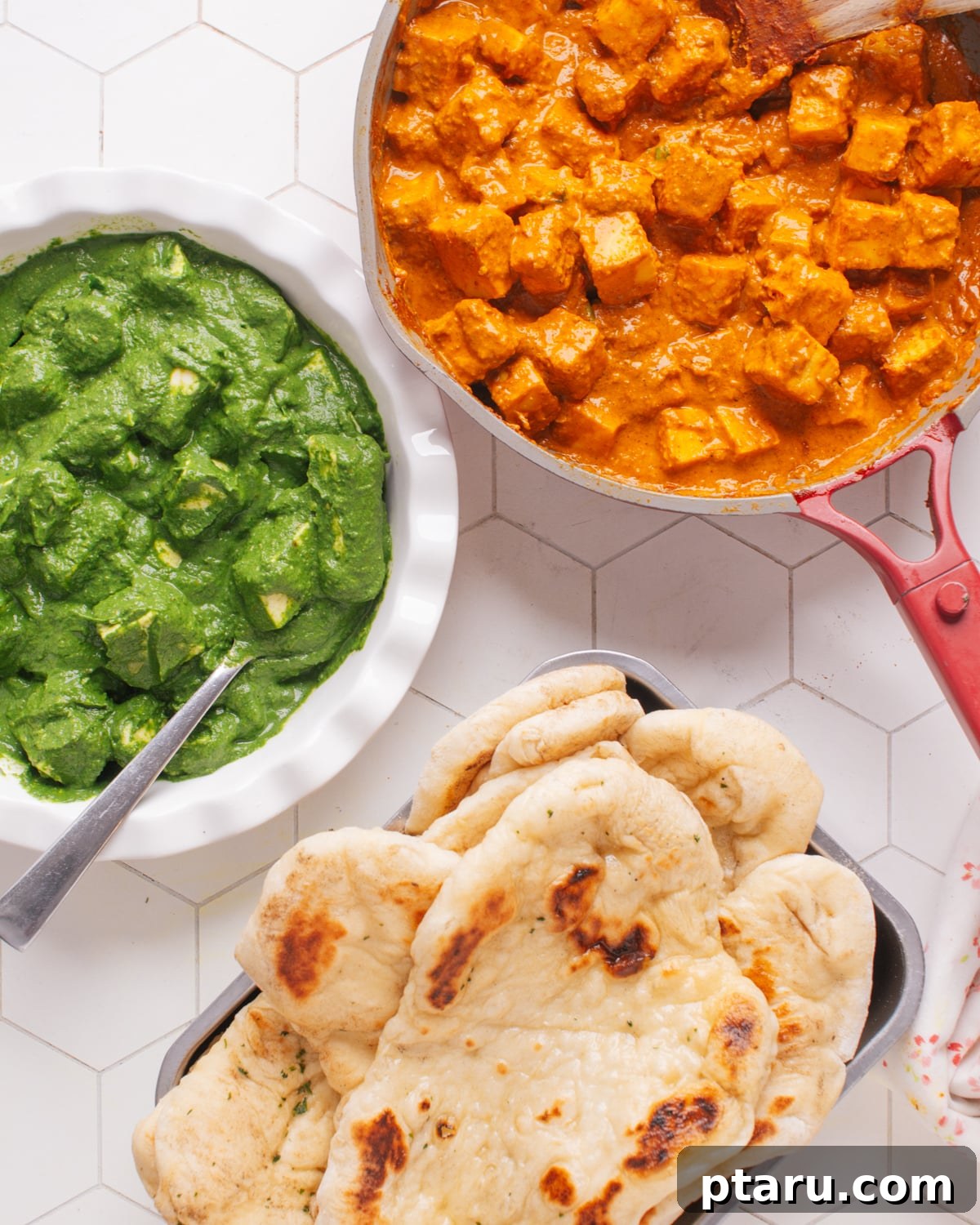
- An effortlessly prepared Easy Homemade Butter Paneer, offering a rich and delicious vegetarian counterpart to the classic butter chicken.
- The delightful Saag Paneer, an incredibly flavorful and wholesome way to incorporate a generous serving of spinach into your diet.
- A trio of homemade favorites: flaky Potato Samosas, savory Chicken Samosas, and even a unique Samosa Pie – a clear indication of our deep affection for all things samosa!
- The Butter Naan Recipe that soared to viral fame, renowned for its perfect chewiness, rich texture, and irresistible buttery glaze.
- Creamy and comforting Madras Lentils, the quintessential vegetarian comfort food, packed with wholesome goodness and hearty flavors.
- Indulge in Malai Kofta, featuring delicate paneer and potato balls bathed in a luscious creamy tomato sauce – a personal favorite to order at any Indian restaurant, and even more gratifying when lovingly made at home!
- Authentic Masala Chai, offering a truly warming, spiced, and aromatic Indian tea experience, perfect for any time of day.
Additionally, for those keen to explore more regional flavors, here are some other beloved South Indian recipes:
- A tantalizing Kerala Fish Fry, bursting with fresh coastal spices and flavors.
- Hearty and wholesome South-Indian Red Lentils (Masoor Dal), a comforting and nutritious lentil stew that’s a staple in many homes.
- The robust and famously spicy Pork Vindaloo Curry, a Goan specialty known for its intense flavors and fiery kick.
- Delightfully creamy Coconut Curried Lentils, offering a gentle yet profoundly flavorful curry experience.
- The flaky and versatile Paratha, a perfect, layered flatbread accompaniment that pairs beautifully with almost any curry.
Chicken 65 Curry Recipe
This sticky, spicy Chicken 65 Curry is so delicious and packs just the right amount of heat. It hits all the sweet, spicy and nutty notes in plate-licking proportion. Scoop it up with warm, chewy naan or soft chapatis, or alongside fluffy basmati rice.
Rating: 5 out of 5 stars based on 2 votes
By: Jennifer Pallian BSc, RD
Prep Time: 10 minutes
Cook Time: 35 minutes
Total Time: 45 minutes
Servings: 8
Ingredients
- 4 tbsp coconut oil (or any cooking oil)
- 2 medium onions, finely chopped
- 2 tsp kosher salt
- ½ cup packed curry leaves
- 3 tbsp minced garlic
- 2 tbsp packed finely grated or minced ginger (approx. 2 oz by weight)
- 2 tsp chili powder (like cayenne or Indian chili powder)
- 1 ½ cups ketchup
- 2 lbs boneless, skinless chicken thighs, cut into quarters
- 2-4 tbsp water, as needed
Instructions
- Heat oil in a heavy Dutch oven or large pan over medium-high heat. Add onions and cook until soft and golden, about 10 minutes, reducing heat if needed to prevent burning before they’re soft.
- Add curry leaves and stir to coat in oil. Cook 1-2 minutes, until they turn a shade darker and smell fragrant.
- Reduce heat to medium-low and add garlic and ginger; continue cooking for 2 minutes. Stir in cayenne and cook 30 seconds. Add ketchup and chicken, stirring to coat well.
- Cover and cook on low for about 10 minutes to allow the chicken to release its moisture while cooking. Stir occasionally and add water (1-2 tablespoons at a time) if it is scorching.
- Once chicken is cooked through, uncover and simmer about 10-15 minutes to let the sauce thicken. The oil will shimmer on top of the curry when it is done.
Nutrition (Approximate per serving)
- Calories: 259 kcal
- Carbohydrates: 17g
- Protein: 23g
- Fat: 12g
- Saturated Fat: 7g
- Polyunsaturated Fat: 1g
- Monounsaturated Fat: 2g
- Trans Fat: 0.02g
- Cholesterol: 108mg
- Sodium: 622mg
- Potassium: 479mg
- Fiber: 1g
- Sugar: 11g
- Vitamin A: 431 IU
- Vitamin C: 5mg
- Calcium: 31mg
- Iron: 1mg
Nutrition information is automatically calculated and should only be used as an approximation.
Tried this recipe? Share your experience in the comments below!