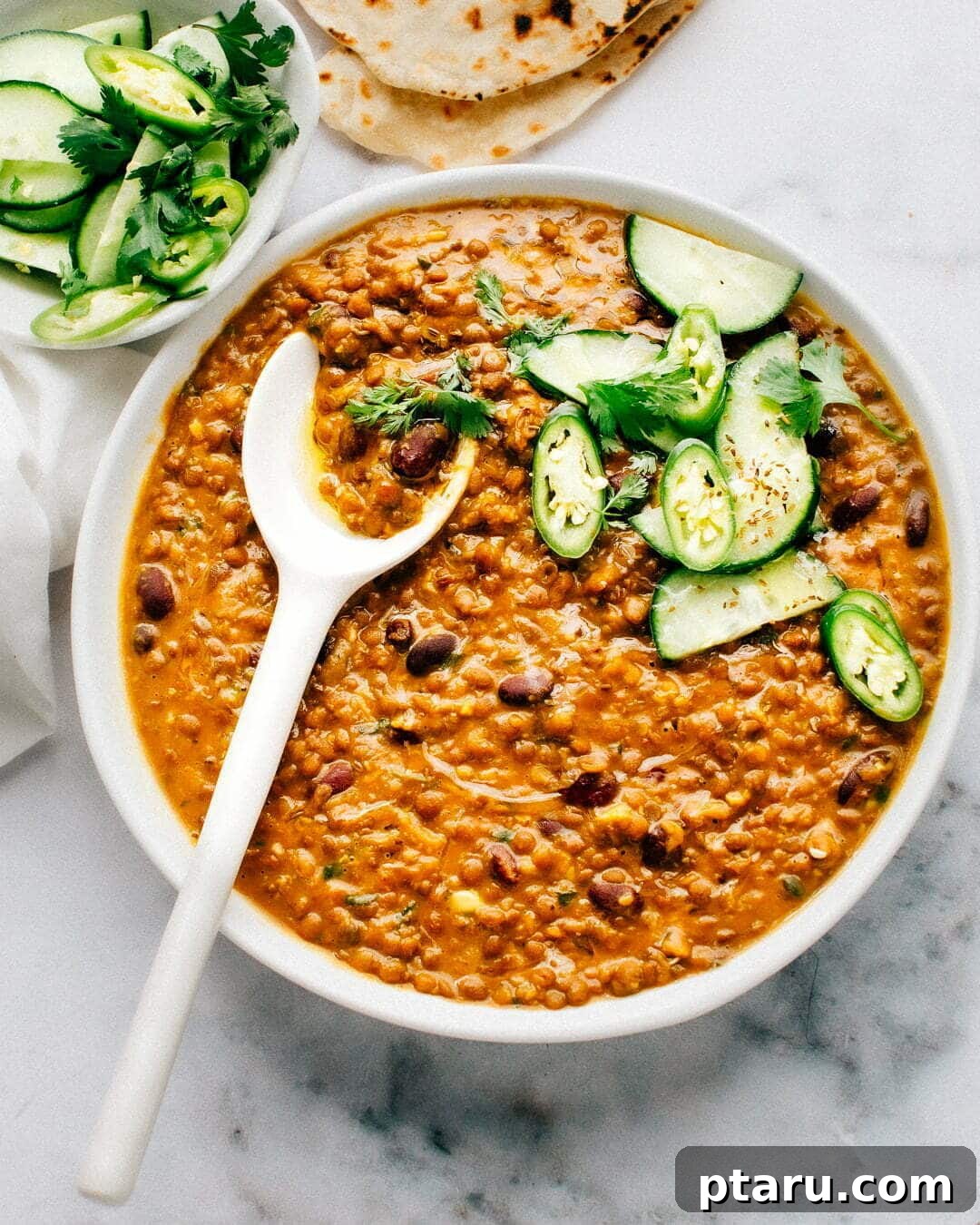
Welcome to the ultimate guide for making truly exceptional Madras Lentils at home! This recipe delivers an incredibly easy, yet profoundly delicious vegetarian curry, combining the wholesome goodness of lentils and kidney beans in a rich, velvety tomato cream sauce that will tantalize your taste buds. Often hailed as the ultimate Indian comfort food, this dish is perfect for a satisfying weeknight meal or a cozy weekend feast. Prepare to be amazed by the depth of flavor achieved with simple, accessible ingredients.
What Are Madras Lentils? Unpacking This Hearty Indian Delight
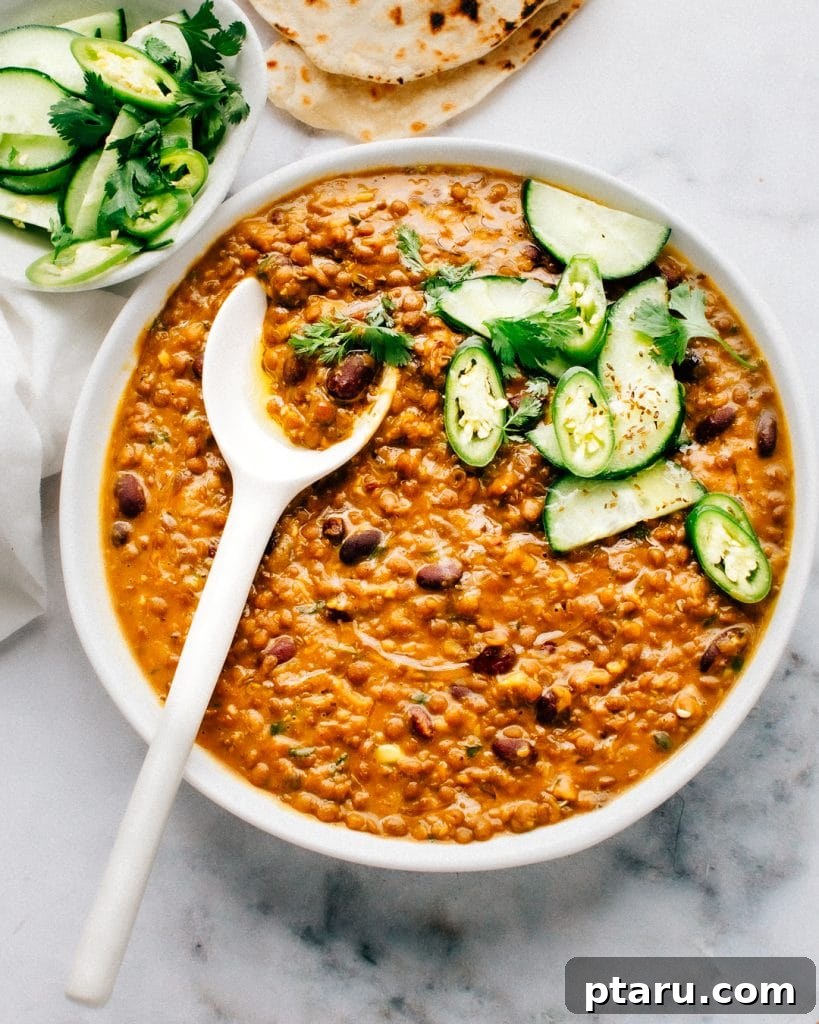
Madras Lentils, as they are widely known in North America, embody a heartwarming and robust bean curry that has become a staple in many households. While often compared to the beloved Butter Chicken for its rich, creamy, and tomato-based profile, this vegetarian counterpart offers a unique blend of earthy lentils and tender kidney beans. Simmered to perfection with aromatic spices, butter, and cream, it creates a deeply satisfying and flavourful base.
It’s worth noting that the name “Madras Lentils” itself may be a Western adaptation. My South Indian husband suggests that “Madras” – the former name for Chennai, the capital of Tamil Nadu – typically implies a regional cuisine rich in chilies, curry leaves, mustard seeds, and coconut oil, rather than the butter and cream dominant in this dish. Despite the name, this recipe bears a striking resemblance to the delicious Punjabi lentil dal often found in North Indian restaurants, particularly in places like Vancouver. The culinary landscape of India is vast and diverse, and dishes often evolve or acquire new names as they travel across regions and continents. Whatever its precise origins, this simple, stick-to-the-ribs lentil curry has earned a regular spot on our family menu, cherished by kids and adults alike for its inviting texture and subtly complex flavors.
Why This Madras Lentils Recipe Stands Out
This particular Madras Lentils recipe isn’t just another curry; it’s designed for maximum flavor with minimal fuss, making it ideal for busy weeknights. Here’s what makes it truly special:
- Uncomplicated Ingredients: We focus on readily available ingredients, including the convenience of canned lentils and kidney beans, without compromising on taste.
- Rich and Satisfying Flavor: Through strategic layering of aromatics and spices, we achieve a profound depth that tastes like it simmered all day, even on a tight schedule.
- Family-Friendly Appeal: The gentle spices and creamy texture make it a hit with children and adults alike, proving that healthy food can be utterly delicious.
- Versatile and Adaptable: Easily customized for dietary needs, including a fantastic vegan option, and pairs wonderfully with a variety of sides.
- Hearty & Wholesome: Packed with protein and fiber from the lentils and beans, it’s a meal that truly nourishes and keeps you feeling full.
What’s In Madras Lentils? Key Ingredients Explained
To make this healthy, wholesome, and incredibly satisfying vegetarian recipe as weeknight-friendly as possible, we lean on some smart shortcuts and flavor-building techniques. Here’s a closer look at the essential components:
Lentils & Kidney Beans: The Heart of the Dish
- For ultimate convenience, I used canned lentils and kidney beans. This dramatically cuts down on cooking time, making this a truly quick curry. If you prefer to cook your own from scratch, remember that lentils cook much faster than kidney beans, so it’s best to prepare them separately to ensure even tenderness.
- I opted for brown lentils because they hold their shape well after simmering, even when canned. While you could swap in another type, such as green or even red lentils, be aware that softer varieties might break down into the sauce more, which isn’t necessarily a bad thing – it just creates a slightly different texture.
The Aromatic Foundation: Onions, Garlic, Ginger & Jalapeño
- A large onion, finely chopped, forms the crucial base. Its slow caramelization is key to the sauce’s sweetness and depth.
- Minced jalapeño, garlic, and finely grated ginger provide the aromatic warmth and a subtle kick. Don’t be shy with the garlic; it’s a primary flavor driver here.
Spices: The Soul of Indian Cuisine
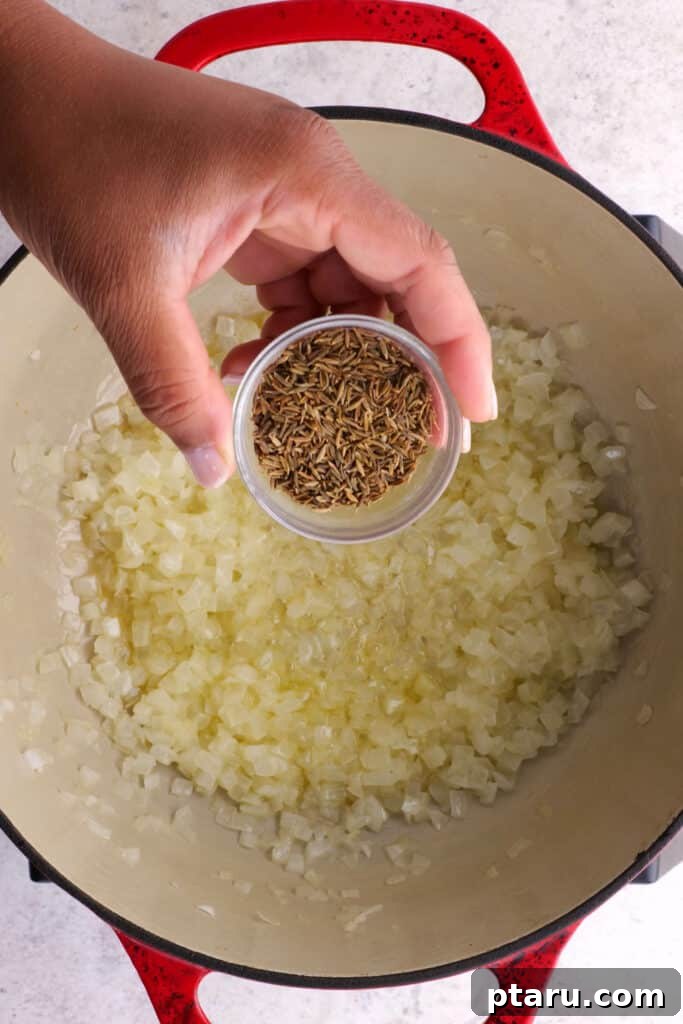
- Cumin seeds offer a warm, earthy note. You can substitute with ground cumin if whole seeds aren’t available, but toasting whole seeds adds an extra layer of flavor.
- Cayenne powder brings the heat – adjust to your preference!
- Turmeric adds its characteristic golden hue and subtle peppery, slightly bitter notes, known for its incredible health benefits.
Tomato Paste: Concentrated Flavor Power
- Using tomato paste instead of tomato sauce is a deliberate choice. Its concentrated flavor allows us to build a richer, more robust tomato base without excessive liquid. Toasting the paste is a critical step for unlocking its full potential.
The Creamy Finish: Butter & Heavy Cream
- Butter or ghee adds unparalleled richness and flavor, complementing the aromatics beautifully.
- A splash of heavy whipping cream at the end brings luxurious smoothness and balances the spices, creating that signature creamy texture.
Garnishes for Freshness
- Freshly chopped cilantro brightens the dish.
- A dollop of yogurt or an extra swirl of cream makes for a delightful finish.
Are Madras Lentils Healthy? Nutritional Insights
Absolutely! Madras Lentils are a powerhouse of nutrition, especially when enjoyed as part of a balanced meal. They are loaded with plant-based protein and dietary fiber, primarily from the lentils and kidney beans, which are essential for digestive health, sustained energy, and satiety.
As a vegetarian dish, it inherently offers numerous health benefits, contributing to a diverse and nutrient-rich diet. While this particular recipe includes a good dose of cream and butter for that characteristic richness and comfort-food appeal, it doesn’t diminish its overall nutritional value. To round out the meal and potentially lighten it up, consider serving your Madras Lentils with a vibrant sauté of fresh greens or a side of crisp, raw vegetables. This adds extra vitamins and minerals, ensuring you feel truly good about every spoonful.
How to Make Madras Lentils: Step-by-Step Perfection
Crafting this incredible Madras Lentils dish is a journey of flavor building. While seemingly simple, each step contributes significantly to the final, rich taste. Follow these expert tips for a truly authentic and delicious result:
1. The Foundation: Perfecting Your Onions
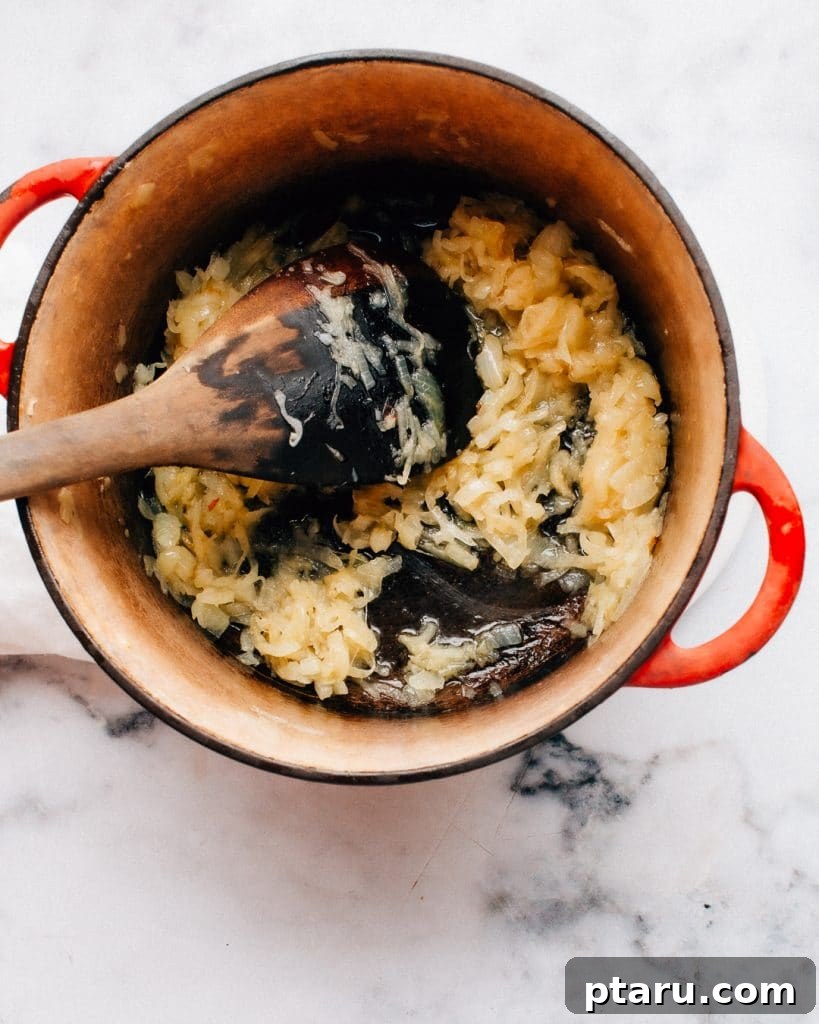
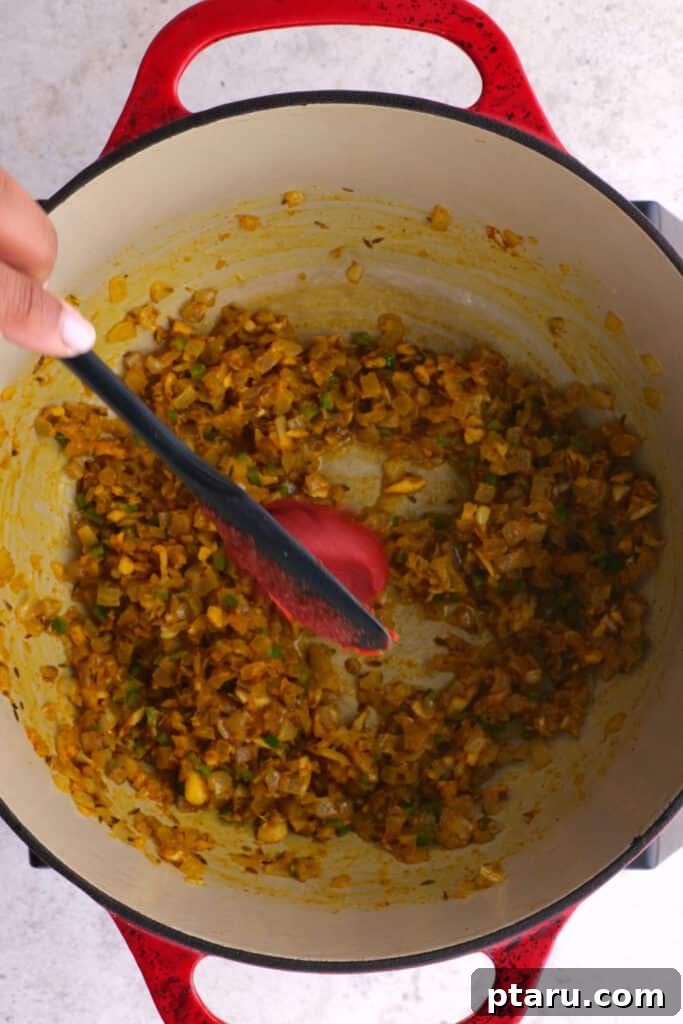
- Cook the onions sufficiently – this first step in the instructions is absolutely key. Your onions should transform from raw and crisp to completely soft, translucent, and eventually golden, on their way to caramelized perfection. This process takes time – approximately 10 minutes if your onions are very thinly sliced and at room temperature. Thicker slices or cold onions can easily double this timeframe. The goal is for them to be entirely cooked down, as this releases their natural sugars, imparting a gorgeous, deep sweetness to the sauce and allowing them to melt seamlessly into the final curry. Remember, the onions in many authentic curries don’t just add flavor; they are the sauce.
- For perfect onion softening without the frustration of burning, choose an enameled cast iron Dutch oven or another very heavy, thick-bottomed cooking vessel. These types of pots distribute heat evenly, preventing scorching at the edges while ensuring uniform cooking throughout. A thinner-bottomed pan will often lead to burnt onions on the outside and still-raw ones in the middle.
2. Building Flavor: Don’t Be Shy with Aromatics
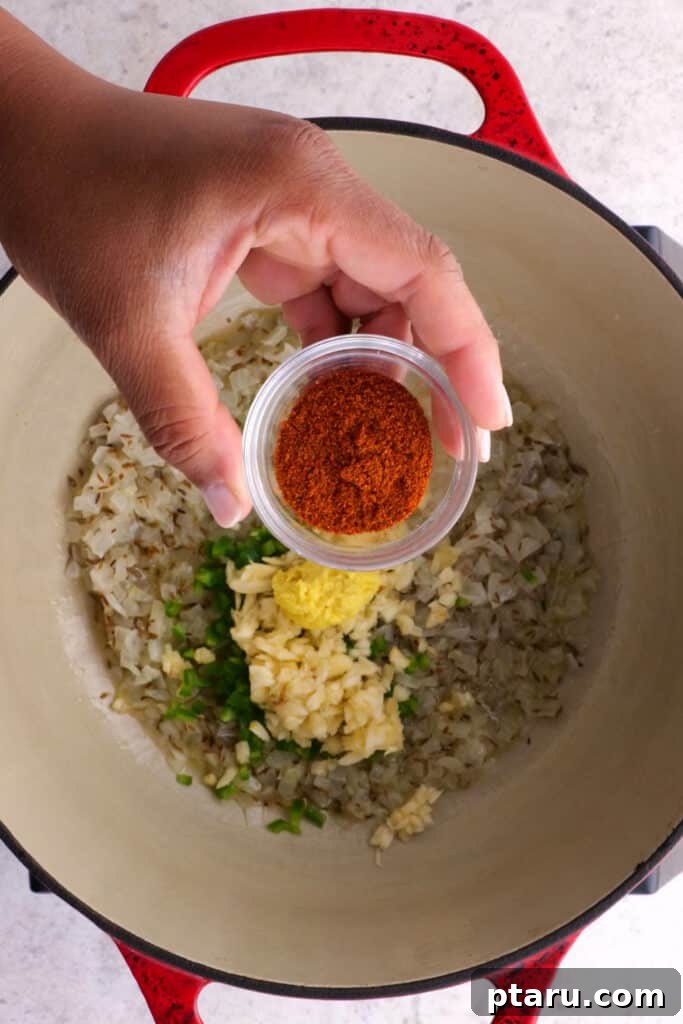
- Don’t be shy with the garlic. It might seem like a lot – and it is a lot – but without a lengthy list of complex spices, the generous amounts of onions, garlic, ginger, and cumin shoulder the majority of the flavor load. This yields a mild yet incredibly flavorful finished dish.
- GARLIC PREP TIP: To save time, buy pre-peeled garlic at the grocery store. Take it home, throw it into your food processor, and finely mince it. Then, pop it into a zippered freezer bag and press it flat. This allows you to easily break off and measure the exact amount you need for any recipe, making future cooking a breeze.
3. The Tomato Toast: A Crucial Step
- Toast the tomato paste. This step is genuinely important for profound flavor building. Indian cuisine is celebrated for its incredible complexity, which often comes from meticulous layering in the cooking process. Allowing the tomato paste to cook for a few minutes until it darkens slightly and the oil shimmers on top creates an amazing, deeply roasted tomato flavor. This transformation eliminates the sharp acidity and slight metallic taste often associated with tomato paste straight from the can, replacing it with a rich, umami depth.
4. Simmering for Success: Quick or Slow
- Simmer or don’t – it’s your choice for convenience. I designed this recipe with weeknight ease in mind, so the base instructions skip a long simmer. However, if you have extra time, including an additional half-cup of water and simmering the curry on low heat with the lid mostly covering the pot for up to an hour will enhance the flavors even further. Stir occasionally to prevent sticking. The beauty of this dish is that its flavors only improve with time, making it excellent for meal prep.
What Goes With Madras Lentils? Perfect Pairings
Madras Lentils are wonderfully versatile and pair beautifully with a variety of accompaniments. Here are some of my favorite ways to enjoy this hearty curry:
- Homemade Indian Flatbreads: My absolute favorite pairing! Soft, chewy homemade naan, flaky paratha, or wholesome chapati are perfect for scooping up every last bit of the delicious curry. If time is short, warmed store-bought flatbreads work wonderfully too.
- Rice: A classic choice. Aromatic basmati rice is a quick and easy option. For a more filling and nutritious meal, brown rice is an excellent complement.
- Cooling Sides: Balance the richness with a refreshing side. A simple cucumber raita (yogurt dip), a quick kachumber salad (diced onion, tomato, cucumber), or even a dollop of plain yogurt can cut through the creaminess beautifully.
- Pickles and Chutneys: A spoonful of your favorite Indian pickle (achar) or a sweet and tangy mango chutney adds an exciting burst of flavor and texture contrast.
- Fresh Vegetables: Lightly steamed green beans, sautéed spinach, or a simple side salad can add freshness and extra nutrients to your meal.
- Authentic Indian Chai: To complete the experience, serve your meal with a steaming cup of my Chai tea recipe. It’s the perfect aromatic beverage to sip alongside this comforting curry.
We often enjoy our lentil and bean curries with fresh homemade Indian flatbread, skipping the utensils altogether. Just tear off a piece of the flatbread and use it to scoop up some of that irresistible curry!
Are Madras Lentils Vegan? Easily Adaptable!
While traditional Madras Lentils recipes often call for dairy butter and heavy cream, making them vegetarian but not vegan, this recipe is incredibly simple to adapt for a completely plant-based diet. You can effortlessly transform this creamy curry into a delicious vegan meal without sacrificing any of the rich flavors.
To make this recipe vegan, simply make two key substitutions:
- Swap the dairy butter for a high-quality plant-based butter or a neutral-flavored oil like coconut oil for sautéing.
- Replace the heavy whipping cream with an equal amount of full-fat coconut milk. The coconut milk will impart a subtle sweetness and creaminess that complements the spices beautifully, creating a slightly different but equally delicious flavor profile.
I’ve tried this vegan variation myself, and I can confirm it’s absolutely delicious, maintaining the comforting and hearty essence of the original dish while being entirely plant-based. It’s a fantastic option for those following a vegan diet or looking to reduce dairy consumption.
Storage and Meal Prep Tips for Madras Lentils
Madras Lentils are fantastic for meal prepping and storing, as the flavors often deepen and meld even further overnight. Here’s how to keep your curry fresh and ready for future enjoyment:
- Refrigeration: Store leftover Madras Lentils in an airtight container in the refrigerator for up to 3-4 days.
- Freezing: This curry freezes exceptionally well! Allow the dish to cool completely, then transfer it to freezer-safe containers or bags. It can be frozen for up to 3 months. When ready to eat, thaw overnight in the refrigerator or gently reheat from frozen on the stovetop over low heat, adding a splash of water or broth if it becomes too thick.
- Reheating: Reheat on the stovetop over medium-low heat, stirring occasionally until heated through. You might need to add a little water, vegetable broth, or even a dash of fresh cream or coconut milk to restore its creamy consistency, as it tends to thicken as it cools.
- Meal Prep Ideas: Prepare a large batch at the beginning of the week for easy lunches or dinners. Serve it with freshly cooked rice or warm flatbreads each time for a quick, wholesome meal.
More Favorite Vegetarian Indian Recipes to Explore
If you’ve fallen in love with the comforting flavors of these Madras Lentils, you’ll be thrilled to explore other incredible vegetarian Indian dishes. Here are some more of my top recommendations:
- Creamy Madras Lentils (the ultimate vegetarian comfort food) – You just made it!
- Amma’s special Masoor Dal – A simple yet deeply flavorful red lentil curry.
- Coconut Curried Lentils – A fragrant, South Indian-inspired lentil dish with a tropical twist.
- Indian Chickpea Salad – A refreshing and protein-packed salad, perfect for a light meal.
- Malai Kofta – Rich and creamy vegetable and paneer dumplings in a luscious sauce.
- Saag Paneer + Palak Paneer – Classic Indian spinach and cheese curries, vibrant and wholesome.
- Indian Chickpea Curry Recipe (Chana Masala) – A spicy and tangy chickpea curry, a staple in Indian cuisine.
And don’t miss all my other amazing Indian Vegetarian Dinner Recipes for endless culinary inspiration!
Madras Lentils Recipe
This Madras Lentils recipe is an easy, delicious vegetarian curry with a combination of lentils and kidney beans in a crazy-delicious tomato cream sauce.
By: Jennifer Pallian BSc, RD
Prep Time: 30 minutes
Cook Time: 30 minutes
Servings: 4
Rating: 5 out of 5 stars (from 18 votes)

Ingredients
- 2 tbsp oil
- 4 tbsp butter or ghee
- 1 large onion, finely chopped (340 g/12 oz)
- 2 tsp kosher salt, divided use
- 1 tbsp cumin seeds (or 1 tsp ground)
- 1 minced jalapeno
- 3 tbsp minced garlic (approx. 9 large cloves)
- 1 tbsp finely grated ginger
- 1 tsp cayenne powder
- 1 tsp turmeric
- 2 tbsp tomato paste
- ½ cup water
- 1 (18 oz) can brown lentils, drained
- 1 (18 oz) can red kidney beans, drained
- ½ cup heavy whipping cream
- ½ cup finely chopped fresh cilantro
Instructions
- Heat oil and butter (or ghee) in a large Dutch oven or heavy-bottomed pot over medium-high heat. Add the finely chopped onion and 1 tsp of the kosher salt. Cook, stirring frequently, until the onion is completely soft and golden, approaching a caramelized state. This will take about 10 minutes, but could be longer if onions were cold or thickly sliced. Reduce heat if it starts to char.
- Reduce the heat to medium. Stir in the cumin seeds and cook for about 1 minute until they become fragrant, releasing their warm aroma.
- Add the minced jalapeno, garlic, grated ginger, cayenne powder, and turmeric to the pot. Cook for another minute, stirring continuously, allowing the spices and aromatics to bloom in the oil.
- Stir in the tomato paste. Cook for a few minutes, stirring frequently, until the tomato paste darkens in color and the oil starts to shimmer on top. This crucial step deepens the tomato flavor and reduces its acidity.
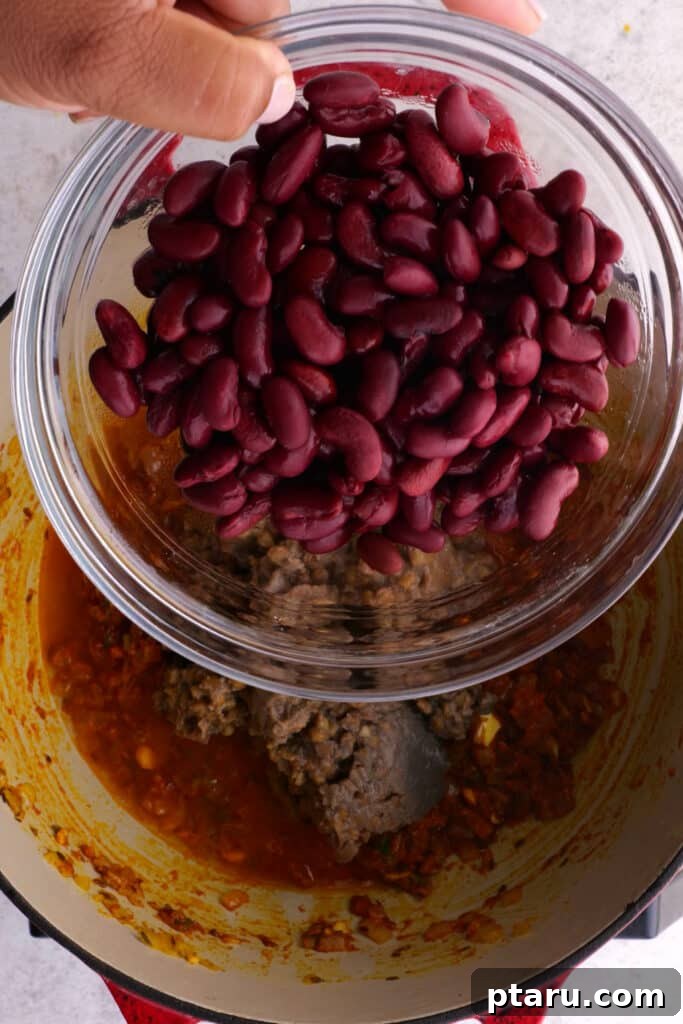
- Pour in the water, drained lentils, drained kidney beans, heavy whipping cream, and the remaining 1 tsp of salt. Stir well to combine all ingredients.
- Reduce the heat to a low simmer, cover the pot, and let it cook for at least 10 minutes. For an even richer flavor, if time allows, use 1 cup of water instead of ½ cup and simmer for up to 1 hour, stirring occasionally. The flavors will deepen considerably as it simmers longer.
- Stir in the finely chopped fresh cilantro just before serving. Serve hot with your favorite accompaniments.
Nutrition Information (per serving, estimated)
Calories: 304 kcal | Carbohydrates: 9g | Protein: 3g | Fat: 30g | Saturated Fat: 15g | Polyunsaturated Fat: 3g | Monounsaturated Fat: 10g | Trans Fat: 0.5g | Cholesterol: 64mg | Sodium: 1332mg | Potassium: 235mg | Fiber: 1g | Sugar: 3g | Vitamin A: 1281IU | Vitamin C: 7mg | Calcium: 62mg | Iron: 2mg
Nutrition information is automatically calculated and should only be used as an approximation.
Tried this recipe? Leave a comment!
We love hearing about your culinary adventures! Share your thoughts and experiences with this Madras Lentils recipe in the comments section below. Your feedback helps our community!