
Pork Chops with Apples: Your New Favorite Skillet Dinner
Prepare to fall in love with this incredibly easy and remarkably flavorful **Pork Chops with Apples** recipe. It’s the quintessential skillet dinner, bringing together tender, perfectly seared pork chops with sweet, caramelized apples and onions, all coated in a rich, savory-sweet pan sauce. This dish feels sophisticated enough for a special occasion but is simple enough to whip up on any busy weeknight. With its juicy pork, vibrant apples, and an irresistible apple cider and Dijon mustard sauce, it’s a harmonious blend of flavors that will quickly become a family favorite.
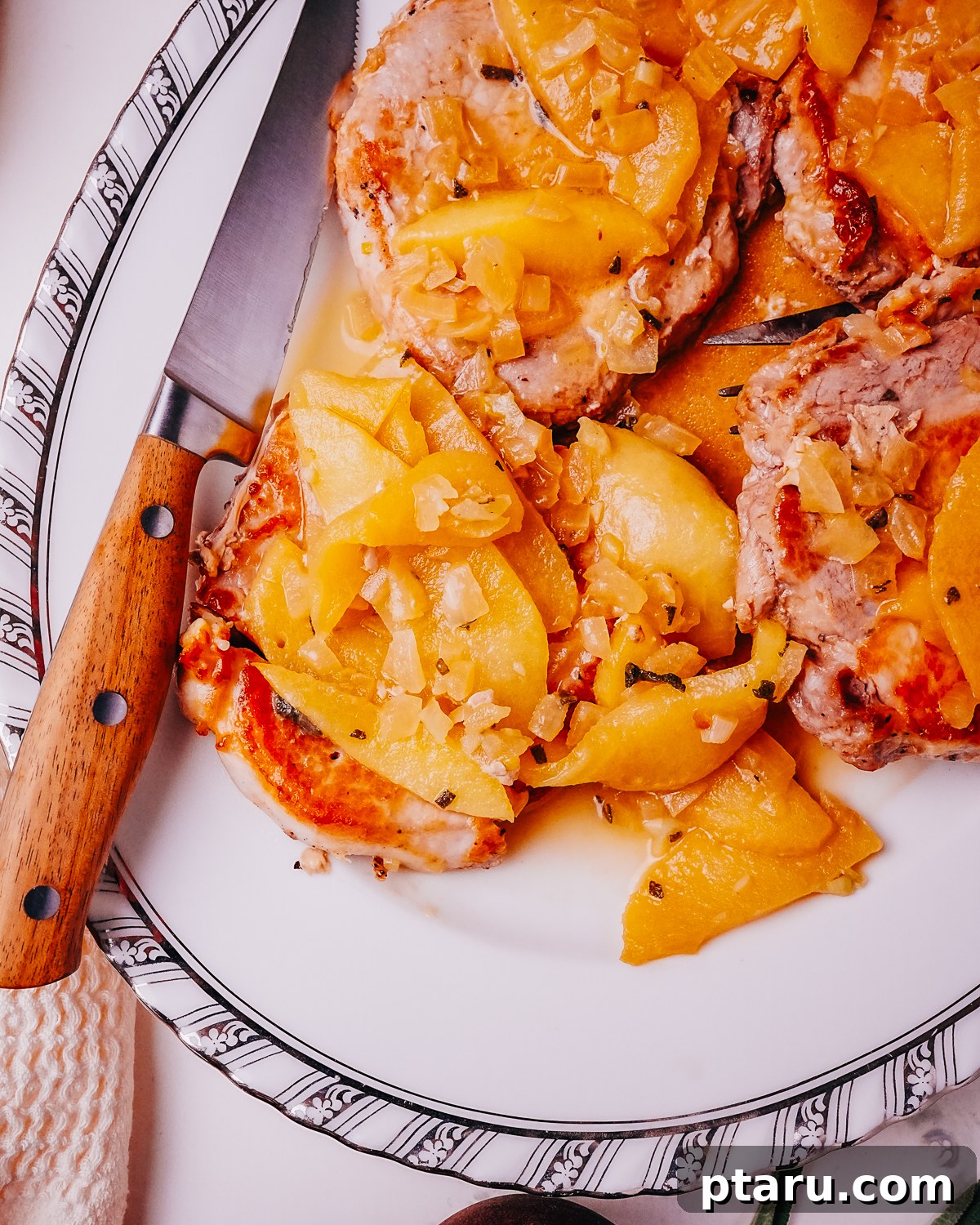
Forget dry, tough pork chops! This recipe guarantees succulent results every time, thanks to a quick sear and a gentle simmer in its flavorful sauce. The natural sweetness of the apples beautifully complements the savory pork, while a touch of Dijon and apple cider vinegar adds a delightful tang and depth to the pan sauce. Best of all, it all comes together in one pan, making cleanup a breeze. If you’re searching for an elegant yet fuss-free meal, look no further.
Essential Ingredients for Pork Chops with Apples
This delightful one-pan meal proves that extraordinary flavors don’t require complicated ingredients. Everything you need is readily available, allowing you to create a dish that tastes fancy without any culinary acrobatics. We’ll focus on cooking the pork chops right in the skillet, skipping the oven entirely for maximum flavor and convenience.
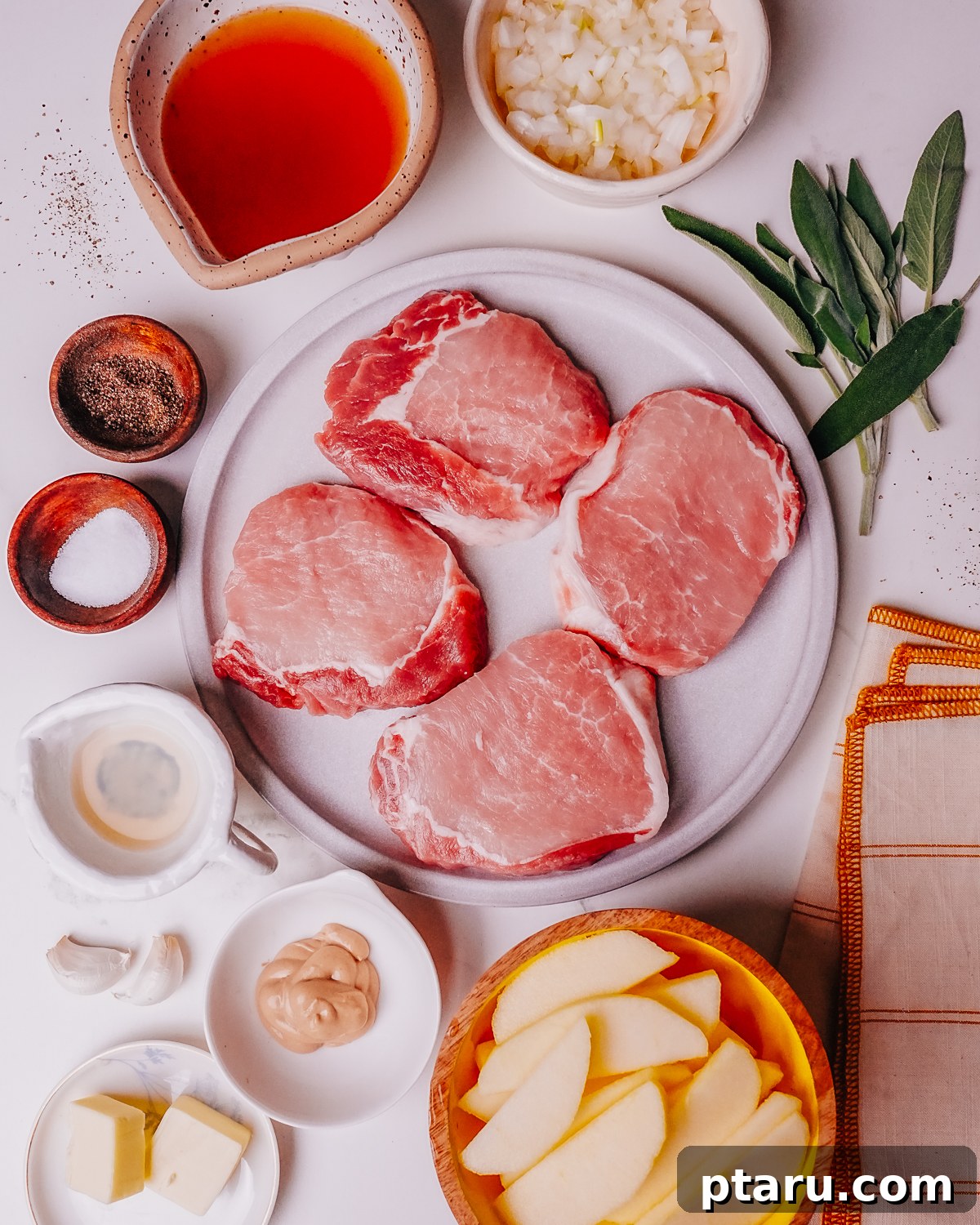
Here’s a detailed look at the simple yet powerful ingredients that make this apple pork chops dinner so special:
For Perfectly Seared Chops
- Pork Chops: I highly recommend using boneless pork chops about 1 inch thick. Their thickness helps them retain moisture, ensuring a juicy, tender result. If you prefer bone-in chops, they work beautifully too – just add a few minutes to the cooking time to ensure they’re thoroughly cooked.
- Kosher Salt: Essential for seasoning the pork and drawing out its natural flavors.
- Black Pepper: Freshly ground black pepper adds a pungent, aromatic kick that complements pork wonderfully.
- Olive Oil: Used for searing the pork chops, creating a beautiful golden-brown crust. Choose a good quality extra virgin olive oil for best results.
For the Sweet & Savory Apples
- Unsalted Butter: The foundation for sautéing the apples and onions, adding richness and helping them caramelize beautifully.
- Apples: The star alongside the pork! Honeycrisp or Granny Smith apples are ideal choices. They maintain their shape and texture during cooking, becoming tender without turning into mush. Remember to peel and slice them about ¼ inch thick.
- Onion: Half a medium onion, finely chopped, provides a subtle sweetness and aromatic depth that marries perfectly with the apples and pork.
- Kosher Salt: A small pinch helps to soften the onions and apples and enhances their flavor.
- Garlic: Minced garlic adds a fragrant, pungent note that rounds out the savory elements of the dish.
- Fresh Sage: Fresh herbs always deliver the boldest flavor. Minced fresh sage is highly recommended for its earthy, peppery notes, which are a classic pairing with pork and apples. If fresh isn’t available, ground sage can be used in a smaller quantity.
For the Irresistible Pan Sauce
- Apple Cider: This is the secret to the pan sauce’s incredible flavor, adding a tangy sweetness that deglazes the pan and picks up all the delicious browned bits. If you don’t have apple cider, white wine or chicken broth are excellent substitutes.
- Dijon Mustard: Just a teaspoon adds a tangy, slightly spicy complexity to the sauce, cutting through the richness and elevating the overall flavor profile.
- Apple Cider Vinegar: A touch of acidity is crucial to balance the sauce. Apple cider vinegar enhances the apple flavors, but balsamic vinegar can also be used for a slightly deeper, richer tang.
- Unsalted Butter: A final knob of butter swirled into the finished sauce adds a luxurious, glossy finish and extra richness, making the sauce truly irresistible.
You’ll find precise quantities for each ingredient listed in the comprehensive recipe card further down the article.
Versatile Variations and Easy Substitutions
One of the best things about this pork chop recipe is its adaptability. Feel free to customize it based on your preferences or what you have on hand. Here are some simple swaps to make this dish uniquely yours:
- Apple Cider Alternatives: If apple cider isn’t available, don’t fret! You can successfully use apple juice for a sweeter sauce, dry white wine for a more sophisticated tang, or unsalted chicken broth for a milder, savory base.
- Pears Instead of Apples: For a slightly different flavor profile and milder sweetness, try using firm pears like Bosc. They hold their shape well and offer a delicate, aromatic twist.
- Herb Swaps: While sage is traditional, fresh thyme or rosemary are fantastic alternatives. Each brings its own unique aromatic qualities that pair wonderfully with pork and apples.
- Creamy Sauce Upgrade: For an extra rich and velvety sauce, stir in 2 tablespoons of heavy cream at the very end of cooking, just before serving. It adds a luxurious texture and mouthfeel.
- Added Sweetness: If you prefer a sweeter sauce, especially if using tart apples, a teaspoon of maple syrup or a pinch of brown sugar can be stirred in with the apple cider.
Looking for more effortless and delicious pork recipes to add to your repertoire? Don’t miss my recipes for juicy pork tenderloin, flavorful pork fried rice, and satisfyingly crispy breaded pork chops!
Essential Kitchen Tools for This Recipe
You don’t need a gourmet kitchen to create this impressive meal. Just a few basic tools will ensure success and make the cooking process smooth and enjoyable:
- Large Skillet: A 12-inch skillet is ideal. This size provides ample space for searing the pork chops without crowding the pan, which is crucial for achieving that coveted golden-brown crust. A cast iron skillet is highly recommended for its excellent heat retention and ability to create a superior sear.
- Paper Towels: Essential for thoroughly patting the pork chops dry before seasoning and searing, preventing steaming and promoting browning.
- Tongs: Perfect for safely flipping the pork chops and stirring ingredients in the hot skillet.
- Wooden Spoon or Spatula: Indispensable for stirring the apples and onions, and especially for scraping up the flavorful browned bits (fond) from the bottom of the pan when deglazing.
- Instant-Read Thermometer: While optional, an instant-read thermometer is your best friend for ensuring perfectly cooked, juicy pork chops every single time. It takes the guesswork out of cooking meat.
- Serving Platter: A platter or plate to transfer the seared pork chops to rest while you build the sauce, and then for final serving.
Step-by-Step: How to Make Skillet Pork Chops with Apples
This recipe is a testament to the magic of one-pan cooking. We’ll start by searing the pork chops to lock in their juices and develop a delicious crust, then build the savory apple sauce right in the same pan. The entire process is quick, efficient, and yields incredible results in about 30 minutes from start to finish.

1. Sear the Pork to Golden Perfection
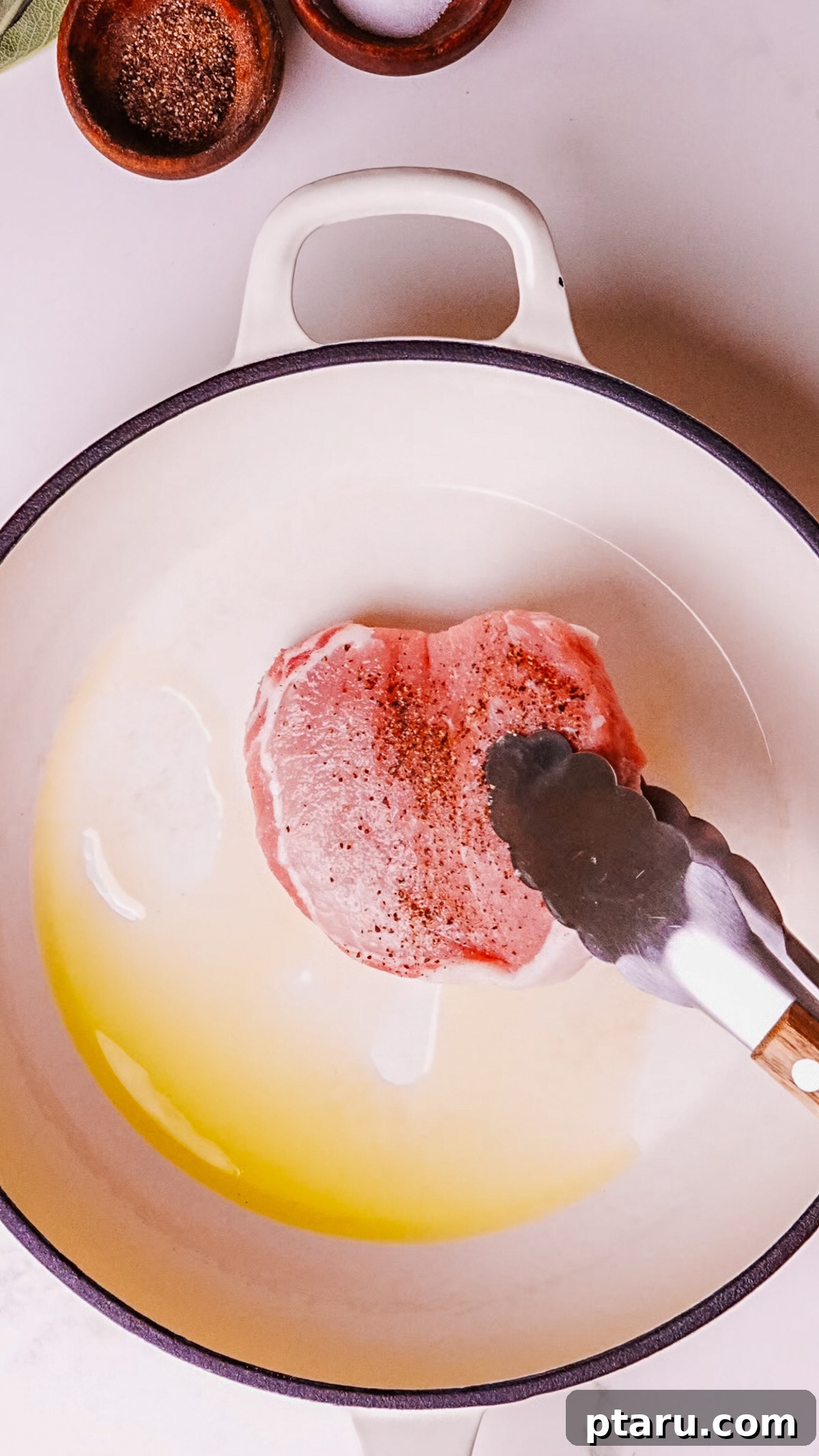
Begin by patting your pork chops thoroughly dry with paper towels. This crucial step removes surface moisture, allowing the chops to sear properly and develop a beautiful golden-brown crust rather than steam. Season both sides generously with kosher salt and black pepper. If your pork chops have a thick white fat cap around the edge, trim most of it off; it won’t render down enough during this quick cook and can result in a chewy texture.
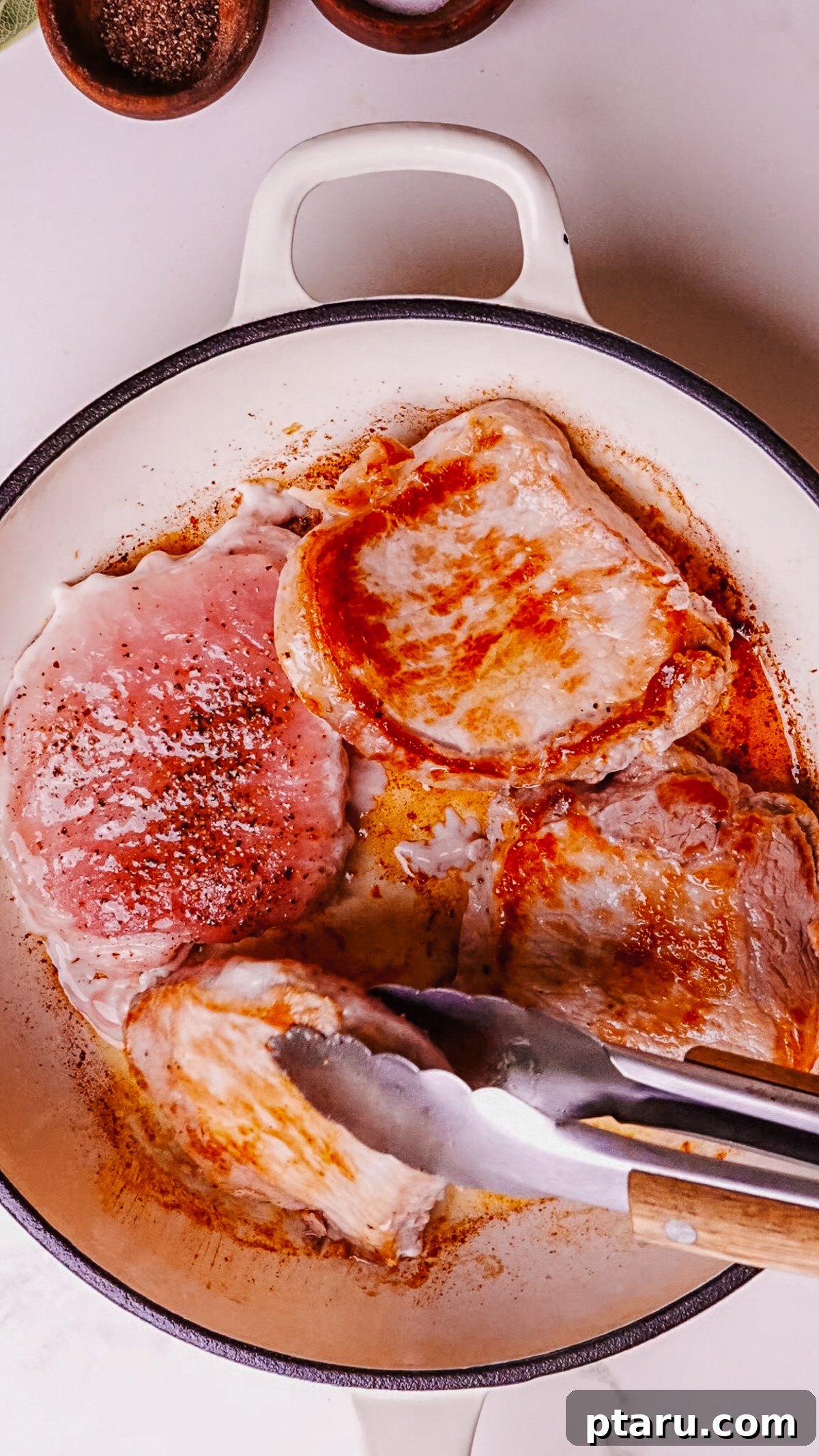
Heat the olive oil in your large skillet over medium-high heat. You’ll know the pan is ready when the oil is shimmering slightly. Carefully add the seasoned chops to the hot pan, ensuring not to overcrowd the skillet. Sear them for 2 to 3 minutes per side, until they are beautifully golden brown and released easily from the pan. Once seared, transfer the chops to a clean plate. Don’t worry, they’ll finish cooking later in the sauce.
2. Sauté the Apples and Onions
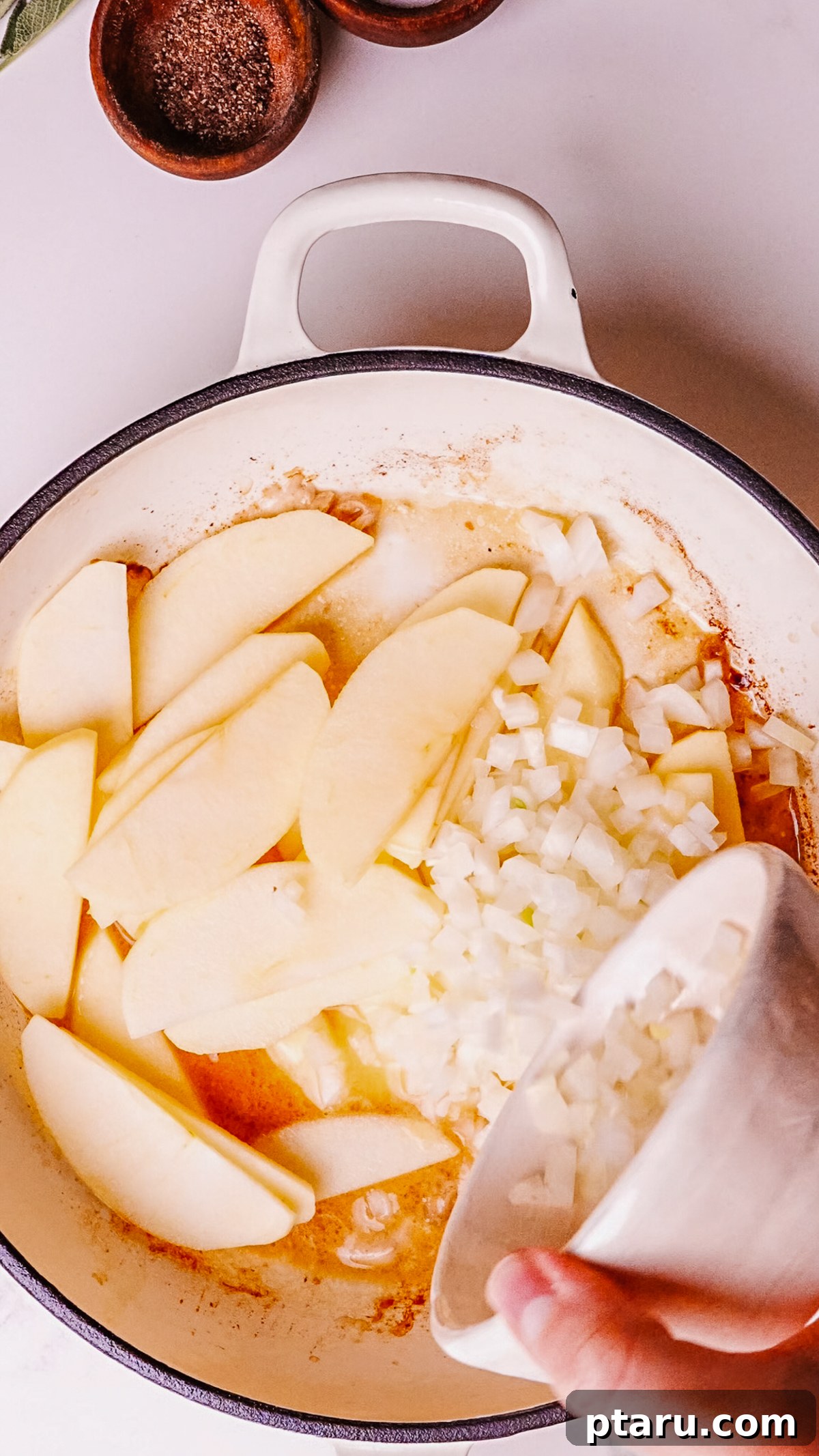
Reduce the heat to medium. Add the tablespoon of unsalted butter to the same skillet. Once melted, add the sliced apples and finely chopped onions, along with ¼ teaspoon of kosher salt. Sauté them for approximately 5 to 6 minutes, stirring occasionally, until they have softened and begun to turn golden in spots. This process caramelizes their natural sugars, intensifying their flavor.
Next, stir in the minced garlic and fresh sage (or ground sage). Cook for another 30 seconds, just until the garlic becomes fragrant. Be careful not to burn the garlic, as it can turn bitter.
3. Craft the Flavorful Pan Sauce
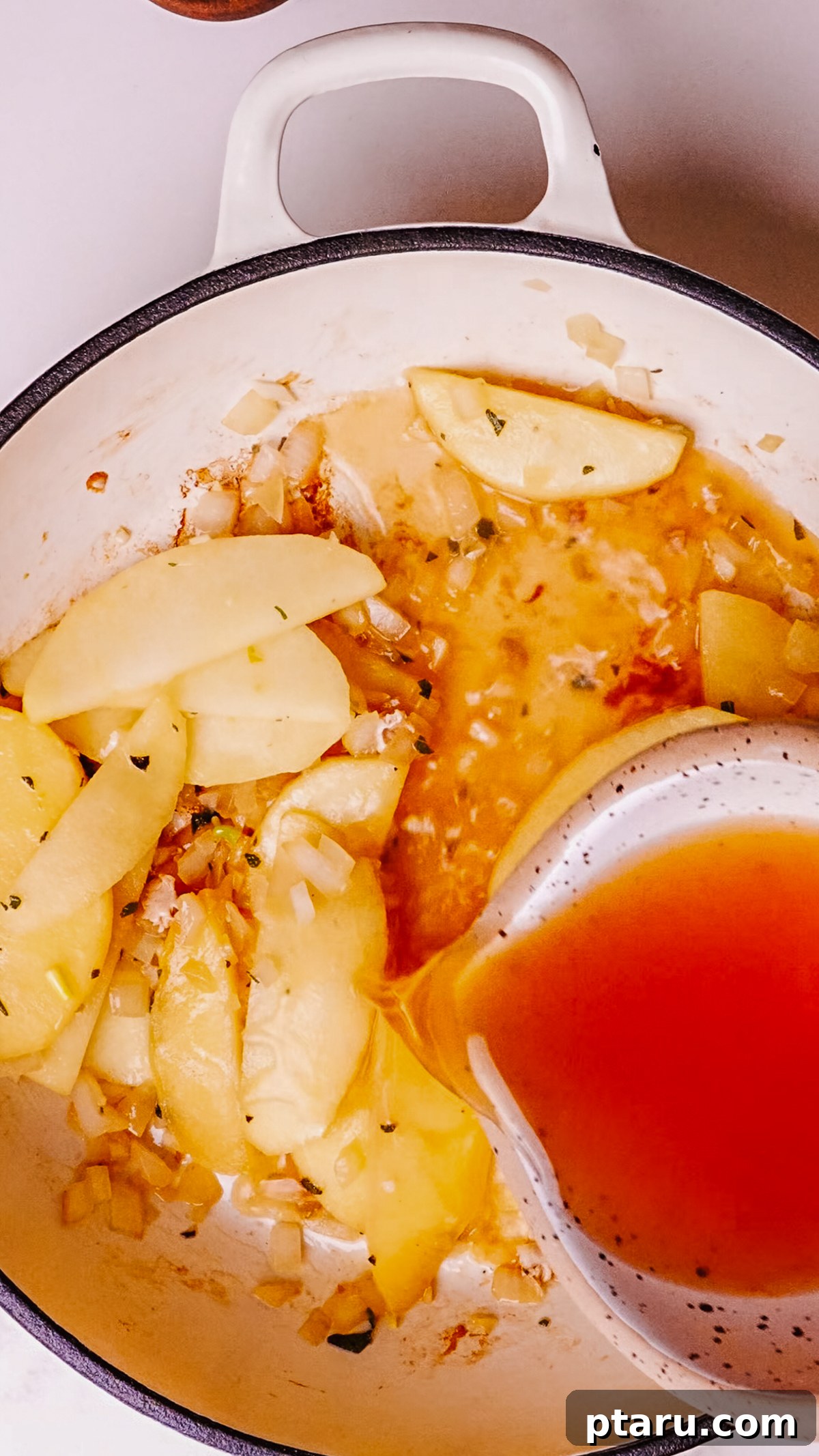
Pour in the apple cider (or your chosen substitute like white wine or chicken broth). Immediately use a wooden spoon to scrape up all the flavorful browned bits (fond) from the bottom of the pan. These bits are packed with incredible flavor and are key to a rich sauce. Stir in the Dijon mustard and apple cider vinegar. Bring the sauce to a gentle simmer, allowing it to reduce slightly.
4. Finish and Serve
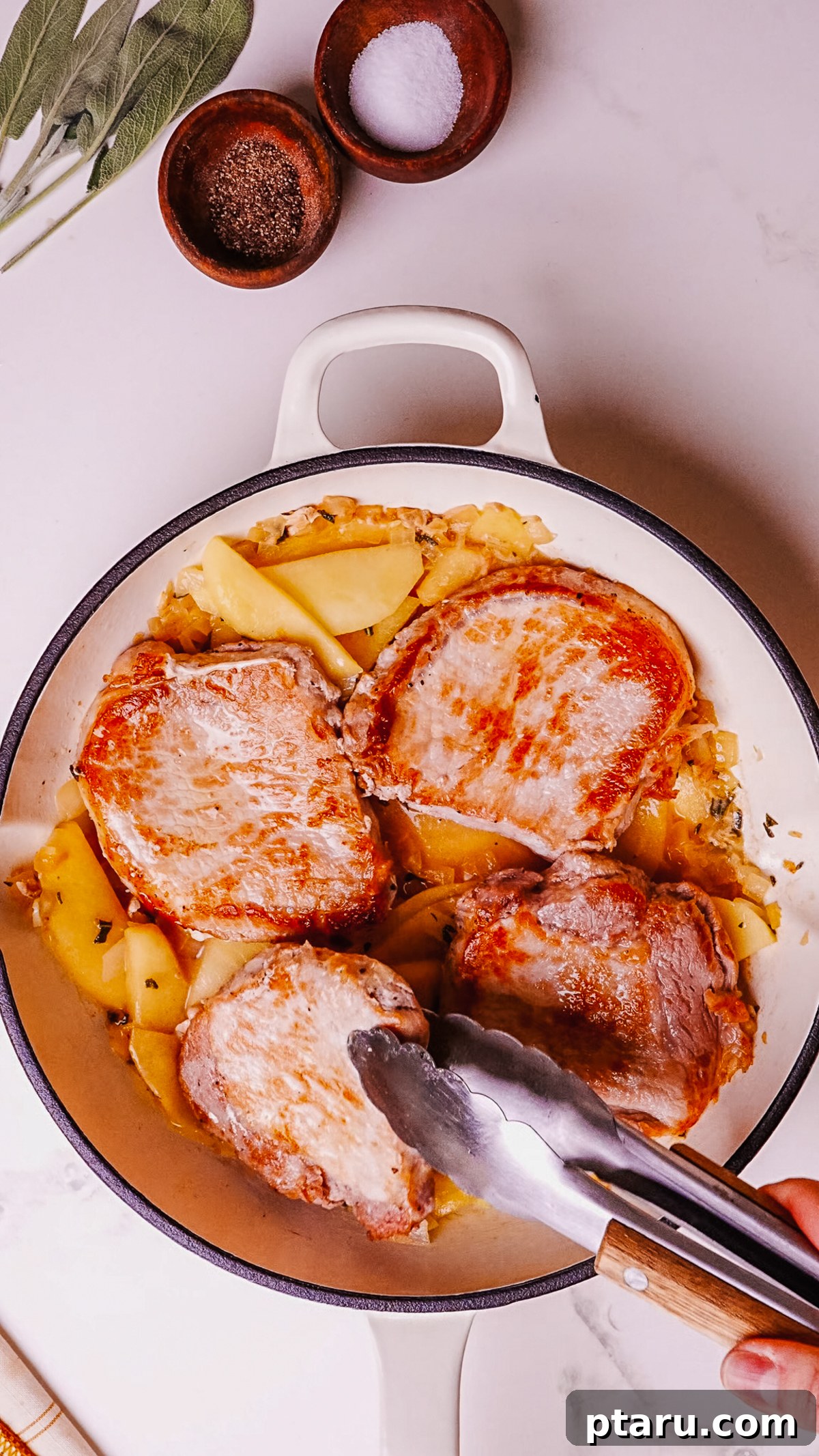
Carefully return the seared pork chops and any accumulated juices from their resting plate back into the skillet, nestling them among the apples and sauce. Cover the skillet and let the dish simmer on low heat for 6 to 10 minutes. Flip the chops once or twice during this time to ensure even cooking and thorough coating in the sauce.
The pork chops are perfectly cooked when an instant-read thermometer inserted into the thickest part reads an internal temperature of 140 to 145°F (60-63°C). Remember that the temperature will rise slightly as they rest. Once cooked, transfer the chops to a clean serving platter and let them rest for at least 5 minutes. This allows the juices to redistribute, resulting in incredibly tender and moist pork.
While the chops are resting, stir the remaining tablespoon of unsalted butter into the apple pan sauce in the skillet. Swirl it gently until the butter melts and the sauce thickens and becomes glossy. Spoon the exquisite pan sauce and tender apples generously over the rested pork chops before serving immediately.

5 Common Mistakes to Avoid for Perfect Pork Chops with Apples
Even the simplest recipes can go awry if a few key steps are overlooked. To ensure your pork chops with apples turn out perfectly juicy and flavorful every time, be mindful of these common pitfalls:
- Skipping the Crucial Sear: A proper sear isn’t just for looks; it locks in incredible flavor and creates a delicious crust. Don’t rush this step. Ensure your skillet is well-heated, the oil is shimmering, and the pork chops are patted dry before they hit the pan. If the pan isn’t hot enough, or the chops are wet, they’ll steam instead of sear.
- Overcooking the Chops: This is arguably the most common mistake with pork. Modern pork can be enjoyed at a lower internal temperature. Aim to pull your chops from the heat when they reach 140 to 145°F (60-63°C). They will continue to cook as they rest, reaching a perfect 145°F (63°C) for juicy, slightly pink-in-the-center meat. An instant-read thermometer is your best tool here.
- Using Soft, Mushy Apples: The wrong apple variety can quickly turn your beautiful dish into a compote. Avoid soft, mealy apples like McIntosh or Red Delicious, as they will break down completely during cooking. Always opt for firm, crisp varieties such as Honeycrisp or Granny Smith, which hold their shape and provide a pleasant texture.
- Crowding the Pan: When you add too many pork chops to the skillet at once, the pan’s temperature drops rapidly. This leads to steaming rather than searing, preventing a golden crust from forming. If you’re cooking for a crowd or have a smaller skillet, sear the pork chops in batches to allow enough space for proper browning.
- Forgetting to Rest the Meat: Patience is a virtue, especially when it comes to resting meat. After cooking, transferring the pork chops to a platter and letting them rest for 5 minutes allows the juices, which have gathered at the center, to redistribute throughout the meat. Cutting too soon will cause all those precious juices to run out, leaving you with a dry chop. How sad indeed!
Make Ahead, Storage, and Reheating Tips
While this dish is undeniably at its best enjoyed fresh off the skillet, you can certainly prepare some components ahead of time to streamline your cooking. Knowing how to store and reheat leftovers properly ensures you can savor the deliciousness for a little longer.
Storing Leftovers
- Refrigerate: Any leftover pork chops and apple sauce should be stored promptly in an airtight container in the refrigerator. They will remain fresh and delicious for up to 3 days.
Freezing
- Freeze: I generally do not recommend freezing this dish. The texture of the apples can become mushy and unappealing after thawing and reheating, significantly diminishing the quality of the meal. It’s best enjoyed fresh or from the refrigerator within a few days.
Reheating Pork Chops
- Stovetop: The best method for reheating is gently on the stovetop. Place the leftovers in a skillet over low heat with a splash of water or chicken broth. Cover the pan to create steam, which helps to rehydrate the pork and sauce, preventing it from drying out. Reheat until just warmed through.
- Microwave: If you’re short on time, the microwave can be used. Heat the pork chops and apples in 30-second intervals, covered, to retain moisture. Be careful not to overheat, as this can dry out the pork quickly.
Serving Suggestions: What to Pair with Pork Chops and Apples
This savory-sweet pork chop dish is incredibly versatile and pairs wonderfully with a variety of side dishes. The rich pan sauce is so flavorful, you’ll definitely want something to soak up every last drop! Here are some of my favorite accompaniments:
Classic Side Dishes for Pork Chops
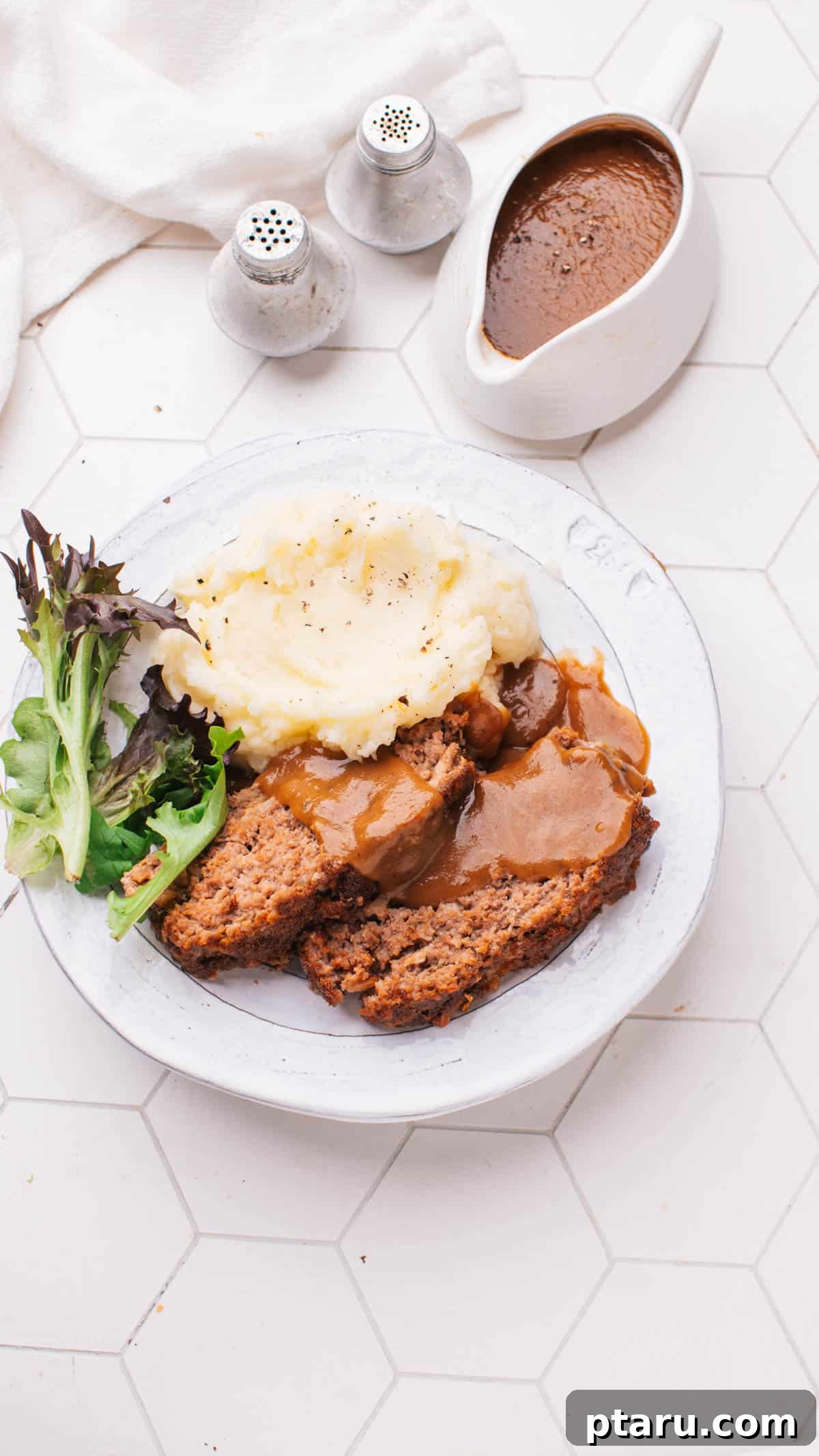
- Creamy Mashed Potatoes: The ultimate comfort pairing! Silky mashed potatoes are perfect for absorbing the delicious pan sauce.
- Fluffy Basmati Rice: A simple and elegant choice that provides a light counterpoint to the rich pork and sauce.
- A Simple Green Salad: A crisp, fresh salad with a light vinaigrette offers a refreshing contrast to the hearty main course.
- Pan-Fried Asparagus: Tender-crisp asparagus spears add a touch of green and earthy flavor.
- Sweet Glazed Carrots: Their natural sweetness complements the apples and pork beautifully.
- Candied Brussels Sprouts with Bacon: For a more indulgent vegetable side, these sweet and savory sprouts are fantastic.
- Hearty Green Bean Casserole: A comforting classic that makes this meal even more satisfying.
Expert Tips for the Best Pork Chops with Apples Every Time
Achieving restaurant-quality results with this dish is simpler than you might think. By keeping these final tips and “secrets” in mind, you’ll ensure perfectly juicy pork chops and a deeply flavorful sauce every single time:
- Always Dry the Chops Thoroughly: I can’t stress this enough! Moisture is the enemy of a good sear. Patting the pork chops completely dry with paper towels before seasoning is paramount. This allows them to brown beautifully and develop that desirable crust, rather than steaming in their own juices.
- Trust Your Meat Thermometer: This is the single most important tool for preventing overcooked, dry pork. An instant-read thermometer takes all the guesswork out of cooking meat. Pull your chops off the heat when they reach an internal temperature of 140 to 145°F (60-63°C). They will continue to cook as they rest, ensuring they hit the perfect, safe, and juicy final temperature.
- Never Skip the Browned Bits (Fond): Those caramelized fragments stuck to the bottom of the pan after searing the pork and sautéing the apples and onions are pure gold! They are packed with concentrated flavor. When you deglaze the pan with apple cider, make sure to vigorously scrape up every single bit with your wooden spoon. This “fond” is the foundation of your incredibly flavorful pan sauce.
- Finish with a Pat of Butter: That final tablespoon of cold unsalted butter swirled into the finished hot pan sauce just before serving works wonders. It emulsifies with the sauce, adding a luxurious richness, a beautiful glossy sheen, and a velvety smooth texture that truly elevates the dish.
- Prioritize Resting the Pork: While it’s tempting to dive right in, allowing the pork chops to rest for at least 5 minutes after cooking is absolutely crucial. This rest period enables the meat’s internal juices, which have been pushed to the center during cooking, to redistribute evenly throughout the chop. The result? Incredibly tender, moist, and flavorful pork. Cutting too soon will cause all those delicious juices to escape onto your plate.
Frequently Asked Questions About Pork Chops with Apples
Just quickly reviewing the recipe? Here are concise answers to some of the most common questions regarding pork chops with apples:
What’s the best apple for pork chops?
The best apples for pork chops are firm, crisp varieties that can hold their shape during cooking without turning mushy. Honeycrisp is an excellent choice for its balanced sweet-tart flavor, while Granny Smith offers a more pronounced tartness that beautifully contrasts the richness of the pork. Avoid soft, mealy apples like Red Delicious or McIntosh, as they will break down too much in the sauce.
How do I know when pork chops are done?
Pork chops are safely cooked and at their juiciest when they reach an internal temperature of 140 to 145°F (60-63°C). Use an instant-read thermometer inserted into the thickest part of the chop, avoiding the bone if present. The meat should be slightly pink in the center, and the juices should run clear. Remember to account for a few degrees of carryover cooking while the chops rest.
Can I make this without apple cider?
Absolutely! If apple cider isn’t available, you have several great alternatives for the pan sauce. Apple juice will provide a sweeter sauce, while dry white wine (like Pinot Grigio or Sauvignon Blanc) will add more acidity and complexity. Unsalted chicken broth is another excellent option for a savory, milder sauce base. The dish will still be delicious and flavorful with any of these substitutions.
Can I add cream to the sauce?
Yes, adding cream to the sauce is a wonderful way to enhance its richness and create a luxurious, velvety texture. Stir in about 2 tablespoons of heavy cream at the very end of cooking, just before serving. Simmer gently for a minute or two until heated through and slightly thickened. This variation makes the dish feel even more indulgent, perfect for a dinner party or a comforting meal.
How thick should the pork chops be?
For this skillet recipe, pork chops that are approximately 1 inch thick are ideal. This thickness allows them to develop a beautiful, golden-brown sear on the exterior without overcooking and drying out the interior. Thinner chops tend to cook too quickly and can become tough, while significantly thicker chops may require a longer simmering time in the sauce to cook through.
Should I trim the fat from pork chops?
It’s generally recommended to trim off any thick white fat caps from the edges of the pork chops before cooking. During a quick pan sear, these thick fat layers won’t have enough time to render down, which can leave them chewy and unappetizing. If the fat is already thin or mostly trimmed by the butcher, you can leave it on, as it can contribute to flavor and moisture.
Other Delicious Pork Recipes to Explore
If you’ve enjoyed this pork chop recipe, you’ll love these other fantastic ways to prepare pork:
- Classic Roast Pork Loin Recipe
- Effortless Slow Cooker Pork Loin
- Quick Instant Pot Pulled Pork
- Crispy Air Fryer Pork Chops
- Tender Air Fryer Pork Tenderloin

Skillet Pork Chops with Apples (+ Tasty Pan Sauce!)
This classic skillet dinner features tender pork chops seared to golden perfection and finished in a savory-sweet pan sauce with caramelized apples and onions. The sage and Dijon mustard add depth, while apple cider creates a rich glaze that ties everything together. It’s an elegant yet easy weeknight meal that tastes like it came from a restaurant.
Ingredients
To Sear Chops
- 4 (1-inch thick) boneless pork chops (about 2 lbs total)
- 1 ¼ tsp kosher salt
- ½ tsp black pepper
- 1 tbsp olive oil
For the Apples
- 1 tbsp unsalted butter
- 2 apples, peeled and sliced ¼ inch thick (Honeycrisp or Granny Smith work well)
- ½ cup finely chopped onion (about ½ a medium onion)
- ¼ tsp kosher salt
- 1 tsp minced garlic (about 1 large clove)
- 1½ tsp minced fresh sage or ½ tsp ground sage
For the Pan Sauce
- ½ cup apple cider (or white wine/unsalted chicken broth)
- 1 tsp Dijon mustard
- 1 tsp apple cider vinegar (or balsamic vinegar)
- 1 tbsp unsalted butter
Instructions
Sear the Pork
- Pat the pork chops dry with paper towel and season both sides with salt and pepper. If there’s a thick white fat cap on the edge, trim most of it off and discard it.
- Heat the olive oil in a large skillet over medium-high heat. When the oil is shimmering, add the chops and sear for 2 to 3 minutes per side until golden brown. Transfer them to a plate (they’ll finish cooking in the sauce).
Cook the Apples and Onions
- Lower the heat to medium and add the butter to the same pan. Sauté the apples and onions with the ¼ tsp salt for about 5 to 6 minutes, until softened and golden in spots.
- Stir in the garlic and sage and cook for another 30 seconds, just until fragrant.
Make the Pan Sauce
- Pour in the apple cider and use a wooden spoon to scrape up any browned bits from the bottom of the pan. Stir in the Dijon mustard and vinegar.
Finish the Dish
- Nestle the pork chops and any accumulated juices back into the pan. Cover and simmer on low heat for 6-10 minutes, flipping once or twice, until the internal temperature of the chops reaches 140 to 145°F (60-63°C).
- Transfer the chops to a clean serving platter and let them rest for 5 minutes.
- Stir the remaining tablespoon of butter into the apples and swirl to melt and thicken the pan sauce.
- Spoon the sauce and apples over the pork chops before serving.
Notes
- I recommend trimming the fat cap from the pork chops if it’s thick. Since it won’t have time to render during a quick pan sear, it tends to stay chewy and rubbery. If it’s thin or already trimmed, you can leave it on.
- Use firm apples (like Honeycrisp or Granny Smith) so they don’t fall apart during cooking.
- This dish is great with creamy mashed potatoes, fluffy rice, or a simple green salad.
Nutrition Information (Approximate Per Serving)
- Calories: 361 kcal
- Carbohydrates: 18g
- Protein: 30g
- Fat: 19g
- Saturated Fat: 7g
- Polyunsaturated Fat: 2g
- Monounsaturated Fat: 8g
- Trans Fat: 0.3g
- Cholesterol: 105mg
- Sodium: 954mg
- Potassium: 667mg
- Fiber: 3g
- Sugar: 13g
- Vitamin A: 232IU
- Vitamin C: 6mg
- Calcium: 27mg
- Iron: 1mg
Nutrition information is automatically calculated, so should only be used as an approximation.