The Ultimate Guide to Oats: Unlocking Health, Flavor, and the Best Peanut Butter Oatmeal Recipe
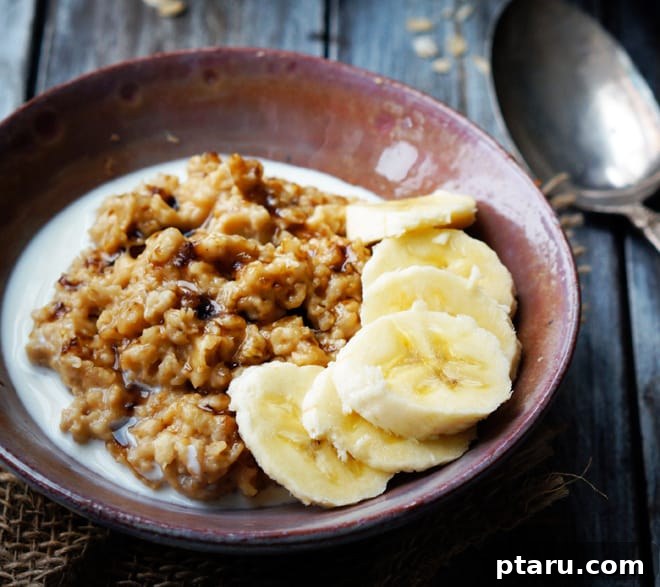
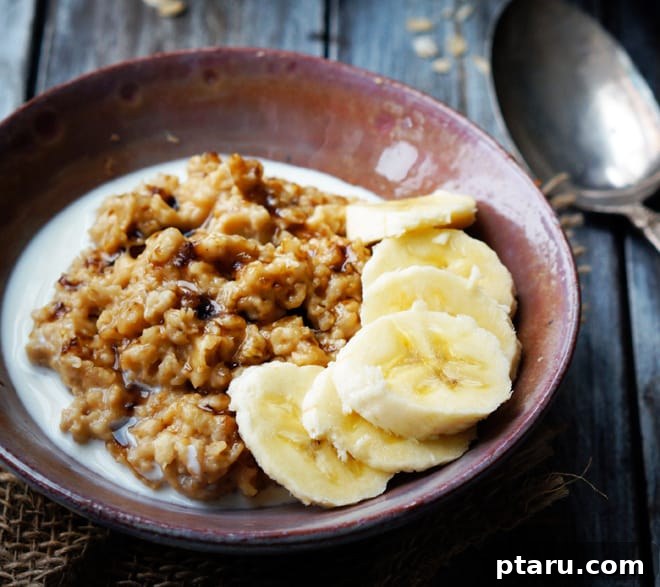
Imagine a breakfast that not only tantalizes your taste buds but also provides sustained energy and a wealth of health benefits. For me, that perfect morning meal is a warm, comforting bowl of oatmeal, elevated by the creamy richness of peanut butter. While some might dismiss this combination as a mere preference, I assure you, this delightful pairing has been a cherished staple in my diet for years. It’s truly as delicious and satisfying as a peanut butter cookie, but packed with wholesome goodness. Even if you’ve never been a fan of oatmeal, I implore you to give this method a try; you might just discover your new favorite breakfast.
Beyond the simple pleasure of a well-made bowl, the world of oats is surprisingly diverse. From the hearty chew of steel cut to the instant convenience of quick oats, there are numerous options available on your grocery store shelves. But do you truly understand the subtle yet significant differences between them? Are you confidently choosing the right type of oat for your culinary needs and nutritional goals? Unraveling these distinctions can profoundly transform your oatmeal experience, ensuring you get the most flavor, desired texture, and optimal health benefits from every spoonful.
If you’re eager to jump straight into the mouth-watering recipe for my favorite peanut butter oatmeal, feel free to scroll down – I won’t take it personally! However, for those curious about the fascinating nuances of this humble yet powerful grain, join me as we delve into a comprehensive guide to oats. Understanding your oats is the fundamental first step towards crafting the perfect bowl, whether you’re seeking a quick weekday breakfast or a more leisurely and robust weekend brunch.
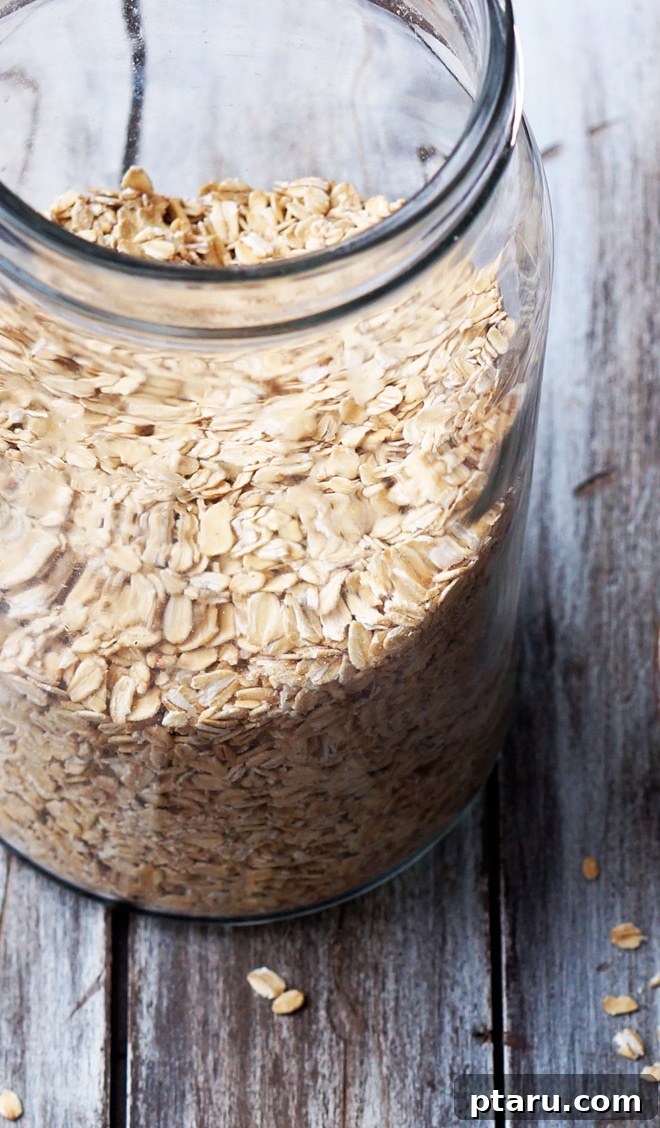
Understanding the Different Types of Oats: A Comprehensive Guide
Oats are a remarkably versatile and inherently nutritious whole grain, offering a fantastic foundation for a healthy diet. However, it’s important to recognize that not all oats are created equal. The way they are processed significantly influences their cooking time, final texture, and, critically, their nutritional impact and how your body processes them. Let’s break down the most common types you’ll encounter and uncover their unique characteristics.
Steel Cut Oats: The Hearty & Wholesome Choice
Steel cut oats, often referred to as Irish oats, Scottish oats, or pinhead oats, represent the least processed form of oats widely available for consumption. They begin as whole oat groats – the kernel of the oat plant with only its inedible outer hull removed – which are then chopped into a few smaller, distinct pieces using a steel blade. This minimal processing ensures that their robust structure remains largely intact, resulting in a distinctively chewy texture and a rich, earthy, nutty flavor that truly sets them apart from other varieties. Due to their density and unprocessed nature, steel cut oats require the longest cooking time, typically ranging from 20 to 30 minutes on the stovetop. While they aren’t generally optimal for spontaneous baking unless pre-soaked and with careful adjustments to liquid ratios, they excel in slow-cooker or Instant Pot preparations, yielding a wonderfully creamy yet satisfyingly textured porridge. From a nutritional perspective, steel cut oats are champions, boasting a lower glycemic index due to their slower digestion, which translates to a more gradual release of energy and a prolonged feeling of fullness throughout your entire morning.
Rolled Oats: The Versatile & Popular Option (Old-Fashioned)
Rolled oats, commonly labeled as large flake oats or old-fashioned oats, begin their journey as whole oat groats that undergo a different processing method. They are briefly steamed, which helps to soften them, and then flattened into the familiar oval flakes between large rollers. This crucial steaming and flattening process stabilizes the natural oils in the oats, extends their shelf life, increases their surface area, and, most importantly, significantly reduces their cooking time compared to steel cut oats. Rolled oats strike an excellent balance between quick preparation and retaining a pleasant chewiness and hearty texture. They typically cook in about 5-10 minutes on the stovetop or just 2-3 minutes in the microwave, making them a highly convenient choice for busy mornings. Their versatility extends far beyond simple breakfast bowls; rolled oats are a beloved staple in countless baking applications, perfect for cookies, muffins, granola bars, and fruit crumbles, where they add structure, a delightful chew, and wholesome goodness. Critically, both large flake (rolled) and steel cut oats retain the entire oat groat, including the fiber-rich bran and germ, ensuring a full spectrum of essential nutrients.
Quick Oats: The Speedier Sibling for Rapid Preparation
Quick oats are a further processed version of rolled oats, engineered for even faster cooking. To achieve this, they are typically cut into smaller pieces and then rolled even thinner than old-fashioned oats. This increased processing dramatically speeds up their cooking time, allowing them to be prepared in as little as 1-2 minutes. While quick oats undoubtedly offer exceptional convenience, this accelerated processing often results in a softer, less textured, and sometimes mushier porridge compared to the more substantial large flake or steel cut varieties. Some specific baking recipes might call for quick oats to achieve a smoother consistency or integrate more seamlessly into a batter, but for many, the slight trade-off in texture for a marginally faster cook time isn’t always worth it, especially given that large flake oats are already quite fast. Nutritionally, quick oats are still considered a whole grain, but their finer consistency means they are digested a little more rapidly than their less-processed counterparts, which can subtly affect satiety and blood sugar response.
Instant Oats: The Ultra-Convenient (But Cautionary) Choice
Instant oats represent the most highly processed form of oats available. They undergo an extensive manufacturing process where they are pre-cooked, thoroughly dried, and often finely chopped or even partially ground into a very fine, almost powdery consistency. Designed for ultimate convenience, they can be prepared almost instantly by merely adding hot water, making them appear ideal for hurried schedules. However, this extensive processing typically results in a mushy, somewhat soupy texture reminiscent of baby food, which many find less appealing for a hearty breakfast. Furthermore, instant oats are generally not recommended for baking due to their lack of texture and tendency to create a pasty result. A significant concern with many commercially available instant oatmeal packets is the frequent addition of unhealthy ingredients such as excessive sugars, artificial flavorings, high levels of sodium, and thickening agents like guar gum. More importantly, the high level of processing in instant oats leads to a very rapid breakdown of carbohydrates into sugar in your body. This translates to a quick energy spike, which is almost inevitably followed by an undesirable “sugar crash,” leaving you feeling tired and hungry again soon after. This makes instant oats a less ideal choice for sustained energy, stable blood sugar levels, and overall nutritional value compared to their less-processed relatives.
Nutritional Powerhouse: Why Oats are Indispensable for Your Health
Regardless of their type, oats are universally recognized as an exceptional nutritional powerhouse, offering a wealth of health benefits that significantly contribute to overall well-being and longevity. However, it’s crucial to reiterate that the degree of processing does influence how these impressive benefits are delivered to and utilized by your body.
Fiber: The Gut-Friendly Champion for Digestion and Heart Health
All forms of oats are remarkably rich in dietary fiber, comprising both soluble and insoluble types. The soluble fiber, particularly a potent compound called beta-glucan, is perhaps the most celebrated component of oats. Beta-glucan is renowned for its scientifically proven ability to effectively lower LDL (the “bad”) cholesterol levels, thereby significantly supporting heart health and reducing the risk of cardiovascular disease. Additionally, beta-glucan plays a crucial role in helping to regulate blood sugar by slowing the absorption of glucose, making oats an excellent and highly recommended food choice for individuals managing diabetes or seeking to prevent blood sugar spikes. Insoluble fiber, on the other hand, acts as a bulking agent, aiding in digestive health, promoting regular bowel movements, and effectively preventing constipation. Less processed oats, such as steel cut and large flake varieties, offer a more intact and complex fiber structure, requiring your body to expend more energy and time to digest them. This prolonged digestion is a key factor in achieving sustained energy release and a profound feeling of fullness, which can be immensely beneficial for weight management and maintaining stable energy levels throughout the day.
Sustained Energy & Precise Blood Sugar Control
The difference in oat processing profoundly affects how your body metabolizes the complex carbohydrates contained within. Instant oats, due to their finely processed and easily digestible structure, are rapidly broken down and absorbed, causing a quick and pronounced rise in blood sugar and insulin levels, very similar to how your body reacts to simple sugars. While this might provide an immediate, albeit fleeting, burst of energy, it is almost invariably followed by an unwelcome “sugar crash” that leaves you feeling tired, sluggish, and hungry again soon after. In stark contrast, large flake (rolled) oats require more digestive effort from your body, leading to a slower, more gradual, and much more controlled release of glucose into the bloodstream. Steel cut oats, being the least processed and most structurally intact, are the undisputed winner in this regard. Their robust structure means your body has to work hardest to break them down, providing the most sustained energy supply and the most stable, prolonged blood sugar levels throughout your entire morning. This makes them an unparalleled choice for long-lasting satiety and consistent, unwavering energy, though they do require a bit more advance planning for efficient weekday breakfasts.
Vitamins, Minerals & Powerful Antioxidants
Beyond their impressive fiber content, oats are a treasure trove of essential vitamins and minerals that are vital for numerous bodily functions. These include manganese, phosphorus, magnesium, copper, iron, zinc, folate, and a range of B vitamins. Furthermore, oats contain unique and powerful antioxidants, such as avenanthramides, which are known for their strong anti-inflammatory properties and their potential role in helping to protect against chronic diseases, including heart disease.
The Perfect Synergy: Peanut Butter & Oats – A Match Made in Breakfast Heaven
Now, let’s circle back to my personal favorite and the star of our show: peanut butter oatmeal. It’s far more than just a delicious combination; it’s a meticulously balanced nutritional powerhouse specifically designed to keep you feeling fantastic, energized, and focused all morning long. The simple yet profound addition of peanut butter transforms an already wholesome bowl of oats into an incredibly satisfying, taste-bud-pleasing, and health-boosting meal.
The magic of this pairing lies in the exceptional synergy between the complex carbohydrates and fiber of oats and the protein and healthy fats provided by peanut butter. While oats deliver sustained energy and vital fiber for digestive health, peanut butter contributes a significant amount of plant-based protein, along with beneficial monounsaturated and polyunsaturated fats. These crucial macronutrients work in harmony to slow down the overall absorption of carbohydrates from the oats, thereby further stabilizing blood sugar levels. This means you not only benefit from that wonderful, sustained energy supply from the oats but also experience enhanced satiety, effectively preventing those unwelcome mid-morning hunger pangs and dreaded energy dips. The result? Smooooth sailing through your entire morning, feeling consistently energized, deeply satisfied, and keenly focused, without any of the typical energy crashes associated with less balanced breakfasts.
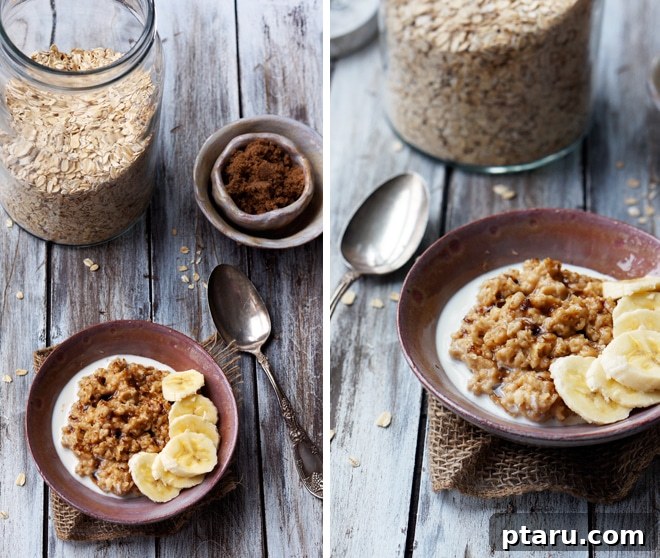
Peanut Butter Oatmeal: The Recipe You’ve Been Waiting For
Ready to experience the perfect marriage of creamy, wholesome oats and rich, satisfying peanut butter? This remarkably simple and quick recipe utilizes old-fashioned (large flake) oats for the ideal balance of delightful texture and efficient preparation, ensuring you can enjoy a truly delightful, nutritious, and wholesome start to your day, even on the busiest mornings.
Ingredients
- 1/3 cup old-fashioned oats (ensure not quick or instant for the best texture and nutritional benefits)
- 2/3 cup water (or milk, if you prefer an even creamier consistency and richer flavor)
- A good, generous pinch of salt (enhances flavor significantly)
- 1 tablespoon peanut butter (creamy or crunchy, based on your personal preference!)
- Brown sugar, maple syrup, or honey to taste (adjust sweetness according to your liking)
- 1/2 banana, thinly sliced (adds natural sweetness and a lovely texture)
- A splash of milk, for serving (optional, perfect for adjusting to your desired consistency)
Preparation
-
Combine the old-fashioned oats, measured water (or milk), and a good pinch of salt in a microwave-safe dish. Stir briefly to mix. Microwave on full power for precisely 2 minutes. Please note that cooking times may vary slightly depending on the wattage of your microwave, so keep a watchful eye to prevent any potential overflow.
-
Carefully remove the hot dish from the microwave. Immediately stir in the peanut butter until it is fully melted and thoroughly incorporated into the hot oats, creating a wonderfully creamy and inviting texture.
-
Transfer the warm peanut butter oatmeal to your favorite serving bowl. Now, sprinkle with brown sugar (or your chosen natural sweetener like maple syrup or honey) to taste, adjusting for your desired level of sweetness. Top generously with the fresh, thinly sliced banana pieces.
-
For an extra touch of creaminess and to adjust the overall consistency of your oatmeal to perfection, consider adding a splash of milk before serving. Enjoy this warm, immensely satisfying, and incredibly energy-boosting breakfast that will truly set you up for a productive day!
Conclusion: Make an Informed Choice for a Better Breakfast and a Healthier You
Ultimately, understanding the distinct types of oats empowers you to make truly informed choices that best suit your individual lifestyle, culinary preferences, and, most importantly, your nutritional goals. While the undeniable convenience of instant oats can be incredibly tempting, consciously opting for less processed varieties like steel cut or large flake oats offers a superior texture, provides significantly more sustained energy, and delivers a fuller, more comprehensive spectrum of invaluable health benefits. And when you elevate the wholesome goodness of these oats by combining them with the protein and healthy fats found in peanut butter, you don’t just create a meal; you craft a breakfast that is not only incredibly delicious and comforting but also a powerful ally in maintaining consistent energy, sharp focus, and overall well-being throughout your busy day. So, go ahead, try this peanut butter oatmeal recipe, experiment with different toppings, and embrace the ultimate, health-conscious breakfast experience that nourishes both body and soul.