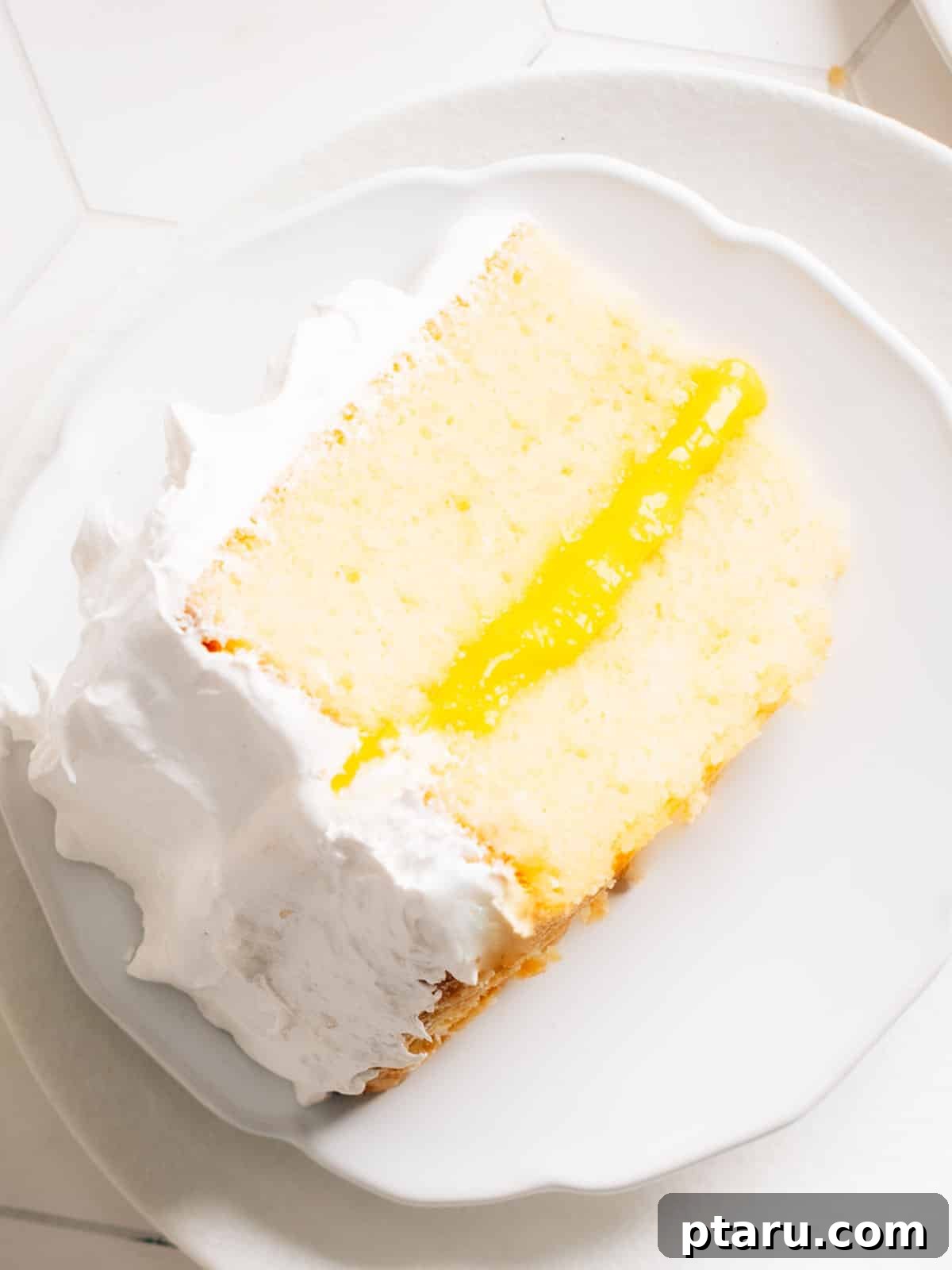
Lemon Curd Cake: A delightful masterpiece featuring soft, tender layers of fluffy lemon cake generously filled with luscious lemon curd, striking an exquisite balance between sweet indulgence and refreshing zest. This cake is more than just a dessert; it’s an experience, a symphony of textures and vibrant flavors that will captivate your senses and leave you craving another slice.
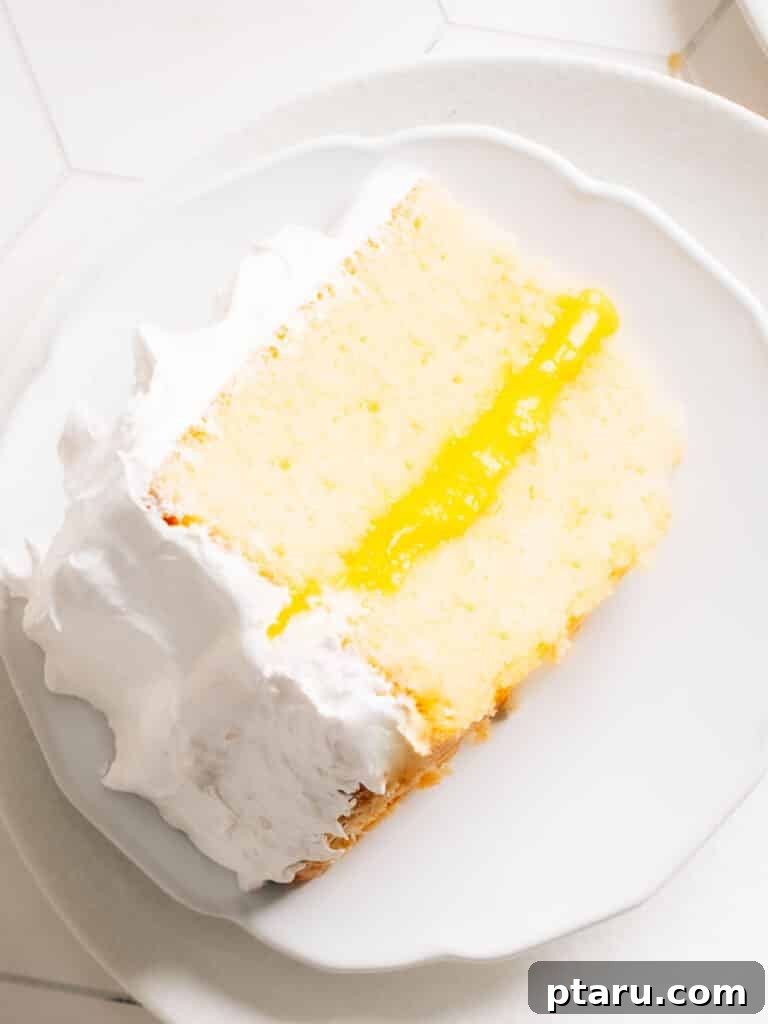
The ethereal, meringue-like 7-minute frosting crowns this delicious creation, infusing every bite with the nostalgic charm of a classic lemon meringue pie. It perfectly complements the tender lemon cake and the creamy, tangy lemon curd filling, creating a dessert that feels both sophisticated and wonderfully comforting. Whether you’re a long-time fan of citrus treats or simply looking for your next show-stopping bake, this Lemon Curd Cake is designed to impress.
If you’ve enjoyed my other citrus-infused delights like Lemon Curd Cookies, the wonderfully moist Moist Vanilla Cake, the simple yet elegant Easy Lemon Tart, the sun-kissed Portuguese Orange Cake, or the rich and dark Chocolate Orange Cake, then prepare to fall in love with this easy-to-follow, incredibly moist layer cake. It brings together familiar comfort with a bright, zesty twist.
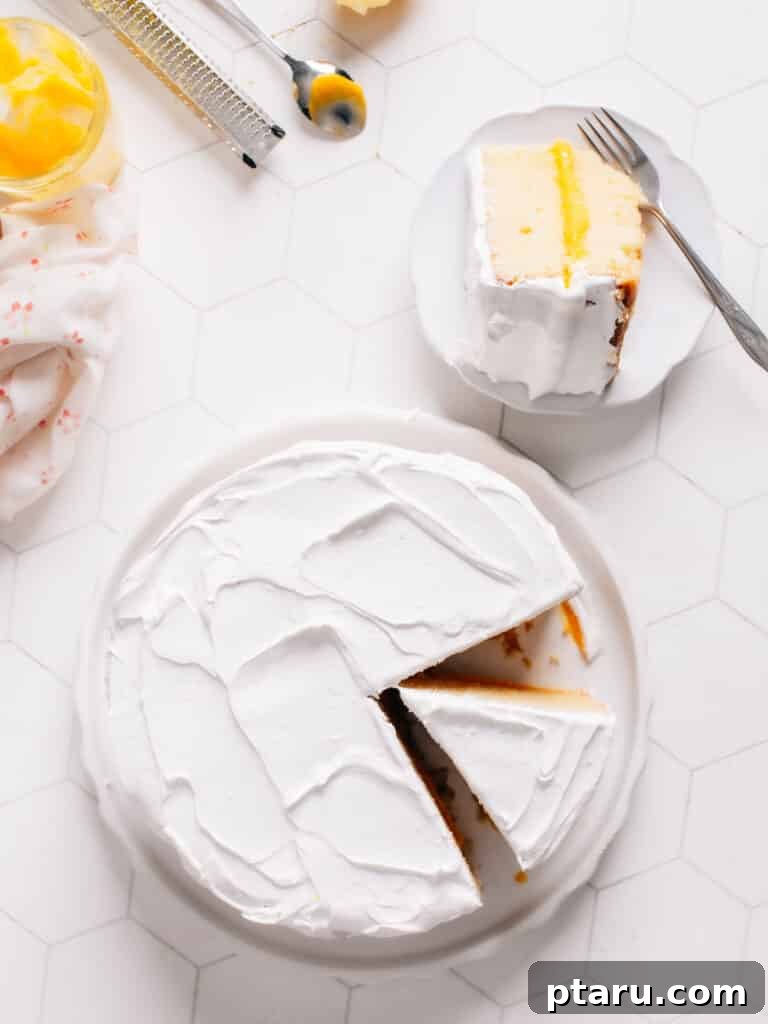
Why This is the Best Lemon Curd Cake Recipe You’ll Ever Make
This Lemon Curd Cake isn’t just another dessert; it’s a culinary triumph crafted to deliver an unforgettable experience. Here’s why this recipe stands out:
- Irresistible Lemon-Vanilla Harmony: You’ll absolutely adore the light, refreshing lemon flavor that permeates every fluffy cake layer, perfectly balanced by a delicate hint of vanilla. Much like a classic creamsicle or an invigorating orange julius, the combination of creamy vanilla and bright citrus creates a truly addictive flavor profile, making this soft lemon cake with its tangy curd an instant favorite.
- Elegance for Any Special Occasion: This cake transcends the everyday, making it absolutely perfect for life’s celebrated moments. Whether you’re hosting a sophisticated birthday bash, a heartwarming baby shower, an elegant dinner party, or even a festive spring gathering, its stunning appearance and sensational taste will make it the centerpiece everyone remembers.
- Unparalleled Moist & Tender Crumb: What truly sets this cake apart is its incredibly soft and moist texture. Achieved through a clever combination of three different fats—butter, cream cheese, and oil—this recipe ensures an exquisitely tender crumb without the fuss and complexities often associated with traditional cake methods. The result is a cake that melts in your mouth with every bite.
- Effortless Preparation with a Shortcut Option: We understand that sometimes you need a little help in the kitchen. That’s why this recipe is designed to be wonderfully straightforward. For those busy days, you can easily use store-bought lemon curd, transforming this into a super easy lemon curd cake that saves time without compromising on flavor. Yay for shortcuts!
- Generously Serves a Crowd: This magnificent lemony cake with its rich curd filling is designed for sharing. It generously yields 16 smaller, delightful slices or 12 substantial, satisfying portions, ensuring there’s enough to go around for all your guests to enjoy.
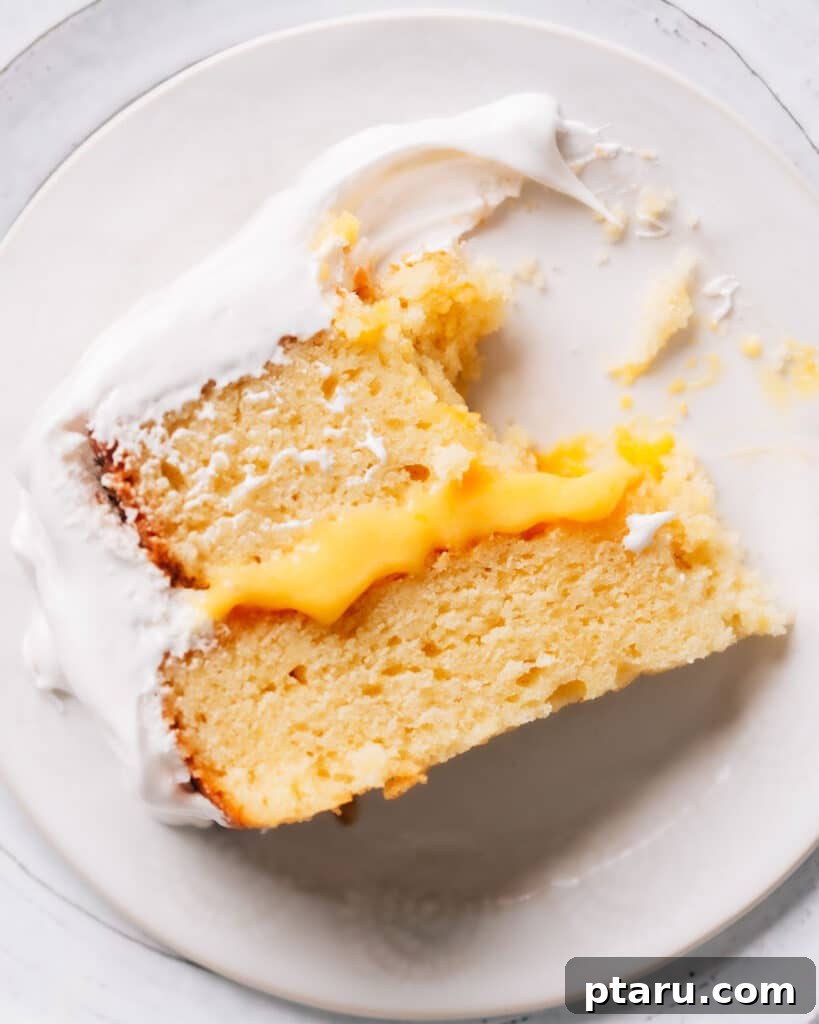
Essential Ingredients for Your Lemon Curd Cake
Crafting the perfect Lemon Curd Cake begins with selecting the right ingredients. Each component plays a vital role in achieving the desired flavor and texture. Here’s a detailed look at what you’ll need:
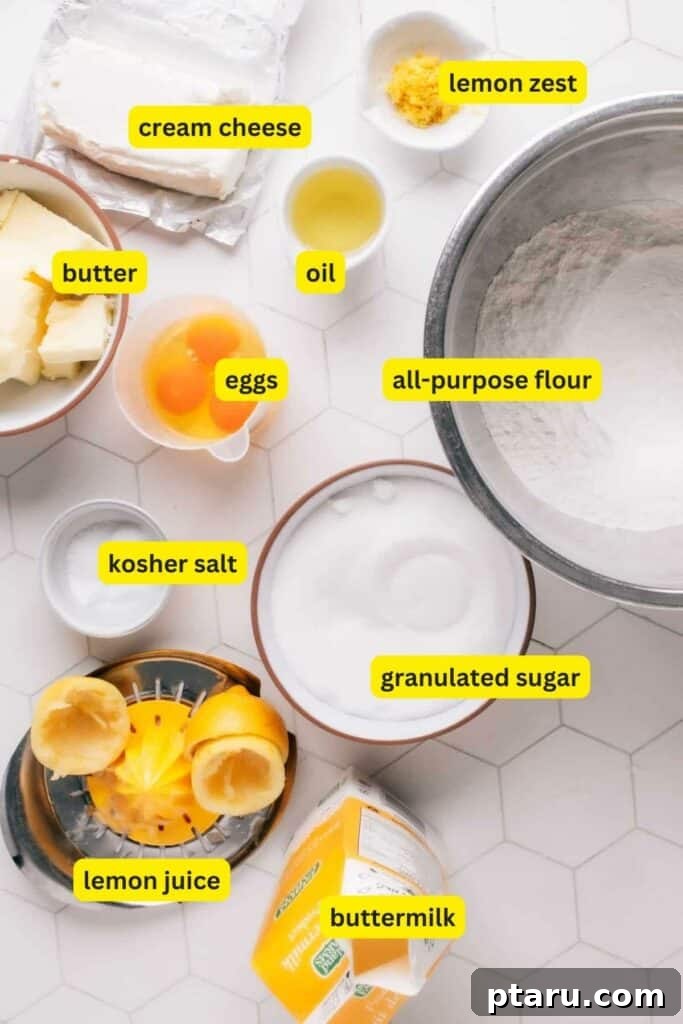
For the Fluffy Lemon Cake Layers:
- Unsalted Butter: The foundation of rich flavor and tender texture. Ensure your butter is thoroughly softened to allow it to whip up properly, incorporating air for a light and fluffy cake.
- Cream Cheese: Adds incredible moisture, richness, and a subtle tang that complements the lemon beautifully. Like the butter, it must be at soft room temperature to blend smoothly and evenly during the creaming process.
- Neutral Oil (Avocado or Canola): Incorporating a neutral-tasting oil, such as avocado or canola, contributes to an exceptionally moist crumb that stays tender for longer. It works in harmony with the butter and cream cheese for optimal texture.
- Fresh Lemon Zest: This is a non-negotiable ingredient! Lemon zest is where most of the vibrant, aromatic lemon flavor resides. Don’t skip it, as it imparts an incomparable brightness to the cake that juice alone cannot provide.
- Granulated Sugar: Essential for sweetness and structure. Regular white granulated sugar is perfect for this recipe, dissolving easily to create a smooth batter.
- Large Eggs: Act as binders, leavening agents, and contribute to the cake’s rich flavor and golden hue. Always use large eggs, and bring them to room temperature for better emulsification with other ingredients.
- Buttermilk: The secret to an incredibly soft, smooth crumb and a delicate tang. True buttermilk is rich in phospholipids that enhance batter fluffiness. If you don’t have it on hand, you can create a simple substitute by adding a tablespoon of lemon juice or white vinegar to regular milk and letting it sit for 5-10 minutes (refer to my comprehensive buttermilk substitute guide for more details).
- Pure Vanilla Extract: A crucial ingredient that elevates the overall dessert tone, adding depth and warmth to the bright lemon flavor. Opt for pure vanilla extract for the best results.
- All-Purpose Flour: The primary structural component of the cake. Use a fresh pack of regular all-purpose flour for consistent results.
- Baking Soda and Baking Powder: These are the dynamic duo of leavening agents in this recipe. Ensure both are fresh and active to guarantee a beautifully risen, light cake.
- Kosher Salt: A pinch of salt is vital for balancing the sweetness and richness, enhancing all the other flavors and preventing the cake from tasting flat.
For the Luscious Lemon Curd Cake Filling:
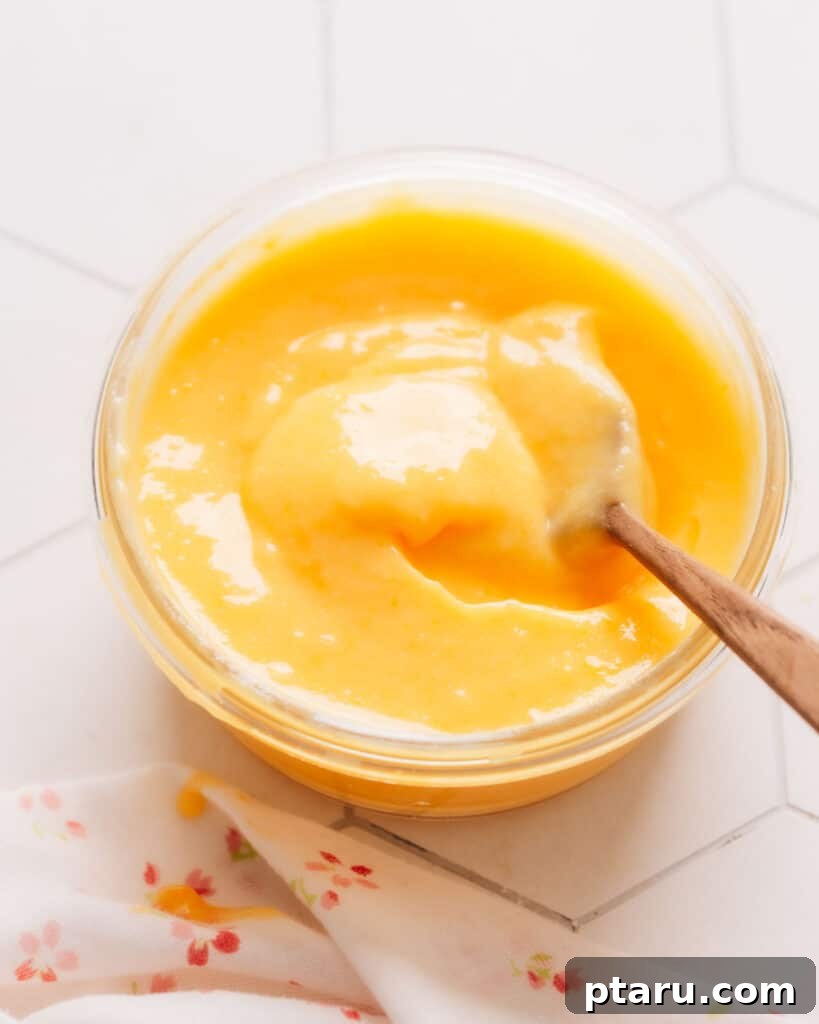
The heart of this cake lies in its bright and creamy lemon curd. Making it from scratch is surprisingly simple and incredibly rewarding:
- Fresh Lemon Zest: The intense aroma and flavor of lemon zest are paramount for a vibrant curd. Thoroughly wash your large lemons before zesting to capture their essential oils.
- Fresh Lemon Juice: Use the juice from the lemons you zested. Select glossy, firm lemons for the brightest, most vibrant lemon flavor in your creamy curd.
- Granulated Sugar: Provides the necessary sweetness to balance the tartness of the lemon. Regular white sugar works perfectly.
- Large Egg Yolks: These are crucial for the curd’s rich color, silky texture, and thickening properties. Ensure they are super fresh. A bonus: this recipe cleverly uses yolks for the curd and whites for the frosting, ensuring no waste!
- Unsalted Butter: Adds luxurious richness and helps the curd achieve its smooth, glossy finish. Cut it into small pieces to facilitate easy whisking and melting into the hot curd. Weighing the butter (11 oz or 22 tbsp) is highly recommended for accuracy.
For the Cloud-like 7-Minute Frosting:
This light and airy frosting is the perfect meringue-like topping for your cake:
- Granulated Sugar: The same regular white sugar used in the cake and curd.
- Large Egg Whites: Form the airy structure of the meringue. Bring them to room temperature for optimal volume when whipping.
- Fresh Lemon Juice: A touch of lemon juice enhances the flavor of the frosting, adding a subtle brightness that complements the cake. It also helps stabilize the egg whites.
- Pure Vanilla Extract: Just like in the cake, pure vanilla extract adds a lovely depth of flavor to the frosting, making it even more delectable.
Crafting the Ultimate Lemon Curd Cake: A Step-by-Step Guide
Embark on your baking journey with confidence! Follow these detailed instructions to create a truly unforgettable Lemon Curd Cake:
Baking the Moist Lemon Cake Layers:
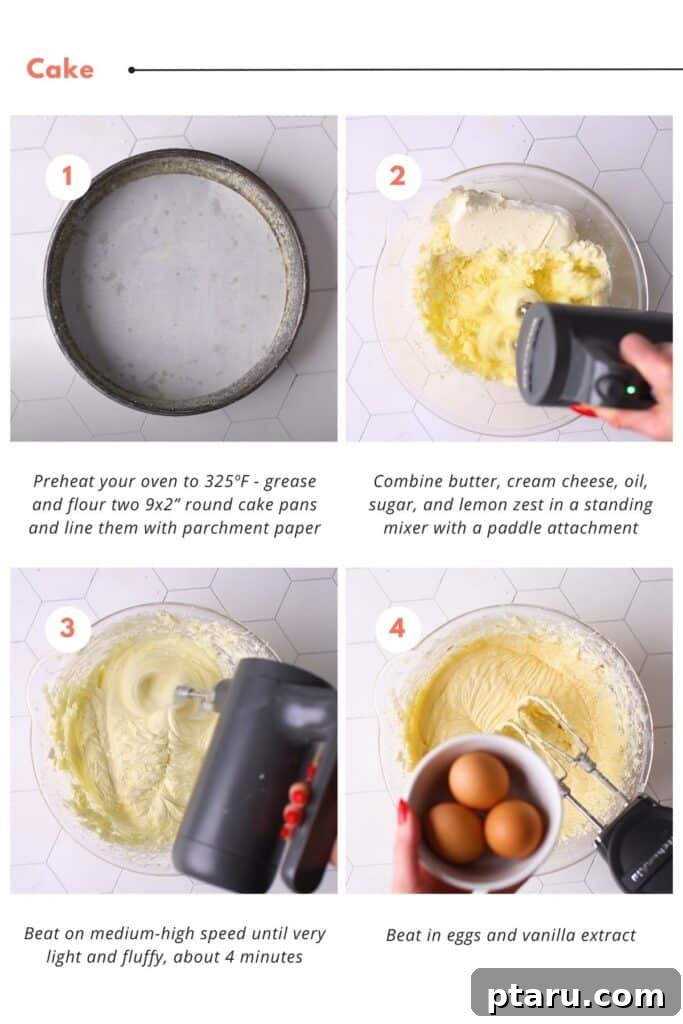
- Begin by preheating your oven to 325ºF (160ºC). Prepare two 9×2-inch round cake pans by generously greasing and flouring them, then lining the bottoms with parchment paper circles. This ensures easy release.
- In the bowl of a stand mixer fitted with the paddle attachment, combine the softened butter, cream cheese, neutral oil, granulated sugar, and fresh lemon zest. Beat on medium-high speed for about 4 minutes, until the mixture is very light, pale, and fluffy. Remember to pause a couple of times to scrape down the sides of the mixing bowl, ensuring everything is thoroughly combined.
- Reduce speed to medium and beat in the room-temperature eggs, one at a time, until fully incorporated. Stir in the pure vanilla extract.
- Pour in the buttermilk and beat on low speed just until combined. Be careful not to overmix at this stage.
- In a separate, medium-sized bowl, whisk together the all-purpose flour, baking soda, baking powder, and kosher salt. With the mixer speed on low, gradually add half of the dry flour mixture to the wet ingredients. Beat until just combined, taking care not to overmix.
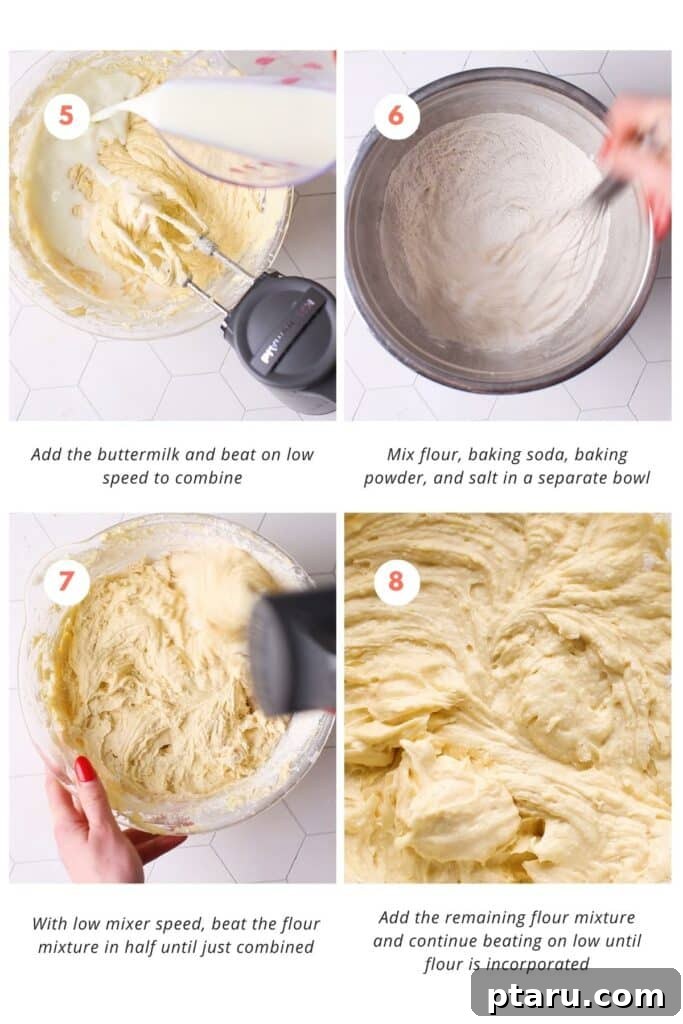
- Add the remaining flour mixture to the bowl. Continue beating on low speed only until the flour is fully incorporated. Pause once more to scrape down the mixer bowl and paddle. It’s crucial not to overmix the batter, as this develops gluten and can lead to a tough, dry cake. Mix just until no streaks of flour remain.
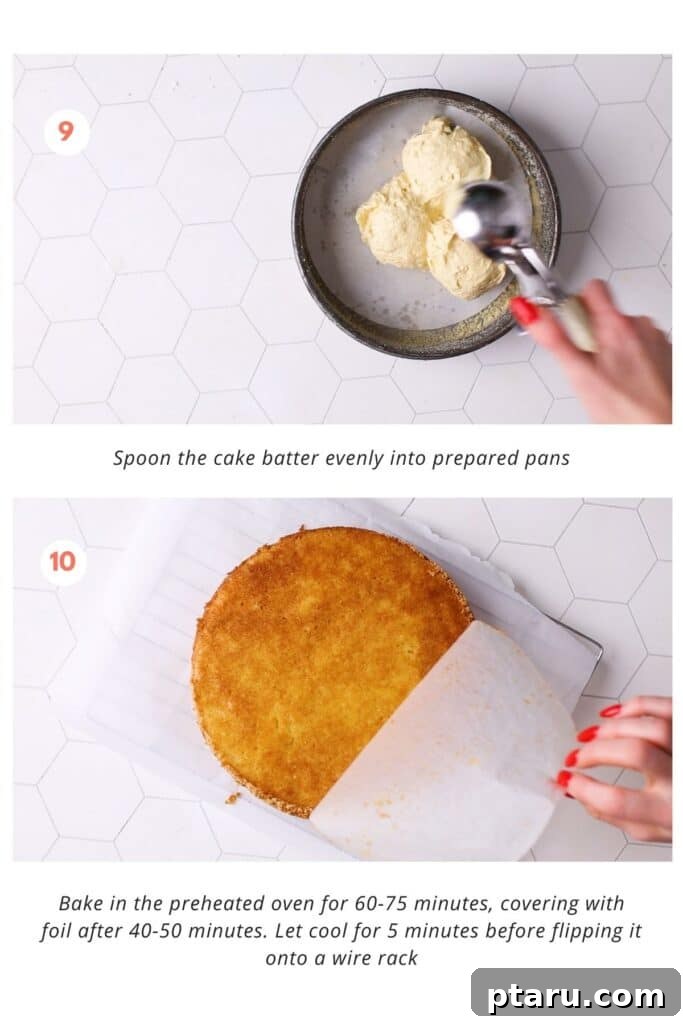
- Evenly spoon the cake batter into your prepared pans. An ice cream scoop can make this task quick and mess-free, ensuring equal distribution. Gently smooth the top of the batter in each pan. Place the pans in the center of your preheated oven.
- Bake for approximately 35-40 minutes. The cake is done when a meat thermometer inserted into the center reads 190ºF (88ºC) or a wooden skewer/toothpick inserted comes out clean. If the tops start to brown too quickly, you can loosely tent them with aluminum foil after 40-50 minutes and continue baking until done. Total baking time can range from 60-75 minutes depending on your oven.
- Allow the cakes to cool in their pans on a wire rack for 5 minutes. Then, carefully run a thin knife around the edges of each cake to loosen. Place a wire rack over the top of a cake pan and, using oven mitts, carefully flip the entire thing over. If a cake doesn’t release easily, place a hot, damp towel on the bottom of the pan for a few minutes to create steam and help it release. Let the cake layers cool completely on the wire rack before frosting and assembly.
Preparing the Zesty Lemon Curd Filling:
This vibrant lemon curd adds a burst of tangy flavor to your cake:
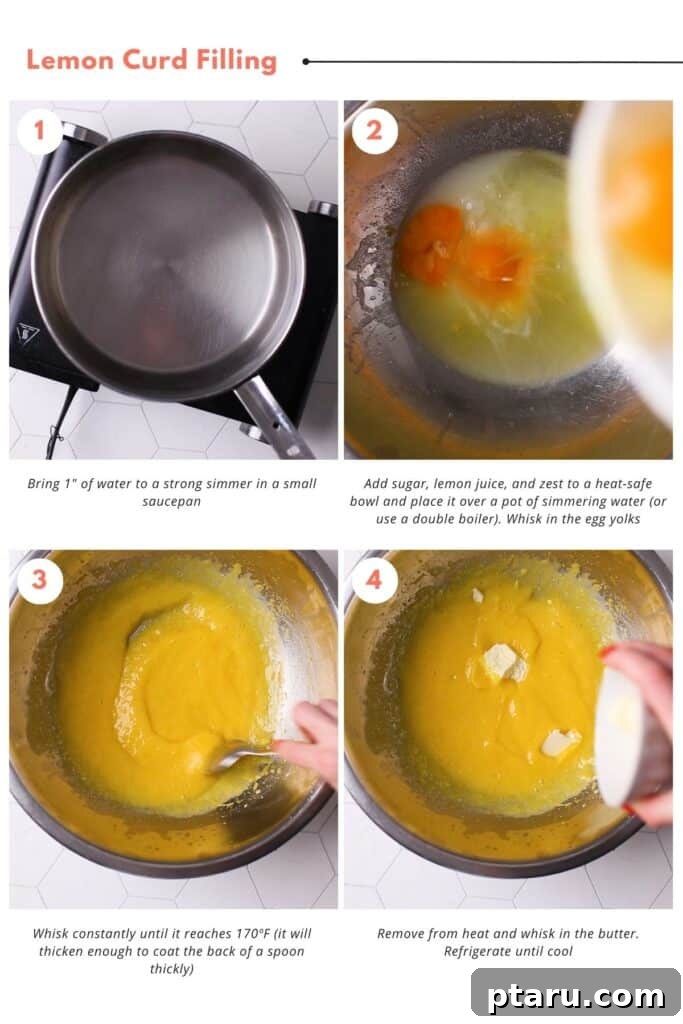
- Fill a small saucepan with about 1 inch of water and bring it to a strong simmer over medium heat. This will serve as your double boiler.
- In a heat-safe bowl (preferably metal, not glass, to prevent shattering, and non-reactive), whisk together the granulated sugar, fresh lemon juice, and lemon zest. Place this bowl over the simmering water, ensuring the bottom of the bowl does not touch the water. Whisk in the egg yolks until well combined.
- Continue whisking constantly over the simmering water. This continuous motion is crucial to prevent the eggs from scrambling or curdling. The mixture will gradually thicken. It’s ready when it coats the back of a spoon in a thick layer, similar to the consistency of yogurt, which typically takes about 6-10 minutes.
- Remove the bowl from the heat and immediately whisk in the small pieces of unsalted butter until fully melted and incorporated, creating a smooth, glossy curd. For an extra-silky texture, you can strain the curd through a fine-mesh sieve to remove any tiny lumps of zest or cooked egg. Transfer the curd to a clean container, cover the surface with plastic wrap (to prevent a skin from forming), and refrigerate until thoroughly cool and set, at least 2-3 hours, or preferably overnight.
Making the Fluffy 7-Minute Frosting:
This light, airy frosting is a beautiful counterpoint to the rich cake and curd.
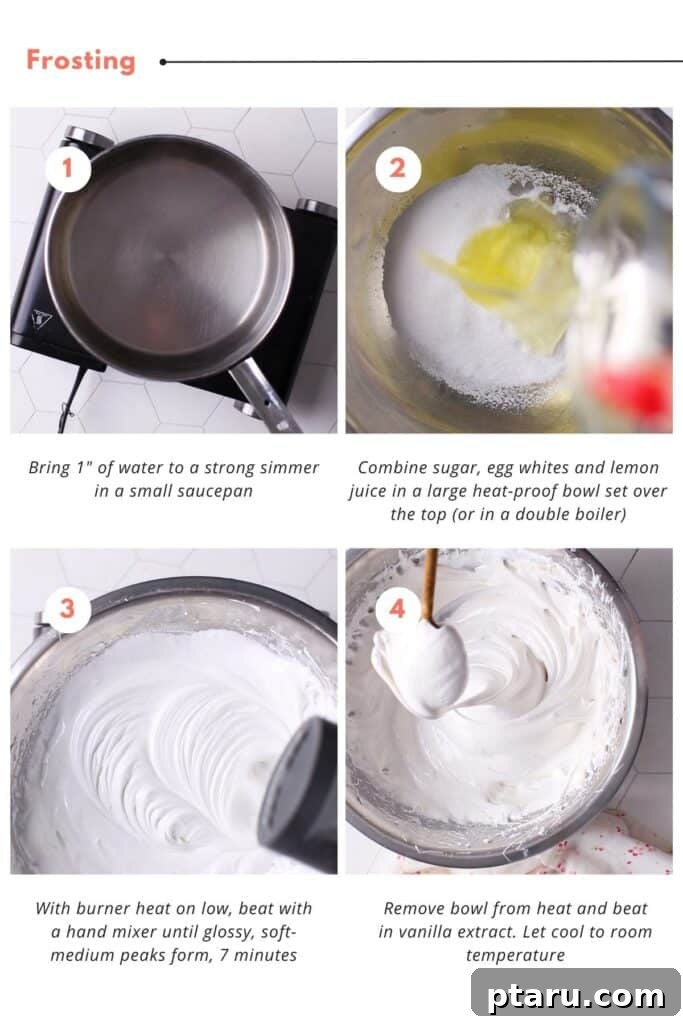
- Once again, bring 1 inch of water to a strong simmer in a small saucepan. In a large heat-proof bowl (again, ensure it’s non-reactive metal and does not touch the water once placed over the saucepan), combine the granulated sugar, room-temperature egg whites, and fresh lemon juice. Whisk briefly to combine.
- Place the bowl over the simmering water. With the burner heat on low, immediately begin beating the mixture with a handheld electric mixer. Continue beating constantly for exactly 7 minutes, or until the frosting becomes glossy, voluminous, and forms soft-to-medium peaks. It should look like a soft, fluffy cloud. Remove the bowl from the heat and beat in the pure vanilla extract. Allow the frosting to cool to room temperature before assembling the cake.
Assembling Your Magnificent Lemon Curd Cake:
Now for the satisfying grand finale – assembling your layers into a beautiful cake!
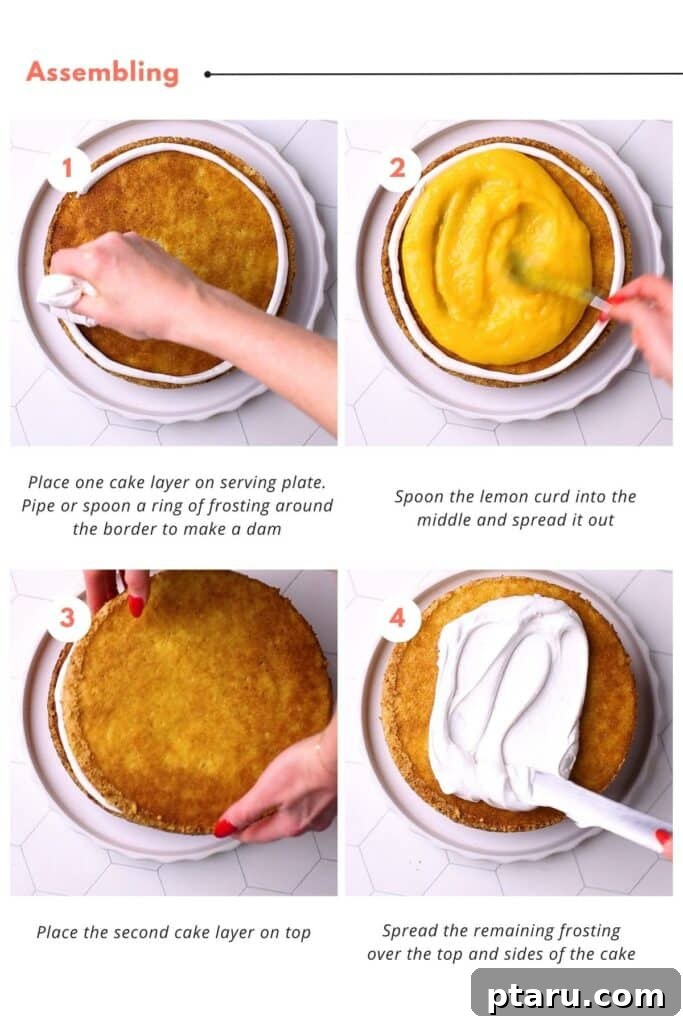
- Place one cooled cake layer onto your desired serving plate or cake stand. Using a piping bag or a spoon, create a generous ring of frosting around the very border of this cake layer. This “dam” will securely hold the lemon curd in place. Spoon the chilled lemon curd into the middle of the frosting dam and gently spread it out evenly.
- Carefully place the second cooled cake layer directly on top of the lemon curd filling. Now, using an offset spatula or knife, spread the remaining fluffy 7-minute frosting evenly over the top and sides of the entire cake. For a charming touch, you can create swirls with your spatula or even toast the frosting lightly with a kitchen torch for a beautiful, golden meringue look, reminiscent of a lemon meringue pie.
Make-Ahead Instructions for Stress-Free Baking
Planning ahead can make baking this show-stopping cake a breeze. Here’s how you can prepare components in advance:
- Lemon Curd: The lemon curd is an excellent component to prepare ahead of time. You can make it up to 3-4 days in advance. Once fully cooled, transfer it to an airtight container and store it in the refrigerator until you’re ready to assemble the cake.
- 7-Minute Frosting: While best enjoyed fresh, the frosting can also be made a few hours before assembly. After beating, let it cool completely to room temperature. Cover it lightly and keep it in a cool spot. However, for maximum fluffiness and pliability, assembling it closer to serving time is ideal.
- Cake Layers: The cake layers can be baked a day in advance. Once completely cooled, wrap each layer tightly in plastic wrap to prevent them from drying out. Store them at room temperature on your counter. For longer storage, up to a month, wrap the cooled layers securely in plastic wrap and then in aluminum foil, and store them in the freezer. When ready to use, thaw them overnight in the refrigerator or at room temperature. A crucial tip: never store unfrosted cake layers in the refrigerator for more than a few hours, as this can dry them out faster than leaving them on the counter.
Storage Best Practices for Your Lemon Curd Cake
To ensure your Lemon Curd Cake remains delicious and safe to eat, proper storage is essential, especially with a perishable filling:
- Refrigeration: Unless you plan to serve the entire cake within 4 hours of assembly, it’s imperative to store it in the refrigerator. Homemade lemon curd contains eggs and butter, which require refrigeration to prevent bacterial growth and maintain food safety.
- Serving Temperature: For the best texture and flavor experience, allow the refrigerated cake to sit at room temperature for at least 30 minutes before serving. This allows the cake layers to soften slightly and the flavors to truly shine.
- Leftover Lemon Curd: If you have any extra lemon curd, it can be stored in an airtight container in the refrigerator for about a week. Alternatively, for longer preservation, it can be frozen for up to 3 months. Thaw frozen curd in the refrigerator before using.
Pro Tips and Tricks for Lemon Curd Cake Perfection
Elevate your baking game with these expert tips, ensuring your Lemon Curd Cake turns out perfectly every time:
- Achieving Even Cake Layers: To guarantee your cake layers are uniform in thickness and bake evenly, use an ice cream scoop to measure the batter. Alternate scooping equal amounts into each prepared pan until all the batter is used. This simple method ensures consistent layers that bake in the same amount of time.
- Flawless 7-Minute Frosting:
- When starting the frosting, always add the sugar and lemon juice to the heat-proof bowl first, whisk them briefly, and then incorporate the egg whites. If you add egg whites to the double boiler first, they are more likely to start cooking and curdling before the other ingredients are added.
- Be diligent about checking for and dissolving any sugar crystals clinging to the sides of the bowl. Undissolved sugar crystals can make your icing grainy. If you notice any after a few minutes of beating, use a clean, wet pastry brush to gently wash them down into the icing.
- You may substitute ¾ teaspoon of cream of tartar for the lemon juice if preferred, as it also helps stabilize the egg whites.
- This soft, meringue-like frosting is celebrated for its incredible fluffiness and pristine white color. The key to preventing it from becoming hard or crusty is to **avoid over-beating**.
- Beat on high speed with a handheld mixer for precisely 7 minutes. At this point, you should achieve soft-to-medium peaks. Do not attempt to beat it further to stiff peaks; doing so will dry out the meringue as steam escapes, causing the frosting to form an undesirable crust as it dries. Over-beating also reduces the overall volume of frosting by whipping out too much moisture.
- This recipe yields approximately 5 ½ cups of frosting, which is ample for filling and covering a 2-layer 9-inch cake.
- While it stays beautifully soft and fluffy for a couple of days at room temperature, for the absolute best experience, I highly recommend enjoying this frosting on the day it’s made.
- For a stunning presentation, reminiscent of a classic lemon meringue pie, you can lightly toast the finished frosting using a handheld kitchen torch.
- Perfecting Your Lemon Curd:
- This recipe yields approximately 1 ½ cups of vibrant lemon curd.
- Always use a non-reactive metal bowl (such as stainless steel) when making curd over a double boiler. Avoid copper bowls, and definitely do not use glass, as it may shatter from the direct heat.
- For the finest texture where the zest virtually disappears into the curd, use a microplane to grate the lemon zest. This often eliminates the need to strain the curd later.
- **Whisk constantly** while the curd is cooking over the simmering water. This continuous agitation is vital to prevent the egg yolks from curdling and ensures a smooth, creamy consistency. The water in the saucepan should be at a gentle simmer, never a rolling boil, and critically, the bottom of your bowl should never touch the simmering water.
- Remember that the lemon curd will continue to thicken significantly as it chills and sets in the refrigerator.
- Similar to the frosting tip, add the sugar, lemon juice, and zest to the bowl first, whisk them together, and *then* add the egg yolks. Adding yolks directly to a warm double boiler without other ingredients can cause them to cook prematurely.
More Irresistible Cake Recipes You’ll Adore
- Best-Ever Moist Chocolate Cake
- Moist Vanilla Cake with Easy Vanilla Frosting
- Peach Cobbler Pound Cake
- Blueberry Pound Cake
- Easy Philadelphia Cheesecake
Other Bright Citrus Recipes You’ll Love
If the zesty goodness of this Lemon Curd Cake has sparked your citrus cravings, dive into this collection of drool-worthy orange dessert recipes and more:
- This Portuguese Orange Cake recipe is famously moist, incredibly fluffy, and an all-time fan favorite for its vibrant flavor.
- The surprisingly simple yet elegant Easy Lemon Tart.
- Delightfully tangy Lemon Curd Cookies.
- Love citrus *and* chocolate? Then this rich Chocolate Orange Cake is absolutely for you.
- This vibrant Cranberry Lemon Cake with its bright lemon icing has been a long-standing favorite for its perfect blend of sweet and tart.
- Of course, you can’t forget this classic Orange Pound Cake with its glossy orange glaze, baked beautifully in a decorative bundt pan.
Next, consider reading these helpful articles to further refine your baking skills: How to Make a Cake from Scratch and How Long Does Cake Last in the Fridge?
Frequently Asked Questions (FAQs) About Lemon Curd Cake
Does lemon curd in a cake need to be refrigerated?
Yes, any cake with lemon curd between its layers absolutely needs to be refrigerated. This is crucial for food safety, as lemon curd contains perishable ingredients like eggs and butter, which can foster bacterial growth if left at room temperature for extended periods.
How to know when lemon curd is done?
You’ll know your lemon curd is perfectly cooked when it thickens to a consistency similar to that of Greek yogurt. Another reliable test is when it coats the back of a spoon thickly, and a trail remains when you run your finger across it.
How to make lemon curd cake filling?
To make lemon curd cake filling, combine sugar, lemon juice, and zest in a heat-proof bowl set over simmering water (a double boiler). Whisk in fresh egg yolks and cook constantly, whisking, until the mixture thickens significantly. Remove from heat, whisk in butter until smooth, and then chill thoroughly in the refrigerator until cool and set, ready for cake assembly.
How do you know when lemon curd is thick enough?
Lemon curd is thick enough when it easily coats the back of a spoon and holds a clear line when you draw your finger across the spoon’s coated surface. It should have a consistency similar to thick yogurt or a runny custard.
What temperature does lemon curd thicken?
Lemon curd typically thickens as it reaches a minimum temperature of 170ºF (77ºC). However, relying solely on temperature can be misleading; it’s best to also observe its visual consistency (coating the back of a spoon) for accurate doneness.
Lemon Curd Cake Recipe
By: Jennifer Pallian BSc, RD
This Lemon Curd Cake recipe features layers of moist, soft lemon cake with a vibrant lemon curd filling, all topped with a cloud-like 7-minute meringue frosting. So irresistibly tasty!
Cook Time: 40 minutes
Total Time: 1 hour 20 minutes
Yields: 12-16 servings
Ingredients
For the Lemon Cake:
- 1 ⅓ cup + 1 tbsp unsalted butter, softened
- 1 cup cream cheese, softened
- 4 tbsp neutral oil (like avocado or canola oil)
- 2 tsp lemon zest, from 1 large lemon
- 2 ⅛ cups granulated sugar
- 3 large eggs, room temperature
- ¾ cup buttermilk
- 2 tsp pure vanilla extract
- 3 cups + 1 tbsp all-purpose flour
- 1 tsp baking soda
- 1 tsp baking powder
- ¾ tsp kosher salt
For the Lemon Curd Filling:
- 1 tbsp lemon zest, from 1 large lemon
- ½ cup fresh lemon juice, from about 3 large lemons
- ½ cup granulated sugar
- 4 large egg yolks
- ¼ cup unsalted butter, cut into small pieces
For the 7-Minute Frosting:
- 2 cups granulated sugar
- 6 large egg whites, room temperature
- 1 ½ tsp fresh lemon juice
- 1 ½ tsp pure vanilla extract
Instructions
To Make the Cake:
- Preheat oven to 325ºF (160ºC). Grease and flour two 9×2-inch round cake pans and line the bottoms with parchment paper circles.
- Add butter, cream cheese, oil, sugar, and lemon zest to the bowl of a standing mixer fitted with the paddle attachment. Beat on medium-high speed until very light and fluffy, about 4 minutes. Scrape down the mixing bowl a couple of times.
- Beat in eggs and vanilla extract until well combined.
- Add the buttermilk and beat on low speed just until combined.
- In a separate bowl, whisk together flour, baking soda, baking powder, and salt. With mixer speed on low, beat in half the flour mixture until just combined.
- Add the remaining flour mixture and continue beating on low only until the flour is incorporated, pausing once to scrape down the mixer bowl and paddle. Do not overmix to keep the cake soft.
- Spoon the cake batter evenly into prepared pans (an ice cream scoop helps). Smooth out the top of the batter and place in the center of the preheated oven.
- Bake for about 35-40 minutes, or until an inserted meat thermometer reads 190ºF (88ºC) or a tester comes out clean. If the cake tops darken, you can tent them with foil.
- Let the cake cool in the pan for 5 minutes, then run a knife around the edges. Invert onto a wire rack to cool completely. If needed, place a hot towel on top of the pan to help release.
To Make the Lemon Curd Filling:
- Bring 1 inch of water to a strong simmer in a small saucepan.
- Whisk together sugar, lemon juice, and zest in a heat-safe metal bowl. Place it over the simmering water (or use a double boiler). Whisk in the egg yolks.
- Whisk constantly until it thickens to the consistency of yogurt, coating the back of a spoon. This will take 6-10 minutes.
- Remove from heat and whisk in the butter until melted and smooth. Strain through a fine-mesh sieve if there are any lumps. Refrigerate until cool and set.
To Make the 7-Minute Frosting:
- Bring 1 inch of water to a strong simmer in a small saucepan. Combine sugar, egg whites, and lemon juice in a large heat-proof bowl set over the simmering water (do not let the bowl touch the water).
- With burner heat on low, beat with a hand mixer until glossy and soft-medium peaks form, about 7 minutes. Remove bowl from heat and beat in vanilla extract. Let cool to room temperature.
To Assemble the Cake:
- Place one cake layer on your serving plate. Pipe or spoon a ring of frosting around the border to create a dam. Spoon the lemon curd into the middle and spread it out evenly.
- Place the second cake layer on top. Spread the remaining frosting over the top and sides of the cake.
Notes
7-Minute Frosting Tips:
- You may substitute ¾ tsp cream of tartar for the lemon juice if desired.
- This soft, meringue-like frosting is incredibly fluffy and white. To ensure it doesn’t go hard, **do not over-beat it.**
- Beat for 7 minutes on high speed with a handheld mixer until you achieve soft-medium peaks. Do not push it further to stiff peaks, as this will dry out the meringue and cause it to form a crust. Over-beating also reduces the yield.
- This recipe yields about 5 ½ cups of frosting, enough to frost and fill a 2-layer 9-inch cake.
- It stays soft and fluffy for a couple of days at room temperature, but it’s best enjoyed fresh on the day it’s made.
- For a beautiful touch, you can toast the frosting using a handheld kitchen torch for a lemon meringue pie appearance.
Lemon Curd Tips:
- This recipe yields about 1 ½ cups of lemon curd.
- Always use a non-reactive metal bowl (not copper or glass) when making curd over simmering water.
- Use a microplane to grate the lemon zest; this ensures it’s fine enough to disappear into the curd without needing to strain later.
- **Whisk constantly** while cooking to prevent the eggs from curdling. The water should be at a simmer, not a boil, and the bowl should not touch the water.
- The lemon curd will continue to thicken and set further as it chills in the refrigerator.
- Add sugar, lemon juice, and zest first, whisk, then add egg yolks to prevent premature cooking of the yolks.
Nutrition Information
Nutrition information is automatically calculated and should only be used as an approximation.
- Calories: 810 kcal
- Carbohydrates: 107g
- Protein: 9g
- Fat: 40g
- Saturated Fat: 21g
- Polyunsaturated Fat: 3g
- Monounsaturated Fat: 12g
- Trans Fat: 1g
- Cholesterol: 192mg
- Sodium: 637mg
- Potassium: 149mg
- Fiber: 1g
- Sugar: 83g
- Vitamin A: 1189 IU
- Vitamin C: 1mg
- Calcium: 86mg
- Iron: 2mg