Prepare to transform your salmon cooking forever! This comprehensive guide brings you 8+ utterly delicious and guaranteed moist salmon recipes, alongside a food science expert’s 7 PRO tips for achieving meltingly tender and flaky salmon every single time. Say goodbye to dry, overcooked fish and hello to perfectly succulent salmon, rich in flavor and texture.
Baked Salmon with Mayonnaise: The Ultimate Creamy, Flaky Delight
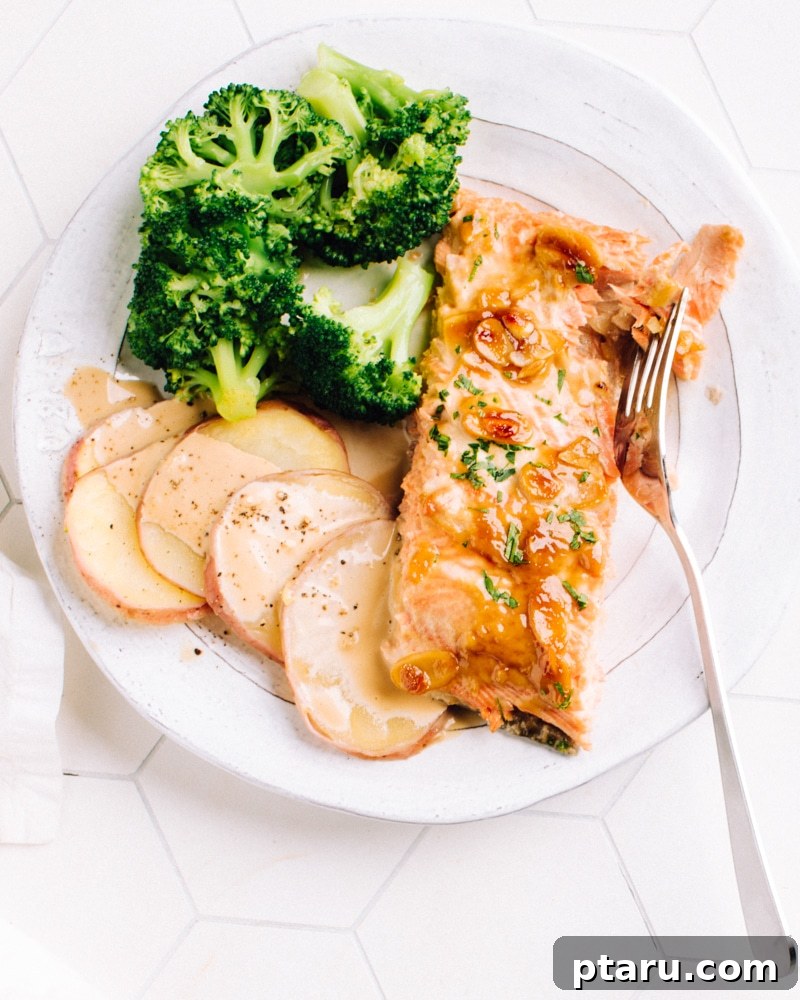
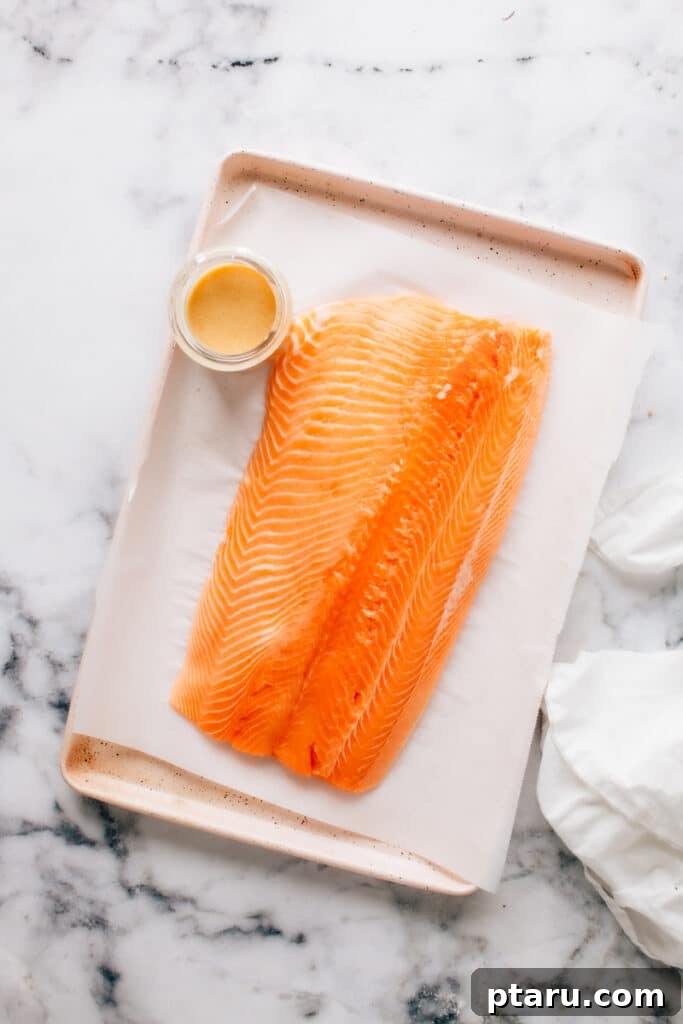
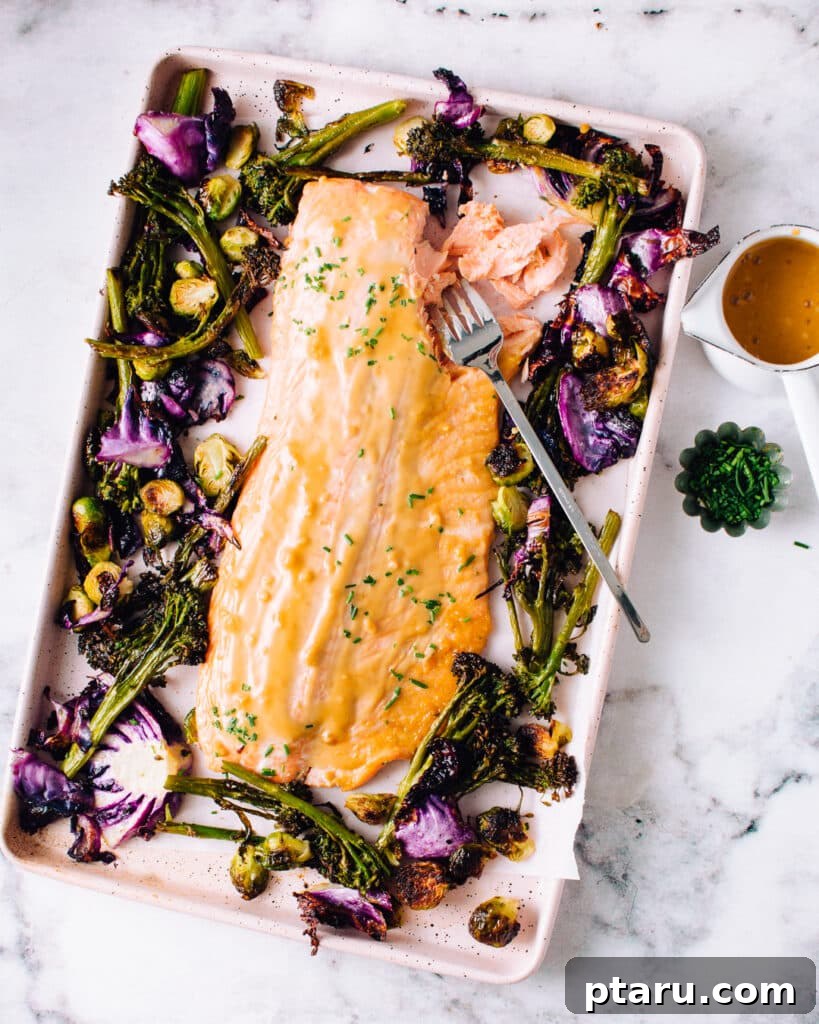
My baked salmon with mayonnaise recipe is a testament to simplicity meeting perfection. This method consistently delivers salmon that is incredibly creamy, rich, and so tender it practically falls apart on your plate. It’s truly the BEST way to ensure perfect salmon every time, making it an ideal choice for both weeknight dinners and special occasions.
The magic lies in baking the salmon in a luscious coat of mayonnaise-based sauce. This ingenious trick not only locks in essential moisture but also intensifies the salmon’s natural flavor, creating a beautifully rich crust. You’ll have this ultra-delicious, flaky salmon on your table in under 20 minutes, making it a go-to for busy evenings without compromising on taste or quality.
Moist + Flaky Salmon Burgers: Never Dry, Always Delicious
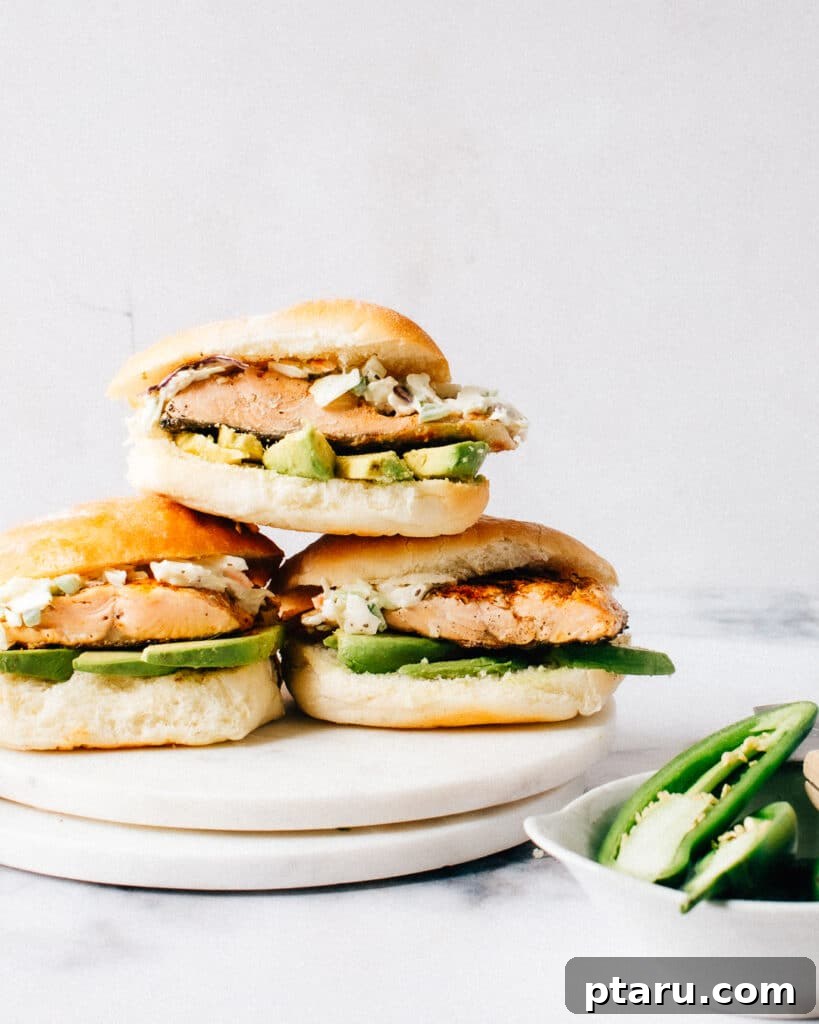
These aren’t just good salmon burgers; they are the best salmon burgers you’ll ever make. Once you try this recipe, you’ll never need another! Crafted with just a handful of fresh ingredients, these burgers cook up in mere minutes, making them perfect for a quick, satisfying meal.
I love pairing these flavorful salmon patties with a light, crisp slaw and creamy avocado, elevating the comfort and adding a touch of luxury to every bite. The combination of textures and vibrant flavors makes for an unforgettable burger experience.
How to Keep Salmon Burgers from Drying Out: Expert Tips
A dry salmon burger is the ultimate culinary disappointment. To guarantee the juiciest, most flavorful salmon burgers every single time, follow these essential pro tips:
- Bring to Room Temperature: Allow your salmon patties to sit at room temperature for at least 30 minutes before cooking. This ensures even cooking and prevents the exterior from overcooking while the interior remains raw.
- Monitor Internal Temperature: For optimal juiciness, remove the salmon burgers from the grill or pan when they reach an internal temperature of 125-130ºF (52-54ºC). A meat thermometer is your best friend here.
- The Importance of Resting: Rest the cooked salmon burgers for a few minutes before serving. This crucial step allows the internal juices to redistribute throughout the patty, ensuring maximum moisture and flavor in every bite.
Air Fryer Salmon (Moist + Flaky): Your Weeknight Hero
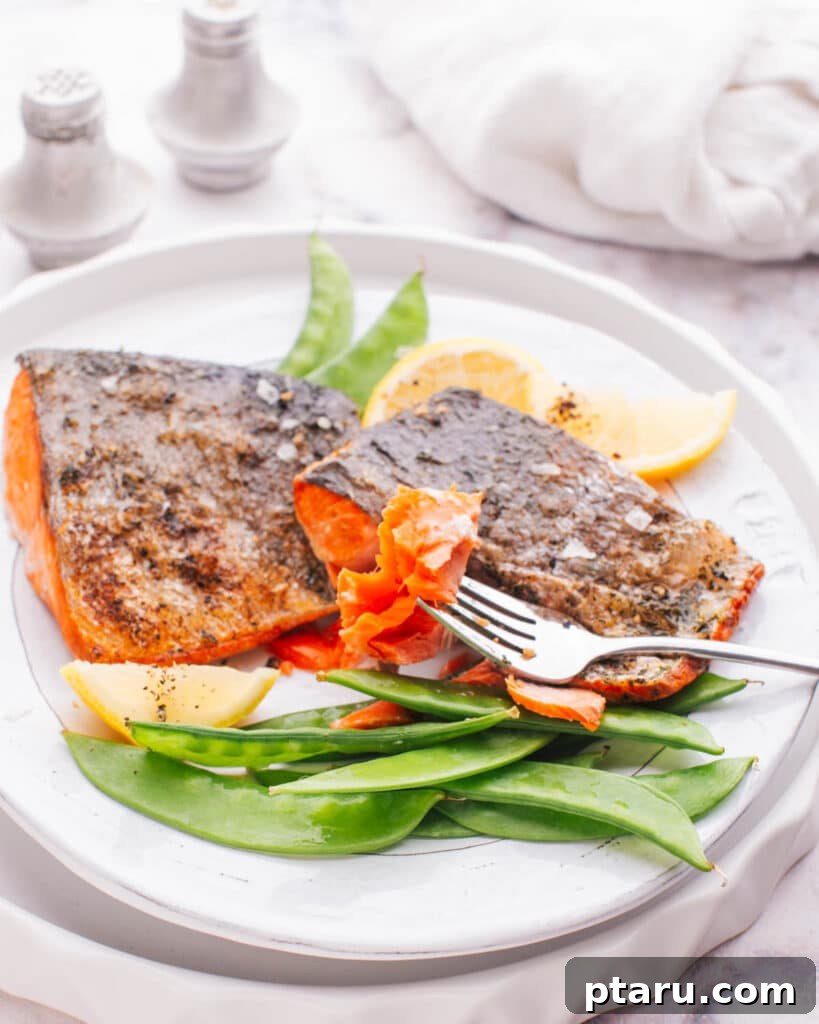
The air fryer truly is a kitchen marvel, and it never fails to deliver perfectly cooked salmon. My air fryer salmon recipe is not only super juicy and incredibly flaky but also wonderfully mess-free. Imagine flaky, fall-apart salmon that you DON’T even need to thaw!
This 12-minute recipe is an absolute lifesaver on those crazy busy nights when I’ve completely forgotten to thaw the salmon. I’m consistently amazed by how the air fryer cooks salmon to perfection, leaving it beautifully moist in the middle with a delicate, crisp outer layer. It’s a game-changer for quick, healthy, and delicious meals.
Honey Teriyaki Salmon: Sweet, Sticky, and Umami-Rich
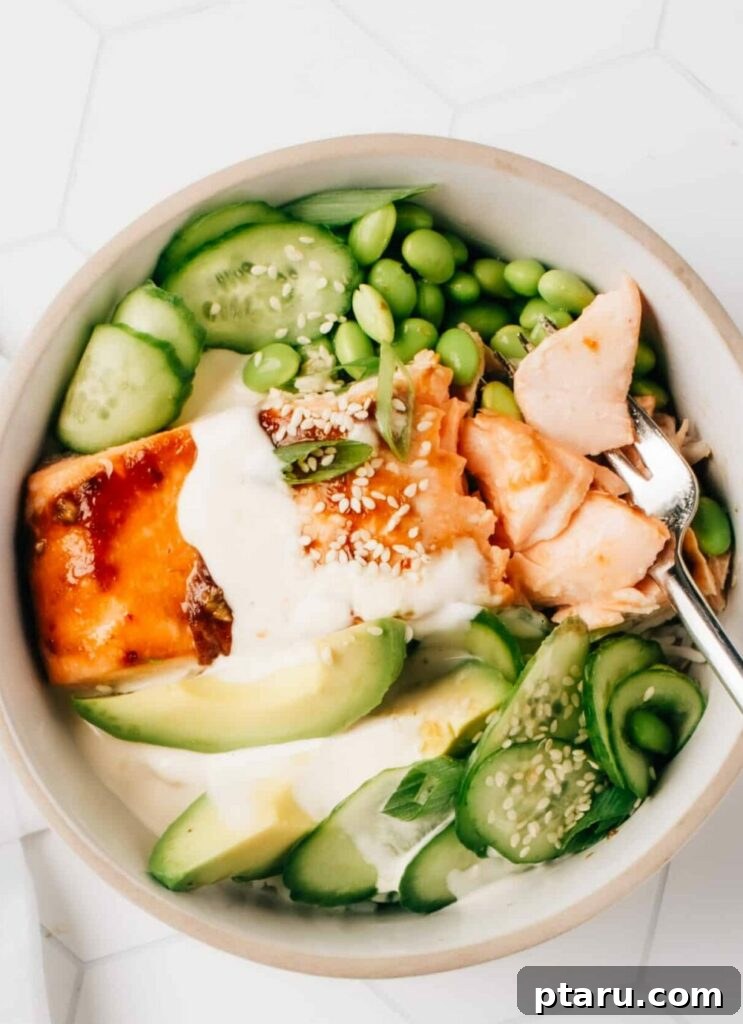
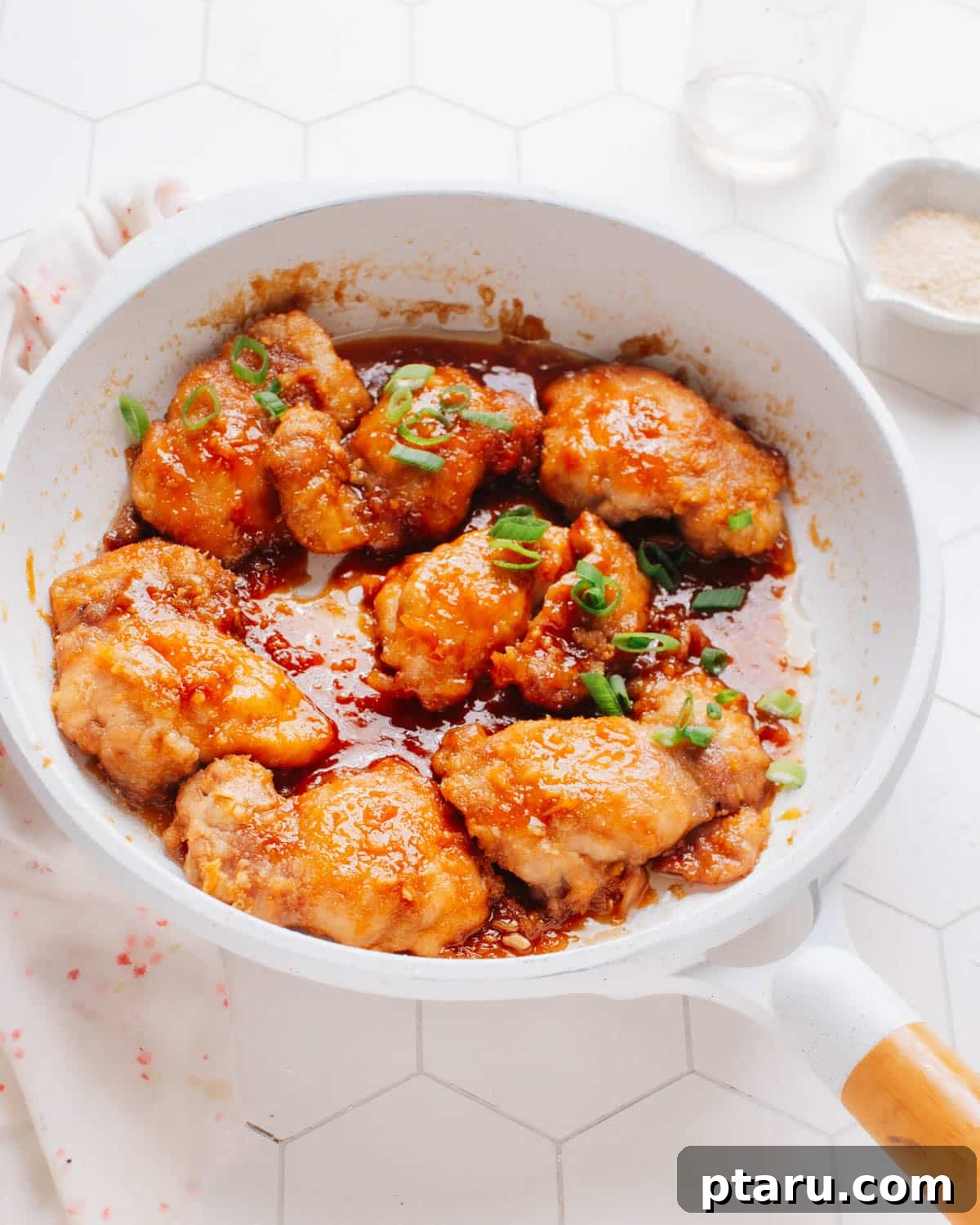
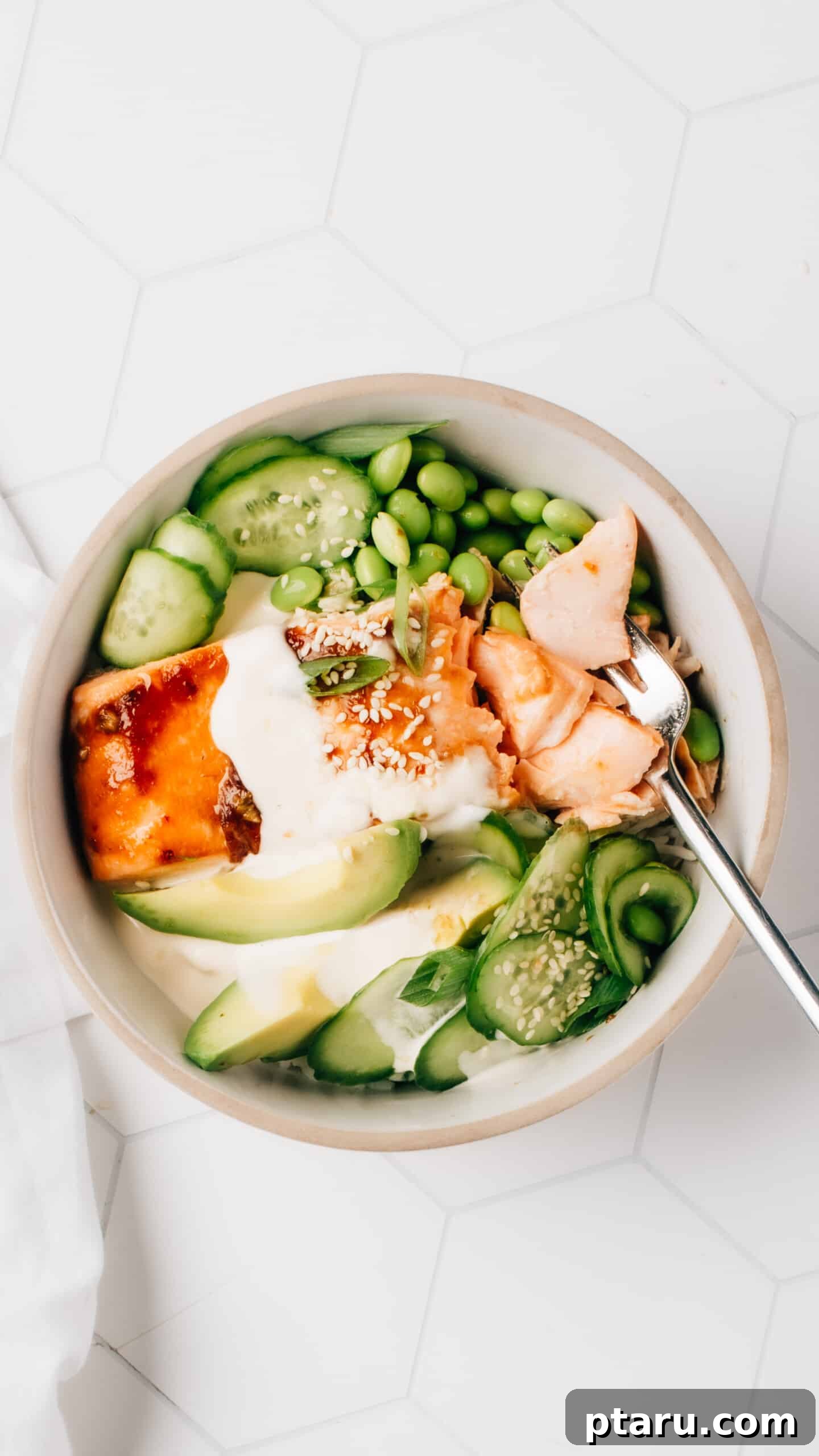
Prepare for an explosion of flavor with this perfect honey teriyaki glazed salmon recipe. It features an irresistible, sticky, and umami-loaded 3-ingredient honey teriyaki glaze that you’ll want to drizzle over everything! The rich flavors of garlic and soy sauce bake deep into the salmon, infusing it with incredible depth.
If you’re dreaming of a homemade salmon teriyaki bowl, this is precisely the recipe for you! What’s more, it cooks up in a flash at 425°F (218°C), delivering a gourmet-quality meal with minimal effort.
Cajun Honey Butter Salmon: A Flavor Revelation
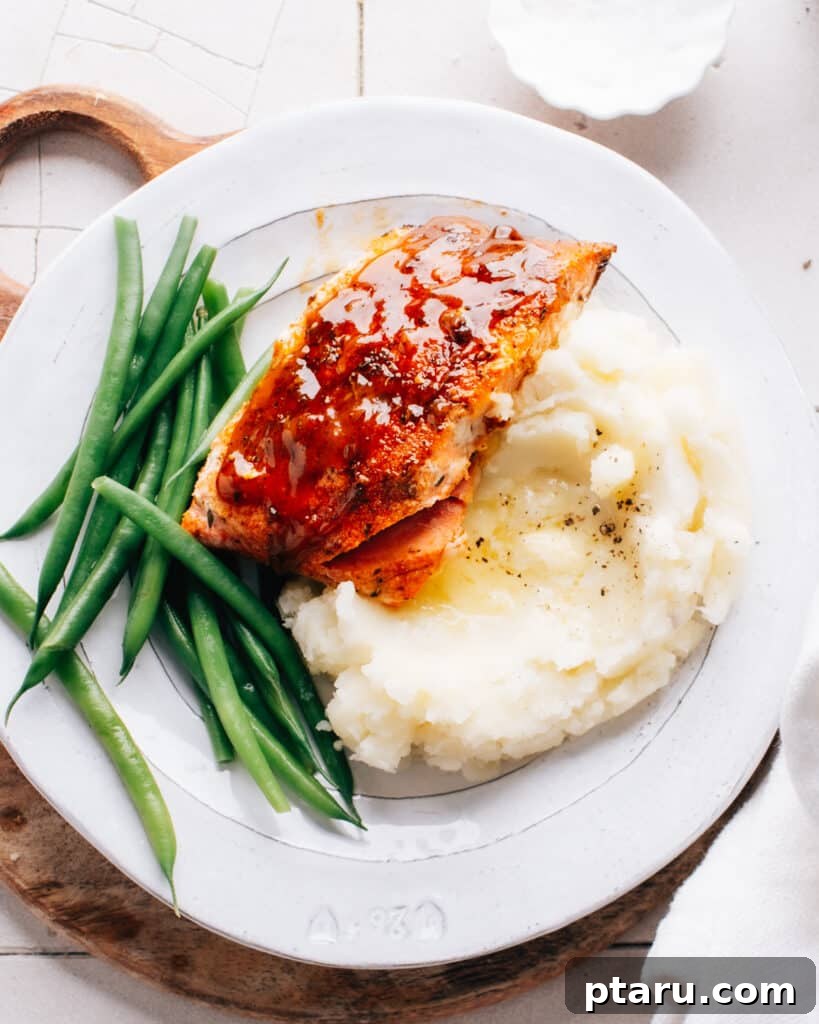
My Cajun butter salmon recipe is genuinely life-changing and an absolute must-add to your culinary repertoire. Boasting a sassy spice rub and a luxurious, rich pan sauce, this dish is brimming with authentic Cajun flavors that will tantalize your taste buds.
This 10-minute meal consistently delivers glossy, glowing salmon, thanks to the exquisite butter-basting method. The harmonious blend of sweet honey, savory butter, and vibrant Cajun spices creates a truly unforgettable salmon experience.
Grilled Coconut Salmon Skewers (with Peanut Sauce): Juicy & Charred Perfection
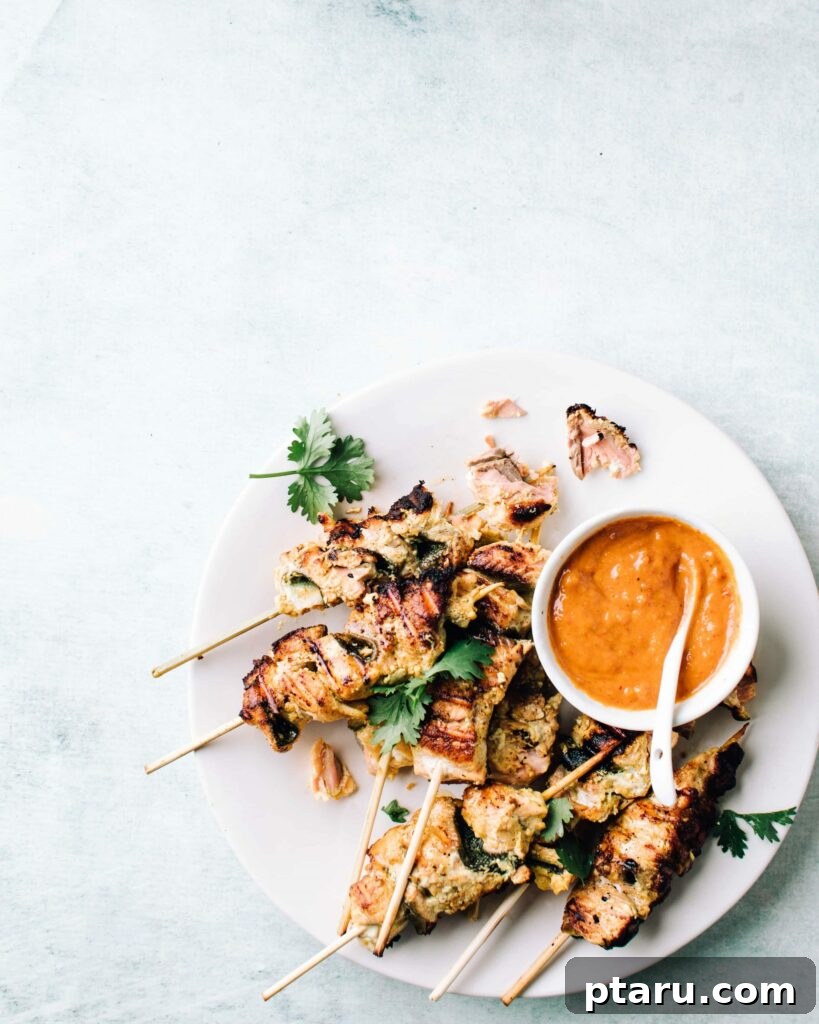
My grilled coconut salmon skewer recipe beautifully demonstrates how to cook salmon on skewers that remain incredibly juicy and moist. While there’s often a risk of drying out fish when grilling on skewers, this recipe expertly mitigates that concern, ensuring tender results every time.
I absolutely adore the distinctive charred grill lines on these skewers – they not only look INCREDIBLE but also add a delightful smoky depth of flavor. Serve them alongside simple basmati rice and a fresh, vibrant salad like my strawberry spinach salad for a complete and captivating meal.
Grilled Salmon With Avocado, Melon and Cucumber Salsa: A Burst of Summer
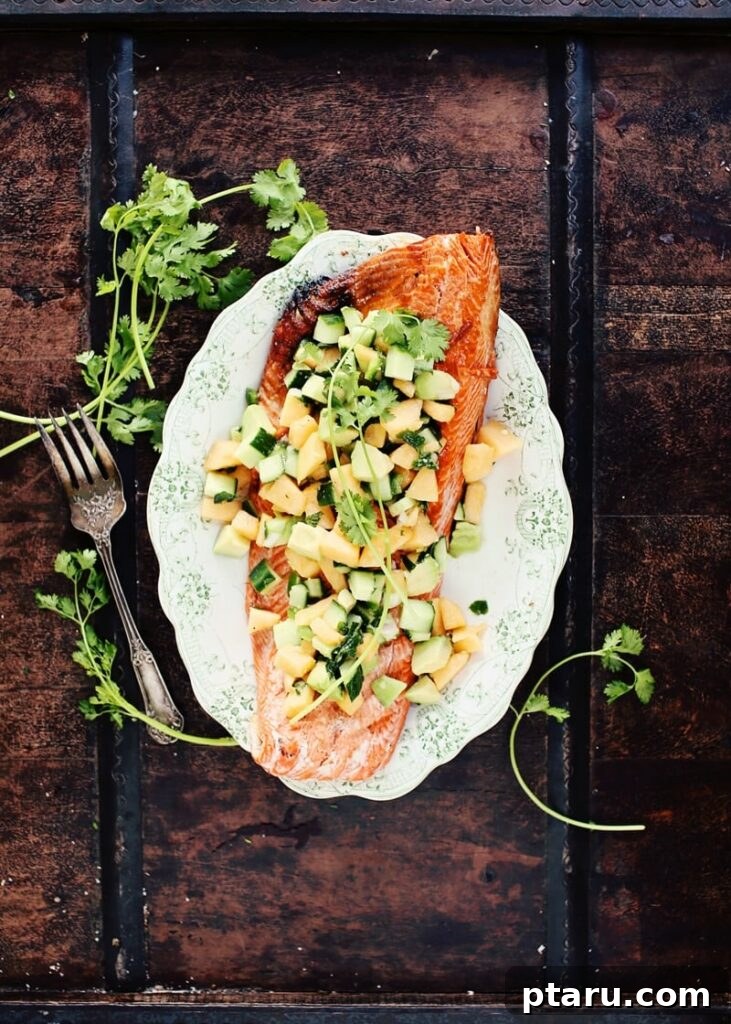
Here’s a wonderfully fresh and summery recipe for grilled Salmon With Avocado, Melon and Cucumber Salsa. One of the many reasons I love serving salmon for dinner, beyond its undeniable deliciousness, is how incredibly quick it is to cook.
The natural richness of salmon finds its perfect counterpart in this light, bright, and fruity salsa. The refreshing combination of avocado, sweet melon, and crisp cucumber provides a delightful contrast to the succulent grilled fish, making every bite a celebration of summer flavors.
Salmon Sandwiches with Pea Sprouts + Lemon Dill Aioli: Outrageously Good
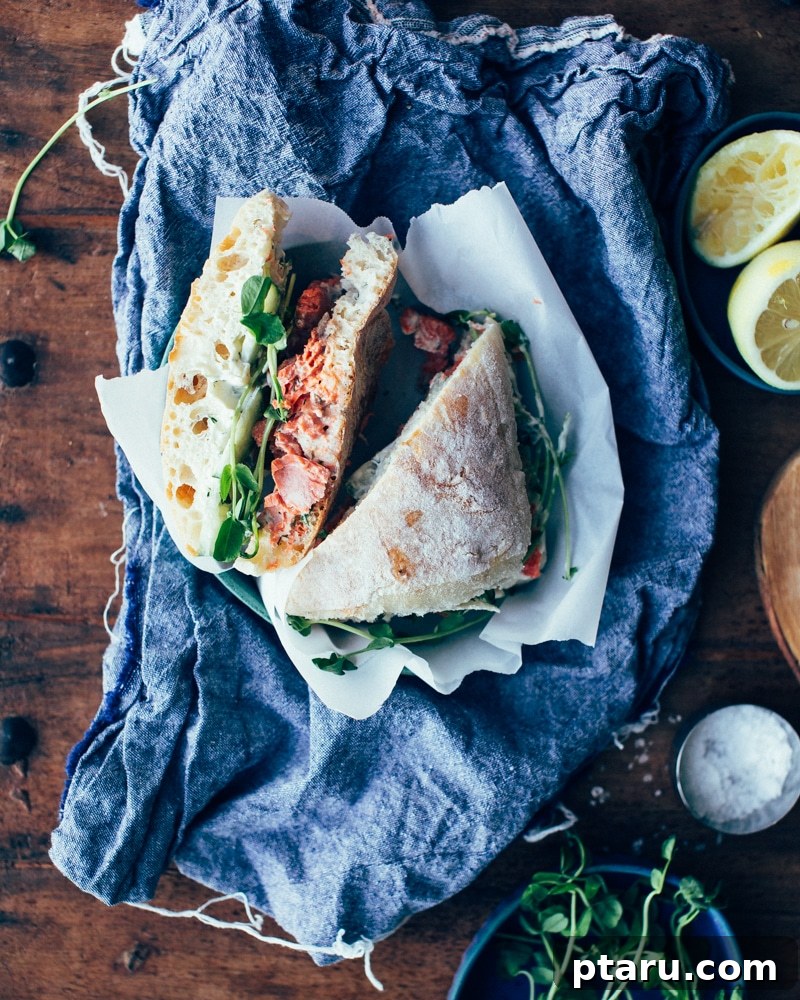
This moist salmon recipe truly is outrageously good: my salmon sandwiches with pea sprouts and lemon dill aioli. Imagine perfectly juicy, beautifully cooked salmon nestled inside soft white rolls, complemented by the fresh, earthy crunch of pea sprouts.
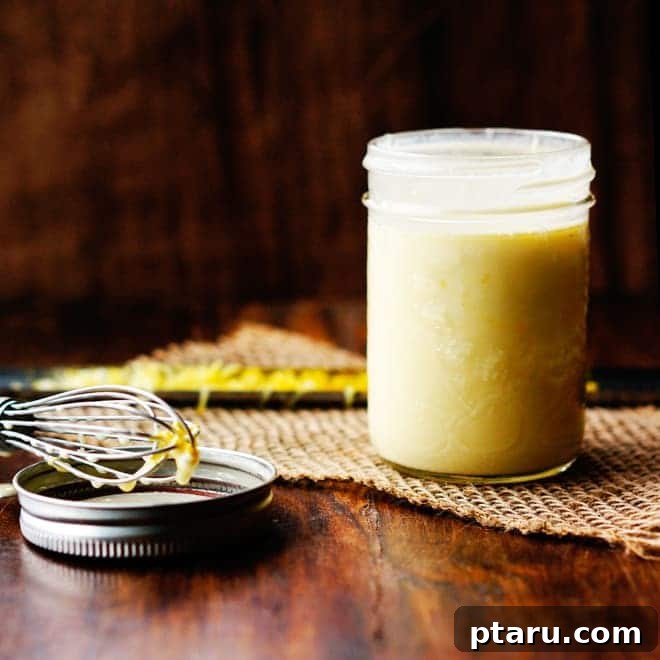
The star of the show, a homemade lemon dill aioli, adds an exquisite burst of flavor and a creamy richness that ties the entire sandwich together. These sandwiches are absolutely perfect for a relaxed summer picnic, a vibrant potluck, or any easy gathering where delicious, hassle-free food is a must.
Unlock the Secret to Perfect Salmon: 7 Pro Tips for Meltingly Moist Results
Achieving consistently delicious, fall-apart salmon might seem daunting, but with a few expert insights, it’s entirely within reach. As someone with a science degree in food, I can assure you that understanding the principles behind cooking makes all the difference. Here are my top tips to ensure your salmon is always moist, tender, and incredibly flavorful:
1. Choose the Right Salmon: Quality Matters
The foundation of any great salmon dish begins with selecting high-quality fish. Look for fillets that are firm to the touch, possess a vibrant, almost translucent color, and have a mild, fresh aroma, not an overpowering fishy smell. Interestingly, most “fresh” fish sold at grocery stores has been previously frozen and then thawed. For true freshness and optimal quality, consider buying salmon frozen and thawing it yourself at home. Varieties like King salmon and Sockeye salmon are known for their richer fat content, which naturally contributes to a more moist and flavorful outcome.
2. Brine Before Cooking: A Moisture-Locking Secret
Brining salmon in a simple solution of water and salt is a game-changer for moisture retention during cooking. This technique, rooted in food science, helps the fish’s muscle fibers absorb and hold onto moisture more effectively. The salt gently denatures the proteins, preventing them from seizing up and expelling too much water when heated. A basic brine can do wonders, and you can easily enhance it with additional flavors.
How to Brine Salmon for Superior Moisture:
- Basic Brine Recipe: Dissolve 1/4 cup of salt in 4 cups of cold water. For added complexity, you can also incorporate a tablespoon of sugar, a few sprigs of fresh herbs (like dill or thyme), or a pinch of your favorite spices.
- Brining Time: Submerge your salmon fillets in the brine for approximately 15-30 minutes. Be mindful not to brine for too long, as this can result in overly salty or even mushy fish. The goal is enhanced moisture, not an altered texture.
- Rinse and Dry: After brining, it’s crucial to rinse the salmon thoroughly under cold running water to remove any excess salt. Pat the fillets completely dry with paper towels before proceeding with your chosen cooking method. A dry surface promotes better searing and a crispier skin.
Feel free to experiment with other flavor enhancers in your brine, such as citrus slices (lemon, orange), bay leaves, or whole peppercorns for an extra layer of taste.
3. Use a Meat Thermometer: Precision for Perfection
The single most important tool for consistently perfectly flaky salmon is a reliable meat thermometer. For optimal taste and moisture, aim for an internal temperature between 125ºF and 140ºF (52-60ºC) at the thickest part of the fillet. Within this range, the collagen in the salmon gradually converts to gelatin, keeping the fish incredibly moist and tender. Cooking past this point causes proteins to over-denature, leading to excessive moisture loss and, inevitably, dry, tough salmon.
It’s worth noting that the USDA recommends cooking salmon to an internal temperature of 145ºF (63ºC) for food safety. However, many professional chefs and culinary experts suggest that for the very best texture and moisture, a temperature of 125-140ºF is sufficient, provided the fish is of high quality and handled properly from purchase to plate. For those prioritizing optimal texture while remaining cautious about safety, using high-quality, fresh salmon (preferably sushi-grade if aiming for the lower end of the range) is key. For maximum safety, particularly for individuals with compromised immune systems or during pregnancy, it’s advisable to adhere to the USDA recommendation of 145ºF.
Overcooking Consequences: Understanding the Science
- Beyond 140ºF (60ºC): When salmon is cooked past this temperature, the delicate proteins in its flesh denature excessively, squeezing out precious moisture. This irreversible process results in a significant loss of juiciness, transforming your tender salmon into a dry, fibrous, and less enjoyable meal.
4. Keep the Skin On: A Natural Protective Shield
Cooking salmon with its skin intact serves as a powerful protective barrier, acting like a natural shield that locks moisture inside the delicate flesh. The skin also contributes a rich, delicious flavor and crisps up beautifully when cooked correctly. If you prefer not to eat the skin, it can be effortlessly removed after cooking once the fillet is perfectly tender.
5. Rest Before Serving: The Golden Rule of Juiciness
Just like with other meats, allowing cooked salmon to rest for a few minutes before serving is a critical step often overlooked. This brief resting period enables the internal juices, which have migrated to the center during cooking, to redistribute evenly throughout the entire fillet. The result is consistently moist and flavorful salmon from edge to edge.
6. Try Using Foil or Parchment: The En Papillote Method
The “en papillote” method, where salmon is cooked wrapped in parchment paper or foil, is an excellent technique for ensuring maximum moisture and flavor. This method creates a steamy, enclosed environment that gently cooks the salmon while trapping all the delicious juices and infusing the fish with any added seasonings, herbs, or aromatics. It’s a simple yet elegant way to achieve tender, succulent results with minimal effort and cleanup.
7. Choose Fattier Cuts: Naturally More Moist
When selecting salmon, remember that fattier cuts tend to be inherently more moist and flavorful. Varieties like King (Chinook) salmon or Sockeye salmon possess a higher fat content compared to leaner options such as Coho or Pink salmon. This natural fat acts as an internal basting agent, contributing to a richer taste and a more tender, succulent texture, even if slightly overcooked.
Related: How Long does Salmon Last in the Fridge?
Delicious Side Dishes to Serve with Moist Salmon Recipes
One of my absolute favorite aspects of preparing salmon for dinner is selecting the perfect accompaniments. Simple steamed or pan-fried asparagus makes a classic and elegant partner to juicy salmon, complementing its rich flavor without overpowering it. Another ideal side is a vibrant bowl of blanched green beans, offering a refreshing crunch.
Generally, mild vegetables, prepared in a straightforward manner, work beautifully with the delicate taste of salmon. For a truly indulgent treat, I often love to pair a grilled or baked salmon recipe with my creamy au gratin potatoes – a combination that feels wonderfully luxurious.
Explore my full collection of favorite side dishes for salmon recipes to find even more inspiring pairings.
Frequently Asked Questions About Moist Salmon Recipes
Just looking for the key takeaways? Here are the top questions and answers about achieving perfectly moist salmon:
To maintain optimal moisture, the most crucial step is to avoid overcooking. Aim for an internal temperature of 125-140°F (52-60°C). Additionally, cooking salmon with a fat-based sauce (like mayonnaise) or keeping the skin on acts as a protective barrier, further helping to retain moisture and flavor.
While marinating primarily enhances flavor, it can also contribute to moisture retention, especially if the marinade contains oil or acidic ingredients like citrus juice. These components can help tenderize the fish and protect it during the cooking process. However, brining (as discussed in tip #2) is generally more effective for actively locking in moisture.
When baking salmon, use a slightly lower oven temperature (around 275°F to 325°F or 135°C to 163°C) and cook for a slightly longer duration. This gentle heat helps cook the fish more evenly without shocking the proteins and expelling moisture too quickly. Covering the salmon loosely with foil or parchment paper while baking creates a steamy environment, effectively trapping moisture and preventing surface drying.
The most accurate way is to use a meat thermometer, targeting an internal temperature of 125-140°F (52-60°C) for optimal texture, or 145°F (63°C) for USDA safety guidelines. Visually, perfectly cooked salmon will be opaque throughout and will easily flake with a fork at its thickest part. The white albumin (fat) should just begin to appear, indicating it’s done without being overcooked.
Unfortunately, once moisture is lost from salmon due to overcooking, it cannot be truly “added back” to the flesh. The structural changes in the proteins are irreversible. However, you can significantly improve the mouthfeel and overall enjoyment of dry salmon by drizzling it with a flavorful, moist sauce (like a lemon butter sauce, a creamy aioli, or a vibrant salsa) just before serving. This adds external moisture and richness, making it more palatable.

Moist Salmon Recipes + Food Science Tips for Best EVER Results!
Jennifer Pallian BSc, RD
10 minutes
15 minutes
25 minutes
4
Ingredients
-
Salmon Fillets (approx. 1.5 lbs / 680g)
Specific ingredients will vary based on the chosen recipe above.
Instructions
-
Select your favorite moist salmon recipe from the comprehensive collection provided above and follow its specific instructions for a delightful meal!
-
Remember to incorporate the 7 Pro Tips for Moist Salmon (Choosing the Right Salmon, Brining, Using a Meat Thermometer, Keeping Skin On, Resting, Using Foil/Parchment, and Choosing Fattier Cuts) to ensure the most tender and flavorful results possible.
Tried one of these delicious recipes? We’d love to hear about it! Share your experience in the comments section below!