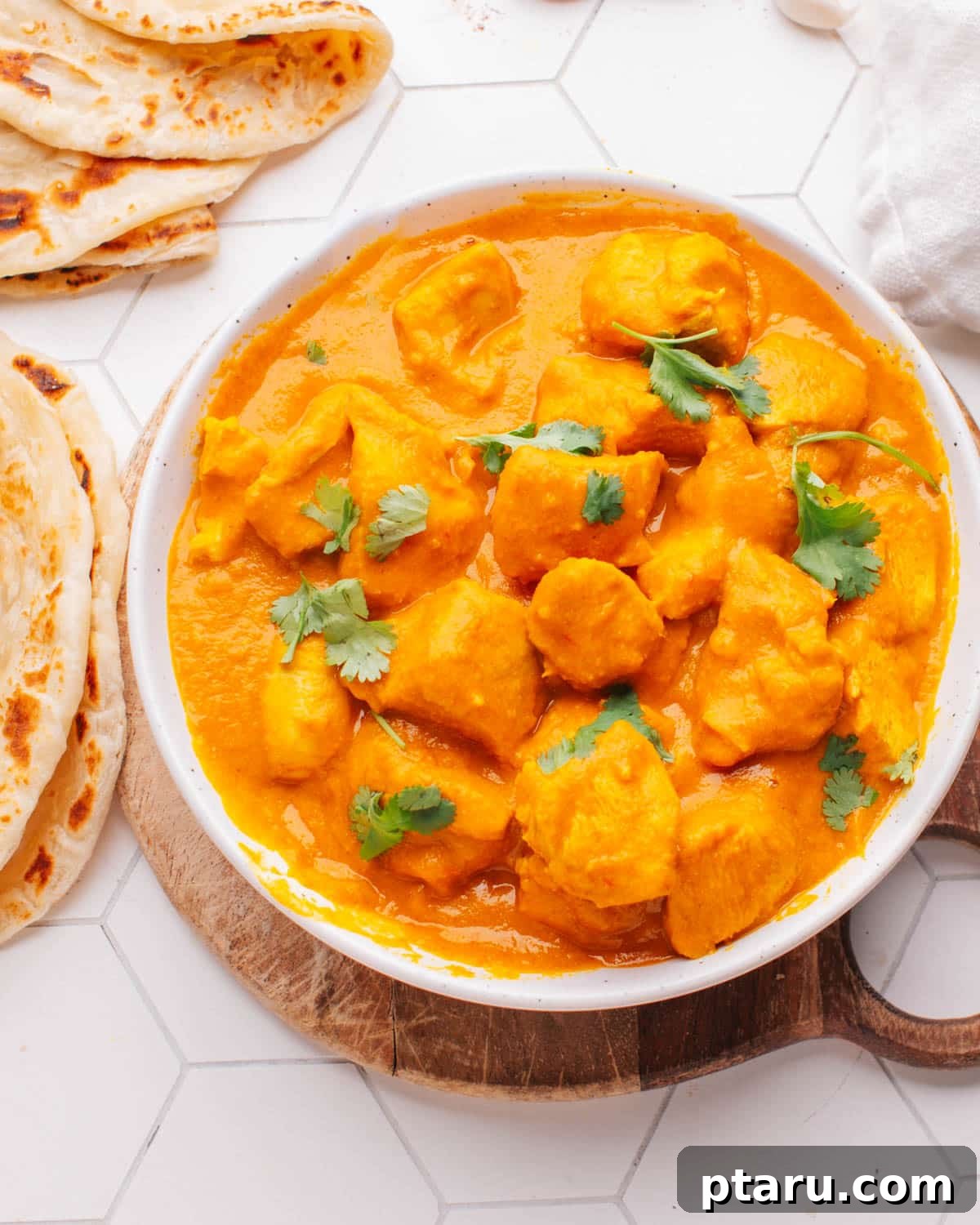
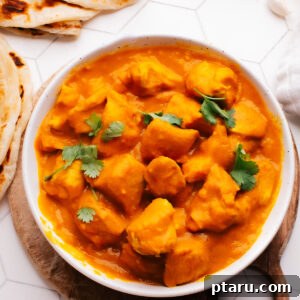
Embark on a culinary journey to the heart of comfort food with this incredibly simple and outrageously delicious Coconut Curry Chicken. This isn’t just a recipe; it’s your new secret weapon for transforming busy weeknights into flavorful feasts. Crafted to be the quickest Indian-style curry in your repertoire, it consistently earns rave reviews from even the most discerning palates. My Indian husband, for one, can’t get enough, often requesting third servings!
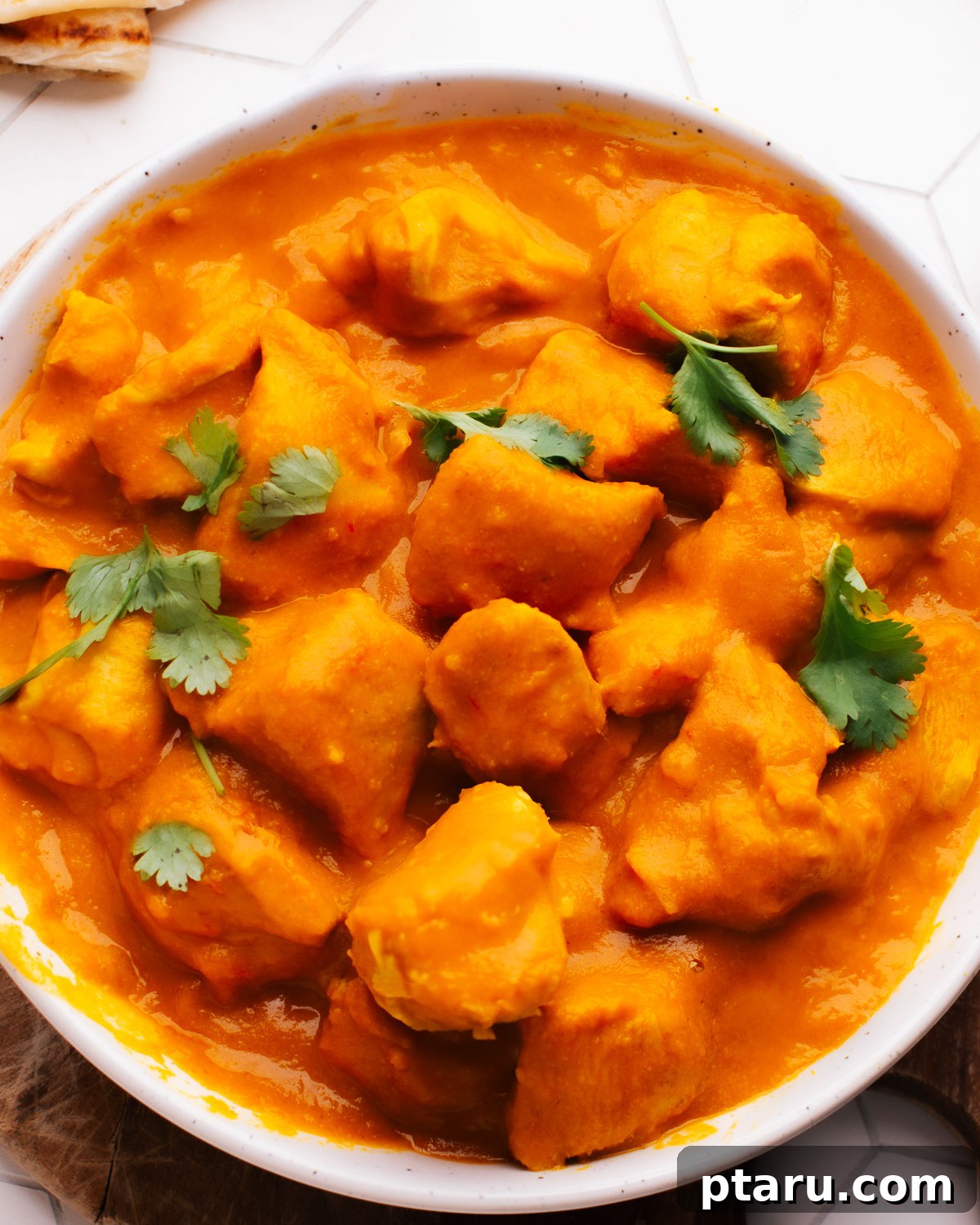
The journey to perfecting this coconut chicken curry was a delightful obsession, involving weeks of testing and refinement. My aim was clear: to create a recipe that was not only super simple and quick to prepare but also bursting with authentic-tasting flavor. The result is a dish easy enough for beginner cooks to master yet impressive enough to serve to guests. It’s a testament to the fact that extraordinary flavor doesn’t always require an extensive ingredient list or hours in the kitchen.
Please note: This recipe offers an authentic Indian-style coconut curry experience. If you’re leaning towards a Thai flavor profile, I highly recommend exploring my super-easy Red Curry recipe for a different but equally delightful adventure.
Why This Coconut Curry Chicken Will Become Your New Favorite
This recipe isn’t just about cooking; it’s about simplifying your life without compromising on taste. Here’s why you’ll fall head over heels for this incredible dish:
- Effortlessly Simple Spices: Forget intimidating spice blends! This curry relies on a straightforward trio of curry powder, turmeric, and a hint of cayenne pepper. This carefully chosen combination delivers all the warmth, depth, and aromatic complexity you desire from a delicious Indian curry, making it accessible for everyone.
- Unbelievably Quick & Easy: Unlike many traditional Indian curries that demand a lengthy list of ingredients and hours of simmering, this recipe is designed for speed and convenience. You can effortlessly prepare this fragrant curry on even the busiest Tuesday evening, fitting perfectly into your schedule before your kid’s soccer practice or after a long day at work.
- Rich & Creamy Texture: Thanks to full-fat coconut milk and a touch of yogurt, the sauce is wonderfully rich and velvety, coating every piece of chicken with a luscious flavor that is both comforting and exotic.
- A Crowd-Pleaser for All Ages: The balanced spice level (easily adjustable!) and familiar chicken makes this curry a hit with both adults and children. It’s an excellent way to introduce Indian flavors to younger palates.
- Versatile and Adaptable: Whether you want to add more vegetables, adjust the heat, or even make it vegetarian, this recipe provides a fantastic base for customization to suit your dietary preferences and available ingredients.
Essential Ingredients for Your Perfect Coconut Curry Chicken
Get ready to whip up a flavorful Coconut Curry Chicken that’s sure to be a hit. This section will guide you through the aromatic ingredients you’ll need, offer exciting options for variations, and outline the basic kitchen tools required for success. Each component plays a vital role in creating the rich, harmonious flavors of this beloved dish.
Detailed Coconut Curry Chicken Ingredient Notes
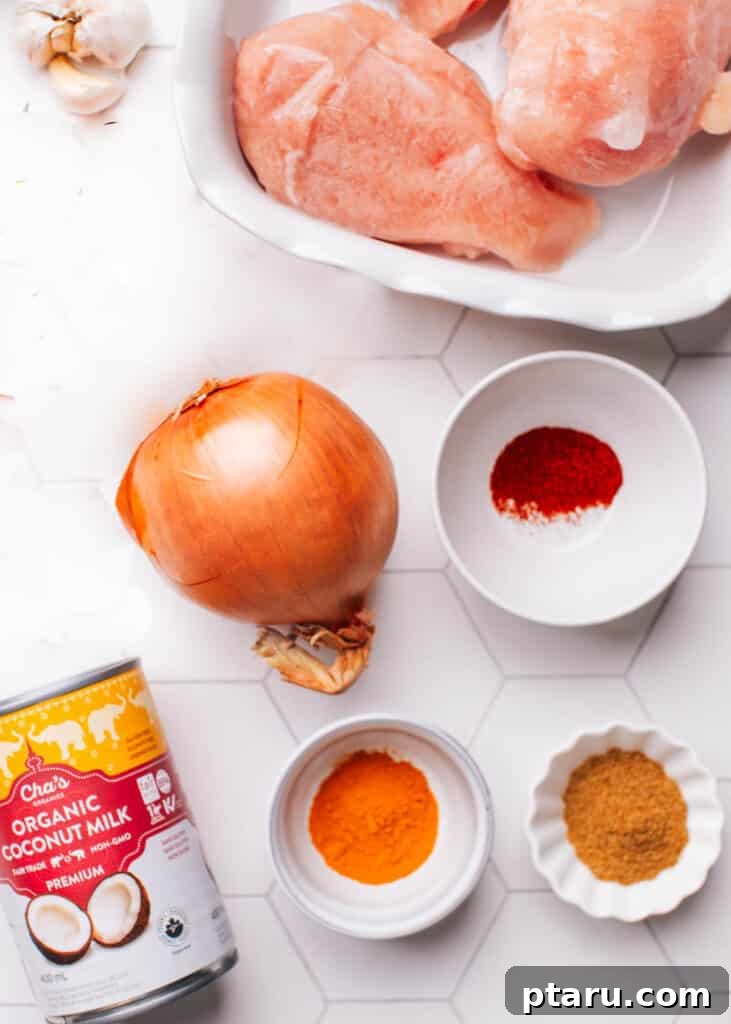
- Chopped Onion: Don’t be alarmed by what might seem like a generous amount of onion. In authentic Indian curry recipes, onions are slowly cooked until they soften significantly, practically disappearing into the sauce. This long sautéing process is crucial, as the caramelized onions form the sweet, savory, and thick body of the curry sauce, imparting incredible depth without being overtly present.
- Bell Pepper: Even if you’re not typically a fan of bell peppers, I implore you to trust this process! Bell peppers contribute a subtle, refreshing background note that brightens the overall flavor profile of the sauce. Much like the onions, they cook down and melt into the curry, becoming virtually undetectable in the final dish but leaving behind a wonderful freshness.
- Jalapeno: For those who appreciate a kick, the jalapeno delivers a pleasant, vibrant heat. You can adjust the amount (or remove seeds) to perfectly tailor the spice level to your preference.
- Curry Powder, Turmeric Powder, Cayenne Pepper: For curry powder, we’re talking about the standard UK/North American variety, which is a mild, flavorful blend. If you’re sourcing from Indian shops, Madras curry powder is an excellent and readily available substitute that offers a similar warmth and aromatic complexity. Turmeric not only adds its distinctive earthy notes but also lends that beautiful golden hue characteristic of many curries. Cayenne pepper is our primary heat source, allowing for easy adjustment to your desired spice level.
- Full-Fat Coconut Milk: This is key for achieving that luxurious, creamy texture and rich flavor. While you *can* use light coconut milk for a slightly less caloric option, it will result in a thinner, less decadent sauce. Crucially, avoid using “coconut milk beverage” from a carton (the kind you drink), as it’s too thin and lacks the richness needed for a proper curry.
- Boneless Skinless Chicken Breast: For quick cooking and easy preparation, chicken breast cut into 1-inch cubes is ideal. If you prefer a richer, more succulent texture, boneless, skinless chicken thigh is a fantastic alternative. Bone-in chicken can also be used, but be aware that it will require a longer cooking time to ensure it’s thoroughly cooked.
- Plain Yogurt: Stirred in at the end, plain yogurt adds a delightful tangy creaminess that beautifully balances the richness of the coconut milk and the warmth of the spices. It contributes a subtle sour note that is common in many Indian dishes.
To serve, a generous sprinkle of fresh, chopped cilantro (also known as coriander) adds a bright, herbaceous finish. For an extra layer of texture and nutty flavor, consider adding some lightly toasted cashews.
Delicious Variations and Substitutions
One of the beauties of this Coconut Curry Chicken recipe is its adaptability. Feel free to customize it to your liking and dietary needs:
- Green Onions as a Bell Pepper Alternative: Still hesitant about bell peppers despite my assurances? No problem! While bell peppers truly dissolve and add an unseen depth, you can easily swap them for ½ cup of finely chopped green onions. I’ve tried both, and green onions deliver a similar vibrant flavor pop that works wonderfully in this curry. Please avoid substituting with tomato, as it will alter the flavor profile too significantly for this particular recipe.
- For Extra Richness: If you’re aiming for an even more decadent sauce, replace the plain yogurt with heavy cream or coconut cream. Coconut cream, in particular, will enhance the tropical notes while providing an ultra-creamy consistency.
- Vegetarian & Vegan Options: This recipe is incredibly versatile for plant-based diets. Simply replace the chicken with a hearty protein like chickpeas (canned, rinsed, and drained), firm or extra-firm tofu (pressed, cubed, and lightly pan-fried until golden), or a medley of your favorite vegetables. For a vegan version, ensure you also swap the plain yogurt for extra coconut milk or a plant-based yogurt alternative.
- Adjusting the Heat Level: Control the spice to your preference. For a milder curry, reduce or omit the jalapeno and cayenne pepper. For a bolder, spicier kick, feel free to increase the amount of both, or even add a pinch of red chili flakes.
- Aromatic Ginger Boost: To add another layer of aromatic complexity, incorporate a tablespoon of fresh, finely-grated ginger along with the minced garlic. Ginger pairs beautifully with the other spices and adds a fresh, zesty warmth.
- Adding More Vegetables: Enhance the nutritional value and texture by incorporating other vegetables. Carrots, peas, potatoes (cubed), spinach (added at the end), or cauliflower florets are all excellent additions that simmer well in the curry sauce.
Gather Your Essential Kitchen Tools
Making this delightful curry requires only a few basic kitchen tools, making it accessible for any home cook:
- Large Pot or Dutch Oven: This is your primary vessel for cooking the curry. A large pot ensures enough space for all ingredients to simmer evenly, while a Dutch oven (with its heavy bottom) offers excellent heat distribution and retention, preventing sticking and ensuring a perfectly cooked sauce.
- Knife and Cutting Board: Indispensable for safely and efficiently chopping your onions, bell peppers, jalapeno, and cubing the chicken. Sharp knives make prep work quicker and safer.
- Measuring Spoons and Cups: Essential for accurately measuring spices, salt, and liquids, ensuring the perfect balance of flavors every time. Precision in measurements is key for consistent results in cooking.
- Spatula or Wooden Spoon: Used for stirring the ingredients, sautéing vegetables, and scraping the bottom of the pot to prevent sticking. A sturdy utensil will be your best friend throughout the cooking process.
- Regular or Immersion Blender (optional): If you prefer a silky-smooth curry sauce, an immersion blender is incredibly convenient for pureeing directly in the pot. A regular blender can also be used, but exercise caution when blending hot liquids. This step transforms the texture into a restaurant-quality finish.
How to Make Coconut Curry Chicken: A Simple Step-by-Step Guide
Follow this easy-to-understand guide to create a dish that’s bursting with flavor and guaranteed to impress, all with minimal fuss.
Step 1: Preparing and Sautéing the Vegetables
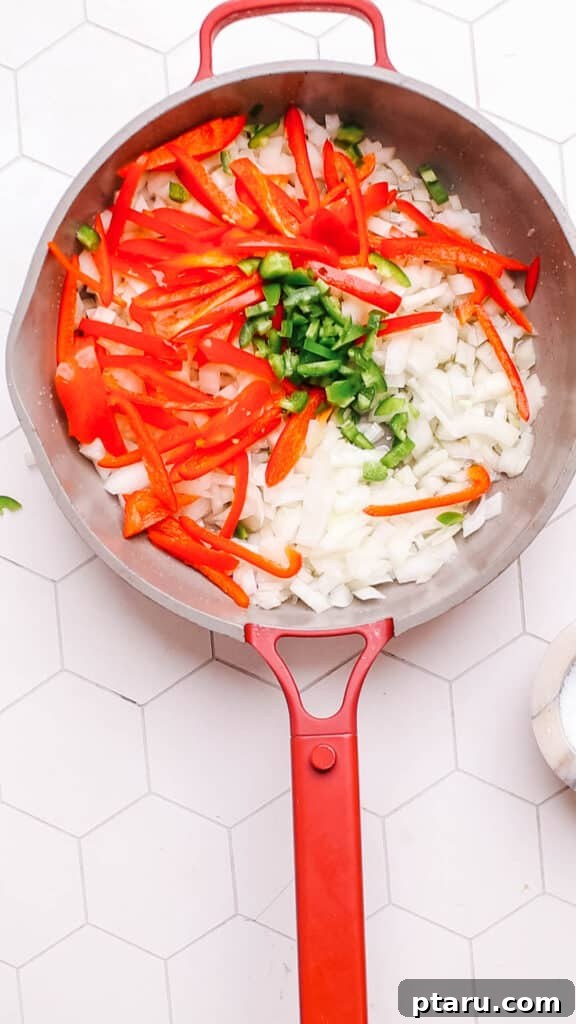
- Start with Sautéing: In your large skillet or Dutch oven, heat the oil over medium-high heat. Once shimmering, add the finely chopped onions, bell pepper, and jalapeno along with a teaspoon of salt. This initial salting helps draw out moisture and begin the tenderizing process. Cook these vegetables until they are incredibly soft and translucent, which should take approximately 15 minutes. Stir frequently to prevent burning and ensure even cooking. The goal is for the onions to almost melt into the background, forming the rich foundation of your sauce.
Step 2: Expertly Pre-Salting the Chicken
Pre-salting the chicken before incorporating it into the sauce is a game-changing technique that elevates the flavor of your curry. It’s a “boss” move for several compelling reasons:
- It ensures the chicken is seasoned right to its core, rather than just on the surface, guaranteeing flavorful bites in every spoonful.
- Pre-salting helps the chicken retain its natural moisture, resulting in tender, juicy pieces that won’t dry out during simmering. This is especially important for quick-cooking curries like this one.

Step 3: Crafting the Aromatic Coconut Curry Base
- Spice It Up: Once your vegetables are soft and sweet, add the minced garlic, curry powder, turmeric powder, and cayenne pepper to the pot. Cook this mixture for about 3 more minutes, stirring continuously. This step is crucial for “blooming” the spices, intensifying their flavors and aromas. You’ll notice the mixture deepen in color and release an incredibly fragrant scent.
- Adding Coconut Milk for Creaminess: Pour in the full-fat coconut milk and add an additional amount of salt to perfectly season the sauce. Bring the mixture to a gentle boil, then reduce the heat to low and allow it to simmer, uncovered, for 2 minutes. This brief simmer allows the flavors to meld beautifully. For those who prefer an extra smooth, restaurant-style curry, this is the ideal stage to use an immersion blender to puree the sauce directly in the pot. Alternatively, you can carefully transfer it to a regular blender. If you enjoy a bit of texture, simply leave it as is.
Step 4: Perfectly Cooking the Chicken
- Simmer the Chicken to Perfection: Gently add the pre-salted chicken pieces to the simmering curry sauce. Continue to simmer the curry, uncovered, until the chicken is thoroughly cooked through. This usually takes about 10-12 minutes, or until the chicken reaches an internal temperature of 165ºF (74ºC). Cooking uncovered allows excess moisture to evaporate, which helps the sauce to thicken naturally and concentrate its rich flavors. Towards the end, stir in the plain yogurt for an added layer of creamy tanginess.
This Coconut Curry Chicken is a truly delightful dish that effortlessly brings the exotic flavors of Indian cuisine to your table. Its ease of preparation combined with its vibrant taste makes it a perfect choice for both everyday family meals and when you desire something a little different yet wonderfully comforting.
Make Ahead and Storage Solutions for Your Curry
Maximize your time and ensure the continued freshness and deliciousness of your Coconut Curry Chicken with these convenient make-ahead and storage tips. This curry is excellent for meal prepping!
- Prep Vegetables Ahead: Save precious cooking time on busy days by chopping your onions, bell pepper, and jalapeno up to a day in advance. Store them in separate airtight containers in the refrigerator, ready to go when you are.
- Marinate Chicken for Enhanced Flavor: For an even deeper flavor profile, season your chicken with the specified salt amount and let it marinate overnight in the fridge. This allows the salt to penetrate the meat, ensuring every bite is exceptionally tender and flavorful.
- Refrigerate Leftovers Safely: Once cooked and cooled, transfer any leftover curry into an airtight container. It will keep beautifully in the refrigerator for up to 3 days, making it perfect for next-day lunches or quick dinners.
- Freeze for Future Meals: For longer storage, this curry freezes wonderfully. Portion the cooled curry into freezer-safe containers or bags, ensuring they are tightly sealed. It can be stored in the freezer for up to 3 months. When you’re ready to enjoy it, thaw the curry in the refrigerator overnight before gently reheating.
- Reheat Gently for Best Texture: To reheat, warm the curry over low heat on the stovetop, stirring occasionally. If the sauce appears too thick after refrigeration or thawing, add a splash of water or a little extra coconut milk to achieve your desired consistency. Avoid high heat, which can cause the chicken to toughen.
3 Common Mistakes to Avoid for Perfect Coconut Curry Chicken
Even with simple recipes, there are a few common pitfalls that can diminish the quality of your dish. Here are the most frequent mix-ups to steer clear of when preparing this delicious Coconut Curry Chicken, along with tips on how to avoid them:
- Underseasoning: A bland curry is often the result of insufficient seasoning. It’s crucial to season not only the sauce but also the chicken itself. By pre-salting the chicken separately as you prepare the curry base, you ensure that every component is flavorful through and through. This multi-layered seasoning approach builds a deeply savory and well-balanced dish. Remember to taste and adjust the salt content of your sauce before adding the chicken, and again at the very end.
- Overcooking the Chicken: Chicken breast cooks relatively quickly, and overcooking it can lead to dry, tough, and stringy meat, detracting significantly from the curry’s enjoyable texture. Simmer the chicken just until it’s cooked through – typically 10-12 minutes for 1-inch cubes. The best way to check for doneness is with an instant-read thermometer; the internal temperature should reach 165ºF (74ºC). Once it hits this temperature, remove it from the heat or serve immediately.
- Adding Too Much Liquid: It might be tempting to add extra water or broth if the sauce appears too thick initially. However, resist this urge! As the chicken cooks, it will naturally release its juices into the sauce, which thins it out and enriches the flavor. Adding extra water too early will dilute the concentrated flavors of the spices and coconut milk, resulting in a lackluster and watery sauce. Trust the process: the chicken juices will bring the sauce to that perfect, creamy consistency. If, after the chicken is fully cooked, you still desire a thinner sauce, add a very small amount of hot water or coconut milk, a tablespoon at a time, until the desired consistency is reached.
How to Serve Your Delicious Coconut Curry Chicken
Coconut Curry Chicken is a wonderfully versatile dish that lends itself beautifully to a variety of accompaniments. Here’s how to best enjoy this flavorful curry:
Pair this vibrant curry with:
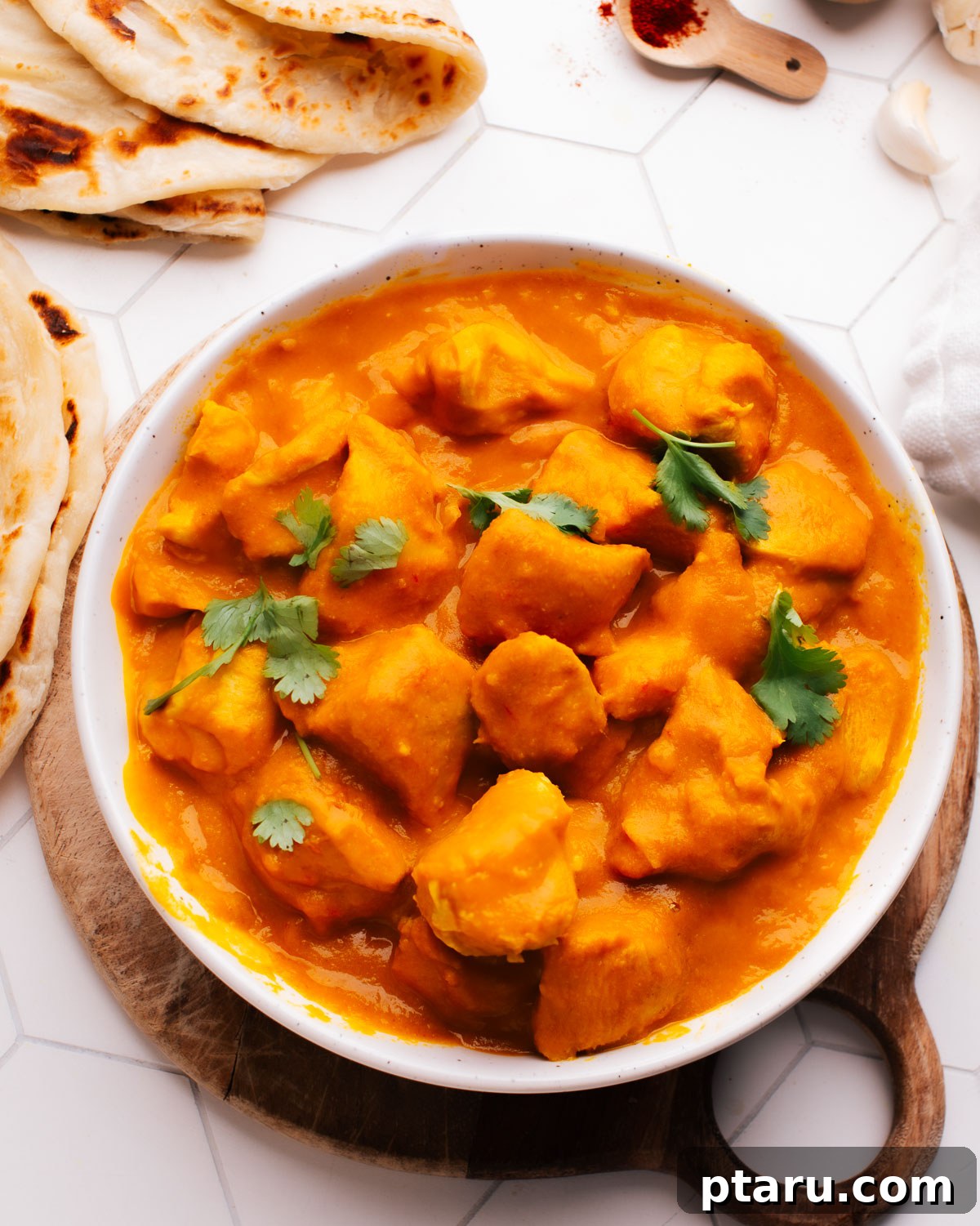
- Perfectly Steamed Rice: The classic choice! Serve your curry over a generous bed of fluffy basmati rice. Its delicate aroma and separate grains are ideal for soaking up every drop of the rich, creamy coconut curry sauce. For a lighter, lower-carb option, cauliflower rice makes an excellent substitute, offering a similar texture without overwhelming the flavors. Don’t miss my mother-in-law’s easy basmati rice recipe for the ultimate pairing.
- Warm Indian Breads: For an authentic experience, serve with freshly baked Indian flatbreads. Naan bread, especially soft and chewy butter naan, or aromatic garlic naan, is perfect for scooping up the luscious curry sauce. Other fantastic choices include traditional roti or the flaky, layered paratha, which adds a delightful textural contrast.

Complementary Side Dishes for Coconut Curry Chicken
Enhance your meal with these refreshing and flavorful side dishes:
- Cucumber Salad:A cool, crisp, and tangy Indian cucumber yogurt salad (raita) provides a delightful contrast to the rich and warm curry, offering a refreshing palate cleanser.
- Coconut Green Beans Indian Style: A light and flavorful stir-fry of green beans with coconut provides a wonderful texture and additional vegetable goodness, complementing the curry without overpowering it.
This Coconut Curry Chicken is not only a feast for the taste buds but also presents beautifully, making it perfect for both everyday family meals and more festive, special occasions. Enjoy creating and savoring this delightful dish!
Frequently Asked Questions About Coconut Curry Chicken
If you’ve got questions about making this fantastic Coconut Curry Chicken, you’re in the right place for clear, concise answers that will help you achieve the best results.
Yes, you can certainly use light coconut milk as a substitute for full-fat. However, please be aware that using light coconut milk will result in a less creamy, and slightly thinner curry sauce. For the richest and most authentic texture, full-fat coconut milk is highly recommended.
To kick up the heat, you have a few options. You can increase the amount of jalapeno pepper or cayenne pepper added to the curry base. For an even more intense spice, you can also add a pinch of red chili flakes or a finely minced Thai bird’s eye chili, adjusting to your personal preference.
Yes, using frozen chicken is perfectly acceptable, especially if it’s already pre-cut into cubes. However, if you’re starting with whole frozen chicken breasts or thighs, it’s crucial to thaw them completely in the refrigerator before cutting and cooking. This ensures even cooking and the best possible texture.
Absolutely! This curry is wonderfully adaptable to additional vegetables. Carrots, peas, potatoes (added early to cook through), spinach (stirred in at the end), or even cauliflower florets make fantastic additions that absorb the rich flavors beautifully. Feel free to use what you have on hand!
Store any leftover Coconut Curry Chicken in a clean, airtight container in the refrigerator. It will stay fresh and delicious for up to 3 days. This makes it an excellent option for meal prepping throughout the week.
Yes, this Coconut Curry Chicken recipe is naturally gluten-free! All the core ingredients – chicken, coconut milk, onions, bell peppers, and the specified spices – are typically gluten-free. However, it’s always a good practice to double-check the labels of any pre-packaged spices or curry powder you purchase, as some brands might include additives or be processed in facilities that handle gluten-containing ingredients.
Yes, transforming this into a delicious vegan curry is simple. Replace the chicken with chickpeas, lentils, or pan-fried tofu. Also, ensure you substitute the plain yogurt with extra full-fat coconut milk or a plant-based yogurt alternative to maintain creaminess.
For this recipe, any neutral cooking oil with a high smoke point is suitable. Vegetable oil, canola oil, or even refined coconut oil (which will enhance the coconut flavor) are great choices. Olive oil can also be used, but choose a lighter variety to avoid overpowering the delicate curry spices.
More Fan-Favorite Indian-Inspired Recipes to Explore
If you’ve enjoyed this delightful Coconut Curry Chicken, you’re sure to love these other popular Indian-inspired dishes:
- Masoor Dal (Indian Red Lentil Curry)
- Thai Red Coconut Curry Chicken
- Chicken Tikka
- Butter Chicken
- Chicken Korma
- Butter Paneer
- Coconut Curried Lentils
- Madras Lentils
- Malai Kofta
See also: Discover my BEST Indian Dinner Ideas and tempting Indian Dessert Recipes for a complete culinary adventure.
Ridiculously Easy Coconut Curry Chicken (SO Quick + Tasty!)
Jennifer Pallian BSc, RD
My Indian husband asks for 3 servings of this Coconut Curry Chicken, a delicious blend of tender chicken, creamy coconut milk, and simple Indian spices. It’s the quickest, easy chicken curry recipe – perfect for weekdays.
20 minutes
30 minutes
50 minutes
8
Ingredients
- 4 tbsp oil
- 2 ½ cups chopped onion
- 1 red bell pepper sliced
- 1 jalapeno chopped
- 3 ¼ tsp kosher salt divided use
- 2 tbsp minced garlic
- 3 tbsp curry powder
- ½ tsp turmeric powder
- ½ tsp cayenne pepper
- 1 14 oz can full-fat coconut milk
- 1 ¾ lb boneless skinless chicken breast cut in 1″ cubes
- ¼ cup plain yogurt or cream or more coconut milk
Instructions
-
Heat oil in a large skillet or Dutch oven over medium-high heat. Add onion, bell pepper, jalapeno, and 1 tsp salt. Cook until very soft, about 15 minutes, stirring frequently until onions are translucent and melted into the base.
-
While the vegetables cook, sprinkle chicken evenly with 1 ½ tsp salt and let stand. This pre-salting step enhances flavor and moisture retention.
-
Add minced garlic, curry powder, turmeric, and cayenne to the softened onion mixture; cook for 3 minutes more, stirring often, until the mixture turns a shade darker and becomes intensely fragrant. Pour in the full-fat coconut milk along with ¾ tsp more salt. Bring to a boil, then reduce heat to low and simmer the sauce uncovered for 2 minutes. At this point, you can use an immersion blender (or carefully a regular blender) to puree the sauce for a smoother consistency, or leave it as is for a rustic texture.
-
Add the pre-salted chicken to the sauce and simmer, uncovered, for 10-12 minutes until the chicken is cooked through (it should reach 165ºF internal temperature). Stir in the plain yogurt (or cream/extra coconut milk) just before serving to add a final touch of creamy tanginess.
Notes
Pre-salting the chicken ensures it is properly seasoned and never bland, even with the quick cooking time of this curry. This technique locks in flavor and moisture.
It’s important to simmer the chicken uncovered because, even though the sauce may appear thick initially, the chicken will release a significant amount of moisture. Simmering uncovered allows this excess moisture to evaporate, concentrating the flavors and resulting in a rich, perfectly thickened sauce. If you simmer the curry covered, it will create a more watery sauce with less intense flavor.
If you genuinely do not like bell peppers, you can replace them with ½ cup of finely chopped green onions. Trust me, it adds a similar pop of vibrant flavor and just works! However, do not swap in tomatoes, as they will drastically change the flavor profile of this specific curry.
Nutrition
Calories: 338kcal | Carbohydrates: 11g | Protein: 24g | Fat: 23g | Saturated Fat: 13g | Polyunsaturated Fat: 3g | Monounsaturated Fat: 6g | Trans Fat: 0.04g | Cholesterol: 65mg | Sodium: 858mg | Potassium: 677mg | Fiber: 3g | Sugar: 5g | Vitamin A: 597IU | Vitamin C: 29mg | Calcium: 51mg | Iron: 2mg
Nutrition information is automatically calculated, so should only be used as an approximation.
Tried this recipe? Share your experience in the comments below!