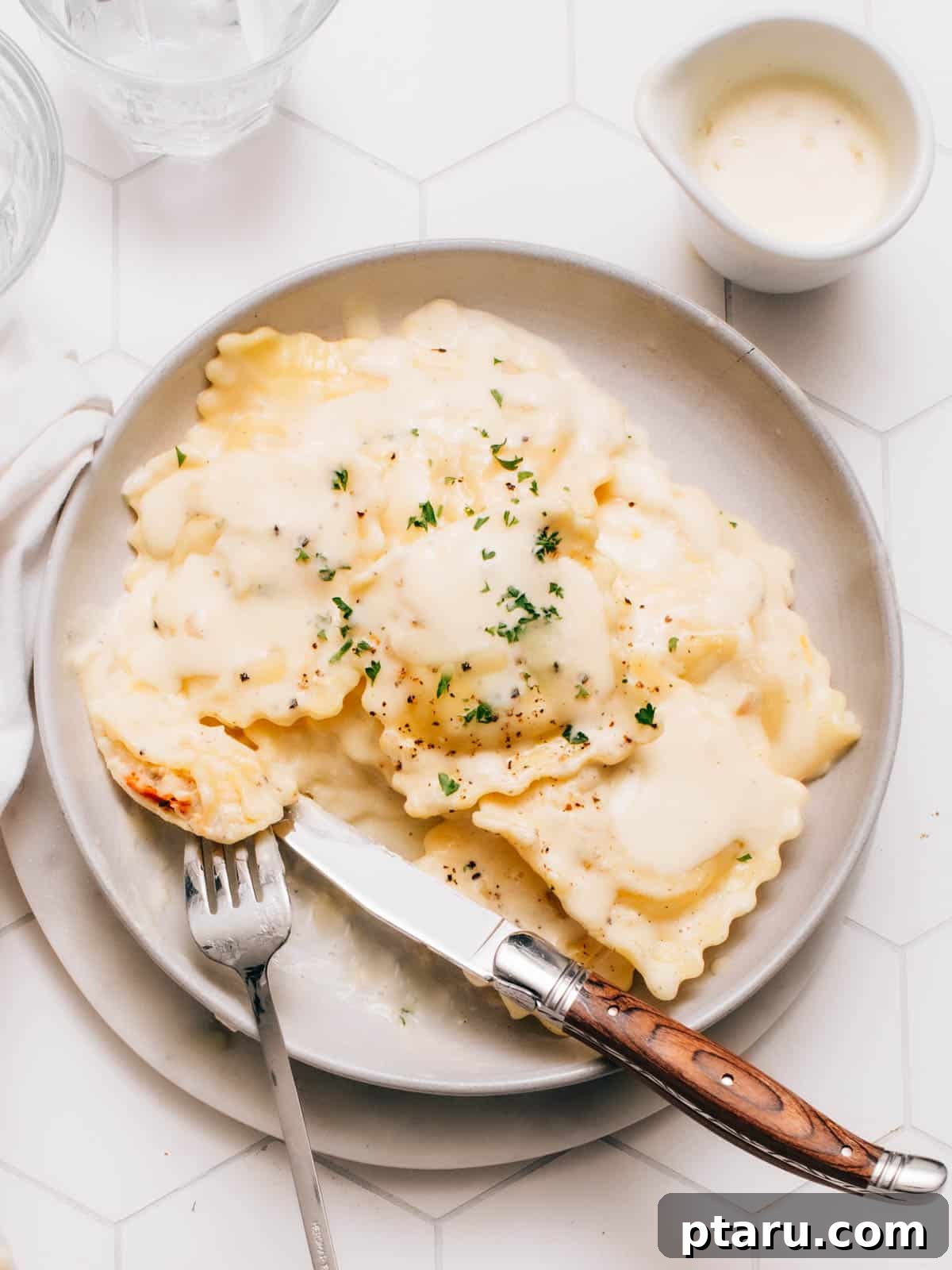
There’s nothing quite like the delicate texture and rich flavor of fresh ravioli. These delightful pasta pockets, whether filled with creamy ricotta, savory meat, or sweet squash, offer a comforting and elegant meal. While they might appear simple to prepare, achieving that perfect al dente bite without them breaking apart or sticking can be a culinary challenge. This comprehensive guide will equip you with all the knowledge and techniques you need to master the art of cooking fresh ravioli, ensuring tender, delicious results every time.
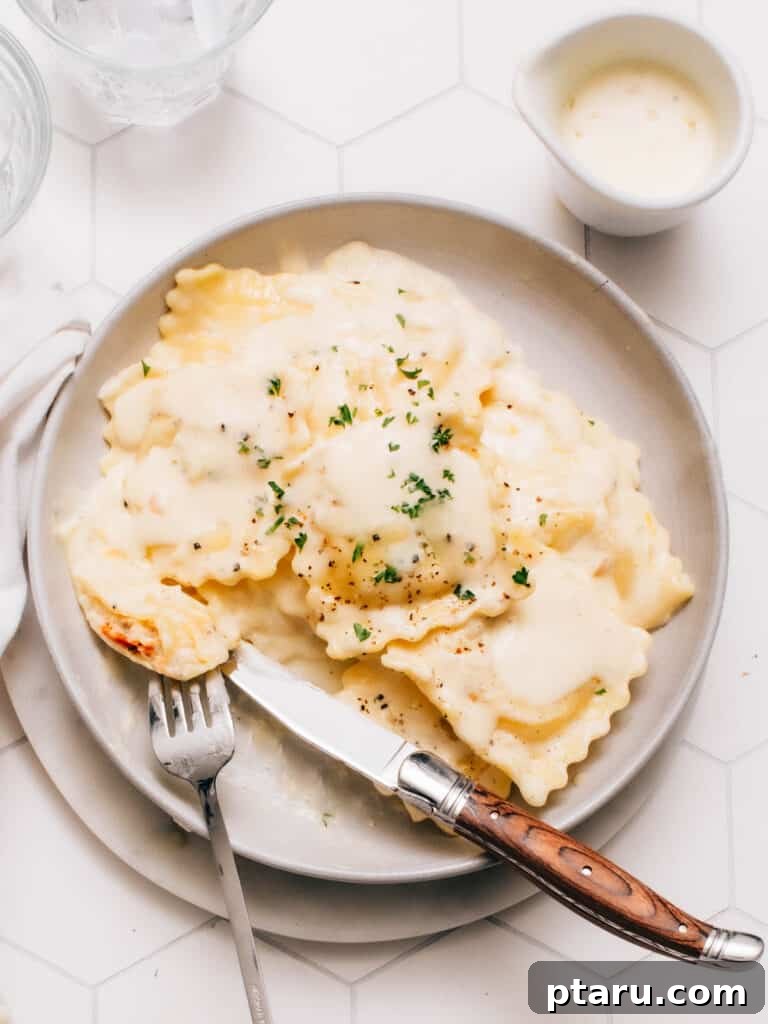
From understanding the ideal cooking times to implementing smart strategies against common mishaps, we’ll walk you through every step. Follow these tried-and-tested tips, and you’ll be serving restaurant-quality ravioli with confidence.
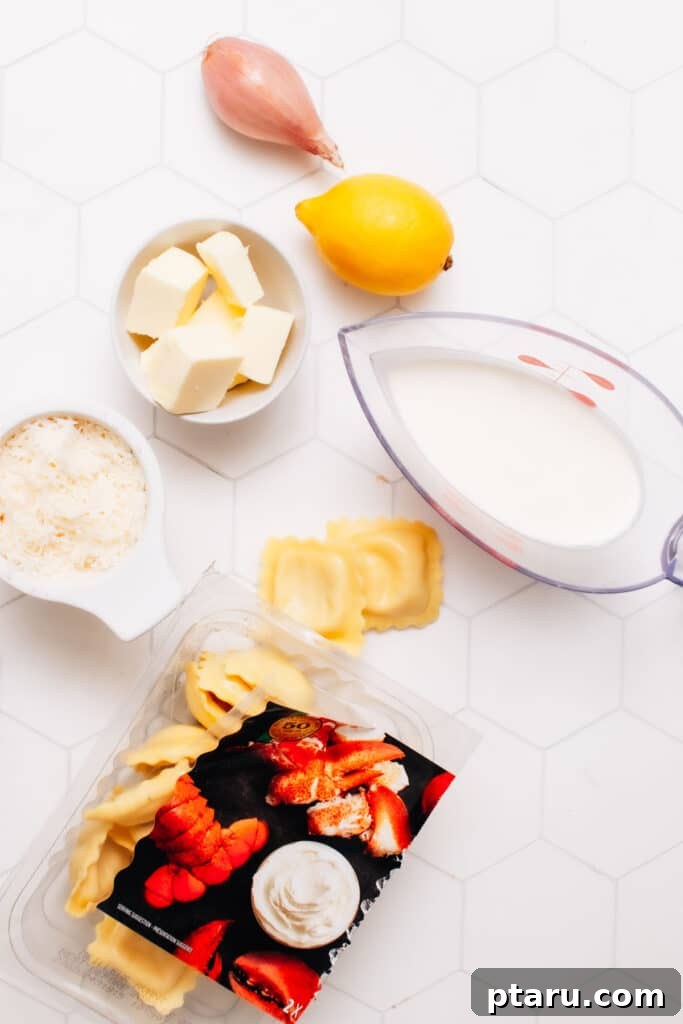
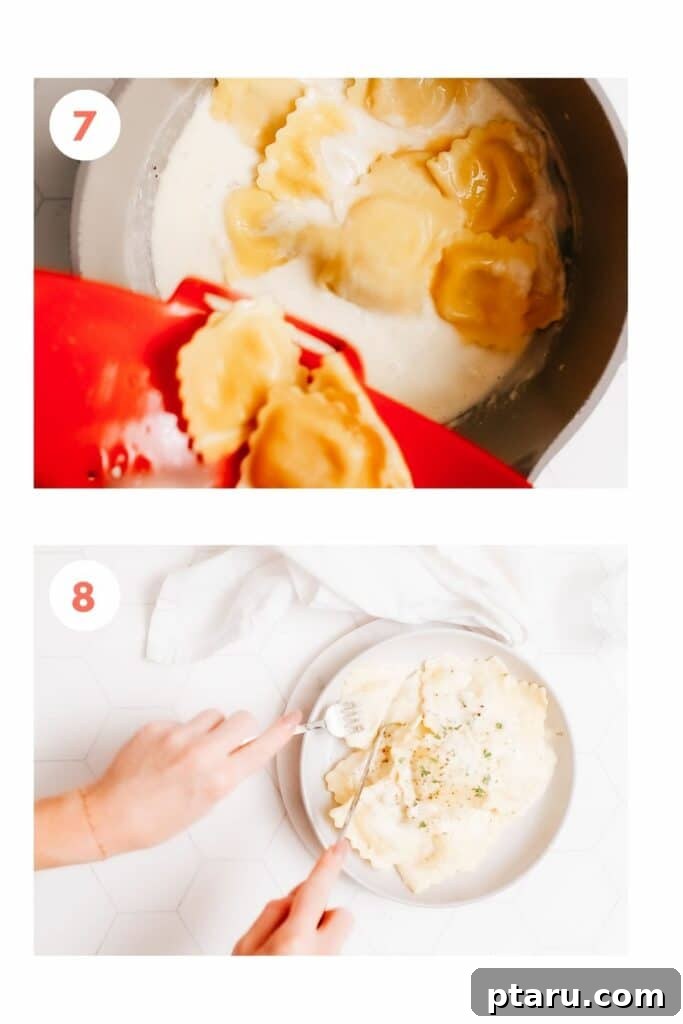
If you’re looking to embark on the rewarding journey of making ravioli from scratch, explore my cozy recipe for Butternut Squash and Mascarpone Ravioli with Hazelnut Brown Butter. For those who prefer the convenience of store-bought fresh ravioli, elevate your dish with my exquisite Lobster Ravioli with a Creamy, Lemony Pasta Sauce. You are guaranteed to love the incredible flavor results!
The Allure of Fresh Ravioli: A Culinary Delight
Ravioli, a cornerstone of Italian cuisine, holds a special place in the hearts of food lovers worldwide. These small, often square, pasta parcels encase a myriad of delectable fillings, offering a burst of flavor with every bite. Unlike their dried counterparts, fresh ravioli boasts a tender, delicate texture that cooks rapidly and absorbs sauces beautifully. Its versatility allows for endless culinary creativity, from rustic, hearty dishes to sophisticated, light preparations. Understanding the unique characteristics of fresh ravioli is the first step to cooking it to perfection.
Whether you’re serving it as a simple weeknight dinner or as an impressive dish for guests, knowing how to properly cook fresh ravioli transforms a good meal into a great one. The difference between perfectly cooked ravioli and overcooked, mushy pasta is immense, and it often comes down to a few critical techniques and a keen eye on the clock.
The Essential Method: How Is Ravioli Cooked?
The most traditional and widely accepted method for cooking ravioli, and the focus of this article, is boiling in salted water. This method ensures even cooking and allows the delicate pasta to retain its shape and texture. However, ravioli can also be prepared using several other delightful techniques:
- Poached in Broth or Sauce: Sometimes, ravioli is gently poached directly in a flavorful broth or a creamy marinara sauce. This infuses the pasta with the sauce’s essence as it cooks, resulting in a deeply integrated flavor profile.
- Steamed: Steaming offers a lighter approach, preserving the integrity of the pasta and often resulting in a very tender texture, especially for delicate fillings.
- Pan-Fried: For a crispy exterior and a chewy interior, pan-frying cooked or sometimes even uncooked ravioli in butter or olive oil is an excellent option. This method creates a textural contrast that is incredibly satisfying.
- Baked (Ravioli Bake): Ravioli bakes involve layering uncooked or par-cooked ravioli with sauce, cheese, and other ingredients, then baking it until bubbling and golden. This is a hearty, comforting dish often reminiscent of lasagna.
While these alternative methods are delicious, boiling remains the most common and arguably the easiest way to achieve consistent results, particularly when focusing on the perfect texture of the pasta itself.
Mastering the Boil: How Long to Cook Fresh Ravioli For?
The cooking time for fresh ravioli is remarkably short, often surprising those accustomed to dried pasta. Typically, fresh ravioli boils for approximately 4 to 5 minutes until it is tender and cooked through. However, this is a general guideline, and the exact time can vary based on several crucial factors:
- Size of the Ravioli: Larger ravioli, such as jumbo or specialty sizes, may require an additional minute or two to ensure the filling heats through and the pasta is tender.
- Thickness of the Pasta Dough: Hand-rolled or artisanal ravioli might have slightly thicker dough, extending the cooking time compared to thinner, mass-produced varieties.
- Type and Density of the Filling: While the pasta itself cooks quickly, a very dense or cold filling might need a bit longer to heat thoroughly. Lighter, ricotta-based fillings usually heat up faster.
- Package Instructions: Always, always refer to the specific cooking instructions on the ravioli package if you are using store-bought pasta. Manufacturers often provide precise times tailored to their product.
The key is to watch the ravioli carefully during the cooking process. Overcooking is the most common mistake and leads to mushy, unappetizing pasta. You want to remove them from the water at the precise moment they reach that ideal tender-yet-firm texture, known as “al dente.”
Signs of Perfection: How Do I Know When Ravioli Is Done?
Knowing exactly when your fresh ravioli is perfectly cooked is an art that combines visual cues, tactile sensation, and ultimately, taste. Here’s how to tell when your ravioli is ready to be enjoyed:
- Texture – The Al Dente Test: The most reliable indicator is the texture. A perfectly cooked ravioli should be tender and yielding when bitten, but still possess a slight firmness or “bite” to it. It should not be overly soft, gummy, or mushy. Take one out with a slotted spoon and carefully taste it. This is the ultimate test!
- Appearance – Floating to the Surface: As ravioli cooks, it absorbs water, becomes lighter, and eventually floats to the surface of the boiling water. This is a strong visual cue that it is nearing completion, or is potentially done. However, floating alone is not a definitive sign of doneness, especially for larger or very dense ravioli. Always follow up with a taste test to confirm.
- Checking Stuffed Ravioli: If you’re cooking stuffed ravioli, it’s also important to ensure the filling is heated through. Carefully remove one piece, cut it in half, and check the temperature of the interior. The filling should be hot, not just warm. Be cautious not to burn yourself when performing this test.
Remember to exercise caution when fishing out a test piece from boiling water; a slotted spoon is your best friend here. By combining these observations, you’ll consistently achieve perfectly cooked ravioli.
Common Challenges & Solutions: Ensuring Flawless Ravioli
Even seasoned cooks can face challenges when preparing fresh ravioli. The delicate nature of the pasta and its filling can lead to issues like breaking or sticking. Here are detailed tips to prevent these common problems and ensure your ravioli turns out perfectly every time.
Preventing Ravioli from Breaking: Handle with Care
To prevent your precious ravioli from breaking apart in the boiling water, heed these critical tips:
- Avoid Overstuffing: This is arguably the most crucial tip for homemade ravioli. Leave sufficient space around the edges when filling to allow for a proper, secure seal without straining the dough. An overstuffed ravioli will burst as the filling expands during cooking.
- Handle Gently: Fresh ravioli, especially homemade varieties, is incredibly delicate. Always handle your pasta “babies” with the utmost care. Use a wide, flat slotted spoon or spider skimmer for transferring them to and from the boiling water, and stir them very gently during cooking.
- Seal Properly: For homemade ravioli, ensure the edges are sealed firmly. Press out any air bubbles around the filling, as these pockets of air can expand and cause the pasta to rupture. A fork crimp or a pasta wheel can help create a strong, beautiful seal.
- Use Fresh Pasta: Fresh pasta dough is inherently more pliable and elastic than dried pasta, making it less prone to breaking. If possible, opt for fresh ravioli for the best results and lowest risk of breakage.
- Boil Gently: When cooking ravioli, use a gentle simmer or a rolling boil, not a vigorous, turbulent boil. Rapidly boiling water can cause the pasta pieces to collide with each other or forcefully hit the pot’s surface, leading to tears and breakage.
- Use Lots of Water and a Large Pot: This cannot be stressed enough. Utilize a generously sized pot, even if it seems oversized, and fill it with plenty of water. Crowding ravioli in a small pot with insufficient water will not only make them stick together but also increases the chances of them bumping and tearing. Ample water also helps maintain a consistent temperature.
- Salt the Water Generously: This isn’t just for flavor. Salting the water helps season the pasta from within and can also slightly firm up the dough, making it less susceptible to breakage. Aim for water that tastes like the sea.
- Check Doneness Early: Start checking for doneness a minute or two before the recommended cooking time. This proactive approach helps prevent overcooking, which can lead to delicate ravioli falling apart.
By diligently following these guidelines, you significantly reduce the risk of your ravioli breaking during the cooking process, allowing you to enjoy perfectly intact, delicious pasta.
Stopping Ravioli from Sticking: A Smooth Experience
The combination of flour and eggs in pasta dough can sometimes lead to ravioli sticking together, forming an unappealing clump. Here’s how to ensure each piece remains separate and perfectly cooked:
- Use Plenty of Water in a Large Pot: This echoes the advice for preventing breakage because it’s vital for preventing sticking too. A large volume of water in a spacious pot gives the ravioli ample room to move freely, preventing them from clumping together or sticking to the bottom of the pot.
- Stir Gently Immediately: As soon as you add the ravioli to the boiling water, give them a gentle stir with a wooden spoon or spatula. This crucial initial stir prevents them from settling on the bottom and adhering to the pot or each other during the first minute of cooking.
- Maintain a Gentle Boil: As previously mentioned, a gentle boil is preferable to a rapid, violent one. Less turbulence in the water reduces the likelihood of ravioli bumping into each other and sticking.
- Opt for Fresh Pasta: Fresh ravioli generally tends to be less prone to sticking than dried varieties. If you’re making homemade ravioli, using a well-made, pliable fresh pasta dough will also contribute to a non-stick outcome.
- Avoid Overcrowding: If you’re cooking a large quantity of ravioli, cook them in batches. Overcrowding the pot drastically increases the chances of them sticking together due to insufficient space and a drop in water temperature.
- Remove Quickly and Consider Olive Oil: Once the ravioli are cooked, remove them promptly from the hot water using a slotted spoon or spider skimmer. Don’t let them sit in the water for too long after they’re done. As soon as they are drained, you can toss them in a splash of good quality olive oil or immediately with your sauce. This light coating of oil creates a barrier that further prevents sticking as they cool or wait to be served.
By implementing these straightforward tips, you can effectively prevent your ravioli from sticking together, ensuring each delicious piece retains its individual charm and perfect texture.
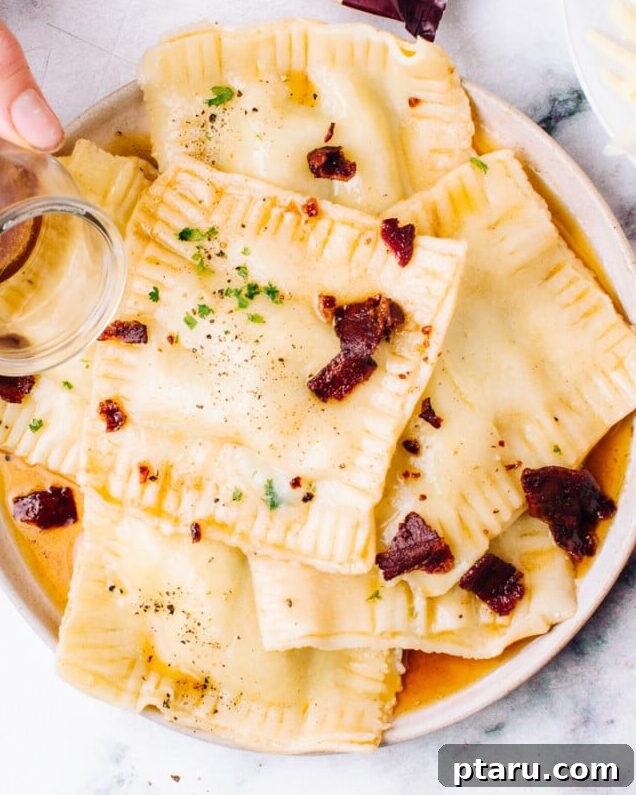
Beyond the Basics: Advanced Tips for Ravioli Enthusiasts
Once you’ve mastered the core techniques, consider these additional tips to further enhance your ravioli cooking experience.
Storing Cooked Ravioli: Make Ahead & Reheat
Yes, you can cook fresh ravioli in advance! To do so, cook it al dente, then immediately drain and shock it in an ice bath to stop the cooking process. Once cooled completely, toss the ravioli with a little olive oil to prevent sticking. Store them in a single layer in an airtight container in the refrigerator for 1-2 days. To reheat, you have a few options: gently dip them into hot, simmering water for just 30-60 seconds, or toss them directly into a warm sauce for a minute or two until heated through. Avoid microwaving, as it can lead to a rubbery texture.
Al Dente Perfection: The Italian Way
“Al dente” literally means “to the tooth” in Italian, referring to pasta that is cooked through but still firm when bitten. For fresh ravioli, achieving al dente means it will be tender and enjoyable but won’t collapse or feel mushy. This texture offers a satisfying chew and prevents the ravioli from becoming overly saturated by the sauce. As noted, fresh ravioli cooked al dente typically takes about 4 to 5 minutes in boiling water. Always taste to confirm.
Reusing Boiling Water: Practical Tips
While you can reuse the same boiling water for multiple batches of ravioli, it’s essential to ensure the water returns to a rolling boil before adding each subsequent batch. The starch released from the pasta can also accumulate, potentially making the water cloudy and slightly thicker, which can sometimes contribute to stickiness if too much starch builds up. For best results, especially if cooking many batches, replenish a little fresh water and re-salt, or simply start with fresh water after 2-3 batches. Maintaining water temperature is key to consistent cooking.
The Impact of Filling on Cooking Time
While the pasta dough cooks in a consistent timeframe, the filling can slightly influence the overall cooking duration. Ravioli with denser fillings, such as ground meat, firm cheeses, or root vegetables, may require an extra minute or so to ensure the filling is thoroughly heated and cooked through. Lighter fillings like ricotta cheese, spinach, or delicate seafood will heat up quickly along with the pasta. When tasting for doneness, always check that the filling’s temperature is just right.
Frequently Asked Questions (FAQs) About Cooking Ravioli
How long should I boil fresh ravioli?
Fresh ravioli typically cooks very quickly. Boil them in generously salted water for approximately 4 to 5 minutes. They should float to the surface and be tender to the bite but still slightly firm (al dente). Always check package instructions first and taste-test to confirm doneness.
Is ravioli done when it floats?
Floating is a good indicator that ravioli is nearing completion, as it becomes lighter when cooked. However, it’s not a definitive sign of being fully cooked. Always follow up by checking the texture and tasting a piece to ensure it’s tender and the filling is hot.
Does the cooking time vary based on the filling?
The cooking time for the pasta itself remains fairly consistent. However, if the ravioli has a particularly dense or frozen filling (like a meat or thick vegetable blend), it might require an extra minute or so for the filling to heat through completely. Lighter, softer fillings typically heat up at the same pace as the pasta cooks.
Can I cook fresh ravioli in advance?
Yes, you can cook fresh ravioli in advance. Cook them al dente, then immediately transfer to an ice bath to stop cooking. Drain well, toss lightly with olive oil to prevent sticking, and store in a single layer in an airtight container in the refrigerator for up to 1-2 days. Reheat gently in hot water or directly in warm sauce.
How do I prevent fresh ravioli from becoming soggy?
To prevent soggy ravioli, avoid overcooking them. Remove them from the boiling water as soon as they are tender-crisp (al dente) and float to the surface. Shocking them briefly in cold water after draining can also help halt the cooking process and preserve their texture.
Is there a difference in cooking time between fresh and dried ravioli?
Absolutely. Fresh ravioli cooks significantly faster than dried ravioli, typically taking 4-5 minutes. Dried ravioli needs more time to rehydrate and cook, often requiring 10-15 minutes or more. Always consult the package instructions for dried pasta.
Can I use the same boiling water for multiple batches of ravioli?
Yes, you can reuse the boiling water for multiple batches. However, ensure the water returns to a vigorous boil before adding each new batch. You might also want to add a little extra salt and a splash of fresh water, especially after several batches, as starch can accumulate and dilute the saltiness.
How long is al dente for ravioli?
For fresh ravioli, “al dente” is usually achieved in about 4 to 5 minutes of boiling. The pasta should be firm to the bite but tender throughout, offering a slight resistance without being hard or raw. Taste-testing is the best way to confirm this perfect texture.
How do you know if fresh pasta is cooked?
Fresh pasta is typically cooked when it floats to the surface of the boiling water and has a tender yet firm, al dente texture. The best way to know for sure is to remove a piece and taste it.
How long should I cook frozen ravioli for?
Frozen ravioli generally takes a bit longer than fresh. Cook frozen ravioli for roughly 6-8 minutes, or until they float and are tender. The exact boiling time can vary based on the size and thickness of your frozen ravioli, so checking the package instructions is crucial.
Can the type of ravioli filling affect the total cooking time?
Yes, denser fillings (like meat, firm cheese, or certain vegetables) may require a slightly longer cooking time (an extra minute or two) to ensure the interior is thoroughly heated. Lighter, softer fillings (such as ricotta or spinach) usually heat through very quickly.
Recipe: Simple Boiled Fresh Ravioli (for 4 servings)
Simple Boiled Fresh Ravioli
By: Jennifer Pallian BSc, RD
Learn how to cook fresh ravioli to perfection. This method ensures tender, well-cooked pasta by boiling, with a focus on how long to cook fresh ravioli for best results.
Prep Time: 5 minutes
Cook Time: 5 minutes
Servings: 4
Ingredients:
- 4 quarts water
- 2 tbsp kosher salt
- 1 lb fresh ravioli
Instructions:
- Bring 4 quarts of water to a rolling boil in a large pot. Stir in 2 tbsp of kosher salt into the boiling water.
- Gently add 1 lb of fresh ravioli to the pot. Boil the ravioli for 4 to 5 mins, watching carefully to prevent overcooking.
- Ravioli are ready when they float to the top and feel tender yet firm to the touch. Test one ravioli with a slotted spoon for doneness, ensuring the filling is hot if they’re stuffed. Adjust boiling time as needed based on the ravioli’s size and thickness.
Notes:
- Boiling time can vary depending on the ravioli, so keep an eye on them.
- Aim for a texture that’s tender but still has a bit of bite to avoid mushy pasta.
- Always refer to package instructions if available for specific guidance.
- Use a slotted spoon to safely test and remove the ravioli from the boiling water.
Nutrition (Approximate, per serving):
- Calories: 378kcal
- Carbohydrates: 47g
- Protein: 17g
- Fat: 13g
- Saturated Fat: 4g
- Cholesterol: 61mg
- Sodium: 4235mg
- Potassium: 1mg
- Fiber: 3g
- Sugar: 2g
- Calcium: 53mg
- Iron: 12mg
Nutrition information is automatically calculated, so should only be used as an approximation.
Delicious Pairings: Pasta Sauces You’ll Love
The perfect sauce can elevate your freshly cooked ravioli from simple to spectacular. Here are some incredible pasta sauces that pair wonderfully with various ravioli fillings:
- Lazy Lasagna (made with fresh ravioli and jarred tomato sauce – seriously so good!)
- Lobster Ravioli Sauce
- Seafood Pasta with Cream Sauce
- Beet Pasta Sauce
- The Best Meat Sauce
- Asiago Tortelloni Alfredo with Grilled Chicken
- Mushroom Pappardelle
Next Reading: For those inspired to create pasta from the very beginning, discover How to Make Pasta From Scratch.