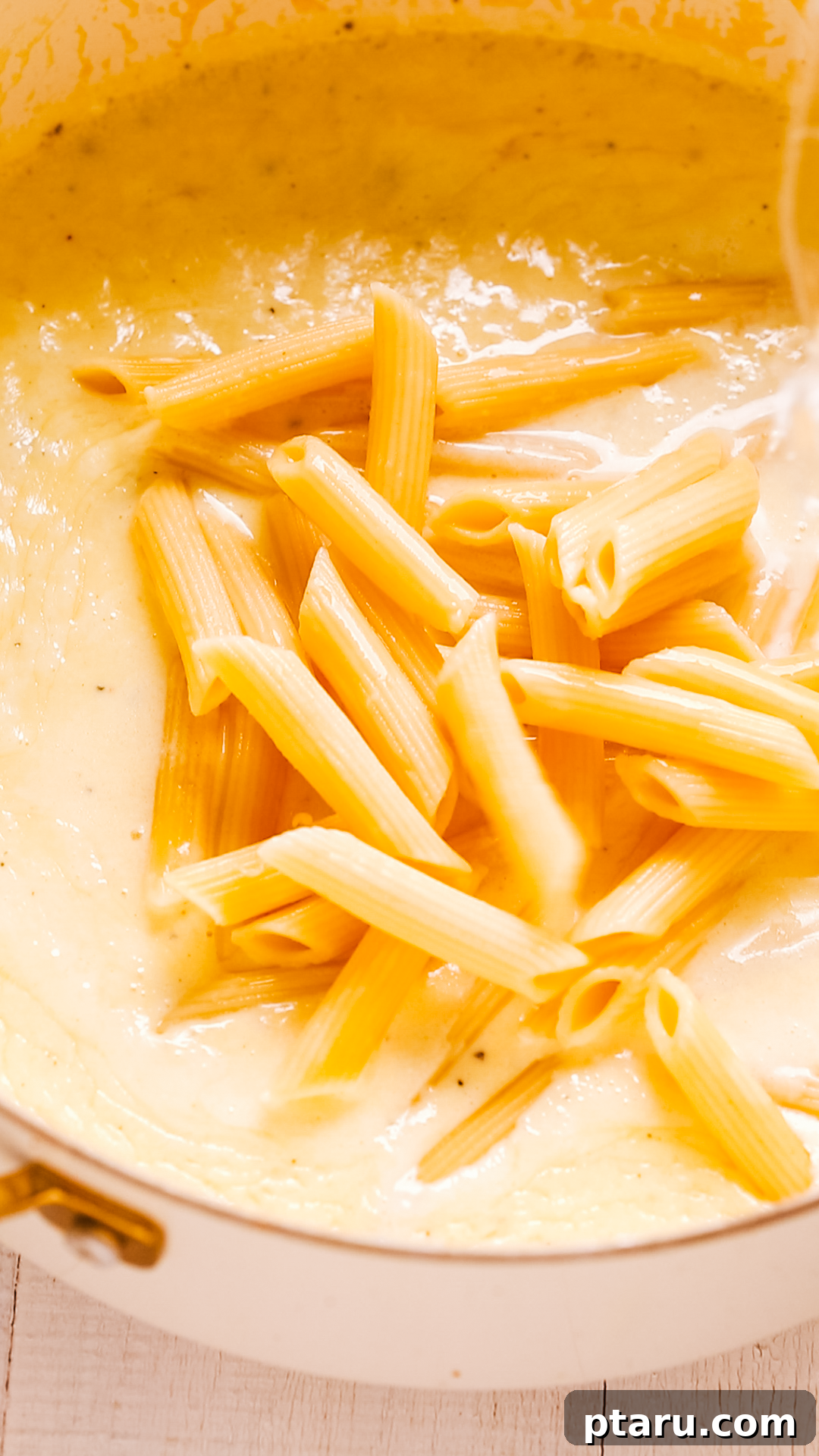
Instant Pot Pasta has revolutionized the way countless home cooks approach weeknight meals. This method truly is a game-changer for anyone seeking a super easy, hands-off, and consistently delicious pasta experience. Imagine skipping the usual chore of waiting for water to boil, constant stirring to prevent sticking, and the messy task of draining. With the right measurements and techniques, you can achieve perfectly cooked, al dente pasta with minimal effort, making it an indispensable hack for busy lifestyles.
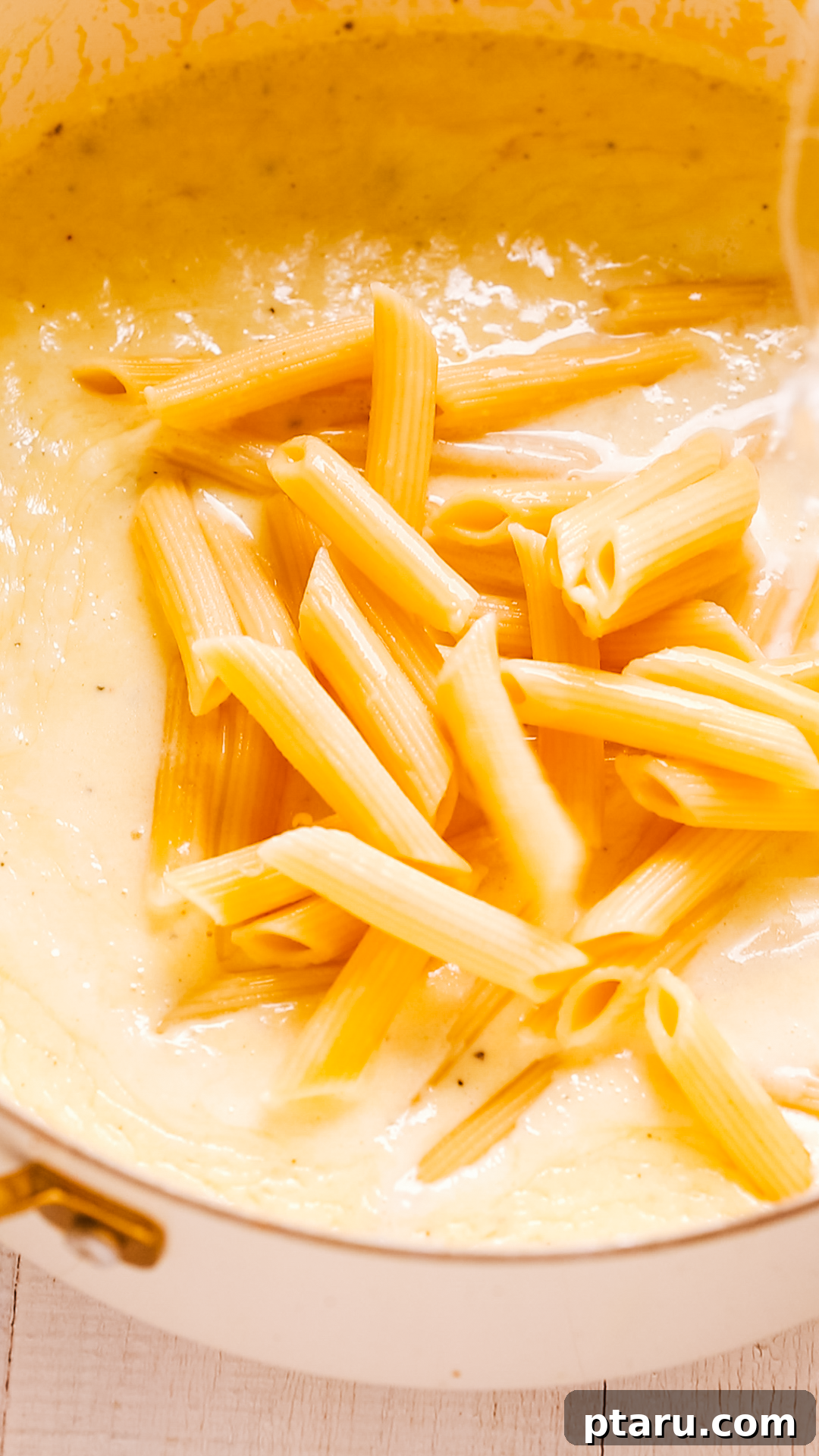
This innovative cooking approach has quickly become a kitchen favorite, and for good reason. Here’s why Instant Pot pasta is a must-try for everyone:
- No More Sticking: Unlike traditional stovetop cooking where pasta can notoriously clump and stick to the bottom of the pot, the pressure cooking environment of the Instant Pot helps circulate the water evenly, greatly reducing the risk of sticky, mushy pasta.
- Lightning Fast & Truly Hands-Off: Say goodbye to hovering over a boiling pot. Once you’ve added your ingredients and set the timer, you can literally “set and forget” until it’s time for the quick release. This frees up precious time, making it ideal for busy evenings.
- Consistently Perfect Al Dente Texture: Achieving that coveted al dente bite is often a delicate balance on the stovetop. With our precise timing method for the Instant Pot, you’ll get perfectly cooked pasta every single time, without any risk of it turning into an overcooked, gloopy mess.
Looking for more ingenious Instant Pot recipes? Don’t miss our incredibly flavorful Mexican Rice recipe in the Instant Pot, another staple for quick and tasty meals.
Gather Your Essentials: What You Need for Instant Pot Pasta
Preparing Instant Pot pasta is wonderfully straightforward, requiring only a few basic ingredients and tools that you likely already have on hand. Let’s make sure you’re ready to get started right away!
Key Ingredients for Instant Pot Pasta
The beauty of this recipe lies in its simplicity. Grab your preferred pasta and a couple of essential additions for your Instant Pot:
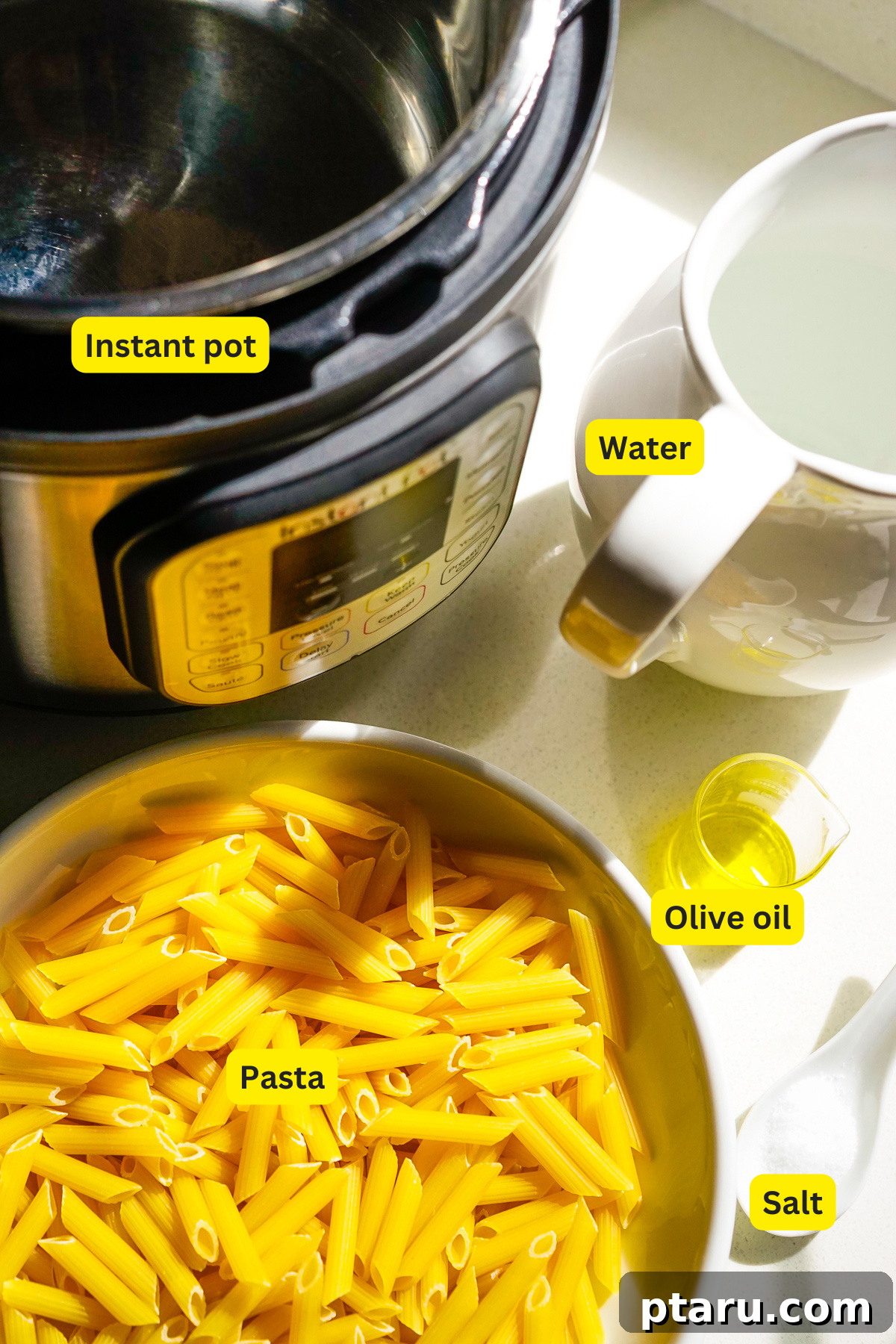
- Pasta: The versatility of Instant Pot pasta means you can use almost any shape. Short pasta varieties like penne, rigatoni, rotini, or elbow macaroni work exceptionally well, cooking evenly. Even long noodles like spaghetti or fettuccine can be used; simply break them in half to ensure they fit properly below the liquid line and cook consistently. Whole wheat pasta is also a fantastic option, offering a healthier alternative without compromising texture.
- Water or Broth: This is arguably the most critical ingredient. The correct liquid ratio is key to preventing soggy or undercooked pasta. Generally, you’ll need just enough liquid to barely cover the pasta. Using vegetable or chicken broth instead of water can infuse your pasta with an extra layer of flavor, making it delicious even when served plain.
- Salt: A non-negotiable for flavorful pasta! Salt is essential for seasoning the pasta from the inside out as it cooks, enhancing its natural taste and preventing it from being bland. Don’t skip this step – it makes a huge difference.
- Butter or Olive Oil: A tablespoon of either butter or olive oil serves a dual purpose in this recipe. Firstly, it helps to significantly reduce foaming during the pressure cooking process, which can sometimes be an issue with starchy foods. Secondly, it aids in preventing the pasta from sticking together, ensuring individual strands or pieces cook perfectly.
Detailed ingredient quantities can be found in the comprehensive recipe card located at the bottom of this article.
Substitutions and Creative Variations
One of the best aspects of Instant Pot pasta is its adaptability. Feel free to experiment with different types of pasta and oils to suit your dietary needs or flavor preferences:
- Pasta Type: For those with dietary restrictions or looking for healthier options, gluten-free pasta varieties (rice, corn, lentil, chickpea) or whole-wheat pasta are excellent choices. Be mindful that gluten-free pasta often cooks faster, so you might need to slightly adjust your cooking time.
- Butter vs. Olive Oil: If you’re aiming for a vegan-friendly dish or simply prefer a different flavor profile, swap butter for a neutral-flavored dairy-free oil such as coconut oil or avocado oil. Both will perform the essential task of preventing foaming and sticking effectively.
- Flavor Boosters: Elevate your plain pasta by adding aromatics to the liquid. A clove of minced garlic, a teaspoon of onion powder, or a pinch of Italian seasoning can transform simple pasta into a flavorful side dish.
- Broth Options: While water works perfectly fine, using chicken, vegetable, or even beef broth can add significant depth of flavor to your pasta, making it more robust and satisfying.
Essential Tools for Instant Pot Pasta Success
You’ll be pleased to know that minimal equipment is required for this incredibly convenient cooking method. Essentially, you just need two key items:
- Your Instant Pot or Electric Pressure Cooker: This is the star of the show. Any model will work effectively, from smaller 3-quart pots to larger 8-quart versions. Ensure your Instant Pot is clean and in good working order.
- A Pair of Tongs or a Large Spoon: Crucial for stirring your pasta after cooking and for easy serving. Tongs are especially helpful for separating long noodles.
- Measuring Cups and Spoons: For accurately measuring your pasta, liquid, salt, and oil, ensuring the perfect pasta-to-liquid ratio.
How to Make Instant Pot Pasta: A Foolproof Step-by-Step Guide
Get ready to simplify your cooking routine with this ultimate guide to making perfect pasta in your Instant Pot. Follow these straightforward steps to achieve consistently delicious results every single time:
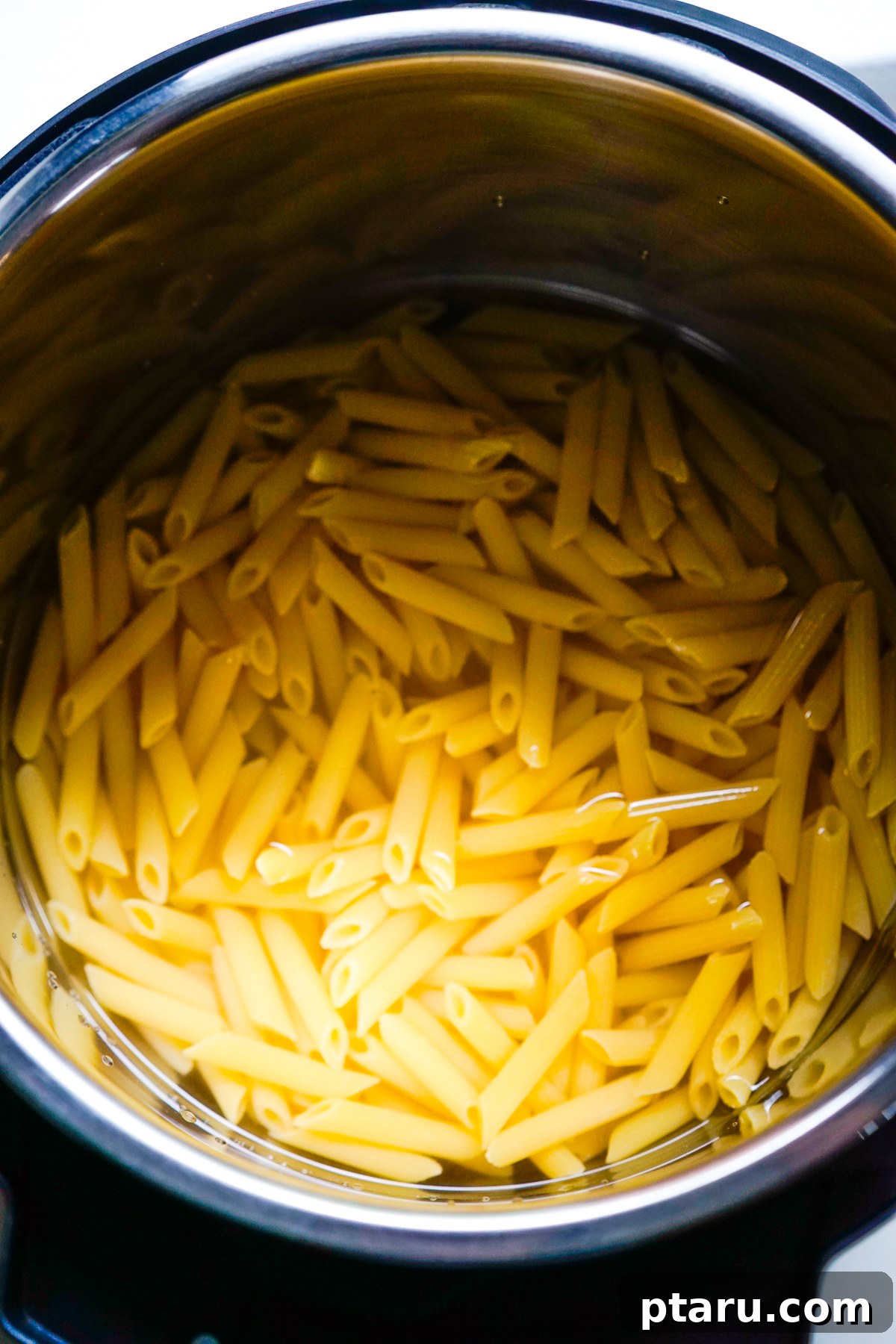
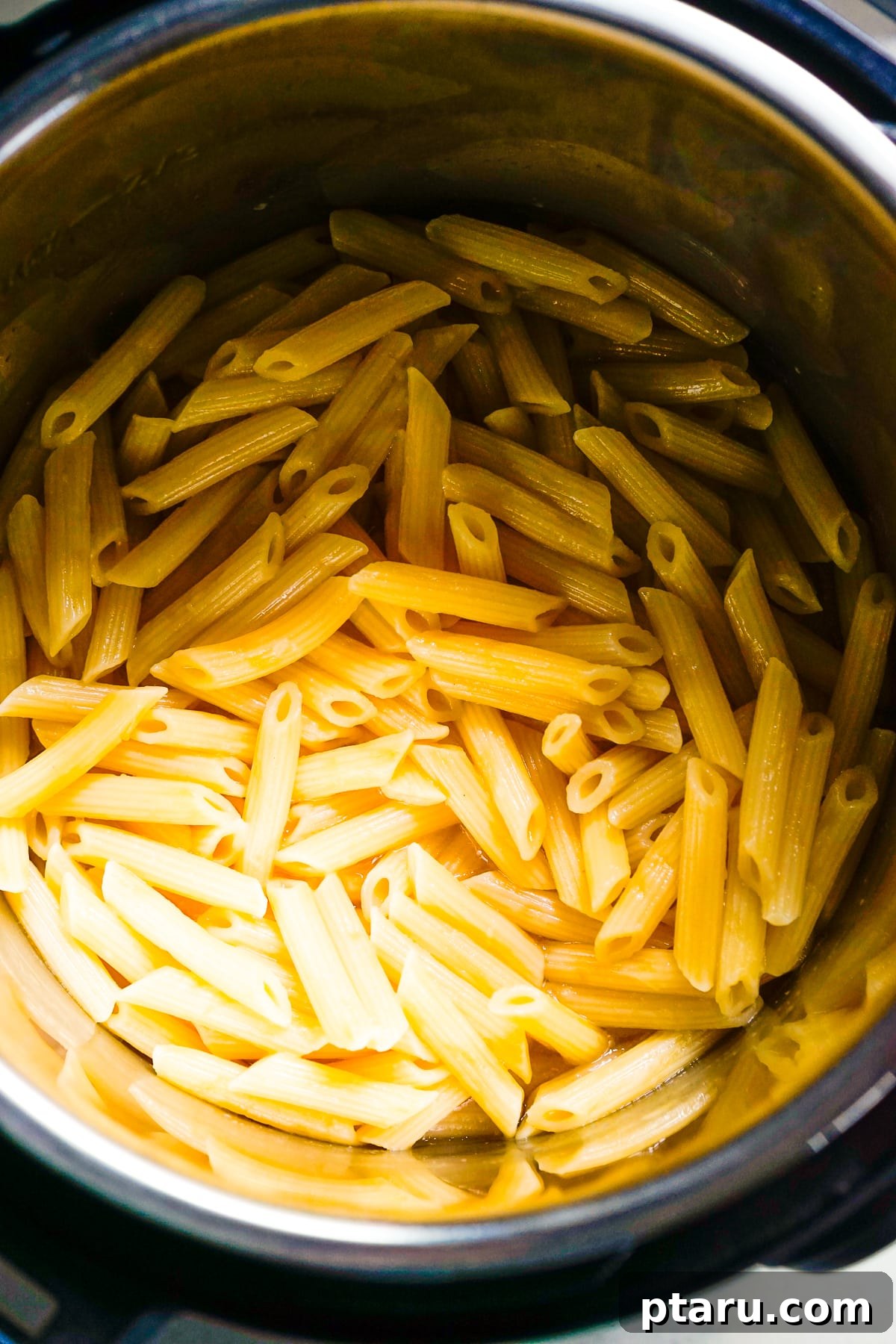
Step 1: Layer Pasta and Add Liquid
Begin by placing your chosen pasta into the inner pot of your Instant Pot. The key here is an even layer to ensure consistent cooking. If using long pasta like spaghetti, break it in half and crisscross the layers to prevent it from sticking together. Next, add enough cold water or broth to just barely cover the pasta. This exact ratio is crucial for achieving an al dente texture without excess liquid. For most short pastas, roughly 4 cups of liquid per pound of pasta is a good starting point, but always ensure the pasta is submerged.
Step 2: Season and Prevent Foaming
Once the pasta and liquid are in, add your salt to season the pasta as it cooks, infusing it with flavor. Then, stir in one tablespoon of butter or olive oil. This seemingly small step is vital; the fat creates a barrier that significantly reduces the starchy foam that can build up during pressure cooking, preventing potential clogs in the valve and ensuring a cleaner cooking process.
Step 3: Calculate and Set Pressure Cooking Time
This is where the magic happens and where many go wrong. To get perfectly al dente pasta, use this simple formula: Take the recommended stovetop cook time from your pasta package, divide it by two, and then subtract one minute. For example, if your pasta package suggests 10 minutes of boiling time, your Instant Pot cook time will be (10 / 2) – 1 = 4 minutes. For very delicate pastas, such as angel hair or thin vermicelli, a shorter cooking time of just 1-2 minutes under high pressure is often sufficient.
Step 4: Pressure Cook and Quick Release
Secure the lid on your Instant Pot, ensuring it’s properly sealed. Turn the steam release valve to the “Sealing” position. Select the “Pressure Cook” or “Manual” setting and set it to High Pressure for your calculated time. Once the cooking cycle is complete, immediately perform a Quick Release (QR) by carefully turning the valve to the “Venting” position. This rapid release of pressure is essential to stop the cooking process promptly and prevent the pasta from overcooking or becoming mushy.
Step 5: Stir and Adjust to Perfection
After the Quick Release and the float valve drops, carefully open the lid. At this point, there might be a small amount of residual liquid. Do not fret! Give the pasta a good stir with your tongs or spoon. The pasta will quickly absorb any remaining liquid within a minute or two as it rests and cools slightly. If you find there’s still a noticeable amount of excess water, you can turn on the “Sauté” mode for 1-2 minutes, stirring continuously, to evaporate any last bits of liquid until your pasta reaches your desired consistency.
5 Common Mistakes to Avoid for Perfect Instant Pot Pasta
While Instant Pot pasta is incredibly simple, a few common missteps can hinder your success. By being aware of these typical trip-ups, you can easily avoid them and ensure consistently perfect results:
- Overfilling the Instant Pot: Pasta, especially starchy varieties, tends to foam significantly during pressure cooking. To prevent this foam from clogging the pressure release valve or causing a messy overflow, never fill your Instant Pot past the halfway mark when cooking pasta. Always check the max fill line.
- Using Too Much Liquid: This is perhaps the most frequent mistake. Unlike stovetop cooking where pasta needs plenty of water, the Instant Pot requires just enough liquid to barely cover the pasta. Adding excessive water will result in soggy, diluted pasta that lacks flavor. Adjust your liquid based on the pasta type – denser pastas might need slightly more, delicate ones slightly less.
- Skipping the Quick Release (QR): Once the pressure cooking time is up, a manual Quick Release is crucial. If you allow the pressure to naturally release, the residual heat inside the pot will continue to cook the pasta, leading to overcooked, mushy, and often clumpy results. Quick releasing immediately halts the cooking process.
- Forgetting to Stir with Fat: As mentioned in the instructions, stirring in a tablespoon of butter or olive oil at the beginning is vital. This fat helps to lubricate the pasta and significantly reduces sticking and clumping, especially for long noodles, and manages foam build-up. Without it, you risk a sticky, unappetizing block of pasta.
- Incorrect Cooking Time Calculation: The Instant Pot pasta cooking formula (package time / 2 – 1 minute) is specific for achieving al dente results. Cooking pasta for too long, even by just a minute or two, can transform it from perfectly firm to soft and overcooked in the pressure cooker. Always stick to the calculated time for your specific pasta type.
Make Ahead and Storage Tips for Instant Pot Pasta
Instant Pot pasta is not only quick to make but also excellent for meal prepping. You can easily cook a larger batch ahead of time and store it for convenient meals throughout the week. Properly stored, your cooked pasta will maintain its quality in the refrigerator for up to 3-4 days.
- Optimal Storage: Allow the cooked pasta to cool completely before transferring it to an airtight container. This prevents condensation from building up, which can make the pasta soggy.
- Reheating Leftovers: When reheating, pasta can sometimes absorb a lot of its sauce or become a bit dry. To restore its perfect texture and moisture, add a splash of water, broth, or your favorite pasta sauce (about 1-2 tablespoons per serving) before warming it on the stovetop or in the microwave. This will help rehydrate the pasta and prevent it from drying out.
- Preventing Dryness: If you plan to store the pasta without sauce, a light drizzle of olive oil before storage can also help prevent it from sticking together and drying out.
Delicious Ways to Serve Your Instant Pot Pasta
This incredibly versatile Instant Pot pasta recipe serves as the perfect blank canvas for a multitude of culinary creations. Whether you need a simple side dish or the base for a hearty main course, it pairs beautifully with almost anything. Get creative with these serving suggestions:
- Classic Pairings: This pasta is an ideal partner for your favorite pasta sauces. Imagine it with a rich marinara sauce, a creamy Alfredo, or a vibrant pesto. Don’t forget to explore unique options like our delightful Beet Pasta Sauce or our Easy Alfredo Sauce. Even a good old jarred sauce becomes gourmet when paired with perfectly cooked Instant Pot pasta!
- Hearty Meat Sauce: For a quick and satisfying dinner, whip up a simple meat sauce using a pound of ground beef, turkey, or Italian sausage. Simmer it with crushed tomatoes and herbs, then toss directly with your freshly made Instant Pot pasta for a comforting meal.
- Gourmet Toppings: Elevate your Instant Pot spaghetti or any other pasta shape with a generous sprinkle of freshly grated Parmesan cheese. For added depth and nutrition, consider topping it with roasted vegetables seasoned with Italian herbs, alongside your favorite protein.
- Add Protein for a Complete Meal: Transform your pasta into a fulfilling main course by adding cooked protein. Grilled chicken, sautéed shrimp, seared scallops, or even plant-based options like chickpeas or lentils can be tossed in for a balanced and delicious dinner.
- Pasta Salads: Once cooled, this pasta makes an excellent base for cold pasta salads. Try our refreshing Greek Pasta Salad with Creamy Feta Dressing, or create your own with fresh vegetables, herbs, and a light vinaigrette.
For more inspiration, dive into our comprehensive article all about good sides to go with pasta, ensuring your meal is always perfectly complemented.
Pro Tips & Science-Based Secrets for Instant Pot Pasta Perfection
Understanding the nuances of pressure cooking can elevate your Instant Pot pasta from good to extraordinary. The Instant Pot’s pressure-cooking feature cooks pasta quickly and evenly by creating a sealed, high-pressure environment that traps steam. This ensures the pasta is perfectly tender throughout, absorbing liquid efficiently without the risk of boiling over, which is a common stovetop issue.
- Heat Sauce Separately for Best Texture: If your recipe involves a sauce, it’s almost always better to cook the pasta separately in the Instant Pot and then mix it with your pre-heated sauce afterward. Cooking pasta directly in a thick sauce can sometimes lead to uneven cooking, a too-thick or sticky sauce, or even a burn warning on your Instant Pot due to the sauce’s density.
- Gentle Stir Before Cooking is Key: Before you close the Instant Pot lid and begin the pressure cooking process, give the pasta a gentle but thorough stir. This simple action helps ensure that all the pasta pieces are submerged in the liquid and evenly distributed. This prevents clumping and sticking together during cooking, ensuring each piece gets perfectly tender.
- Double or Triple the Recipe with Caution: While you can absolutely scale this recipe up for larger gatherings, remember to always pay close attention to the fill line in your Instant Pot. As a general rule, never exceed two-thirds of the pot’s capacity when cooking pasta. This crucial guideline ensures there’s enough space for the pressure to build safely and for the pasta to cook evenly without overflowing or creating excessive foam. You might need to adjust the liquid slightly to barely cover the increased pasta amount.
- Consider Your Water Hardness: The mineral content in your tap water can subtly affect cooking times. If you live in an area with very hard water, your pasta might take a minute longer to cook al dente, while very soft water could potentially speed up the process. This is a minor consideration but can be useful for ultimate perfection.
- Don’t Skimp on Salt: Pasta water should be as salty as the sea. Even though you’re using less water in the Instant Pot, ensuring enough salt is added at the beginning is vital for flavoring the pasta from the inside out. It’s much harder to correct bland pasta after it’s cooked.
Frequently Asked Questions About Instant Pot Pasta
Still have questions? Here are some common queries we receive about making pasta in the Instant Pot:
Yes, absolutely! Gluten-free pasta works wonderfully in the Instant Pot. However, be cautious with cooking times as gluten-free varieties often cook faster than traditional wheat pasta. It’s recommended to reduce the calculated cooking time by an additional minute or two and do a quick release to prevent overcooking.
While this recipe is specifically optimized for the Instant Pot’s pressure cooking function to achieve its speed and hands-off nature, you can certainly cook pasta on the stovetop. Simply follow the package directions, boil water, add pasta, stir, and drain as usual. However, for the ultimate convenience and perfect texture, an Instant Pot is highly recommended.
The key to al dente Instant Pot pasta is precise timing and a quick release. Always use our suggested formula (package cook time / 2 – 1 minute) and immediately perform a Quick Release once the cooking cycle finishes. This halts the cooking process, leaving you with perfectly firm, not mushy, pasta every time.
It’s generally recommended to cook pasta and sauce separately and combine them afterward. Thick sauces, particularly those with dairy or tomatoes, can sometimes cause “burn” warnings in the Instant Pot or lead to uneven pasta cooking. If you must combine them, ensure thinner sauces and ample liquid, and layer ingredients carefully, but separate cooking offers better control and results.
After cooking starchy foods like pasta, the inner pot can sometimes have a residue. Simply wash it with warm, soapy water. For any stubborn spots, a non-abrasive scrubber can be used. Ensure the lid and sealing ring are also cleaned thoroughly to prevent odors from lingering.
More Delicious Pasta Recipes to Explore
If you’re a pasta enthusiast, you’re in for a treat! Once you’ve mastered Instant Pot pasta, expand your culinary repertoire with these fantastic pasta dishes:
- Tuscan Chicken Pasta – A rich and creamy dish that’s a true crowd-pleaser.
- Shrimp Pasta – Featuring succulent shrimp in the easiest creamy sauce imaginable.
- One Pot Creamy Pasta and Greens – A vibrant and healthy meal, perfect for adding your favorite greens like peas, zucchini, or spinach.
- Greek Pasta Salad with Creamy Dressing – A refreshing and flavorful salad, ideal for picnics or light lunches.
Instant Pot Pasta (Easy, Foolproof Method!)
Jennifer Pallian BSc, RD
5
7
12
4
Ingredients
- 1 lb pasta any short shape or spaghetti broken in half
- 4 cups water or broth
- 1 tsp salt
- 1 tbsp butter or olive oil optional, helps prevent foaming and sticking
Instructions
1. Add Pasta & Liquid
-
Place the pasta in the Instant Pot in an even layer. If using long pasta, break it in half and crisscross.
-
Add water or broth, ensuring the liquid just covers the pasta. Adjust the quantity as needed to submerge.
2. Season & Prevent Foaming
-
Add salt to the pot.
-
Stir in butter or oil well to reduce foaming and prevent the pasta from sticking.
3. Set Pressure Cooking Time
-
Calculate cook time: Take the pasta package’s stovetop cook time, divide by 2, then subtract 1 minute (e.g., 10 minutes becomes 4 minutes).
-
For very delicate pasta like angel hair, set the Instant Pot for only 1-2 minutes on High Pressure.
4. Pressure Cook & Quick Release
-
Close the lid, ensure the valve is set to “Sealing,” and cook on High Pressure for the calculated time.
-
Immediately perform a manual Quick Release (turn the valve to “Venting”) once cooking is finished to stop the cooking process.
5. Stir & Adjust
-
Open the lid. If there’s excess liquid, let the pasta rest for a minute or two; it will absorb the remaining moisture.
-
If needed, turn on Sauté mode and stir for 1-2 minutes until any residual water evaporates and pasta reaches desired texture.
Notes
- Avoid Overfilling – Never fill the Instant Pot past the halfway mark when cooking pasta, as it generates significant foam during the process.
- Prevent Sticking – If using long pasta, ensure it’s broken in half and crisscrossed in layers rather than stacked directly on top of each other.
- Flavor Boost – Use chicken or vegetable broth instead of water for an enhanced depth of flavor in your pasta.
Nutrition Facts (per serving)
Carbohydrates: 85g |
Protein: 15g |
Fat: 5g |
Saturated Fat: 2g |
Polyunsaturated Fat: 1g |
Monounsaturated Fat: 1g |
Trans Fat: 0.1g |
Cholesterol: 8mg |
Sodium: 623mg |
Potassium: 254mg |
Fiber: 4g |
Sugar: 3g |
Vitamin A: 87IU |
Calcium: 32mg |
Iron: 1mg
Nutrition information is automatically calculated and should be used as an approximation.
Tried this recipe? Leave a comment!