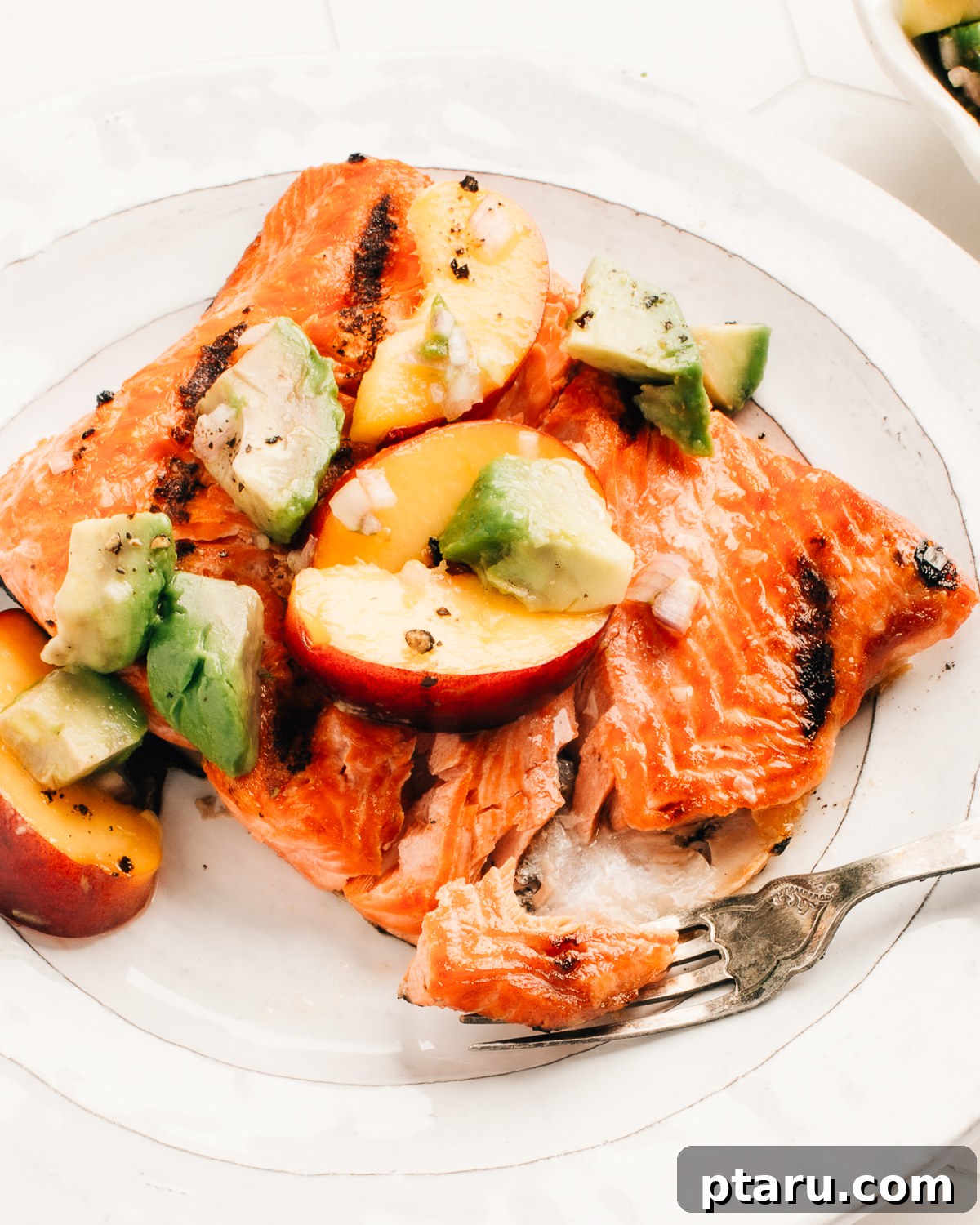
This comprehensive guide to Grilled Salmon is designed to transform you into a grilling master. Say goodbye to dry, sticky fish and hello to perfectly moist, flaky salmon adorned with exquisite grill marks, all achieved in under 10 minutes. As a food scientist, I’ve distilled complex culinary principles into simple, actionable steps, ensuring every attempt is foolproof and delicious.
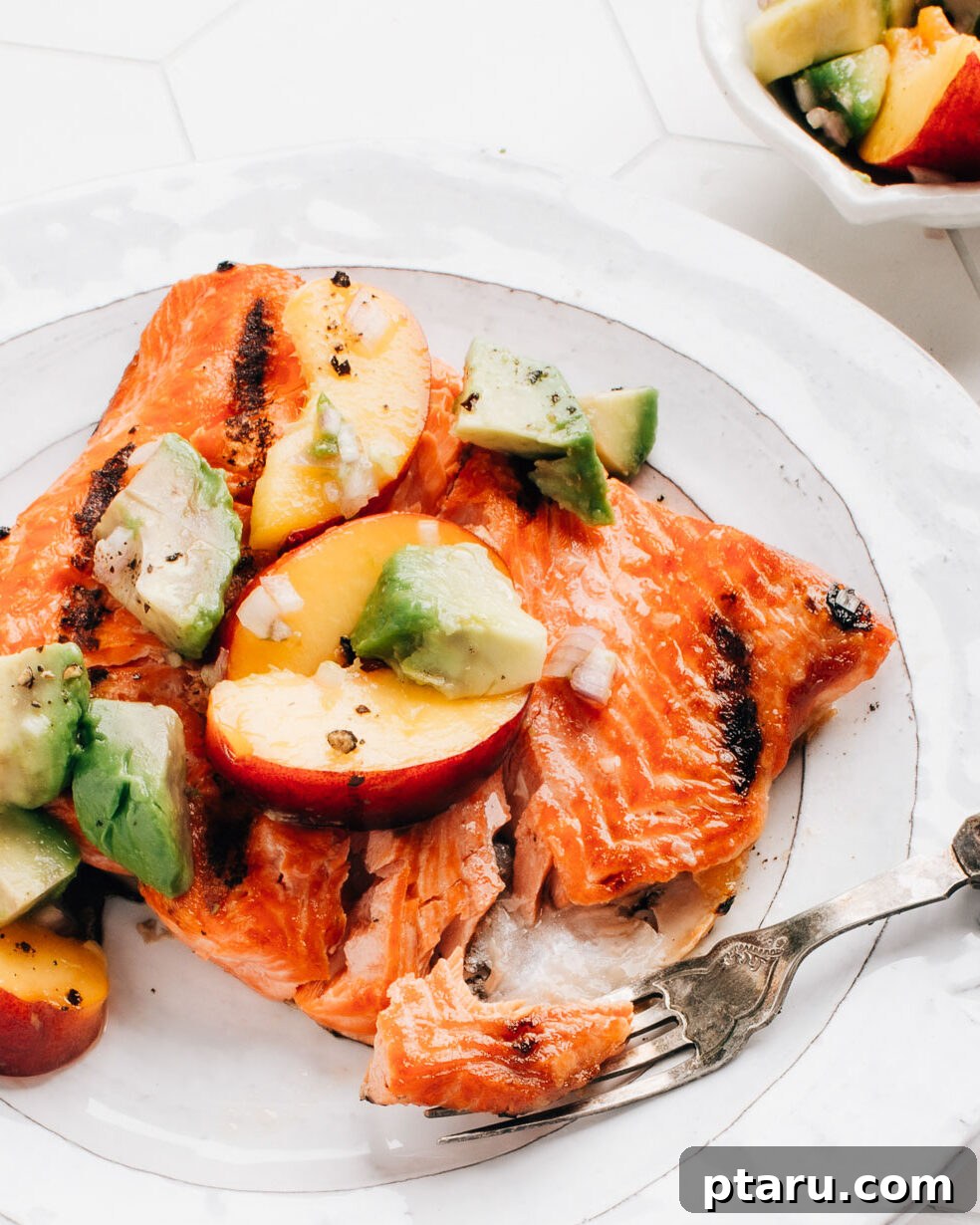
Grilling salmon can often feel like a culinary tightrope walk. The fear of undercooking it, the certainty of wanting to avoid overcooking it, and the ever-present challenge of preventing it from adhering stubbornly to the grates – these are common concerns. But fear not! I’m a food scientist, and I’ve developed a method that eliminates the guesswork, empowering you to achieve impeccably grilled salmon on every single occasion. Read on to discover all my expert tricks and transform your salmon grilling experience forever.
Essential Ingredients for Flawless Grilled Salmon
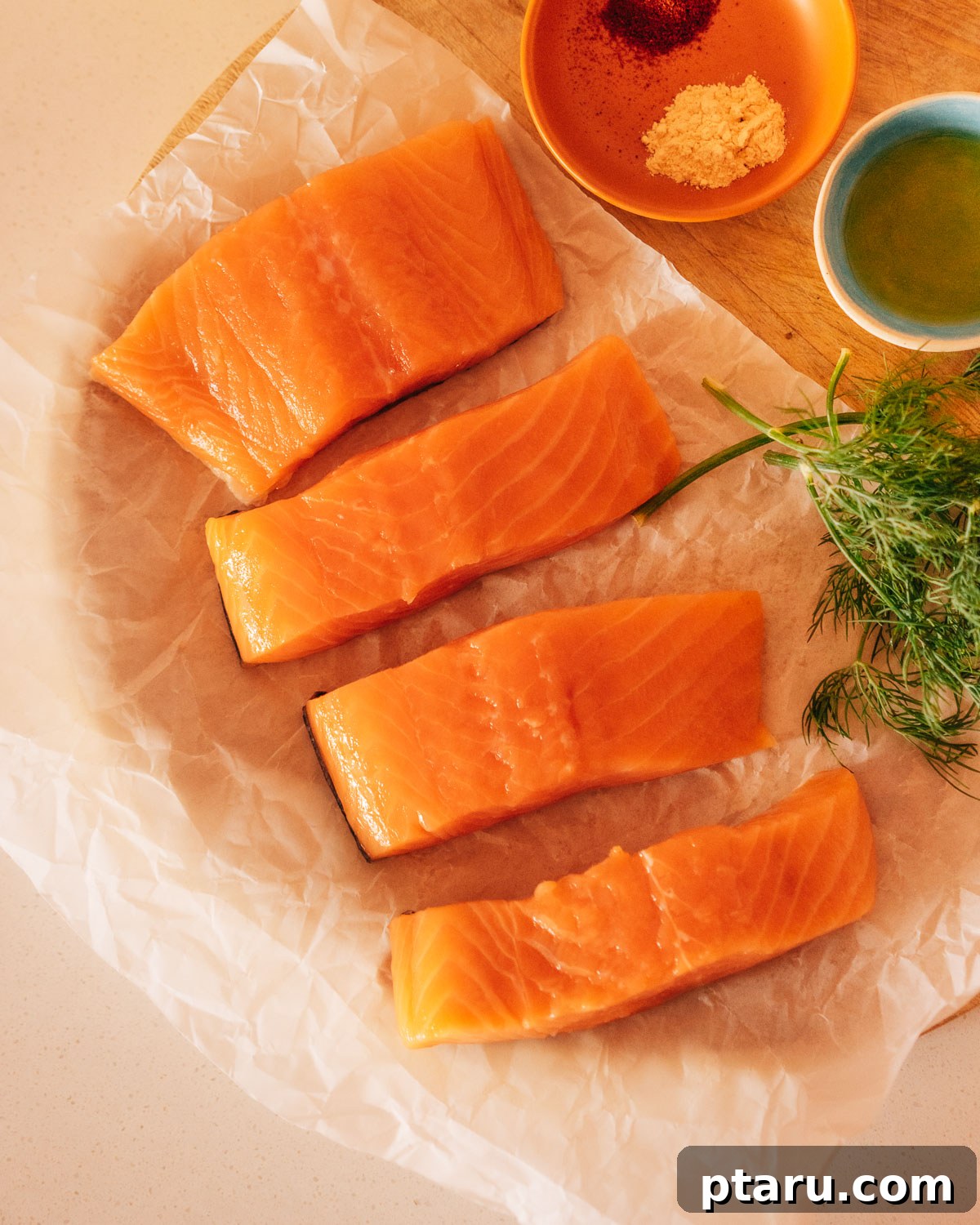
Crafting this foolproof grilled salmon begins with a few high-quality, simple ingredients. Here’s what you’ll need to create a truly memorable meal:
For the Perfect Salmon Fillets
- Salmon fillets: Select four 5 to 6 oz portions. While skin-off fillets are an option, we highly recommend skin-on salmon. The skin acts as a natural protective barrier, helping to retain moisture and prevent sticking, resulting in a more tender and flavorful outcome. Look for fresh, vibrant fillets with firm flesh.
- Olive oil: Essential for both flavor and function. A generous brush of olive oil helps our carefully chosen spices adhere beautifully to the fish. More importantly, it creates a crucial barrier on the salmon’s surface, preventing it from drying out on the hot grill and promoting a fantastic sear.
- Kosher salt: The cornerstone of exceptional flavor in any dish. Kosher salt’s larger granules distribute evenly and penetrate the fish, enhancing its natural taste without making it overly salty. It’s truly the foundation for a great rub.
- Black pepper: A universal spice that adds a subtle warmth and aromatic depth. Freshly ground black pepper is always preferred for its superior flavor profile.
- Garlic powder: This finely milled spice contributes a foundational savory depth that complements salmon beautifully. It also aids in developing a more pronounced golden-brown crust, even with a relatively short grilling time.
- Smoked paprika: A secret weapon for grilled dishes! Smoked paprika infuses the salmon with a subtle yet distinct smoky aroma and flavor, brilliantly mimicking and enhancing the natural char from the grill. It adds complexity and warmth.
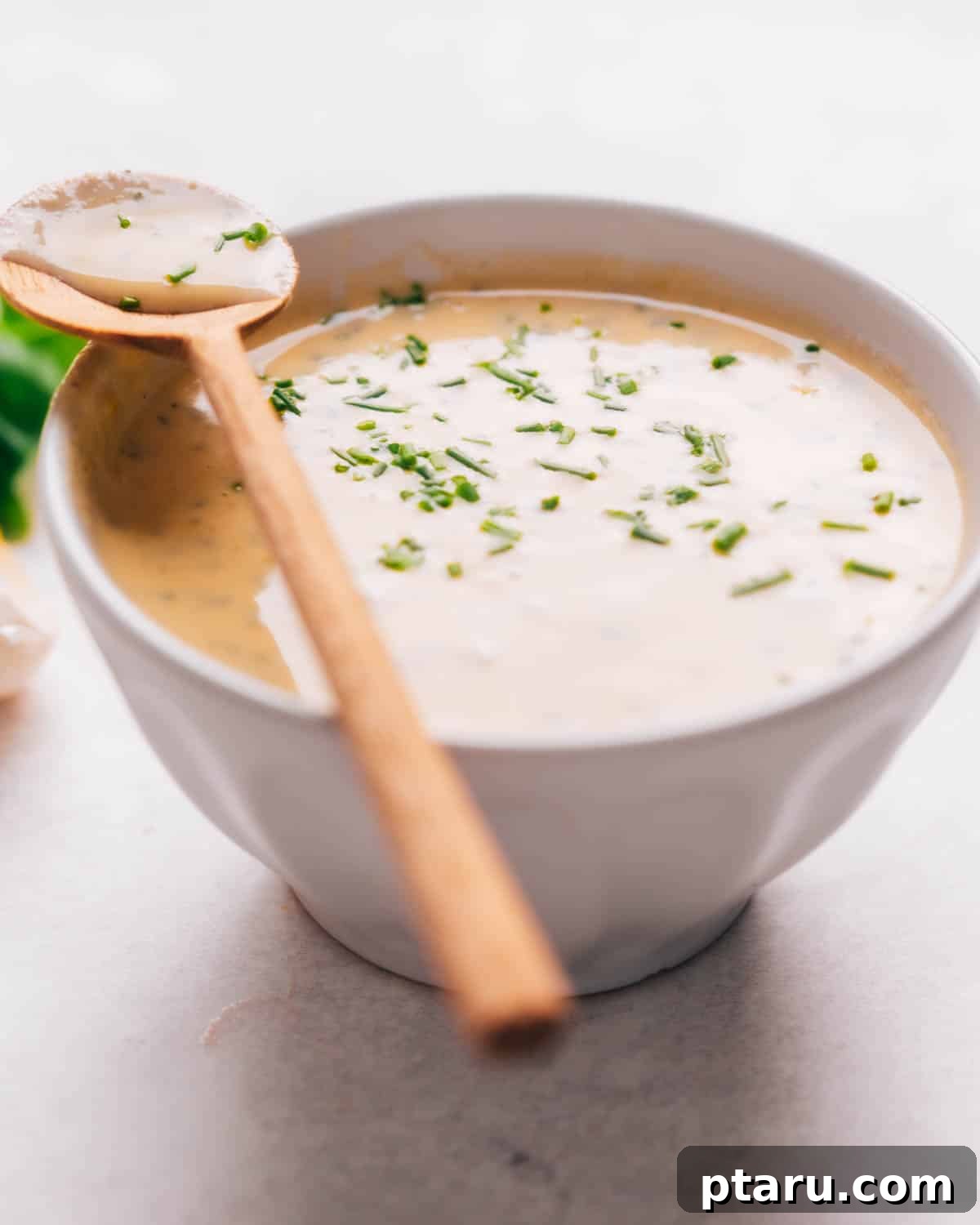
While the recipe below includes a simple, bright herb drizzle, the versatility of grilled salmon is one of its greatest assets. You can serve it with my refreshing Avocado Melon Cucumber Salsa (as seen in the stunning photo above), or opt for the creamy elegance of Dill Sauce for Salmon, often featured in the images below. This dish is endlessly customizable to suit any palate or occasion.
Exact quantities for each ingredient are precisely listed in the comprehensive recipe card located at the very bottom of this article.
Flavorful Variations and Creative Substitutions for Your Grilled Salmon
One of the joys of cooking is customization. This grilled salmon recipe serves as a perfect canvas for your culinary creativity. Here are some effortless ways to tailor it to your taste preferences:
- Cajun style: For a vibrant, spicy kick, simply replace the garlic powder and paprika in our basic spice rub with a robust Cajun seasoning blend. This instantly transports your salmon to the Louisiana bayou, much like my popular Cajun Honey Butter Salmon recipe.
- Asian twist: For an umami-rich and slightly sweet profile, skip the initial spice rub. Instead, during the final minute of grilling, generously brush your salmon fillets with my homemade Teriyaki Sauce. The glaze will caramelize beautifully, adding incredible depth.
- Mediterranean flair: Elevate your grilled salmon with fresh, zesty flavors. Serve it alongside a cooling dollop of classic tzatziki, a refreshing cucumber-yogurt sauce, or my vibrant Indian Yogurt Sauce for a unique and aromatic pairing.
- Herb butter indulgence: For an extra layer of richness and aroma, finish your hot-off-the-grill salmon with a pat of compound butter. Simply mix softened butter with minced garlic, fresh chopped herbs (like dill, parsley, or chives), and a squeeze of lemon juice. The butter will melt into the warm fish, infusing it with incredible flavor.
If you’re a true salmon aficionado, don’t miss my curated roundup of moist salmon recipes, all featuring my signature food science tips for achieving perfectly cooked fish every single time, regardless of your chosen cooking method!
Essential Tools for Grilling Success
Achieving perfectly grilled salmon doesn’t require a professional kitchen setup. You likely already possess most, if not all, of the necessary equipment. Here’s a quick checklist:
- Outdoor grill or grill pan: Whether you prefer the smoky char of an outdoor gas or charcoal grill, or the convenience and distinctive grill marks of a stovetop grill pan, either option will work beautifully. Explore more of my grilling recipes for inspiration!
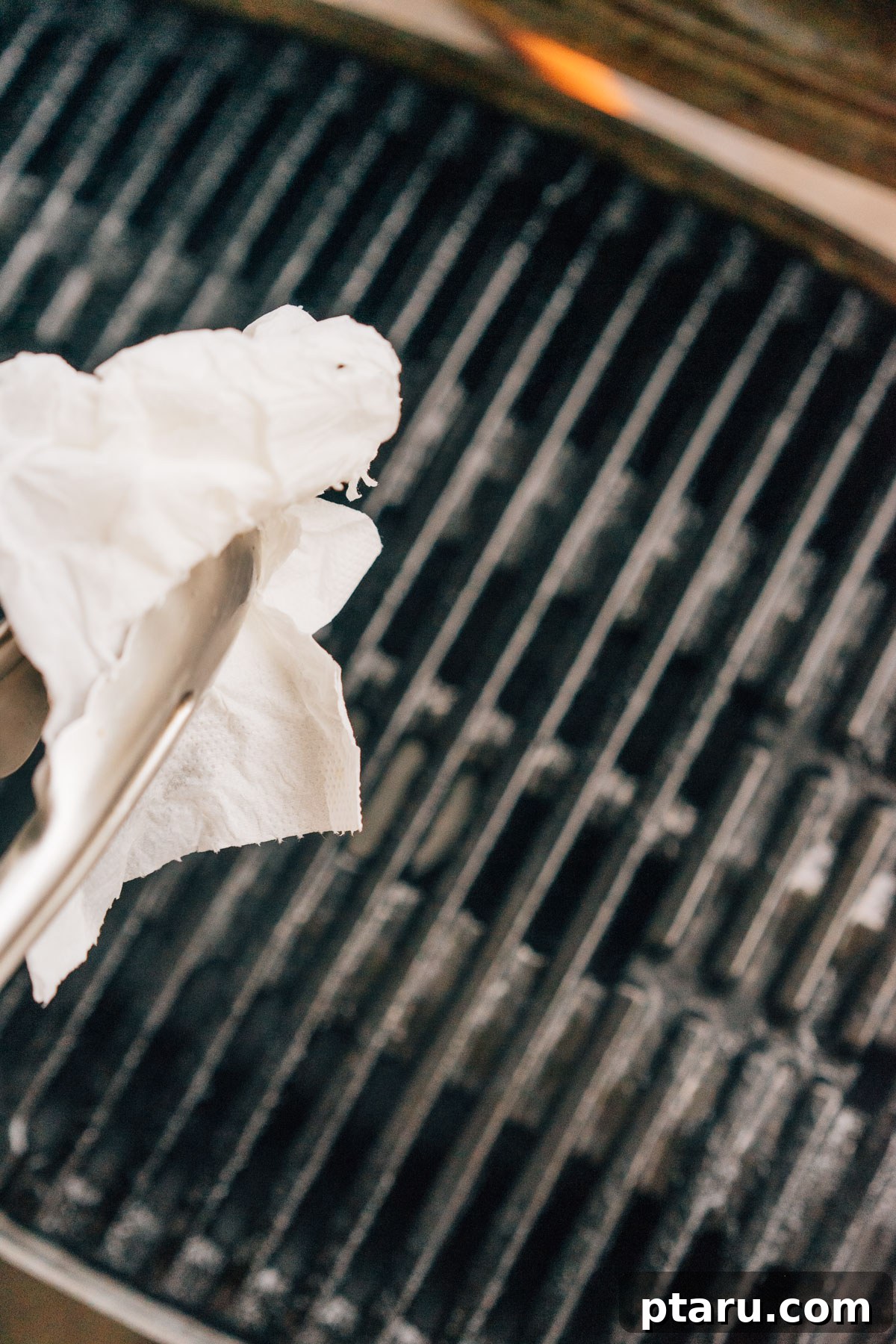
- Tongs and paper towels: These are indispensable for safely and effectively oiling your hot grill grates. The tongs provide a secure grip, keeping your hands away from the heat, while the paper towel ensures an even coating of oil.
- Pastry brush: A simple pastry brush (or even a clean paper towel) is ideal for evenly coating the salmon fillets with olive oil, ensuring the spices adhere and the fish browns beautifully.
- Small bowl: Perfect for effortlessly combining your spice rub ingredients and, if you opt for it, whisking together the optional herb drizzle.
- Instant-read thermometer: While optional, this tool is truly a game-changer. It eliminates all guesswork regarding doneness, allowing you to achieve the perfect internal temperature for moist, flaky salmon every single time. It’s the secret to consistent results.
- Fish spatula: A thin, flexible fish spatula is specifically designed for delicate foods like fish. Its broad, slotted blade allows for easy, clean lifting and turning without breaking apart the tender fillets.
How to Make Grilled Salmon: A Simple Step-by-Step Guide
You’ll be pleasantly surprised by how hands-off this recipe is. The majority of the preparation and “work” happens before your delicious salmon even touches the grill, ensuring a smooth and stress-free cooking experience.
1. Preheat and Prepare Your Grill for Optimal Results
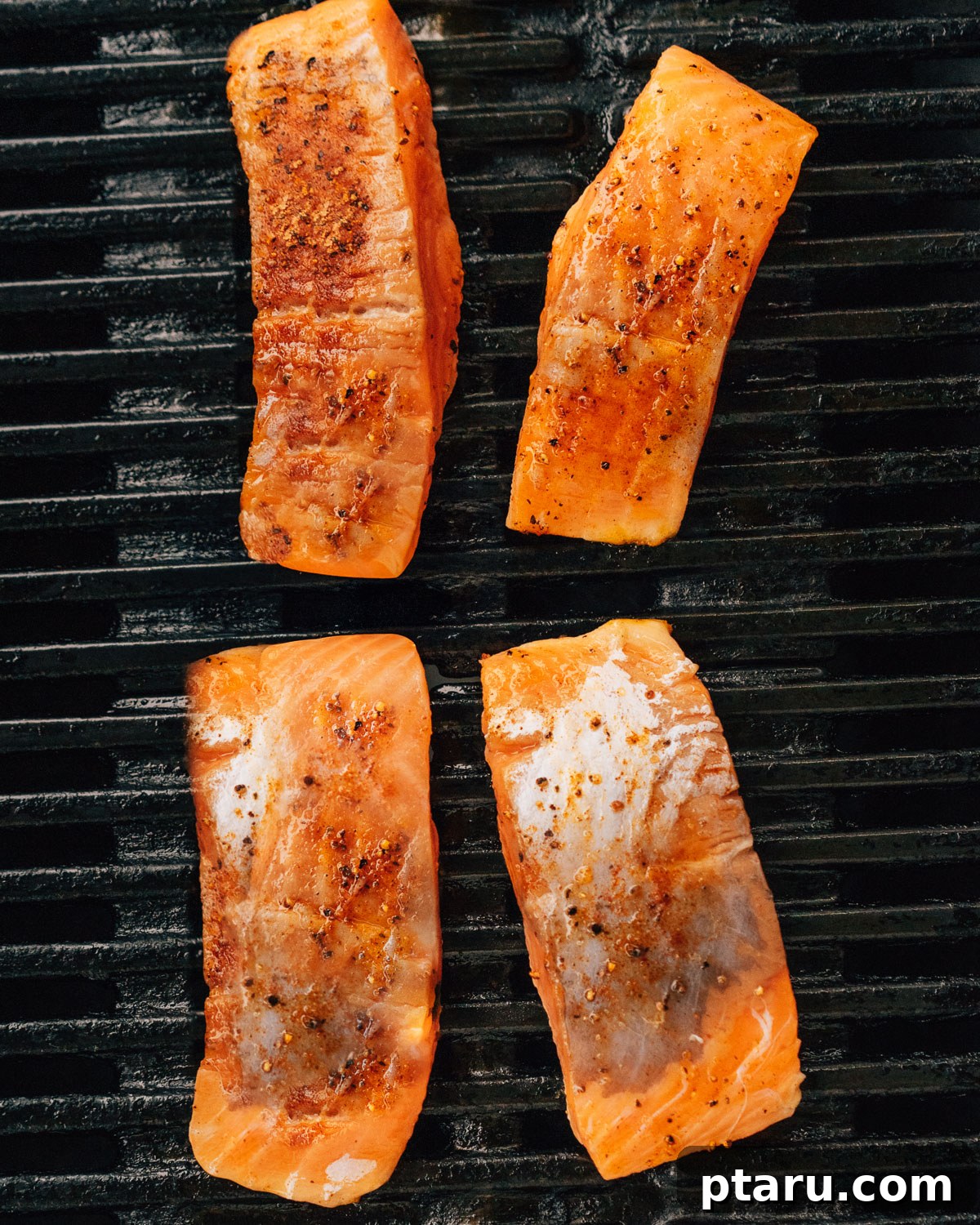
This initial step is absolutely critical for preventing sticking and achieving those coveted, beautiful grill marks. Preheat your outdoor grill or grill pan to a robust medium-high heat. Allow it to heat thoroughly for a full 10 minutes. Patience here truly pays off! Once heated, use a sturdy grill brush to meticulously clean the grates, removing any leftover food particles. Then, using tongs to hold a paper towel dipped in a high-smoke-point oil (like canola or vegetable oil), thoroughly grease the hot grates. This dual approach of high heat and lubrication is KEY to a non-stick surface.
2. Expertly Season the Salmon Fillets
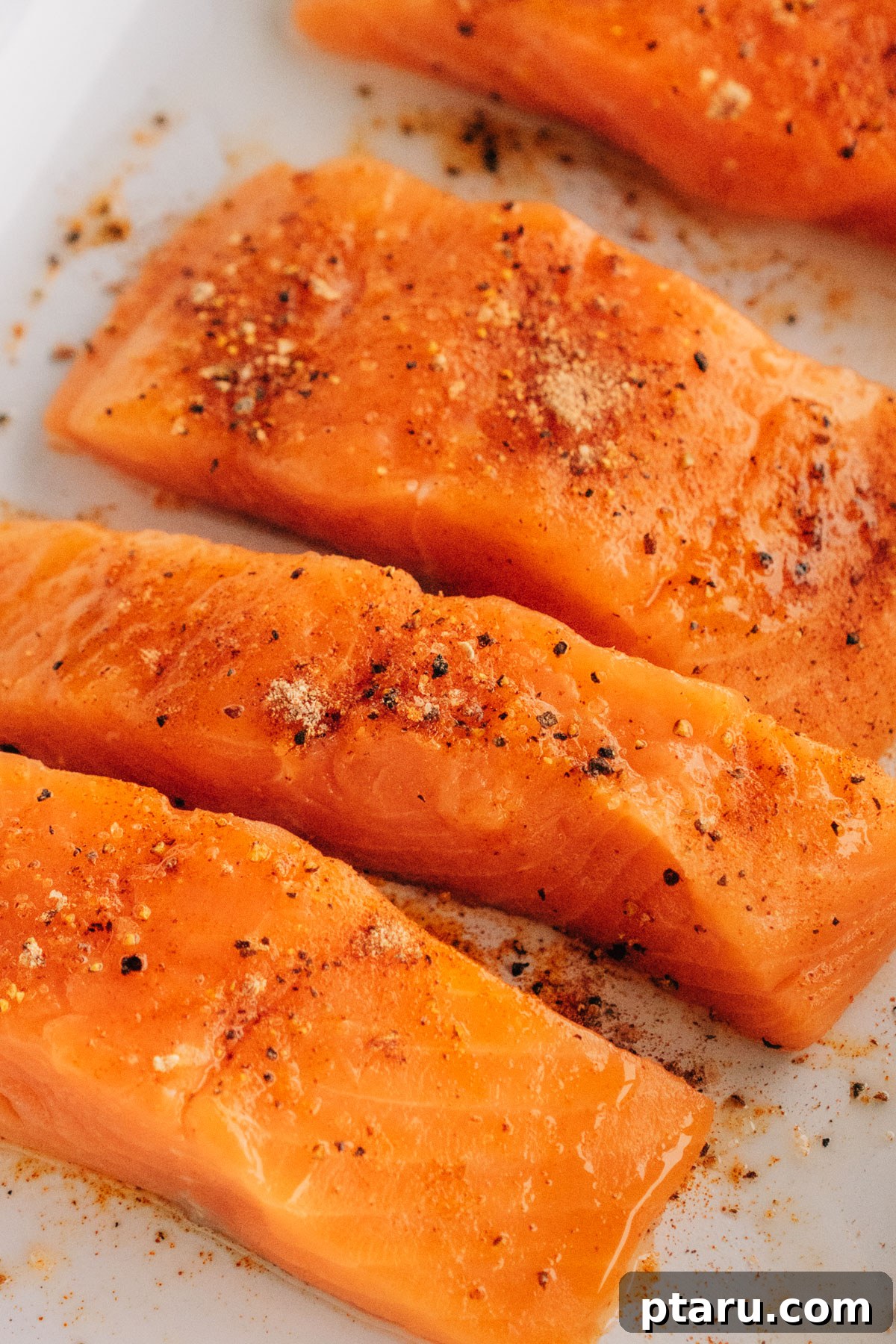
Achieving a perfect sear and preventing sticking also starts with dry fish. Begin by patting your salmon fillets completely dry on all sides using paper towels. This removes surface moisture, which would otherwise create steam instead of a beautiful crust. Next, brush all sides of each fillet generously with olive oil. In a small bowl, combine your kosher salt, black pepper, garlic powder, and smoked paprika. Sprinkle this aromatic spice mixture evenly over each fillet, gently pressing it to ensure it adheres well.
3. Grill to Perfection (No Flipping Required for Skin-On!)
For skin-on fillets, place them skin-side down directly onto the preheated, oiled grill grates. Close the grill lid to allow the heat to circulate evenly. Cook the salmon for 6 to 8 minutes without flipping. This technique allows the skin to crisp up and protect the delicate flesh, ensuring maximum moisture. The salmon is perfectly cooked when its thickest part reaches an internal temperature of 125 to 130°F (52-54°C) using an instant-read thermometer, and the fish easily flakes with a fork. For skinless fillets, refer to the pro tips below for slight adjustments.
4. Rest for Juicier Results
Once cooked, carefully transfer the grilled salmon fillets to a clean plate. This resting period is a crucial food science trick: allow the salmon to rest for just 2 minutes. During this time, the internal temperature will continue to rise slightly (carryover cooking), and the juices, which have migrated to the center during cooking, will redistribute throughout the fillet. This results in incredibly moist and tender salmon that’s bursting with flavor.
5. Craft the Herb Drizzle (Optional but Highly Recommended)
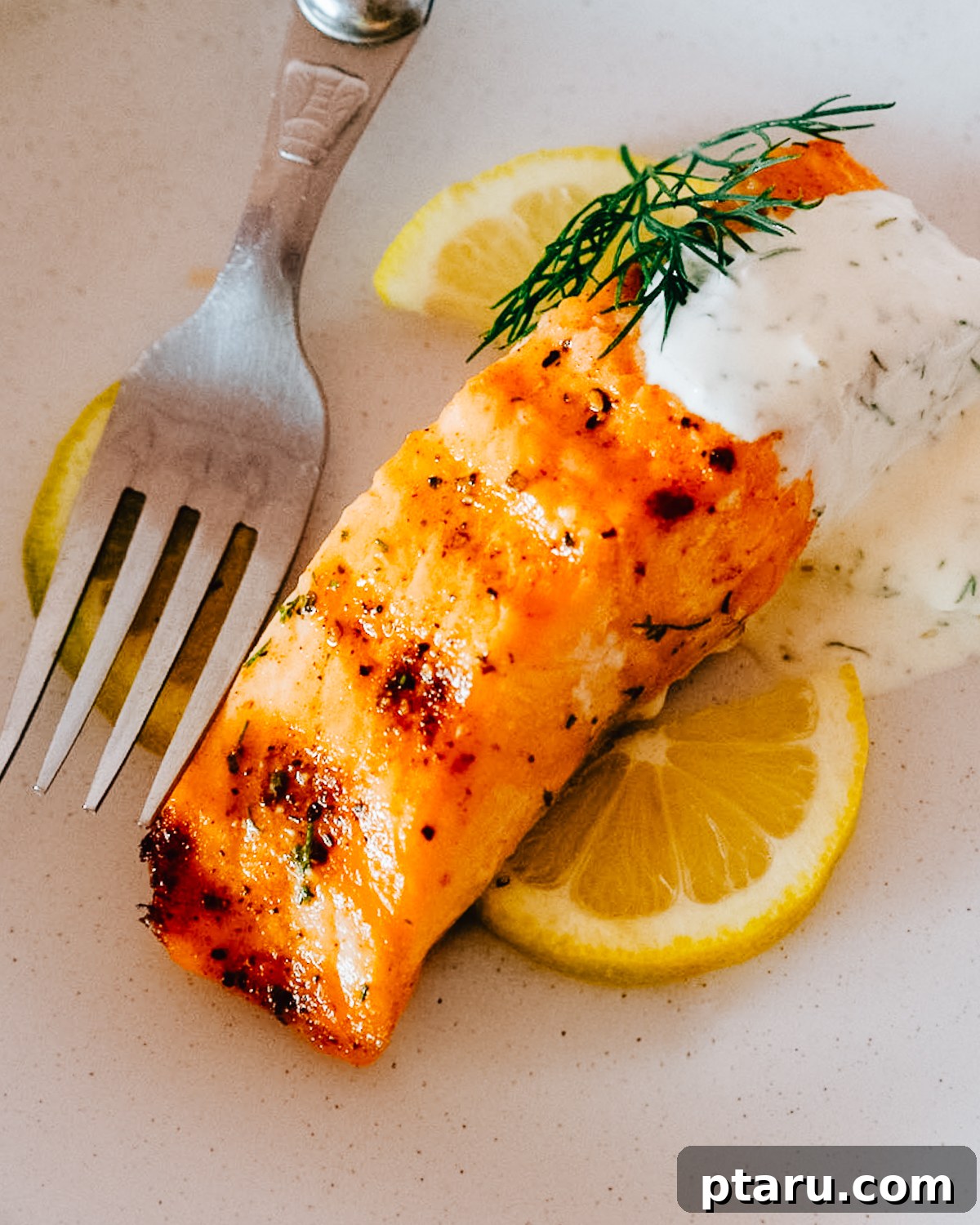
To add a burst of fresh flavor, consider making our simple herb drizzle. In a small bowl, whisk together extra virgin olive oil, fresh lemon juice, delicate lemon zest, and a pinch of salt. Stir in your finely chopped fresh herbs – dill and/or parsley are fantastic choices. Drizzle this bright, aromatic sauce generously over the grilled salmon just before serving. Alternatively, serve with my creamy and irresistible easy dill sauce for salmon, as beautifully captured in the photo below!
5 Common Mistakes to Avoid When Grilling Salmon
Even with the best intentions, a few missteps can derail your grilled salmon. Learning from these common errors is key to consistently perfect results. Here are the most frequent pitfalls and how to steer clear of them:
- Not preheating the grill long enough: This is arguably the most common mistake. A lukewarm grill is a recipe for disaster, leading to salmon sticking and failing to develop a proper sear.
The Fix: Always preheat your grill to medium-high heat for a full 10 minutes. A screaming hot grill ensures instant searing and easy release. - Skipping the oil on the grates: Even a hot grill can be treacherous for delicate fish. Without proper lubrication, salmon’s natural proteins can bond directly with the metal grates, leading to frustrating sticking.
The Fix: Right before you place the fish, thoroughly oil your clean, hot grates using a paper towel held with tongs. This creates a non-stick barrier. - Flipping too soon or too often: Impatience can ruin the texture and presentation of your salmon. Attempting to flip the fish before a crust has formed will inevitably cause it to tear and stick. Flipping multiple times disrupts the cooking process and prevents even browning.
The Fix: For skin-on fillets, you generally don’t need to flip at all! If you are using skinless salmon and plan to flip, wait until the fish naturally releases from the grates. If it resists, it’s not ready – give it another 30 seconds to form that essential sear. - Overcooking the salmon: Salmon is delicate and cooks quickly. Overcooking is the quickest way to end up with dry, tough, and flavorless fish.
The Fix: Invest in an instant-read thermometer. Pull the salmon from the heat when its internal temperature reaches 125-130°F (52-54°C). Remember that carryover cooking will cause the temperature to rise a few more degrees as it rests, leading to perfectly moist, flaky results. - Not patting the fish dry: Any surface moisture on your salmon will turn into steam upon hitting the hot grill. This steam prevents direct contact between the fish and the grates, inhibiting the formation of a beautiful, flavorful sear.
The Fix: Always pat your salmon fillets completely dry with paper towels before brushing with oil and seasoning. A dry surface is crucial for optimal browning and flavor development.
Make-Ahead and Storage Solutions for Grilled Salmon
While grilled salmon is undeniably best enjoyed fresh off the grill, sometimes planning ahead or managing leftovers is necessary. Here’s how to ensure your salmon remains delicious:
Storing Leftovers Effectively
- Refrigerate: Any leftover cooked salmon should be promptly transferred to an airtight container and stored in the refrigerator. It will maintain its quality for up to 3 days. For a deeper dive into food safety, consult my detailed guide on how long salmon lasts in the fridge.
- Keep the drizzle separate: If you’ve prepared the optional herb drizzle, store it separately from the salmon in a sealed jar in the refrigerator. This preserves its vibrant freshness and prevents the herbs from wilting or losing their potency. It will last for up to 5 days.
Freezing Cooked Salmon
- Cooked salmon: To freeze cooked salmon, ensure it’s completely cooled. Wrap each fillet tightly in plastic wrap, then place them in a freezer-safe bag or container. This double layer of protection helps prevent freezer burn. Frozen grilled salmon can be stored for up to 2 months. For thawing, simply transfer it to the refrigerator overnight.
Reheating Grilled Salmon Without Drying It Out
- Oven method: The best way to reheat grilled salmon is gently in the oven. Preheat your oven to a low 275°F (135°C). Place the salmon on a baking sheet and cover it loosely with aluminum foil to trap moisture. Warm for 10 to 15 minutes, or until just heated through. Avoid high heat, which will dry it out quickly.
- Enjoy it cold: Don’t underestimate the versatility of cold grilled salmon! Leftover fillets are fantastic when flaked over fresh salads, incorporated into grain bowls, or even served as part of a light appetizer spread.
For even more extensive advice on salmon preservation, be sure to check out my comprehensive guide on how long salmon lasts in the fridge, covering both raw and cooked varieties.
How to Serve This Grilled Salmon Recipe: Perfect Pairings
While I adore this salmon simply with the bright herb drizzle and a squeeze of fresh lemon, its adaptable nature allows for countless delightful pairings. Here are some fantastic ways to complete your meal and impress your guests:
Irresistible Grilled Salmon Toppings and Sauces
- The invigorating lemon herb drizzle included in this very recipe.
- A light and summery Avocado Melon Cucumber Salsa, offering a refreshing counterpoint to the richness of the fish.
- A savory Peanut Sauce, providing an exotic and creamy flavor, similar to what I use with my popular Grilled Coconut Salmon Skewers.
- A luxurious dollop of Creamy Asian Dressing for a rich, umami-packed finish.
- Classic simplicity: just fresh lemon wedges to squeeze over and a scattering of fresh herbs like chopped parsley or chives.
Delicious Side Dishes for Grilled Salmon
- Easy Basmati Rice is a timeless and comforting pairing that absorbs flavors beautifully.
- A bright and zesty Couscous Salad with Lemon Dressing adds a delightful texture and Mediterranean touch.
- Elegantly simple Pan-Fried Asparagus, quickly cooked to tender-crisp perfection.
- A vibrant Mexican Street Corn Salad, perfect for a summer BBQ feel with its smoky and tangy notes.
- A refreshing Strawberry Spinach Salad with Almonds and Goat Cheese offers a fresh, fruity, and slightly tangy contrast.
- For ultimate comfort, a side of Creamy Mashed Potatoes provides a smooth, rich accompaniment.
For an even wider array of culinary inspiration, explore my full roundup of side dishes for salmon, ensuring you always have the perfect complement to your perfectly cooked fish!
Final Notes, Pro Tips, and Science-Based Secrets for Grilled Salmon
Building on our foundation, these expert tips and food science insights will ensure your grilled salmon consistently turns out nothing short of perfect. Master these nuances for truly restaurant-quality results every single time.
- Always opt for skin-on fillets: This is my strongest recommendation. The skin serves a dual purpose: it acts as an invaluable protective barrier, shielding the delicate salmon flesh from the direct, intense heat of the grill. This prevents both sticking and overcooking. It also crisps up beautifully, adding a delicious textural contrast.
- Bring salmon to room temperature before grilling: Just like with steak, cold fish cooks unevenly. Remove your salmon fillets from the refrigerator and let them sit at room temperature for 15 to 20 minutes before grilling. This ensures the heat penetrates more uniformly, leading to a perfectly cooked interior.
- Target an internal temperature of 125°F (52°C): For the most incredibly moist and flaky salmon, remove it from the grill when an instant-read thermometer inserted into the thickest part reads between 125-130°F (52-54°C). The magic of “carryover cooking” means the residual heat will continue to cook the fish for a few more degrees as it rests, bringing it to optimal doneness.
- Never walk away from your grill: Fish cooks remarkably fast, especially on a hot grill. Salmon can go from perfectly cooked to overcooked in a matter of moments. Stay attentive, keep a close eye on it, and start checking for doneness a minute or two earlier than you expect to prevent accidental overcooking.
- Adjust technique for skinless fillets: If you must use skinless salmon, make a slight adjustment to the heat. Use medium heat (around 375°F / 190°C) instead of medium-high. Generously oil both sides of the fish (in addition to oiling the grates) and plan to flip it once, cooking for approximately 3 to 4 minutes per side. A fish basket or grill mat can also be very helpful to prevent sticking with skinless fillets.
- If it sticks, wait patiently: This is a crucial food science principle! When salmon is properly seared and a beautiful crust has formed, it will naturally release from the grill grates on its own. If you attempt to lift it and it resists, do not force it. Give it another 30 seconds to a minute; it simply means the sear hasn’t fully developed yet. Patience will reward you with intact, beautiful fillets.
Frequently Asked Questions About Grilled Salmon
Just looking for quick answers? Here are responses to the most commonly asked questions about grilling salmon, designed for efficiency and clarity.
For skin-on salmon, always grill it skin-side down and avoid flipping. The skin acts as a protective shield for the delicate flesh, preventing overcooking and sticking. If you are grilling skinless salmon, use medium heat and flip it once halfway through the cooking process for even browning.
Grilled salmon is perfectly done when its internal temperature reaches 125 to 130°F (52-54°C) in the thickest part of the fillet. At this point, the flesh should appear opaque throughout but still moist and will flake easily with a fork. Remember, it will continue to cook slightly as it rests off the heat.
Salmon fillets that are approximately 1 inch thick typically take 6 to 8 minutes to cook on a preheated grill set to medium-high heat. Thinner fillets will cook more quickly, so begin checking for doneness around the 5-minute mark. For consistent and accurate results, always use an instant-read thermometer.
Salmon sticking to the grill is usually due to one of two reasons: either the grill grates are not hot enough, or they have not been adequately oiled. Ensure your grill is preheated for at least 10 minutes to medium-high heat. Additionally, clean the grates thoroughly and oil them generously with tongs and a paper towel right before placing the fish. Make sure the fish itself is patted dry and lightly brushed with oil.
Yes, you absolutely can grill skinless salmon, though some adjustments are recommended. Use medium heat (not medium-high) and ensure the fillets are generously oiled on both sides. Cook for about 3 to 4 minutes per side, flipping only once. For added non-stick security, consider using a fish basket or a grill mat.
For skin-on salmon fillets, set your grill to medium-high heat, aiming for an approximate temperature range of 400 to 450°F (200-230°C). This high heat creates a beautiful, quick sear without overcooking the interior. For skinless fillets, a slightly lower medium heat, around 375°F (190°C), is preferable.
If you are using skin-on salmon fillets, there is no need to flip them at all. The skin serves as a crucial protective barrier between the delicate fish flesh and the direct heat. For skinless salmon, you should flip it once halfway through the cooking process to achieve even browning on both sides.
It is always best to thoroughly thaw salmon before grilling to ensure even cooking and optimal texture. You can thaw it overnight in the refrigerator or more quickly in a bowl of cold water for about an hour. Once thawed, pat the fish very dry before seasoning and grilling. If you’re looking for a recipe that uses frozen salmon without thawing, I recommend my fantastic Air Fryer Frozen Salmon recipe.
More Delicious Salmon Recipes You’ll Adore
If you can’t get enough of this incredibly versatile and healthy fish, here are some other fantastic salmon recipes from my collection that I’m confident you’ll love:
- Cajun Honey Butter Salmon: A savory, sweet, and spicy delight.
- Honey Teriyaki Glazed Salmon: Sweet, sticky, and full of umami flavor.
- Baked Salmon with Mayonnaise: Surprisingly moist and incredibly flavorful.
- Spicy Salmon Rice Muffins: A unique and convenient way to enjoy salmon.
- Moist and Flaky Salmon Burgers: A healthier, equally delicious alternative to traditional burgers.
For even more culinary inspiration featuring this wonderful fish, explore all my salmon recipes here!
Save this recipe for later! Pin it to your favorite board or print it out.
Print Recipe
Foolproof Grilled Salmon (Moist + Flaky!)
Jennifer Pallian BSc, RD
2 minutes
8 minutes
4
Ingredients
For the Salmon
- 4 salmon fillets 5 to 6 oz each, skin on or off
- 1½ tbsp olive oil
- 1¼ tsp kosher salt
- ¼ tsp black pepper
- ½ tsp garlic powder
- ½ tsp smoked paprika
Optional Herb Drizzle
- 3 tbsp extra virgin olive oil
- 1 tbsp lemon juice
- 1 tsp lemon zest
- 2 tbsp finely chopped fresh dill and/or parsley
- ⅛ tsp kosher salt
Instructions
-
1. Preheat your grill to medium-high heat for at least 10 minutes. Clean the grates thoroughly with a grill brush. Then, using tongs and a paper towel dipped in cooking oil, carefully grease the hot grates.
-
2. Pat the salmon fillets completely dry with paper towels. Brush olive oil generously on all sides of each fillet. In a small bowl, combine the kosher salt, black pepper, garlic powder, and smoked paprika. Sprinkle this spice mixture evenly over each fillet.
For Skin-On Fillets (Recommended)
-
3. Place the seasoned salmon fillets skin-side down directly onto the preheated and oiled grill grates. Close the grill lid. Cook for 6 to 8 minutes without flipping. The salmon is done when the thickest part reaches an internal temperature of 125 to 130°F (52-54°C) and the fish flakes easily with a fork.
For Skinless Fillets
-
3. Reduce your grill to medium heat (around 375°F / 190°C). Spray or generously dab both sides of the fillets with additional oil (on top of the spices). Cook for 3 to 4 minutes per side, flipping once, until the thickest part reaches 125 to 130°F (52-54°C) and flakes easily.
4. Transfer the grilled salmon to a plate and let it rest for 2 minutes before serving. This allows the juices to redistribute for maximum moisture.
Make the Herb Drizzle (Optional):
-
5. In a small bowl, whisk together the extra virgin olive oil, lemon juice, lemon zest, and ⅛ tsp kosher salt. Stir in the finely chopped fresh dill and/or parsley. Drizzle this vibrant sauce over the grilled salmon just before serving.
Notes
Optimal Temperature: For incredibly moist, flaky salmon every time, aim for an internal temperature of 125 to 130°F (52-54°C) when measured in the thickest part of the fillet. The fish will continue to cook slightly as it rests off the heat.
Don’t Force It: If you attempt to lift the salmon from the grill and it resists or feels stuck, it means the sear has not fully developed yet. Do not force it; simply wait another 30 seconds to a minute and try again. It will release easily when ready.
Storage: Store any leftover grilled salmon in an airtight container in the refrigerator for up to 3 days. Reheat gently in a low oven (275°F / 135°C) to maintain moisture.
Nutrition
Carbohydrates: 1g |
Protein: 34g |
Fat: 27g |
Saturated Fat: 4g |
Polyunsaturated Fat: 6g |
Monounsaturated Fat: 15g |
Cholesterol: 94mg |
Sodium: 875mg |
Potassium: 850mg |
Fiber: 0.2g |
Sugar: 0.1g |
Vitamin A: 192IU |
Vitamin C: 2mg |
Calcium: 23mg |
Iron: 2mg
Nutrition information is automatically calculated and should only be used as an approximation.
Tried this recipe? Share your thoughts in the comments below!