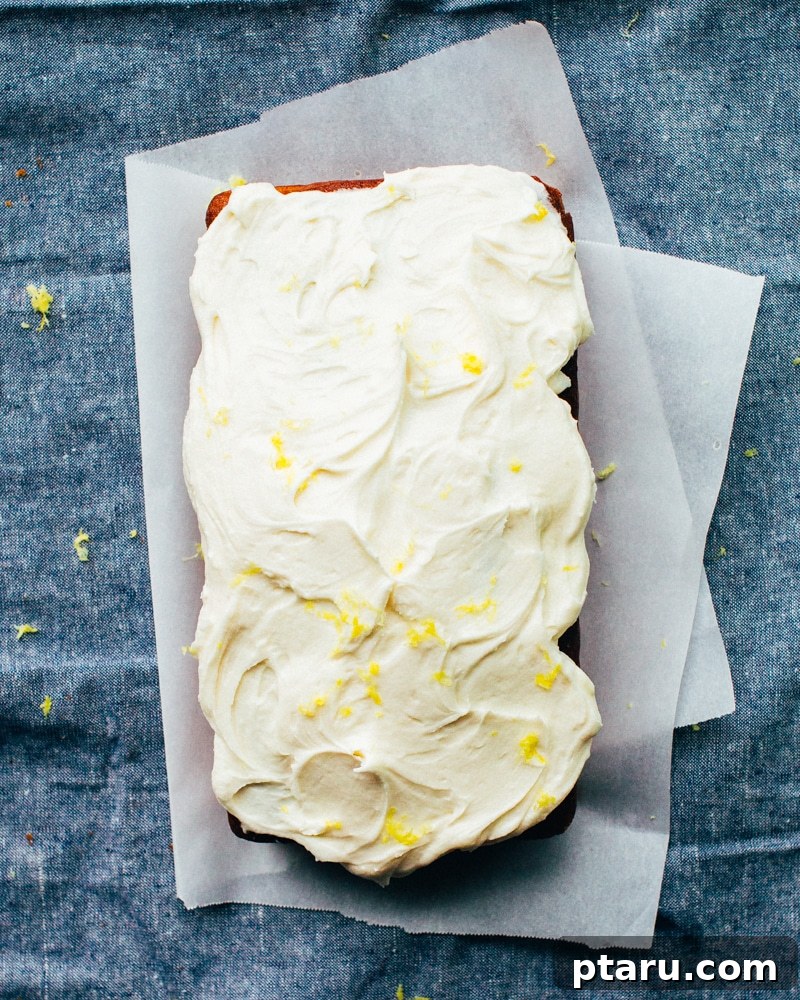
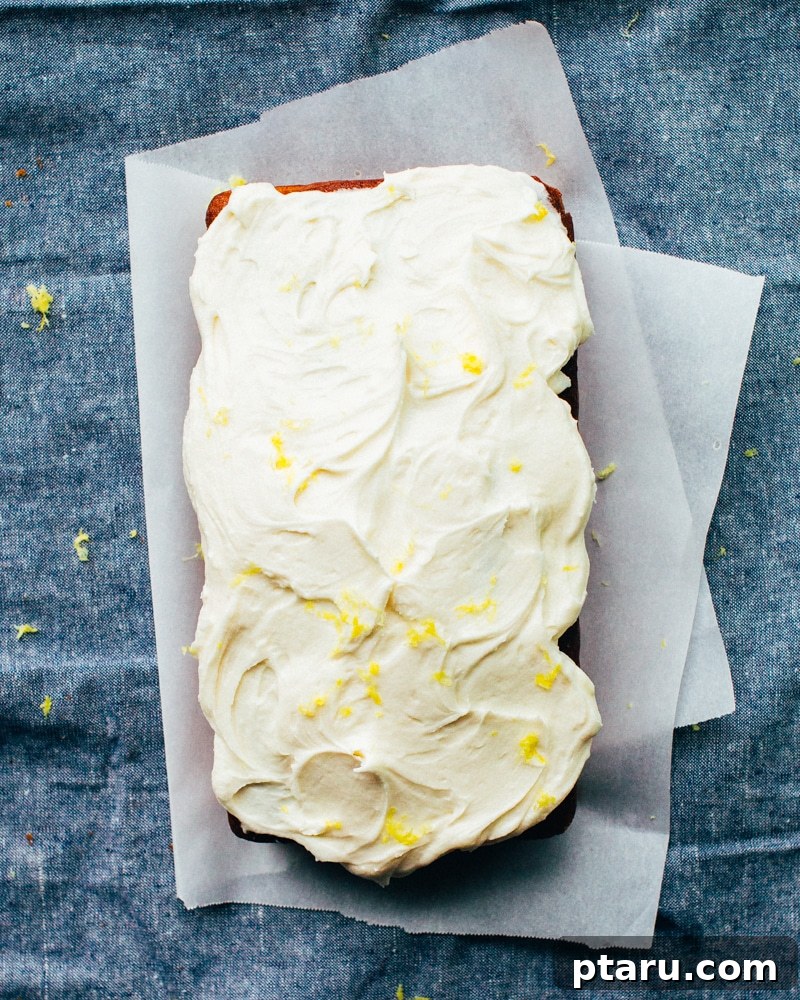
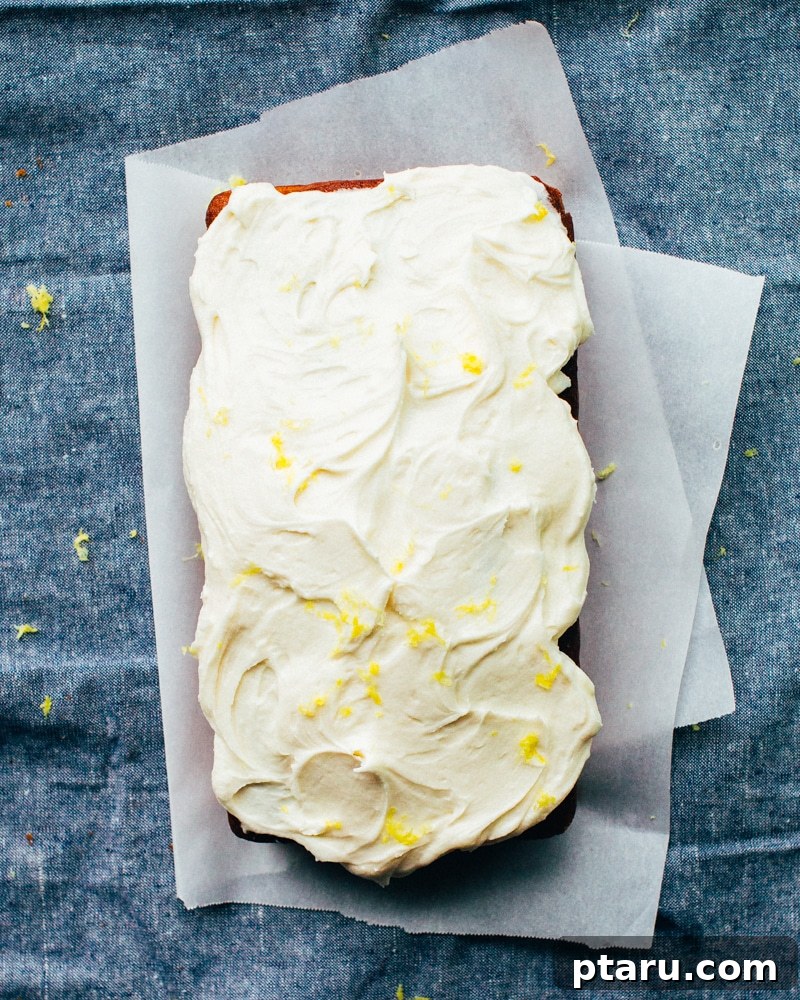
Hello, fellow baking enthusiasts! It’s been a little while, and I apologize for the recent quiet spell. I’ve been deeply engrossed in a thrilling side project (more exciting news coming soon!), but I couldn’t stay away from sharing another delightful creation with you. What better way to make a comeback than with cake? A slice of something sweet always seems to do the trick, wouldn’t you agree? Today, I’m thrilled to present my rendition of a truly exceptional Lemon Pound Cake. This isn’t just any cake; it features a wonderfully tender vanilla cake base, crowned with a vibrant, tangy lemon glaze, and finished with a cloud-like, fluffy frosting. It’s a symphony of textures and flavors that will undoubtedly bring a smile to your face.
This particular recipe was born out of a deep craving for a specific grocery store pound cake my mom used to buy when I was a child. It was a classic vanilla pound cake, simple yet perfect, adorned with a creamy vanilla frosting. But what truly set it apart and made it utterly irresistible was its bright, tangy lemon glaze. That subtle citrus kick transformed an ordinary cake into something truly addictive and memorable. I’ve strived to capture that nostalgic essence while elevating it with homemade goodness.
One of the beautiful aspects of this recipe is its versatility, allowing you to tailor the lemon intensity to your preference. If you’re a true citrus lover and dream of a dazzling triple lemon loaf, the path is simple. Just incorporate a tablespoon of finely grated lemon zest (a microplane is your best friend here!) into the cake batter itself. Then, for the frosting, simply substitute lemon juice for the milk to infuse every layer with bright lemon flavor. However, if your heart yearns for a classic, frosted vanilla pound cake – entirely sans citrus – you can easily achieve this too. Just swap the lemon juice in the glaze for an equal amount of water. Even without the lemon, the glaze plays a crucial role in keeping the cake incredibly moist and delightful.
It’s worth noting that my versions of pound cakes aren’t strictly traditional. A true, classic pound cake historically called for a pound each of butter, sugar, flour, and eggs. While that sounds incredibly rich and decadent, I personally haven’t quite mustered the courage to commit that much butter or egg to a single loaf pan just yet! Perhaps that culinary adventure awaits me in the future. Nevertheless, while this current recipe delivers a cake that is exquisitely delicious, fluffy, and wonderful in its own right, it offers a more modern take on the pound cake, perfectly balanced for today’s palates without sacrificing flavor or texture. It provides that comforting taste we all love, perhaps even more so than the heavy, traditional versions.
Mastering Your Bake: Essential Tips for Success
Achieving baking perfection, especially with cakes, often comes down to a few key techniques and careful attention to detail. Here are some invaluable tips to ensure your Lemon Pound Cake (or any cake, for that matter) turns out flawlessly moist, tender, and utterly delicious every single time:
- Precisely Weigh Your Flour: The Secret to a Moist Cake. This is perhaps one of the most crucial tips for consistent baking results. In many recipes, including mine, 1 cup of all-purpose flour is calculated as 4.5 ounces (approximately 127 grams). There’s a significant disparity in how much flour can fit into a cup depending on how it’s measured – whether it’s scooped, spooned, or packed. The difference between 4.5 ounces and 5 ounces or more, which can easily happen with careless measuring, might seem negligible, but it can dramatically alter the outcome. Extra flour leads to a denser, drier cake, and can turn a perfect cookie into a puffy, crumbly one. By weighing your flour, you eliminate this variability, ensuring your cake achieves that coveted moist texture and tender crumb every time. Invest in a kitchen scale; it’s a game-changer for serious bakers. Always go with the weight provided in a recipe, or my standard 4.5 oz per cup if a specific weight isn’t given.
- Cream Butter and Sugar Thoroughly: The Foundation of Airiness. When a recipe instructs you to beat butter and sugar for a specific duration, like 4 minutes, it’s not an arbitrary number. This creaming process is vital for incorporating air into the mixture. As butter and sugar are beaten together, the sugar crystals cut through the butter, creating tiny air pockets. These air pockets expand during baking, resulting in a lighter, more tender, and ultimately fluffier crumb. Don’t rush this step! Beat until the mixture is visibly light in color and fluffy in texture. This foundational step is non-negotiable for an airy and delightful cake.
- Don’t Over-bake: Preserve Moisture and Tenderness. Over-baking is the arch-nemesis of a moist cake. It can quickly transform a tender treat into a dry, crumbly disappointment. Begin testing your cake a few minutes before the minimum baking time specified in the recipe. Gently press the center of the cake with your fingertip; it should feel springy and bounce back without leaving an indent. The ultimate test is inserting a wooden skewer or toothpick into the center of the loaf. If it comes out clean, with no wet batter clinging to it, your cake is perfectly done. If it comes out with moist crumbs, that’s generally a good sign too, indicating a truly moist cake.
- Ensure Room Temperature Ingredients: The Key to a Smooth Emulsion. Many cake recipes call for room temperature butter and eggs, and for good reason. When butter and eggs are at room temperature, they emulsify much more effectively with other ingredients like sugar, creating a smooth, homogenous batter. Cold ingredients can cause the batter to curdle and result in a dense cake with an uneven texture. Plan ahead and take your butter and eggs out of the refrigerator at least 30-60 minutes before you begin baking.
- Avoid Overmixing After Adding Flour: Protect That Tender Crumb. Once you’ve added the flour to your wet ingredients, switch your mixer to a low speed and mix only until just combined. Overmixing at this stage can develop the gluten in the flour, leading to a tough, chewy cake rather than a tender, delicate one. A few lumps are perfectly acceptable; it’s better to slightly undermix than to overmix.
Other Citrus Recipes You’ll Love
If the bright, zesty flavors of lemon have captured your heart, then you’re in for a treat! Citrus fruits lend themselves beautifully to an incredible array of desserts, offering a refreshing counterpoint to sweetness. Start your journey with this delightful collection of drool-worthy orange dessert recipes, then explore these other fantastic citrus-infused treats:
- This Portuguese Orange Cake recipe is a true marvel – incredibly moist, wonderfully fluffy, and a long-standing fan favorite for its vibrant orange flavor and delightful texture.
- For the ultimate lemon enthusiast, this Lemon Curd Cake is an absolute must-try. Layers of tender cake are generously filled with luscious, homemade lemon curd for an unforgettable experience.
- And if you love lemon curd, then these Lemon Curd Cookies can’t be missed either. They offer a perfect bite-sized burst of tangy sweetness.
- Do you adore the combination of bright citrus and rich chocolate? This decadent Chocolate Orange Cake is crafted just for you, balancing deep cocoa notes with zesty orange.
- This Cranberry Lemon Cake is a long-standing favorite, offering a beautiful balance of tart cranberries and bright lemon, perfect for any season.
- Of course, we can’t forget this elegant Orange Pound Cake with a delightful orange glaze, beautifully baked in a classic bundt pan for a stunning presentation.
- While not quite a dessert, these Lemon Blueberry Sour Cream Muffins are so utterly delicious and satisfying that they easily earn a spot on this list. Perfect for breakfast, brunch, or an afternoon treat!

Pin Recipe
Print Recipe
Lemon Pound Cake
Jennifer Pallian BSc, RD
20 minutes
50 minutes
1 hour
10 minutes
10
servings
Ingredients
- 2 cups all purpose flour (4.5 oz per cup)
- 1 ½ tsp baking powder
- ½ tsp salt
- 1 cup butter (8 ounces), softened
- 1 cup granulated sugar
- 4 eggs, room temperature
- 1 vanilla bean, split lengthwise and seeds scraped out (or 1 tsp pure vanilla extract)
- ¼ cup milk
- 1 tbsp finely grated lemon zest (optional, for triple lemon flavor)
For Glaze:
- ½ cup granulated sugar
- ¼ cup lemon juice (or water, for plain vanilla cake as per notes above)
For Frosting:
- ⅓ cup unsalted butter, softened
- 2 cups confectioners’ sugar
- 2 tbsp milk or lemon juice (for lemon frosting)
- ⅛ tsp vanilla extract (omit if using lemon juice for frosting)
Instructions
-
Preheat your oven to 350ºF (175ºC). Line an 9×5-inch loaf pan with parchment paper, leaving an overhang on the longer sides to easily lift the cake out later.
-
In a large bowl, whisk together the all-purpose flour, baking powder, and salt. Ensure these dry ingredients are well combined to distribute the leavening evenly. Set this bowl aside.
-
In the bowl of a standing mixer fitted with the paddle attachment (or using a hand mixer), combine the softened butter and granulated sugar. Beat on medium speed for about 4 minutes, or until the mixture is very light in color and fluffy. This critical step incorporates air for a tender crumb. Beat in the eggs one at a time, ensuring each egg is fully incorporated before adding the next. Beat for about 15 seconds after each addition, pausing to scrape down the sides of the bowl as needed. Finally, beat in the vanilla bean seeds (or vanilla extract).
-
Reduce the mixer speed to low. Gradually beat in half of the reserved flour mixture until just combined. Stop the mixer and scrape down the sides of the bowl thoroughly. Next, beat in the milk on low speed, followed by the remaining flour mixture. Mix only until no streaks of dry flour remain – be careful not to overmix, as this can lead to a tough cake. Scrape the batter evenly into your prepared loaf pan. Bake for 45 minutes to 1 hour, or until a wooden skewer or toothpick inserted into the center of the cake comes out clean.Once baked, remove the cake from the oven and place it on a wire rack for 10 minutes to cool slightly in the pan. Then, carefully invert the cake directly onto the wire rack. Gently peel off the parchment paper. Invert the cake again so it is right-side up on the rack and allow it to cool completely before frosting.
To Make the Glaze:
-
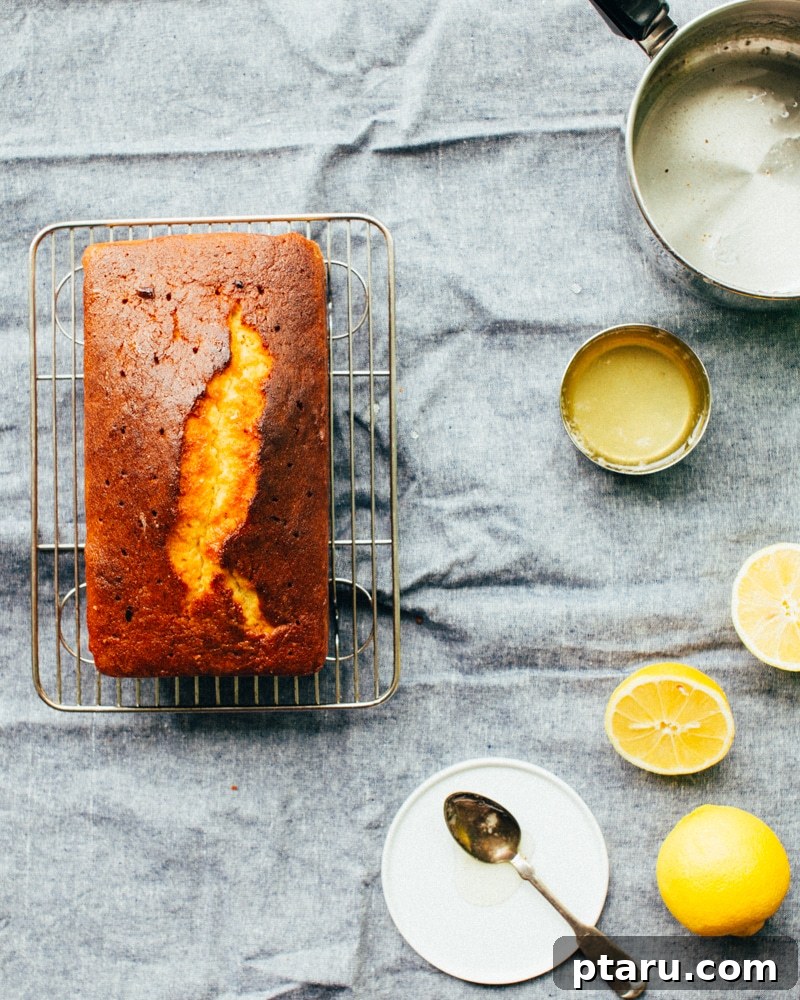
In a small saucepan, combine the granulated sugar and lemon juice (or water) over medium heat. Stir continuously until the sugar is completely dissolved and the mixture is clear. While the cake is still warm (but removed from the pan), use a toothpick or skewer to poke several holes evenly across the top. Brush the warm glaze over the cake repeatedly, allowing it to soak into the holes, until all the glaze is used. This infuses the cake with extra moisture and vibrant lemon flavor. Let the glazed cake cool completely.
To Make the Frosting:
-
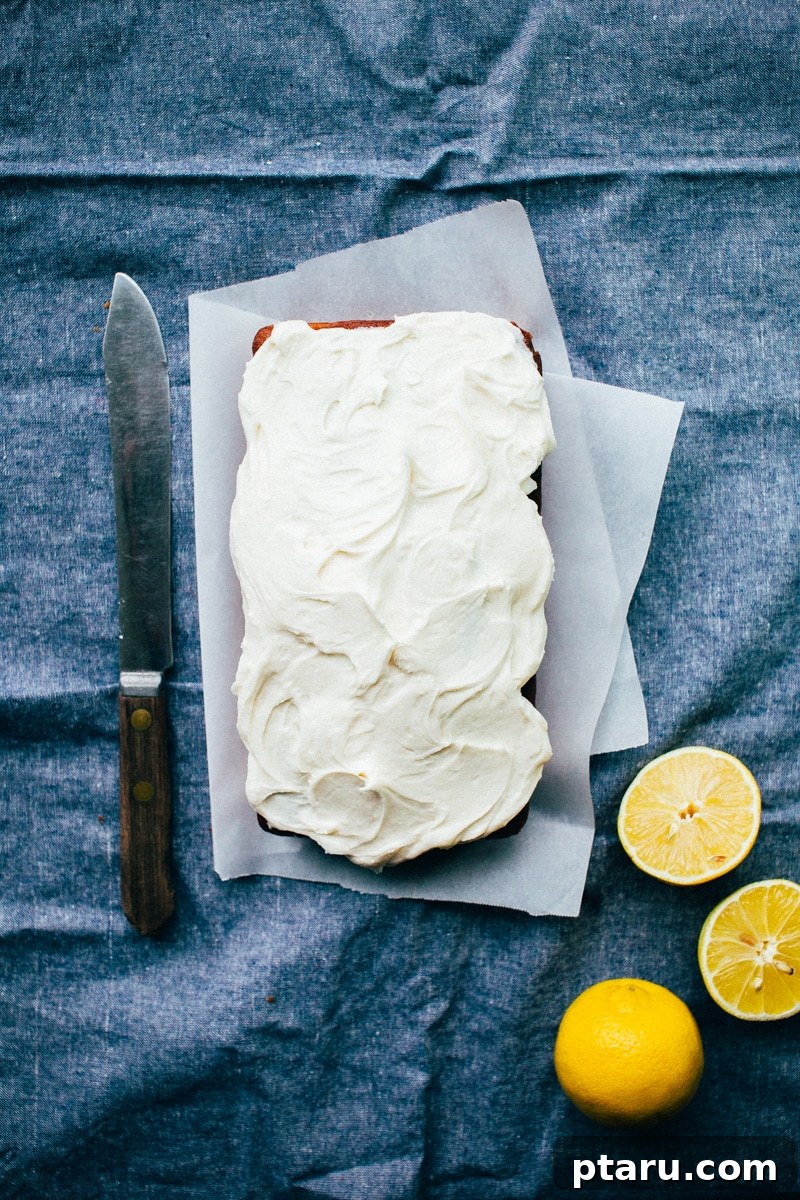
In a medium bowl, beat all the frosting ingredients (softened unsalted butter, confectioners’ sugar, milk or lemon juice, and vanilla extract if using) together on medium speed of an electric mixer until the frosting is light, fluffy, and smooth. Once the cake has cooled completely, spread the luscious frosting generously over the top.
Tried this recipe? Share your thoughts in the comments below!
Serving Your Perfect Lemon Pound Cake
This Lemon Pound Cake is delightful on its own, but its versatility truly shines when paired with simple accompaniments. Serve slices with fresh seasonal berries – strawberries, blueberries, or raspberries provide a beautiful contrast in color and an extra burst of freshness. A dollop of lightly sweetened whipped cream or a scoop of vanilla bean ice cream can elevate it into an even more indulgent dessert. It’s also the perfect companion for an afternoon tea or coffee, offering a moment of sweet serenity. Store any leftovers in an airtight container at room temperature for up to 3-4 days, or in the refrigerator for up to a week. The flavors tend to meld even more beautifully the next day!
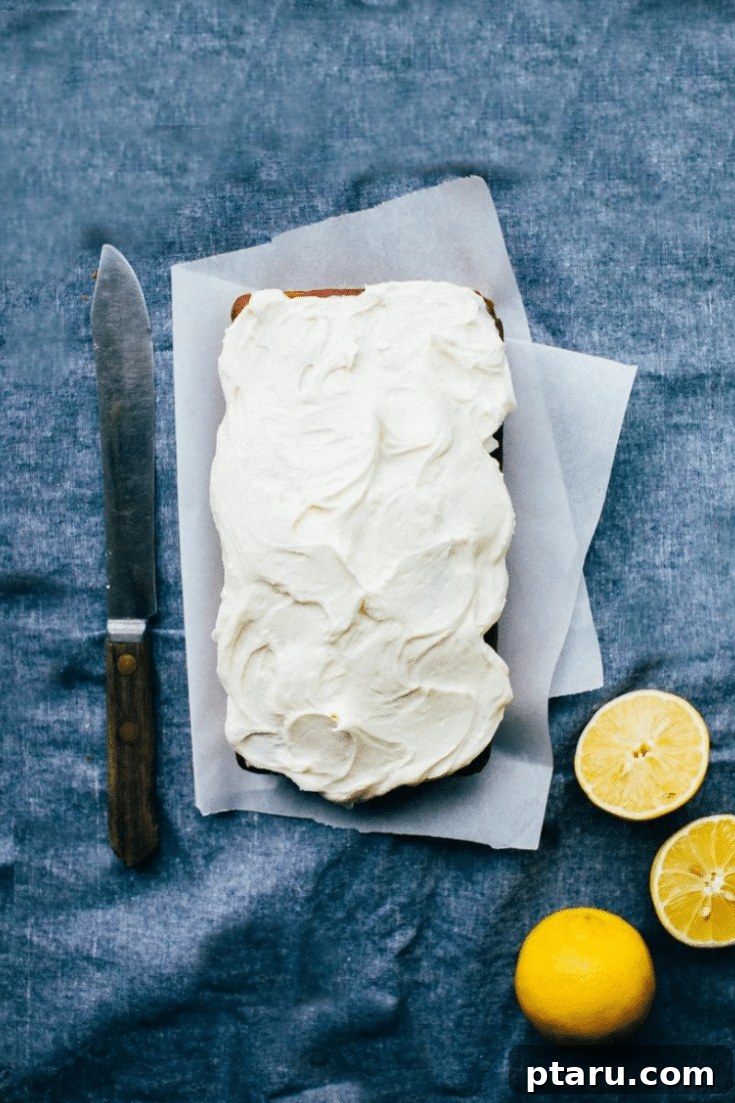
I genuinely hope you enjoy baking and savoring this incredible Lemon Pound Cake as much as I do. It’s a recipe that perfectly balances comfort with a touch of gourmet elegance, and it’s surprisingly straightforward to make from scratch. It’s guaranteed to impress your guests, or simply provide a perfect treat for your family. Happy baking!