Lemon Tahini Dressing: Your Ultimate Guide to a Versatile, Healthy, and Delicious Sauce
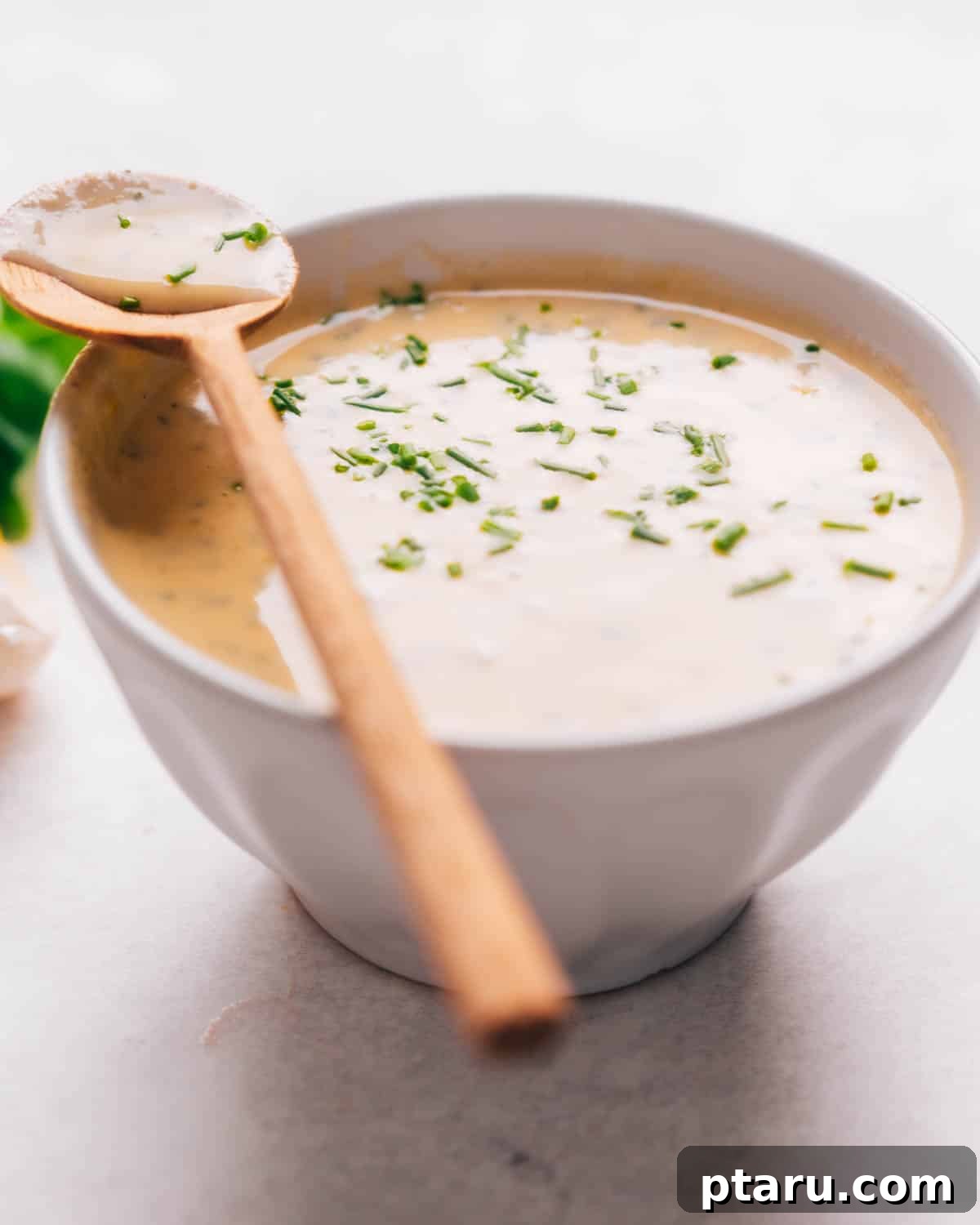
Lemon Tahini Dressing is a culinary marvel, celebrated for its unique blend of tanginess, incredible creaminess, and aromatic herby notes. This effortlessly simple recipe transforms everyday dishes, offering a burst of fresh flavor that brightens everything it touches. Whether you’re seeking a vibrant dressing for your favorite green salad, a rich sauce to drizzle over roasted vegetables, or a delectable accompaniment for various proteins, this lemon tahini creation promises to become a staple in your kitchen.
Made from a harmonious blend of ground sesame seeds, fresh lemon, olive oil, and fragrant herbs, this dressing is not only packed with flavor but also offers a nutritious, dairy-free, and vegan-friendly option for enhancing your meals. Prepare to elevate your cooking with this irresistibly delicious and incredibly versatile sauce!

Essential Ingredients for Your Zesty Lemon Tahini Dressing
Gathering your ingredients is the first step towards creating this delightful dressing. The beauty of this recipe lies in its simplicity and the power of a few fresh, high-quality components coming together.
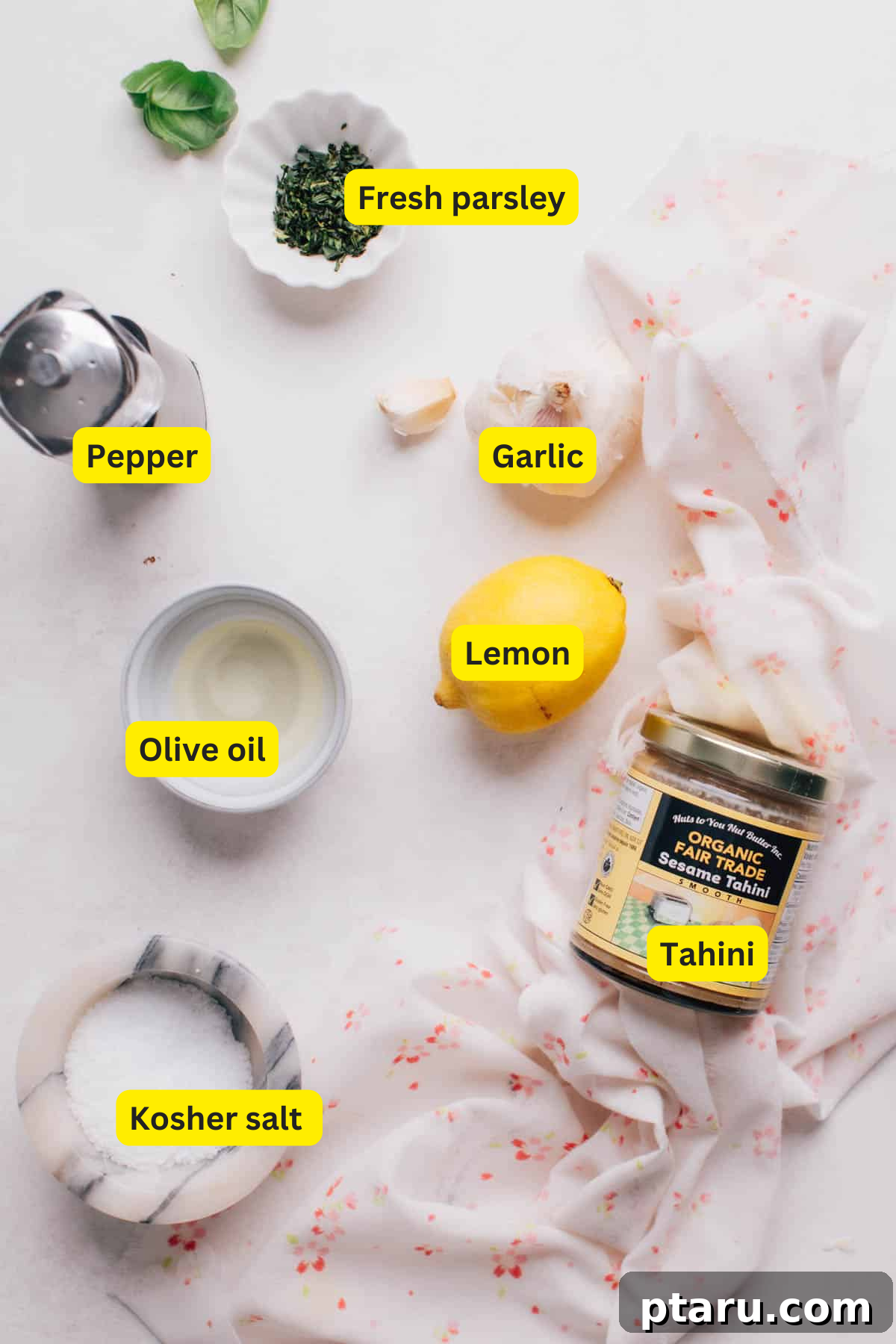
Core Tahini Dressing Ingredients Explained
Each ingredient plays a crucial role in crafting the perfect balance of flavors and textures in this dressing:
- Tahini: The heart of this dressing, tahini is a paste made from ground sesame seeds. It provides an unparalleled creaminess and a rich, nutty depth that forms the base of the sauce. For best results, choose a high-quality tahini with a smooth consistency. If you’re out, toasted sesame seeds (processed into a butter in a blender) or another mild nut butter can work as a substitute, though the flavor profile will shift.
- Olive Oil: A good quality extra virgin olive oil contributes a smooth, slightly fruity richness. It beautifully balances the zesty lemon and the robust tahini, adding a velvety mouthfeel and enhancing overall flavor.
- Fresh Lemon Juice: This is where the “lemon” in lemon tahini shines! Freshly squeezed lemon juice is vital for its bright acidity and refreshing zest. It cuts through the richness of the tahini, providing a lively tang that awakens the palate. Always opt for fresh over bottled for superior flavor.
- Lemon Zest: Don’t skip this! Lemon zest delivers a concentrated burst of citrus aroma and intense lemon flavor without adding extra liquid or acidity. It adds a nuanced bitterness and brightness that elevates the dressing.
- Fresh Parsley: Incorporating fresh herbs is key to this dressing’s vibrant character. Parsley offers a mild, slightly peppery freshness and a beautiful green hue. If fresh isn’t available, a smaller amount of dried parsley can be used, though the flavor will be more subtle.
- Fresh Chives: These delicate members of the onion family lend a gentle, savory oniony note without the sharpness of raw onion. Chives provide an aromatic quality that perfectly complements the other ingredients.
- Garlic: A single clove of fresh minced garlic adds a foundational layer of savory heat and complexity. It enhances the overall depth, making the dressing more robust and flavorful.
- Kosher Salt and Black Pepper: These essential seasonings are crucial for bringing all the flavors into harmony. They enhance the natural tastes of the ingredients and allow you to fine-tune the dressing to your personal preference, balancing acidity and richness.
You’ll find precise ingredient quantities listed in the detailed recipe card located at the bottom of this article.
Creative Substitutions and Exciting Variations
One of the best aspects of this lemon tahini dressing is its adaptability. Feel free to experiment with these suggestions to tailor the dressing to your taste preferences or to complement specific dishes:
- For a Spicy Kick: Introduce a pinch of cayenne pepper for a subtle warmth, or finely dice a small jalapeño (remove seeds for less heat) and blend it in for a bolder, fresh spice. A dash of your favorite hot sauce can also do the trick.
- Creamy Avocado Version: For an extra rich and velvety texture, blend in half of a ripe mashed avocado. This adds healthy fats, a beautiful green color, and an even creamier consistency, making it ideal for bowls and wraps.
- Smoky Undertones: A dash of smoked paprika will impart a delightful, earthy smokiness, enhancing savory dishes. For an intense smoky flavor, a few drops of liquid smoke can be used sparingly.
- Herbal Exploration: Beyond parsley and chives, feel free to add or swap in other fresh herbs. Try fresh dill for a brighter, more Mediterranean profile, cilantro for an earthy, citrusy twist, or oregano and thyme for a more robust, savory depth. A combination of several herbs can also create a wonderfully complex flavor.
- Sweetness Balance: If your tahini is particularly bitter or you prefer a slightly sweeter dressing, add a small amount of maple syrup, honey, or agave nectar, tasting as you go to achieve the perfect balance.
- Nut-Free Alternative: For those with sesame allergies, sunflower seed butter or pumpkin seed butter can offer a similar creamy texture, though the flavor will differ. Ensure these are unsweetened and smooth.
EXPLORE MORE TAHINI-BASED RECIPES:
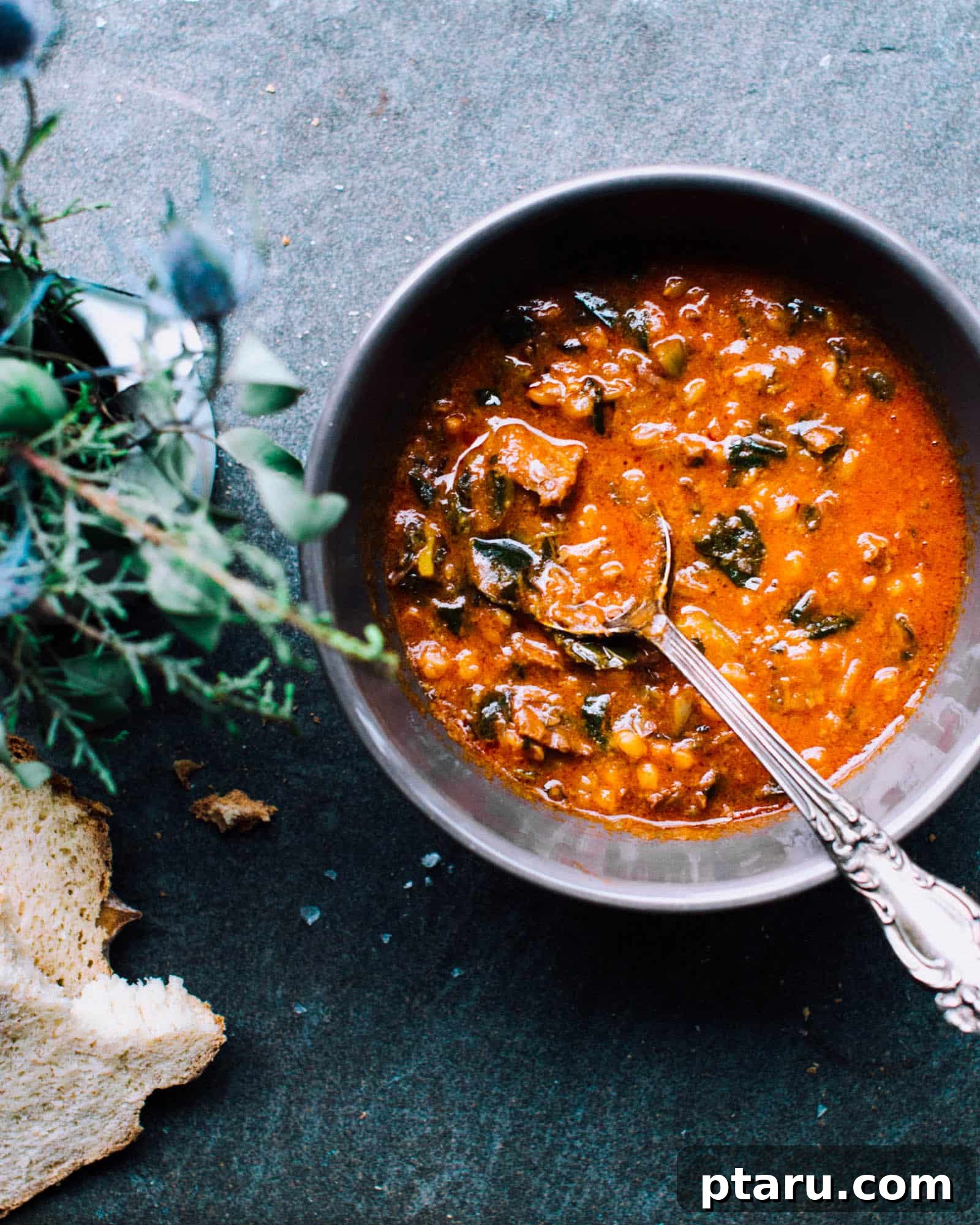
- Fish and Kale in Tahini Sauce
- Kofta with Tahini
- Homemade Falafel with Tahini
- Kale + Quinoa Salad with Creamy Tahini Dressing
Essential Kitchen Tools for Easy Preparation
Creating this lemon tahini dressing requires only a few basic kitchen tools, making it accessible for any home cook:
- Medium Bowl: Indispensable for comfortably combining and whisking all your ingredients. Choose one with enough space to prevent spills.
- Whisk or Spoon: A good sturdy whisk is ideal for achieving a smooth, emulsified dressing. A large spoon can also work, especially if you’re patient with the stirring.
- Microplane or Zester: Essential for finely grating lemon zest, ensuring maximum flavor extraction without including the bitter white pith.
- Garlic Press or Sharp Knife: For quickly mincing garlic cloves, ensuring even distribution of its pungent flavor throughout the dressing.
- Chopping Board & Knife: For precisely chopping fresh herbs, guaranteeing their aromatic oils are released and integrated into the sauce.
- Citrus Juicer or Reamer: The most efficient way to extract the maximum amount of fresh lemon juice from your lemons, preventing wasted fruit.
How to Make Lemon Tahini Dressing: An Effortless Step-by-Step Guide
Follow these straightforward steps to prepare your own homemade lemon tahini dressing in under 10 minutes. It’s so simple, you’ll wonder why you ever bought store-bought!
Step 1: Create the Flavorful Base
In a medium-sized mixing bowl, combine the tahini, fresh lemon juice, lemon zest, minced garlic, and olive oil. Begin to stir vigorously with your whisk or spoon. At first, the mixture may appear thick, pasty, and even somewhat lumpy or “seized up.” This is completely normal! Continue stirring continuously. The tahini will gradually emulsify with the lemon juice and oil, transforming into a creamy, cohesive, and smooth base. Persistence is key in this initial stage.
Step 2: Achieve Your Desired Consistency with Water
Once your tahini base is smooth, it’s time to thin it to your preferred consistency. Gradually add water, a tablespoon at a time, stirring well after each addition. The amount of water needed can vary depending on the thickness of your tahini and how thick or thin you like your dressing. Continue adding and stirring until the dressing reaches a pourable, creamy consistency suitable for drizzling over salads or coating vegetables. You might not need all the suggested water, or you might need a tiny bit more.
Step 3: Infuse with Fresh Herbs
Now, it’s time to add the vibrant fresh herbs. Stir in the finely chopped parsley and chives. If you’re using other herbs like basil or dill, add them now too. Mix thoroughly to ensure the herbs are evenly distributed throughout the dressing, imparting their fresh aromas and flavors.
Step 4: Season to Perfection
Season the dressing generously with kosher salt and freshly ground black pepper. Taste a small amount and assess the flavor. Does it need more tang? Add a splash more lemon juice. Is it too intense? A tiny bit more olive oil can mellow it out. Does it feel flat? A pinch more salt will often do the trick. Adjust the seasoning as needed until the dressing sings with balanced flavor.
Your homemade Lemon Tahini Dressing is now complete and ready to elevate your meals!
Avoid These 5 Common Mistakes for a Perfectly Creamy Lemon Tahini Dressing
Even though this dressing is simple, there are a few common pitfalls that can affect its texture and flavor. Being aware of these will help you achieve consistently fantastic results every time.
- Not Mixing the Tahini Properly Before Use: Tahini naturally separates over time, with the oil rising to the top and the solids settling at the bottom. If you don’t thoroughly stir the tahini in its jar before measuring it out, you’ll end up with an inconsistent product—either too oily or too thick and pasty.
Solution: Always give your jar of tahini a good stir or shake before you scoop it out. For very thick tahini, you might even need to empty it into a bowl and mix thoroughly before returning it to the jar.
- Skipping the Emulsification Step (The “Seizing Up”): When tahini first meets an acidic liquid like lemon juice and some oil, it can “seize up,” becoming thick, pasty, and sometimes grainy. Many people get discouraged at this point and think they’ve failed.
Solution: Don’t panic! This is a normal chemical reaction. Continue whisking or stirring vigorously. The mixture will eventually smooth out and emulsify as the tahini’s fats combine with the liquid. Only after it’s smooth should you start adding water.
- Adding Too Much Water at Once: Pouring in all the water simultaneously or too quickly can result in a dressing that’s too thin and watery, lacking the desired creamy richness.
Solution: Add water gradually, a tablespoon at a time, while continuously whisking. This allows you to control the consistency and stop once you’ve reached your perfect level of creaminess.
- Forgetting to Taste and Adjust Seasoning: Flavors can deepen and meld as the dressing sits, or they might need a final touch depending on your palate. Not tasting before serving can lead to an under-seasoned or unbalanced dressing.
Solution: Always taste your dressing before serving and don’t be afraid to adjust! Add more salt, pepper, a squeeze of lemon juice, or even a tiny bit of sweetener (like maple syrup) if it tastes too bitter or tangy.
- Not Using Fresh Ingredients: While convenient, bottled lemon juice and dried herbs simply cannot replicate the bright, vibrant flavors that fresh ingredients provide. Using subpar ingredients will inevitably lead to a less flavorful dressing.
Solution: Whenever possible, use freshly squeezed lemon juice and fresh herbs. The difference in taste and aroma is truly remarkable and worth the extra effort.
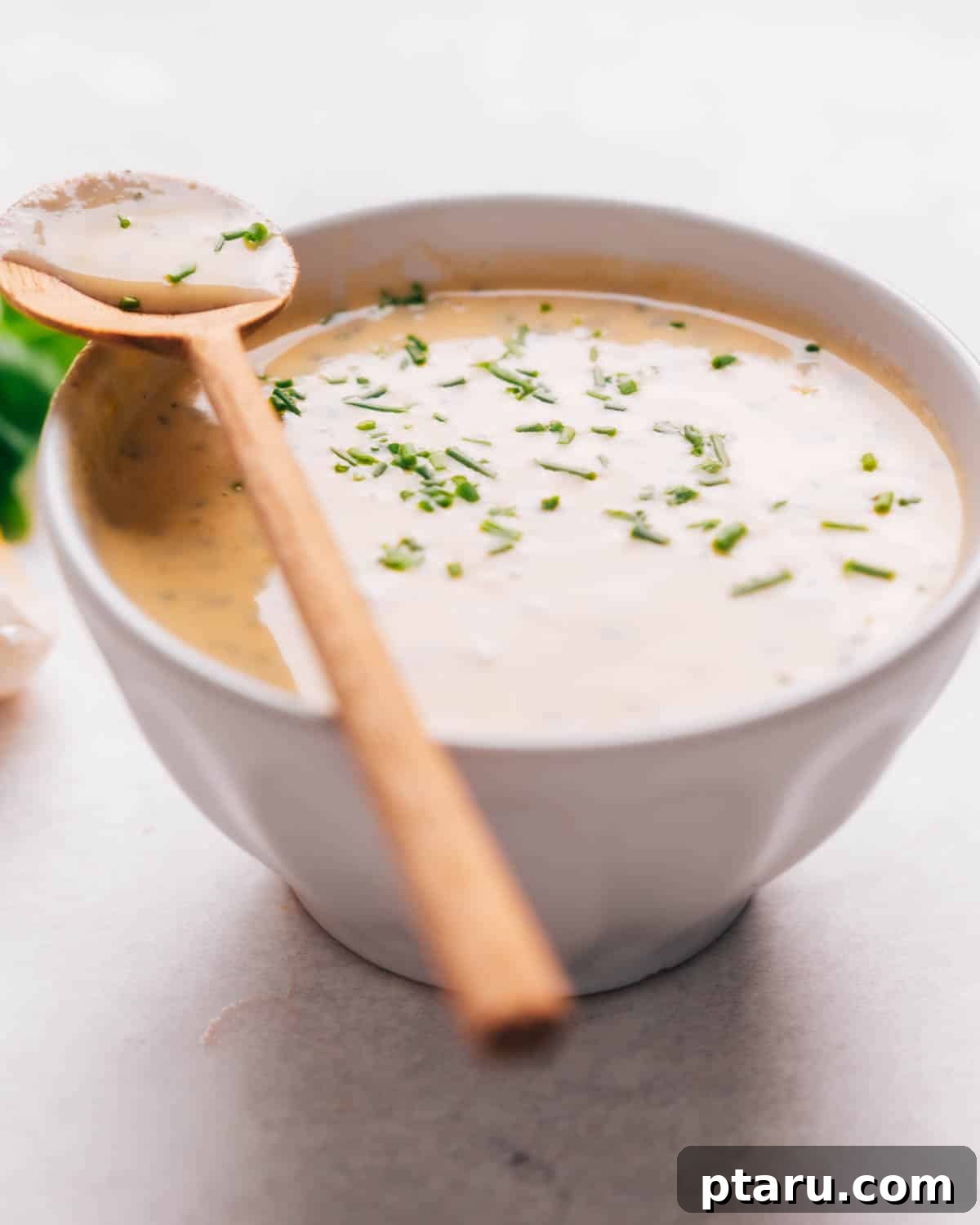
Make Ahead and Storage Tips for Your Lemon Tahini Dressing
One of the fantastic benefits of this lemon tahini dressing is that it can be prepared in advance, making meal prep a breeze. In fact, the flavors often improve after a few hours as they have time to meld and deepen.
- Optimal Flavor Development: For the best taste, prepare the dressing at least 30 minutes to an hour before you plan to serve it. This allows all the individual flavors to fully integrate and create a more harmonious profile.
- Refrigeration: Store your freshly made dressing in an airtight container or a tightly sealed jar in the refrigerator. It will stay fresh and delicious for up to 5 days.
- Reviving Thickened Dressing: Tahini-based dressings naturally tend to thicken when chilled. If your dressing becomes too thick after refrigeration, simply whisk in a teaspoon or two of warm water or a little extra lemon juice until it returns to your desired consistency.
- Always Stir Before Serving: Natural separation can occur after storage, so give the dressing a quick stir or shake before drizzling it over your food to ensure a consistent texture and flavor.
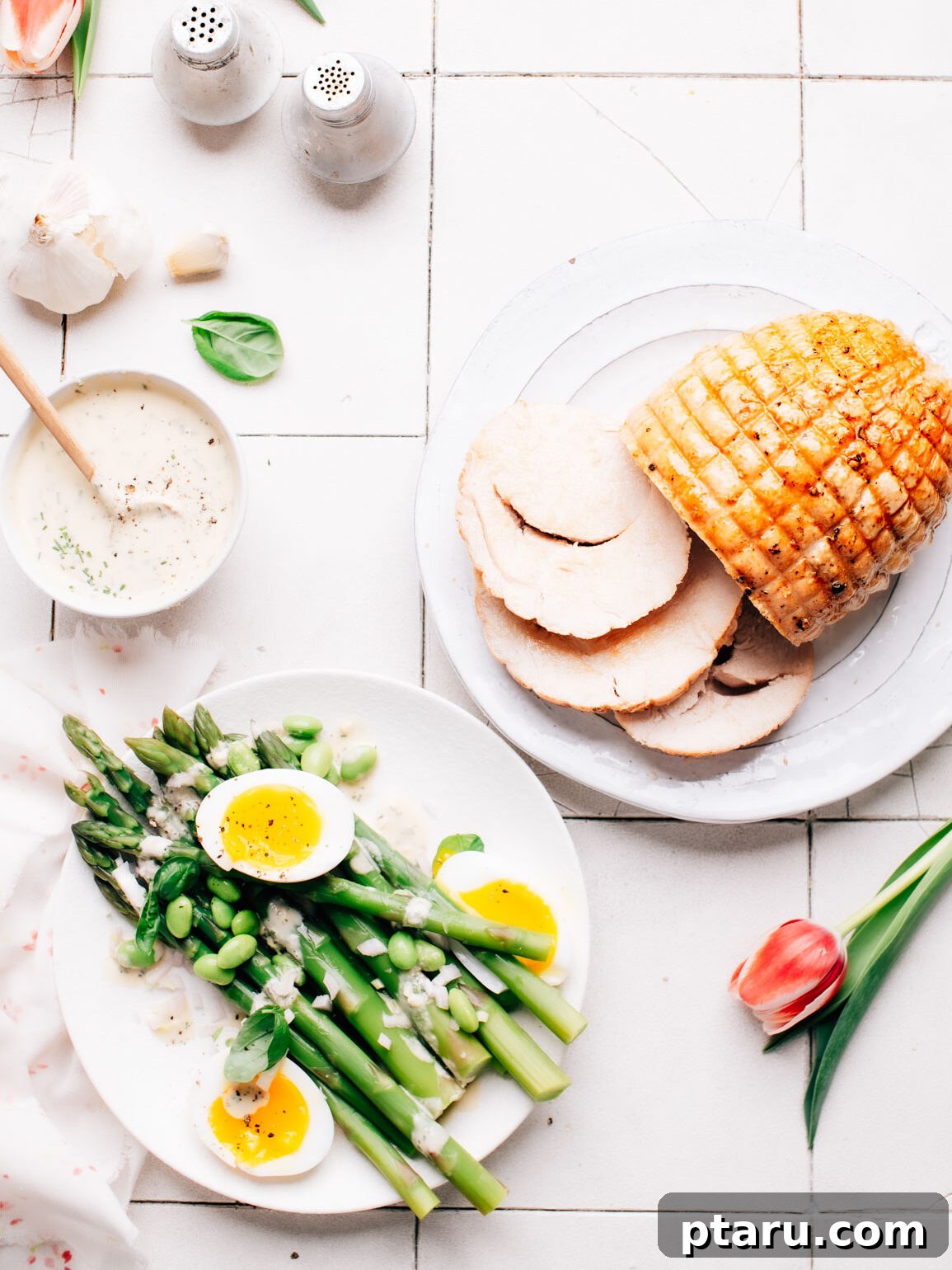
How to Serve This Versatile Lemon Tahini Dressing: Endless Culinary Possibilities
The beauty of lemon tahini dressing lies in its incredible versatility. Beyond simply topping a green salad, it can transform a wide array of dishes into culinary delights. Here are some of our favorite ways to enjoy this vibrant sauce:
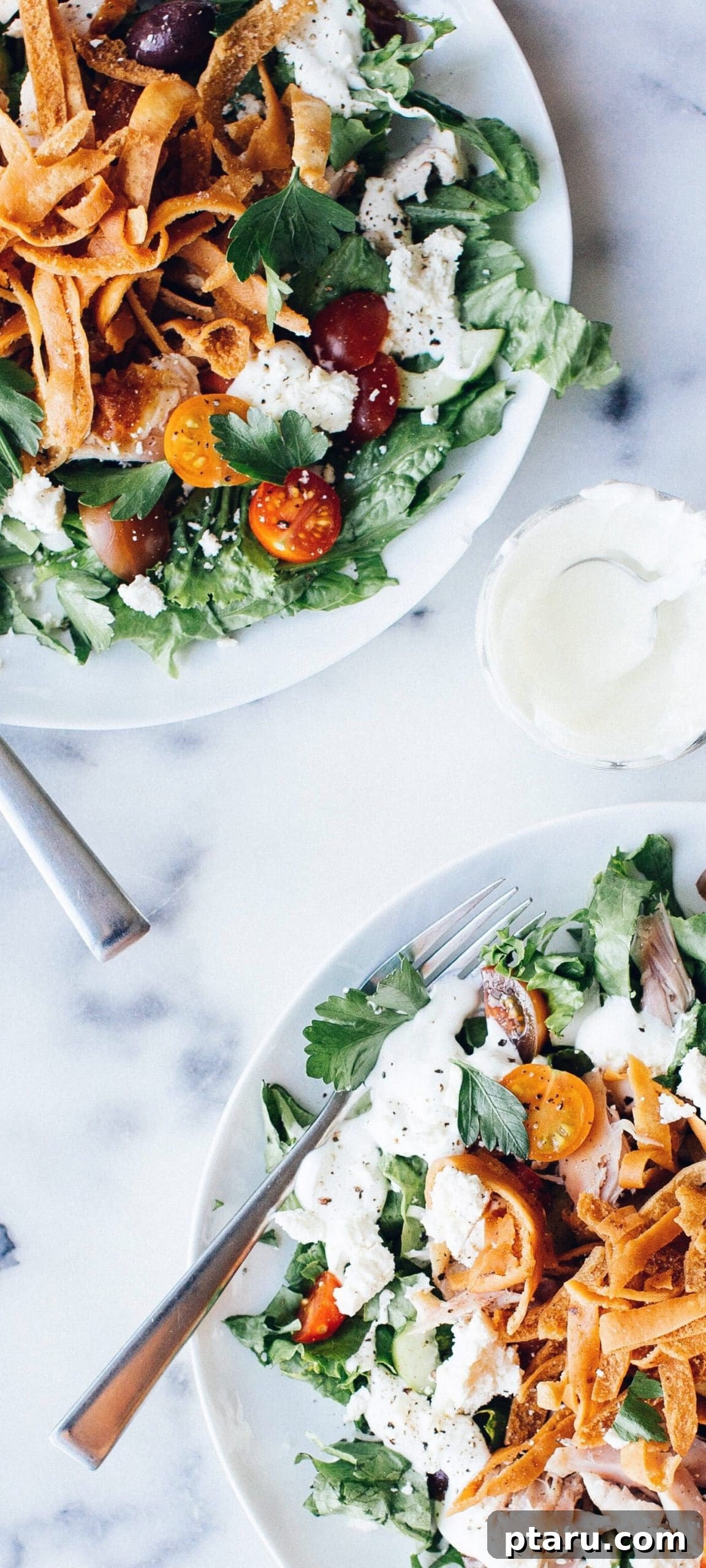
- Elevate Your Salads: Drizzle generously over any fresh green salad, from crisp romaine to hearty kale. It pairs exceptionally well with Mediterranean-inspired salads featuring cucumbers, tomatoes, bell peppers, and feta cheese (if not keeping vegan).
- Perfect for Grain Bowls: Make your weekday lunch exciting by adding this dressing to grain bowls. It’s fantastic with quinoa, brown rice, farro, or couscous, especially when combined with roasted vegetables and a protein source.
- Roasted Vegetable Perfection: Transform simple roasted vegetables like asparagus, broccoli, carrots, Brussels sprouts, or sweet potatoes with a liberal drizzle of this creamy dressing post-roasting. The bright flavors cut through the richness of the cooked veggies.
- Dips & Spreads: Serve it as a creamy dip for fresh raw vegetables (carrots, celery, bell peppers, radishes) or pita bread. It’s also a fantastic spread for sandwiches and wraps, adding moisture and flavor.
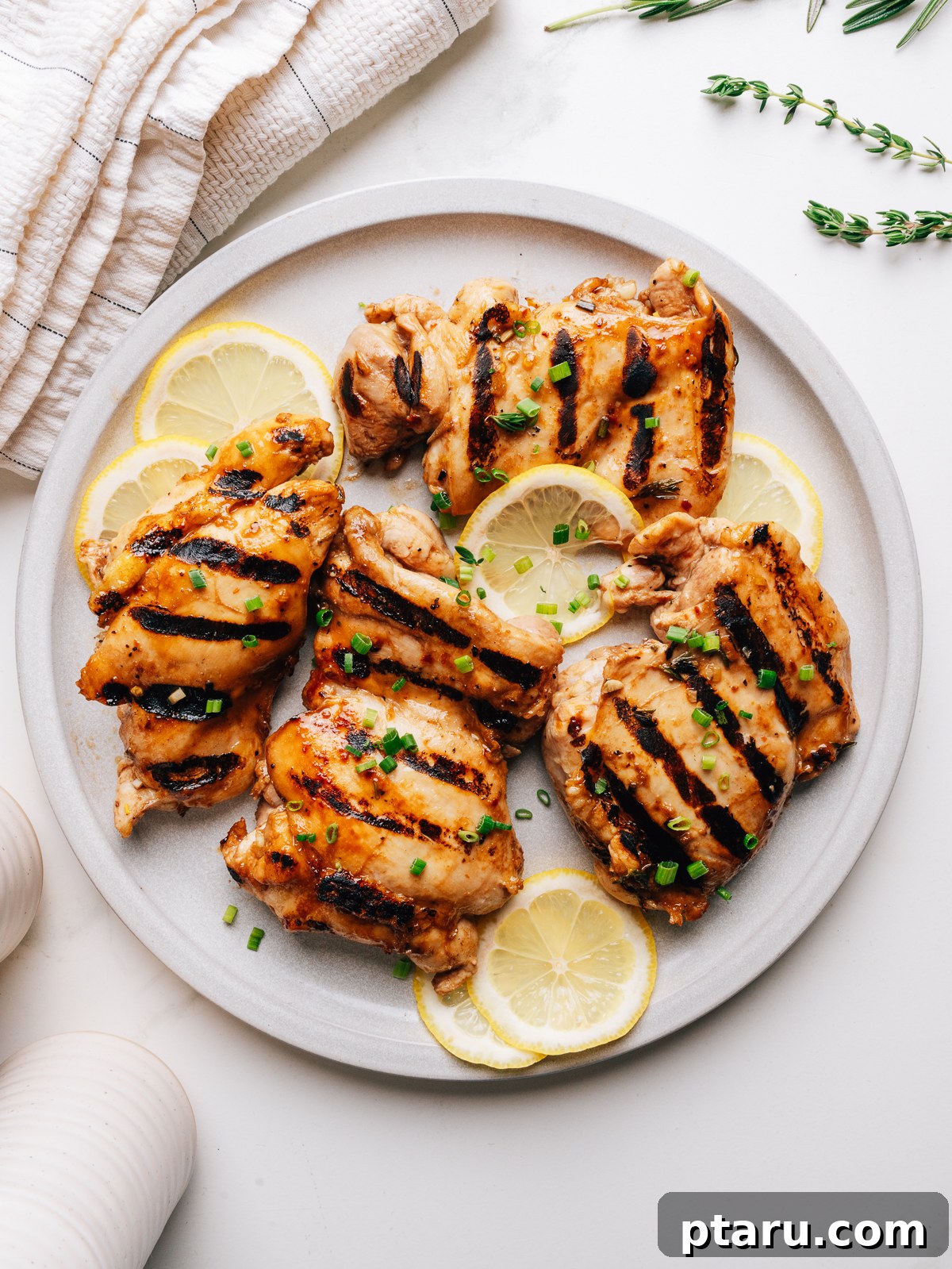
- Enhance Proteins: This dressing makes an excellent sauce for various proteins. Try it with grilled chicken, pan-seared fish (especially salmon or cod), roasted lamb kofta, or even crispy baked tofu. It adds a delicious layer of flavor without overpowering.
- Mediterranean Flavors: It’s a natural fit for Middle Eastern cuisine. Pair it with crispy air fryer eggplant, easy couscous salad, or drizzled inside falafel pitas or chicken shawarma wraps.
- Beyond the Plate: Get creative! Use it as a marinade for chicken or fish before grilling, or mix it into a healthier potato salad or coleslaw instead of mayonnaise.
Expert Insights: Pro Tips & Science-Based Secrets for the Perfect Dressing
Creating an exceptional lemon tahini dressing is simple, but a few professional insights can elevate your results from good to truly outstanding. This dairy-free wonder is a game-changer for adding creamy richness to any meal.
- Whisk First, Then Thin: Always combine the tahini, lemon juice, and olive oil, and whisk them thoroughly until smooth *before* gradually adding water. This emulsification process is critical to prevent the dressing from seizing up and ensures a consistent, creamy texture. The fats in tahini need to bind with the acid first.
- Consider Warm Water: For incredibly thick tahini or if you’re struggling to achieve a super smooth consistency, try using slightly warm (not hot) water when thinning. Warmth helps to loosen the tahini’s thick texture, making it easier to whisk into a velvety dressing.
- The Art of Flavor Balance: Tasting and adjusting is paramount. If your dressing tastes too bitter (which can happen with some tahini brands), add a touch of natural sweetener like honey or maple syrup. If it’s too thick, add more water. If it’s overly tangy, a bit more olive oil can help mellow the acidity. Aim for a harmonious blend where no single flavor dominates.
- Allow It to Rest: The flavors in your dressing deepen and meld beautifully after sitting for at least 30 minutes. If time allows, prepare it in advance. This resting period allows the herbs and garlic to fully infuse the tahini and lemon, creating a more complex and satisfying taste.
- Always Shake or Whisk Before Serving: As a natural product, tahini dressing can separate upon standing, especially after refrigeration. A quick shake or whisk will effortlessly bring it back to its smooth, creamy, and uniform state, ready for drizzling.
- Source Quality Tahini: The quality of your tahini significantly impacts the final taste. Look for brands that are made from hulled, roasted sesame seeds and have a smooth, pourable consistency when stirred, rather than being overly thick or pasty in the jar.
FAQs About Lemon Tahini Dressing: Your Questions Answered
For those looking for quick answers, here are some of the most frequently asked questions about making and enjoying lemon tahini dressing:
Why did my tahini dressing turn out too thick?
Tahini naturally thickens when it interacts with acidic ingredients like lemon juice, a process known as “seizing up.” To easily fix this, gradually whisk in warm water, a tablespoon at a time, until the dressing achieves your desired smooth and pourable consistency. Patience is key!
Can I make this dressing without olive oil?
Yes, absolutely! While olive oil adds a lovely richness and smooth texture, you can omit it. For a lighter version, replace the olive oil with an equal amount of water, or for a different texture, incorporate a spoonful of plain dairy-free yogurt or a small amount of mashed avocado. The flavor profile will change slightly, but it will still be delicious.
Can I use bottled lemon juice instead of fresh?
For the best possible flavor and brightest zing, freshly squeezed lemon juice is highly recommended. Bottled lemon juice can work in a pinch, but be aware that it often has a slightly more acidic or less vibrant taste due to pasteurization and additives. Adjust the quantity to taste if using bottled.
What if my dressing tastes bitter?
Some brands of tahini can have a naturally stronger or slightly bitter flavor. To balance this, try adding a small amount of natural sweetener such as honey, maple syrup, or agave nectar, tasting as you go. A little extra lemon juice or a pinch more salt can also help to cut through and balance any bitterness.
As spring approaches and fresh produce becomes abundant, there’s no better time to embrace this incredible lemon tahini dressing. Here’s why you should make this recipe your next kitchen adventure:
- It effortlessly brightens up all your favorite simple salads and roasted vegetables, making healthy eating a joy.
- This lemon tahini recipe is an excellent addition to your meal prep arsenal, as it lasts all week long in the fridge, ready to elevate any meal.
- It’s wonderfully dietary inclusive, being naturally vegan, gluten-free, and dairy-free, catering to a wide range of dietary needs without compromising on flavor.
Other Delicious Dressing Recipes You’ll Love
If you enjoy making your own dressings, explore these other fantastic homemade options:
- Lemon Buttermilk Dressing
- Green Goddess Dressing
- Homemade Ranch Dressing
- Creamy Caesar Dressing
Lemon Tahini Dressing (The Ultimate Recipe You’ll Swear By!)
This tangy, creamy, and herby lemon tahini dressing is incredibly simple to prepare and will become your go-to sauce in under 5 minutes. It’s perfect as a flavorful salad dressing or a bright sauce to elevate simple veggies, salads, and proteins.
Ingredients
For the Dressing:
- ¼ cup tahini
- 2 tbsp olive oil
- 3 tbsp lemon juice
- 1 tsp lemon zest
- 2 tbsp minced fresh parsley (or 1 tsp dried)
- 3 tbsp minced fresh chives
- 1 clove garlic (minced)
- ½ tsp kosher salt
- ⅛ tsp black pepper
- 3 tbsp water (plus more as needed for consistency)
Instructions
- In a medium bowl, combine the tahini, lemon juice, lemon zest, minced garlic, and olive oil. Stir vigorously until well blended and smooth. The mixture may appear thick and lumpy at first, but continue stirring; it will eventually emulsify and become creamy.
- Gradually add water, a little at a time (start with 1 tablespoon), while continuously stirring. Continue until you achieve your desired consistency. You might not need all the water, or you may need slightly more, depending on your preferred thickness.
- Stir in the chopped fresh herbs: parsley and chives (and any other desired herbs like basil or dill). Mix thoroughly to ensure the herbs are evenly distributed throughout the dressing.
- Season the dressing with salt and black pepper to your liking.
- Taste and adjust the seasoning if necessary. Add more salt, pepper, or lemon juice as needed to achieve a perfectly balanced flavor profile.
- Your delicious Lemon Herb Tahini Dressing is now ready! Serve it immediately or store it in an airtight container in the refrigerator for up to 5 days.
Nutrition Information
Calories: 79 kcal |
Carbohydrates: 2 g |
Protein: 1 g |
Fat: 8 g |
Saturated Fat: 1 g |
Polyunsaturated Fat: 2 g |
Monounsaturated Fat: 4 g |
Sodium: 149 mg |
Potassium: 52 mg |
Fiber: 0.5 g |
Sugar: 0.2 g |
Vitamin A: 139 IU |
Vitamin C: 5 mg |
Calcium: 15 mg |
Iron: 0.5 mg
Nutrition information is automatically calculated and should only be used as an approximation.