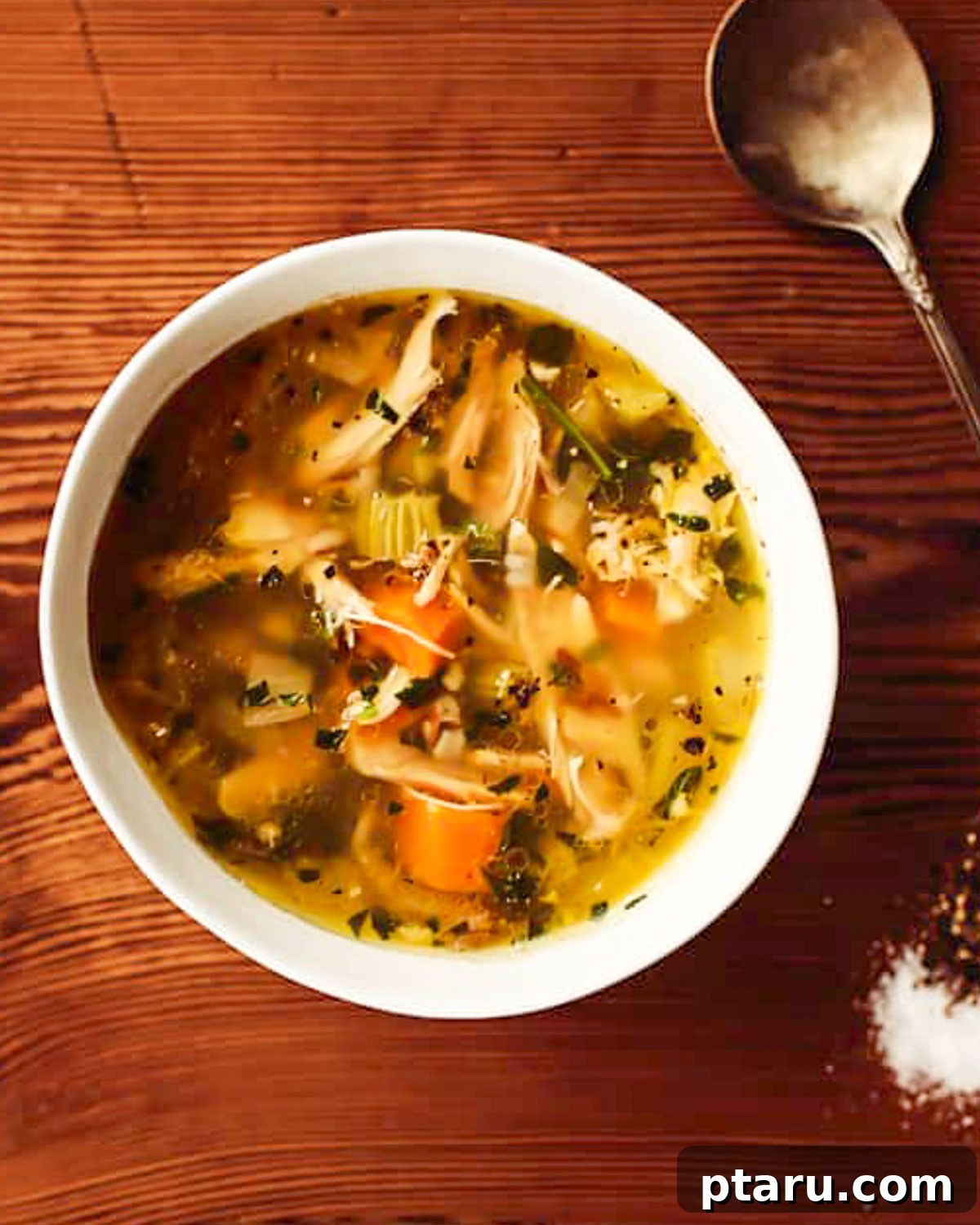
There are few dishes as universally cherished and deeply comforting as a warm bowl of Chicken and Rice Soup. This timeless classic offers a gentle embrace, combining tender, succulent chicken, perfectly fluffy rice, and a medley of garden-fresh vegetables, all harmonizing within a savory, rich broth. It’s more than just a meal; it’s a soothing balm for the soul, making it the ideal choice for a brisk evening, a cozy family dinner, or when you’re simply yearning for a dish that feels like a hug from the inside out. Dive into this easy-to-follow recipe and discover how to create a bowl of pure, wholesome goodness that everyone will love.
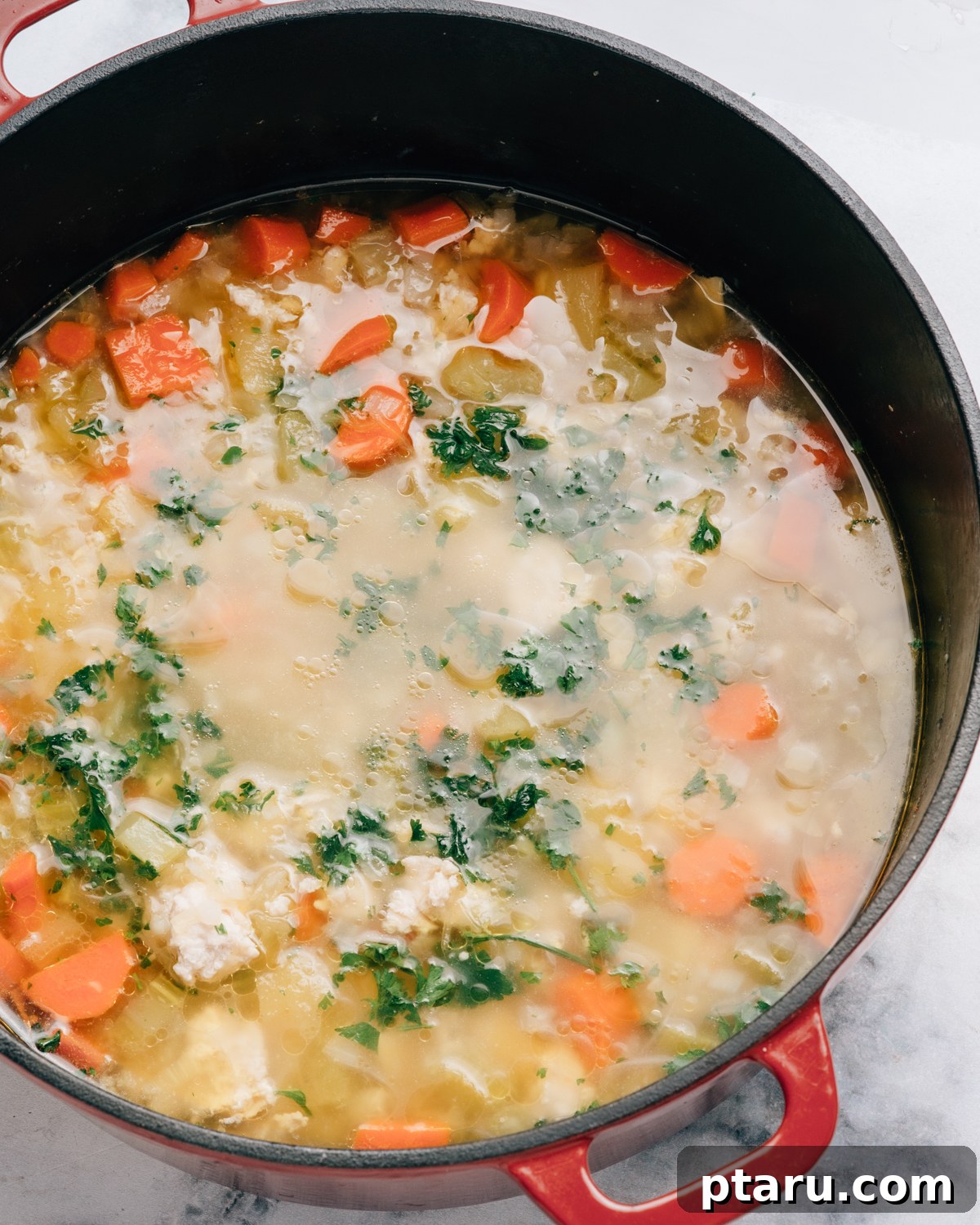
This effortless dish proudly joins my curated collection of one-pot chicken and rice recipes, designed to make weeknight dinners both easy and exceptionally comforting. It’s a testament to simple ingredients coming together to create extraordinary flavor with minimal cleanup.
Why Homemade Chicken and Rice Soup is the Ultimate Comfort Food
Beyond its delicious taste, homemade chicken and rice soup offers a multitude of benefits that elevate it to iconic comfort food status. It’s a complete, well-balanced meal packed with lean protein, complex carbohydrates, and essential vitamins from fresh vegetables. The warm broth is incredibly hydrating, making it particularly beneficial when you’re feeling under the weather. Moreover, the process of simmering the ingredients fills your home with an inviting aroma, fostering a sense of warmth and well-being long before the first spoonful. This recipe focuses on maximizing flavor and nutritional value, ensuring every bowl is both satisfying and incredibly nourishing.
Essential Ingredients for Your Savory Chicken and Rice Soup
Crafting this healing and comforting soup requires just a handful of fresh, wholesome ingredients. Each component plays a vital role in building the rich, layered flavors that make this soup truly special.
- Olive oil: The foundation for sautéing your aromatics, adding a subtle depth of flavor.
- Onion: Finely chopped, it provides a crucial aromatic base, sweetening as it cooks down.
- Celery: Chopped into 1/2-inch pieces, it contributes a classic savory note and satisfying texture to the vegetable medley.
- Carrots: Peeled and chopped into 1/2-inch pieces, carrots add natural sweetness, beautiful color, and a boost of vitamins.
- Garlic: Minced, it infuses the soup with its pungent, aromatic essence, essential for a flavorful broth.
- Bone-in chicken thighs: Skin removed, these are the secret to a richer, more gelatinous broth, imparting unparalleled flavor and tenderness. You can also use cooked chicken for a quicker option.
- Low-sodium chicken broth: The primary liquid base, opting for low-sodium gives you full control over the final seasoning.
- Water: Used in conjunction with broth to achieve the perfect consistency and volume.
- Rice: Your choice of white, brown, or a wild rice blend; each offers a different texture and cooking time, absorbing the flavorful broth beautifully.
- Fresh parsley: Finely chopped, it adds a burst of vibrant color, freshness, and a delicate herbaceous finish at the end.
- Salt and pepper: Essential seasonings to enhance and balance all the flavors in the soup.
For precise quantities and detailed instructions, please refer to the comprehensive recipe card located at the conclusion of this article.
Variations and Substitutions: Tailoring Your Soup to Perfection
This chicken and rice soup recipe is incredibly versatile, allowing you to easily adapt it to your pantry staples, dietary needs, and personal preferences. Don’t hesitate to experiment with these simple swaps to make it uniquely yours.
- Rotisserie chicken shortcut: For those busy days, bypass the raw chicken thighs entirely. Simply add 2 cups of pre-shredded rotisserie chicken or any leftover cooked chicken during the final minutes of cooking, just enough to heat through. This significantly reduces the overall preparation and cook time without sacrificing flavor.
- Rice varieties: The type of rice you choose impacts both flavor and cooking time. Classic white rice cooks quickly, typically within 20-30 minutes, resulting in a tender texture. For a nuttier flavor and more fiber, brown rice requires a longer simmer, around 45 minutes. A wild rice blend adds a delightful chewiness and earthy aroma, usually cooking in about 40 minutes. Avoid instant rice, as it tends to break down and become mushy in soup.
- Herb swap: While fresh parsley provides a classic bright note, feel free to switch things up. Fresh dill offers a distinct, aromatic freshness that pairs wonderfully with chicken, or for a bolder, more zesty flavor, fresh cilantro is an excellent choice. Always add fresh herbs at the very end of cooking to preserve their vibrant flavor and color.
- Boost with beans and vegetables: Enhance the nutritional profile and heartiness of your soup by incorporating additional ingredients. A can of drained and rinsed white beans (such as cannellini or navy beans) can be added for extra protein and fiber. Frozen peas, corn, or chopped green beans are fantastic additions during the last 5 minutes of simmering. For a boost of greens, stir in fresh spinach or kale right before serving; their residual heat will wilt them perfectly.
- Gluten-free: This recipe is inherently gluten-free, making it a safe and delicious option for those with sensitivities. However, always double-check the label on your chicken broth to ensure it doesn’t contain any hidden gluten-containing ingredients.
- Low-sodium option: If you’re monitoring your sodium intake, opt for a “no-salt-added” or very low-sodium chicken broth. This provides you with complete control over the salt levels, allowing you to season the soup precisely to your taste at the end of the cooking process.
Searching for more comforting soup inspirations? You might also enjoy my delightful Lemon Chicken Orzo Soup, the ever-popular Crockpot Chicken Noodle Soup, and the hearty Chicken and Dumpling Soup. Each offers a unique twist on classic comfort.
Tools for Success: Equipping Your Kitchen for Perfect Soup
You don’t need fancy gadgets to create this delicious chicken and rice soup. Just a few basic kitchen tools will ensure a smooth and enjoyable cooking experience.
- Large stockpot or Dutch oven: A robust pot of at least 5-6 quarts is essential. It provides ample space for all your ingredients and broth to simmer comfortably, preventing spills and allowing for proper flavor development.
- Sharp knife and cutting board: These are indispensable for efficiently chopping your fresh vegetables and later, for shredding the cooked chicken safely and easily into bite-sized pieces.
- Slotted spoon: Perfect for carefully removing the cooked chicken thighs from the broth without leaving behind any valuable liquid or vegetables.
- Two forks: The simplest and most effective way to shred warm chicken into tender, flaky pieces once it’s cooked and slightly cooled.
- Measuring cups and spoons: Crucial for ensuring accurate ingredient amounts, which contributes to the consistent success and flavor of your soup every time.
How to Make the Best Chicken and Rice Soup: A Step-by-Step Guide
Creating this nourishing chicken and rice soup is a straightforward process, all accomplished in a single pot. You’ll build a robust flavor base with aromatic vegetables, gently simmer the chicken to perfection, then add your choice of rice and vibrant fresh herbs for a truly satisfying meal. (If you love homemade soups, don’t miss my favorite homemade chicken noodle soup recipe, too!)
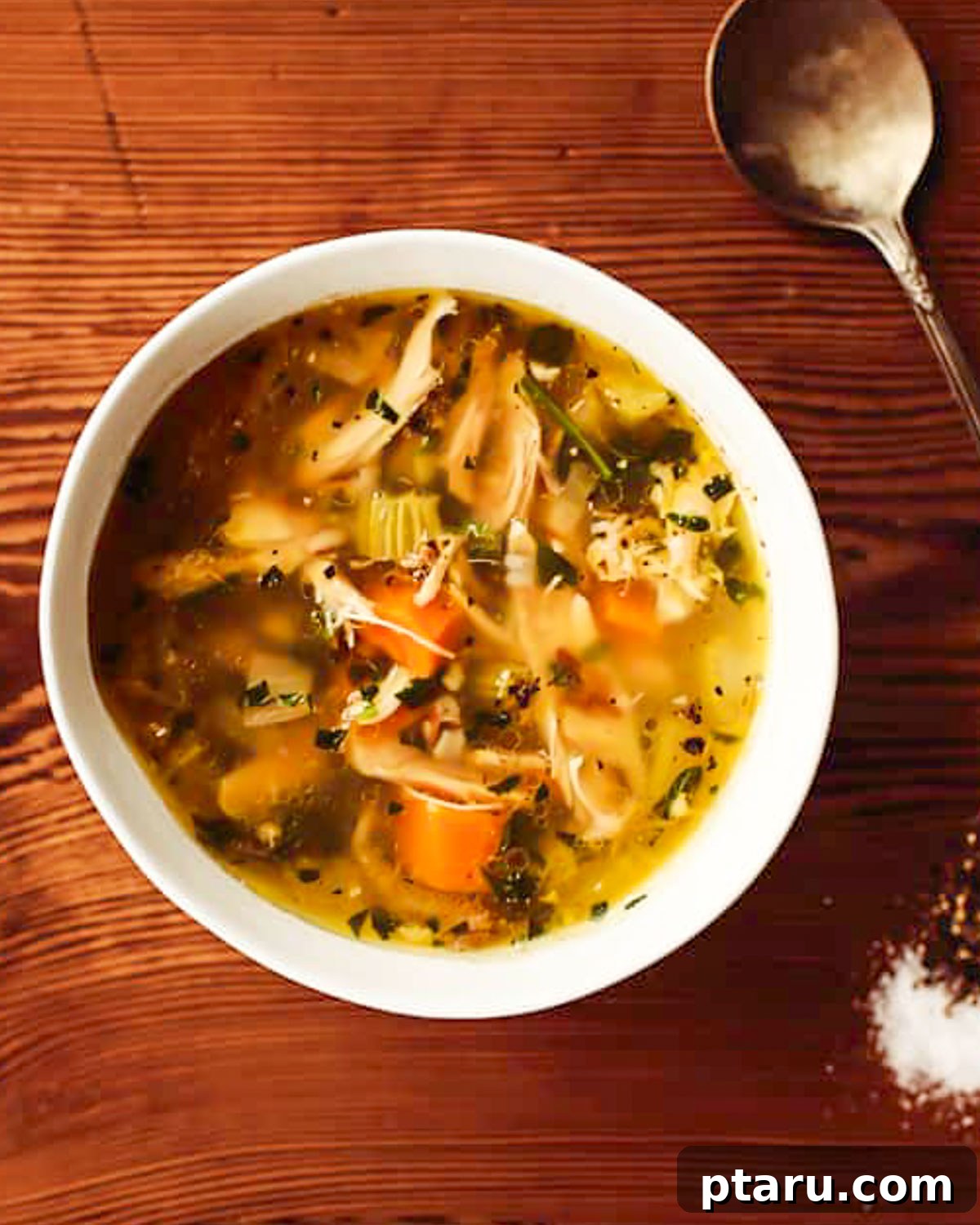
Step 1: Build the Flavor Base with Vegetables
Begin by heating the olive oil in your large stockpot or Dutch oven over medium heat. Add the finely chopped onion, celery, and carrots to the pot. These “mirepoix” vegetables are the aromatic backbone of your soup. Sauté them gently, stirring occasionally, until the onion becomes soft and translucent, typically taking about 5 to 7 minutes. This step is crucial for developing a deep, savory flavor. Next, stir in the minced garlic and cook for just 1 minute more. Be careful not to burn the garlic, as it can turn bitter; you want it fragrant and golden.
Step 2: Add Chicken and Broth, Then Simmer
Carefully place the bone-in chicken thighs directly into the pot with the sautéed vegetables. Pour in the low-sodium chicken broth and an additional 2 cups of water. Bring the mixture to a gentle boil over medium-high heat, then immediately reduce the heat to a low simmer. This allows the flavors to meld beautifully without overcooking the chicken or making the broth cloudy.
You have a choice for timing here:
- The Quick Method: For a faster soup, add the rice at this stage. Simmer everything together for about 30 minutes, or until the rice is tender and the chicken is thoroughly cooked (if using brown rice, allow 45 minutes).
- The Richer Broth Method: If time permits and you desire a deeper, more flavorful broth, simmer the chicken thighs alone for 30 minutes first. This extra time allows the bones to release more gelatin and minerals. After 30 minutes, add the rice and continue to cook for another 30 to 45 minutes, or until the rice is tender.
The longer method undeniably extracts more profound flavor from the chicken bones, yielding a richer, more comforting soup. I highly recommend it when your schedule allows for it.
Step 3: Shred the Tender Chicken
Once the chicken is fully cooked and tender, use a slotted spoon to carefully remove the chicken thighs from the pot. Transfer them to a clean cutting board and allow them to cool for a few minutes until they are safe and comfortable to handle. Using two forks, easily shred the meat into bite-sized pieces. Discard the bones and any excess cartilage or fat. The cooked chicken should pull apart effortlessly, indicating its perfect tenderness.
Step 4: Finish with Fresh Herbs and Seasoning
Return the shredded chicken back into the simmering soup. Stir in the finely chopped fresh parsley. This addition not only brightens the soup with a pop of color but also introduces a wonderful, fresh herbaceous flavor and a touch of extra nutrition. Finally, taste the soup and season generously with salt and black pepper to your preference. Start with about 1 teaspoon of salt and adjust as needed, remembering that broth often requires more seasoning than you might expect.
Avoid These 5 Common Mistakes When Making Chicken and Rice Soup
Even simple recipes can have pitfalls. Steer clear of these frequent mix-ups to ensure your chicken and rice soup is consistently excellent, every single time.
- Adding rice too early: Introducing rice at the very beginning of the cooking process, especially before the chicken has had sufficient time to tenderize, is a common error. This often results in rice that is overcooked, mushy, and has lost its appealing texture. Always wait until the chicken has simmered for at least 20-30 minutes before adding your rice.
- Using instant rice: While convenient for standalone side dishes, instant rice is not suitable for soups that require extended simmering. Its pre-cooked nature means it breaks down quickly, turning into a starchy paste rather than distinct, fluffy grains. For the best texture and integrity in your soup, always opt for regular white, brown, or wild rice varieties.
- Skipping the vegetable base: The foundational aromatics – onions, celery, and carrots – are critical for building a deep, complex flavor profile. Skipping the sautéing of these vegetables, or rushing through this step, means missing out on the essential savory notes that define a truly great chicken soup. Even when you’re pressed for time, take a few minutes for this step.
- Boiling instead of simmering: A rolling boil might seem faster, but it’s detrimental to soup quality. High heat can toughen the chicken meat, cause ingredients to break apart excessively, and render the broth cloudy and less appealing. Always maintain a gentle simmer, characterized by small, gentle bubbles, to ensure clear broth and tender ingredients.
- Not tasting before serving: This is perhaps the most crucial mistake. Broth-based soups inherently need proper seasoning to truly shine. Failing to taste the soup and adjust the salt and pepper levels at the very end means your final dish might lack vibrancy and depth. Always taste, adjust, and re-taste until the flavors are perfectly balanced.
Make Ahead and Storage Tips for Chicken and Rice Soup
This chicken and rice soup is an excellent candidate for meal prep, and with a few smart techniques, it freezes beautifully, ensuring you always have a comforting meal on hand.
Storing Leftovers Successfully
- Refrigerate properly: Transfer any leftover soup into an airtight container and refrigerate promptly. It will keep safely for up to 5 days.
- Anticipate liquid absorption: Be aware that the rice in the soup will continue to absorb liquid as it sits in the refrigerator, making the soup much thicker upon reheating. This is completely normal.
- Add liquid when reheating: To restore the soup to its original, desired consistency, stir in extra chicken broth or even a little water as you reheat. Start with 1/4 cup at a time and add more as needed until it reaches your preferred thickness.
- Consider separate rice storage: For the absolute best texture and to prevent overly mushy rice, an advanced tip is to cook a fresh batch of rice each time you serve. Alternatively, store the cooked rice separately from the broth, chicken, and vegetables, adding it to individual bowls just before serving.
Freezing for Future Enjoyment
- Freeze without rice: The key to successful frozen soup is to omit the rice. Rice doesn’t maintain its texture well when frozen and reheated in soup; it often becomes soft and grainy. Instead, freeze the flavorful broth, chicken, and vegetables together.
- Cook fresh rice later: When you’re ready to enjoy the frozen soup, thaw and reheat the base, then cook a fresh batch of rice to stir in just before serving. This ensures perfect rice texture every time.
- Portion it out: For ultimate convenience, divide the rice-free soup base into single-serving containers or freezer-safe bags. This makes it easy to grab and thaw individual portions for quick lunches or dinners.
- Label and date: Always label your containers with the contents and the date it was frozen. This helps you keep track of your stock and ensures you use the oldest batches first. The soup can be frozen for up to 3 months.
Effortless Reheating Methods
- Stovetop method: For the best results, reheat the soup gently in a saucepan over medium-low heat. Stir occasionally to ensure even heating and prevent sticking. Remember to add additional broth or water as needed to achieve your desired consistency.
- Microwave method: If you’re short on time, individual portions can be reheated in the microwave. Heat in 2-minute intervals, stirring well between each interval, until the soup is hot throughout. Loosely cover the bowl to prevent splatters.
- From frozen: For best quality, thaw frozen soup overnight in the refrigerator. If reheating directly from frozen, transfer it to a stockpot and heat over very low heat on the stovetop, stirring frequently, until fully thawed and hot. Be patient, as this can take some time.
How to Serve This Versatile Chicken and Rice Soup Recipe
This chicken and rice soup is a complete, satisfying meal all on its own, making it a perfect weeknight dinner. However, pairing it with a few simple accompaniments can elevate the dining experience. I personally adore serving it with a generous slice of crusty bread, ideal for soaking up every last drop of the savory broth. A crisp, simple side salad adds a refreshing contrast and a burst of freshness. When you’re not feeling your best, serve it solo, perhaps with an extra stack of napkins for comfort.
Delicious Toppings and Add-Ins to Enhance Your Bowl
Elevate your soup experience with these optional but highly recommended toppings and additions:
- Fresh lemon wedges: A squeeze of fresh lemon juice just before serving brightens all the flavors and adds a zesty tang.
- Extra fresh parsley or dill: A sprinkle of additional fresh herbs enhances the aroma and visual appeal.
- Grated Parmesan cheese: For a savory, umami boost, a dusting of finely grated Parmesan cheese is a wonderful addition.
- Hot sauce or red pepper flakes: If you enjoy a bit of heat, a dash of your favorite hot sauce or a pinch of red pepper flakes will add a welcome kick.
- Oyster crackers or croutons: Classic choices for adding a delightful crunch and texture to each spoonful.
- A drizzle of good olive oil: A high-quality extra virgin olive oil drizzled over the top just before serving adds a luxurious finish and extra depth of flavor.
Perfect Side Dishes for Chicken and Rice Soup
- Crusty bread or soft dinner rolls are perfect for dipping and soaking up the rich broth.
- A light and simple green salad, perhaps with a vibrant homemade Italian dressing, provides a refreshing balance to the hearty soup.
- A classic grilled cheese sandwich is an unbeatable pairing, offering an extra layer of comfort and indulgence.
- Simple saltine crackers remain a beloved choice for adding a salty crunch.
Mastering the Art of Chicken and Rice Soup: Final Notes & Expert Secrets
Achieving a truly exceptional chicken and rice soup is simple when you know a few key tricks. These final notes encapsulate the secrets to making your soup extraordinary, every single time.
- Bone-in chicken matters immensely: The choice of bone-in chicken thighs is not just a preference; it’s a game-changer. Cooking chicken on the bone allows for a much richer, more complex broth. The bones release precious gelatin, collagen, and vital minerals into the liquid, transforming a good broth into an incredible one, boosting both flavor and nutritional value.
- Always remove the chicken skin: Before adding your chicken thighs to the pot, take a moment to remove the skin. While skin can add flavor during roasting, in soup, it primarily contributes excess grease that can make your broth appear oily and less appetizing. Removing it ensures a cleaner, clearer, and more appealing soup.
- Fresh parsley is unequivocally worth it: While dried herbs have their place in long-cooking dishes, the vibrant, peppery essence of fresh parsley cannot be replicated. Added at the very end of cooking, fresh parsley provides a burst of color and a clean, herbaceous finish that brightens the entire soup and ties all the flavors together beautifully.
- Do not rush the simmer: Patience is a virtue in soup making. A gentle, slow simmer is key to extracting maximum flavor from your chicken, vegetables, and aromatics. High, aggressive heat can not only toughen the chicken but also create a cloudy, less flavorful broth. Aim for small, occasional bubbles rather than a rolling boil.
- Skim foam for clarity: As the soup simmers, you might notice some foamy impurities rising to the surface. This is natural. Periodically skim this foam off with a spoon. This small step helps to ensure your broth remains clear, clean, and visually appealing, enhancing the overall dining experience.
- Rice absorbs liquid – be prepared: Remember that rice acts like a sponge, continuing to absorb liquid even after the soup is done cooking and especially during storage. If you plan to make the soup ahead or have leftovers, anticipate that it will thicken considerably. Always keep extra chicken broth or water on hand to thin out the soup to your desired consistency when reheating.
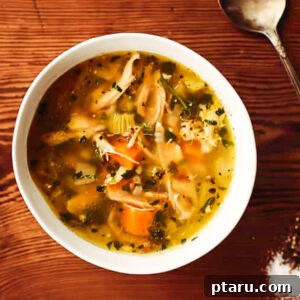
Chicken and Rice Soup
Jennifer Pallian BSc, RD
15 minutes
1 hour
1 hour
15 minutes
8
Ingredients
- 2 tbsp olive oil
- 1 large onion finely chopped
- 2 stalks celery halved lengthwise and chopped crosswise in 1/2-inch pieces
- 2 carrots peeled, halved lengthwise and chopped crosswise in 1/2-inch pieces
- 4 cloves garlic minced
- 4 bone-in chicken thighs skin removed (or 2 cups shredded cooked chicken or turkey)
- 8 cups chicken broth
- 1 cup rice white, brown, or wild rice blend
- ¼ cup chopped fresh parsley (or 4 tsp dried parsley)
- Kosher salt and pepper to taste
Instructions
-
Heat olive oil in a large stockpot or Dutch oven over medium heat. Add the chopped onion, celery, and carrots, along with 1 tsp kosher salt. Cook, stirring occasionally, until the onion softens and becomes translucent, about 5-7 minutes. Stir in the minced garlic and cook for 1 minute more until fragrant, being careful not to burn it.
-
Add the bone-in chicken thighs to the pot with the vegetables. Pour in the chicken broth, 2 cups of water, 1 tsp more kosher salt, and 1/2 tsp black pepper. Bring the mixture to a boil, then immediately reduce the heat to a gentle simmer.
For the quick method, add the rice now and cook until the rice is tender and the chicken is thoroughly cooked, approximately 30 minutes (or 45 minutes if using brown rice).
For the longer cooking method and richer broth, simmer the chicken thighs on their own for 30 minutes first. Then, add the rice and continue to cook until the rice is tender, another 30 to 45 minutes.
For either method, cook the soup uncovered to allow flavors to concentrate, unless the broth is reducing more quickly than desired; in that case, cover partially.
-
Once the chicken is cooked, use a slotted spoon to carefully remove it from the soup and transfer it to a cutting board. Let the chicken cool slightly until it’s comfortable to handle. Using two forks, shred the chicken meat into bite-sized pieces. Discard the bones and any unwanted cartilage.
-
Stir the shredded chicken back into the soup. Add the finely chopped fresh parsley. Taste the soup and season to taste with additional salt and pepper as needed, ensuring the flavors are perfectly balanced. Serve hot and enjoy!
Notes
Rotisserie shortcut for busy days: To drastically cut down on cooking time, you can skip steps 2 and 3 entirely. Instead, use 2 cups of shredded rotisserie chicken or any cooked chicken you have on hand. Simply add it to the soup at the very end, along with the fresh parsley, and heat through for a few minutes.
Choosing the right rice: The cooking time for rice varies significantly by type. White rice typically cooks in 20-30 minutes, brown rice requires about 45 minutes, and a wild rice blend will be tender in approximately 40 minutes. It is vital to avoid instant rice, as it will break down and become mushy during the necessary simmering time for soup.
Storage tip for consistent texture: Cooked rice absorbs liquid as it cools and sits. When storing leftover soup, expect it to thicken. Keep extra chicken broth or water readily available to thin out the soup to your preferred consistency when reheating. Alternatively, for optimal rice texture, consider storing the cooked rice separately and adding it to individual bowls of soup just before serving.
Freezing guidelines: This soup freezes exceptionally well, but with one important caveat: rice does not. For best results, freeze the chicken, vegetables, and broth base without the rice. When you’re ready to enjoy, thaw the soup base, reheat it, and then cook a fresh batch of rice to stir in. It can be frozen in airtight containers for up to 3 months.
Reheating leftovers: Store refrigerated leftovers in an airtight container for up to 5 days. Reheat gently on the stovetop over low heat or in the microwave, adding extra broth as needed to reach your desired consistency.
Nutrition
Carbohydrates: 25g |
Protein: 13g |
Fat: 11g |
Saturated Fat: 3g |
Polyunsaturated Fat: 2g |
Monounsaturated Fat: 6g |
Trans Fat: 0.03g |
Cholesterol: 35mg |
Sodium: 113mg |
Potassium: 384mg |
Fiber: 1g |
Sugar: 2g |
Vitamin A: 2581IU |
Vitamin C: 2mg |
Calcium: 30mg |
Iron: 1mg
Nutrition information is automatically calculated, so should only be used as an approximation.
Tried this recipe? Leave a comment!