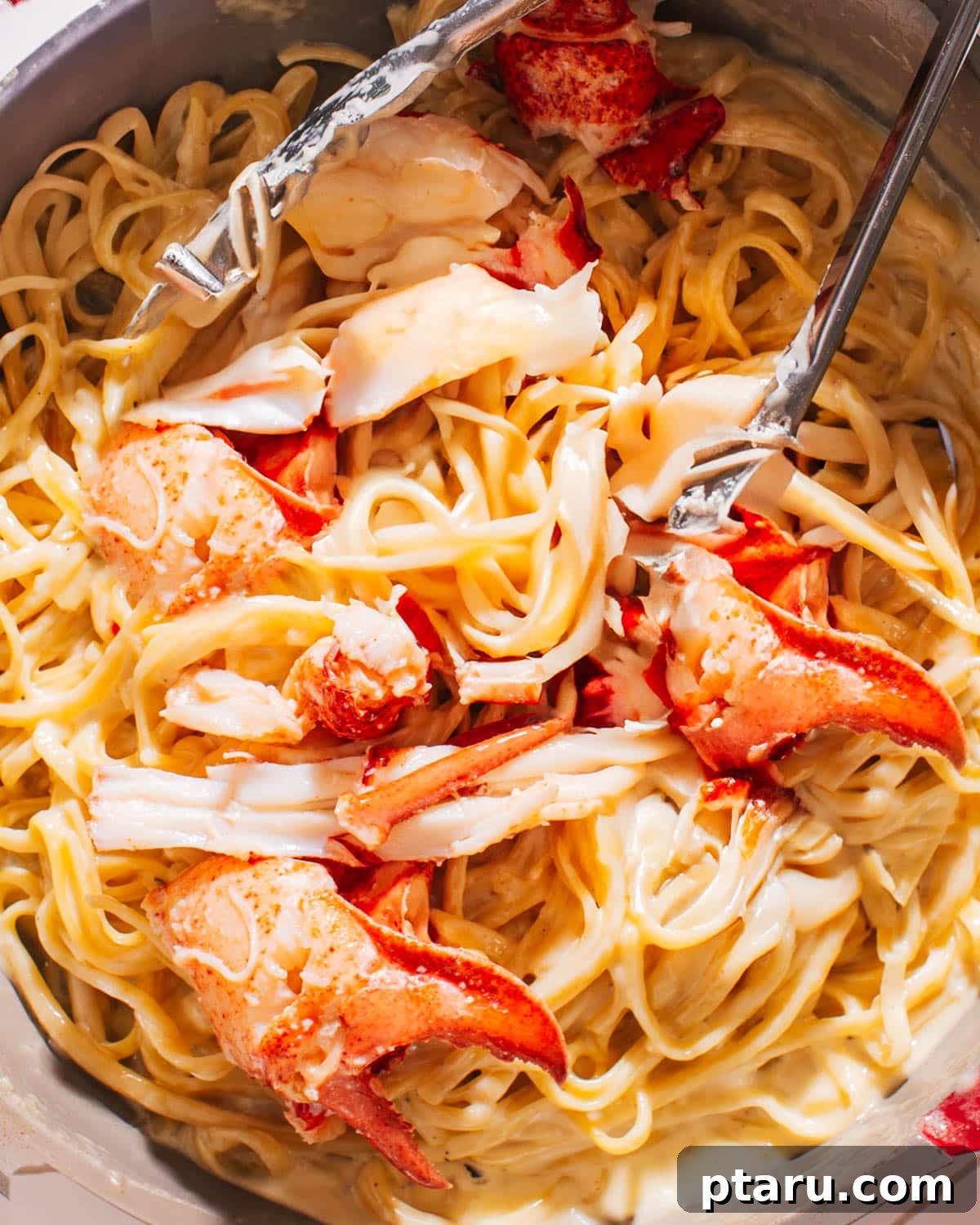
Prepare to impress with this truly luxurious Lobster Pasta recipe, a culinary masterpiece that brings gourmet dining right to your kitchen table. This exquisite dish combines succulent, tender lobster meat with perfectly cooked linguine, all enrobed in a rich, velvety white wine cream sauce that is remarkably easy to prepare. Whether you’re celebrating a special occasion or simply craving an indulgent meal, this recipe delivers restaurant-quality flavors in about 30 minutes, effortlessly rivalling even the finest alfredo dishes you’ve ever tasted.
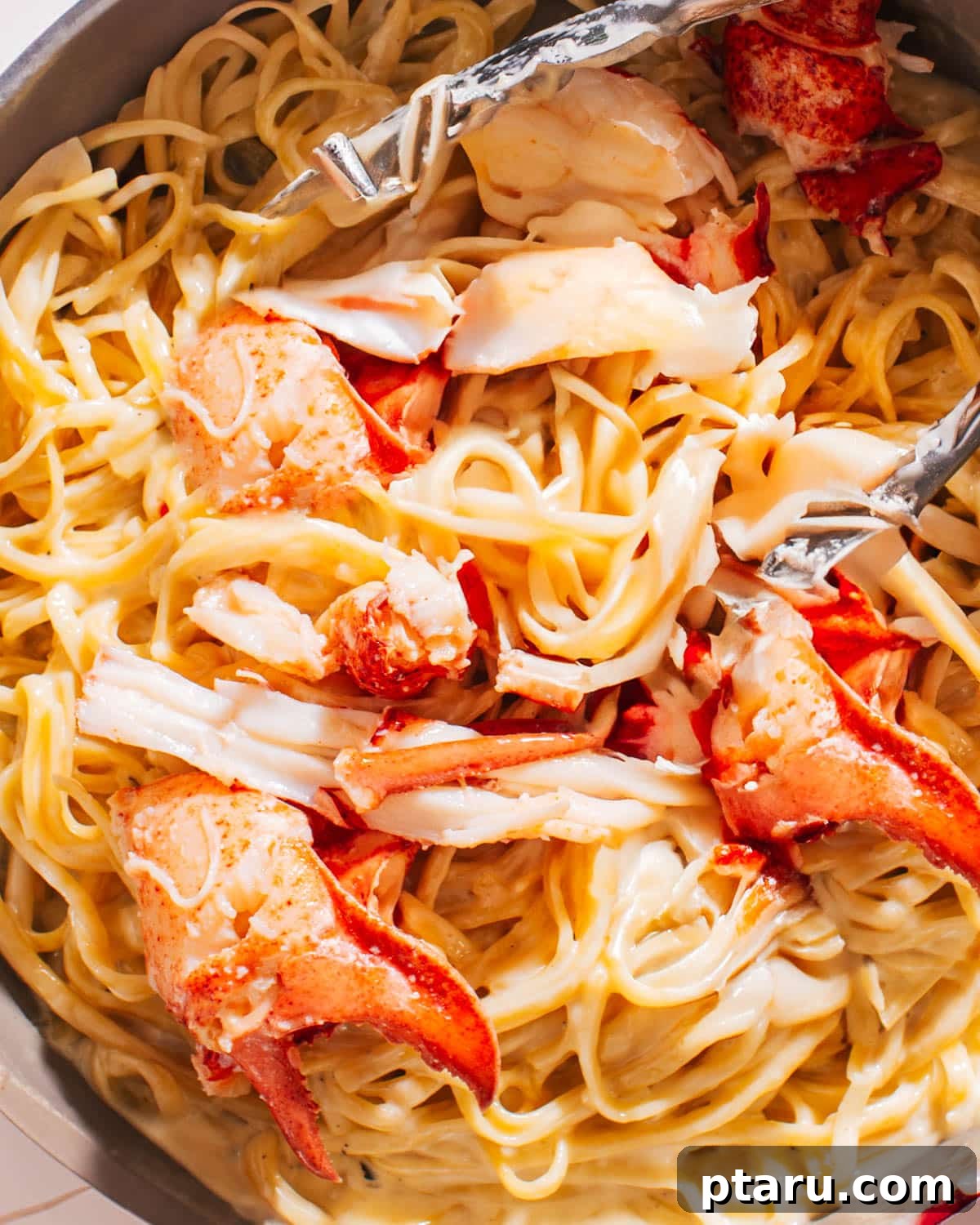
Crafting this elegant seafood pasta is simpler than you might imagine. In under half an hour, you can create a dish so decadent and flavorful, your guests will think you spent hours in the kitchen. The secret lies in fresh, high-quality ingredients and a few key techniques that ensure a harmonious blend of tastes and textures. This guide will walk you through every step, offering pro tips and insights to perfect your homemade lobster pasta.
Essential Ingredients for the Perfect Lobster Pasta
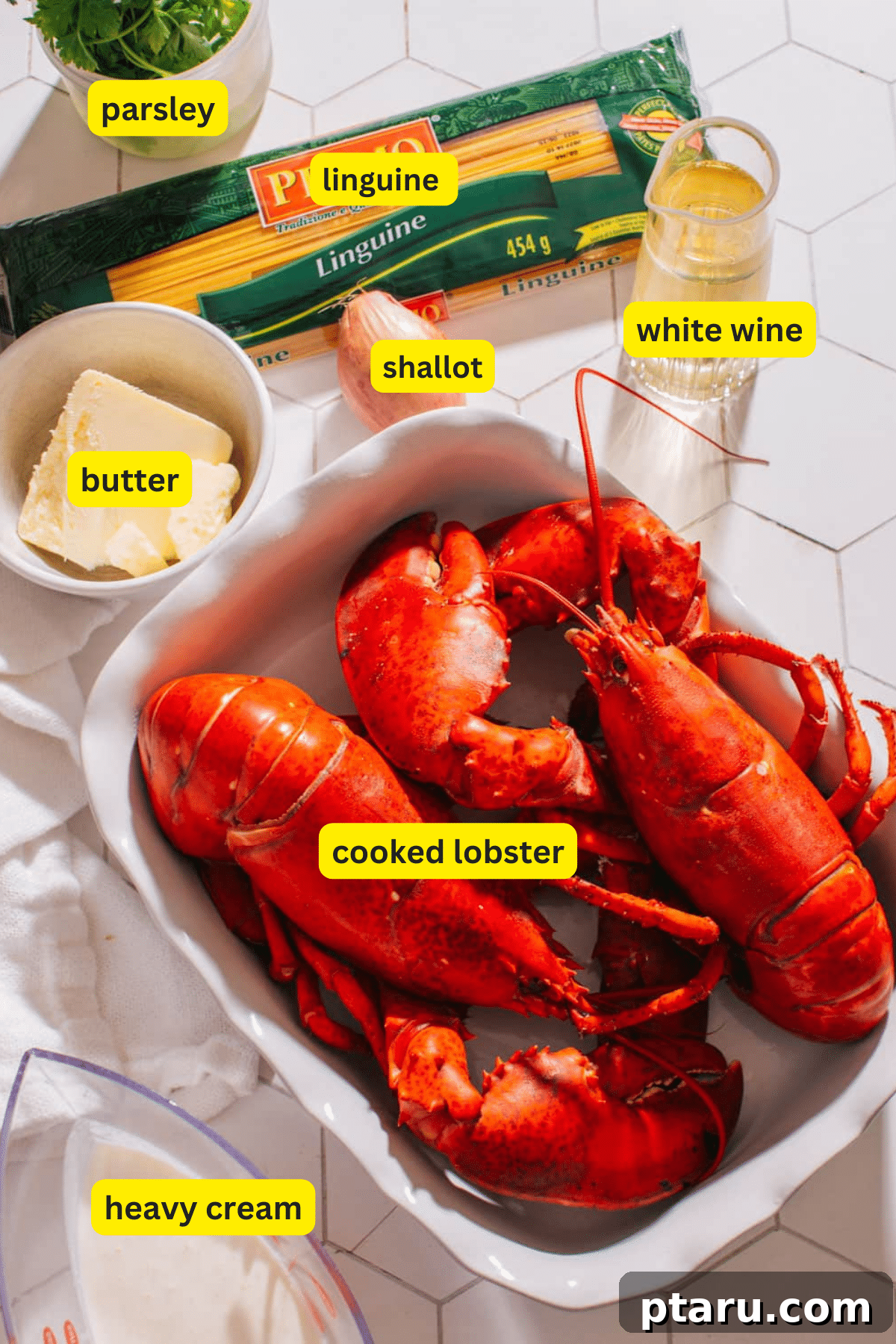
The beauty of this recipe lies in its elegant simplicity, requiring only a handful of key ingredients to achieve its extraordinary flavor. Here’s a breakdown of what you’ll need, along with why each component is crucial:
- Dry Linguine or Other Pasta: Linguine, with its flat yet narrow shape, is truly ideal for this dish. Its surface perfectly cradles the rich, creamy sauce, ensuring every bite is coated in flavor. You can also successfully use fettuccine, spaghetti, or even pappardelle for a heartier noodle. Aim for a high-quality pasta that will hold its al dente texture.
- Unsalted Butter: Butter forms the foundational richness of our sauce. Using unsalted butter allows you complete control over the final salt level of your dish, which is especially important when working with ingredients like Parmesan and lobster, which already contain natural salinity. It’s used to gently sauté the shallots and emulsify the cream sauce.
- Finely Minced Shallot: Shallots are paramount for their delicate, sweet, and mild onion flavor. They offer a nuanced aromatic base that complements the lobster’s natural sweetness without overpowering it. If shallots are unavailable, a very finely minced regular white onion can be substituted, though its flavor will be slightly sharper.
- Heavy Cream (Whipping Cream or 35% M.F. Cream): This is the heart of your luxurious sauce, providing its signature creamy texture and opulent mouthfeel. The high fat content of heavy cream ensures a stable, rich, and velvety sauce that won’t curdle easily and coats the pasta beautifully.
- Dry White Wine: A crucial component for adding depth, complexity, and a bright acidity that cuts through the richness of the cream. Choose a dry white wine like Sauvignon Blanc, Pinot Grigio, or Chardonnay (unoaked). The rule of thumb is: if it’s good enough to drink, it’s good enough for your sauce! The alcohol cooks off, leaving behind a concentrated, delicious flavor.
- Freshly Grated Parmesan Cheese: For the best results, always use freshly, finely grated Parmesan cheese. Pre-grated cheeses often contain anti-caking agents that can make your sauce gritty or less smooth. High-quality Parmesan adds a salty, nutty, and umami depth that perfectly complements the lobster and cream.
- Cooked Lobster Meat: The undisputed star of the dish! Whether fresh or properly thawed frozen lobster, ensure it’s high-quality and cooked to perfection. Roughly chopping the meat ensures generous, satisfying chunks in every forkful. The natural sweetness and delicate texture of the lobster are what elevate this pasta from good to extraordinary.
- Minced Fresh Chives or Parsley: These fresh herbs are essential for a vibrant, bright finish. Chives offer a subtle oniony note, while parsley provides a clean, herbaceous lift. They add not just flavor but also a beautiful pop of color, making the dish visually appealing.
- Kosher Salt and Freshly Ground Black Pepper: These fundamental seasonings are critical for enhancing all the other flavors. Seasoning in layers throughout the cooking process ensures a well-balanced taste profile.
Savory Swaps and Creative Variations for Your Lobster Pasta
While the classic lobster pasta is divine, this recipe offers wonderful flexibility for personalization. Explore these twists and turns to adapt the silky sauce and ingredients to your taste or dietary needs:
- Pasta Alternatives: Beyond linguine, you have many options. For a gluten-free meal, select a high-quality gluten-free pasta made from rice, corn, or quinoa. If you’re looking to boost fiber content, whole wheat pasta is a good choice, though it will have a slightly different texture and flavor profile. For a low-carb alternative, consider using spiralized zucchini noodles (zoodles) – just be mindful not to overcook them as they release a lot of water.
- Butter Substitutions: If you need a dairy-free option or prefer a different flavor, extra virgin olive oil can be used to sauté the shallots, imparting a fruitier note. Ghee (clarified butter) is another excellent alternative, offering a rich, nutty flavor with dairy solids removed.
- Shallot Substitutes: If shallots are hard to find, a small white onion, very finely minced, combined with a clove or two of fresh minced garlic, will provide a similar aromatic base. Leeks, thinly sliced and sautéed until tender, also work beautifully, offering a milder, sweeter onion flavor.
- Lighter Cream Options: For a slightly less rich sauce, you can substitute heavy cream with half-and-half. Be aware that the resulting sauce will be thinner and less intensely creamy, and you might need to simmer it a bit longer to achieve some thickness. Avoid milk, as it’s too thin and prone to curdling.
- Add Fresh Vegetables and Herbs: Enhance the nutritional value and fresh appeal by stirring in your favorite vegetables. Fresh peas, tender asparagus tips, finely diced celery, halved cherry tomatoes, finely chopped red peppers, or baby spinach are all delicious additions. For alternative herb profiles, try finely sliced fresh basil or tarragon instead of chives or parsley, as they pair wonderfully with seafood and cream.
- Other Seafood Add-ins or Swaps: This versatile sauce is excellent with other seafood. Transform it into a creamy shrimp pasta, or swap out the lobster entirely for succulent crab meat or pan-seared scallops. A medley of seafood can also create an impressive dish.
- Brighten with Lemon: A squeeze of fresh lemon juice or a hint of lemon zest stirred in at the very end can add a wonderful brightness and acidity, balancing the richness of the cream. Exercise caution: lemon juice can cause heavy cream to curdle if added too early or in large quantities. Always stir it in gently just before serving, and ensure the sauce isn’t at a rolling boil.
- A Touch of Heat: For those who enjoy a little kick, a sprinkle of red pepper flakes during the shallot sauté or just before serving will add a pleasant warmth to the dish.
How to Make Lobster Pasta: A Step-by-Step Guide for Culinary Excellence
Crafting this elegant lobster pasta is surprisingly straightforward, designed for efficiency without compromising on flavor. Follow these easy steps to bring this gourmet dish to life:
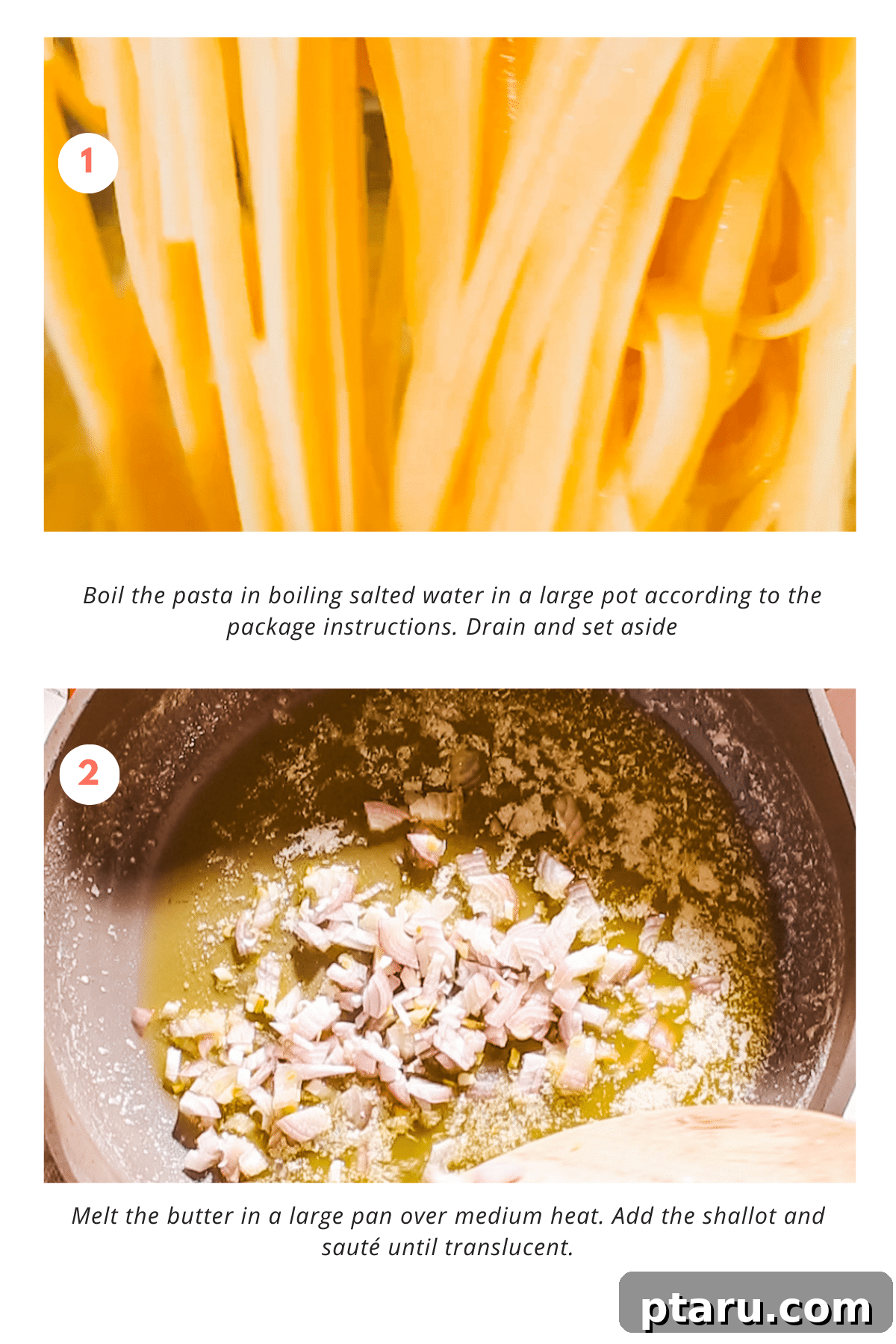
Step 1: Perfectly Cook the Pasta
Bring a large pot of generously salted water to a rolling boil. Add your linguine (or chosen pasta) and cook according to the package instructions until it reaches a perfect al dente texture. Al dente pasta should be firm to the bite, not mushy. Before draining, remember to reserve about 1 cup of the starchy pasta water – this liquid gold is invaluable for adjusting the sauce consistency later if needed. Drain the pasta and set it aside, perhaps tossing it with a tiny bit of olive oil to prevent sticking.
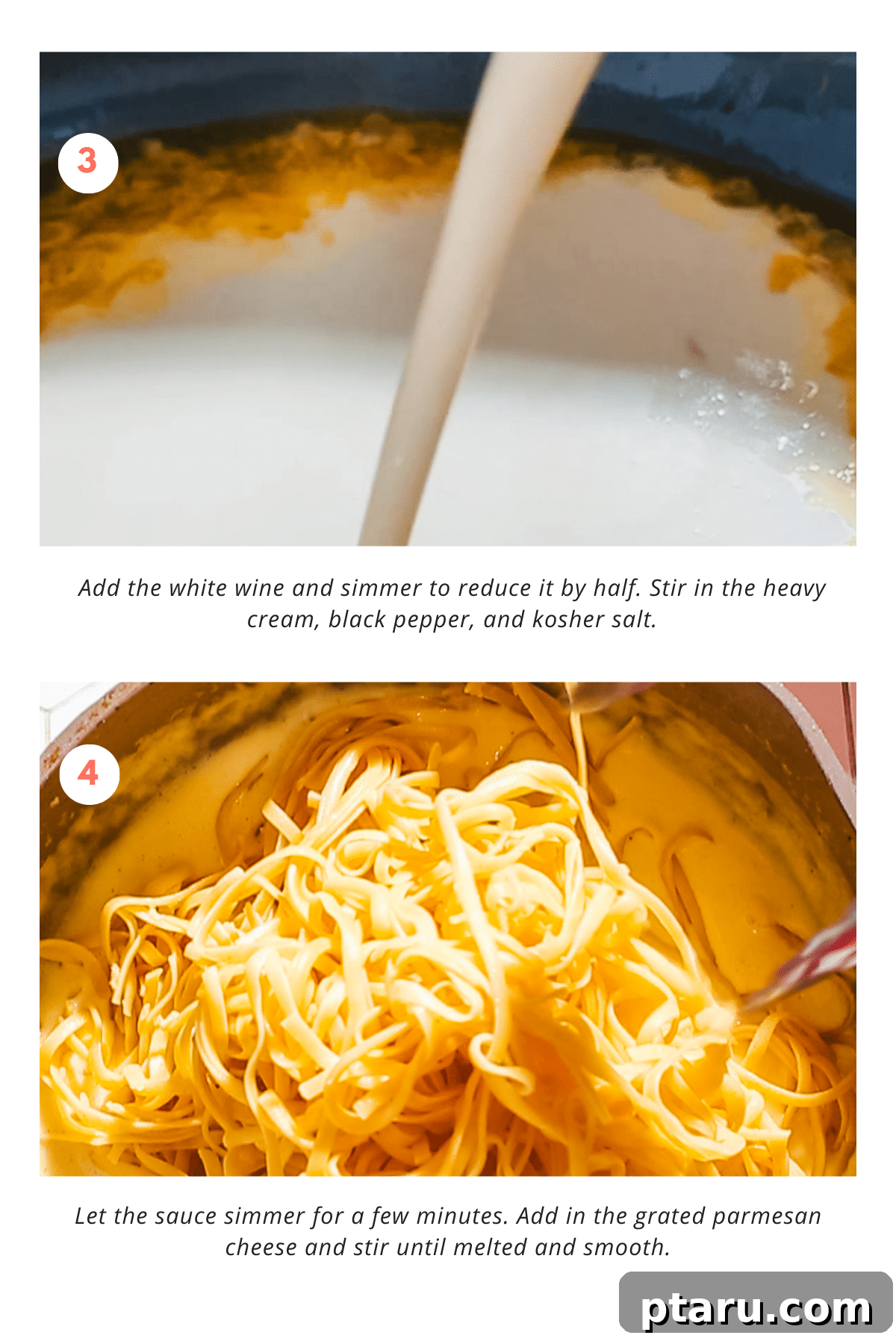
Step 2: Build the Flavorful Sauce Base
While your pasta is cooking, begin creating the luscious sauce. In a large, deep skillet or Dutch oven, melt the butter over medium heat. Once the butter is shimmering, add the finely minced shallot and sauté gently for 3-5 minutes, stirring occasionally, until it becomes translucent and fragrant. Be careful not to brown the shallot, as this can impart a bitter taste. Next, pour in the dry white wine and bring it to a gentle simmer. Allow the wine to reduce by half, which concentrates its flavor and mellows any sharp alcoholic notes, creating a richer base for your cream sauce. This reduction process typically takes about 5-7 minutes. Finally, stir in the heavy cream, freshly ground black pepper, and kosher salt. Bring the mixture back to a gentle simmer, stirring occasionally.
Step 3: Finish and Combine the Dish
Let the cream sauce simmer for another 3-5 minutes, allowing it to thicken slightly. You’re looking for a consistency that coats the back of a spoon. Be patient; a gentle simmer prevents scorching and allows the flavors to meld. Once it has thickened to your liking, remove the pan from the heat and stir in the freshly grated Parmesan cheese until it is completely melted and the sauce is smooth and homogeneous. The residual heat will be enough to melt the cheese without overcooking it. Now, gently fold in the cooked lobster meat and the reserved cooked linguine. Toss everything together until the pasta and lobster are thoroughly coated in the creamy sauce. If the sauce seems too thick, add a tablespoon or two of the reserved pasta water until it reaches your desired consistency. Serve immediately, garnished generously with minced fresh chives or parsley for a burst of color and freshness.
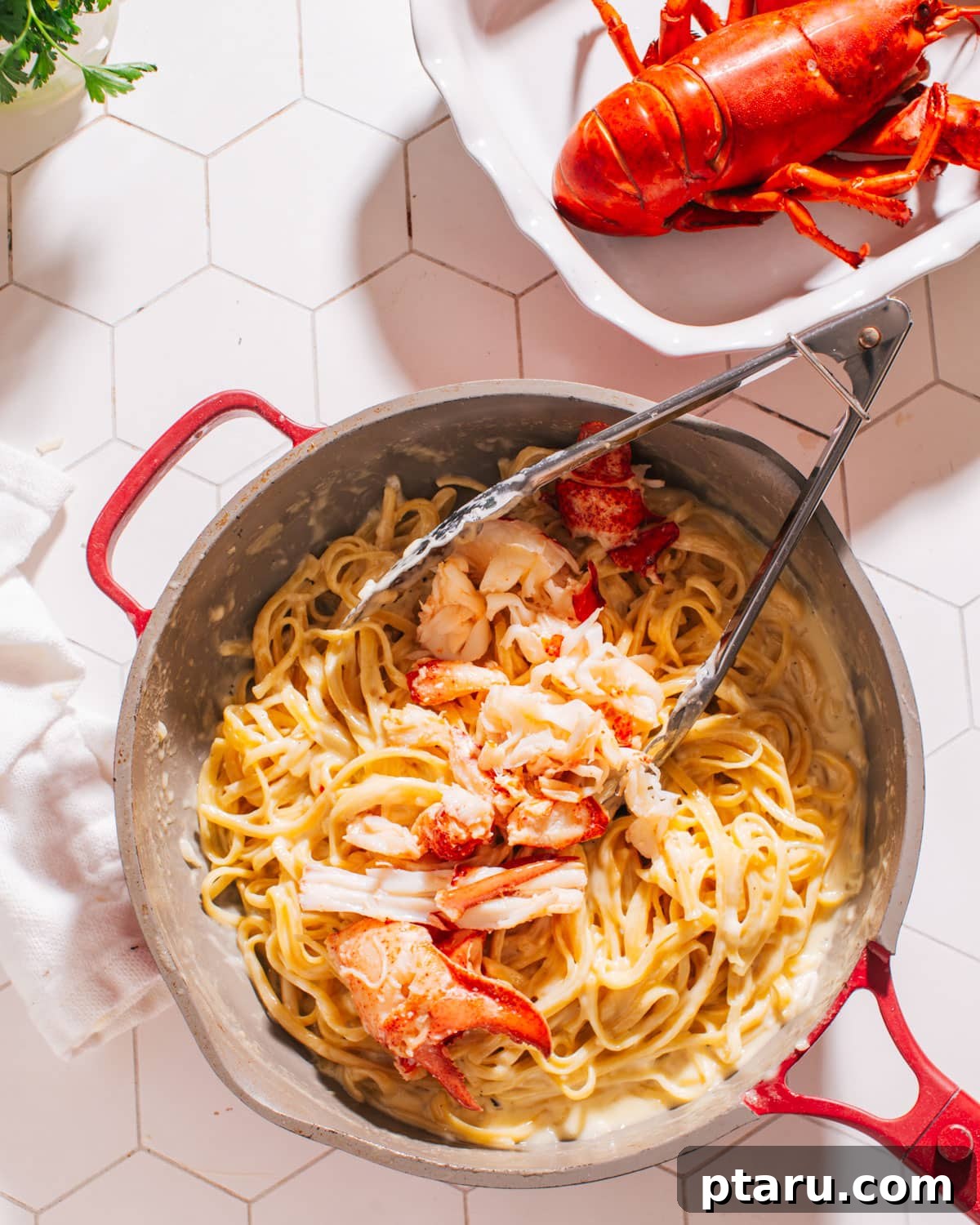
Make-Ahead Tips and Storage for Lobster Pasta
While lobster pasta is undoubtedly best enjoyed fresh, there are a few considerations for preparation and storage to help you manage your time and savor any delicious leftovers.
- Make-Ahead Prep: You can cook the pasta ahead of time, cool it completely, and store it in an airtight container in the refrigerator for up to 2 days. Tossing it with a little olive oil can help prevent sticking. Similarly, you can chop your shallots and herbs in advance. However, the sauce itself, and the final combination with lobster and pasta, should ideally be prepared just before serving to ensure the best texture and flavor. The creamy sauce tends to thicken considerably as it cools, and lobster can easily become overcooked and rubbery if reheated improperly.
- Storing Leftovers: If you find yourself with any delectable leftovers, transfer the lobster pasta to an airtight container and store it in the refrigerator for up to 2 days. It’s generally not recommended to freeze leftover lobster pasta. The delicate texture of lobster meat and the creamy consistency of the sauce suffer significantly upon freezing and thawing, often resulting in a watery, separated sauce and rubbery lobster.
- Reheating Instructions: To gently reheat your lobster pasta, the stovetop is your best bet. Place the leftovers in a skillet over low heat. Add a splash of heavy cream, milk, or chicken/vegetable broth to help loosen and reconstitute the sauce, as it will have thickened in the fridge. Stir frequently and gently until warmed through. Be very careful not to overcook the lobster, which only needs to be heated through, not recooked. Alternatively, you can reheat small portions in the microwave in short intervals (30-60 seconds), stirring well between each interval, until just warm. Again, avoid high heat or prolonged microwave times to preserve the lobster’s texture.
How to Cook Live Lobster for Your Pasta
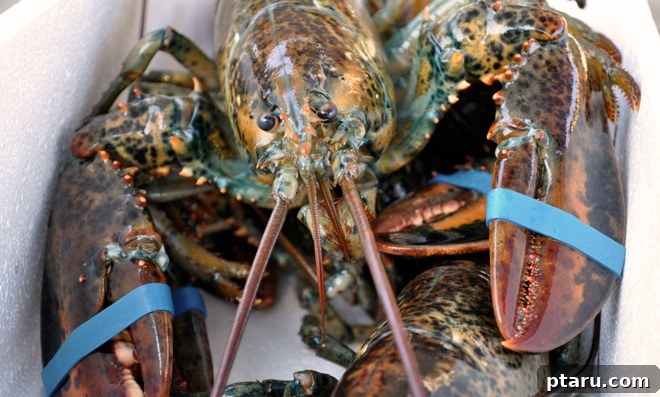
While many recipes use pre-cooked lobster meat, cooking a live lobster yourself can yield superior flavor and texture. It might seem daunting, but it’s a straightforward process once you know the steps. Here’s a detailed guide:
1. Prepare Your Equipment
You’ll need a very large stockpot with a tight-fitting lid. Ensure the pot is large enough to comfortably submerge the lobsters without overcrowding. For safety, have a pair of sturdy tongs ready. Fill the pot with enough water to fully cover the lobsters, leaving about 2-3 inches of space from the rim to prevent overflowing once the lobsters are added.
2. Season the Water Generously
To infuse flavor and mimic the ocean environment, add about 1 tablespoon of salt for every quart (liter) of water. This is crucial for seasoning the lobster meat from the inside out. For an extra layer of flavor, consider tossing in aromatics like bay leaves, a halved onion, or a few smashed garlic cloves into the boiling water.
3. Bring the Water to a Rolling Boil
Place the pot on high heat and bring the seasoned water to a vigorous, rolling boil. This high temperature is essential for quick, humane cooking and ensures the lobster steams, rather than boils slowly, resulting in tender meat.
4. Prepare the Lobster for Cooking
Handling a live lobster can be intimidating. Hold the lobster firmly by its body, just behind the claws, to avoid getting pinched. If you’re nervous about its movement, you can place the lobster in the freezer for 15-20 minutes before cooking; this chills and calms it, reducing activity. Do not thaw a frozen raw lobster completely before boiling; cook it from a partially frozen state if not live.
5. Cook the Lobster Safely
Carefully place the lobster headfirst into the vigorously boiling water using your tongs. Quickly cover the pot immediately to bring the water back to a boil as fast as possible. Cooking times vary by weight:
- For a 1-pound lobster: Boil for 8-10 minutes.
- For each additional pound: Add 2-3 minutes to the cooking time. For example, a 2-pound lobster would take 10-13 minutes.
6. Check for Doneness and Rest
A cooked lobster will have a bright red shell (whereas raw lobster is typically dark blue-green). The meat inside should be opaque and firm, not translucent. A reliable test for doneness is to gently pull on one of the smaller antennae; if it comes off easily, the lobster is cooked through. Carefully remove the lobster from the pot and let it rest for a few minutes before cracking and extracting the meat. This resting period allows the juices to redistribute, ensuring more tender and flavorful meat.
Serving Suggestions for Your Elegant Lobster Pasta
This exquisite lobster pasta is a showstopper on its own, but pairing it with the right accompaniments can elevate the entire dining experience. Here are some thoughtful serving suggestions to complement its rich flavors:
- Fresh Green Salad: A light, crisp green salad with a simple vinaigrette offers a refreshing contrast to the richness of the pasta. Opt for delicate greens like mixed baby greens or arugula.
- Classic Caesar Salad: For a slightly more robust side, a Caesar salad brings a creamy, tangy element that works wonderfully with seafood. Ensure the dressing isn’t too heavy, allowing the pasta to remain the star.
- Steamed Green Vegetables: A side of lightly steamed or sautéed green vegetables adds color, freshness, and essential nutrients. Think tender-crisp asparagus (like my easy pan-fried asparagus), blanched green beans, or tender broccoli florets. A squeeze of lemon on the veggies can tie the meal together beautifully.
- Crusty Bread: A warm loaf of crusty artisan bread, such as a baguette or sourdough, is an absolute must. It’s perfect for mopping up every last drop of that delectable white wine cream sauce, ensuring no flavor goes to waste. A little garlic bread could also be a delightful addition.
- Wine Pairing: Continue the theme of the sauce by pairing the dish with a dry white wine. A crisp Sauvignon Blanc, an unoaked Chardonnay, or a Pinot Grigio would complement the lobster and cut through the creaminess, enhancing the overall flavor profile.
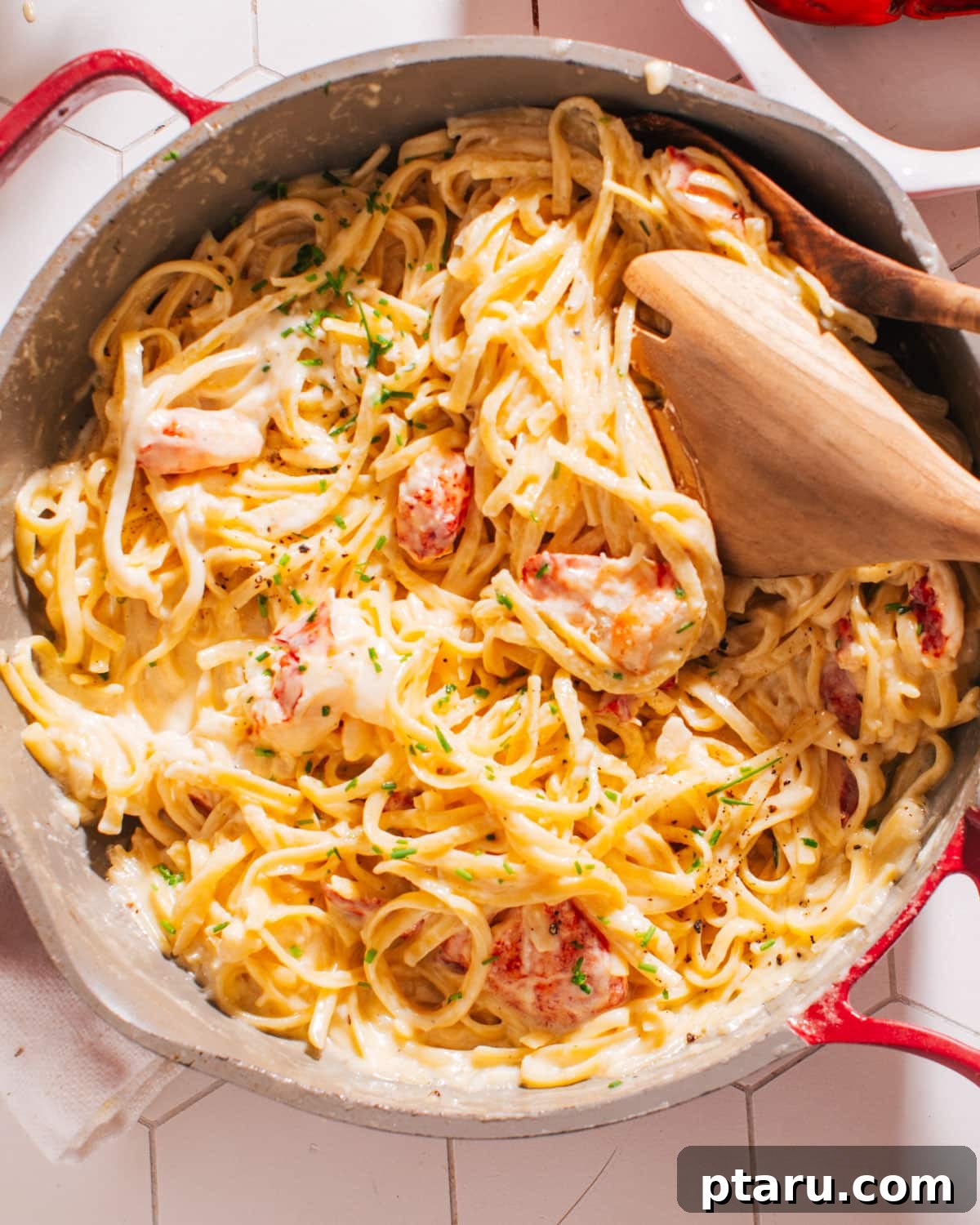
Avoid These 2 Common Mistakes for Perfect Lobster Pasta
Even with simple recipes, there are common pitfalls that can diminish the final result. Being aware of these will help you achieve a truly exceptional lobster pasta:
1. Overcooking the Lobster Meat: This is perhaps the most critical mistake to avoid. Lobster meat is delicate and lean. Overcooking it, even slightly, will result in a tough, rubbery, and unappetizing texture. Since the lobster meat is already cooked when you add it to the sauce, its purpose is merely to be gently warmed through, allowing it to absorb the flavors of the sauce. Avoid letting it simmer vigorously or for too long in the hot sauce. A quick, gentle fold-in at the very end of the cooking process, just until heated through, is all that’s needed to preserve its tender succulence.
2. Skipping the Wine Reduction Step: The step of reducing the white wine by half is not merely optional; it’s fundamental to developing the sauce’s complex flavor. Reducing the wine serves two crucial purposes: first, it concentrates the wine’s intrinsic flavors, intensifying its aromatic notes. Second, it cooks off the alcohol, mellowing its sharpness and preventing an overly boozy taste in the final dish. By simmering the wine until it’s reduced, you create a richer, more balanced, and incredibly flavorful foundation that seamlessly integrates with the cream, resulting in a smoother, more sophisticated sauce that truly shines.
Pro Tips and Science-Based Secrets for Perfect Lobster Pasta
As a food scientist, I appreciate the subtle techniques that elevate a dish. Here are some final notes and science-backed secrets to ensure your lobster pasta is nothing short of perfection:
- The Magic of Pasta Water: Always remember to reserve at least a cup of the starchy pasta water before draining your linguine. This cloudy, flavorful liquid is a chef’s secret weapon. The starches in the water help to emulsify the fat and liquid in your sauce, creating a smoother, glossier, and more stable consistency. If your sauce becomes too thick, a splash of pasta water can beautifully loosen it to the ideal consistency, and it helps the sauce cling more effectively to the pasta strands.
- Serve Immediately for Optimal Texture: Lobster pasta is a dish that truly demands to be enjoyed fresh off the stove. The creamy sauce, while stable, will naturally thicken as it cools. Serving it immediately ensures that you experience the sauce at its most luxurious and flowing consistency, perfectly coating each strand of pasta and piece of lobster. Delaying serving can lead to a denser, less appealing texture.
- Achieving Creamy Sauce Stability: To prevent your sauce from separating or becoming oily, especially when combining liquids of different fat contents, technique matters. Add the heavy cream slowly to your wine reduction, stirring continuously as you pour. This gradual addition, combined with gentle stirring, helps the fat molecules in the cream to emulsify with the wine and butter, creating a stable, homogenous, and beautifully smooth sauce that won’t break.
- Preserving Lobster’s Delicate Texture: Lobster meat is primarily protein, and like any lean protein, it contracts and toughens when exposed to excessive heat. The key to maintaining its exquisite, tender texture in this pasta is gentle warming, not cooking. By folding the pre-cooked lobster meat into the sauce at the very last minute, you allow it just enough time to heat through without causing the proteins to seize up, ensuring every bite is succulent and delicate.
Frequently Asked Questions About Lobster Pasta
For those quick reads or lingering questions, here are some key takeaways and common queries addressed about making the best lobster pasta:
Absolutely, using high-quality frozen lobster tail meat is a convenient and excellent choice. For the best texture and flavor, ensure you thaw it properly in the refrigerator overnight before incorporating it into your recipe. Avoid rapid thawing methods like hot water, which can negatively impact the texture.
Yes, lobster claws are a fantastic addition! They offer extra tender meat and a beautiful presentation. To extract the cooked meat, use a pair of kitchen scissors or a nutcracker to carefully crack and cut the claws open. Add the claw meat along with the tail and body meat for extra deliciousness.
Linguine is widely considered ideal due to its flat, ribbon-like shape, which excels at capturing and holding the creamy sauce. However, other long, flat pastas like fettuccine or even wide pappardelle also work exceptionally well, providing a satisfying mouthfeel with every forkful. Spaghetti can be used, but may not cling to the sauce as effectively.
Creating a dairy-free version is entirely possible. Substitute the butter with extra virgin olive oil or a plant-based margarine. For the heavy cream, use full-fat coconut cream (from a can, not a carton), or a specialized dairy-free cooking cream. For the Parmesan, opt for a high-quality dairy-free Parmesan alternative or nutritional yeast, which offers a cheesy, umami flavor.
If you prefer not to use alcohol, you can effectively substitute the white wine with an equal amount of good quality chicken or vegetable broth. For a hint of the acidity that white wine provides, you can add a tablespoon of apple cider vinegar diluted with water (1 part vinegar to 3 parts water) to the broth substitution.
To thicken the sauce, simply allow it to simmer longer over low heat, stirring frequently, until some of the liquid evaporates. If the sauce becomes too thick, you can easily thin it out by stirring in a splash of reserved pasta water, extra heavy cream, or broth until it reaches your desired, luscious consistency.
The golden rule for tender lobster is minimal heat exposure once it’s already cooked. Add the lobster meat to the sauce at the very final stage of cooking, after the Parmesan has melted and the sauce has reached its desired consistency. Gently fold it in and let it warm through for just a minute or two. Prolonged simmering will make the lobster tough and chewy.
Explore More Creamy Pasta Favorites
If you’ve fallen in love with the rich and creamy textures of this lobster pasta, you’ll surely enjoy these other delectable pasta recipes:
- Lobster Ravioli Sauce: A delightful sauce to pair with delicate lobster-filled ravioli.
- Easy Seafood Pasta with Cream Sauce: A versatile recipe featuring a medley of your favorite seafood.
- Vibrant Beet Pasta Sauce: An unexpectedly delicious and colorful pasta dish.
- Creamy Butternut Squash Alfredo: A comforting and seasonal twist on a classic Alfredo.
- Asiago Tortelloni Alfredo with Grilled Chicken: A hearty and flavorful dish for cheese and chicken lovers.
Pin Recipe |
Print Recipe
Rating: 5 out of 5 stars (from 5 votes)
Best Lobster Pasta Recipe (with White Wine Cream Sauce)
By: Jennifer Pallian BSc, RD
This luxurious lobster pasta combines tender lobster meat with linguine and a creamy, Parmesan-infused sauce.
Prep Time: 15 minutes | Cook Time: 15 minutes | Total Time: 30 minutes | Servings: 4
Video Overview
A video demonstration of this recipe can be found here, showing the step-by-step process of making the lobster pasta.
(Please note: Actual video player content has been removed as per instructions.)
Ingredients
- ½ lb dry linguine or other pasta
- 6 tbsp butter (unsalted preferred)
- 1 shallot, minced finely
- 1 cup heavy cream (whipping cream or 35% m.f. cream)
- ½ cup dry white wine (e.g., Sauvignon Blanc or Pinot Grigio)
- ¼ tsp black pepper
- ½ tsp kosher salt (adjust to taste)
- ¾ cup finely grated Parmesan cheese
- 1 lb cooked lobster meat, roughly chopped
- Minced fresh chives or parsley, for garnish
Instructions
- Cook the linguine in a large pot of boiling, generously salted water according to package instructions until al dente. Drain and set aside, reserving about 1 cup of pasta water.
- In a large pan, melt the butter over medium heat.
- Add the minced shallot and sauté until it becomes translucent and fragrant, about 3-5 minutes. Do not brown.
- Pour in the white wine and simmer until it reduces by half, concentrating its flavors (about 5-7 minutes).
- Stir in the heavy cream, black pepper, and kosher salt. Bring to a gentle simmer.
- Let the sauce simmer for a few minutes until it thickens slightly, coating the back of a spoon.
- Remove the pan from heat, add the grated Parmesan cheese, and stir until completely melted and the sauce is smooth.
- Gently fold in the cooked lobster meat and the cooked linguine until well combined and heated through. If the sauce is too thick, add a tablespoon or two of the reserved pasta water.
- Serve immediately, garnished with minced fresh chives or parsley.
Notes
Wine choice: Always use a good quality dry white wine that you enjoy drinking, as its flavor will significantly impact the final taste of the sauce.
Quick Guide to Cooking Live Lobster:
- Bring a large pot of salted water (1 tbsp salt per quart) to a rolling boil.
- For easier handling, you can chill the live lobster in the freezer for 15-20 minutes beforehand (optional).
- Carefully place the lobster headfirst into the boiling water using tongs. Cover immediately.
- Boil for 8-10 minutes for a 1 lb lobster; add an additional 2-3 minutes for every extra pound.
- The lobster shell will turn bright red, and the meat inside will be opaque when done. Let it rest briefly before extracting the meat.
(For more detailed instructions on cooking live lobster, please refer to the section above in the article!)
Nutrition Information
Calories: 739kcal | Carbohydrates: 46g | Protein: 35g | Fat: 45g | Saturated Fat: 28g | Polyunsaturated Fat: 2g | Monounsaturated Fat: 12g | Trans Fat: 1g | Cholesterol: 270mg | Sodium: 1233mg | Potassium: 468mg | Fiber: 2g | Sugar: 4g | Vitamin A: 1566IU | Vitamin C: 1mg | Calcium: 382mg | Iron: 1mg
Nutrition information is automatically calculated and should only be used as an approximation.
Tried this recipe? Leave a comment! We’d love to hear your thoughts and see your creations!