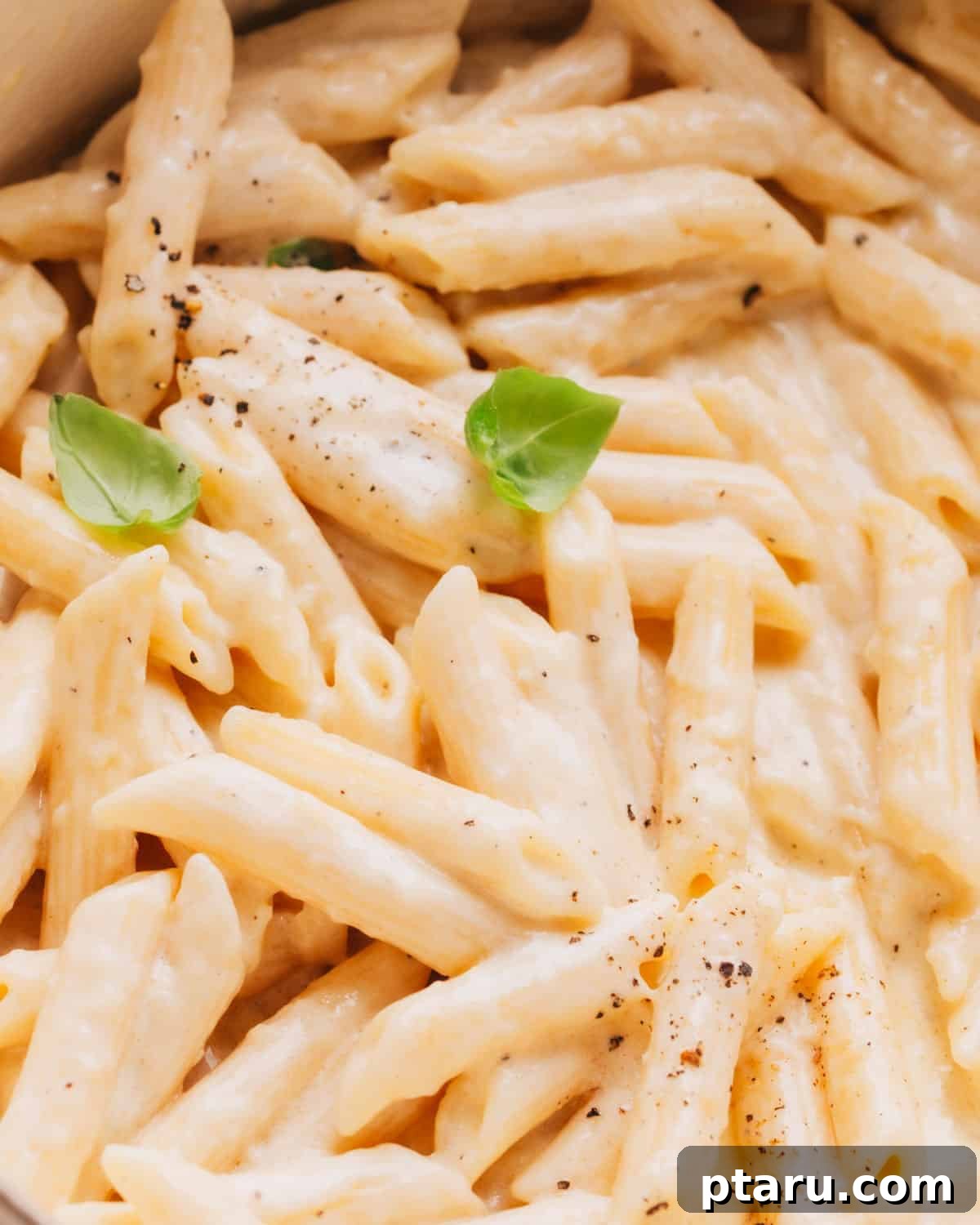
There are few dishes as universally loved and comforting as a bowl of creamy pasta, and this Alfredo sauce with penne pasta truly stands out. It’s the quintessential comfort food, offering a rich, velvety indulgence that’s surprisingly quick and easy to prepare. Whether you’re navigating the chaos of a busy weeknight or simply craving a satisfying meal that everyone will adore, this recipe is designed to be your reliable go-to. Forget complicated steps or a lengthy ingredient list; this is about delivering maximum flavor with minimal fuss, ensuring a delightful dining experience for your whole family.
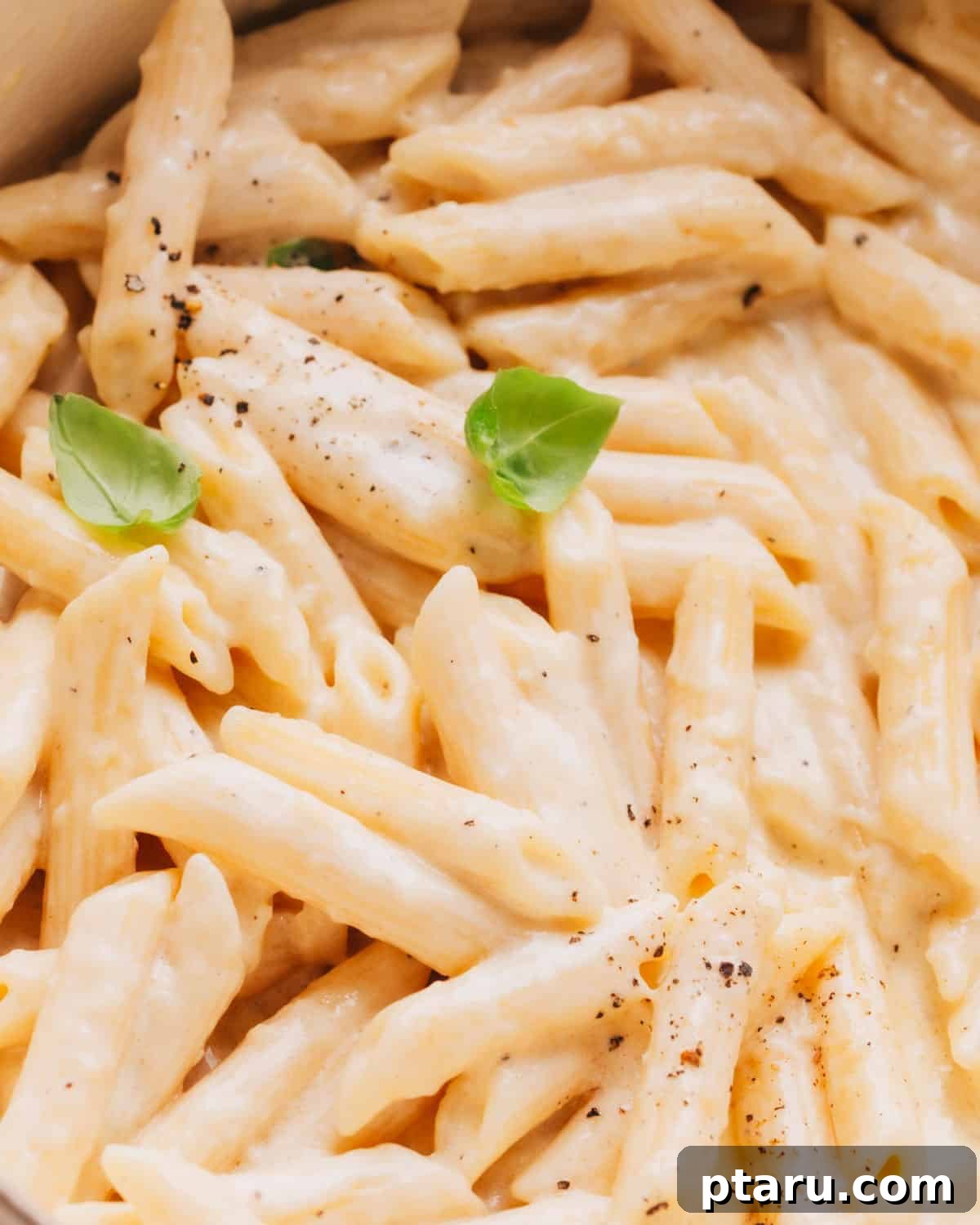
Why This Penne Alfredo Recipe Will Become Your New Favorite
This isn’t just another pasta dish; it’s an experience that promises to impress and satisfy, making it a staple in your kitchen. Here’s why you’ll find yourself returning to this Penne Alfredo recipe time and time again:
- Unrivaled Creamy Indulgence: Prepare yourself for a luxuriously smooth and rich Alfredo sauce that clings perfectly to every single piece of penne pasta. The careful balance of butter, heavy cream, and Parmesan creates a velvety texture and deep flavor profile that feels gourmet yet is incredibly simple to achieve. Each bite is a testament to classic Italian comfort, delivering a satisfying richness without being overly heavy.
- Remarkably Quick and Easy: Life gets hectic, but dinner doesn’t have to be. This recipe is designed for efficiency, using readily available ingredients and straightforward instructions that make it ideal for even the busiest evenings. From start to finish, you can have a delectable meal on the table in about 20 minutes, proving that homemade doesn’t have to mean time-consuming. It’s perfect for those moments when you need a delicious meal without the culinary stress.
- Endlessly Customizable: The beauty of this Alfredo sauce recipe lies in its versatility. While it’s fantastic on its own, it serves as an excellent canvas for your favorite additions. Transform it into a hearty meal by incorporating proteins such as succulent grocery store rotisserie chicken, savory ham, tender shrimp, crispy pancetta, or spicy Italian sausage. Boost its nutritional value and introduce new textures by adding vibrant vegetables like fresh broccoli florets, wilted spinach, sweet peas, or tangy sun-dried tomatoes. The possibilities are endless, allowing you to tailor the dish to your taste and what you have on hand.
- A Smart Make-Ahead Option: Planning is key to effortless entertaining and meal prep, and this Alfredo sauce excels in that regard. The sauce can be prepared in advance and stored in the refrigerator for up to two days, ready to be reunited with freshly cooked pasta whenever you’re ready to serve. This flexibility makes it an invaluable asset for busy professionals, parents, or anyone looking to get ahead in the kitchen. Reheating is a breeze, ensuring a fresh-tasting meal with minimal effort at serving time.
- Guaranteed Family-Friendly Appeal: This dish is a guaranteed hit with eaters of all ages. Its creamy texture and mild, cheesy flavor are universally appealing, ensuring even the pickiest palates will ask for more. In fact, don’t be surprised if your kids (and adults!) clamor for seconds, or even thirds! We highly recommend doubling the recipe if you’re feeding a larger family or hoping for delicious leftovers. It’s the kind of meal that brings smiles to the dinner table.
Now that you know why this recipe is a must-try, let’s gather our ingredients and get cooking!
Essential Ingredients for Your Perfect Penne Alfredo
To embark on your journey to crafting this cozy, satisfying Penne Alfredo, you’ll need just a handful of quality ingredients. Each component plays a crucial role in building the signature rich and creamy flavor profile of this beloved dish. Here’s what to gather:
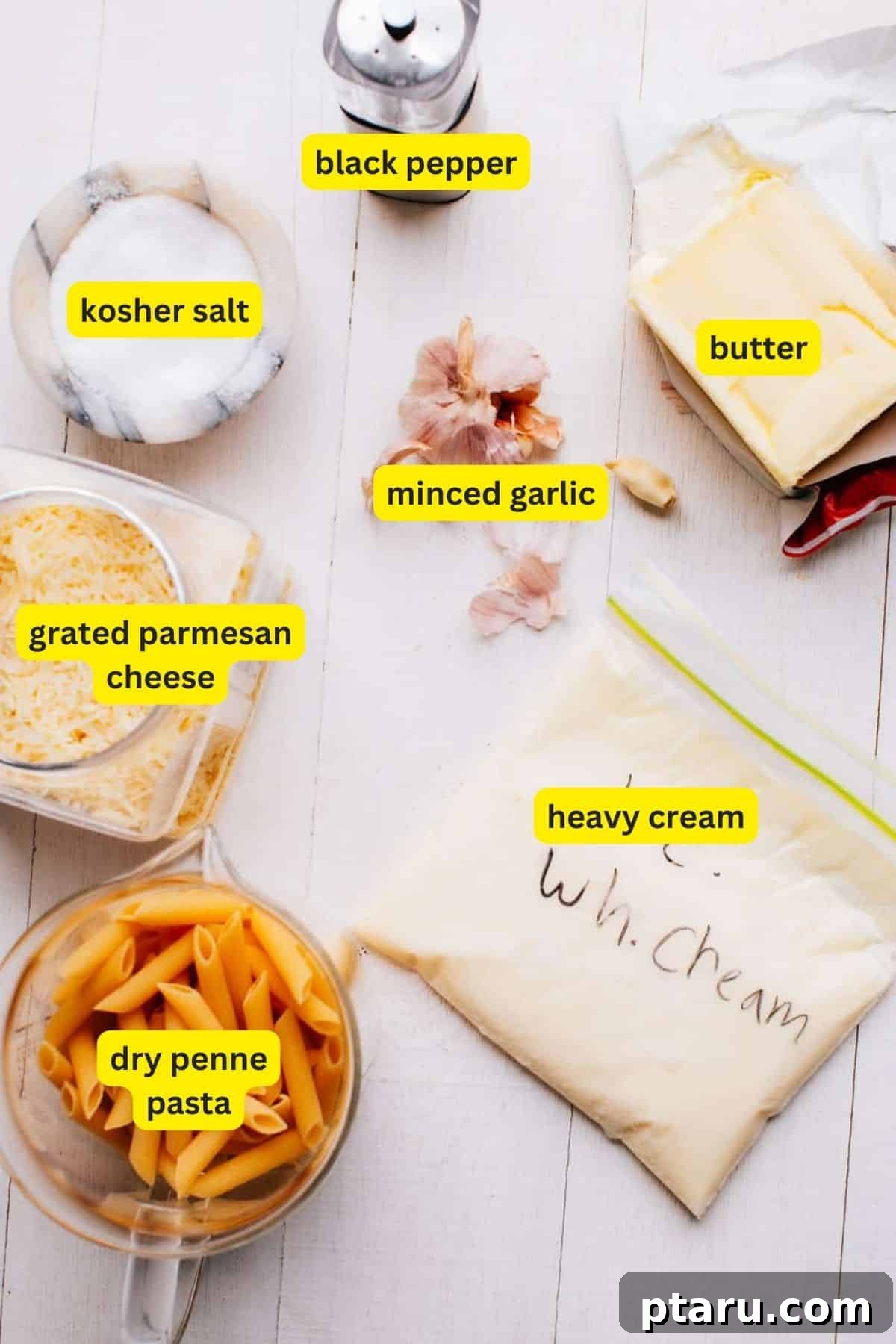
Core Ingredients for the Best Penne Alfredo
These are the fundamental items you’ll need to create a truly delicious and authentic penne Alfredo:
- Minced Garlic: Fresh garlic is indispensable for adding a vibrant, aromatic, and pungent depth of flavor to your Alfredo sauce. It provides a foundational layer of taste that elevates the entire dish. While garlic powder can be a substitute, fresh garlic delivers an unparalleled brightness.
- Heavy Cream (35% Milkfat): Often labeled as whipping cream or double cream, heavy cream is the star ingredient for achieving that luxurious, velvety consistency characteristic of classic Alfredo. Its high fat content ensures a rich, smooth sauce that won’t curdle easily and coats the pasta beautifully.
- Black Pepper and Kosher Salt: Proper seasoning is paramount for a flavorful Alfredo sauce. Don’t underestimate the power of these basic spices. Kosher salt enhances all the other flavors, while freshly ground black pepper adds a subtle kick and aromatic complexity, balancing the richness of the cream and cheese. Taste and adjust as you go!
- Finely-Grated Parmesan Cheese: This is arguably the most critical ingredient. Grate your Parmesan cheese finely just before adding it to the sauce to ensure it melts seamlessly, creating a perfectly smooth and creamy texture. Freshly grated Parmesan also offers a superior savory, nutty, and slightly salty flavor compared to pre-grated varieties, which often contain anti-caking agents that can hinder smooth melting. For the best results, always opt for a high-quality block of Parmesan and grate it yourself.
- Dry Penne Pasta: Penne pasta, with its tubular shape and ridged surface, is an excellent choice for Alfredo sauce. Its design allows the thick, creamy sauce to cling both to its exterior and nestle within its hollow interior, ensuring every bite is rich with flavor. You can, however, experiment with other pasta shapes depending on your preference.
- Butter: Unsalted butter is preferred, as it allows you to control the saltiness of the sauce. It’s essential for sautéing the garlic, providing a rich base, and contributing to the overall decadent mouthfeel of the Alfredo.
- Minced Fresh Parsley (for garnish): While optional, a sprinkle of fresh minced parsley adds a pop of vibrant green color and a refreshing, herbaceous note that cuts through the richness of the Alfredo sauce. It’s a simple garnish that significantly enhances the visual appeal and overall freshness of the dish. Feel free to use other fresh herbs like chives or basil if you prefer.
Thoughtful Substitutions and Flavorful Variations
This Penne Alfredo recipe is truly wonderful in its classic form, but it’s also incredibly flexible. Here are some ideas for substitutions and variations to help you tailor it to your dietary needs, pantry staples, or culinary whims:
Intelligent Substitutions
- Evaporated Milk for a Lighter Touch: If you’re aiming for a slightly lighter sauce without sacrificing too much creaminess, evaporated milk is an excellent substitute for heavy cream. It’s thicker than regular milk and has undergone a heating process that makes it more stable and less prone to curdling under heat. You can typically use it as a one-to-one replacement for heavy cream. For an even lighter, yet still delicious, alternative, consider trying a dedicated Garlic Parmesan Sauce recipe, which often uses lighter dairy bases.
- Garlic Powder in a Pinch: While fresh garlic offers the best flavor, if you find yourself without it, garlic powder can serve as a convenient substitute. As a general guideline, use approximately 1/2 teaspoon of garlic powder for every clove of fresh garlic specified in the recipe. Remember that the flavor will be slightly milder and less pungent than fresh, so adjust to your taste.
- Exploring Other Pasta Shapes: Don’t feel limited to penne! The beauty of Alfredo sauce is its ability to complement various pasta shapes. Classic choices like fettuccine or linguine are fantastic for their long strands that get beautifully coated in the sauce. Spaghetti, rotini, or even farfalle (bow-tie pasta) can also work wonderfully, each offering a unique texture and sauce-holding capability. Choose your favorite!
Exciting Variations to Elevate Your Dish
- Herbaceous Infusions: Elevate the aromatic profile of your Alfredo sauce by infusing it with fresh herbs. Consider simmering sprigs of fresh thyme, basil leaves, oregano, or rosemary directly in the sauce for a few minutes before adding the cheese. This allows their essential oils to release and perfume the cream. For a convenient option, a pinch of quality Italian seasoning blend can also provide a wonderful depth of flavor. Remember to remove the whole herb sprigs before serving.
- Vibrant Vegetable Additions: Boost the nutritional content and add delightful textures by incorporating your favorite vegetables. Sautéed or steamed broccoli florets, fresh or frozen peas, tender spinach (which will wilt beautifully into the warm sauce), or vibrant sun-dried tomatoes (chopped) are all excellent choices. For best results, cook your chosen vegetables separately until tender-crisp before gently folding them into the finished Alfredo sauce and pasta.
- Protein Power-Ups: Transform your creamy pasta into a complete meal with the addition of protein. Cooked and shredded rotisserie chicken, sautéed shrimp, pan-fried pancetta (for a salty, crispy bite), or browned Italian sausage crumbles are fantastic options. Add your cooked protein to the sauce just before tossing with the pasta to ensure it warms through and blends harmoniously with the flavors.
- A Touch of Spice: For those who enjoy a little heat, a pinch of red pepper flakes added with the garlic can introduce a subtle warmth that wonderfully complements the rich, creamy sauce.
Essential Kitchen Tools to Gather
Preparing this delicious Penne Alfredo requires only a few basic kitchen tools, making it accessible even for novice cooks. Here’s what you’ll need to set aside:
- Large Pot: An essential for cooking your pasta. A spacious pot allows the pasta to move freely in plenty of boiling water, ensuring even cooking and preventing sticking.
- Saucepan: A medium-sized saucepan is perfect for melting the butter, sautéing the garlic, and gently simmering your rich Alfredo sauce. Choose one with a heavy bottom to ensure even heat distribution and prevent scorching.
- Whisk: A good whisk is indispensable for achieving a smooth, lump-free Alfredo sauce. It helps thoroughly combine the ingredients, particularly when incorporating the Parmesan cheese, ensuring a velvety consistency.
How to Master Alfredo Sauce with Penne Pasta: A Step-by-Step Guide
Creating this irresistible creamy Alfredo sauce with penne pasta is simpler than you might imagine. Follow these detailed steps to ensure a perfect, restaurant-quality dish every time:
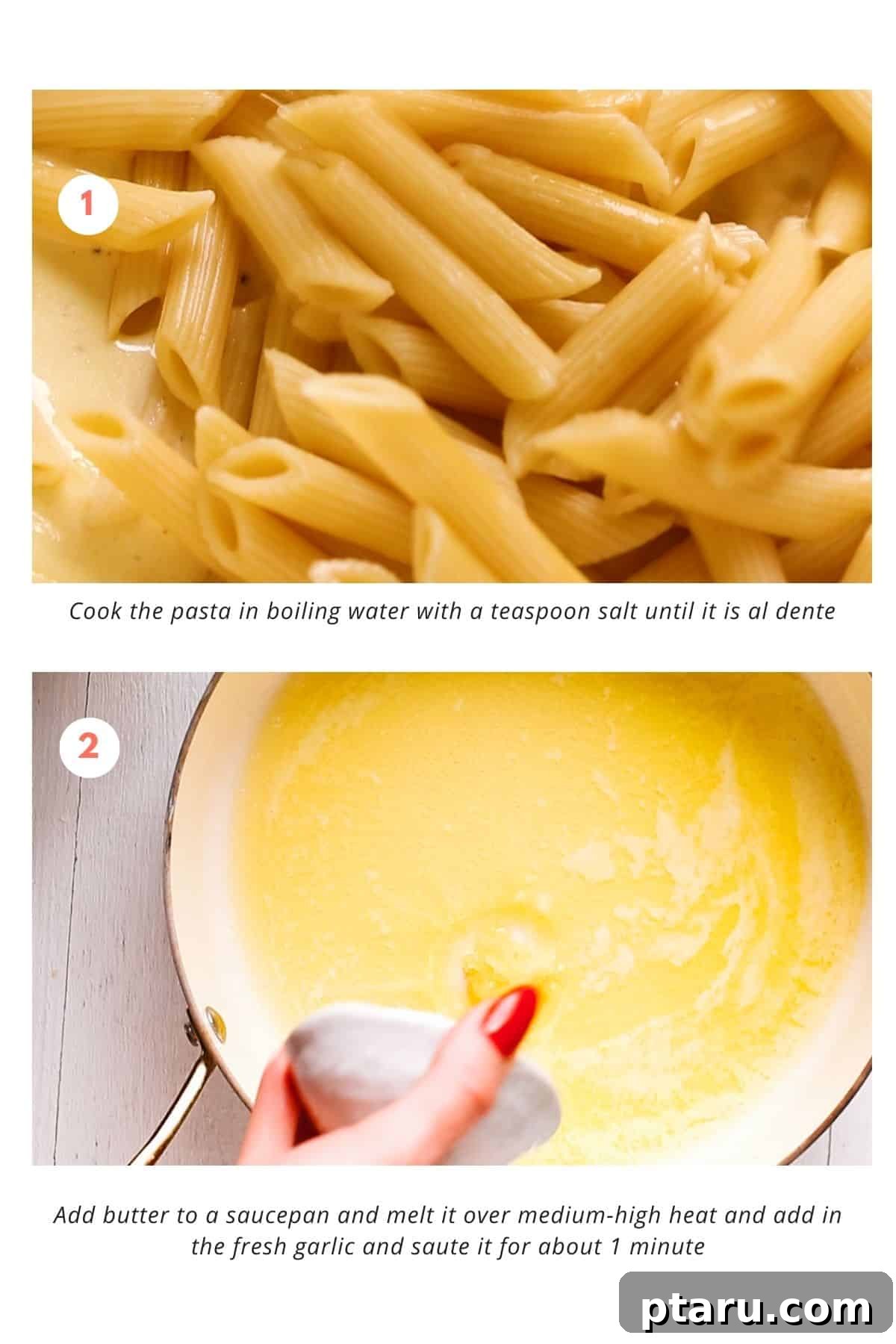
Step 1: Perfectly Cook the Penne Pasta
- Begin by bringing a large pot of water to a rolling boil. Once boiling, add a generous pinch of kosher salt to season the water – this is crucial for flavoring the pasta from the inside out.
- Add the dry penne pasta to the boiling water and cook according to the package instructions until it reaches an al dente texture. Al dente means “to the tooth” – the pasta should be firm but still have a slight bite to it, not mushy. This usually takes about 8-10 minutes.
- Before draining, reserve about ½ to 1 cup of the starchy pasta water. This “liquid gold” can be used later to adjust the sauce’s consistency if it becomes too thick.
- Once cooked to your liking, drain the pasta thoroughly in a colander. Do not rinse the pasta, as the residual starch helps the sauce adhere better.
Step 2: Create the Aromatic Sauce Base
- While your pasta is boiling, place a medium saucepan over medium heat. Add the butter and allow it to melt completely.
- Once the butter is fully melted and slightly shimmering, add the minced fresh garlic. Sauté the garlic for approximately 1 minute, stirring constantly. The goal here is to release its fragrant aroma without letting it brown, as browned garlic can turn bitter and impart an unpleasant taste to your delicate sauce. Keep a close eye on it!
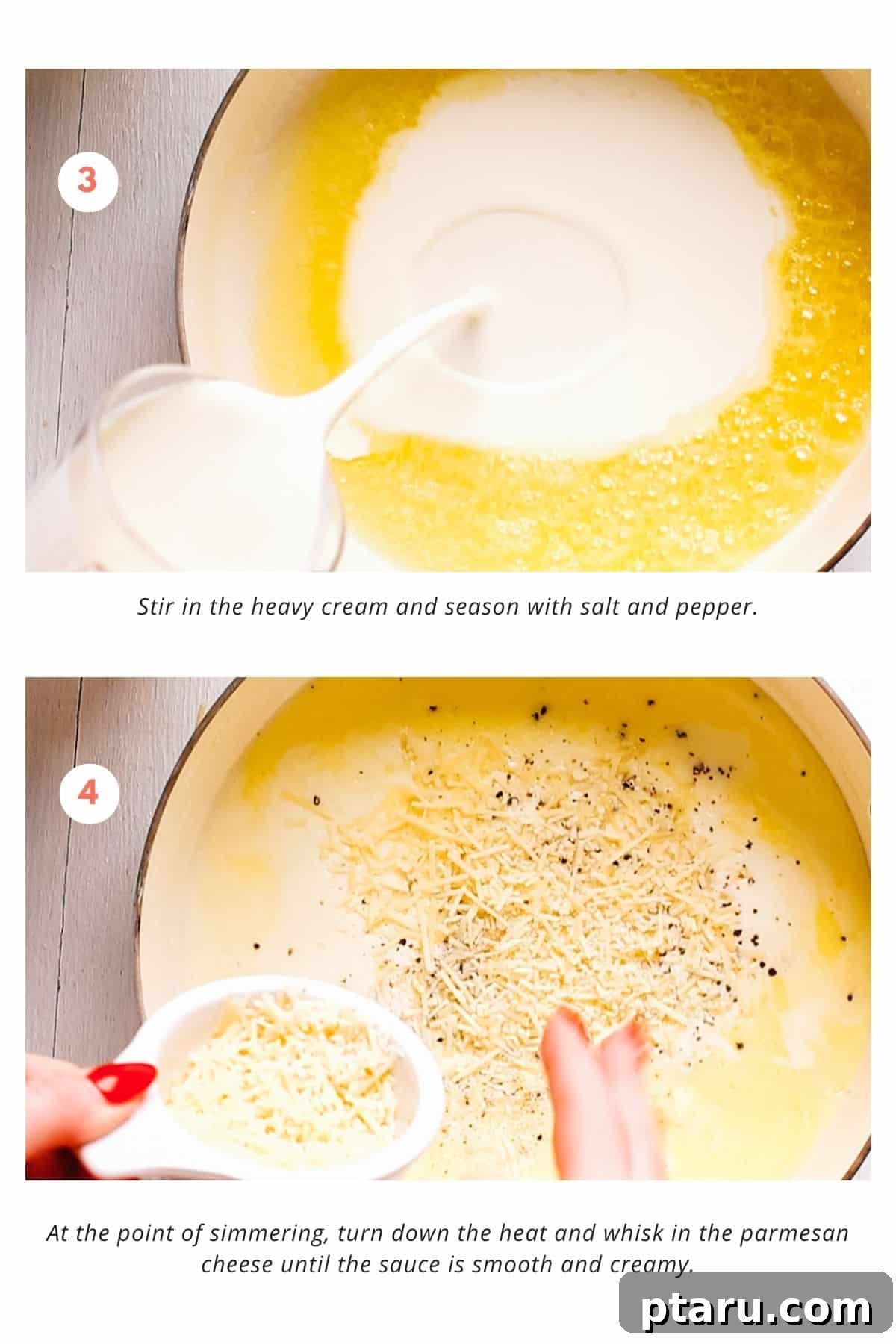
- Next, pour in the heavy cream. Season generously with kosher salt and freshly ground black pepper. Stir gently to combine all ingredients.
- Bring the mixture to a gentle simmer over low heat. It’s important not to let it boil vigorously at this stage, as extreme heat can cause the cream to separate or curdle later. Just a gentle bubbling is perfect.
Step 3: Incorporate the Cheese for Ultimate Creaminess
- This is a critical step for a smooth Alfredo sauce! Once the cream mixture reaches a gentle simmer, immediately turn off the heat.
- Gradually add the finely-grated Parmesan cheese to the warm cream, whisking continuously and vigorously. Whisking slowly and steadily off the heat allows the cheese to melt smoothly and emulsify with the cream, preventing it from clumping or becoming grainy.
- Continue whisking until the Parmesan cheese is completely melted and the sauce is wonderfully smooth and creamy. If you find the cheese isn’t melting sufficiently, you can return the saucepan to a very low heat for a moment, but ensure it does not come to a vigorous boil. The residual heat from the cream should be sufficient.
Step 4: Combine and Finish the Dish
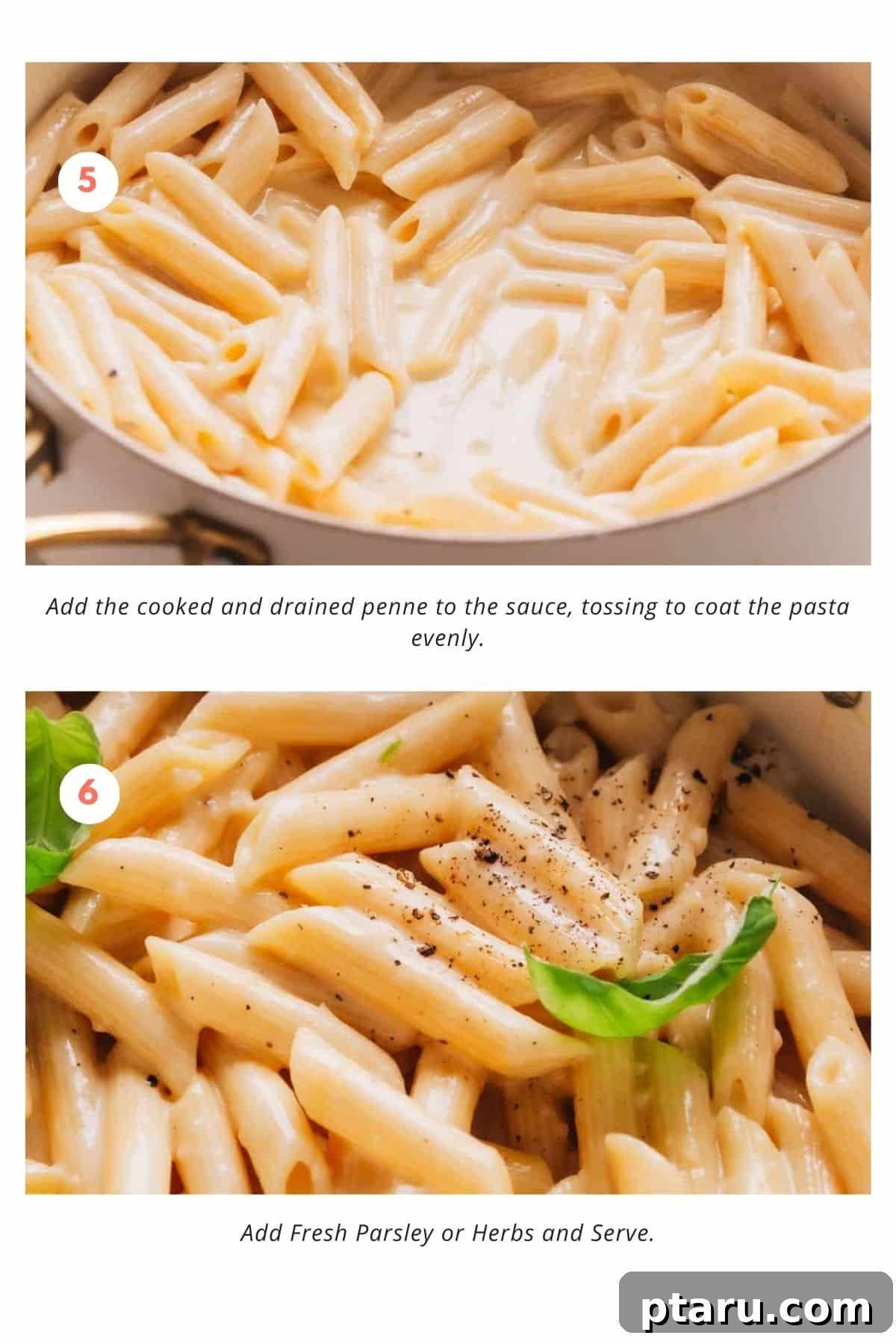
- Add the fully cooked and drained penne pasta directly into the prepared Alfredo sauce.
- Using tongs or a large spoon, gently toss the pasta with the sauce, ensuring every piece of penne is thoroughly coated in the rich, creamy goodness.
- If your sauce appears too thick, you can add a splash of the reserved pasta water (a tablespoon at a time) while tossing, until you achieve your desired consistency. The starch in the pasta water helps the sauce emulsify and adhere even better.
- Serve immediately, garnished with fresh minced parsley if desired. Enjoy the ultimate comfort food!
Make-Ahead and Storage Tips for Your Alfredo Penne
Planning ahead or managing leftovers for your Alfredo pasta sauce and penne? No problem! Here’s everything you need to know to store it effectively and ensure it tastes great every time:
Mastering the Make-Ahead Alfredo Sauce
- Prepare the Alfredo Sauce in Advance: The Alfredo sauce can be made entirely ahead of time. Once prepared, allow it to cool completely to room temperature. Transfer the cooled sauce into airtight containers or jars. Store it securely in the refrigerator for up to 2 days. This is perfect for meal prepping or simplifying dinner when entertaining guests.
- Reheating Make-Ahead Sauce: When you’re ready to serve, gently reheat the Alfredo sauce in a saucepan over very low heat, stirring occasionally, until it is warmed through. It’s common for the sauce to thicken significantly in the refrigerator. To restore its luscious consistency, you may need to add a splash or two of milk or additional heavy cream while stirring. Once the sauce reaches your desired temperature and consistency, simply toss it with freshly cooked penne pasta and serve immediately.
Storing Leftover Alfredo Sauce with Penne Pasta
- Refrigeration: Leftover Alfredo sauce combined with penne pasta can be stored in an airtight container in the refrigerator for up to 3-4 days. Ensure the pasta cools completely before sealing it in the container to prevent condensation and maintain quality.
- Reheating Leftovers: When reheating leftover Alfredo pasta, the sauce will likely be quite thick. To revive its creamy texture, transfer the pasta to a skillet or saucepan. Add a little extra cream or milk (start with a tablespoon or two) to the sauce and heat gently over low heat, stirring constantly, until the pasta is warmed through and the sauce loosens to your preference. Alternatively, you can reheat individual portions in the microwave, adding a splash of cream or milk before heating and stirring halfway through.
While Alfredo sauce *can* be frozen, it’s generally not recommended for optimal texture. The dairy fats and cheese proteins can separate upon thawing and reheating, resulting in a slightly grainy or less smooth consistency.
- Freezing Alfredo Sauce (without pasta): If you choose to freeze it, transfer the cooled Alfredo sauce (without the pasta) to a freezer-safe container, leaving some headspace for expansion. It can be stored in the freezer for up to 2-3 months. Thaw overnight in the refrigerator before reheating gently over low heat, whisking well and adding extra cream or milk to restore consistency as needed.
Perfect Pairings: How to Serve Your Creamy Penne Alfredo
Your rich and creamy Penne Alfredo is a star on its own, but pairing it with the right accompaniments can elevate the entire meal. Here are some fantastic serving suggestions to complete your dining experience:
- Classic Bread Companions: A warm, crusty bread is practically a requirement for soaking up every last drop of that delectable Alfredo sauce. Serve your pasta with a side of homemade cheesy garlic bread fingers, a simple toasted garlic loaf, or fresh Italian bread. The contrast between the soft pasta and crunchy bread is simply divine.
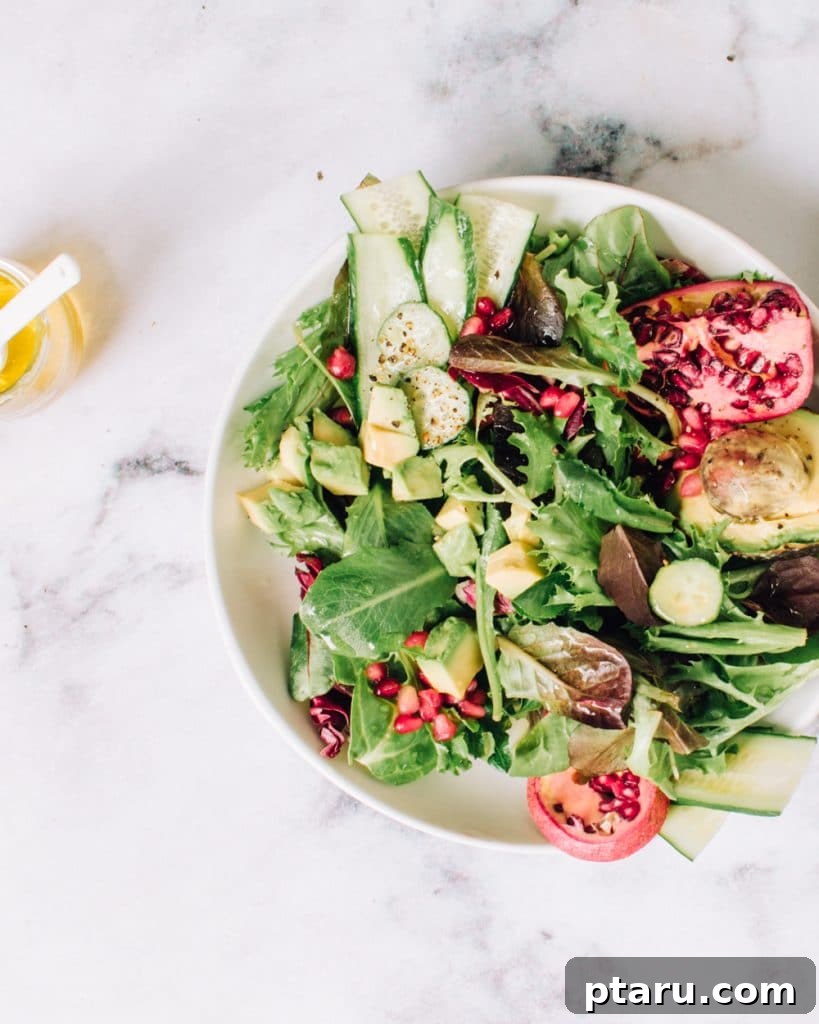
- Lightening the Meal with Salad: To balance the richness of the Alfredo and add a refreshing element, a crisp, vibrant green salad is an excellent choice. A simple mixed green salad with a light vinaigrette dressing works wonders. For something a little more special, consider a delightful strawberry spinach salad with almonds and goat cheese, offering a beautiful interplay of sweet, tangy, and crunchy textures.
- Roasted Vegetables: A side of roasted asparagus, broccoli, or Brussels sprouts can add both color and a healthy component to your meal. Their slight char and natural sweetness complement the creamy pasta beautifully.
- A Touch of Wine: For adults, a glass of crisp white wine, such as a Pinot Grigio or a unoaked Chardonnay, can cut through the richness of the Alfredo and cleanse the palate.
NEXT READING: Looking for more inspiration on what to serve alongside your favorite pasta dishes? Check out our comprehensive guide: Good Sides for Pasta (Your Guide to the Best Pasta Side Dishes!)
3 Common Mistakes to Avoid for Perfect Alfredo Sauce
Even the simplest recipes can have pitfalls. To ensure your Alfredo sauce turns out perfectly creamy and delicious every time, steer clear of these common missteps. Knowing these typical trip-ups will help you achieve culinary success:
- Overcooking the Garlic: This is a cardinal sin in Italian cooking! Overcooked garlic quickly turns bitter and can ruin the delicate flavor of your sauce. When sautéing minced garlic, watch it closely and cook it just until it becomes fragrant, typically for about 1 minute. It should soften and release its aroma, but absolutely should not turn brown. Remove it from the heat immediately if it shows signs of browning.
- Boiling the Sauce Vigorously After Adding Cheese: Adding Parmesan cheese to a rapidly boiling sauce is a surefire way to end up with a clumpy, grainy, or separated Alfredo. The high heat causes the cheese proteins to seize up and separate from the fats, leading to an undesirable texture. The trick is to remove the saucepan from the heat *before* stirring in the cheese. The residual heat from the cream is usually sufficient to melt the finely grated Parmesan smoothly. Once the cheese is incorporated, avoid bringing the sauce back to a hard boil; a very gentle simmer, if any heat is needed at all, is the maximum. Continuous whisking during this stage also aids in smooth melting.
- Insufficient Seasoning: A bland Alfredo sauce is a missed opportunity. It’s crucial to taste and adjust the seasoning throughout the cooking process. Add kosher salt and freshly ground black pepper to the cream base, and then taste again after the Parmesan cheese has been incorporated. Remember that Parmesan cheese itself is salty, so be cautious not to oversalt. However, don’t be afraid to add enough seasoning to make the flavors truly pop. A well-seasoned sauce is the difference between good and unforgettable.
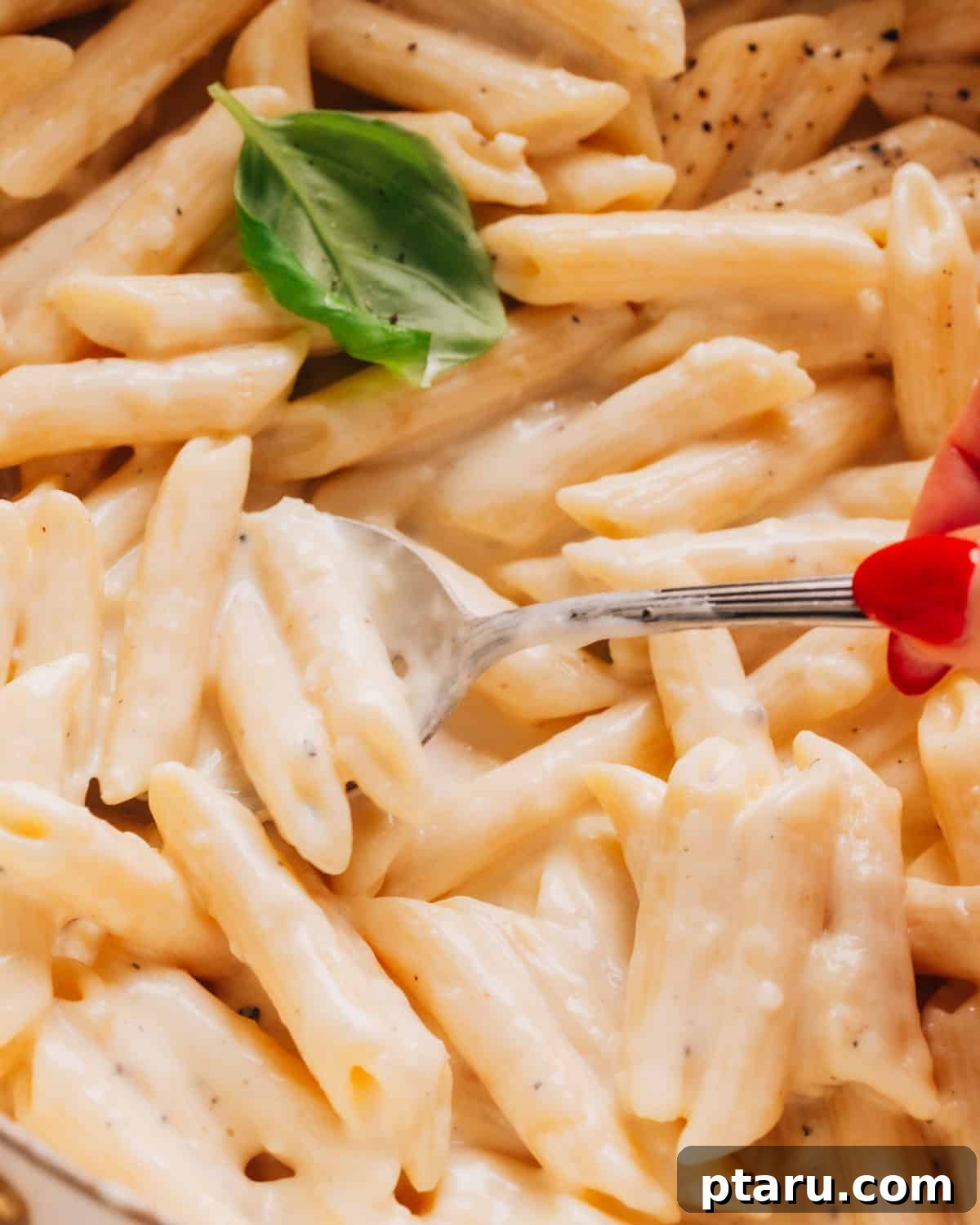
Pro Tips & Science-Based Secrets for the Perfect Alfredo
As a food scientist, I’m thrilled to share some insights and practical tips that will elevate your Alfredo-making skills from good to exceptional. Understanding the “why” behind certain techniques can make all the difference in achieving that perfect, creamy texture:
- The Art of Finely-Grated Cheese: This is more than just a preference; it’s a scientific principle. Grating your Parmesan cheese finely, ideally with a microplane, is crucial for a smooth sauce. Finely grated cheese has a larger surface area, allowing it to melt more quickly and evenly into the warm cream. Pre-grated cheeses often contain cellulose or other anti-caking agents that can interfere with melting, leading to a grainy or lumpy texture. The smoother the melt, the creamier the sauce.
- Adjusting Consistency Like a Pro: Your Alfredo sauce will naturally thicken as it cools. If you find your sauce is too thick for your liking (especially with leftovers or if it sits for a bit), don’t panic! Simply add a splash of reserved pasta water or a little extra cream, one tablespoon at a time, while gently stirring over low heat. The starch from the pasta water helps emulsify the sauce and gives it a glossy finish. Conversely, if your sauce initially appears too thin, allow it to stand for a few minutes off the heat. It miraculously thickens right up as it rests and cools slightly.
- The Golden Rule: Serve Immediately: Alfredo sauce is at its absolute best when served fresh and hot, immediately after it’s tossed with the pasta. The longer it sits, the more the sauce will thicken, and the pasta will absorb the liquid. While delicious as leftovers, for peak creaminess and texture, serve without delay.
- The Science of Cheese Melting (and Preventing Curdling): Understanding how cheese behaves under heat is key to a smooth sauce. Cheese is an emulsion of fats, proteins, and water. When heated slowly and gradually over low heat, the proteins in the cheese denature in a controlled manner – they unfold and gently intertwine with the fats and water in the cream, creating a stable, homogeneous network. This process results in a beautifully smooth and cohesive texture. If cheese is subjected to excessive and rapid heat (like a vigorous boil), the proteins denature and coagulate uncontrollably. They tighten up and separate from the fats, causing the sauce to become grainy, stringy, or even fully separated. Always introduce cheese off direct heat and whisk continuously to ensure a gentle, even melt.
Frequently Asked Questions About Alfredo Sauce with Penne Pasta
Navigating the world of creamy pasta can bring up a few questions. Here are quick answers to the top queries about making and enjoying Alfredo sauce with penne pasta:
Alfredo sauce is a classic Italian-American pasta sauce renowned for its rich and creamy texture. It’s primarily made from simple, high-quality ingredients: butter, heavy cream, and finely grated Parmesan cheese. Traditionally, it’s served with fettuccine pasta, creating the iconic Fettuccine Alfredo, but it pairs beautifully with various pasta shapes, including penne, which holds the sauce wonderfully in its ridges.
Absolutely! Preparing Alfredo sauce in advance is a great time-saver. Once you’ve made the sauce, allow it to cool completely to room temperature. Then, transfer it to an airtight container and store it in the refrigerator for up to 2 days. When you’re ready to use it, gently reheat the sauce over low heat, adding a splash of milk or cream to loosen it if it has thickened during storage.
Preventing Alfredo sauce from curdling is one of the most important tips for success. The key is to avoid boiling the sauce vigorously, especially once the cheese has been added. Instead, remove the saucepan from the heat before incorporating the cheese. Whisk continuously and gradually until the cheese is fully melted and the sauce is smooth. The residual heat from the cream is usually sufficient for melting. If you need a little more heat, return it to a very low setting, but never allow it to come to a hard boil.
While heavy cream is the traditional and preferred ingredient for its richness and stability, you can certainly make a lighter version of Alfredo sauce using alternatives. Half-and-half or whole milk can be substituted for heavy cream, though the resulting sauce may not be as thick, rich, or intensely creamy. You might also consider adding a small amount of cream cheese or a cornstarch slurry (mixed with cold milk) to achieve a thicker consistency with lighter dairy options.
To reheat Alfredo pasta, transfer your leftovers to a saucepan or skillet. The sauce will likely have thickened considerably. Add a splash of heavy cream or milk (start with 1-2 tablespoons) to the pasta. Heat gently over low heat, stirring occasionally, until the pasta is warmed through and the sauce regains its creamy consistency. You can also reheat in the microwave, stirring halfway through and adding a bit of liquid if needed.
Yes, absolutely! Customizing Alfredo pasta with vegetables or protein is highly encouraged and a fantastic way to enhance flavor and nutrition. For vegetables, options like steamed broccoli florets, sautéed spinach, sweet green peas, or chopped sun-dried tomatoes work beautifully. For protein, cooked chicken (rotisserie chicken is a great shortcut!), shrimp, crispy pancetta, or sliced Italian sausage can be added to the sauce along with the pasta for a heartier, more complete meal.
Explore More Delicious Pasta Recipes You’ll Adore
If you’ve enjoyed the creamy indulgence of this Penne Alfredo, you’re in for a treat with these other fan-favorite pasta dishes from our collection. Expand your culinary repertoire with these tempting recipes:
- Decadent Lobster Ravioli Sauce
- Easy Seafood Pasta with Cream Sauce
- Vibrant Beet Pasta Sauce
- Creamy Butternut Squash Alfredo
- Asiago Tortelloni Alfredo with Grilled Chicken
The Easy Alfredo Sauce with Penne Pasta You’ll Make on Repeat
Ingredients
- 6 tbsp butter
- 2 tsp minced garlic (about 2 large garlic cloves)
- 1 cup heavy cream
- ¼ tsp black pepper
- ½ tsp kosher salt
- 1 cup finely-grated parmesan cheese
- 12 oz dry penne pasta
- Minced parsley for garnish
Instructions
- Cook the penne pasta in a large pot of boiling salted water according to the package instructions until al dente. Then drain.
- While the pasta cooks, melt the butter in a large saucepan over medium heat. Add minced garlic and sauté until fragrant, about 1 minute. Watch closely so that the butter and garlic don’t brown.
- Stir in the heavy cream, black pepper, and kosher salt. Bring to a gentle simmer over low heat.
- Turn off the heat and gradually whisk in the Parmesan cheese until the sauce is smooth and creamy. If you need to turn the heat back on for it to melt, turn it on low and don’t let the sauce come to more than a bare simmer again.
- Add the cooked and drained penne to the sauce, tossing to coat the pasta evenly. Serve immediately.
Notes
The sauce will appear thin at first but thickens right up within a few minutes of resting.
To thin the sauce (for leftovers or if it has sat too long before serving fresh), add more cream or a splash of reserved pasta water by splashes while gently stirring over low heat.
Here’s how to prevent clumpy, grainy Alfredo sauce! 🧀✨
The MUST-DOs:
1️⃣ Remove the saucepan from heat before adding the cheese.
2️⃣ Stir continuously until it’s fully melted and smooth.
3️⃣ Don’t let it boil again!
🐿️ Give me the reason in a nutshell: Adding cheese to boiling sauce can make it clump and turn grainy. Cheese has proteins and fats that change when heated. Melt it slowly over low heat to keep your Alfredo sauce creamy, velvety and smooth.
🤓 Take me into your nerd cave: At moderate heat, the proteins in the cheese denature in a controlled manner. They unfold and then gently intertwine with the fats and water in the cream, creating a stable network. This process stabilizes the sauce and results in a smooth, cohesive texture. When cheese gets too hot, the proteins denature (unfold) and coagulate (clump together) uncontrollably. This excessive and rapid heat causes the proteins to tighten up and separate from the fats, making the sauce grainy or stringy.
Nutrition
Nutrition information is automatically calculated, so should only be used as an approximation.
There you have it – a truly easy and exceptionally creamy Alfredo sauce with penne pasta, ready to become a cherished recipe in your culinary collection. This dish proves that restaurant-quality comfort food is entirely achievable in your own kitchen, even on the busiest of days. With its rich flavors, adaptable nature, and straightforward steps, you’re now equipped to create a meal that delights both palate and soul. So go ahead, whip up this luscious pasta, gather your loved ones, and savor the simple joy of a perfectly homemade meal. Happy cooking!