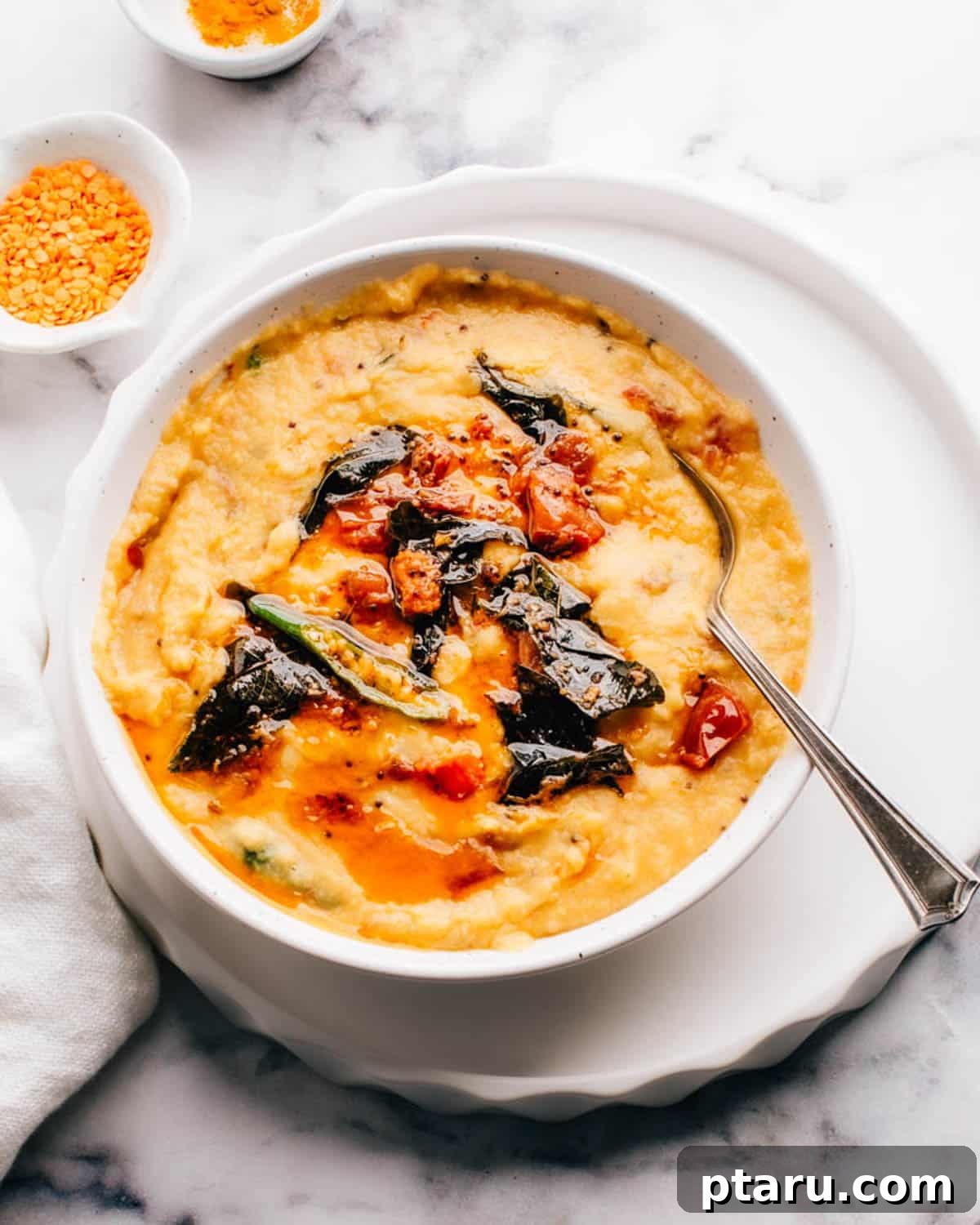
Masoor Dal, affectionately known as Indian Red Lentil Curry, is more than just a dish; it’s a hug in a bowl. This incredibly healthy, quick, and comforting meal is arguably the most delicious way to enjoy red lentils. We’re thrilled to share what we believe is the easiest and most flavorful red lentil curry recipe, requiring minimal hands-on time – just about 5 minutes of active effort will set you on your way to a truly authentic Indian culinary experience.
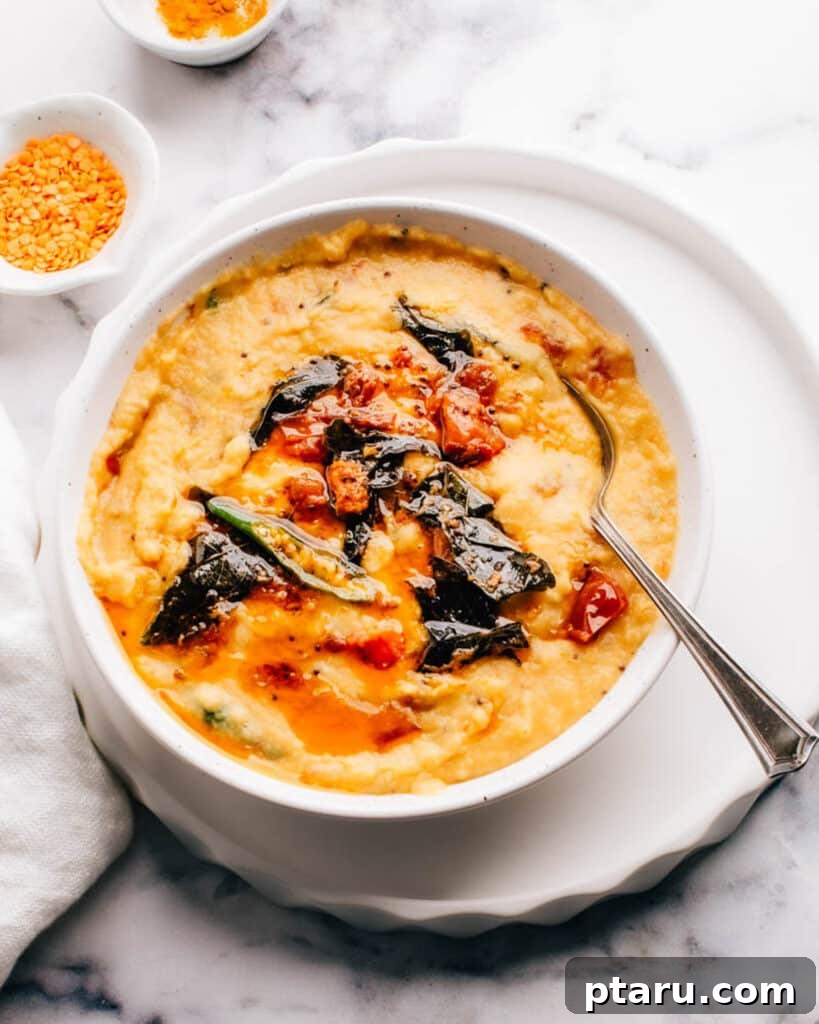
Masoor Dal: Why This Red Lentil Curry Will Become Your Favorite
My South Indian mother-in-law has a magical touch in the kitchen. When she cooked for us, especially after the births of our babies, her dishes were always a source of immense comfort and joy. What’s her secret? Simplicity. She often says, “Oh Jenn, this is so simple!” And she’s absolutely right. This philosophy is at the heart of her mouthwatering Masoor Dal recipe, which I’m confident you’ll adore as much as I do.
Here’s why this authentic Masoor Dal will capture your heart and your palate:
- Effortless Preparation: The beauty of this dish lies in its two-part cooking process. You simply cook the red lentils on the stovetop or in a pressure cooker. Simultaneously, in a separate small pan, you gently heat oil to sauté the aromatic flavorings – a technique known as “tadka.” This streamlined approach makes it incredibly accessible for cooks of all levels.
- Unrivaled Flavor in Minutes: Crafting this dal with its signature tadka involves surprisingly little actual effort, perhaps just 5 minutes of active cooking. The majority of the time is hands-off simmering, allowing you to whip up this wholesome meal in under an hour. It’s the perfect solution for a busy weeknight dinner when you crave something deeply satisfying and flavorful.
- A Nutritional Powerhouse: Dive into a bowl packed with simple, wholesome ingredients brimming with nutrition. Masoor Dal is naturally high in fiber and protein, making it an excellent plant-based option. It’s also a naturally gluten-free recipe, appealing to a wide range of dietary needs and preferences.
- Sensory Delight: The moment you start preparing the tadka, your kitchen will be enveloped in an intoxicating aroma. The fragrant blend of sizzling mustard seeds, fresh curry leaves, and pungent ginger creates a symphony of scents and delivers an unparalleled depth of flavor that truly sets this dish apart.
- Indian Cooking Made Easy: Unlike many intricate Indian recipes that require patient layering of ingredients (such as slowly caramelizing onions before adding complex spice blends), Masoor Dal sidesteps these steps. The ingenious tadka method means you introduce all those vibrant flavors at just the right moment, making it surprisingly straightforward without compromising on authenticity or taste.
The nostalgic scent of fragrant curry leaves and nutty mustard seeds sizzling on my stovetop instantly transports me back to cherished memories of family, feeling cared for, and always well-fed. What once felt exotic has now become a cherished, familiar comfort food in my own home, and I’m sure it will become one in yours too.
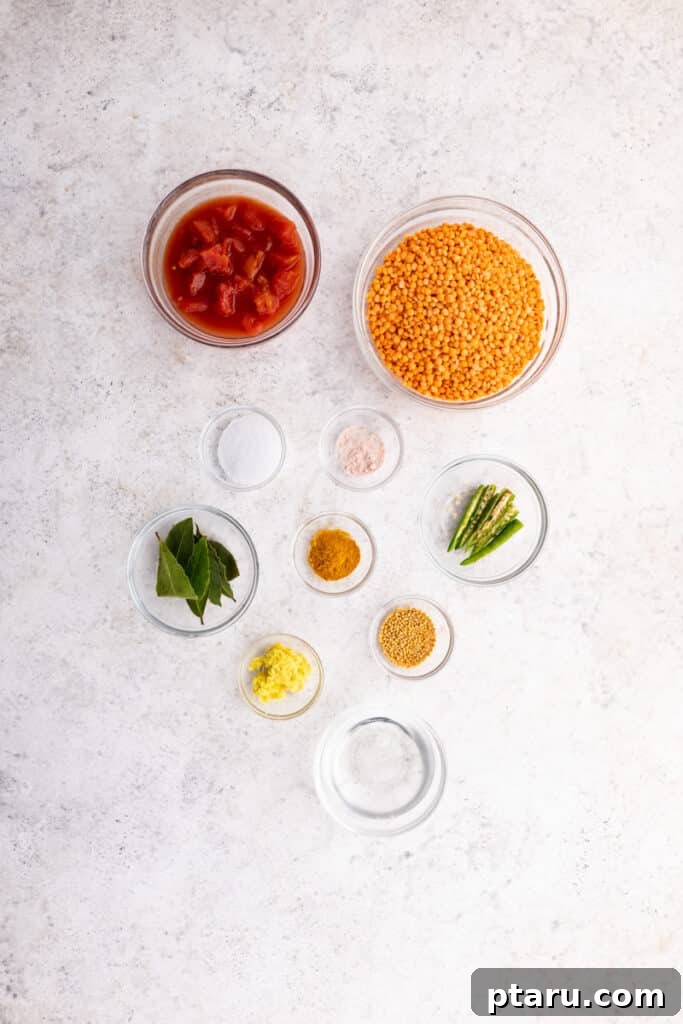
Essential Ingredients and Expert Notes
Crafting the perfect Masoor Dal starts with selecting quality ingredients. Here’s a detailed look at what you’ll need and some tips for each:
- Masoor Dal (Split Red Lentils): For this recipe, we specifically use split dried red lentils. Their remarkable ability to break down quickly into a soft, comforting texture is key to the dal’s signature creamy consistency. They are easily found in most grocery stores and Indian markets.
- Turmeric Powder: Affectionately called “yellow powder” by my mother-in-law, this dried, ground anti-inflammatory root is more than just a vibrant coloring agent. Added directly to the cooking water, it blooms beautifully, imparting a rich, golden hue to the lentils and infusing the dish with its mild, earthy flavor and numerous health benefits.
- Cooking Oil: I highly recommend using avocado oil due to its high smoke point and impressive heart-healthy nutritional profile, which is comparable to olive oil. Unlike olive oil, which has a lower smoke point and is not suitable for the high heat required for tadka, avocado oil performs beautifully. Other excellent alternatives include coconut oil, widely used in South Indian cooking for its distinct aroma, or ghee (clarified butter), which lends a wonderfully toasty, golden, and buttery flavor.
- Mustard Seeds: These tiny seeds are fundamental to the tadka’s incredible flavor. When introduced to hot oil, they sputter, pop, and transform into intensely nutty, aromatic toasted bits that infuse the entire pot of Masoor Dal with their distinctive taste. If you can’t find mustard seeds, a teaspoon of cumin seeds can be substituted for a different yet equally delicious (and common) variation.
- Curry Leaves: These fragrant leaves are the backbone of many South Indian dishes, providing a unique nutty, toasty, and unmistakably aromatic flavor that is truly difficult to replicate. While fresh curry leaves are always best, dried curry leaves will also work. You can typically find them at Indian grocery stores, various Asian markets, and sometimes even in the produce section of larger supermarkets in plastic clamshell containers alongside other fresh herbs. Their flavor is irreplaceable, adding an authentic depth to the dal.
- Fresh Ginger: Ginger is a culinary hero in this recipe, contributing both a bright, zesty flavor and a comforting, warming heat. If fresh ginger isn’t a regular item in your kitchen, consider buying a piece and keeping it in the freezer. You don’t even need to peel it; simply grate it directly from frozen whenever inspiration strikes!
- Green Chilies: To infuse the Masoor Dal with a pleasant warmth and chili flavor without overwhelming heat, we split the green chilies lengthwise and leave them whole. This allows their essence to permeate the dish gently. Adjust the number of chilies to your preferred spice level.
- Tomato: Diced tomatoes, whether fresh or canned (you’ll only need a small amount, so save any leftovers!), add a vibrant tang that perfectly complements the earthy lentils. My mother-in-law refers to this as adding “puli” (my phonetic spelling of the Malayalam word for sour). She often uses tomatoes as a natural alternative to lemon juice to introduce a bright, fresh note to her recipes.
One of the most appealing aspects of this Masoor Dal recipe is its beautifully simple ingredient list. The flavor is built around mostly fresh components, meaning there’s no need to rummage through your pantry for a long list of complex spice blends like garam masala or various chili powders. This simplicity is part of its charm and accessibility.
Asafoetida (Hing): This is an optional but highly recommended addition for an authentic flavor profile. Asafoetida, often referred to as “food of the gods,” possesses a very pronounced and pleasantly pungent aroma, reminiscent of onion and garlic. It adds a subtle savory depth and is also believed to aid digestion. You can easily find it online or at Indian grocery stores.
For those who enjoy a richer aromatic base, you may add a small chopped onion to the hot oil at the beginning of the tadka (before the mustard seeds) and/or a couple of minced cloves of garlic along with the ginger. While not strictly necessary for this particular recipe’s authentic simplicity, these additions are common and delicious variations.
Understanding Masoor Dal: The English Translation
The term “Masoor Dal” is Hindi for red lentils. In India, the word “dal” broadly refers to lentils, peas, or beans that have been split, and often husked. Therefore, if an Indian recipe calls for “Masoor Dal” in its ingredient list, it is referring specifically to the dry pulse form of red lentils.
However, it’s important to bear in mind that the word “dal” is also widely used to refer to the saucy, spiced dish itself—a stew or curry made *using* these red lentils. So, “Masoor Dal” can refer both to the ingredient and the finished, flavorful red lentil curry that you are learning to prepare today.
Whole Masoor Dal vs. Split Masoor Dal: Key Differences
When most recipes, particularly Indian ones, call for Masoor Dal or red lentils, they are almost always referring specifically to split red lentils. The distinction between whole and split lentils is significant in terms of cooking time, texture, and even nutritional profile.
Whole Masoor Dal are the unhusked version of the lentil. They typically have a brownish outer coating, giving them a slightly different appearance and requiring a longer cooking time. Once the husk is removed and the lentil is split in half, the characteristic vibrant red (or more accurately, orange) color is revealed.
Split Red Lentils are husked and then divided into two halves. This processing makes them much quicker to cook compared to their whole counterparts. When cooked, split red lentils tend to break down easily, creating a creamy, smooth texture that is ideal for traditional dal curries and soups. This variety is far more common in basic North American grocery stores and is what we use for this particular recipe.
In contrast, whole red lentils are not as readily available in standard Western supermarkets, and they require significantly more time to cook thoroughly. They also retain their shape better after cooking, yielding a chewier, more textured dish rather than the soft, mushy consistency often desired in a dal. While whole lentils offer the added nutritional benefit of insoluble fiber found in their husks, their longer cooking time and firmer texture make them less suitable for this quick-cooking, creamy Masoor Dal recipe.
Essential Kitchen Tools for Masoor Dal
To master this flavorful Masoor Dal recipe, you won’t need any specialized kitchen gadgets. A few common kitchen essentials are all you require:
- Large Saucepan or Pressure Cooker: A substantial pot, a Dutch oven, or an electric pressure cooker (like an Instant Pot) is essential for cooking the lentils to their perfect tender, creamy consistency.
- Small Saucepan: A smaller pan is crucial for preparing the dal tadka spice mixture. This is where the magic happens, as the spices are bloomed in hot oil, adding a profound depth of flavor to the entire dish.
- Cutting Board and Sharp Knife: For efficiently chopping your fresh ingredients, including the tomatoes, ginger, and chili peppers.
- Wooden Spoon or Spatula: Indispensable for stirring the lentils as they cook to prevent sticking and for incorporating the aromatic tadka into the dal, ensuring all the flavors are beautifully blended.
- Measuring Spoons and Cups: To accurately measure out the perfect quantities of lentils, water, and spices, guaranteeing a balanced and delicious outcome every time.
How to Master Masoor Dal with Tadka: A Step-by-Step Guide
Making this delightful Masoor Dal with its signature tadka is incredibly simple and breaks down into three core steps:
- Cook the Red Lentils: Begin by boiling your red lentils (Masoor Dal) in water until they become wonderfully soft and creamy. This is the foundation of your dish.
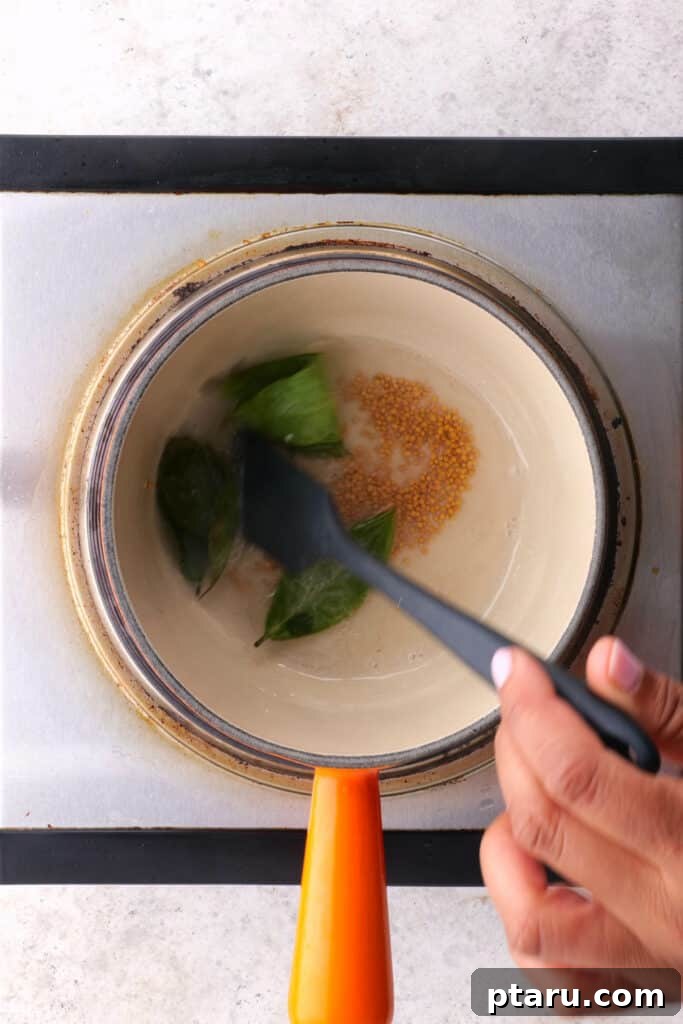
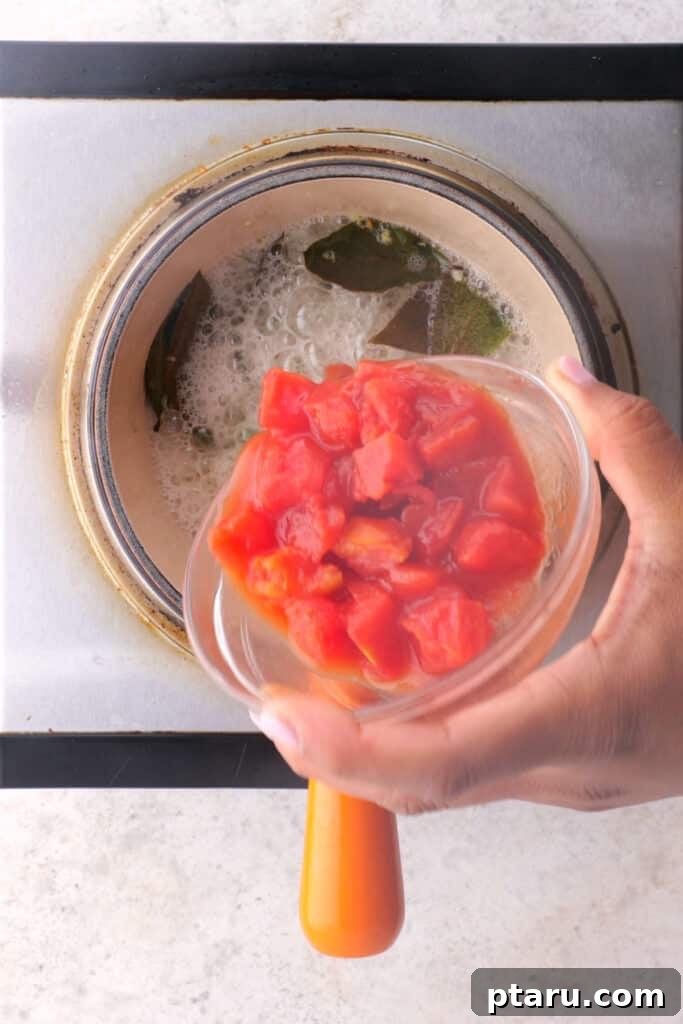
- Prepare the Tadka (Tempering): In a separate, smaller pan, create the tadka. This is a crucial Indian cooking technique where aromatic spices and other flavorings are quickly fried in hot oil. For this Masoor Dal, the tadka typically includes mustard seeds, curry leaves, fresh ginger, green chilies, and ripe tomatoes. The heat unlocks their full flavor potential.
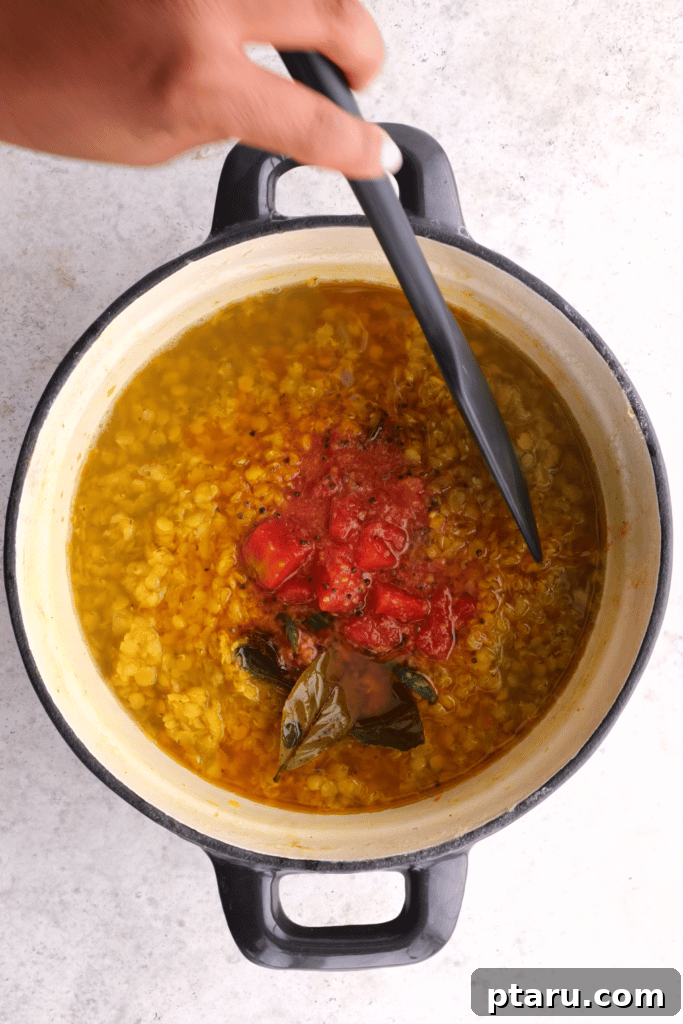
- Temper the Masoor Dal: The final and most exciting step involves scraping this vibrant, flavorful tadka (including all that delicious spiced oil – which is often the only oil in the entire recipe!) directly into your pot of cooked lentils. Stir it through thoroughly. This technique is known as “tempering” and is what gives the dal its distinctive, intense flavor.
Initially, I was skeptical about this method. As someone accustomed to building flavors in layers, the idea of adding the primary aromatics at the very end seemed counter-intuitive. However, this is an incredible, time-honored Indian cooking technique that delivers extraordinary results.
The tadka, stirred into the dish at the last minute, provides a massive, fresh flavor punch that permeates and perfectly seasons the entire pot of Masoor Dal. It truly feels like a culinary magic trick, transforming simple lentils into an aromatic, deeply flavorful curry.
Once you’ve incorporated the spiced oil and aromatics into the dal, continue to simmer the Masoor Dal on the stove until it reaches your desired consistency. A longer simmer will result in a thicker, more luscious texture, while a shorter simmer will yield a slightly soupier dal.
Instant Pot Method for Masoor Dal
If you prefer the convenience and speed of a pressure cooker or Instant Pot, here’s how to adapt this red lentil recipe:
- Maintain Quantities: Use the same ratio of water to lentils as for the stovetop method (typically 5 cups of water for 1 ½ cups of dried lentils).
- Pressure Cook: Seal the lid of your Instant Pot and pressure cook on high for 5 minutes. If using a traditional stovetop pressure cooker, wait for it to whistle approximately 4 times.
- Quick Release: Once cooking is complete, use the quick release method to let out the steam.
- Combine and Finish: Stir the prepared tadka directly into the pressure cooker. Then, use the “Sauté” or “Reduce” function for a few minutes to achieve your desired consistency.
How to Serve Your Delicious Masoor Dal
Masoor Dal is an incredibly versatile dish, equally perfect as an easy and delicious, cozy and healthy lunch or dinner. Here are some fantastic ways to enjoy it:
- Garnish for Freshness: A sprinkle of freshly chopped cilantro (also known as coriander leaves) adds a burst of vibrant color and a fresh, herbaceous note that beautifully complements the dal’s rich flavors.
- Embrace the Tang: My Indian husband absolutely loves to eat Masoor Dal with spicy mango pickle (achaar). Its tangy, fiery kick offers a wonderful contrast to the creamy lentils.
- Crispy Companion: For an added textural delight, serve your dal with some crispy papads. These thin, lentil-based wafers are perfect for scooping up the flavorful curry.
- Experiment with Toppings: Don’t hesitate to personalize your bowl. A dollop of plain yogurt can add a cooling creaminess, while a sprinkle of crispy fried onions can introduce a delightful crunch and extra layer of savory flavor.
- Kid-Friendly Option: Although this lentil curry is relatively mild, I always serve it with a side of plain yogurt for my kids. The yogurt helps to cut through any subtle heat, and they consistently “inhale” every spoonful!
Elevate Your Meal: Choosing Perfect Side Dishes
To transform your Masoor Dal into a truly unforgettable Indian feast, consider these complementary side dishes:
- Basmati Rice: A classic and essential pairing. Fluffy, fragrant Basmati rice is perfect for soaking up every drop of the delicious, spiced lentil curry. You can even steal my mother-in-law’s Instagram-viral rice-cooking method for perfectly cooked grains every time.
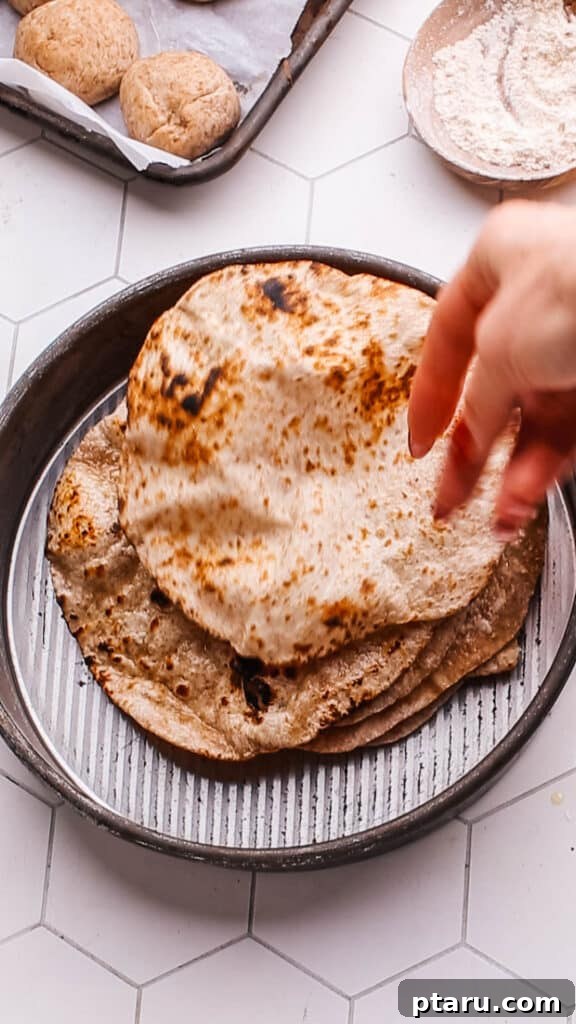
- Indian Flatbreads: Soft, pillowy homemade naan, wholesome chapati, traditional roti, or flaky paratha are all excellent accompaniments. They are ideal for scooping up the creamy lentil and spice mixture, ensuring you don’t miss a single flavor.
- Raita: This refreshing yogurt-based cucumber salad offers a cool and creamy contrast that beautifully balances the warmth and subtle spice of the dal.
- Fresh Cucumber and Tomato Salad: For a light and vibrant addition, a simple salad of fresh cucumbers and tomatoes provides a delightful crunch and a burst of refreshing flavor, cleansing the palate between bites of rich dal.
- Cooked Vegetables: Introduce textural variety and additional nutrients with another vegetable dish. Options like Aloo Masala (spiced potatoes), sautéed cauliflower, crispy air fryer eggplant, or okra provide a wonderful contrast to the smooth lentils.
- Don’t Forget Dessert: Complete your authentic Indian dining experience with a traditional sweet treat like Mango Kulfi (Indian ice cream) or homemade Gulab Jamun (syrup-soaked milk solids).
Frequently Asked Questions About Masoor Dal
Is Masoor Dal the same as red lentils?
Yes, Masoor Dal is indeed the same as red lentils. In India and South Asia, the term “Masoor Dal” is commonly used to refer to these vibrant legumes. In other parts of the world, you will most likely find them labeled simply as “red lentils.” Therefore, when a recipe calls for red lentils, you can confidently use Masoor Dal, and vice versa, without any compromise to the dish’s authentic flavor or texture. They are interchangeable for most culinary applications.
What is Masoor Dal called in English?
As mentioned, Masoor Dal is primarily known as red lentils in English. However, it’s important to understand the dual meaning of “dal” in Indian cuisine. “Dal” can refer to the dried, split pulses themselves (such as lentils, peas, or beans). Beyond that, “dal” also refers to the prepared dish – a flavorful, spiced stew or curry made from these pulses. So, when someone says “Masoor Dal,” they could be referring to the uncooked red lentils as an ingredient, or to the delicious red lentil curry dish that is commonly enjoyed with rice or bread in Indian meals.
What’s the difference between split red lentils and whole red lentils?
The primary difference lies in their processing and culinary characteristics. Split red lentils are whole red lentils that have had their outer husk removed and then been split in half. This process makes them cook much faster and results in a very soft, creamy, and sometimes mushy texture when cooked, which is ideal for smooth curries and soups like our Masoor Dal. They lose some insoluble fiber during husking but are still rich in soluble fiber and protein.
Whole red lentils (also known as “brown lentils” before splitting) retain their husk and are left intact. They have a firmer texture when cooked and take a longer time to soften compared to split lentils. When cooked, they hold their shape better, making them suitable for dishes where you want the lentils to retain their integrity, such as salads, stews, or heartier side dishes. Whole red lentils offer a slightly higher fiber content due to the intact husk. While they can be used interchangeably in some recipes, be mindful of the longer cooking time for whole lentils and the difference in final texture.
What can I use instead of curry leaves?
Curry leaves are a cornerstone of South Indian cuisine, offering a distinct, aromatic, and slightly nutty flavor that is challenging to fully substitute. If fresh curry leaves are unavailable at your local Indian or Asian grocery store, dried curry leaves are your next best option. However, if neither is accessible, here are a couple of potential substitutes, keeping in mind they will alter the flavor profile:
- Bay Leaves: While not a perfect match, bay leaves can provide a somewhat similar earthy and subtly bitter undertone. Use 1 or 2 bay leaves in place of 5-6 curry leaves, and remember to remove them before serving.
- Thai Basil Leaves: Surprisingly, fresh Thai basil leaves can offer a similar herbaceous and aromatic essence, though with their own unique character. Use a small handful of fresh Thai basil leaves as a substitute for the curry leaves. It won’t be identical, but it provides a pleasant, fresh aroma.
Is Masoor Dal Healthy?
Absolutely, Masoor Dal is incredibly healthy and stands out as a wonderfully nutritious vegetarian lentil curry. Its key health benefits include:
- Excellent Source of Protein: Masoor Dal is a fantastic plant-based protein source, making it an essential component of vegetarian and vegan diets for muscle repair and satiety.
- Rich in Iron: Lentils are a good source of iron, which is vital for energy and blood health. The vitamin C present in tomatoes in this recipe actually helps your body absorb even more of this crucial mineral.
- High in Fiber: It’s particularly rich in soluble fiber, which is known to be beneficial for gut health, promoting a healthy digestive system, and effectively lowering cholesterol levels.
- Packed with Vitamins and Minerals: Masoor Dal provides a good array of essential vitamins and minerals, including potassium, which supports heart health and fluid balance.
Pairing Masoor Dal with whole wheat chapati or brown rice creates a supremely satisfying, filling, and complete nutritious meal that fuels your body and soul.
Make-Ahead and Storage Tips for Masoor Dal
Masoor Dal is not just convenient and easy to prepare, it’s also an ideal dish for meal prepping, ensuring you have healthy and delicious lunches or dinners ready throughout the week. Here are some expert tips to help you get the most out of this dish:
- Prepare in Advance: Save valuable time during busy weekdays by cooking a larger batch of your red lentil dal ahead of time. Once it has cooled completely, transfer it to an airtight container and store it in the refrigerator for up to five days. When you’re ready to eat, simply reheat the portion you need on the stovetop with a splash of water or broth to restore its perfect consistency. Avoid reheating and re-chilling the entire pot multiple times to maintain freshness and safety.
- Freeze for Longer Storage: Masoor Dal freezes exceptionally well, allowing you to enjoy it even further down the line. Let the dal cool completely before transferring it to freezer-safe, airtight containers. It can be stored in the freezer for up to three months. To reheat, simply thaw overnight in the refrigerator or gently reheat from frozen on the stovetop, adding a little water or broth as needed to achieve your desired consistency.
Other Popular Indian Recipes You Don’t Want to Miss
Adarsh’s Vegetarian Favorites:
- Madras Lentils with Cream Sauce
- Curried Lentils with Coconut Milk
- Our Family’s Favorite Indian Chickpea Curry Recipe
- Saag Paneer (Spinach and Cheese Curry)
- Aloo Gobi (Potato and Cauliflower Curry)
- Potato Curry
Adarsh’s South Indian Favorites:
- Adarsh’s Chicken 65
- Kerala Fish Fry
- Vindaloo Pork Curry
- Lamb Vindaloo
- Kerala Parotta (Flaky South Indian Flatbread)
Recipe: Masoor Dal (Indian Red Lentil Curry)
By: Jennifer Pallian BSc, RD
Learn how to make authentic Indian red lentils with this easy recipe for Masoor Dal with tadka. It’s the easiest, most flavorful red lentil curry with 5 minutes hands-on time.
- Prep Time: 5 minutes
- Cook Time: 45 minutes
- Total Time: 50 minutes
- Servings: 6
Ingredients
- 1 ½ cups red lentils (uncooked)
- 2 tsp salt (plus more to taste, see notes)
- ½ tsp turmeric
- ¼ cup avocado oil (see notes for substitutes)
- ⅛ tsp asafoetida (optional, but highly recommended for authentic flavor)
- 1 tsp mustard seeds
- ¼ cup loosely packed curry leaves (fresh preferred)
- 1 tbsp fresh ginger (minced)
- 2-3 Thai green chilies (split lengthwise, adjust to heat preference)
- ½ cup diced tomato (fresh or canned)
Instructions
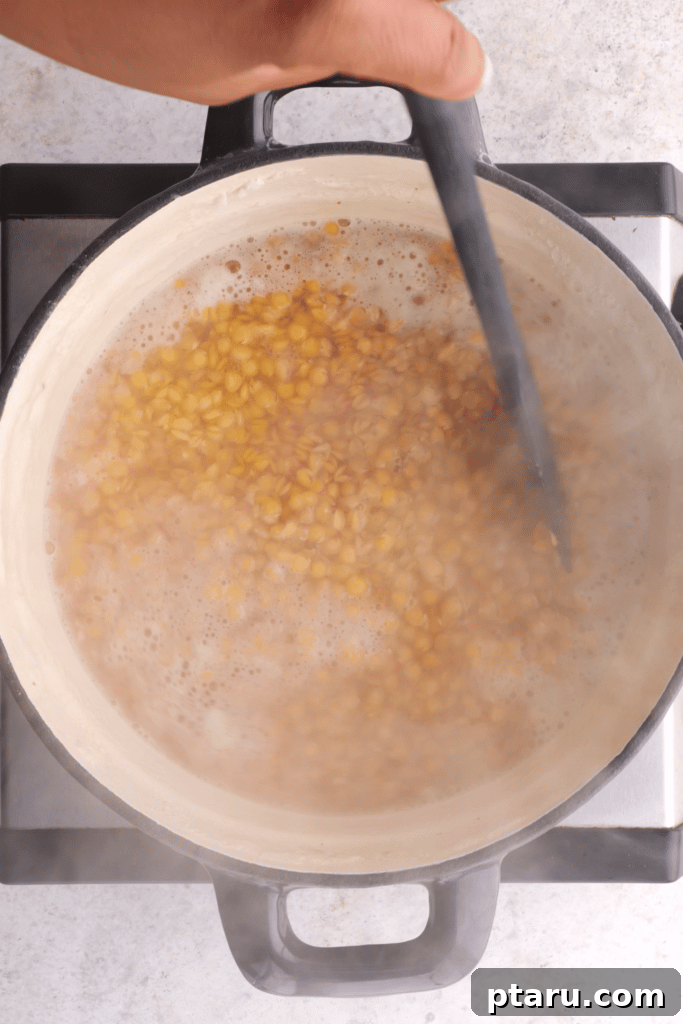
- Cook the Lentils: Rinse the lentils thoroughly. In a large saucepan or Dutch oven, combine the rinsed lentils with 5 cups of water, 2 tsp salt, and ½ tsp turmeric. Bring to a boil over high heat. Once boiling, reduce the heat to low, cover the pot mostly (leaving a slight crack for steam to escape), and simmer for 30-40 minutes, or until the lentils are very soft and creamy. Stir occasionally to prevent sticking, and add more water if the lentils become too thick or stick to the bottom.
- Prepare the Tadka: While the lentils are simmering, heat ¼ cup avocado oil in a small saucepan over medium heat. Once the oil is shimmering hot, sprinkle in the asafoetida (if using). Immediately add the mustard seeds and curry leaves.
- Sauté Aromatics: As soon as you hear the first mustard seeds begin to pop, quickly reduce the heat to low. Stir in the minced ginger and split green chilies. Fry for about 15 seconds, allowing the aromatics to release their fragrance. Then, carefully add the diced tomatoes to the pan.
- Temper the Dal: Once the lentils are cooked to your desired consistency, carefully pour the hot oil mixture (the tadka, including all the spiced oil) directly into the pot of cooked lentils. Be cautious as it may sputter. Stir the tadka thoroughly into the lentils to combine all the flavors. Taste and adjust salt if needed; you might want to add up to an extra ½ tsp, depending on how much water has evaporated during cooking.
Notes
- The exact amount of salt required can vary based on your preference and how much water evaporates during cooking. I find 2 ½ tsp of kosher salt to be perfect for this recipe. However, it’s always best to start with less (especially if using fine table salt) and add more to taste at the end.
- This recipe uses 5 cups of water to yield a somewhat soupy consistency, which can be enjoyed on its own as a hearty soup. If you prefer a thicker, more curry-like consistency, start by cooking the lentils in 3 cups of water instead. You can always add more water as needed during cooking to reach your desired thickness. If opting for less water initially, begin with 1 tsp of salt and adjust upwards.
- As a registered dietitian, I’ve researched and prefer avocado oil for its health benefits and high smoke point, making it excellent for high-heat cooking like tadka. Alternative cooking oils include coconut oil (very common in South Indian cuisine, imparting a lovely subtle flavor) or ghee (clarified butter), which adds a rich, toasty, and golden buttery essence to the dal.
Nutrition (Approximate per serving)
Calories: 145kcal | Carbohydrates: 11g | Protein: 4g | Fat: 10g | Saturated Fat: 1g | Polyunsaturated Fat: 1g | Monounsaturated Fat: 7g | Sodium: 778mg | Potassium: 218mg | Fiber: 4g | Sugar: 1g | Vitamin A: 30IU | Vitamin C: 3mg | Calcium: 17mg | Iron: 2mg
Nutrition information is automatically calculated and should be used as an approximation.