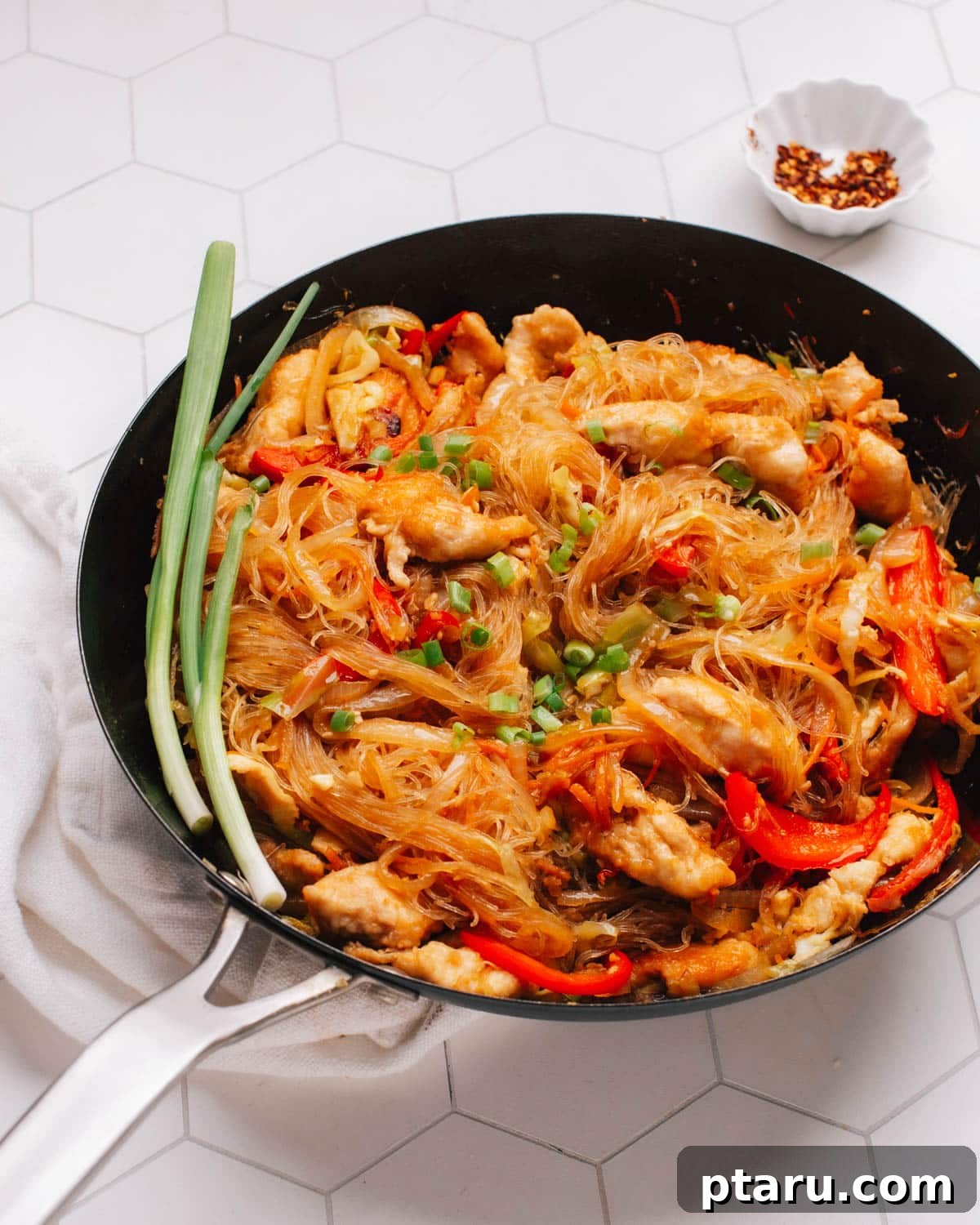
Have you ever experienced the culinary delight that is Pad Woon Sen? Also known as Pad Woonsen, this Thai glass noodle stir fry is a truly satisfying dish that promises a burst of authentic flavors in every bite. If you’re new to this exquisite Thai classic, prepare for a treat!
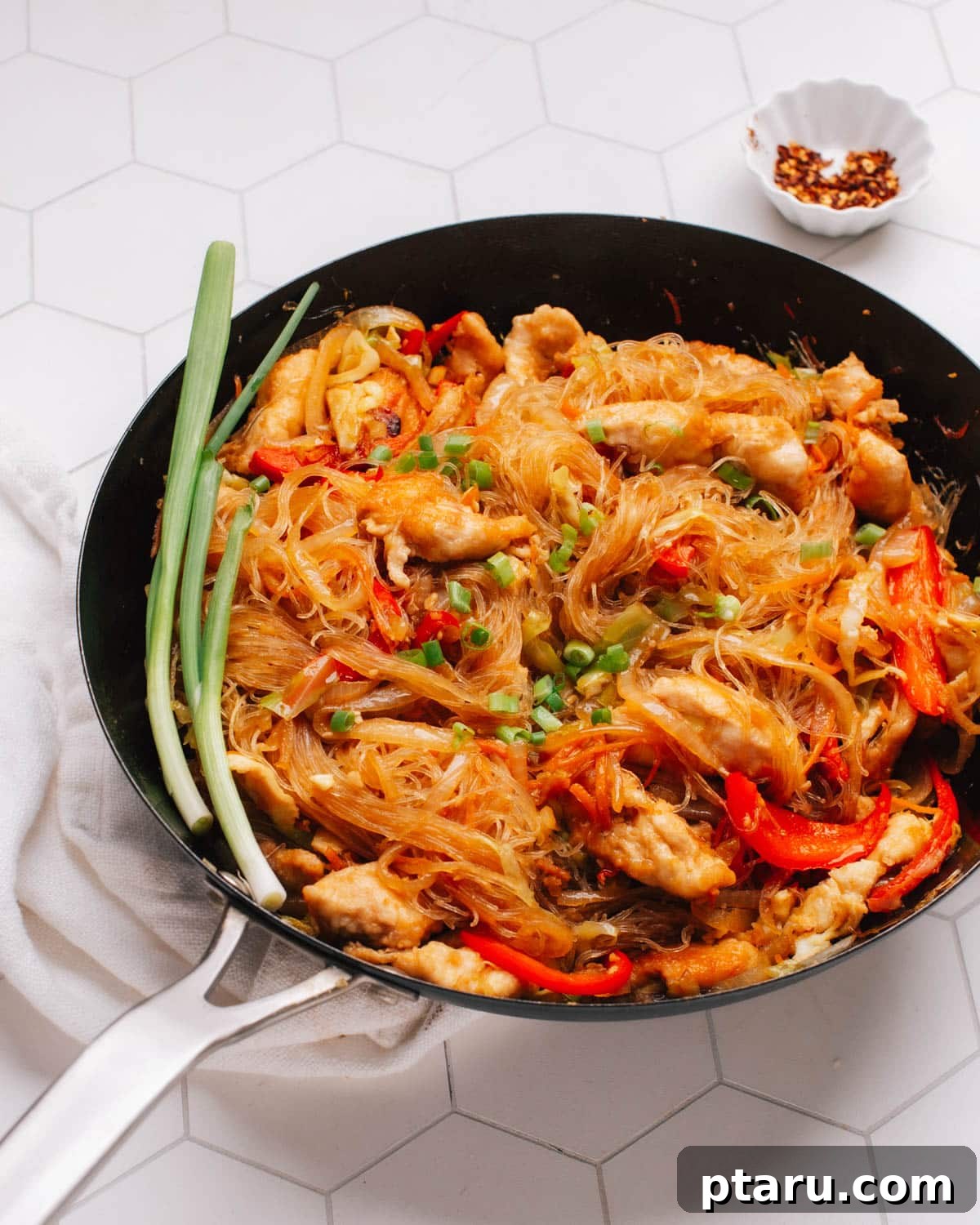
Pad Woon Sen: Your Ultimate Guide to a Flavorful Thai Glass Noodle Stir Fry
Dive deep into the rich, aromatic world of Thai cuisine with Pad Woon Sen, a beloved stir-fried dish that’s gaining popularity worldwide. Known for its delicate glass noodles, succulent protein, and a medley of fresh, crunchy vegetables, all harmoniously united by a savory, umami-rich sauce, Pad Woon Sen offers an unforgettable dining experience. Whether you’re a seasoned Thai food enthusiast or a curious newcomer, this comprehensive guide will walk you through everything you need to know to master this delightful dish in your own kitchen.
What Exactly is Pad Woon Sen?
At its heart, Pad Woon Sen is a traditional Thai noodle stir-fry featuring translucent glass noodles, an assortment of fresh vegetables, and your choice of protein. The name itself offers a clue: “Pad” refers to the stir-frying cooking method, while “Woon Sen” specifically denotes the type of noodles used – the distinctive glass noodles.
What truly sets Pad Woon Sen apart from other noodle dishes is its signature noodle. Glass noodles, also known as bean thread noodles or cellophane noodles, are thin, clear, and possess a wonderfully chewy yet delicate texture. Made from mung bean starch, they become translucent when cooked, earning them their “glass” moniker. Unlike other noodle varieties, glass noodles have a unique ability to absorb the flavors of the sauce and other ingredients, making every mouthful an explosion of taste.
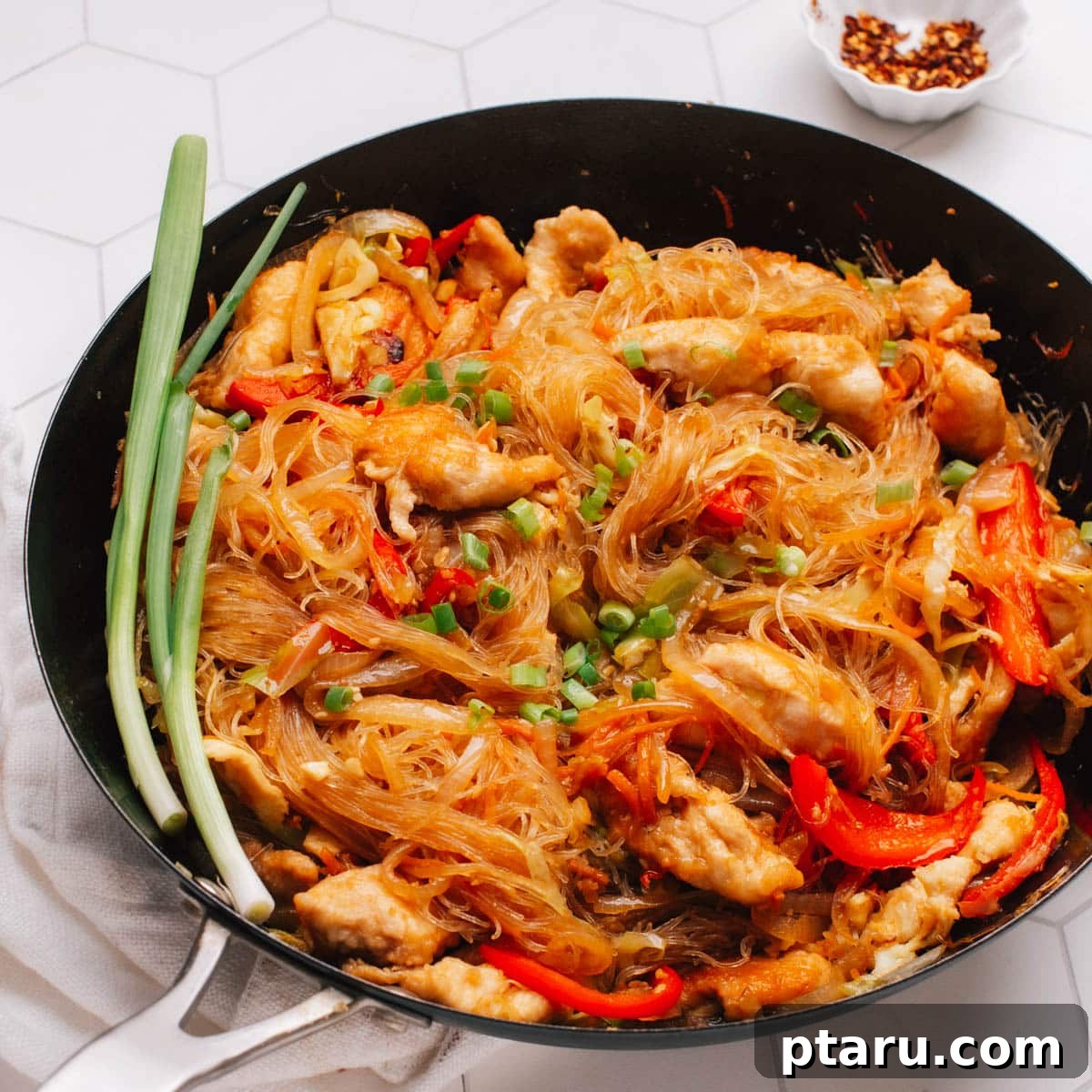
Complementing these unique noodles is a colorful array of vegetables such as crisp onions, sweet carrots, tender cabbage, and vibrant red bell peppers. These ingredients not only add a refreshing crunch and nutritional value but also contribute visual appeal to the dish. Typically, tender chicken strips are incorporated, providing a lean, protein-packed base that makes the meal hearty and fulfilling. However, the versatility of Pad Woon Sen allows for various protein options, from succulent shrimp to savory pork or even firm tofu for a vegetarian twist.
The magic that binds all these elements together is the exquisite stir-fry sauce. A masterful blend, often featuring rich oyster sauce and robust soy sauce, creates a complex flavor profile that is savory, subtly sweet, and perfectly balanced with an undeniable umami depth. This sauce coats every strand of noodle and every piece of ingredient, ensuring a consistently delicious experience. The savory, slightly sweet, and salty combination, enhanced by umami, is truly hard to resist, making it a favorite among Thai food aficionados. (If you love a good stir-fry, you must also try my 3-Ingredient Stir Fry Sauce recipe).
Beyond its incredible taste, Pad Woon Sen is remarkably straightforward to prepare. With a clear recipe and a few simple steps, you can create a truly authentic and satisfying Thai meal quickly, making it an ideal choice for busy weeknights or when you crave exotic flavors at home.
Pad Thai vs. Pad Woon Sen: Understanding the Differences
While both Pad Thai and Pad Woon Sen are iconic Thai stir-fried noodle dishes cherished by food lovers globally, they possess distinct characteristics that set them apart. Though they share the common ground of being stir-fried and incorporating vegetables and protein, delving into their key differences reveals the unique charm of each.
- The Noodles: A Fundamental Distinction: The most apparent difference lies in the type of noodles used. Pad Thai traditionally features wider, flat rice noodles (sen lek or sen yai), which are known for their soft, slightly chewy texture and opaque appearance. In contrast, Pad Woon Sen proudly utilizes bean thread noodles, also known as glass noodles or cellophane noodles. These noodles are much thinner, translucent, and offer a more delicate yet springy bite, absorbing flavors differently than their rice noodle counterparts. This unique texture is a defining characteristic of Pad Woon Sen.
- Flavor Profiles: A Symphony of Tastes: Pad Thai is celebrated for its harmonious balance of sweet, sour, salty, and sometimes spicy flavors. Its signature sauce typically includes tamarind paste for tanginess, palm sugar for sweetness, fish sauce for saltiness, and often chili for heat, creating a complex and vibrant taste experience. Pad Woon Sen, on the other hand, presents a richer and bolder flavor profile. Its sauce, primarily built on oyster sauce and soy sauce, delivers a profound umami taste with savory and slightly sweet notes. While Pad Thai leans into a tangy-sweet direction with hints of peanut, Pad Woon Sen often carries a more pronounced savory depth and can be spicier, depending on the addition of chili peppers. It generally lacks the strong tamarind and peanut notes found in Pad Thai.
- Key Ingredients and Proteins: Both dishes incorporate a variety of fresh vegetables like garlic, onions, and sometimes carrots or cabbage. However, the typical protein choices vary. Pad Thai most commonly features shrimp or chicken, often accompanied by crushed peanuts, scrambled egg, and fresh bean sprouts. It’s often garnished with lime wedges and chives. Pad Woon Sen generally uses chicken or pork as its primary protein, along with eggs, and a broader mix of vegetables such as cabbage, bell peppers, and green onions. The garnishes also differ, with Pad Woon Sen usually featuring fresh green onions and sometimes cilantro, offering a cleaner, less complex set of additional ingredients compared to Pad Thai.
In essence, if you’re craving a sweet, sour, and tangy noodle dish with a chewy texture and a peanut-lime finish, Pad Thai is your go-to. But if a deeply savory, umami-rich stir-fry with delicate, translucent noodles and a potentially spicier kick sounds more appealing, Pad Woon Sen is the perfect choice to explore the diverse culinary landscape of Thailand.
What is Pad Woon Sen Made of? Gather Your Ingredients.
Ready to embark on a culinary journey to Thailand from your own kitchen? Preparing a delicious and authentic Pad Woon Sen begins with gathering the right ingredients. Each component plays a vital role in creating the dish’s signature flavors and textures. Here’s what you’ll need to create this exquisite Thai glass noodle stir fry:
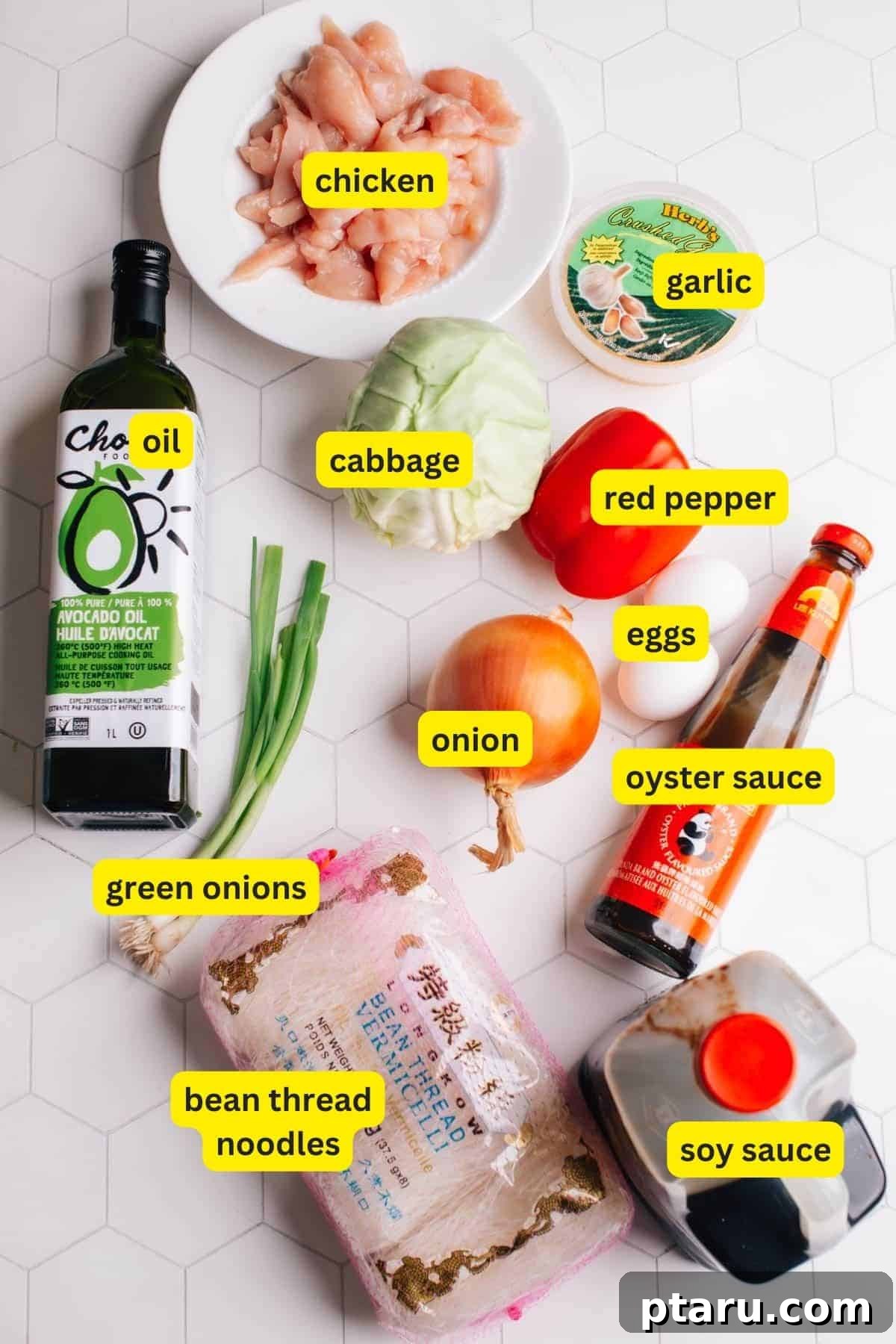
- Oyster Sauce (¼ cup + 2 tbsp) & Soy Sauce (¼ cup + 2 tbsp): The Flavor Foundation: These two sauces are the bedrock of Pad Woon Sen’s savory, umami-packed flavor profile. Oyster sauce provides a deep, slightly sweet, and incredibly rich taste, while soy sauce (or tamari for a gluten-free option) adds saltiness and another layer of savory depth. Together, they create the irresistible base for our stir-fry.
- Water (¾ cup): For the Sauce Base: Used to thin the concentrated sauces, ensuring they coat the noodles and vegetables evenly without being overly strong.
- Bean Thread Noodles (300g): The Star of the Show: Also known as Thai glass noodles, cellophane noodles, or Woon Sen noodles. These delicate, translucent noodles, typically made from mung bean starch, are renowned for their springy, chewy texture and their remarkable ability to absorb the delicious sauce, making them burst with flavor. If true bean thread noodles are hard to find, Japchae noodles (made from sweet potato starch, similar texture) or even thin rice vermicelli can serve as suitable alternatives, though the authentic experience comes from the Woon Sen.
- Vegetable Oil (4 tbsp): For Stir-Frying: A neutral-flavored oil like vegetable, canola, or grapeseed oil is perfect for stir-frying at high temperatures, ensuring ingredients cook quickly and evenly without imparting unwanted flavors.
- Chicken Breasts (1 lb): Tender Protein: Lean chicken breasts, cut into tender strips, offer a protein-rich and satisfying component to the dish. Their mild flavor perfectly complements the bold sauce and crunchy vegetables. You can also experiment with other proteins like pork tenderloin or shrimp.
- Cornstarch (4 tbsp) & Salt (1 tsp): For Perfectly Crispy Chicken: A light coating of cornstarch and salt on the chicken strips before cooking ensures a beautifully crispy exterior and helps seal in moisture, leading to juicy, flavorful meat.
- Large Eggs (2) & Salt (¼ tsp): Added Texture and Richness: Scrambled eggs are a classic addition to many Asian stir-fries, including Pad Woon Sen. They provide an extra layer of protein, a pleasant texture, and a rich, satisfying element that enhances the overall mouthfeel of the dish. A pinch of salt seasons them perfectly.
- A Medley of Vegetables: Color, Crunch, and Nutrients:
- Onion (1, sliced): Adds a foundational aromatic sweetness when stir-fried, softening and caramelizing slightly.
- Carrot (1 cup, sliced): Contributes a touch of natural sweetness and a vibrant orange color, along with a crisp texture that adds a pleasant chew.
- Cabbage (2 cups, shredded): Provides a subtle earthy flavor and a satisfying crunch that holds up well during stir-frying, absorbing the sauce beautifully.
- Red Pepper (1, thinly sliced): Infuses the dish with a sweet, slightly fruity flavor and a beautiful pop of red, plus extra vitamins and a delightful crispness.
These vegetables not only make the dish visually appealing but also boost its nutritional value and textural complexity.
- Garlic Cloves (1 tbsp, minced): The Aromatic Backbone: Freshly minced garlic is an indispensable aromatic in Thai cuisine. It forms the fragrant foundation of the stir-fry, releasing its pungent, savory notes that elevate all other ingredients and provide depth of flavor.
- Green Onions (2, thinly sliced): A Fresh Finish: Sliced thinly and sprinkled over the finished dish, green onions (scallions) add a bright, fresh, and slightly pungent garnish that cuts through the richness of the stir-fry, offering a perfect finishing touch both in taste and presentation.
Variations and Substitutions: Customize Your Pad Woon Sen
One of the beauties of stir-fries like Pad Woon Sen is their incredible adaptability. Don’t be afraid to customize this recipe to suit your dietary preferences, what you have on hand, or simply to explore new flavor combinations. Here are some fantastic variations and substitutions to make this Thai glass noodle stir fry truly your own:
- Vegetarian or Vegan Pad Woon Sen: Easily transform this chicken-centric dish into a delightful plant-based meal. Swap the chicken for one pound of firm or extra-firm tofu. To prepare, press the tofu to remove excess water, then cube it. For optimal texture, pan-fry or air-fry the tofu until golden and crispy before adding it to the stir-fry, following the rest of the recipe as written. Remember to use a vegan oyster sauce alternative (often mushroom-based) to maintain the authentic umami depth of the sauce. This simple switch opens up a world of flavor for non-meat eaters, making the dish accessible to a wider audience.
- Boost Your Veggies: The more vegetables, the merrier! Pad Woon Sen is incredibly versatile when it comes to adding extra greens and colors, enhancing both nutrition and visual appeal. Consider incorporating sliced mushrooms (shiitake or cremini for depth), vibrant red or yellow bell peppers for extra sweetness and crunch, crisp bok choy, tender broccoli florets, snow peas, or even juicy cherry tomatoes. Add tougher vegetables earlier in the stir-frying process and softer ones towards the end to ensure they remain crisp-tender and don’t become overcooked.
- Quick & Easy Veggie Prep: For those really short on time, a pre-bagged slaw mix (often containing shredded cabbage and carrots) can be a brilliant shortcut for the cabbage and carrot components. This significantly reduces chopping time without sacrificing flavor or crunch. Just ensure it’s unseasoned to control the dish’s final taste profile.
- Alternative Proteins: While chicken is traditional, feel free to swap it out for other proteins to suit your preference. Thinly sliced pork tenderloin or succulent shrimp are excellent choices that cook quickly in a stir-fry and absorb flavors beautifully. If using shrimp, add them towards the end of the cooking process as they cook very fast. Beef sirloin or flank steak, thinly sliced against the grain, also works wonderfully, providing a richer meat flavor.
- Spice It Up or Tone It Down: The original recipe has a mild heat profile, allowing the other flavors to shine. To add more authentic Thai heat, a sprinkle of white pepper can provide a subtle warmth, while a splash of fish sauce will add an extra layer of savory depth and traditional Thai aroma. For those who love a serious kick, add fresh bird’s eye chilies (sliced) during the stir-frying of garlic, or serve with chili flakes, Sriracha, or a side of chili garlic sauce for individual customization. If you prefer less heat, simply omit any chili additions.
- Herbaceous Finish: While green onions are a classic garnish, fresh cilantro leaves, roughly chopped, can add another layer of aromatic freshness and a beautiful green contrast to the finished dish. A squeeze of fresh lime juice just before serving brightens all the flavors and adds a zesty tang that balances the richness.
Don’t hesitate to experiment with these ideas to tailor your Pad Woon Sen to your personal taste. Each variation offers a slightly different experience while maintaining the core deliciousness of this Thai favorite, encouraging creativity in the kitchen.
Essential Kitchen Tools for Perfect Pad Woon Sen
Preparing a delicious Pad Woon Sen is not just about the ingredients; having the right tools can make the cooking process much smoother and more enjoyable. While you don’t need a professional kitchen setup, a few key pieces of equipment will ensure your Thai glass noodle stir fry comes out perfectly every time. Here’s what you’ll want to have on hand:
- Wok or Large Skillet: The quintessential tool for stir-frying! A wok is ideal due to its sloped sides and ability to distribute heat evenly and quickly, allowing you to toss ingredients efficiently and achieve that sought-after “wok hei” (breath of the wok) flavor, which imparts a smoky, charred aroma. If a wok isn’t available, a large, heavy-bottomed skillet or a cast-iron pan will work effectively. The key is to use a vessel with ample surface area to prevent overcrowding, which can steam rather than fry your ingredients, resulting in a less desirable texture.
- Chef’s Knife and Cutting Board: Essential for all your ingredient preparation. You’ll be slicing chicken, chopping onions, dicing carrots, and shredding cabbage, so a sharp chef’s knife and a sturdy cutting board are indispensable. Good knife skills will also ensure uniform pieces, leading to even cooking and a more aesthetically pleasing dish.
- Measuring Cups and Spoons: Accuracy in cooking, especially for sauces, is crucial in Asian cuisine to achieve balanced flavors. Having a set of reliable measuring cups and spoons will ensure you add the correct amounts of oyster sauce, soy sauce, water, and other ingredients, guaranteeing a consistent and delicious flavor profile for your Pad Woon Sen every time.
- Wooden Spoon or Spatula: For stirring and tossing your ingredients in the hot wok or skillet, a long-handled wooden spoon or a heat-resistant spatula is perfect. These non-abrasive tools will protect the bottom of your cookware from scratches, especially if you’re using a non-stick pan, ensuring your culinary vessels stay in top condition for many meals to come. Their sturdy nature makes them ideal for vigorously tossing ingredients.
- Colander: You’ll need this for draining your soaked glass noodles, ensuring they are free of excess water before they hit the wok, allowing them to absorb the sauce better and preventing a watery stir-fry.
- Small Bowls for Mise en Place: While not strictly a “tool,” having several small bowls for preparing your sauce mixture, coated chicken, and whisked eggs before you begin stir-frying is invaluable. This “mise en place” (everything in its place) approach is fundamental to stir-frying, as the cooking process is very fast and requires all ingredients to be ready at hand for efficient cooking and optimal results.
- Instant-Read Thermometer (Optional but Recommended): To ensure your chicken is cooked through to a safe internal temperature of 165ºF (74ºC), an instant-read thermometer is a useful tool, providing peace of mind and preventing overcooking.
With these basic kitchen essentials, you’ll be well-equipped to prepare a truly spectacular Pad Woon Sen with confidence and ease, transforming simple ingredients into a complex and satisfying Thai masterpiece.
How to Make Pad Woon Sen: Step-by-Step Directions
Creating your own authentic Pad Woon Sen is an incredibly rewarding experience. Follow these detailed steps to craft a delicious and satisfying Thai glass noodle stir fry that will impress everyone at your table. Precision and quick movements are key to successful stir-frying, so ensure all your ingredients are prepped and ready before you begin.
Preparation is Key (Mise en Place)
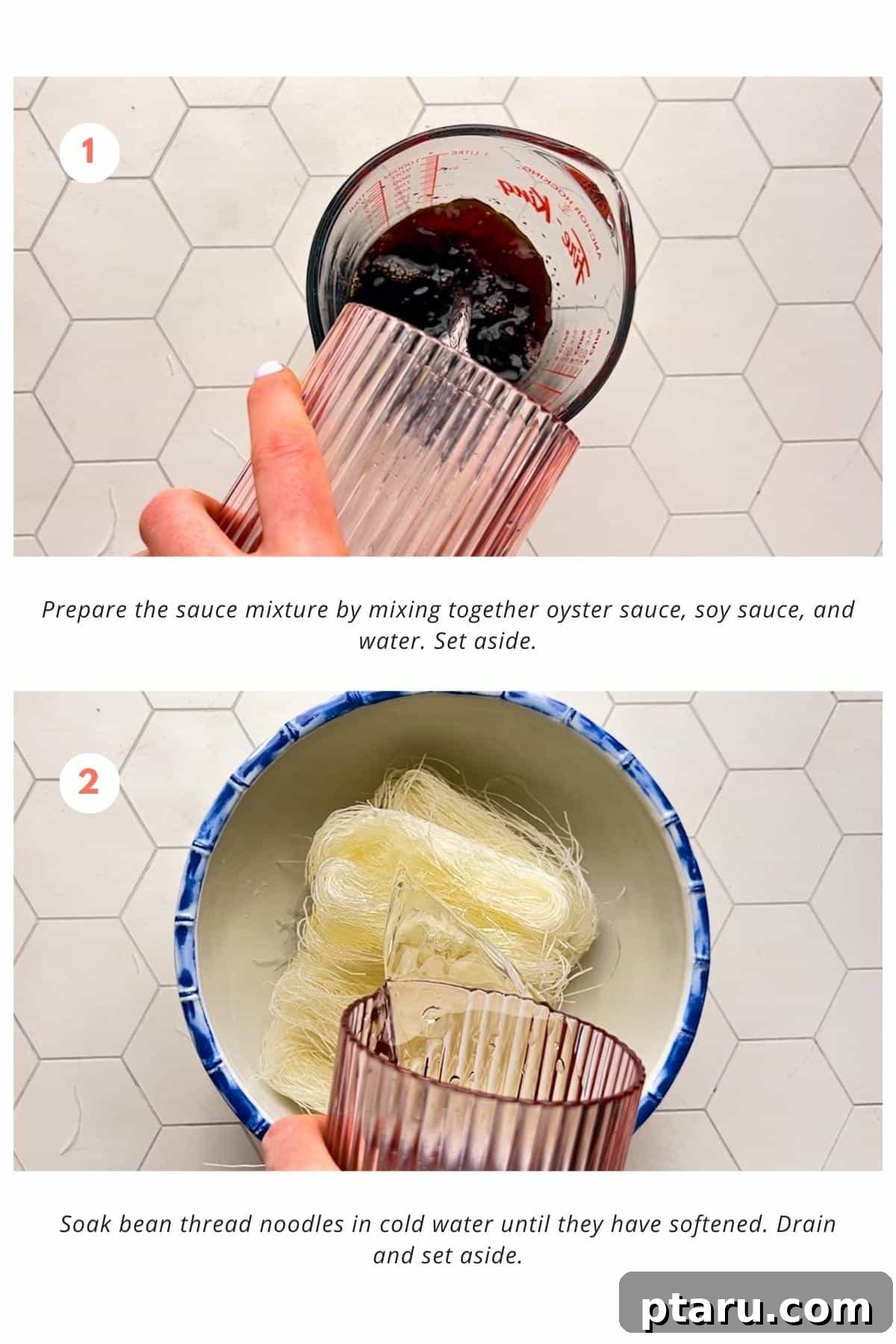
- 1. Prepare the Sauce Mixture: In a small bowl, whisk together ¼ cup plus 2 tbsp oyster sauce, ¼ cup plus 2 tbsp soy sauce, and ¾ cup water until thoroughly combined. Set this flavorful mixture aside; it will be added quickly during the stir-fry, so having it ready is crucial.
- 2. Soak the Noodles: Place 300g of bean thread noodles in a medium bowl and cover them generously with cold or room temperature water. Let them soak for about 10 minutes, or until they have softened and become pliable. This crucial step ensures the noodles are flexible enough to stir-fry without breaking and are ready to absorb the sauce efficiently. Once softened, drain them thoroughly in a colander and set aside. Avoid over-soaking, which can make them mushy; you want them al dente. This trick helps ensure perfect noodles every time.
Cooking the Components
- 3. Coat and Cook the Chicken: Take 1 lb of chicken breasts and cut them into small, even strips, about 1/4 inch thick. In a separate bowl, toss the chicken strips with 4 tbsp cornstarch and 1 tsp salt until each piece is lightly coated. Heat 4 tbsp vegetable oil in a wok or large skillet over medium-high to high heat. Once the oil is shimmering and hot, add the coated chicken. Stir-fry for 3-5 minutes until the chicken is beautifully browned and crispy on all sides, and mostly cooked through. This cornstarch coating creates a tender interior and a slightly crisp exterior. Remove the cooked chicken from the wok and set it aside on a clean plate.
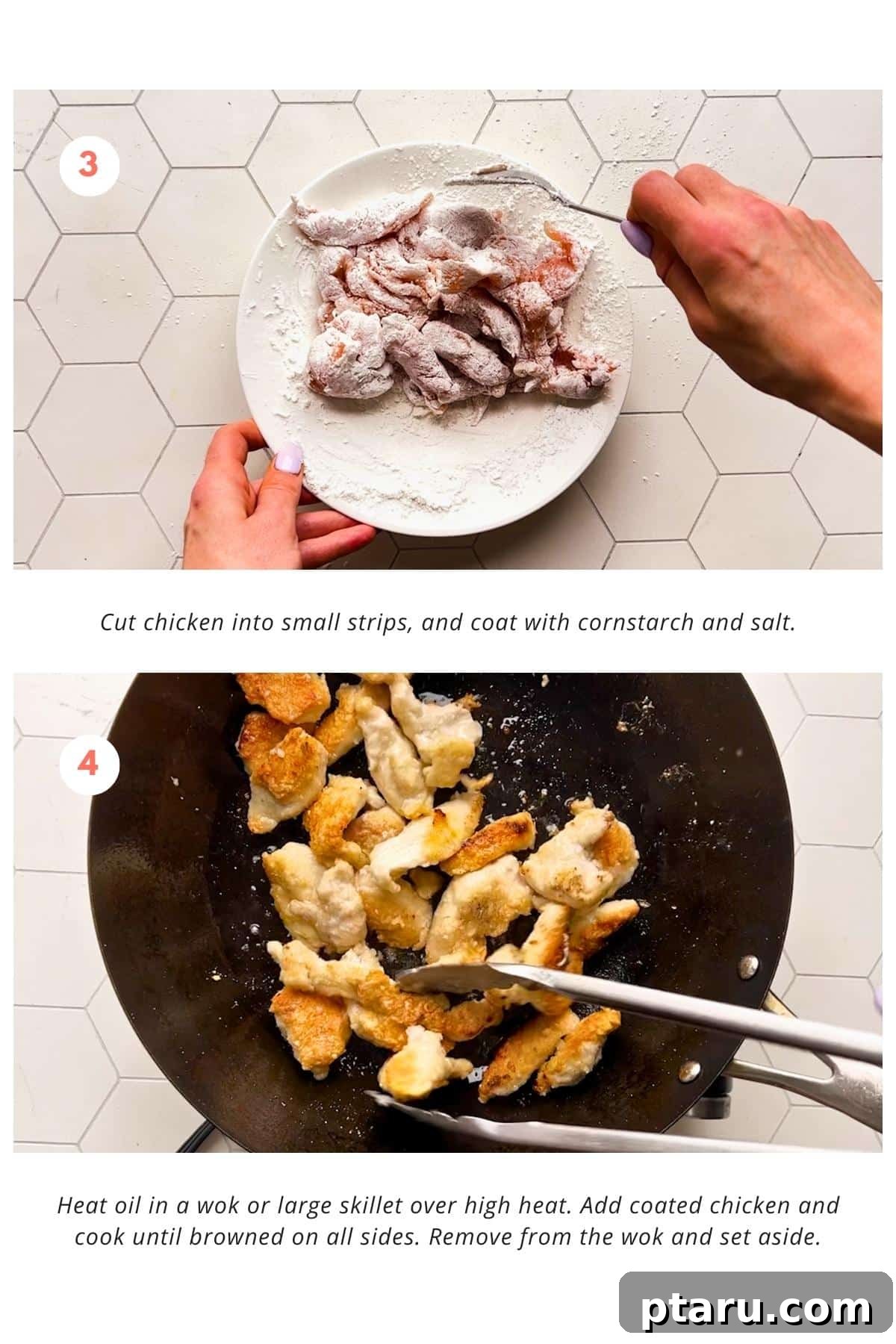
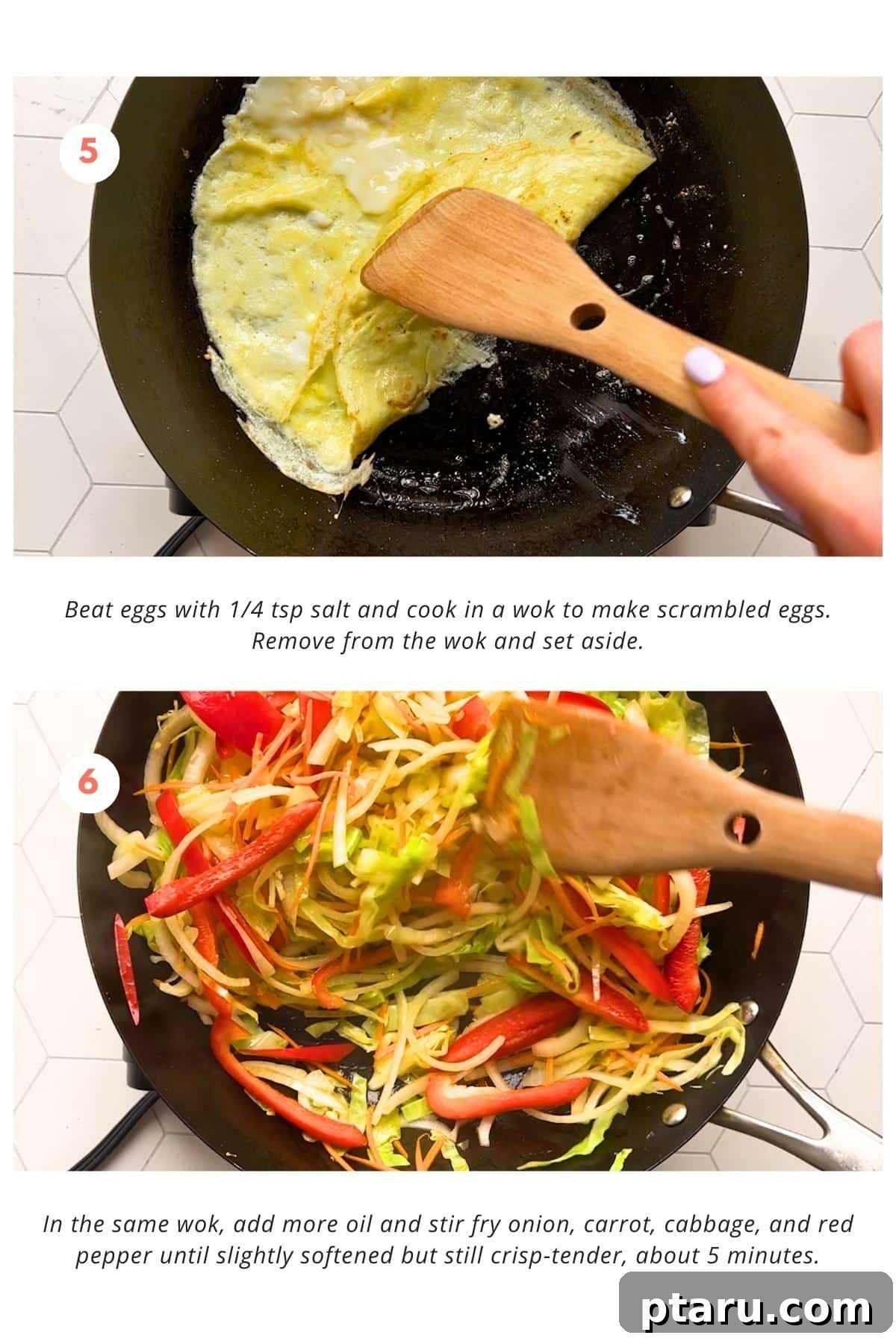
- 4. Make Scrambled Eggs: In the same wok (add a tiny bit more oil if needed), whisk 2 large eggs with ¼ tsp salt. Pour the whisked eggs into the hot wok and quickly scramble them until fully cooked but still tender and fluffy. This usually takes just 1-2 minutes. Remove the scrambled eggs from the pan and set them aside with the chicken.
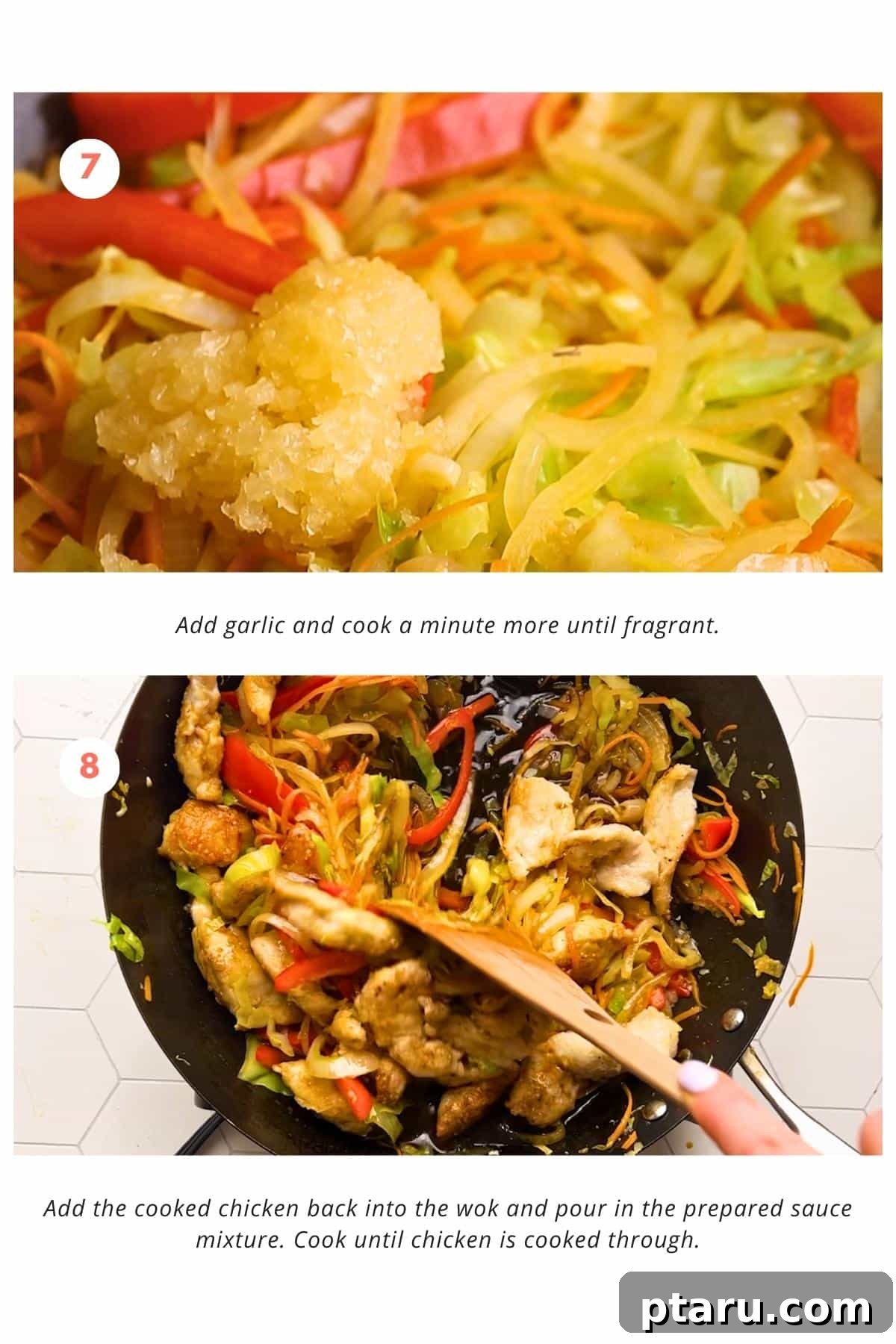
- 5. Stir-fry the Vegetables: Add a little more vegetable oil to the wok if necessary (about 1-2 tablespoons). Over medium-high heat, add the sliced onion (1), sliced carrot (1 cup), shredded cabbage (2 cups), and thinly sliced red pepper (1). Stir-fry these vegetables for about 5 minutes, or until they are slightly softened but still retain a pleasant crisp-tender bite. They should be vibrant and not limp. Then, add 1 tbsp minced garlic and cook for an additional minute until it becomes fragrant, taking care not to burn it, as burnt garlic can taste bitter.
Bringing It All Together
- 6. Combine and Sauce: Return the cooked chicken to the wok with the stir-fried vegetables. Give everything a quick toss to combine the flavors and textures.
- 7. Pour in the Sauce: Pour the prepared oyster and soy sauce mixture evenly over the chicken and vegetables in the wok. Continue to cook, stirring frequently, until the chicken reaches an internal temperature of 165ºF (74ºC), ensuring it is fully cooked through and the sauce begins to simmer and slightly thicken, coating all the ingredients beautifully.
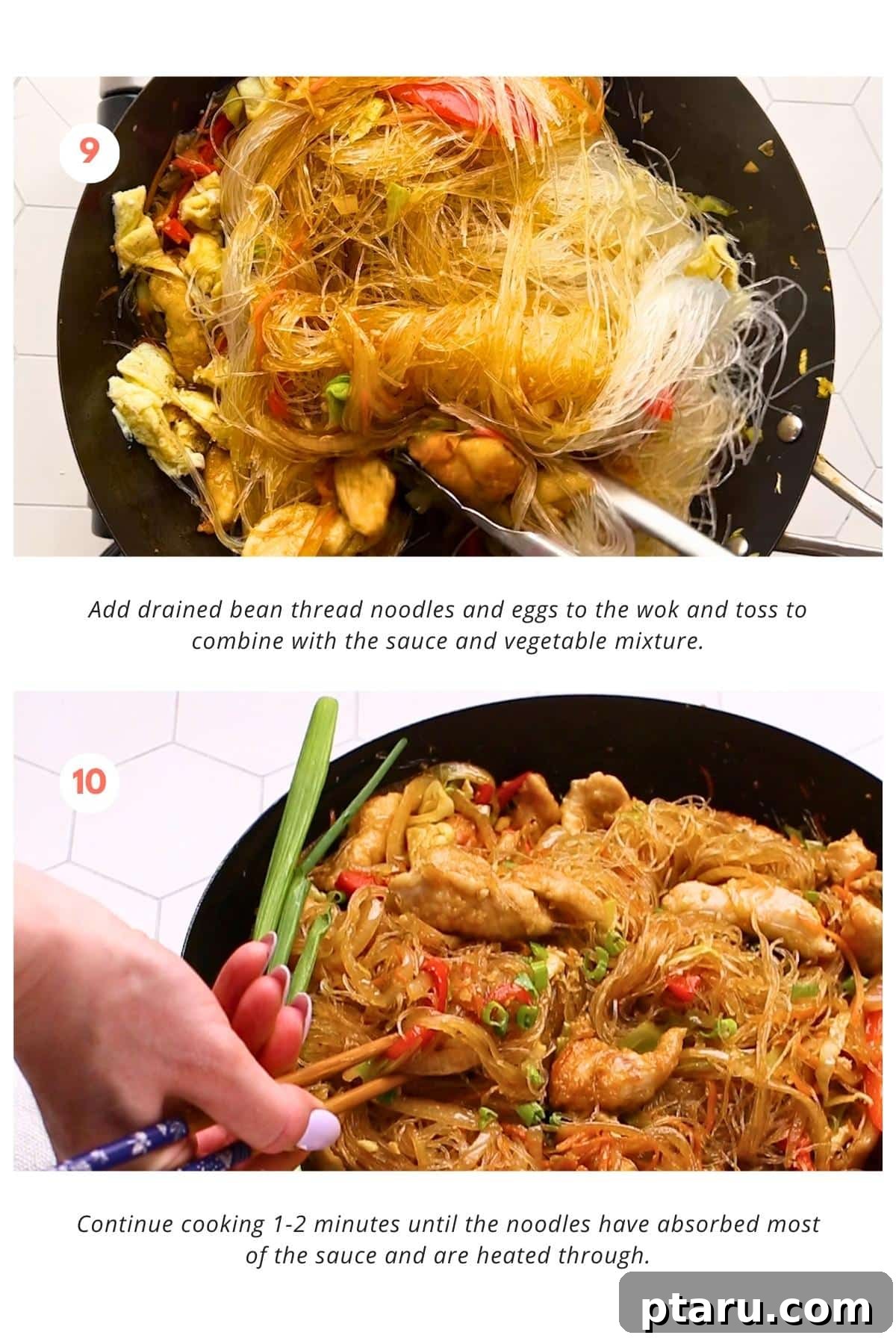
- 8. Add Noodles and Eggs: Add the thoroughly drained bean thread noodles and the scrambled eggs to the wok. Using tongs or a wooden spoon, gently toss and fold all the ingredients together, ensuring the noodles are fully coated with the delicious sauce and mixed evenly with the chicken and vegetables. Distribute everything evenly for a harmonious dish.
- 9. Final Cook and Serve: Continue cooking for another 1-2 minutes, stirring continuously, until the noodles have absorbed most of the sauce and are heated through. Be careful not to overcook them, as they can become too soft or clump together. Once everything is perfectly combined and hot, transfer the Pad Woon Sen to a beautiful serving dish. Garnish generously with the thinly sliced green onions (2) for a fresh, vibrant finish. Serve immediately and enjoy your homemade Thai masterpiece!
FAQs About Pad Woon Sen
What does Pad Woon Sen mean in Thai?
In Thai cuisine, “Pad” is a common culinary term referring to the stir-frying technique, which involves quickly cooking a variety of ingredients in a wok or skillet over high heat. “Woon Sen” specifically denotes the type of noodles used in this dish. These noodles are famously known as bean thread noodles, glass noodles, or cellophane noodles, and are primarily made from mung bean starch, which gives them their characteristic translucent appearance when cooked. So, Pad Woon Sen literally translates to “stir-fried glass noodles.”
Are Thai glass noodles healthy?
Thai glass noodles, or Woon Sen, are derived from mung bean starch. While they are naturally gluten-free and grain-free, they are primarily composed of carbohydrates and do not offer significant amounts of protein or dietary fiber. This means they might not provide a long-lasting feeling of fullness compared to whole-grain options. Although they come from beans, their nutritional profile is quite similar to other refined starches, like spaghetti in terms of carb content. Therefore, while they can be part of a balanced diet, it’s important not to assume they are inherently “healthy” simply due to their bean origin. Balance them with plenty of vegetables and lean protein for a nutritious meal.
Is Pad Woon Sen spicy?
The level of spiciness in Pad Woon Sen can vary significantly depending on the recipe and personal preference. Traditionally, it can have a mild to moderate kick from chili peppers, which are often added with the garlic or as a garnish. Our recipe leans towards a milder profile to appeal to a broader audience, allowing the savory umami flavors to shine. However, you can easily adjust the heat by adding fresh bird’s eye chilies during the stir-frying process, or by serving with chili flakes or sriracha on the side for those who enjoy a spicier experience.
Can I make Pad Woon Sen gluten-free?
Yes, absolutely! Pad Woon Sen is naturally easy to make gluten-free. The bean thread noodles (glass noodles) are typically made from mung bean starch, which is inherently gluten-free. The main component to watch out for is soy sauce, which often contains wheat. Simply substitute regular soy sauce with tamari, which is a gluten-free alternative that offers a similar savory flavor. Additionally, ensure your oyster sauce (or vegan mushroom-based oyster sauce) is also gluten-free, as some brands may contain wheat derivatives or other gluten-containing thickeners. With these simple substitutions, you can enjoy a delicious and authentic gluten-free Pad Woon Sen.
How can I prevent the noodles from sticking together?
The key to preventing noodles from sticking is proper soaking and quick stir-frying. Ensure you soak the bean thread noodles in cold or room-temperature water just until they are pliable, not mushy. Over-soaking can make them sticky. Also, ensure your wok or skillet is hot and lightly oiled when you add them. Tossing continuously helps to separate the strands. Adding them at the end, as per our instructions, allows them to absorb the sauce quickly without overcooking and clumping.
How to Serve It and Make It Shine
You’ve put in the effort, and now you have a steaming, aromatic skillet of homemade Pad Woon Sen. The final step is to serve it in a way that truly highlights its flavors and visual appeal. Here are some tips to make your Pad Woon Sen even more delectable and memorable:
- The Essential Garnish: Green Onions: Don’t underestimate the power of a simple garnish! A generous sprinkling of thinly sliced green onions (scallions) not only provides a refreshing burst of color but also adds a crisp, slightly pungent freshness that beautifully contrasts the richness of the stir-fry. It’s the classic finishing touch that elevates the dish’s aroma and visual appeal.
- Add a Kick with Chili: For those who love an extra layer of heat, serving your Pad Woon Sen with some freshly sliced red chili peppers (like bird’s eye chilies) on top is a fantastic idea. This allows individuals to customize their spice level, adding a vibrant, fiery element that takes the dish to the next level of Thai authenticity. Alternatively, a side of chili oil or Sriracha can also provide that customizable heat.
- Pair with Cooling Beverages: Given that Pad Woon Sen can often carry a delightful warmth or heat, pairing it with a cold beverage is highly recommended to balance and refresh your palate. A crisp, cold Thai beer (like Singha or Chang), iced jasmine tea, or simply a refreshing glass of water with lemon wedges makes for an excellent accompaniment, cooling the taste buds between savory bites.
- Round Out the Meal with Sides: While Pad Woon Sen is a complete meal on its own, you can enhance the dining experience with complementary side dishes for a more elaborate feast. A simple fresh cucumber salad, a light and clear tom yum soup, or even a small portion of steamed jasmine rice (though noodles are the main carb here) can create a more comprehensive Thai dining experience.
- Presentation Matters: Serve your Pad Woon Sen in a large, inviting bowl or on individual plates, ensuring the colorful vegetables and translucent noodles are prominently displayed. A sprig of fresh cilantro or a lime wedge can further enhance its visual appeal and add an extra layer of freshness. The vibrant colors of the vegetables and the glistening noodles are a feast for the eyes before they even reach your palate.
Enjoying your perfectly prepared Pad Woon Sen is a sensory experience. Take a moment to appreciate the aroma, the vibrant colors, and the symphony of flavors and textures in every delicious bite. It’s not just a meal; it’s a journey to the heart of Thai cuisine.
Make Ahead and Storage Tips for Pad Woon Sen
Whether you’re a meticulous meal planner or simply looking to savor your delicious Pad Woon Sen for more than one sitting, understanding how to prepare components ahead of time and store leftovers properly is invaluable. These tips will help you enjoy this fantastic Thai dish with maximum freshness and flavor, reducing waste and making your culinary life easier.
- Strategic Make-Ahead Prep: For those busy weekdays, preparing certain components of Pad Woon Sen in advance can be a game-changer, significantly streamlining your cooking process.
- Protein & Veggies: Cook the chicken and stir-fry the vegetables (onion, carrot, cabbage, red pepper, garlic) until they are crisp-tender. Allow them to cool completely to room temperature before storing them in separate airtight containers in the refrigerator for up to 2-3 days. This prevents them from becoming soggy.
- Sauce: Mix the oyster sauce, soy sauce, and water together. Store this pre-mixed sauce in a sealed jar or container in the fridge for up to a week. This ensures the flavors have time to meld.
- Noodles: You can soak the bean thread noodles ahead of time, drain them well, and store them in an airtight container in the fridge for a day. However, for the absolute best texture, it’s often preferable to soak them just before cooking, as they can absorb too much moisture if stored soaked for too long.
When it’s mealtime, simply reheat the cooked chicken and vegetables in the wok, add the freshly soaked or pre-soaked noodles, pour in the sauce, and quickly incorporate the scrambled eggs. This drastically cuts down on active cooking time, allowing for a quick, fresh meal.
- Reheating Leftovers with Care: Pad Woon Sen reheats surprisingly well, and sometimes the flavors even deepen overnight. To prevent the noodles from becoming mushy or sticking together, it’s best to reheat leftovers in a wok or skillet over medium heat with a tiny splash of oil or water. Stir gently and continuously until heated through, about 5-7 minutes. The microwave can be used in a pinch, but it tends to alter the noodle texture more, potentially making them less appealing; stir-frying ensures they regain a pleasant chewiness and the vegetables retain some crunch.
- Proper Storage for Longevity:
- Refrigeration: Once your Pad Woon Sen has cooled completely to room temperature (this is important to prevent bacterial growth), transfer it to an airtight container. It will keep beautifully in the refrigerator for up to 3-4 days, making it perfect for meal prepping.
- Freezing: While stir-fried noodles are generally best fresh or refrigerated, Pad Woon Sen can be frozen for longer storage, though the texture of the noodles and vegetables may soften upon thawing. Freeze cooled Pad Woon Sen in freezer-safe airtight containers for up to 2-3 months. Thaw overnight in the refrigerator before reheating as described above for best results.
- Freshen Up Leftovers: To give your refrigerated Pad Woon Sen a new lease on life, consider adding fresh elements when reheating or serving. A handful of fresh bean sprouts, thinly sliced cucumber, or extra shredded carrots can add back some crispness and a refreshing element. A squeeze of fresh lime juice or a sprinkle of fresh cilantro just before serving will also brighten up the flavors considerably, making leftovers feel like a brand new dish.
By following these make-ahead and storage tips, you can enjoy the vibrant flavors of Pad Woon Sen whenever the craving strikes, making it an even more convenient and delightful addition to your culinary repertoire, and ensuring no delicious bite goes to waste.
Other Thai and Noodle Recipes You’ll Love
If you’ve fallen in love with the complex flavors and satisfying textures of this Pad Woon Sen recipe, then you’re in for more delightful culinary adventures! Thai cuisine is a treasure trove of aromatic dishes, and noodles are a staple that offers endless variations. Here are some other fantastic noodle and Thai recipes that are sure to tantalize your taste buds:
- Veggie, Tofu + Shrimp Pad Thai: A flavorful and nutrient-packed take on Thailand’s most famous noodle dish. This recipe combines fresh vegetables, firm tofu, and succulent shrimp, all tossed in a perfectly balanced sweet, salty, spicy, and sour tamarind sauce. Piled high with fresh, crunchy toppings, it’s a complete meal that’s both healthy and incredibly satisfying, offering a different noodle experience than Pad Woon Sen.
- Chili Oil Ramen: For those who appreciate a quick, easy, and deeply flavorful noodle dish with a kick, this chili oil ramen recipe is a must-try. It transforms simple ramen noodles into an elevated comfort food experience with a homemade chili oil that’s rich in spice and aroma. Perfect for a speedy lunch or a cozy dinner, delivering an intense umami punch.
- Thai Noodle Salad with Sweet Chili Dressing: A refreshing departure from hot stir-fries, this light and vibrant noodle salad is ideal for warmer days or as a fresh side dish. It features cool noodles, crisp vegetables, and often herbs, all brought together by a zesty and sweet chili dressing that awakens the palate with its bright, tangy notes.
- Spinach Gomae Noodles with Sesame Sauce: Drawing inspiration from Japanese flavors, these healthy and flavorful noodles are tossed with tender spinach and coated in a creamy, nutty sesame sauce. It’s a comforting yet light dish that offers a different profile from Thai flavors but shares the universal appeal of well-dressed noodles, perfect for a quick and nutritious meal.
And if your affection for Thai recipes runs as deep as ours, you absolutely must broaden your culinary horizons with these other beloved Thai dishes:
- Red Curry Chicken: A classic, rich, and creamy coconut milk-based curry, bursting with vibrant spices and tender chicken, served perfectly with jasmine rice.
- Thai Curry Fish: A quick, healthy, and aromatic fish curry simmered in fragrant coconut milk with fresh vegetables, offering a lighter alternative to meat curries.
- Peanut Sweet Potato Soup: A comforting and hearty soup, blending the natural sweetness of sweet potatoes with the rich, creamy notes of peanut butter and coconut milk, a truly unique flavor experience.
- Sweet Chilli Noodles Salad: Another take on a refreshing noodle salad, this version specifically highlights the enticing balance of sweet and spicy notes that are a hallmark of Thai cuisine, perfect as a light lunch.
- Thai Scallops: Elegant and flavorful pan-seared scallops served with a vibrant corn relish, showcasing delicate seafood preparation with bright, fresh Thai influences.
- Meatballs in Sweet Chilli Sauce: Juicy pork meatballs coated in a sticky, sweet, and spicy chili sauce – perfect as an appetizer or a delightful main course served with rice.
- Thai Basil Pork: A popular and incredibly aromatic stir-fry featuring savory ground pork, fresh Thai basil leaves, and crisp green beans, a quick and intensely flavorful dish often served with a fried egg.
Indeed, lovers of Pad Thai will undoubtedly swoon for Pad Woon Sen. Perhaps we should playfully rename it Pad “Swoon Sen”! So, pull out your chopsticks – or embrace the joy of simply digging in – and let these incredible Thai flavors transport you to the bustling streets of Bangkok and beyond.