Are you searching for the definitive guide to cooking basmati rice that consistently turns out light, fluffy, and perfectly separated? Look no further! This simple, life-changing Indian method promises consistently perfect results in less time, without the need for precise measuring. Once you master this technique, you’ll never resort to complicated recipes again. Say goodbye to guesswork and nervous waiting; it’s time to achieve rice perfection effortlessly!
Why This Easy Basmati Rice Recipe Will Revolutionize Your Kitchen
For too long, the art of cooking basmati rice has been unnecessarily complicated. Many recipes involve intricate water-to-rice ratios, precise timing, and constant vigilance, leading to inconsistent results. This method strips away the complexity, offering a foolproof approach that delivers restaurant-quality rice every time. Here’s why this will become your go-to basmati rice technique:
- Effortless, No-Measure Cooking: The most remarkable aspect of this method is the complete elimination of measuring water. Just like cooking pasta, you use an abundance of water, making the process incredibly forgiving and stress-free.
- Consistently Fluffy & Separated Grains: This technique guarantees rice that is never mushy or sticky. Each grain emerges distinct, tender, and fragrant, the hallmark of perfectly cooked basmati. It’s a truly fail-proof hack.
- Versatile for Various Grains: While optimized for basmati, this method is incredibly adaptable. You can use it to cook a wide array of other grains, making it a valuable skill for any home cook.
Essential Ingredients and Tools for Perfect Basmati Rice
Achieving culinary excellence often starts with the right ingredients and equipment. For this incredibly easy basmati rice recipe, you’ll need just a few simple items.
Key Ingredients for Flawless Basmati Rice
- Basmati Rice: The star of our dish. This method works beautifully with any variety of basmati rice – be it short-grain or long-grain, white or brown. While the cooking time may vary slightly between types, the fundamental technique remains the same. Opt for aged basmati rice if possible, as it tends to yield longer, more aromatic grains.
- Salt: Proper seasoning is paramount, much like when cooking pasta. Kosher salt is my preference for its clean taste and easy measurement, but any good quality salt will work. You’ll season the cooking water generously to infuse flavor directly into the grains.
- Water: Simple tap water is usually sufficient. For quicker boiling, you can start with pre-boiled water from a kettle or simply heat it directly in your cooking pot. The key is to use a generous amount, ensuring the rice has ample space to cook freely.
Variations and Substitutions for Your Grains
As mentioned, this “pasta method” for cooking grains is incredibly adaptable. Feel free to experiment with other grains using the same principles. Quinoa, barley, farro, and amaranth are excellent candidates that perform wonderfully with this approach, yielding fluffy and distinct results.

Essential Kitchen Tools You’ll Need
Efficiency in the kitchen means having the right tools. For this method, you’ll only need two primary pieces of equipment:
- Large Pot with a Lid: Think pasta pot size! A medium to large pot is crucial. It allows the rice grains enough space to move freely in the water, preventing sticking and ensuring even cooking. A tight-fitting lid is also important for the simmering phase.
- Colander or Fine Mesh Strainer: Essential for draining the excess water after the rice is cooked. A colander with larger holes is often preferred for basmati as it allows the water to escape quickly without the delicate grains getting trapped. While a fine mesh strainer can work, smaller grains might sometimes stick, requiring more effort to dislodge.
With these simple items ready, you are now perfectly equipped to prepare the best basmati rice you’ve ever tasted!
How to Make The Easiest Basmati Rice: A Failproof Indian Guide
This method, inspired by traditional Indian cooking practices, prioritizes simplicity and consistently perfect results. Prepare to master the art of fluffy basmati rice without any of the usual fuss.
Step-by-Step Guide to Cooking Basmati Rice the Easy Way
- Rinse Your Rice Thoroughly: This is a crucial first step that many overlook. Place your desired amount of basmati rice in a fine-mesh sieve or a bowl and rinse it under cold running water. Agitate the rice gently with your fingers. Continue rinsing until the water runs mostly clear, typically 3-5 times. This removes excess starch, which is key to achieving separate, non-sticky grains.
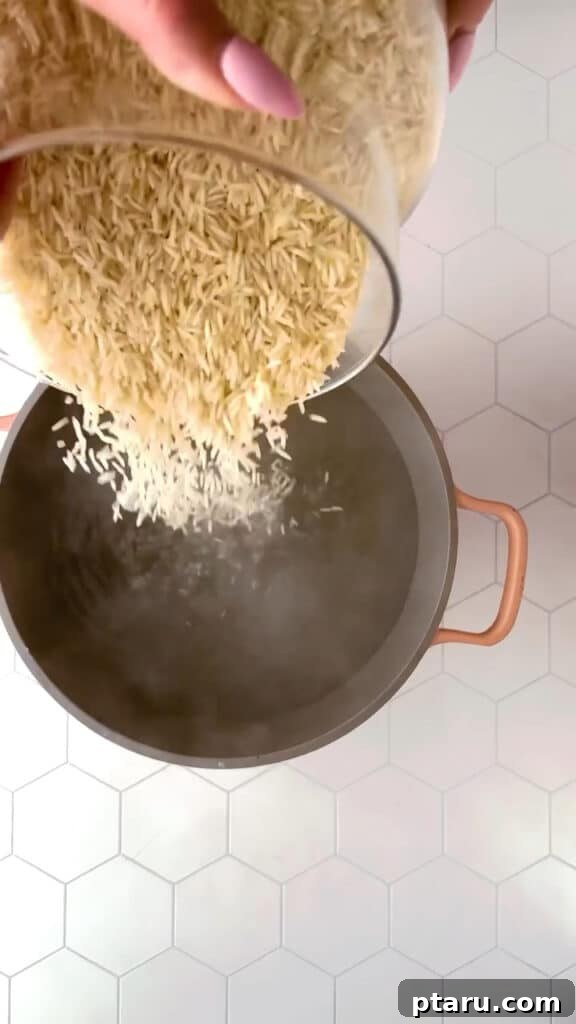
- Bring Water to a Rolling Boil: Fill your large pot with a generous amount of water – far more than you think you’ll need for the rice itself, akin to boiling pasta. Bring this water to a strong, rolling boil over high heat.
- Season the Water Generously: Once the water is boiling, add a good amount of salt. The water should taste noticeably salty, similar to seawater. This ensures that the rice absorbs flavor as it cooks, preventing bland grains. A good rule of thumb is 2 teaspoons of Kosher salt per liter (or quart) of water. Adjust to your preference.
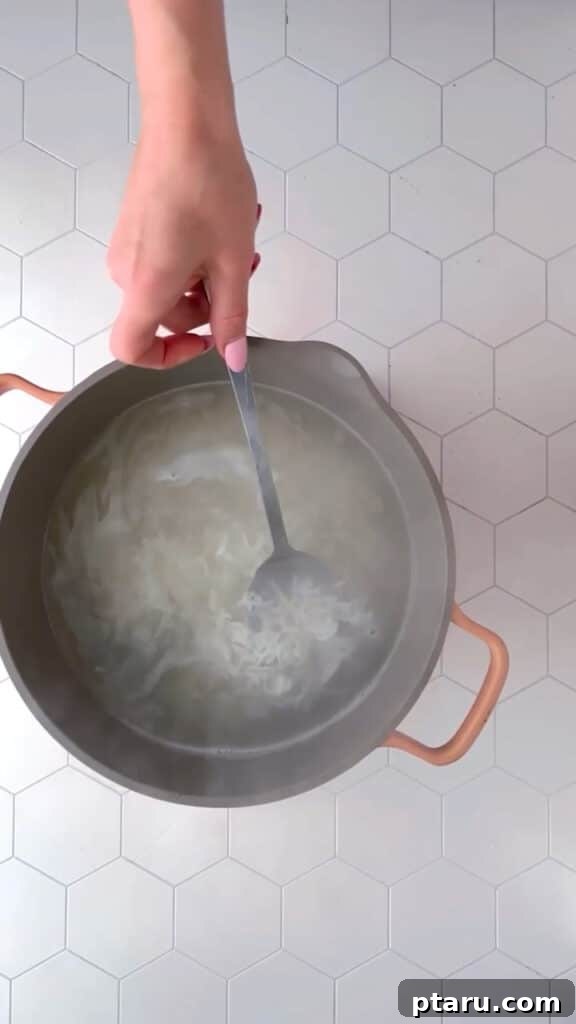
- Add Rice and Cook at a Low Boil: Carefully add the rinsed basmati rice to the vigorously boiling, salted water. Give it a quick stir to prevent sticking. Reduce the heat to maintain a steady, low boil (just above a simmer). Cover the pot with a lid.
- Monitor and Test for Doneness: The cooking time will vary depending on the type and age of your basmati rice. Begin testing the rice for doneness after about 5 minutes. Take a few grains out and bite into them. You’re looking for tender, slightly chewy grains that are cooked through but still have a pleasant firmness. White basmati rice typically cooks in 10-15 minutes. Brown basmati will take longer.
- Strain and Fluff: Once the rice is perfectly tender, immediately remove the pot from the heat. Pour the entire contents (rice and water) into a colander in your sink to drain completely. Allow it to sit for a minute or two, letting any residual steam escape. Then, return the rice to the empty pot, or transfer it to a serving bowl. Use a fork to gently fluff the grains, separating them beautifully. Avoid compacting the rice.
Key Notes for Basmati Rice Perfection
- Cooking Time is Variable: Always remember that cooking time is a guide, not a strict rule. Different varieties and batches of basmati rice absorb water at different rates. Start checking early!
- Salt is Your Flavor Friend: Don’t skimp on the salt in the cooking water. It’s the primary way to season the rice from the inside out. For a subtler taste, reduce the salt by half.
- Consider Soaking (Optional but Recommended): For even better results, especially with aged basmati, consider soaking the rinsed rice in cold water for 20-30 minutes before cooking. This can lead to longer, more tender grains and slightly reduce cooking time. Just be sure to drain it well before boiling.
- Avoid Over-Stirring: While a quick initial stir is fine, excessive stirring during cooking can break the delicate basmati grains and release more starch, leading to a stickier texture.
- The Power of the Lid: Keeping the lid on during the low boil helps maintain a consistent temperature and traps steam, contributing to even cooking.

Make Ahead and Storage Tips for Basmati Rice
Proper storage of cooked basmati rice is essential for both flavor preservation and food safety. Here’s how to ensure your leftovers stay delicious and safe to eat:
- Cool Completely and Quickly: This is perhaps the most critical step. Spread the cooked basmati rice out on a baking sheet or wide platter immediately after cooking to allow it to cool rapidly. This prevents the rice from continuing to steam and becoming mushy, and it minimizes the time it spends in the “danger zone” (between 40°F and 140°F / 4°C and 60°C) where bacteria can multiply.
- Divide into Portions: Once completely cool, divide the rice into smaller, single-serving or meal-sized portions. This makes reheating much more convenient and helps avoid repeatedly heating and cooling the entire batch.
- Airtight Containers are Key: Transfer the cooled, portioned rice into clean, airtight containers. This prevents moisture loss, keeps out contaminants, and maintains freshness.
- Refrigeration (Up to 3 Days): For short-term storage, cooked basmati rice can be safely stored in the refrigerator for up to 3 days. Ensure your refrigerator is consistently kept below 40°F (4°C).
- Freezing (Up to 3 Months): For longer storage, basmati rice freezes exceptionally well. Once cooled and portioned in airtight, freezer-safe bags or containers, remove as much air as possible to prevent freezer burn. It can be stored for up to 3 months. When ready to use, reheat directly from frozen or thaw overnight in the refrigerator.
Reheating Cooked Basmati Rice
To retain the fluffy texture, reheat basmati rice with a little moisture. For refrigerated rice, add a tablespoon or two of water or broth per cup of rice, cover, and microwave or heat on the stovetop over low heat until warmed through. For frozen rice, you can follow the same method, adding slightly more liquid, or microwave with a damp paper towel on top until hot.

How to Serve This Easy Basmati Rice Recipe: Versatile Pairings
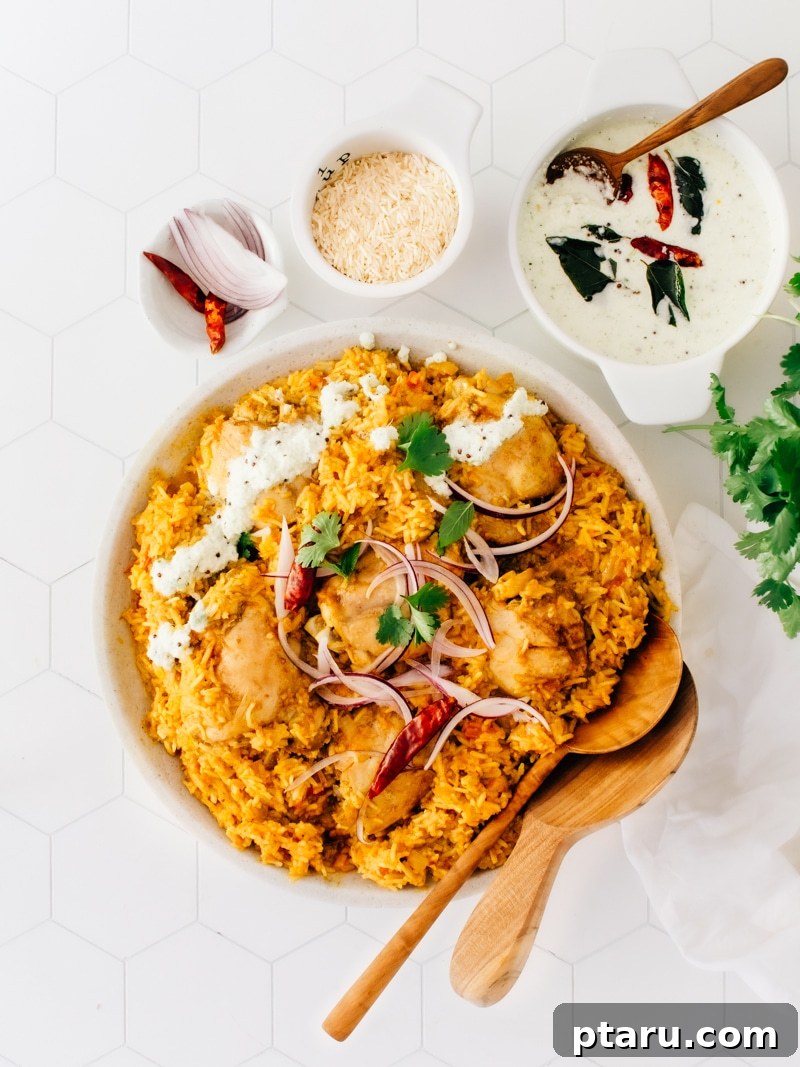
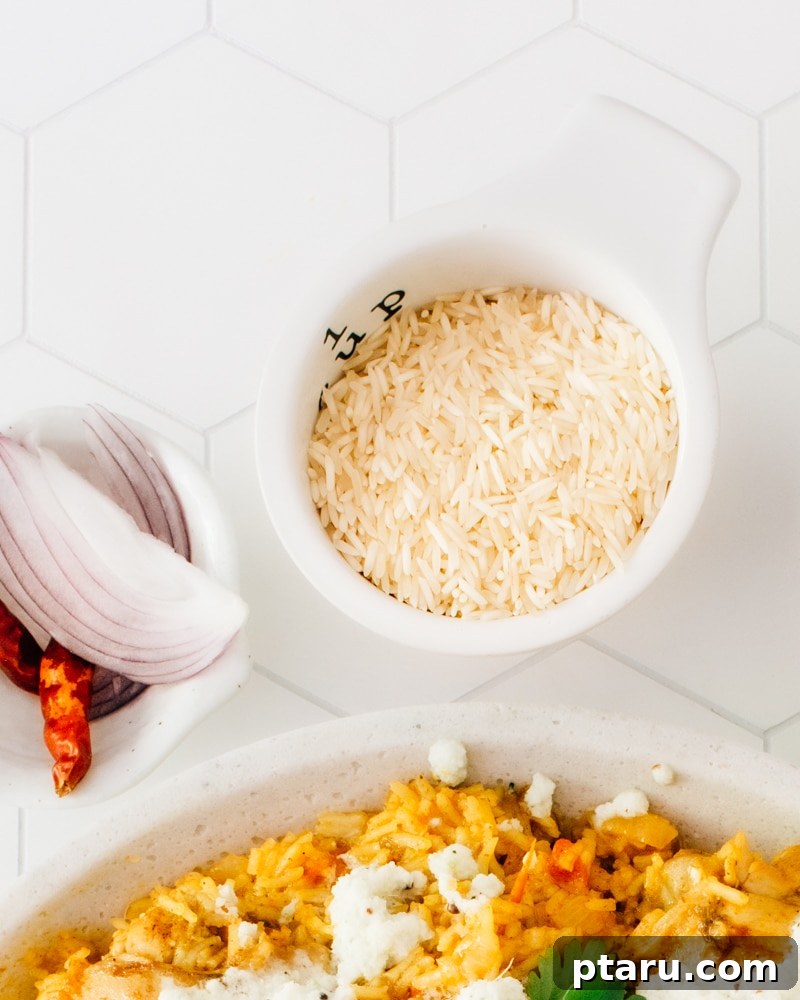
This perfectly cooked basmati rice isn’t just a side dish; it’s a versatile canvas ready to enhance a multitude of meals. Its light texture and subtle aroma make it an ideal accompaniment for rich curries, grilled meats, and vibrant vegetable dishes. It even forms the foundational base for my favorite easy biryani recipe. Here are just a handful of options to inspire your next meal:
Basmati Rice: A Perfect Companion For:
- Honey Garlic Spare Ribs: The sticky, sweet, and savory Chinese-style honey garlic sauce coating melt-in-your-mouth pork spareribs finds its perfect balance with the humble, absorbent grains of basmati rice.
- Chicken and Broccoli Stir-fry: A light, healthy, and umami-packed chicken and broccoli stir-fry is magnificently complemented by fluffy rice, which soaks up all the delicious sauce without becoming heavy.
- Easy Malai Kofta: These creamy paneer and potato dumplings swimming in a rich, subtly spiced gravy are a dream when served with basmati. The rice acts as an ideal vehicle to savor every drop of the luxurious sauce.
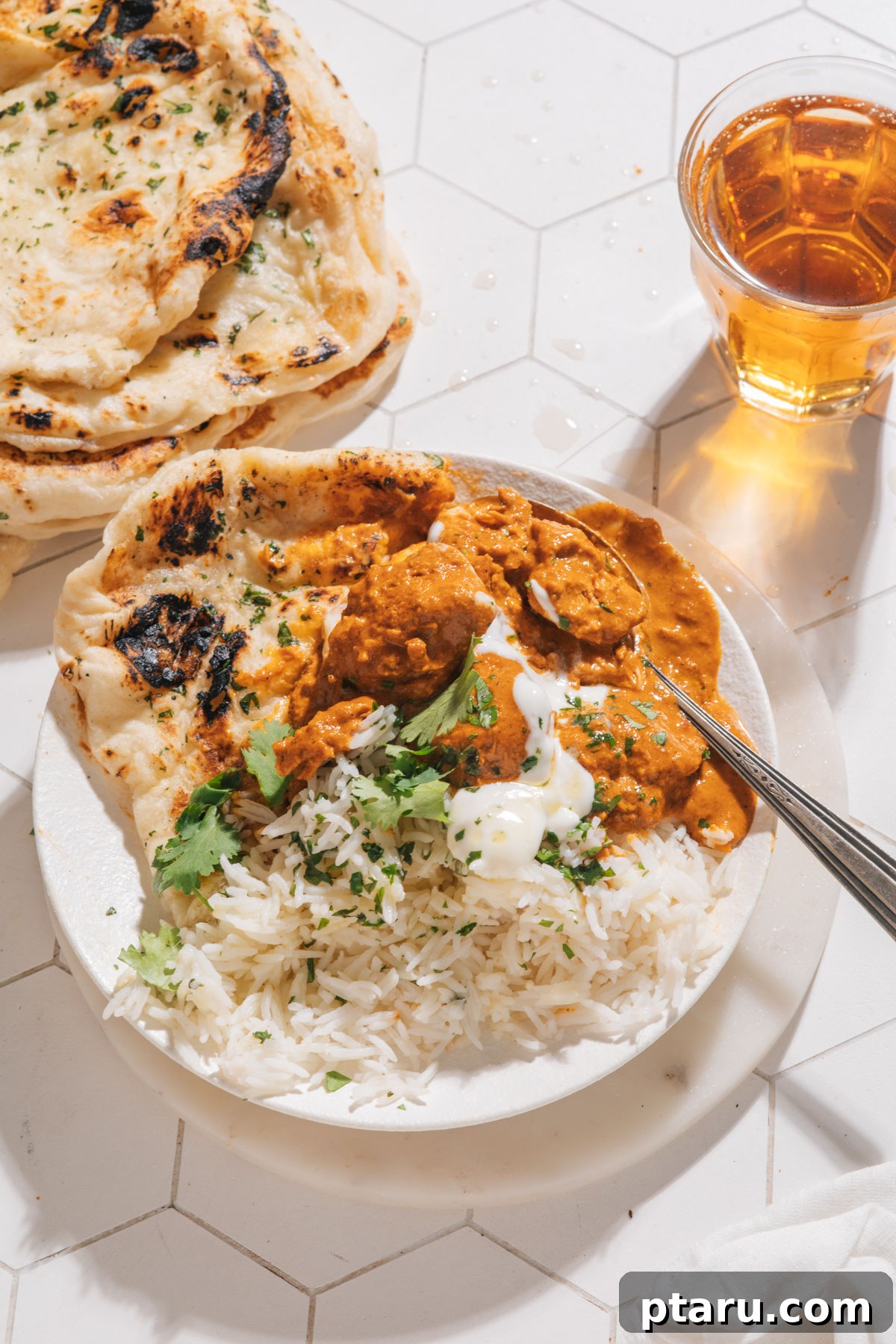
- Chicken Korma: A deeply comforting, rich, and creamy Indian curry, Chicken Korma demands a generous helping of fluffy basmati rice. It’s equally delicious when paired with a classic butter chicken.
- Lentil (Dal) Dishes: Simple yet flavorful dals, like Masoor Dal or Madras Lentils, are wonderfully hearty when served over a bed of basmati rice, allowing the complex lentil flavors to shine.
- Grilled Fish or Vegetables: For lighter meals, basmati rice provides a delicate counterpoint to grilled fish seasoned with lemon and herbs, or vibrant roasted vegetables.
- As a Base for Pilafs: Transform leftover basmati into a quick pilaf by sautéing it with spices, nuts, and dried fruit for a flavorful side or light main.
Don’t forget to add a final touch! A sprinkle of fresh cilantro, a dollop of ghee, or a squeeze of fresh lime juice can elevate your basmati rice even further.
4 Common Mistakes When Making Basmati Rice (and How to Avoid Them)
Even with the simplest methods, a few pitfalls can lead to less-than-perfect results. Being aware of these common mistakes will ensure your basmati rice is always a triumph:
- Overcooking the Rice: The most frequent culprit behind mushy, soggy basmati. Overcooked rice loses its distinct grain structure and becomes unappetizingly gummy.
Solution: Start testing your rice for doneness earlier than you think you need to, typically around the 5-minute mark. Taste a few grains; they should be tender but still have a slight al dente bite. Remove from heat immediately once perfectly cooked. - Not Rinsing the Rice Properly (or at all): Skipping this crucial pre-cooking step leaves excess starch on the grains, resulting in rice that clumps together and has a sticky, undesirable texture.
Solution: Rinse your basmati rice thoroughly under cold running water, agitating it gently, until the water runs clear. This process washes away the surface starch, allowing the grains to cook separately. - Under or Over-Seasoning the Cooking Water: Bland rice can diminish the enjoyment of an entire meal, while overly salty rice can be equally unappealing.
Solution: Season your cooking water generously, aiming for a taste similar to robust pasta water (salty like the ocean). As a guide, 2 teaspoons of Kosher salt per liter/quart of water is a good starting point. Taste the water before adding the rice and adjust. You can always add less salt if you prefer a blank canvas for your dishes. - Storing Cooked Rice While Still Warm: Sealing hot or warm rice in an airtight container creates condensation, which will cause the rice to steam further and become mushy. It also creates an ideal environment for bacterial growth if cooled too slowly.
Solution: Always allow cooked rice to cool completely and quickly before transferring it to storage containers. Spreading it thinly on a tray helps accelerate the cooling process.
Pro Tips + Science-Based Secrets for Mastering Basmati Rice
Elevate your basmati rice game from good to extraordinary with these expert insights and the scientific principles that make this method so effective:
- Utilize a Large Pot for Ample Space: Just as you would for pasta or potatoes, cooking rice in a large pot with plenty of water allows the individual grains to cook evenly without crowding. This prevents them from clumping together and ensures consistent heat distribution, leading to uniform tenderness.
- Cook in Abundant, Already Boiling Water: Starting with a vigorous boil and maintaining it throughout cooking (even a low boil) is critical. The high volume of water buffers temperature fluctuations, cooking the rice gently but thoroughly. Seasoning the water well is also key; rice grains absorb salt during cooking, ensuring every bite is flavorful, not bland. This “salt in the water” method is far more effective than trying to season cooked rice.
- Test Early and Often for Doneness: Basmati rice is delicate and can quickly go from perfect to mushy. Begin checking the tenderness of the grains from approximately 5 minutes into cooking. The ideal texture is tender throughout with a slight chew, not hard in the center nor disintegrating.
- Cool Rice Completely Before Storing: This is a non-negotiable step for retaining that lovely fluffy texture. Cooling quickly prevents residual steam from turning your perfectly cooked rice into a sticky, overcooked mass in the container. It also rapidly moves the rice out of the bacterial danger zone, enhancing food safety.
- The Science of Starch Removal: Rinsing the rice removes loose surface starch, which is the primary cause of stickiness. The “pasta method” with excess water further aids this by allowing any remaining starches to dissolve into the large volume of water rather than coating the grains.
- Consider Soaking for Superior Length: Soaking basmati rice for 20-30 minutes prior to cooking allows the grains to absorb some water, expanding slightly before they even hit the heat. This can result in even longer, more elegant grains with a more tender texture and reduced cooking time.
FAQs About Cooking Basmati Rice
For those quickly seeking answers, here are some of the most commonly asked questions about cooking basmati rice using this simple method.
Can I use any type of basmati rice with this recipe?
Yes, absolutely! This method is incredibly versatile and works perfectly for any basmati grain variety, including both white and brown basmati rice, as well as different grain lengths. Just remember that cooking times may vary slightly based on the rice type.
Can this cooking method be applied to other types of grains?
Indeed! This “pasta method” of cooking is not exclusive to basmati. It’s an excellent way to prepare other grains such as quinoa, millet, amaranth, farro, and barley, consistently yielding fluffy results.
What’s the best way to store cooked basmati rice?
Once your basmati rice has completely cooled, store it in an airtight container in the refrigerator for up to 3 days. For longer storage, you can freeze it for up to 3 months. Always ensure it’s fully cooled before sealing to prevent mushiness and ensure food safety.
Is rinsing basmati rice before cooking truly necessary?
Yes, it’s highly recommended! Rinsing the rice under cold running water helps remove excess surface starch. This is crucial for preventing the grains from sticking together and achieving that desired fluffy, separated texture.
How long does basmati rice typically take to cook in boiling water?
The cooking time for basmati rice, when boiling it in ample water, depends on its variety and whether it’s been soaked. For white basmati, it usually takes between 10-15 minutes. Always start checking for doneness after about 5 minutes to ensure you don’t overcook it.
Do I need to measure the water precisely for this method?
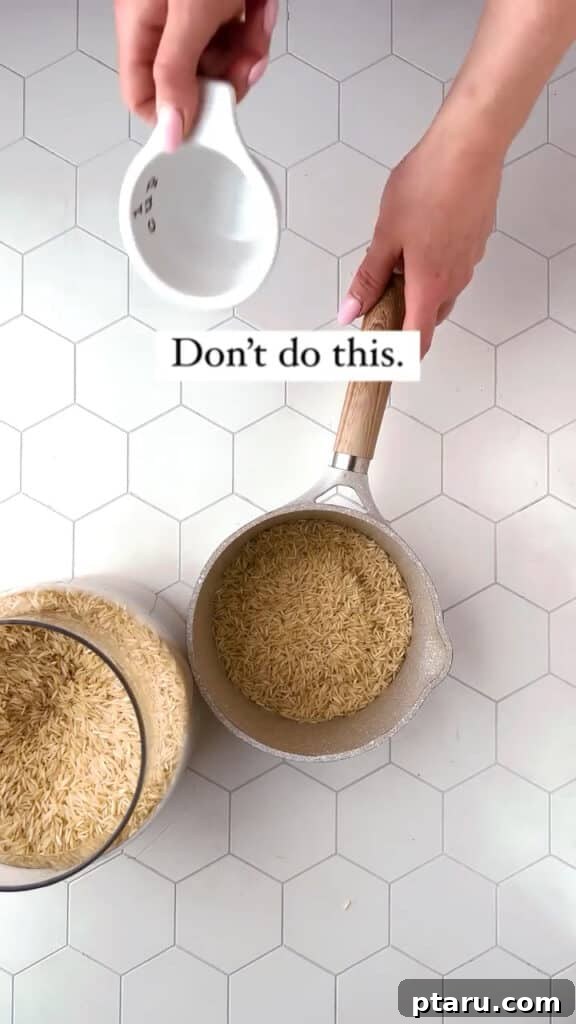
No, and that’s the beauty of this technique! Unlike the absorption method, you do not need to measure the water. Just use a generous amount, similar to how you would boil pasta, ensuring the rice is fully submerged and has plenty of room to cook.
Should I stir the rice while it’s cooking?
A quick, gentle stir when you first add the rice to the pot is fine to prevent clumping. However, avoid stirring excessively during the cooking process, as this can break the delicate grains and release starch, leading to a stickier texture.
How can I prevent the rice from sticking to the bottom of the pot?
To prevent sticking, ensure you’re using a large enough pot with a high ratio of water to rice. Cooking it at a steady low boil rather than a vigorous high boil also helps, as does a quick stir immediately after adding the rice.
Can I add extra spices and flavorings to the rice?
Absolutely! Basmati rice is an excellent canvas for additional flavors. You can add whole spices like cardamom pods, cinnamon sticks, cloves, or star anise to the boiling water. Ground spices like turmeric can also be added for color and subtle flavor, transforming your plain basmati into a fragrant, spiced rice dish.
Other Favorite Indian Family Recipes
If you loved this simple basmati rice method, you’re in for a treat with these other beloved Indian family recipes:
- The Chicken Korma that is truly life-changing.
- Best-Ever Creamy Butter Chicken, one of the most popular recipes on this website!
- Easy Homemade Butter Paneer (the delicious vegetarian version of Butter Chicken).
- Palak Paneer (the tastiest way to enjoy a pound of spinach) or Saag Paneer.
- The Butter Naan Recipe that nearly broke the internet with its popularity.
- Creamy Madras Lentils, a comforting and hearty dal.
- Amma’s special Masoor Dal and an authentic Indian Chickpea Curry Recipe (Chana Masala).
- Malai Kofta (paneer and potato balls in a creamy tomato sauce) – a personal favorite and even better homemade!
- Indian Chai (tea prepared the authentic Indian way).
- Paratha (flaky, layered Indian flatbread).

Easiest Basmati Rice Recipe
Jennifer Pallian BSc, RD
15
15
4
Video

For a visual guide, watch the recipe video above!
Ingredients
- Basmati rice
- Water (plenty of it!)
- Kosher Salt
Instructions
- Rinse your rice well under cold running water until the water runs mostly clear.
- Bring a large pot of water to a strong, rolling boil.
- Add the salt, just like you would when seasoning water for pasta – it should taste noticeably salty.
- Add the rinsed basmati rice to the boiling water. Reduce heat to maintain a low boil and cook with the lid on until the rice is soft and tender.
- Strain the rice through a colander to drain all excess water. Return to the pot or serving bowl and gently fluff with a fork.
Notes
- Always use plenty of water to rice, ensuring the grains have ample space to cook, similar to how you would cook pasta.
- How much salt? Add 2 tsp kosher salt per liter/quart of water for perfectly-seasoned rice (or pasta, potatoes, etc.). Use half that amount if you prefer barely-seasoned grains as a blank canvas for strongly flavored dishes.
- Ensure you rinse the rice thoroughly before cooking it to remove excess starch and achieve separated grains.
- Cook the rice in a pot with its lid on during the low boil phase to maintain consistent temperature.
- Unsure how much to make? See our guide on How Much Rice Per Person.
- Consider soaking the rice for 20-30 minutes for even longer, more tender grains.
Tried this recipe? Leave a comment!
We’d love to hear your experience!