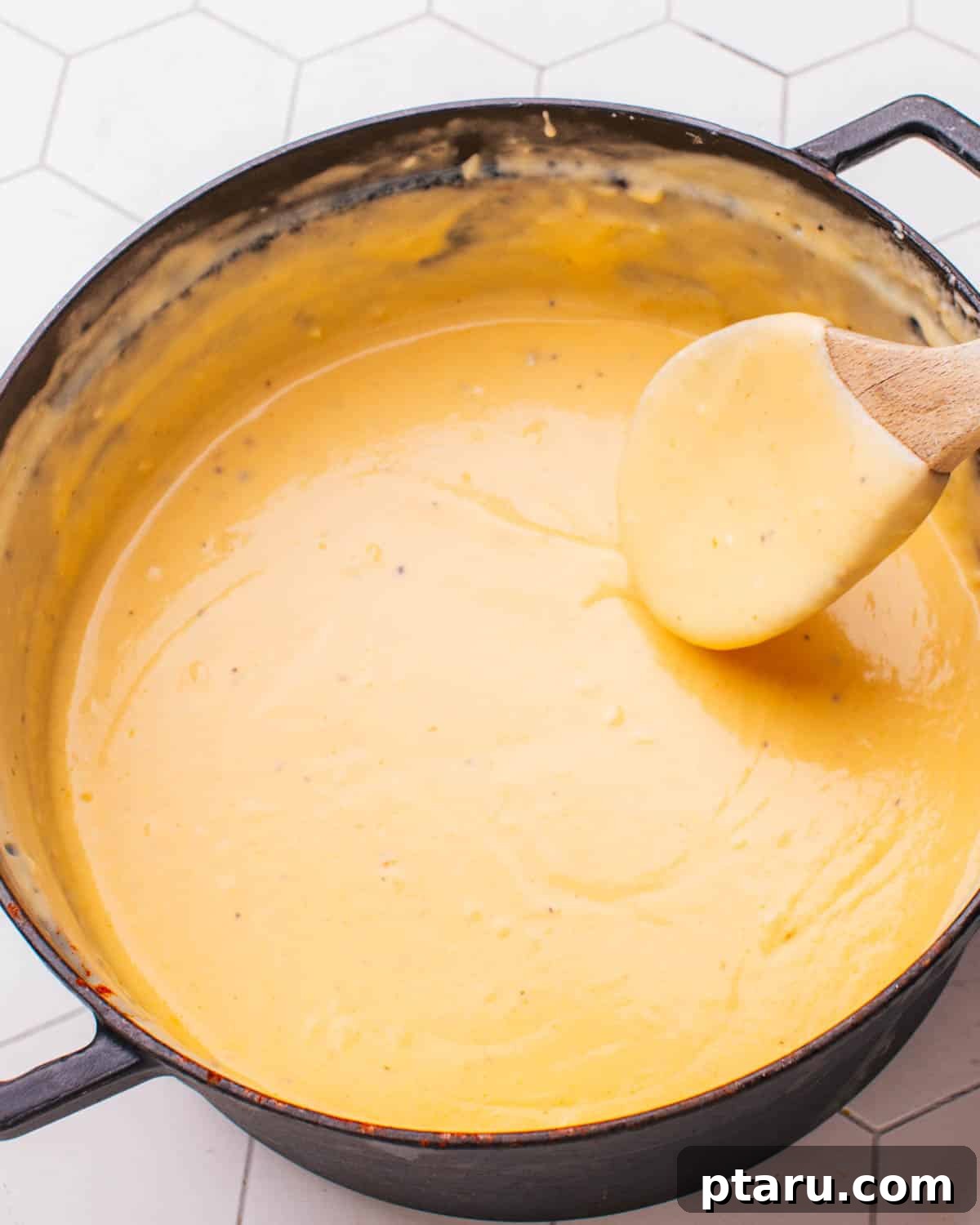
Unlock the secret to the most irresistible, rich, and velvety Cheese Sauce for Mac and Cheese with our incredibly easy melt-and-mix method. This recipe guarantees a consistently smooth sauce, free from any graininess, transforming your ordinary mac and cheese into an extraordinary culinary experience. Prepare to discover why this simple yet profound recipe garners rave reviews and becomes a beloved staple in countless kitchens!
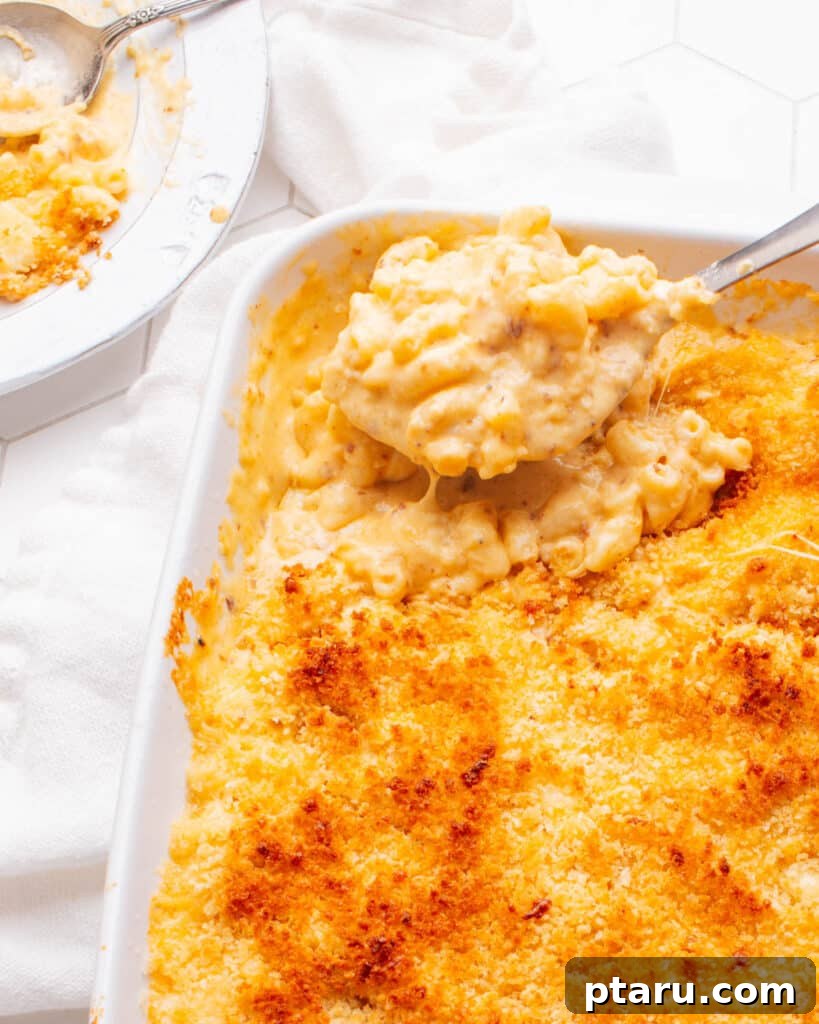
Why This Ultimate Cheese Sauce Will Elevate Your Mac and Cheese Experience
There’s nothing quite like a perfectly crafted mac and cheese, and at its heart lies an exceptional cheese sauce. I am thrilled to share my absolute favorite, go-to recipe for the ultimate cheese sauce – a true game-changer for any mac and cheese enthusiast. Whether you’re whipping up a quick stovetop version for a weeknight meal or preparing a hearty, old-fashioned baked macaroni and cheese for a crowd, this luxuriously creamy cheddar cheese sauce promises to elevate your humble elbow macaroni to gourmet status. Forget dry, bland, or clumpy mac and cheese; this recipe ensures a vibrant, flavorful, and incredibly smooth result every single time.
Beyond just a list of ingredients, I’ll guide you through the nuanced process of selecting the ideal cheeses that melt flawlessly, ensuring that coveted silky texture. We’ll delve into simple yet powerful techniques to achieve that perfect, pourable consistency that coats every strand of pasta beautifully. The days of gritty, separated, or lackluster cheese sauces are officially over. With the expert tips and precise techniques outlined here, mastering a smooth, velvety, and deeply flavorful cheese sauce will feel incredibly easy and utterly satisfying. Get ready to impress your family and friends with the best mac and cheese they’ve ever tasted!
Essential Ingredients for the Perfect Homemade Mac and Cheese Sauce
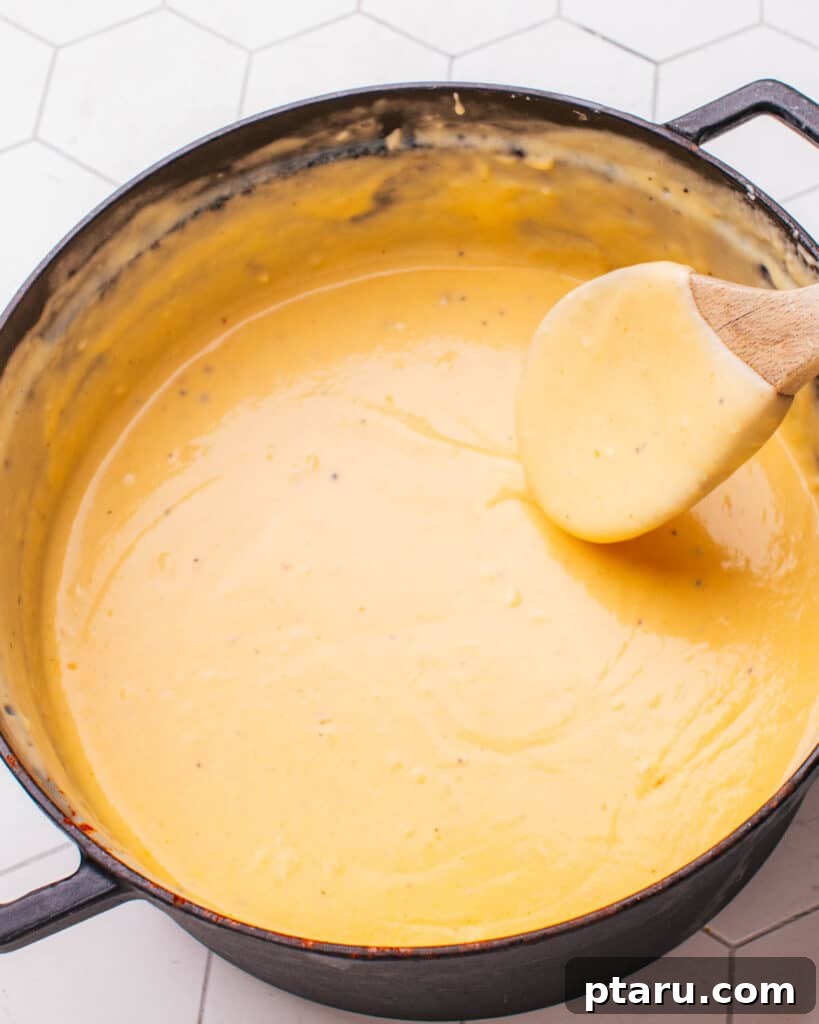
Crafting the ultimate cheese sauce for your homemade mac and cheese begins with a carefully selected array of ingredients. Each component plays a crucial and distinct role in developing the rich, creamy, and undeniably indulgent texture and flavor that defines this classic comfort food. Opting for quality ingredients is key to achieving a truly exceptional sauce that stands out.
- Unsalted Butter: This forms the fundamental base of our roux, contributing essential richness and a deep, savory foundation to the sauce. Using unsalted butter allows you to control the overall saltiness of your dish precisely.
- All-purpose Flour: The thickening agent in our roux, flour ensures a consistently smooth and creamy texture. It works by creating a stable emulsion with the butter and milk, preventing a watery sauce.
- Whole Milk: As the primary liquid base, whole milk is indispensable for its high fat content, which imparts unparalleled creaminess and helps balance the robust flavors of the cheeses. Avoid low-fat milk for optimal results.
- Sharp Cheddar Cheese: A cornerstone of classic mac and cheese, sharp cheddar delivers a bold, tangy, and profoundly savory flavor profile that is absolutely essential. Always choose a block of sharp cheddar and grate it yourself for the best melt.
- Gruyere or Monterey Jack Cheese: These cheeses are chosen for their superior melting qualities and ability to contribute a wonderfully creamy texture. Gruyere offers a nutty, complex flavor, while Monterey Jack provides a mild, buttery richness that rounds out the sauce beautifully.
- Parmesan Cheese: Incorporating Parmesan adds a delightful salty, umami depth and a sophisticated hint of nuttiness, enhancing the overall complexity and savory appeal of the cheese blend.
- Kosher Salt: Far more than just a seasoning, salt brightens and amplifies the diverse flavors within the sauce, ensuring it tastes perfectly seasoned and never bland. Adjust to your personal preference.
- Onion Powder: This magical ingredient infuses a subtle, aromatic hint of onion without introducing any unwanted texture from fresh onions, making the sauce more savory and inviting.
- Black Pepper: A dash of freshly ground black pepper provides a gentle warmth and a layer of nuanced complexity, cutting through the richness of the cheese.
- Smoked Paprika: Adding paprika brings a beautiful hint of smokiness and a lovely warm color to the sauce, making it visually appealing and adding a subtle depth of flavor.
- Garlic Powder: Similar to onion powder, garlic powder contributes a mild yet distinct savory undertone, enhancing the overall aromatic profile of the sauce without being overpowering.
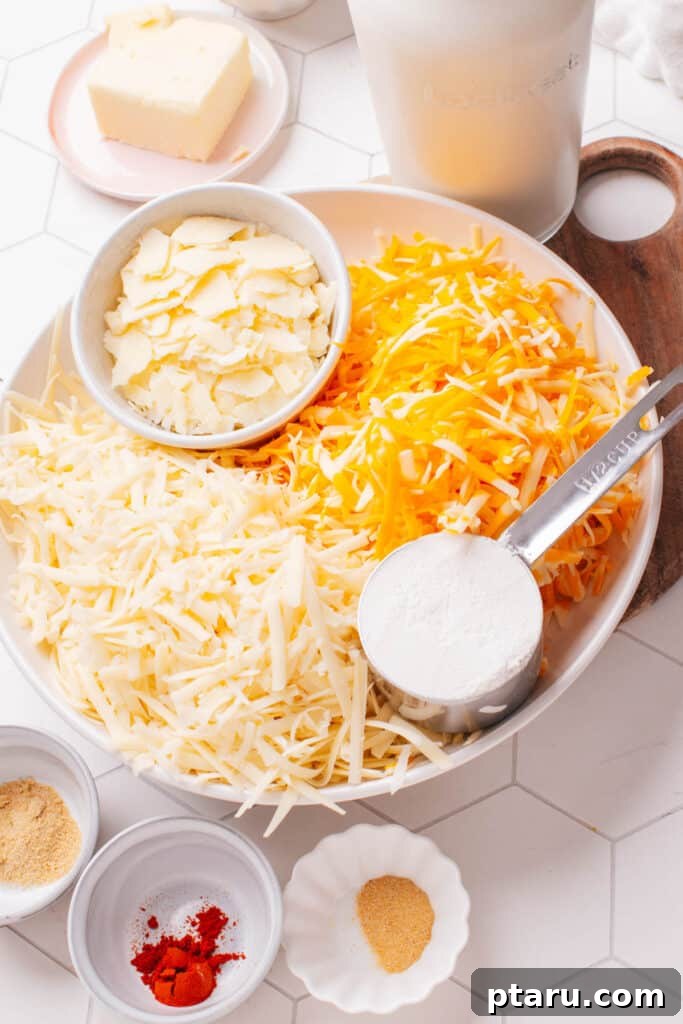
Creative Variations and Smart Substitutions
This ultimate cheese sauce recipe is wonderfully versatile, allowing for numerous adjustments to suit your personal taste preferences or to utilize ingredients you might already have on hand. Feel free to unleash your culinary creativity with these ideas:
- Explore Different Cheeses: The world of cheese offers endless possibilities! Don’t hesitate to experiment with other melting-friendly cheeses like creamy fontina, spicy pepper jack, smoky gouda, mild Swiss, sharp Colby Jack, or even mozzarella for a delightful stretch. Each cheese will impart a unique character to your sauce.
- Gluten-Free Option: To make this delicious sauce entirely gluten-free, simply replace the all-purpose flour with an equal amount of your preferred gluten-free flour blend. Ensure it’s a blend designed for sauces to maintain consistency.
- Achieve Extra Creaminess: For an even more luxurious and decadent sauce, consider substituting a portion of the whole milk with heavy cream or half-and-half. This will boost the fat content, resulting in an ultra-rich consistency.
- Introduce a Spicy Kick: If you crave a bit of heat, liven up your sauce with a half teaspoon of cayenne pepper, a pinch of dry mustard, or a few dashes of your favorite hot sauce. Start small and add more to taste.
- Infuse with Herbs and Spices: Personalize your sauce with aromatic herbs such as fresh thyme or dried oregano, or explore other spices like a touch of ground mustard powder for added piquancy. A bay leaf steeped in the milk can also add a subtle background note.
- Dairy-Free Alternative: For those avoiding dairy, you can experiment with plant-based milks and dairy-free cheese alternatives. Keep in mind that the texture may vary, and some experimentation might be needed to find the best melting dairy-free cheeses.
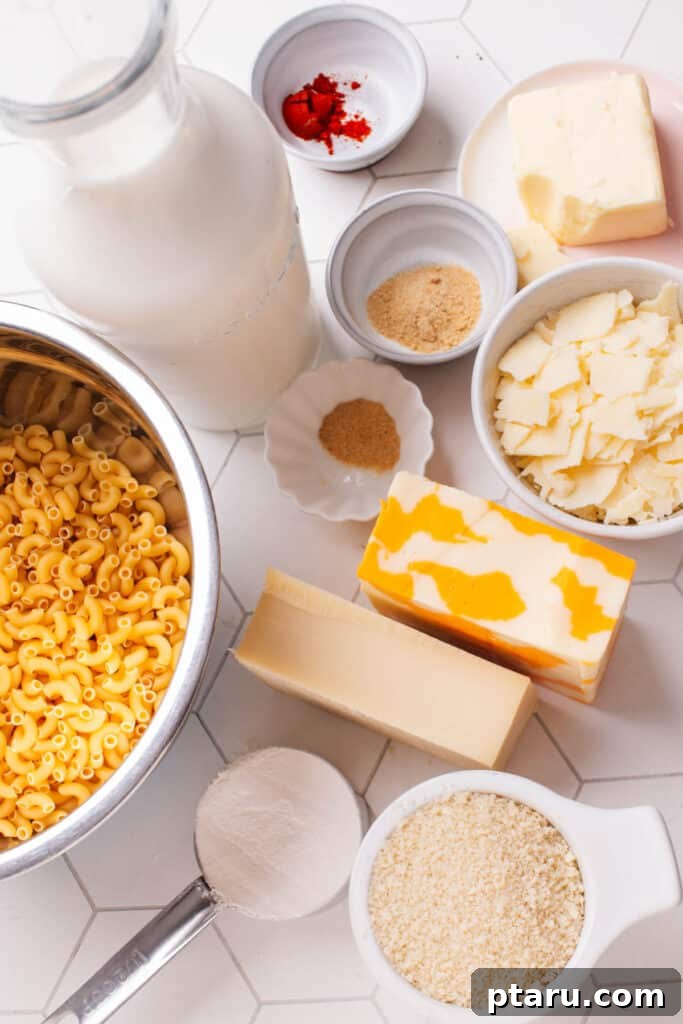
Essential Kitchen Tools for Sauce Success
You don’t need a professional kitchen to create this incredible cheese sauce. A few basic, everyday kitchen tools are all you’ll require to achieve culinary perfection:
- Large Saucepan or Dutch Oven: An essential piece of equipment for melting butter, creating the roux, and combining all the ingredients effectively. A heavy-bottomed pan ensures even heat distribution and prevents scorching.
- Sturdy Whisk: Absolutely crucial for continuous stirring, breaking up lumps, and ensuring a perfectly smooth, lump-free sauce from start to finish. A balloon whisk is ideal for this task.
- Accurate Measuring Cups and Spoons: Precision is important in baking and sauce-making. These tools ensure you use the correct proportions of ingredients for the best flavor and consistency.
- High-Quality Cheese Grater: If you’re using block cheese (which is highly recommended for superior melting), a reliable box grater or a rotary grater is indispensable for achieving fine, even shreds.
- Wooden Spoon or Heatproof Spatula: Useful for initial stirring, scraping the bottom of the pan, and later, gently folding the cooked pasta into the finished sauce.
- Heatproof Bowl (optional): A separate bowl can be handy for holding your grated cheeses, making the addition process smoother and more organized.
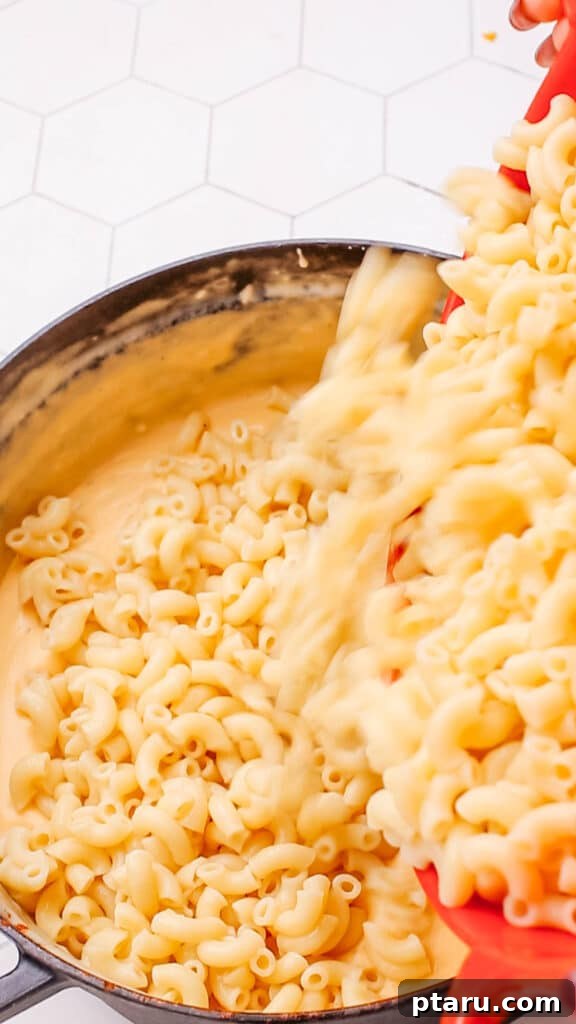
Step-by-Step Guide: Crafting the Ultimate Cheese Sauce for Mac and Cheese
Creating this incredibly creamy and flavorful Ultimate Cheese Sauce for Mac and Cheese is far simpler than you might imagine. By following this easy, foolproof guide, you’ll achieve a rich, delicious sauce that’s perfect not only for mac and cheese but also for a variety of other pasta dishes and culinary applications. Let’s dive in!
1. Preparing the Roux: Melting and Mixing
Begin by placing your large saucepan over medium heat. Add the unsalted butter and allow it to melt completely, shimmering gently in the pan. Once the butter is fully melted, sprinkle in the all-purpose flour. Immediately begin whisking the butter and flour together continuously. This mixture is known as a roux, and it’s the magical base that will thicken your sauce. Continue to cook the roux, stirring constantly, for 1 to 2 minutes. The goal here is to cook out the raw flour taste without browning it. You’ll know it’s ready when it has a pale, bubbly appearance and emits a pleasant, nutty aroma, reminiscent of freshly baked shortbread cookies. This crucial step ensures a smooth sauce, devoid of any floury aftertaste.
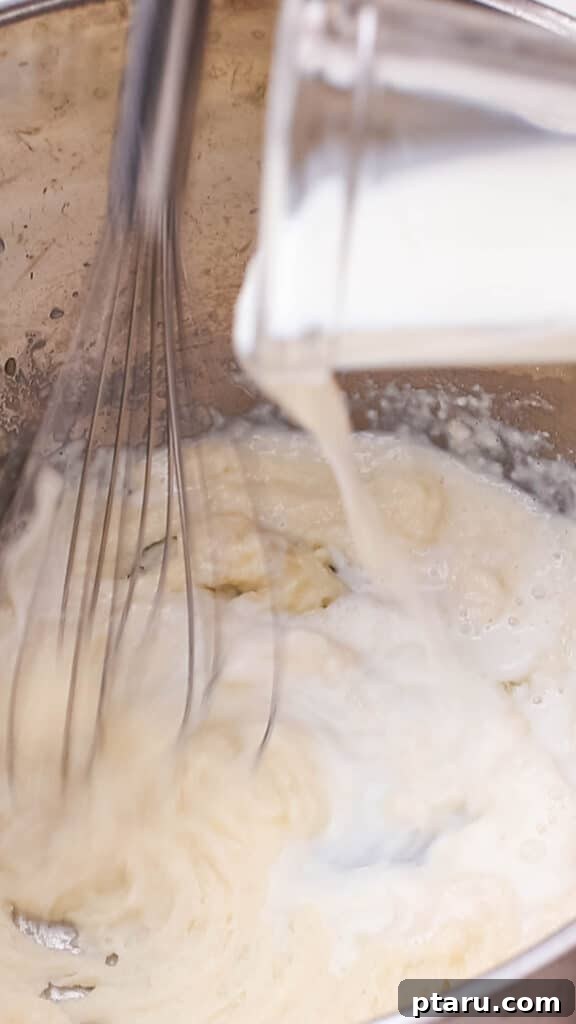
2. Gradually Adding the Milk for a Smooth Base
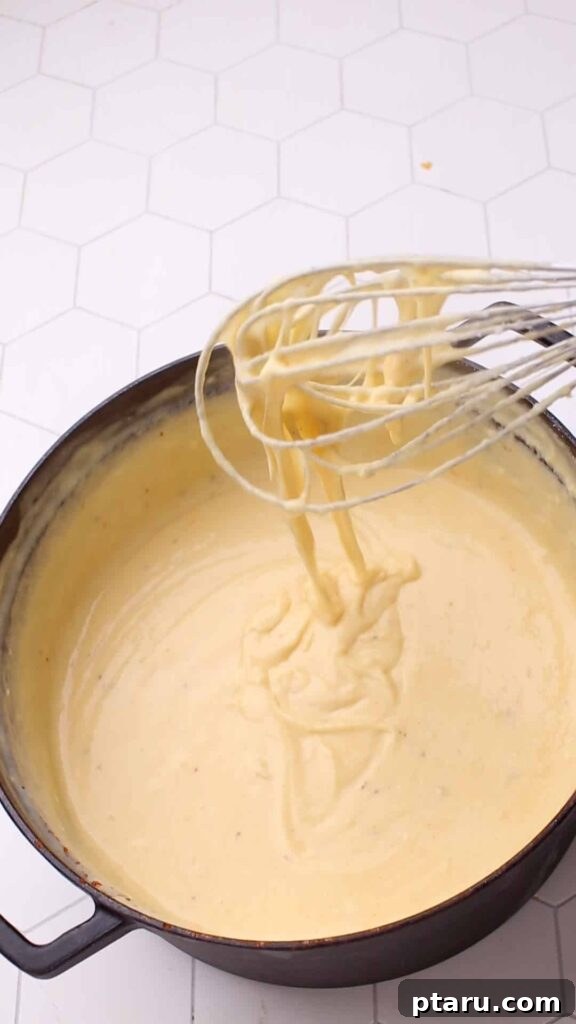
Once your roux is perfectly cooked, it’s time to introduce the whole milk. This step requires a little patience and continuous whisking. Gradually pour in the whole milk, a small stream at a time, while vigorously whisking the mixture. This continuous whisking is absolutely vital to prevent any lumps from forming in your sauce. If you add the milk too quickly, the roux can seize up, resulting in a lumpy sauce. Keep stirring and continue to cook the mixture over medium heat until it thickens to a smooth, creamy consistency that lightly coats the back of a spoon. It should gently simmer, but avoid bringing it to a rolling boil.
3. Incorporating the Cheeses for Creaminess
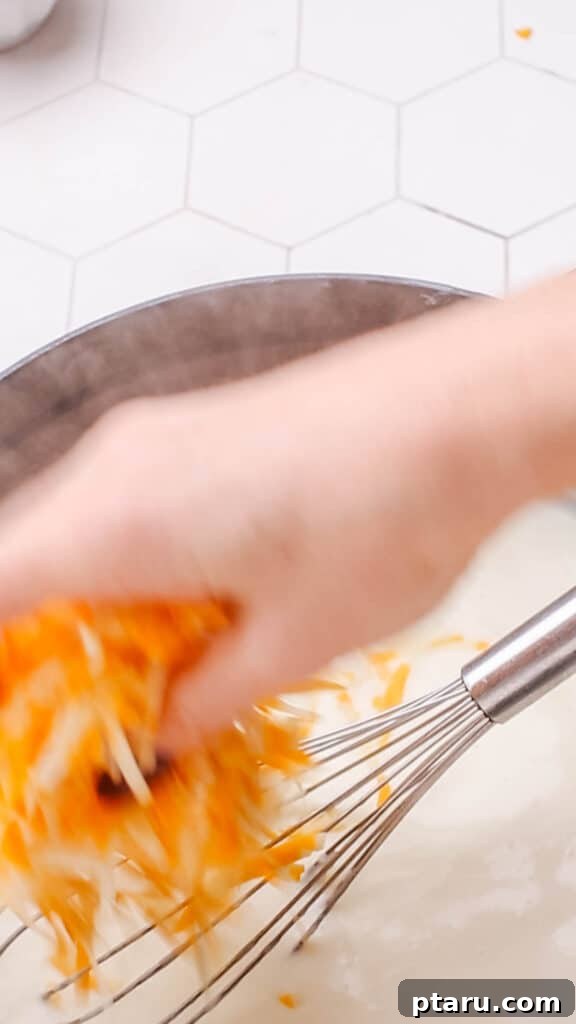
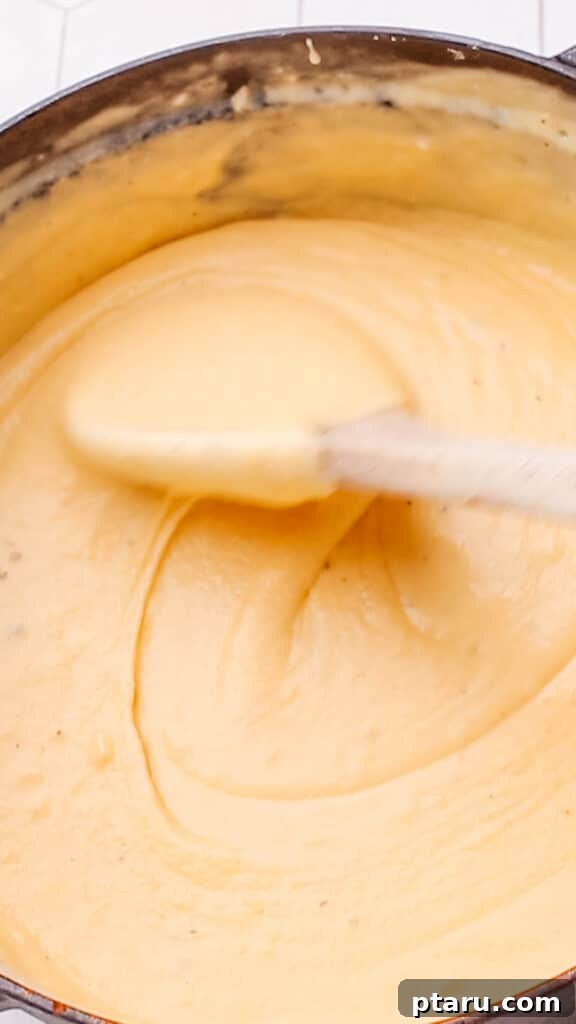
This is where the magic truly happens! To ensure an impossibly smooth and velvety cheese sauce, turn off the heat completely before adding your cheeses. This prevents the cheese proteins from seizing and becoming grainy. Begin by adding your shredded sharp cheddar, Gruyere (or Monterey Jack), and Parmesan cheese in small handfuls. After each addition, stir gently with your whisk or wooden spoon until the cheese is fully melted and beautifully incorporated into the sauce. Continue this process until all the cheese has been added and the sauce is uniform and luscious. If, for any reason, the cheese is struggling to melt, you can turn the heat back on to the absolute lowest setting for a moment or two, but be extremely careful not to let the sauce simmer or boil. Gentle heat is key to preventing separation and maintaining that perfect creamy texture.
4. Perfecting the Flavor: Seasoning the Sauce
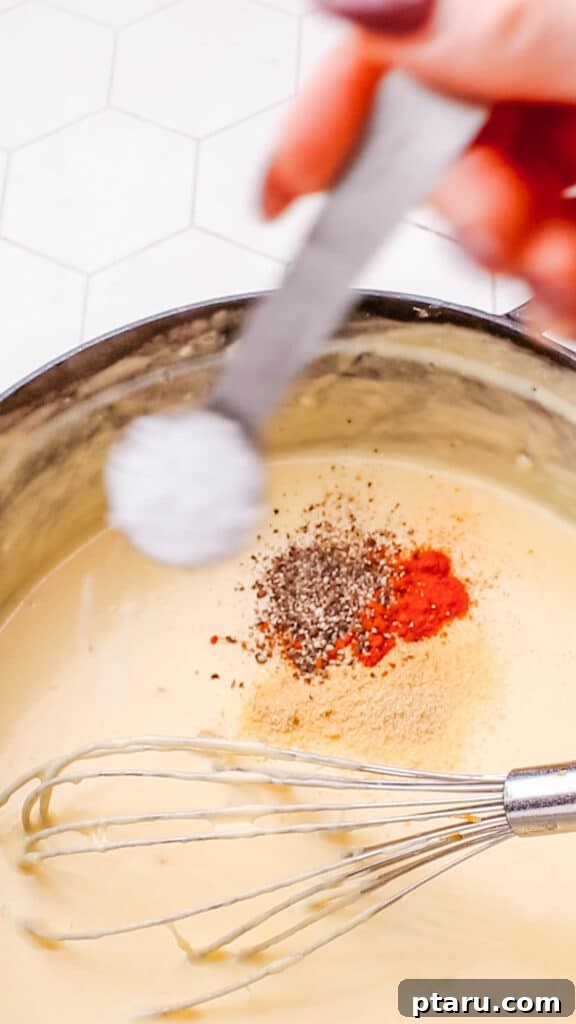
With your cheese melted and incorporated, it’s time to fine-tune the flavor profile. Season your glorious cheese sauce with kosher salt, freshly ground black pepper, smoked paprika, onion powder, and garlic powder. Start with the recommended amounts and then taste the sauce. This is your opportunity to adjust the seasoning to your exact preference. You might find you want a little more salt to enhance the cheese flavors, or an extra pinch of paprika for a deeper smoky note. Ensure a rich, balanced, and harmonious flavor that delights your palate.
Your simple yet incredibly delicious and creamy cheese sauce is now complete and ready to be united with your favorite cooked pasta, particularly elbow macaroni, or used as a versatile base for a myriad of other dishes! Savor the creamy, cheesy goodness you’ve just created.
Make-Ahead Tips and Storage Solutions for Your Cheese Sauce
One of the fantastic advantages of this ultimate cheese sauce is its versatility for advance preparation and storage. Making it ahead of time not only saves you precious time when you’re ready to cook but also allows the flavors to deepen and meld, resulting in an even more delicious outcome. Proper storage ensures your sauce remains fresh, flavorful, and ready for your next culinary creation.
- Advance Preparation for Enhanced Flavor: You can easily prepare this exceptional cheese sauce up to 2 days prior to when you plan to use it. Preparing it in advance often allows the various cheese flavors and seasonings to meld beautifully, creating a more complex and satisfying taste experience.
- Refrigeration for Short-Term Storage: For optimal freshness, transfer the cooled cheese sauce to an airtight container. Store it securely in the refrigerator, where it will maintain its quality and taste for up to 5 days. This makes it perfect for meal prepping or having a quick weeknight dinner solution.
- Freezing for Longer Preservation: Should you wish to extend the sauce’s shelf life, it can be frozen for up to 3 months. To freeze, ensure the sauce is completely cool, then pour it into freezer-safe containers or heavy-duty freezer bags, leaving a little headspace for expansion. While freezing is convenient, be aware that it might subtly alter the texture upon thawing and reheating.
- Gentle Reheating Techniques: When you’re ready to enjoy your stored sauce, the key to success is gentle reheating. Transfer the sauce to a saucepan and warm it slowly over low heat on the stovetop. Stir constantly and patiently to prevent any separation of the cheese and to restore its creamy consistency.
- Thinning for Perfect Consistency: It’s common for cheese sauce to thicken considerably upon cooling. If your sauce appears too thick after refrigeration or freezing, simply thin it out during reheating. Gradually whisk in small amounts of milk (or even a splash of cream) until it reaches your desired silky smooth consistency.
- Preventing Separation: The Golden Rule: To avoid the dreaded grainy or separated sauce, the most important rule is to avoid boiling it during reheating. High, rapid heat can cause the fat and proteins in the cheese to break apart. Always reheat slowly and gradually, keeping the heat on low, and stir frequently.
Creative Ways to Serve Your Ultimate Cheese Sauce for Mac and Cheese
The beauty of this ultimate cheese sauce lies in its incredible versatility. While it’s undeniably the star of any mac and cheese dish, its rich and creamy profile makes it a fantastic addition to a variety of meals. Serving it creatively can transform everyday ingredients into comforting and delicious culinary delights. Here are some inspiring ways to bring this magnificent sauce to your table:
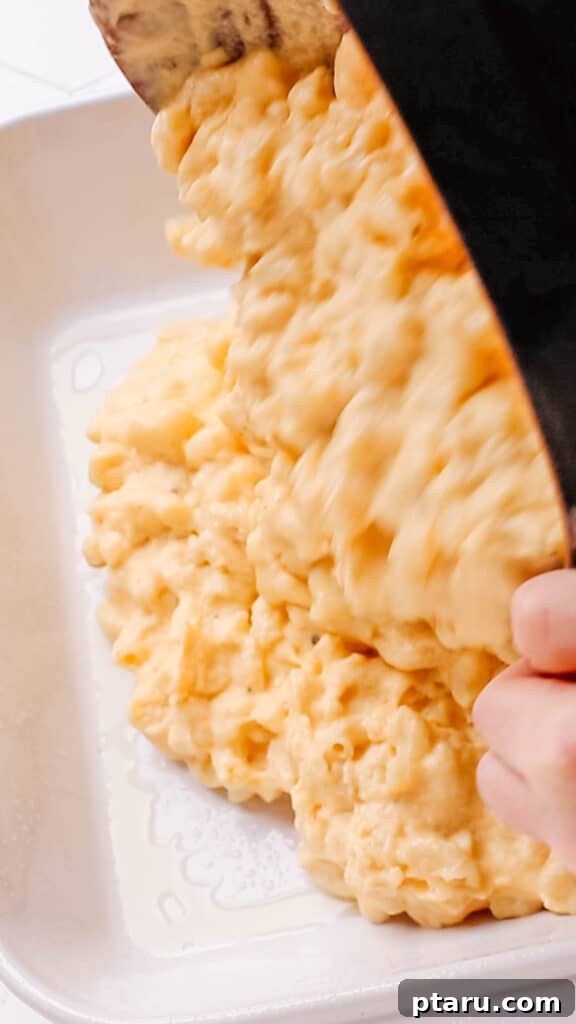
- The Quintessential Classic Mac and Cheese: The most beloved application is, of course, the classic. Combine your freshly made (or gently reheated) cheese sauce with 1 pound of perfectly cooked elbow macaroni or your favorite pasta shape. Stir well to ensure every piece of pasta is generously coated. Serve it immediately, hot and bubbling right out of the pot, for the absolute best taste and texture.
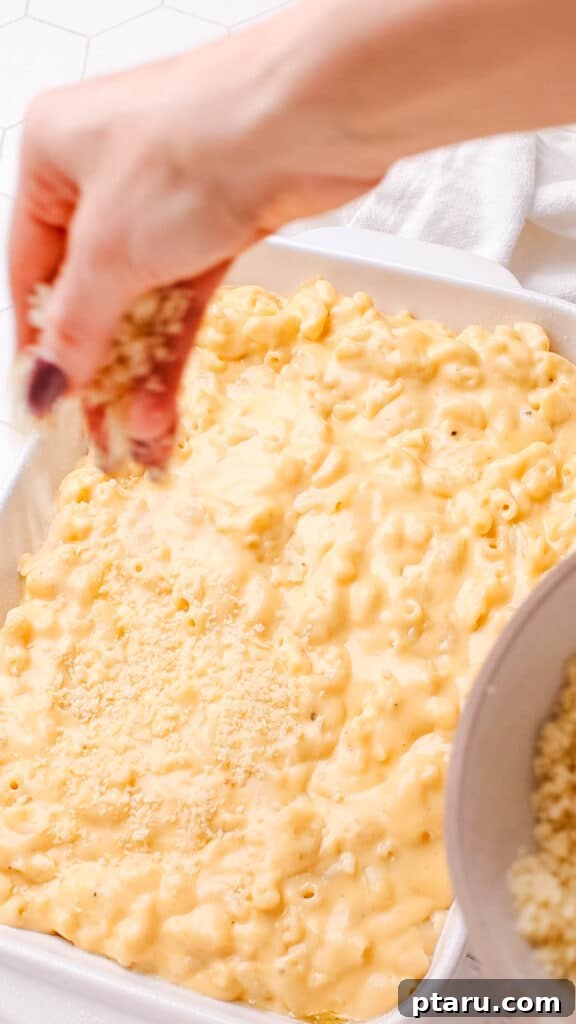
- Hearty Baked Pasta Dishes: Elevate your baked pasta recipes by using this sauce as the foundation. Layer it with cooked pasta, extra shredded cheese for a golden crust, and your choice of protein like shredded chicken or crispy bacon, or a medley of vegetables such as sautéed mushrooms or roasted bell peppers. Bake until the top is golden brown and bubbly for an incredibly comforting and satisfying meal.
- Gourmet Vegetable Topping: Transform simple vegetables into a cheesy sensation. Drizzle a generous amount of this velvety cheese sauce over steamed broccoli florets, roasted cauliflower, tender asparagus spears, or caramelized Brussels sprouts. It’s an excellent way to make vegetables more appealing, especially for picky eaters.
- Irresistible Dipping Sauce: Repurpose this delicious sauce as a decadent dipping sauce for a fun appetizer or snack. Serve it warm alongside crispy breadsticks, warm soft pretzels, crunchy vegetable crudités (carrots, celery, cucumber), or even sturdy tortilla chips. It’s perfect for game nights or casual gatherings.
- Savory Sauce for Nachos or Fries: Take your homemade nachos to the next level by spooning this rich cheese sauce over a bed of tortilla chips, along with your favorite toppings like seasoned ground beef, jalapeños, and salsa. It also makes an incredible topping for crispy french fries or loaded baked potatoes.
- Cheesy Burger or Hot Dog Topper: For a truly indulgent twist, spoon a dollop of warm cheese sauce over grilled burgers or hot dogs. It adds an extra layer of flavor and creamy texture that’s hard to resist.
- Creative Casseroles: Incorporate this sauce into various casserole recipes, such as chicken and rice casserole or potato casserole, for an added layer of rich, cheesy goodness.
And for even more inspiration, don’t miss my epic collection of ideas for what to serve with mac and cheese! From fresh salads to hearty proteins, you’ll find the perfect companions for your cheesy masterpiece.
Demystifying Grainy Mac and Cheese Sauce: Causes and Prevention
One of the most frustrating experiences in the kitchen is biting into a mac and cheese dish only to find a gritty, grainy sauce instead of a smooth, luxurious one. Understanding the underlying reasons for this common culinary mishap is the first step towards consistently achieving a velvety, perfect cheese sauce. The primary culprits behind a grainy or separated cheese sauce include:
- Excessive or Rapid Heating of Cheese: Cheese is a delicate ingredient. When it’s exposed to high heat too quickly, or cooked for too long at any temperature, the proteins within the cheese tighten and contract. This action squeezes out the emulsified fats and water, leading to a separation of components. The result is a grainy texture, as these proteins clump together instead of dissolving smoothly into the sauce. Think of it like a scrambled egg – too much heat, and the proteins become tough and distinct.
- Unsuitable Cheese Choices for Melting: Not all cheeses are created equal when it comes to melting gracefully. Harder, more aged cheeses, such as certain varieties of Parmesan, mature cheddars, or even some sharp Swiss cheeses, have significantly less moisture and higher protein content. When subjected to heat, these cheeses are more prone to becoming grainy and stringy rather than forming a smooth sauce. For the silkiest sauces, prioritize younger, higher-moisture cheeses like young cheddar, American cheese, Gruyere, Fontina, or Gouda, which melt beautifully due to their ideal protein-to-fat ratio.
- Overcooking the Sauce: Prolonged exposure to heat is detrimental to cheese sauces. The longer cheese is subjected to heat, the more the proteins will denature and lose their structural integrity to hold moisture and fat in an emulsion. This eventually causes the sauce to break, resulting in a distinctly grainy texture and an oily sheen on top. A cheese sauce should be heated just enough to melt the cheese and thicken, not simmered or boiled extensively.
- Presence of Acidic Ingredients: Acid is a powerful coagulant for dairy proteins. Adding highly acidic ingredients like lemon juice, certain wines, vinegars, or tomatoes directly to a cheese sauce, especially in excess or too early in the cooking process, can cause the cheese proteins to seize up almost instantly. This rapid coagulation leads to a lumpy, grainy texture. If using acidic ingredients, add them very sparingly, cautiously, and often towards the very end of the cooking process, off the direct heat, or ensure they are well-balanced with other ingredients.
- Inadequate Emulsification: A truly smooth cheese sauce is a finely balanced emulsion of fat, liquid, and cheese proteins. Proper emulsification is crucial. This typically involves starting with a roux (butter and flour) as a stable base, gradually whisking in milk, and then gently incorporating the cheese. Continuous, gentle whisking helps integrate the cheese smoothly with the liquid base, preventing clumps and ensuring an even, stable texture. Skipping the roux or not whisking enough can lead to an unstable, separated sauce.
- Quality and Type of Ingredients: The ingredients themselves can sometimes be the culprit. Cheeses that contain anti-caking agents (often found in pre-shredded varieties) can hinder smooth melting and lead to a grainy texture. Always opt for freshly grated cheese from a block for superior results. Similarly, using low-fat or non-dairy milks can sometimes affect the sauce’s ability to emulsify properly, potentially leading to a less smooth consistency compared to using whole milk.
If you find yourself with a slightly grainy cheese sauce, there’s often a way to salvage it. Remove the sauce immediately from the heat and allow it to cool slightly. Then, try whisking it vigorously to re-emulsify the ingredients. Sometimes, adding a small amount of cold milk or heavy cream, and whisking continuously, can help to cool down the proteins and restore a smoother texture. For severe graininess, passing the sauce through a fine-mesh sieve can remove some of the clumps, though it won’t fully restore the original texture.
Avoid These 4 Common Mistakes for a Flawless Cheese Sauce
Even seasoned cooks can sometimes fall prey to common pitfalls when crafting cheese sauce. Being aware of these frequent mix-ups and knowing how to prevent them will guarantee your Ultimate Cheese Sauce for Mac and Cheese turns out perfectly creamy and delicious every single time. Here are the most crucial mistakes to avoid:
- 1. Overheating the Cheese Sauce: This is perhaps the most common mistake and the primary cause of grainy or oily cheese sauce. Excessive heat causes the delicate proteins in the cheese to seize and separate from the fats and liquids, leading to an unpleasant, gritty texture. My golden rule is to always take the sauce off the direct heat before I sprinkle in the cheese. As a little catchy reminder, I like to say: “Turn off the stove before you cheese, so you make sure it doesn’t seize!” (Feel free to sing that out loud – it helps!). This allows the cheese to melt gently into the warm liquid without being shocked by high temperatures.
- 2. Adding All the Cheese Too Quickly: Dumping an entire pile of cheese into the hot liquid all at once is a recipe for lumps and uneven melting. When a large quantity of cold cheese hits a warm sauce, it can clump together and become difficult to integrate smoothly. The solution is simple: gradually add the cheese in small handfuls. Stir continuously after each addition until that batch of cheese is completely melted and smoothly incorporated before adding the next. This gentle, incremental approach allows for even melting and a homogenous sauce.
- 3. Neglecting the Roux – or Not Cooking It Properly: The roux (the butter and flour mixture) is the fundamental thickening agent and flavor base for your sauce. If it’s not cooked properly, it can significantly affect both the sauce’s thickness and its overall flavor. An undercooked roux will leave a raw, floury taste in your sauce, while a burnt roux will impart a bitter flavor. Ensure you cook the roux for a full 1 to 2 minutes, stirring constantly. You’ll know it’s perfectly done when it develops a pale color, has a slightly frothy texture, and emits a wonderful, nutty aroma, much like shortbread cookies. This step is crucial for flavor and consistency before any liquid is introduced.
- 4. Overlooking Seasoning Nuances: A truly exceptional cheese sauce needs balanced seasoning. Not adding enough salt, pepper, and other spices can result in a bland, uninspired flavor profile. Remember that pasta water should also be adequately salted (it should taste like the sea!) when cooking your macaroni. This pre-seasoning of the pasta prevents it from diluting the flavor of your rich cheese sauce. Furthermore, always be sure to drain the cooked macaroni noodles completely before combining them with the sauce. Any lingering water can thin out your sauce, reduce its creaminess, and dilute its carefully balanced seasonings. Taste and adjust seasonings as you go, ensuring a vibrant and satisfying flavor.
If you’re delving into the world of baked mac and cheese, another critical mistake to avoid is overbaking. Leaving it in the oven longer than necessary can also cause the cheese to overheat, leading to a dry, greasy, or grainy texture. For all my expert tips on achieving the perfect baked mac and cheese, and to get my absolute favorite extra creamy old-fashioned baked mac and cheese recipe, click here!
Frequently Asked Questions About The Ultimate Cheese Sauce for Mac and Cheese
For those looking for quick answers or specific tips, this FAQ section covers the most commonly asked questions about making the perfect creamy cheese sauce for mac and cheese.
What is the absolute best cheese to melt for mac and cheese?
The best cheeses for a smooth, creamy, and flavorful mac and cheese are those known for their excellent melting properties and robust taste. A blend of sharp cheddar for its iconic tang, Gruyere or Monterey Jack for supreme creaminess and subtle nutty notes, and Parmesan for an umami depth is ideal. For a comprehensive guide, check out my article on the best cheese for baked macaroni and cheese.
How can I ensure my homemade mac and cheese remains consistently creamy?
To guarantee a consistently creamy mac and cheese, focus on three key aspects: avoid overcooking your cheese sauce (remove from heat before adding cheese), use a thoughtful combination of cheeses that melt well, and avoid adding too much macaroni. Excess macaroni will absorb too much sauce, leading to a dry dish. Also, ensure your pasta water is well-salted so the pasta doesn’t draw flavor from the sauce.
What’s the best way to melt block cheese for mac and cheese to avoid lumps?
For the smoothest results, always grate block cheese yourself. Pre-shredded cheeses often contain anti-caking agents that hinder proper melting. Melt the freshly grated cheese gradually into your warm sauce (with the heat turned off or on the absolute lowest setting), stirring continuously. Adding it in small batches allows it to melt evenly without clumping.
How do I achieve an ultra-smooth mac and cheese sauce?
An ultra-smooth sauce is achieved by cooking your roux thoroughly for 1-2 minutes, gradually whisking in whole milk to prevent lumps, and then melting the cheese slowly and gently off the heat. Continuous stirring during cheese addition is critical. Using fresh, high-quality block cheese also makes a significant difference.
Why does my mac and cheese sauce sometimes turn grainy or gritty?
A grainy mac and cheese sauce typically results from overheating the cheese, adding the cheese too quickly, or using certain pre-shredded cheeses with anti-caking agents. High heat causes cheese proteins to seize and separate. Always melt cheese slowly over low heat, or even better, off the heat, and use freshly grated cheese for the best texture.
What should I do if my mac and cheese sauce ends up lumpy?
If your sauce is lumpy, first try whisking it vigorously off the heat for a minute or two. If persistent lumps remain, a more drastic but effective solution is to carefully pass the sauce through a fine-mesh sieve or strainer. This will remove the lumps and restore a smoother consistency.
Which cheeses are best to combine for the most flavorful mac and cheese?
A well-balanced combination usually includes a strong flavor cheese, a creamy melter, and an umami booster. Sharp cheddar provides the classic bold flavor, Gruyere or Monterey Jack offers incredible creaminess and a subtle nutty note, and a touch of freshly grated Parmesan adds a salty depth and complex savory character.
What are the best side dishes to pair with mac and cheese?
Mac and cheese, being quite rich, pairs wonderfully with sides that offer contrast. A crisp fresh green salad with a vinaigrette, steamed or roasted vegetables (like broccoli or green beans), crispy bacon or ham, grilled chicken, or classic garlic bread are all excellent choices that complement its hearty nature.
What type of milk is most suitable for making mac and cheese sauce?
Whole milk is undoubtedly the best choice for mac and cheese sauce. Its higher fat content contributes significantly to the sauce’s rich flavor and luxurious creaminess, creating the perfect emulsion and body. Avoid using low-fat or skim milk, as they can result in a thinner, less satisfying sauce.
Can I use convenient pre-shredded cheese for my mac and cheese?
While convenient, pre-shredded cheese is generally not recommended for the ultimate creamy mac and cheese sauce. It often contains cellulose or other anti-caking agents that can prevent it from melting smoothly, potentially leading to a grainy or gummy texture. For the absolute best results, always opt for freshly grated cheese from a block.
Is it acceptable to add various spices to mac and cheese sauce?
Absolutely! Spices are your friend when it comes to customizing flavor. Enhancements like a pinch of dry mustard powder (which enhances cheese flavor without adding a mustard taste), a dash of smoked paprika for warmth, a hint of cayenne pepper for a subtle kick, or even a touch of nutmeg for a classic béchamel undertone, can all add wonderful depth to your sauce.
How should I reheat mac and cheese without drying it out or making it oily?
To reheat mac and cheese while preserving its creaminess, avoid the microwave if possible. Instead, reheat it slowly on the stovetop over low heat. Add a splash of milk (or even a little cream) while stirring continuously. This gentle method helps re-emulsify the sauce and prevents it from drying out or becoming oily.
Is this versatile cheese sauce suitable for other culinary applications?
Yes, absolutely! This cheese sauce is incredibly versatile. Beyond mac and cheese, it makes an excellent base for a cheesy vegetable gratin, a luscious topping for nachos, a flavorful dip for chips or pretzels, a binder for casseroles, or a rich sauce for other pasta dishes and even baked potatoes.
How can I adapt this recipe to make a gluten-free mac and cheese sauce?
Making a gluten-free version is straightforward. Simply substitute the all-purpose flour in the roux with an equal amount of your preferred gluten-free flour blend. Ensure the blend is suitable for thickening sauces to maintain the desired consistency.
Continue Your Mac and Cheese Journey
- What to Serve with Macaroni and Cheese: Discover the perfect companions for your cheesy masterpiece.
- Best Cheese for Baked Macaroni and Cheese: A comprehensive guide to selecting cheeses for optimal flavor and melt.
- Butternut Squash Mac and Cheese: A healthier, flavorful twist on the classic.
- Miso Carrot Mac and Cheese: An innovative and umami-rich take on a beloved dish.
- Old Fashioned Baked Macaroni and Cheese: My tried-and-true recipe for an extra creamy, comforting baked version.
Explore More Creamy Sauce Favorites
- Decadent Lobster Ravioli Sauce: A luxurious sauce perfect for special occasions.
- Easy Seafood Pasta with Cream Sauce: A quick and elegant dish featuring tender seafood.
- Creamy Tuscan Chicken: A one-pan wonder bursting with rich flavors.
- Vibrant Beet Pasta Sauce: A surprisingly delicious and colorful sauce.
- My Favorite Gnocchi Sauce Recipe: Perfect for coating delicate potato dumplings.
- Asiago Tortelloni Alfredo with Grilled Chicken: A rich and satisfying pasta dish.
Cheese Sauce for Mac and Cheese (Impossibly Creamy!)
By: Jennifer Pallian BSc, RD
This rich and creamy cheese sauce is the heart of any great mac and cheese dish. It combines the sharpness of cheddar, the smoothness of Gruyere or Monterey Jack, and the distinct flavor of Parmesan. Perfectly seasoned and easy to make, this sauce will elevate your mac and cheese to the next level.
Prep Time: 5 minutes
Cook Time: 20 minutes
Servings: 8
Ingredients
- ½ cup salted butter
- ½ cup all-purpose flour
- 5 cups whole milk
- 3 cups shredded sharp cheddar cheese
- 2 cups shredded Gruyere or Monterey Jack cheese (or more cheddar)
- 1 cup freshly grated Parmesan cheese
- 1 ½ tsp kosher salt plus more to taste
- 1 tsp onion powder
- ½ tsp black pepper
- ½ tsp paprika
- ½ tsp garlic powder
- 1 lb macaroni, cooked
Instructions
- Melt the butter over medium heat in a large saucepan.
- Whisk in the flour and cook for 1-2 minutes, stirring constantly, until the roux smells nutty like shortbread cookies.
- Gradually add the milk, whisking continuously to avoid lumps. Continue cooking until the mixture thickens to a smooth consistency that coats the back of a spoon.
- Turn off the heat. Add the cheeses a small handful at a time, stirring until each addition is fully melted and incorporated before adding the next. If absolutely needed, turn the heat to its lowest setting to finish melting the cheese, but avoid letting the sauce simmer or boil to prevent separation.
- Season the sauce with salt, onion powder, black pepper, paprika, and garlic powder. Mix well and taste, adjusting seasonings as needed.
- Stir in your cooked macaroni until thoroughly coated, and serve immediately.
Notes
For the creamiest sauce, it is crucial to avoid turning the heat back on high after adding the cheese, as this can cause the sauce to separate and become grainy.
Always adjust salt to taste. If the sauce seems a little bland, a secret ingredient for adding both saltiness and a subtle umami depth is a tiny splash of soy sauce. Start with a quarter teaspoon and adjust.
Nutrition (Approximate per serving)
- Calories: 649kcal
- Carbohydrates: 16g
- Protein: 33g
- Fat: 51g
- Saturated Fat: 30g
- Polyunsaturated Fat: 2g
- Monounsaturated Fat: 13g
- Trans Fat: 0.5g
- Cholesterol: 155mg
- Sodium: 1569mg
- Potassium: 339mg
- Fiber: 1g
- Sugar: 8g
- Vitamin A: 1674IU
- Vitamin C: 0.1mg
- Calcium: 1057mg
- Iron: 1mg
Nutrition information is automatically calculated and should only be used as an approximation.