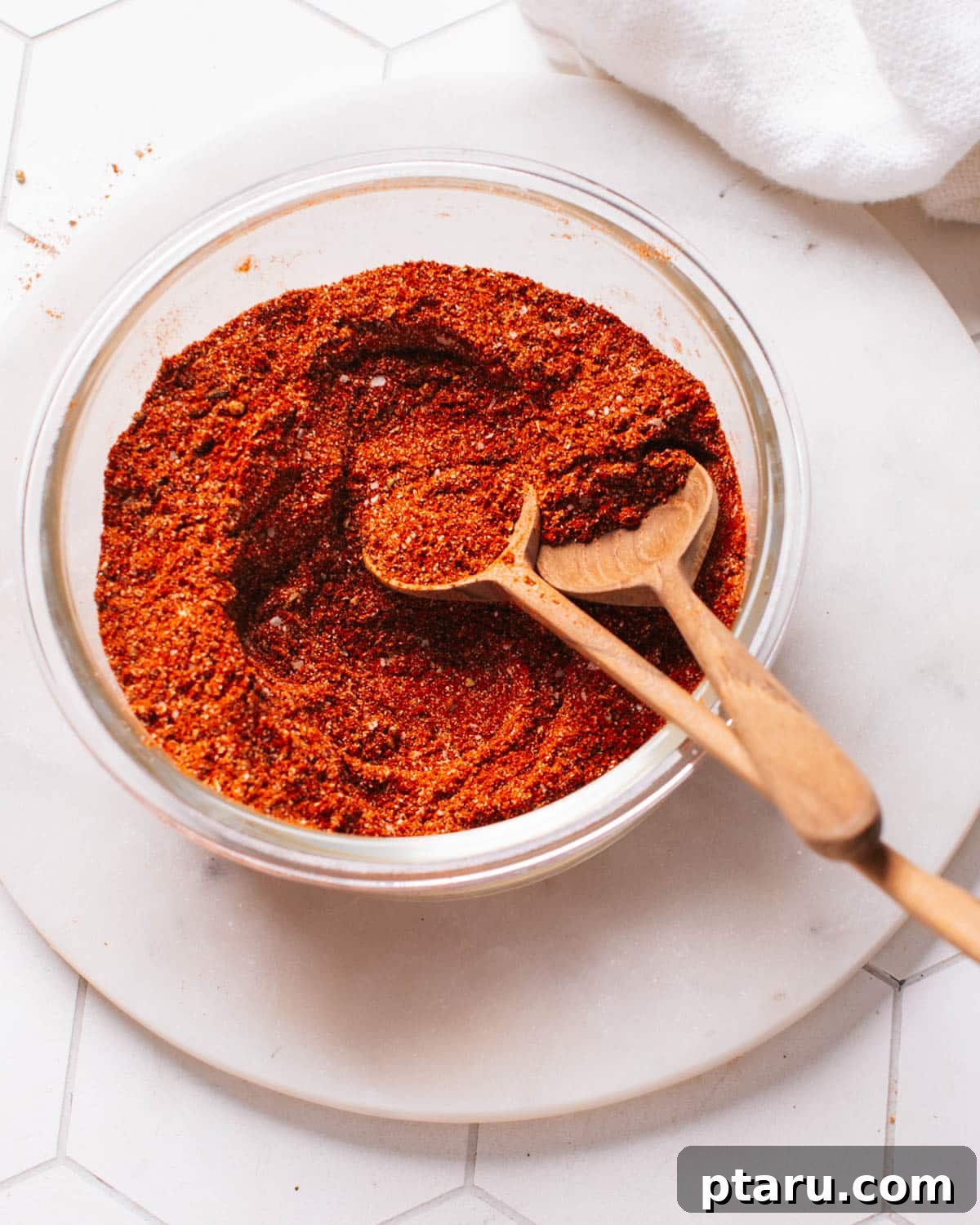
Homemade Chili Seasoning Recipe: Your Secret to Rich, Authentic Flavor
Tired of bland, store-bought chili powders filled with unnecessary additives and preservatives? This **homemade chili seasoning recipe** is your passport to unlocking unparalleled depth and vibrant flavor in all your favorite dishes. Crafted from simple pantry staples, this blend is not only more economical but also boasts a freshness that packaged versions simply can’t match. It’s time to elevate your cooking with a spice mix that’s perfectly balanced, aromatic, and tailored to your taste. You can confidently swap this homemade blend 1:1 for any store-bought chili powder in any recipe, ensuring consistent, delicious results every time.
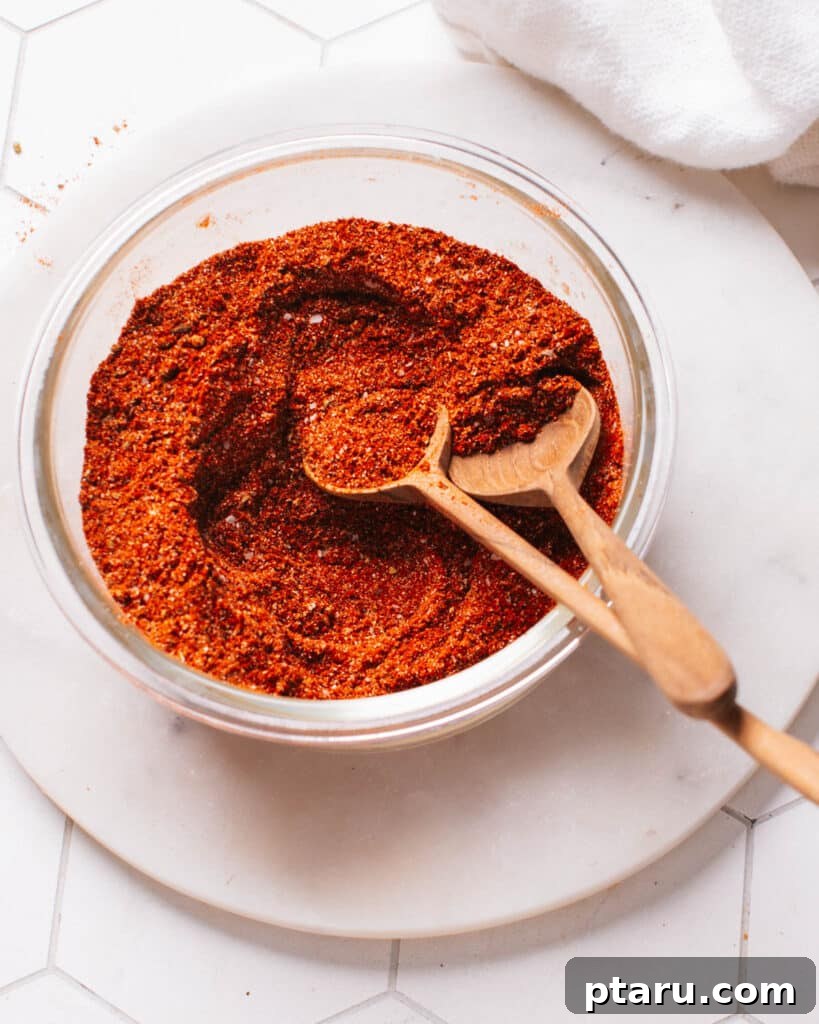
What Exactly is Chili Powder? Demystifying the Essential Spice Blend
At its heart, chili powder is a versatile seasoning blend foundational to Mexican and Tex-Mex cuisines, designed to impart a warm, savory, and often spicy character to food. It’s typically a thoughtfully curated mix of ground, dried chili peppers combined with an array of other aromatic spices. Common additions often include garlic powder, ground cumin, and dried oregano, all contributing to its complex profile. The precise ratios and specific chilies used can vary significantly, leading to a spectrum of flavors and heat levels found across different brands and homemade recipes.
It’s crucial to understand that “chili powder” is distinct from “chile powder” (with an ‘e’) or pure ground spices like cayenne pepper. While chile powder refers solely to ground dried chilies (such as ancho chile powder, chipotle chile powder, or cayenne pepper), chili powder is a compound blend. This distinction is important for recipes, as using a pure chile powder when a blend is called for will drastically alter the flavor profile and likely intensify the heat beyond expectation. For a deeper dive into this key difference, consult resources like Chili Powder vs. Cayenne Pepper: What You NEED to Know.
Understanding the components of chili powder allows you to better appreciate its role in cooking and empowers you to create custom blends that perfectly suit your palate and culinary needs. The balance of earthy, smoky, pungent, and subtly sweet notes is what makes a good chili powder truly indispensable in a well-stocked spice rack.
Why You Need This Homemade Chili Seasoning in Your Pantry
Making your own chili seasoning isn’t just a fun kitchen project; it’s a game-changer for your cooking. This easy-to-follow recipe boosts the flavor of any dish with its warm, aromatic, and distinctly Mexican-inspired profile. Here’s why it stands head and shoulders above its store-bought counterparts:
Unparalleled Freshness and Flavor
The moment you combine fresh, high-quality spices, you’ll notice a difference. Each ingredient in this carefully developed blend has been selected for its unique ability to contribute deep, complex flavors. We’ve meticulously balanced the heat, earthiness, subtle sweetness, and a hint of smokiness to create a harmonious profile. The result? A seasoning that tastes familiar, much like the chili powder you’d buy, but incredibly fresher and more vibrant. This intensified aroma and taste will transform your chili from good to truly exceptional.
Furthermore, many store-bought chili powders contain salt as a primary ingredient, and recipes are often developed with this in mind. To ensure our homemade blend could be swapped in seamlessly, we’ve precisely calculated the equivalent amount of salt per teaspoon found in popular commercial brands. This meticulous approach means you can use this homemade chili seasoning blend in any of your existing recipes with a perfect 1:1 ratio, achieving the exact flavor outcome you desire without needing to adjust other seasonings.
Control Over Ingredients: No Fillers, No Additives
One of the greatest advantages of making your own spice blends is complete control over what goes into them. Our homemade chili seasoning skips the unnecessary fillers, anti-caking agents, and artificial preservatives often found in commercial packets. You get pure, unadulterated flavor without any hidden extras. This not only results in a cleaner product but also provides peace of mind, especially for those with dietary restrictions or who prefer to avoid certain additives.
Cost-Effective and Convenient
Investing in individual spices might seem like a larger upfront cost, but in the long run, it’s significantly cheaper than continually buying small packets of pre-mixed seasoning. You likely already have many of these spices in your pantry, making this recipe an instant money-saver. Plus, having a large batch of homemade chili seasoning on hand means you’re always ready to whip up a delicious meal, saving you last-minute trips to the grocery store.
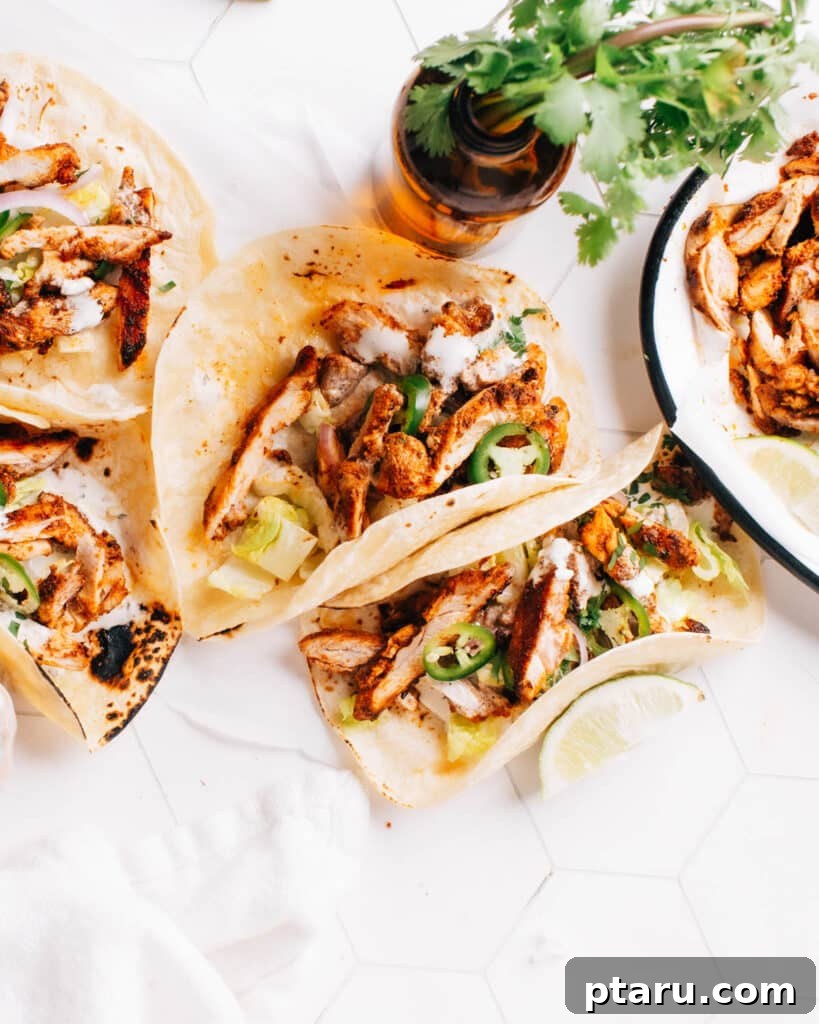
Essential Ingredients for Your Signature Chili Seasoning Blend
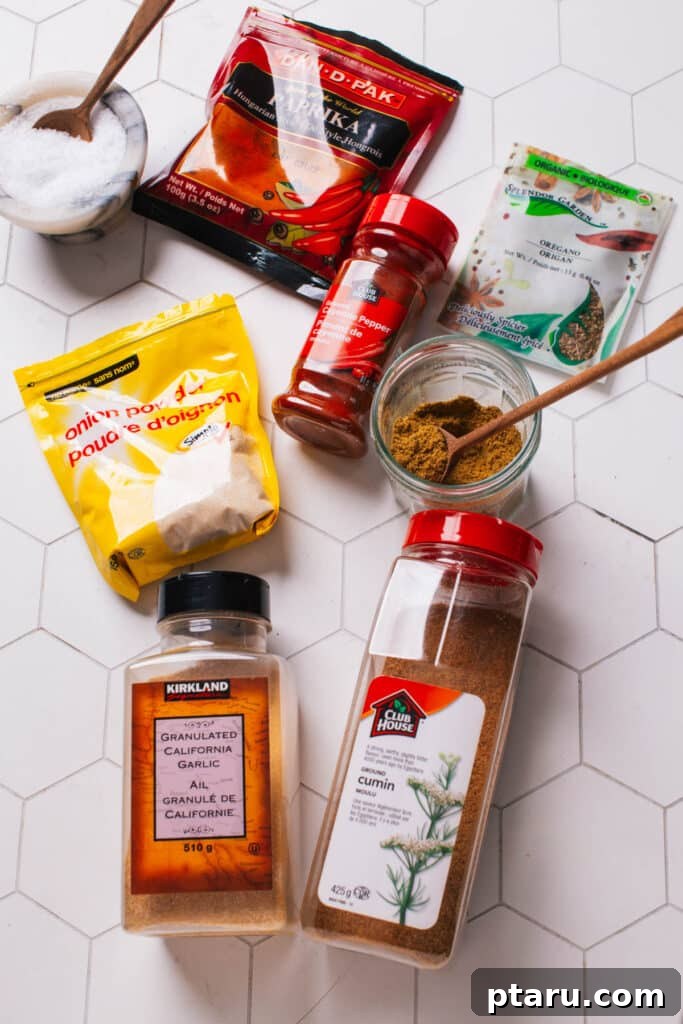
Crafting your own chili seasoning at home is wonderfully straightforward, and you’ll be pleased to find most of these ingredients are likely already staples in your spice cabinet. Each spice plays a vital role in building the complex, layered flavor profile that defines an excellent chili blend. Let’s explore what you’ll need to create this aromatic masterpiece:
Chili Seasoning Ingredients: A Flavor Breakdown
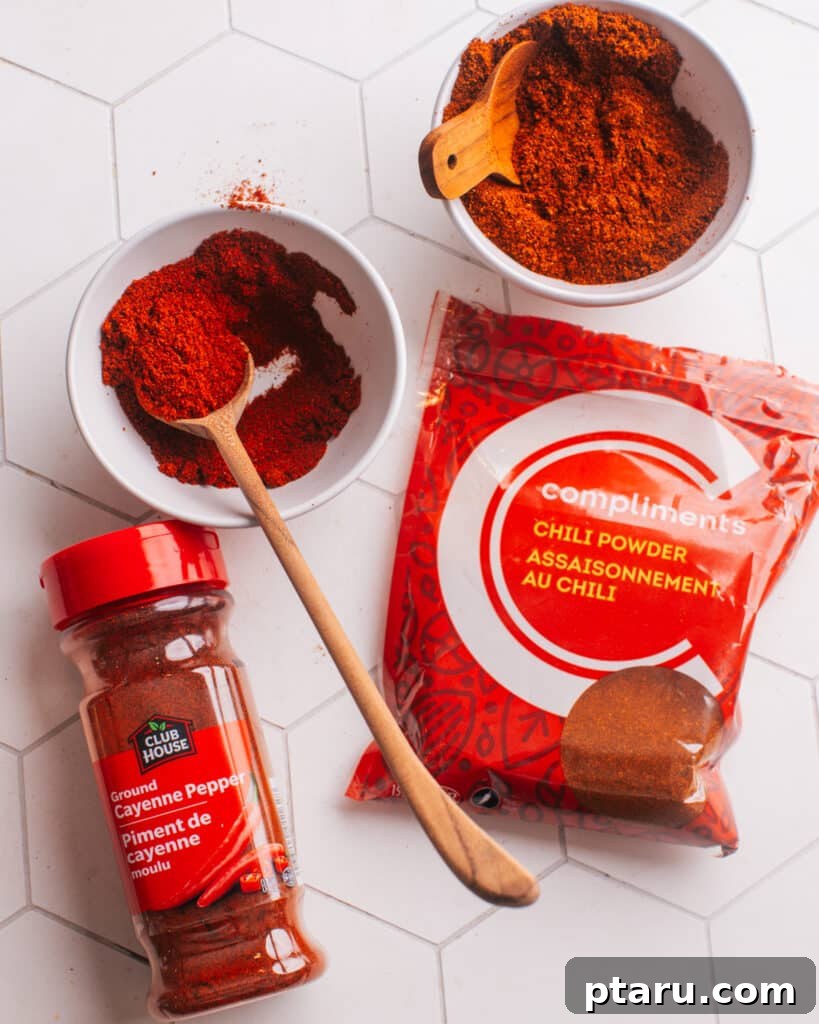
- Paprika: This foundational spice provides a deep, rich color and a mild, sweet, and slightly fruity flavor that forms the backbone of the blend.
- Smoked Paprika: For an extra layer of complexity and depth, smoked paprika introduces an irresistible smoky essence. If you love that campfire flavor, this is a must-add. If not available, you can simply use more regular paprika.
- Cayenne Pepper: This is where the heat comes from! Cayenne adds a fiery kick. You have full control here—adjust the quantity up or down to perfectly match your personal spice preference.
- Onion Powder: Providing a savory depth and aromatic sweetness, onion powder delivers the essential flavor of onions without the moisture or texture of fresh ones.
- Ground Cumin: Indispensable in Tex-Mex and Mexican cooking, cumin contributes an earthy, warm, and slightly nutty flavor that is truly quintessential to chili.
- Garlic Powder: A powerful aromatic, garlic powder offers a sharp, distinct, and pungent flavor that complements and enhances all the other spices in the blend.
- Dried Oregano: This herb imparts an herbaceous, slightly bitter, and peppery note. For an even more authentic Mexican flavor, seek out Mexican oregano, which has a distinct citrusy and earthy profile compared to its Mediterranean cousin.
- Kosher Salt: More than just a seasoning, salt is a crucial flavor enhancer. It brightens and ties together all the individual spice notes, creating a cohesive and well-rounded blend.
- Ground Coriander: Lending a bright, citrusy, and slightly nutty taste, coriander adds a subtle complexity that rounds out the savory and spicy elements of the seasoning.
Customizing Your Chili Seasoning: Variations and Substitutions
The beauty of homemade seasoning lies in its flexibility. Feel free to experiment and make this blend truly your own, but remember to maintain the overall salt ratio if you intend to use it as a 1:1 substitute for commercial chili powder.
- Ancho Chili Powder: For a milder, fruitier, and richer chili flavor with less heat, consider swapping some of the regular paprika for ancho chili powder.
- Chipotle Powder: If you desire a different kind of smokiness with a deeper, slightly spicier kick, use chipotle powder in place of smoked paprika. It brings a fantastic, robust flavor.
- Red Pepper Flakes: In a pinch, red pepper flakes can substitute cayenne pepper for heat. Just remember to crush them slightly before mixing to help release their flavor.
- Fresh Aromatics: While the recipe uses powders for convenience and shelf life, don’t shy away from using fresh garlic and onions in your actual chili dish for an even more pungent kick and texture.
- Herbal Alternatives: If fresh herbs are preferred, you can substitute dried oregano with finely minced fresh oregano, but note that fresh herbs have a shorter shelf life and will change the texture of your dry mix. It’s best to add fresh herbs directly to your cooking.
- Sea Salt: If kosher salt isn’t available, fine-grain sea salt can be used. Be mindful that sea salt crystals are often denser than kosher salt, so you may need to use a slightly smaller quantity to achieve the same saltiness. Always taste and adjust.
Grab These Essential Tools
You won’t need any fancy gadgets for this recipe, just a few basic kitchen items:
- Measuring Spoons: Crucial for accurate measurements to ensure a balanced flavor profile.
- Mixing Bowl: A small to medium bowl to combine all your spices thoroughly.
- Airtight Container: Essential for proper storage, keeping your seasoning fresh and potent. A glass jar with a tight-fitting lid works perfectly.
- Whisk or Fork: To ensure the spices are uniformly blended and any small clumps are broken up.
The Simple Process: How to Make This Homemade Chili Seasoning Blend
Creating your own chili seasoning from scratch is not only incredibly rewarding but also surprisingly easy. With just a few staple spices and minimal effort, you can prepare a batch that’s perfectly tailored to your taste and ready to elevate countless dishes. Follow these simple steps to make your homemade blend:
Homemade Chili Seasoning Recipe: Easy Guide
- Gather and Measure: Begin by precisely measuring all your individual spices according to the recipe. Accuracy is key to achieving a balanced flavor profile.
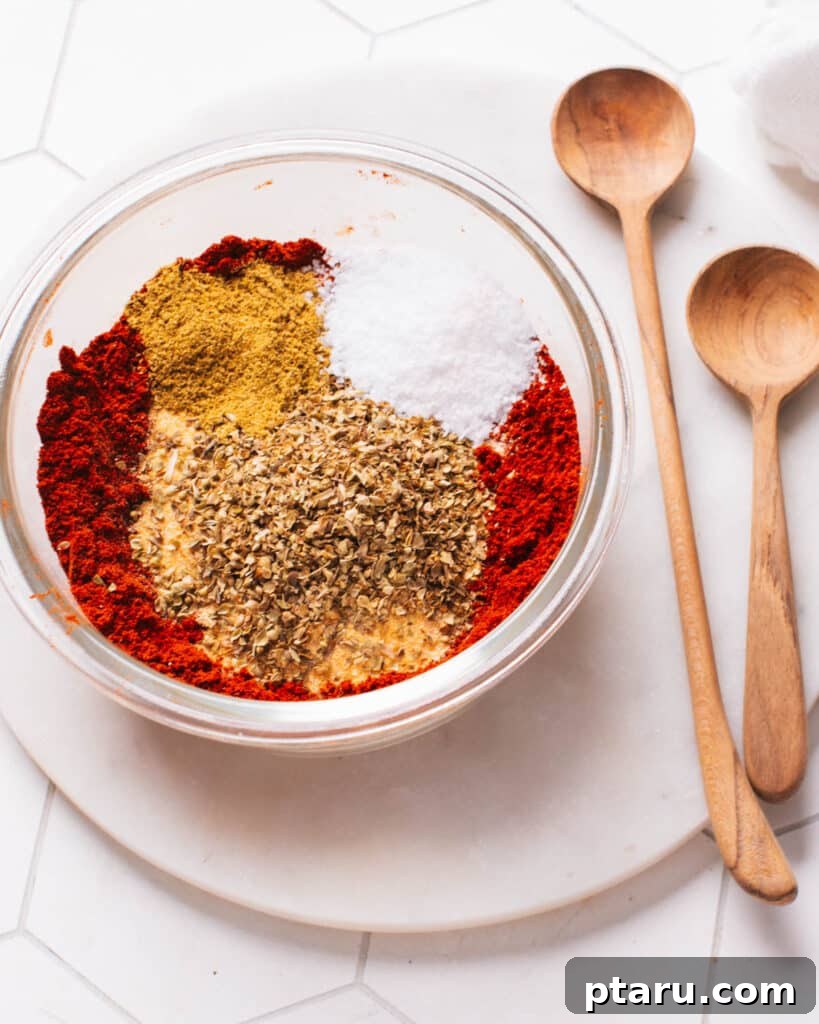
- Combine Ingredients: In a small, clean mixing bowl, add the paprika, smoked paprika (if using), cayenne pepper, onion powder, ground cumin, garlic powder, dried oregano, kosher salt, and ground coriander.
- Thoroughly Mix: Using a whisk or a fork, gently yet thoroughly combine all the spices. Continue mixing until the blend appears uniform in color and texture. Pay attention to breaking up any small clumps to ensure even distribution of flavors when you use the seasoning.
- Transfer to Storage: Once your seasoning is perfectly blended, carefully transfer it to an airtight container. A glass jar with a tight-fitting lid is ideal for maintaining freshness.
- Label for Freshness: Don’t forget to label your container with the date you prepared the seasoning. This will help you keep track and ensure you use it within six months for the best possible flavor and potency.
And there you have it—a simple, perfectly crafted blend of spices that will profoundly elevate any chili dish, taco night, or seasoned protein. Enjoy the rich, authentic flavors that this homemade touch adds to your culinary creations!
Unlock Flavor: Creative Ways to Use Your Homemade Chili Seasoning
Your homemade chili seasoning is a versatile flavor powerhouse, ready to transform ordinary meals into extraordinary culinary experiences. It’s the ultimate secret ingredient for adding depth, warmth, and just the right amount of heat. Here’s how you can put this robust blend to fantastic use:
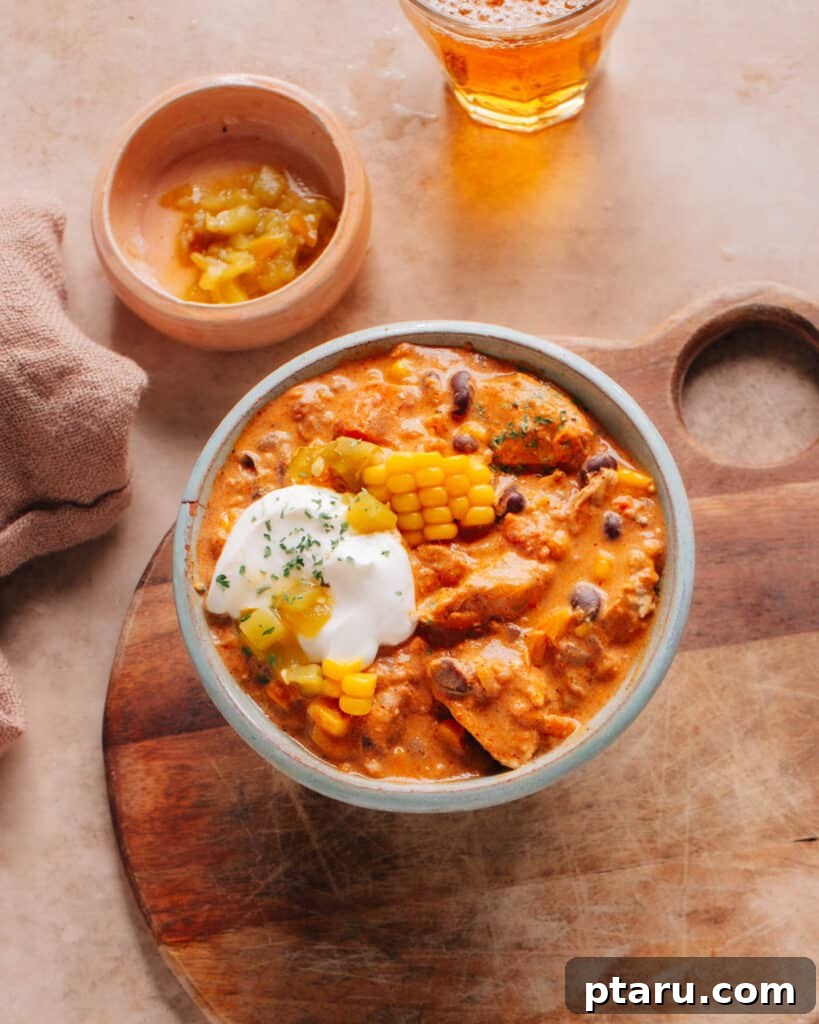
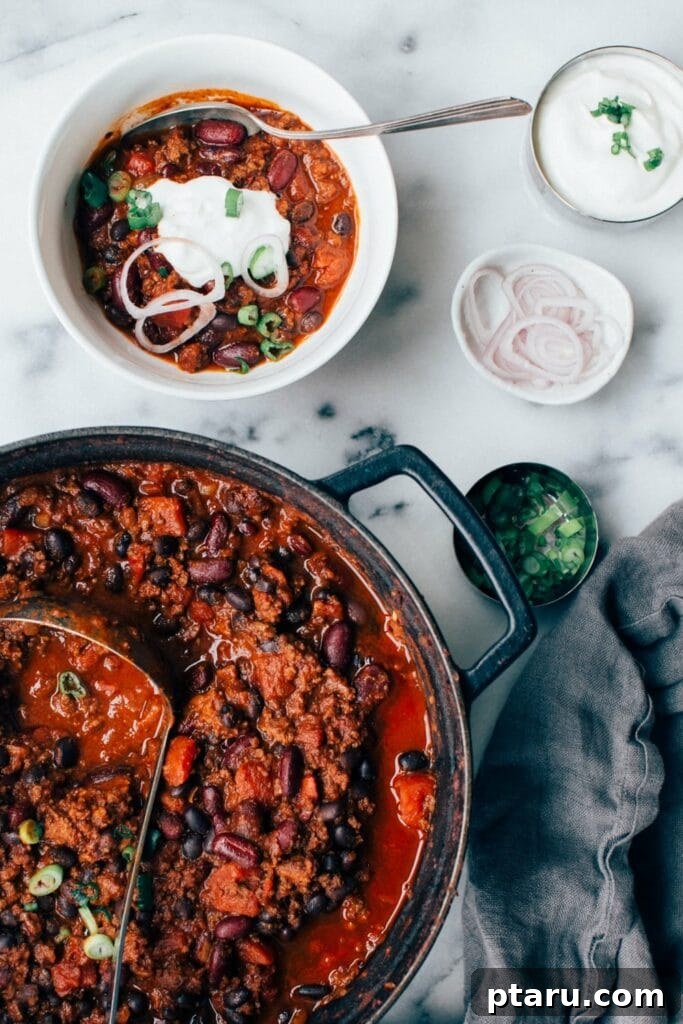
- In a Pot of Chili: This is its quintessential purpose! Whether you’re simmering a hearty ground beef Chili Con Carne, preparing a quick Instant Pot Chili with Ground Turkey or Chicken, or indulging in a creamy Cream Cheese Chicken Chili, this seasoning forms a flavorful and aromatic base for your go-to recipe.
- As a Rub for Proteins: Before grilling, roasting, or pan-searing, generously rub some of this seasoning onto chicken, beef, pork, or even firm tofu. It creates a beautiful crust and infuses the protein with a mouthwatering, savory kick. It’s a key ingredient in my delicious and saucy Slow Cooker Chicken Tacos.
- Base for Other Seasoning Blends: This chili powder blend is an excellent foundation for creating other Tex-Mex inspired spice mixes. For instance, it’s the core flavor base for my versatile Homemade Chicken Taco Seasoning, which is then used to make popular dishes like Chicken Street Tacos and Crispy Chicken Tacos.
- Seasoning for Beans and Vegetables: Give your side dishes an instant flavor upgrade. Sprinkle a tablespoon or two over warm black beans, pinto beans, roasted corn, bell peppers, or sweet potatoes for an easy, flavorful addition to weekday meals.
- Enhancing Sauces and Dips: Add a pinch or a spoonful to your homemade sauces and dips for an extra layer of warmth and spice. If you haven’t tried my Baja Sauce recipe yet, put it on your must-try list. It’s creamy, cool, tangy, and boasts a delightful hint of spice – absolutely delicious on Baja Fish Tacos or Spicy Fish Tacos.
- Spice Up Snacks: Dust lightly over popcorn for a savory, spicy treat, or mix into roasted nuts for an addictive snack.
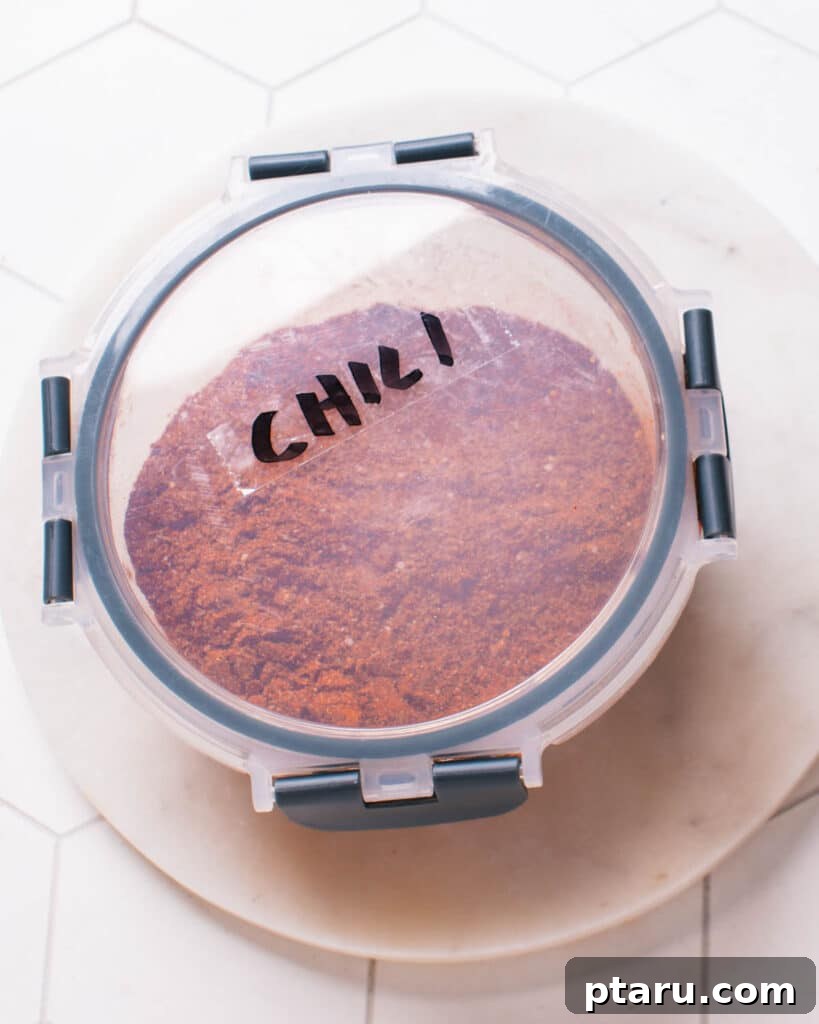
Storing Your Homemade Chili Seasoning for Lasting Freshness
Proper storage is paramount to maintaining the vibrant flavor and potency of your homemade chili seasoning. When stored correctly, your blend can remain fresh and aromatic for many months, ensuring you always have a high-quality spice mix at your fingertips. Here’s how to maximize its longevity and quality:
- Make Ahead in Bulk: One of the many benefits of homemade seasoning is the ability to prepare it in larger quantities. This means you can always have a ready supply on hand for whenever the craving for chili or Tex-Mex flavors strikes, saving you time and effort during meal prep.
- Use an Airtight Container: This is the most critical step. Store your chili seasoning blend in a completely airtight container. Glass jars with tight-fitting lids or spice tins are excellent choices. An airtight seal prevents moisture, humidity, and air from degrading the spices, which can lead to clumping and loss of flavor.
- Choose a Cool, Dark Place: Light and heat are the enemies of spice freshness. Always keep your spice mix in a cool, dark location, such as a pantry cupboard, a kitchen cabinet away from the stove or oven, or a drawer. Direct sunlight or fluctuating temperatures from cooking can quickly diminish the aromatic compounds and color of your spices.
- Label and Date: To ensure you’re always using the freshest possible blend, make it a habit to label your container with the date you prepared the seasoning. This simple step helps you keep track of its age and reminds you to use it within its optimal freshness window.
- Avoid Heat Sources: As mentioned, proximity to heat sources like your stove, oven, or even a sunny window can accelerate the degradation of spices. The heat causes the volatile oils in the spices to evaporate, leading to a noticeable loss of flavor and aroma over time.
- Optimal Shelf Life: When stored properly under these conditions, your homemade chili seasoning should maintain its peak freshness and robust flavor for up to six months. While it may still be safe to use after this period, its potency and aromatic qualities will gradually lessen.
By following these simple storage guidelines, you’ll ensure that every pinch of your homemade chili seasoning delivers maximum flavor to your dishes, making your culinary efforts truly shine.
Master Your Blend: Expert Tips for the Best Homemade Chili Seasoning
Creating your own chili seasoning is a rewarding experience, and with a few expert tips, you can elevate your blend from good to absolutely phenomenal. Unlock the full potential of your homemade spice mix and impress everyone with its depth of flavor.
- Freshness Counts: Prioritize Quality Spices: The quality of your final blend is directly dependent on the quality and freshness of your individual spices. Make sure your dried spices haven’t been languishing in your pantry for years. Old spices lose their potency and vibrant flavor. Purchase from reputable sources that have good turnover, or buy whole spices and grind them yourself for maximum impact.
- Adjust the Heat to Your Liking: The beauty of homemade is customization. Love a fiery kick? Feel free to dial up the cayenne pepper or even add a pinch of ghost pepper powder for extreme heat. Prefer a milder, more aromatic blend? Ease up on the cayenne and perhaps increase the amount of paprika or add a touch of sweet paprika for balance. Always taste and adjust!
- Toast for Depth (Optional but Recommended): For an even more profound and complex flavor, consider briefly toasting your whole or ground spices in a dry skillet over medium-low heat before mixing. Toasting releases the volatile oils, intensifying their aroma and depth. Be careful not to burn them – a minute or two, stirring constantly, is usually sufficient until fragrant. Let them cool completely before grinding (if whole) and mixing.
- Grind Your Own Spices (For Superior Flavor): While this recipe uses pre-ground spices for convenience, grinding whole spices (like cumin seeds, coriander seeds, and whole dried oregano) just before mixing will yield an incredibly fresh and potent blend. A coffee grinder dedicated to spices or a mortar and pestle works wonders.
- Store Properly for Lasting Punch: Reiterate the importance of an airtight container in a cool, dark place. This simple practice will protect your investment in fresh spices and ensure your seasoning retains its power and aroma for as long as possible.
- Layer Flavors in Your Cooking: While this seasoning blend is fantastic, don’t be afraid to continue layering flavors in your actual dishes. Sautéing fresh aromatics like onions and garlic before adding your seasoned meat or vegetables will add another dimension of complexity and freshness that complements the dry blend perfectly.
- Customize Beyond the Basics: Remember, this is *your* seasoning blend. Feel empowered to tweak the ingredients to perfectly suit your personal taste preferences. Perhaps you like a hint of cocoa powder for a mole-like depth, or a pinch of cinnamon for warmth. However, if your goal is a direct, 1:1 substitution for store-bought chili powder, ensure you keep the quantity of salt consistent with the original recipe’s calculated ratio.
With these insights, you’re not just making chili seasoning; you’re crafting a culinary tool that will bring rich, authentic flavors to your table with every dish. Now you’re ready to whip up a batch of chili and so much more!
Frequently Asked Questions About Homemade Chili Powder
Just skimming through? Here are some quick answers to commonly asked questions about making and using your own chili seasoning blend.
Can I make this chili seasoning blend in advance?
Absolutely! This seasoning blend is perfect for making ahead. When stored properly in an airtight container in a cool, dark place, it stays fresh and potent for up to 6 months. This makes meal prep incredibly convenient.
Is this seasoning blend spicy?
The heat level is fully adjustable to your preference. The cayenne pepper is the primary source of heat. For a milder blend, reduce the cayenne or omit it entirely. For extra fire, increase the cayenne or add other hot chile powders like chipotle for a smoky heat.
Can this blend be used for dishes other than chili?
Yes, it’s incredibly versatile! This robust blend is fantastic for seasoning ground meats, chicken, and tofu, as a rub for grilled or roasted proteins, sprinkled on roasted vegetables, in stews, soups, and even on snacks like popcorn or roasted nuts. It’s a foundational Tex-Mex flavor.
What if I don’t have all the spices listed?
While the complete list creates the most balanced and complex flavor, you can still achieve a tasty blend if you omit one or two spices. However, be aware that each omission will subtly change the overall flavor profile. Prioritize the paprika, cumin, garlic, and onion powders for the core taste.
How much of the seasoning should I use in my cooking?
A good general guideline is to use about 2 to 3 tablespoons of this homemade chili seasoning per pound of meat or per can of beans (drained). However, always start with a smaller amount and add more to taste, as personal preference for flavor intensity varies.
Can I reduce the salt in the recipe?
Yes, you can certainly adjust the salt content to suit your dietary needs or personal taste. If you reduce the salt significantly, remember that you may need to add salt separately to your dishes as you cook, as the seasoning will no longer contribute the same level of salinity.
Does this seasoning have any common allergens?
Typically, this chili seasoning blend does not contain common allergens like gluten, dairy, or nuts, as it is made purely from dried spices. However, if you have severe allergies, it’s always advisable to double-check the labels of your individual spice ingredients for any potential cross-contamination warnings from the manufacturers.
What is the difference between chili seasoning and chili powder?
This is a common point of confusion! “Chili powder” is often used interchangeably to refer to a blend of spices. In this article, “chili seasoning” refers to our specific blend of various spices, including chili pepper (like paprika and cayenne), cumin, garlic, onion, and oregano. True “chile powder” (with an ‘e’) refers specifically to a single type of ground, dried chili pepper, such as pure ancho chile powder or cayenne pepper, without other spices mixed in.
What is a good substitute for chili seasoning in a pinch?
If you’re completely out of chili seasoning, a quick homemade substitute can be made by combining equal parts ground cumin, garlic powder, and a smaller amount of cayenne pepper (to taste for heat). This will give you some of the core flavors, though it won’t be as complex as the full blend.
Explore More Mexican & Tex-Mex Inspired Recipes You’ll Love!
If you’re passionate about flavor-packed Mexican cuisine and Tex-Mex delights as much as we are, you absolutely MUST try these incredibly popular and delicious dishes. They are perfect companions to your freshly made chili seasoning!
- Perfect Cheese Quesadillas: A timeless classic, perfected to gooey, cheesy deliciousness. Easy to make and always a crowd-pleaser.
- Creamy White Chicken Chili: So thick, comforting, and absolutely delicious, featuring tender, juicy chicken breast in a rich, savory broth.
- Zesty Elotes Salad (Mexican Street Corn): A super-yummy Mexican Corn Salad, also famously known as Esquites or “street corn in a cup,” bursting with vibrant flavors.
- Effortless Instant Pot Mexican Rice: This Mexican Rice recipe is incredibly quick, easy, and bursting with authentic flavor, perfect for a side dish or meal base.
- Ultimate Game Day Nachos: Explore over 15 yummy recipes to craft the perfect nachos for any gathering or game day celebration.
- Ultimate Ground Beef Tacos: A classic favorite elevated with our fantastic homemade taco seasoning for an unforgettable taco night.
Chili Seasoning Recipe
This homemade chili seasoning recipe combines simple pantry spices to create a rich, complex flavor that can be used in many different dishes. It’s easy to adjust to your heat preference and is much fresher than store-bought mixes.
Ingredients
- 8 tbsp paprika
- 2 tbsp smoked paprika or more regular paprika
- 1 tbsp cayenne pepper
- 2 tbsp onion powder
- 2 tbsp ground cumin
- 1 tbsp garlic powder
- 1 tbsp dried oregano
- 1 tbsp kosher salt
- 2 tsp ground coriander
Instructions
- Mix the Spices: In a bowl, combine all the ground spices together. Ensure they’re well mixed for an even flavor distribution.
- Taste and Adjust: Give the blend a taste and tweak the salt or heat level to your liking.
Notes
Storage: Store the blend in an airtight container, keeping it in a cool, dry place to maintain freshness. The seasoning can be stored for up to 6 months.
Use about 2 to 3 tablespoons per pound of meat or per can of beans.
Smoked paprika adds a nice depth and smokiness; you can use regular paprika if that’s what you have on hand.
Nutrition
Calories: 12kcal | Carbohydrates: 2g | Protein: 1g | Fat: 0.5g | Saturated Fat: 0.1g | Polyunsaturated Fat: 0.2g | Monounsaturated Fat: 0.1g | Sodium: 221mg | Potassium: 74mg | Fiber: 1g | Sugar: 0.3g | Vitamin A: 1215IU | Vitamin C: 0.4mg | Calcium: 14mg | Iron: 1mg
Nutrition information is automatically calculated, so should only be used as an approximation.
We hope you enjoy making and using this delicious homemade chili seasoning! Happy cooking!