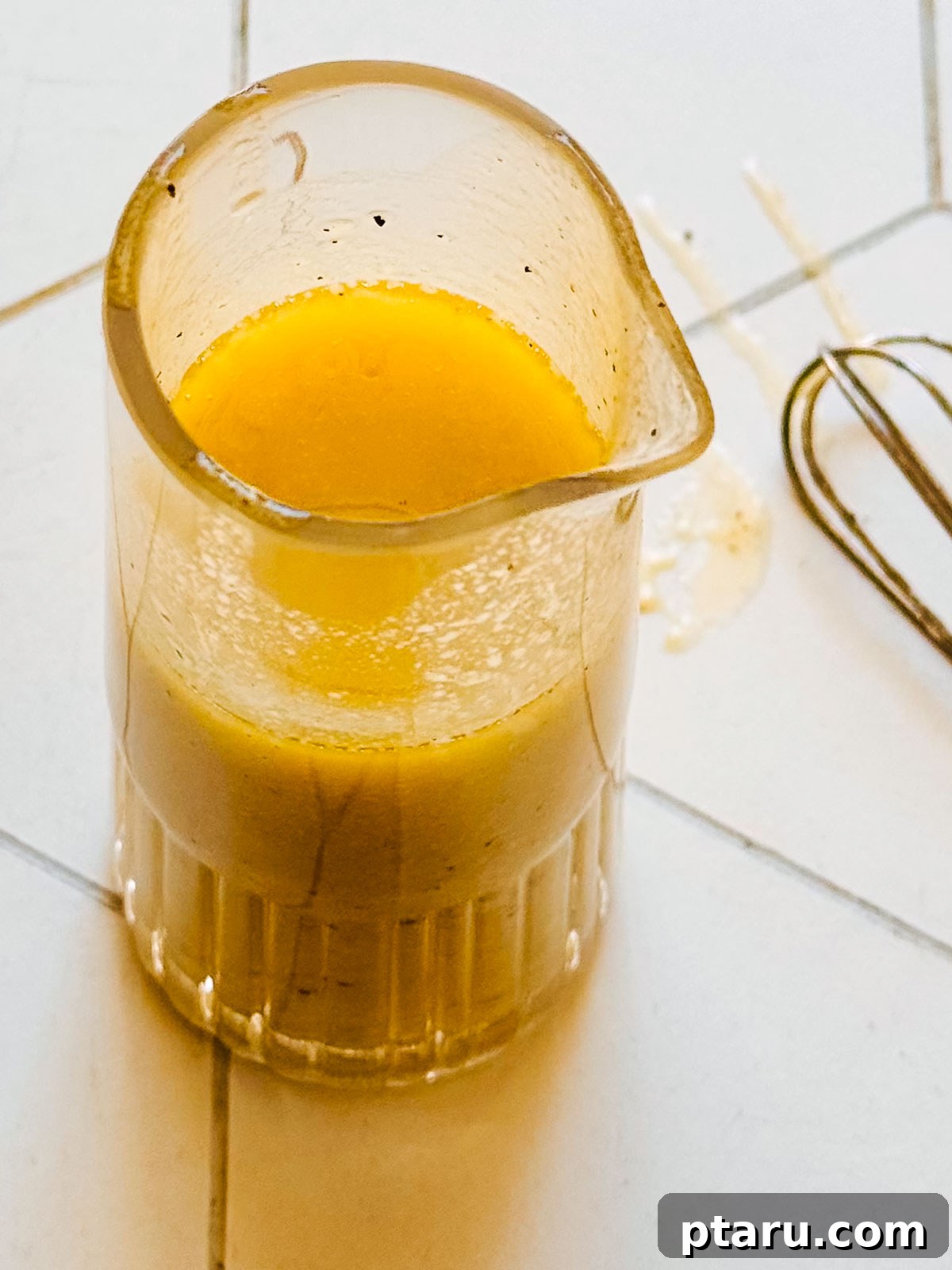
This classic Dijon vinaigrette is bright, tangy, and perfectly balanced for everyday salads. It’s a super-simple dressing that comes together in about two minutes. One batch yields roughly a cup and will keep in the refrigerator for up to two weeks.
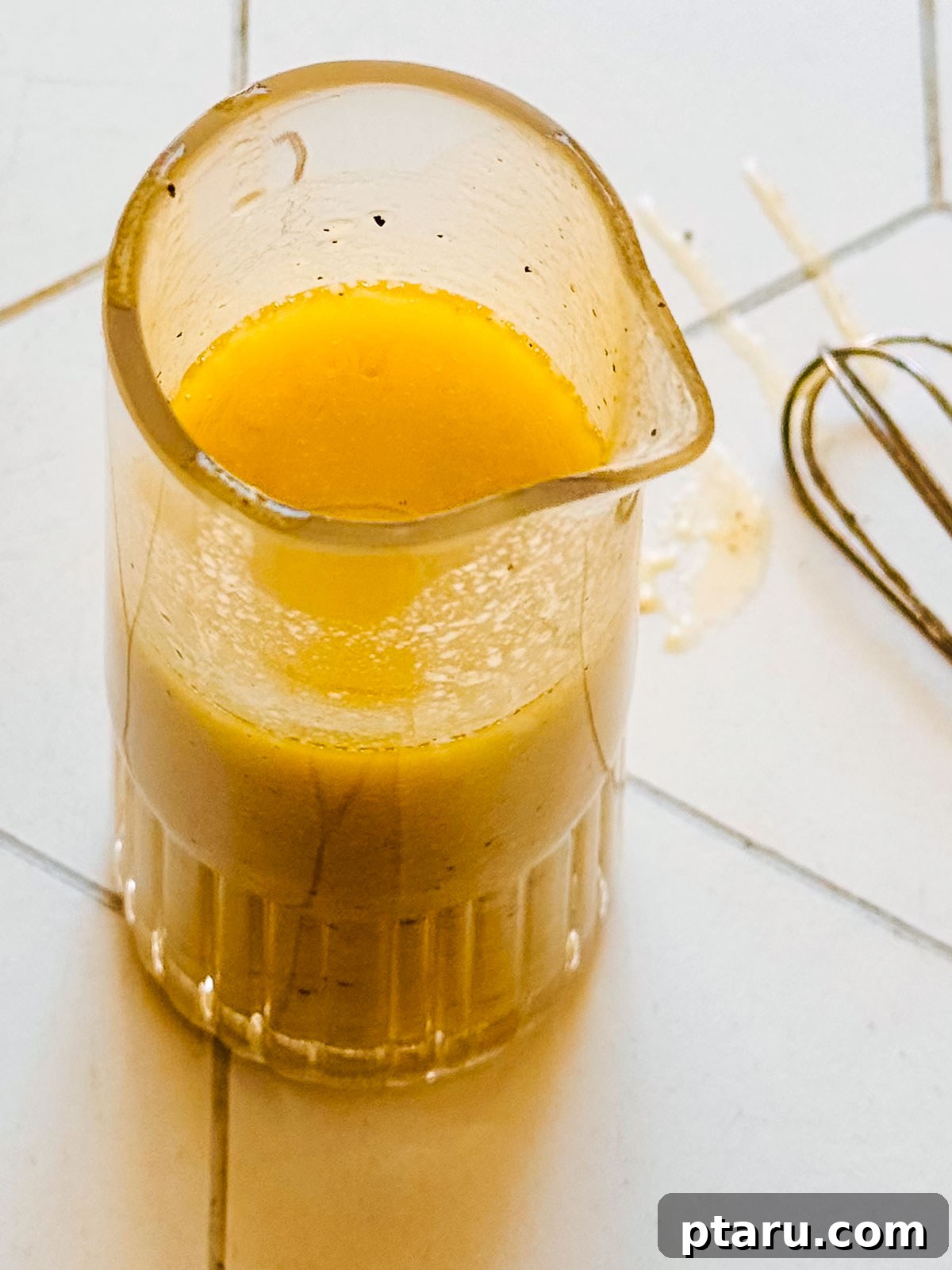
Dijon mustard does more than add flavor — it’s a natural emulsifier. Stirred with vinegar and oil, it helps create a smooth, creamy dressing that won’t separate quickly. Use this vinaigrette on green salads, grain bowls, roasted vegetables, or as a quick marinade for chicken or pork.
Dijon Vinaigrette Ingredients
You need just six common ingredients to make this dressing.
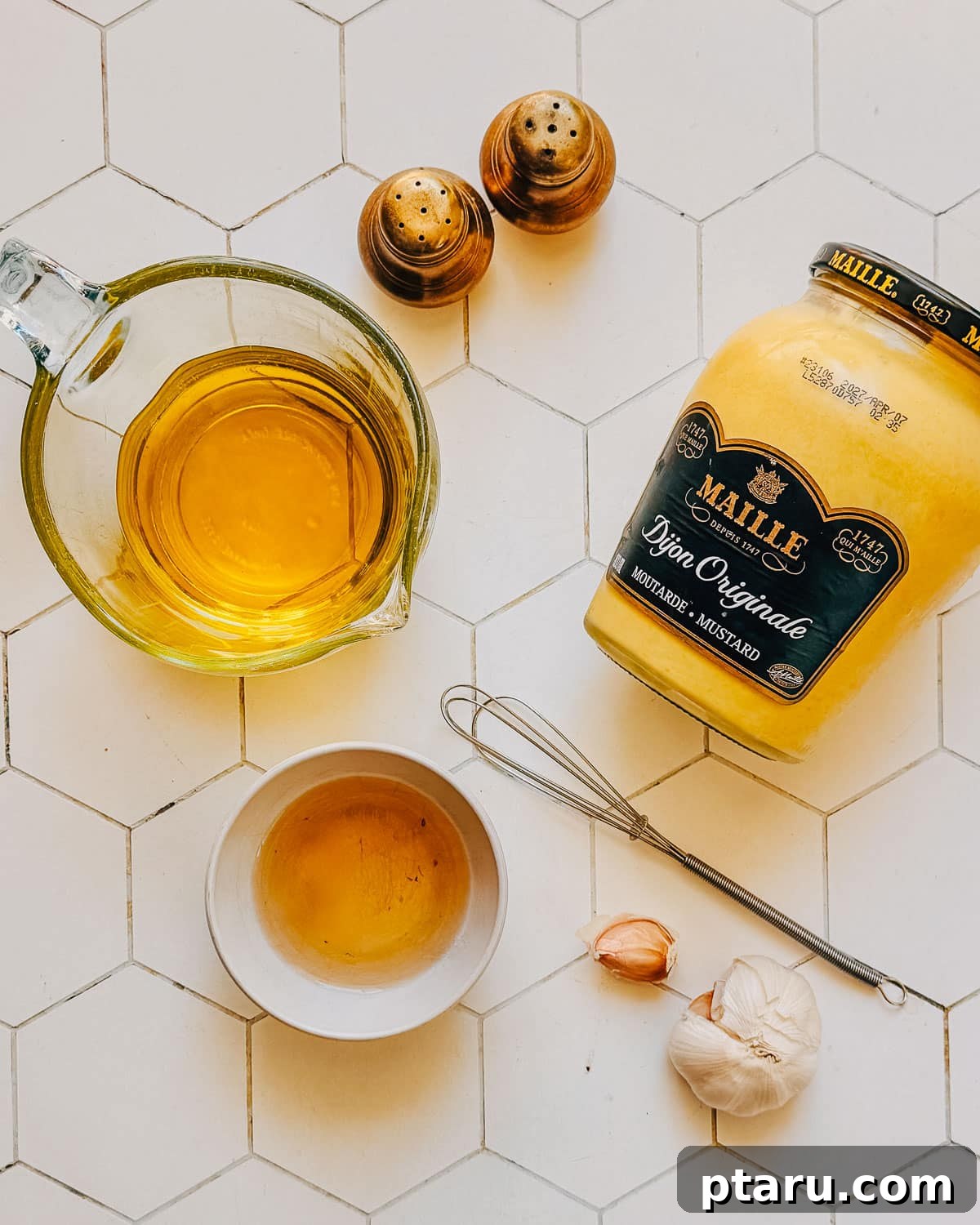
- White wine or champagne vinegar — bright and mild, it won’t overpower the dressing.
- Dijon mustard — the emulsifier that helps the dressing stay creamy.
- Extra-virgin olive oil — use a quality oil since its flavor is prominent.
- Garlic — minced finely for a savory note (optional; see substitutions).
- Kosher salt — for seasoning.
- Ground black pepper — freshly ground gives better flavor.
Full ingredient amounts are included in the recipe card below.
Variations and Substitutions
This vinaigrette is very adaptable — try these simple swaps to make it your own.
- Vinegar: Substitute red wine vinegar, apple cider vinegar, sherry vinegar, or even fresh lemon juice for a different acidity profile.
- Sweeten it: Stir in 1 teaspoon of honey or a little maple syrup to make a honey-Dijon version.
- Herbs: Add chopped parsley, chives, tarragon, or basil for fresh herb flavor.
- Shallot: Replace garlic with minced shallot for a milder, sweeter onion note.
- More tang: Increase the Dijon for a bolder, sharper dressing.
Tools to Have On Hand
Only a few basic kitchen tools are needed.
- Bowl and whisk: Best for creating a stable, creamy emulsion.
- Mason jar with lid: Combine and shake the ingredients in the jar for an easy alternative to whisking; store in the same jar.
- Garlic press or microplane: To mince or grate the garlic very finely so it disperses into the dressing.
How to Make Dijon Vinaigrette: An Easy Guide
The method only takes a couple of minutes. The sequence matters: dissolving the salt and mustard in the vinegar before adding oil helps form a stable emulsion.
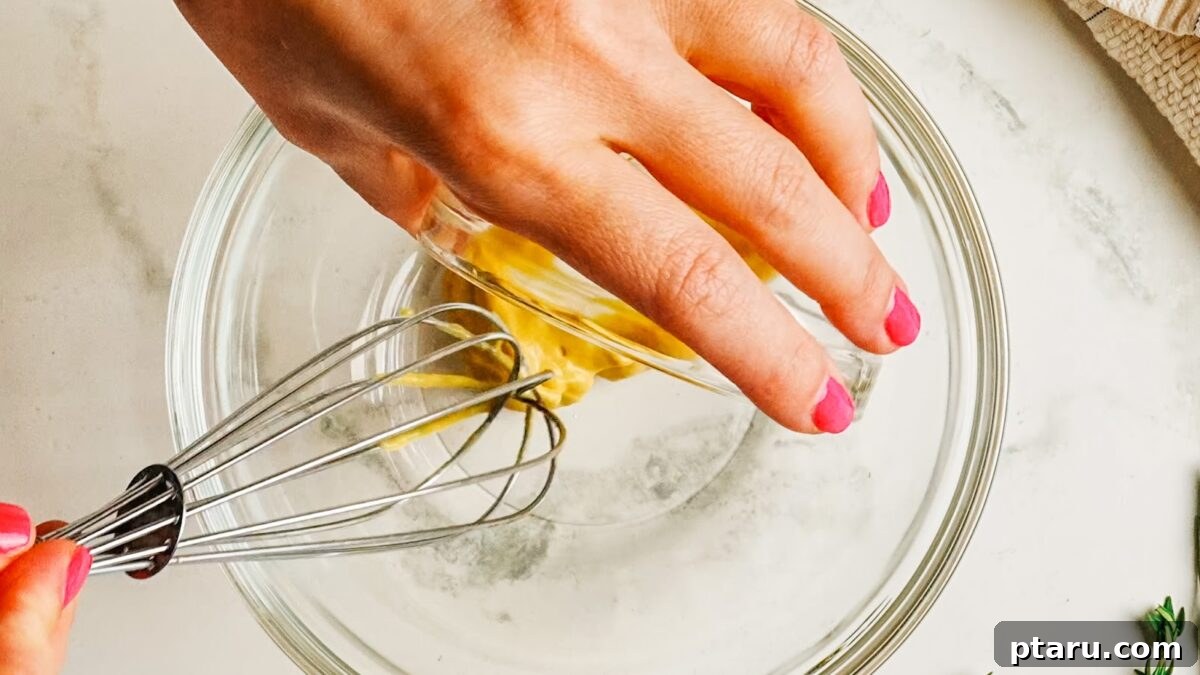
Whisk the Base
Combine the vinegar, salt, pepper, Dijon mustard, and garlic in a bowl. Whisk until the salt dissolves and the mustard is fully smoothed into the vinegar — this is your flavor base.
Stream in the Oil
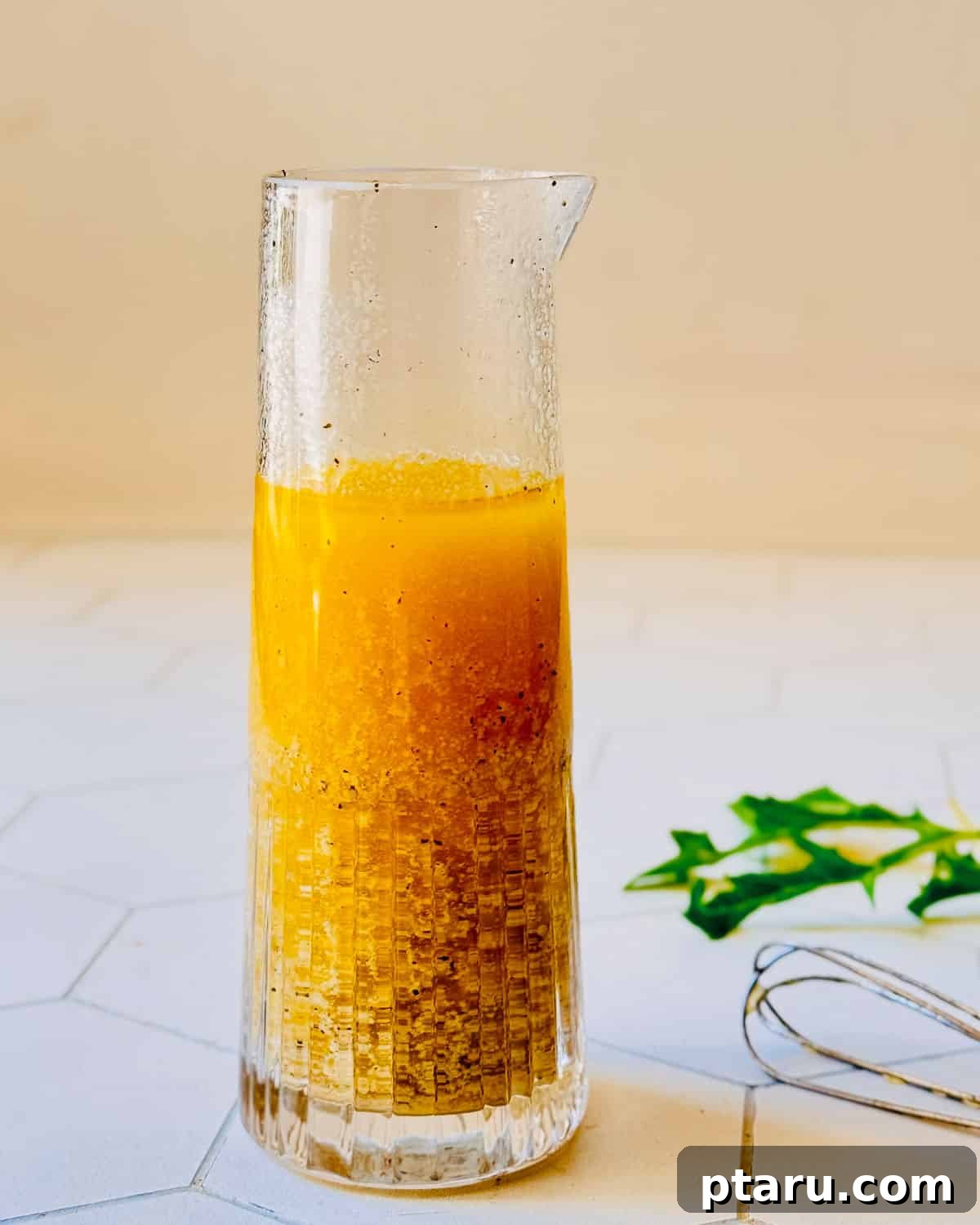
While whisking constantly, slowly pour the olive oil into the bowl in a thin stream. Start slowly so the oil is incorporated into the acid and mustard; the mixture will thicken, become creamy, and pale as it emulsifies.
Taste and Adjust
Taste the dressing by dipping a lettuce leaf or spooning a small amount onto a plain piece of lettuce. Adjust salt, pepper, or vinegar to taste. Toss the salad just before serving so the greens remain crisp.
If you don’t want to whisk, put all ingredients into a jar, seal it tightly, and shake vigorously for 20–30 seconds until it thickens and blends.
Common Mistakes to Avoid
Keep these tips in mind to get a smooth, balanced vinaigrette:
- Adding oil too fast: Pour the oil slowly while whisking; rushing will prevent proper emulsification.
- Under-seasoning: The dressing should taste lively before it hits the salad, since it seasons the whole dish.
- Using bland oil: Choose an olive oil you enjoy — its flavor is prominent in the final dressing.
- Dressing too early: Dress greens just before serving to keep them crisp and fresh.
Make Ahead and Storage
This vinaigrette stores well and is convenient to keep on hand.
How to Store
- Refrigerate: Keep the dressing in a sealed jar in the fridge for up to two weeks.
- It may thicken: Olive oil firms up when cold; this is normal.
Before Serving
- Bring to room temperature: Let the jar sit out for a few minutes if the oil has solidified.
- Re-emulsify: Shake or whisk briefly to restore the creamy texture if separation has occurred.
How to Serve This Dijon Dressing
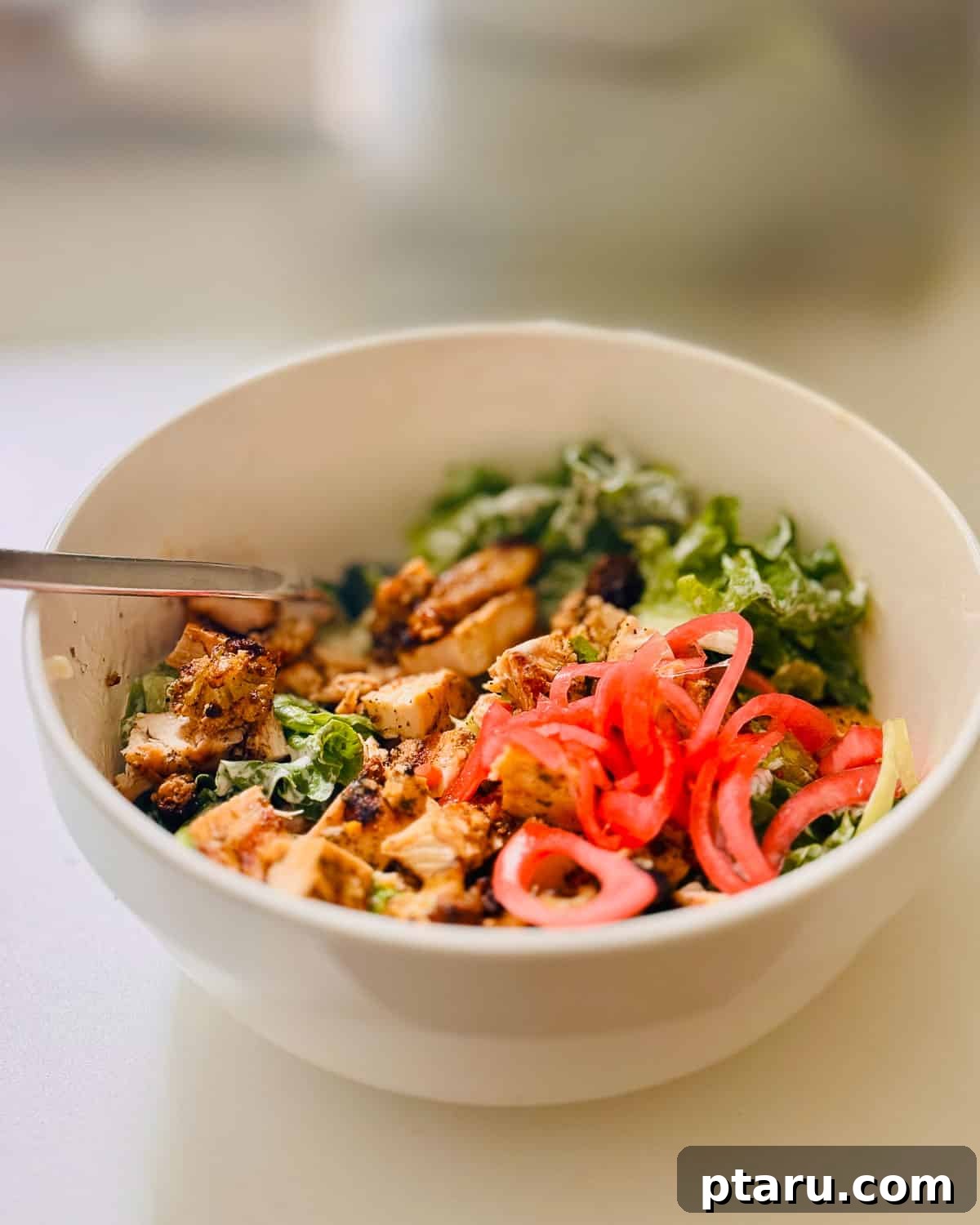
This versatile vinaigrette works well beyond a simple green salad. Use it as a dressing, a marinade, or a finishing drizzle.
Salad Ideas
- Simple house salad: Butter or green leaf lettuce, cherry tomatoes, shredded carrot, and toasted seeds dressed lightly with Dijon vinaigrette.
- Hearty salads: Brighten grain or chicken salads by tossing them with this dressing just before serving.
- Pasta and potato salads: Use it to add zip to pasta salads or a potato salad with bacon and herbs.
Other Uses
- Marinade: It tenderizes and flavors chicken, pork, or vegetables when used as a marinade.
- Roasted vegetables: Drizzle over warm roasted or grilled vegetables for extra brightness.
- Grain bowls: Toss with couscous, quinoa, or farro for a quick dressing.
Tips for the Best Results
- Stick to the 3:1 ratio: Three parts oil to one part vinegar gives a balanced, smooth dressing.
- Dijon is key: It helps bind the oil and acid into a creamy emulsion.
- Dissolve salt first: Whisk the salt into the vinegar before adding oil to ensure even seasoning.
- Taste on a leaf: Test the dressing on greens rather than a spoon for a truer sense of seasoning.
- Use a good olive oil: With only a few ingredients, quality shows.
FAQs About Dijon Vinaigrette
Quick answers to common questions about this dressing.
Dijon vinaigrette combines Dijon mustard, vinegar, olive oil, garlic (optional), salt, and pepper. Mustard helps emulsify the oil and vinegar into a smooth dressing.
Dijon mustard contains compounds that stabilize oil droplets in the vinegar, creating a creamy emulsion and adding depth of flavor.
The classic ratio is three parts oil to one part vinegar. Adjust to taste if you prefer a tangier dressing.
Stored in a sealed jar in the refrigerator, this vinaigrette will keep for up to two weeks. Let it warm slightly and shake before using.
Yes. Omitting garlic yields a milder dressing; minced shallot is a great alternative for a subtler onion flavor.
White wine or champagne vinegar is mild and bright, but red wine vinegar, apple cider vinegar, sherry vinegar, or lemon juice are all good options.
Other Salad Recipes You’ll Love
- Kale Caesar Salad
- Strawberry Spinach Salad with Almonds and Goat Cheese
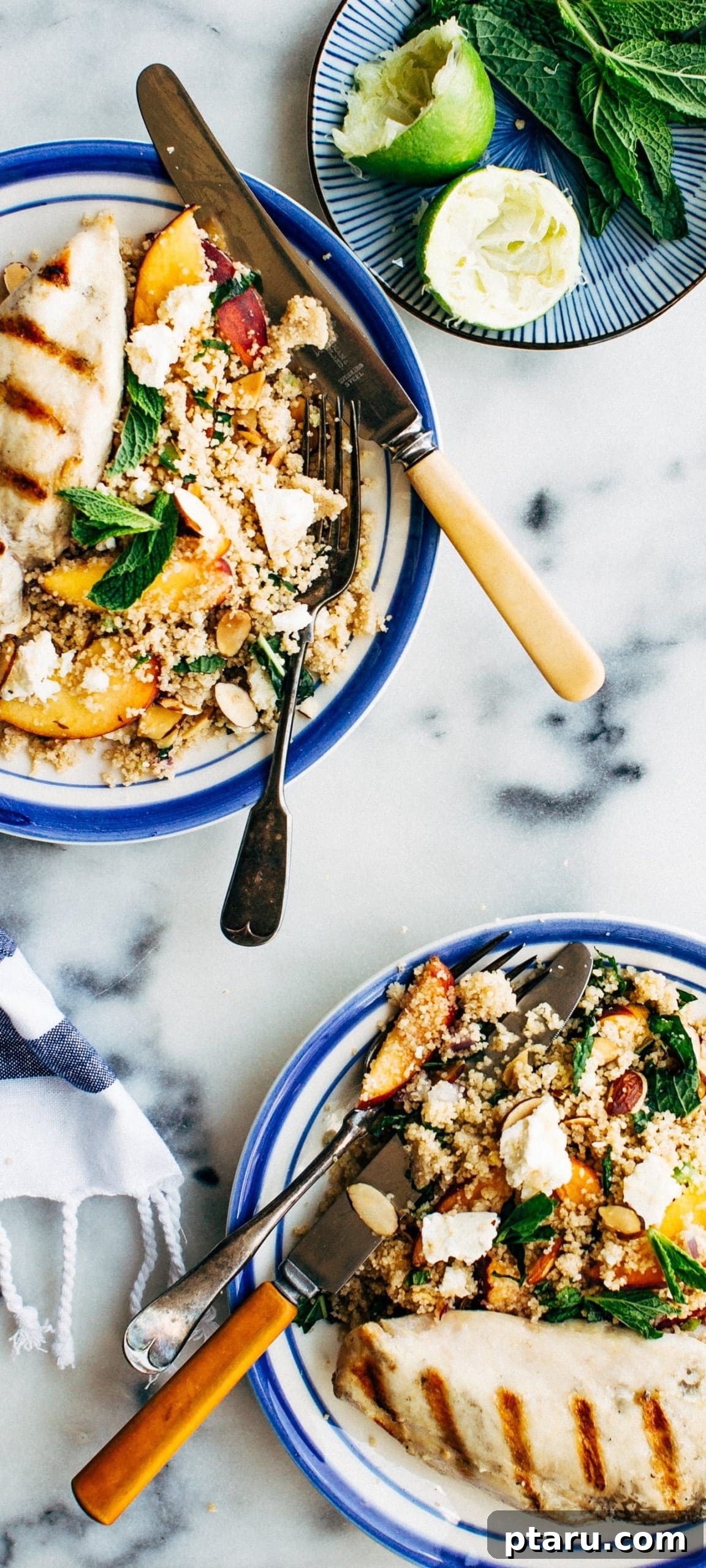
- Grilled Chicken Couscous Salad with Peaches
- Israeli Salad
- Healthy Greek Pasta Salad with Creamy Feta Dressing
Best Tangy Dijon Vinaigrette
A bright, classic Dijon vinaigrette that comes together in two minutes.
Prep Time: 2 minutes | Total Time: 5 minutes | Servings: 8
Ingredients
- ¼ cup white wine or champagne vinegar
- 1 tbsp Dijon mustard
- 1 tsp garlic, minced (optional)
- 1 tsp kosher salt
- ½ tsp ground black pepper
- ¾ cup extra-virgin olive oil
Instructions
- Combine the vinegar, salt, pepper, Dijon mustard, and minced garlic in a bowl. Whisk until the salt dissolves and the mustard is smooth.
- While whisking constantly, slowly pour in the olive oil in a thin stream. The dressing will thicken and become creamy as it emulsifies.
- Taste on a lettuce leaf and adjust seasoning if needed. Toss with salad just before serving. Alternatively, combine all ingredients in a jar, seal, and shake vigorously for 20–30 seconds.
Notes
Yield: Makes about 1 cup; serving size roughly 2 tablespoons.
Storage: Keeps in a sealed jar in the fridge up to 2 weeks. If the oil firms up, bring to room temperature and shake or whisk before using.
Nutrition (approx. per serving)
Calories: 190 | Carbohydrates: 1 g | Fat: 21 g | Sodium: 300 mg
Nutrition information is an approximation.