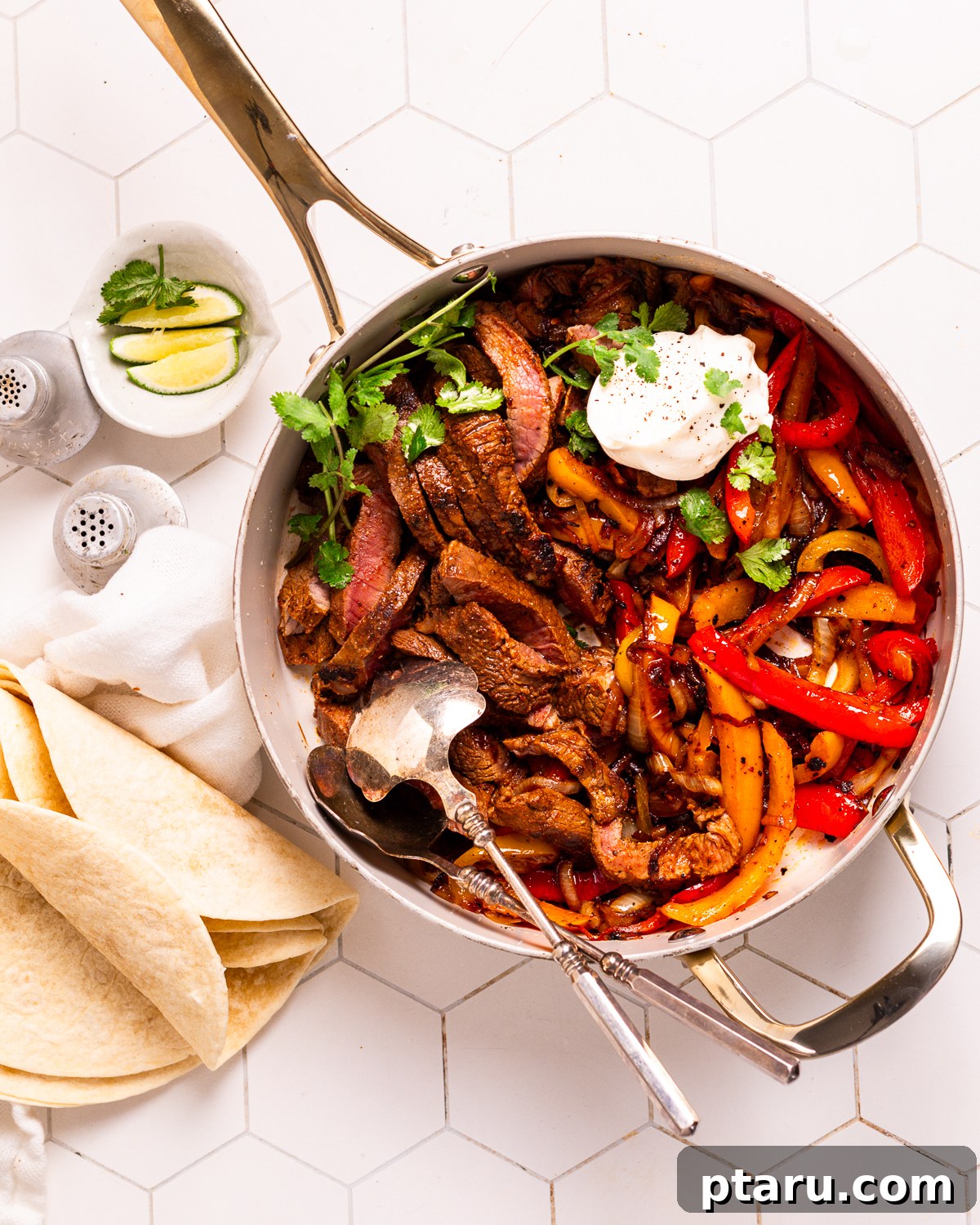
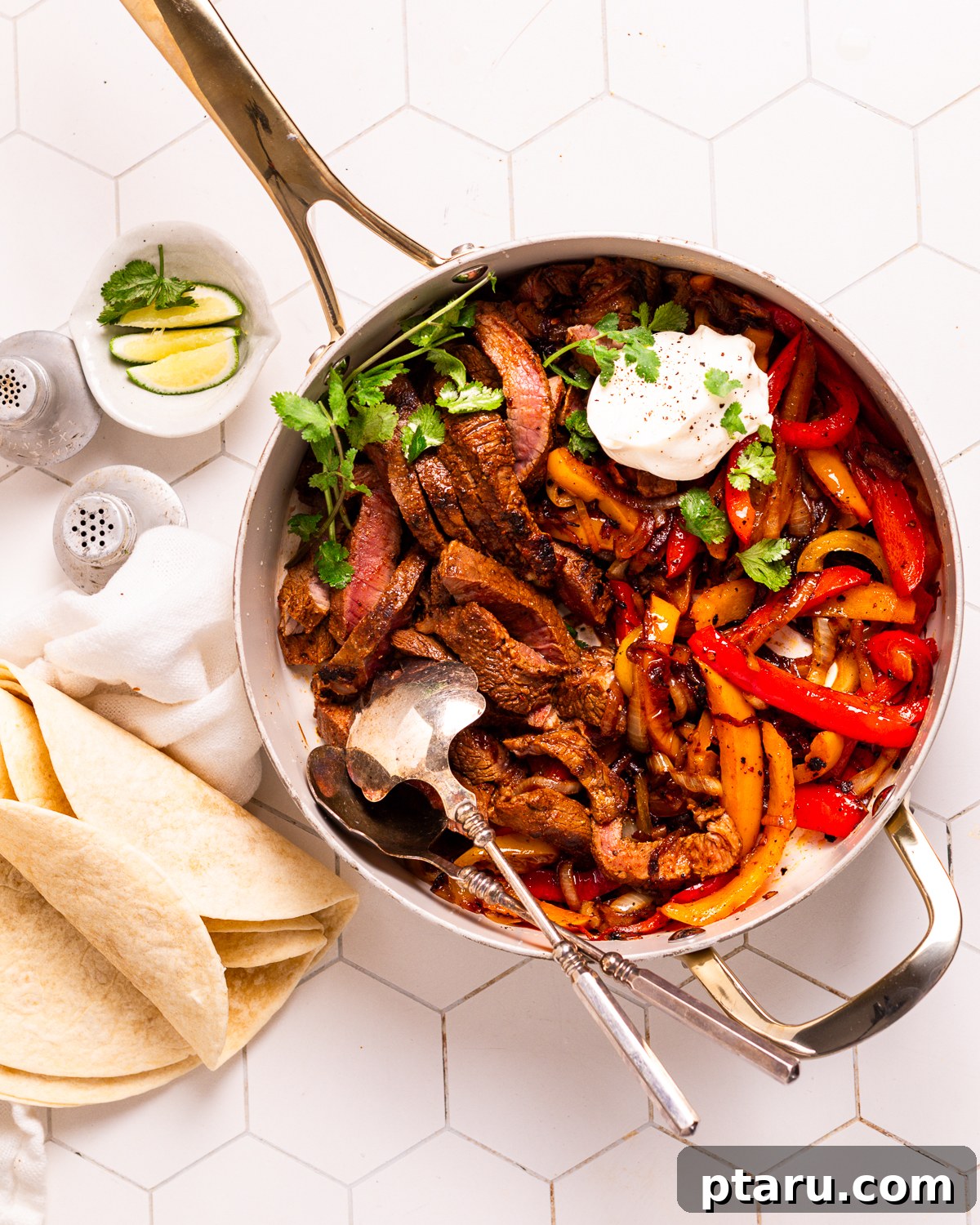
Ultimate Juicy Beef Fajita Recipe: Your Guide to Flavorful Steak Fajitas
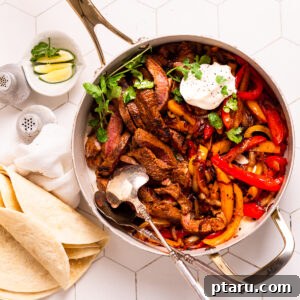
Dive into the world of intensely flavorful and incredibly tender beef fajitas with this ultimate recipe. Perfect for a weeknight dinner or a lively gathering, these fajitas promise a culinary experience that will quickly become a family favorite. Forget dry, tough steak – our method ensures every slice of beef is bursting with juice and rich, savory notes, perfectly complemented by vibrant, charred vegetables. Get ready to transform simple ingredients into a spectacular Mexican feast that’s surprisingly easy to master!
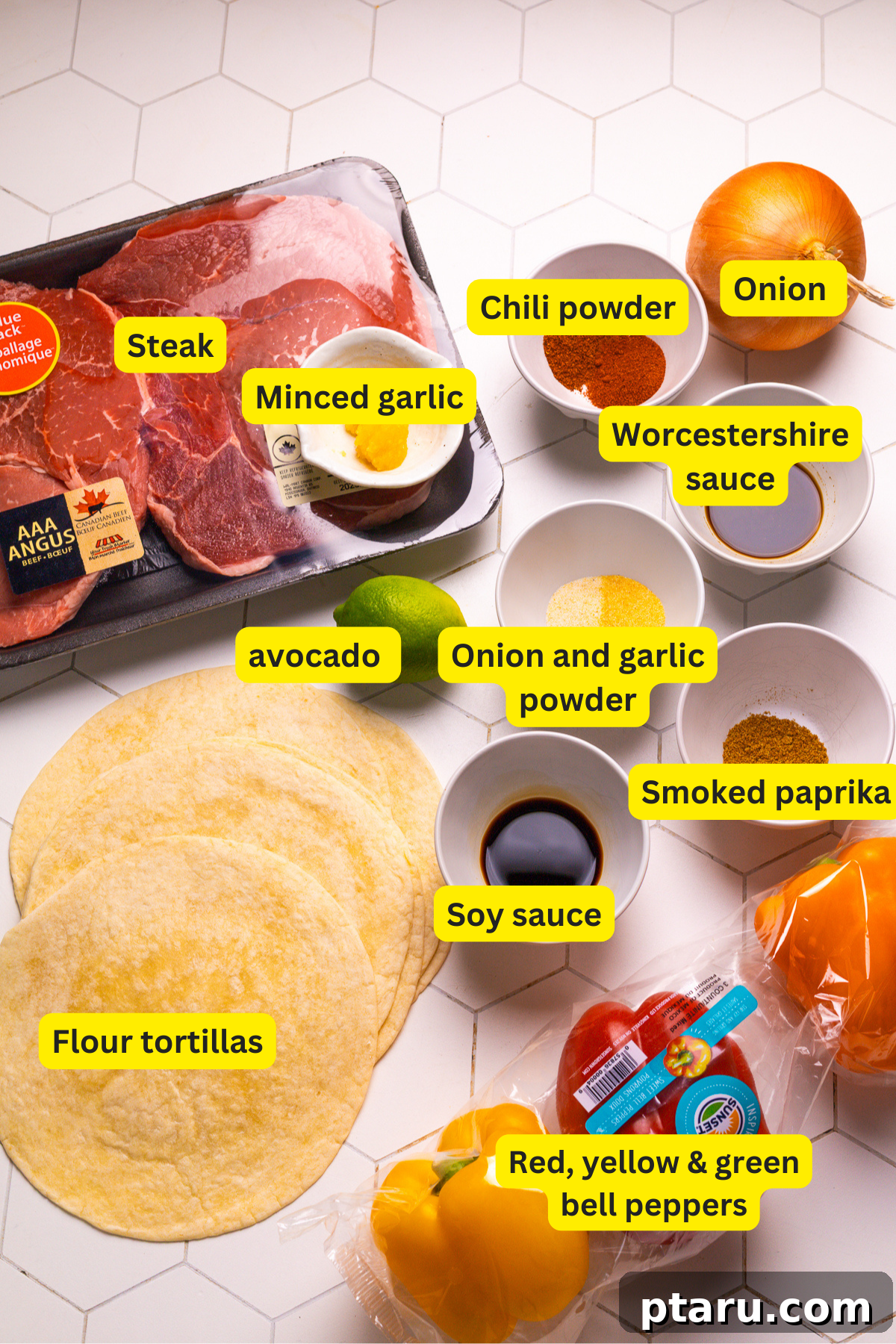
Gather Your Ingredients for Exceptional Beef Fajitas
Crafting the perfect beef fajitas begins with selecting the right ingredients. Fortunately, many of these staples are likely already in your pantry. Prepare to assemble a vibrant array of fresh produce and essential spices that will infuse your steak and vegetables with an irresistible authentic flavor. If you enjoy robust Mexican beef dishes, consider exploring our Shredded Beef recipe next for another incredible meal!
Key Ingredients for Our Signature Beef Fajita Recipe
This recipe relies on a thoughtful combination of fresh and pantry-friendly ingredients to achieve its deep, complex flavors and melt-in-your-mouth tenderness. You’ll be amazed at how easily these components come together to create a truly memorable meal:
For the Steak and Marinade: Flavor Infusion for Tender Beef
The marinade is the secret weapon for ultra-juicy and tender steak. Each ingredient plays a crucial role in breaking down muscle fibers and building layers of flavor, ensuring every bite is packed with savory goodness:
- Olive oil: Essential for carrying fat-soluble flavors into the meat, ensuring a beautiful, even sear, and preventing sticking during cooking. It also adds a subtle fruitiness.
- Lime juice: A natural tenderizer due to its acidity, lime juice brightens the overall flavor profile, cuts through richness, and adds a tangy zest crucial to authentic fajita taste. Always use fresh lime juice for the best results.
- Soy sauce: Contributes a deep umami richness and savory seasoning, which helps the steak retain moisture, enhances its natural beefy flavor, and aids in browning.
- Worcestershire sauce: This classic condiment adds a complex blend of savory, sweet, and tangy notes, providing incredible depth to the marinade that complements the beef beautifully and boosts the umami factor.
- Kosher salt and black pepper: Fundamental seasonings that draw out the steak’s natural flavors, enhance tenderness, and create a perfect base for the other spices. Season generously!
- Onion and garlic powder: These dry seasonings deliver concentrated savory onion and garlic flavors without adding extra moisture, ensuring a perfect crust on the steak without diluting the marinade.
- Smoked paprika: Imparts a wonderful smoky aroma and a rich, appealing reddish-brown color to the steak, adding an authentic Tex-Mex touch that is both visual and flavorful.
- Chili powder: Provides a mild, balanced spice with a hint of sweetness and earthy undertones, contributing to the signature warmth of fajitas without overwhelming heat. Adjust to your spice preference.
- Ground cumin: An indispensable spice for fajitas, cumin offers an earthy, warm, and slightly peppery flavor that defines Mexican cuisine and adds aromatic complexity.
- Steak: For the best fajitas, choose cuts known for their robust flavor and ability to become tender when marinated and cooked quickly. Flank steak, flat iron steak, skirt steak, or sirloin tip steak are all excellent boneless options that slice beautifully and absorb marinade well. Aim for about 1.5 lbs for 6 servings.
For the Fajitas: Fresh Vegetables and Warm Tortillas
Once your steak is perfectly marinated, these fresh additions and key staples bring the entire dish together, creating a harmonious blend of textures and tastes:
- Red, yellow & green bell peppers: This colorful medley not only makes your fajitas visually appealing but also adds varying degrees of sweetness, a delightful crunch, and essential freshness to balance the rich steak. Slice them into uniform strips for even cooking.
- Onion: When sautéed, onions caramelize beautifully, providing a sweet and savory depth of flavor that is quintessential to fajitas. A large onion, thinly sliced, will integrate perfectly.
- Olive oil: Used to sauté the vegetables, allowing them to soften, develop a slight char, and release their full flavors. A little extra oil helps achieve that perfect tender-crisp texture.
- Minced garlic: Infuses the vegetables with aromatic, garlicky goodness, enhancing their savory notes and adding another layer of classic Mexican flavor. Freshly minced is always best!
- Kosher salt: To season the vegetables, bringing out their natural sweetness and complementing the savory steak.
- Flour tortillas: Soft, warm, and pliable, these are the perfect vessel for wrapping up the juicy steak and perfectly cooked vegetables, allowing you to customize each bite. Small to medium-sized tortillas work best for individual servings.
Optional Toppings: Customize Your Fajita Experience
Elevate your fajitas with an array of fresh and creamy toppings. Mix and match your favorites to create a personalized culinary masterpiece, adding layers of texture and flavor:
- Creamy sour cream or authentic Mexican crema for a cooling contrast.
- Crumbly cotija or tangy feta cheese for a salty, savory finish.
- Zesty pickled red onions for a bright, acidic crunch.
- Rich avocado slices or homemade guacamole for buttery smoothness.
- Fresh and vibrant salsa (pico de gallo, salsa verde, or roasted salsa) for a burst of fresh flavor.
- A kick of your favorite hot sauce for an extra fiery dimension.
- Melted shredded cheese (cheddar, Monterey Jack, or a Mexican blend) for a gooey indulgence.
- Finely chopped fresh cilantro for an herbaceous, fresh aroma.
- A wedge of fresh lime for an extra squeeze of brightness that ties all the flavors together. 🔥
Exact ingredient quantities and detailed instructions are provided in the comprehensive recipe card at the bottom of the article.
Substitutions and Creative Variations for Your Fajitas
This beef fajita recipe is incredibly versatile, allowing you to easily adapt it to your preferences, dietary needs, or what you have on hand. Don’t hesitate to experiment with these delicious twists to make the recipe truly your own:
- Protein variations: Not in the mood for beef? This recipe works wonderfully with other proteins! Try succulent shrimp for a lighter option, hearty tofu or tempeh for a satisfying plant-based meal, or thick-sliced portobello mushrooms for a robust vegetarian alternative. You can also explore our fantastic chicken fajita recipe for a flavorful poultry alternative that’s equally easy to make.
- Chipotle powder: For a deeper, smoky heat that’s distinct from traditional chili powder, swap it out for chipotle powder in your marinade. It adds a fantastic complexity and a richer, more profound spice.
- Poblano peppers: If you enjoy a milder heat with a smoky undertone, poblano peppers are a superb alternative to bell peppers, offering a subtle warmth without the intense spice of jalapeños.
- Zucchini or yellow squash: Add more fresh vegetables and different textures to your fajitas by slicing and sautéing zucchini or yellow squash alongside your bell peppers and onions. They absorb the fajita flavors beautifully and add extra nutrients.
- Cherry tomatoes: For a burst of juicy sweetness and color, halve and either roast or quickly sauté cherry tomatoes with your other vegetables towards the end of their cooking time.
Explore Diverse Tortilla Options for Every Preference
While classic flour tortillas are a beloved staple for fajitas, there are many ways to enjoy your delicious filling, catering to different dietary needs and flavor preferences:
- Corn tortillas: For a more traditional Mexican flavor and a naturally gluten-free option, warm up some corn tortillas. Their distinct earthy taste pairs beautifully with the rich beef and vibrant veggies.
- Lettuce wraps: Seeking a low-carb and incredibly refreshing option? Crisp lettuce cups (such as butter lettuce or romaine hearts) provide a fantastic, light crunch that perfectly cradles your fajita filling.
- Keto tortillas: For those managing carb intake, modern keto tortillas are an impressive alternative. They’ve come a long way in taste and texture, often packed with fiber and offering a surprisingly satisfying substitute that is hard to distinguish from conventional tortillas.
- Hard taco shells: For a different texture experience, crunchy hard taco shells can offer a delightful contrast to the tender fajita filling.
Mastering Beef Fajitas: A Simple Step-by-Step Guide
Creating these incredibly juicy steak fajitas is a straightforward process that yields impressive results. By following these easy steps, you’ll bring a sensational meal to your table in no time, ensuring maximum flavor, perfect texture, and a truly authentic fajita experience:
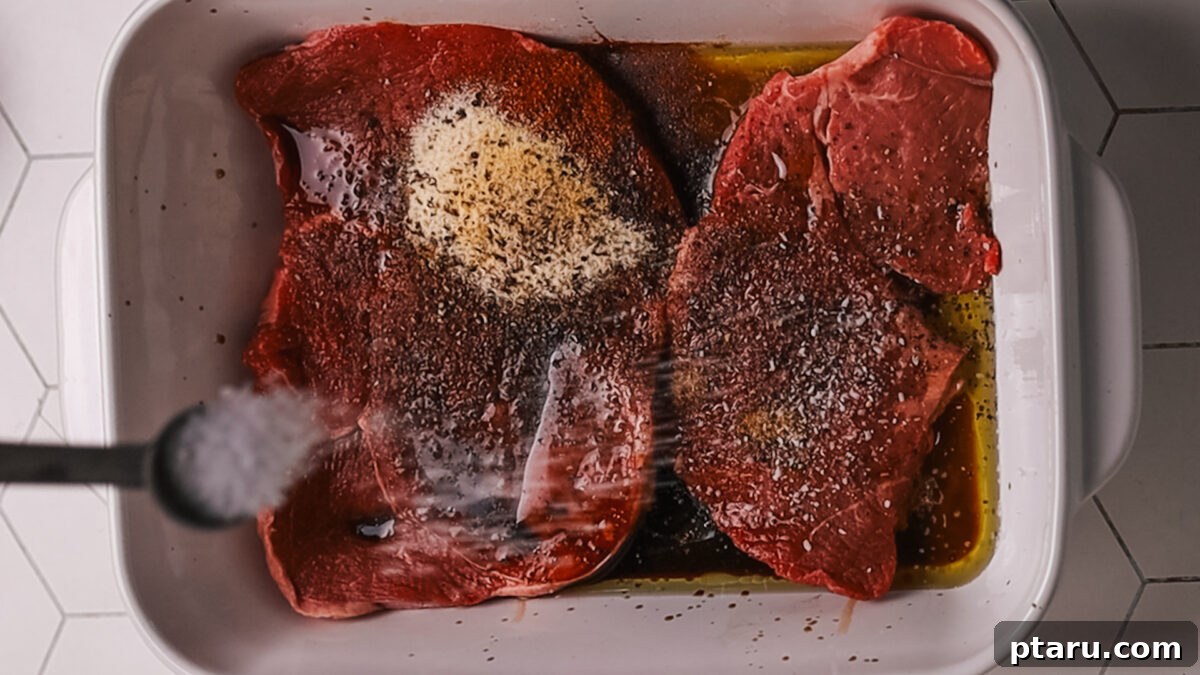
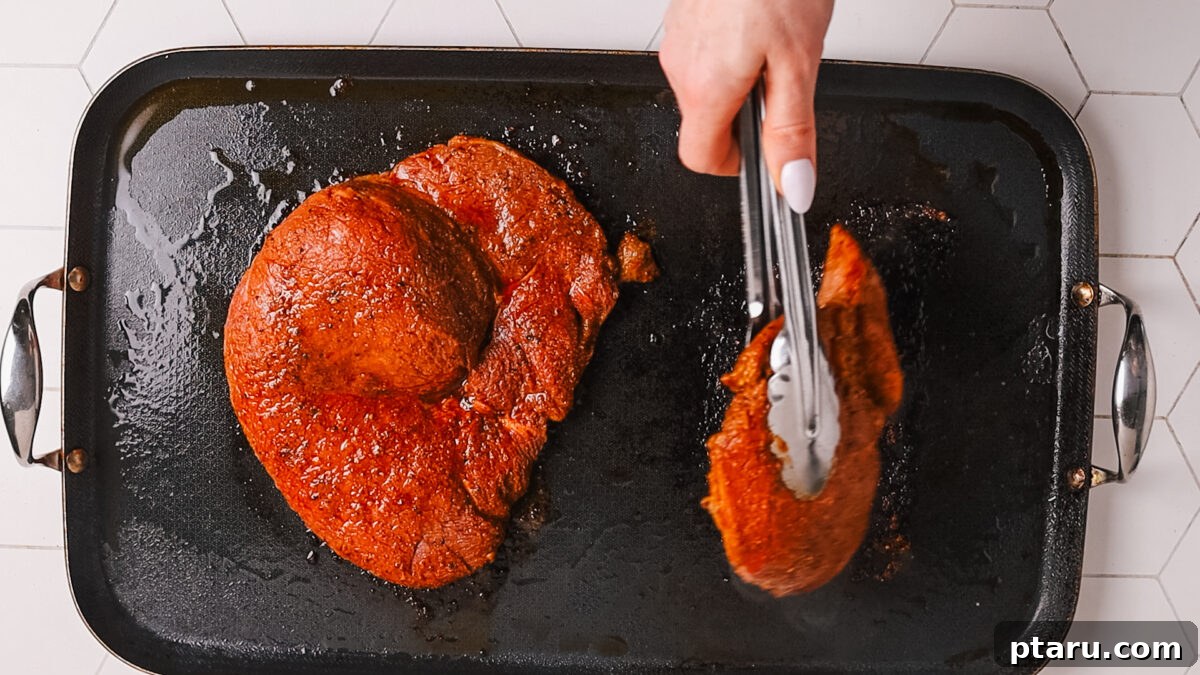
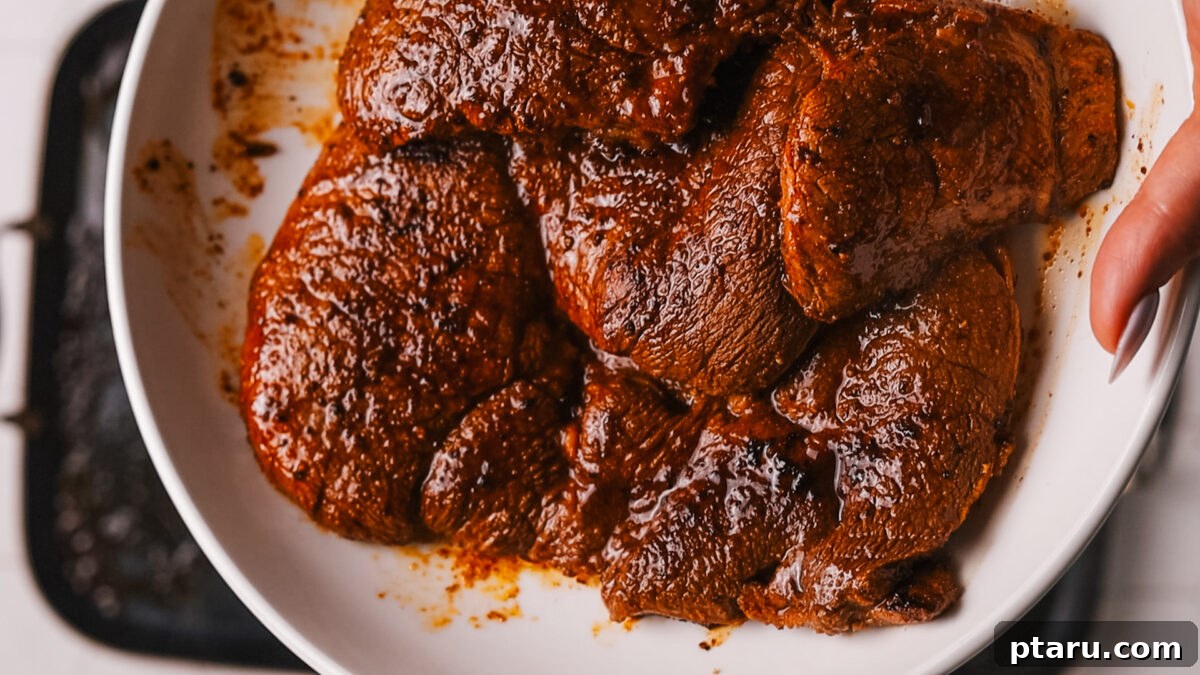
Step 1: Marinate the Steak for Unbeatable Tenderness and Flavor
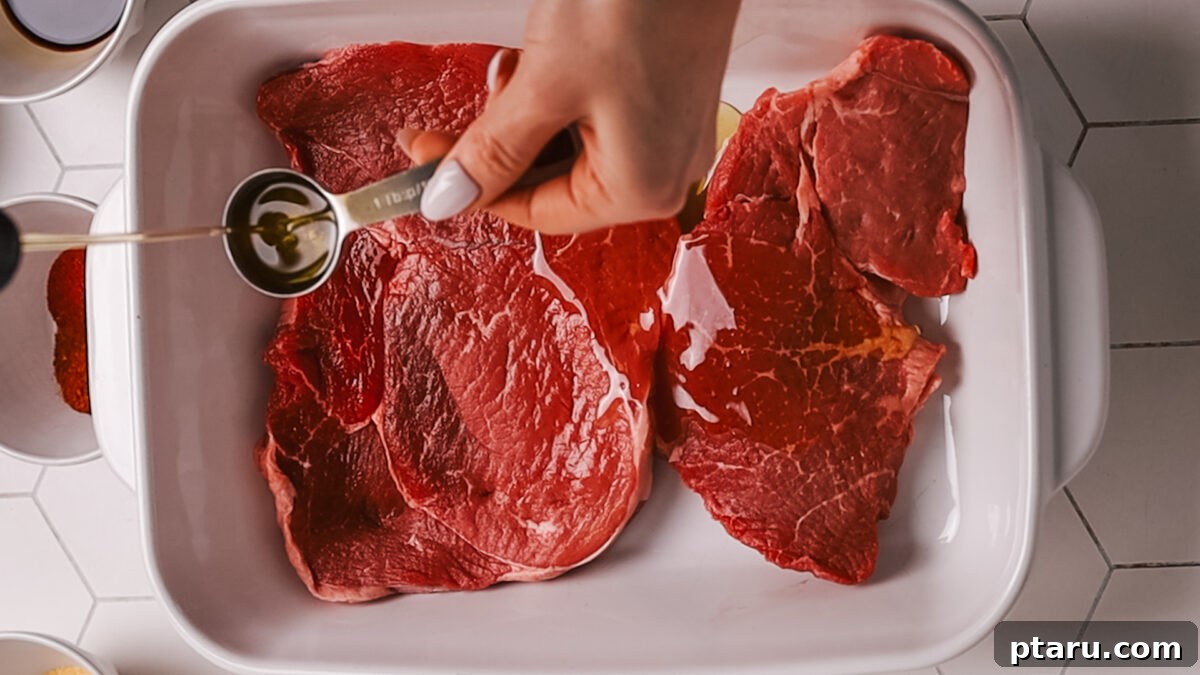
Begin by preparing your potent marinade. In a spacious bowl or a large, sturdy zip-top bag, combine the olive oil, tangy fresh lime juice, umami-rich soy sauce, robust Worcestershire sauce, kosher salt, freshly ground black pepper, aromatic garlic powder, savory onion powder, smoky paprika, mild chili powder, and earthy ground cumin. Whisk these ingredients thoroughly to create a well-blended, fragrant marinade. Add your chosen steak cut (flank, skirt, or flat iron are ideal), ensuring it is completely coated on all sides by the marinade. For optimal flavor penetration and tenderizing action, allow the steak to marinate for a minimum of 30 minutes at room temperature. For an even deeper taste and more tender result, you can marinate it in the refrigerator for up to 8 hours. Remember to bring it back to room temperature for about 20 minutes before cooking for even results.
Step 2: Achieve the Perfect Sear on Your Steak
Heat a large cast iron skillet or heavy-bottomed pan over medium-high heat until it’s shimmering and hot. This high heat is crucial for developing a beautiful, flavorful crust on your steak through the Maillard reaction. Carefully place the marinated steak in the hot skillet (avoid overcrowding, cook in batches if necessary) and cook for approximately 4–5 minutes per side for a perfect medium-rare doneness. Adjust cooking time for your desired level of doneness (e.g., a bit longer for medium, shorter for rare). Once cooked to your preference, transfer the steak to a clean cutting board and allow it to rest undisturbed for at least 5-10 minutes. This resting period is vital for the juices to redistribute throughout the meat, ensuring a tender and incredibly moist steak. Do not wash the skillet; you’ll use it to cook the vegetables, harnessing the flavorful fond (browned bits) left behind, which adds depth to your veggies.
Step 3: Sauté the Vibrant Fajita Vegetables to Perfection
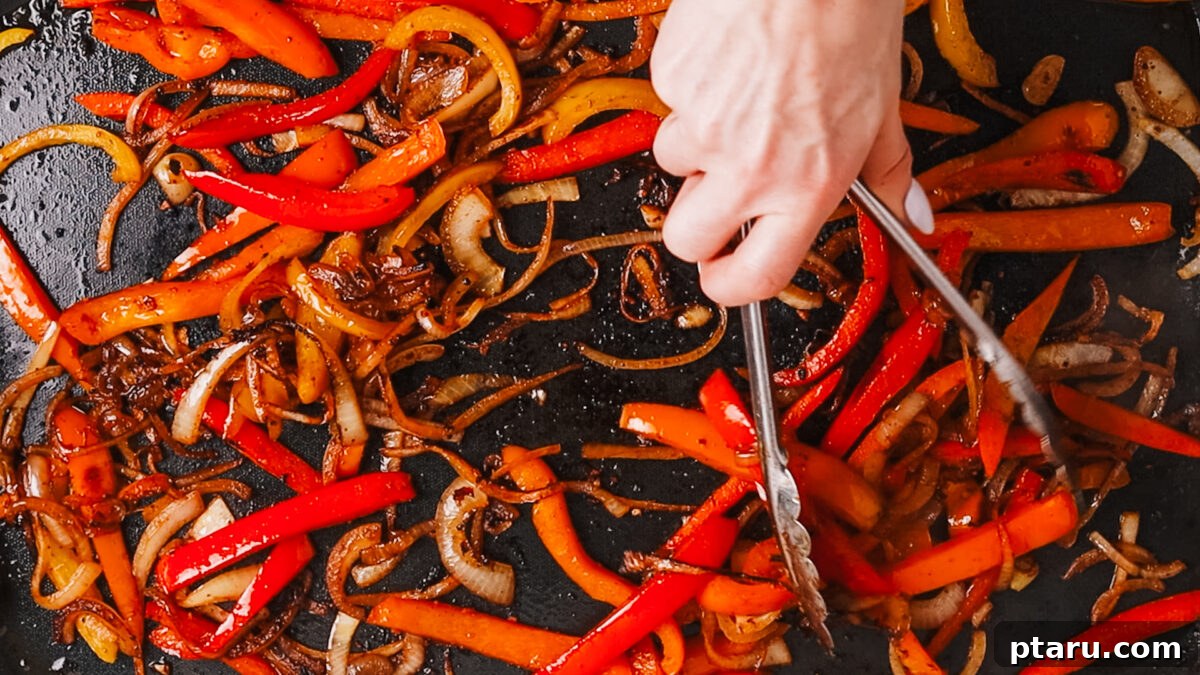
Using the same skillet (capitalizing on all those delicious browned bits from the steak!), add a tablespoon of fresh olive oil and heat it over medium-high heat until it shimmers. Once hot, add your thinly sliced red, yellow, and green bell peppers, along with the sliced onion and a pinch of kosher salt. Arrange the vegetables in a single layer and allow them to cook undisturbed for a few minutes until they develop a slight char on one side. This charring adds fantastic smoky flavor and visual appeal. Then, stir them and continue cooking until they are softened but still retain a pleasant crisp-tender texture, typically about 7 minutes in total. The goal is cooked-through but still vibrant and slightly firm, not mushy. Stir in the minced garlic during the last minute of cooking to ensure it’s fragrant but doesn’t burn.
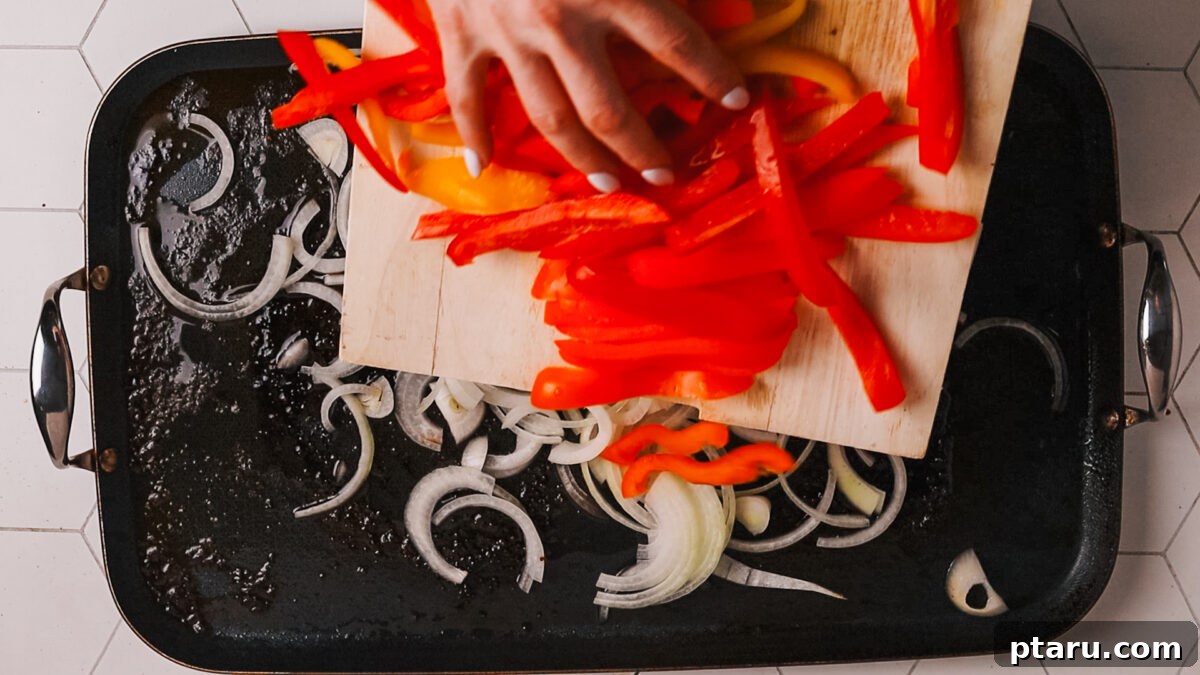
Step 4: Assemble Your Irresistible Beef Fajitas
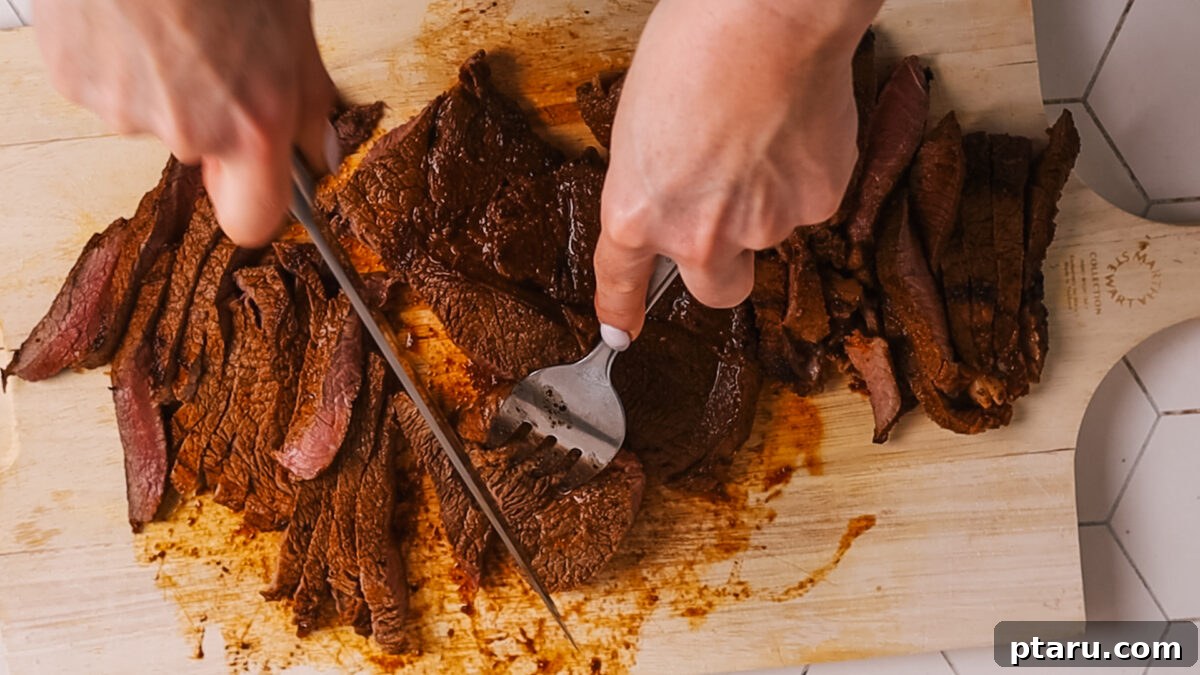
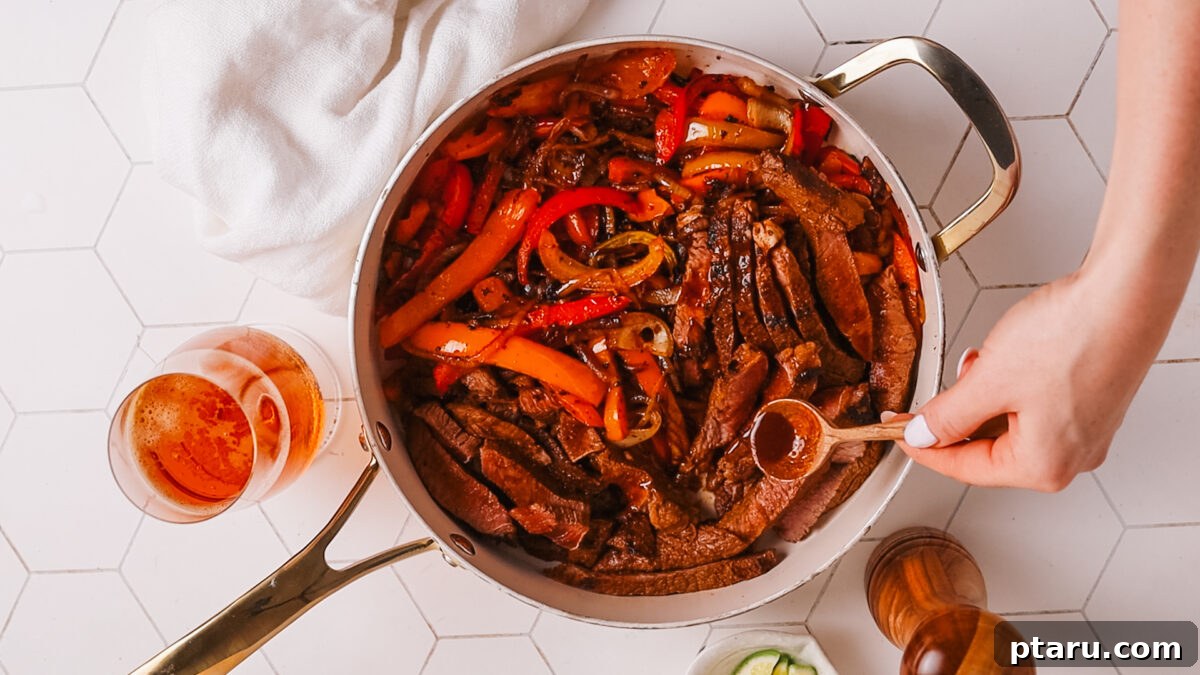
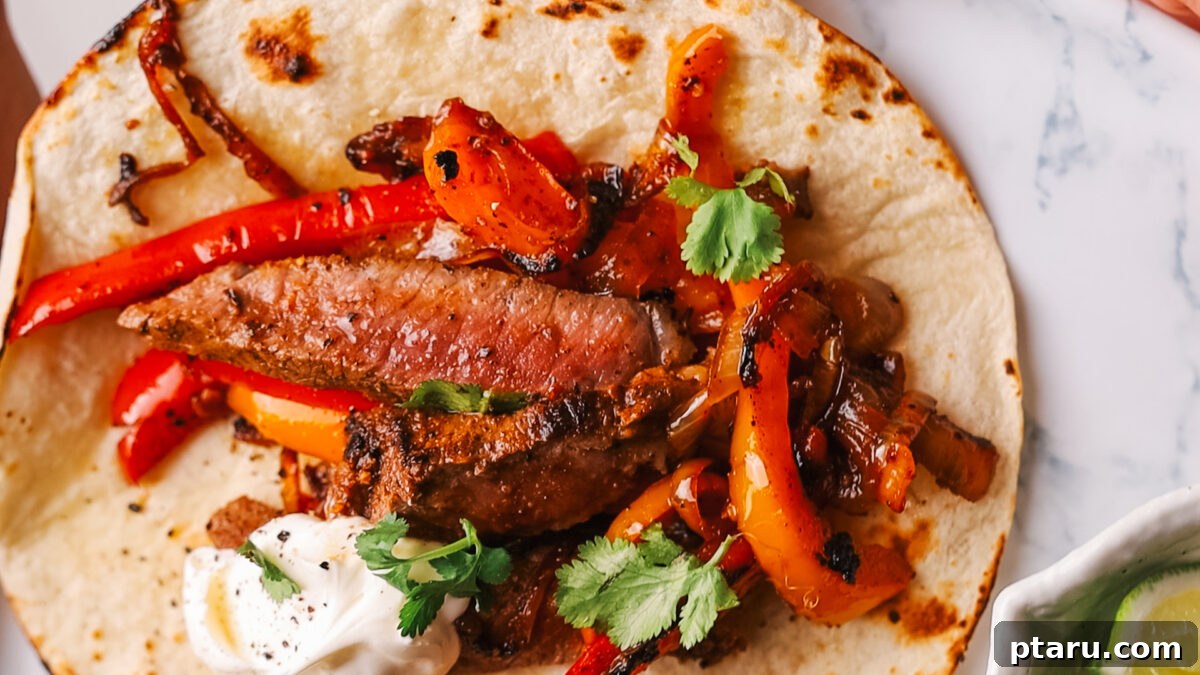
Once the steak has fully rested, slice it thinly against the grain. This is a crucial step for achieving maximum tenderness, as it shortens the muscle fibers, making each bite easy to chew and incredibly satisfying. Warm your flour tortillas according to package directions – a dry skillet, a few seconds in the microwave, or wrapped in foil in the oven all work well to make them soft and pliable. Arrange the thinly sliced steak and perfectly sautéed vegetables on a large platter or serve them directly from the skillet for a dramatic, sizzling presentation. Have your favorite toppings (sour cream, guacamole, salsa, cheese, cilantro, lime wedges) ready for guests to customize their fajitas. Gather everyone around and enjoy these perfectly assembled, flavor-packed beef fajitas!
Avoid These 5 Common Mistakes for Perfect Beef Fajitas
While this beef fajita recipe is designed for ease and delicious results, a few common pitfalls can hinder your success and lead to less-than-perfect fajitas. By being aware of these typical trip-ups, you can ensure your fajitas are consistently juicy, tender, and full of flavor, rivaling your favorite Tex-Mex restaurant. Pay close attention to these crucial tips to guarantee a restaurant-quality meal every time:
- Skipping or Shortening the Marination Time: The marinade is more than just flavor; it’s absolutely essential for tenderizing the steak. The acidic components (like lime juice) and enzymes in the marinade work to break down tough muscle fibers. Rushing this step means these agents won’t have enough time to do their job, resulting in a less flavorful and potentially chewy steak. Always aim for at least 30 minutes, but remember that marinating for a few hours (up to 8) yields an even more tender and deeply flavored outcome.
- Overcooking the Steak: Fajita steak should be succulent, juicy, and have a beautiful char, not dry and rubbery. Overcooking is a primary culprit for tough steak. Stick to cooking for medium-rare to medium doneness, as the steak will continue to cook slightly as it rests off the heat. Using a meat thermometer can help ensure accuracy; aim for 130-135°F (54-57°C) for medium-rare.
- Incorrect Steak Slicing Technique: This is arguably one of the most critical steps for tenderness! Beef cuts typically used for fajitas (like flank and skirt steak) have long, visible muscle fibers. Slicing the steak *with* the grain instead of *against* it will leave you with long, chewy pieces that are difficult to eat, regardless of how well it was cooked. Always identify the direction of the muscle fibers and slice thinly *perpendicular* to them to shorten these fibers, ensuring every bite is incredibly tender and easy to chew.
- Overcrowding the Pan During Cooking: When you overload your skillet with too much steak or too many vegetables at once, the temperature of the pan drops significantly. Instead of searing and charring the ingredients, they will effectively steam in their own juices. This leads to soggy vegetables without any appealing char, and gray, unappetizing steak without a delicious crust. For best results, cook your steak and vegetables in batches if necessary, ensuring a single layer in the pan for proper searing and browning.
- Cooking Cold Steak Directly from the Fridge: Placing a cold steak directly into a hot pan can lead to uneven cooking. The outside might cook too quickly and get tough while the inside remains too rare, or vice-versa. For a more even doneness from edge to center and a better overall sear, always let your marinated steak sit at room temperature for about 15-20 minutes before cooking. This relaxation allows the meat to cook more uniformly.
Serving Suggestions for Your Mouthwatering Beef Fajitas
While beef fajitas are fantastic on their own, pairing them with the right sides and accompaniments can transform your meal into a full-fledged Mexican fiesta. Here are some delightful suggestions to complete your spread and enhance the entire dining experience:
- Serve alongside classic, fluffy Mexican rice, or opt for light and zesty cilantro lime rice for a brighter counterpoint. Hearty refried beans or flavorful black beans are also traditional and satisfying accompaniments that add substance.
- A refreshing Mexican street corn salad (Esquites) or simple grilled corn off the cob provides a sweet, smoky, and tangy contrast to the rich fajitas, making it a guaranteed crowd-pleaser.
- For an extra layer of creamy goodness, drizzle your fajitas with homemade avocado crema or our bright and herbaceous cilantro lime crema. These cooling sauces are the perfect partners for balancing the smoky, savory flavors.
- Don’t forget a fresh green salad with a light vinaigrette for a refreshing and crisp bite that cleanses the palate.
- Always offer extra lime wedges and fresh cilantro on the side for guests to add a final flourish of brightness and aromatic freshness to their individual fajitas.
- A bowl of tortilla chips with extra salsa or queso is always a welcome addition for snacking!
Make Ahead and Storage Tips for Ultimate Convenience
Preparing delicious fajitas doesn’t have to be a last-minute scramble. This recipe offers excellent make-ahead flexibility, allowing you to enjoy a flavorful meal even on busy days with minimal effort when it’s time to cook. Proper storage ensures your leftovers remain delicious and safe to eat, making them perfect for lunch the next day.
The steak can be marinated in the refrigerator for up to 8 hours, offering maximum flavor infusion and tenderness. This makes it an ideal candidate for meal prepping earlier in the day or even the night before, cutting down significantly on active cooking time when you’re ready to eat. Simply pull it out of the fridge and let it come to room temperature while you prepare the other components.
Storing Leftovers Properly
- Once cooled to room temperature, transfer any leftover cooked steak and vegetables to separate airtight containers. Store them in the refrigerator for up to 3 days. Separating them can help maintain optimal texture for each component upon reheating.
- Store tortillas separately at room temperature in their original packaging or in an airtight bag, or in the fridge if opened.
- Keep fresh toppings like sour cream, salsa, and guacamole in their own airtight containers in the refrigerator, consuming them within their recommended shelf life for freshness and safety.
Reheating Leftovers for Continued Enjoyment
Reheating fajitas properly helps maintain their taste and texture, allowing you to savor them again without sacrificing quality:
- Stovetop: This is generally the best method for reheating both steak and vegetables. Heat a small amount of oil in a skillet over medium heat. Add the leftover steak and vegetables, stirring occasionally, until they are heated through. This helps to re-crisp the vegetables slightly and warm the steak without drying it out, bringing back some of that fresh-cooked sizzle.
- Microwave: For a quick reheat, place steak and veggies in a microwave-safe dish. Heat in short, 30-second intervals, stirring in between. Be cautious not to overcook, as this can easily dry out the steak and make vegetables limp.
- Oven: For larger quantities or to prevent drying, wrap the steak and vegetables loosely in aluminum foil to create a steam packet. Bake at 300°F (150°C) until thoroughly warmed through, typically 10-15 minutes. This gentle, indirect heat helps preserve moisture and flavor.
- Always warm tortillas separately before serving, either in a dry skillet, wrapped in foil in the oven, or briefly in the microwave, to ensure they are soft and pliable for wrapping.
Pro Tips & Science-Backed Secrets for Flawless Fajitas
As a food scientist, I’m thrilled to share the underlying principles and smart techniques that make this beef fajita recipe consistently spectacular. Understanding the “why” behind each step can truly elevate your cooking from good to gourmet, ensuring perfect results every time:
- Marinate Longer for Maximum Flavor and Tenderness: The magic of the marinade isn’t just flavor infusion; it’s also a powerful tenderizer. The lime juice provides acid, which denatures proteins in the steak, essentially “pre-digesting” the meat to make it more tender. Meanwhile, the soy sauce and Worcestershire bring glutamates (umami), which penetrate the meat and enhance its savory depth. This synergistic combination breaks down tough muscle fibers and infuses every strand with deliciousness. Longer marination (within safe limits) means deeper flavor and greater tenderness.
- Always Let the Steak Rest After Cooking: This isn’t just a suggestion; it’s a critical step supported by science. When meat cooks, its muscle fibers contract, pushing the internal juices towards the center. Cutting into the steak immediately after cooking allows these precious, flavorful juices to escape, leaving you with dry meat. Resting the steak for 5-10 minutes allows the muscle fibers to relax and the juices to redistribute evenly throughout the entire cut, resulting in a significantly juicier, more tender, and more flavorful bite.
- Cook Veggies Hot and Fast for the Best Texture: The goal for fajita vegetables is tender-crisp with a beautiful, appetizing char, not soft and mushy. High heat, particularly in a preheated cast iron skillet, rapidly caramelizes the natural sugars in the bell peppers and onions (this is known as the Maillard reaction). This reaction creates those coveted slightly browned edges and smoky notes without overcooking the interior of the vegetables. Overcooking on low heat or overcrowding the pan will cause them to release too much moisture and become soggy instead of charred.
- Slice Steak Against the Grain for Ultimate Tenderness: This is a fundamental technique for tenderizing tougher cuts of meat like flank or skirt steak. Muscle fibers run in a particular direction (the “grain” of the meat). By slicing perpendicular to these fibers, you effectively shorten them significantly. This means less work for your teeth, making each piece incredibly tender and easy to chew, enhancing the overall eating experience. Always take a moment to identify the direction of the muscle fibers before you start slicing.
- Preheat Your Skillet Properly for a Perfect Sear: A screaming hot pan is absolutely essential for achieving a good, flavorful sear on both the steak and the vegetables. Without adequate heat, you won’t initiate the Maillard reaction, which is responsible for the deep, complex flavors, attractive browning, and desirable crust. Allow your skillet to heat for several minutes until it’s visibly shimmering (if using oil) or just beginning to show wisps of smoke. A properly hot pan seals in juices and develops rich flavor.
Frequently Asked Questions About Beef Fajitas
Got a quick question about making the perfect steak fajitas? Here are some common queries and their comprehensive answers to help you master this delicious dish and confidently bring authentic Tex-Mex flavors to your table:
How do I cook fajitas so they aren’t tough?
To ensure your beef fajitas are incredibly tender, focus on three key steps: First, marinate the meat for at least 30 minutes (preferably longer, up to 8 hours) to allow the acidic and enzymatic components in the marinade to effectively break down tough muscle fibers. Second, cook the steak quickly over high heat to achieve a good sear without overcooking; aim for medium-rare to medium doneness, as overcooked steak quickly becomes tough. Third, and crucially, always let the cooked steak rest for 5-10 minutes before slicing, and then slice it thinly *against the grain* to shorten the muscle fibers for maximum tenderness in every bite.
What cuts of beef do Mexican restaurants use for fajitas?
Mexican restaurants traditionally favor specific cuts of beef for fajitas due to their robust flavor and texture when prepared correctly. The most common and authentic cuts include skirt steak and flank steak. Skirt steak is particularly popular for its rich beefy flavor and ability to become exceptionally tender when marinated and sliced against the grain. Flat iron steak is also a top choice for its tenderness and marbling, making it a great alternative. These cuts are ideal because they absorb marinades well and cook quickly at high temperatures.
What is the most tender steak for steak fajitas?
While several cuts can be excellent for fajitas, skirt steak is widely considered the most tender and flavorful choice when properly prepared. Its unique, loose grain allows the marinade to penetrate deeply, and when sliced thinly against the grain after cooking, it delivers an unparalleled tender and juicy bite. While flank steak is also popular, skirt steak often edges it out in terms of tenderness and rich beef flavor specifically for fajitas. Flat iron is also very tender but can be pricier.
More Irresistible Mexican-Inspired Recipes to Enjoy
If you loved this beef fajita recipe, you’re sure to enjoy these other vibrant and delicious Mexican-inspired dishes that bring bold flavors and exciting textures to your kitchen. Expand your culinary repertoire with these family-friendly favorites:
- Homemade Chicken Taco Seasoning – a versatile and flavorful blend that makes any chicken dish taste amazing, perfect for quick meals.
- Crispy Baked Chicken Tacos – an easy, healthier, and incredibly satisfying twist on classic tacos that the whole family will adore.
- The ULTIMATE Fried Tacos – get ready for an incredibly crispy and delicious experience with this tried-and-true recipe, a true indulgence.
- Quick Taco Salsa – an easy 5-minute recipe bursting with fresh flavors, perfect for dipping or topping any Mexican dish.
- Juicy Tacos Al Pastor – deeply marinated and incredibly flavorful pork tacos, a classic Mexican street food brought to your home kitchen.
- Authentic Chicken Street Tacos – small, flavorful tacos packed with tender chicken and fresh toppings, perfect for a casual and satisfying meal.
Pin this recipe
Print Recipe
Beef Fajita Recipe (My BEST Juicy Steak Fajitas!)
Jennifer Pallian BSc, RD
30 minutes
20 minutes
50 minutes
6
Video
A video tutorial demonstrating the preparation of these delicious beef fajitas would typically be embedded here.
Ingredients
For the steak & marinade:
-
3
tbsp
olive oil -
2
tbsp
lime juice
(about 1 lime) -
1
tbsp
soy sauce -
1
tbsp
Worcestershire sauce -
1
tsp
kosher salt -
½
tsp
black pepper -
1
tsp
garlic powder -
1
tsp
onion powder -
1
tsp
smoked paprika -
1
tsp
chili powder -
1
tsp
cumin -
1 ½
lbs
steak
(flank steak, flat iron, skirt steak, sirloin tip, or any boneless steak)
For the fajitas:
-
1
red bell pepper
(sliced) -
1
yellow bell pepper
(sliced) -
1
green bell pepper
(sliced) -
1
large onion
(sliced) -
1
tbsp
olive oil -
2
tsp
minced garlic -
½
tsp
kosher salt -
8
small flour tortillas - Optional toppings: sour cream, avocado, salsa, hot sauce, shredded cheese, chopped cilantro, fresh lime wedges
Instructions
-
Marinate the steak: In a large bowl or zip-top bag, combine olive oil, lime juice, soy sauce, Worcestershire, salt, pepper, garlic powder, smoked paprika, chili powder, cumin, and onion powder. Add the steak and coat well, ensuring all surfaces are covered. Marinate for at least 30 minutes at room temperature, or for deeper flavor and tenderness, refrigerate for up to 8 hours (bring to room temperature before cooking).
-
Cook the steak:
-
Stovetop: Heat a large skillet (preferably cast iron for best results) over medium-high heat until it is shimmering hot. Carefully place the marinated steak in the hot skillet (cook in batches if needed to avoid overcrowding). Cook steak for 4-5 minutes per side for medium-rare doneness (adjust cooking time for your preferred level of doneness). Transfer the cooked steak to a cutting board and let it rest for a crucial 5-10 minutes before slicing. Do not wash the skillet, as the flavorful fond will be used for the vegetables.
-
Cook the veggies: In the same skillet over medium-high heat, add 1 tbsp olive oil. Once shimmering hot, add the sliced bell peppers, onions, and ½ tsp salt. Cook undisturbed for several minutes until the underside is slightly charred. Then, stir and continue cooking until the vegetables are softened but still wonderfully crisp-tender, typically about 7 minutes total. Stir in the minced garlic during the final minute of cooking.
-
Assemble fajitas: Slice the rested steak thinly against the grain into uniform strips. Serve immediately with warm flour tortillas and an array of your favorite toppings. Encourage guests to build their own delicious fajitas!
Notes
Craving more heat and a spicy kick? Feel free to add 1 sliced jalapeño pepper along with the bell peppers when sautéing, and/or stir in ½ tsp of cayenne pepper to the marinade for an extra fiery dimension.
Short on time for marinating? Even a quick 10-minute marination period will make a significant difference in the flavor and tenderness of your steak compared to no marinating at all!
These beef fajitas are truly exceptional—featuring tender, juicy steak, perfectly charred and sweet vegetables, and an exquisite balance of authentic seasonings. We’d love to hear your thoughts and experiences if you try them! Please share your comments below. 😊
Nutrition
Calories:
476
kcal
|
Carbohydrates:
28
g
|
Protein:
28
g
|
Fat:
29
g
|
Saturated Fat:
10
g
|
Polyunsaturated Fat:
3
g
|
Monounsaturated Fat:
15
g
|
Cholesterol:
69
mg
|
Sodium:
1149
mg
|
Potassium:
570
mg
|
Fiber:
3
g
|
Sugar:
4
g
|
Vitamin A:
1024
IU
|
Vitamin C:
81
mg
|
Calcium:
90
mg
|
Iron:
4
mg
Nutrition information is automatically calculated and provided for informational purposes only. It should be used as an approximation and may vary based on specific brands, ingredient choices, and preparation methods. Please consult a qualified nutritionist for personalized dietary advice.
Tried this recipe? Share your thoughts!
Leave a comment below and let us know how your beef fajitas turned out. We love hearing from you and seeing your delicious creations!