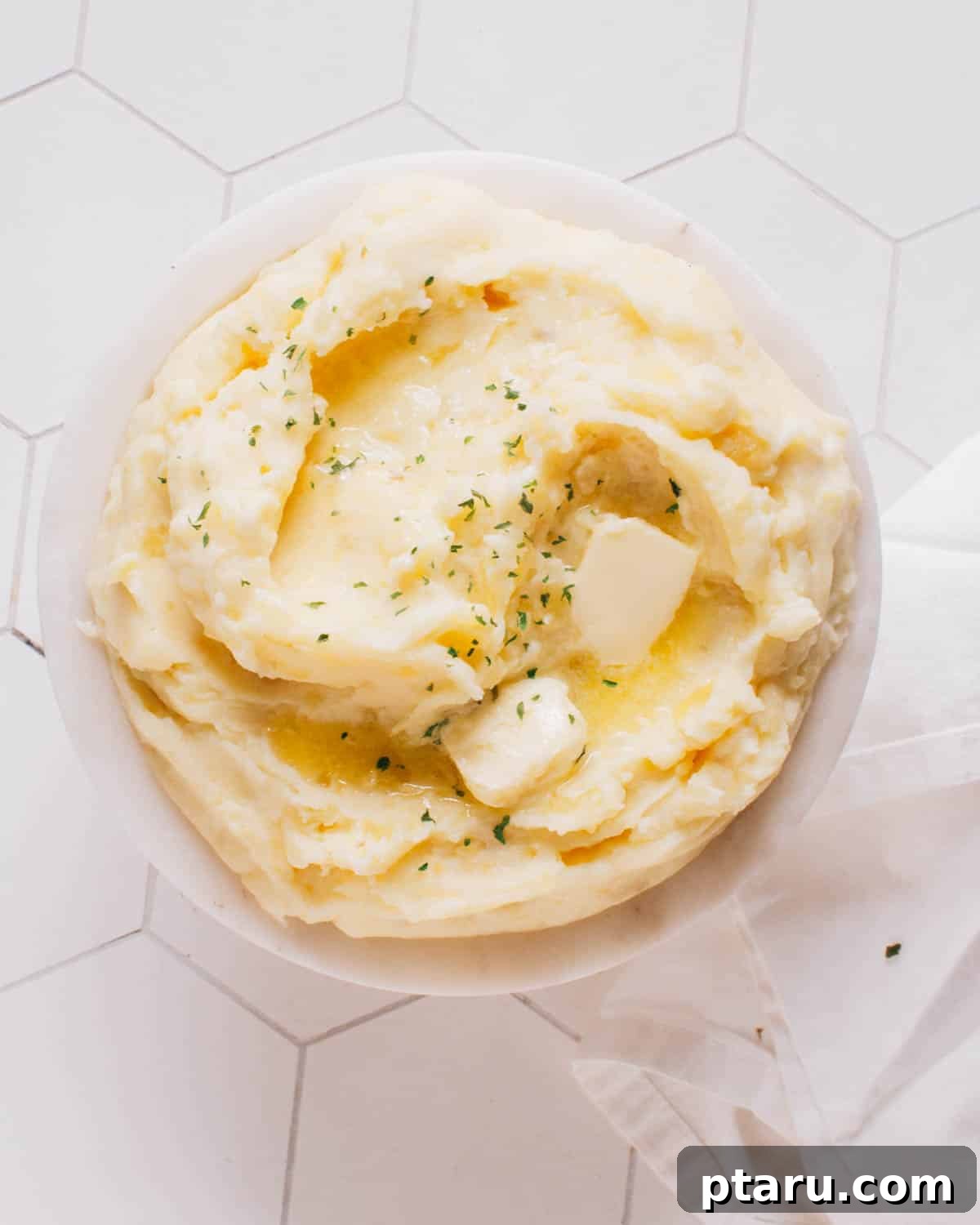
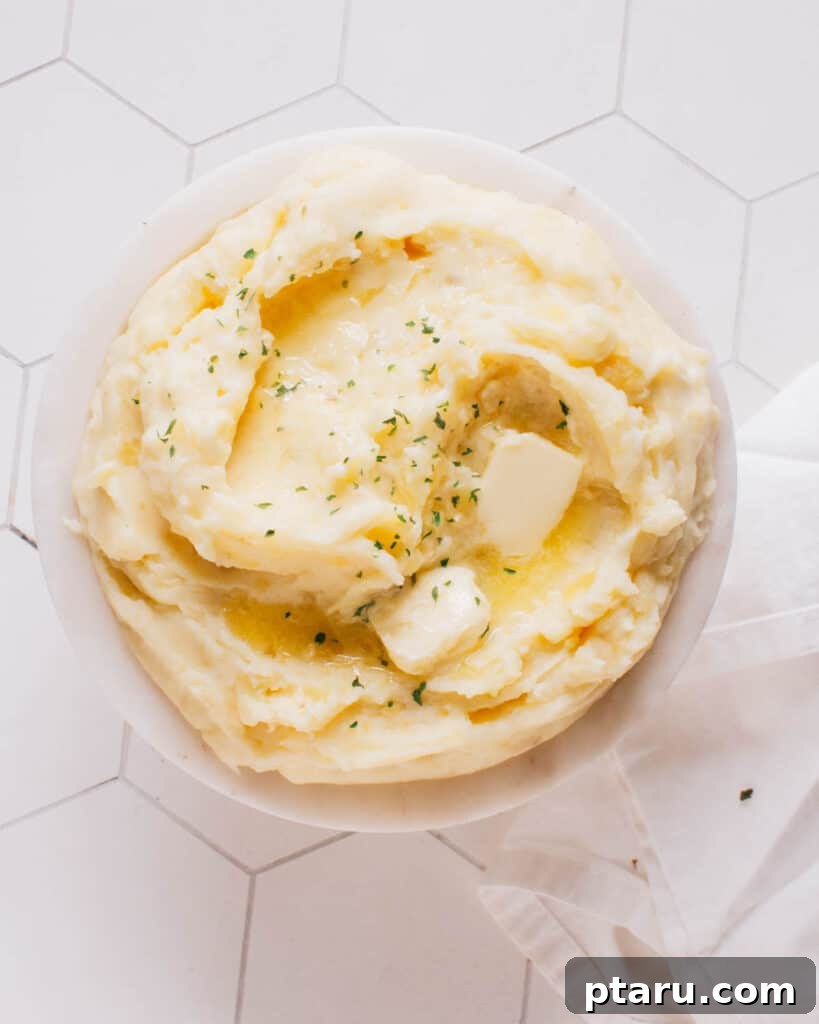
Welcome to the ultimate guide for creating the most **fluffy, creamy, and undeniably delicious mashed potatoes** you’ve ever tasted! This isn’t just another mashed potato recipe; it’s a deep dive into the techniques and secrets known by professional chefs, designed to transform your ordinary side dish into a culinary masterpiece. Prepare to learn why your mashed potatoes might have been gluey in the past, how to avoid common pitfalls, and what specific steps guarantee a velvety smooth texture every single time. Get ready to impress your family and friends with mashed potatoes that are truly a game-changer!
Why This Mashed Potato Recipe Stands Above the Rest
Forget everything you thought you knew about mashed potatoes. This recipe elevates a humble side dish into a truly exceptional experience. Here’s what makes these mashed potatoes the absolute best:
- Unrivaled Fluffiness: By selecting high-starch Russet potatoes and employing precise cooking techniques, we achieve an airy, cloud-like texture that is utterly devoid of any gluey stickiness. It’s the secret to mashed potatoes that melt in your mouth.
- Luxurious Creaminess: The generous addition of good quality butter and gently warmed heavy cream imparts a rich, velvety smoothness. This isn’t just about adding fat; it’s about perfectly emulsifying dairy into the potato for a consistently luscious mouthfeel.
- Perfectly Balanced Flavor: We treat salt as a critical ingredient from the very beginning, seasoning the potatoes from the inside out as they cook. This foundational salting ensures that every single bite is bursting with flavor, preventing the need for aggressive seasoning at the end.
If you’re a true potato enthusiast and love exploring diverse potato dishes, don’t stop here! Be sure to try my Instant Pot Potato Soup for a quick and hearty meal, indulge in the super crispy and fluffy Fried Potatoes, impress with elegant Au Gratin Potatoes, and savor the comforting simplicity of my Easy Potato Soup recipe.
Essential Ingredients for Truly Outstanding Mashed Potatoes
Crafting perfect mashed potatoes starts with selecting the right ingredients. Each component plays a vital role in achieving that desired fluffy, creamy texture and rich flavor profile.
- Russet Potatoes: These are the undisputed champions for mashed potatoes. Their high starch content breaks down beautifully during cooking, creating a wonderfully dry and fluffy canvas that eagerly absorbs butter and cream without becoming watery or dense. Aim for firm, blemish-free potatoes.
- Salt (Kosher Salt Recommended): Far more than just a seasoning, salt is a crucial ingredient in the cooking water. It seasons the potatoes from the inside, ensuring deep, pervasive flavor. Using kosher salt is preferred due to its larger crystals, which are easier to measure and dissolve evenly. We’ll delve more into the science of salting below!
- Unsalted Butter: For rich flavor and silky texture. Using unsalted butter allows you complete control over the final salt content of your dish. High-quality butter makes a noticeable difference.
- Heavy Cream: This is where the magic happens for ultimate creaminess. Its high-fat content adds luxurious richness and helps create a smooth, emulsified texture. If you don’t have heavy cream, a heavy cream substitute can work, but for the best results, stick to heavy cream.
- Sour Cream or Cream Cheese (Optional but Recommended): A quarter cup of either adds a delightful tang and an extra layer of richness, cutting through the butter and cream for a more complex flavor profile.
- Freshly Ground Black Pepper: For a subtle warmth and aromatic kick. Grind it fresh for the best flavor.
- Ground Nutmeg (Optional): Just a pinch can elevate the flavor of mashed potatoes, adding a warm, subtle, and sophisticated note that complements the dairy beautifully.
- Fresh Chives or Parsley (for garnish): Not just for looks, these fresh herbs add a burst of color and a fresh, herbaceous counterpoint to the rich potatoes.
Flavorful Variations and Smart Substitutions for Your Mashed Potatoes
While our classic recipe is perfection, there are many ways to customize your mashed potatoes to suit your taste or dietary needs. Experiment with these variations to make the dish your own:
- Yukon Gold Potatoes: If you desire a slightly thicker, naturally buttery, and denser mashed potato with a golden hue, substitute Russet potatoes with Yukon Gold. They have a lower starch content and a creamier flesh, yielding a different but equally delicious result.
- Vegan Butter & Plant-Based Milk: For a dairy-free or vegan version, replace traditional butter with a high-quality plant-based butter substitute. Instead of heavy cream, use full-fat coconut milk (for a subtle coconut flavor) or a rich, unsweetened plant-based milk like oat or cashew milk, warmed thoroughly.
- Cheesy Indulgence: Stir in a handful of finely grated Parmesan, sharp cheddar, or Gruyere cheese at the end. The residual heat from the potatoes will melt the cheese, creating an irresistible, savory layer of flavor and added richness.
- Roasted Garlic Mashed Potatoes: Roast a whole head of garlic until soft and caramelized, then squeeze the cloves into your mashed potatoes before mixing in the dairy. This adds a sweet, mellow, and incredibly aromatic garlic flavor without the sharpness of raw garlic.
- Herbal Infusion: Incorporate finely chopped fresh herbs like rosemary, thyme, or sage along with the butter and cream. These herbs add a fragrant complexity, especially for holiday meals.
- Spicy Kick: For those who love a bit of heat, a pinch of cayenne pepper or a dash of hot sauce can be mixed in. Alternatively, infuse the cream with a sliced jalapeño before warming, then strain it out.
Essential Tools for Perfect Mashed Potatoes
Having the right kitchen tools can significantly impact the ease of preparation and the final texture of your mashed potatoes. While some tools are optional, they can make a noticeable difference in achieving a truly restaurant-quality dish.
- Two Pots: A large, heavy-bottomed pot is crucial for boiling the potatoes, ensuring they have enough space to cook evenly without overcrowding. You’ll also need a small saucepan specifically for gently heating the dairy mixture. This separate heating step is key to avoiding lumpy, uneven mashed potatoes.
- Colander: An absolute necessity for efficiently draining the boiled potatoes. Ensuring the potatoes are thoroughly drained is vital for preventing a watery or soggy mash.
- Potato Masher or Ricer:
- Potato Masher: For those who prefer a more rustic texture with small lumps, a sturdy hand masher works perfectly. It allows you to control the consistency easily.
- Potato Ricer: For the silkiest, most lump-free mashed potatoes, a potato ricer is highly recommended by professional chefs. It forces the cooked potatoes through small holes, separating the starch granules and creating an incredibly airy and uniform texture without overworking them.
Do NOT use an electric mixer, food processor, or immersion blender! These tools over-process the potatoes, breaking down too much starch and releasing excessive amounts of sticky pectin, resulting in a gluey, gummy, and utterly unappetizing consistency. Manual mashing is key.
- Sturdy Spatula or Wooden Spoon: Ideal for gently folding in the warm dairy and seasonings, ensuring everything is well combined without over-mixing.
How to Make The Best Mashed Potatoes: A Step-by-Step Guide
Creating truly spectacular mashed potatoes isn’t complicated, but it does involve a few key steps and techniques. Follow this detailed guide to achieve fluffy, creamy, and flavorful results every time.
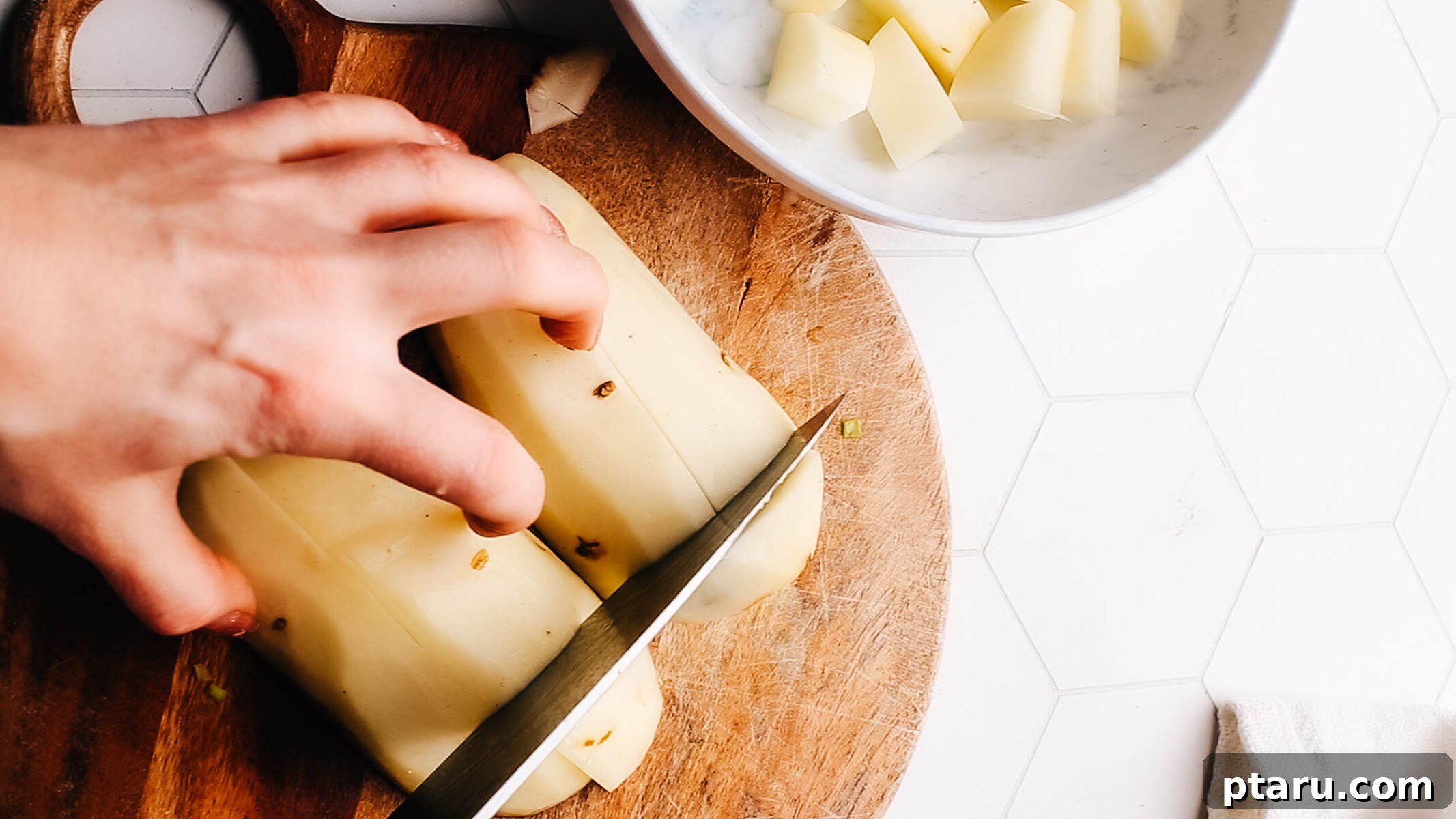
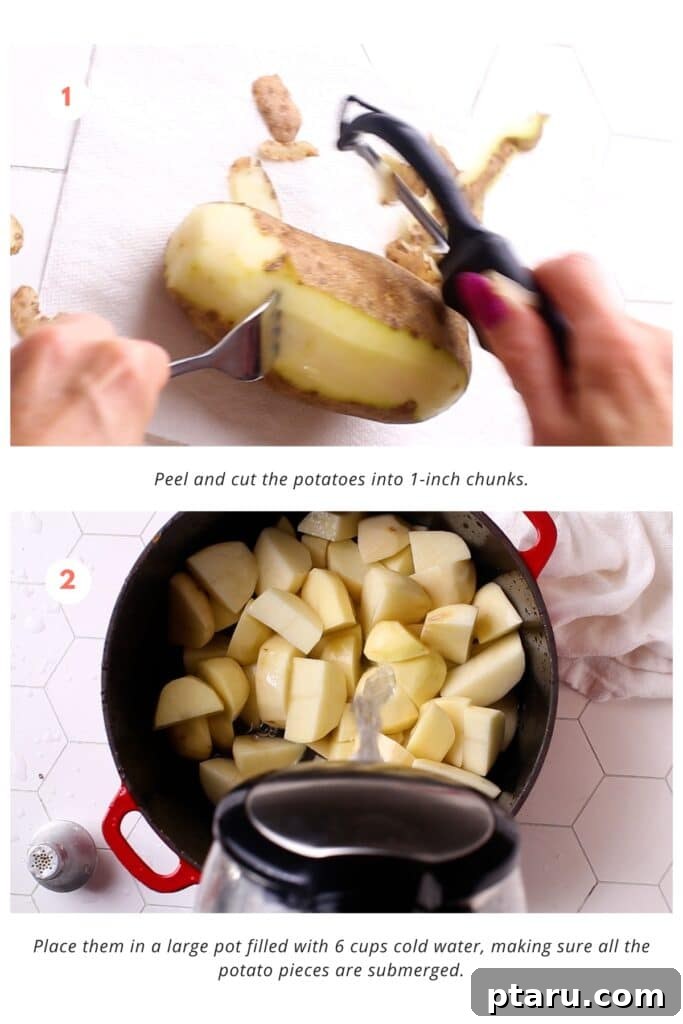
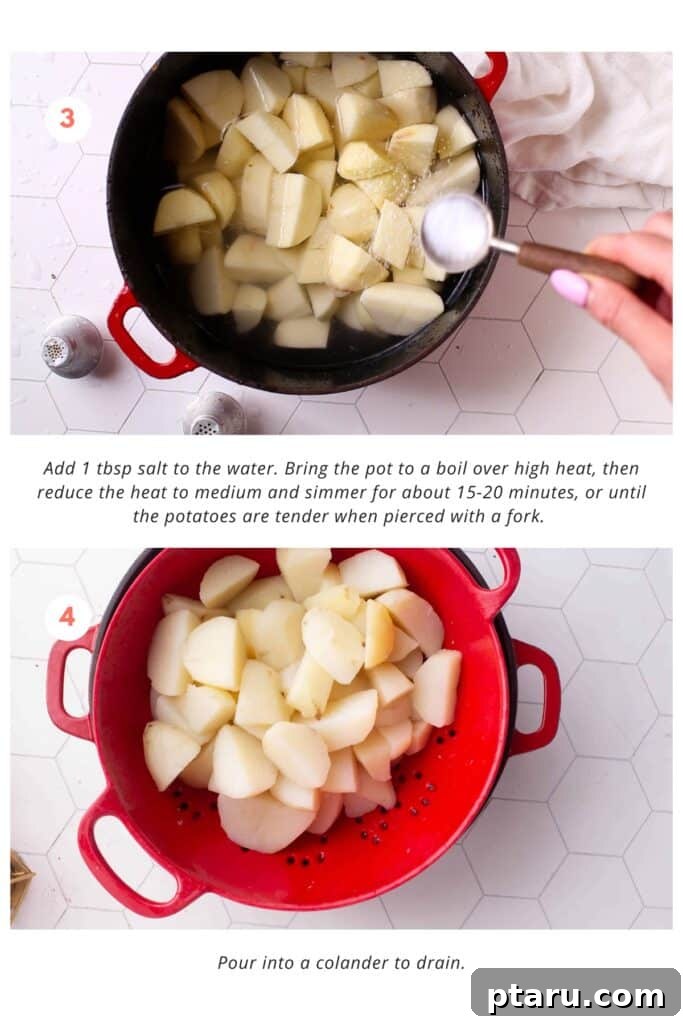
- Prepare and Cook the Potatoes: Begin by peeling your Russet potatoes and cutting them into uniform 1-inch chunks. This even sizing is crucial for consistent cooking, preventing some pieces from becoming mushy while others remain undercooked. Place the potato chunks in a large pot and cover them with *cold* water. Add a generous tablespoon of kosher salt to the water – remember, this is a critical seasoning step that flavors the potatoes from within. Bring the water to a boil over high heat, then reduce to a gentle simmer. Cook for 15-20 minutes, or until the potatoes are fork-tender throughout, meaning a fork slides into them with no resistance.
- Drain and Dry the Potatoes: Once tender, immediately drain the potatoes thoroughly in a colander. For an even fluffier result, return the drained potatoes to the empty, still-warm pot over low heat for 1-2 minutes, shaking gently. This crucial step allows any residual moisture to evaporate, ensuring your mash isn’t watery and can better absorb the rich dairy.
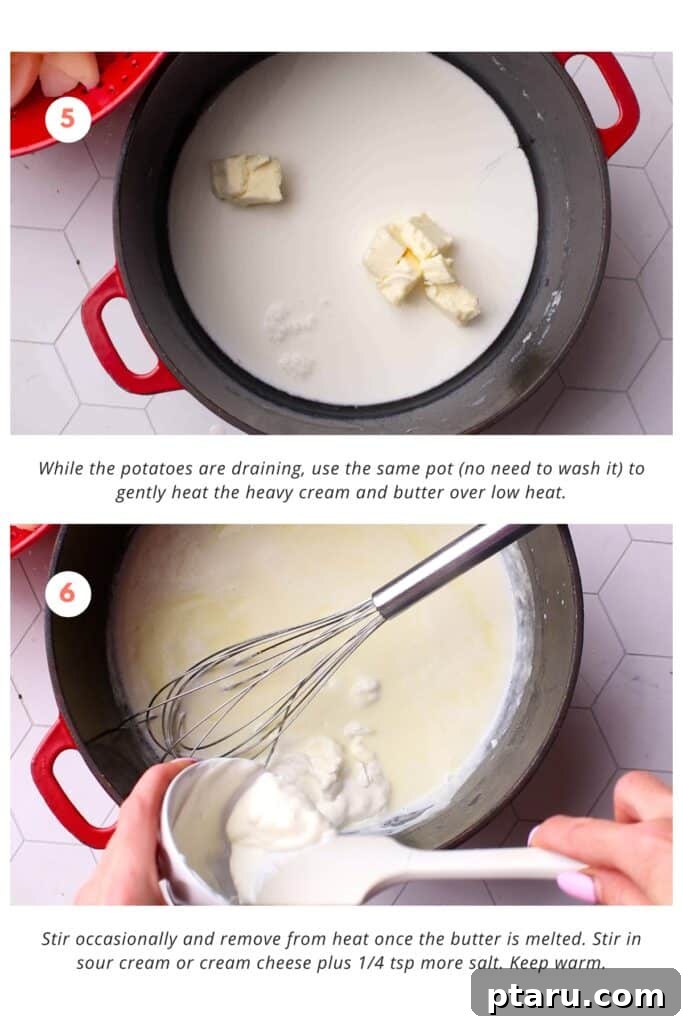
- Warm the Dairy Mixture: While the potatoes are cooking and draining, gently combine your unsalted butter, heavy cream, and the optional sour cream or cream cheese in a small saucepan. Heat over low heat, stirring occasionally, until the butter is completely melted and the mixture is warm, but not boiling. This warm dairy blends seamlessly into the hot potatoes, creating a smooth emulsion and preventing the mash from cooling down.
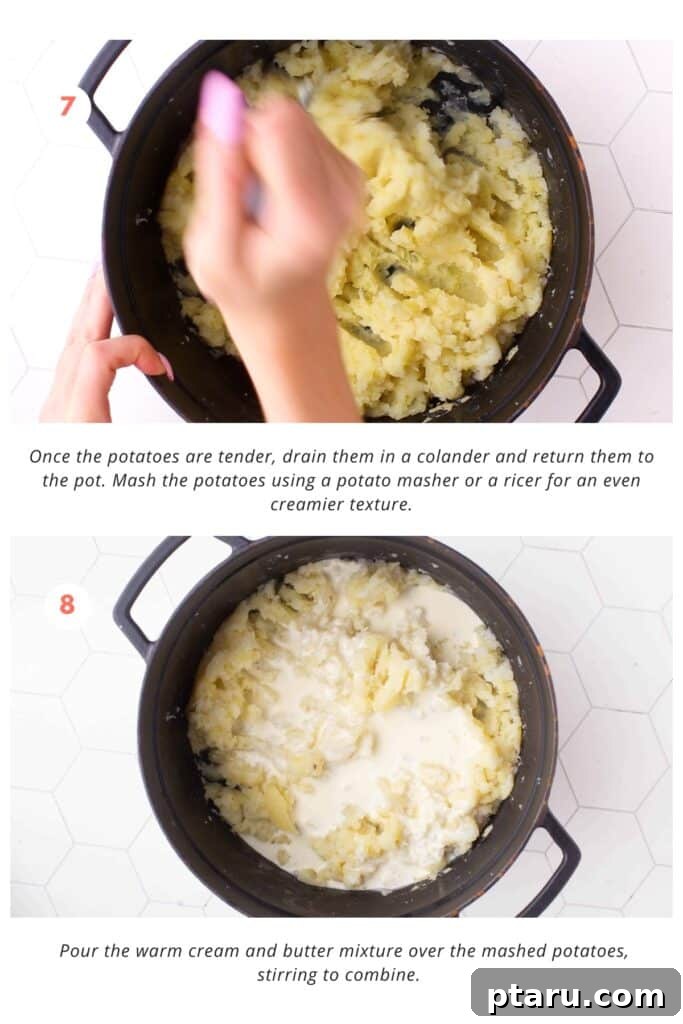
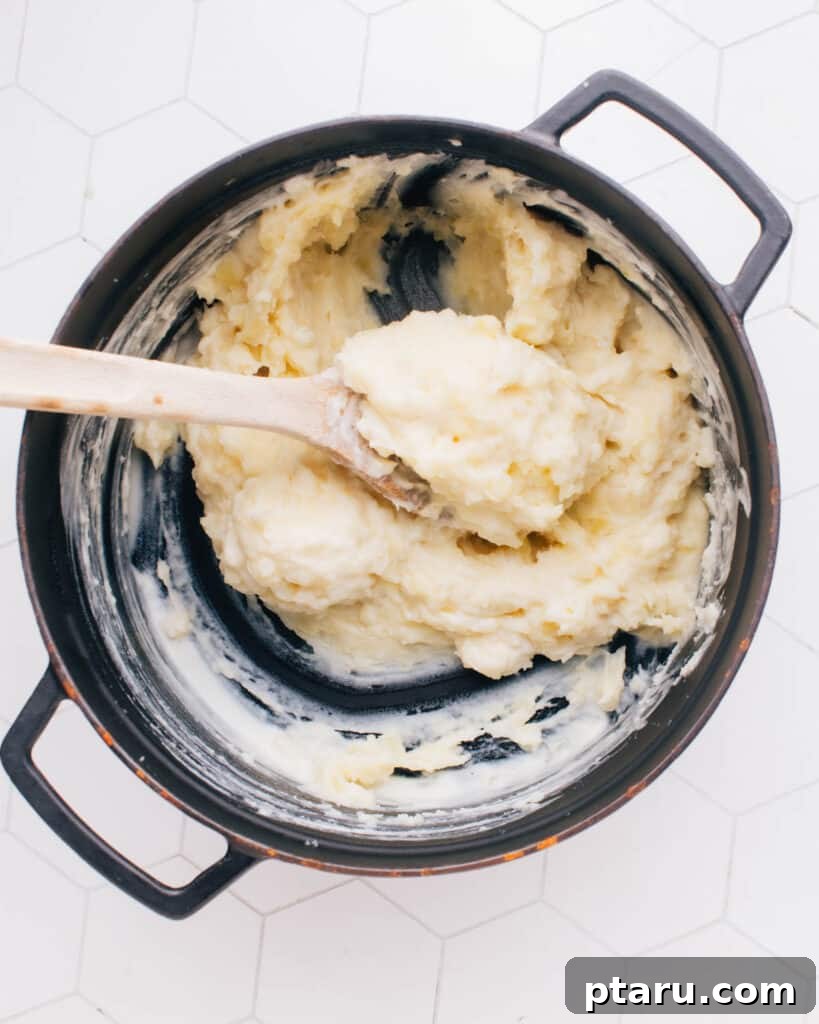
- Mash and Combine: Once the potatoes are dry and hot, return them to the large pot. Use a potato ricer for the smoothest, lightest texture, or a hand potato masher for a slightly chunkier, rustic consistency. Mash until no large lumps remain, but *do not over-mash*. Immediately pour the warm dairy mixture over the mashed potatoes. Gently fold and stir with a sturdy spatula or wooden spoon until just combined and creamy. Over-mixing at this stage can activate too much starch and lead to gluey potatoes.
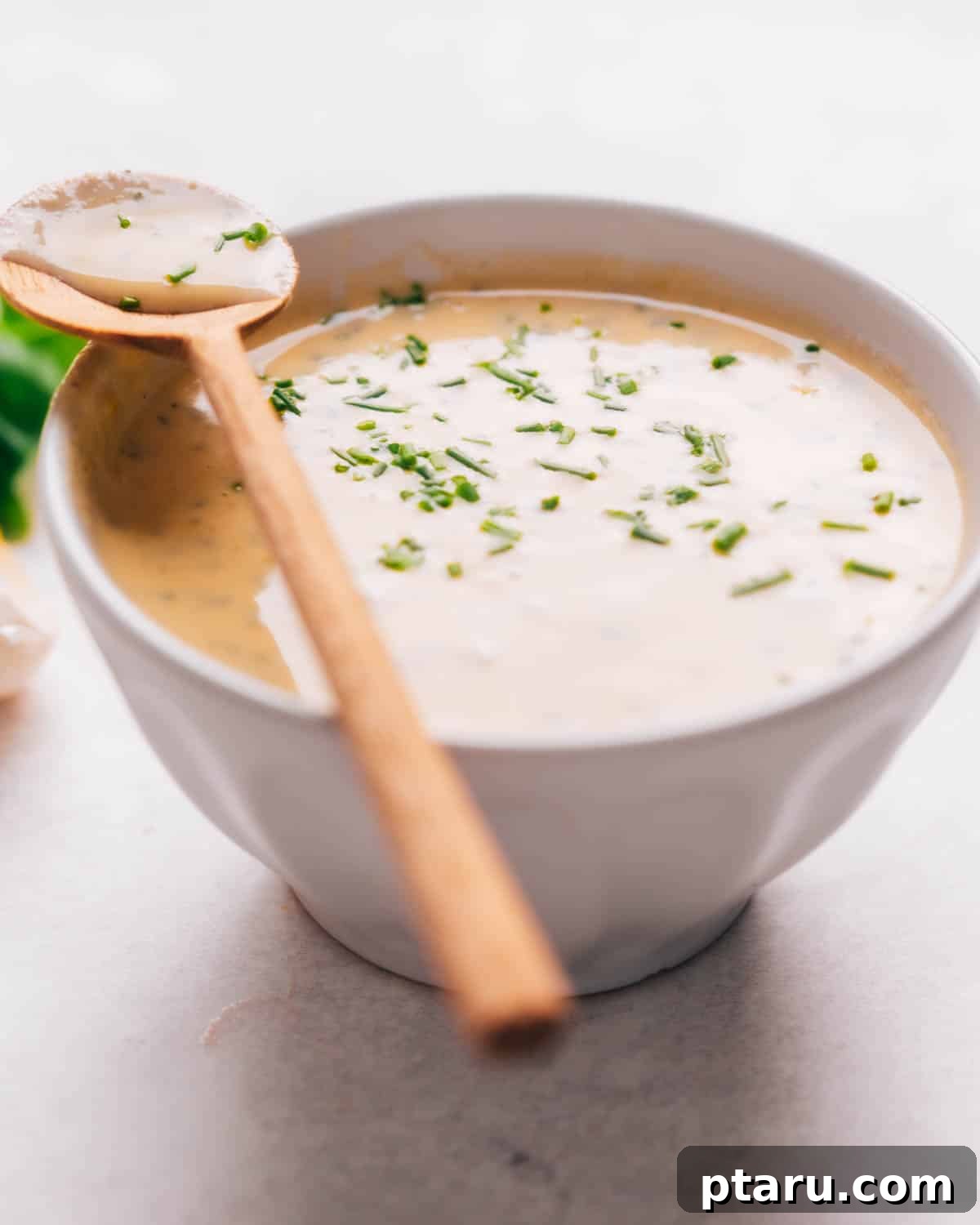
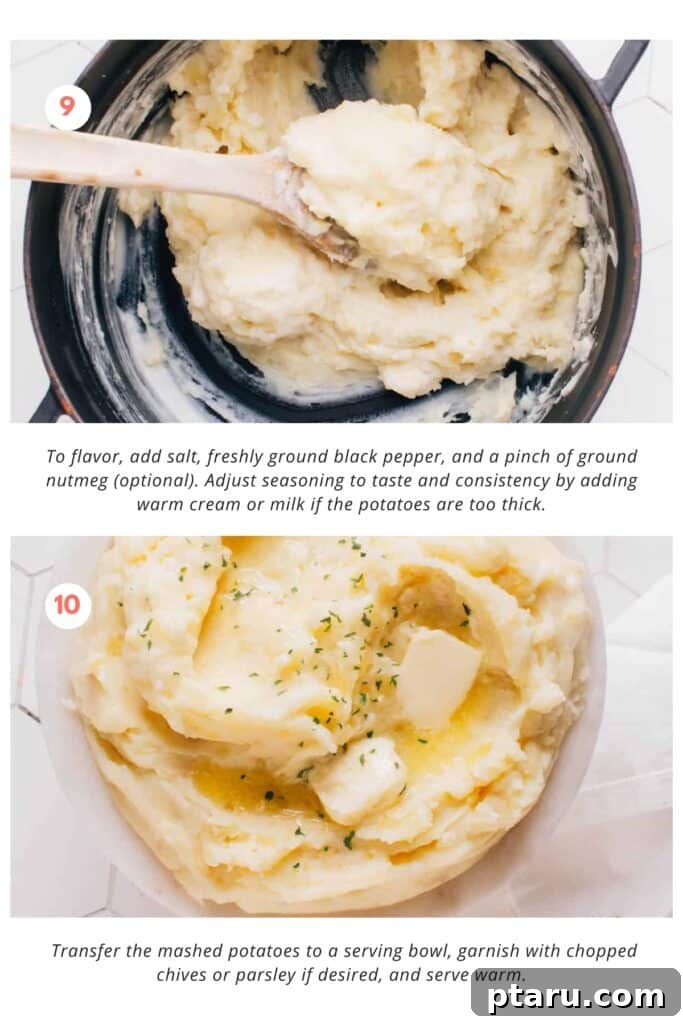
- Season and Serve: Taste your mashed potatoes and season generously with additional salt and freshly ground black pepper as needed. A small pinch of ground nutmeg can add a wonderful warmth. If the potatoes are too thick, you can incorporate a little more warmed heavy cream or milk until they reach your desired consistency. Transfer to a serving bowl, garnish with fresh chopped chives or parsley for a touch of color and freshness, and serve warm.
Here’s the step-by-step in photos to guide you through the process:
Choosing the Perfect Spud: What Are the Best Potatoes for Mashing?
The type of potato you choose is perhaps the most critical decision when aiming for exceptional mashed potatoes. While many varieties can be mashed, **Russet potatoes** (also known as Idaho potatoes) are overwhelmingly considered the top choice for good reason:
- High Starch Content: Russets are “starchy” potatoes. This means they have a high ratio of starch to water. When cooked, their cellular structure easily breaks down, allowing them to become very soft and fluffy. The starch granules swell and separate readily, preventing a dense or waxy texture.
- Superior Absorbency: Once cooked and mashed, the broken-down starch in Russets acts like a sponge, eagerly soaking up butter, cream, and seasonings. This results in an incredibly rich, flavorful, and incredibly light mash that is never waterlogged.
- Fluffy Texture: Their dry, mealy flesh transforms into an airy, cloud-like consistency when mashed, particularly when processed through a ricer. This fluffiness is the hallmark of truly great mashed potatoes.
- Neutral Flavor Profile: Russets have a mild, earthy, and slightly nutty flavor that serves as a perfect canvas for butter, cream, and other seasonings, allowing them to shine without competition.
- Ease of Preparation: Their uniform, elongated shape makes them relatively easy to peel and cut into even pieces, ensuring consistent cooking times.
While other varieties like Yukon Gold can also make delicious mashed potatoes, yielding a creamier, more buttery, and slightly denser result due to their medium-starch, waxy texture, Russet potatoes consistently come out on top for that classic, airy, and deeply flavorful mash. Waxy potatoes, like red new potatoes, tend to hold their shape better and are often preferred for potato salads or dishes where you want distinct pieces, but their lower starch content can lead to a gluey texture if over-mashed.
The Science of Flavor: Why Measuring Water and Salt is Crucial
You might wonder why we fuss over precise measurements for humble cooking water and salt. In this recipe, the **salt in the cooking water is not just a flavor enhancer; it’s a vital ingredient and a key player in the chemistry of creating perfect mashed potatoes.**
Firstly, salting the water properly seasons the potato all the way through, from the inside out, during the initial cooking phase. This foundational salting is essential for deep, pervasive flavor in every bite. It prevents you from having to aggressively stir in salt later, which can lead to over-mixing and the dreaded gluey texture.
But beyond just flavor, it’s about the **science of osmosis and how water moves across membranes**. Potatoes, like all plant cells, are full of water. When you place them in cooking water:
Osmosis dictates that water likes to move from an area of lower solute concentration (less “stuff” dissolved, like plain water) to an area of higher solute concentration (more “stuff” dissolved, like salty water) to try and balance things out.
- If your cooking water is *undersalted* (lower concentration than the potato), water will rush *into* the potato to try and dilute its internal salts and starches. This makes the potatoes waterlogged and bland.
- If your cooking water is *properly salted* (higher concentration than the potato, ideally tasting like seawater), water is less likely to rush *into* the potato. Instead, it encourages some water *out* of the potato, leaving you with drier, starchier potatoes that are perfectly seasoned. These drier potatoes are prime candidates for absorbing all that wonderful butter and cream without becoming soggy.
So, measuring the salt and water is not an arbitrary step; it’s a strategic move to prevent watery, bland potatoes and ensure your mash is inherently flavorful and perfectly textured from the start. Watery, bland potatoes? No thanks – we’re aiming for perfection!
The Warmth Advantage: Why You Must Heat Cream and Butter Separately
This might seem like an extra step, but gently warming the cream and butter separately before adding them to your hot mashed potatoes is a non-negotiable technique for achieving restaurant-quality results. Here’s why it’s so critical:
- Seamless Blending and Emulsification: Warm dairy blends smoothly and completely into hot potatoes. Cold dairy, on the other hand, can seize up or cool down the potatoes unevenly, leading to lumpy, inconsistent textures. Warm fat emulsifies much better, creating a velvety, homogenous mixture.
- Prevents Fat Re-solidification: Butter is primarily fat, and cold temperatures cause fat to solidify. Adding cold butter to hot potatoes can cause the butter to clump and not distribute evenly, leaving you with pockets of solid fat rather than a smooth, integrated richness. Warming it ensures it stays liquid and integrates perfectly.
- Maintains Temperature: Mashed potatoes are best served piping hot. Adding cold ingredients significantly drops the temperature of your mash, making it less enjoyable. Warm dairy helps maintain the desired serving temperature.
- Reduces Mashing and Glue Risk: Warm, liquid dairy incorporates into the potatoes much faster with minimal effort. This means less stirring and less mashing needed to achieve creaminess. Less manipulation of the potatoes directly translates to less starch breakdown, significantly reducing the risk of developing a gluey, gummy texture.
- Enhanced Flavor Infusion: Warm liquids are better at carrying and diffusing flavors. If you’ve infused your cream with aromatics like garlic or herbs, warming it ensures those flavors are optimally distributed throughout the potatoes.
- Precise Texture Control: By adding warmed dairy gradually, you can precisely control the consistency of your mashed potatoes, achieving that perfectly velvety finish without over-diluting or over-mixing.
Avoid These 4 Common Mistakes for Perfect Mashed Potatoes
Many people inadvertently sabotage their mashed potatoes by making a few common errors. Understanding these pitfalls is key to avoiding disappointment and achieving that dream-like texture and flavor.
- Adding Liquid Too Early (or before mashing completely):
Mistake: Pouring in milk or cream before the potatoes are fully mashed, or while they are still very wet, is a common culprit for gluey potatoes.
Why it’s a mistake: The presence of too much liquid combined with mashing action can prematurely release and over-activate the starch granules in the potatoes. This leads to starch gelatinization and the development of a sticky, gummy, and unpleasant texture.
The Fix: Always ensure potatoes are thoroughly drained and mashed (or riced) first. Then, gently fold in the warm dairy mixture until just combined. - Not Using Enough Salt (Especially in the Cooking Water):
Mistake: Under-salting the cooking water or not salting enough throughout the process.
Why it’s a mistake: Potatoes are notoriously bland on their own and require significant seasoning. If the cooking water isn’t salty enough (it should taste like seawater), the potatoes won’t absorb enough seasoning from the inside out. Trying to compensate with a lot of salt at the end results in unevenly seasoned potatoes where only the surface tastes salty.
The Fix: Treat the salt in the cooking water as an actual ingredient. Use kosher salt and ensure the water is adequately seasoned. Taste and adjust again after adding the dairy, but the foundational seasoning should be done during boiling. - Adding Cold Butter or Cream:
Mistake: Incorporating cold butter or cream directly into hot mashed potatoes.
Why it’s a mistake: Cold dairy causes the temperature of your hot potatoes to drop rapidly and unevenly. This can lead to the butter not melting fully or clumping, resulting in a lumpy, inconsistent texture. The fat in the butter can also re-solidify, creating waxy pockets.
The Fix: Always gently warm your butter and cream (and any other dairy like sour cream or cream cheese) in a separate saucepan until just melted and warm. This ensures a smooth, even blend and maintains the desired temperature of your mashed potatoes. - Over-Mixing or Using an Electric Mixer:
Mistake: Aggressively mashing, using an electric hand mixer, a stand mixer, or a food processor.
Why it’s a mistake: These powerful tools, or simply too much manual mashing, will break down the potato cells excessively. This releases too much starch, specifically pectin, which then becomes sticky and gelatinous, resulting in a gluey, gummy texture that is impossible to fix.
The Fix: For optimal results, use a potato ricer, which separates the cells gently. Alternatively, use a hand potato masher and stop as soon as the desired consistency is achieved, with no large lumps remaining. Stir in the dairy with a spatula, again, only until just combined.
4 Pro Tips for Achieving Unforgettable Mashed Potatoes
Beyond avoiding common mistakes, incorporating these professional techniques will elevate your mashed potatoes from good to absolutely legendary. These are the nuances that chefs swear by for perfect texture and flavor.
- Pre-Cut Potatoes for Uniform Cooking:
Tip: Always cut your peeled potatoes into even, 1-inch (or similar size) chunks before boiling.
Why it works: Uniformly sized pieces ensure that all potatoes cook at the same rate. This is critical to prevent some pieces from becoming overcooked and mushy (which can lead to gluey mash) while others are still undercooked and hard. Consistent cooking leads to consistent texture throughout your final dish. - Rinse or Soak the Potatoes for Reduced Surface Starch:
Tip: After cutting your potatoes, give them a good rinse under cold running water, or even soak them in a bowl of cold water for 10-15 minutes.
Why it works: Rinsing removes excess surface starch. This surface starch can contribute to a gluey texture when released into the cooking water and then reabsorbed. By removing it, you pave the way for a lighter, fluffier mash. Ensure you dry the potatoes thoroughly after rinsing if you plan to soak them longer, or simply drain well if a quick rinse. - Double Strain and Steam Dry for Optimal Dryness:
Tip: After boiling and draining your potatoes in a colander, return them to the empty, still-warm pot. Place the pot back on the stove over very low heat (or just off the heat) for a few minutes, stirring gently, allowing the residual steam to escape.
Why it works: This crucial step evaporates any remaining surface moisture from the cooked potatoes. Dry potatoes are key to a truly fluffy mash because excess water prevents the butter and cream from being fully absorbed, leading to a watery, less flavorful, and potentially gluey result. - Embrace the Potato Ricer for the Silkiest Texture:
Tip: For the absolute smoothest, most lump-free, and fluffiest mashed potatoes, invest in and use a potato ricer instead of a traditional masher.
Why it works: A ricer gently forces the cooked potatoes through small holes, separating the starch cells without tearing them. This creates tiny, uniform strands of potato that are incredibly light and airy. Unlike mashing, which can activate too much starch, ricing minimizes starch damage, making it nearly impossible to produce gluey potatoes. The fine texture also allows for more even absorption of butter and cream.
Make Ahead and Storage Tips for Effortless Mashed Potatoes
One of the many wonderful qualities of these mashed potatoes is how beautifully they can be made ahead of time and stored, allowing you to enjoy creamy, fluffy potatoes even on busy days or for grand feasts. They reheat like a dream!
How to Freeze Mashed Potatoes for Future Enjoyment
- Cool Completely: Before freezing, ensure your mashed potatoes are completely cooled. Freezing hot or warm food can create ice crystals and lead to freezer burn, compromising texture and flavor.
- Use Airtight, Freezer-Safe Containers: Pack the cooled mashed potatoes into rigid, airtight, freezer-safe containers. Press plastic wrap directly onto the surface of the mashed potatoes before sealing the container. This prevents air exposure and further safeguards against freezer burn.
- Label and Date: Always label your containers with the date and contents. Mashed potatoes can be safely frozen for up to 10–12 months, though for best quality, aim to consume them within 3-4 months.
- Single-Serving Portions: For ultimate convenience, scoop ½-cup portions of mashed potatoes onto a baking sheet lined with parchment paper and freeze until solid. Once frozen, transfer the individual scoops to a freezer-safe bag or container. This allows you to grab exactly the amount you need.
How to Reheat Mashed Potatoes Perfectly
Reheating mashed potatoes can sometimes result in a slightly drier or denser texture, but with a few tricks, you can restore them to their original creamy glory:
- Thaw First (Optional): For best results, thaw frozen mashed potatoes in the refrigerator overnight before reheating. If reheating from frozen, it will take longer.
- Stovetop Method (Recommended): Transfer thawed mashed potatoes to a large saucepan or pot. Add a splash of milk, cream, or chicken/vegetable broth (1-2 tablespoons per cup of potatoes) along with an extra pat of butter. Warm over low heat, stirring frequently, until heated through and creamy. Add more liquid as needed to achieve your desired consistency.
- Oven Method (Good for Large Batches): Place thawed mashed potatoes in an oven-safe dish. Add a few pats of butter and a splash of milk or cream over the top. Cover tightly with foil and bake at 350°F (175°C) for 20-30 minutes, or until heated through. Stir well before serving.
- Microwave Method (For Quick Servings): Place individual portions in a microwave-safe bowl. Add a tablespoon of milk, cream, or broth and a small pat of butter. Cover with a microwave-safe lid or plastic wrap (vented) and heat at 50% power in 2-minute bursts, stirring well between intervals, until hot and creamy.
Pro Tip: A little extra butter, a spoonful of sour cream, or a dash of fresh cream stirred in at the very end of reheating will make your mashed potatoes taste freshly made and incredibly luxurious.
Serving Suggestions: What to Pair with These Perfect Mashed Potatoes
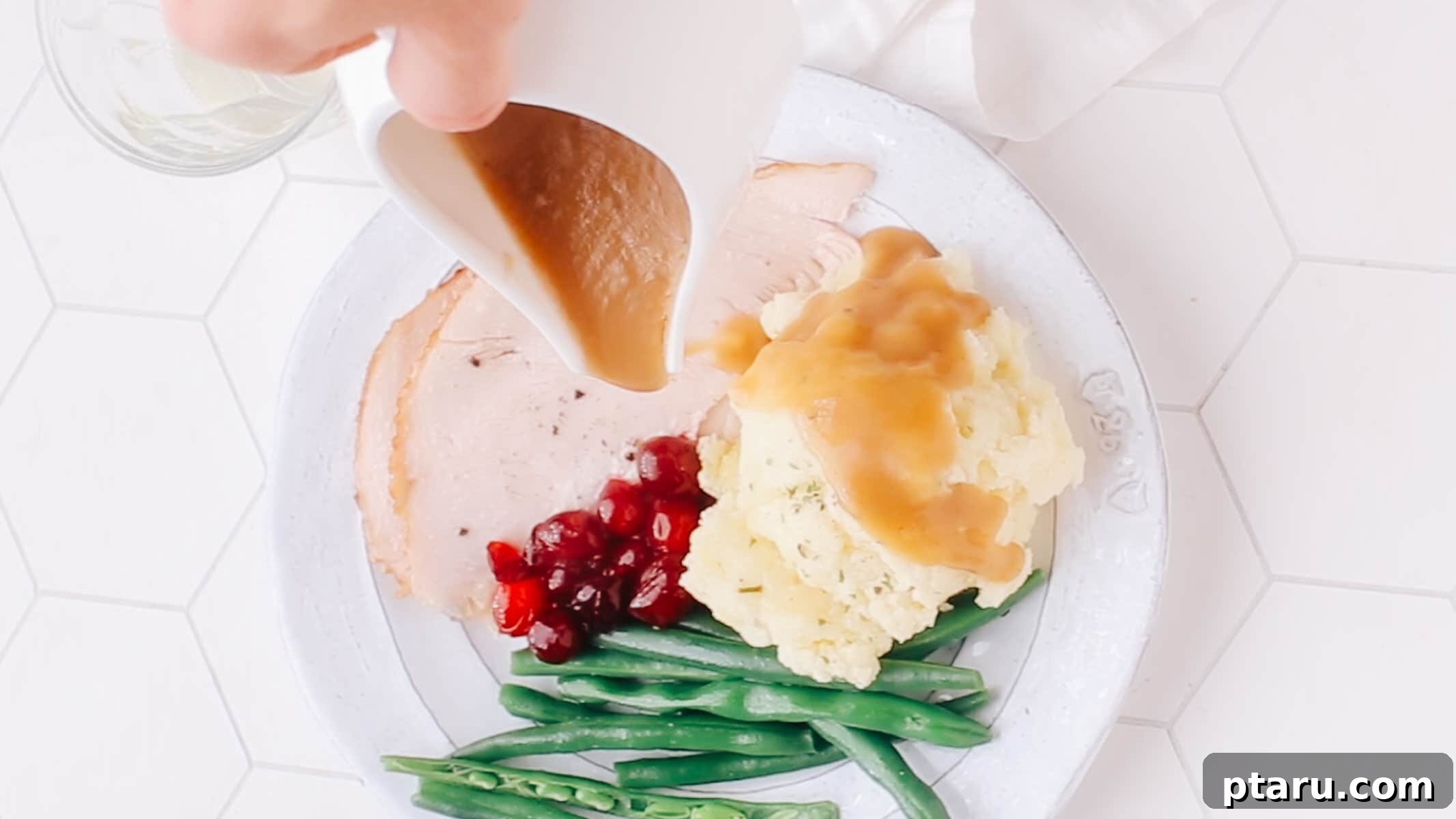
These incredibly rich and fluffy mashed potatoes are far too good to be reserved solely for Roast Turkey at Thanksgiving dinner. Their comforting presence and versatile flavor profile make them a welcome addition to almost any meal, any day of the year. Here are some delectable pairing ideas:
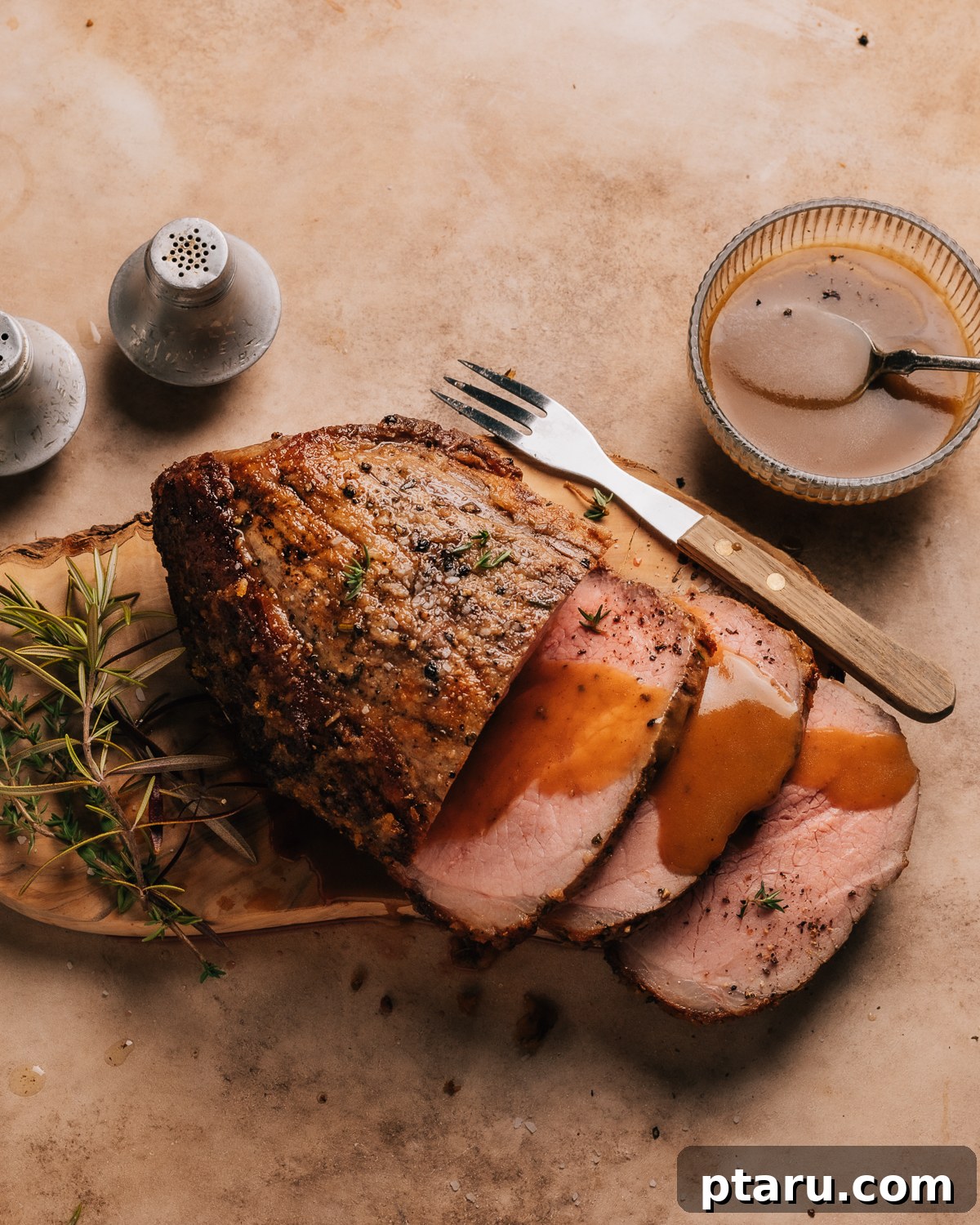
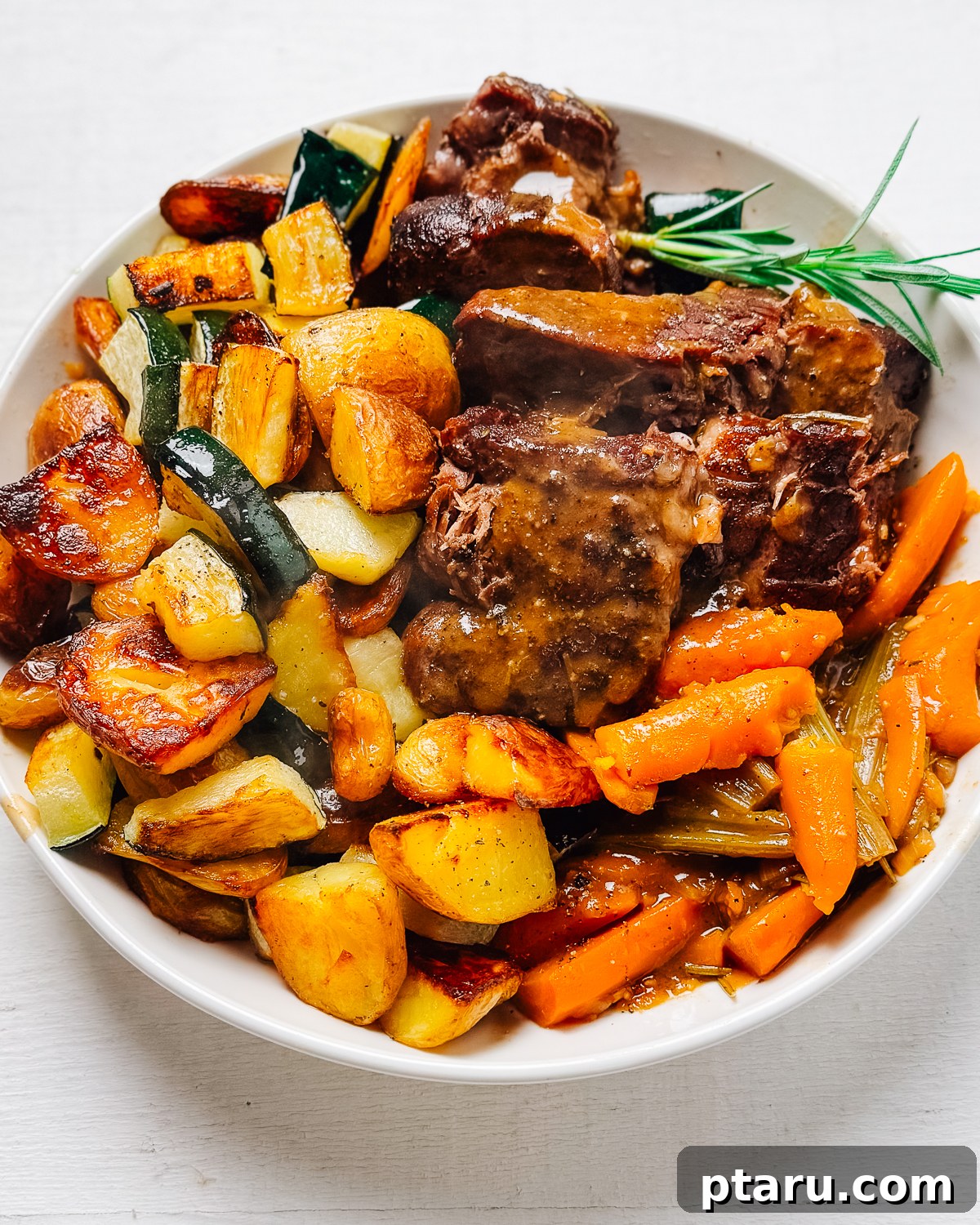
- Classic Roasts: Mashed potatoes are the quintessential accompaniment to hearty roasted meats. Serve them alongside a succulent Roast Pork Loin, a rich Beef Chuck Roast (especially with its accompanying gravy!), a tender Dutch Oven Pot Roast, or an incredibly juicy and tender Eye of Round Roast.
- Comfort Food Favorites: They are the ultimate sidekick to beloved comfort dishes like the best-ever meatloaf, perfectly Oven Baked Pork Chops, savory Salisbury Steak, or my flavorful Honey Mustard Chicken. They also perfectly balance the crispiness of my Crispy Fried Chicken.
- Stews and Braises: The creamy texture of mashed potatoes is ideal for soaking up the rich gravies and sauces from stews and braised dishes, making every spoonful incredibly satisfying. Think beef bourguignon or lamb stew.
- Vegetarian Mains: Don’t limit them to meat! Mashed potatoes are a fantastic pairing for vegetarian meals such as hearty mushroom gravies, roasted root vegetables, or a rich lentil stew.
I adore mashed potatoes so much that I dedicated an entire article to exploring the myriad possibilities of What to Eat With Mashed Potatoes, offering over 35 cozy and inspiring recipe ideas to broaden your culinary horizons.
Creative Ways to Transform Leftover Mashed Potatoes
Never let those precious extra mashed potatoes go to waste! Their creamy texture and mild flavor make them incredibly versatile for transforming into exciting new dishes. Give your leftovers a delicious second life with these creative ideas:
- Crispy Potato Fish Cakes: Combine mashed potatoes with flaked cooked fish (like salmon or cod), herbs, and seasoning. Form into patties and pan-fry until golden brown and crispy for a delightful appetizer or light meal.
- Turkey Stew with Mashed Potato Dumplings: Thicken your favorite turkey or chicken stew by dropping spoonfuls of seasoned mashed potatoes directly into the simmering broth. They’ll cook into tender, savory dumplings, adding a wonderful hearty element.
- Malai Kofta: For an exotic twist, use mashed potatoes as a base for this Indian delicacy. Mix with paneer, spices, and form into balls, then fry and serve in a rich, creamy sauce.
- Thanksgiving Leftover Casserole with Stuffing Crust: Layer leftover turkey, vegetables, gravy, and mashed potatoes, then top with a savory stuffing crust for an ultimate comfort food casserole.
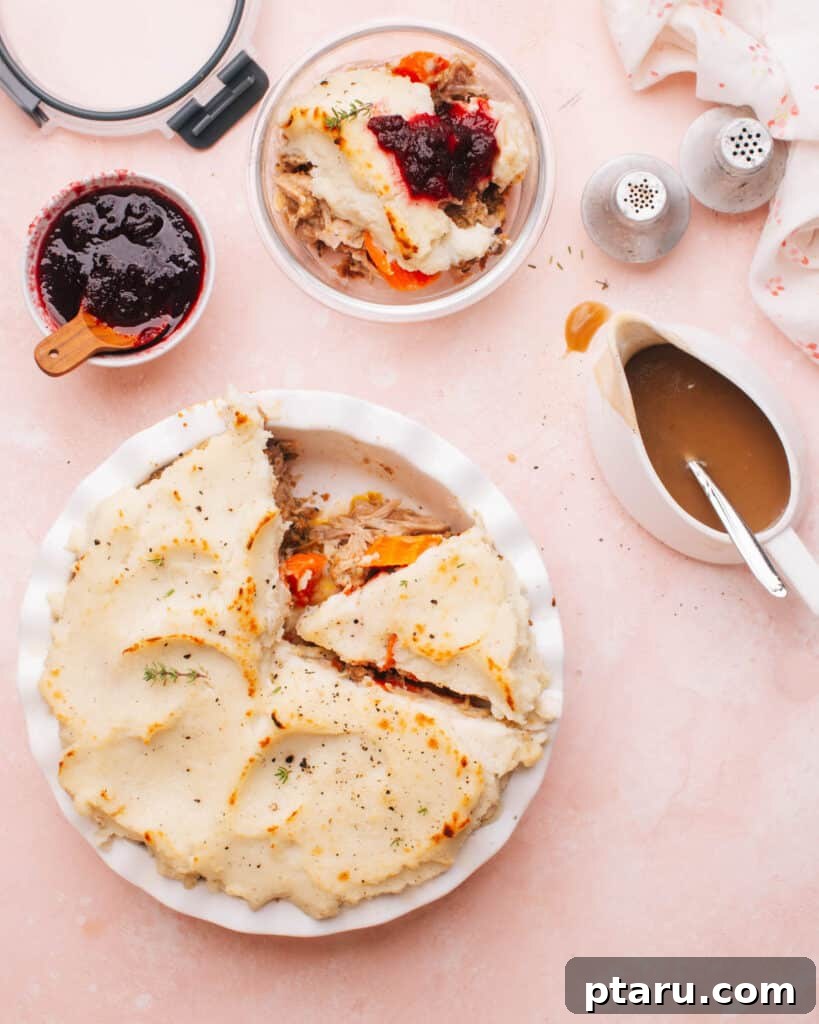
- Vegetarian Shepherd’s Pie: Swap the traditional meat filling for a hearty lentil and vegetable mixture, then top with a thick, creamy layer of mashed potatoes and bake until bubbly and golden.
- Indian-Inspired Delights: Transform your mashed potatoes into flavorful fillings for Potato Samosas, stuff them into flatbreads to make delicious Aloo Naan, or create a unique layered dish with Samosa Pie.
- Croquettes: Mix mashed potatoes with an egg, cheese, and herbs, then roll into logs or balls, bread, and deep-fry or bake until golden and crispy.
Frequently Asked Questions About Mashed Potatoes
Consider this the “too-long-didn’t-read” section, providing concise yet comprehensive answers to your most pressing mashed potato queries.
The foundation of excellent mashed potatoes lies in three critical elements: the proper potato type (Russet is king!), precise seasoning from the start (especially in the cooking water), and the right balance of warmed high-fat dairy like butter and heavy cream. Starting potatoes in cold, salted water ensures even cooking and internal seasoning, while using a potato ricer helps achieve that coveted fluffy, lump-free texture. Avoiding over-mixing is also paramount to prevent a gluey consistency.
Russet potatoes are overwhelmingly considered the best choice for mashed potatoes. Their high starch content means they break down easily into a dry, fluffy texture that readily absorbs butter and cream without becoming waterlogged or gummy. This results in the lightest, airiest, and most flavorful mash.
Yes, while Russet potatoes are highly recommended for their fluffy texture, you can certainly use other varieties. Yukon Gold potatoes are an excellent alternative, producing a creamier, naturally buttery, and slightly denser mash due to their medium-starch, waxy nature. Waxy potatoes like red bliss or new potatoes can also be mashed, often with their skins on for a more rustic feel, but they are more prone to becoming gluey if over-mixed due to their lower starch and higher moisture content.
Peeling is entirely optional and depends on your textural preference. For the smoothest, most traditional mashed potatoes, peeling is recommended as potato skins can interfere with the velvety consistency. However, if you prefer a more rustic feel and don’t mind the slight texture, leaving the skins on (especially with thinner-skinned varieties like Yukon Golds or red potatoes) can add flavor, fiber, and visual appeal. Just ensure they are scrubbed very clean.
Yes, starting potatoes in cold water is a fundamental technique for even cooking. If you start them in hot water, the outside of the potato pieces will cook and soften much faster than the inside, leading to uneven texture – mushy exteriors and firm centers. Starting cold allows the potatoes to heat up gradually and cook uniformly throughout, ensuring every piece reaches fork-tender perfection at the same time.
You can certainly use milk instead of heavy cream for your mashed potatoes, but be aware that it will result in a lighter, less rich, and less indulgent dish. Heavy cream provides superior richness and helps create that luxurious, velvety texture due to its higher fat content. If using milk, opt for whole milk for the best possible creaminess, and you might consider adding an extra tablespoon of butter to compensate for the reduced fat. For an even lighter version, some people use chicken or vegetable broth, which adds savory notes but sacrifices richness.
While sour cream and cream cheese add a lovely tang and extra richness to mashed potatoes, they are entirely optional. If you don’t have them, you can simply omit them, and your mashed potatoes will still be delicious. Alternatively, you could substitute with an equal amount of full-fat Greek yogurt for a similar creamy tang, or add an extra tablespoon of butter and a tiny splash of lemon juice to mimic some of the brightness.
The easiest way to mash potatoes using basic kitchen tools is with a sturdy hand potato masher or even a large fork. After thoroughly draining your cooked potatoes, simply press down and crush them in the pot until you reach your desired consistency. Be mindful not to overwork them. If you want a smoother texture, you can pass them through a fine-mesh sieve using the back of a spoon, though this is more laborious.
Professional chefs almost universally favor a potato ricer for making the smoothest, most lump-free, and fluffiest mashed potatoes. A ricer gently separates the potato cells without over-processing the starch, preventing a gluey texture. This method also creates incredibly light, airy strands that absorb butter and cream beautifully, resulting in a superior consistency that is difficult to achieve with a standard masher.
Mashed potatoes become gluey or gummy when they are over-mixed or over-processed. This happens when the potato cells break down too much, releasing excessive amounts of starch. This starch then develops a sticky, paste-like consistency, turning your fluffy potatoes into an unappetizing glue. To avoid this, never use an electric mixer, food processor, or immersion blender. Stick to a hand masher or, ideally, a potato ricer, and mix in the dairy and seasonings gently and only until just combined.
Beyond the essential butter, cream, and salt, many additions can elevate your mashed potatoes. Consider stirring in a quarter cup of sour cream or cream cheese for tang and richness, a couple of cloves of finely minced roasted garlic for a sweet, mellow flavor, a tablespoon or two of fresh chopped chives or parsley for herbaceous freshness, or even a tiny pinch of ground nutmeg for a warm, subtle, and sophisticated note. Grated Parmesan or sharp cheddar cheese also adds a wonderful savory depth.
Absolutely! Mashed potatoes are an excellent make-ahead dish, perfect for holidays or busy weeknights. You can prepare them up to a day in advance. Store them covered tightly in an airtight container in the refrigerator. When ready to serve, reheat them gently on the stovetop or in the microwave, adding a bit more warmed cream or milk and an extra pat of butter to restore their creamy texture and lusciousness.
Leftover mashed potatoes should be stored in an airtight container in the refrigerator for up to 3-4 days. For longer storage, they can also be frozen. Ensure they cool completely before transferring to storage containers to prevent bacterial growth and maintain quality.
Yes, mashed potatoes freeze quite well, making them a fantastic option for meal prep or reducing food waste. The texture may change slightly upon thawing (they can become a bit drier), but this is easily remedied. To revive the texture, reheat them gently on the stovetop or in the microwave, stirring in a bit of extra cream or butter. Detailed instructions for freezing and reheating are outlined in the “Make Ahead and Storage” section of the article above.
Restaurant mashed potatoes often taste superior due to a few key factors: a higher fat content (generous amounts of butter and heavy cream are typically used), meticulous seasoning with plenty of salt throughout the cooking process, and precise techniques. Chefs often use potato ricers for the silkiest texture and ensure potatoes are well-drained and dairy is warmed, all contributing to that rich, fluffy, and perfectly seasoned experience.
Gordon Ramsay’s mashed potatoes are legendary for their incredible richness and flavor. He typically uses a generous amount of butter (often unsalted to control seasoning), heavy cream, and sometimes crème fraîche for an added layer of tangy decadence and a super creamy, indulgent texture. Additionally, he frequently incorporates aromatics like slow-roasted garlic or fresh chopped chives for extra depth of flavor, ensuring a perfectly seasoned and luxurious finished product.
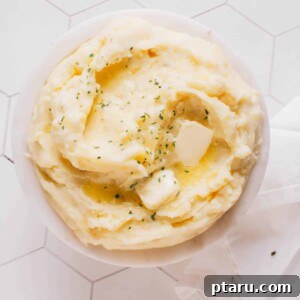
The Best Mashed Potatoes Recipe You’ll Ever Try
Jennifer Pallian BSc, RD
15 minutes
20 minutes
35 minutes
10
Ingredients
- 4 lbs Russet potatoes, peeled and cut into 1-inch chunks
- 6 cups cold water
- 1 tbsp kosher salt, plus more to taste
- 8 tbsp unsalted butter
- 1 cup heavy cream
- ¼ cup sour cream or cream cheese (optional, but recommended)
- Freshly ground black pepper to taste
- Chopped fresh chives or parsley for garnish (optional)
Instructions
- Prep the Potatoes: Peel and cut the potatoes into uniform 1-inch chunks. Place them in a large pot and cover with 6 cups of cold water, ensuring all pieces are submerged.
- Boil the Potatoes: Add 1 tbsp of kosher salt to the water. Bring the pot to a boil over high heat, then reduce heat to medium and simmer for about 15-20 minutes, or until potatoes are fork-tender. Drain thoroughly in a colander. For extra fluffiness, return drained potatoes to the empty, warm pot over low heat for 1-2 minutes to evaporate residual moisture.
- Heat the Dairy: While potatoes are draining, combine unsalted butter, heavy cream, and the optional sour cream or cream cheese in a medium saucepan. Gently heat over low heat, stirring occasionally, until butter is melted and mixture is warm. Stir in an additional ¼ tsp salt. Keep warm.
- Mash and Combine: Return the dry, hot potatoes to the large pot. Mash using a potato masher for a rustic texture or a potato ricer for an even creamier, lump-free texture. Pour the warm cream and butter mixture over the mashed potatoes. Gently fold and stir to combine until creamy. Do not over-mix.
- Season and Serve: Taste and season with additional salt and freshly ground black pepper to your preference. Adjust consistency with more warm cream or milk if needed. Transfer to a serving bowl, garnish with chopped fresh chives or parsley if desired, and serve warm.
Notes
Nutrition Information
Nutrition information is automatically calculated and should be used as an approximation only.
Tried this recipe? Leave a comment!
We’d love to hear your feedback and see your creations!