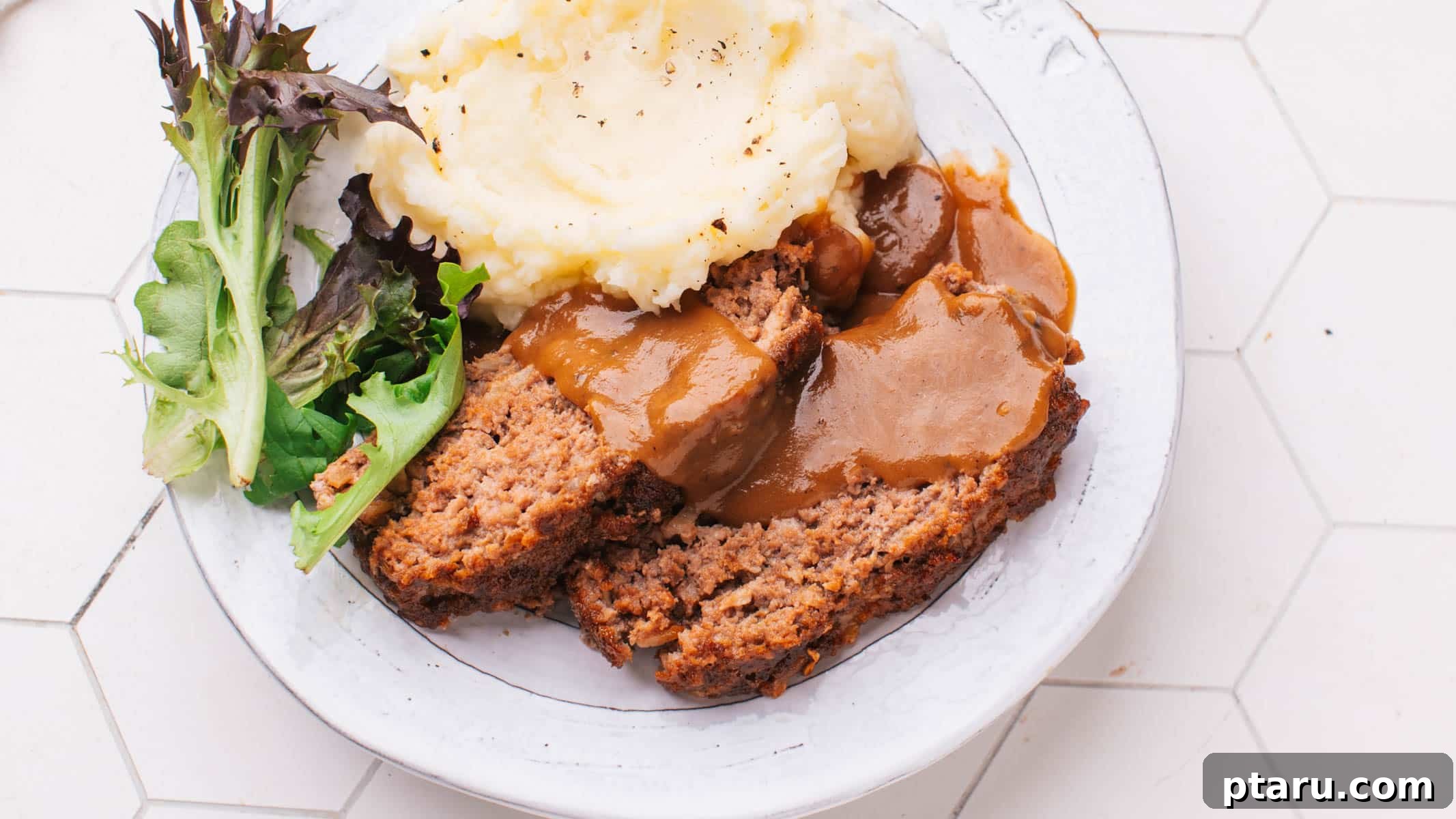
Welcome to the world of effortless culinary delight with the original Lipton Meatloaf Recipe. This timeless classic features a truly magical secret ingredient that transforms ordinary ground meat into a perfectly seasoned, incredibly juicy meatloaf with minimal fuss. Forget complicated spice blends or lengthy prep; this recipe promises a hearty, flavorful meal that comes together in just one bowl and three simple steps. It’s renowned for its quick preparation, ease of execution, and consistently delicious results.
Why You’ll Adore the Classic Lipton Meatloaf Recipe
Honestly, I was initially skeptical when I first tried this recipe. The idea of using just a packet of soup mix and water – not even milk – seemed too simple to yield anything truly flavorful. Yet, I was genuinely astonished by how easy it was to create a meatloaf bursting with such rich, savory flavor using only a handful of everyday ingredients. It’s a testament to its enduring appeal.
There’s a compelling reason why the Lipton Meatloaf Recipe has been a cherished secret, passed down through generations of moms and grandmas. This beloved family favorite relies on a single packet of Lipton Onion Soup Mix as its transformative ingredient, effortlessly seasoning the loaf to absolute perfection. It’s more than just a meal; it’s a comforting staple that brings families together.
Here’s what makes this recipe an undeniable hit:
- Unbeatable 5-Ingredient Simplicity: The Lipton Onion Soup Mix is the true secret weapon, infusing the meatloaf with a complex depth of flavor that would otherwise require a long list of individual spices, herbs, and seasonings. This shortcut eliminates guesswork and streamlines your cooking process significantly.
- Effortless Flavor & Perfect Seasoning Every Time: This remarkable Lipton Soup Mix imparts a wonderfully savory onion flavor, along with precisely the right amount of salt and complementary seasonings needed for two pounds of ground meat. It takes the guesswork out of seasoning and drastically cuts down on preparation time, eliminating the need for tedious mincing of fresh ingredients.
- A Touch of Nostalgic Comfort: For many, this iconic recipe evokes fond memories of childhood dinners, simpler times, and shared family meals. It offers a warm, comforting taste of home that makes it more than just food – it’s an experience, adding a cherished emotional dimension to its widespread appeal.
Historically, this recipe likely soared in popularity as Lipton began actively marketing its versatile onion soup mix for a myriad of culinary applications beyond just soup. Over the decades, the recipe has been widely shared, adapted, and celebrated by home cooks seeking a consistently simple, flavorful, and satisfying meal option.
The beauty of this dish lies in its sheer simplicity: just combine all the ingredients in a single bowl, form it into a loaf, and bake. It’s truly that easy!
Unveiling the Simple Ingredients for This Beloved Meatloaf Recipe
Let’s break down exactly what you’ll need to create this incredibly easy and delicious Lipton meatloaf, including the core components, potential optional tweaks, and the essential kitchen tools that will make your cooking experience seamless.
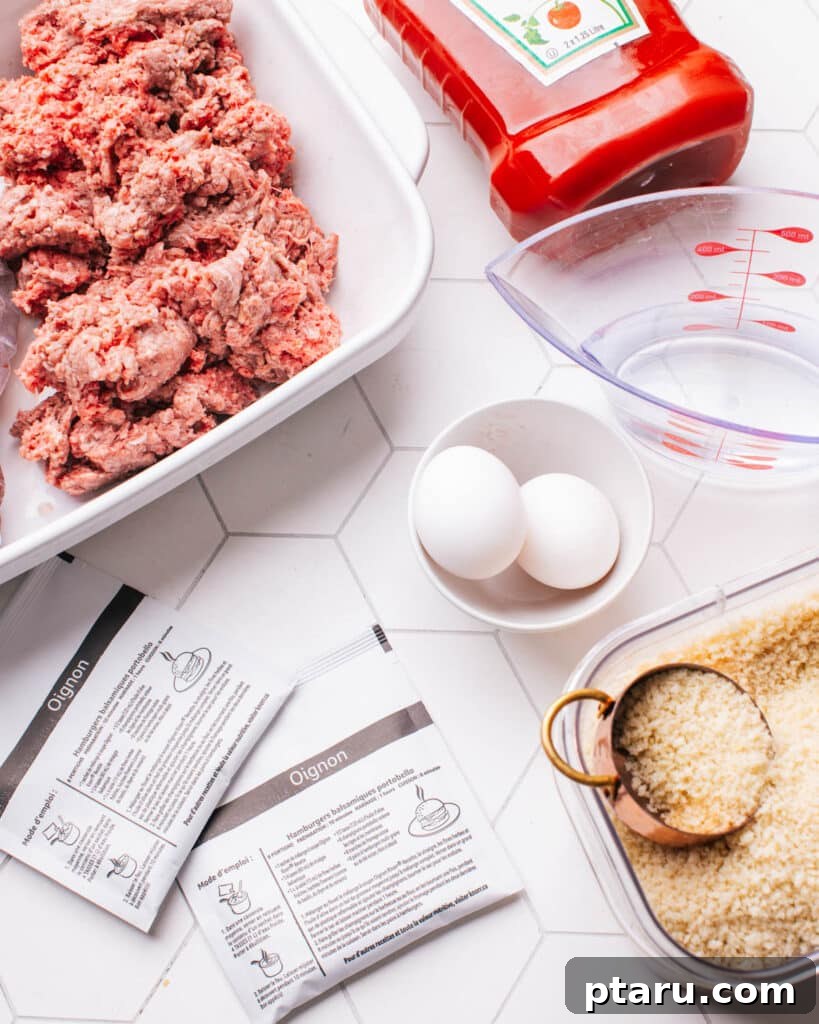
Core Lipton Meatloaf Ingredients
These are the foundational components that bring the classic Lipton meatloaf to life:
- Onion Soup Mix: This is your ultimate shortcut to a burst of savory flavor. An envelope of Lipton Onion Soup Mix (which is often sold under the Knorr brand in some regions) cleverly replaces finely chopped onions and a multitude of additional seasonings. While convenient, if you prefer a fully homemade touch, you can always use a custom blend of meatloaf seasonings to achieve a similar aromatic profile.
- Ground Beef: Forming the very base of your meatloaf, the quality of your ground beef significantly impacts the final flavor and texture. For optimal juiciness and flavor, a ground beef with an 80/20 lean-to-fat ratio is often recommended, as the fat renders during cooking, keeping the meat moist and tender.
- Bread Crumbs: These act as a crucial binding agent, helping to hold the meatloaf mixture together. They also absorb moisture, preventing the meatloaf from becoming dense and ensuring it maintains its shape beautifully during baking.
- Eggs: Another essential binder, eggs play a vital role in emulsifying the ingredients and keeping everything intact. They contribute to the meatloaf’s structural integrity, preventing it from crumbling apart.
- Water: Far from just a filler, water is key to ensuring that all the ingredients are thoroughly mixed and evenly distributed. It also adds necessary moisture to the meatloaf, contributing to its tender, juicy texture.
- Ketchup: This classic condiment adds a delightful tang, a touch of sweetness, and a vibrant flavor that perfectly complements the savory notes of the beef and onion. It’s integral to the traditional meatloaf taste.
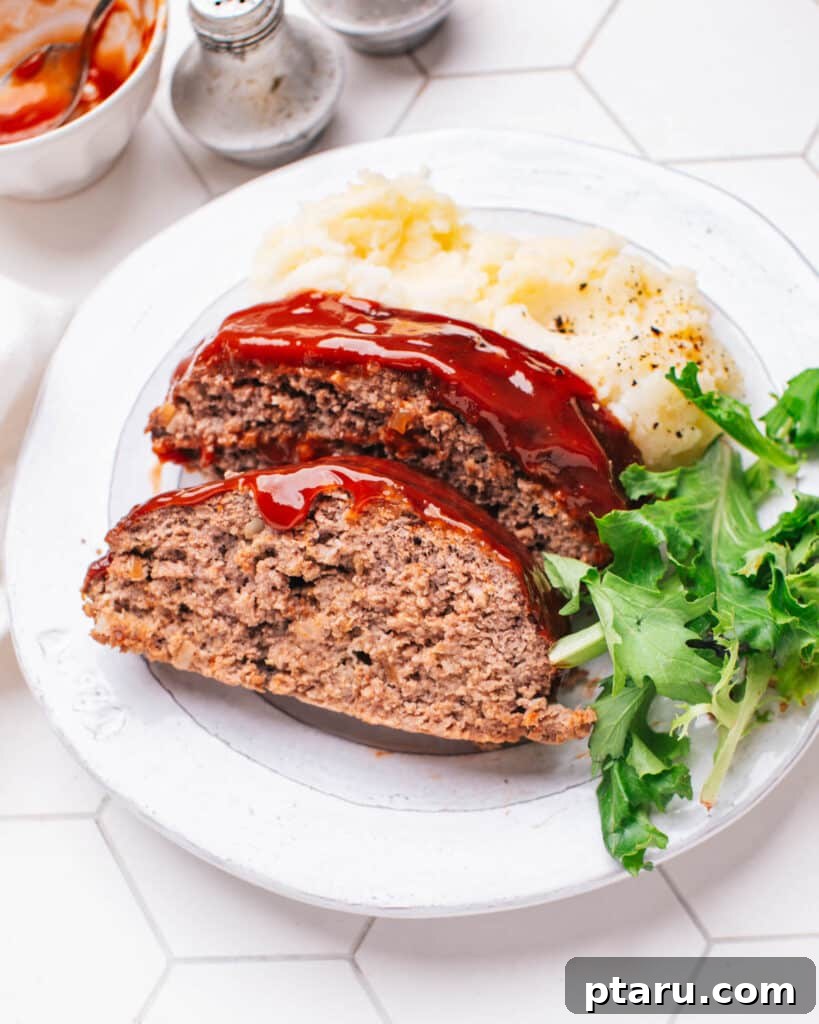
For an extra layer of flavor and appeal, consider adding my easy meatloaf glaze, which requires just three simple ingredients. Alternatively, you can serve your meatloaf with a rich brown gravy for a truly comforting experience. If you opt not to glaze it, a dollop of extra ketchup (and/or mustard, if you like) on the side makes for a perfect accompaniment.
Creative Variations and Smart Substitutions
Feeling adventurous or catering to specific dietary needs? Here are some fantastic ideas to customize your Lipton meatloaf:
- Alternative Ground Meats: If beef isn’t your preference, ground pork, turkey, or even ground chicken can be excellent substitutes. Keep in mind that leaner meats like turkey or chicken might require a bit more moisture (e.g., an extra splash of water or a tablespoon of olive oil) to prevent dryness.
- Oatmeal as a Binder: For a slightly different texture or a gluten-free option, rolled oats (quick or old-fashioned) can effectively replace bread crumbs. Ensure you use certified celiac-safe oats if preparing a gluten-free meatloaf.
- Beyond Ketchup: Experiment with different glazes or sauces. BBQ sauce offers a smoky and sweet profile, chili sauce adds a gentle kick, or a simple mixture of tomato paste with a hint of brown sugar and apple cider vinegar can create a delightful top layer.
- Cheesy Indulgence: Introduce a cheesy twist by mixing in half a cup of shredded Parmesan, sharp cheddar, or even mozzarella cheese directly into the meat mixture before shaping. The cheese will melt and infuse the meatloaf with rich flavor.
- Umami Boosters: For an extra layer of savory depth, a splash of Worcestershire sauce or a teaspoon of Dijon mustard can elevate the overall flavor profile beautifully.
- Hidden Vegetables: For added nutrition and moisture, finely grate vegetables like carrots, zucchini, or bell peppers and mix them into the meat. They blend in seamlessly and add subtle sweetness and vitamins.
Essential Kitchen Tools for a Perfect Meatloaf
Gather these must-have kitchen items to ensure a smooth and successful meatloaf preparation:
- Large Mixing Bowl: This is where all the magic begins. A spacious bowl allows you to comfortably combine and mix all your ingredients thoroughly without making a mess.
- Baking Dish or Sheet Pan: You’ll need this to shape and bake your meatloaf. A standard 9×13-inch baking dish works perfectly, but a large rimmed sheet pan can also be used, allowing for crispier edges around the loaf.
- Meat Thermometer: An absolute non-negotiable for food safety and ensuring your meatloaf is cooked to perfection. It’s the most reliable way to confirm proper doneness and prevent overcooking.
With these simple ingredients and tools at your disposal, you’re fully equipped to create a fantastic Lipton meatloaf!

Mastering the Lipton Onion Soup Meatloaf: Your Easy-to-Follow Guide
Crafting this flavorful Lipton Meatloaf is incredibly straightforward. By combining ground beef, the versatile onion soup mix, and a few other pantry staples, you’re just a few steps away from a satisfying and filling dinner. Let’s walk through the process together, ensuring juicy and delicious results every time.
Step 1: Prepare Your Oven and Pan
- First things first: preheat your oven to 350°F (175°C). While the oven heats up, prepare a 13×9-inch baking pan. You can either line it with parchment paper for easy cleanup or lightly grease it with cooking spray to prevent sticking. This ensures a perfect base for your meatloaf.
Step 2: Combine the Ingredients with Care
- In a large mixing bowl, combine the ground beef, the entire packet of onion soup mix, bread crumbs, eggs, water, and ketchup. Use your clean hands or a sturdy spatula to gently mix all the ingredients until they are just well incorporated. Be careful not to overmix, as this can lead to a tough meatloaf. The goal is to distribute the flavors evenly without compacting the meat.
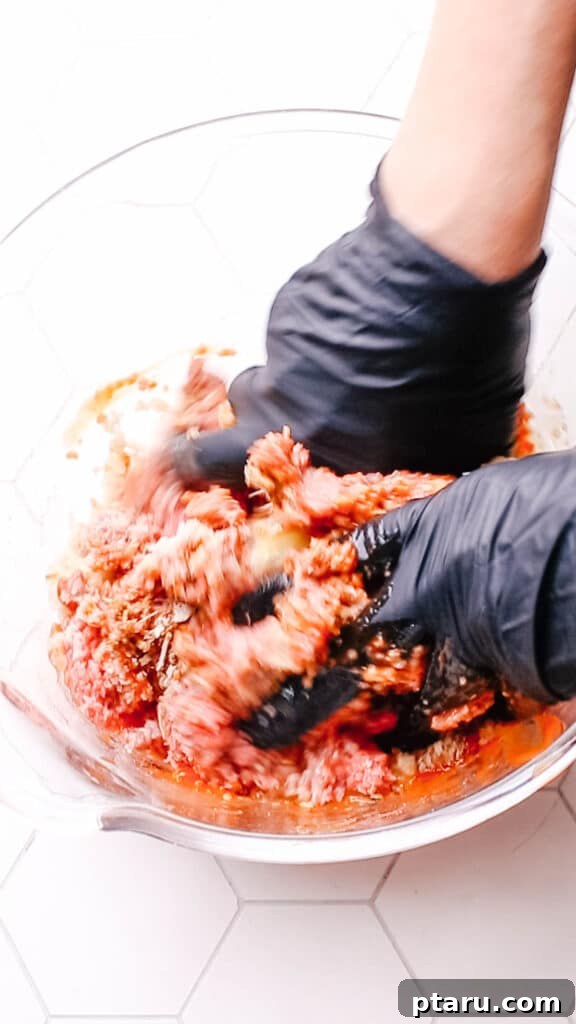
Step 3: Shape, Bake, and Check for Doneness
- Take the meat mixture and gently mold it into a uniform loaf shape on your prepared pan. Aim for an approximate length of 9-10 inches and a height of 2-3 inches to ensure even cooking. No special tools are needed – your hands work best for this.
- Slide the pan into the preheated oven and bake uncovered for about 45 minutes to an hour. The exact baking time can vary depending on your oven and the thickness of your loaf. To guarantee a perfectly cooked and safe meatloaf, always use a meat thermometer. The meatloaf internal temperature should reach 165°F (74°C) in the thickest part.
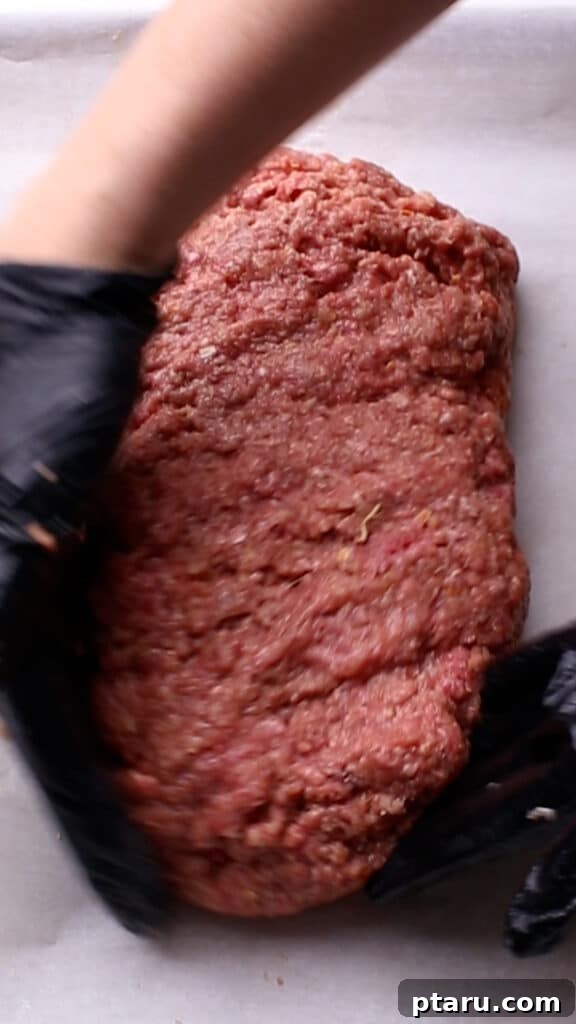
Optional: Add Glaze for Extra Flavor: If you desire a beautifully glazed meatloaf, prepare my super easy Meatloaf Glaze recipe. Apply it partway through the baking process, typically during the last 15-20 minutes, to allow it to caramelize nicely without burning.
Step 4: Rest, Slice, and Serve with Joy
- Once the meatloaf is baked to perfection, remove it from the oven and let it rest on the pan for about 10 minutes. This crucial resting period allows the juices to redistribute throughout the loaf, resulting in a moister, more tender meatloaf that holds its shape beautifully when sliced.
- After resting, slice it into generous portions and serve immediately. If you’ve opted not to glaze it, I highly recommend serving meatloaf with a rich brown gravy, which adds another layer of comfort and flavor.
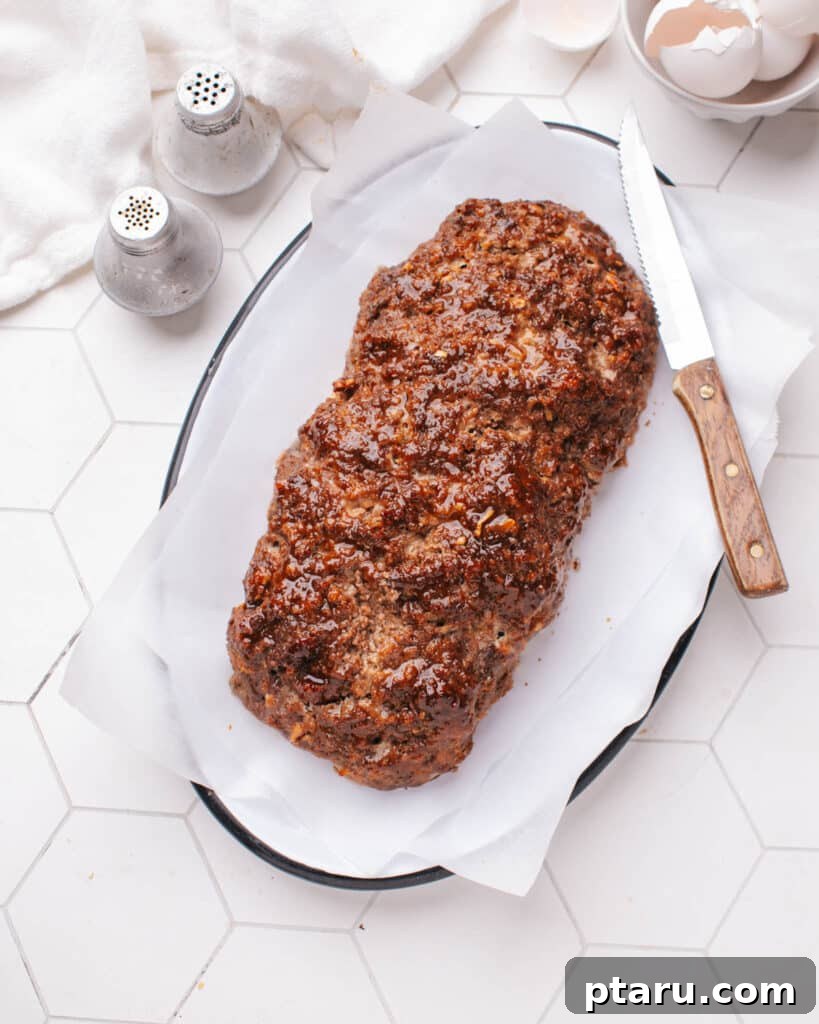
And there you have it—a simple, straightforward, and utterly satisfying meal that’s sure to become a regular in your dinner rotation. I particularly love this recipe as a quick and easy hack when I’m craving homemade meatloaf but don’t have the time for the more involved steps of my best meatloaf recipe.
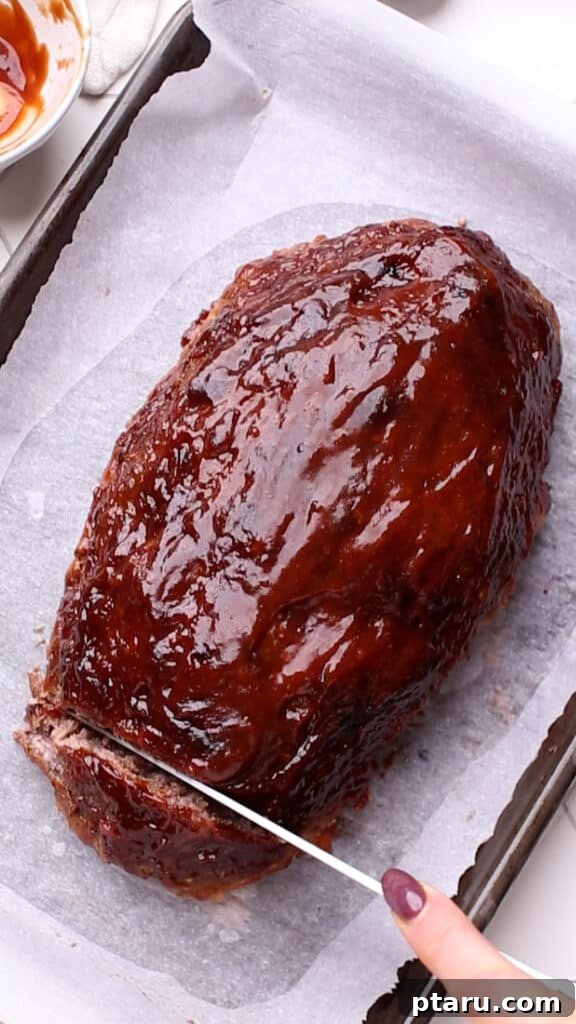
Make-Ahead & Storage Solutions for Ultimate Convenience
Preparing your meatloaf in advance or storing leftovers properly can be a true lifesaver on busy weekdays. Here’s how to maximize convenience without compromising on taste:
- Make Ahead Option: You can easily prepare the meatloaf mixture up to one day in advance. Simply mix all the ingredients, shape the loaf, cover it tightly with plastic wrap, and store it in the refrigerator. When you’re ready to cook, just pop it into the oven, following the standard baking instructions.
- Freezing for Future Meals: Both cooked and uncooked meatloaf can be frozen successfully. For uncooked meatloaf, shape the loaf, then wrap it tightly in plastic wrap, followed by a layer of aluminum foil to prevent freezer burn. For cooked meatloaf, allow it to cool completely before wrapping. Store in the freezer for up to 3 months. Thaw uncooked meatloaf in the refrigerator overnight before baking. Cooked meatloaf can be reheated from frozen or thawed.
- Storing Leftover Meatloaf: Once cooked and completely cooled, transfer any leftover slices of meatloaf to an airtight container. It will keep beautifully in the refrigerator for up to 3-4 days, making it perfect for quick lunches or another dinner later in the week.
- Effortless Reheating: To reheat individual slices, a microwave offers quick results. For a more even warmth and to prevent drying out, reheat slices in the oven at 350°F (175°C) for about 10-15 minutes, or until heated through. Adding a splash of broth or a pat of butter can help retain moisture.
By utilizing these make-ahead and storage tips, you’ll always have a convenient and delicious meal option readily available at your fingertips.
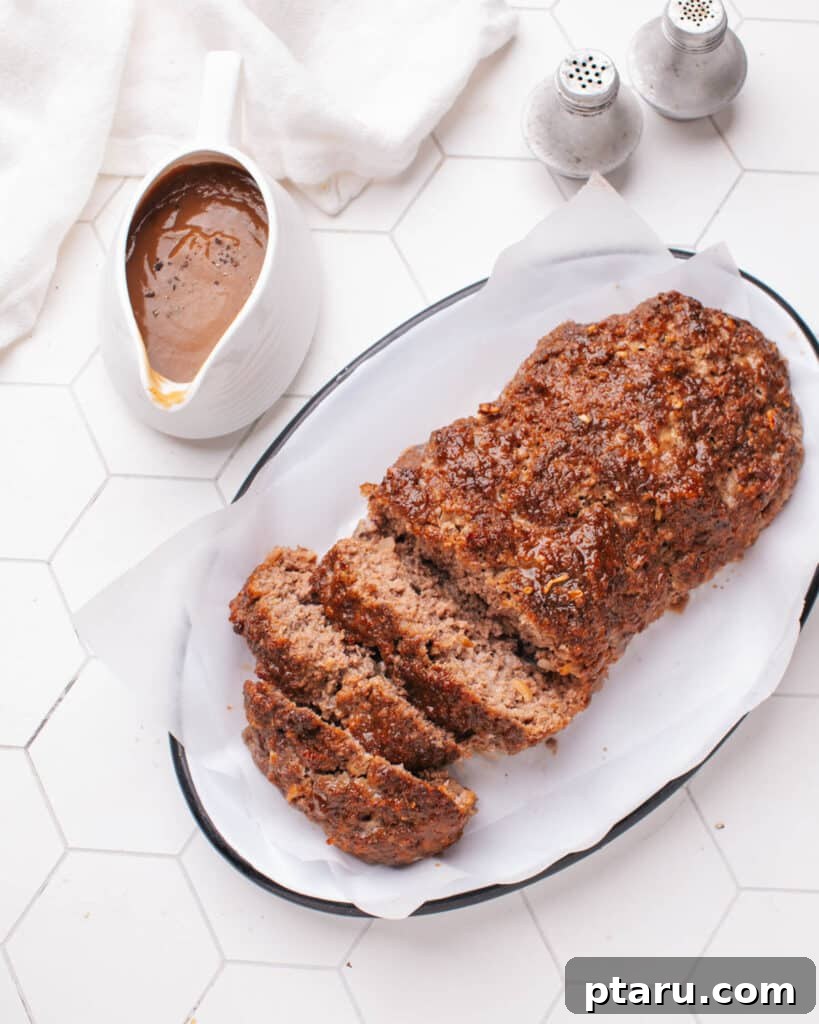
Creative Ways to Serve Your Lipton Meatloaf
This versatile Lipton meatloaf is wonderfully adaptable, making it an ideal choice for both casual weeknight dinners and more special gatherings. Here’s how you can serve it to delight everyone at your table:
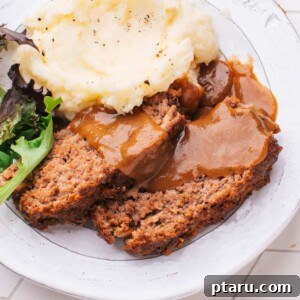
- The Classic Comfort Slice: Embrace tradition by serving thick slices of meatloaf alongside creamy mashed potatoes and tender green beans for a truly heartwarming, homestyle meal that never disappoints.
- Gourmet Meatloaf Sandwich Style: For a delightful casual option, transform your leftovers into an epic meatloaf sandwich. Place a slice of cold or warm meatloaf between two pieces of toasted bread, adding fresh lettuce, ripe tomato, and a generous dollop of mayonnaise or a tangy aioli for a satisfying lunch. You can find inspiration for a perfect meatloaf sandwich here.
- Fun Mini Meatloaves: Before baking, divide the meatloaf mixture into muffin tins to create individual mini meatloaves. These are fantastic for portion control, make excellent appetizers for parties, and cook much faster than a large loaf.
Delicious Toppings to Elevate Your Meatloaf
Offer a selection of toppings on the side, allowing everyone to customize their plate to their liking. Beyond traditional gravy or extra ketchup, consider:
- Caramelized Onions: Sweet, slow-cooked onions add a gourmet touch.
- Sautéed Mushrooms: Earthy and savory, a perfect complement to beef.
- Fresh Herbs: A sprinkle of chopped fresh parsley or chives adds brightness and color.
- Hot Sauce or Sriracha: For those who enjoy a little heat.
- Mustard Varieties: Dijon, spicy brown, or honey mustard can all add a pleasant tang.
Perfect Side Dishes for Lipton Meatloaf
The right side dishes can truly complete your meatloaf experience. Simple steamed vegetables, fluffy mashed potatoes, or a crisp light salad are always excellent companions. For a heartier spread or when feeding a crowd, I particularly love serving it with cornbread casserole or a comforting old-fashioned baked macaroni and cheese.
For even more inspiring and delicious ideas, explore my extensive collection of favorite side dishes for meatloaf, as well as over 35 amazing healthy sides for meatloaf to round out your meal.
5 Common Pitfalls to Avoid When Making Lipton Meatloaf
Even with a recipe as straightforward as the Lipton Meatloaf, a few common mistakes can impact your results. Avoiding these frequent mix-ups will ensure your meatloaf is consistently delicious and perfectly cooked:
- Insufficient Mixing (or Overmixing): It’s crucial to mix the ingredients thoroughly enough to ensure even flavor distribution, but avoid overmixing. Overworking the meat can lead to a dense, tough, and rubbery meatloaf. Mix gently until just combined.
- Ignoring Internal Temperature: Guessing if your meatloaf is done is a gamble. Always use a reliable meat thermometer to cook your meatloaf until it reaches an internal temperature of 165°F (74°C). This ensures food safety and guarantees a juicy, not dry, result.
- Skipping the Rest Time: This step is often overlooked but is vital for a truly juicy meatloaf. Allowing your meatloaf to rest for about 10 minutes after baking helps the internal juices redistribute throughout the loaf, preventing them from escaping when you slice it. This results in a moister and easier-to-slice product.
- Choosing Too Lean Meat: While leaner ground beef might seem healthier, too little fat can result in a dry and crumbly meatloaf. For optimal juiciness and flavor, a ground beef with an 80/20 lean-to-fat ratio is generally recommended. If using leaner meat, consider adding a tablespoon or two of olive oil or finely grated vegetables for moisture.
- Overcrowding the Baking Pan: If you’re making multiple mini loaves or a very large single loaf, ensure it’s not crammed into too small of a pan. Overcrowding can lead to steaming rather than baking, preventing the meatloaf from developing a nice crust and cooking evenly. Give it some space!
By keeping these common mistakes in mind and actively avoiding them, you’re well on your way to crafting a Lipton meatloaf that is not only delicious but also consistently foolproof and satisfying.
Top Secrets for Crafting the Best Lipton Meatloaf
Unlock the full potential of your Lipton Meatloaf with these expert tips and key takeaways, transforming a simple recipe into an extraordinary family meal:
- Prioritize Quality Ground Beef: The foundation of exceptional flavor begins with your choice of meat. Select good-quality ground beef, ideally with an 80/20 lean-to-fat ratio. The fat content is crucial for contributing both rich flavor and essential moisture, ensuring your meatloaf remains juicy and tender.
- The “Wet Hands” Technique for Shaping: When it’s time to form your loaf, slightly dampen your hands with water. This simple trick prevents the meat mixture from aggressively sticking to your hands, making the shaping process much easier and cleaner, allowing you to create a smooth, even loaf.
- Mandatory Temperature Check: Never underestimate the power of a meat thermometer. Always use one to ensure your meatloaf is cooked to a safe internal temperature of 165°F (74°C). This not only guarantees food safety but also prevents overcooking, which is the primary cause of dry meatloaf.
- The Golden Rule: Rest is Best: After removing your meatloaf from the oven, resist the urge to slice it immediately. Allow it to rest for at least 10 minutes. This critical period enables the muscle fibers to relax and the internal juices to redistribute, resulting in a significantly moister, more flavorful, and easier-to-slice meatloaf.
- Don’t Skimp on the Ketchup: Ketchup does more than just add flavor; when baked, it creates a delicious, slightly tangy crust on top of the meatloaf. If you enjoy this element, don’t be shy with your application!
- Consider a Loaf Pan: While baking on a sheet pan yields crispier edges, using a loaf pan can help maintain a uniform shape and keep the meatloaf incredibly moist by allowing it to cook in its own juices. Just be sure to drain any excess fat if it accumulates excessively.
By keeping these valuable tips and secrets in mind, you’ll undoubtedly elevate the classic Original Lipton Meatloaf recipe from merely good to truly spectacular, creating a dish that consistently impresses and satisfies.
Frequently Asked Questions (FAQs) About Lipton Meatloaf
Just skimming through? Here are some quick answers to the most commonly asked questions about Lipton Meatloaf, designed to provide you with all the essential information at a glance.
What defines Lipton Meatloaf?
Lipton Meatloaf is a popular and easy meatloaf recipe distinguished by its use of a packet of Lipton Onion Soup Mix as the primary seasoning agent. This mix simplifies preparation while delivering a rich, savory flavor profile.
Can I substitute the ground beef?
Absolutely. You can substitute ground beef with other ground meats such as ground turkey, chicken, or pork. Be aware that using leaner meats like turkey or chicken may alter the flavor and texture slightly, and you might need to add a bit more moisture to prevent dryness.
What are good alternatives to bread crumbs?
Instead of bread crumbs, you can use rolled oats (quick or old-fashioned), crushed saltine crackers, or even gluten-free bread crumbs to act as a binder for the meatloaf. Oatmeal often gives a slightly denser texture.
Is it safe to freeze meatloaf?
Yes, Lipton Meatloaf can be frozen successfully, either before or after cooking. For best results, wrap it tightly in plastic wrap and then aluminum foil to prevent freezer burn. Thaw uncooked meatloaf in the refrigerator overnight before baking.
How long does cooked meatloaf stay fresh in the fridge?
Cooked meatloaf, when stored in an airtight container, will remain fresh and safe to eat in the refrigerator for up to 3-4 days.
How can I make this meatloaf gluten-free?
To adapt this recipe for a gluten-free diet, ensure you use certified gluten-free bread crumbs. It’s also important to double-check the label of your onion soup mix, as some brands may contain gluten-containing ingredients.
What’s the best method for slicing meatloaf?
The best way to slice meatloaf is to allow it to rest for about 10 minutes after it comes out of the oven. This allows the juices to settle. Then, use a sharp, non-serrated knife to cut it into even slices.
What do you put in meatloaf to keep it from falling apart?
Key binding agents like bread crumbs (or oats) and eggs are crucial for maintaining the meatloaf’s structure. They help to hold all the ingredients together as it cooks, preventing it from crumbling.
Why are eggs included in meatloaf?
Eggs serve as an essential binding agent in meatloaf. They help to emulsify and hold all the other ingredients together, ensuring that your meatloaf has a cohesive structure and doesn’t fall apart during cooking or slicing.
Tips to prevent meatloaf from drying out?
To keep meatloaf moist, avoid overcooking it (always use a meat thermometer!), don’t use excessively lean meat, and ensure you include moistening ingredients like water or ketchup in the mix. Allowing it to rest after baking is also crucial.
Should meatloaf be cooked covered or uncovered?
Cooking meatloaf uncovered typically allows the top and edges to develop a delicious, slightly crispy crust. However, if you notice it’s drying out too quickly or the top is getting too dark, you can loosely cover it with aluminum foil for part of the cooking time.
How to add moisture to dry cooked meatloaf?
If your meatloaf turns out drier than anticipated, you can easily add moisture back. Serve it with a generous amount of gravy, a savory sauce, or extra ketchup. When reheating slices, some people like to add a splash of beef broth or a small pat of butter on top before warming it.
Can I use other Lipton soup mixes?
While the Onion Soup Mix is classic, you can experiment with other Lipton (or Knorr) soup mixes like Beefy Onion, Savory Herb with Garlic, or Golden Mushroom for a different flavor profile. The results will vary, but it’s a great way to customize the recipe.
More Easy Recipes for Weeknight Dinners
- The Meatloaf Recipe That’ll Turn You Into a Meatloaf Lover
- 41 Best Chicken Drumstick Recipes (Easy + SO Juicy)
Further Reading & Helpful Resources
- How Long is Meatloaf Good For?
- How Long Does Ground Beef Last in the Fridge?
- 7 BestEgg Substitutes for Meatloaf (That Really Work!)
Lipton Meatloaf Recipe
Ingredients
- 2 pounds ground beef
- 1 packet Lipton Onion Soup Mix (or Knorr equivalent)
- ¾ cup bread crumbs
- 2 large eggs
- ¾ cup water
- ⅓ cup ketchup
Instructions
- Preheat oven to 350°F (175°C). Spray a 9×13″ sheet pan or baking dish with non-stick cooking spray or line it with parchment paper.
- In a large bowl, mix together all the listed ingredients until just combined. Be careful not to overmix.
- Mold the mixture into a loaf shape (approximately 9-10 inches in length, 2-3 inches in height) and place it on the prepared pan. Cook uncovered for 45 minutes to an hour, until the internal temperature reaches 165ºF (74°C) using a meat thermometer. Allow it to rest for 10 minutes before slicing and serving.
Nutrition
Calories: 359 kcal | Carbohydrates: 11g | Protein: 22g | Fat: 24g | Saturated Fat: 9g | Polyunsaturated Fat: 1g | Monounsaturated Fat: 10g | Trans Fat: 1g | Cholesterol: 122mg | Sodium: 259mg | Potassium: 386mg | Fiber: 1g | Sugar: 4g | Vitamin A: 194IU | Vitamin C: 2mg | Calcium: 48mg | Iron: 3mg
Nutrition information is automatically calculated, so should only be used as an approximation.