The Ultimate 30-Minute Teriyaki Shrimp Recipe: Faster, Fresher, Flavourful
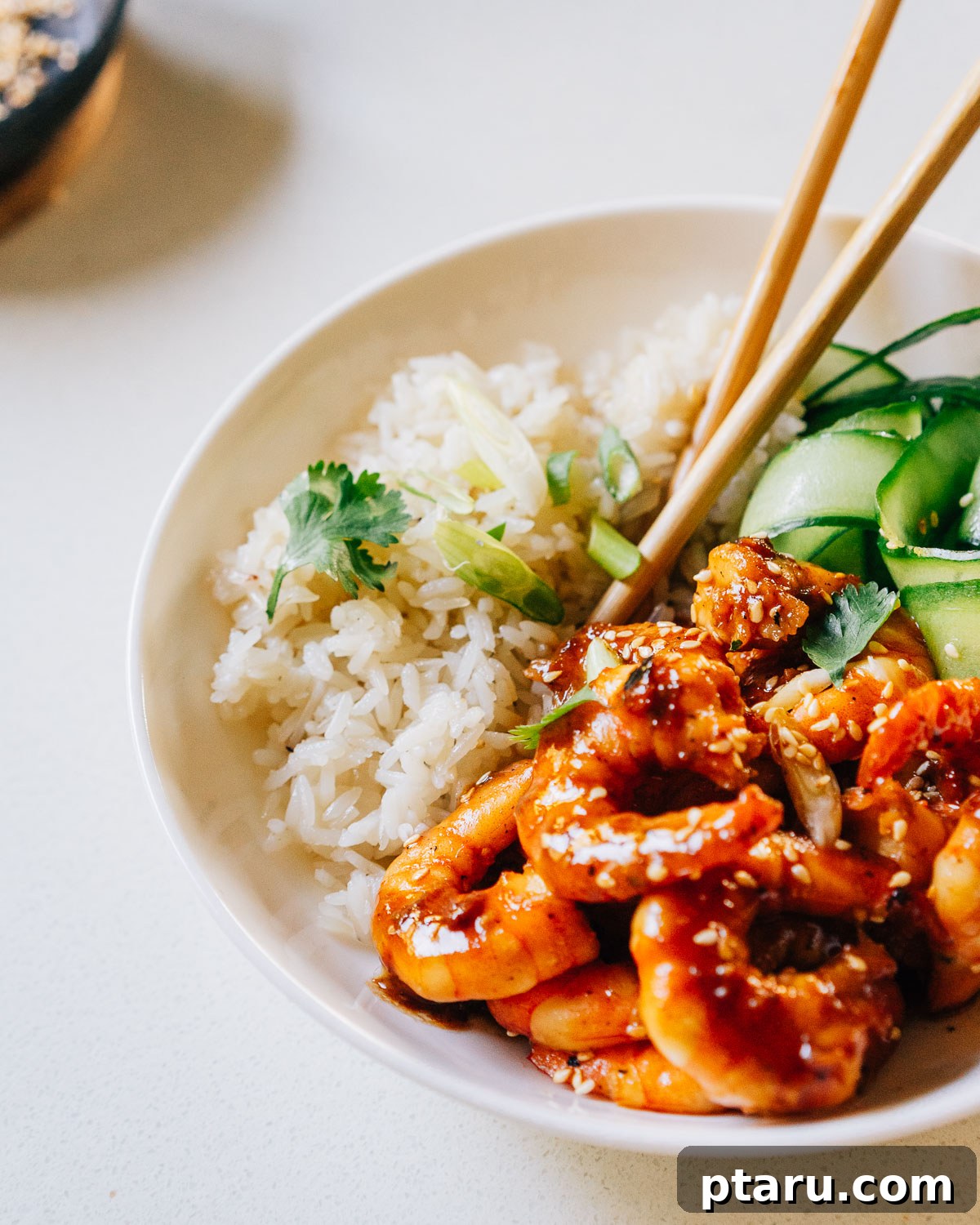
Say goodbye to long waits and greasy takeout! This Teriyaki Shrimp recipe is an absolute game-changer, transforming fresh ingredients into a vibrant, restaurant-quality meal in just 30 minutes. It’s truly a dish you’ll find yourself making on repeat – incredibly easy, cooked in a single pan, and so utterly delicious you’ll want to savor every last bite. Get ready for a weeknight dinner that’s not just faster than delivery, but infinitely better tasting too.

Teriyaki shrimp isn’t just fast; it’s an unforgettable culinary experience that brings bold, savory-sweet flavors to your dinner table without the fuss. Whether you’re a seasoned chef or a beginner in the kitchen, this straightforward recipe promises succulent shrimp coated in a rich, glossy sauce that will impress everyone.
Unveiling the Ingredients: What You Need for Perfect Teriyaki Shrimp
The secret to truly exceptional teriyaki shrimp lies in a vibrant, homemade sauce. Forget bottled varieties that often contain high-fructose corn syrup and artificial flavors. Our quick, garlicky, and naturally glossy teriyaki sauce elevates this dish, making it stand head and shoulders above anything store-bought.
Key Ingredients for Teriyaki Shrimp
Creating this irresistible dish requires a handful of common pantry staples and fresh shrimp. Each component plays a crucial role in building the layers of flavor and texture that make this recipe a standout.

For the Homemade Teriyaki Sauce/Marinade: The Heart of the Flavor
This sauce isn’t just a coating; it’s a marinade that infuses the shrimp with deep, complex flavors. Whisking these simple ingredients together creates a balanced, umami-rich foundation for your meal.
- Soy Sauce: The cornerstone of any teriyaki sauce, soy sauce provides a deep, salty umami base. Opt for a good quality brand for the best flavor. For gluten-free diets, tamari or coconut aminos are excellent substitutes, offering a similar savory profile without compromising taste.
- Brown Sugar: This adds essential sweetness and a molasses-like depth that caramelizes beautifully, giving the sauce its signature glossy finish. It balances the saltiness of the soy sauce and contributes to the rich flavor profile.
- Cornstarch: A vital thickening agent, cornstarch is what gives the teriyaki sauce its luscious, clingy consistency. It ensures the sauce adheres perfectly to the shrimp, creating that desirable restaurant-style sheen and texture. Without it, your sauce would be too watery.
- Minced Garlic: Freshly minced garlic infuses the sauce with a bold, aromatic, and savory punch. Garlic is a non-negotiable ingredient, providing a foundational layer of irresistible flavor that pairs wonderfully with shrimp.
- Minced Ginger (Optional but Recommended): A subtle addition of fresh minced ginger introduces a fragrant zing and a gentle warmth. It beautifully rounds out the sauce, adding a layer of sophisticated flavor that enhances the overall Asian-inspired profile. If you have it, don’t skip it!
For the Shrimp: The Star of the Dish
Choosing the right shrimp and accompaniments ensures a perfectly cooked and visually appealing final product.
- Large Shrimp, Peeled and Deveined: Use large (e.g., 31/40 count per pound) shrimp for the best texture and visual impact. They cook quickly and tenderly, effectively soaking up the rich teriyaki flavor. Ensure they are peeled and deveined to save time and effort during preparation. Fresh or thoroughly thawed frozen shrimp work equally well.
- Neutral Oil (like Avocado or Canola): A high smoke point neutral oil is crucial for searing the shrimp without burning. Avocado oil is a fantastic choice due to its mild flavor and excellent heat tolerance, ensuring a perfect sear every time. Canola oil or grapeseed oil are also great alternatives.
- Green Onions (Optional, for Garnish): Thinly sliced green onions add a fresh, mild oniony bite and a vibrant pop of color. They provide a crisp contrast to the rich sauce and tender shrimp.
- Sesame Seeds (Optional, for Serving): A sprinkle of toasted sesame seeds before serving adds a lovely nutty flavor and an appealing textural crunch, enhancing the aesthetic and taste of the dish. Both white and black sesame seeds work wonderfully.
Exact ingredient quantities for all components are provided in the detailed recipe card at the bottom of this article.
Substitutions and Creative Variations for Your Teriyaki Shrimp
One of the best aspects of this teriyaki shrimp recipe is its versatility. Feel free to customize it to your taste, dietary needs, or what you have on hand. These simple swaps can transform the dish while maintaining its delicious essence.
- Soy Sauce Alternatives: If you’re looking for a gluten-free option, easily swap traditional soy sauce for tamari. For a soy-free alternative, coconut aminos work wonderfully, offering a slightly sweeter, yet still savory, profile.
- Brown Sugar Alternatives: For a different kind of sweetness, you can substitute brown sugar with an equal amount of honey or maple syrup. These natural sweeteners will slightly alter the flavor profile but still provide the necessary caramelization and depth.
- Protein Swaps for Shrimp: While shrimp is the star, this amazing teriyaki sauce pairs beautifully with other proteins. Consider using:
- Salmon Cubes: Cut salmon into 1-inch pieces and cook similarly for a flaky, rich teriyaki fish.
- Chicken Breast or Thighs: Slice chicken into bite-sized pieces for a hearty chicken teriyaki. Explore my Teriyaki Bowl with Chicken recipe for more ideas.
- Beef: Thinly sliced beef, such as sirloin or flank steak, makes for a robust Beef Teriyaki.
- Tofu: For a vegetarian option, press extra-firm tofu, cube it, and pan-fry until golden before tossing in the sauce. Pork also works excellently with this sauce!
- Adding a Kick of Heat: If you love a bit of spice, easily infuse heat into your teriyaki shrimp. Add a pinch of red pepper flakes to the sauce mixture or drizzle a touch of sriracha over the finished dish. Adjust to your preferred spice level.
- Boosting Flavor Layers: For an even deeper, more nuanced flavor, try these additions:
- Drizzle a few drops of toasted sesame oil into the finished sauce for an extra nutty aroma.
- A teaspoon of rice vinegar can add a subtle tang, brightening the overall taste profile.
- Finely grated orange zest or a splash of orange juice can introduce a lovely citrus note.
Essential Tools to Grab for a Seamless Cooking Experience
Gathering your tools before you begin ensures a smooth and enjoyable cooking process. Here’s everything you’ll need to prepare this fantastic teriyaki shrimp:
- Medium Mixing Bowl: Perfect for whisking together the sauce ingredients and marinating the shrimp.
- Whisk: Essential for combining the sauce ingredients until smooth and ensuring the cornstarch is fully dissolved.
- Nonstick Large Skillet or Wok: A large cooking surface is key for searing the shrimp effectively without overcrowding. A nonstick surface prevents sticking and ensures easy cleanup.
- Tongs or a Slotted Spoon: For safely handling and flipping the shrimp in the hot pan, and for lifting them out of the marinade while reserving the liquid.
- Measuring Cups and Spoons: Accurate measurements are crucial for achieving the perfect balance of flavors in the teriyaki sauce.
- Knife and Cutting Board: For mincing garlic and ginger, and slicing green onions for garnish.
How to Make Teriyaki Shrimp: A Simple Step-by-Step Guide
Creating this flavorful teriyaki shrimp is incredibly easy, even for novice cooks. Follow these straightforward steps to achieve a restaurant-quality meal at home. The process involves minimal active cooking time, allowing you to enjoy a quick, delicious dinner.


1. Whisk Together the Dynamic Teriyaki Sauce
In a medium-sized mixing bowl, combine the soy sauce, cold water, brown sugar, cornstarch, minced garlic, and optional minced ginger. Use a whisk to vigorously mix all ingredients until the sauce is completely smooth and the cornstarch has dissolved. Ensuring no lumps remain will result in a beautifully glossy sauce. This step is foundational for the rich flavor of your dish.
2. Marinate the Shrimp for Maximum Flavor Infusion
Add the peeled and deveined shrimp to the prepared teriyaki sauce in the bowl. Toss gently to ensure each shrimp is thoroughly coated. Allow the shrimp to marinate at room temperature for at least 20-30 minutes. If you have more time, you can refrigerate them for up to 2 hours. This brief marinating period allows the shrimp to absorb the savory-sweet flavors without becoming tough, unlike longer marinations in acidic sauces.
3. Perfectly Sear the Marinated Shrimp
Heat one tablespoon of neutral oil in a large nonstick skillet or wok over medium-high heat until shimmering. Using tongs or a slotted spoon, lift the shrimp from the marinade, allowing any excess sauce to drip back into the bowl. It’s crucial to reserve this marinade for the next step. Place the shrimp in a single layer in the hot skillet, being careful not to overcrowd the pan. Cook for approximately 1 minute per side, until the shrimp turn pink and opaque, developing a light sear. If necessary, cook the shrimp in batches to maintain a high cooking temperature and ensure proper searing rather than steaming.
4. Simmer and Thicken the Glorious Teriyaki Sauce
Once the shrimp are cooked and removed from the pan, pour the reserved teriyaki marinade into the same skillet. Bring the sauce to a full simmer over medium heat, stirring constantly with a whisk or spoon. Continue to stir for 1-2 minutes, or until the sauce thickens to a glossy, rich consistency that can coat the back of a spoon. The cornstarch will work its magic, transforming the liquid into a delicious, sticky glaze. If it gets too thick, you can always add a tablespoon of water or broth to thin it slightly. This step is critical for developing that authentic teriyaki texture.
5. Garnish Your Teriyaki Shrimp and Serve Immediately
Once the sauce has thickened and coated the shrimp (you can return the shrimp to the pan to coat them, or pour the sauce over them after plating), remove the skillet from the heat. Sprinkle generously with freshly sliced green onions and toasted sesame seeds for a final flourish of flavor and visual appeal. Serve your piping hot teriyaki shrimp immediately over a bed of fluffy white or jasmine rice, or stir-fried noodles. The combination of succulent shrimp, sweet and savory sauce, and fresh garnishes creates a truly satisfying meal.
Avoid These 5 Common Mistakes for Flawless Teriyaki Shrimp Every Time
While making teriyaki shrimp is straightforward, avoiding a few common pitfalls can make the difference between a good dish and an absolutely amazing one. Pay attention to these tips for consistently perfect results:
- Not Patting the Shrimp Dry: Moisture is the enemy of a good sear. Wet shrimp will steam instead of caramelize, resulting in a less flavorful and rubbery texture. Always pat your shrimp thoroughly dry with paper towels before tossing them in the marinade. This ensures they develop that desirable golden-brown crust.
- Overcrowding the Pan: This is a classic mistake when cooking shrimp or any protein. Piling too many shrimp into the skillet lowers the pan’s temperature rapidly, causing the shrimp to steam in their own juices rather than sear. This leads to a pale, rubbery texture. Cook your shrimp in batches if necessary, ensuring there’s plenty of space between each piece to allow for proper caramelization.
- Skipping the Cornstarch: Cornstarch is the secret weapon for achieving that signature thick, glossy, and clingy teriyaki sauce. Without it, your sauce will be thin and watery, failing to coat the shrimp beautifully. Don’t omit this crucial thickening agent; it’s what gives the sauce its desirable restaurant-style texture.
- Overcooking the Shrimp: Shrimp cook incredibly fast, often in as little as 1-2 minutes per side. Overcooked shrimp become tough, rubbery, and lose their delicate flavor. Keep a close eye on them; as soon as they turn pink and opaque, they are ready. Remove them from the heat immediately to preserve their tender texture.
- Using Pre-Cooked Shrimp: While convenient, pre-cooked shrimp are not ideal for this recipe. They are often dry and have a rubbery texture when reheated or cooked further. Starting with raw shrimp ensures a succulent, tender result that perfectly absorbs the marinade and cooks to perfection in the sauce.
Make Ahead and Storage: Enjoy Your Teriyaki Shrimp Later
This teriyaki shrimp recipe is not only delicious fresh but also offers convenient make-ahead and storage options, perfect for meal prepping or enjoying leftovers. Planning ahead can save you valuable time on busy weeknights.
You can whisk the teriyaki sauce and prep the shrimp (peeling and deveining) up to a day in advance. Store the sauce in an airtight container and the shrimp separately in a sealed bag or container in the refrigerator until you’re ready to cook. Marinate the shrimp right before cooking for best results.
Storing Leftover Teriyaki Shrimp
Proper storage is key to maintaining the quality and safety of your leftovers:
- Store any leftover cooked teriyaki shrimp in an airtight container in the refrigerator for **up to 2 days**. Ensure it cools down completely before transferring to the fridge.
Freezing Cooked Teriyaki Shrimp
For longer storage, cooked teriyaki shrimp can be frozen:
- Cooked Teriyaki Shrimp, with its sauce, freezes well. Place it in a freezer-safe airtight container or heavy-duty freezer bag and freeze for **up to 1 month**. For best results, thaw overnight in the refrigerator before reheating.
Reheating Your Teriyaki Shrimp
Reheating properly helps retain the shrimp’s tender texture and the sauce’s flavor:
- Gently warm leftovers in a skillet over medium heat, stirring occasionally, until heated through. Alternatively, microwave in 30-second bursts, stirring in between, until warm. If the sauce has thickened too much during storage, add a splash of water or a bit of chicken broth to loosen it to your desired consistency. Avoid high heat to prevent the shrimp from becoming tough.

Delicious Ways to Serve Your Teriyaki Shrimp Creation
Teriyaki shrimp is incredibly versatile and pairs beautifully with a variety of side dishes, making it easy to create a complete and satisfying meal. Here are some of my favorite serving suggestions:
- Classic Rice Pairing: Serve it steaming hot over a bed of fluffy white rice, such as jasmine or basmati rice. For quick and easy options, consider making Instant Pot rice or microwave rice. Brown rice is also an excellent choice for a healthier, nuttier flavor.
- Noodle Sensations: Toss your teriyaki shrimp with stir-fried chow mein noodles or my delightful peanut noodles for a more substantial and flavorful dish. Udon or ramen noodles also make great bases.
- Vegetable-Rich Stir Fry: Transform this recipe into a vibrant teriyaki shrimp stir fry by adding your favorite quick-cooking vegetables. Broccoli florets, sliced bell peppers, snap peas, carrots, and bok choy are excellent choices. Add them to the pan after searing the shrimp and cook until tender-crisp before adding the sauce.
- Healthy Grain Bowls: For a nutritious and hearty meal, serve the shrimp on top of cauliflower rice or quinoa bowls. Add some steamed greens or roasted vegetables for a wholesome and balanced dish.
- Light and Fresh Lettuce Wraps: Create refreshing lettuce wraps by spooning the teriyaki shrimp into crisp lettuce cups (like butter or romaine lettuce). Add some shredded carrots, cucumber, and a sprinkle of fresh herbs for an extra burst of flavor and crunch.
- Balanced Plate with Greens: Enjoy it alongside simple steamed or roasted vegetables. Air fryer broccoli or blanched snap peas are quick, healthy accompaniments that provide a perfect crunch and balance to the rich sauce.
Pro Tips & Science-Based Secrets for Perfect Teriyaki Shrimp
As a food scientist, I love sharing the “why” behind successful cooking techniques. Understanding these insights can elevate your culinary skills and ensure your teriyaki shrimp is consistently perfect:
- Shrimp Cook Remarkably Fast: This isn’t just a suggestion; it’s a critical fact. Shrimp protein coagulates and firms up extremely quickly. They typically need only 2-3 minutes of total cooking time (1-2 minutes per side). Walking away from the stove, even for a moment, can lead to overcooked, rubbery shrimp. Stay vigilant and remove them from the heat as soon as they turn pink and opaque.
- The Magic of Cornstarch in Marinades: Beyond just thickening the sauce, the cornstarch in the marinade plays a dual role. Firstly, it creates a light coating on the shrimp, which helps the teriyaki sauce “cling” better during cooking. Secondly, it contributes to that highly desirable restaurant-style glossy finish once the sauce simmers and thickens, giving your dish a professional appeal.
- Acid-Free Marinating for Tender Shrimp: Unlike marinades containing acidic ingredients (like lemon juice or vinegar), which can “cook” and denature the shrimp protein, making them mushy or tough if left too long, this soy-based teriyaki marinade is acid-free. This allows the flavors to penetrate the shrimp for 30-60 minutes (or up to 2 hours refrigerated) without negatively impacting their delicate texture. The brief marination primarily infuses flavor rather than tenderizing.
- Patting Dry for Maillard Reaction: The scientific reason for patting shrimp dry before searing is to facilitate the Maillard reaction. This chemical reaction occurs when amino acids and reducing sugars in food react under heat, creating hundreds of new flavor compounds and a desirable brown crust. Excess moisture cools the pan and prevents this reaction, leading to steaming instead of searing.
FAQs About Teriyaki Shrimp: Quick Answers to Common Questions
Got quick questions? Here are the highlights to ensure your teriyaki shrimp is a success:
Absolutely! Frozen shrimp are perfectly fine. Just ensure they are completely thawed before marinating. I recommend thawing them quickly in a colander under cold running water for a few minutes, then patting them very dry with paper towels.
By default, no. Traditional teriyaki sauce, including this homemade version, has a balanced sweet and savory flavor profile. If you prefer a spicy kick, you can easily add red pepper flakes or a dash of sriracha to the sauce or as a garnish.
Yes, you certainly can! While homemade teriyaki sauce offers a superior and fresher flavor, I completely understand the demands of a hectic weeknight. If convenience is your priority, feel free to use your favorite quality bottled teriyaki sauce. Adjust the cooking steps to ensure the shrimp is properly coated and cooked.
Absolutely! Grilling adds a lovely smoky flavor. Thread the marinated shrimp onto wooden or metal skewers. Grill over medium-high heat for 2-3 minutes per side, until pink and cooked through. You can brush them with a portion of the thickened sauce during the last minute of grilling, or simply pour the sauce over them after grilling.
No problem! You can substitute cornstarch with other starches that have similar thickening power. Good alternatives include arrowroot powder or tapioca starch. Use them in equal amounts as you would cornstarch to achieve that perfect glossy consistency.
To make it even healthier, use low-sodium soy sauce. Serve it over cauliflower rice or a large bed of mixed greens instead of white rice. You can also increase the vegetable content by adding a generous amount of stir-fried or steamed veggies like broccoli, bell peppers, or spinach.
You can peel and devein the shrimp and prepare the sauce up to a day in advance, storing them separately in the refrigerator. However, it’s best to only marinate the shrimp for 20-30 minutes just before cooking to ensure the best texture and flavor absorption.
Other Irresistible Shrimp Recipes You’ll Love 🥰
If you’re a fan of shrimp, you’re in for a treat! Here are some more delightful shrimp recipes that are sure to become new favorites in your kitchen:
- Boom Boom Shrimp: A crispy, spicy, and creamy delight that’s perfect as an appetizer or main dish.
- Hunan Shrimp: Explore the bold and vibrant flavors of this classic Chinese dish.
- Sushi Bake with Shrimp: All the flavors of sushi in a convenient, baked casserole form – perfect for sharing!
- Shrimp Spring Rolls: Fresh, light, and bursting with flavor, these are perfect for a healthy appetizer.

The Only Teriyaki Shrimp Recipe You’ll Ever Need (Quick + Easy!)
Ingredients
For Teriyaki Sauce:
- ¼ cup soy sauce
- ¼ cup cold water
- 2½ tbsp brown sugar
- 1½ tsp cornstarch
- 2 tsp minced garlic (about 2 cloves)
- ½ tsp minced ginger (optional)
For Shrimp:
- 1 lb large shrimp (31/40 count per pound) (peeled and deveined)
- 1 tbsp neutral oil (like avocado or canola)
- 2 green onions (thinly sliced, optional, for garnish)
- Sesame seeds (for serving)
Instructions
-
In a medium bowl, whisk together soy sauce, water, brown sugar, cornstarch, garlic, and ginger until smooth. Add shrimp and toss to coat. Marinate at room temperature for 20 minutes (or refrigerate up to 2 hours).
-
Heat oil in a large skillet (or wok) over medium-high heat. Use tongs to lift shrimp from marinade, letting excess drip back into the bowl. Reserve the marinade.
-
Cook shrimp in a single layer for 1 minute until lightly seared. Flip and cook 1 minute more. Cook in batches if needed to avoid overcrowding the pan.
-
Pour reserved marinade into the pan. Bring to a full simmer, stirring constantly for 1–2 minutes, until shrimp are just opaque and the sauce is thick and glossy.
-
Remove from heat. Sprinkle with green onions and sesame seeds. Serve hot over rice or noodles.
Nutrition
Carbohydrates: 10g |
Protein: 25g |
Fat: 4g |
Saturated Fat: 0.4g |
Polyunsaturated Fat: 1g |
Monounsaturated Fat: 2g |
Trans Fat: 0.02g |
Cholesterol: 183mg |
Sodium: 961mg |
Potassium: 364mg |
Fiber: 0.3g |
Sugar: 8g |
Vitamin A: 60IU |
Vitamin C: 2mg |
Calcium: 89mg |
Iron: 1mg
Nutrition information is automatically calculated and should only be used as an approximation. It may vary based on specific ingredients and preparation methods.
Tried this recipe? Share your experience! Leave a comment below and let us know how your Teriyaki Shrimp turned out!