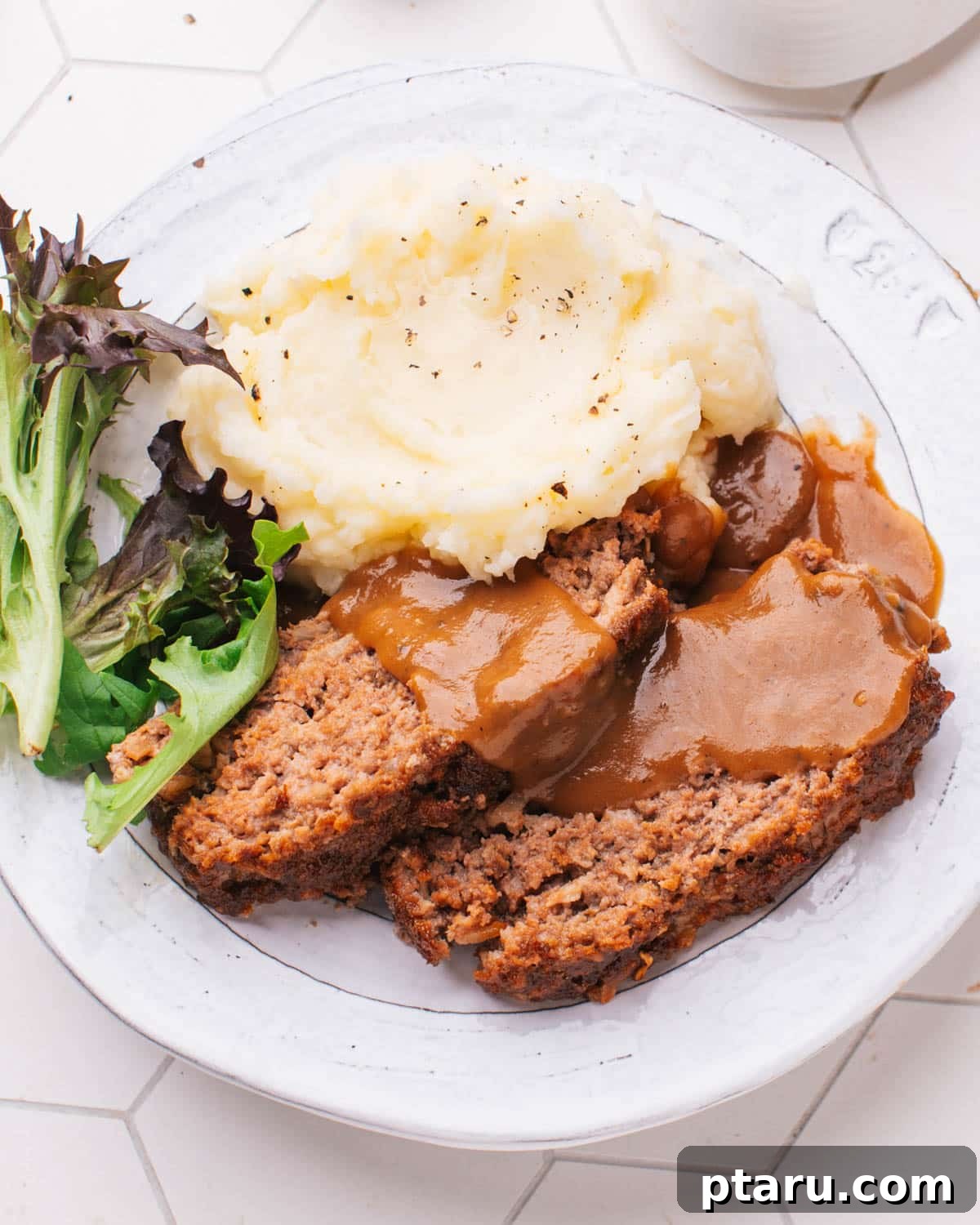
Are you tired of dry, flavorless meatloaf that leaves your taste buds wanting more? It’s time to elevate your weeknight dinners with an incredible homemade meatloaf seasoning recipe. This guide will reveal the secrets to crafting the best seasonings for meatloaf, ensuring every bite is packed with savory, juicy perfection. Say goodbye to bland and hello to a truly unforgettable comfort food experience!

This carefully curated blend of spices is designed to transform any two pounds of ground meat into a culinary masterpiece. It’s a quicker and more convenient option than many elaborate meatloaf recipes, yet it delivers an exceptional depth of flavor that will impress even the pickiest eaters. We guarantee that with this easy meatloaf seasoning, your meatloaf will be seasoned to succulent perfection, becoming a cherished family favorite.
Crafting the Ultimate Homemade Meatloaf Seasoning Blend
Creating your own meatloaf seasoning from scratch isn’t just about saving a trip to the store; it’s about unlocking superior flavor, customizing to your exact preferences, and ensuring you know precisely what goes into your family’s meal. This simple spice mixture provides a robust foundation, guaranteeing a rich, savory taste that permeates every fiber of your meatloaf. Let’s delve into the pantry staples you’ll need to create this amazing seasoning blend.
Why Choose Homemade Meatloaf Seasoning?
While store-bought packets offer convenience, homemade meatloaf seasoning provides several compelling advantages:
- Unmatched Freshness: Ground spices lose their potency over time. Mixing your own blend ensures you’re using fresh, vibrant flavors that truly make a difference.
- Customization is Key: Love a little extra garlic? Crave a hint of heat? With a homemade blend, you can easily adjust the ratios to suit your family’s taste preferences, making it truly *your* signature meatloaf.
- Control Over Ingredients: Avoid unwanted additives, excessive sodium, or artificial flavors often found in pre-packaged mixes. You control the quality and quantity of each ingredient.
- Cost-Effective: Buying individual spices and blending them yourself is often more economical in the long run compared to repeatedly purchasing seasoning packets.
- Confidence in Every Bite: Knowing exactly what’s in your seasoning gives you peace of mind and allows you to confidently serve a wholesome, delicious meal.

Essential Seasonings for a Flavorful Meatloaf
This meatloaf spice blend is intentionally simple, yet incredibly effective. Each ingredient plays a crucial role in creating a well-rounded and deeply satisfying flavor profile without the need for excessive chopping or complex prep. Here’s a closer look at the stars of our homemade meatloaf seasoning:
- Onion Powder: This dehydrated gem provides a concentrated, savory onion flavor without the moisture or texture of fresh onions. It disperses evenly throughout the meatloaf, ensuring a consistent, mellow oniony note in every bite. It’s an indispensable component for that classic savory base.
- Garlic Powder: Much like onion powder, garlic powder offers a robust, toasty garlic essence effortlessly. It eliminates the need for mincing fresh garlic, yet delivers a powerful aromatic punch that complements the meat beautifully. It’s milder than raw garlic but richer than garlic salt.
- Dried Parsley Flakes: Beyond adding a subtle fleck of green, dried parsley contributes a fresh, herbaceous brightness that lifts the heavier, savory notes. It introduces a touch of classic garden freshness, enhancing the overall appeal.
- Paprika: This vibrant spice adds a gentle smokiness and a beautiful reddish hue to your meatloaf. Depending on the type, it can also bring a mild sweetness or a faint heat, rounding out the flavor complexity. Sweet paprika is typically used for a milder profile, while smoked paprika adds more depth.
- Black Pepper: Freshly ground black pepper is crucial for adding a sharp, piquant warmth. It stimulates the palate and enhances the other flavors, making them more pronounced and exciting.
- Kosher Salt: The ultimate flavor enhancer, kosher salt draws out and amplifies all the other spices. It’s essential for proper seasoning, ensuring the meatloaf isn’t just “spiced,” but truly delicious. Its larger flakes distribute well and dissolve gradually, providing a consistent saltiness.
Variations and Creative Substitutions
While our core seasoning blend is fantastic, feel free to personalize it! This recipe serves as a perfect canvas for your culinary creativity:
- For a Spicy Kick: If you enjoy a bit of heat, consider adding ¼ to ½ teaspoon of dried mustard powder, a pinch of cayenne pepper, or a dash of red pepper flakes. These will introduce a warm, subtle zing that can really awaken the flavors.
- Embrace More Herbs: For an even more aromatic meatloaf, incorporate other dried herbs. A teaspoon of dried thyme offers an earthy, peppery note, while dried basil provides a sweet, peppery aroma. Rosemary or oregano can also be wonderful additions, especially if you’re aiming for a Mediterranean-inspired flavor.
- Smoked Paprika vs. Sweet Paprika: If you prefer a deeper, more pronounced smoky flavor, opt for smoked paprika. For a milder, slightly sweeter profile, stick with sweet paprika.

Choosing Your Ground Meat: The Foundation of Flavor
This versatile homemade meatloaf seasoning blend is perfectly proportioned to flavor two pounds of any ground meat, allowing you to tailor your meatloaf to your dietary preferences or what you have on hand. The choice of meat significantly impacts the final taste and texture:
- Ground Beef: A classic choice for meatloaf, ground beef (preferably 80/20 lean-to-fat ratio) provides rich, robust flavor and excellent moisture. The fat content is key to a juicy meatloaf.
- Ground Pork: Often overlooked, ground pork adds incredible richness and a distinct savory flavor. It’s fantastic when combined with ground beef for a meatloaf that’s exceptionally moist and flavorful.
- Ground Turkey or Ground Chicken: For a lighter, leaner option, ground turkey or chicken works wonderfully. Choose a mix that includes some fat (e.g., 93% lean ground turkey) to prevent your meatloaf from becoming dry. White meat tends to absorb flavors readily.
Feel free to experiment with a combination of meats, such as a beef and pork blend, for a more complex and satisfying flavor profile. The key is to keep the total amount of ground meat to two pounds to ensure optimal seasoning distribution.

Beyond the Spices: Additional Meatloaf Ingredients for Perfect Texture and Moisture
While our seasoning blend is the heart of a great meatloaf, other ingredients play vital roles in achieving the ideal texture, moisture, and overall flavor. You can incorporate this seasoning into your favorite meatloaf recipe, or follow our simple suggestions:
- Bread Crumbs: These are essential binders, helping the meatloaf hold its shape while absorbing moisture and keeping the loaf tender and juicy. Panko breadcrumbs are excellent for their light, airy texture, which prevents the meatloaf from becoming dense. For those with dietary restrictions, gluten-free breadcrumbs work just as well.
- Eggs: Acting as a powerful binding agent, eggs ensure your meatloaf remains cohesive and doesn’t crumble during baking or slicing. They also contribute to the overall moisture and richness. If you need substitutes, there are excellent alternatives for eggs in meatloaf that can maintain its structure.
- Milk or Water: Adding a liquid component is crucial for a truly moist meatloaf. Milk not only provides essential moisture but also adds a subtle richness and creamy texture. Water is a perfectly acceptable substitute that still ensures juiciness without adding dairy.
- Ketchup: Beyond a condiment, ketchup serves a dual purpose in meatloaf. It introduces a tangy sweetness and a touch of umami that brightens the overall flavor profile. It also caramelizes slightly during baking, contributing to a delicious crust.
- Glazes or Sauces: A good meatloaf is often crowned with a flavorful glaze or sauce. We love a simple meatloaf glaze made with brown sugar and Worcestershire sauce, which adds a beautiful sheen and a sweet-savory punch. If you prefer a classic, hearty accompaniment, a rich brown gravy meatloaf recipe is always a winner.
Essential Tools for Meatloaf Success
You don’t need a gourmet kitchen to make a fantastic meatloaf. A few basic tools will ensure your journey from prep to plate is smooth and simple:
- Large Mixing Bowl: Absolutely indispensable for thoroughly combining all your ingredients without making a mess. Ensure it’s large enough to comfortably mix two pounds of meat and the other components.
- 9×13-inch Baking Dish: While a loaf pan is traditional, a larger baking dish allows for a meatloaf with more surface area, which can lead to a more caramelized crust. It also provides ample space for any drippings.
- Non-Stick Spray or Parchment Paper: Crucial for easy removal. Lining your dish with parchment paper or giving it a good spray of non-stick coating prevents sticking and makes cleanup a breeze.
- Meat Thermometer: The most reliable way to ensure your meatloaf is cooked perfectly and safely. A digital meat thermometer is a small investment that guarantees delicious results every time.
- Your Hands: The best tools for mixing meatloaf! They allow you to gently combine ingredients without overworking the meat, which can lead to a tough texture.

How to Make Homemade Meatloaf with Our Signature Seasoning: An Easy Guide
Follow these straightforward steps to create a wonderfully flavorful and juicy meatloaf that will quickly become a household favorite. This process is designed for ease and guaranteed delicious results.
Step 1: The Initial Prep Work
Before you begin assembling your meatloaf, take a few moments to set up your cooking environment. Preheat your oven to 350°F (175°C). This ensures the oven is at the correct temperature when your meatloaf is ready to bake, allowing for even cooking. Next, prepare your 9×13-inch baking dish. You can either lightly spray it with non-stick cooking spray or line it with parchment paper. This vital step prevents your meatloaf from sticking and makes for effortless removal and cleanup. While a loaf pan is a common alternative, using a baking dish can sometimes yield a larger surface area for a delicious crust.

Step 2: Mixing Your Signature Seasoning Blend
In a large bowl, combine all the dry seasoning ingredients: the onion powder, garlic powder, dried parsley flakes, paprika, black pepper, and kosher salt. Use a whisk or a fork to thoroughly mix these spices together. This ensures that all the aromatic flavors are evenly distributed, so no single bite of your meatloaf is lacking that incredible savory punch.
Step 3: Combining the Wet and Dry Ingredients
To the bowl of mixed seasonings, add your wet and binding ingredients: the bread crumbs, eggs, milk (or water), and ketchup. Stir these components together until they are thoroughly combined and form a thick paste. This mixture is what will infuse your meatloaf with moisture and bind all the ingredients into a cohesive, tender loaf. Don’t worry if it looks a little thick; it will loosen slightly when the meat is added.

Step 4: Incorporating the Ground Meat
Now for the star of the show: add your two pounds of chosen ground meat to the bowl. This is where your hands become your best tools! Gently, yet thoroughly, mix all the ingredients together using your hands. The goal is to incorporate everything until just combined. Be careful not to overmix, as this can lead to a dense and tough meatloaf. Overworking the meat develops gluten, which is great for bread but not for tender meatloaf. Stop mixing as soon as you see no streaks of unseasoned meat.
Step 5: Shaping and Baking Your Meatloaf
Transfer the well-mixed meatloaf mixture into your prepared baking dish. Using your hands, gently shape it into a uniform loaf, aiming for dimensions of approximately 9-10 inches long and 2-3 inches high. A consistent shape helps ensure even cooking. Place your shaped meatloaf into the preheated oven and bake for about 1 hour. The most important indicator of doneness is the internal temperature: your meatloaf should reach 165°F (74°C) when measured with a reliable meat thermometer inserted into the thickest part of the loaf.
Step 6: Rest and Serve for Optimal Juiciness
Once baked, resist the urge to slice into your meatloaf immediately. Instead, allow it to rest for at least 10 minutes on a cutting board or in the baking dish after removing it from the oven. This resting period is crucial; it allows the juices within the meatloaf to redistribute evenly throughout the loaf. Skipping this step can result in a dry meatloaf with all the delicious juices running out onto your plate. After resting, slice your perfectly seasoned and juicy meatloaf, and serve it hot.

Make Ahead and Storage Solutions for Convenience
Meatloaf is an ideal dish for meal prep, offering delicious leftovers and easy storage options. Plan ahead to save time on busy weeknights!
Prepare Your Meatloaf Seasoning in Advance
Our homemade meatloaf seasoning blend can be mixed and stored long before you need it. Simply combine all the dry spices in an airtight jar or container. Store it at room temperature in a cool, dark pantry for up to 3 months, ensuring you always have flavorful seasoning ready for your next meatloaf craving.
Preparing and Storing Meatloaf
- Make Raw Meatloaf Ahead: You can mix all the meatloaf ingredients and shape the loaf a full day in advance. Cover it tightly with plastic wrap and store it in the refrigerator. When you’re ready to cook, simply pop it into the preheated oven. For food safety, remember how long ground beef lasts in the fridge.
- Store Cooked Meatloaf: Allow your baked meatloaf to cool completely before slicing and storing. Place individual slices or the entire cooled loaf in an airtight container. It will remain fresh and delicious in the refrigerator for up to 4 days.
- Freeze It for Later: Meatloaf freezes beautifully, whether baked or unbaked. For comprehensive instructions and tips on how to prevent freezer burn and maintain quality, refer to our guide on freezing meatloaf.
- Reheating for Perfect Leftovers: The key to enjoying leftover meatloaf is reheating it properly to maintain its moisture and flavor. Learn the best techniques for how to reheat meatloaf so that it stays moist and juicy. Before enjoying, always be mindful of how long meatloaf lasts in the fridge.

Delicious Ways to Serve Your Flavorful Meatloaf
A perfectly seasoned meatloaf deserves equally delicious accompaniments. Whether you prefer classic comfort sides or lighter options, here are some fantastic ideas to complete your meal:
- Creamy Mashed Potatoes: A timeless pairing! The fluffy texture and buttery richness of creamy mashed potatoes are the perfect complement to savory meatloaf.
- Classic Green Vegetables: Simple, steamed, or roasted green beans, carrots, or peas are classic old-fashioned sides that add color, nutrition, and a fresh contrast to the rich meatloaf.
- Ultimate Mac and Cheese: For the ultimate comfort food experience, serve your meatloaf alongside a generous portion of creamy baked mac and cheese. This combination is a guaranteed hit with both children and adults.
- Roasted Root Vegetables: Roasted potatoes, carrots, parsnips, or sweet potatoes offer a naturally sweet and earthy complement, and they can often be roasted in the oven alongside your meatloaf.
If you’re looking for lighter, healthier alternatives, explore our epic collection of delicious healthy sides for meatloaf to find your perfect match.
Meatloaf Troubleshooting and Expert Tips
Even seasoned cooks can encounter challenges. Here are quick tips for common meatloaf issues:
- Dry Meatloaf? Ensure you’re not overcooking it. Use a meat thermometer to pull it at 160-165°F. Also, avoid extremely lean ground meat; some fat is essential for moisture.
- Crumbly Meatloaf? This often means insufficient binder. Double-check your breadcrumbs and egg quantities. Ensure proper mixing, but avoid overmixing which can break down the meat structure.
- Bland Flavor? This recipe is designed to fix that! But if you still want more, consider adding a dash of Worcestershire sauce, a spoonful of Dijon mustard, or some finely minced fresh herbs to your mixture.
Further Reading & Related Recipes
Deepen your meatloaf expertise with these helpful resources:
- Meatloaf Temperature Guide: Understand internal temperatures for safe cooking, optimal oven temperatures, and best practices for storing your meatloaf.
And when you’re ready for more meatloaf inspiration, explore these delicious recipes:
- The Meatloaf Recipe That’ll Turn You Into a Meatloaf Lover
- 3-Ingredient Meatloaf Glaze (So Tasty and Simple!)
- Lipton Meatloaf Recipe (A clever shortcut for extra flavor!)
- Meatloaf with Brown Gravy (For the ultimate comfort meal!)
Homemade Meatloaf with Ultimate Seasoning
This recipe transforms any two pounds of ground meat into a flavor-packed, juicy meatloaf using a simple yet effective homemade seasoning blend. Say goodbye to bland meatloaf forever!
Recipe Details
- Prep Time: 5 minutes
- Cook Time: 1 hour
- Servings: 8
- Author: Jennifer Pallian BSc, RD
Ingredients
Seasonings for Meatloaf
- 1 ½ tbsp onion powder
- 1 tsp garlic powder
- ½ tsp dried parsley flakes
- ¼ tsp paprika
- ½ tsp black pepper
- 2 ¼ tsp kosher salt
To Make Meatloaf
- 2 pounds ground meat (beef, pork, chicken, or turkey)
- ¾ cup bread crumbs (panko recommended, or gluten-free)
- 2 large eggs
- ¾ cup milk or water
- ⅓ cup ketchup
Instructions
- Preheat your oven to 350°F (175°C). Prepare a 9×13-inch baking dish by either spraying it with non-stick spray or lining it with parchment paper for easy removal.
- In a large bowl, combine the onion powder, garlic powder, dried parsley flakes, paprika, black pepper, and kosher salt. Whisk until well combined.
- Stir in the bread crumbs, eggs, milk (or water), and ketchup into the seasoning mixture until a paste forms. This ensures all flavors are evenly distributed and contributes to moisture.
- Add the ground meat to the bowl. Using your hands, gently mix all ingredients until just combined. Be careful not to overmix, as this can lead to a tough meatloaf.
- Transfer the meatloaf mixture to your prepared baking dish. Shape it into an even loaf, approximately 9-10 inches long and 2-3 inches high.
- Bake for about 1 hour, or until the internal temperature of the meatloaf reaches 165°F (74°C) when checked with a meat thermometer.
- Allow the meatloaf to rest for about 10 minutes after baking before slicing. This crucial step allows the juices to redistribute, ensuring a moist and flavorful result. Slice and serve!
Notes
- To Glaze Meatloaf: For extra flavor and a beautiful finish, you can spread an additional ⅓ cup of ketchup evenly over the top of the meatloaf before baking. Alternatively, try our easy meatloaf glaze recipe for a tangy-sweet crust.
- Customization: Feel free to add a pinch of cayenne for heat or dried herbs like thyme or basil for additional aromatic depth to your seasoning blend.
Nutrition (Approximate per serving)
Nutrition information is automatically calculated and should be used as an approximation.
- Calories: 375kcal
- Carbohydrates: 13g
- Protein: 23g
- Fat: 25g
- Saturated Fat: 10g
- Polyunsaturated Fat: 1g
- Monounsaturated Fat: 11g
- Trans Fat: 1g
- Cholesterol: 124mg
- Sodium: 923mg
- Potassium: 426mg
- Fiber: 1g
- Sugar: 4g
- Vitamin A: 181IU
- Vitamin C: 1mg
- Calcium: 82mg
- Iron: 3mg