Prepare to elevate your grilling game with this ultimate guide to a perfectly cooked, incredibly tender, and intensely flavorful Flat Iron Steak. This comprehensive recipe goes beyond mere instructions, transforming you into a steak master capable of achieving juicy, succulent results every single time. Learn how to select the best cut, season it to perfection, achieve an irresistible sear, and master the crucial resting period to deliver restaurant-quality steak right from your own kitchen or backyard grill. We’ll even guide you through preparing a vibrant, creamy Peruvian green sauce, known as Aji Verde, to complement the rich beef beautifully. This recipe is destined to become a staple in your culinary repertoire.

What is Flat Iron Steak and Why It’s a Game-Changer for Steak Lovers
The flat iron steak, often recognized as top blade steak, is a remarkably tender and flavorful cut of beef derived from the shoulder (chuck) primal of the cow. While the chuck section is typically associated with tougher cuts best suited for slow cooking, the flat iron stands out as a hidden gem. Its exceptional tenderness is achieved through a specific butchering technique that meticulously removes a tough, inedible connective tissue membrane that runs through the center of the muscle. This process leaves behind two incredibly palatable and tender pieces of steak.
What truly elevates flat iron steak is its impressive intramuscular marbling – fine streaks of fat woven throughout the muscle. During cooking, this marbling melts, infusing the meat with a rich, profound beefy flavor and contributing significantly to its succulent, melt-in-your-mouth texture. This characteristic flavor profile often draws comparisons to more expensive cuts like ribeye, yet flat iron steak remains considerably more affordable, offering outstanding value without compromising on either taste or tenderness. It’s truly a smart choice for gourmet flavor on a budget.
Beyond its delicious taste, flat iron steak is incredibly versatile and forgiving. It excels when cooked quickly over high heat, whether you’re grilling it over charcoal or gas, searing it in a heavy-bottomed cast-iron pan, or even broiling it for a fast weeknight meal. Its fine grain and inherent tenderness make it an absolute pleasure to eat, especially when sliced thinly against the grain. Many culinary enthusiasts and seasoned home cooks consider it an “underrated gem” that consistently delivers a premium dining experience, making it a cut that truly deserves your attention.
In fact, professional butchers and culinary experts frequently rank flat iron steak as the second most tender cut of beef, surpassed only by the exquisite filet mignon. This remarkable tenderness, combined with its robust, savory beef flavor and accessibility, makes the flat iron steak an outstanding choice for anyone seeking a perfect balance of quality, taste, and economy. If you haven’t tried it yet, prepare to be impressed by this versatile and satisfying cut of beef.
Essential Ingredients for Your Perfect Flat Iron Steak Recipe
Crafting a truly memorable flat iron steak doesn’t demand a lengthy list of exotic ingredients. My philosophy for this recipe emphasizes simplicity, allowing the natural, robust flavors of the beef to take center stage. However, the quality of your chosen ingredients will significantly impact the final outcome. Alongside the steak, we’ll also prepare my favorite vibrant and flavor-packed green sauce, known as Aji Verde, to beautifully complement the rich beef. Gather these essential items, and let’s get ready to create a masterpiece!
Flat Iron Steak Recipe Ingredients
- Flat Iron Steak: This is the undeniable star of our culinary show. When selecting your steak, look for a cut that is approximately 1 to 1.5 inches thick with visible, even marbling. Good marbling is crucial as it ensures optimal flavor, juiciness, and tenderness. If flat iron steak proves elusive at your local market, don’t worry – refer to our suggested substitutes below for equally delicious alternatives.
- High Smoke Point Cooking Oil: An indispensable ingredient for achieving that coveted, deeply caramelized crust on your steak without any risk of burning or producing off-flavors. Excellent choices include avocado oil, grapeseed oil, or standard refined olive oil (it’s important to note that extra virgin olive oil has a lower smoke point and is not ideal for high-heat searing). Canola or vegetable oil also perform admirably. The oil acts as a heat transfer agent, promoting even cooking and preventing the steak from sticking to the hot cooking surface.
- Coarse Salt (Kosher or Sea Salt): Generously seasoning your steak with coarse salt is not merely a recommendation but a non-negotiable step for flavor development. Coarse salt not only dramatically enhances the meat’s inherent savory beef flavor but also plays a critical role in developing a delicious, crusty exterior when seared over high heat. The larger crystals adhere better to the surface and draw out moisture, which, during searing, contributes to a more intense and concentrated flavor on the steak’s surface.
- Freshly Cracked Black Pepper: Working in perfect harmony with the salt, freshly cracked black pepper adds a subtle, aromatic warmth, a delicate spice, and a pleasant textural element. Always prioritize freshly cracked pepper over pre-ground varieties; the difference in fragrance and pungent flavor is remarkable and will elevate your steak significantly.

Substitutes for Flat Iron Steak: When You Need Alternatives
While the flat iron steak offers a unique combination of tenderness and flavor, it might not always be readily available at every butcher shop or grocery store. Should you find yourself without this excellent cut, don’t despair! Several other fantastic beef cuts can serve as superb substitutes, each bringing its own distinct qualities to your meal. When selecting an alternative, consider your preferred cooking method and the desired texture of your final dish.
- Hanger Steak: Often dubbed the “butcher’s cut” because butchers historically kept this flavorful cut for themselves, hanger steak is renowned for its intense, rich beefy flavor and surprising tenderness. It shares many characteristics with flat iron and is best cooked to a medium-rare finish and always sliced thinly against the grain.
- Skirt Steak: This long, thin, and fibrous cut is celebrated for its robust, deep beef flavor. While it is inherently a bit chewier than flat iron, skirt steak is exceptionally well-suited for high-heat grilling and quick searing. It truly shines when marinated for added tenderness and flavor, and it must be sliced very thinly against the grain to maximize its palatability.
- Flank Steak: A lean, broad, and relatively thin cut, flank steak also offers a delightful beefy taste. It tends to be slightly tougher than flat iron, which makes it an excellent candidate for marinating to help tenderize the fibers. Like skirt steak, flank steak should always be sliced very thinly against the grain to achieve the most tender eating experience. It’s particularly popular for fajitas, stir-fries, and wraps.
- Ribeye Steak: If your budget allows for a more luxurious option, the ribeye is an outstanding substitute. It boasts superior marbling, which translates to incredibly rich flavor and exceptional tenderness. A ribeye cooks similarly to a flat iron steak but generally offers a more indulgent, buttery texture due to its higher fat content.
It’s important to remember that while these substitutes can be cooked using similar high-heat methods, you may need to adjust cooking times slightly based on their individual thickness, fat content, and your desired level of doneness. Always utilize an instant-read meat thermometer for precise results, ensuring your steak is cooked exactly how you like it.
Essential Tools for Grilling a Flat Iron Steak Like a Pro
You don’t need an arsenal of professional kitchen gadgets to achieve outstanding results with this flat iron steak recipe and its accompanying flavorful sauce. A few fundamental tools are all you’ll require to ensure a smooth cooking process, consistent quality, and a truly delicious outcome. Having the right equipment makes all the difference in achieving perfection.
- Grill (Gas or Charcoal) or Grill Pan / Cast-Iron Skillet: The primary piece of equipment for cooking your steak. Whether you prefer the authentic smoky char of a charcoal grill, the convenient control of a gas grill, or the even, intense sear provided by a heavy-bottomed grill pan or a robust cast-iron skillet, a high-heat cooking surface is absolutely essential. Ensure your chosen tool can get shimmering hot to achieve that perfect, crusty exterior.
- Basting Brush and Small Bowl: A simple pastry or silicone brush is ideal for evenly coating your flat iron steak with oil. This ensures uniform seasoning distribution, promotes even searing, and helps prevent the meat from sticking to the hot cooking surface. A small bowl to hold your oil makes the brushing process clean and efficient.
- Sturdy Cutting Board and Sharp Knives: A large, stable cutting board is crucial for both preparing your steak and, most importantly, for slicing it against the grain after it has rested. A high-quality, sharp chef’s knife or slicing knife will make the job effortless, ensuring clean, uniform cuts that enhance the tenderness of the steak.
- Instant-Read Meat Thermometer: This is arguably the most critical tool for consistently producing perfectly cooked steaks. An instant-read thermometer eliminates all guesswork, allowing you to hit your target internal temperature with absolute precision and confidently prevent overcooking or undercooking. It’s the secret to consistent perfection.
- Sturdy Tongs: Essential for safely handling and flipping your steak on a hot grill or pan. Good tongs allow you to maneuver the meat without piercing it, which could cause precious juices to escape, compromising the steak’s tenderness and flavor.
- Small Food Processor or Blender: For preparing the creamy Peruvian Aji Verde sauce, a compact food processor or a small blender will quickly and efficiently emulsify all the fresh ingredients into a smooth, vibrant, and utterly delicious condiment, ready to drizzle over your steak.
How to Master the Flat Iron Steak Recipe: An Easy Step-by-Step Guide
Follow these precise, step-by-step instructions to cook a flat iron steak that is incredibly tender, juicy, and bursting with flavor, rivalling the results of any professional chef. The key to perfection lies in mindful preparation and execution at each stage.
Step 1: Prepare the Creamy Green Sauce (Aji Verde)
Begin by preparing your vibrant Aji Verde sauce before you even touch the steak. This allows the flavors to deepen and meld beautifully while your steak cooks and rests. In the bowl of a small food processor or a blender, combine all the sauce ingredients: fresh cilantro, fresh parsley, peeled garlic cloves, green chilies (or jalapeño), lime juice, coarse salt, olive oil, and mayonnaise. Pulse the mixture in short bursts until it reaches a relatively smooth consistency, but still retains a slight, appealing texture. Be careful not to over-blend, as you want to preserve its fresh, bright character. Set the finished sauce aside and allow the flavors to continue developing.
Step 2: Prepare and Season the Steak Properly
For the best possible crust and the most even cooking, it’s crucial to ensure your flat iron steak is at room temperature before it hits the heat. Remove it from the refrigerator at least 30 minutes, or ideally an hour, prior to cooking. Next, and this is a critical step for achieving a perfect sear, thoroughly pat both sides of the steak completely dry with paper towels. Any surface moisture will steam rather than sear. Then, generously brush both sides of the steak with your chosen high smoke point cooking oil (approximately one teaspoon per side is usually sufficient for good coverage). Finally, season the steak liberally with coarse salt and freshly cracked black pepper. Do not be shy with the seasoning – this ample application is vital for building that desirable, flavorful crust.
Step 3: Preheat Your Grill or Pan to Intense Heat
Achieving a perfect, deeply caramelized sear on your steak demands intense, consistent heat. Regardless of whether you’re using a gas grill, a charcoal grill, or a heavy-bottomed cast-iron grill pan, preheat your cooking surface over high heat for a minimum of 5 to 10 minutes. The surface should be shimmering hot, almost to the point of lightly smoking. This high initial heat will instantly caramelize the exterior of the steak, forming a flavorful crust and effectively locking in the precious juices, preventing them from escaping.
Step 4: Grill the Steak to Perfection
Carefully place the generously seasoned flat iron steak onto the preheated, screaming-hot grill. Allow it to sear undisturbed on one side for 3 to 5 minutes, depending on the thickness of your steak and the actual temperature of your grill. Resist the urge to peek or flip too soon! The steak will naturally release itself from the grill grates once it has developed a sufficient crust. Gently lift a corner with tongs; if it releases easily with beautiful, well-defined grill marks and a rich brown crust, it’s time to flip. Continue cooking on the second side until it reaches your desired internal temperature. For a perfect, juicy medium-rare, aim for an internal temperature of 125ºF (52°C).
For more detailed insights into perfecting your grilling technique, be sure to explore our dedicated guide on determining the best temperature for grilling steak, ensuring consistently outstanding results.
Step 5: Rest and Serve Your Masterpiece
Once your flat iron steak reaches your precise target internal temperature, immediately transfer it to a clean cutting board. Cover it loosely with a sheet of aluminum foil (this technique is known as “tenting”) and allow it to rest undisturbed for a crucial 5 to 10 minutes. This resting period is absolutely vital, as it allows the contracted muscle fibers to relax and the internal juices to redistribute evenly throughout the entire piece of meat. This ensures that every single bite is incredibly tender and exquisitely juicy. Skipping this essential step will result in a dry steak, as all those delicious juices will simply pool on your cutting board instead of remaining within the meat.
After resting, slice the steak thinly against the grain. This cutting technique effectively shortens the muscle fibers, making the steak even more tender and significantly easier to chew. Finally, drizzle your homemade creamy green sauce generously over the top of the sliced steak before serving, and prepare for an unforgettable explosion of flavor!
Achieving Perfection: Internal Temperature for Flat Iron Steak Doneness
Cooking steak to your desired level of doneness is a matter of personal preference, but consistency and precision are absolutely paramount for achieving consistently excellent results. An instant-read meat thermometer is your most reliable tool in this endeavor. Always insert the thermometer into the thickest part of the steak, taking care to avoid any bones or gristle, to obtain the most accurate internal temperature reading.
Rare: 120-125°F (49-52°C) – Characterized by a cool, dark red center.
Medium-Rare: 130-135°F (54-57°C) – Features a warm, bright red center, remaining incredibly tender and juicy.
Medium: 140-145°F (60-63°C) – Displays a warm, pink center with a slightly firmer texture.
Medium-Well: 150-155°F (66-68°C) – Has a mostly gray appearance with only a hint of pink in the very center, resulting in less juiciness.
Well-Done: 160°F+ (71°C+) – Exhibits little to no pink throughout and possesses a firm texture. This doneness level is generally not recommended for flat iron steak due to its potential to become tough and dry.
Pro Tip for Doneness – Accounting for Carryover Cooking: To ensure your steak reaches its perfect final temperature without overcooking, always remove it from the heat source (grill or pan) when it is approximately 5°F (about 3°C) *lower* than your target final temperature. This crucial adjustment accounts for “carryover cooking,” the phenomenon where the internal temperature of the meat continues to rise from residual heat as it rests. By doing this, your steak will gradually cook to perfection during the resting period, guaranteeing it remains incredibly juicy and tender.
5 Common Mistakes to Avoid When Making a Flat Iron Steak Recipe
Even with the best intentions and a fantastic recipe, small errors can significantly impact the final quality of your flat iron steak. Learning to identify and rectify these common pitfalls will not only elevate your cooking skills but also guarantee a truly exceptional dining experience every time you prepare this delicious cut. Here’s a breakdown of what to actively avoid:
- Overcooking the Steak: This is unequivocally the most frequent mistake made when cooking flat iron steak. While naturally tender, this lean cut, like many others, will quickly become tough, dry, and unappetizing if cooked beyond medium-rare. To prevent this, always aim for an internal temperature of 125ºF (52°C) for medium-rare when you remove it from the heat. An instant-read meat thermometer is your absolute best defense against the tragedy of an overcooked steak.
- Skipping the Crucial Resting Period: Rushing to slice your steak immediately after it comes off the heat is a cardinal sin in steak preparation. The intense heat of cooking causes the meat fibers to contract tightly, forcing all the precious internal juices towards the center. Allowing the steak to rest for at least 5-10 minutes (tenting it loosely with foil) provides ample time for these muscle fibers to relax and for the internal juices to redistribute themselves evenly throughout the entire piece of meat. If you slice it too soon, all those delicious, flavorful juices will simply gush out onto your cutting board, leaving you with a drier, less flavorful steak.
- Under-Seasoning Your Beef: A bland steak is a disappointing steak, and under-seasoning is an easily avoidable mistake. Do not be timid with your salt and pepper application; season generously on both sides of the flat iron steak. This liberal coating not only profoundly enhances the natural, deep beefy flavor but also plays a crucial role in forming that beautiful, savory, and irresistible crust during the searing process. Think of it as building a strong foundation of flavor from the outside in.
- Cooking on a Cold or Insufficiently Heated Grill/Pan: A fundamental principle of achieving an exceptional sear is intense, consistent heat. Placing a steak on a cold or merely warm surface prevents the vital Maillard reaction from occurring. This complex chemical reaction, responsible for browning and developing hundreds of complex, savory flavor compounds, requires high temperatures (above 300°F or 150°C). Always preheat your grill or pan for a solid 5-10 minutes until it is shimmering hot, almost to the point of lightly smoking. This ensures an immediate, perfect, and flavorful sear.
- Slicing With the Grain Instead of Against It: This seemingly minor error can transform even the most tender steak into a chewy, difficult-to-eat experience. The “grain” refers to the visible direction of the long muscle fibers in the meat. If you slice parallel to these fibers (with the grain), you leave those tough, long fibers intact, making each bite stringy and requiring more effort to chew. By contrast, always identify the grain and slice perpendicular to it (against the grain). This technique effectively shortens the muscle fibers, making each piece significantly more tender, easier to chew, and dramatically improving the overall eating experience.
Make Ahead and Storage Tips for Flat Iron Steak and Leftovers
While a fresh-off-the-grill steak is undeniably the ultimate treat, sometimes you’ll find yourself with delicious leftovers or the need to prepare components of your meal in advance. Knowing how to properly store and reheat your flat iron steak is crucial for maintaining its quality, tenderness, and flavor. These tips will help you enjoy your steak long after it’s cooked.
Storage for Cooked Flat Iron Steak: Once cooked, any leftover flat iron steak should be allowed to cool completely at room temperature (this usually takes 15-20 minutes, never longer than 2 hours) before being transferred to an airtight container. Stored properly, it will keep fresh in the refrigerator for up to 3 days. For longer-term storage, cooked steak freezes exceptionally well. Wrap individual slices or the entire piece tightly in plastic wrap, then place it into a freezer-safe bag or an airtight container. Frozen flat iron steak will maintain its quality for up to 3 months. When ready to use, thaw frozen steak slowly overnight in the refrigerator.
Reheating Cooked Flat Iron Steak: To gently reheat cooked steak without the risk of overcooking it and making it tough, the best method is typically a skillet over low heat. Add a small splash of beef broth or water to the pan to create some steam, cover the skillet, and warm the steak gently until it’s just heated through. Avoid using high heat, which can quickly dry out the meat. Alternatively, thinly sliced cold steak can be a fantastic addition to hot dishes like stir-fries, omelets, or tacos, where it will warm up quickly within the dish itself. Generally, it’s best to avoid reheating large pieces of steak in the microwave, as this method often leads to a rubbery and unevenly heated texture.
READ MORE: For comprehensive instructions on safe and effective thawing techniques, including specific applications, delve into our guide on how to defrost steak in the microwave. Additionally, discover the expert methods for the best way to reheat leftover steak to ensure it tastes almost as good as it did fresh off the grill.
How to Serve This Flat Iron Steak Recipe: Perfect Pairings and Side Dishes
A perfectly grilled flat iron steak, with its tender texture and rich flavor, deserves to be complemented by equally delicious accompaniments. While the steak itself is undoubtedly the star of the show, the right sauce and thoughtfully chosen side dishes can elevate your meal into an unforgettable culinary experience. Here are some of my favorite ways to serve this incredibly versatile steak, ensuring a harmonious balance of flavors and textures.
Flavorful Sauces for Your Steak
A truly great sauce has the power to take your steak from delicious to extraordinary. Don’t feel limited to just one; experiment with different sauces to discover your personal favorite!
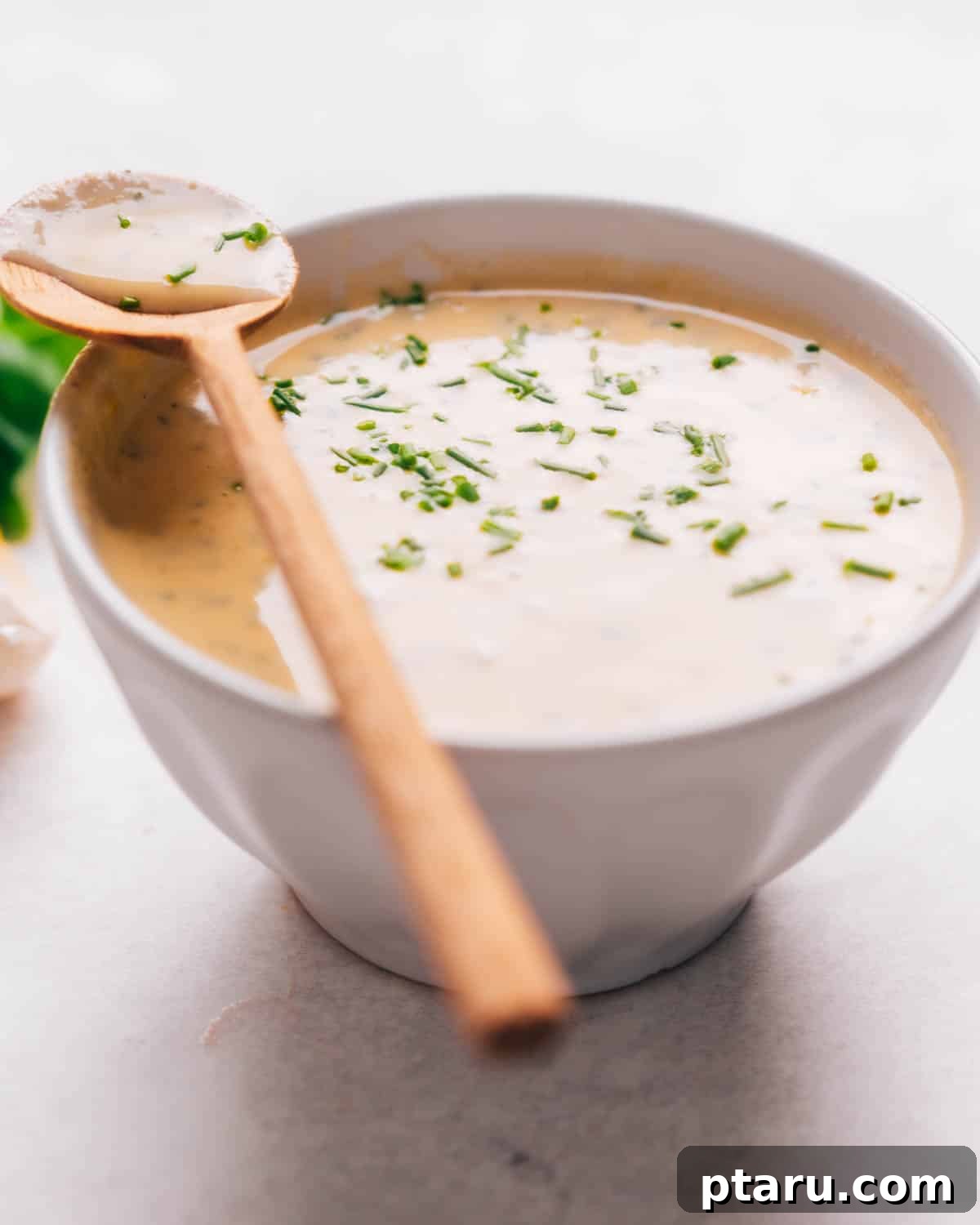
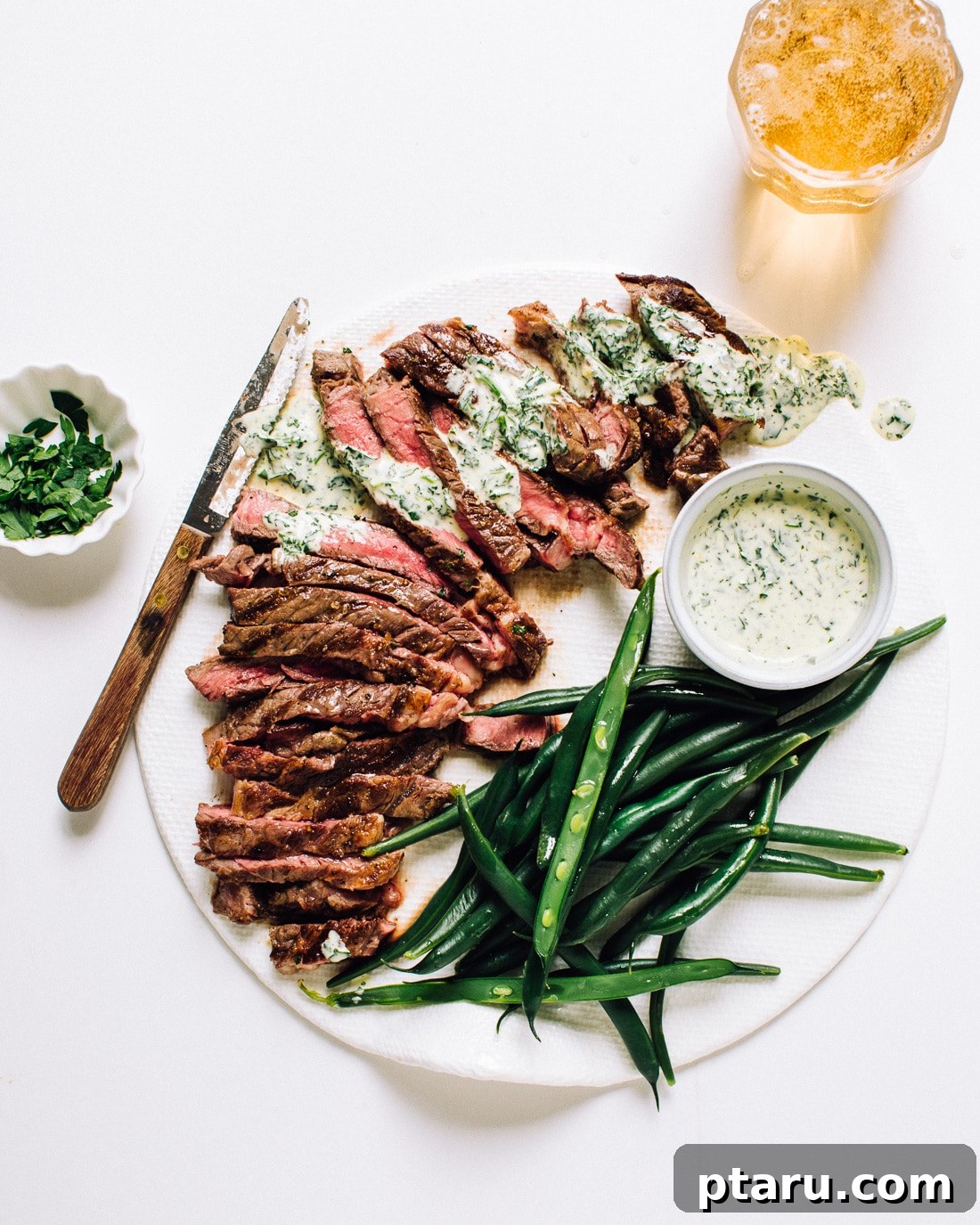
- Peruvian Aji Verde: This creamy, vibrant green sauce is more than just a garnish; it’s a revelation! Pictured proudly with our recipe, its fresh herbs, a hint of spicy chilies, and creamy texture create a dynamic and bright contrast that perfectly cuts through the richness of the beef. (The full recipe for this delicious sauce is included above!)
- Classic Garlic Butter Sauce: A timeless and universally adored pairing that simply never disappoints. The rich, aromatic garlic butter melts luxuriously over the hot steak, adding an irresistible layer of indulgence and savory depth that enhances every bite.
- Bright Chimichurri Sauce: Hailing from Argentina, this zesty, uncooked green sauce is packed with fresh herbs (typically parsley and oregano), garlic, red wine vinegar, and olive oil. It offers a bright, tangy zing and herbaceous freshness that beautifully complements grilled meats. It serves as a fantastic, lighter alternative to Aji Verde for those who prefer a less creamy, more piquant condiment.
Delectable Flat Iron Steak Side Dishes
Round out your meal with these satisfying, easy-to-prepare side dishes that pair wonderfully with the robust flavors of grilled flat iron steak. Balance is key to a complete and satisfying meal.
- For comforting and hearty options, consider serving your steak with creamy classics like smooth mashed potatoes or a rich, savory cornbread casserole. These provide a soothing and textural contrast to the firmer bite of steak.
- If you prefer lighter, fresher accompaniments, crunchy green vegetables are always an excellent choice. Simple steamed green beans, a crisp mixed green salad with a vinaigrette, or our recipe for perfect pan-fried asparagus offer freshness and a delightful crunch.
- For a unique and flavorful twist, crispy air fryer eggplant provides an interesting texture and savory depth that beautifully stands up to the richness of the beef.
Utilizing Leftovers Creatively: If you are fortunate enough to have any leftover flat iron steak, do not let a single bite go to waste! Slice it thinly and get creative by incorporating it into future meals. It’s absolutely fantastic in gourmet sandwiches, vibrant and hearty salads, or as a flavorful protein component in your next batch of beef tacos. For detailed guidance on preserving its tenderness and flavor, explore our comprehensive guide on the best way to reheat leftover steak.
Pro Tips and Science-Based Secrets for the Ultimate Flat Iron Steak
As a food scientist, I’m genuinely passionate about demystifying the ‘why’ behind effective cooking techniques. Understanding these foundational principles will not only help you master this specific flat iron steak recipe but will also significantly enhance your overall culinary skills and confidence. Here are my top science-backed tips designed to help you achieve consistently incredible results:
- Patience on the Grill: Harnessing the Maillard Reaction: The visually appealing, deeply browned crust and the complex, irresistible flavor on your steak aren’t merely from “browning” – they are the direct result of the Maillard reaction. This intricate chemical process occurs when amino acids and reducing sugars in the meat react at high temperatures (typically above 300°F or 150°C), creating hundreds of new, delectable flavor compounds. It’s what gives grilled meat its savory depth. Resist the urge to flip the steak too soon! Allowing it to sear undisturbed for several minutes creates optimal, consistent contact with the hot surface, maximizing this crucial reaction and developing a deeply flavorful, textural crust that significantly enhances both the texture and the taste of your steak.
- Consider Marinating: Flavor Infusion and Gentle Tenderization: While flat iron steak is already renowned for its natural tenderness, marinating can introduce an additional layer of complex flavor and, in certain cases, further tenderize the meat. Acidic ingredients commonly found in marinades (such as vinegar, lemon juice, or even plain yogurt) work to gently break down surface proteins, while enzymatic ingredients like pineapple or papaya can tenderize the meat more aggressively. Even a simple oil-based marinade infused with fresh herbs and spices can impart immense aromatic flavor without drastically changing the texture. If you opt to marinate, aim for at least 2 hours, or ideally, overnight, ensuring the steak is fully submerged for even flavor distribution.
- Employ a Meat Thermometer: Precision is the Cornerstone of Juiciness: Guessing the doneness of your steak is a surefire recipe for inconsistent results and potential disappointment. An instant-read meat thermometer is unequivocally the single most important tool for consistently achieving perfectly cooked steaks. It eliminates all guesswork, empowering you to hit your ideal internal temperature with absolute precision. Overcooking by even a few degrees can cause the muscle fibers to tighten excessively and squeeze out precious moisture, leading to a steak that is sadly dry and tough. Trust the thermometer above all else, not just visual cues alone.
- The Critical Role of Resting: Juice Redistribution via Capillary Action: This step is not merely important; it is absolutely non-negotiable! When meat is subjected to the intense heat of cooking, its muscle fibers contract vigorously, forcing the internal juices towards the center of the steak. If you cut into the steak immediately after cooking, those valuable juices will inevitably gush out onto your cutting board, leaving your steak dry and less flavorful. Resting, however, allows these muscle fibers to gradually relax. Through the principle of capillary action, the juices are then able to redistribute themselves evenly throughout the entire piece of meat. This results in a significantly juicier, noticeably more tender, and profoundly more flavorful steak when it’s finally sliced. Aim for a resting period of 5-10 minutes, with the steak tented loosely with foil.
- Master the Cutting Technique: Against the Grain for Maximum Tenderness: Even an otherwise perfectly cooked steak can be rendered chewy and unsatisfying if sliced incorrectly. Steak is fundamentally composed of long, fibrous muscle fibers. If you slice parallel to these fibers (with the grain), you are essentially leaving those long, intact fibers for your teeth to contend with, making each bite unnecessarily tough and chewy. The solution is simple: always take a moment to identify the direction of the muscle grain and then slice perpendicular to it (against the grain). This technique effectively shortens those muscle fibers, meaning significantly less work for your jaw and a dramatically more tender, easier-to-chew eating experience.
FAQs About Flat Iron Steak Recipe
Got quick questions about cooking flat iron steak? Here are some frequently asked questions and their concise, expert answers to help you cook with unwavering confidence and achieve perfect results every time:
Is flat iron steak very tender?
Yes, flat iron steak is renowned for its exceptional tenderness. It’s often ranked as the second most tender cut of beef, surpassed only by filet mignon, thanks to its fine grain and the careful removal of a tough connective tissue during butchering. This makes it a highly popular and satisfying choice for grilling and pan-searing.
Can you eat flat iron steak rare?
Absolutely! Flat iron steak can be safely and deliciously eaten rare. However, many culinary professionals and home cooks find that it is best enjoyed at a medium-rare doneness (internal temperature of 130-135°F) for optimal flavor, maximum juiciness, and a wonderfully tender texture, as this allows its intramuscular marbling to fully render and contribute to the taste.
Is flat iron steak more tender than sirloin?
Generally, yes, flat iron steak is considered more tender than most sirloin cuts, including top sirloin. Its superior tenderness stems from its unique muscle structure and consistent, desirable marbling, both of which contribute significantly to its inherent juiciness and rich flavor compared to the typically leaner sirloin cuts.
How do I know when flat iron steak is cooked to the right temperature?
The most accurate and reliable method to determine doneness is by using an instant-read meat thermometer. For a perfect medium-rare flat iron steak, aim to remove it from the heat when its internal temperature reaches 125ºF (52°C). Remember that the steak will continue to cook a few degrees as it rests (carryover cooking). Always insert the thermometer into the thickest part of the steak for the most precise reading.
Can I use a different cut of steak for this flat iron steak recipe?
Yes, you certainly can! While flat iron steak is ideal for this recipe and highly recommended, you can successfully substitute it with other cuts that perform well with high-heat cooking. Excellent alternatives include flank steak, skirt steak, hanger steak, or even a classic ribeye. Be mindful that cooking times and specific techniques may need to be slightly adjusted based on the thickness and characteristics of your chosen substitute cut.
How can I make my flat iron steak even more tender?
To truly maximize tenderness, ensure you allow the steak to rest for a crucial 5-10 minutes after cooking; this is paramount for optimal juice redistribution. Furthermore, always slice the cooked steak thinly against the grain to effectively shorten the muscle fibers. For an additional boost in tenderness, consider marinating the steak for a few hours prior to cooking using acidic ingredients (like balsamic vinegar or lemon juice) or enzymatic ingredients (such as small amounts of kiwi or pineapple juice).
Other Delicious Steak Recipes You’ll Love and Want to Try
If you’ve enjoyed mastering the art of grilling a flat iron steak, you’re undoubtedly ready to explore even more delectable beef creations and expand your culinary horizons. Here are some other fantastic steak recipes, ranging from quick weeknight meals to comforting classics, that are sure to impress your taste buds and earn a spot in your rotation:
- Craving a quick, satisfying, and flavorful meal that comes together in a flash? Our Beef Steak Broccoli Stir-Fry is the perfect solution for a busy weeknight dinner that doesn’t compromise on taste.
- Experience unparalleled tenderness with this innovative recipe for Steak Made in an Instant Pot. It consistently delivers butter-tender beef that is so succulent, you can (almost) eat it with a spoon! A truly effortless way to achieve melt-in-your-mouth results.
- For a taste of comforting nostalgia and rich, hearty flavors, you simply must try my Old-Fashioned Salisbury Steak Recipe. Dripping in a savory, umami-rich gravy, this classic dish brings warmth and satisfaction to any dinner table.
- Indulge in a truly gourmet breakfast, brunch, or even a decadent dinner with Steak Benny with Blue Cheese and Buttermilk Hollandaise. This sophisticated dish combines tender steak with a creamy, tangy hollandaise and the piquant notes of blue cheese for an unforgettable culinary experience.
Flat Iron Steak with Creamy Peruvian Green Sauce Recipe Card

Easy Flat Iron Steak Recipe (with Creamy Peruvian Green Sauce!)
Master the art of grilling a tender, flavorful Flat Iron Steak, paired with my favorite creamy Peruvian Green Sauce (Aji Verde). Follow these pro tips for perfect results every time.
By: Jennifer Pallian BSc, RD
Prep Time: 10 minutes
Cook Time: 8 minutes
Servings: 4
Video Guide
For a visual step-by-step guide, watch the full recipe video here: Flat Iron Steak with Aji Verde Video
Ingredients
For the Flat Iron Steak
- 1 lb flat iron steak, about 1-1.5 inches thick
- 1 tbsp high smoke point vegetable oil (such as avocado, grapeseed, or standard olive oil)
- 1 tsp coarse salt (Kosher or sea salt)
- ¼ tsp freshly cracked black pepper
For the Creamy Peruvian Green Sauce (Aji Verde)
- ½ cup fresh cilantro, packed
- ½ cup fresh parsley, packed
- 3 medium cloves garlic, peeled
- 2 small green chilies (or 1 jalapeño, deseeded and minced for less heat, or left with seeds for more spice)
- ½ lime, juiced (approximately 1 tablespoon)
- ¾ tsp coarse salt
- ¼ cup olive oil
- ⅓ cup mayonnaise
Instructions
- Prepare the Green Sauce (Aji Verde): In a small food processor or blender, combine all the ingredients for the sauce: cilantro, parsley, garlic, green chilies (or jalapeño), lime juice, ¾ tsp coarse salt, ¼ cup olive oil, and mayonnaise. Pulse the mixture until it reaches a relatively smooth consistency, but still retains a slight, fresh texture. Set aside, allowing the flavors to meld.
- Prepare and Season the Steak: Remove the flat iron steak from the refrigerator at least 30 minutes (or up to 1 hour) before cooking to allow it to come to room temperature. This promotes more even cooking. Thoroughly pat both sides of the steak completely dry with paper towels – this is crucial for achieving a proper sear. Brush both sides of the steak with the 1 tbsp vegetable oil and then generously season all surfaces with 1 tsp coarse salt and ¼ tsp freshly cracked black pepper.
- Preheat Your Grill or Pan: Preheat your gas grill, charcoal grill, or heavy cast-iron grill pan over high heat for 5-10 minutes until it is shimmering hot and almost smoking. Intense heat is vital for a perfect crust.
- Grill the Steak: Carefully place the seasoned steak onto the preheated, hot grill. Allow it to sear undisturbed on one side for 3-5 minutes, depending on its thickness, until a deep brown crust forms and it easily releases from the grates when gently lifted with tongs. Flip the steak and continue cooking on the second side until it reaches an internal temperature of 125ºF (52°C) for a perfect medium-rare. Use an instant-read meat thermometer for accuracy.
- Rest and Serve: Immediately transfer the grilled steak to a clean cutting board. Tent it loosely with aluminum foil and let it rest for a crucial 5-10 minutes. This resting period allows the juices to redistribute throughout the meat, ensuring a juicy and tender steak. After resting, slice the steak thinly against the grain. Drizzle the creamy Peruvian green sauce generously over the top of the sliced steak before serving. Enjoy your perfectly grilled flat iron steak!
Recipe Notes for Success
- Cooking Surface Flexibility: While grilling is highly recommended for its delicious charred flavor, you can achieve excellent results using a heavy cast-iron skillet. Just ensure it’s preheated to a screaming hot temperature before adding the steak for that desirable, intense sear.
- Seasoning is Key: For the most profound and delicious flavor results, always season your flat iron steak generously. The salt not only enhances the natural beefiness but also plays a vital role in developing a superior crust.
- The Importance of Resting: Never skip the resting period after cooking! Allowing the steak to rest for at least 5-10 minutes is absolutely crucial. This process allows the muscle fibers to relax and the internal juices to redistribute evenly throughout the meat, guaranteeing every bite is incredibly juicy and tender.
- Flat Iron Steak Substitutes: If you are unable to find flat iron steak, there are several excellent substitutes you can use with similar cooking methods:
- Hanger Steak: Offers similar tenderness and a more pronounced beefy flavor.
- Skirt Steak: A bit chewier, but fantastic for grilling and quick cooking when sliced thinly against the grain.
- Flank Steak: Leaner and slightly tougher, it works beautifully when marinated and sliced thin against the grain.
- Ribeye: A more expensive option, but provides a similar rich flavor and exceptional tenderness.
Remember to adjust cooking times for these substitutes based on their thickness and your desired doneness.
Approximate Nutrition Information (Per Serving)
(Please note: Nutrition information is automatically calculated and should be used as an approximation. Values may vary based on specific ingredients and preparation.)
- Calories: 492 kcal
- Carbohydrates: 3g
- Protein: 22g
- Fat: 43g
- Saturated Fat: 9g
- Polyunsaturated Fat: 12g
- Monounsaturated Fat: 19g
- Trans Fat: 0.5g
- Cholesterol: 83mg
- Sodium: 721mg
- Potassium: 416mg
- Fiber: 1g
- Sugar: 1g
- Vitamin A: 790 IU
- Vitamin C: 14mg
- Calcium: 25mg
- Iron: 3mg
Tried this recipe? Share Your Experience!
We absolutely love hearing from our readers! If you’ve tried this delicious Flat Iron Steak recipe, please consider leaving a comment below to share your experience, any modifications you made, or additional tips you discovered. Your feedback helps our community of home cooks!