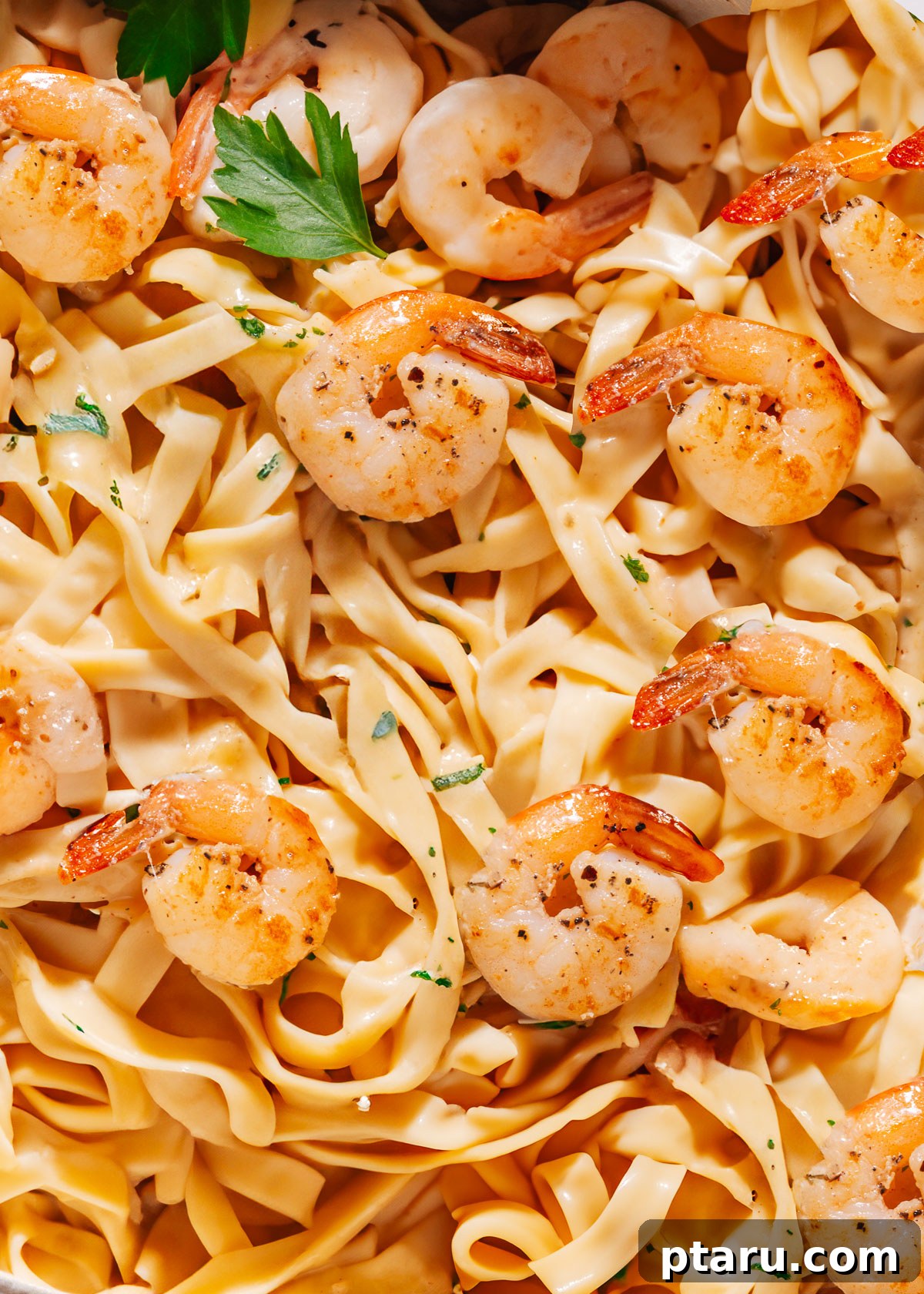
Prepare to be amazed by this incredible Creamy Shrimp Pasta recipe! So exceptional, it will make you forget all about your favorite Italian restaurant. Imagine succulent, perfectly seared shrimp, nestled among tender pasta, all enveloped in a luxuriously rich and velvety lemon-garlic cream sauce. This isn’t just a meal; it’s an experience that brings gourmet dining right to your kitchen table with surprising ease and minimal prep.
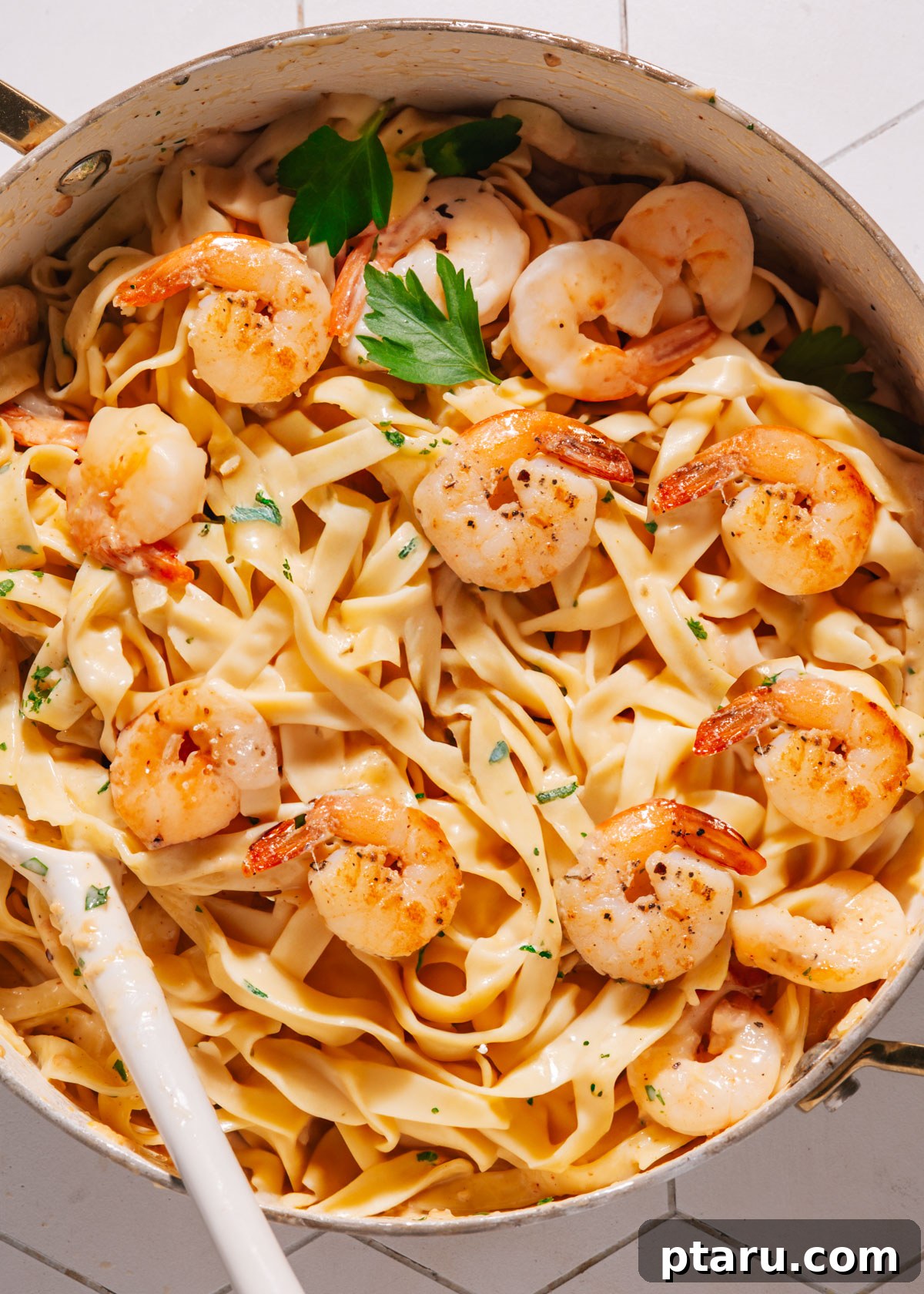
This simple yet sophisticated shrimp pasta recipe delivers undeniable restaurant-quality taste and presentation with close to zero effort. The secret lies in the harmonious blend of bright, zesty lemon and deeply aromatic garlic, which elevate the creamy sauce to an unparalleled level of flavor. It’s a perfect weeknight meal that feels special enough for a weekend celebration, offering comfort and elegance in every forkful. Whether you’re a seasoned chef or a kitchen novice, this recipe is designed for success, ensuring a delicious outcome that will impress family and friends alike.
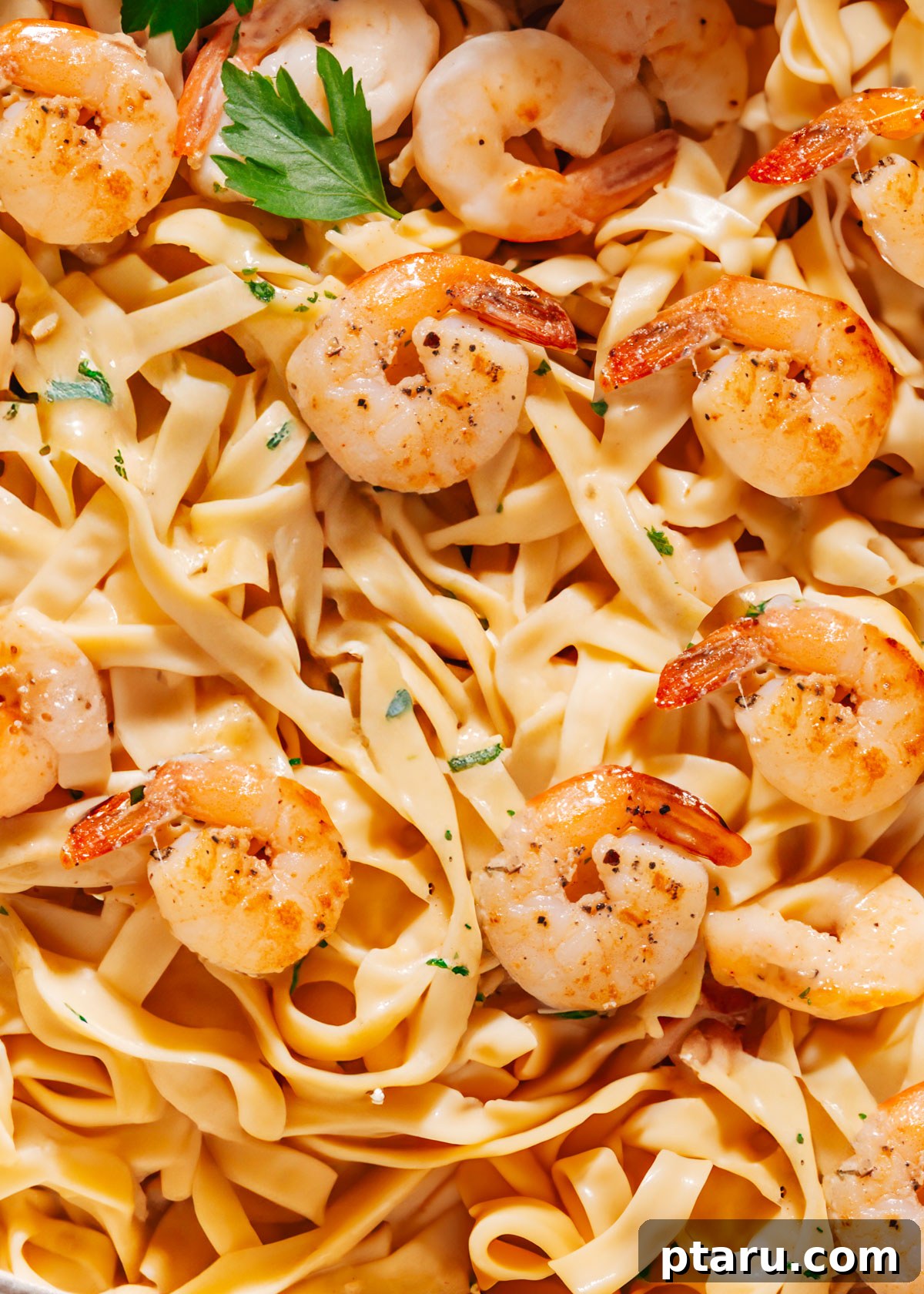
Ingredients for the Ultimate Creamy Shrimp Pasta
To embark on this culinary journey, gather these essential ingredients and a few fundamental tools. The beauty of this dish lies in its reliance on fresh, high-quality components that transform into something truly extraordinary. Each ingredient plays a vital role in building the layers of flavor that make this creamy shrimp pasta so irresistible.
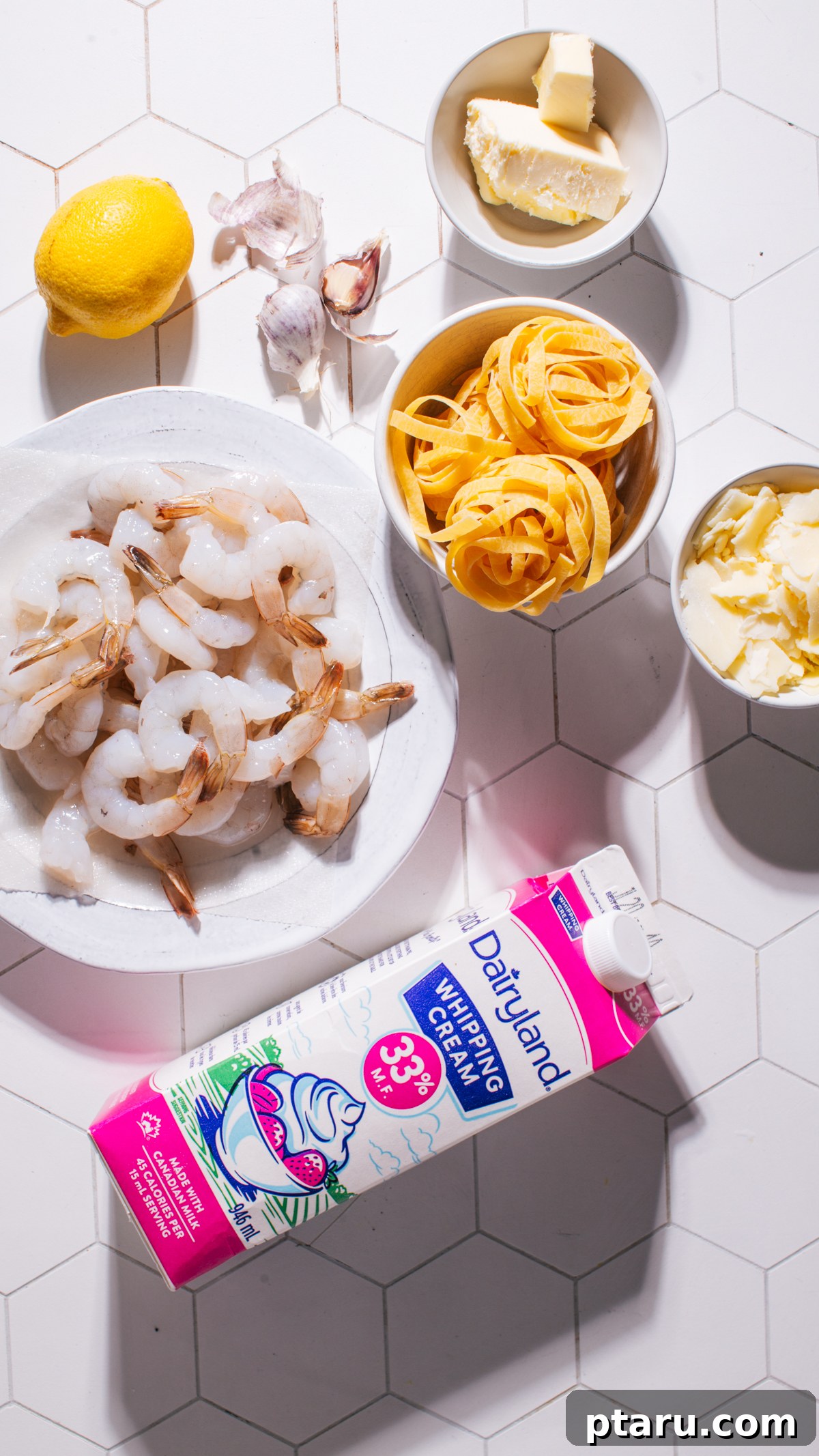
Key Ingredients You’ll Need
These carefully selected pantry favorites and fresh selections are crucial for creating this easy and delicious shrimp pasta. Opting for quality ingredients makes all the difference in the final taste:
- Shrimp: The star of the dish! Choose fresh, large shrimp (16/20 count per pound is ideal), already peeled and deveined for convenience. Larger, plump shrimp yield a more satisfying, juicy result. If using frozen shrimp, remember to thaw them thoroughly in the refrigerator overnight or under cold running water, then pat them completely dry before cooking to achieve that coveted golden sear.
- Kosher Salt and Freshly Ground Black Pepper: These are more than just seasonings; they are flavor enhancers. Proper seasoning at each stage—for the shrimp, the pasta water, and especially the rich sauce—is paramount for bringing out all the yummy flavors and balancing the entire dish, ensuring a truly restaurant-quality experience.
- Olive Oil: A good quality extra virgin olive oil provides the perfect medium for sautéing the shrimp, imparting a light, fruity, and aromatic foundation without overpowering the delicate seafood flavor. Its higher smoke point compared to butter makes it ideal for searing.
- Unsalted Butter: Indispensable for creating a truly luxurious cream sauce. Butter adds an incredible richness and contributes to a velvety smooth texture that coats the pasta beautifully. Using unsalted butter allows you to precisely control the overall saltiness of your dish.
- Fresh Garlic: Absolutely vital for the robust flavor profile of this dish. Use freshly minced garlic, not powdered, for the best and most aromatic results. Aim for finely minced garlic to ensure its potent flavor is evenly distributed without being overtly chunky.
- Heavy Cream: The cornerstone of our luscious, creamy sauce. Heavy cream (also known as whipping cream or 35% m.f. cream) creates a decadent and smooth base that will generously coat every strand of pasta and every piece of shrimp, making each bite incredibly satisfying.
- Lemon Zest and Fresh Lemon Juice: This dynamic duo brings crucial brightness and acidity. Lemon zest infuses the sauce with an aromatic citrus essence, while fresh lemon juice adds a tangy counterpoint that cuts through the richness of the cream, lifting all the other flavors and preventing the dish from tasting too heavy. Always use fresh lemons for optimal flavor.
- Parmesan Cheese: Freshly grated high-quality Parmesan cheese (or Parmigiano-Reggiano) is non-negotiable. Its nutty, salty, umami-rich flavor melts seamlessly into the creamy sauce, adding depth, complexity, and that signature Italian finish. Pre-grated cheeses often contain anti-caking agents that can make the sauce gritty.
- Fresh Herbs (Chives or Parsley): A final flourish of minced fresh chives or Italian parsley provides a vibrant pop of color, a hint of herbaceous freshness, and an appealing aroma that brightens the entire dish and adds a professional, gourmet touch.
Substitutions and Creative Variations
While this recipe is perfect as is, it’s also wonderfully adaptable, allowing you to customize it based on your preferences, dietary needs, or what ingredients you have readily available. Don’t be afraid to get creative!
- Protein Swaps: If shrimp isn’t your preference, or you simply want to try something new, this recipe is incredibly versatile with other proteins.
- Chicken: Replace shrimp with bite-sized pieces of chicken breast or thighs. Sauté them until golden brown and cooked through before you begin preparing the sauce.
- Scallops: For a slightly sweeter, more delicate seafood flavor, use plump sea scallops. Sear them quickly, just like shrimp, until they develop a golden crust and are cooked through.
- Vegetarian Option: For a delightful meatless meal, omit the shrimp entirely and load up on your favorite vegetables such as sautéed mushrooms, bell peppers, asparagus, or zucchini ribbons.
- Pasta Choices: The type of pasta you choose can significantly influence the dish’s texture and how effectively the sauce clings.
- Long Pasta: I highly recommend using long, broad pasta shapes like spaghetti, fettuccine, tagliatelle, or linguine. Their surfaces are excellent for capturing and holding the rich cream sauce, ensuring every bite is flavorful. (For a deeper dive into pasta shapes, you might explore the nuances between fettuccine, linguine, and tagliatelle).
- Short Pasta: If you prefer, short pasta shapes like penne, rigatoni, or farfalle can also work well, especially if you enjoy scooping up more sauce with each bite.
- Whole Wheat Pasta: For a nuttier flavor profile and an increase in dietary fiber, consider using whole wheat pasta. Just be mindful that it might require slightly longer cooking times and a bit more liquid for the sauce.
- Gluten-Free Pasta: For those with dietary restrictions, gluten-free pasta is a fantastic alternative. Many high-quality varieties are available today that offer excellent texture and hold up beautifully in creamy sauces.
- Flavor Boosters and Add-ins: Enhance the complexity and vibrancy of your sauce with these delicious additions:
- Red Pepper Flakes: A tiny pinch of red pepper flakes, added with the garlic, will introduce a subtle warmth and a gentle kick of heat, perfect for those who appreciate a touch of spice.
- Sun-Dried Tomatoes: Roughly chopped, oil-packed sun-dried tomatoes (drained well) can be sautéed with the garlic to infuse the sauce with a rich, tangy, and intensely umami depth.
- White Wine: After cooking the garlic, deglaze the pan with a splash (about ¼ cup) of dry white wine, such as Sauvignon Blanc or Pinot Grigio. Allow it to reduce by half before adding the cream; this step adds an extra layer of sophisticated flavor and acidity.
- Spinach or Arugula: Stir in a handful of fresh spinach or arugula at the very end with the pasta and shrimp. The residual heat will wilt them perfectly, adding a healthy green element and a slight peppery bite.
- Cheese Variations: While Parmesan is the classic choice, other hard Italian cheeses can offer intriguing flavor shifts to your sauce.
- Pecorino Romano: This sheep’s milk cheese offers a sharper, saltier, and more piquant flavor than Parmesan. If substituting, you might use slightly less as its intensity can be more pronounced.
- Asiago: A semi-hard cheese with a milder, nuttier, and slightly sweet flavor profile. It provides a different, delicate dimension to the cream sauce.
- Dairy-Free Alternative: For those avoiding dairy, a high-quality dairy-free Parmesan substitute or a generous amount of nutritional yeast can provide a savory, cheesy umami note.
Essential Tools for Your Kitchen
You don’t need a gourmet kitchen full of specialized gadgets to create this incredible and surprisingly simple recipe. Just a few basic, everyday tools will efficiently get the job done and ensure a smooth cooking process:
- Large Pasta Pot: Essential for cooking your pasta evenly in a generous amount of well-salted water, allowing the pasta to move freely and cook perfectly al dente.
- Large Skillet (10-12 inch or larger): A wide, heavy-bottomed skillet is absolutely crucial. It provides sufficient surface area for searing the shrimp without crowding them, and then it becomes the perfect vessel for building the rich cream sauce, ensuring even heat distribution.
- Whisk: Your best friend for creating a smooth and lump-free sauce. A whisk efficiently incorporates the heavy cream and finely-grated Parmesan cheese, ensuring a silky, cohesive texture.
- Tongs: Incredibly useful for flipping shrimp quickly and efficiently during searing, and indispensable for tossing the cooked pasta with the luxurious sauce to ensure every strand is perfectly coated.
- Fine Grater or Microplane (Zester): Ideal for zesting your lemon to capture its aromatic oils and for finely grating fresh Parmesan cheese, which melts more smoothly into the sauce than pre-shredded varieties.
- Colander: For easily draining your cooked pasta while reserving the precious pasta water.
How to Make Creamy Shrimp Pasta: An Easy Step-by-Step Guide
Follow this detailed, easy-to-understand, step-by-step guide to create a restaurant-worthy creamy shrimp pasta in the comfort of your home. Precision and proper timing are key to success, transforming simple ingredients into a gourmet delight!
Step 1: Cook the Pasta to Perfection
Bring a large pot of generously salted water to a rolling boil. Remember, adding salt at this stage is absolutely vital for seasoning the pasta from within, enhancing its flavor before it even meets the sauce. Once boiling vigorously, add your chosen pasta (spaghetti, fettuccine, or linguine are great choices) and cook according to the package instructions until it reaches a perfect al dente texture – firm to the bite but not hard. Drain the pasta thoroughly using a colander, ensuring you reserve about ½ cup of the starchy pasta water. This liquid is a secret weapon for adjusting your sauce’s consistency later.
Step 2: Sear the Shrimp for Maximum Flavor
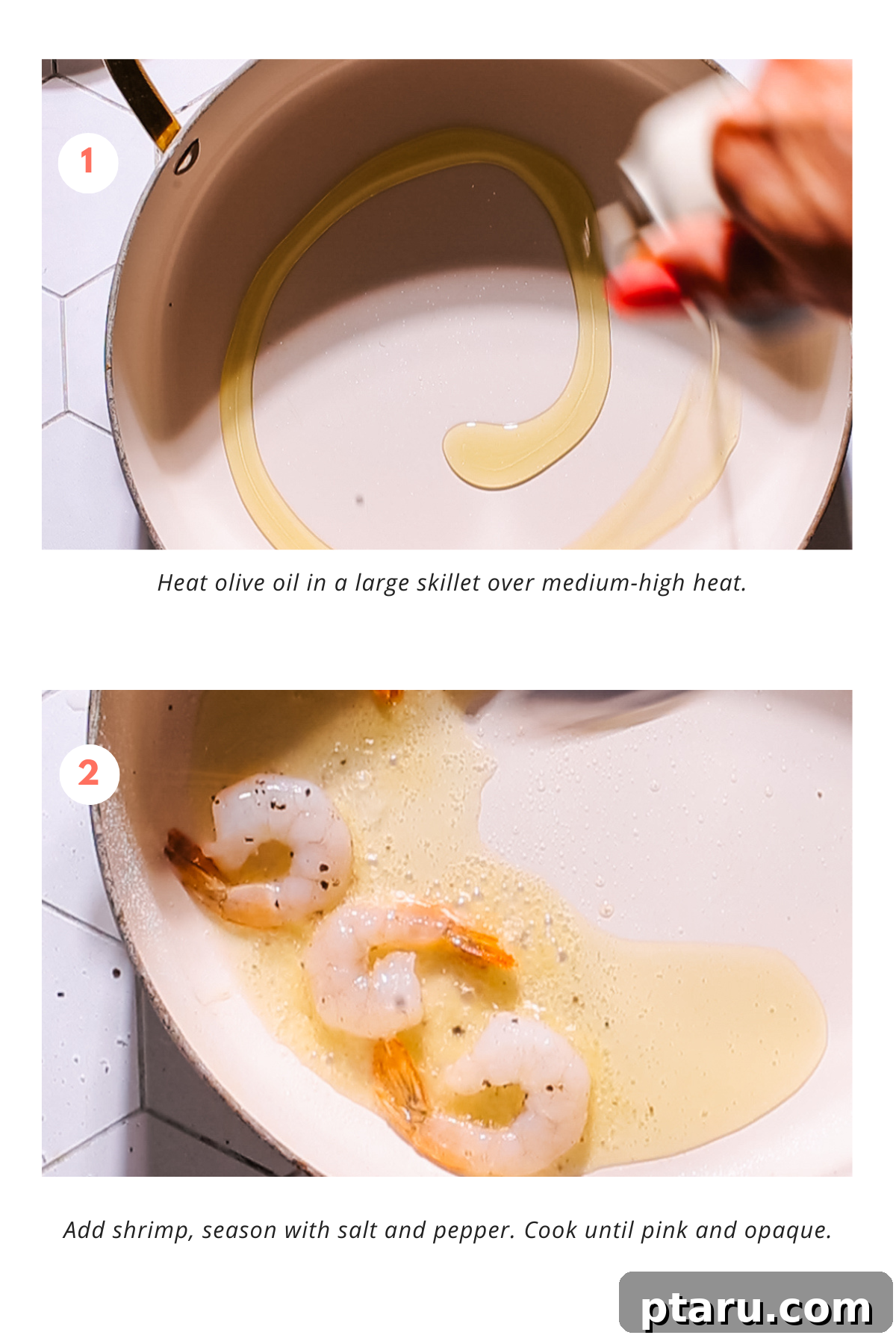
While the pasta cooks, dedicate your attention to the shrimp. Pat your peeled and deveined shrimp completely dry with paper towels – this is a critical step for achieving a proper sear, as any excess moisture will steam the shrimp instead of allowing it to caramelize and develop that beautiful golden-brown crust. Heat the olive oil in your large skillet over medium-high heat until it shimmers, indicating it’s hot enough. Add the dried shrimp in a single layer, ensuring not to overcrowd the pan (cook in batches if necessary). Season them generously with kosher salt and black pepper. Cook the shrimp for only 2-3 minutes per side, or until they turn pink and opaque throughout and develop a beautiful, flavorful crust. Overcooked shrimp become rubbery, so watch them closely! Once cooked, remove the shrimp from the skillet and set aside. Do not wipe out the pan; those browned bits (fond) left behind are pure flavor gold and will contribute immensely to your sauce.
Step 3: Build the Aromatic Cream Sauce Base
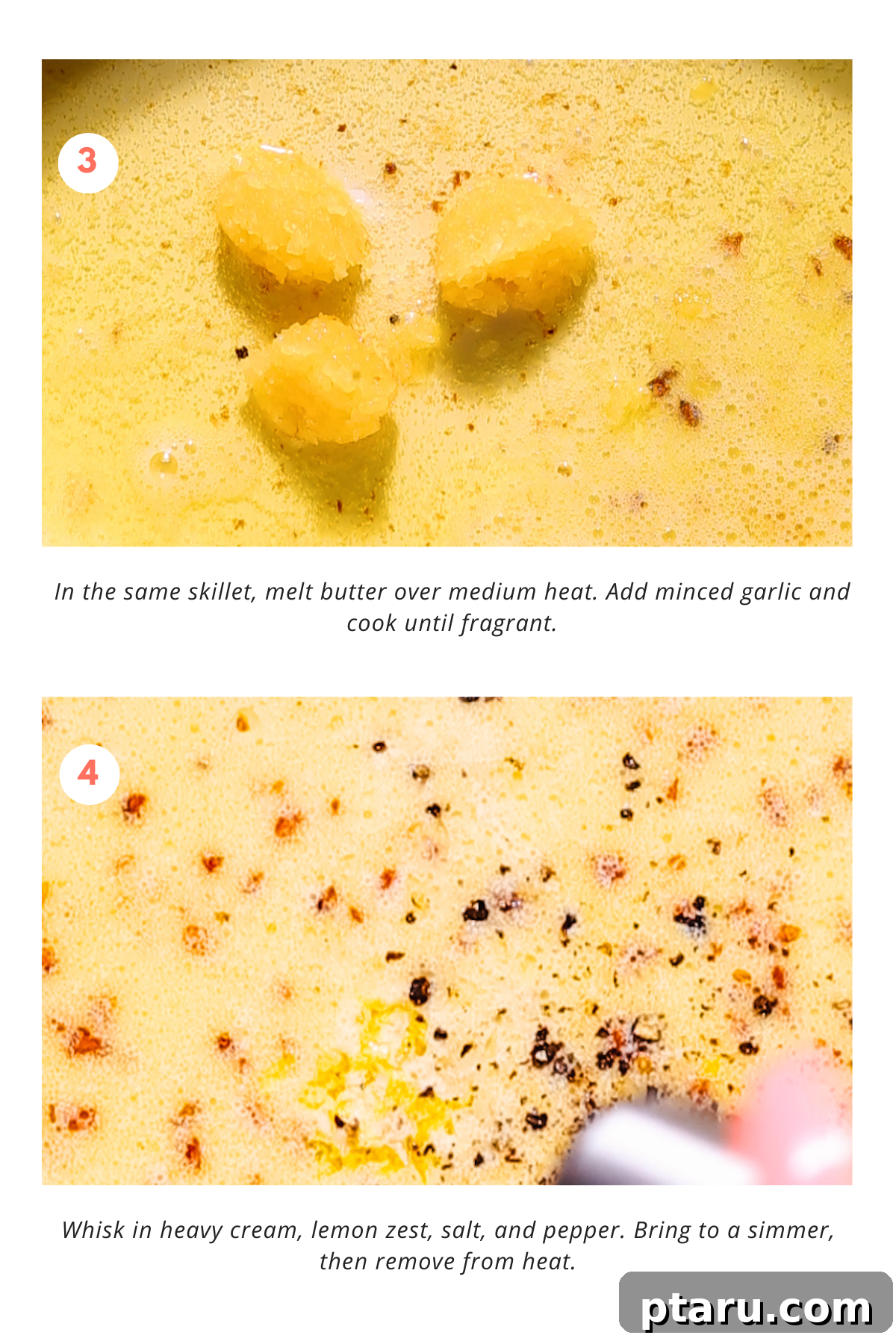
Using the same skillet (capitalizing on those delicious fond bits left from the shrimp), reduce the heat to medium. Add the unsalted butter and allow it to melt completely. Once melted and slightly bubbling, add the minced garlic and cook for about 1 minute, stirring constantly until it becomes wonderfully fragrant and lightly golden. Be vigilant here; burnt garlic will taste bitter and can ruin the sauce. As you stir, gently scrape up any browned bits from the bottom of the pan to incorporate them into the butter and garlic mixture, adding immense depth of flavor to your sauce base.
Next, whisk in the heavy cream, the aromatic lemon zest, and additional salt and pepper to taste. Continue whisking as you bring the sauce to a gentle simmer, just until it begins to thicken slightly and small bubbles appear around the edges. As soon as it reaches this point, immediately remove the skillet from the heat. This crucial step is important for preventing the cream from curdling later and maintaining a smooth, cohesive sauce.
Step 4: Finish the Velvety Sauce
With the skillet still off the heat, whisk in the finely-grated Parmesan cheese until the sauce is completely smooth, lump-free, and luxuriously creamy. The residual heat from the pan will be sufficient to melt the cheese beautifully without causing it to clump or separate. Once smooth, stir in the fresh lemon juice. At this point, taste the sauce and adjust the seasoning if needed; the lemon juice might require a tiny bit more salt to perfectly balance the flavors. If the sauce seems too thick for your preference, you can gradually add a tablespoon or two of the reserved starchy pasta water, whisking until you reach your desired consistency.
Step 5: Combine and Serve Immediately
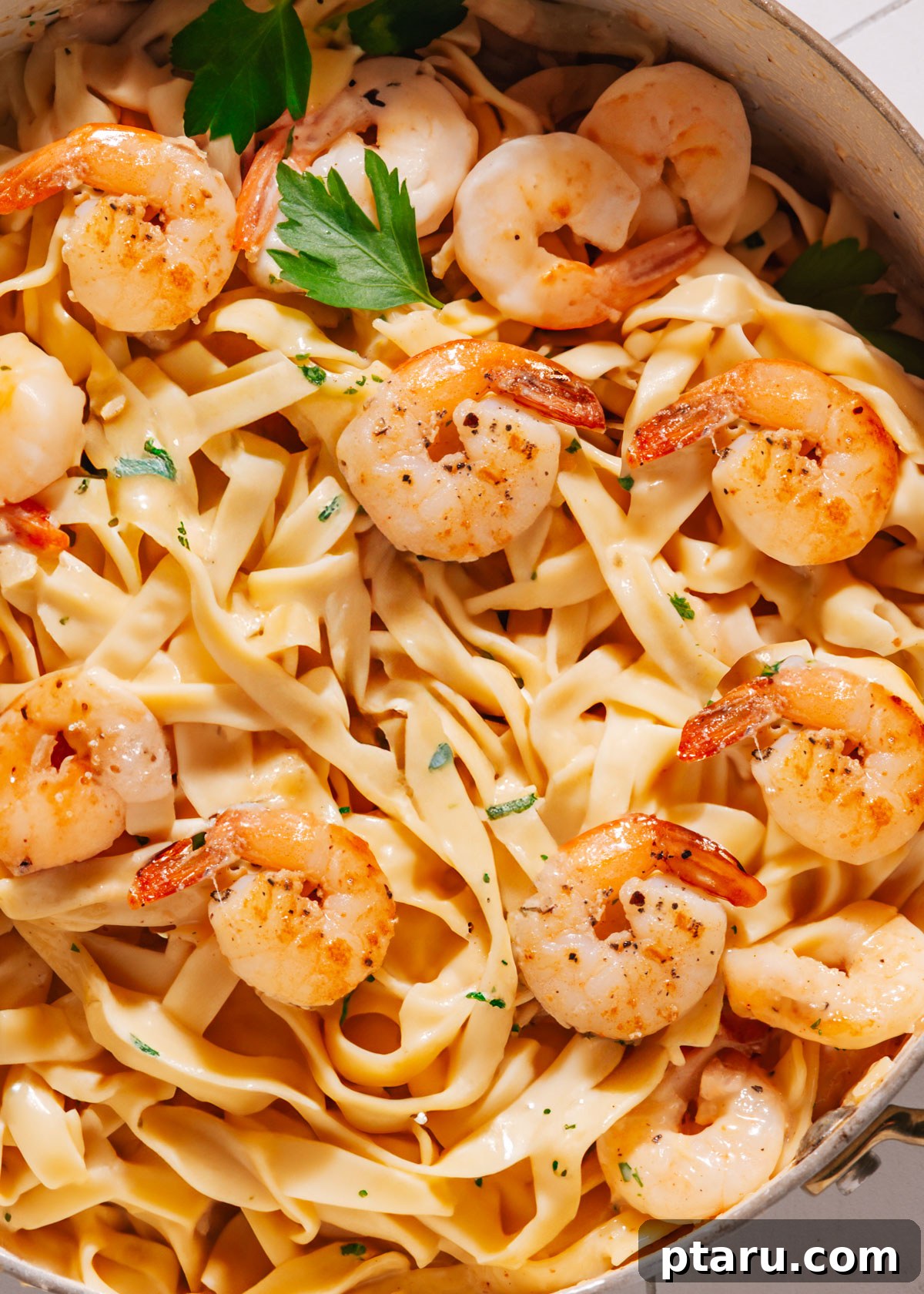
Return the cooked al dente pasta and the perfectly seared shrimp to the skillet with the finished cream sauce. Using tongs, toss everything gently but thoroughly to ensure every strand of pasta and every succulent piece of shrimp is evenly coated in the rich, luscious sauce. The warmth of the pasta will help the sauce adhere perfectly. Serve your creamy shrimp pasta immediately in warm bowls to maintain its optimal temperature and texture. For a final flourish and a burst of fresh flavor, garnish generously with minced fresh chives or parsley. Enjoy this truly gourmet meal that tastes like it came straight from a fine Italian eatery!
Common Mistakes When Making Creamy Shrimp Pasta
As a food scientist, I love sharing insights that help you master your cooking. Even with seemingly simple recipes, there are common pitfalls that can diminish the final result. Avoiding these typical trip-ups will ensure your creamy shrimp pasta turns out perfect every time, tasting truly exceptional and professional:
- Missing the Perfect Shrimp Sear: A prevalent oversight is not achieving a beautiful golden-brown sear on your shrimp, which is crucial for flavor and texture.
- The Fix: Always start with shrimp that are thoroughly patted dry with paper towels. Any excess moisture on the surface will cause the shrimp to steam instead of sear, preventing the desirable caramelization that adds so much flavor and an appealing golden color to the dish. Preheat your large skillet for several minutes over medium-high heat until it’s super hot before adding the olive oil and then the shrimp. Once the shrimp are in the pan, resist the urge to move them immediately! Let them cook undisturbed until they easily release from the pan and are nicely browned on the underside. They will do most of their cooking on this first side to ensure that gorgeous sear, then flip for a quick finish.
- Overcooking the Shrimp: Shrimp cook incredibly quickly, and even a minute too long can transform them from succulent to rubbery and tough.
- The Fix: Keep a very close eye on your shrimp. They typically require only 2-3 minutes per side, or just until they turn pink and opaque throughout. Remove them from the heat immediately once they reach this point. Remember that they will continue to cook slightly from residual heat once removed from the pan, and they will be added back to the warm pasta sauce later, where they’ll cook a tiny bit more.
- Under-Seasoning the Dish: A bland or lackluster dish is almost always a result of insufficient seasoning at various stages of the cooking process.
- The Fix: Salt and pepper are flavor amplifiers that build depth. Don’t skimp on seasoning the shrimp before searing; this is their only chance to absorb individual flavor. Crucially, remember to generously salt your pasta water; it’s the only opportunity to season the pasta itself from within. Finally, taste and adjust the seasoning of your cream sauce multiple times throughout its preparation, especially after adding the lemon juice and cheese. A little pinch here and there can make all the difference between good and outstanding.
- Allowing the Sauce to Separate or Curdle: A beautifully creamy sauce should be smooth, cohesive, and velvety, not broken or grainy.
- The Fix: After adding the heavy cream, maintain a gentle simmer; never let it come to a rapid boil. High heat can cause the fat and liquid in the cream to separate, leading to a broken sauce. More importantly, remove the skillet from the heat *before* whisking in the Parmesan cheese. The gentle residual heat from the pan will be enough to melt the cheese beautifully and seamlessly without risking separation, ensuring your sauce remains wonderfully smooth and creamy. If it does thicken too much, a splash of warm reserved pasta water can help loosen it up.
Make Ahead and Storage Tips for Convenience
While this creamy shrimp pasta is undeniably at its best when enjoyed fresh, thoughtful preparation can significantly streamline your cooking process. Although it’s not ideal for freezing, you can prepare certain components ahead of time to make meal prep easier:
- Cooked Pasta: You can prepare the pasta up to 1 day in advance. After draining, toss it lightly with a tiny bit of olive oil to prevent sticking and refrigerate. Store it in an airtight container. When ready to use, a quick dip in boiling water for 30 seconds or a rinse under hot tap water will refresh it.
- Shrimp: The shrimp can be cooked ahead of time and stored in an airtight container in the refrigerator for up to 1 day. This saves valuable cooking time on the day you plan to serve the dish.
- Sauce: The cream sauce can also be made in advance and stored in an airtight container in the refrigerator for up to 2 days. When reheating, do so gently over low heat, whisking constantly, and adding a splash of cream or broth if it has thickened too much to restore its original consistency.
Storage Instructions for Leftovers
If you have any delicious leftovers (which is rare with this recipe!), store them promptly in an airtight container in the refrigerator for up to 3 days. While this dish is delectable when freshly made, it still makes a wonderful next-day meal.
Freezing Recommendation: I do not recommend freezing this dish. The delicate texture of the shrimp can become tough and rubbery upon thawing and reheating. Furthermore, cream-based sauces tend to separate, becoming grainy or oily after freezing and thawing, which compromises the luxurious texture of the sauce.
Reheating Leftovers: Reheat leftovers gently on the stove over low heat, stirring frequently and patiently. If the sauce has thickened significantly, which often happens when it cools, add a splash of extra cream, milk, or even a little chicken or vegetable broth to bring it back to a smooth, luscious consistency. Avoid reheating in the microwave if possible, as it can easily overcook the shrimp and dry out or break the delicate cream sauce.
Perfect Pairings: What to Serve with This Creamy Shrimp Pasta
This luxurious creamy shrimp pasta is a satisfying and complete meal in itself, but it truly shines when complemented by a fresh, vibrant side dish to balance its richness. Consider these delightful accompaniments to enhance your dining experience:
- Fresh Side Salad: A crisp green salad with a light vinaigrette is always a perfect complement to a rich pasta dish. Options like an easy Fresh Peach Caprese Salad or a refreshing, summery Watermelon, Goat’s Cheese, and Mint Salad would add wonderful contrast, brightness, and a burst of fresh flavors.
- Garlic Bread or Crusty Ciabatta: Don’t let a single drop of that amazing, flavorful sauce go to waste! Serve your pasta with warm, crusty garlic bread or a simple, rustic piece of ciabatta bread. It’s perfect for soaking up every last bit of the delicious lemon-garlic cream sauce.
- Steamed or Roasted Vegetables: Lightly steamed asparagus, tender roasted broccoli florets, or crisp green beans simply tossed with a squeeze of lemon and a sprinkle of salt would add an excellent nutritional boost and a pleasant textural variety to the meal.
- Elegant White Wine: A crisp, dry white wine like a Sauvignon Blanc, Pinot Grigio, or an unoaked Chardonnay would pair beautifully with the delicate lemon and seafood flavors of the dish, elevating the entire meal.
Curious for More Side Dish Ideas?
If you’re eager for even more inspiration to complete your pasta meals, I’ve curated a comprehensive collection of the best side dishes for pasta. This guide features popular ideas, creative inspirations, and delicious recipes that will perfectly complement any pasta dish you prepare.
FAQs: Frequently Asked Questions About Creamy Shrimp Pasta
Whizzing through this delicious recipe post and have a few lingering questions? Here are some of the most common inquiries about making perfect shrimp pasta, so you don’t miss any essential tips or details:
Can I use frozen shrimp instead of fresh for this recipe?
Absolutely! Frozen shrimp work perfectly well for this recipe and are often more convenient. The most important step is to ensure they are fully thawed before cooking. You can thaw them overnight in the refrigerator or quickly under cold running water. Once thawed, pat them extremely dry with paper towels to prevent them from steaming in the pan and to achieve that desirable golden sear, which is crucial for flavor and texture.
What can I use as a substitute for Parmesan cheese in the sauce?
While Parmesan offers a unique depth and umami, several excellent substitutes can be used to achieve a delicious cheesy flavor. Pecorino Romano provides a sharper, saltier, and more piquant flavor. Asiago cheese offers a milder, nuttier, and slightly sweet profile. For a dairy-free option, nutritional yeast can impart a savory, cheesy essence, or you can find high-quality dairy-free Parmesan alternatives in most specialty grocery stores.
How can I add more vegetables to this shrimp pasta dish?
Incorporating more vegetables is a fantastic idea to boost nutrition, color, and flavor. You can sauté fresh spinach, thinly sliced bell peppers, or halved cherry tomatoes along with the garlic in the skillet. Alternatively, add zucchini ribbons or blanched asparagus spears to the sauce right before combining with the pasta and shrimp. Green peas can also be stirred in at the very end for a pop of color and sweetness.
Can I use a different type of sauce for the shrimp and pasta?
While this recipe focuses on a luscious lemon cream sauce, shrimp are incredibly versatile and pair well with various flavors. You could certainly adapt it to a tomato-based sauce for a marinara-style shrimp pasta, or a light white wine and garlic sauce for a different, often lighter, flavor profile. Just ensure to adjust the seasoning and cooking times accordingly to suit the different sauce components and their ingredients.
What if my cream sauce is too thick or too thin?
Achieving the perfect sauce consistency is key. If your sauce becomes too thick, slowly whisk in a tablespoon or two of warm reserved pasta water (the starchy water is ideal) or a splash of chicken or vegetable broth until it reaches your desired consistency. If it’s too thin, let it simmer gently for a few more minutes (without boiling rapidly) to allow it to reduce and thicken slightly, or stir in a little more finely grated Parmesan cheese, which will help bind and thicken it.
Psst. Are you head-over-heels in love with seafood pasta recipes, especially those enveloped in a creamy sauce? I completely understand the obsession! If you crave more oceanic deliciousness, you absolutely must dive into my Lobster Ravioli in Cream Sauce, explore this vibrant and wholesome Shrimp Alfredo with Chard and Zucchini, or indulge in this truly stunning and elegant Creamy Lobster Pasta. Each offers a unique and delightful creamy seafood pasta experience!
Other Irresistible Pasta Recipes You’ll Love
For all my fellow pasta enthusiasts and comfort food lovers, here are a few more must-try recipes from my collection that promise incredible flavor, comforting textures, and easy preparation:
- Beet Pasta with the Perfect Pink Sauce! – A visually stunning and surprisingly delicious vegetarian pasta dish with a vibrant, naturally pink sauce.
- Creamy Pumpkin and Sage Pasta – A cozy, aromatic, and deeply flavorful dish, absolutely perfect for autumn evenings or whenever you crave a comforting, creamy meal.
- One-Pot Ricotta Pasta with Spinach and Kale – An incredibly easy, wholesome, and satisfying meal made entirely in a single pot, minimizing cleanup and maximizing flavor.
- Penne Alfredo Pasta – Master the classic, simple Alfredo sauce with this recipe; it’s so easy and delicious, you’ll want to make it again and again as a staple.
- Mushroom Pappardelle – Earthy, savory mushrooms tossed with broad, tender pappardelle pasta in a rich, deeply satisfying sauce, a true treat for mushroom lovers.
Rated 5 out of 5 stars by 7 readers.
Creamy Lemon-Garlic Shrimp Pasta (Easy & Delicious!)
Jennifer Pallian BSc, RD
15
24
39
4
Video Walkthrough
Ingredients
- 12 oz long pasta (such as spaghetti, fettuccine, or linguine)
- 12 oz fresh shrimp, peeled and deveined (large size recommended)
- Salt, Kosher salt recommended, to taste (for pasta water, shrimp, and sauce)
- Freshly ground black pepper, to taste
- 1 tbsp olive oil (high quality)
- 4 tbsp unsalted butter
- 3 cloves garlic, minced (freshly minced for best flavor)
- ¾ cup heavy cream (whipping cream or 35% m.f. cream)
- 1½ tsp lemon zest
- 1 tbsp fresh lemon juice
- ½ cup finely-grated Parmesan cheese (freshly grated is essential)
- Minced fresh chives or parsley, for garnish
Instructions
- Prepare Pasta: Bring a large pot of water to a rolling boil and season it generously with salt. Add the pasta and cook according to package directions until al dente. Drain, reserving about ½ cup of the starchy pasta water.
- Cook Shrimp: Meanwhile, pat the shrimp very dry. Heat 1 tbsp olive oil in a large skillet over medium-high heat until shimmering. Add the shrimp, season with ½ tsp kosher salt and a few cracks of black pepper. Cook for 2-3 minutes per side, or until pink, opaque, and beautifully seared. Remove shrimp and set aside. Do not clean the pan.
- Sauté Aromatics: In the same skillet, reduce the heat to medium. Add 4 tbsp butter and melt. Add the minced garlic and cook for 1 minute until fragrant, scraping up any browned bits from the bottom of the pan as you stir. Be careful not to burn the garlic.
- Whisk in Cream: Whisk in the heavy cream, lemon zest, another ½ tsp kosher salt, and a few cracks of black pepper. Bring to a gentle simmer, then immediately remove the skillet from the heat to prevent curdling.
- Finish Sauce: Off the heat, whisk in the finely-grated Parmesan cheese until the sauce is smooth and luxurious. Stir in the 1 tbsp fresh lemon juice. If the sauce is too thick, add a splash of reserved pasta water to reach your desired consistency.
- Combine & Serve: Add the cooked pasta and seared shrimp back into the skillet with the sauce. Toss gently to coat everything evenly. Serve immediately in warm bowls, garnished with minced fresh chives or parsley.
Notes on the Recipe
Pre-Cooked Shrimp: If using pre-cooked shrimp, add them to the sauce just before tossing with pasta, allowing them to heat through for only 1-2 minutes to avoid overcooking.
Cheese Alternatives: Feel free to substitute Parmesan with Pecorino Romano for a sharper flavor or Asiago for a milder, nutty alternative.
Storage: Store any leftovers in an airtight container in the refrigerator for up to 2-3 days. Reheat gently on the stovetop with a splash of cream or milk. Freezing is not recommended.
Presentation Tip: For an appealing presentation, set aside a few of the best-looking seared shrimp to artfully arrange on top of individual portions before serving.
Nutrition Information (Approximate Per Serving)
Carbohydrates: 66g |
Protein: 34g |
Fat: 36g |
Saturated Fat: 20g |
Polyunsaturated Fat: 2g |
Monounsaturated Fat: 11g |
Trans Fat: 0.5g |
Cholesterol: 227mg |
Sodium: 412mg |
Potassium: 486mg |
Fiber: 3g |
Sugar: 4g |
Vitamin A: 1115IU |
Vitamin C: 3mg |
Calcium: 261mg |
Iron: 2mg
Nutrition information is automatically calculated and should only be used as an approximation. Individual results may vary based on ingredient brands and preparation methods.
Loved this recipe? Share your thoughts!Leave a comment below and let us know how your creamy shrimp pasta turned out!